Tag: Vietnam

  • Mobile virtual network operators hold 1% market share

    Mobile virtual network operators hold 1% market share

    With over one million subscribers, the country’s three mobile virtual network operators, who piggyback on large telecom companies, have a market share of 1%.

    iTel, Reddi and Local do not have their own infrastructure or radio frequencies and instead pay to use VinaPhone, Viettel, MobiFone, Vietnamobile, or Gtel’s.

    iTel, which depends on VinaPhone’s infrastructure and frequencies, has one million subscribers, according to the Ministry of Information and Communications.

    It reported revenues of VND442 billion ($18.4 million) this year, 4.5 times the whole of last year’s, and profits of VND28 billion.

    Reddi, which has nearly 50,000 subscribers, saw sales of VND15 billion. It had losses of VND27.8 billion and VND55.9 billion in 2020 and 2021.

    Local, which launched its services in mid-2022, focuses on providing low-cost data packages, which are preferred by young people.

    In April Digilife Vietnam Digital Services Company received a mobile virtual network operator’s license but has yet to begin offering services.

    Such companies focus on attracting customers interested in large data packages at reasonable charges such as workers, students and foreign tourists.

    Vietnam had nearly 120 million mobile phone subscribers, including some 93.7 million using smartphones, according to the ministry.

  • Brewer Sabeco profits up 75% in 9 months

    Brewer Sabeco profits up 75% in 9 months

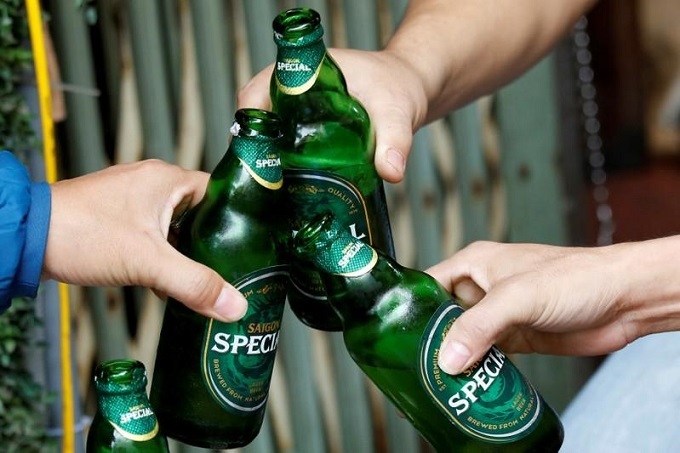
    Vietnam’s biggest brewer Sabeco gained after-tax profits exceeding VND4.42 trillion ($1=VND24,800) in the first nine months of 2022, a year-on-year surge of 75%.

    Sabeco’s revenues surpassed VND25.1 trillion, up 44% on-year, according to its latest financial statements. Meanwhile, the firm spent over VND1.8 trillion on advertisements and promotions.

    In the third quarter, Sabeco made revenues of over VND8.635 trillion, doubling last year’s figures, and after-tax profits of more than VND1.3 trillion, nearly treble the previous amount.

    Bao Viet Securities said the brewer’ beer selling prices would increase 10% this year against 2021, amid room for Vietnam’s beer industry to grow.

    The country produced over 4.3 billion liters of beer in the first nine months, up nearly 36% against the same period last year, and up 15.5% against the same period of 2019, the pre-Covid period, according to the General Statistics Office.

    Vietnam is the biggest beer consumer in Southeast Asia and the ninth biggest in the world, according to Japanese drinks company Kirin Holdings, with demand likely to grow further as a large young population reaches adulthood, Nikkei reported.

  • Vietnamese currency falls to record low against dollar

    Vietnamese currency falls to record low against dollar

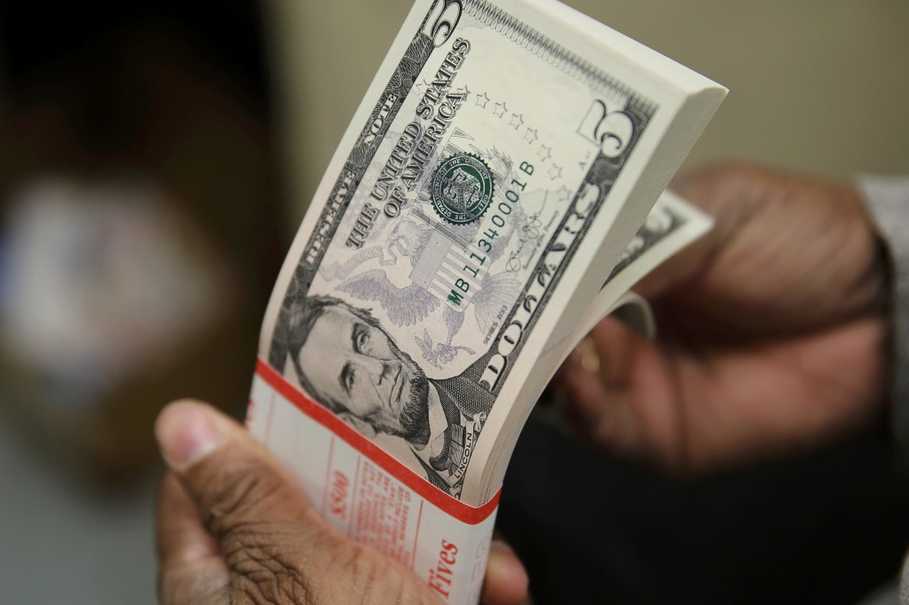
    The dong depreciated to a new low against the U.S. dollar Wednesday morning, with state-owned Vietcombank selling the greenback at VND24,620 at 11.30 a.m.

    The Vietnamese currency fell 0.12% from Tuesday and 7.24% since the beginning of the year. Eximbank sold the dollar at VND24,620, 0.24% higher than Tuesday, and Techcombank at VND24,680, 0.33% higher.

    The U.S. Dollar Index, which measures the currency’s strength against six major currencies, is at the highest level since 2002 of around 112.

    Analysts expect the dong to come under more pressure from a surging dollar in the remaining months of this year since the State Bank of Vietnam does not have much reserves left to defend the dong after selling around 20% on it so far this year.

    As up to 70% of all trade contracts in Vietnam are paid in dollars, its continuing strength is bad news for businesses.

  • Electricity shortage likely as gas supply disruption looms

    Electricity shortage likely as gas supply disruption looms

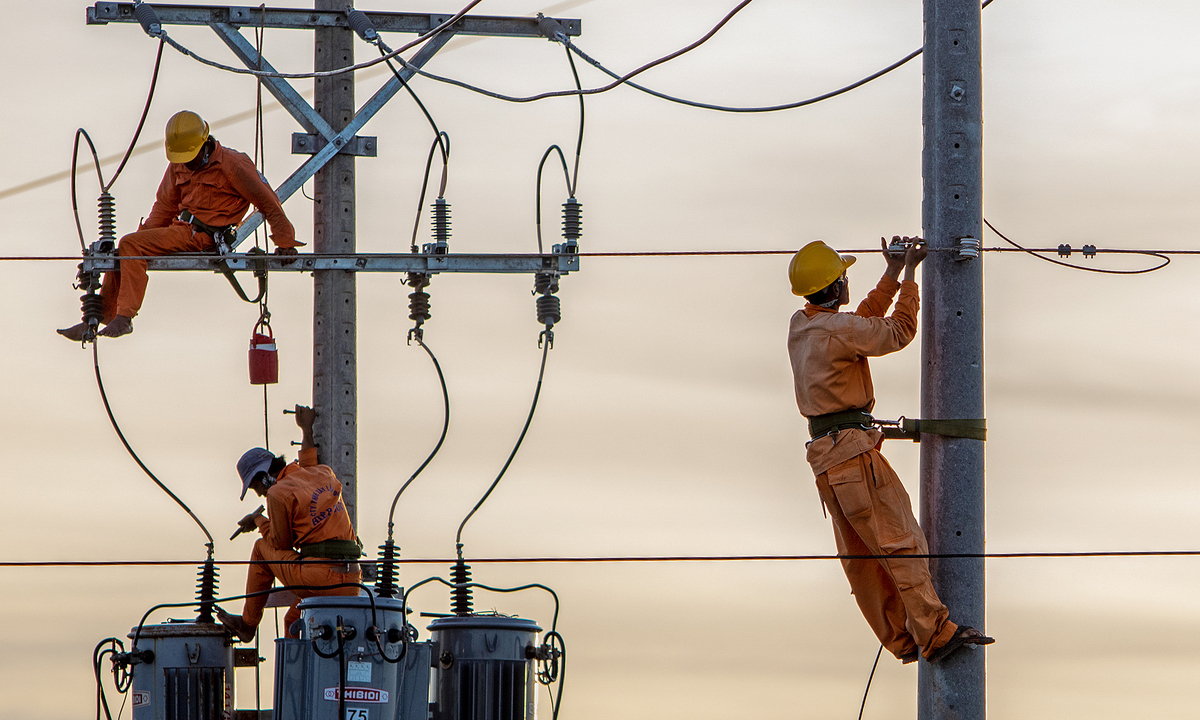
    There could be electricity shortages in the offing since a leading gas firm has to reduce supply to thermal power plants to relocate a rig.

    PetroVietnam Gas Joint Stock Corporation (PVGas) announced that its contractor, Hibiscus of Malaysia, would stop gas supply to the Ca Mau power plant for three days from Oct. 17.

    They are weekdays, when power demand is high, and so to preclude a shortage in the southern region, Vietnam Electricity’s National Load Dispatch Center has urged PVGas not to move the rig on weekdays, but on Sunday when electricity demand is low.

    Otherwise it should reduce supply to other major gas consumers like urea production plants and prioritize supply to power plants, it said.

    The output of gas-fired power plants was nearly 19.7 billion kWh in the first eight months of this year, or around 11% of total production.

  • Vietnam collects $231 mln in taxes from online platforms

    Vietnam collects $231 mln in taxes from online platforms

    The Finance Ministry said online platforms including Facebook and Google have paid VND5.59 trillion (US$231.6 million) in taxes from 2018 to August this year.

    In a report sent to the National Assembly, the ministry said the tax was paid by cross-border and e-commerce platforms, with Facebook and Google contributing the most, at VND2.099 trillion and VND2.115 trillion, respectively.

    They were followed by Microsoft with VND714 billion.

    Last year’s collection of VND1.591 trillion was 39% more than in 2020.

    From the beginning of 2018 until the end of this August, tax authorities collected VND1.082 trillion in taxes from organizations and individuals earning income from doing business online, including VND261 billion collected last year and almost VND521 billion in the first eight months of this year.

    The ministry launched an electronic portal and a mobile application (eTax Mobile) in March for foreign suppliers to declare, register and pay taxes.

    So far, there have been nearly 70,000 transactions made through the portal and app, with more than VND308 billion of tax collected.

    Of this, $22.2 million was paid by 30 major foreign suppliers including Microsoft, Facebook, Netflix, Samsung, TikTok and eBay.

    In order to manage and avoid tax revenue losses in the digital platform business, the finance ministry is working to complete relevant legislation.

    At the end of August, the ministry submitted amendments to Decree 126 issued in 2020, stipulating that e-commerce platforms have to provide information, declare and paying taxes on behalf of sellers.

    The ministry also proposed amending a number of special regulations to ensure a consistent legal basis for the management of e-commerce platforms.

  • Tra fish exports to ASEAN rise by 83%

    Tra fish exports to ASEAN rise by 83%

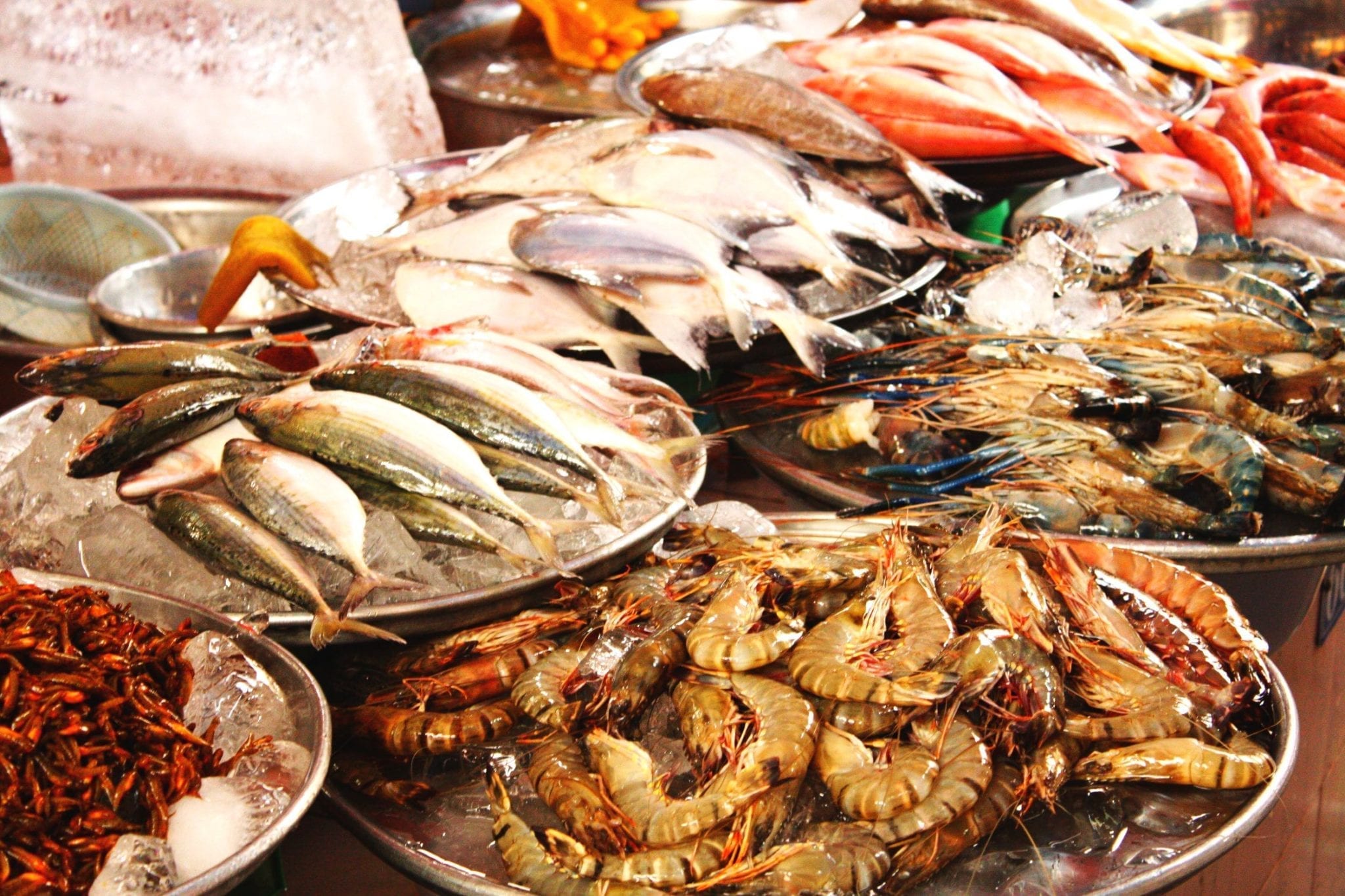
    Vietnam’s tra fish exports to Southeast Asia exceeded US$152 million in the first nine months of this year, a year-on-year increase of over 83%.

    Higher transport costs due to rising fuel prices caused exporters to opt for closer destinations, the Vietnam Association of Seafood Exporters and Producers (VASEP) said, adding that Thailand, Singapore, Malaysia, and the Philippines are the biggest markets for Vietnamese tra fish among the ASEAN nations.

    Shipments to Thailand, Singapore, Malaysia, and the Philippines increased by 81%, 56%, 114%, and 92%.

    Exports to Laos, Cambodia, Myanmar, and Indonesia rose by two to four times.

    ASEAN countries would import more tra fish and become fish and become than the EU soon, VASEP predicted.

    Overall tra fish exports were worth nearly US$1.97 billion in the first nine months, up 83.3%, according to the General Department of Vietnam Customs.

    Its biggest markets were the U.S., China and the EU.

  • iPhone 14 sales fetch millions of dollars

    iPhone 14 sales fetch millions of dollars

    Vietnamese spent millions of dollars buying iPhone 14 smartphones when it was launched on Oct. 14.

    The manager of an electronic retail store estimated more than 55,000 phones, mostly the most expensive version, Pro Max, were sold. “The total revenues were over VND1.5 trillion (US$63.8 million).”

    Many distributors reported record sales. FPT Shop sold 5,000 iPhone 14s right in the early morning on Oct. 14, and a total of over 14,000 worth VND400 billion ($17 million) during the day. It has yet to deliver to over 5,000 buyers.

    The Gioi Di Dong said it has delivered some 12,000 phones, mainly iPhone 14 Pro Max 128 GB and 256 GB to pre-ordered customers. Many other distributors and e-commerce platforms also reported sales of hundreds of billions of dong. Of the four versions of the phone, Pro Max accounted for some 80% of sales.

    Business insiders said the current shortage of Pro and 14 Pro Max versions would continue at least until the end of October. The Gioi Di Dong has to deliver over 20,000 phones yet, and others also have thousands of unfulfilled pre-orders. People looking to buy the Pro Max have to place pre-orders and wait until November for delivery.

    But the two least expensive variants, iPhone 14 and iPhone 14 Plus, are available at most stores.

    Retailers required iPhone 14 buyers to unseal and activate the phone right at the shop to prevent them from reselling at higher prices. However, many iPhone 14 Pros were indeed resold at VND1-2 million higher than the official price, and Pro Maxs at a VND4 million premium.

    According to statistics released by the Ministry of Industry and Trade, Vietnam spent over US$1.2 billion importing iPhones last year.

    Overall, imports of phones and comp

  • Mercedes’s largest dealer hits full-year profit target

    Mercedes’s largest dealer hits full-year profit target

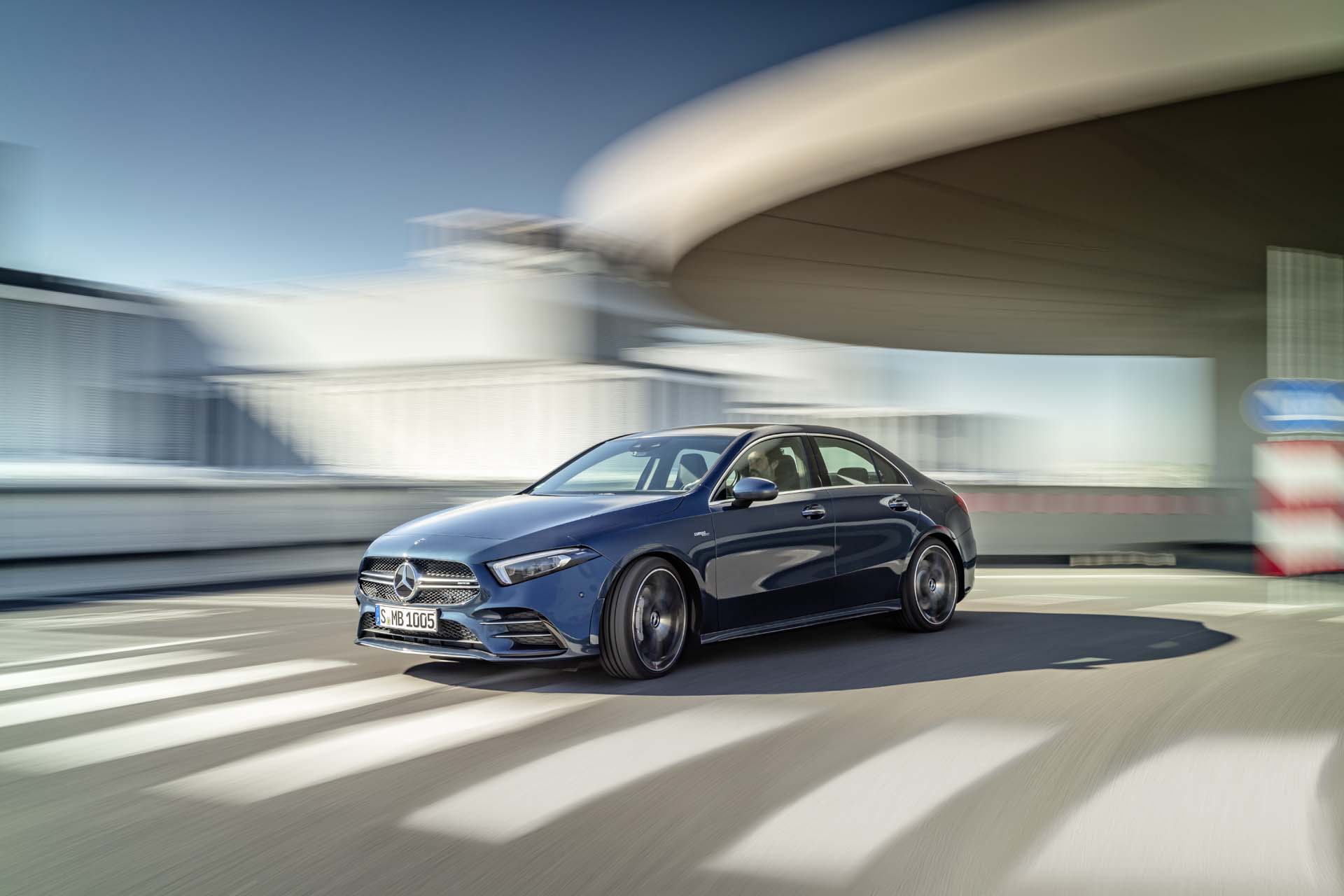
    Hang Xanh Motors Service Joint Stock Company, a major Mercedes-Benz car dealer, reported pre-tax profits of more than VND240 billion (US$10 million) in the first nine months, exceeding its full-year target.

    Consolidated revenues were up 50 percent year-on-year at VND5.17 trillion. In the third quarter they rose 2.7 times to VND2 trillion ($83.1 million).

    Haxaco’s short-term debts increased by more than 60% to VND563 billion, while long-term debts, mainly in the form of convertible bonds, were around VND180 billion.

    Vietnam has three authorized Mercedes-Benz dealers, Andu and Vietnam Star being the others, and Haxaco has the largest market share.

    It has five sales agents in Ho Chi Minh City, Hanoi and Can Tho.

  • Global inflation hits major seafood exporters

    Global inflation hits major seafood exporters

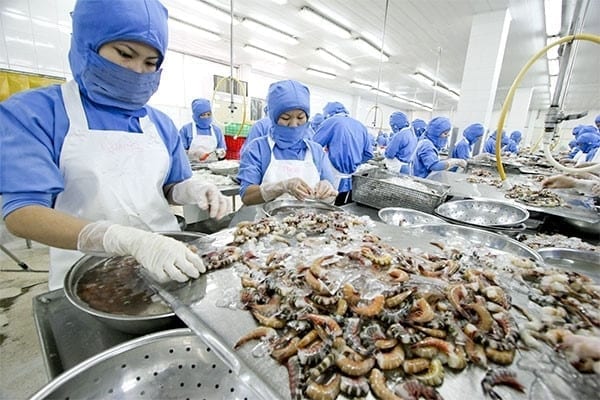
    Rising global inflation caused sales of two major seafood exporters Vinh Hoan and Sao Ta to plunge as consumers in their main markets tighten spending.

    Vinh Hoan, a pangasius export giant, saw September revenue plunging 28% from August to VND917 billion ($37.96 million), its biggest decline in eight months. Exports to the U.S. dropped 37% year-on-year and to China, 52%.

    Sao Ta, a shrimp exporter, saw sales falling 10% from August to $19.8 million, its second monthly decline in a row. The financial figures of the two companies reflect the difficulties Vietnam’s seafood industry are facing.

    billion VND (VND1 billion = $41,399)Vinh Hoan’s monthly revenues, 2022

    Seafood exports fell to a seven-month low of $850 million in September, according to the Vietnam Association of Seafood Exporters and Producers (VASEP). This is because of declining consumption in the U.S., EU, China and the U.K., which have been recorded since July.

    Shrimp exports reached $350 million, up 13% year-on-year, the slowest growth rate among major seafood products.

    Analysts of ACB Securities said shrimp is considered a high-end product and during difficult times consumers tend to switch to cheaper protein.

    Sao Ta leaders forecast that there would not be any major breakthrough in sales for the remaining months due to rising global inflation. They, however, are confident that the company’s earnings targets will be achieved.

    Thanks to strong recovery in the first half year, VASEP forecasts that Vietnam’s seafood exports would reach this year’s target of $11 billion by the end of November.

  • September auto sales up 8.5%

    September auto sales up 8.5%

    Auto sales rose by 8.5% in September to 33,463 units as the market slowly recovered amid tightening global spending. September marked a third straight month of increase in sales, according to the Vietnam Automobile Manufacturers Association (VAMA), which excludes the TC Group (which makes Hyundai cars) and VinFast.

    It represented a 247% rise year-on-year, admittedly from a low base as Covid-19 raged at this time last year.

    But it was far below this year’s peak in May when over 43,800 units were sold.

    In the first nine months sales rose 157% year-on-year to 296,403 units. Truong Hai Auto Corporation (Thaco) led with 101,614 units as sales rose by 54%.

    It was followed by Toyota (64,130 units) and Mitsubishi (30,296). Honda and Ford rounded off the top five. TC Group reported sales of 56,320 units, but VinFast has not released numbers.

  • Vietnam economy seen growing 8% in 2022, beating official target

    Vietnam economy seen growing 8% in 2022, beating official target

    Vietnam’s economy is expected to grow 8% this year, beating an official target for an expansion of 6.0%-6.5%, the government said on Tuesday.

    The country’s exports are forecast to rise 9.5% to $368 billion in the year, the government said in a statement, adding that its foreign direct investment inflows are seen rising 6.4%-11.5% to $21 billion-$22 billion.

    Vietnam, a regional manufacturing hub, has seen its economy rebounding from the pandemic, with gross domestic product in the third quarter growing 13.67% from a year earlier.

    The government said it will pursue “a flexible and prudent” monetary policy during the rest of the year to ensure macroeconomic stability.

    Vietnam will aim for a growth of 6.5% and will consider an inflation target of 4.5% next year, the government said.

  • More Vietnamese opt for QR payments

    More Vietnamese opt for QR payments

    It has been months since Hai Van last checked her purse, since she makes almost all payments by scanning QR codes with her phone.

    The media company in Hanoi’s Cau Giay District says: “Whether it is having breakfast and lunch at the office, making supermarket trips in the evening or hanging out with friends at a cafe, QR payments are readily available, and the deductions are made directly from my e-wallet.

    “Occasionally I have to transfer money or pay cash when making online purchases. But other than that, most transactions are done through scanning codes.”

    This began unexpectedly over a year ago amid Covid-19.

    “Once, I was buying from a street vendor without any loose change, and the lady offered a QR code to pay,” she says.

    Without a purse with cash and cards, her handbag’s weight has reduced in half.

    “I am more worried about running out of phone battery than forgetting my purse.”

    The Tam, owner of a grocery store in Vinh Phuc Province, has also grown accustomed to receiving payments through online bank transfer instead of cash.

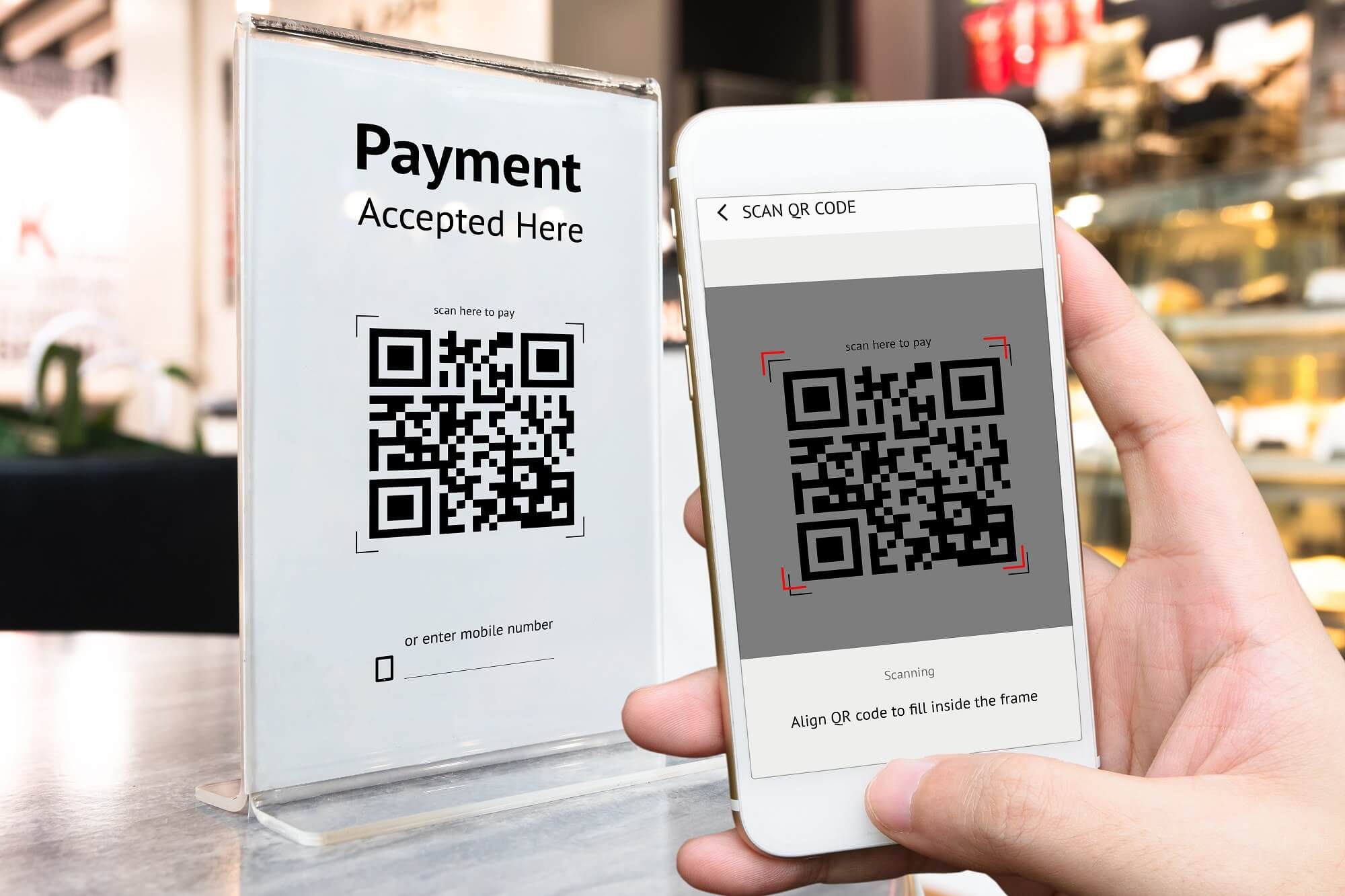
    For over a year his store has had a QR code displayed in the most prominent place with the sign “QR Payment Accepted.”

    He says: “Customers in the village often do not carry cash. Rather than buy at another shop on credit, they gradually got into the habit of coming to mine for QR payment.

    “Gone are the days when I had to count money and give back change… all there is to do now is check the numbers.”

    Now almost half of all transactions at his store are done by scanning codes.

    After gaining popularity through e-wallet apps such as VNPay, MoMo and Viettel Money, QR codes are now directly integrated into bank apps.

    Last year, Napas set up VietQR, simplifying this process and allowing customers of any bank in the system to transfer money to another bank just by scanning.

    The State Bank of Vietnam’s payments department said digital banking services, especially electronic payments, are growing rapidly.

    In the first half of this year, the number and value of transactions via mobile phones increased by 98.3% and 84.3%.

    “I have witnessed people in rural areas easily make payments using QR codes,” Tran Quy, director of the Vietnam Digital Economy Development Institute, says.

    According to statistics from the Ministry of Information and Communications, the country has 81.4 million mobile Internet subscribers, an imperative for using QR codes.

    But many experts say full potential has yet to be achieved.

    In The Tam’s case, seniors and children, a major demographic among his grocery store customers, are often unable to use QR codes due to the need for a smartphone linked to a bank account.

    Not everyone in the countryside even among other age groups has these two readily available, he says.

    His store has encountered payment errors on numerous occasions due to an unstable Internet connection, he says.

    “Just one wrong transaction and I might have to retrace the whole thing, which takes a long time.”

    Hoang Quynh, an office worker in Ho Chi Minh City who used to have three or four e-wallets with QR scanning facility but has cut down to one, says: “Sometimes stores would have an array of codes but I still cannot pay unless it includes the provider of my application. I wish there was a co

  • Vietnam stock market becomes world’s worst performer

    Vietnam stock market becomes world’s worst performer

    Vietnam’s stock market was the world’s worst performer this week with an 8.5% decline.

    It was followed by Russia, down 4.8%, and Venezuela, down 1.87%, according to market data provider StockQ.

    Over the last four weeks Vietnam has been the world’s second worst performer behind Russia, with the VN-Index falling by 16.67%.

    The VN30 basket, comprising the 30 largest capped stocks, declined by 18.51% in the period.

    Some of the worst performers were private lenders Techcombank and VPBank and electronics retail chain Mobile World.

    The State Bank of Vietnam raised its policy rates last month to control inflation.

    The dollar has been rising to new peaks against the dong as well as most other currencies amid rising interest rates in the U.S. and geopolitical tensions.

    “Margin call pressure forced investors to sell off recently and the panic among investors has not subsided yet,” Phung Trung Kien, founder of asset management firm Vietnam Holdings said.

    “Cash flow to the market is quite limited these days as most of the important rates such as interbank interest rates have been increasing a lot.”

    Nguyen Anh Duc, head of institutional sales at SSI Securities Corp, said retail investors are “extremely panicky and they are taking flight without regard for which stocks they are selling.”

    But some investment funds, such as Coeli Asset Management SA and Asia Frontier Capital are looking to buy more of Vietnam stocks given the country’s long-term economic prospects.

  • Aeon plans to triple Vietnam malls

    Aeon plans to triple Vietnam malls

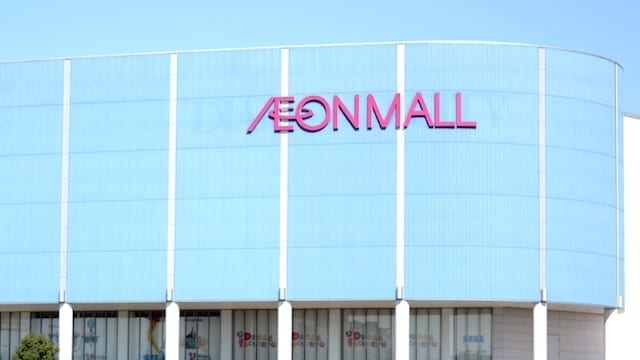
    Japanese retailer Aeon plans to triple the number of malls in Vietnam by 2025 as part of its expansion strategy to meet the needs of a growing middle class population.

    A report said the number of Aeon malls will nearly triple to 16 throughout Vietnam.

    Aeon has some 200 stores in Vietnam at present, including six shopping malls.

    The stores are concentrated in Ho Chi Minh City and Hanoi, Vietnam’s biggest metropolises.

    A mall will be opened in the central town Hue in 2024.

    The company is also considering increasing its supermarkets in Hanoi to 100 by 2025, about 10 times the current number.

    Vietnam is “the most important market in our overseas strategy,” the report quoted a senior Aeon executive as saying.

    The country has a population of 100 million people with an average age of 33. Economic growth of more than 7% is expected this year in a repeat of last year’s performance.

    Aeon entered Vietnam in 2014 and has invested over $1.18 billion in the country to date.

  • Ministry refuses to lift special consumption tax on gasoline

    Ministry refuses to lift special consumption tax on gasoline

    The Ministry of Finance refused a proposal to exempt special consumption tax on gasoline given the country’s tax rate is at a low level compared to many other countries.

    The Vietnam Chamber of Commerce and Industry has recently proposed that the special consumption tax on gasoline be reduced to provide positive impacts amid global uncertainties.

    The ministry said gasoline is a non-renewable fuel that needs to be used sparingly. Most countries impose the tax for example, in France (0.66 euro per liter), Germany (0.35 euro), South Korea (311 won per liter of absolute tax and 15% tax rate), Singapore (S$.41), China (1.52 yuan), Thailand (up to 6.5 baht), Cambodia (15%) and Laos (16%).

    It said Vietnam’s special consumption tax on gasoline is lower than that of other countries, especially neighboring ones like Laos, Cambodia and China.

    The current special consumption tax on gasoline is 10% with the same rate applied to value-added tax. The Ministry of Finance is proposing that the former tax is cut by half, and the latter by either 20% or 50%.

    RON95 gasoline prices climbed to a peak in June before plunging to the current level of VND21,440 ($0.90) per liter, the lowest in 13 months.