Tag: Vietnam

  • Dollar drops against dong

    Dollar drops against dong

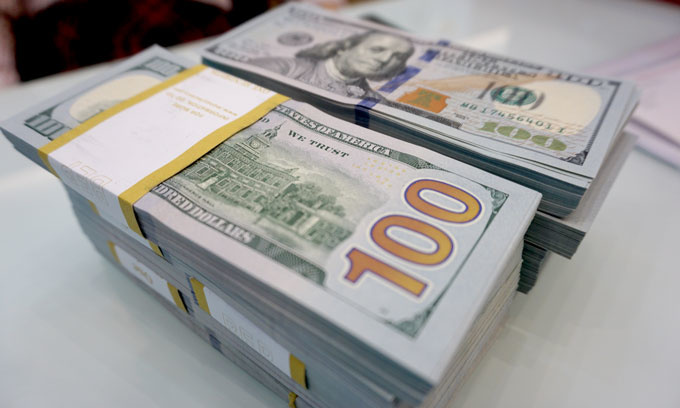
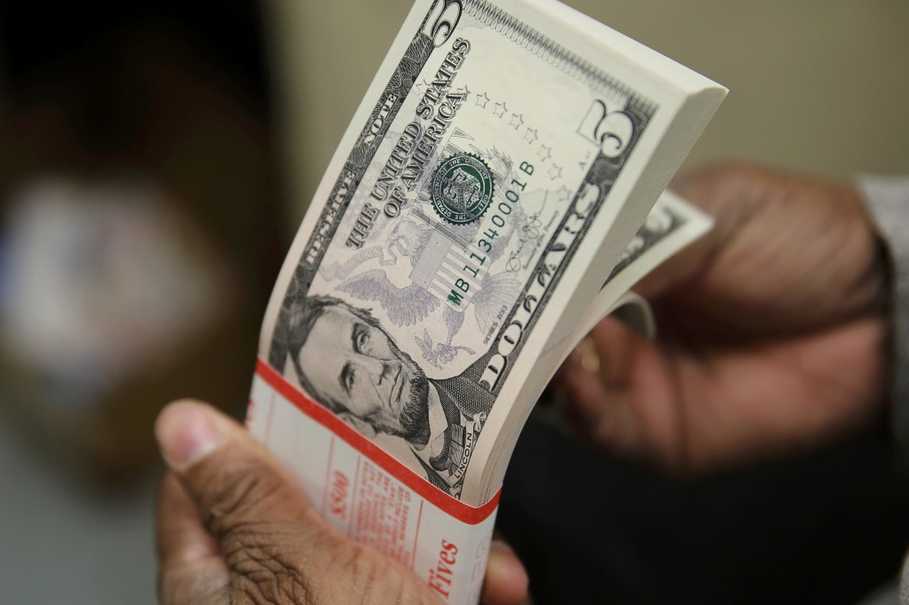
    TPBank let the dollar slide 0.004% to VND24,854. Techcombank sold it at VND24,852, down 0.004%.

    The State Bank of Vietnam set its exchange rate at VND23,671, also down 0.004%.

    The dollar was sold VND24,940 at unofficial exchange points, down 0.4% from Wednesday.

    The U.S. dollar was broadly weaker on Thursday as investors, encouraged by the prospect of a slower pace of interest rate hikes from the Federal Reserve, placed bets on riskier assets.

    The dollar index, which measures the greenback against six major peers, was down 0.066% at 105.830, after sliding 1% overnight.

  • Mercedes recalls nearly 1,000 vehicles over fire risk

    Mercedes recalls nearly 1,000 vehicles over fire risk

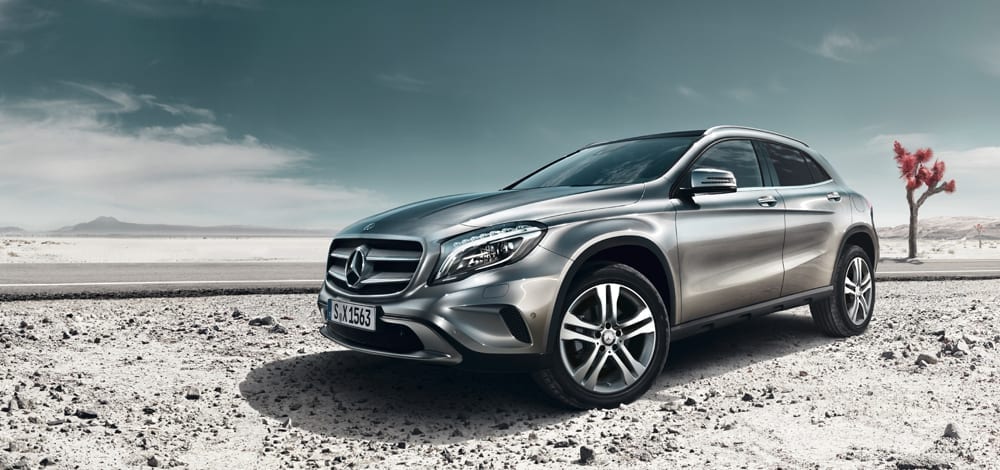
    Mercedes is recalling 966 cars in Vietnam due to fire risks related to electrical short circuits in the trunk control modules and faulty trim bars on rear doors.

    The recall covers three models – C300, GLE, and GLS imported via official channels in Vietnam. Of these, 126 recalled Mercedes C300 cars were made between May 2021 and May 2022.

    The remaining 840 units – GLE 450 4Matic, GLS 450 4Matic, GLS Maybach 480 4Matic, and GLS Maybach 600 4Matic – were made between July 2019 and January 2022.

    With the C300 model (W206 generation), there is a risk of rainwater ingress at the rear trunk. Moisture can thus seep into the signal acquisition and actuation module (SAM module) inside the trunk, the carmaker said.

    In this case, short circuits may occur in the control modules and fire risks cannot be eliminated entirely. In addition, short-circuiting can lead to various other problems, such as taillight damage. The company has recalled vehicles to fit a waterproof cover over the module that receives the signal and activates it to prevent problems.

    The GLE and GLS models are being recalled to repair the trim bar in the triangular window (rear door) because they may not meet specifications due to deviations in the assembly process. As a result, the decorative bars may detach from the vehicle while in motion, potentially causing accidents or injuries to other road users.

    The above models are being recalled at Mercedes Vietnam’s authorized dealers system nationwide, and repairs are done free of charge. Fixing the error on the C300 takes about 60 minutes, and procedures for the remaining lines about half that time. The recall program will run from November 10, 2022 to December 31, 2027.

    Mercedes Vietnam has said that it will also provide free error correction support for C300, GLE, and GLS models not imported via official channels that are on the global recall list of Mercedes AG.

  • VinFast ships first electric vehicles to US

    VinFast ships first electric vehicles to US

    VinFast had shipped its first batch of 999 cars to the U.S., capping a five-year bid to develop an auto production hub in Vietnam for markets in North America and Europe.

    The company said that the first cars are expected to be handed over to customers by the end of December.

    VinFast Chief Executive Le Thi Thu Thuy said some of the VF 8 electric SUVs being shipped on Friday would be sent to U.S. car subscription service Autonomy but the majority would go to retail buyers who have ordered the car.

    Thuy said VinFast expected to be able to ship a second batch of cars to the United States, its first export market, around January.

    VinFast is in the process of building an electric vehicle plant in North Carolina that is awaiting final regulatory approval from local officials.

    Thuy said the company expected to start production at the North Carolina factory from July 2024 and that electric vehicles built there would qualify for incentives under the terms of the Inflation Reduction Act signed by U.S. President Joe Biden.

    The Inflation Reduction Act, as currently written, requires automakers to have 50% of critical minerals used in EV batteries come from North America or U.S. allies by 2024, rising to 80% by the end of 2026.

    Major automakers have said those targets are unrealistic and it was not immediately clear how VinFast would meet the sourcing requirements.

    “The IRA came as a surprise to all of us but it doesn’t really impact our strategy in the U.S.,” Thuy told Reuters. “As soon as we start manufacturing cars in the U.S., our customers will be eligible (for) the tax incentive.”

    VinFast said last week that Autonomy had ordered 2,500 electric vehicles, its largest corporate order to date. VinFast has said it has almost 65,000 orders globally in total and expects to sell 750,000 EVs annually by 2026.

    The North Carolina factory project is running months behind schedule, based on the company’s initial targets, and the first shipment of EVs built by VinFast was short of the initial goal to deliver as many as 5,000 cars built at its factory in Haiphong by December.

    VinFast officials said the number 999 for the vehicles shipped in the first batch had been chosen because it is considered a lucky number in Vietnam.

    “There is no luckier number than 999,” Thuy said. The Panamanian-chartered transport ship used to send the first shipment of VinFast EVs had the capacity to carry up to 2,000 vehicles, officials said.

    Shares in VinFast’s listed parent company, Vingroup, which also has property and resort development businesses, were up 5.41% on Friday morning.

  • Thai durian farmers feel threatened as Vietnam makes China debut

    Thai durian farmers feel threatened as Vietnam makes China debut

    Thai farmers who’ve enjoyed a virtual monopoly in exporting fresh durian to China are worried about Vietnam entering the fray because the latter’s proximity to the importer generates several advantages.

    When Vietnam’s first batch of fresh durian was exported to China under official quota in September, Thai farmer Busaba Nakpipat said she was concerned about heightened competition in a market that Thailand has dominated for decades.

    “Thailand used to be the only country allowed to export fresh durians to China, while Vietnam used to export processed durian,” she said. “But now Vietnam is our competitor and it worries me.”

    During a trip to Vietnam in September, Busaba saw an increasing number of durian orchards and found there was large potential in the country to further expand cultivation of the special fruit.

    Vietnam has been exporting processed durian to China for years, but now that the export of fresh durian to the world’s largest consumer market has been approved, local farmers see a great opportunity to make bigger profits.

    China has approved exports of fresh durian from nearly 3,000 hectares in Vietnam. It took Vietnam four years to negotiate the approval as China has become a difficult market with high quality standards.

    “Our exports need to meet Chinese consumers’ standards and we need to respect their desires and regulations. That is how we can ensure a sustainable export channel to this market,” said To Ngoc Son, deputy head of the Asia and Africa division under the Ministry of Industry and Trade.

    Industry insiders in Thailand view this development with some trepidation because its market dominance is threatened now.

    Thailand was the first country to export fresh durian to China. In 2021, Thai durian exports to China grew at a record 68% year-on-year to more than 875,000 tons.

    However, Vietnamese farmers have an advantage over their Thai counterparts because they can afford to pick durians for export later than in Thailand. Shipments from Vietnam take less time to reach China, said Thai academic and agriculture specialist Sakda Sinives.

    “Even without any clear difference in terms of taste … the riper fruit from Vietnam will slowly attain higher prices from buyers, while the price of durians from Thailand will fall. This quality control issue is why Thai [durian production] will fall as farmers can no longer shoulder the costs,” Sakda said.

    Sakda said that many traders operating in Thailand – more than a few acting on behalf of buyers from mainland China – have moved to Vietnam, lured by higher profit margins though very few Vietnamese farms have received export approval from China, he added.

    Long way to go

    However, Vietnamese officials say farmers in the country have a long way to go in improving their standards and practices to ensure export of high quality fruit.

    The nearly 3,000 hectares of durian orchards approved for exports to China only account for 3.5% of total area dedicated to cultivating the fruit.

    In the Central Highlands province of Dak Lak, where many durian orchards are located, only 16 out of 25 applications were approved by Chinese officials.

    “Some farmers are not aware of the benefits of being approved. Of those who have been approved, some do not keep a careful record of their farming activities,” said Vo Thanh Toan, an agriculture expert in Krong Pak District.

    Other officials have said that Chinese buyers have warned Vietnamese farmers about the failure to follow their standards by growing durian in the same area with other fruits, which increases the risks of pests and diseases. Some farmers have been warned about low hygiene and weak anti-Covid-19 measures.

    Nguyen Thi Thu Huong, deputy head of the Plant Protection Department, expressed concern at a recent forum that some Vietnamese durian farmers who have not been approved by Chinese officials are looking for ways to export to the neighboring country illegally.

    Farmers have registered to export 1.3 million tons of durian to China a year, which is double the approved amount by Chinese officials, suggesting that unapproved farmers are trying to add their fruit to the inventory of approved ones, she said.

    “If Chinese officials find out, all our negotiations and efforts of the last four years will be thrown away.”
  • Gold demand recovers to its pre-pandemic level

    Gold demand recovers to its pre-pandemic level

    Vietnam’s gold consumption reached 45.6 tons the first nine months of 2022, compared to 45 tons during the same period in the pre-pandemic year of 2019.

    In Q3, the country’s gold demand more than tripled to 12 tons from 3.3 tons a year earlier. Bullion and coin sales rose to 8.5 tons from 2.4 tons, and jewelry sales to 3.5 tons from 0.9 tons, according to a report by the World Gold Council.

    Andrew Naylor, Managing Asia-Pacific Director of (excluding China) of WGC, said Vietnam’s economic recovery boosted gold demand in Q3.

    In the first nine months of last year, consumption was just 34.5 tons because of pandemic impacts .

    In Vietnam, gold prices in have gained by over 9.3% since the beginning of the year.

    On Tuesday, gold price at the state-owned Saigon Jewelry Company (SJC) dropped 0.15% to VND67.4 million ($2,712) per tael. A tael is equal to 37.5 grams or 1.2 ounces. Jewelry firm DOJI maintained its price at VND67.4 million.

    In total, the world’s gold demand amounted to 1,181 tonnes in July-September, up 28% from 922 in the same period in 2021, the WGC said.

    Demand for gold was also strong from jewelers and buyers of gold bars and coins, the WGC said in its latest quarterly report, but exchange traded funds (ETFs) storing bullion for investors shrank.

    Gold is typically seen as a safe asset for times of uncertainty or turmoil, but many financial investors sold shares in gold-backed ETFs as interest rates rose and pushed up returns on other assets.

    “Looking ahead, we anticipate central bank buying and retail investment to remain strong,” Reuters quoted WGC analyst Louise Street as saying.

    “We also expect to see jewelery demand continue to perform strongly in some regions such as India and Southeast Asia,” she said.

  • Gasoline prices drop after 4 consecutive hikes

    Gasoline prices drop after 4 consecutive hikes

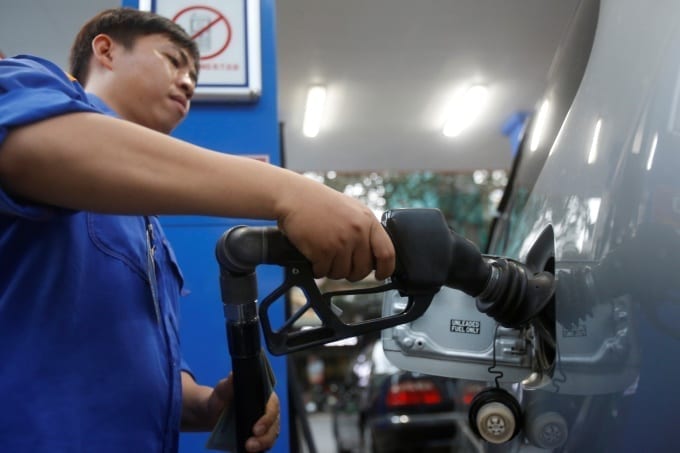
    Vietnam’s RON95 gasoline price dropped 0.34% to VND23,780 ($0.96) per liter after rising in the last four adjustments.

    E5 RON92 price fell 0.18% to VND22,670.

    Diesel dropped 0.72% to VND24,800. The Ministry of Finance has acknowledged an updated transportation cost of importing fuel to Vietnam in the Monday adjustment for the second time this month.

    Vietnam’s refined fuel imports in the first 10 months of 2022 rose 22.8% from a year earlier to 7.13 million tonnes, but costs rose 123.8% to $7.37 billion.

  • New supplies quench iPhone thirst in Vietnam

    New supplies quench iPhone thirst in Vietnam

    Apple has shipped more iPhone 14 Pro and iPhone 14 Pro Max phones to Vietnam, easing a supply shortage that has lasted a month or so. Local distributors said they received iPhone 14 shipments in the middle of the week, the latest model many Vietnamese consumers were waiting for.

    Phung Phuong, representative of Mobile Vietnam said the latest shipment was enough to deliver to customers who had pre-ordered the phone, more than a month after its release.

    The next batch of the iPhone 14 models is expected to be delivered to Vietnam early January 2023, the peak shopping season because of the Tet (Lunar New Year) holiday.

    Nguyen The Kha, Director of Mobile Telecommunications Division of FPT Shop system, said it would be difficult to predict the price of new shipments amidst constant fluctuations in foreign exchange rates and the supply chain.

    Retail prices of iPhone 14 Pro and Pro Max are in the VND28.9-32.5 million ($1,165-1,310) range. Retailers said sales of the two models account for 90% of total iPhone 14 sales.

    On November 7, Apple had announced on its website that though there was strong demand for iPhone 14 Pro and iPhone 14 Pro Max models, their shipments would be lower than anticipated. It said customers would experience longer wait times to receive their new products.

    According to the U.S. tech giant, Covid-19 restrictions had temporarily impacted its primary phone assembly facility in the Chinese city of Zhengzhou, causing the supply shortage.

  • Hyundai inaugurates 100,000-car plant in Vietnam

    Hyundai inaugurates 100,000-car plant in Vietnam

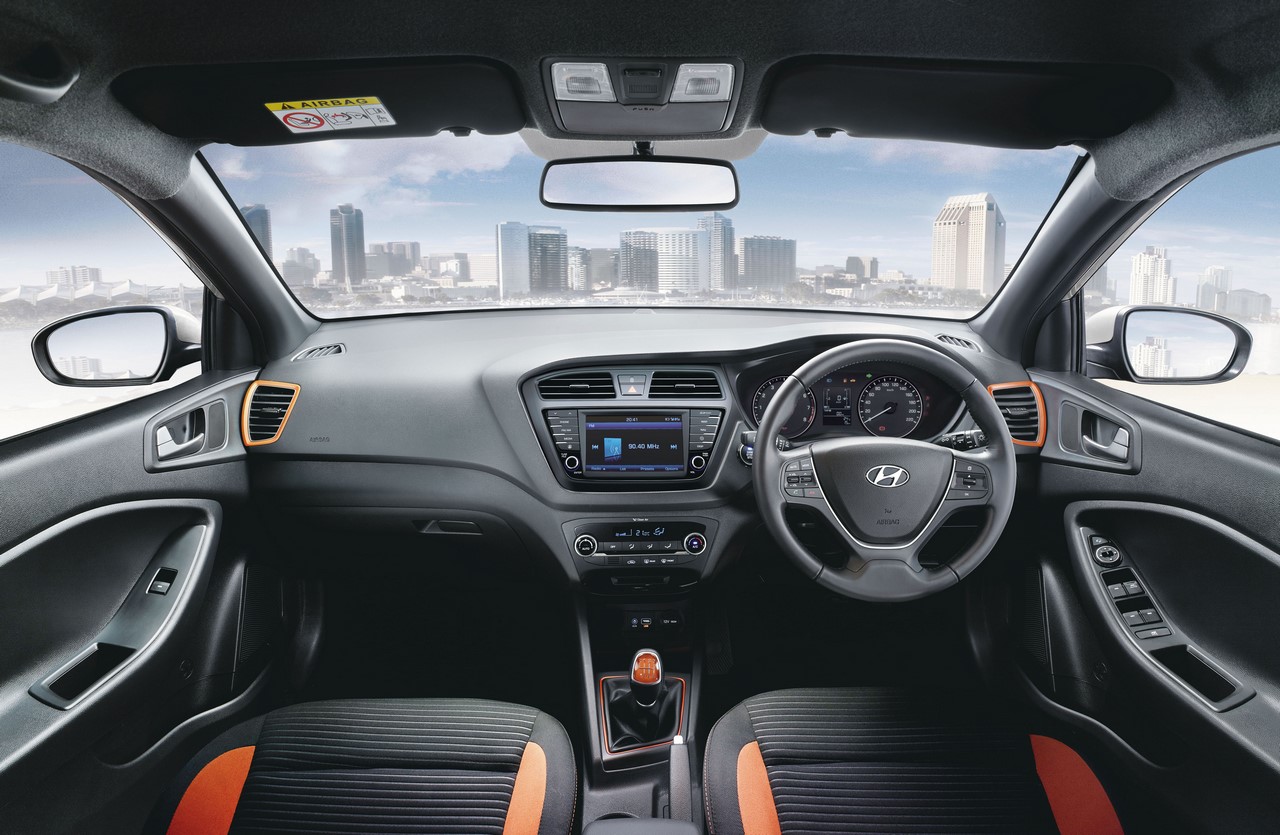
    Hyundai Motor has inaugurated its second plant in Vietnam with a capacity of 100,000 automobiles per year.

    Covering an area of over 50 hectares in the northern Ninh Binh Province, the new plant will turn out eco-friendly and fuel-saving vehicles, said Thanh Cong chairman Nguyen Anh Tuan.

    Hyundai entered the Vietnamese market in 2009 through a joint venture with local conglomerate Thanh Cong Group. It imports parts for local assembly in what are known as knock-down kits.

    The plant will increase Hyundai’s Vietnamese production capacity to 170,000 vehicles a year when it becomes fully operational, likely in 2025.

    The South Korean automaker has invested nearly VND12.3 trillion (roughly $496 million) in Ninh Binh province.

    In the first 10 months, 397,457 cars were sold and auto sales could exceed 400,000 for the first time in eight years, according to the Vietnam Automobile Manufacturers Association (VAMA).

  • Low imports cause gasoline shortage

    Low imports cause gasoline shortage

    The current partial shortage of gasoline and oil has been caused by wholesalers not importing sufficient amounts, says said Deputy Minister of Industry and Trade Do Thang Hai.

    Commissions for retailers being cut amidst fluctuating world prices is also a factor, Hai told the press reporters Tuesday. Fuel retailers said they suffer losses after their commissions were adjusted downward and many want to close down.

    Wholesalers were importing gasoline and oil when their global prices surged, sometimes by 57-85% against the same period last year, but they had to sell it at lower prices.

    Currently, Vietnamese authorities adjust fuel retail prices every 10 days based on the average prices of the previous 10 days. However, many people including lawmakers have said this cycle is no longer suitable because it leaves domestic prices outdated compared to global prices, which have been unstable of late.

    Hai said wholesalers have to cover different costs like freight to bring imported gasoline and oil to Vietnam or to transport domestically produced fuels to ports nationwide, but the costs used by the ministry to calculate the base price are smaller than actual costs borne by the wholesalers.

    For these reasons, he said that wholesalers have incurred losses, so they cut back on imports and slashed commissions for retailers.

    Hai said that other reasons for the partial fuel shortage include lower production by two domestic refineries and the absence of some wholesalers.

    The two refineries produced 9.7 million tons of gasoline and oil in the first 10 months, some 170,000 tons lower than the yearly plan, according to the Ministry of Industry and Trade.

    Several wholesalers in the south have had their business licenses revoked for administrative wrongdoings, and some others have had customs clearance of imported fuel suspended for failing to meet customs-related requirements like electronic data connections.

    The Ministry of Finance has agreed to factor in an increase in the transportation cost of importing fuel, enabling a hike in retail prices.

    The costs is VND290-560 (1.2-2.3 cents) higher for a liter of gas and VND160-660 for diesel, and reflected in retail prices from Nov. 11.

    Another solution is increasing national gasoline and oil reserves, Hai said, noting that current reserves were equivalent to just 5-7 days of consumption.

  • Hanoi considers year-long trial of public bike service

    Hanoi considers year-long trial of public bike service

    The Hanoi Department of Transportation has proposed to the municipal People’s Committee that a public bike service be launched in the capital city for a 12-month trial period.

    Under the proposal, private firm Tri Nam will provide 1,000 bikes, 50% of them electric, at 94 locations in the city.

    The pilot project is set to cost over VND30.3 billion ($1.22 million).

    The company will charge VND10,000 for a 30-minute trip on electric bikes and VND5,000 for the same duration on normal bicycles.

    Full-day rent for the electric bike will be VND120,000 and half that for pedal bicycles. Monthly tickets will also be available for commuters, who will make payments with e-wallets.

    Six downtown districts will be prioritized for the pilot project, including Ba Dinh, Dong Da, Tay Ho and Hai Ba Trung.

    The project is part of the department’s initiatives to diversify public means of transport and to reduce emissions.

  • Google launches e-wallet service in Vietnam

    Google launches e-wallet service in Vietnam

    Google launched its e-wallets in Vietnam Tuesday, allowing people to use them with Visa credit and debit cards issued by certain banks.

    Google Wallet would allow Android users to add Visa credit and debit cards to their phones for payment, replacing physical cards. Supported banks are ACB, Sacombank, Shinhan Bank, TP Bank, Techcombank (credit card only), Vietcombank and VPBank.

    Mastercard cards would be integrated to the e-wallet in a few more weeks, Google said.

    Users would need to download the Google Wallet app from the Play Store and fill in necessary info.

    “With millions of Vietnamese now using their phones every day to make payments, Google is excited to bring Google Wallet to Vietnam,” a press release quoted Chen Way Siew, Google Wallet Partnerships Lead of Google Asia Pacific, saying,.

    “Google Wallet is easy to use as you don’t need to transfer money into the app. It acts as a digital container that holds digital versions of physical items found in an actual wallet, such as payment cards,” he added.

    An e-Conomy SEA 2022 report by Google said e-payments were getting more popular and would reach a total transaction value of $143 billion in Vietnam in 2025. According to Visa statistics, contactless transactions account for around 37% of all transactions in Vietnam.

  • US removes Vietnam from currency monitoring list

    US removes Vietnam from currency monitoring list

    Vietnam has been removed from the currency monitoring list by the U.S. Treasury Department.

    The U.S. Treasury Department remained satisfied with progress made by the Asian country in addressing U.S. concerns about its currency practices, it said in a semi-annual report Thursday.

    India, Italy, Mexico and Thailand were also removed from the list.

    It noted no major U.S. trading partner manipulated its exchange rates to gain unfair competitive advantage through June 2022, but said it would stay in close touch with Switzerland on its currency practices.

    Seven economies kept on the list were Japan, China, Germany, Malaysia, Singapore South Korea and Taiwan.

    The Treasury report again called out China for its failure to publish foreign exchange intervention and the broader lack of transparency around key features of its exchange-rate mechanism.

    A senior Treasury official said efforts by the U.S. Treasury and the International Monetary Fund had failed to make any headway with Beijing on the issue so far.

    Treasury noted that Japan had intervened in the foreign exchange market to stem the pace of depreciation in the yen, its first such move since 1998, and underscored its believe that such actions should be taken only rarely.

    “Treasury’s firm expectation is that in large, freely traded exchange markets, intervention should be reserved only for very exceptional circumstances with appropriate prior consultations,” it said.

  • Bamboo Airways ex-chairman takes leading positions at TNG

    Bamboo Airways ex-chairman takes leading positions at TNG

    Three months after leaving Bamboo Airways, Dang Tat Thang has taken over as vice chairman and deputy CEO of conglomerate TNG Holdings.

    Thang will manage the external affairs of TNG Group and its various subsidiaries, and directly manage TNS and TNH, which have interests in investment, hotel management, trading, and services.

    Established in 1996, TNG Holdings has 11 subsidiaries with more than 3,000 employees that operate in real estate, trade services, hotels, energy, and banking and finance.

    Thang has a master’s degree in construction project management from Northumbria University in the UK.

    He has nearly 20 years’ experience in project management and investment at both local and foreign firms such as Compass Group UK & Ireland, Capital Land Singapore, FLC Group, and Bamboo Airways.

    In July, Thang, 41, who helped set up Bamboo, resigned as its chairman and general director citing personal reasons after eight years at the company. He also resigned as FLC vice chairman.

    He had taken over as vice chairman of FLC and Bamboo Airways after former chairman Trinh Van Quyet was a

  • iPhone 14 Pro, Pro Max in short supply

    iPhone 14 Pro, Pro Max in short supply

    Customers have been waiting for a month for delivery of iPhone’s latest models, the 14 Pro and 14 Pro Max, due to high demand and low supply, retailers said.

    Apple said on its website on November 7 (Vietnam time): “We continue to see strong demand for iPhone 14 Pro and iPhone 14 Pro Max models. However, we now expect lower iPhone 14 Pro and iPhone 14 Pro Max shipments than we previously anticipated and customers will experience longer wait times to receive their new products.”

    According to the U.S. firm, Covid-19 restrictions have temporarily impacted its primary phone assembly facility in the Chinese city of Zhengzhou.

    Phung Phuong of Mobile Vietnam said Pro and 14 Pro Max supply only met 20% of demand in the country. Nguyen Huu Phuc of Minh Tuan Mobile said there is no plan or schedule for the next batch of deliveries to customers.

    Quoc Thien of the central city of Da Nang ordered a purple 128 GB Pro Max in mid-October and was told it would be delivered in two weeks. The store then rescheduled the delivery to early November, but Thien did not receive it then, and has not heard about the new delivery date either.

    Diem Ai in HCMC’s Go Vap District said she urgently needed to buy 20 Pro Max phones to gift, but no store could supply them though she was willing to pay extra.

    Pham Tuan Anh of ShopDunk said hundreds of customers who have ordered the purple Pro Max with 128 or 256 GB are waiting for delivery, but phones in other colors and with larger capacities are available.

    The Pro and 14 Pro Max cost VND28.9-32.5 million (US$1,165-1,310). The purple version costs an additional VND1 million ($40).

    In contrast, the iPhone 14 and 14 Plus, also released in mid-October, are widely available.

    Retailers said sales of the two models account for less than 5% of total iPhone 14 sales.

  • Gold demand triples in Q3

    Gold demand triples in Q3

    Vietnam’s gold demand more than tripled to 12 tons in the third quarter from 3.3 tons a year earlier. Bullion and coin sales rose to 8.5 tons from 2.4 tons, and jewelry sales to 3.5 tons from 0.9 tons, according to a report by the World Gold Council.

    “Vietnam saw a particularly significant year-on-year rise in demand. It more than tripled as local investors again sought refuge in gold, with high demand for rings and SJC tael bars.”

    The rise in jewelry demand comes amid Vietnam’s particularly robust recovery, with healthy GDP growth, incomes boosted by reversed salary cuts and companies returning to full employment, the report added.

    The price of gold sold at state-owned distributor SJC had fallen to VND65.2 million per tael (37.5 grams) at the end of September but has since risen 3.8% to around VND67.7 million now.

    Global gold demand (excluding over-the-counter trading) in the third quarter rose 28% year-on-year to 1,181 tons.