Tag: wechat

  • Starbucks and Tencent Announce Strategic Partnership to Launch Social Gifting on WeChat

    Starbucks and Tencent Announce Strategic Partnership to Launch Social Gifting on WeChat

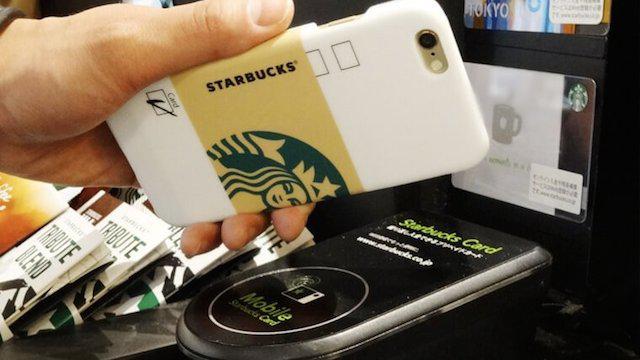
    Starbucks Coffee and Tencent Holdings, a leading provider of internet value-added services in China, today pioneered a strategic partnership to co-create a new social gifting feature on WeChat, China’s leading mobile social communications service, in early 2017.

    This partnership positions Starbucks as the first retail brand to combine and bring a locally-relevant social gifting and digital payment experience to life on WeChat in China. Tapping into the 846 million global monthly active user accounts (as of the third quarter of 2016), the new integrated feature will seamlessly allow customers in China to instantly and conveniently gift Starbucks to a friend or loved one. Beginning today, Starbucks customers will also be able to use WeChat Pay to make purchases at close to 2,500 Starbucks stores across Mainland China.

    “Starbucks and Tencent share similar values to enable greater human connections through our respective products and services, and I am pleased to partner with an established and respected social and mobile industry leader in China,” said Belinda Wong, ceo, Starbucks China. “This new strategic partnership will leverage the strengths of both Starbucks and WeChat to create a true online-to-offline social gifting platform that will deepen our engagement with our customers in a unique and powerful way. Just as Starbucks cards are among the most gifted around the globe, we aspire to also become the most gifted brand digitally in China.”

    “The strategic cooperation between WeChat and Starbucks enables us to bring the unique Starbucks retail experience seamlessly to hundreds of millions of WeChat users in China,” said Allen Zhang, Senior Executive Vice President of Tencent. “We are happy to be the partner of choice of Starbucks and look forward to deepening our connection to our users through the highest-quality services.”

    Starbucks is committed to innovative digital experiences that surprise, delight and deliver an elevated Starbucks Experience for its customers across China. The online social gifting platform is part of the company’s growing digital presence focused on connecting with customers through digital channels, including the Starbucks® Mobile App, the My Starbucks Rewards® program and social media.

    Jointly created by Starbucks and WeChat, the social gifting feature encourages everyday acts of kindness and appreciation among family and friends. Customers will be able to select from Starbucks-branded gifts and products and add a personalized message of love, of gratitude or to simply uplift someone’s day. Recipients of these personal and simple acts of kindness can save their gifts and memories on their WeChat accounts and redeem their gift at Starbucks stores across China to enjoy the unparalleled Starbucks Experience.

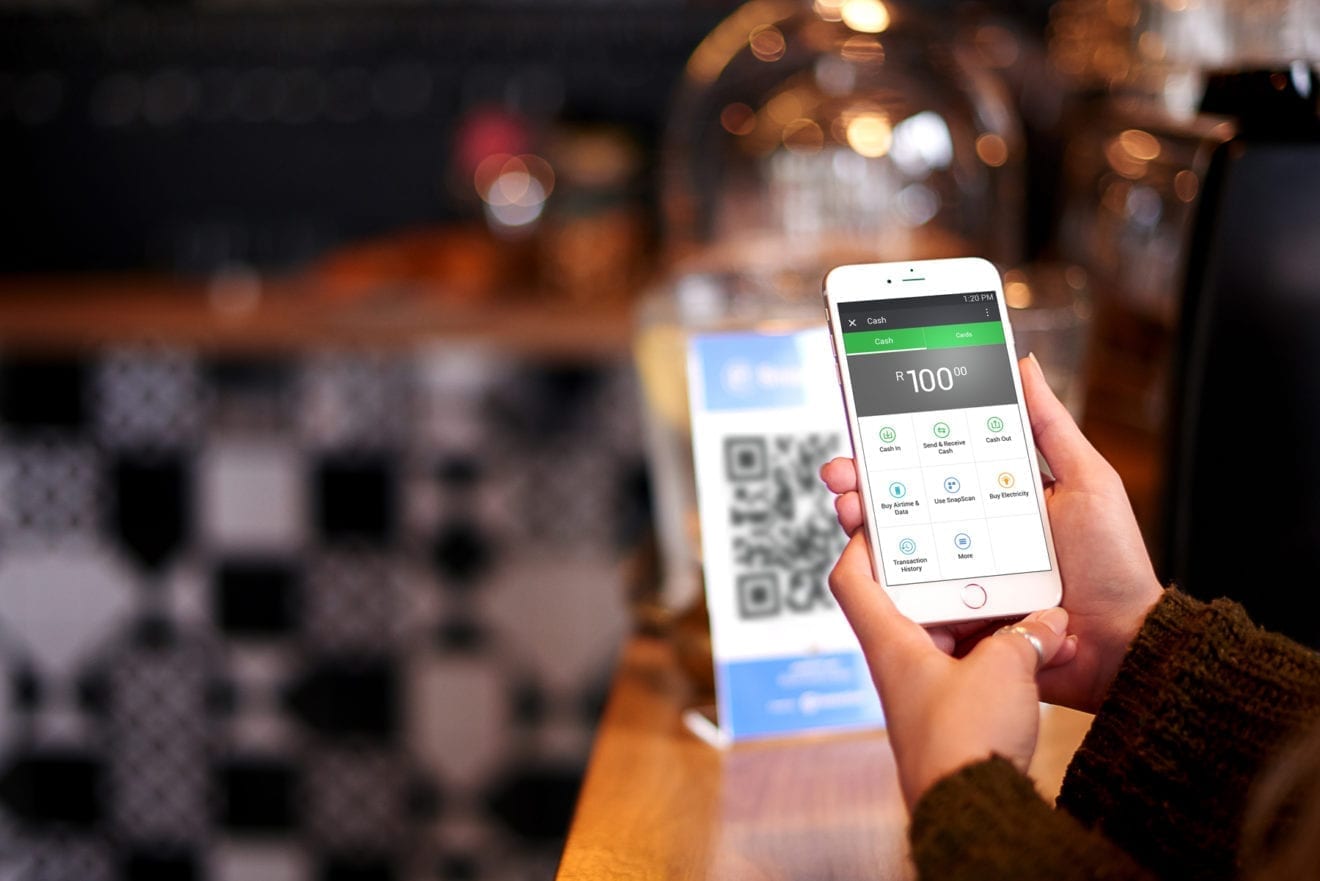
    As part of this partnership, Starbucks will introduce the use of WeChat Pay for purchases in its retail stores in a continued effort to elevate the in-store experience for customers. This cash-free digital payment experience, which allows users to pay for their goods and services from their mobile devices, is one of the most popular payment methods in China, with more than 300 million users linking their bank cards with WeChat or QQ, another flagship service of Tencent, as of March 2016.

    Today’s announcement builds on Starbucks rapidly expanding portfolio of digital innovations in China, which integrates the exceptional in-store experience with the digital Fourth Place experience. Earlier this year, Starbucks launched a mobile payment system in China aimed at providing My Starbucks Rewards® (MSR) members access to a fast, seamless and convenient way to pay for purchases, using their pre-loaded Starbucks Gift Card on their mobile devices.
  • Moiselle International losses mount

    Moiselle International losses mount

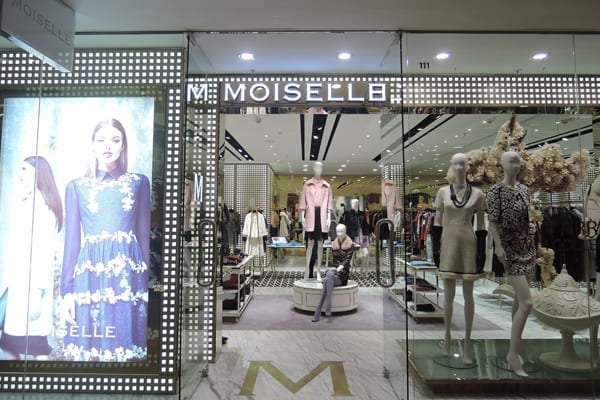
    Fashion group Moiselle International has strengthened its margins but still posted a loss in the last half year.

    While its loss of about HK$35 million (US$4.5 million) was about 10 per cent more than its loss of about HK$32 million for the same period last year, Moiselle International had a healthier gross profit margin of 79 per cent, up from 76 per cent.

    Revenue declined 18 per cent to $132 million, its unaudited interim results to the end of September show.

    Moiselle says it was hit hard by the harsh operating environment as it derived about 55 per cent of its revenue from Hong Kong and 18 per cent from China. Its retail sales in Hong Kong were affected by the fall in the number of mainland tourists as well as exorbitant rents. In China, the economic slowdown dampened the consumer sentiment.

    The remaining 27 per cent of the revenue was made up by sales in Macau, Singapore and Taiwan.

    To cope with the difficult market, the group rationalised its retail network, introduced stringent cost-control measures, continued cost-effective sales and marketing initiatives such as adopting an online-to-offline business model, introduced exclusive services for high-end customers with a VIP club, and introduced products of a wider price range to broaden its customer base and cater for young Hong Kong customers.

    Meanwhile, the group stepped up its multi-brand strategy by launching fashionable loungewear under a new brand, promoted in the group’s two fashion shows in Hong Kong and Beijing.

    Hong Kong sales fell 18 per cent year-on-year to about $72.3 million. The group continued to negotiate for lower rents for shop spaces, opened shops at prime locations with reasonable rents and closed down underperforming outlets.

    Online initiatives

    Sales in China fell by 31 per cent to about $23.4 million. The group closed some shops and relocated others. It also stepped up its initiatives in eCommerce, such as opening an online store under the Moiselle brand at Tmall this month.

    To reinforce its online marketing efforts, the group worked with key opinion leaders on social media such as WeChat and Weibo.

    China’s measures to advocate frugality spilled over into Macau’s retail market. The group continued to run five shops at the Venetian Macao Resort Hotel and opened a store at the Parisian Macao Hotel. It had two concept stores and four other outlets in the city which generated a combined revenue of about $17.97 million, or about 14 per cent of the group’s revenue.

    Taiwan’s 20 retail stores generated about $13.7 million, about 10 per cent of the group’s total revenue. It opened three more outlets and counters during the half-year.

    Operations in Singapore

    In Singapore, sales fell 22 per cent to about $4.14 million. The group has retained seven stores there.

    At the end of September, the group had 84 stores and counters in China (first- and
    second-tier cities), Hong Kong, Macau, Singapore and Taiwan, down from 90 at the end of March.

  • Tencent revenues up 13pc

    Tencent revenues up 13pc

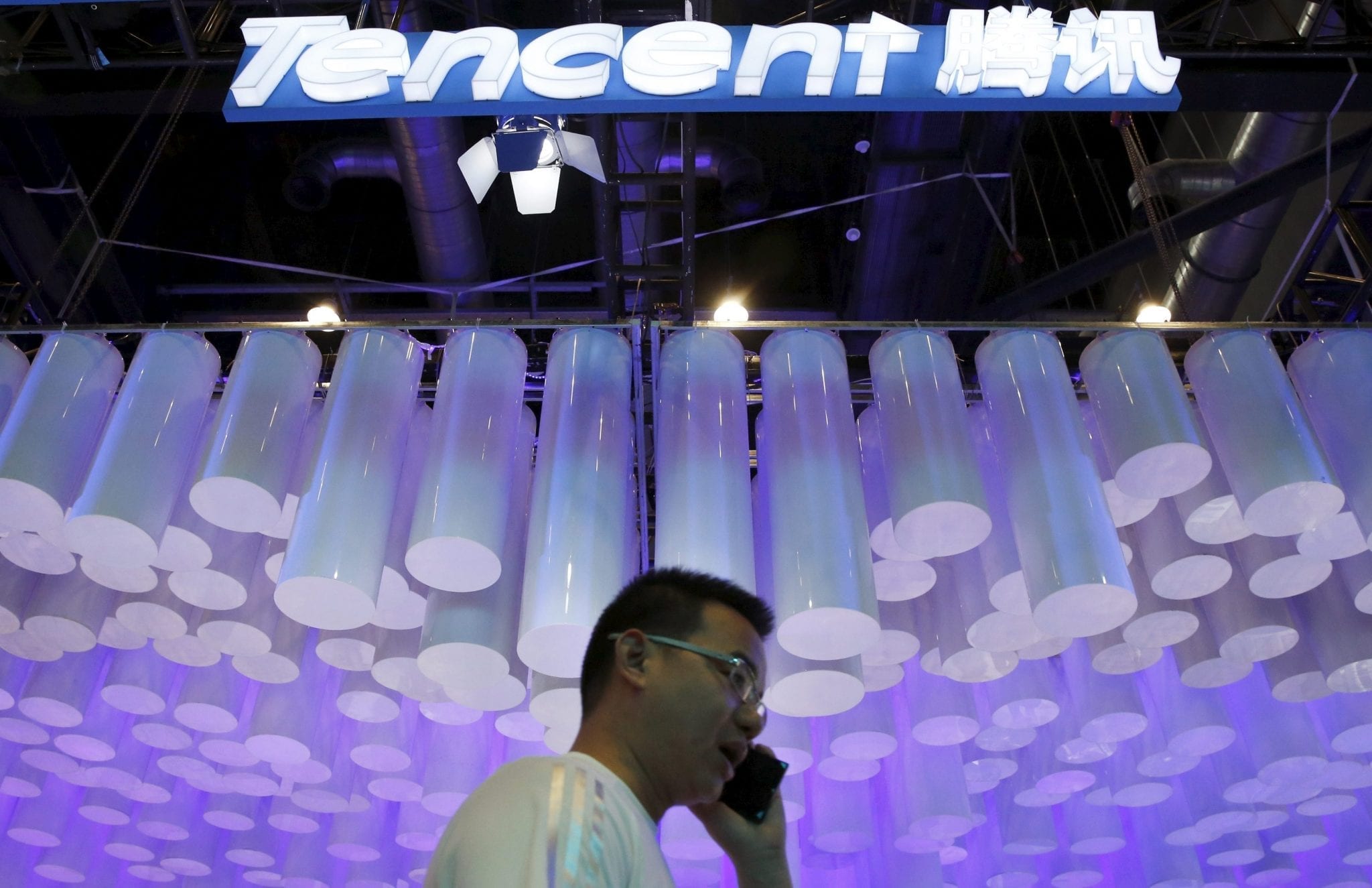
    Third-quarter revenues grew by 13 per cent to RMB40.388 billion (US$5.951 billion) for China’s Tencent Holdings, an investment holding company whose subsidiaries provide media, entertainment, internet and mobile-phone value-added services, and online advertising.

    Tencent revenues from value-added services business increased by 9 per cent to RMB27.975 billion for the quarter, while revenues from online games revenues rose by 6 per cent to RMB18.166 billion, mainly driven by positive seasonality for PC online games and by continued contributions from new smartphone games.

    Social networks revenues went up by 15 per cent to RMB9.809 billion, reflecting growth from digital content subscription services, and to a lesser extent from virtual item sales.

    Revenues from online advertising increased by 14 per cent to RMB7.449 billion, performance-based advertising revenues grew by 18 per cent to RMB4.368 billion, and brand display advertising revenues increased by 9 per cent to RMB3.081 billion, primarily driven by higher contributions from mobile platforms such as Tencent News and the positive impact of the Rio Olympic Games.

    Profit attributable to equity holders of the company eased by 1 per cent to RMB10.646 billion for the quarter.

    Strategy continues

    Tencent Holdings continued its “Connection” strategy during the quarter by strengthening its social platforms and leveraging social traffic. More interactive social and performance advertising formats were added to drive user engagement, while advertiser tools were sharpened to improve performance measurement and deliver deeper data insight.

    For digital content, the company’s CMC (China Music Corporation) and QQ Music management teams were integrated, and there was “aggressive” investment in content for its video platform, resulting in a substantial growth in subscriptions. Partly because of a healthier copyright control environment, more users paid for content on the company’s digital literature platform.

    For payment-related services, the company says it made significant progress in driving merchant adoption. Nearly 700,000 merchants participated in its Weixin Pay “Cash-free Day” promotion in August – an increase of more than seven times year-on-year. A Weixin Checkout feature was introduced for merchants to simplify onboarding procedures and minimise payment integration work.

    Cloud services revenue more than tripled year-on-year as more enterprise accounts were opened and use by key accounts increased, particularly in sectors such as online games, online video and O2O services.

    During the year the company strengthened its mobile security in such areas as virus scanning, phony base-station detection, anti-fraudulent phone-number library, phone memory optimisation and speed boosting.

    More users

    For its key platforms, the company says monthly active users (MAU) for QQ increased by 1 per cent to 647 million, with new features including SMshow, offering animated personal avatars.

    During the Rio Olympics, more than 100 million QQ users participated in a virtual torch relay campaign by building augmented reality into phone-to-phone interactions.

    For Qzone, smart-device MAU also grew by 1 per cent, to 584 million. For WeChat and Weixin together, MAU reached 846 million, representing year-on-year growth of 30 per cent.

    Revenue growth was strong for the company’s social networks business through more game-related virtual items being generated, plus digital content sales.

    There was an 87 per cent leap in revenue from smartphone games, to about RMB9.9 billion. This was mainly driven by portfolio expansion and strong performance by major titles. At the end of September, Honour of Kings surpassed  a record 40 million daily active users.

    Advertising saw robust expansion, with Weixin and the mobile news app being the key contributors to year-on-year growth. Initiatives featuring the Rio Olympics attracted about 700 million unique visitors across the news and video platforms.

  • Adyen supports WeChat Pay globally

    Adyen supports WeChat Pay globally

    Global payments technology provider Adyen has added WeChat Pay support to help businesses worldwide sell to customers in China and Hong Kong.

    Adyen provides the payment infrastructure for multiple major internet companies including Uber, Facebook and Neflix. With the agreement, Adyen will be the first payment service provider to support WeChat Pay on a global scale.

    Adyen CCO Roelant Prins said China is at the forefront of the digital payments revolution, with 15% of the total population expected to make a cross-border purchase in 2016.

    “We are very excited to support WeChat Pay. When combined with our existing UnionPay and Alipay integrations, it gives businesses access to the world’s biggest e-commerce market with a single partner,” he said.

    “This is the final key to unlocking full access to the Chinese shopper. This is especially appealing to travel businesses and high-end retailers.”

    According to Adyen data, despite the rapid adoption of digital payments in Hong Kong, credit cards are expected to remain the most popular payment method in the market. Visa has a significant lead over rival MasterCard.

    Because no local entity is required for cross-border transactions it is easy to accept and settle payments in Hong Kong dollars with no impact on currency conversion.

  • Yaok offers online service for luxury boutiques

    Yaok offers online service for luxury boutiques

    Chinese company Yaok has built an online reservation service for offline brand boutiques to tackle the online/offline conflict.

    It is the result of 10 years of market research the preparation, including five years of in-depth communication with more than 100 luxury brands.

    Founder/CEO Steven Yao says that many luxury brands, including Chanel and Dior, have realised the importance of the internet, but while finding online partners still have concerns about brand image.

    “Everyone is looking for an online solution, especially one that’s appealing to Chinese consumers,” he says. “Unfortunately, current Chinese online players can’t fulfill luxury-brand needs because of false brand perception, unfit target audience, and lack of control on product authenticity.

    “Some chose to set up their own eCommerce platforms, but found it difficult to attract traffic with one single brand.”

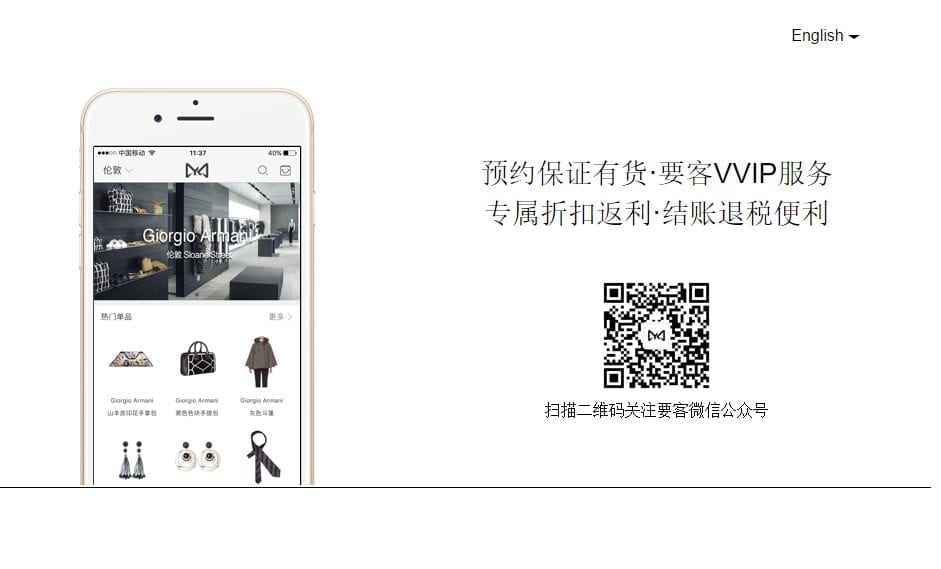
    Through Yaok, a brand can have its own official reservation platform, giving it absolute control in managing its image, product inventory, order status and customer database. It also allows instant communication between brand and customer.

    According to the China’s Fortune Character Institute, 73 per cent of Chinese consumers have a shopping list before overseas travel, 45 per cent of which cannot be fulfilled because of such factors as lack of desired size or model, resulting in loss of sales and unsatisfying customer experiences.

    Agreements in place

    Yaok lets customers reserve products in advance and have VIP services in store. Already the company has global or regional collaboration agreements with most international luxury brands.

    Yao says that when the platform officially launches at the end of next month, products from 80 per cent of luxury brands will be available. Users will be able to make VIP reservations in nine countries and regions.

    He estimates that 500,000 shoppers, all with a net wealth exceeding $2 million, will use Yaok to buy luxury goods globally. Its prestige service is either by invitation only or for current brand VIPs. Applications can be submitted via Yaok app or WeChat, but acceptance is not guaranteed.

    Yaok has completed two rounds of fundraising, with Feng Ye as angel investor.

    Yao was the first CEO for the Hurun Report, the magazine known for its “China Rich List”. Other core Yaok members have also worked in brand houses like Giorgio Armani or Louis Vuitton for more than 10 years.

    Yaok is affiliated to the Fortune Character group, founded in 2008, which specialises in researching the luxury market.

  • After Death of Thai King, Luxury Market Wavers

    After Death of Thai King, Luxury Market Wavers

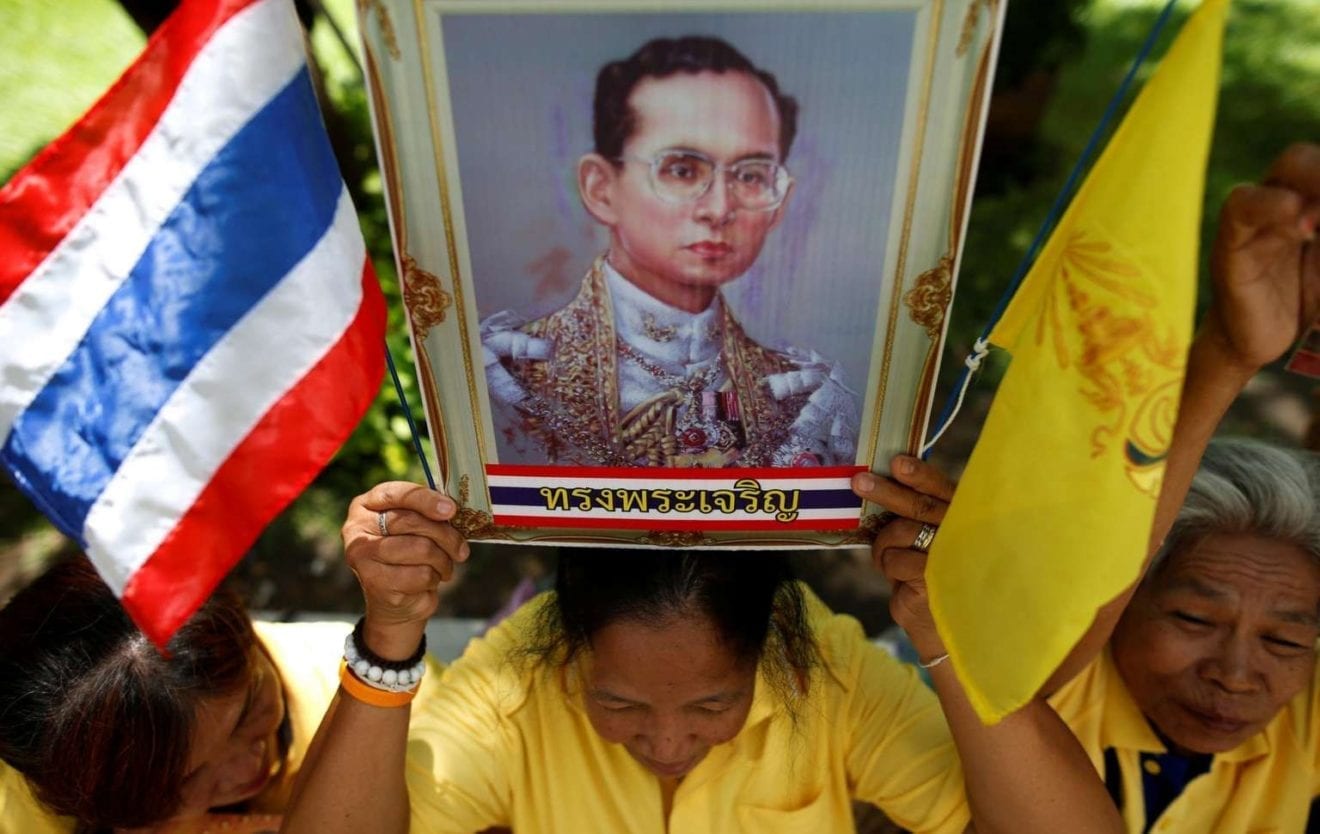
    Following a decade of declining health, 88-year-old King Bhumibol Adulyadej of Thailand, the world’s then-longest-reigning monarch, passed away in Bangkok on October 13. The king’s untimely death concluded a reign that lasted more than seven decades and initiated a year-long period of mourning, bearing substantial consequences for the nation’s luxury and fashion sectors.

    As declared by Prime Minister Prayuth Chan-ocha, leader of the junta that has ruled the country since 2014 after seizing power through a bloodless coup d’état, civil servants will be expected to wear “sombre-coloured” attire for the duration of the mourning period, while the rest of the population has been ordered to “tone down” or cancel entertainment and “joyful events” for at least the next month.

    Though the first full week of mourning has yet to pass, the consequences are already being felt. “I think [the fashion and luxury sectors] are definitely going to suffer — there will be a drastic decline in consumers of fashion brands,” predicts Kullawit ‘Ford’ Laosuksri, editor-in-chief of Vogue Thailand. “For example, I have spoken to a distributor of Kate Spade and Valentino, and they said that they had to re-estimate their Spring/Summer orders … The tourist and retail sectors are going to see a decline in sales — that is something the whole nation is afraid of.”

    Indeed, many of these fears are justified. “Retailers and hotels cancelled all promotions and activities related to sales and events during October to November,” says Anisa Ngandee, an analyst from Euromonitor. “Generally, the last quarter is usually the peak tourism period and the months where retailers [see] festive spending [during the] holiday seasons; thus, it will have a short-term impact on the retailers and hotels sales.”

    Regarding his publication, Laosuksri says, “There’s nothing we can do for the November issue, [but] for December issue, we are definitely going to decrease the print run, [while] a lot of traditional advertisements will be — if not in black and white — condolence messages.”

    From a Western perspective, the extent of mourning may seem extreme, but King Bhumibol’s reign was unique. For most Thais, life under Bhumibol is all they have ever known. “I and all the Thai people view this passing of the king as something that is quite personal as if somebody from our family has passed,” says Laosuksri. King Bhumibol’s heir, Crown Prince Maha Vajiralongkorn, has delayed his ascension to join the Thai people in grieving for his father; however, the country’s general election will go ahead as planned in late 2017.

    In recent years, the Thai luxury market has shown tremendous promise, growing 8 percent year-on-year from 2015 to 2016, reaching a total value of nearly $1.6 billion, according to Euromonitor. This can partly be attributed in part to the country’s young, wealthy upper-middle class. According to Digital Luxury Group,a business intelligence firm headquarted in Geneva, 20.5 percent of consumers who earned $150,000 or more in 2014 fell into the 30-34 age bracket, while another 18.6 percent fell into the 35-39 bracket, giving luxury brands and retailers ample space to penetrate the Thai market.

    The tourist and retail sectors are going to see a decline in sales — that is something the whole nation is afraid of.

    Nevertheless, despite this wealthy domestic consumer base, tourism still plays a significant role in sales of luxury goods. According to Bain & Company’s 2015 Global Luxury Goods Report, “Thailand [is a] top performer [in the Southeast Asia market] thanks to Chinese flows with strong potential going forward.” Just two days before the death of the king, Thailand’s biggest retailer, Central Group, announced expectations of a 21 percent rise in revenue to 320 billion baht ($9.17 billion) for fiscal 2016; sales at Central stores to foreigners rose 15 percent while transactions with domestic consumers merely increased by 5 percent.

    Given the immediate decline in the domestic demand for luxury goods, the Thai government must now tighten their dependence on the tourism sector to offset regressions, as retailers scramble to compensate losses in sales. “[The fashion industry] is very much going to depend on tourism; therefore, I think the government will be trying their best to promote it … after the one-month period,” predicts Laosuksri.

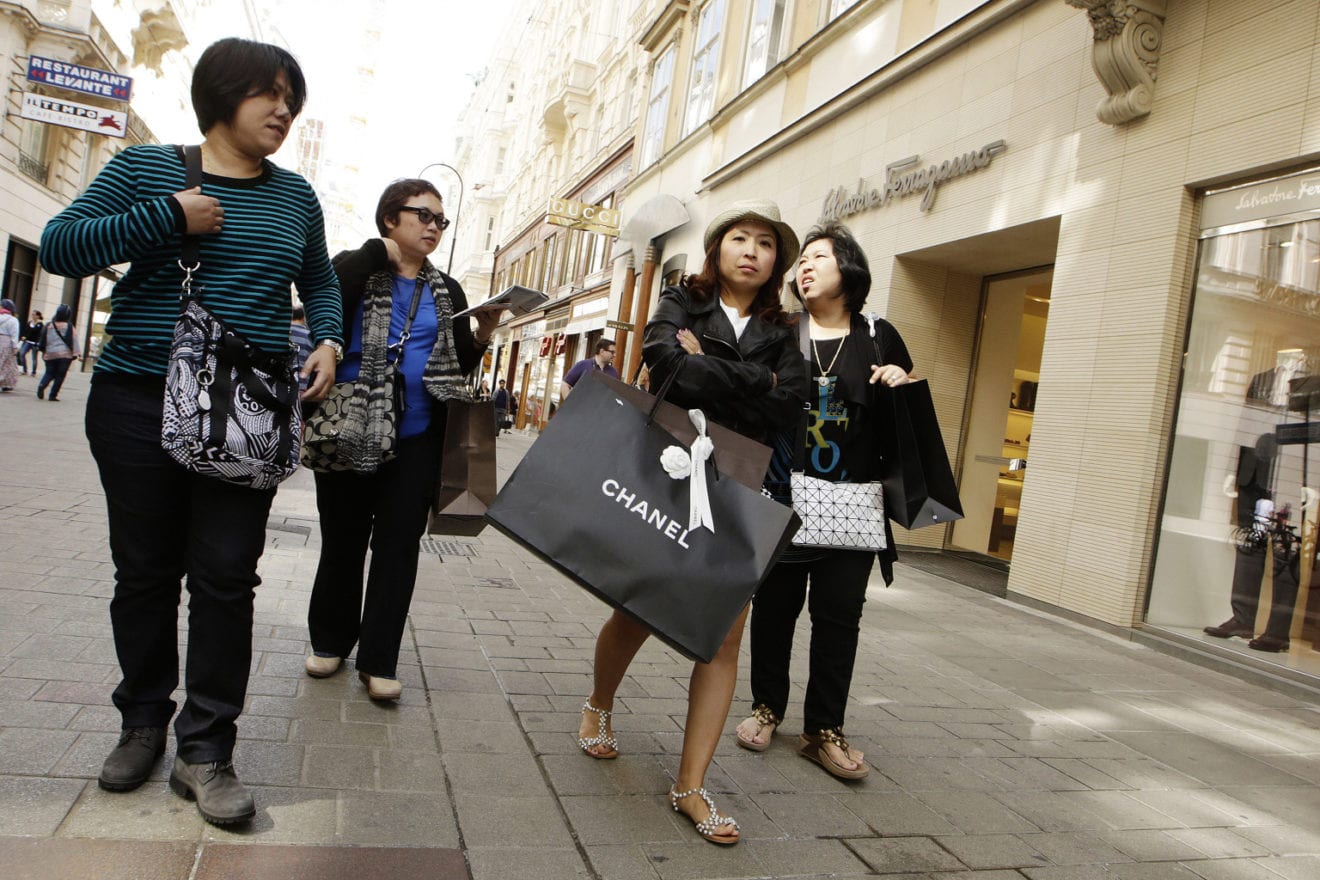
    If Laosuksri’s forecasts are correct, the Thai government will need to amplify its current efforts to engage Chinese tourists. “Thai authorities are leveraging Mandarin websites and KOL (key opinion leader) representation in China to promote the destination,” says Thibaud Andre of Daxue Consulting, a market research firm based in China. “[They] are strongly pushing their domestic practitioners to be more educated on Chinese culture and basic Mandarin, as well as [to increase activity] on Chinese platforms such as Wechat, Weibo or Taobao.”

    Despite the negative image of Chinese tourists in Thailand and controversy surrounding the recent crackdowns on “zero-dollar” budget tours targeted at lower-income tourists from China earlier this month, according to the Siam Commercial Bank, the average daily expenditure per person amongst Chinese tourists has grown to 5,748 baht ($164.1) in 2015, from 4,425 baht ($126.4) five years prior. In terms of purchasing power, foreign shoppers, especially Chinese tourists, have become a cornerstone of the Thai luxury market.

    In data provided by Thailand’s Department of Tourism, from January to August of this year, approximately 6.6 million tourists from China visited Thailand — more than from Europe, the United States, Australia, Africa and the Middle East combined – with nearly two million arriving between January and February 2016 alone, an especially high-traffic period for the Lunar New Year.

    In the near future, Thailand’s luxury retail market may face several hurdles in sustaining recent growths in sales — particularly given the country’s strict lèse-majesté laws and the increasing risk of ultra-monarchist violence in the capital deterring inbound tourists from mainland China. “In the short term … we already lowered our expectations to 10.5 million visits for 2016 due to the mourning period,” says Andre. “Chinese agencies are already refunding their clients and tour operators are cancelling trips.”

    While the short-term forecast may seem turbulent, market analysts remain positive about the future. According to Ngandee, “In the long term, with the development of infrastructure, expected number of tourists are projected to be positive; [compounded with] the expansion of Thai middle-income population, industries are generally looking forward to more optimistic performances.” Nevertheless, Euromonitor suggests that stability still remains contingent upon next year’s government election.

    However, the country has shown resilience during previous political and social upheavals, and many Thai industry insiders like Laosuksri maintain a sense of hope in this period of uncertainty.

    “Euromonitor projects that more than 12 million incoming Chinese tourists at the end of 2020, [and] Thailand is expected to remain among the top destinations and might overtake the second hit destination [for outbound Chinese travellers] at the end forecast period,” assures Ngandee.


  • Connecting with the traveling Chinese shopper

    Connecting with the traveling Chinese shopper

    By the end of this year, China’s digital travel sales will amount to more than $95 billion, according to eMarketer. That’senough to rival the revenue of Fortune 500 giant Microsoft. By 2020 this figure will have doubled to around $200 billion.

    Retailers and tourism operations globally have been rolling out the red carpet for Chinese shoppers over the past few years. The Australian government introduced a “China 2020” plan in the hopes of bringing $7 billion revenue from Chinese tourist spending.

    In Southeast Asia, the top source of tourism receipts in Singapore and Thailand come from China, as the region remains a top destination due to the historically low prices and geographical proximity.

    With this expected growth, the days of broad-based marketing are over. Competition for the savvy Chinese shopper is more fierce than ever — without personalized and insightful advertising, the shopper would be overwhelmed with companies vying for their attention. Brands that can deliver the best mobile user experience at the heart of their  campaign strategy will be the most trusted among these consumers.

    Mobile-first means user-first Mobile is the most effective channel to reach Chinese shoppers abroad. The IAB reports that 47 percent of Chinese shoppers made purchases with a mobile wallet this year.

    That’s the highest in the world, second only to Norway (42 percent) and the UK (24 percent). The same report reveals APAC has the highest usage of mobile wallet for purchasing products and services of any region in the world.

    To better understand the Chinese consumer, advertisers can analyze their daily habits on their mobile devices. An audience cluster employing real-time and historical data can pinpoint the most receptive users and find the best time to engage them.

    There are many platforms that are more popular in China than other regions—such as WeChat and Weibo — and analyzing this historical data can help isolate the behavior on these devices. Combining real-time data such as device language, network carrier, and operating systems will give a more holistic view of the shopper.

    For example, to profile a Chinese luxury consumer traveling in Singapore, advertisers can identify and group together key indicators, such as the latest iPhone 7 model, connecting through a Chinese mobile carrier and using traditional Chinese language settings.

    Add the potential to pair that with historical location behavioral data identifying them as frequently visiting Singapore, and you can start to build out powerful audience segments. Audience segmentation is becoming increasingly sophisticated and can help advertisers push their branded messages even before the intended customer has departed from China.

    Personalized mobile marketing also allows brands to deliver tailored and timely messages to serve the consumer on their shopping journey. Let’s say, for example, an ideal time to send out an advertisement is in the morning before a shopper heads out of their hotel.

    A helpful campaign indicating the nearest store location and opening hours, combined with a daily coupon, has a higher chance of converting than a non-targeted advertisement.

    With the wealth of mobile data available, advertisers can go one step further and deliver creative campaigns based on device operating system. Most of the time, iPhone ads will lead to a landing page in Safari, and an Android system will take the user into Google Chrome. The ability to tailor each creative format for different user devices can help retailers win over the highly-desired Chinese tourist dollar.

    Brands that want to wow Chinese tourists need to have full visibility of their intended consumers and engage with precise timing to truly encourage purchasing decisions. Given the availability of today’s data, brands that fail to customize their creative message and user experience will only stand to lose out.

  • Discovery Japan Mall opens online

    Discovery Japan Mall opens online

    Tokyo-based craft products retailer DigitalStudio has launched Discovery Japan Mall, a cross-border eCommerce venture.

    Specialising in Japanese brands, the mall’s initial catalogue includes mainly toys, fishing gear, cosmetics, food, watches and fashion. About 100 Japanese companies have opened stores on the mall, offering about 15,000 items.

    Shipping is available to more than 120 countries and regions, and as part of the opening campaign free international shipping is offered for orders worth JPY 20,000 (US$190) or more until the end of this month.

    As well as credit cards, the mall supports payment by AliPay, PayPal, UnionPay and WeChat. The website is available in English, simplified and traditional Chinese, Indonesian, Korean and Thai. Purchases can be made by smartphone, and all orders include tracking and shipping insurance, plus delivery from Japan.

    Discovery Japan Mall representative Norio Itabashi says many hidden Japanese products do not reach the overseas market, and the mall is working with craftsmen and manufacturers to sell unique products.

    DigitalStudio was established in 2003 with the aim of “continuing to bring Japan to the world”.

  • Coach Tmall flagship abandoned

    Coach Tmall flagship abandoned

    The official Coach Tmall flagship shop has been abandoned.

    Luxury bag brand Coach Inc says it will replace its shop on Alibaba Group Holding’s business-to-consumer sales site by selling directly through its own website and on its WeChat account, the social-media app run by Alibaba rival Tencent Holdings. Coach has offered coupons and launched a media campaign on WeChat.

    A Coach spokeswoman says the company wants to consolidate resources and will continue to look for innovative ways to leverage digital and social platforms.

    Alibaba says Coach products are still available on TMall from other merchants.

    Selling shoes, purses and accessories, Coach was one of the first US luxury brands to launch an official store on the TMall. It started with a temporary pop-up store from December 2011 to January 2012, opening a full store in 2015.

    Early this month, nearly a dozen trade groups wrote to Alibaba complaining that it was not doing enough to combat counterfeits. And the loss of Coach comes as Alibaba faces added scrutiny from a US trade agency as to whether it should be added to a list of marketplaces that are known for selling counterfeits.
    Alibaba’s Taobao consumer-to-consumer marketplace was on the list years ago, but was removed in 2012.

    Meanwhile, LVMH Moët Hennessy Louis Vuitton SE’s Guerlain has just opened a flagship store on TMall, and MakeUp Forever and Sephora, two other brands under the LVMH umbrella, also have TMall stores. Also, the cosmetics unit of Salvatore Ferragamo will launch its store later this month.

  • Grand opening for Olympia 66 in Dalian

    Grand opening for Olympia 66 in Dalian

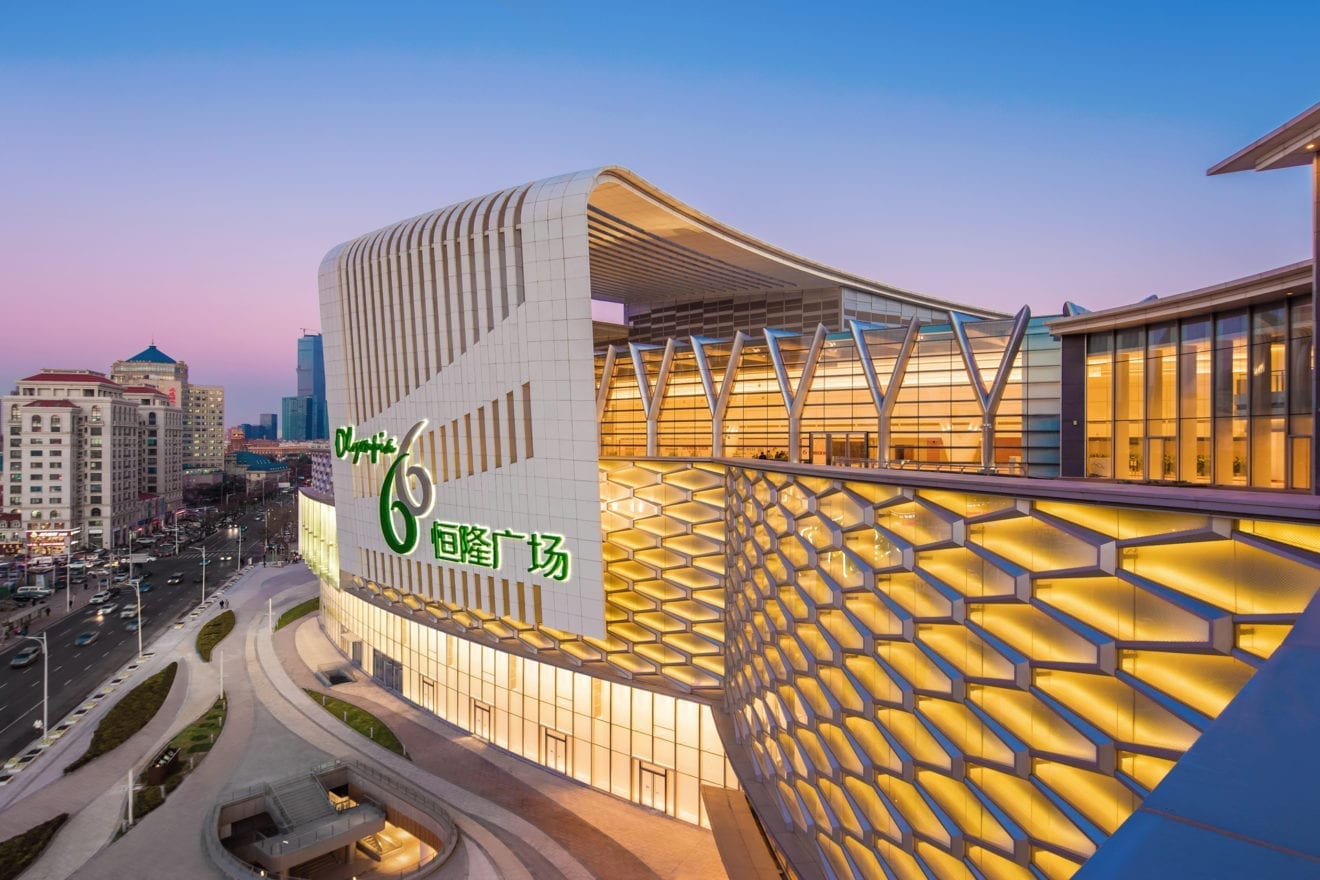
    Hang Lung Properties has staged a grand opening for Olympia 66 in Dalian, the Hong Kong-based developer’s eighth commercial complex in China.

    Located in the Xigang business and financial district of Dalian, the megamall joins Hang Lung’s other world-class projects in the northeast, namely Palace 66 and Forum 66 in Shenyang, and Riverside 66in Tianjin.

    Chairman Ronnie Chan and MD Philip Chen officiated at the event with senior management and guests.

    “Although China’s economy remains weak, Olympia 66 has performed on par with expectations since its soft opening in December,” says Chan.

    With more than 220,000 sqm of retail space, plus parking for 1200 cars, the mall’s design is based on the design concept of Tai Chi twin dancing carps. It has a 300m-long façade decorated with about 3000 glass ornaments shaped like fish scales, and 9900m of LED lights that can display images and text.

    More than 40 brands have made their debut at Olympia 66, including Apple, Cos, Coterie, Nannini and Under Armour. F&B outlets account for 30 per cent of the trade mix, and the mall has an ice-skating rink as well as Dalian’s first Palace cinema with 1600 seats in 10 theatres.

    Olympia 66 is the second Hang Lung mall in China to implement the company’s EST (experience, service and technology) program. This enables customers to combine online services with offline shopping, and a WeChat app offers mall news and promotions. There is also a location service to find particular stores, a digital queuing service for F&B outlets, a car-parking tracker and, to be introduced soon, mobile payment at the car park.

  • New way to sell bags for Christian Dior

    New way to sell bags for Christian Dior

    Christian Dior China has become the first luxury brand to sell top-end bags on messaging and social network WeChat.

    With an eye on Chinese Valentine’s Day (Qixi) on August 9, it offered its limited-edition Lady Dior bag on the platform this week. It was to be available until today, but sold out on Tuesday.

    As a special extra, consumers were able to drag online pictures of decorations on to the bag, so it could be tailored for their preferences.

    Buyers could pay through WeChat for the bag, priced at 28,000 yuan (US$4210).

    Other luxury brands, including Cartier, Longchamp and Montblanc have already launched online sales platforms on WeChat, providing special services and discounts.

    For the first half of this year, Dior’s net profits fell 30.2 per cent to €74 million ($82.8 million).

  • Innovate or die: Singapore retailers advised to reinvent as brick and mortarshops lose luster

    Innovate or die: Singapore retailers advised to reinvent as brick and mortarshops lose luster

    Some brands are even advertising via Snapchat.

    In a fast-paced and technologically-savvy city-state such as Singapore, brick and mortar shops of retailers, however traditional, may not be adequate anymore.

    According to a report by Cushman and Wakefield, Italian luxury brand Prada, for example, has announced plans to advertise via Snapchat, and will be offering their range of goods online.

    Additionally, the Singapore Tourism Board is using WeChat and Baidu Connect, and other online travel services and social review sites to reach out to independent Chinese travelers.

    “Thus, it is essential for all major stakeholders to reinvent their operations to drive the retail scene forward,” the report noted, highlighting the inevitable paradigm shift.

    Meanwhile, to combat the surge of e-commerce, the report said retailers are increasing F&B components in shopping malls and department stores, as such experience-based concepts are irreplaceable by online retail.

    “For instance, Muji Café and Meal will be opening their second outlet in Raffles City, and a cluster of 16 restaurants will open in Wisma Atria’s Japan Food Town. In addition, Robinsons the Heeren welcomed Angela May Food Chapters in this quarter,” the report added.


  • BlackBerry finds partner in Indonesia’s Emtek

    BlackBerry finds partner in Indonesia’s Emtek

    An Indonesian media conglomerate on Monday announced a partnership with BlackBerry in which it will help the Canadian company bring more functionality to its BBM messaging app.

    Elang Mahkota Teknologi, known as the Emtek Group, owns two national TV stations, online news portals and production houses. It also has invested in numerous startups. The partnership will enable Emtek to bring these properties’ content to BBM users, as well as develop new BBM applications and services through a licensing agreement. The content maker will pay BlackBerry an estimated $207 million in licensing fees over six years through a Singapore subsidiary.

    “We wanted to continue to offer our users even more with the most content-rich media and new services such as e-commerce, video, music and games,” said John Chen, BlackBerry’s executive chairman and CEO.

    The deal follows a trend in which messaging apps are morphing into platforms that offer a range of services. BBM has 60 million monthly active users in Indonesia, more than anywhere else in the world. Currently, the app has about 90 million monthly active users around the world.

    KMK Online, an Emtek digital content maker, will set up an office in Toronto so it can work closely with BlackBerry.

    Emtek has been stepping up efforts to generate revenue from its content via online platforms. In 2015, the company consolidated its production and distribution divisions. Earlier this year, it invested in Malaysia-based online video streaming service iFlix, which later launched services in Indonesia.

    “We see significant opportunity to grow the consumer BBM business globally and are excited to invest in research and development to further advance BBM,” Emtek CEO Alvin Sariaatmadja said in a press release.

    BlackBerry’s handset business has found itself left behind in the smartphone age and is now trying to focus on software.

  • China online payments tightened

    Service providers and their millions of users are affected by a significant regulatory change to China online payments announced by the Chinese Central Bank.

    From July 1, third-party online payment service providers must ensure that all user accounts bear the real name of the account holder. In addition, accounts will be categorised into three types based on security requirements, capped with maximum annual payments.

    The policy was created with an aim of preventing large deposits of money into third-party payment accounts unprotected from bank deposit insurance.

    China’s third-party mobile payments market reached RMB9.31 trillion (US$1.4 trillion) last year, up 57.3 per cent from 2014. Analysts expect the industry will continue to grow at a fast rate in the coming years, reaching RMB52.11 trillion by 2018.
    Mobile payments have become a useful tool for companies in their China market strategy. The two largest third-party online payment platforms in China are Alipay and WeChat.

    Dominant player

    Dominating with roughly half of the market, Alipay is a subsidiary of Alibaba Holding Group, serving Alibaba’s B2B eCommerce network similar to how PayPal works with Amazon and eBay. Alipay co-operates with Visa and around 65 banks, including the Bank of China, China Construction Bank, the Agricultural Bank of China, and the Industrial and Commercial Bank of China.

    As well as being the primary payment method for Alibaba.com and Taobao, it serves more than 500,000 external merchants, covering online retail, gaming, communications, air tickets, commercial services and utility bill payments.

    Its international version, Alipay Global processes payments in RMB and automatically converts them to the merchant’s currency of choice. It supports 12 currencies, with exchange rates decided by either the Bank of China or China Construction Bank. Alipay Global’s transaction fee is 2 to 3 per cent.

    Account procedure

    To set up a service account with Alipay China, a company must first register an account, providing company information for verification. Once approved, an application can be made and a QR code issued.

    Applicants must provide a business licence, ID card information and public bank account details. If the applicant is not the company’s legal representative, a power of attorney must be provided.

    WeChat Payment was launched by Tencent Holdings in 2013. It is different to Alipay in that it serves as both a payment platform and an instant messaging service. It also differs from Tencent’s TenPay, which is similar to Alipay. WeChat Pay can be used to pay in stores, on websites, WeChat shops and third-party apps, with its payment procedure easier and for both customer and company alike.

    Paying through WeChat has revolutionised how retailers and customers interact, with a huge number of customers depending on its social media and instant messenger service.

    To set up a service account, a company first needs to apply for an official WeChat account, specifying reasons for the application and supplying the category or type of company.

    Applicants need to supply the full name of the contact person, phone number and email address; the website address of the company (not necessary for non-IT companies); full company name; description of the product; customer service number; and company bank account information.

    For non-financial entities such as Alibaba and Tencent to provide third-party online and mobile payment services in China, a payment business licence must first be obtained. Regulations stipulate that the business scope, qualifications and contribution ratio of foreign-invested institutions applying for the licence will be decided by the People’s Bank of China and State Council separately.

    Pile of documents

    Meanwhile, Apple Pay has entered the China market, partnering with China UnionPay and nearly 20 Chinese banks. In its first two days, more than three million bank cards were linked to its service, which uses Near-Field Communication (NFC) contactless payments as opposed to QR codes, which are used by Alipay and WeChat Pay.

    Apple Pay, along with Edenred and Sodexo, is among the few foreign-invested companies with a Chinese payment business licence.

    Applicants for the licence must be companies established in the China and must submit a pile of documents to a local branch of the People’s Bank of China – a written application specifying the name, domicile, registered capital and organisational structure of the applicant business, payment business being sought, a copy of the company’s business licence, articles of association, verification certification, financial and accounting reports audited by an accounting firm, feasibility study report, acceptance materials on anti-laundering measures, certification on technical safety testing and authentication, resumes of senior management personnel, certification that the applicant and senior management personnel are free of criminal records, relevant materials of major capital contributors, and an authenticity statement regarding the application materials.

    Entry into China’s lucrative third-party online payments can unlock huge market potential, but the requirements are strict and the application process and approval is by no means easy.

    In comparison, the process for obtaining an online payment QR code is relatively straightforward, but the recent restrictions imposed on payment account types and security checks might change both the way third-party online payment platforms work as well as consumer behaviour.

    • From China Briefing, published by Dezan Shira & Associates. Dezan Shira is a specialist foreign direct investment practice providing corporate establishment, business advisory, tax advisory and compliance, accounting, payroll, due diligence and financial review services to multinationals investing in China, Hong Kong, India, Vietnam, Singapore and other ASEAN countries.
  • Orchard Rd turns to WeChat to drive sales

    Orchard Rd turns to WeChat to drive sales

    A post on Chinese social media platform WeChat touts Orchard Road as a prime spot for a selfie, with its backdrop of high street brands and clean surroundings.

    Another post raves about the value of the dishes at seafood restaurant chain Fish & Co, where appetisers cost between $3.90 and $11.90.

    The Orchard Road Business Association (Orba) set up the WeChat account two months ago to promote the shopping street directly to consumers in China.

    “In China, without a WeChat account, it’s impossible to communicate with the consumers,” said Mr Steven Goh, Orba’s executive director.

    Like many businesses in Singapore, Orba is looking to the Chinese to provide a boost to the flagging retail and tourism sectors.

    The Orchard Road Business Association recently hired a marketing agency in China to come up with twice-weekly posts on its WeChat platform that use the lingo of the mainland Chinese to introduce the brands in Orchard Road. PHOTO: ORCHARD ROAD BUSINESS ASSOCIATION

    Competition from online shops and weak consumer sentiments have translated into lower retail sales. Tourism growth is expected to slow to a crawl this year, as tourists tighten their belts ahead of a weakening global economy.

    The Chinese, however, offer hope.

    Last year, Chinese visitor arrivals grew 22 per cent year-on- year to 2.1 million. Although their expenditure of $2.54 billion was a 4 per cent dip from the 2014 figure, they were still the top spenders among visitors here.

    In recent years, Orba has sent teams to different cities in China regularly to promote the street.

    Recently, it hired a marketing agency in China to come up with twice-weekly posts on its WeChat platform that introduce – in the lingo of the mainland Chinese – the brands in Orchard Road.

    Its efforts complement those of the Singapore Retailers Association (SRA), which roped in Chinese payments firm UnionPay International as a partner of its Great Singapore Sale this year.

    SRA extended the sale to 10 weeks and started it a week later than usual to coincide with most of China’s summer holidays.

    Other retailers are also taking the initiative to cater to the Chinese.

    Retail shop Taula Jewellery in Clarke Quay widened its range in March to include fashion jewellery and items with prices starting from $29, instead of $49 previously. Its Chinese customers prefer fashion jewellery to precious metal jewellery such as silver and gold, and like good deals, owner Kanika Mittal, 35, noted.

    Department store Takashimaya is “displaying more prominently” products that are more highly discounted and appealing to Chinese tourists, who make up 30 per cent of its foreign customers, said a spokesman.

    SRA executive director Anthony Gan said the Chinese tend to look for goods and services tax refund service, shops that accept UnionPay, Mandarin-speaking staff and special offers.

    The spending patterns of Chinese tourists have evolved, said UnionPay International South-east Asia general manager Yang Wenhui. He said it was “seeing spending on hotels, supermarkets, dining, airlines and retail grow at a much faster rate than luxury goods in general”.

    Tourism consultant Edward Chew said Chinese tourists no longer “purchase everything they come across”, with many international brands now available in China.

    The former Singapore Tourism Board regional director for Greater China said: “We need to distil what Singapore is good for and strong in and what’s unique about our retail scene, and actively promote them to the Chinese traveller in Singapore.”