Tag: wechat

  • Singles’ Day sales set to soar

    Singles’ Day sales set to soar

    Worldpay, a global leader in payments, is predicting another record-breaking China Singles’ Day for businesses around the world, as the eCommerce extravaganza goes global.

    New data from Worldpay reveals that last year’s event grew by 39% globally1, with sales outstripping Black Friday by 137%.2 Online shopping activities peaked at 17.24 GMT3, at which point Worldpay was processing 44,505 payments per minute.

    The payments processor is expecting 11 November to make history again this year, as more and more international brands opt to participate in the shopping festival.

    According to Worldpay, retailers in Australia and Hong Kong are seeing the fastest growth, with sales rising by 105% and 71% respectively year-on-year.4

    Although the volume of sales has plateaued in mainland China, the average spend per purchase continues to rise, at a rate of 9%,5 as more and more shoppers tend to splurge on big ticket-items.

    Worldpay’s transaction data supports recent findings from the Global eCommerce Leaders Forum (GELF), which revealed the rise in consumer spending power in China is translating into growing sales on international eCommerce sites, as more Chinese shoppers than ever before are seeking genuine products from cherished global brands.

    Phil Pomford, General Manager for Asia Pacific at Worldpay said: “Since its inception as a local celebration of singledom, Singles’ Day has risen to become the world’s top grossing-online shopping holiday, and the event knows no boundaries. Our data reveals how fast Singles’ Day is growing internationally, so for international businesses looking to break into the huge Chinese eCommerce market, 11 November should be an important landmark in the calendar year.

    “To turn browsers into buyers, it is essential to tailor the online shopping experience to local tastes. For Chinese consumers, this means focusing on your mobile proposition. Shoppers expect to use their preferred payment option – increasingly e-wallets like Alipay and WeChat Pay – and merchants should offer a cutting edge checkout experience to attract tech savvy consumers.”
  • WeChat Pay Hong Kong adds QR code payment

    WeChat Pay Hong Kong adds QR code payment

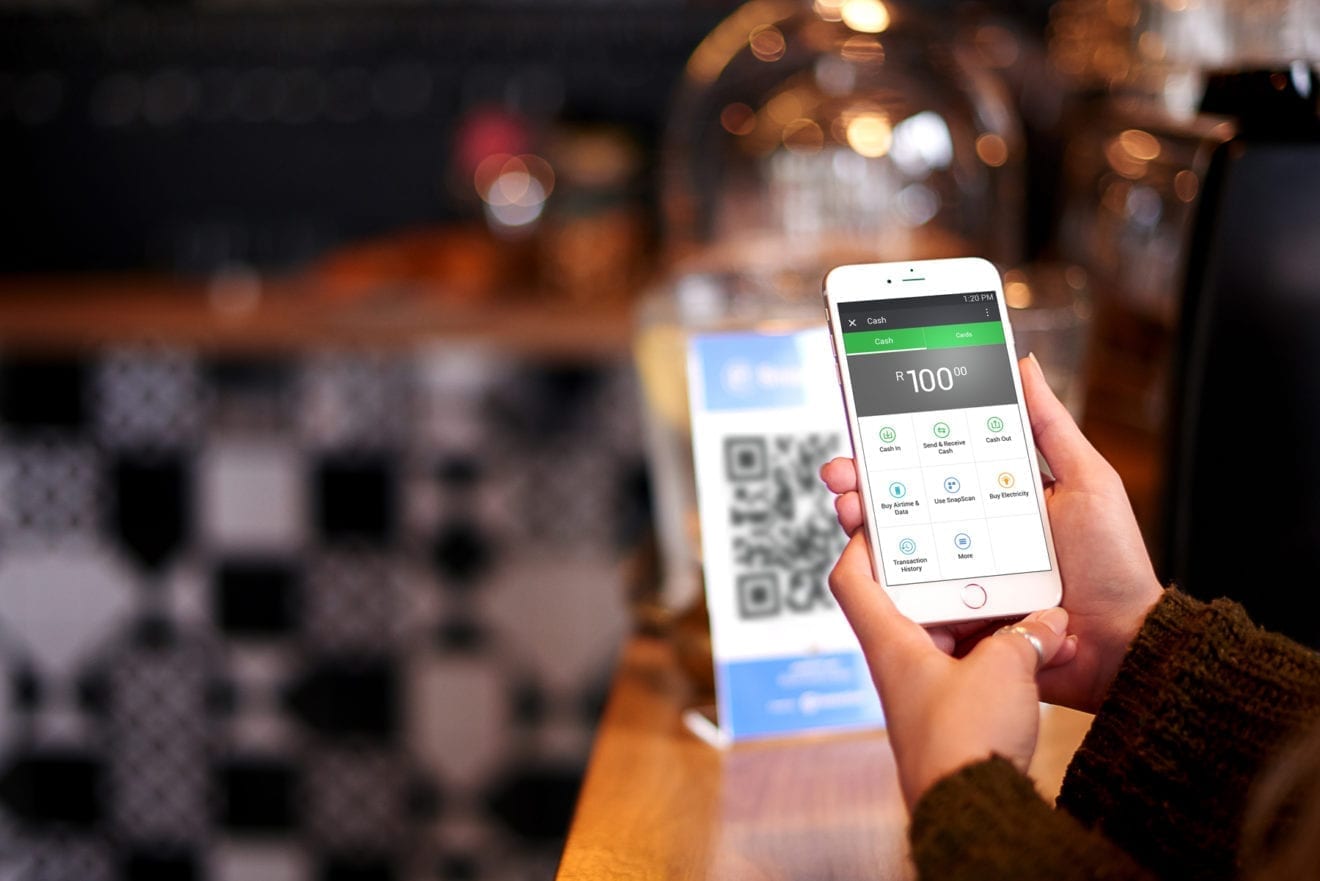
    WeChat Pay HK has introduced a series of expanded payment features to improve the mobile payment experience for local consumers.

    The expanded features include a new quick pay function targeted at merchants able to implement WeChat Pay into existing point of sales systems, such as restaurants, supermarkets and stores.

    Individuals, taxi services, family stores and business owners will meanwhile be able to take payments without having to set up costly payment terminals via the Receive Money via QR Code function.

    Finally, a new checkout system – targeted at SMEs including a simple payment system and a platform for marketing initiatives such as coupons – is expected to launch in December.

    WeChat Pay HK was granted a stored value facilities license by the HKMA last year and has since introduced features including social payment, online shopping and remittance services.

    “The usage of various kinds of Stored Value Facilities is gaining popularity in Hong Kong. We are glad to see WeChat Pay HK’s efforts in promoting mobile payment, offering consumers and businesses more payment solutions and choices throughout the city,” HKMA CFO Nelson Chow commented.

    “We are excited to launch the new WeChat Pay features in Hong Kong, embracing Hongkongers’ growing passion for mobile payment and making their daily lives easier whenever, wherever,” added Tencent general manager Norman Tam.

    “On the business front, this universal payment solution enables merchants to enhance customer engagement and loyalty via the strong WeChat ecosystem.”

  • Hermes pop-up on WeChat introduces smartwatch

    Hermes pop-up on WeChat introduces smartwatch

    A Hermes pop-up store, its first on WeChat, features a 13-second promotional video for its new Eperon d’Or Hermes x Apple smartwatch.

    The French luxury brand is offering six options of wristband, each based on a classic Hermes scarf pattern.

    When clicking on “read more” at the bottom of the post, readers are taken directly to Hermes’ watch collection page which offers a detailed view of six models. The prices range from RMB8988 (US$1354) to RMB10,988.

    Buyers need to register an account on the site to track the order, and use WeChat Pay to complete deals.

    The pop-up ends on November 5.

    Meanwhile, Hermes sales in Asia Pacific, excluding Japan, have grown by 14.3 per cent year on year. Its WeChat experiment indicates the brand has taken a significant step toward digital marketing, reports CIF News.

    CEO Axel Dumas says Hermes has excellent sales track records in China, and has expanded from major cities, gradually developing in  growing centres such as Chengdu and Hangzhou.

  • Apple backs payments via WeChat

    Apple backs payments via WeChat

    Apple Inc’s online services support WeChat payment from yesterday under a tie-up between the US technology giant and Tencent, China’s top dot-com firm with almost 1 billion users.

    Apple users can purchase apps and subscribe to online music by bundling App Store and WeChat payment accounts. In China, around 963 million people use WeChat, a popular instant message and picture sharing tool.

    Apple will “continue to be committed to offering customers across its ecosystem a variety of payment options that are simple and convenient,” the firm said in a statement.

    The WeChat payment tie-up is expected to allow Apple to boost revenue from services, which may help the company to offset sales decline of iPhone and iPad in recent quarters in China, industry insiders said.

    Apple has increased investment in China by setting up new research hubs data centers and more Apple Stores.

  • WeChat goes to ground with WeStore test

    WeChat goes to ground with WeStore test

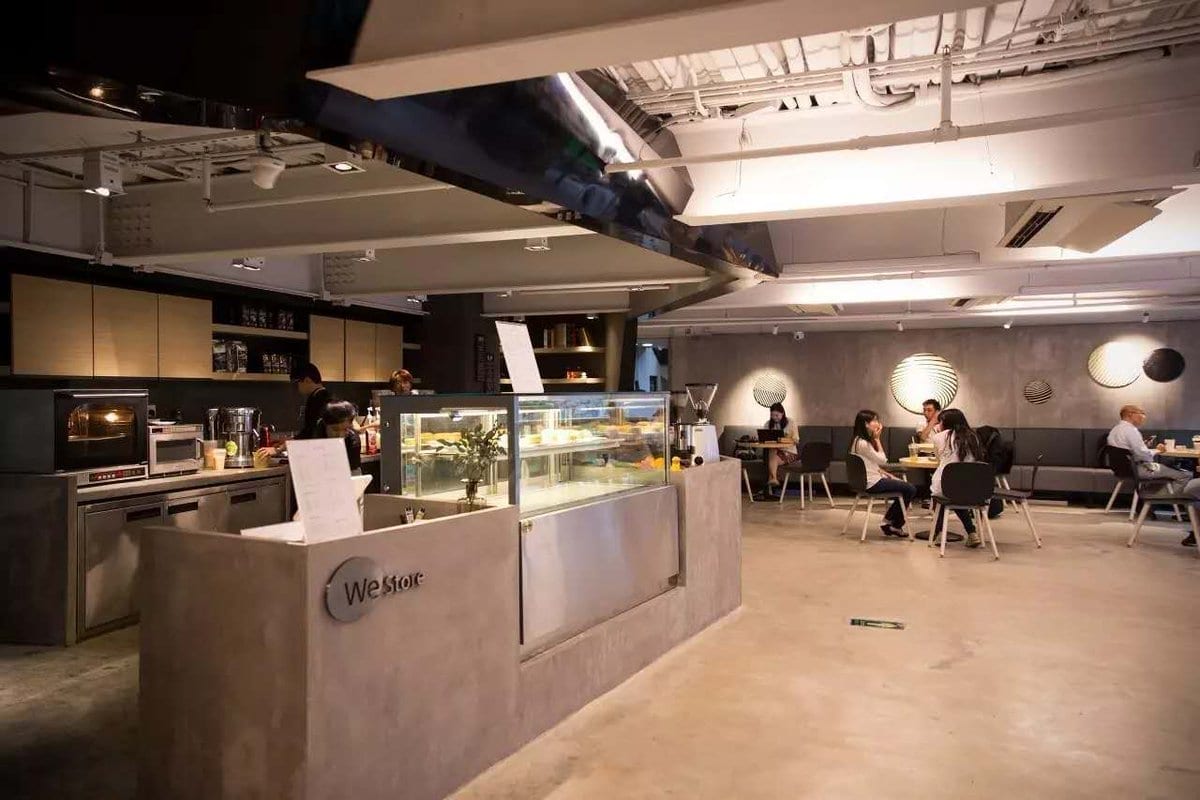
    As Chinese chat app WeChat moves into merchandising, it has opened an on-ground “test” WeStore in Guangzhou.

    This follows its announcement that it is partnering with apparel retailer Gap to launch a range of WeChat-branded clothing, its first major foray into branded merchandise.

    This was foreshadowed at December’s annual WeChat conference in Guangzhou, where are limited-edition range of branded merchandise was released, including pillows, notebooks, stickers and pins.

    A few months ago, WeChat-themed merchandise such as pillows, bags and light jackets was used as prizes for an online competition.

  • Record quarterly profit for WeChat parent Tencent Holdings

    Record quarterly profit for WeChat parent Tencent Holdings

    Marrying social media with mobile gaming has helped Chinese internet giant Tencent Holdings post its fastest revenue growth in seven years for a record profit.

    It tapped the spending power of about 200 million players, including a solid female representation, of Honour of Kings and other games, boosting mobile-game revenue past that of desktops for the first time.

    Its flagship game, Honour of Kings allows WeChat users to discuss strategy as well as co-opt friends to join their team. Tencent is reportedly taking the game to new markets.

    Games distributed to more than a billion users on QQ and WeChat combined fueled a 54 per cent surge in mobile gaming revenue in Tencent’s latest quarter. It had a 70 per cent leap in net income to a record RMB18.2 billion (US$2.7 billion) for the three months to the end of June. Sales soared 59 per cent to RMB56.6 billion yuan.

    Tencent’s payments and cloud businesses both grew by triple digits in the quarter, says president Martin Lau.

    Revenue from value-added services, including games and messaging, rose 43 per cent to RMB36.8 billion. Online advertising sales increased 55 per cent to RMB10.1 billion yuan.

  • Global Blue links with EuroPass,WeChat to boost Chinese tourist spend in Europe

    Global Blue links with EuroPass,WeChat to boost Chinese tourist spend in Europe

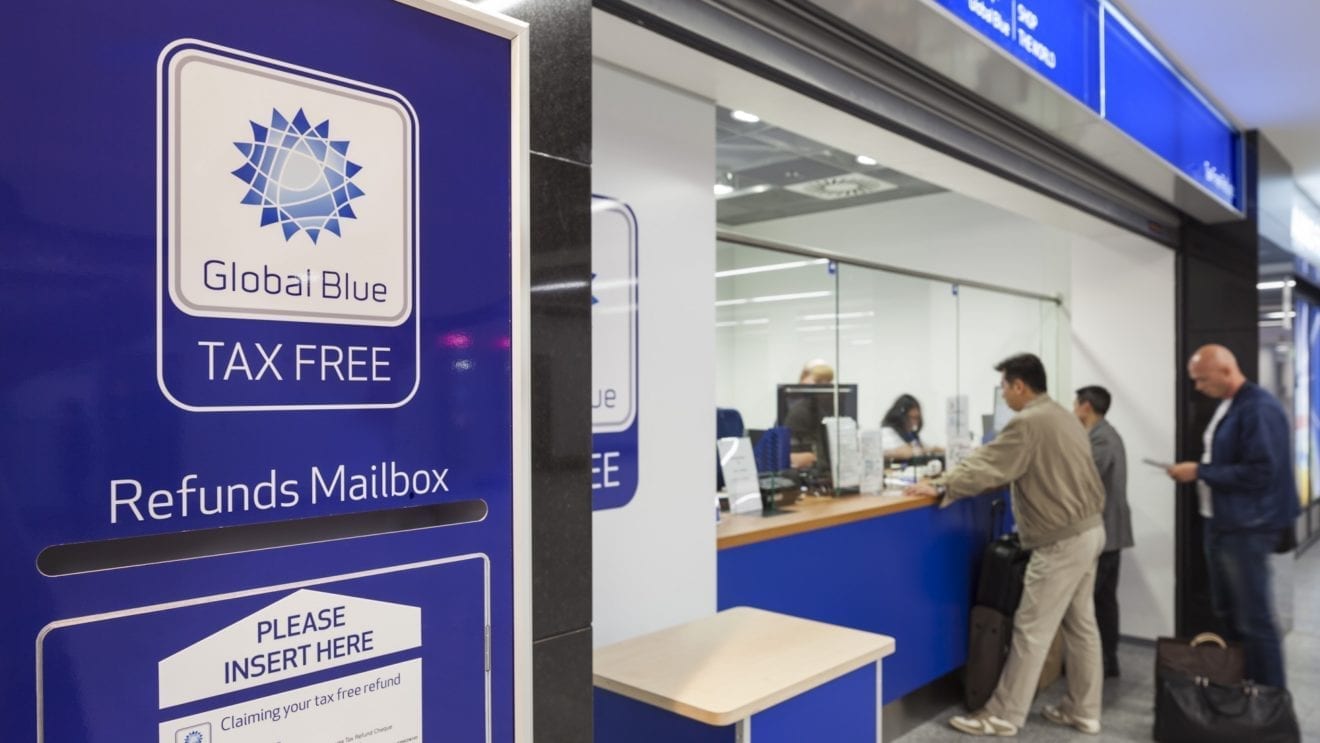
    Global Blue has inked a deal to make it easier for Chinese tourists to claim tax refunds on goods they buy in UK and European stores by linking up with major mobile payments specialist EuroPass. And the deal has a major WeChat social media element too.

    Chinese shoppers now have more options for claiming back the VAT when they shop in Europe

    Anything that makes it easier for Chinese shoppers to spend has to be good news with the consumer group particularly important for fashion and luxury stores in key European cities.

    London in particular has seen a Chinese surge of late. According to the Global Blue tax-free spend figures last month, with 21% of the total tax free sales, Chinese shoppers made up the biggest share of tax-free spend in the UK and they also showed the biggest growth in spend since last year.

    The company, which handles sales tax refunds, said this week it has acquired a stake in EuroPass, the European WeChat payment specialist. It has signed an exclusive contract to introduce retailers to the firm’s mobile payment solution to directly deliver tax refunds to Chinese shoppers.

    EuroPass has developed a mobile payment solution for WeChat, the social network that’s hugely popular in China with over 938 million active users. The solution allows Chinese travellers to use their apps to pay for transactions in Europe.

    Global Blue said the deal will help it to further develop its offering to Chinese travelling shoppers and enable it to offer affiliated merchants access to WeChat’s payment ecosystem in Europe.

    Aside from payments, EuroPass also offers a WeChat mobile ticketing solution and a European marketplace, helping drive WeChat customers to European merchants.

    Global Blue’s affiliated merchants will now be able to accept WeChat Pay in their stores, as well as other payment systems as, in recent months, the company has made major investments in this area with  new refund solutions with Alipay and UnionPay.

    As Global Blue’s exclusive tax-free partner, in the future EuroPass will also allow tax refunds from transactions to be paid directly to travellers’ AliPay and WeChat Pay wallets.

    CEO Jacques Stern said: “Chinese Globe Shoppers are vital to the retail industry worldwide. WeChat is the number one social network in China and an increasingly important player in the global payments space, so it is a natural platform for us to focus on.”

  • China’s AliPay, UnionPay & WeChat Pay join LATAM Fintech’s payments revolution

    China’s AliPay, UnionPay & WeChat Pay join LATAM Fintech’s payments revolution

    The fintech dLocal that specializes in cross-border payments for emerging markets, has integrated AliPay, UnionPay and WeChat Pay – China’s three major digital payments providers – into its platform. The addition for Uruguay-based dLocal with a US presence is touted as enabling global merchants to reach some “300 million Chinese consumers.”

    Collectively these three providers captured the vast bulk of the Chinese market for online payments (over 70%), which translated into $2.9 trillion (trn) of such payments in 2016.

    According to the market research firm Analysys, for the first quarter of 2017 Alipay, which was founded by Alibaba Group in 2004 and its founder Jack Ma, accounted for around 54% share of mobile transaction value while WeChat Pay garnered a 40% share.

    For the Uruguayan-based dLocal, which has largely been focused on the Latin American region and other emerging markets, it expands the company’s services to Asia. It is couched as enabling the firm to “offer a broader portfolio of payments and country coverage to global merchants” who want to reach some 2 billion (bn) emerging consumers in markets where payment methods are different of those in Europe and the US.

    Chinese Cross-Border E-Commerce

    Cross-border ecommerce in China reached an estimated RMB 259bn (c.$40bn) in 2015, equivalent to over 6% of China’s total consumer e-commerce. And, the growth rate has been put at more than 50% annually according industry figures and as highlighted recently by Chenan Xia, a principal at McKinsey in Hong Kong.

    Lower prices, higher quality items, larger disposable incomes and the search for non-fake goods are among a factors contributing to the rise in online cross-border purchases, creating a huge opportunity for ecommerce and marketplace businesses.

    China’s major e-commerce site, Alibaba’s Tmall, for example, has moved into the market with a cross-border site (Tmall Global), whilst smaller consumer rivals and start-ups have got in on the act.

    US e-commerce behemoth Amazon has also become increasingly active in China, having opened its offshore shopping sites of late to Chinese consumers and offering users of Amazon.cn, its Chinese site, a selection foreign products described in the local language and with Chinese specifications.

    On the flip side, Tmall Global has attracted major foreign retailers like US-based Costco and South Korea’s Lotte Mart, to its cross-border site.

    “China is the global Mecca for ecommerce and we are unlocking the doors for cross-border purchases in this market by bringing all the pertinent payment options into one solution,” said Sebastián Kanovich, CEO of dLocal, who is described as a pioneer in emerging markets payments.

    Chinese Payment Providers

    As regards the background and timeline of discussions between dLocal and AliPay, WeChat Pay and UnionPay, last year dLocal had implemented bank transfers for China, However, as Kanovich pointed out “the conversion was quite low” as these are not the dominant forms of payment for ecommerce purchases in China.

    The first item in dLocal’s 2017 Product Roadmap was to secure the top three payment methods – AliPay, WeChat Pay and UnionPay – so that they could start processing local debit and credit cards, as well as accept payments through the hugely popular e-wallets.

    “From start to go-live – contract and integration – it has taken six months. For credit and debit card acceptance, the integration was pretty straight forward as it was completely API-based,” revealed Kanovich.

    He added: “To process payments through the AliPay and WeChat Pay e-wallets, we had to develop QR-code technology, which is how AliPay and WeChat Pay operate. This was a new capability we had to develop, because none of the payment option providers in the markets we’re in are utilizing QR codes.”

    The user experience for a payment via QR code works as follows. During the checkout process, when the user indicated that they want to pay with AliPay or WeChat Pay e-wallets, dLocal generates and displays a unique QR code to the shopper which they scans to be redirected to pay with AliPay or WeChat Pay.

  • WeChat Pay and Alipay North American expansion presents golden opportunity for retailers

    WeChat Pay and Alipay North American expansion presents golden opportunity for retailers

    With Chinese travelers being one of the most valuable customer bases for luxury goods, negotiations are underway to make mobile payment solutions WeChat Pay and Alipay acceptable in North America.

    The move comes at the behest of Citcon, a cross-border commerce company, China Luxury Advisors and The Momentum Group, a marketing agency that works with WeChat. Together, the three are hoping that Chinese travelers will soon be able to use WeChat Pay and Alipay while abroad in the United States, easing the purchase of international luxury goods.

    “Chinese travelers are already the highest spending international tourists in the United States – having spent more than $27 billion in the U.S. in 2015, and this number is expected to continue to grow rapidly,” said Renee Hartman, co-founder of China Luxury Advisors, Los Angeles. “This tremendous growth brings new possibilities for American retailers and destinations to continue to grow their share of visitation and spending from Chinese tourists.”

    But what makes Chinese luxury consumers so interesting is that few are actually purchasing their luxury goods in China. Due to China’s strict laws on imports and what stores can open shops within its borders, many affluent Chinese get their luxury goods while abroad.

    The other important factor to understand about this announcement is that for many Chinese consumers, they use an entirely different ecosystem of digital platforms than many other nations.

    Most notably, WeChat Pay lets Chinese customers make mobile payments, something that is extremely popular in China.

    Along with Alipay, Chinese online retailer Alibaba’s mobile payment system, the two make up almost three-quarters of purchases made in China through mobile.

    Many luxury brands already have heavy presences on WeChat. A recent campaign from Swarovski illustrated some of the ways WeChat can be used by luxury brands.

    Alipay has also seen integration with international luxury retailers. LVMH-owned travel retailer DFS Group is furthering its partnership with Ant Financial’s Alipay by giving exclusive promotions to customers checking out with the mobile payment method.

    With an already built-in integration with many luxury brands, bringing these two China-centric mobile payment platforms to North America will be an obvious boon for American luxury retailers looking to capture more of the lucrative Chinese traveling customer base.

  • Luxury fashion brands start to sell on China’s WeChat messaging app

    Luxury fashion brands start to sell on China’s WeChat messaging app

    China’s Tencent Holdings Ltd. is using its vast social-media network to attract luxury-fashion brands to its WeChat app, potentially opening a new frontier in online retail.

    France’s Longchamp and the U.K.’s Burberry Group PLC have begun selling handbags and clothes on WeChat, China’s most popular messaging app. LVMH Moët Hennessy Louis Vuitton SE’s Givenchy and Dior brands are testing demand for their goods through flash sales on the platform.

    The move signals a challenge to Alibaba Group Holding Ltd., the dominant player in e-commerce in China, where online transactions are expected to reach 6 trillion yuan ($870 billion) this year, according to consulting firm Bain & Co. Alibaba’s sites processed more than $547 billion in transactions in fiscal 2017, which analysts say is more than eBay Inc. and Amazon.com Inc. combined.

    While luxury sales on WeChat are in their infancy, Tencent’s courting of high-end fashion brands is part of a widening battle between China’s internet companies. Alibaba, Tencent and search engine Baidu Inc. are venturing beyond their traditional business lines into payments, social media and e-commerce.

    Upscale brands are rethinking their digital strategies amid a tough environment for luxury sales. Global sales of personal luxury goods were flat in 2016, at EUR239 billion ($267 billion), while global spending on luxury by Chinese consumers fell for the first time last year, according to Bain. Even so, luxury brands are seeing a pickup in mainland China as brands lower prices there and Beijing encourages consumption at home.

    In the U.S., a small number of luxury labels have tested sales on social media including chat apps. But Tencent in China is making inroads with luxury brands by taking advantage of the massive online ecosystem it has built around WeChat, whose more than 900 million users book movie tickets, hail rides, order laundry pickup and pay for utilities without leaving the app.

    The online sales are also fueling WeChat’s mobile wallet, WeChat Pay, against market leader Alipay, launched by Alibaba’s Ant Financial in 2009. Only WeChat Pay can be used on Tencent’s platform. As recently as 2014, Alipay commanded nearly 80% of China’s mobile payments market, but its share slipped to 54% by the first quarter of this year. Tencent’s payment system, including WeChat Pay, had 40% in the first quarter, according to research firm Analysys.

    Last year, Alibaba joined with Mei.com — which received a $100 million investment from Alibaba in 2015. The e-commerce giant is also relying on big data to clean up counterfeit goods listed on its platform. Alibaba is the “world’s leading fighter on counterfeits,” founder Jack Ma said last year.

    In the past year, Alibaba has reduced the number of third-party product listings of goods made by the top 10 luxury fashion brands by an average of 73%, according to L2 Inc., a digital consulting firm. Still, an average of 49,000 total product listings remained as of April on Alibaba’s Taobao site, a bazaar-like platform of small businesses and sellers.

    Affordable brands such as watchmaker Tag Heuer, jeweler Pandora and cosmetics companies have opened on Tmall, Alibaba’s platform for mostly large brands. But most luxury fashion brands remain wary of open platforms such as Alibaba and rival JD.com because they fear losing their aura of exclusivity, according to Danielle Bailey, head of research in Asia Pacific for L2. Burberry is an exception, opening a store on Tmall in 2014.

    Mr. Cassegrain, Longchamp’s CEO, said, though, that WeChat’s appeal is that it isn’t an open platform where luxury goods can be sold along with everyday products. Users must follow Longchamp’s account or scan a QR code to be taken into the brand’s site.

    Burberry, along with watch and jewelry brands Cie. Financière Richemont SA’s Cartier and IWC Schaffhausen, are among the few that have opened full stores on WeChat.

    Cartier advertises on WeChat’s news feed and sells on the platform because “China is one of the most digitalized markets in the world today, and Cartier has to adapt to it,” said Renaud Litre, chief executive of Cartier China.

  • Longchamp and Burberry have set up store on WeChat, China’s top messenger app

    Longchamp and Burberry have set up store on WeChat, China’s top messenger app

    Longchamp and Burberry have arrange shops on WeChat, China’s prime messenger app. In addition to chatting with buddies and idly thumbing via their social feeds, now you can purchase luxurious baggage off China’s largest social app, WeChat.

    The nation’s hottest messenger app — which boasted almost 900 million day by day customers final year — is so ubiquitous that luxurious manufacturers like Longchamp and Burberry are leaping onboard.

    Massive manufacturers like Louis Vuitton, Givenchy and Dior are additionally testing demand via flash gross sales.


    Early adopter, Longchamp, has already launched two in-app shops. One permits individuals to create customised merchandise from the French maker, and the opposite permits individuals to put up their experiences with Longchamp’s bodily shops.

    The corporate discovered that WeChat pulled in a whole lot of gross sales, after earlier experiments with social media advertising and marketing in China. WeChat appeared simpler than different e-commerce platforms, Cassegrain added. “A technique or one other, WeChat will considerably contribute to our gross sales.”

    WeChat is taking on every little thing

    This validation for WeChat is a giant deal. The app began out as a messenger earlier than including a Fb-style timeline characteristic, permitting individuals to blast their lives to buddies.

    Right now, you’d discover WeChat’s in-app pockets generally used for transferring cash to buddies, in addition to paying retailers of all sizes, from roadside stalls to massive retail shops. This cost is commonly performed by scanning a easy QR code.

    However will that spending translate to massive ticket objects from luxurious manufacturers? That continues to be to be seen, say trade watchers.

    Pablo Mauron, managing director in China for Digital Luxurious Group, a high-end digital advertising and marketing agency, stated: “For the posh trade, it’s vital to not idiot ourselves.”

    “I’m nonetheless uncertain that somebody that doesn’t have a relationship with a model will purchase a $20,000 watch on WeChat.”

    Nonetheless, manufacturers organising WeChat shops creates a singular closed loop not seen in lots of different examples outdoors of China. This loop takes customers from the preliminary contact with the model, to the acquisition, and straight via to a personalised customer support channel.

  • Starbucks gets boost in China with Wechat partnership

    Starbucks gets boost in China with Wechat partnership

    CEO of Starbucks China, Belinda Wong hailed last week the success seen in the company’s China business after teaming up with social media and payment platform WeChat.

    “Partner and customer enthusiasm for the Starbucks brand and the momentum in Starbucks China business have never been greater,” Wong said. “We saw growth in all categories and dayparts. Beverage, food and digital innovation are laser-focused on operational excellence, and targeted brand investments are attracting new customers into our stores and bringing existing customers in more often.”

    Sales for China grew 7% in the first quarter of the year, following a strategic partnership with WeChat parent company Tencent, which was launched last December.

    “Following on that success, in February this year, we launched social gifting to unprecedented customer demand, partner excitement and social media interest. In only the first seven weeks after launch, over 1.2 million gifts were sent and over half have been redeemed by recipients in our stores.”

    China is the company’s second biggest and fastest growing international market.

  • DFS, Estée Lauder launch beauty tutorial-inspired WeChat campaign

    DFS, Estée Lauder launch beauty tutorial-inspired WeChat campaign

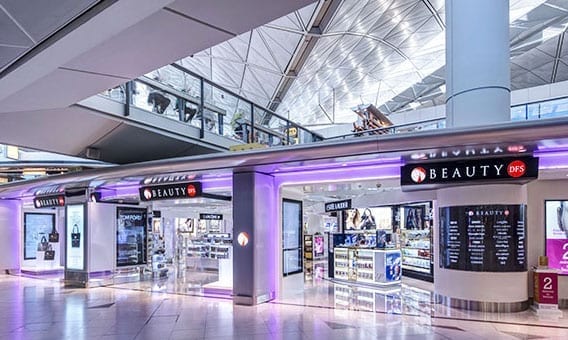
    LVMH-owned travel retailer DFS has teamed up with Estée Lauder to transform fans into influencers with an omnichannel initiative, the #BeautyAllNight campaign, which brings together in-store activations with digital touchpoints via Chinese messaging platform WeChat. Beauty marketers have embraced technology-enabled efforts to enhance traditional counter trials and experiences with great success.

    DFS and Estée Lauder were inspired by the popularity of online beauty tutorials. To bring the concept in-store DFS is leveraging the abilities of its WeChat to enhance consumer interaction with the #BeautyAllNight concept.

    The campaign follows three travelers visiting New York, Venice, Italy, and Hong Kong. The friends are shown unpacking, applying travel beauty essentials, and snapping selfies to share on social media. As a travel-based retailer, it is important for DFS to keep this authentic connection because consumers often come across its storefronts in airport terminals.

    In a digital beauty first, according to the brands, #BeautyAllNight uses WeChat’s facial recognition technology to apply a “staying in” or “going out” Estée Lauder beauty look on users’ faces. Once a look is selected, she can pick Estée Lauder products to virtually try on. Consumers can choose from the DFS-exclusive Love of Night set or Pure Color Love lipsticks. The completed virtual try-on selfie can be shared on WeChat Moments.

    “Today’s beauty shopper wants to see, test and share her next beauty look before even stepping into the store to purchase,” said Ariel Gentzbourger, senior vice president of beauty, fragrances and wellbeing at DFS, in a statement. “She crowdsources everything, from where she should stop to what are the must-have products, often trusting peer-to-peer recommendations above all else.

    “We’re proud to partner with Estée Lauder to harness the power of the social network and deliver this beauty digital first on WeChat with our #BeautyAllNight campaign,” she said. “We’re confident that through this innovative online approach we’ll drive awareness and engagement of these beauty essentials in-store with the growing millennial segment.”

    Aside from its digital efforts, DFS locations will hold dedicated #BeautyAllNight pop-ups at T Galleria by DFS locations in Hong Kong, Hawaii and Macau. Campaign activations will also be found at T Fondaco dei Tedeschi by DFS in Venice, Italy and DFS in Los Angeles.

    Estée Lauder’s exclusive Love of Night set, featuring its most popular skincare products from the Advanced Night Repair line, will be available at a 30 percent discount for the extent of the month-long campaign at DFS.

  • Swarovski launches WeChat Mini program for mother’s day campaign

    Swarovski launches WeChat Mini program for mother’s day campaign

    Since launching in early January 2017, WeChat mini programs offer brands an alternate avenue to develop advanced functionalities, whether it’s making purchases, finding up-to-the-minute information, or editing photos. Conceptually similar to Google’s instant apps, WeChat mini programs take away the barrier to download additional apps from an app store, and instead allow brands to offer users new and additional functionalities without having to leave the WeChat ecosystem. While it may not be relevant to serve all purposes, Swarovski is the first watch and jewelry brand to find a way to leverage the technology of mini programs and complement both their social and retail activities.

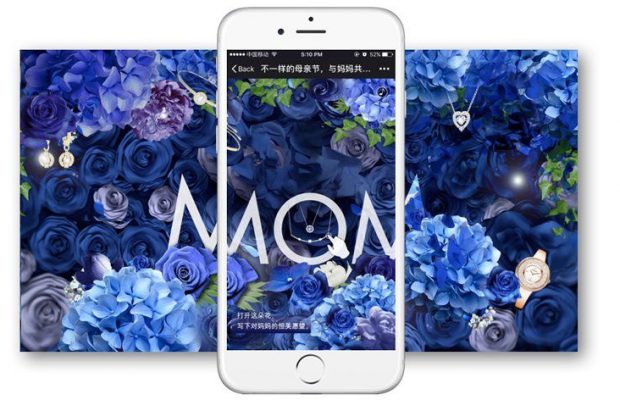
    To celebrate Mother’s Day, Swarovski launched a social media campaign on May 5, that speaks to all sons and daughters to celebrate their mother’s eternal beauty and share with them well wishes to continue living youthfully and differently. A vivid and beautiful garden design features Key Opinion Leaders’ (KOLs) wishes to their mothers and brilliant Swarovski products to inspire gift ideas among online audiences.

    “The Swarovski brand spirit of ‘Daring & Irresistible’ is not only reflected in the design of our products, but also ingrained in our marketing strategy,” said Donna Pang, managing director of Swarovski China. Pang continues to say that, “social media continuously evolves quickly, so it is important to us that we find new and innovative ways to use new technology and functionality to improve the consumer experience with Swarovski, from brand awareness to aspiration, to purchase.”

    Working together with Tencent and DLG China, Swarovski launched a mini program that serves as a 1-click solution to purchase the campaign’s featured Mother’s Day gift ideas, directly through their official WeChat account. “Working with Swarovski, a brand that embodies love and beauty, launching the ‘Swarovski’s Brilliant Gifts mini program for Mother’s Day created a smooth experience for users to express themselves on the occasion,” said Juliet Zhu, head of marketing at WeChat.

    The mini program can be shared like a contact and pinned like a chat, keeping consistent with native WeChat behaviors. Staying within WeChat means that users can also pay with their WeChat Pay for a complete consumer journey. Zhu elaborates that “thinking about the user experience at every step is a top priority. We are continuously striving to develop connections between brand products and services with users.”

    Additionally, leveraging their vast retail footprint in China, Swarovski stores are supporting the launch by driving foot traffic with key visuals featuring the scannable mini program QR code in stores.

    In the future, Swarovski plans to leverage further on its WeChat mini program and make it a sustainable component of the brand’s social media strategy. For WeChat, Zhu says they “hope to take this successful collaboration encourages more brands to leverage WeChat mini programs in their brand activities.”

  • Gogoboi teams up with foreign brands to sell luxury on WeChat

    Gogoboi teams up with foreign brands to sell luxury on WeChat

    There is no need to elaborate on the importance of Chinese fashion bloggers in educating affluent consumers on the latest fashion trends and luxury items. For international luxury brands that hope to gain a share in China’s competitive retail scene, the real challenge for them is how they can best use these bloggers’ online fame to boost their sales prospects.

    A recent collaboration between Thomas Ye Shi, aka Gogoboi, and a number of Western luxury e-commerce sites and department stores may offer a clue. Last week, Gogoboi announced the official launch of his WeChat boutique, called “Bu Da Jing Xuan (不大精选)”, on his WeChat account. This is not the first time that he has turned the app into a mobile store. Gogoboi sold lifestyle products, such as Gucci fragrances and Keecie bags, to his followers in the past.

    The new boutique that will sell a curated selection of luxury goods, however, creates a new business model that is different from Gogoboi’s previous partnerships with a variety of monobrands. The blogger said in a statement that all of the products on his Bu Da Jing Xuan WeChat store would come from international luxury e-commerce retailers including Yoox, Net-A-Porter, Farfetch, Revolve, Mytheresa.com, and SSENSE, as well as department stores such as Harrods and Luisa Via Roma.

    As China’s top fashion blogger on Weibo according to an Exane BNP Paribas ranking, Gogoboi built up his fame with his harsh and acerbic comments on Chinese celebrities’ fashion tastes and luxury apparel. His sharp personality, which is deemed as candid and humorous by many Chinese online users, has helped him quickly gain a significant following on both Weibo and WeChat. This has led many prestigious luxury brands, such as Louis Vuitton and Fendi, to come to him to form partnerships in recent years, which in turn, boosted his popularity further among the luxury and fashion circles.

    Gogoboi has more than 7 million followers on Weibo and the viewership of his posts on WeChat can exceed 100,000 on average. The blogging style of Gogoboi has changed significantly as he has become more famous and developed closer relationships with brands. He is now much less harsh than he was before.

    On WeChat, his posts embrace a wide range of topics to cater to different interests and tastes of readers, which include fashion trends, popular luxury items, mix-and-match tips as well as celebrity gossip. As an opinion leader in this field, luxury items that get mentioned and recommended by Gogoboi have great potential to become the most coveted products among Chinese affluent consumers.

    As a result, the new WeChat boutique that supports a “see now, buy now” model is a smart way for international luxury e-commerce retailers to connect with wealthy consumers directly. As readers go through Gogoboi’s articles on WeChat, they can directly place an order for the items they like. The mobile store also promises customer service from 8 am to midnight everyday. To celebrate the launch, consumers currently can get a 15 percent discount on Yoox products.

    The transparency and authenticity supported by Gogoboi’s new business can also pose a challenge to the daigou market in China, which is good news for luxury brands that have been plagued by this issue for years. As shown in the image above, Gogoboi will list the official sources of each product along with the shipping and customs information on the app. In contrast, Chinese daigou dealers tend to be vague and opaque about this information.

    In addition, the pricing of Gogoboi’s products (excluding shipping and customs costs) is sometimes even lower than the prices on the original websites. For example, Jimmy Choo’s Petite Locket Shoulder Bag (image above) costs 8,729 RMB (approximately US$1,268) on Gogoboi’s WeChat store, while it is sold for $US1,350 on Farfetch.

    With all of the benefits and potential of this WeChat store, Gogoboi’s new business does not come without challenges. It remains to be seen how the sales will perform in the next couple of months and whether it can offer affluent Chinese consumers with a smooth cross-border shopping experience. Gogoboi’s position is also not irreplaceable—it’s very possible that blogger competition like Mr. Bags and Shi Liu Po Report could put a greater emphasis on e-commerce in the future.