Author: Mei Ling Tan

  • Maxim’s Caterers wins exclusive Starbucks rights

    Maxim’s Caterers wins exclusive Starbucks rights

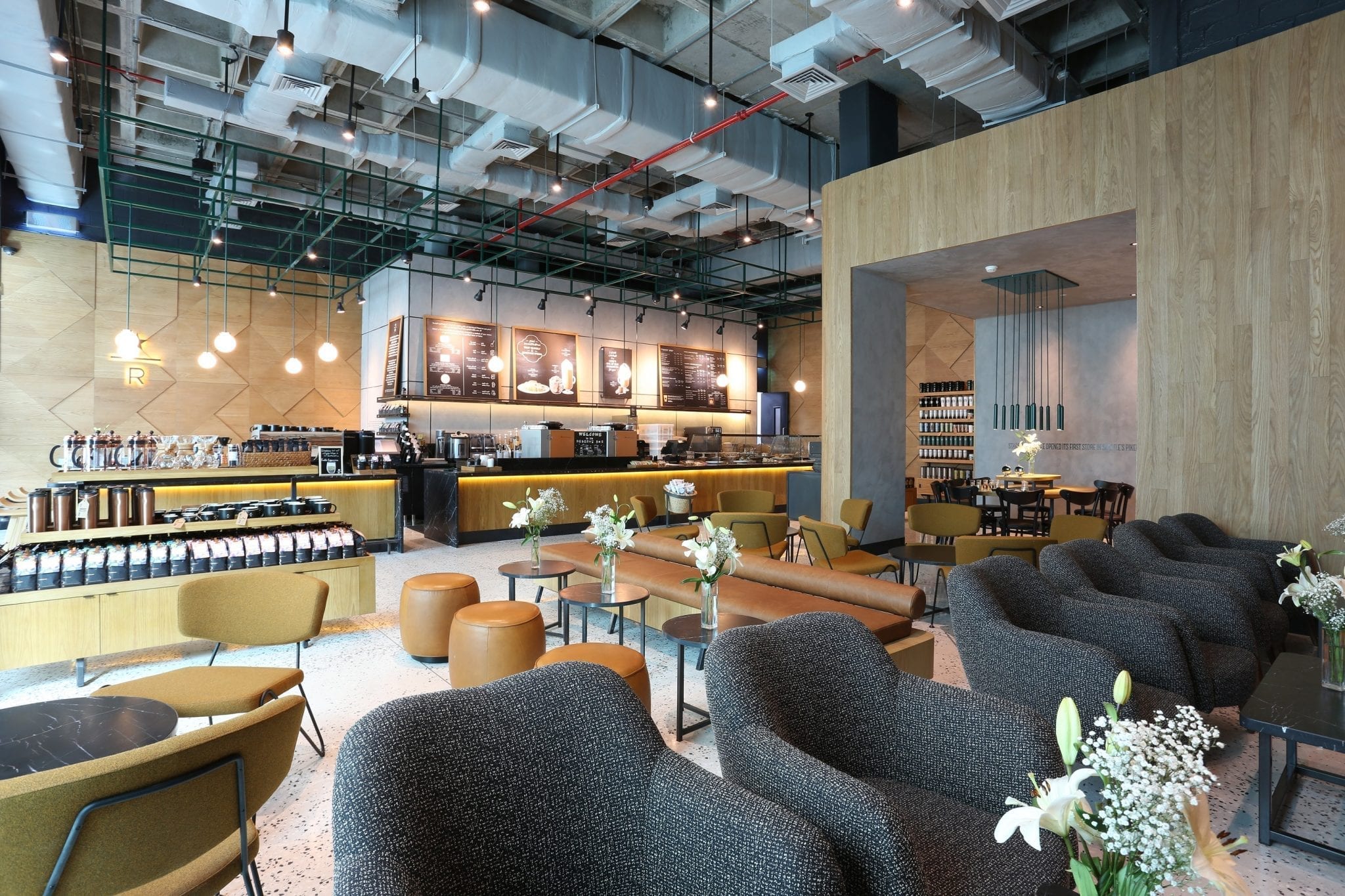
    Multibrand restaurant company Maxim’s Caterers has been fully licensed to run Starbucks Coffee Company business in Singapore.

    Maxim’s has been a long-time strategic partner of Starbucks, and the new agreement gives it the exclusive rights to develop and run the brand’s coffee stores in Singapore.

    “We’re pleased to take another step in our ongoing growth aspirations in Asia by transitioning the Singapore business to Maxim’s Caterers, our trusted business partner with a successful track record in delivering the Starbucks Experience and developing our iconic brand,” says Starbucks International group president John Culver, who oversees channel development.

    “Starbucks remains committed to growing in Singapore, an important market where we will build on 20 years of proudly serving customers.”

    Starbucks opened its first store at Liat Towers in Orchard Road and now has more than 130 outlets.

    “Our partnership with Starbucks is 17 years strong, and we are proud to deliver the Starbucks Experience to customers in Hong Kong, Macau, Vietnam and Cambodia,” says Maxim’s chairman/MD Michael Wu.

    Maxim’s now operates more than 210 Starbucks stores in Cambodia, Hong Kong, Macau and Vietnam and has a payroll of nearly 2900 employees.

  • Asia’s first Jamie’s Deli opening at Harbour City

    Asia’s first Jamie’s Deli opening at Harbour City

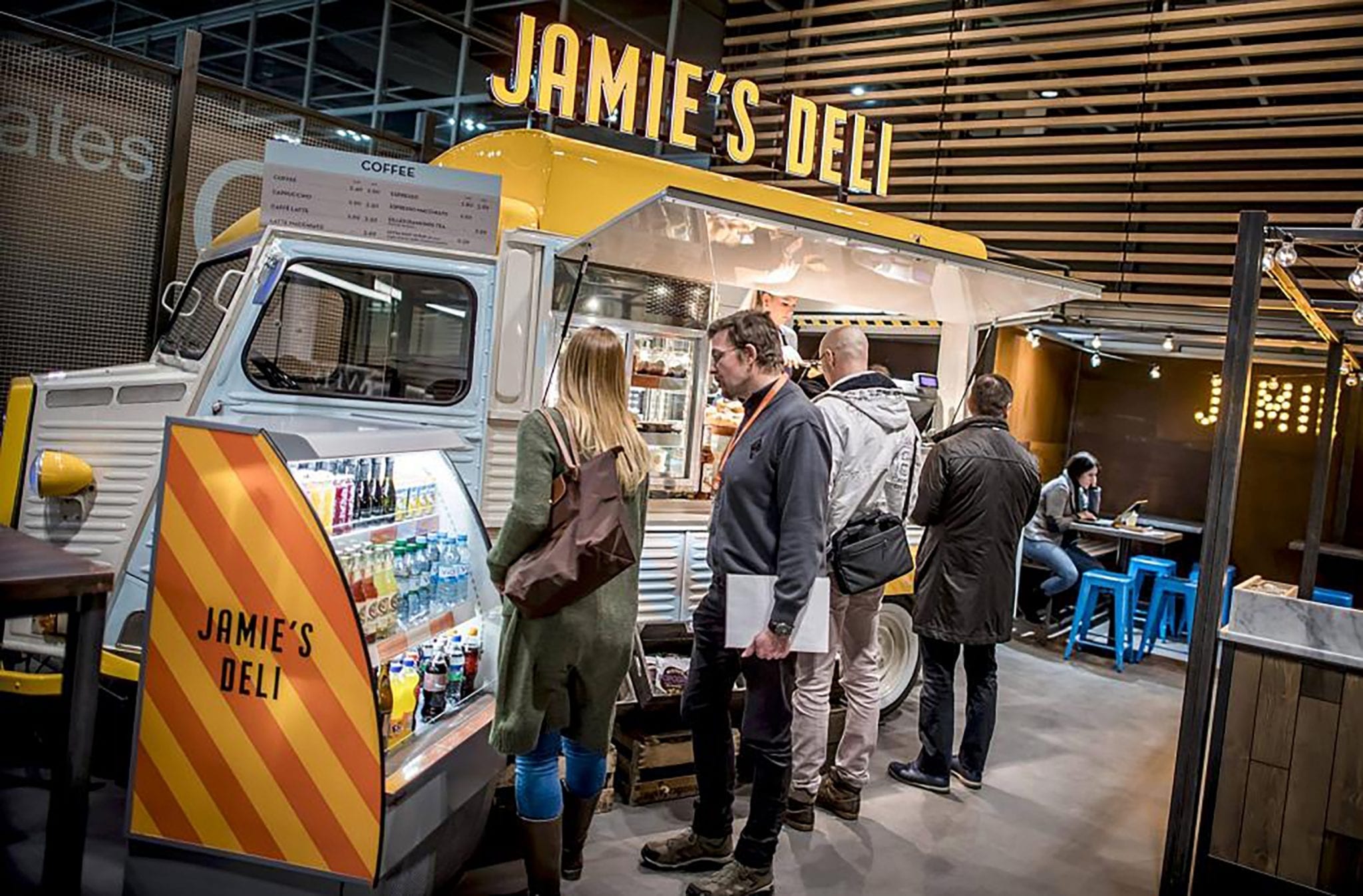
    British celebrity chef Jamie Oliver will open the first Asia branch of his casual concept, Jamie’s Deli, in Hong Kong next month.

    A fast-casual delicatessen, its menu will feature fresh, sustainably sourced dishes including salads, artisan pizzas, sandwiches and pastries, available for dine-in or takeaway.

    Jamie’s Deli will debut inside Harbour City, under the same roof as the Kowloon branch of the chef’s flagship brand, Jamie’s Italian.

    Since launching in England last year, Jamie’s Deli has opened in three European airports. The menu reflects the philosophy of the Jamie Oliver empire (encompassing global restaurants, cookbooks, charity campaigns and television shows broadcast in more than 50 countries): fresh and simple Italian cooking at an affordable price point.

    While Jamie’s Italian is about pizza and pasta, Jamie’s Deli offers healthier fare. It starts with breakfast (coffee and a bun, featuring the Full Monty with grilled sausage and balsamic onions), and at midday offers a deli lunch box with the customer’s choice of hot sandwich accompanied by seasonally rotating salads.

    An all-day menu includes a superfood salad full of grains and seeds, lemon-and-herb baked salmon with fresh dill, slow-cooked meatballs in a spicy tomato sauce, and a hot pastrami with slow-cooked corned beef and melted cheese.

    Jamie’s Deli and Jamie’s Italian in Hong Kong are managed by Big Cat Group, which also runs three Jamie’s Italian restaurants in Hong Kong and Taiwan, and plans to open several more outlets throughout Hong Kong and Greater China in the next five years.

  • Margins decline for Nike, but growth in China

    Margins decline for Nike, but growth in China

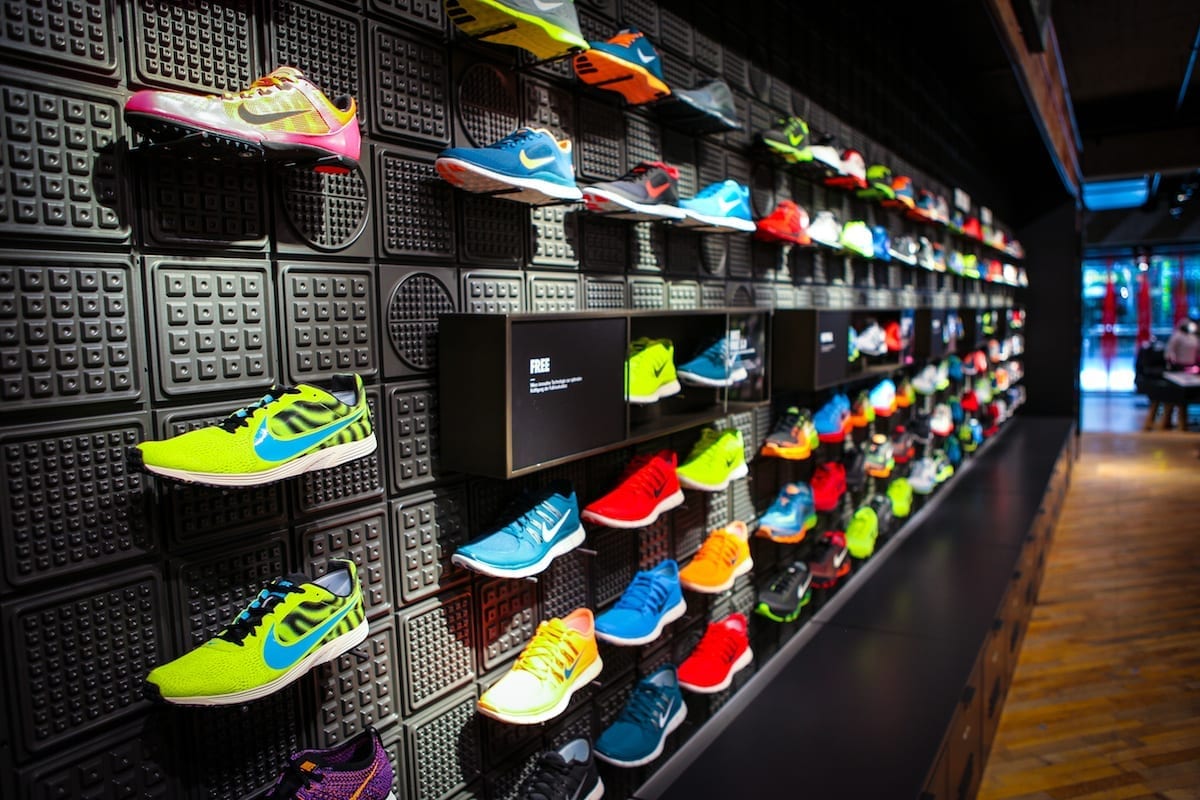
    Footwear giant Nike Inc lost traction in its first quarter to the end of August, its gross margin declining 180 basis points to 43.7 per cent.

    It attributes this mainly to unfavourable currency exchange rates and, to a lesser extent, more discount sales.

    Sustained revenue growth in international markets, particularly China, was offset by an expected decline in North America wholesale revenue.

    Chairman/president/CEO Mark Parker says the group captured near-term opportunities during the quarter through its new company alignment, simplifying its geographical structure from six regions to four – North America; Europe, Middle East and Africa (EMEA); Greater China; and Asia Pacific and Latin America (APLA).

    Nike’s revenues at $9.1 billion were flat on both a reported and currency-neutral basis.

    Revenues for the Nike brand were $8.6 billion, up 2 per cent, driven by growth in Greater China, EMEA and APLA, as well as growth in sportswear. Converse revenues, at $483 million, were down 16 per cent.

  • DB Schenker Australia is opening one of the largest multi-client contract logistics facility in the Southern Hemisphere

    DB Schenker Australia is opening one of the largest multi-client contract logistics facility in the Southern Hemisphere

    DB Schenker Australia is opening its new contract logistics facility in Hoxton Park, NSW. Size does matters to Schenker!

    With the size of the internal site being nearly 8 football fields which equals 50,000 sqm and 15,000sqm external under cover area, this facility is a great addition to Schenker Australia’s Contract Logistics portfolio. As of today, Schenker Australia operates 25 sites with the total capacity of 330,000 sqm.

    Hoxton Park is a multi-client facility for consumer electronics, FMCG (Fast Moving Consumer Goods) and fashion/retail customers.  With its high profile location close to M7, M4 and M5 it has excellent access to the Sydney metro and national network.

    “Hoxton Park is the newest and largest contract logistics facility for DB Schenker in Australia. Our staff will provide for our customers first class logistics services in this well positioned facility right on the Sydney freeway network. We will also utilise the facility as a hub for our domestic transport network” said Ron Koehler, Chief Executive Officer Australia and New Zealand “For our FCL container movements we will be able to move containers cost effectively to Hoxton Park for timely distribution to our customers in Sydney”, concluded Ron Koehler.

    The facility will incorporate Automated Transport Sortation Systems that will allow for the consolidation of multiple Customers’ freight, into the rapidly growing Schenker Domestic Transport business.  In addition, a vast array of Value Added services will be provided on site including an Advanced Technical Centre providing configuration and testing for IT devices.

    “DB Schenker Australia is consolidating existing business into Hoxton Park as well as adding new substantial business” said Michael Harich, Director of Contract Logistics/Supply Chain Management AU/NZ. “Hoxton Park is a key part of our 2020 strategy to grow to 500,000sqm in Australia and at the same time combine existing smaller sites into larger facilities to generate synergies”.

  • Telstra wins contract with ASX

    Telstra wins contract with ASX

    Australian operator Telstra has entered into an agreement with the Australian Securities Exchange (ASX) to become the exclusive connectivity partner for the ASX’s international trading services.

    The three year deal will provide ASX 24 Trading Platform customers access to Telstra’s Ethernet private line express (EPLX) solution, which purportedly offers some of the fastest network services on the market today for financial trading companies.

    EPLX provides financial trading companies with a dedicated point-to-point service, which uses the shortest routes available to connect key financial centres to points-of-presence (PoPs) located in financial exchanges in these centres minimising end-to-end transmission delays.

    The EPLX service utilizes Telstra’s extensive subsea cable network.

    This service is backed by Telstra’s low latency service level agreements that help customers mitigate unnecessary risks.

    Brendon Riley, Group Executive Telstra Enterprise, said the agreement extends the connectivity Telstra currently provides the ASX and will directly connect the ASX 24 Trading Platform with the Stock Exchanges in some of the world’s leading financial centres.

    “We currently connect the ASX to our PoPs in the Chicago and Hong Kong financial exchanges. We will now connect to additional points in these cities, as well as to London and Singapore,” he said.

  • India to draw up 5G roadmap

    India to draw up 5G roadmap

    Both India and Pakistan have this week taken steps towards the introduction of 5G in their respective countries.

    The Indian government has set up a panel to draw up a roadmap for the rollout of 5G in the nation by 2020.

    With the 5G committee, the government aims to avoid a repeat of the delayed adoption of 4G, with telecoms minister Manoj Sinha stating that the government aims that India will be on par with other 5G adopters in 2020.

    In August, Indian telecoms regulator Trai launched a consultation on the design of 5G deployment regulations and standards, covering details including valuations, spectrum caps and rollout obligations for 5G spectrum.

    Indian operators are meanwhile preparing for the arrival of 5G, with incumbent operator Bharti Airtel announcing this week that it is deploying MIMO technology on its network.

    Meanwhile in Pakistan, the federal cabinet has approved the issue of a policy directive to regulator PTA that will allow local operators to conduct 5G tests.

    One operator – China Mobile’s ZONG – has already indicated it is ready to test 5G if given permission. But the PTA has not yet revealed its plans for assigning test 5G spectrum to various operators.

  • DB Schenker is the exclusive logistics provider of Prada’s fashion show

    DB Schenker is the exclusive logistics provider of Prada’s fashion show

    This is the third time that DB Schenker will handle the logistics for such a big fashion event for the Italian luxury fashion house in China. The event takes place at Shanghai’s Rong Zhai mansion; a city owned sumptuous 1918 building which has been restored by Prada in cooperation with Shanghai’s government to host the show.

    DB Schenker will be responsible for the delivery of Prada’s articles of clothing and accessories for the show from the retailer’s warehouse in Shanghai to the event’s venue. Furthermore, DB Schenker will move all items into the mansion and position them according to Prada’s requirements. After the show, DB Schenker will manage the move-out of the high-end goods which includes careful sorting, repacking and return to Prada’s warehouse.

    DB Schenker’s repeated assignment as Prada’s exclusive logistics provider for its fashion shows in China results from nearly ten years of excellent collaboration. Since 2008, DB Schenker has been serving Prada with retail logistics solutions comprising inbound air freight shipments from Italy to China, national distribution by air and road to 40 Prada retail stores across China, store-to-store transfer shipments and reverse logistics from stores as well as increased e-commerce customers stimulated by China’s rapidly growing retail e-commerce market. In addition, DB Schenker handles Prada’s outbound air freight shipments for its off-seasonal products from China to outlet stores worldwide.

    “We are truly excited to support Prada’s fashion show once more with our logistics expertise. Prada’s trust in our service performance honors us and proves our professional and reliable logistics capabilities for the high-end fashion sector in China”, says Thomas Sørensen, CEO North/Central China, Schenker China Ltd. 

  • Ford, Lyft will partner to deploy self-driving cars

    Ford, Lyft will partner to deploy self-driving cars

    Ford said on Wednesday it will collaborate with Lyft to deploy Ford self-driving vehicles on the ride services company’s network in large numbers by 2021.

    Ford and Lyft teams will begin working together to design software to allow Ford vehicles to communicate with Lyft’s smartphone apps.

    Ford self-driving test vehicles will be connected to Lyft’s network, but at first, customers will not be able to use them, Sherif Marakby, Ford’s vice president for autonomous vehicles and electrification. Ford will put human-driven vehicles on Lyft’s network.

    He did not say when Ford and Lyft expect to offer the first rides in self-driving cars.

    “We’re not building prototypes for the sake of building prototypes,” Marakby said, adding Ford intends to ultimately put thousands of self-driving vehicles in use.

    Ford’s new Chief Executive Jim Hackett is scheduled to meet with investors on Tuesday to outline the Dearborn, Mich. automaker’s strategy for boosting profitability. Ford shares are down 1.65 percent so far this year, while Detroit rival General Motors shares have risen 15.6 percent, and Fiat Chrysler Automobiles NV shares are up 71 percent.

    Hackett’s plans to compete for revenue from mobility services, which include car sharing and ride-hailing, will be one area of focus for investors. The Lyft partnership fills in a piece of the puzzle.

    Ford also is testing delivery services using self-driving vehicles and a van shuttle service. The self-driving vehicles Ford will deploy through Lyft will use software developed by Argo AI, a company in which Ford is investing $1 billion over the next five years.

    The company has said it will invest $700 million in a factory in Flat Rock, Michigan, to make it capable of building electric and self driving vehicles.

    Lyft has said it will offer an open platform for companies to deploy self-driving vehicles on its network, and has partnerships with self driving vehicle technology startup Drive.ai and Alphabet’s Waymo self driving car unit.

    GM has a 9 percent stake in Lyft, acquired for $500 million in January 2016. “Our relationship with GM has always been a non-exclusive relationship,” Raj Kapoor, Lyft’s chief strategy officer.

    GM is also assembling the assets necessary to launch its own ride services using self-driving cars, building its Maven car-sharing unit and preparing to launch mass production of autonomous Chevrolet Bolt electric cars at a factory in suburban Detroit.

  • Three fashion pop-ups for Hong Kong

    Three fashion pop-ups for Hong Kong

    Three fashion pop-ups will be in full swing in Hong Kong next month. Already open is a Prada pop-up store in Harbour City offering a special selection of men’s travel goods and accessories including backpacks, pouches, wash bags, luggage tags, eyewear cases and leather patches. The space features urban graphics inspired by the avant-garde black-and-white cinema of the 1930s as well as black Saffiano trunks and three life-size “trick robots” iconic to the brand.
    The store runs until October 8.

    From October 4 to 8, Giorgio Armani will be offering a made-to-order pop-up service for its key bag of the season, the Le Jeu bag, which can be worn as a shoulder bag, a shopper, or a wrist bag. With the pop-up service, bags can be customised with various combinations of materials, colours and linings. Customers can also have their name engraved on the metal plate inside the bag.

    The service is available at Giorgio Armani Canton Road store in Harbour City from October 4 to 8, and at Giorgio Armani Central store in Chater House, Central, from October 10 to 13.

    Another made-to-order pop-up service is being run by German fashion brand MCM, its first such venture. It is based around the Patricia bag, inspired by the brand’s Patty bag in the 1970s and featuring a structured satchel-inspired silhouette. With the pop-up service, customers will be able to customise every element of the bag from the type of leather and colour of the flap, to the front panel and the two side panels.

    The metal push-lock is available in either gold or silver, and customers can opt to add a studded trim. Each bag also comes with a leather charm to which customers can add up to three initials. Each order takes about five to eight weeks to produce, and comes with a special MCM certificate.

    At the MCM shop at IFC mall in Central, the service runs until January 5.

  • Joint venture to extend Alipay Hong Kong services

    Joint venture to extend Alipay Hong Kong services

    A new AlipayHK digital wallet joint venture aims to promote a more efficient cashless society in Hong Kong, its partners say.

    Conglomerate CK Hutchison Holdings and Ant Financial Services Group, the parent company of Alipay, say the move will further integrate online and offline payments for consumers.

    Dedicated to local-currency payments in Hong Kong, AlipayHK attracted more than 100,000 active users in its first two weeks after launching in May. The mobile app is now accepted in more than 4000 brand outlets in Hong Kong, and also offers in-app lifestyle features such as third-party insurance and the ability to receive offers such as F&B vouchers and sticker rewards from partners, such as online dining guide OpenRice.

    With a global presence, CK Hutchison and its affiliates have consumer networks with more than 124 million retail loyalty members. In Hong Kong, it has more than 600 stores selling telecommunications, food, electronics, wine, and health and beauty products.

    Ant Financial provides digital services to more than 520 million users in China and beyond. Through the Alipay app, Mainland Chinese users can hail taxis, book hotels, buy movie tickets, pay utilities, make medical appointments and manage their finances. Ant Financial also provides digital financial services to more than 250 million overseas users through strategic partnerships in India, Korea and Southeast Asia.

    “By leveraging CK Hutchison’s extensive market presence and combining its commercial experience with Ant Financial’s technology expertise, we will bring great benefits not only to our telecom, retail and other group customer, but also to all businesses in Hong Kong,” says CK Hutchison group co-MD Canning Fok.

    Subject to regulatory approval, the JV is expected to be completed by the end of the year.

  • Harrys of London taking steps toward India

    Harrys of London taking steps toward India

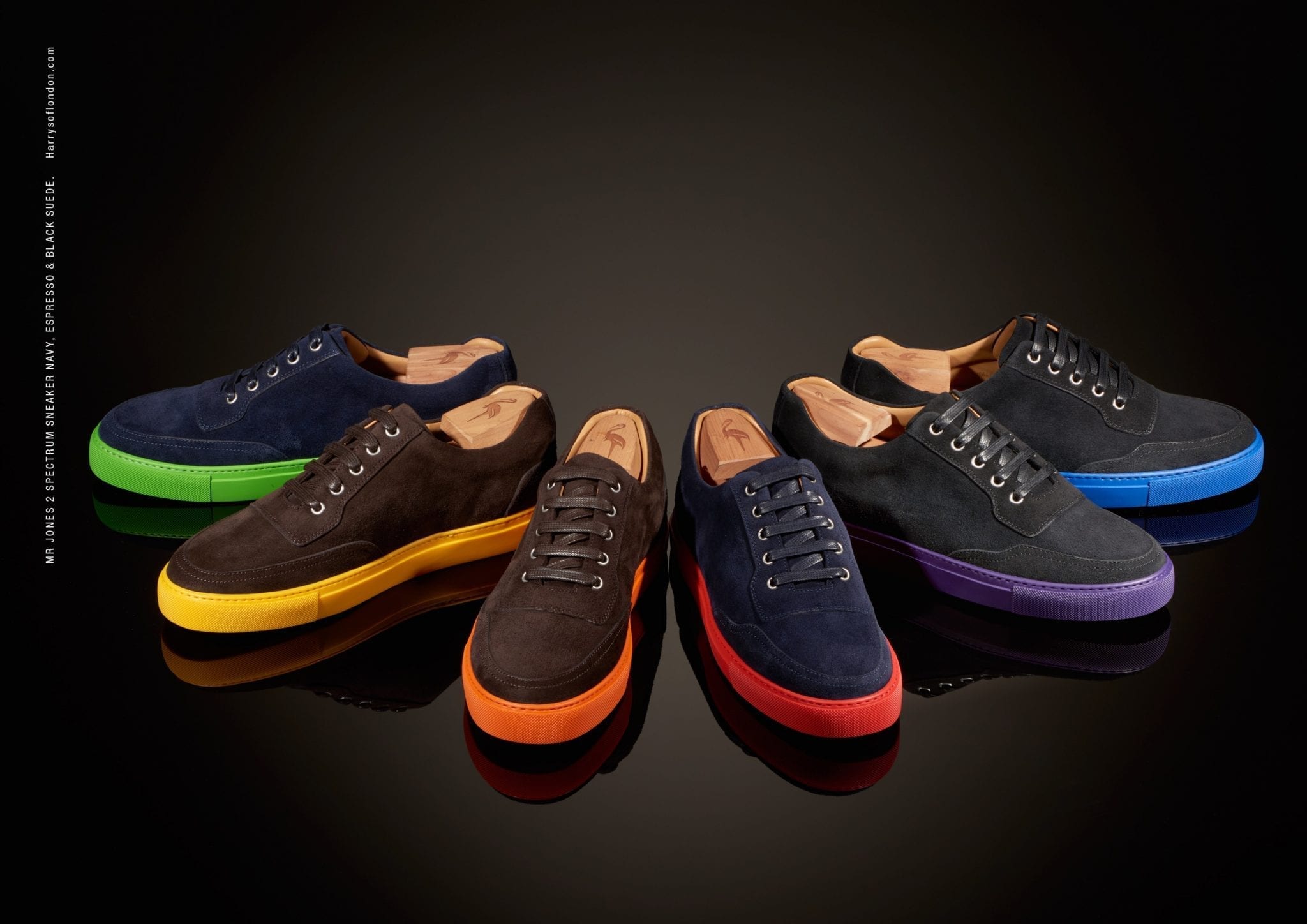
    Luxury men’s footwear and accessories brand Harrys of London has plans to enter India. Its first outlet will be in Delhi, followed by Mumbai early next year.

    Founded in 2001 and with stores in more than 20 countries, Harrys of London is seeking franchise partners in India.

    “India is an important market for us with our target group being businessmen and travellers between 25 and 60 years old,” says CEO Steven Newey. “Our collection ranges from contemporary London and formal footwear to sneakers.”

    The company also sells travel bags, wallets, shoe-care products, scarves and belts.

    Harrys plans to open five to six stores in India over the next five years and expects to earn £1 million (US$1.3 million) a store.

    “We have been growing at an annual rate of 20 to 25 per cent, and we sell 25 pairs of footwear every month, on average,” says Newey. “In five years, our India stores will be able to earn five to six million pounds.”

    The company, which has its own e-commerce platform, has its footwear manufactured in Italy.

    About 60 per cent of India’s branded footwear market is for men, according to KPMG figures.

    While the branded market is dominated by old brands like Bata, Liberty and Relaxo, much of the segment is unorganised.

    Meanwhile, with increasing disposable income and brand awareness, the men’s footwear segment is growing at a rate of 10 per cent while the women’s category is growing at 20 per cent, says KPMG.

  • Caution over IoT payments, Worldpay research shows

    Caution over IoT payments, Worldpay research shows

    Smart home appliances that order and pay for items on behalf of their owners have yet to win over support, according to research by payments company Worldpay.

    While Asia Pacific is set to become a frontline for the Internet of Things (IoT), driven by government initiatives and infrastructure investments, consumer confidence has yet to catch up in Australia, China and Singapore.

    Worldpay’s Connected Consumer research shows that Chinese consumers are the most comfortable with IoT, with only 18 per cent not easy about a device ordering a product on their behalf without asking. Australians (39 per cent) were the least comfortable. Across markets, privacy and hacking are the top consumer concerns.

    Covering more than 20,000 consumers across 10 markets, the research focussed on comfort levels when it comes to IoT technology making payments independently. Some smart devices use services from other devices, involving a payment.

    China leads the IoT charge, with 61 per cent of consumers saying they would be comfortable with a device shopping on their behalf without asking permission.

    Singapore, however, is on a tipping point. While the technology is ready and government support is in place, consumers still have concerns around IoT purchases made without their knowledge, and 55 per cent would want to approve purchases.

    Privacy and hacking are the main concerns across the three markets. More than 70 per cent of respondents fear manufacturers would share their personal data, with a similar percentage worried about connected devices being hacked.

    Meanwhile, to help businesses overcome the perceived security barrier, Worldpay is trialling an open-source software development kit (SDK) to handle IoT payments. Worldpay Within is an embeddable payments agent that allows smart devices to make and take payments.

    With the number of connected devices is estimated to reach 20 billion by the end of this year.

    “No matter if done by a human or machine, it is vital for consumers to stay in control when delegating payment tasks,” says Worldpay Asia Pacific GM Phil Pomford. “Our research has found there should always be a conscious ‘act of consent’, be that via a device notification, button press or a pre-set rule like a spending limit.”

  • Sydney Airport to introduce new retailers

    Sydney Airport to introduce new retailers

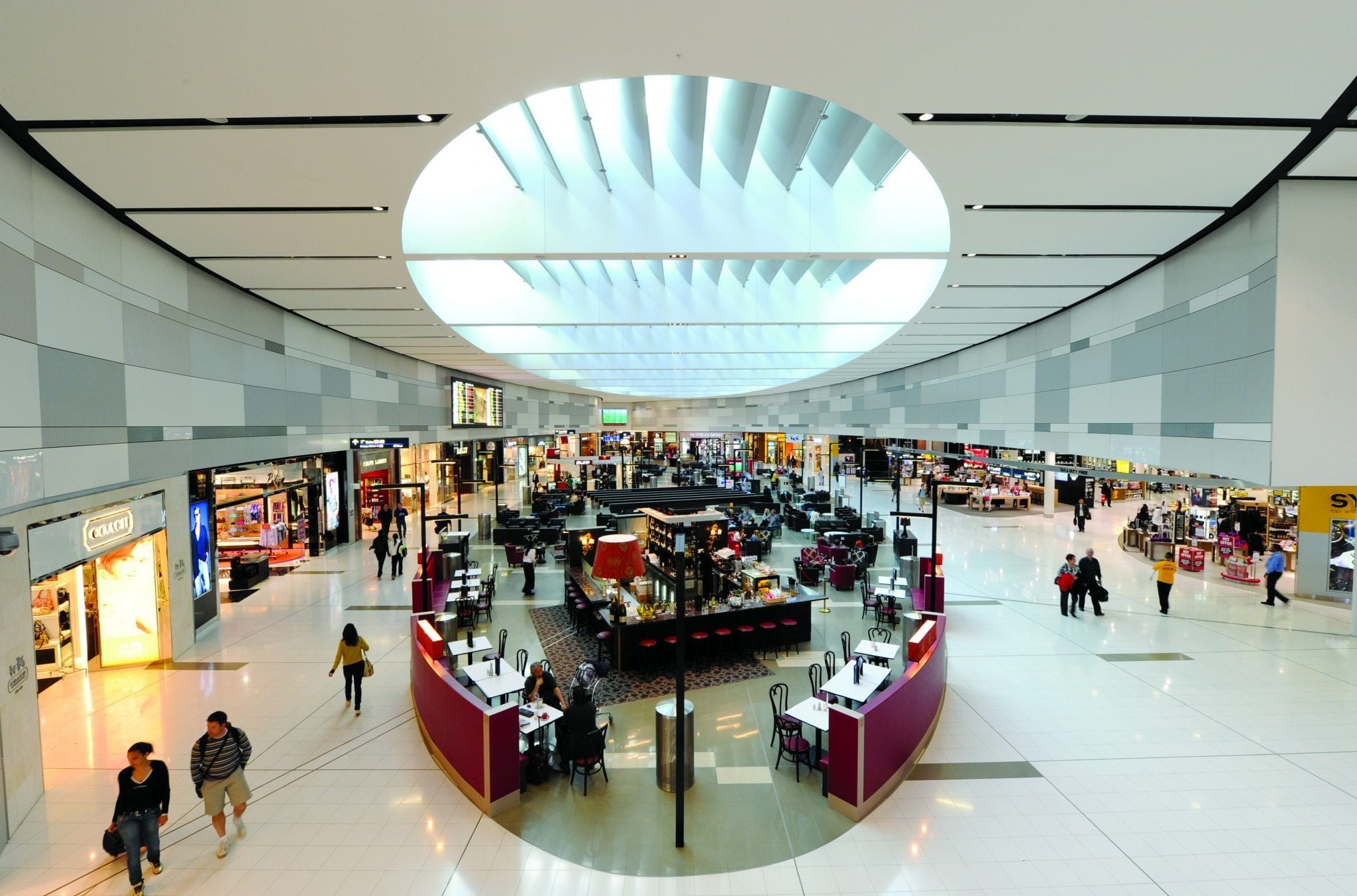
    Sydney Airport has commenced work on the next stage of its T2 Domestic terminal, which, when completed will see the introduction of new retail tenancies in the precinct.

    Kerrie Mather, Sydney Airport managing director and CEO, welcomed the next phase of terminal improvements, which follows the transformation of the airport’s casual dining precinct.

    “We’ve had such fantastic feedback about our new T2 casual dining precinct and I look forward to seeing the terminal’s continued transformation as part of our commitment to enhance the customer experience,” Mather said.

    “These improvements will deliver a consistent look and feel across the terminal, with a greater sense of space and light.”

    Mather said the new T2 Domestic terminal will have better wayfinding and improved sightlines.

    “Exciting new retail concepts and relaxing dwell areas will create more ambience,” she said.

    The improvements will see the introduction of 10 new retail tenancies to deliver a revitalised mix of lifestyle brands for visitors.

    Areas of the terminal will be expanded and redesigned to create dwell areas with upgraded flooring, columns, lighting, ceiling finishes, and contemporary furniture with textural finishes. There will also be significant upgrades to key bathroom amenities across T2 while a new mezzanine level will offer additional commercial floor space.

    The next stage of retail and dwell area improvements were designed by Australian design firm Landini Associates and follows the revitalised T2 casual dining precinct.

    The precinct features first-to-Australia offerings, sushi brand YO! Sushi and popular Danish juice bar concept Joe & The Juice, as well as Krispy Kreme and Soul Origin.

    The next stage of works are due for completion by end of 2018.

    Last month, Country Road opened its first menswear pop-up store at the domestic terminal.

  • Cassette tapes make comeback in Seoul

    Cassette tapes make comeback in Seoul

    For fans of rock and heavy metal music, a visit to Dope Records, an independent record store run by Kim Yun-jung in Mapo, western Seoul, evokes a strange feeling.

    The dim-lit basement shop feels as if time has rewound back to the mid-90s — almost three quarters of the 82sqm store is covered wall-to-wall by a huge collection of rock music cassette tapes.

    With a backlog of around 15,000 tapes (50,000 when including ones in storage), predominantly Western rock, pop music and also classic Korean albums, the store is undoubtedly a treasure trove for those with fond memories of using a Walkman during the 1980s to the late 1990s, when the medium started to phase out. But in the digital age, Dope Records, at first glance, seemed almost suicidal from a business perspective.

    “I’ve been in music retail since 2001 and what I’ve learned, despite the extinction of cassettes, is that there always has been a small but ardent demand for tapes. As with vinyl, music geeks are starting to see value in cassette tapes, for both listening and collecting,” Kim, 42, said.

    Kim is one of the small but steadily growing number of South Korean music listeners who refuse to allow the cassette to rest in the proverbial graveyard of bygone technologies. They see a particular value in cassette tapes, once the dominant music delivery format that boomed with the rise of portable tape players but now has become relegated to junk status in the eyes of average people.

    To be clear, Dope Records isn’t getting its supply from music labels or through traditional retail means. Synnara Record, South Korea’s largest music retail chain, discarded all of its tape inventory a few years ago amid flatlined sales. Most major labels have also halted tape production for quite some time, though a number of small trot music companies, such as Applemusic and Four Season Music Power, maintain production of trot music cassettes mostly for the niche senior market.

    As for Kim, he traveled around the country for years, scavenging local mom and pop record shops about to go bust — to acquire the remaining cassettes that would otherwise be thrown away.

    Kim said he was frequently asked by perplexed shop owners, “Why are you buying these?”

    Interestingly enough, tapes have seen a small-yet-significant bump in sales in the US where they are still being produced in limited volume. According to Billboard, 129,000 cassette tapes were sold in 2016, jumping 74 per cent on-year. Though nowhere near sales of CDs and vinyl, it is an indicator that some fans are willing to spend money on tapes, according to Kim.

    “I think the interest in cassettes today was rekindled when the original soundtrack for the Hollywood movie ‘Guardians of the Galaxy’ came out in a cassette format a few years ago, resembling a mix tape of different singers which almost all of us have experience with in the past,” he said.

    Kim isn’t alone when it comes to sharing his passion for cassettes. People Who Listen to Cassette Tapes, a community of tape aficionados on Naver (Line), was formed in October last year, with its membership reaching over 1700. With over 9000 posts, the community is active in sharing information on where to buy tapes and how to fix discontinued tape decks and portable audio cassette players.

    For Kwak Jae-ho, 38, often he has no choice but to listen to tapes that he already owns. Due to unsettled copyright negotiations, there are music that listeners can’t access on digital streaming services, such as Melon or Apple Music. This is more of the case for niche artists, he said.

    “I’m a fan of the mid-90s jazz band Daisy and the group’s song ‘My Little Bird.’ I can search for the band on Melon but can’t play the music, which just defeats the purpose of having an all-you-can-listen digital music service,” said Kwak.

    Listening to music on tapes, as opposed to CDs and digital streaming, also resonates emotionally deeper, said Kwak: “When listening to tapes at home recently, I heard the clicking sound of the cassette deck doing an auto reverse. It felt like I was going back to the past. Music to me isn’t just a collection of songs. Its ingrained into my past and my memories.”

    The record industry, including major labels, is apparently taking note of this trend, releasing tapes albeit in limited terms and mostly as collectors’ merchandise.

    SM Entertainment printed a limited 50,000 copies of boy band Shinee’s fifth full-length album “1 of 1″ in cassette format last year, while singer-turned-talk show celebrity Kim Heung-kook last year re-released his 1994 album “Last Reggae” under the new name “God of Reggae.” Singer-songwriter IU also produced a limited number of special cassette tapes to hand out to fans during a meet-and-greet event last Sunday.

    There’s also another group of people who buy tapes and for their own reasons: seniors having difficulty with the changing times. Downloading and subscribing to digital music services on smartphones may be a walk in the park for the majority of today’s younger generation, but it’s not the case for many elders.

    “I’m buying it to listen at home alone. It’s easy to use, and I don’t know how to use a smartphone,” Kim Young-hwan, 77, said while purchasing a cassette tape of trot compilation songs at CD Mart, a record shop in Jongno Ward, a central district in Seoul that is a common stomping ground for retired seniors.

    Song Ho-joon, owner of CD Mart, said about 20 to 30 tapes are purchased daily, mostly by seniors.

    “Some also buy cassette decks too,” he said. “Cassettes are much easier to use and durable compared to CDs. They probably used tapes all their lives.”

    Some experts attribute the relatively high cost of vinyl records, another respected retro music format, as one reason collectors are scavenging for out-of-print cassette tapes.

    “I think there is an element of a knee-jerk reaction to the cost of vinyl. Cassette tapes are sold relatively cheap, but the sound isn’t necessarily inferior when played on a good deck,” said music critic Kim Hak-seon.

    Though it isn’t clear whether the renewed demand for cassette tapes will last, some retailers are picking up on the trend to try to meet the needs.

    “We’ve gotten a hold of some past Sechskies albums recently,” Hwang Seung-soo, owner of Seoul Record in Jongno, said. “We’re seeing customers in their 20s and 30s coming into the store asking for cassette tapes of such and such album, so we’re trying to accommodate.”
  • Premier Investments requests Myer’s shareholders list

    Premier Investments requests Myer’s shareholders list

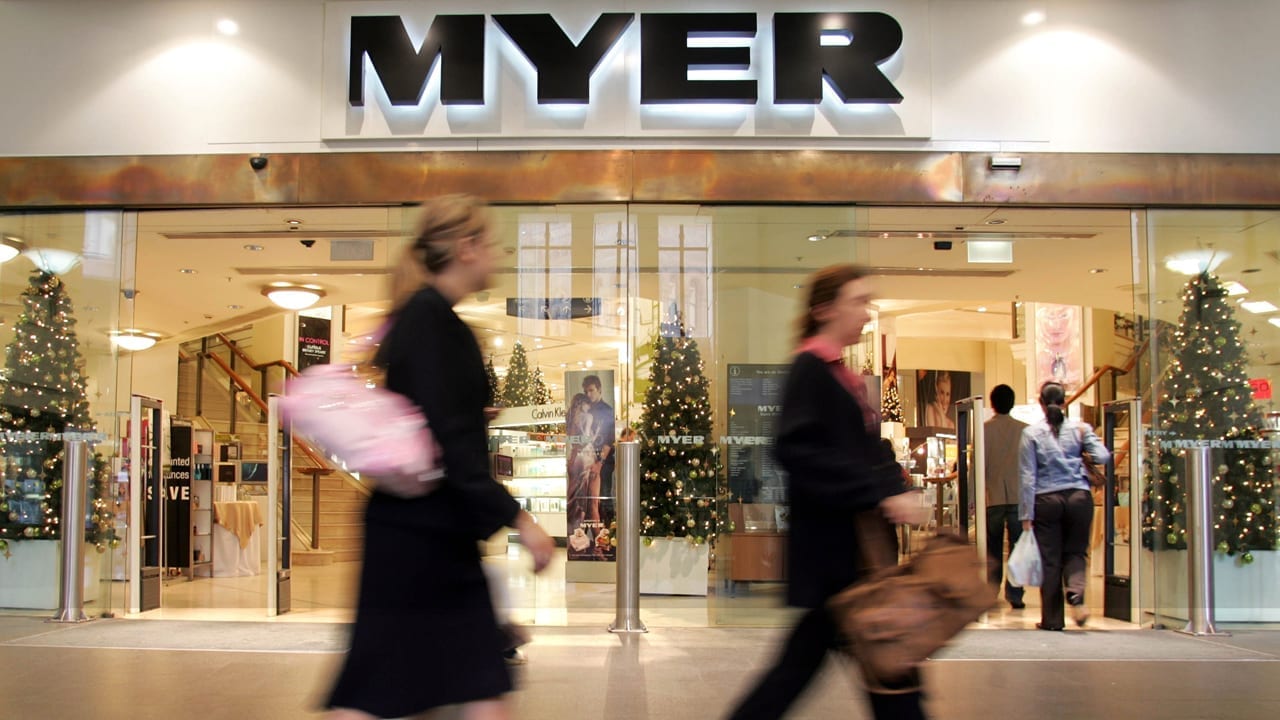
    Solomon Lew’s retail group Premier Investments has asked for Myer’s list of shareholders in a sign it may push for a seat on the board of the struggling department store.

    The company said it has made the request in order to consider writing to Myer’s members about any resolutions proposed for Myer’s annual general meeting in November.

    Premier Investments bought a 10.77 per cent stake in Myer in March, which has since lost around a third of its value to $64 million due to Myer’s sliding share price slid amid its weak financial performance.

    Lew this week accused the department store of losing its way, and misleading investors about how poorly it was performing in 2017.

    He has also said Myer’s newly opened clearance floors contain stock of up to three years old that “belongs in the Salvation Army”, and said the company is run mostly by consultants.

    Presenting Premier Investments’ financial results on Monday, Lew told analysts: “Whatever happens at Myer, we would like a seat at the table.”

    Shares in Myer, which are trading ex-dividend on Wednesday, jumped on the news, adding five cents, or 6.9 per cent, to 77.5 cents.

    Conversely, shares in Premier Investments continue to take a battering after it reported a modest annual profit increase, falling to a three-month-low on Wednesday.

    Smiggle and Peter Alexander continue to drive revenue growth for Premier Investments, but Morgan Stanley analysts have warned its apparel brands Jacqui E, Portmans, Just Jeans, JayJays and Dotti are dragging on earnings.

    While those brands make up a reducing portion of sales – 60 per cent in 2016/17 – the analysts said the risks facing the businesses “hold us back from turning more positive” on Premier Investments.

    “The structural challenges are intensifying as international retailers expand into regional Australia and as Amazon sets up direct retailing in the country – apparel is a category that is susceptible to online competition,” the analyst team led by John Stavliotis said in a note.

    They do not expect a sharp rebound in sales from those brands because of the challenging consumer environment, and predict a stabilisation, with risks remaining in the medium term.

    Premier Investments shares fell almost seven per cent in the two days after the company released its financial results, and dropped a further two per cent, or 25 cents, to $12.58 on Wednesday.

    Morgan Stanley analysts warned that Premier’s apparel brands Jacqui E, Portmans, Just Jeans, JayJays and Dotti are dragging on earnings.