Author: Mei Ling Tan

  • Kathmandu lifts full year profit

    Kathmandu lifts full year profit

    Adventure gear retailer Kathmandu has posted a 13.5 per cent increase in full-year profit to NZ$38.04 million (A$34.8 million), helped by strong winter sales and improvements in promotions.

    Revenue for the 12 months to July 31 was up 4.6 per cent to NZ$445.35 million, the company stated.

    Earnings before interest and tax (EBIT) increased from NZ$50.9 million to NZ$57.0 million for the same period. A final dividend of NZ 9.0 cents per share will be paid, bringing the full year payout to a record NZ 13.0 cents per share.

    “We were pleased to achieve strong same store sales growth driven by innovative new products and inspiring digital content,” said chief executive Xavier Simonet. “In addition to top line growth, continued cost control and working capital efficiency delivered very solid profit growth.”

    Simonet said the company’s financial position continued to strengthen during FY2017, and they ended the year with lower inventory and record low net debt.

    According to Simonet, sales grew strongly in their two largest markets, Australia and New Zealand.

    Online sales now comprise 7.5 per cent of group sales.

    “We have now delivered two successive years of strong profit growth and four successive quarters of same store sales growth,” Simonet said. “As a product and brand led business, we are focused on engaging our customers by creating distinctive, sustainable, quality products and by promoting our brand authenticity.”

    Simonet said in the year ahead, it is their aim to continue to grow in their core markets, with gross margin and operating efficiency a key management focus.

    “As we look forward, I am excited about the wholesale trials we are conducting in Europe, and remain committed to developing new international channels for the Kathmandu brand,” he said.

  • Three reasons why we are addicted to smartphones

    Three reasons why we are addicted to smartphones

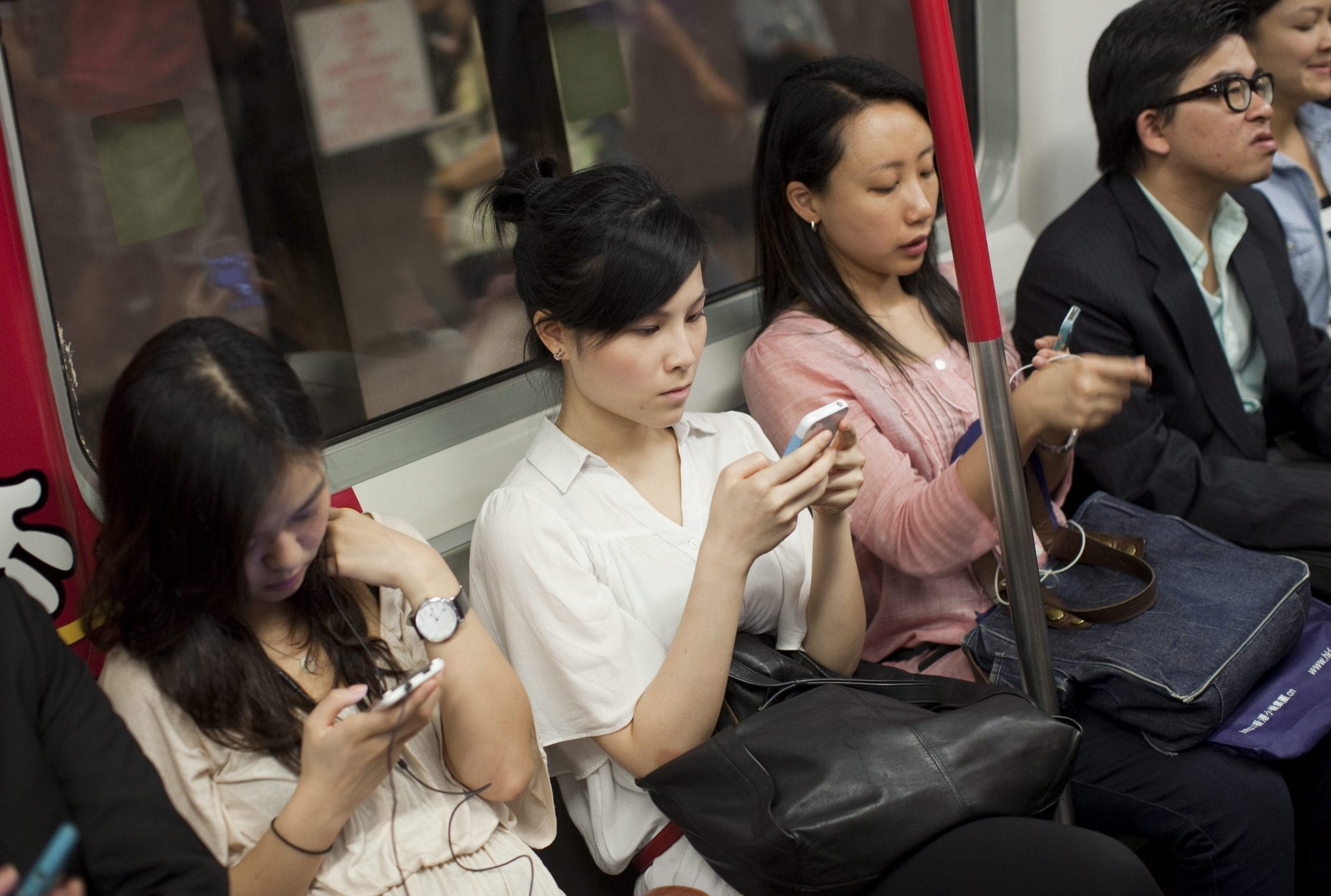
    Apple recently announced the launch of its iPhone 8 and iPhone X, which come with sleek, new features. Apple also hopes to start a new community around the iPhones. Ahead of the launch, Angela Ahrendts, head of retail at Apple, said their stores will be called “Town Squares,”and would double as public spaces, complete with outdoor plazas, indoor forums and boardrooms.

    The much-anticipated product launch was followed by millions who watched the event via livestream and on internet forums, blogs and in the news media.

    I, too, was among them.

    So, what draws people to these phones? Surely, it is not just the groundbreaking design or the connection with a community. As a minister, psychotherapist and scholar studying our relationship with hand-held devices, I believe there is much more going on.

    In fact, I’d argue, as I do in my book “Growing Down: Theology and Human Nature in the Virtual Age,” the phones tap into our basic yearnings as humans.

    Here are my three reasons why we love our phones.

    1. Part of an extended self

    Our sense of self is shaped while we are still in the womb. The development of the self, however, accelerates after birth. A newborn, first and foremost, attaches herself to the primary caregiver and later to things – acquiring what has been called an “extended self.”

    The leading 20th-century American psychologist William James was among the first to argue for an extended self. In his “Principles of Psychology,” James defined the self as “the sum total of all that a man can call his, not only his body and his psychic powers, but his clothes and his house, his wife and children.” Losing any of this extended self, which could include money or another prized object, as he explained, could lead to a sense of great loss. In early childhood, for example, babies and toddlers cry if they suddenly lose their pacifier or favorite soft toy, objects that become part of their extended selves.

    Phones, I argue, play a similar role. It is not uncommon for me to feel a sudden onset of anxiety should I drop my phone or am unable to find it. In my experience, many individuals feel the same way. It is also reflected in how often many of us check our devices.

    Psychologist Larry Rosen and his colleagues at California State University found that 51 percent of individuals born in the 1980s and 1990s experienced moderate to high levels of anxiety when they were kept from checking in with their devices for more than 15 minutes. Interestingly, the percentage drops slightly – to 42 percent – for those born between 1965 and 1979.

    This is primarily because they came into being during a time where hand-held technologies were only beginning to make their entry. For this group, phones became part of their extended self only as late teens or as young adults.

    2. Recalling caring relationships

    Not just extended selves, smartphones in particular, with their games, apps and notifications, have become an essential aspect of our sense of self.

    And here’s how:

    Drawing on psychodynamic theory, which holds that childhood experiences shape personality, I argue that our relationship with technology mirrors the environment our parents created in caring for us. This environment, as British psychiatrist Donald W. Winnicott writes, functions around touch, a keen awareness of what the infant needs, and establishing and maintaining eye contact.

    In the same way, we, as adults, reexperience touching and belonging through our phones. Technology affords a space where the self can be satisfied, play and feel alive – a space previously provided by caregivers.

    When we hold our phones, it reminds us of moments of intimacy – whether from our childhood or from our adult life. The brain chemical dopamine and love hormone oxytocin, which play a role in the addiction “high,” kick in. These chemicals also create a sense of belonging and attachment.

    Holding our phone has the same effect as when a parent looks lovingly at her child or when two lovers gaze into each other’s eyes. In the words of Apple executive Philip Schiller: The iPhone X “learns who you are.”

    Theological reflection also supports what we have learned about dopamine and oxytocin. The Judeo-Christian tradition, for example, identifies God as an intimate God who seeks face time and creates caring environments. In Bible, Numbers 6:24-26, we read:

    “The Lord bless you and protect you. The Lord make his face shine on you and be gracious to you. The Lord lift up his face to you and grant you peace.”

    3. Fulfills need to produce and reproduce

    Anthropologist Michael Taussig reminds us that it is in our “second nature to copy, imitate, make models, [and] explore difference” as we try to become a better or different self.

    Phones help us do that. We take pictures, manipulate images, join discussions, curate a selfie and reach out to others. By texting back and forth, we weave together a conversation. Through searching, we become knowledgeable (even if we lack wisdom). Thus, we join ancestors who painted on cave walls and told stories around fires.

    It should not come as a surprise then that smartphones currently account for 46 percent of all internet use. This is expected to grow to 75 percent by 2021. We are destined, it seems, to live with our phones in hand.

    Living with technology

    Having said this, sometimes, however, I would argue, we need to show up in person and make a difference.

    We can be disappointed if we limit our spaces and relationships to small screens or to “town squares.” We need intimate relationships where we give and receive touch, where we gaze into someone’s eyes. We also need spaces – some will be online – where deep connections can be made, where we can rest, play and discover.

    So, as some of us head over to the Town Square to purchase the latest iPhone or venture online, it would be best to remember the dictum of historian of technology Melvin Kranzberg:

    “Technology is neither good nor bad; nor is it neutral.”

  • Japanese Farmers’ Market lands at Changi

    Japanese Farmers’ Market lands at Changi

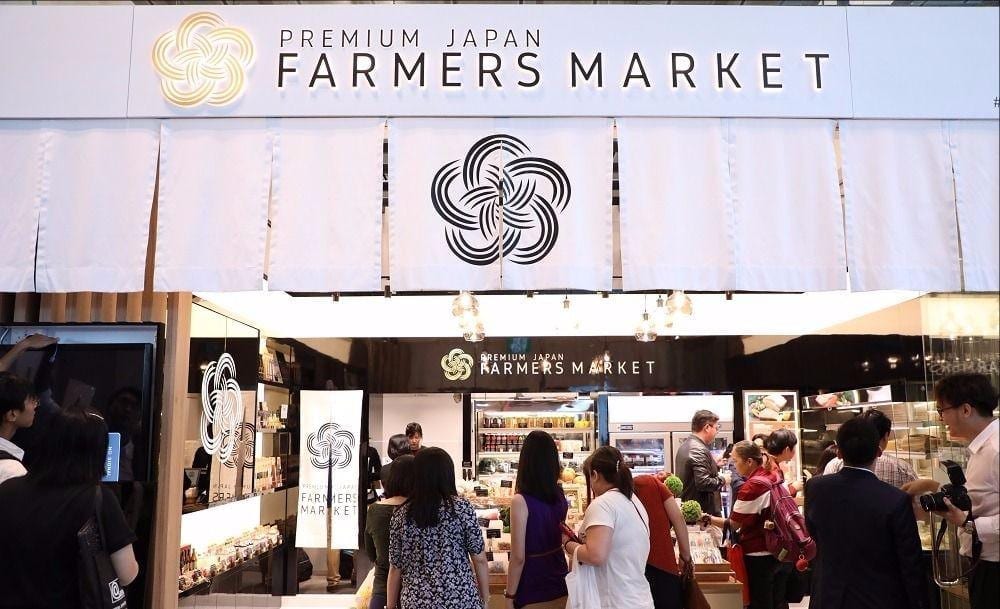
    Hailed as a Singapore first, the Premium Japanese Farmers Market offers everything from seasonal vegetables and fruits to meat products and sake imported from Japan – in Changi Airport’s Terminal 3 departure hall.

    Some items, including egoma tea, a special sushi selection and wagyu sake, are new to Singapore.

    The store also offers ready-to-eat bento boxes by Go-Zen, which can be customised from a range of 25 ingredients including scallops, snow crab, ikura salmon roe, Niigata Japanese rice and wagyu beef.

  • New Zealands’s Spark adds third EPC to mobile network

    New Zealands’s Spark adds third EPC to mobile network

    New Zealand operator Spark has added a third evolved packet core node to its mobile network to accommodate surging data traffic and add more resiliency.

    The company said it has deployed a new node in Porirua to allow it to meet strong demand for mobile data. Its customers have already downloaded 34 petabytes of data in the first eight months of the year, compared to just 6.9 petabytes over the same period last year.

    In addition, the additional node will allow the operator to shift and re-route traffic in the case of outages, particularly those caused by natural disasters or emergencies.

    “Rapid advances in wireless capability, together with the uptake of mobile apps and video streaming means we see people on the network for longer and downloading more data than ever before,” Spark general manager for networks Colin Brown said.

    “We want to ensure we are giving our customers the best wireless experience possible. The installation of this third node is important because our customers expect an ‘always on’ service and so we need to ensure we have the capacity and resiliency to provide this.”

    Spark is also the only New Zealand operator to date to have deployed 4.5G technology on its network, including carrier aggregation, 4×4 multiple input multiple output (MIMO) and 256 quadrature amplitude modulation (256 QAM).

    The company has so far switched on 4.5G in areas of nine cities and towns, and plans to add more towns to the footprint within the next 12 months as a stepping-stone to 5G adoption.

  • Ookonn landing with special luggage at DFS

    Ookonn landing with special luggage at DFS

    Luxury travel retailer DFS Group is collaborating with Hong Kong luggage brand Ookonn to launch a dedicated pop-up store at T Galleria by DFS, Canton Road.

    The pop-up, to open next week, will showcase Ookonn’s signature patented round rolling luggage. It will also offer personalisation services, such as patterns that can be applied across an item’s body and handles as well as luggage covers. There are also monograms.

    It is the first on-ground store for the e-commerce company.

    “T Galleria by DFS provides a perfect setting to showcase our vision and values,” says co-founder/CEO/creative director Anson Shum.

    To mark the occasion, Ookonn has designed an exclusive luggage edition for DFS with a whimsical red and blue pattern.

    DFS will host a customer event on October 6 to introduce the pop-up and the DFS-exclusive print. There will also be demonstrations by Ookonn’s artist from Paris. An interactive artist will take over the store windows to entice people to explore the pop-up on the fashion floor. Stylist/former Voguefashion editor Grace Lam will join guests as they consult a tarot-card reader about their next travel destination.

  • Ericsson, Intel complete 5G interop test in China

    Ericsson, Intel complete 5G interop test in China

    Ericsson and Intel have jointly completed a multi-vendor end-to-end 5G interoperability test using 3.5-GHz bandwidth as part of China’s pre-5G trials.

    The trial in Beijing involved Ericsson’s 5G 3.5-GHz radio prototype testbed and Intel’s 5G client test platform.

    Ericsson’s 5G 3.5-GHz radio prototype uses 5G candidate technologies including massive and multi-user MIMO (multiple input multiple output), as well as beamforming technologies allowing beam tracking to accurately track the location and movement of client devices in real time.

    Intel’s mobile trial platform is meanwhile powered by the latest Intel field-programmable gate arrays and Intel Core processors.

    The trial marked the completion of the first over-the-air interface interoperability verification as part of the Ministry of Industry and Information Technology’s 5G trials.

    Major vendors are meanwhile involved in China’s IMT-2020 (5G) Promotion Group’s pre-5G trials, with Huawei recently reporting it achieved a peak cell throughput of 20Gbps over 4.9-GHz C-Band spectrum. Operators including China Mobile are meanwhile planning to launch large-scale pre-commercial 5G trials in 2019.

  • First-Ever Knockoff ‘Yeezy’ Retail Storefront Opens in China

    First-Ever Knockoff ‘Yeezy’ Retail Storefront Opens in China

    Kanye West’s Yeezy x Adidas footwear line has witnessed paramount success and a Chinese business showed just how far brands are willing to go to get a piece of the pie. This week in Wenzhou, China, a brick-and-mortar location opened to the public, selling knockoff versions of the ever-popular Yeezy Adidas Boost shoes.

    The newly-opened retail store features a neat display of faux Yeezy Adidas Boost 350 V2s sneakers, both in original and unreleased colorways, with an added customizable option. There are, however, significant differences between the shoes: the text on the upper appears as “Yeezy 550” instead of the original “SPLY-350,” as Mashable reports, and sell at a lower price point — roughly $70 less than the authentic version.

    Though talk of opening Adidas x Yeezy retail locations has been mentioned, it has not yet come to fruition, and it seems that this situation will need to be legally handled before it does. “Some time ago, the relevant authorities have ruled that the Yeezy trademark, which we registered with our company, is valid,” Mr. Hu, owner of the counterfeit store.

    It may be a lengthy process, but can prove to be worth the hassle to take legal action, as Michael Jordan and Under Armour have succeeded in past trademark infringement cases in similar situations against Chinese companies.


  • Stocks reverse losses as North Korea tension eases

    Stocks reverse losses as North Korea tension eases

    Stocks reversing steep losses as investors shake off the latest North Korean threat. Plus – after the storm – The CEO of Waste Management, a Houston-based company, tells us how the city and its businesses will recover. And – Gold is on fire – but is too late to hop on this trade? We break down the carts. Plus – the fallout from the Mayweather-McGregor streaming fiasco rolls on – we have the latest. Catch The Final Round at 4 p.m. with Seana Smith and Yahoo Finance markets correspondent Myles Udland.

    Winners and losers

    Stocks in the green today include Movado as the watch designer reported and earnings beat and new stock buyback plan, Immunogen as the drug maker struck a deal to license its leukemia treatment with Jazz Pharmaceuticals, and Rockwell Collins – shares jumping on reports United Technologies is near a deal to buy the aircraft equipment maker.

    Lots of retail in read today starting with Best Buy as the world’s largest electronics retailer said this quarter’s strong earnings won’t be the new normal, J. Jill as the woman’s apparel maker reported guidance that was softer than expected, and Finish Line – shares getting trampled on as the athletic retailer slashed its profit forecast for the current year, claiming sales and margins would be under pressure.

    Buffering … on fight night

    Saturday night’s big fight between Floyd Mayweather and Conor McGregor was the most hyped boxing match in years.  But a HUGE streaming glitch left many fans very upset. Here with more on this is Yahoo Finance’s Dan Roberts.

  • Online retail sales going strong in Thailand

    Online retail sales going strong in Thailand

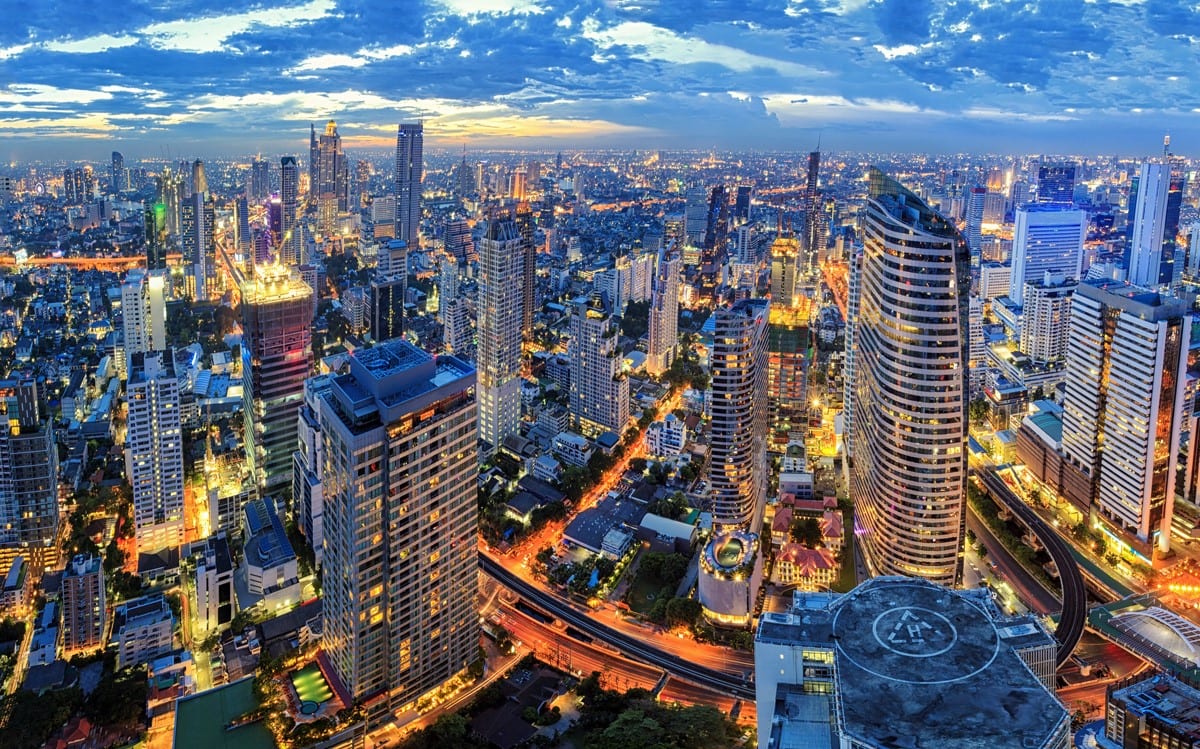
    Thailand has seen an explosion of Internet shopping in recent years as consumers become more tech-savvy. If that is anything to go by, e-commerce in South-east Asia is taking off as well.

    Online retail sales in Thailand of everything, from washing machines and televisions to fish sauce, are growing more than 100 per cent, far outpacing purchases made at traditional stores, where sales are rising by about 10 per cent.

    That is down to a combination of stronger and faster Internet speeds in the country and the success of online merchants, such as Lazada.

    Thailand’s third-biggest mobile-phone company, Total Access Communication, estimates that Thais spend up to six hours a day on social media websites, including Facebook and YouTube.

    Thailand is the only country in South-east Asia that breaks down retail sales data into an online category, providing a useful guide of what e-commerce growth may be like in the region, according to Maybank Kim Eng.

    Bigger markets, such as China and South Korea, already have higher penetration rates of online retailing at 16 per cent and 18 per cent, respectively.

    That shows the potential for South-east Asia, where e-commerce sales could grow to 5 per cent to 10 per cent of overall retail purchases over the next five years, according to Maybank.

    Alibaba founder Jack Ma recently signed up to be a member of a government panel in Indonesia tasked with steering the e-commerce industry in South-east Asia’s most-populous nation. Macquarie Research estimates online retailing in the country can reach US$65 billion (S$88 billion) by 2020.

    The surge in e-commerce and a lack of official data means the health of the consumer in South-east Asia may be underestimated, according to Maybank. Tracking consumer patterns will involve more than just looking at official retail sales, it said.

  • Harry Potter cafe opens in Mong Kok

    Harry Potter cafe opens in Mong Kok

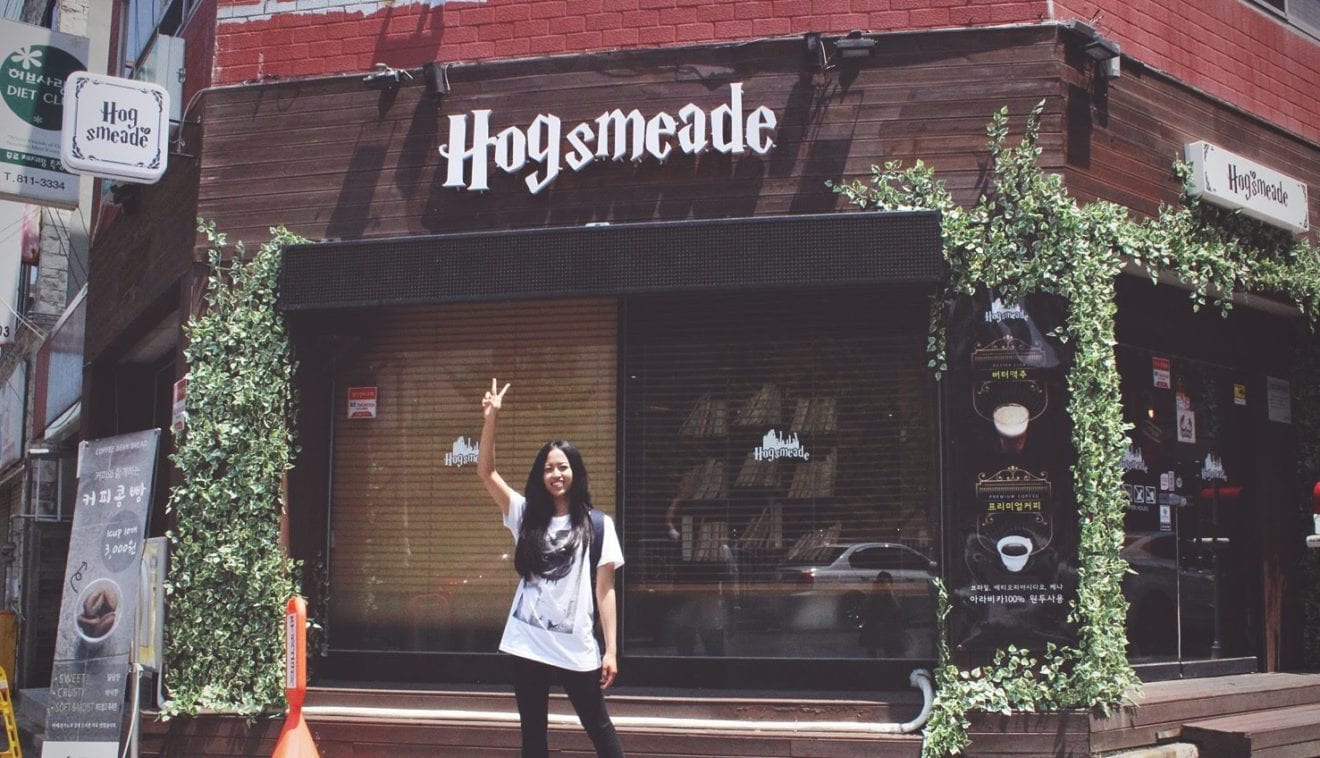
    A Harry Potter cafe has opened in Hong Kong, named 9¾ Cafe after the hidden Hogwarts Express platform at King’s Cross Station in London.

    On Yin Chong Street in Mong Kok, the cafe features wall-mounted wands and broomsticks, stuffed owls, portraits of witches and wizards, and candlelight (electric).

    There is even a half-disappearing luggage trolley, as featured at King’s Cross Station, complete with Hedwig in a cage.

    On the drinks menu are some Harry Potter-specific concoctions, such as the Polyjuice Potion, Amortentia love potion, golden Felix Felicis (aka “liquid luck”), and Veritaserum. Visitors 18 years and older can down a pint of Butterbeer.

    For food, the cafe serves Western starters and mains named after mythical creatures and charms from the Harry Potter series, such as the soft-shell crab Aragog salad, Romanian longhorn pumpkin pasta (after one of the dragons from Goblet of Fire), and Prior Incantato cream of mushroom soup.

  • GreyOrange installs 50th Sorter at Pos Indonesia

    GreyOrange installs 50th Sorter at Pos Indonesia

    Automation and robotics company GreyOrange has announced its 50th installation of a high-performance, advanced Sortation System for Pos Indonesia, the national postal company which distributes parcels and mail across Indonesia, the largest and fastest growing e-commerce market in South East Asia. The third largest e-commerce market globally, behind China and India, its fast-growing e-commerce market is projected to reach US$130 billion by 2020.

    GreyOrange, headquartered in Singapore, is recognised as one of the world’s top 50 robotics companies by Robotics Business Review, and specialises in the design, manufacture and deployment of advanced robotics and automation systems for distribution and fulfilment centres.

    Gilarsi W. Setijono, CEO, Pos Indonesia said, “The growth in retail and e-commerce in Indonesia has been phenomenal and it is well-timed for the Logistics industry to adopt the newest technologies. The increasing demands for fulfilment and last mile delivery – which call for higher efficiency, accuracy and traceability – have grown steadily. We needed a Sortation system that lets us handle a bigger volume so that we are able to fulfil same or next day deliveries accurately and efficiently. The GreyOrange Sortation system lets us do that.

    Nalin Advani, CEO, GreyOrange Asia Pacific said, “We are pleased that Pos Indonesia has selected the GreyOrange Linear Sorter to handle its fast increasing volumes. This Sorter is our 50th installation globally in under four years, and quite special to us. We are proud to work with the team at Pos Indonesia to design and deploy a sortation system unique for the demands of Indonesia, to deliver the highest throughput and efficiency.”

    The GreyOrange Linear Sorter, comprising advanced software and a high-speed sorter, has been tried-and-tested for a wide variety of applications to handle high-volume sortation. Within three years of its launch, customers in the e-commerce, consumer goods, apparel and retail industries have commissioned these Sorters across Asia and Latin America.

    Pos Indonesia handles parcel and mail volume exceeding 500,000 pieces a day and provides fulfilment and last mile delivery for government, state-owned enterprises, online entrepreneurs, and major e- Commerce platforms – Lazada and BukaLapak among others. The GreyOrange Linear Sorter was selected as it combines a line of high-speed conveyor – capable of handling an assortment of parcels in various shapes and sizes including polybags, plus irregular packages – and advanced software customised to handle the volume and types of parcels and mail specific to Pos Indonesia.

    Agus F. Handoyo, Mail and Parcel Director, Pos Indonesia added, “This sortation system was prearranged using a technology-driven approach. Firstly, the end-to-end digitalisation results in a system which integrates seamlessly with data used by our shippers, e-commerce companies and customers; from reading barcodes to capturing gross and volumetric weights, and digital images, which leads to faster and easier parcel traceability. In addition, customers get a better experience in terms of accuracy of delivery.”

    Getting more parcels to their right destinations is important due to the high costs of reverse logistics for parcels returns, especially in Indonesia where locations are spread over 17,000 islands.

    Meet with GreyOrange and Indonesia distributor PT Global Prima Sakti at Stand B1 at Indonesia Transport, Supply Chain and Logistics, on 10-12 October, at Jakarta International Expo Kemayoran, to see the latest high-performance products and solutions.

  • B2B platform Balluun sets up first office for Asia

    B2B platform Balluun sets up first office for Asia

    American B2B social commerce company Balluun has set up its first Asian office, in Hong Kong.

    Under the leadership of Vander Ng as director of business development Asia, the new office will aim to take B2B exhibition and event business across greater China and ASEAN to the next level.

    Ng has had more than 25 years’ experience in the IT industry with such companies as CA Technologies, IBM Software and Oracle.

    Describing Ng as a pioneer in B2B e-commerce, Balluun CEO Roland Kümin says his experience in the field of digital transformation, especially in the Asian market, is important.

    With nearly 180,000sqm of  exhibition space, Hong Kong is a centre of the Asian trade-fair industry, which contributes more than HK$40 billion (US$5.1 billion) annually to Hong Kong’s GDP, about 2 per cent. About 120 trade fairs are held annually in Hong Kong, 35 of which are organised by the Hong Kong Trade Development Council.

    Balluun offers platforms on which wholesalers and retailers, exporters and importers as well as suppliers and buyers can exchange business information and offers while networking and contacting each other directly.

    With more than 40,000 members on five different marketplaces, the Balluun365 platform offers scalable cloud-to-mobile architecture.

  • McDonald’s China signs deal with second developer

    McDonald’s China signs deal with second developer

    Guangzhou-based developer Country Garden has signed a deal to help McDonald’s China reach its goal of opening 2000 restaurants by 2022.

    In the strategic co-operation deal signed with the new owner of McDonald’s China, the mainland’s third-largest developer by sales has pledged to provide locations for the fast-food chain’s plan to nearly double its footprint, reports property portal Guandian.

    The partnership echoes a deal McDonald’s signed last month with Evergrande Real Estate Group, under which the burger giant will piggyback on the residential developer’s nationwide property portfolio to accelerate its push into China’s lower-tier cities.

    McDonald’s China’s strategy to grow its stores from 2500 to 4500 in little more than five years looks to third- and fourth-tier cities for the bulk of the expansion. These cities will account for 45 per cent of outlets by the end of 2022.

    The new approach to securing shop locations comes after Citic Limited and its investment-management arm Citic Capital Partners jointly took a 52 per cent stake in the venture. McDonald’s China chairman Zhang Yichen, who is also CEO of Citic Capital, says the company is discussing similar agreements with rival builders China Overseas Land & Investment and China Vanke, which have close connections with Citic.

    Hong Kong-listed Country Garden, China’s top developer by sales, had 722 projects across mainland China and Hainan at the end of last year, more than 35 per cent of them in Guangdong province.

  • Muji Thailand opens CentralWorld flagship

    Muji Thailand opens CentralWorld flagship

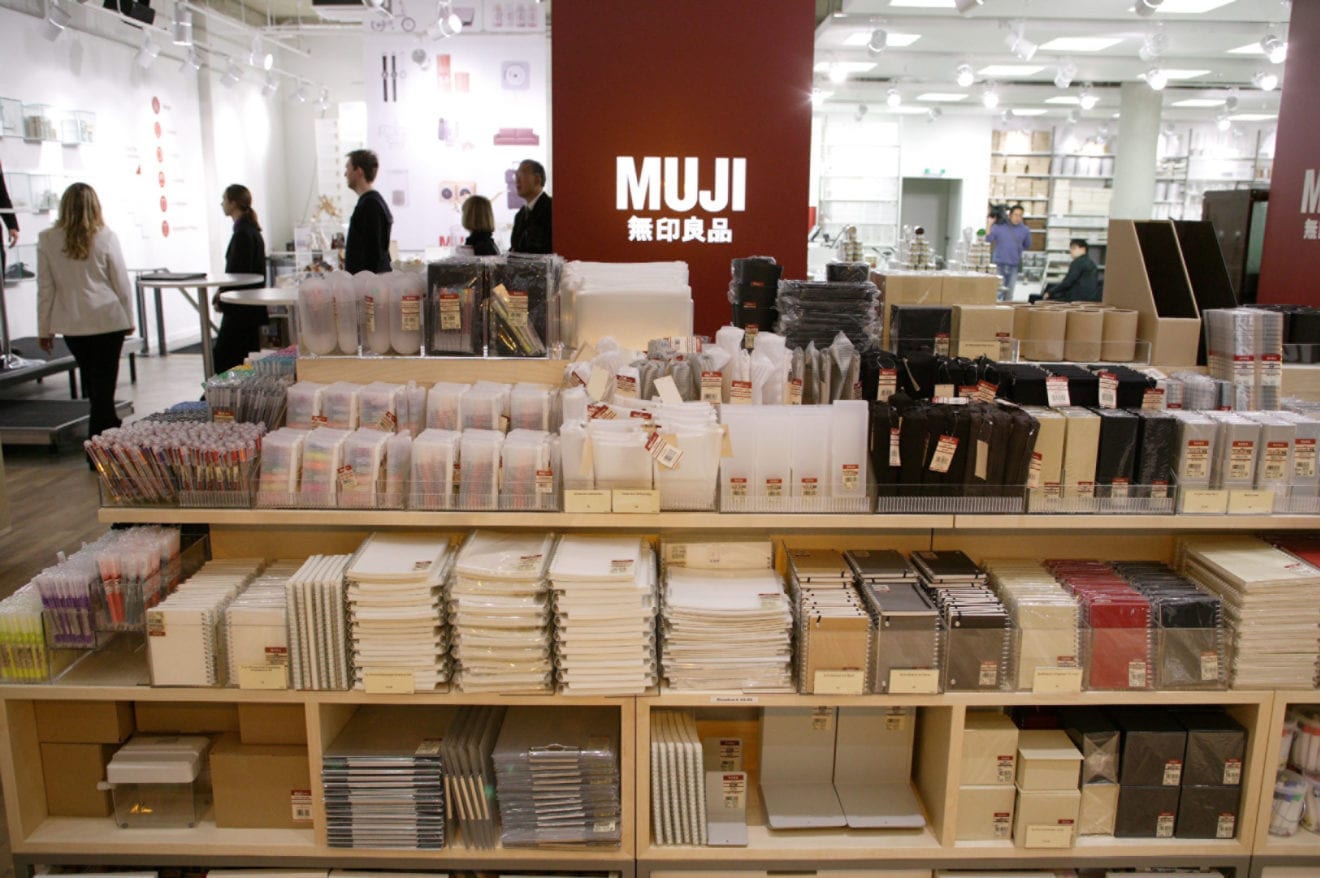
    After a decade in Bangkok, Muji Thailand has opened a flagship store at CentralWorld.

    Covering 1000sqm, it is the Japanese brand’s biggest outlet in Bangkok, offering for the first time clothing lines like Found Muji, which borrows materials and techniques from around the world, Muji Labo, which offers everyday basics in neutral colours, and ReMuji, which revives vintage garments through indigo dyeing techniques.

    There is also the first Green Space, a corner devoted to plants ideal for tiny indoor gardens. The store also offers the Muji basics of toiletries, stationery, kitchenware, clothing and bedding.

    Meanwhile, the What is Muji? exhibition at Central Embassy mall showcases Muji’s brand philosophy through a range of products. It continues until October 1.

  • Asia key to expansion, says Walgreens Boots Alliance

    Asia key to expansion, says Walgreens Boots Alliance

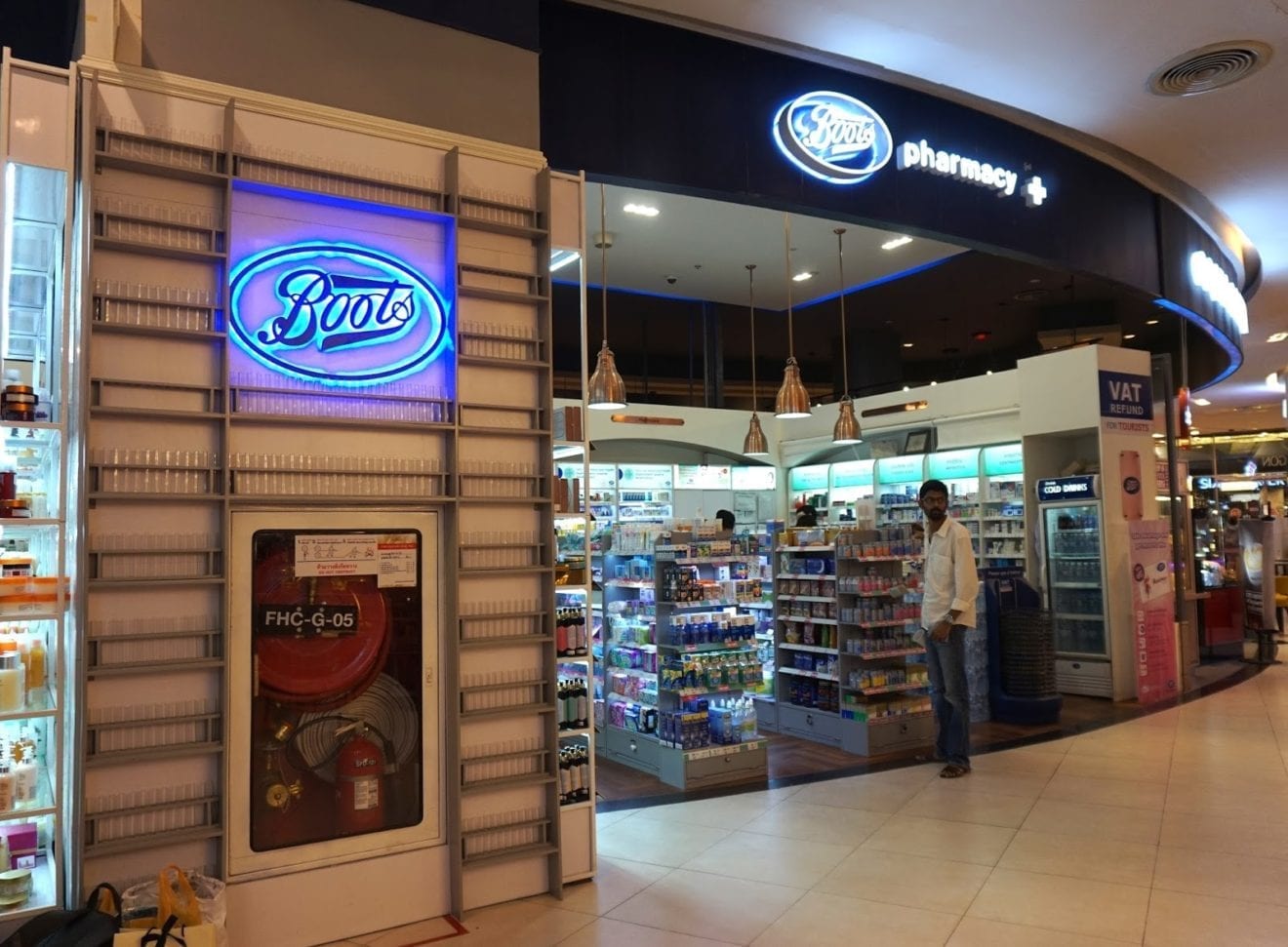
    Walgreens Boots Alliance (WBA), which owns Boots health-and-beauty chain, plans to continue expanding its business in Asia because of the growing middle class.

    As Boot Thailand celebrates 20 years, WBA co-COO Ornella Barra says Asia, particularly China, South Korea and Thailand, are integral to the company’s expansion plans, with the Asia-Pacific region forecast to account for more than one-third of the global economy by 2021.

    Growth rates in the region continue to outpace the mature economies of the west, driven in part by the rising middle class.

    Moreover, led by regional and domestic players, the market is still fragmented, says Barra, noting that strong beauty brands have huge opportunities for growth in many Asian markets, especially those that can build on brand awareness built in established markets.