Author: Mei Ling Tan

  • Fast food outpaced in new delivery boom

    Fast food outpaced in new delivery boom

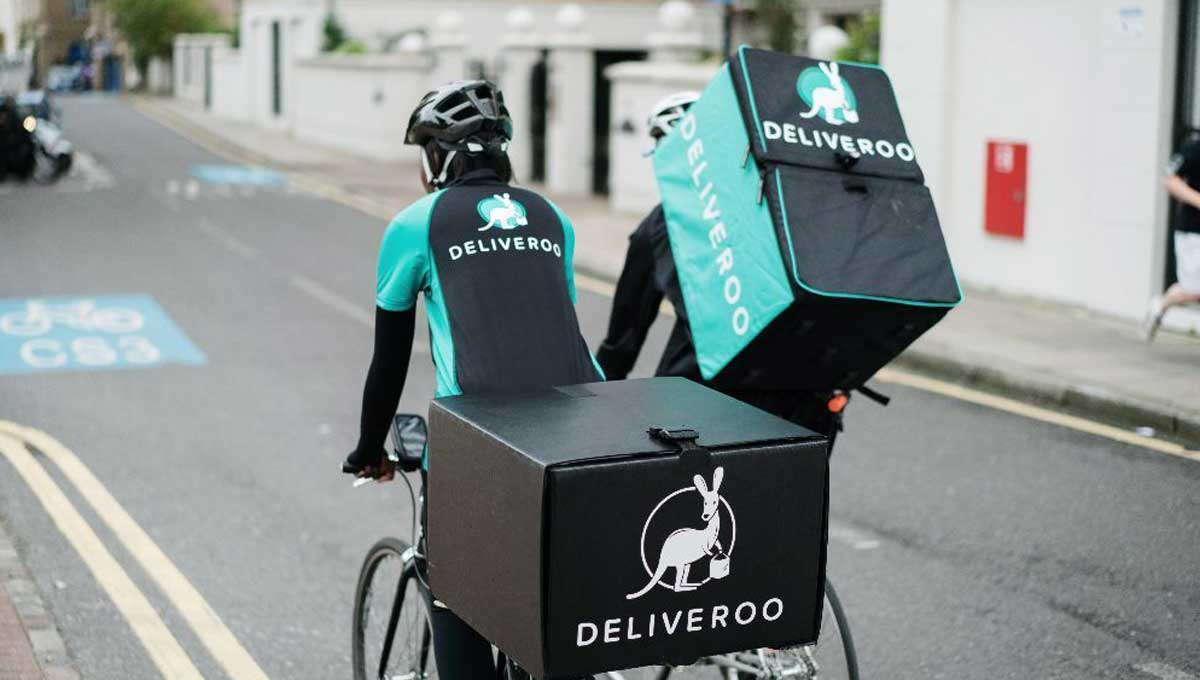
    Restaurants are cashing in on the food delivery boom driven by the likes of Deliveroo and UberEATS, as the fast food industry proves slow to adapt.

    Financial researcher IBISWorld forecasts revenue growth of two per cent for the restaurant industry in 2017/18, with the combined takings of 28,252 businesses to reach $21 billion.

    IBISWorld expects that growth to reach 5.8 per cent in 2018/19, and revenue to surpass $30 billion in 2021/22.

    Revenue for fast food establishments is forecast to rise by only 1.2 per cent in 2017/18, to $19.5 billion, while growth for cafes is forecast to be 0.8 per cent, to $8.1 billion.

    Senior IBISWorld analyst Bao Vuong says food delivery apps including UberEATS, Deliveroo, Menulog and Foodora have changed the way time-poor customers dine, and how restaurants are run.

    They allow customers to search beyond cuisine, price or rating, filtering options based on how quickly the food can be delivered, how close a restaurant is to their location, or whether delivery is free.

    Vuong said some businesses have created delivery-only menus, pop-up shops without tables and seating, or separate pick-up counters for delivery drivers to cater to the growing trend.

    The researchers found only a quarter of fast food restaurants have integrated new ordering and delivery platforms, and low revenue growth is a result of their lukewarm response to the innovative business methods.

    McDonalds and KFC secured partnerships with UberEATS and Foodora respectively in June, Vuong said, despite both delivery applications launching in Australia in early 2016.

    Red Rooster also recently appeared on Menulog, moving out of its suburban stronghold to feed customers in inner-city Sydney and Melbourne for the first time.

    The new platforms have also prompted fine dining businesses – 39 per cent of Australia’s restaurants – to lift.

    “Small tweaks such as improved customer service and enhanced ambience through lighting and increased customer interaction with chefs can go a long way towards combating these apps,” Vuong said.

    In addition, hatted eateries including Sake (Sydney, Brisbane, Melbourne), Three Blue Ducks (Sydney) and Esquire (Brisbane) have all launched on UberEATS with scaled-down menus.

    “The outlook for fine dining restaurants is strong because they place a premium on taste, while new ordering and delivery platforms mainly focus on convenience and price,” added Vuong.

  • Zoomcar partners with AirAsia for seamless travel

    Zoomcar partners with AirAsia for seamless travel

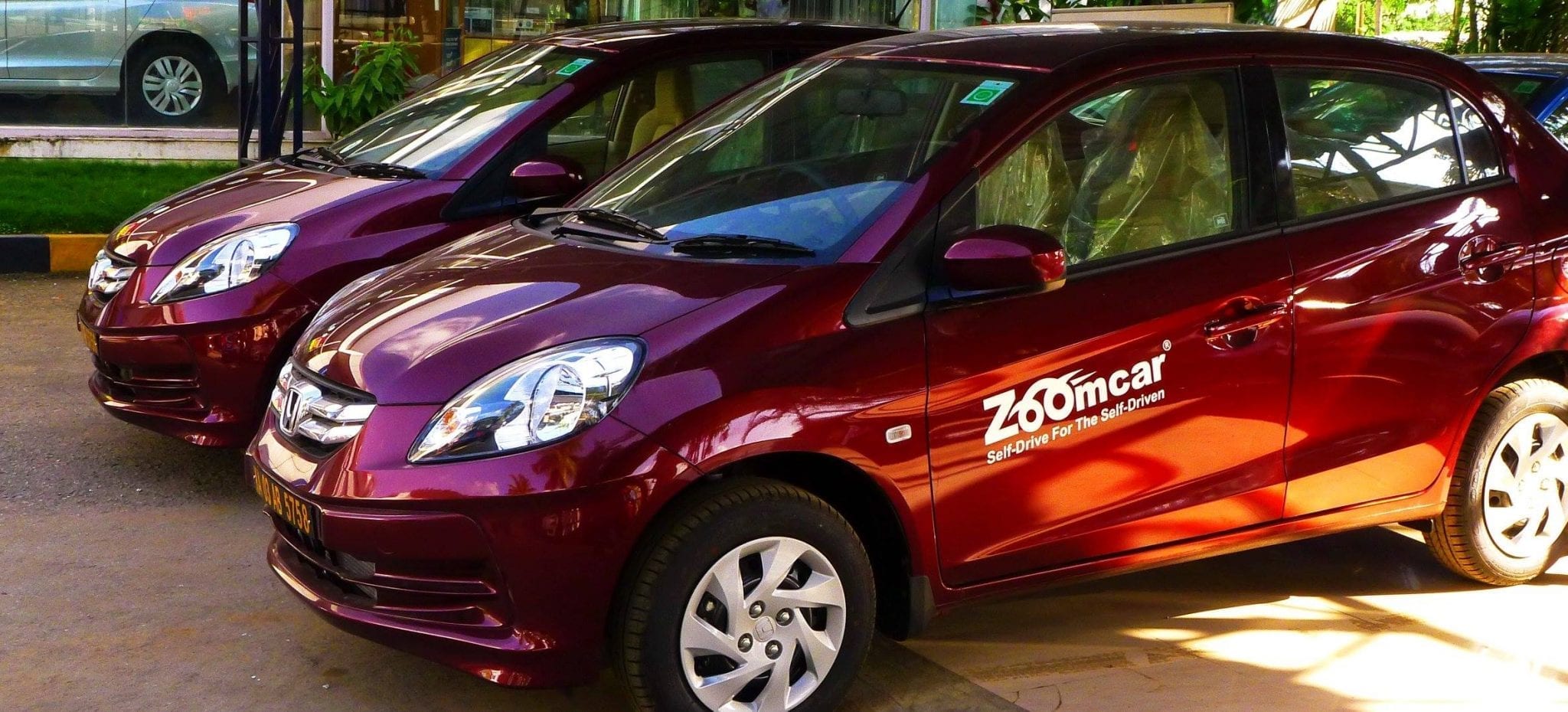
    Zoomcar, a self-driving car rental portal, has partnered with AirAsia India to provide the latter’s customers an ease and convenience to book Zoomcar for their local and inter-city self-driven transport.

    According to a company press release, one can book for a Zoomcar on AirAsia’s website. The service is available across all metro cities in India and AirAsia guests can log on https://www.zoomcar.com/airasia to avail a Zoomcar.

    The company said that the Zoomcar airport service is gaining popularity especially among working professionals and customers looking for leisure and business travel.

    Customers will get a maximum discount of Rs 1,000 or 20 per cent on the booking. Zoomcar will charge a fully refundable security amount at the time of booking.

    Greg Moran, CEO & Cofounder, Zoomcar, said, “We are excited about the partnership which will further enable the AirAsia guests to experience Zoomcar accessibility at airports with an ease and flexibility.”

    Zoomcar is currently available in 26 cities across India, including metro and non-metro cities. Zoom Hop, one-way intercity travel, is an add-on to customers where a user can pick up a car from one city and drop it to another.

    Amar Abrol, MD & CEO, AirAsia India, said, “We have always believed in going an extra mile to provide the best-in-class customer service to our guests and we are confident that through this partnership, will be able to offer the best mobility to our flyers.”

    AirAsia India currently flies to 16 destinations with its hubs in Bengaluru, New Delhi and Kolkata covering Kochi, Goa, Jaipur, Chandigarh, Pune, Guwahati, Imphal, Vizag, Hyderabad, Srinagar, Bagdogra, Ranchi and Bhubaneswar.

  • Sephora concept stores debut in France and Spain

    Sephora concept stores debut in France and Spain

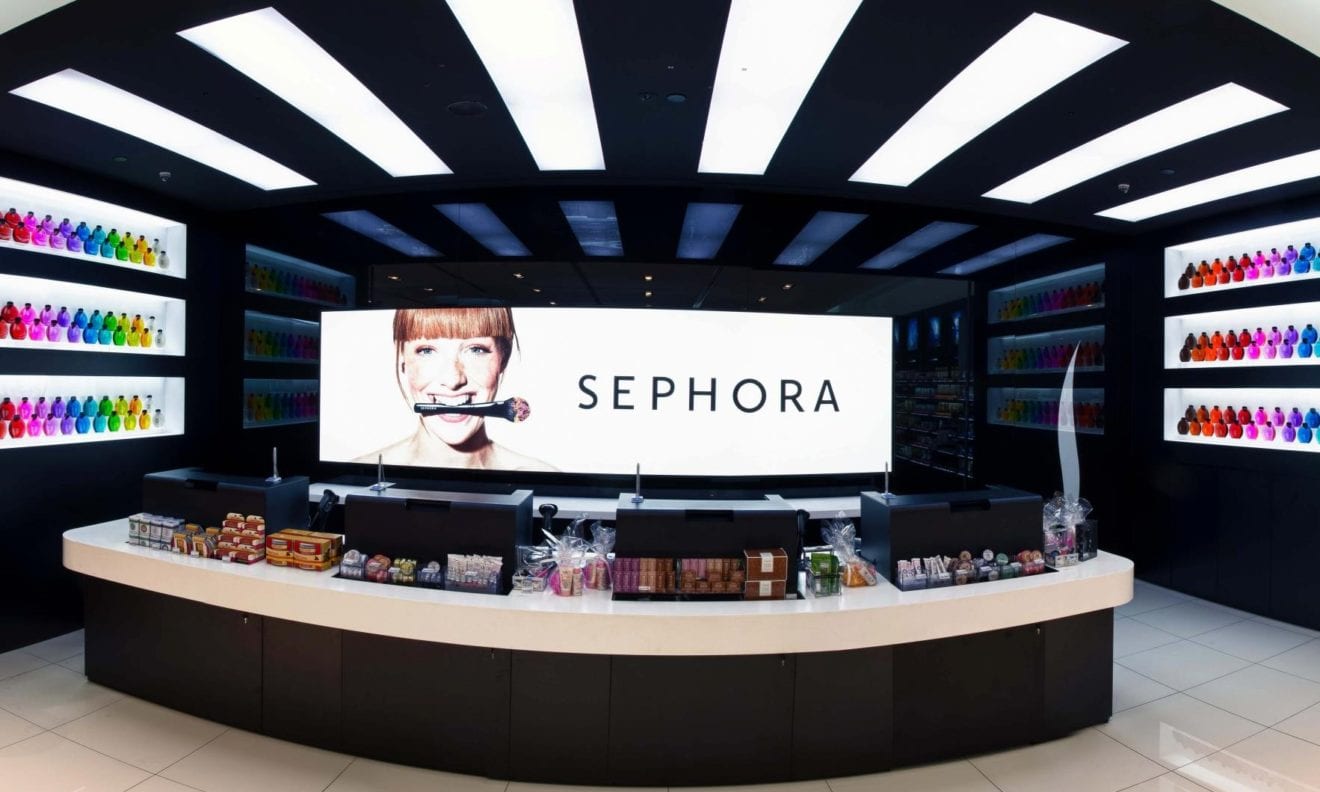
    New Sephora concept stores have opened in Spain and France, hinting at the LVMH-owned cosmetics retailer’s future design direction.

    Unashamedly targeting millennials, the brand is trying to increase dwell time in-store and encourage younger shoppers to buy into perfume.

    First introduced in France, the hyper-connected stores bring customers what Sephora describes as “a unique beauty experience in an unprecedented service-driven environment, perfectly expressing the beauty retailer’s play, share and shop philosophy”.

    “Following the tremendous success of two pilot stores opened in March in Nantes and Val d’Europe in France, Sephora has brought its new store concept to Spain. This new concept revolves around a fascinating variety of services, letting Sephora offer a groundbreaking beauty experience, transforming beauty shopping in Spain, where the brand has been present since 1998,” the company said in a statement.

    The new design engages customers right from the entrance, with a giant slide for shoppers who are happy to eschew escalators or the piano stairway.

    “As at the two French pilot stores, these newest concept stores include a trend zone with a selection of hot new products, a beauty hub for personalised advice and beauty classes to learn about specific makeup topics. With four distinct experience spaces – compared with one or two at classic stores – the new concept stores give customers access to an expanded range of brands, from the latest on-trend products from South Korea to para-pharmaceutical products, and engage with a broader audience, especially millennials.”

    New services include the Dry Bar by Rizos for a 15-minute hairstyle touch-up and the Drops fragrance experience, designed to introduce younger customers to perfume by letting them personalise the bottle of their chosen fragrance in a fun, interactive way.

    “With these two new concept stores Sephora introduces a groundbreaking shopping experience in Spain, as the brand continues to expand the concept throughout Europe, adapting it to each country for an even more exclusive experience,” the company said.

  • The Australian shopper has never had so much power

    The Australian shopper has never had so much power

    As the retail sector evolves, the average customer’s expectations are changing. To stay ahead of the curve, businesses need to adapt.

    The average Australian has been quick to adopt online shopping. In 2016, online sales exceeded $20 billion for the first time. Key emerging trends signify beyond doubt that the retail landscape is changing rapidly. To avoid being left behind, Australian retailers need to act now.

    The recent Salesforce Empowered Shopper report highlights the challenge: “We’re in the age of the customer. They expect personalised experiences everywhere, not just in marketing communications, and physical stores are just one touch-point in their increasingly dynamic retail interactions.”

    So what does this mean for Australian retailers as they develop their approach to e-commerce over the next few years? Uber has created an expectation that when a traveller finishes a journey they simply need to get out of the car. The same shift in expectations is happening in the online retail world. Local e-commerce stores such as The Iconic and Showpo are continuously making the ways their customers engage with them easier, faster and more relevant. Step by step, they are raising the bar for all digital retailers.

    Australia’s e-commerce revenue is sitting at $9.54 billion USD, but it is expected to hit $14.151 billion USD by 2020. For retailers this means focusing on a connected customer experience where competitive advantage can be created, with 66 per cent of customers expecting consistent experiences across every brand interaction.

    Another key insight from the report is the evolving view of privacy as part of the overall customer experience. Consumers expect businesses they deal with to maintain their personal privacy. This means brands that focus on transparency around what data they have and how it is being used are rapidly gaining consumer trust.

    While the Amazon and Apple global giants will always exist, Australian businesses can compete through adopting established customer-centric technologies and processes to ensure you maintain the right focus for your business:

    1. Don’t think about catching up, focus on leading in one area

    You can’t do everything. Maintaining focus on a core brand experience is where you can build momentum and differentiation. It’s the harder path initially as the work may not impact sales results in the short term, but it can pay off in a big way.

    A great example of this is The Iconic, they’re all about providing consistent, amazing customer experience. They do this by delivering on what they say they will; next day delivery and free returns. They back this up by being available via multiple channels to resolve issues efficiently and with autonomy, should they arise.

    Action: Use design research techniques to map the customer experience, identify one customer problem that will have a major impact and differentiate. Focus on addressing that issue to build capability and velocity within your organisation.

    2. The customer is central

    The customer, as always, is king. Each interaction with your customer is an opportunity to understand them better. Transactional data allows you to build profiles so you get to know what makes them tick.

    But now you can build profiles that allow you to understand them in greater detail. This knowledge also gives you great power. But, at the risk of sounding like a superhero comic, with that power comes great responsibility. Misuse turns customers off fast. Used correctly, this information can help you focus on driving value for your customer firstand foremost.

    Action: Use the data you have, and may be able to access, to build rich views of Customer Lifetime Value. This will ensure your organisation can see the impact of action in a more holistic and long term way.

    3. Create experiences that allow the customer to live your brand

    Consumers no longer want to passively watch brands tell stories. They want to be part of the action. Design experiences, in the real and digital world, that allows the customer to experience your brand promise.

    Take a look at Nike, and you’ll see they’ve become much more than a brand that sells shoes and sportswear. Their invention of Nike+, first as a sensor in a shoe, then as a wristband and now as a suite of apps, allowed them to focus on what their brand is really about: athletic performance. In doing so they gathered vast amounts of information about how their customers were using their products and created a very ‘sticky’ digital ecosystem.

    Action: Create user experience projects, with design researchers, data analysts and interaction designers, with the intent of defining how your brand would be experienced as an interaction or digital product.

    4. Focus on a long term competitive advantage

    Marketing through technology is not like delivering passive media. You now have the opportunity to introduce technology to your strategy that can help you communicate with your customer, empower your customer and allow you to build relationships over time. Spend more time on creating long term connections, and less time on flashes in the pan.

    Don’t rely on gimmicks and promotions to create loyal customers, utilise customer data and insights to build relevant, meaningful conversations, and stay focused on what your customer needs. Everything else will follow.

    Action: Use hypothesis based testing to build knowledge of what customers actually want. Then use this knowledge to design and build online experiences that create a long term brand differentiator, and a unique relationship between the brand and each customer.

    While many commentators will say that traditional forms of advertising still have their place, what recent events have shown us is that place is increasingly at the bottom of the pile. What’s clear is that businesses need to ‘become digital’ – simply doing digital marketing won’t cut it. Now is the time to invest seriously in your customer, digital technologies and data-driven communications.

    To win in today’s environment it’s critical that businesses start to create a balance between digital advertising and customer focused digital innovation. They need to make the shift from just making people want things, to creating things and experiences that people want.

  • DHL Supply Chain’s APAC head of marketing joins JLL

    DHL Supply Chain’s APAC head of marketing joins JLL

    Global real estate services firm JLL has appointed Ross Ballantyne (pictured) as head of corporate solutions marketing, Asia Pacific. Based in Singapore, Ballantyne will focus on driving marketing and engagement in JLL’s Future of Work framework, a “unique” outlook on the changing world of work and its impact on the next generation of real estate.

    He will report to Nicole Worthington, chief marketing officer, JLL Asia Pacific. Ballantyne was most recently the head of marketing, Asia Pacific at DHL Supply Chain for close to three years, and according to his LinkedIn, has been with the company for over seven years. As the head of marketing, he responsible for driving the marketing and external communications agenda across 14 countries in the region, to accelerate business growth and enhance customer retention rates.

    Prior to that, Ballantyne was marketing manager, North Asia for 10 months, during which he was responsible for coordinating marketing activities across China, Hong Kong, Japan, South Korea and Taiwan.

    He also created digital marketing campaigns to drive awareness of DHL Supply Chain’s service offering and new growth opportunities, via online advertising, LinkedIn and electronic direct mailers. At DHL Supply Chain, Ballantyne also took on the role of marketing manager for the automotive industry across Europe. He also worked at JP Morgan Chase.

    “We’re delighted to welcome Ross Ballantyne to JLL as head of corporate solutions marketing, JLL Asia Pacific. Ross’s extensive experience, gained both in the UK and Singapore, will be a great asset as we continue to develop and implement creative, innovative marketing strategies that deliver business growth and superior client experience,” Worthington said.

  • Inmarsat to supply broadband to AirAsia planes

    Inmarsat to supply broadband to AirAsia planes

    Communications services provider Inmarsat said on Wednesday that it would supply AirAsia Group with its next-generation GX Aviation in-flight broadband to more than 120 Airbus aircraft.

    The contract covers Airbus A320 and A330 aircraft across the AirAsia Group and the first onboard installations of GX Aviation are scheduled to commence in the first half of 2018. The deal also covers aircraft operated by the carrier’s long-haul arm AirAsia X.

    Inmarsat added that installations could also include additional aircraft types due for delivery in the coming years, such as the Airbus A350.

    Inmarsat Aviation President Philip Balaam said the contract meant that more than 1,300 aircraft had been fitted with, or were waiting for the installation of, Inmarsat’s GX Aviation and European Aviation Network service.

  • Deliveroo Hong Kong launches kitchen concept

    Deliveroo Hong Kong launches kitchen concept

    Deliveroo Hong Kong has launched a delivery-only kitchen so restaurants can work off-site and cater to more customers across the city.

    Dubbed “Deliveroo Editions”, the kitchen concept is in Wan Chai and already caters for six restaurants on the Deliveroo platform. Each restaurant is allocated space in the kitchen, which Deliveroo has fitted out with stoves, fridges and cookware. This means that restaurants need only invest in manpower and ingredients needed.

    In return, Deliveroo takes a commission from the orders placed with the restaurants on Deliveroo Editions.

    Deliveroo Hong Kong GM Brian Lo says the company has amassed a trove of data on customer order preferences within each area. Based on this data, Deliveroo Editions can bring in restaurants for specific cuisines that are in demand. Restaurants working out of Editions can also use the data to determine if it makes commercial sense for them to open a secondary kitchen to serve another customer base.

    “We have the actual big data to back up our assumption – we know what’s going to be successful or not within an area based on past buying patterns,” says Lo.

    He says certain restaurants in Singapore and London that already work through Deliveroo Editions have seen their revenue increase by as much as 500 per cent.

  • E-commerce wars: fashion exodus from JD.com

    E-commerce wars are in the news again in China, with reports of a mass exodus of fashion brands from the JD.com platform.

    44 fashion brands closed their flagship stores on JD last month while launching or keeping their shops on Alibaba’s Tmall. The main brands involved included millennial niche brand JNBY, billion-yuan brand Peacebird, menswear brand GXG and fast-fashion label Heilan Home.

    Following up, state-run Xinhua News Agency has published a more detailed breakdown of the brands that left: 27 womenswear brands, seven menswear brands, seven childrenswear brands and three lingerie labels.

    JD has confirmed the exodus with a statement containing a thinly veiled reference to Alibaba as “another industry player”.

    “We believe strongly in open, fair and legal competition, but not everyone in the industry agrees,” says the JD statement. “Numerous brands have told us that another industry player is inappropriately using threats to attempt to force them to sell on only one site in China.

    “We believe brands and consumers should be able to sell and shop where they want without interference, and will continue to support the ability of brands to choose to sell on however many sites they want.”

    Alibaba denies it is pressuring brands to leave any other e-commerce platform. “Brands have full autonomy to maximise their ROI in choosing their distribution platforms,” it says in a statement.

    Meanwhile, the two e-commerce giants are going head to head in preparation for Singles’ Day, the November shopping festival introduced by Alibaba. JD has its own shopping festival in June, but both platforms offer discounts during the promotions.

  • Disney tests new prototype stores online and offline

    Disney tests new prototype stores online and offline

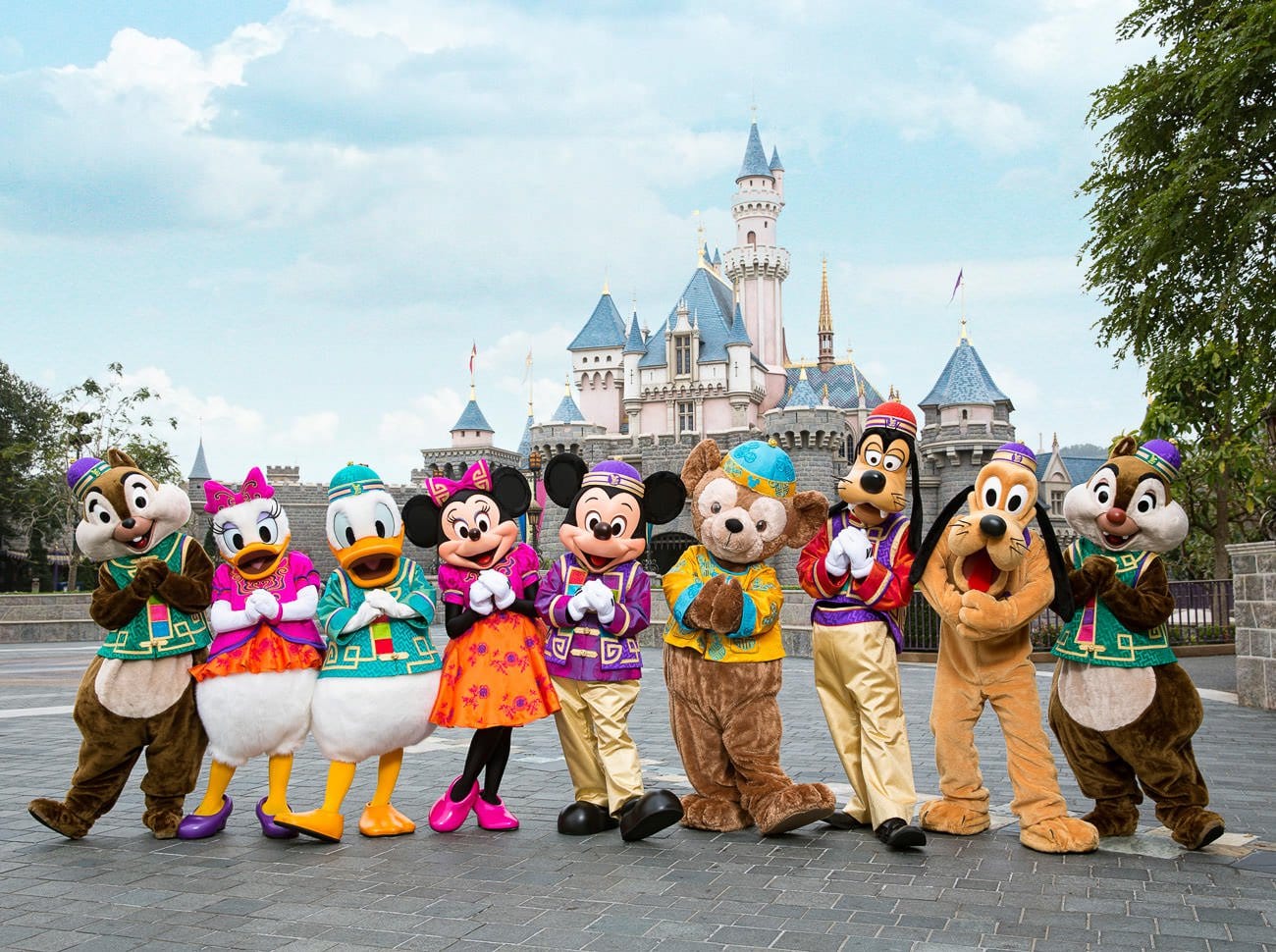
    Disney is testing a new prototype store design in Shanghai, China and Nagoya, Japan as well as other cities in the US and Europe.

    According to the company, the new design combines innovative technology, storytelling and cast-member interaction to take “Disney magic to retail” through special learning and play activities, personalised celebrations for guests and a daily live stream of a Disney Parks parade.

    The US stores are in Century City and Northridge in California and Miami, Florida, with another scheduled to open in Munich, Germany, later this year.

    “No one creates experiences like Disney, and our pilot stores will be testing grounds for interactive features that will differentiate the Disney shopping experience in the changing retail landscape,” said Disney Consumer Products and Interactive Media chairman Jimmy Pitaro.

    Meanwhile, Disney has revamped its online experiencing, launching ShopDisney.com which it says offers an unparalleled assortment of Disney, Pixar, Star Wars and Marvel products across categories that include fashion, accessories, toys and home. It sells “best-in-class brands,” as well as authentic products from Disney Parks and Disney Store.

    “Online, ShopDisney is the ultimate destination for the most extensive collection of curated merchandise from our stores, parks and licensed partners,” said Pitaro. “This combination creates a powerful omnichannel experience that represents the next generation of Disney retail.”

    The website and prototype stores are both designed with dynamic layouts that spotlight product and content but allow the flexibility to feature the different worlds of Disney, Pixar, Star Wars and Marvel as new content debuts. Both also offer expanded product assortments for guests of all ages.

    “ShopDisney’s vast selection of merchandise across a wide range of categories reflects the Company’s commitment to creating products tailored for different audience demographics, from kids and families to millennials, as well as to innovating beyond the traditional and expected,” the company said.

    “The online destination features co-branded products and elevated collaborations from top brands such as Coach, Le Creuset, Spyder, Steiff and more, as well as new and exclusive capsule collections from fashion-forward brands on ShopDisney’s “The IT List,” home to “new, now and noteworthy” items guests won’t find anywhere else.

    “We know our fans are looking for a one-stop shop to find the most compelling product out there and with shopDisney we are uniquely positioned to curate the very best of Disney, Pixar, Star Wars and Marvel merchandise,” said Paul Gainer, executive VP for Disney retail. “We’ve also added product categories and brands that speak to new audiences following the success of our collaborations in the fashion space.”

    There will also be new items geared toward an expanded audience in the prototype stores, which go beyond their traditionally child-centric assortment to incorporate more product for guests of all ages. The prototype stores will use digital elements, such as giant LED screens, to present custom-designed guest experiences – including the Live from Disney Parks parade stream every afternoon and a nightly digital fireworks display on the store’s giant storefront screen – to reflect Disney’s storytelling tradition and create magical experiences for local communities that, in many cases, may be far from a Disney theme park.

    “We are a storytelling company and our vision was to create a retail space that reflected our heritage,” said Gainer. “Our stores are destinations and gathering places for fans of our iconic brands, and are often their closest physical Disney touch point so creating an authentic brand experience is key.”

  • Cebu Pacific opens Zamboanga-Sandakan route

    Cebu Pacific opens Zamboanga-Sandakan route

    THE Cebu Pacific (CEB) announced the expansion of its international route network and presence in Southeast Asia as it is opening a new route on October 29, this year. CEB announced that through its affiliate, Cebgo, will operate its first international route out of Zamboanga City with four times weekly flights to Sandakan, Sabah starting October 29.

    CEB said in a statement that the Zamboanga-Sabah flight via the city of Sandakan will be every Tuesdays, Thursdays, Saturdays, and Sundays. The one-way flight takes one hour and 30 minutes. It leaves this city at 1:45 p.m. and arrives in Sandakan at 3:15 p.m.

    It then leaves Sandakan at 4 p.m. and arrives in this city at 5:30 p.m. The CEB said the new Zamboanga-Sandakan route supports the drive for seamless logistics connectivity within the Brunei-Indonesia-Malaysia- Philippines East Asia Growth Area (BIMP-EAGA). The BIMP-EAGA, which was created in 1994, comprises the entire Borneo Island-which is divided between Brunei, Indonesia and Malaysia; Mindanao; and other Indonesian Provinces such as Sulawesi and Maluku. Its creation was meant to harness capabilities to turn the entire area into a thriving economic and tourism zone.

  • Toyota Plans Major Expansion at Five U.S. Manufacturing Hubs

    Toyota Plans Major Expansion at Five U.S. Manufacturing Hubs

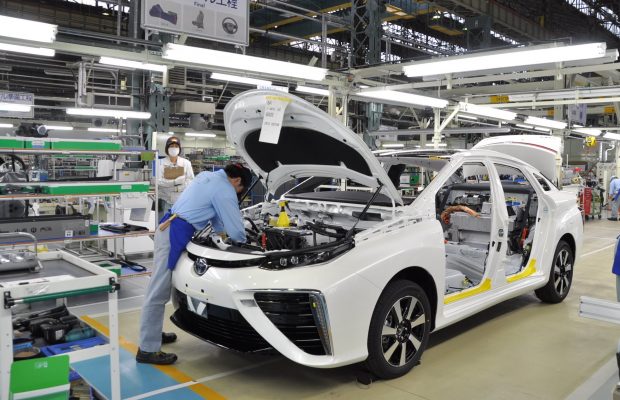
    Toyota plans a $373.8 million investment in five U.S. manufacturing plants that will support production of its first American-made hybrid powertrain and to implement its New Global Architecture at its plant in Alabama.

    The investments will include adding new production of hybrid transaxles (hybrid vehicle transmissions) at the Buffalo, West Virginia, manufacturing facility for $115,300,000; expanding 2.5-liter engine capacity at the Georgetown, Kentucky plant amounting to $120,960,000; increasing production of 2.5-liter cylinder heads at Bodine Aluminum’s Troy, Missouri plant for $17,050,000; and modifying the Bodine Jackson, Tennessee plant to accommodate production of hybrid transaxle cases and housings and 2.5-liter engine blocks for $14,500,000. The Huntsville, Alabama, plant will undergo a comprehensive upgrade to enable it to build engines that complement TNGA amounting to $106,000,000.

    Each of the projects is scheduled to begin this year and all should be operational by 2020.

    “This investment is part of our long-term commitment to build more vehicles and components in the markets in which we sell them,” said Jim Lentz, CEO, Toyota Motor North America. “This strategy is designed to better serve our customers and dealers, and positions our manufacturing operations to fulfill their needs well into the future.”

    The 2.5-liter engines manufactured in Kentucky and transaxles made in West Virginia will be used in hybrid vehicles built in North America such as the Highlander Hybrid manufactured in Princeton, Indiana.

    According to company officials, fifty new jobs will be created because of the investment at the Alabama plant. There will be no net gain of jobs at the Kentucky, West Virginia, or Bodine Aluminum facilities, but these investments will help to ensure the stability of the plants’ employment levels in the future.

    “This investment across five American plants expands capacity for our latest TNGA engines, and localizes production of hybrid powertrains, a core Toyota technology,” said Jeff Moore, Senior Vice President for Manufacturing. “It underscores Toyota’s confidence in the capability and global competitiveness of our North American manufacturing.”

    These projects, and others previously announced, move Toyota nearly halfway ($4.1 billion) toward its commitment to invest $10 billion in the U.S. as announced by CEO Akio Toyoda in January 2017.

  • Paragon Shopping Centre merging tech and fashion

    Paragon Shopping Centre merging tech and fashion

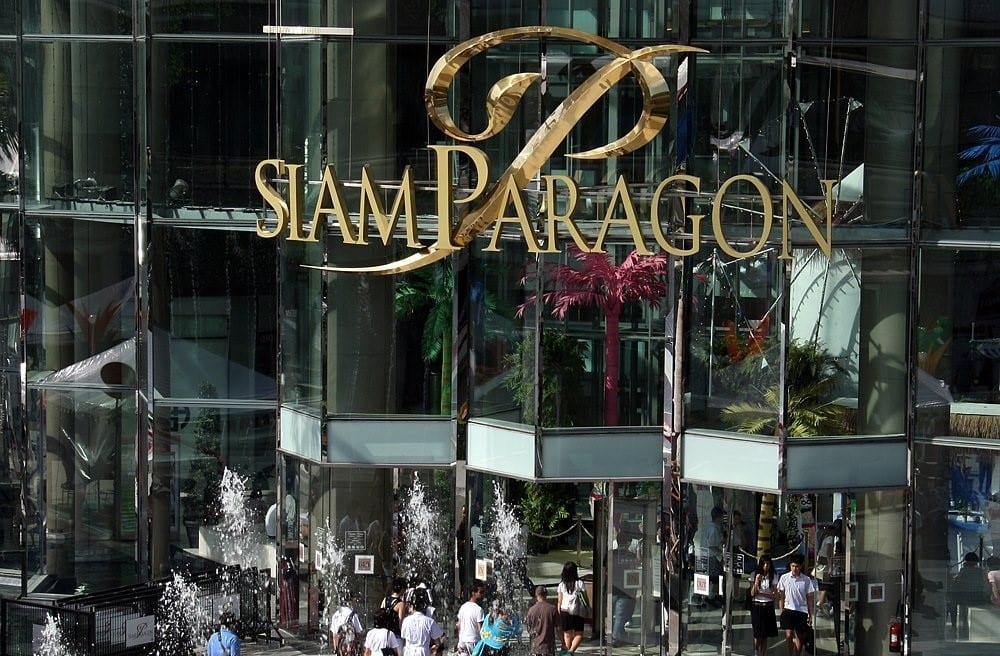
    Paragon Shopping Centre on Orchard Road has branched into robotics and virtual reality for its latest fashion promotion.

    Shoppers can watch fashion runway shows projected onto the floor, and with virtual-reality goggles can have a 360-degree view of a fashion show in which mannequins morph into models.

    Using Samsung VR Gear, the experience was created by multimedia and fashion-design students from Raffles College of Higher Education. It features apparel and jewellery from 11 capsule collections, each created by a student from the school’s fashion-design course.

    Central to the display is a large robotic arm, typically used for precision engineering. It picks up and moves boxes containing fashion pieces such as bags and shoes, giving shoppers a 360-degree view of each item. The arm is on loan from automation firm Weltron Equipment.

    Running until October 1, the display features items from Moschino’s fall/winter collection. The next day, until October 15, athleisure collections take over the spotlight, featuring such brands as AX Exchange, Diesel, DKNY, Puma and Star360.

  • ISPs may be involved in FinFisher spyware campaign

    ISPs may be involved in FinFisher spyware campaign

    New surveillance campaigns utilizing the infamous spyware known as FinFisher are in the wild, and there are signs of major ISP involvement in some of the campaigns, warns ESET in a media alert.

    FinFisher, also known also as FinSpy, is sold to governments and their agencies worldwide. Besides featuring technical improvements.

    FinFisher has vast spying capabilities, such as live surveillance through webcams and microphones, keylogging, and exfiltration of files. What sets FinFisher apart from other surveillance tools, however, are controversies around its deployments. FinFisher is marketed as a law enforcement tool and is believed to have been used also by oppressive regimes.

    ESET discovered these latest FinFisher variants in seven countries, but declined to name thee countries so as not to put anyone in danger.

    FinFisher campaigns are known to have used various infection mechanisms, including spear phishing, manual installations with physical access to devices, 0-day exploits, and so-called watering hole attacks – poisoning websites the targets are expected to visit.

    What’s new – and most troubling – about the new campaigns in terms of distribution is the attackers’ use of a man-in-the-middle attack with the “man” in the middle most likely operating at the ISP level. ESET said it has seen this vector being used in two of the countries targeted by the latest FinFisher spyware.

    It would be technically possible for the “man” in these man-in-the-middle attacks to be situated at various positions along the route from the target’s computer to the legitimate server, such as in compromised Wi-Fi hotspots.

    But the geographical dispersion of ESET’s detections of latest FinFisher variants suggests the MitM attack is happening at a higher level – an ISP being the most probable option.

    This assumption is supported by a number of facts: First, according to leaked internal materials that have been published by WikiLeaks, the FinFisher maker offered a solution called “FinFly ISP” to be deployed on ISP networks with capabilities matching those necessary for performing such a MitM attack.

    Second, the infection technique (using the HTTP 307 redirect) is implemented in the very same way in both of the affected countries, which is very unlikely unless it was developed and/or provided by the same source.

    Third, all affected targets within a country are using the same ISP. Finally, the very same redirection method and format have been used for internet content filtering by internet service providers in at least one of the affected countries.

    The deployment of the ISP-level MitM attack technique mentioned in the leaked documents has never been revealed – until now. If confirmed, these FinFisher campaigns would represent a sophisticated and stealthy surveillance project unprecedented in its combination of methods and reach.

    In terms of attack methodology, when the user – the target of surveillance – is about to download one of several popular and legitimate applications, they are redirected to a version of that application infected with FinFisher.

    The applications we have seen being misused to spread FinFisher are WhatsApp, Skype, Avast, WinRAR, VLC Player and some others.

    The attack starts with the user searching for one of the affected applications on legitimate websites. After the user clicks on the download link, their browser is served a modified link and thus redirected to a trojanized installation package hosted on the attacker’s server. When downloaded and executed, it installs not only the intended legitimate application, but also the FinFisher spyware bundled with it.

    The redirection is achieved by the legitimate download link being replaced by a malicious one. The malicious link is delivered to the user’s browser via an HTTP 307 Temporary Redirect status response code indicating that the requested content has been temporarily moved to a new URL. The whole redirection process occurs without the user’s knowledge and is invisible to the naked eye.

  • Starbucks China rolls out Alipay in 2800 stores

    Starbucks China rolls out Alipay in 2800 stores

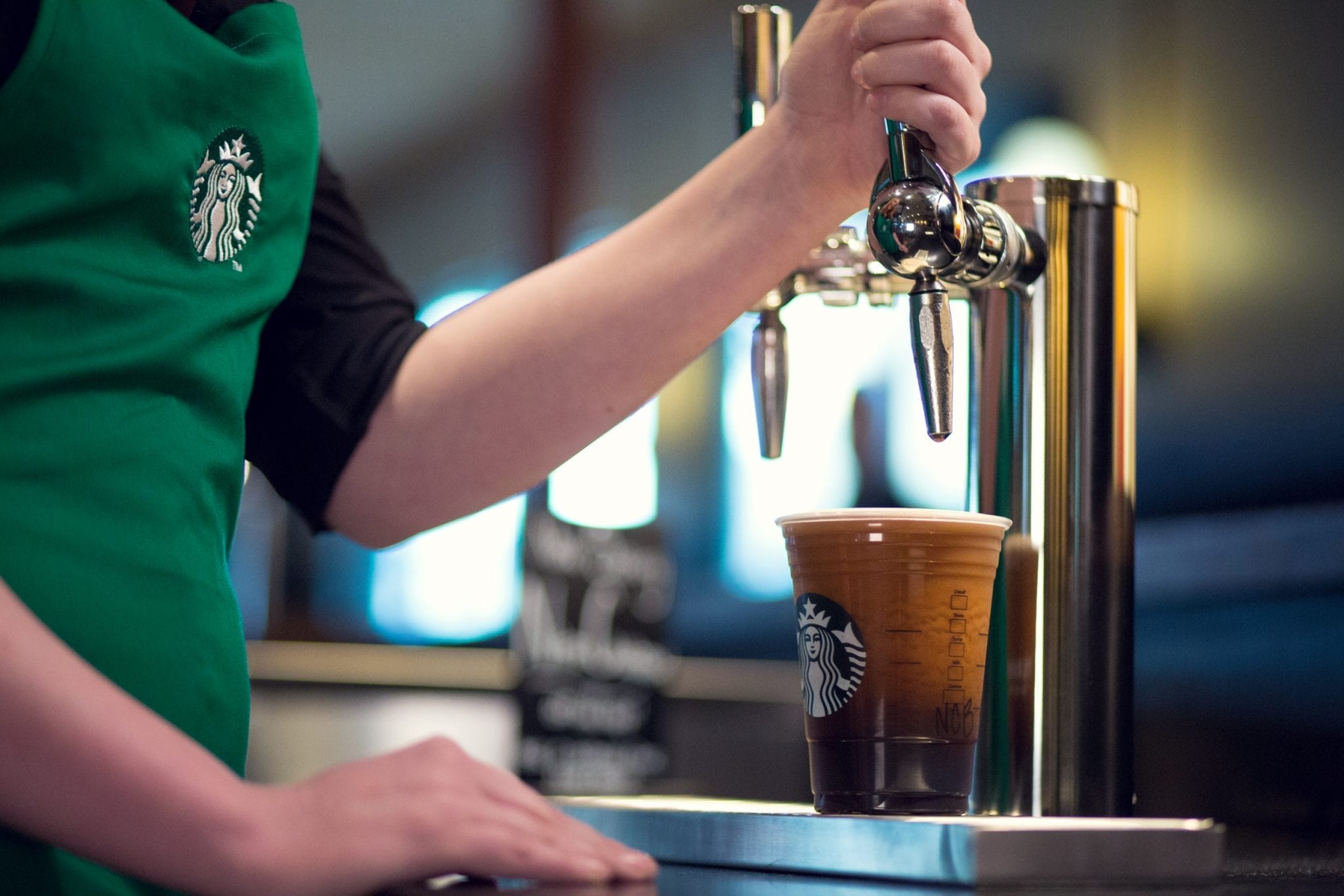
    Starbucks China has introduced Alipay, Alibaba’s third-party online mobile payment platform, to more than 2800 of its coffee shops.

    Alipay also covers some Starbucks outlets in Japan, Macau and Malaysia, adding up to more than 3200 stores worldwide. Its coverage outnumbers that of WeChat Pay, Tencent’s digital wallet, which covers about 2500 Starbuck shops in China, reports Caixin media group.

    Starbucks China also supports all mainstream digital payment methods, including Apple Pay and Quick Pass. Previously, the coffee company has promoted its digital VIP card, Starbucks Rewards, which is embedded in its app, as well as a prepaid card.

  • Cartier parent fined for violating drug kingpin sanction

    Cartier parent fined for violating drug kingpin sanction

    Cartier owner Richemont North America has been fined for shipping jewellery to a Hong Kong company blocked by the Treasury Department’s Office of Foreign Assets Control (OFAC).

    Based in New York City, Richemont has agreed to pay US$334,800 to settle its “potential civil liability” for four apparent violations of the Foreign Narcotics Kingpin Sanctions Regulations, says the OFAC.

    Richemont exported four shipments of jewellery to Shuen Wai Holding in Hong Kong in 2010 and 2011.

    OFAC had put Shuen Wai on its SDN List (List of Specially Designated Nationals and Blocked Persons) on November 13, 2008. Kingpin Act designations are tagged on the SDN List, reports the FCPA Blog.

    “On four separate occasions, an individual purchased jewellery from one of Richemont’s Cartier boutiques in California or Nevada, providing Shuen Wai’s name and mailing address to Richemont as the ship-to party,” says the OFAC.

    “Although the information and documentation provided to Richemont contained the same name, address and country location for Shuen Wai as they appear on the SDN List, Richemont did not identify any sanctions-related issues with the transaction before shipping the goods,” OFAC says.

    Businesses in the US are prohibited from doing business with people or companies designated under the Kingpin Act. The law targets “significant foreign narcotics traffickers” as identified by the President.

    OFAC says Richemont did not voluntarily self-disclose the apparent violations, nor did it “exercise a minimal degree of caution or care with respect to the conduct that led to the apparent violations”.

    Nevertheless, says the OFAC, the offences were “a non-egregious case”, and Richemont had had a clean record with the office for the previous five years. It co-operated with the OFAC investigation and took remedial action to correct deficiencies that gave rise to the apparent violations.

    OFAC discounted the penalty down from $620,000.