Author: Mei Ling Tan

  • Lion Air welcomes Indonesia’s first Boeing 737 MAX-8

    Lion Air welcomes Indonesia’s first Boeing 737 MAX-8

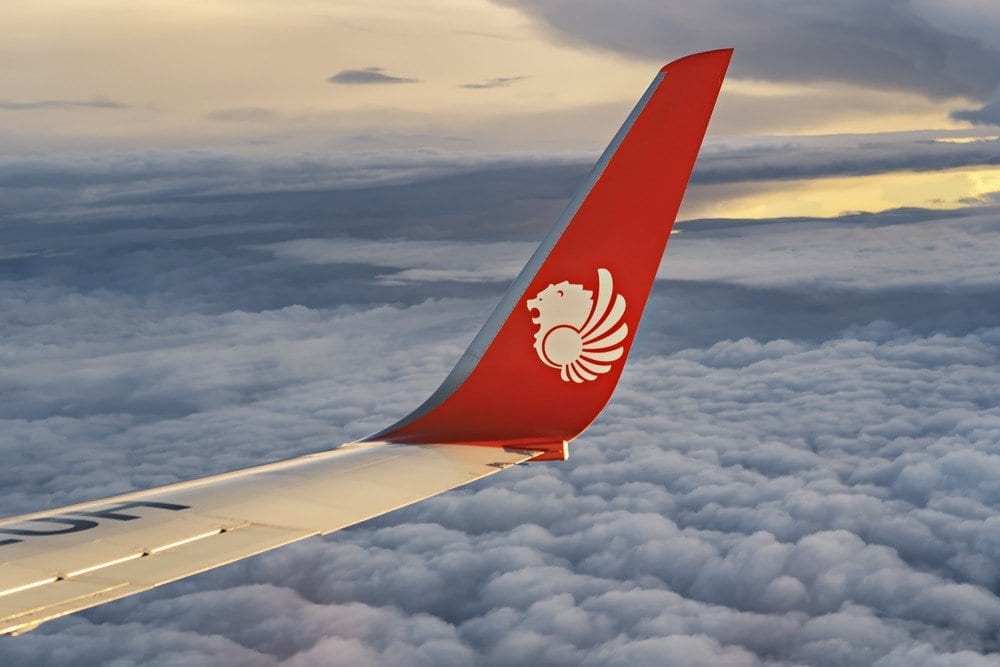
    Indonesia’s largest low-cost carrier Lion Air welcomed on Tuesday the arrival of the first of hundreds of Boeing 737 MAX-8 aircraft it ordered from the United States planemaker, paving the way for the company to move forward with its expansion plan.

    The aircraft will be the first of its kind operated by an Indonesian airline.

    Lion Air is part of the Lion Air Group, together with Wings Air, Batik Air, Lion Bizjet, Malaysia-based Malindo Air and Thailand-based Thai Lion Air.

    The aircraft delivery is the second this year for Lion Air Group as Malindo Air earlier welcomed a similar type of aircraft in May.

    “This new aircraft will help us develop our routes to other destinations and to offer affordable air fares,” Lion Air Group public relations manager Andy M. Saladin said in an official statement.

    Lion Air Group has ordered 218 Boeing 737 MAX-8, eight of which will be delivered this year.

    The Boeing 737 MAX-8 can fly for seven and a half hours without refueling and is the first Boeing aircraft to have a double winglet feature.

    Lion Air currently operates 113 aircraft to serve 630 flights to 44 domestic and international destinations.

  • Fendi to open a pop-up store in Tokyo

    Fendi to open a pop-up store in Tokyo

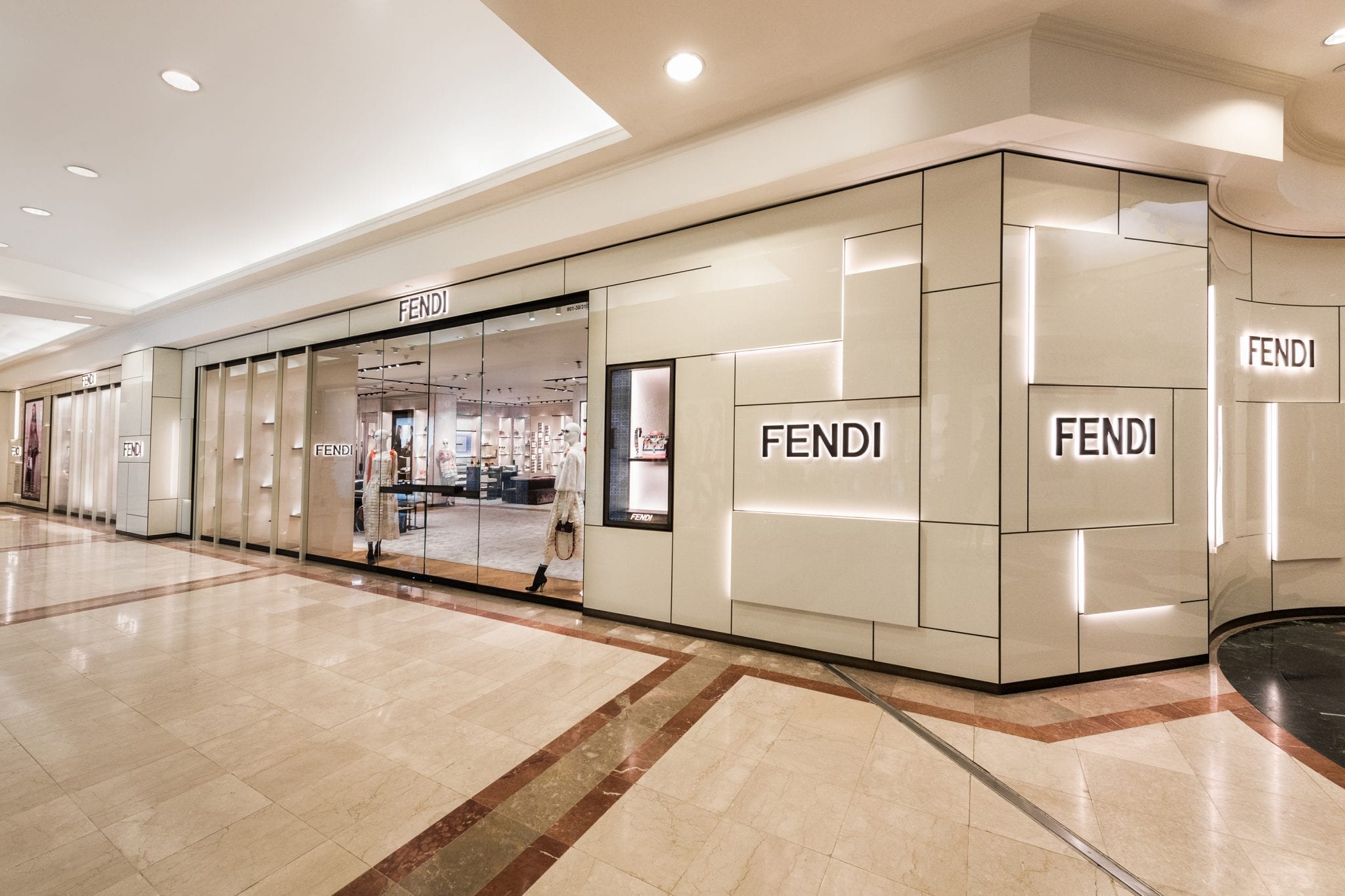
    Fendi is opening a pop-up store in Tokyo at Dover Street Market, as it rolls out a capsule collection that is specific to the Japanese retailer.

    As well as landing in Dover Street’s London and New York store, the Elephant Room pop-up in Ginza will highlight products of the “Fendi Vocabulary”, the key theme of the men’s fall/winter 2017-18 collection designed by Silvia Venturini Fendi.

    The essential words of this vocabulary including Yes, Love, Fantastic, Trust, Hope, Think, were inspired by Ernest Hemingway, according to the house.

    In an interview with WWD, Venturini Fendi said that the collection vocabulary includes “very simple and common words that yet in their simplicity have a very important meaning that is going to be forever and that can help us in difficult moments. There are so many changes going on and things are moving faster and faster in the world, that is why I think that we have to evolve and look at the future with an optimistic attitude that can help us facing all these changes and challenges. Yet, we have to look forward without forgetting the fundamental values of the past. That is why I have chosen to use and print these universal key words on clothes, bags and accessories.”

    Exclusive products from the Italian luxury brand will be featured within each pop-up, and will be unique to each pop-up location. The capsule collection includes a t-shirt, a hat and a scarf emblazoned with Fendi, Love and DSM and London, New York or Tokyo, depending on the boutique. Each location also has a site-specific limited-edition collection with dedicated colours: pink for London, grey for Tokyo and blue for New York.

    The items will be available in-store at Dover Street Market and at fendi.com.

  • Vodafone New Zealand, Spark step up IoT push

    Vodafone New Zealand, Spark step up IoT push

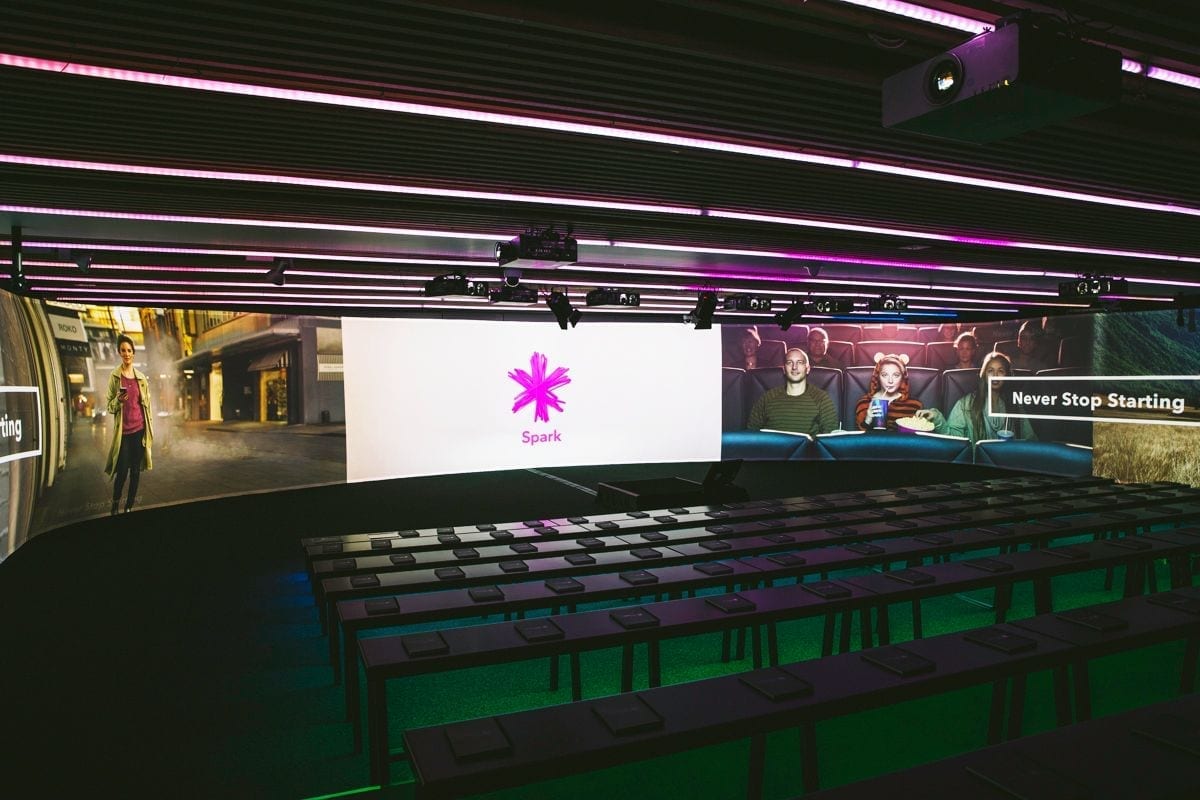
    New Zealand telecoms operators are entering the race for IoT, with Vodafone and Spark both announcing they will soon roll out IoT networks in the country using low-power, wide-area networking (LPWAN) technologies.

    Following initial tests with technology partner Nokia last September, Vodafone NZ said it will deploy a narrowband-IoT (NB-IoT) network early next year to support an expected surge in IoT applications over the coming years.

    Vodafone NZ will pilot the technology with a select group of business customers – including transport technology services company EROAD – during late 2017, before a rollout in early 2018.

    NB-IoT uses dedicated bandwidth and licensed spectrum to deliver secure coverage across vast geographical areas. The 3GPP standard is designed to support a new wave of IoT devices – such as field and waterway sensors – that transmit small amounts of data but have a long, flexible life cycle, up to 15 years in some cases.

    “There are many IoT networks available now but we think NB-IoT is a premium technology choice that is worth waiting for,” said Vodafone technology director Tony Baird. “It is supported by over 40 of the world’s largest mobile operators plus many more suppliers and innovators that serve the majority of the global IoT market.”

    Vodafone NZ currently has more than 1.4 million connected devices operating across its 2G network in the country. The NB-IoT deployment is an evolution of this network, so it can support tens of millions more devices in future, Baird noted.

    On a similar move, incumbent carrier Spark (formerly known as Telecom New Zealand) said it has partnered with Actility and Kordia on designing and building a separate IoT network based on the LoRa (Low Range) standard.

    “A significant proportion” of the network is expected to be operational by June 2018, enabling sensors and devices to be connected over the LoRa network nationwide, with broad coverage at an affordable price point, Spark said in a statement.

    Michael Stribling, Spark’s general manager for IoT, said the company is also advancing plans to deploy mobile network-based IoT networks (LTE-M1 and Narrow-Band LTE).

    “We believe that there are different use cases emerging for different IoT networks, depending on the level and type of data that needs to be transmitted by IoT devices. In making an investment in LoRa, in addition to its LTE investments, Spark believes it will be in position to provide the broadest set of IoT solutions to its customers,” the executive said.

    Spark has already involved in the “Connected Farms” trial with Farmlands, NIWA and Ballance Agri-Nutrients, as well as device partners to roll-out pilot IoT capabilities on farm in the Waikato. The trial, which launched in April, is a new concept for farm digital services which aimed to demonstrate new levels of connectivity for farmers enabled by smart sensor technologies.

    Both Vodafone NZ’s and Spark’s IoT announcements come in the wake of a New Zealand IoT Alliance report predicting that New Zealand could reap NZ$2.2 billion ($1.6 billion) of economic benefits over ten years from the application of the IoT across key sectors of the economy.

    That report aligns with IDC predictions that New Zealand will be APAC’s third most mature market in terms of IoT units per capita by 2020 – naming the agricultural sector as a key growth driver.

    “IoT is approaching a tipping point and it’s starting to transform the way we live our lives and run our businesses,” Baird said.

  • Christine Edman named Givenchy Japan CEO

    Christine Edman named Givenchy Japan CEO

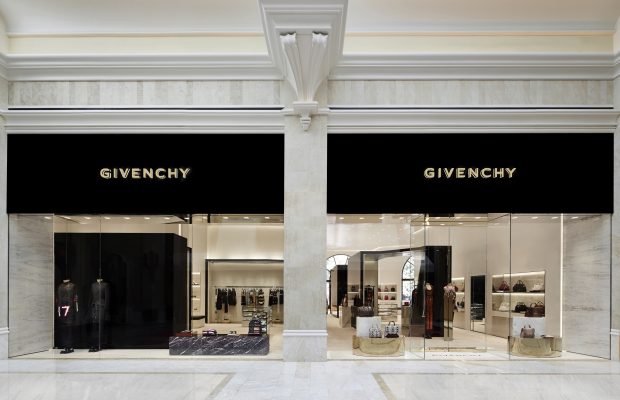
    Luxury fashion brand Givenchy has recruited Christine Edman to head up its Japan operations on behalf of the French maison.

    Effective June 16, Edman has taken of the role of Givenchy Japan president and CEO, under the helm of the Paris-based parent firm LVMH Group. She replaces Seiko Masuda, former president and CEO of Givenchy Japan. It has not been disclosed where Masuda will be heading to.

    Most recently, Edman served as president of H&M Japan, in which she managed the Swedish retailer’s operations and expansion across Japan, before retiring form H&M last year. She took up the Japanese chief role in 2008, after serving for one year as H&M area manager for Hong Kong.

    Prior to that, Edman served as business development manager, and then a marketing consultant, for Aunt Stella in Japan, after serving as an assistant brand manager for Mattel Japan for two years, after graduating.

    Edman is an MBA graduate from the Stockholm School of Economics and received her undergraduate degree from Lafayette College in Pennsylvania, USA.

  • Australian spies to disrupt cybercrime groups

    Australian spies to disrupt cybercrime groups

    Citing the growing cost of cybercrime in the economy, the Australian government has directed the Australian Signals Directorate (ASD) intelligence agency to utilize its offensive cyber capabilities to disrupt, degrade, deny and deter organized offshore cyber criminals.

    Currently used to help target, disrupt and defeat terrorist organizations such as Daesh, the offense capability is subject to stringent legal oversight and is consistent with Australia’s obligations under international law, the government announced.

    It will function as part of the Government’s crime-fighting arsenal and contribute to the broader strategy of preventing and shutting down safe havens for offshore cyber criminals. However, cyber security and law enforcement measures will continue to sit at the forefront of Australia’s response to cybercrime threats.

    This directive follows the Government’s public acknowledgement of ASD’s offensive cyber-capabilities when Australia’s Cyber Security Strategy was launched in April 2016, for which the Government contributed A$230 million.

    Additionally, the Defence White Paper contains up to A$400 million to enhance the cyber-capabilities of Australia’s defence forces.

    Cybercrime is conservatively estimated to cost the Australian economy A$1 billion ($766.1 million) annually. The recent WannaCry and Petya ransomware attacks have affected governments, businesses and individuals around the world. With constantly evolving strategies, cyber-criminals are increasingly targeting businesses directly.

  • Indonesia, Swiss to exchange information on finance

    Indonesia, Swiss to exchange information on finance

    The governments of Indonesia and Switzerland have declared the readiness of both countries to implement the Automatic Exchange of Information (AEOI).

    The signing of the joint declaration was undertaken by Director General of Taxes, Ken Dwijugiasteadi, and Swiss Ambassador to Indonesia, Yvonne Baumann, witnessed by the Minister of Finance of the Republic of Indonesia and Members of the Board of Commissioners of the Financial Services Authority here on Tuesday.

    Finance Minister Sri Mulyani stated that it was important for Indonesia to be able to implement AEOI with Switzerland as it was one of the largest financial centers in the world.

    “Financial information obtained from Switzerland and nearly 100 other countries will be used as a tax database to test the compliance rate of taxpayers. It is expected to encourage their awareness to fulfill tax obligations voluntary, especially in reporting their earnings and financial assets abroad which have not been reported,” Sri Mulyani explained.

    Through the joint declaration, Indonesia and Switzerland agreed to exchange financial account information automatically in accordance with the Common Reporting Standard (CRS) starting from 2018, with the first exchange in 2019, protected by data security assurance according to international standards.

    Both jurisdictions also stated that they will share information on the development of CRS implementation in each countrys domestic legislation and affirm the commitment to continue strengthening cooperation in the financial sector.

    The joint declaration is required by Switzerland to enable the Multilateral Competent Authority Agreement (MCAA) to implement AEOl to obtain the Swiss Parliament approval by the end of 2017.

    On May 8, 2017, the Indonesian Government adopted a Government Regulation In lieu of Law No. 1/ 2017 on Access to Financial Information for Tax Interests.

    It regulates the authority of the Directorate General of Taxation to receive and obtain financial information from financial institutions throughout Indonesia and the authority of the Minister of Finance to execute financial information exchange with authorities for other countries or jurisdictions.

  • Rhenus takes over O’Brien Logistics

    Rhenus takes over O’Brien Logistics

    The Rhenus group will have its own national company in Australia, Rhenus Logistics Australia, in future too. The logistics specialist signed an agreement to purchase the freight forwarding company known as O’Brien Customs and Forwarding Pty Ltd in order to expand its network of business sites in the Asia-Pacific region.

    The O’Brien family business handles air and sea freight consignments and provides customs and warehouse services. It was initially founded as a pure customs clearance firm by Jan and Shane O’Brien in 1996. O’Brien has been offering its customers air and sea freight transportation in addition to customs services for seven years. O’Brien has its headquarters in the northern part of Melbourne.

    The Rhenus Group is planning to expand the firm’s current operations in future with its network and its services. They include, for example, domestic traffic, support for imports/exports, buyers’ consolidation as well as warehouse and integrated logistics solutions.

    “The takeover of O’Brien and the founding of the national company to be known as Rhenus Logistics Australia enable us to cover the whole of Australia with our services. As a result of the acquisition, we’re gaining experienced employees with local expertise for the global operations of the Air & Ocean business unit at Rhenus Freight Logistics too,” says Jan Harnisch, Rhenus COO Ocean Freight Asia.

    The new Rhenus operations on the Australian continent are part of the logistics specialist’s expansion strategy in the Asia-Pacific region. Rhenus is planning to open a number of new business sites this year in this area, including centres in China, Vietnam, Malaysia, Indonesia and the Philippines.

  • Indonesia, Malaysia Muslims call for Starbucks boycott over LGBT stance

    Indonesia, Malaysia Muslims call for Starbucks boycott over LGBT stance

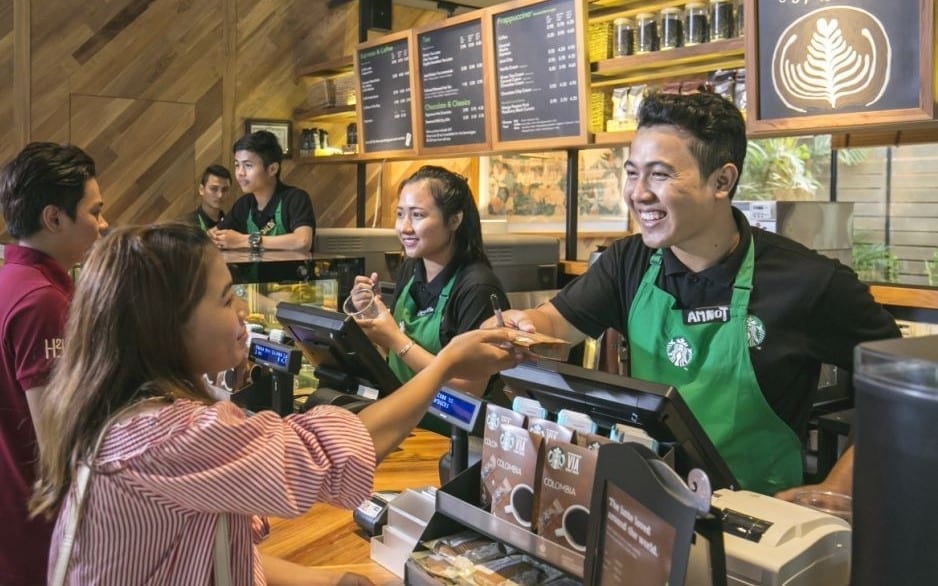
    Muslims in Indonesia and Malaysia were urged to boycott Starbucks on Tuesday (Jul 4) by major Islamic groups accusing the coffee chain of being pro-gay rights, as concerns grow over rising religious conservatism in both nations.

    Leaders from Muhammadiyah, Indonesia’s second biggest mass Muslim organisation, also urged the government to revoke the company’s business licence for its stance on lesbian, gay, bisexual and transgender (LGBT) issues.

    “The ideology, business and view that they support are against our ideology,” Anwar Abbas, Muhammadiyah’s head of economic affairs.

    Another Muhammadiyah leader, Yunahar Ilyas, said the group was calling on “Muslims to not drink in Starbucks so that the income is not used to strengthen LGBT campaigns”.

    The firm is among a slew of US companies to have spoken up against discrimination in the US, with representatives signing a letter to North Carolina’s Republican governor protesting legislation targeting transgender people last year.

    Hardliners and Islamic groups have led a growing backlash against Indonesia’s LGBT community over the past year, which activists believe was triggered by widespread media coverage of a decision in the United States to legalise same-sex marriage.

    The group Pribumi Perkasa Malaysia this week also called on the government to “re-evaluate the trading licence given to companies that support same-sex marriages and LGBT,” spokesman Amini Amir Abdullah said in a statement.

    The Muslim leaders said concerns about Starbucks arose after reading Starbucks chairman’s comment when tackling a shareholder’s complaint in 2013 that the company were losing customers due to the firm’s stance on LGBT.

    At the time, chairman Howard Schultzman, then the chief executive, responded by asking the shareholder to sell the shares.

    Homosexuality has long been taboo in Malaysia, where 60 per cent of the population is Muslim, and where sodomy is a crime punishable by up to 20 years in prison.

  • Cebu Pacific boost Boracay flights

    Cebu Pacific boost Boracay flights

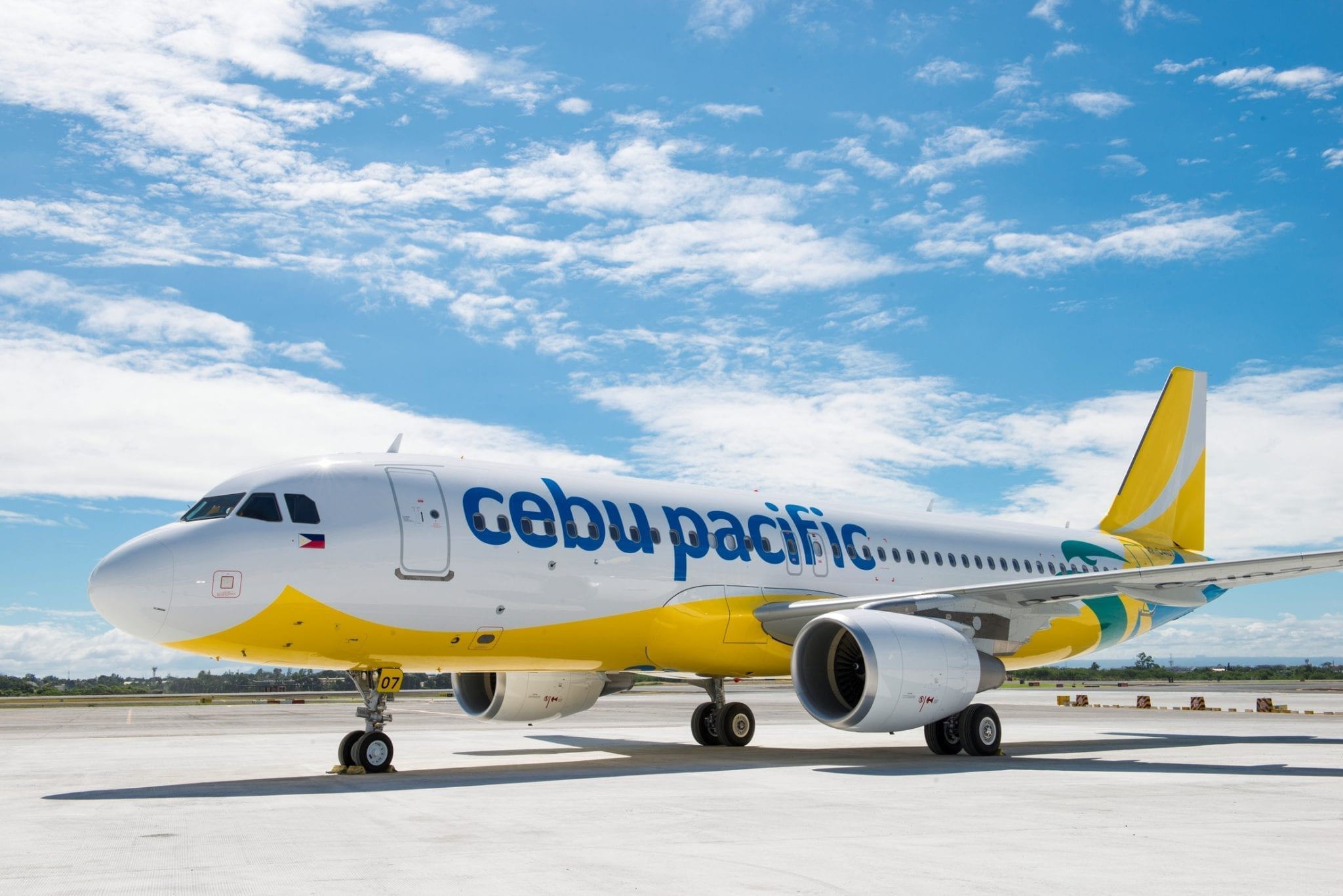
    Cebu Pacific has started evening flights to and from Caticlan, the gateway to Boracay Island. CEB is the first carrier to introduce night flights and use the upgraded air traffic control system and newly-installed night navigational equipment at the Godofredo P. Ramos Airport.

    CEB has added roundtrip flights daily between Manila and Caticlan and will be use ATR aircraft through its wholly owned subsidiary Cebgo.

    In total, Cebu Pacific has 39 flights weekly between Manila and Caticlan; 14 between Cebu and Caticlan; and seven between Clark and Caticlan. The additional night frequencies will add 12 more flights to Caticlan to bring the total CEB frequency to 72.

    Currently, the last flight from Manila to Caticlan leaves at 1530 with the return flight at 1710. With CEB’s new night operations, the last flight will leave Manila at 1855 and will be return from Caticlan at 2045.

    Night flights at Caticlan Airport was given the go-signal following  technical reviews and consultations on its night operation capability with  the Civil Aviation Authority of the Philippines (CAAP), the Department of Transportation, and other relevant aviation authorities.

    Prior to Caticlan, Cebu Pacific had added night flights to and from the Roxas City Airport in Capiz, the Laguindingan  Airport (Cagayan  de  Oro)  in  Misamis  Oriental,  and  the  Legazpi  International  Airport  in  Albay.

    “We believe that expansion of operating times will not only boost frequencies to key domestic routes,  but  it will  also give  travellers  more  options,  greater  flexibility on when they fly and also help decongest air traffic, especially during the peak flying hours at noon and during the early afternoon,” said Cebu Pacific vice president for corporate affairs Atty, JR Mantaring.

    For as low as PHP2,774.88 (approximately USD55), passengers can fly from Manila to Caticlan, while Cebu Pacific also offers daily flights from Clark to Caticlan at PHP2,365.88 (approximately USD48) and from Cebu to Caticlan at only PHP2,217.88 (approximately USD45).

  • Bank Indonesia to issue commercial paper regulation July-end

    Bank Indonesia to issue commercial paper regulation July-end

    Bank Indonesia (BI), Indonesias central bank, will issue a regulation related to the issuance of commercial paper (CP) within two weeks or by the end of July 2017.

    This is following the need by various non-bank corporations to publish the paper as short-term funding for working capital.

    The Head of BIs Finance Market Development Department, Nanang Hendarsyah, said here, Tuesday, that the regulation would regulate CP issuance and trading.

    For technical rules, BI will issue a derivative regulation that will manage the supporting institutions, such as rating agencies and public accounting firms.

    Once the supporting institutions are ready, Nanang remarked, BI would issue a technical regulation for non-bank corporations as issuing institutions.

    “Technical regulations for supporting institutions will be issued in September 2017, while for issuing agencies they will be issued in December 2017,” Nanang revealed.

    The commercial paper issuance is expected to increase this year. The number of non-bank corporations in Indonesia is over 500, and the demand for short-term funds through money market instruments is enormous.

    Previously, BI had also issued a regulation on issuance and trading of instruments for Negotiable Certificate Deposit (NCD).

    Although it is same as commercial paper, as a one-year short-term instrument, NCD is issued by a banking corporation.

    Banks can buy commercial paper in money markets. In addition to banks, investors who can absorb commercial paper include securities companies, individuals, investment managers, pension funds and insurance, through mutual fund products and foreign investors.

  • Vinamilk tops most valuable firms list

    Vinamilk tops most valuable firms list

    Forbes Vietnam on Monday announced the Vietnam Dairy Products Joint Stock Company (Vinamilk) topped the 40 most valuable companies in the country with a value of more than US$1.7 billion. This is the second time Vinamilk has reached the top in the Forbes ranking.

    Forbes Vietnam said in its statement that total value of the 40 most valuable firms reached more than $5.4 billion, an increase of 20 per cent from the previous assessment last year.

    Behind Vinamilk was the military telecommunication group Viettel and property developer-retailer Vingroup, whose estimated values were $849.6 million and $299.3 million, respectively. The list closed out with the agriculture group Loc Troi, which was assessed at $13.1 million.

    Loc Troi joined the most-valuable list in 2017 for the first time, along with Quang Ngai Sugar Joint Stock Company, fuel dealer Viet Nam National Petroleum JSC (Petrolimex) and Saigon Tourist.

    In terms of industries, consumer goods producers and financial-banking firms outnumbered others at 19 companies.

    Saigon Securities Inc (SSI) was the only brokerage included in the Forbes Viet Nam list.

    Among other financial institutions were Vietcombank, Vietinbank, BIDV, Bao Viet Holdings, MB Bank, VP Bank and Sacombank.

    Three quarters of the 40 firms are already listed on the HCM and the Ha Noi stock exchanges, including two brewers Sabeco and Habeco, Mobile World Corp, Vietjet Air and property developer Novaland.

    Some of the 40 companies trade their shares on the Unlisted Public Company Market (UPCoM) and the Over-the-Counter (OTC) market, such as Truong Hai Automobile, VP Bank and Techcombank.

    According to Forbes Viet Nam, the evaluation was conducted based on the contribution of the company’s brand to the business performance. The most valuable brands were the firms that recorded high revenue and earnings in the industries they were leading.

    Forbes Vietnam, with support from Viet Capital Securities Co, evaluated the firms’ pre-tax earnings, loan interest rates and intangible assets.

    In addition, Forbes Vietnam was assisted by the companies whose shares are traded on the two local exchanges and UPCoM and OTC markets, while some non-traded and unlisted companies agreed to provide financial data for the evaluation.

    The brand valuation is calculated on the company’s share price-to-earnings (P/E) ratio versus the market’s average P/E ratio for listed ones.

    For unlisted companies, Forbes Viet Nam compared the firm’s scale and scope to others in the same industry to calculate the company’s value.

  • Nokia formally launches Nokia Shanghai Bell JV

    Nokia formally launches Nokia Shanghai Bell JV

    Nokia has announced the completion of the transaction with the China Huaxin Post & Telecommunication Economy Development Center to create the Nokia Shanghai Bell joint venture.

    The deal marks the official launch of the Nokia Shanghai Bell business, which combines the former Alcatel-Lucent Shanghai Bell with Nokia’s China business.

    But the two entities have effectively operated as one since January 2016, following Nokia’s purchase of Alcatel-Lucent in a $17 billion all-stock deal. Nokia and China Huaxin also signed a final agreement last month covering the integration of the two businesses and establishment of Nokia Shanghai Bell.

    China Huaxin is a state-owned industrial development company that owned half of the Alcatel-Lucent Shanghai Bell joint venture. Nokia owns a 50% plus one share stake in the Nokia Shanghai Bell joint venture, with China Huaxin owning the remainder.

    Nokia Shanghai Bell will become an integral part of Nokia’s global R&D operations, with around 10,000 researchers across six R&D sites in the nation. It will act as Nokia’s exclusive platform in China for the continued development of new technologies in areas such as IP routing, optical and 5G.

    Nokia Shanghai Bell also plans to support strategic R&D initiatives of the Chinese government and conduct long-term research projects as part of Nokia Bell Labs’ Future X Network program.

  • Can Alibaba realize its global ambitions?

    Can Alibaba realize its global ambitions?

    Jack Ma, the man who turned Alibaba into China’s dominant e-commerce platform, now has his sights set on global domination.

    Over the past year, Ma met business leaders and head of states in many countries to introduce his grand vision: small businesses from all corners of the world trading freely and securely on Alibaba’s platform. His goals are equally ambitious: Ma wants Alibaba to hit $1 trillion in gross merchandise value by 2020. By 2036, the company sees itself serving two billion customers, effectively becoming the world’s fifth largest economy, with sales eclipsed only by the GDP of the U.S., China, Japan and the EU.

    But to sustain the near continuous 40% growth rate of Ma’s $300 billion empire, which centers on a marketplace connecting brands with buyers, globalization is seen as key. At home it faces heightened competition with the country’s second-largest shopping site, JD.com, which just posted record sales of $17.6 billion for its 6.18 shopping festival. Alibaba’s e-commerce dominance isn’t under threat but it nonetheless sees a “growth bottleneck” and feels “globalization is better done now than later,” said Teng Bingsheng, a professor of strategic management at the Cheung Kong Graduate School of Business in Beijing.

    Alibaba’s global footprint has grown through investments in local partners. As part of a $21 billion-acquisition spree over the past two years, the company has stakes in India-based marketplaces Paytm and Snapdeal, as well as Southeast Asia’s top shopping site, Lazada, which it now holds a 83% stake after investing another $1 billion. Its financial affiliate Ant Financial has investments in payment platforms in Thailand, South Korea and the Philippines, and is expanding in further afield in South Africa.

    Some analysts however question whether Ma might be painting an overly rosy picture for small business owners. While it is true that China has a growing appetite for niche brands from cosmetics to baby food, competition on Alibaba’s shopping sites is cutthroat.

    Already thousands of brands are selling on Tmall and the number of foreign brands on Tmall Global grew 169% last year — while total sales only grew 30%, according to Mark Tanner, founder of Shanghai-based consultancy China Skinny.

    This means another part of Alibaba’s strategy has brighter prospects. Outside the U.S., through the likes of Lazada, and its own cross-border commerce platform AliExpress, Alibaba wants to find fresh customers for Chinese manufacturers. On Lazada, for example, Taobao has opened a shop, offering a curated selection of Chinese-made clothes, gadgets and toys to tap Southeast Asia’s $22 billion e-commerce market.

    Compared with facilitating exports to China, this strategy may ultimately take on more importance. Southeast Asia, for example, is an ideal market for Chinese products, whose price advantages can win over more customers, CKGSB’s Teng said.

    What’s more, Alibaba will not only create more revenue streams by selling globally but fit itself nicely into Beijing’s vision. Through grandiose projects such as the One Belt, One Road initiative, Beijing wants to restore demand for Chinese goods along the ancient Silk Road trading route, which stretches all the way from its middle west provinces to Europe.

    But it isn’t a smooth ride either. The Electronic World Trade Platform (eWTP), Ma’s version of the World Trade Organization and a web-based approach to lowering trade barriers for small businesses in the region, is moving slowly. One year after its announcement, only Malaysiajoined the initiative, establishing in March a trading hub near Kuala Lumpur International Airport— a reflection of how stalling trade talks worldwide might be affecting Alibaba.

    That means, for now, international business remains a small part of Alibaba — contributing less than 10% of the group’s revenues in the last year. Evans said the company is on track to reaching its goal, eventually generating 40% of its revenues from international businesses over the next decade.

    The company has identified its chance of success. Aside from e-commerce, Alibaba’s payment, entertainment and cloud computing units are also expanding globally. AliCloud, for example, is wooing international customers with a price 85% cheaper than Amazon Web Services, according to CSLA analyst Elinor Leung. And Ant Financial, despite recent hurdles such as opposition to its acquisition of U.S. payment company Moneygram, has installed its service at millions of retailers in the U.S. through a partnership with payment processor First Data.
  • AWPL opens outdoor apparel store at Sydney Airport

    AWPL opens outdoor apparel store at Sydney Airport

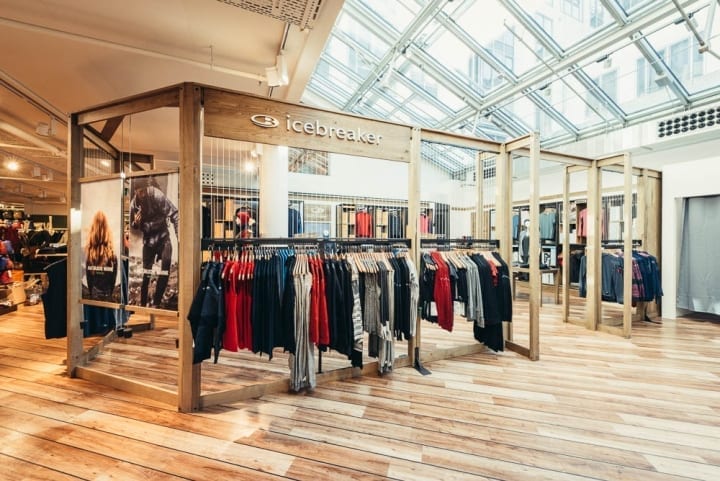
    AWPL has opened Australia’s first Icebreaker airport store in Sydney Airport’s T1 International Departures.

    New Zealand’s Icebreaker offers a range of outdoor apparel. The Sydney Airport concept store will feature Icebreaker’s merino wool apparel, including socks, underwear, base layers, performance ski gear and travel wear.

    The products are made from merino wool sourced from over 180 stations along New Zealand’s Southern Alps. According to the company, the lightweight fabric breathes in hot weather and locks in heat during icy spells, making the gear suitable for all conditions.

    “We are delighted to be the first airport in Australia to welcome Icebreaker to T1 International Departures, further bolstering our selection of global brands and offering our customers the opportunity to shop a great range of high-performance outdoor clothing,” said Sydney Airport General Manager Retail Glyn Williams.

    AWPL Managing Director Costa Kouros commented: “We at AWPL are proud to further strengthen our relationship with Icebreaker – one of the world’s most wonderful brands. Our commitment to enhancing the customer experience at Sydney Airport is unwavering, and our Icebreaker concept is another step on that journey.”

  • H&M India to debut e-commerce, plans 8 new stores

    H&M India to debut e-commerce, plans 8 new stores

    H&M plans to launch an India-dedicated e-commerce this year, as well as several new store openings, in a bid to reach customers across all of India, not just major metropolitan hubs.

    The Swedish fast-fashion giant is planning to add 8 new stores within the next 6 months, adding five more stores in Tier 1 cities like Mumbai, Delhi and Bengaluru, and three and in Tier 2 cities.

    H&M will add two new stores in Mumbai, two at Bengaluru and one in Delhi’s National Capital Region (NCR) of Ghaziabad.

    The brand will also foray into new cities of Coimbatore, Indore and Amritsar this year, the company said in a statement.

    “H&M is especially excited to expand its reach in India, a market that poses tremendous potential both in Tier I & Tier II cities”, said Janne Einola, Country Manager at H&M India.

    Meanwhile, H&M’s online vertical is on the verge of deployment. The venture into online market would see it cater to Tier 2 and tier 3 cities where H&M does not have any physical presence as of yet.

    The group’s Indian operations turned profitable this year, posting remarkable sales of Rs 435 crore (US$67 million) in six months from December 2016 to May 2017.