Author: Mei Ling Tan

  • VW recalls 385,000 cars for a brake system update

    VW recalls 385,000 cars for a brake system update

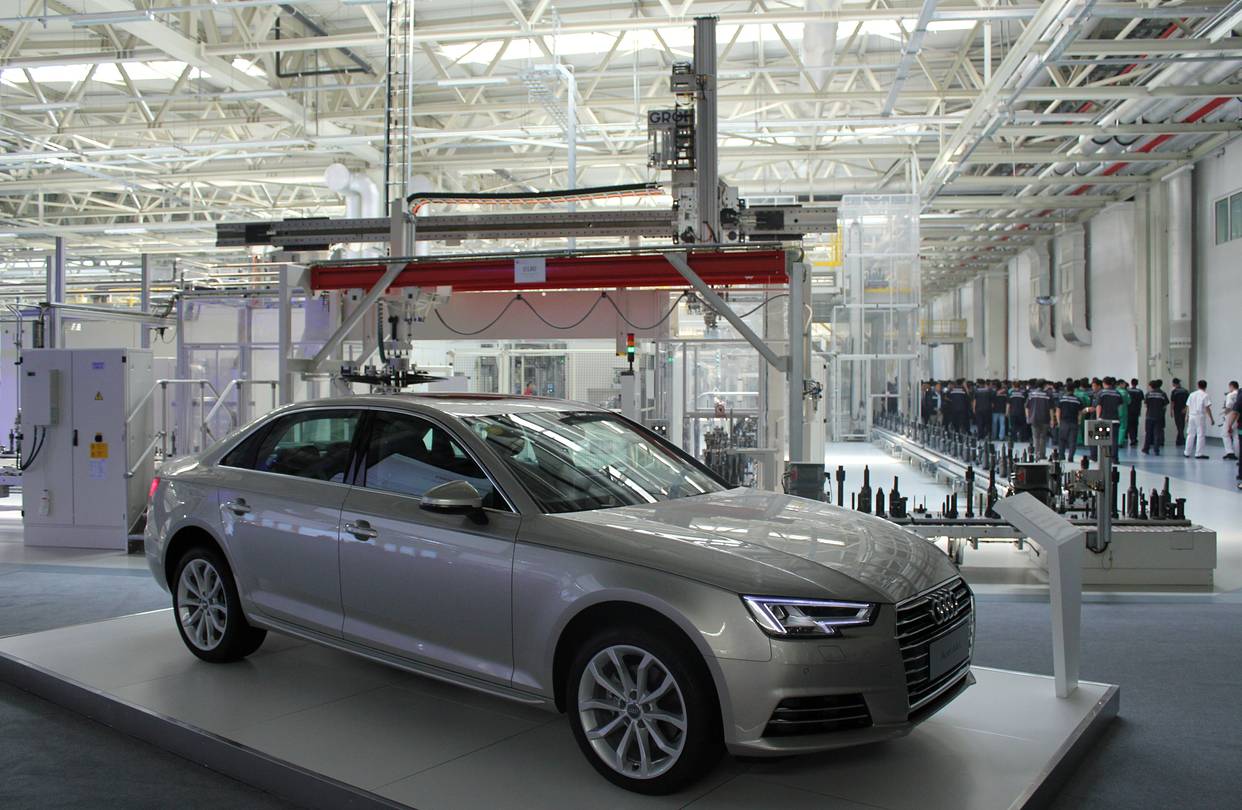
    Volkswagen is recalling 385,000 cars in Germany for a software update to their anti-lock brake systems, news agency DPA reported, citing a spokesman for the automaker.

    Volkswagen’s VW, Audi and Skoda brands were affected, it said.

    According to DPA, the braking control system may not function properly in certain driving conditions, such as when the driver over-steers, under-steers or slams on the brakes.

    Volkswagen had no immediate comment.

  • Indian retailers lure customers with discounts as GST kicks in

    Indian retailers lure customers with discounts as GST kicks in

    Some of India’s biggest retailers announced price cuts on Saturday as Asia’s third-largest economy switched to a new nationwide sales tax at the stroke of midnight, replacing a host of provincial and national levies.

    The Goods and Services Tax (GST), India’s biggest tax reform in the 70 years since independence from British colonial rule, unifies the $2 trillion economy and 1.3 billion people into one of the world’s biggest common markets.

    Hypermarket Big Bazaar, owned by Future Retail Ltd, announced discounts of 2 percent to 22 percent on groceries and household supplies across its stores in 26 states.

    Fashion portal Myntra, part of India’s biggest online retailer Flipkart, was also offering GST discounts.

    In Bhubaneswar, the capital of eastern Odisha state, customers queued up outside shops and malls, which remained open until late Friday night to clear stocks of watches, electronic gadgets, cosmetics and gold at discounted rates before the GST regime kicked off at midnight.

    Members of Prime Minister Narendra Modi’s Bharatiya Janata Party (BJP) were seen celebrating the launch of the GST with firecrackers on Friday evening and by painting “Welcome GST” slogans on roads.

    The federal government is encouraging all business to migrate to the new GST system but its complexity – four rates and several exemptions – has still kept many at bay.

    “We will continue as usual unless we see trouble,” said a 35-year-old grocer in Bhubaneswar who has not yet registered for the GST.

    India’s northern Muslim-majority state of Jammu and Kashmir is yet to implement the GST as the provincial government grapples to arrive at a consensus with the opposition and other stakeholders.

    Traders in Kashmir Valley have called for a day’s strike on Saturday to protest the GST.

    “Though we have missed the (July 1) deadline, we will wish to take everybody along before taking any decision,” Public Works Minister Naeem Akhtar said.

  • AirAsia to start daily flights to Nha Trang, Vietnam on Sept 14

    AirAsia to start daily flights to Nha Trang, Vietnam on Sept 14

    Low-cost carrier AirAsia Bhd will begin offering daily, non-stop service between Nha Trang, Vietnam and Kuala Lumpur on Sept 14.

    In a statement today, AirAsia said the new service will mark the airline’s fourth route into Vietnam, after Ho Chi Minh City, Da Nang and Hanoi.

    In conjunction with the new flight, it will offer promotional all-in fares from RM99 one-way for booking from July 4 to 9, for the travel period from Sept 14, 2017 to Aug 28, 2018.

    “This year is all about driving the Asean vision forward with the year-long Visit Asean@50 initiative. In line with this, we are happy to be expanding our network with our 54th unique route from Malaysia to cover yet another exciting destination within the region,” AirAsia head of commercial Spencer Lee said in the statement.

    “As the only airline flying directly into Nha Trang from Malaysia, this route introduction not only opens up air travel into the city, but it also gives access to the people from the Khánh Hòa Province to enjoy over 120 AirAsia destinations around Asia,” he added.

  • Deputy PM encourages autos carrying Vietnamese brand name

    Deputy PM encourages autos carrying Vietnamese brand name

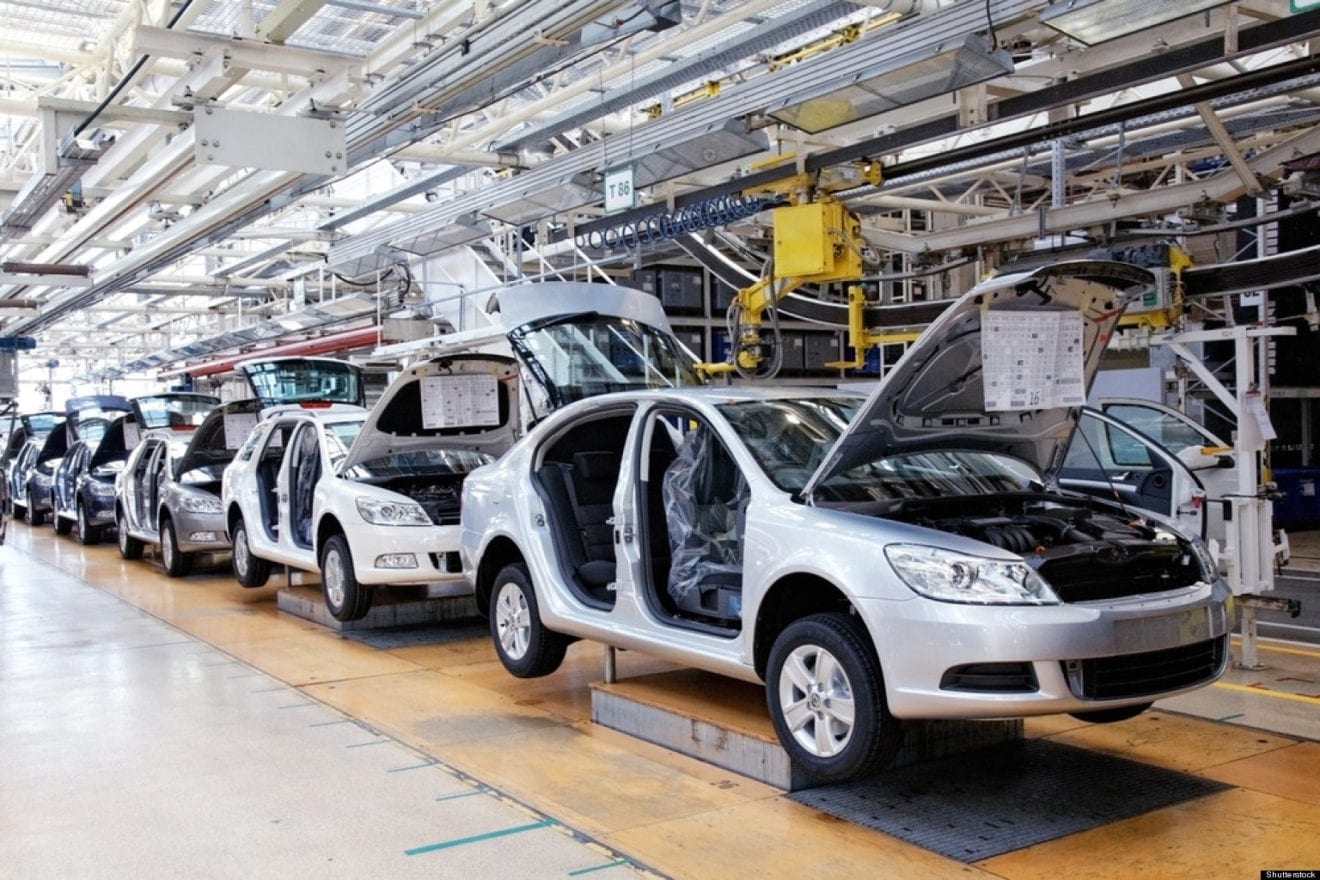
    Domestic automakers must manufacture autos under the Vietnamese brand name, Deputy Prime Minister Trinh Dinh Dung suggested.

    These autos must be of good quality, reasonably priced and have competitiveness in the region and the world, he added.

    Speaking with representatives of ministries and auto businesses at a conference on the automobile industry’s development in Ha Noi on Wednesday, the deputy PM said the Government was encouraging local, potential and prestigious businesses to co-operate with strategic partners in the world to study, manufacture and assemble autos with Vietnamese brand name.

    As for the support industry, Dung said it would not only meet the domestic market but also be competitive enough to take part in the global automobile manufacturing chain. For doing so, it must access and apply advanced technologies in the world.

    The industry will expand several automobile industrial complexes and centres by re-organising and re-arranging production; strengthening co-operation among automakers, assemblers and part suppliers, in addition to setting up vocational training centres, and conducting research and application to improve the investment efficiency and specialisation.

    To achieve the targets, Dung suggested that auto businesses and Vietnam Automobile Manufacturers’ Association must restructure the automobile industry to identify key products that would suit the country’s development trend, as well as the market demand.

    Each automaker should invest in advanced manufacturing technologies, raise the capacity of management and trade to cut costs, reduce production price, increase capacity, quality and the competitiveness of the products.

    The automakers, assemblers and part suppliers must take initiative, in co-operation with potential foreign partners, to expand manufacturing, as well as to develop the network of auto support industry that would meet international standards.

    The deputy PM requested the MoIT to co-ordinate with relevant sectors and ministries to supplement and complete the legal corridor, create an impartially-competitive environment for domestic automakers and importers, and meet the market principles to match with the country’s international commitments.

    It must define strategic partners in the automobile and support industries; encourage businesses to increase added value in auto manufacturing, especially of products carrying the country’s brand name; strengthen management and solve trade frauds in auto imports.

    The import tax on auto parts and components must also be adjusted.

    Dung has assigned the finance ministry to collaborate with relevant ministries to check and adjust import duties on auto parts and components, which would be in line with the Government’s orientation and international commitments.

    The ministries will study and propose preferential policies on taxes, fees and credit, ensuring the harmonisation of interests of people, the State and businesses. They need to strengthen the management of certificate of origin of complete built-up units, as per import types, which have surged in the recent time.

    The transport ministry will check and fulfil the regulations relevant to quality, safety and technologies, in addition to environment protection in manufacturing and assembling vehicles, reform administration procedures, simplify registration procedures for locally-assembled autos and create favourable conditions for businesses, ensuring high standards, while protecting the rights and interests of consumers.

    Meanwhile, the planning and investment ministry will work with other ministries to study and propose preferential policies to attract large-scale investment projects to Viet Nam, and encourage the development of products carrying Vietnamese brand names and other products suited to the customers’ preferences to increase export of autos to other countries of the ASEAN.


  • New Mobile Solution Boosts Millennial Performance at Work

    New Mobile Solution Boosts Millennial Performance at Work

    Manhattan Associates today announced the release of Performance at Work, a new solution for enhancing employee engagement, which results in productivity gains, lower attrition rates, and therefore greater customer satisfaction. The solution drives improved employee satisfaction by aligning individual employee activities with established organisational goals and metrics, providing employees and managers frequent feedback on their performance via their mobile devices.

    According to several Gallop Research polls, the majority of workers across the globe are simply not engaged at work. Gallop’s 2017 survey of American workers reveals that 70 percent of US employees are not engaged, whilst its global report from a few years prior indicates that 87 percent of workers in Southeast Asia are not engaged. And the challenge is even more acute with the rapidly growing millennial workforce. The research firm reports that millennials change jobs at three times the rate of other generations.

    Gallup’s most recent report reveals potential solutions to the millennial engagement challenge. Millennial workers require more frequent and consistent performance feedback. They also prefer to connect and interact with the world through their own mobile devices.

    The new Performance at Work solution enhances communications with a modern and connected workforce. It leverages the latest mobile technologies to provide millennial workers with the frequent performance feedback they require. The solution combines a challenge-based approach to learning with continual performance data on mobile devices. Performance at Work is designed to boost employee engagement and encourage the development of highly positive relationships between warehouse employees and their supervisors.

    “Productivity improvements often focus on high-performing execution applications, like warehouse and labour management, yet support for the human element of the equation has largely been overlooked,” said Peter Schnorbach, senior director, Product Strategy, Manhattan Associates. “Companies will have to shift this focus as more millennials, and their need for frequent feedback, enter the workforce. Performance at Work is designed to engage this modern, more connected worker through their preferred medium – the smartphone.”

    Manhattan today introduced the following Performance at Work solutions:

    • The new Employee Engagement mobile application delivers a weekly performance scorecard directly to employees’ smartphones. The software leverages gamification concepts to engage, motivate and incentivise success. It provides regular feedback on how each employee impacts company success and how their work ranks against that of their colleagues.
    • Manhattan recently embedded Labour Management (LM) functionality within the traditional Warehouse Management System (WMS) to deliver immediate labour reporting and improved visibility into employee productivity. By integrating the typically separate components of LM and WMS, Manhattan’s Performance at Work also reduces deployment time and drives immediate ROI.
  • Hong Kong female consumers spend over HK$4000 on skincare products

    Hong Kong female consumers spend over HK$4000 on skincare products

    “Beauty is bought by judgment of the eye” said Shakespeare, but every woman can use her beloved Cosmetic and Skin Care products to further enhance her look. With a plethora of trendy and fashionable female inhabitants, Hong Kong is a perfect base for international skincare and cosmetic brands. 96% of Hong Kong female consumers purchase skincare or cosmetic products, with the age group 35-44 spending over HK$5,000 in the past year. While Brand flagship stores still take up most of the sales, overseas purchase is also on the rise, according to Nielsen’s Cosmetic Consumer Panel.

    Frequent buyers are not necessarily the highest spenders
    As the survey reveals, 96% of Hong Kong female consumers have purchased skincare or cosmetic products with an average spending of HK$4,021 per year. Among which, penetration on skincare products (93%) is higher than that of cosmetic products (81%). Across all age groups, ladies aged 25-34 make the most trips to buy skincare or cosmetic products, averaging 11.0 trips per year, followed by those who aged 18-24 who make 10.7 trips per year. However, in terms of the amount spent on skincare and cosmetic products, female consumers aged 35-44 are the biggest spenders, approximating HK$5,000 in the past year, followed by those aged 25-34, who spent about HK$4,700in the past year. Results indicate that ladies aged 25-34 and 35-44 have the deepest wallets for skincare and cosmetic products.

    Overseas purchase on the Rise
    While brands always wonder if it is worthwhile to increase investment in operating their own shops given the high rent and operation cost in Hong Kong, the compelling results shows that, four in 10 dollars spent on skincare and cosmetic products are through brand shops. However, it is worth-noting that many female consumers are purchasing these products during travel overseas. This overseas purchasing accounts for more than 10% of their spending, so brands should watch out on price and assortment gap between Hong Kong and other countries. Brands struggling to grow their online business can look at shopping behaviors of specific age segments and target other groups in different methods. For example, while younger females (aged 18-24) are likely to use online more, more mature women (aged 45-55) prefer chain drug stores. Despite their preference on purchase channels, the top 18% of consumers account for approximately 40% of spending, indicating their high spending as compared to the rest of the buyers. Brands should target these highest spending groups.

    What are the highest spending categories?
    The most frequently purchased item is not necessarily the one where consumers dedicate most of their spending in. Among cosmetic product categories, lipstick is the most purchased item, yet perfume is the category where consumers spent the most. For skincare products, moisturizer is the most frequently purchased item while face mask is the highest spending category. Take functional serum for example: while it is not in the top five in terms of penetration, but due to high price and higher than average purchase frequency, it comes in as the second largest category in skin care products in terms of spending.

    Who should brands target?
    When comparing the total spending on cosmetic and skincare products, more than half the spending is on skincare products (57%). Among all age groups, ladies in the mid to mature age groups (35-44 & 45-55) spend more money on skincare products whereas younger groups (aged 18-34) generally spend more on cosmetics than skincare products. It is therefore critical for brands to identify and reach the right target customers to maximize brand growth.

    “While female consumers from all age groups use both cosmetic and skincare products, purchase frequency and total spending increases with age. We are seeing that consumers aged 35 to 44 are generally the biggest spenders. At the same time, different age groups vary in their preferences of purchase channel. So, it’s really important for brands to tailor their marketing strategies and sales channels to focus on the most relevant age groups,” said Michael Lee, Vice President, FMCG and Retail verticals, Nielsen Hong Kong.

  • Alibaba denies links to luxury e-tailer Yoox Net-A-Porter

    Alibaba denies links to luxury e-tailer Yoox Net-A-Porter

    the Chinese conglomerate, led by founder and chairman Jack Ma, had contacted Yoox Net-a-Porter over possible capital cooperation or even a takeover, adding it had not ruled out buying shares. This news was quickly denied by sources in the company, who stated this was “not true”.

    The suggested tie-up between Alibaba and YNAP comes just days after a mega deal that saw JD.com spend a whopping US$397 million on luxury fashion e-commerce site Farfetch.

    Dubbed by some the Amazon of fashion, YNAP saw its shares jumped 9.24 per cent on Monday and Tuesday on the back of the Alibaba rumour – its biggest two-day rise since last September.

    The rally was just in time to mitigate investor concerns over mounting short interest in the stock, as the luxury e-commerce market became increasingly crowded.

    “Alibaba should still be looking into cultivating its luxury e-commerce businesses at home,”said Tang Xiaotang, founder of luxury retail consultancy Nofashion. “The market is overwhelmed by noise right now.”

    YNAP is the result of a merger between Yoox and Net-A-Porter, two of the biggest Western online luxury fashion retailers, boasting of a client base of more than 2.9 million high-splenders.

    It booked a 16 per cent increase in adjusted net profit of 69 million (US$77.6 million) last year, with a market capitalisation of 3.48 billion euros.

    Online luxury sales are predicted by Bain & Co to be the fastest-growing channel for retailing of premium goods, and top luxury fashion houses such as Prada and Burberry have been scrambling to ramp up their own online offerings.

    The most notable of all is 24 Sevres, a multi-brand online retailer launched in June by LVMH, the world’s largest luxury conglomerate that owns Louis Vuitton and Dior.

    Competition has also heated up with an influx of new market share grabbers including Shopbob and Zalando, both of which are gaining popularity for their designer fashion clothing offerings.

    However, analysts believed Alibaba could still be eyeing overseas deals in an attempt to build up a global logistics network, following the move to set up an e-hub in Kuala Lumpur as well as the buyout of Southeast Asian e-commerce operator Lazada, last year.

    “After all, Alibaba still has a ‘go global’ agenda, which can be pursued through M&As”said Ray Zhao, an analyst with Guotai Junan Securities.

  • Startup develops app that allows diners to book tables with discounts

    Startup develops app that allows diners to book tables with discounts

    With PasGo, you can make online restaurant reservations and enjoy a wide range of discounts for free. Restaurant reservation application PasGo was launched in Vietnam in 2014 to present a complete tech solution for both diners and restaurants.

    When you have plans to eat out, a lot of questions will pop up: Where, what and when to eat? And what about discounts? To find the answers, many people usually turn to restaurant reviews and spend time looking for vouchers and discounts online, which can be inconvenient, said a PasGo representative.

    The internet can be a double-edged sword as it offers a lot of information but it’s difficult to decide on which sites to trust, and even when you do buy coupons online, you still want to book tables.

    “How can I find the right restaurant, save money, and book a table before arriving? We realized diners would love a solution to all of those questions, so we created PasGo,” said the company representative.

    Through the app, you can find the nearest restaurant using a map to show you the way. You can also choose from top restaurants without having to spend time reading a review, find discounts and book tables a the click of a button.The developers of PasGo are constantly studying market trends and catching up with new technologies to create a product that can meet the best interests of both diners and restaurants in Vietnam.

    The app is able to filter options to find the restaurant that suits your taste in terms of price, location and quality. It can even fulfill special requests such as finding an eatery that can cater for hundreds of people at once, or that has a private room or romantic seats, and all free of charge.

    PasGo helps restaurants advertise for free and attract customers during off-peak hours, as well as introducing new dishes.

    “This is the optimal solution for restaurants to manage and use their capital as it is based on their actual situations instead of creating wholesaling coupons,” said the representative.

    Over the past three years, PasGo has connected 700 restaurants in Hanoi and Ho Chi Minh City with diners, and serves tens of thousands of users each day, creating the same amount of promotions and discounts.

    It has been loyal to its philosophy of only working with high-quality restaurants to help users feel secure about their choices.

    “We know this is not an easy path but the team at PasGo are consistent, and we hope the success of PasGo will encourage restaurants to pay more attention to their food and service,” the representative said.

  • Watson group planning new shops

    Watson group planning new shops

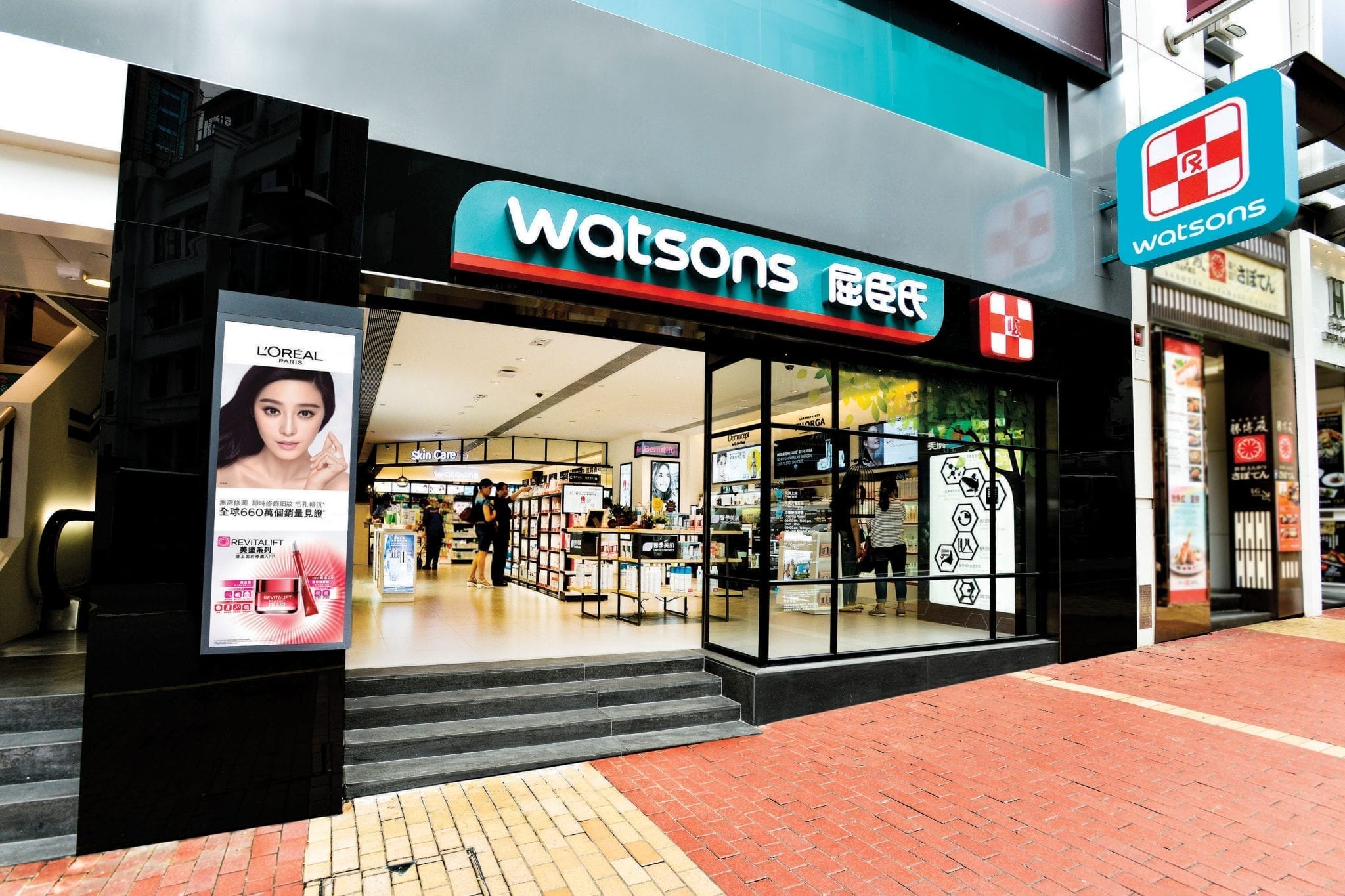
    The A.S. Watson Group plans to open 1,400 new outlets globally this year – 60 shops will be in Hong Kong – but it will not expand the electricity group Fortress, says chief operating officer Malina Ngai Man-lin.

    The group doesn’t have a plan for an initial public offering for the moment, Lai added.

    Watson plans to invest HK$500 million in the next three years to improve its technology platform as well as enhance big data analysis.

    Managing director Dominic Lai Kai-ming said MoneyBack, a member reward program under the Watson Group, has been rebranded with a new mobile app, which allows member to manage their accounts more conveniently.

    The scheme has rewarded points with a value equivalent to HK$800 million to their members since the establishment in 2007.

    Meanwhile, Hong Kong retail sales growth turned positive in May, up 1.8 percent year-on-year, said a Mastercard report.

    The increase in grocery sales and the health and beauty sector were the strongest. Groceries were up 2.3 percent and health 5 percent, driven mainly by domestic consumption.

    Jewelry sales fell 44 percent in May, which was below the 2013 level. “Discretionary sectors historically driven by tourist spending continue to be a drag, despite stabilization and some recovery in visitor arrivals in recent months,” the group said.

  • Huawei Marine secures SAIL subsea cable contract

    Huawei Marine secures SAIL subsea cable contract

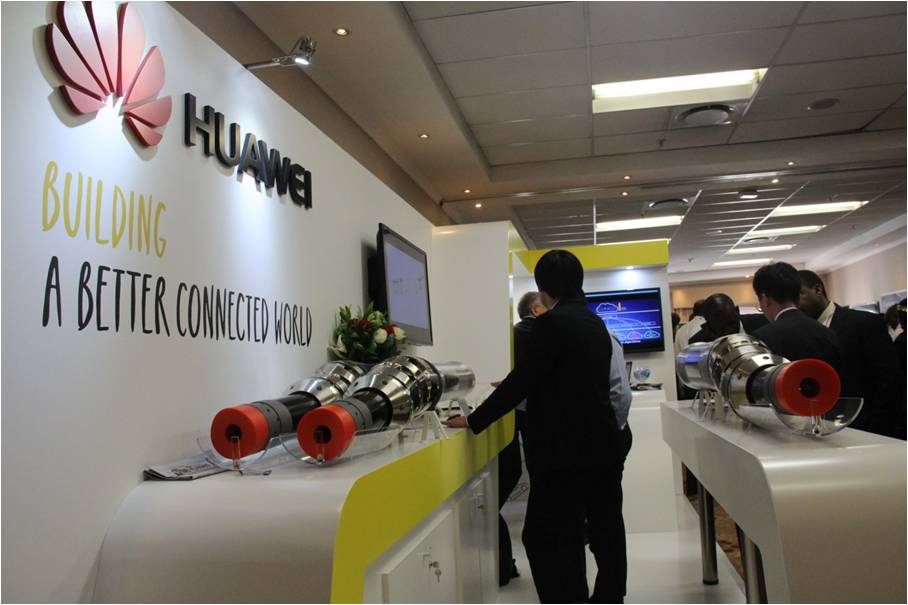
    For a segment of the market that doesn’t yet actually exist, the South Atlantic subsea cable business seems to be quite popular. Yesterday Huawei Marine inked a deal with China Unicom and Camtel to build the South Atlantic Inter Link, or SAIL, which will be a cable between Africa and South America.

    SAIL will connect the popular landing city of Fortaleza, Brazil with Cameroon, spanning some 6,000km. The plans call for four fiber pairs with an initial design capacity of 32Tbps.

    Camtel and Cameroon are aiming to make the country an infrastructure hub for Africa, and have Chinese backing to help make it happen.

    Readers may recall that a few months back, construction of SACS got underway in a rival project that will connect Fortaleza to Angola. That project has the Japanese giant NEC doing the heavy lifting for Angola Cables, and is expected to bring 40Tbps to bear.

    Both projects are aimed at being complete next year sometime. If both come to fruition on schedule, that route will go from zero to 72Tbps in a matter of months, although I rather doubt the traffic itself will spike so quickly.

  • Audi to use Valeo’s stop-start technology in sports coupe

    Audi to use Valeo’s stop-start technology in sports coupe

    Luxury carmaker Audi will introduce Valeo’s micro-hybrid “stop-and-start” systems in its RS5 sports coupe, sources told Reuters, in a sign that the Paris-based supplier may be tapping new premium demand for the fuel-saving technology.

    The contract with Volkswagen’s (VOWG_p.DE) upscale Audi division underlines increased spending by automakers on technology designed to reduce carbon dioxide emissions, in response to tightening standards and testing regimes.

    Volkswagen and Valeo both declined to comment.

    Unlike a typical alternator, which converts engine torque to electricity to power a vehicle’s circuitry and charge its battery, the starter-alternator can also re-start the engine in a fraction of a second.

    The Valeo system delivers fuel savings of up to 15 percent by automatically shutting down the engine whenever a car is halted by a red light or traffic, with an in-step reduction of CO2 and pollution emissions in congested cities.

    First introduced in 2004, the so-called “i-StARS” technology is a flagship product of Valeo’s 4 billion euro ($4.6 billion)propulsion systems division, with 3 million units sold.

    But launch customer PSA Group (PEUP.PA) and other volume manufacturers have since dropped it from new models in favor of beefed-up starter motors, a cheaper though less efficient stop-and-start solution.

    The i-StARS system is beginning to find new markets, however, Valeo boss Jacques Aschenbroich told Reuters. “Demand for it is continuing to grow significantly,” the CEO said, predicting double-digit percentage sales rise.

    With the mild-hybrid RS5, which went on sale this month in Germany and in France next week, Audi becomes the first German premium brand to use the technology on its current vehicle lineup.

  • Nokia to expand its presence in China

    Nokia to expand its presence in China

    Nokia has announced plans to establish a dedicated unit to help major Chinese internet companies expand overseas.

    The new unit will focus on areas including data centers, cloud computing, IP routing, transport and services, as well as emerging technologies such as AI, machine learning and edge cloud.

    Nokia is taking the initiative as part of its efforts to expand its business beyond its core telecoms operator market, and to further augment its Chinese presence following the launch of the Nokia Shanghai Bell joint venture in China (formerly Alcatel-Lucent Shanghai Bell).

    Nokia separately announced it has completed the acquisition of telecoms software company Comptel. The acquisition was first announced in February and had a price tag of around €347 million ($396.8 million).

    The acquisition bolsters Nokia’s software portfolio by adding capabilities designed to help digital service providers bring new services to master faster and improve operational efficiency.

    Comptel’s suite of software will be added to Nokia’s OSS and BSS, analytics, security and cloud technology to provide a comprehensive suite of telecoms software designed to allow customers to deliver better digital experiences and operations in a cloud environment.

  • Cebu Pacific to launch Manila-Dumaguete night flights

    Cebu Pacific to launch Manila-Dumaguete night flights

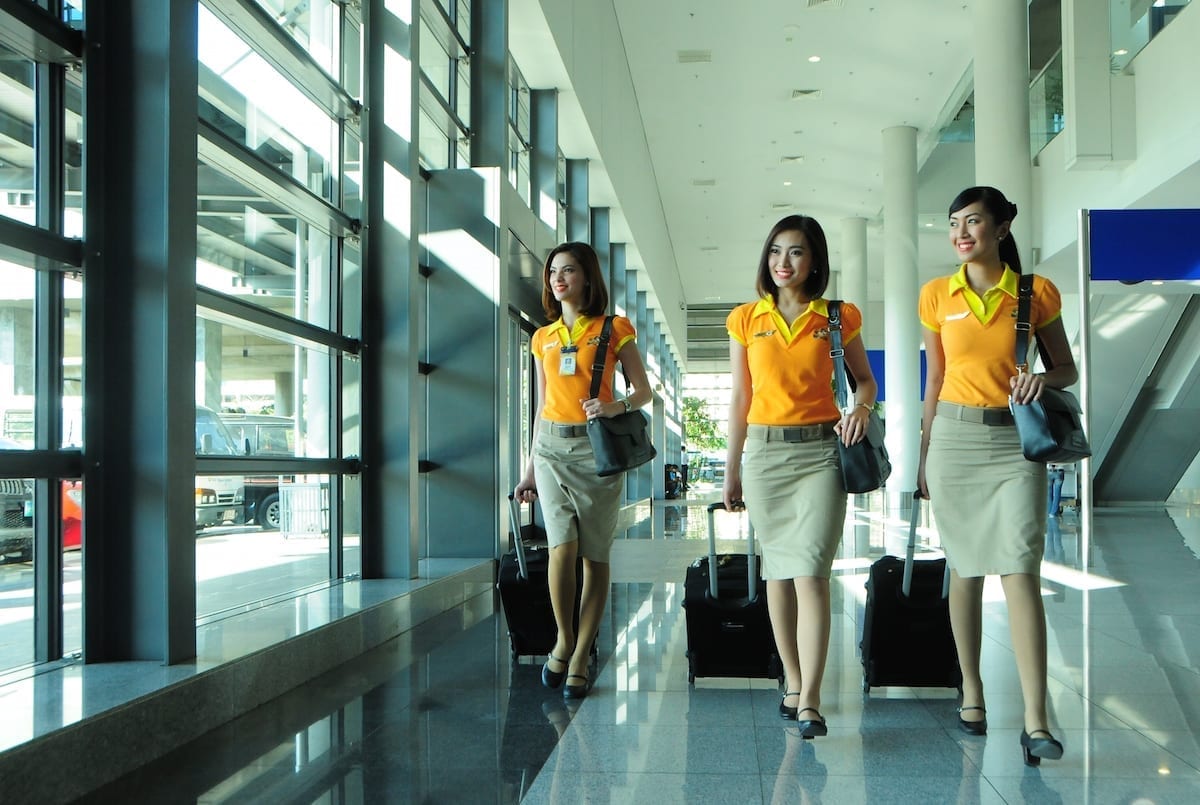
    The Gokongwei-led airline said in a statement that it will add three round-trip flights weekly between Manila and Dumaguete, utilizing its 180-seater Airbus 320 aircraft. With the additional service, the budget carrier said the last flight will be leaving Manila at 5:20 p.m. and arriving in Dumaguete at 6:50 p.m. while return flight will be at 8:00 p.m. “Increasing the number of airports with night-flying capability would help promote tourism and improve connectivity within the country,” Cebu Pacific Vice-President for Corporate Affairs Paterno S. Mantaring, Jr. said. Increasing the number of airports with night operations will also allow the budget airline, along with other carriers, “leeway to spread flight times,” which in turn will improve aircraft movement and traffic at the Ninoy Aquino International Airport in the capital during the peak hours, he added.

    Cebu Pacific flies 21 times weekly between Manila and Dumaguete; and 14 times a week between Cebu and Dumaguete, through its wholly owned subsidiary Cebgo. Prior to Dumaguete, the airline announced night flights to and from Caticlan, the gateway to Boracay. It also operates night flights to and from the Roxas City Airport in Capiz, the Laguindingan Airport in Misamis Oriental, and the Legazpi International Airport in Albay, on top of trunk routes in Cebu and Davao. Cebu Pacific flies to 37 domestic and 26 international destinations, with over 104 routes spanning Asia, Australia, the Middle East, and USA. The airline operates flights out of six hubs in the Philippines: Clark, Davao, Kalibo, Cebu, Iloilo and Manila. Cebu Air, Inc.’s net income plunged 68% to P1.28 billion in the first quarter.

  • Winners Announced At The 10th Seatrade Maritime Awards Asia

    Winners Announced At The 10th Seatrade Maritime Awards Asia

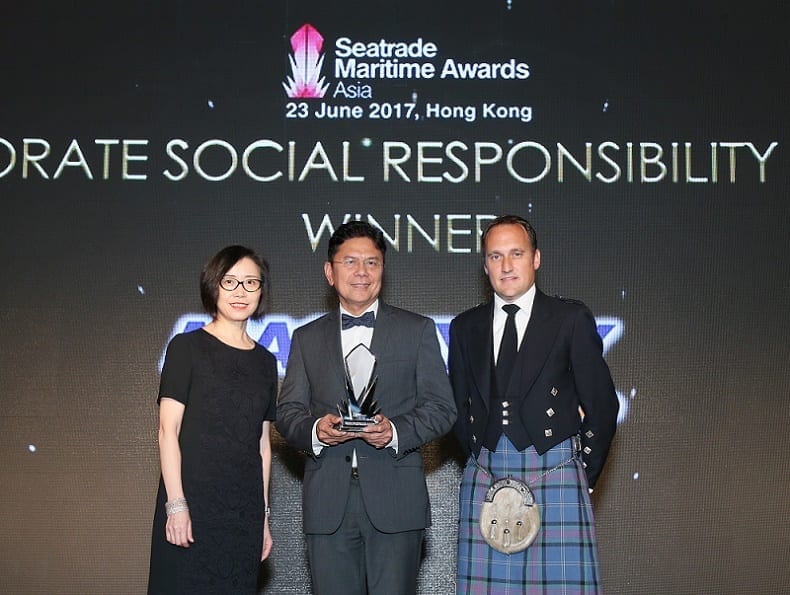
    Honouring and recognising outstanding companies and individuals in the maritime industry, winners of the 10th Seatrade Maritime Awards Asia were announced on 23 June 2017 at the InterContinental Hong Kong.

    With close to 400 top maritime executives in attendance, Seatrade Maritime Awards Asia, celebrating its 10th anniversary this year is widely acknowledged as one of the region’s most prestigious industry awards. Held annually to commemorate inspiring industry peers on their extraordinary efforts and contributions towards the maritime industry, a total of 15 awards were presented this year.

    Winners for the 12 competitive categories were chosen by an independent panel of senior industry figures whilst recipients for the other three special awards namely the Seatrade Young Person of the Year Award, the Seatrade Personality of the Year Award and the Seatrade Lifetime Achievement Award, were decided by the Seatrade Senior Editorial Board.

    Randy Chen, vice chairman, Wan Hai Lines, was awarded the Seatrade Personality of the Year and Edward Buttery, CEO, Taylor Maritime (HK) Ltd, was presented with the Seatrade Young Person of the Year. The last award of the night, Seatrade Lifetime Achievement of the Year was presented to His Excellency Ambassador Carlos C. Salinas, chairman, Philippine Transmarine Carriers, Inc. The award recognised the highly important role Ambassador Salinas has played in the development of the Philippines as the world’s leading supplier of seafarers to international shipping.

    The Technical Innovation and Deal of the Year Awards were the two most hotly contested categories. ICBC Financial Leasing Co. Ltd emerged as the winner for the Deal of the Year Award, having won the same for two running years in 2014 and 2015. Their significant groundbreaking deal outshone the rest of the finalists. The Technical Innovation award was presented to Mampaey Offshore Industries who has impressed the judges with its innovative auto docking solution that improved safety in this most difficult of maritime operations.

    “Success of the Seatrade Maritime Awards Asia over the past 10 years would not have been possible without the unwavering support from our participants, sponsors, judges and supporting partners, of which we are deeply grateful and humbled. Seatrade Maritime Awards Asia 2018 will return to Singapore to be held in conjunction with the Singapore Maritime Week 2018 and we look forward to seeing you there,” Chris Hayman, chairman, Seatrade commented.

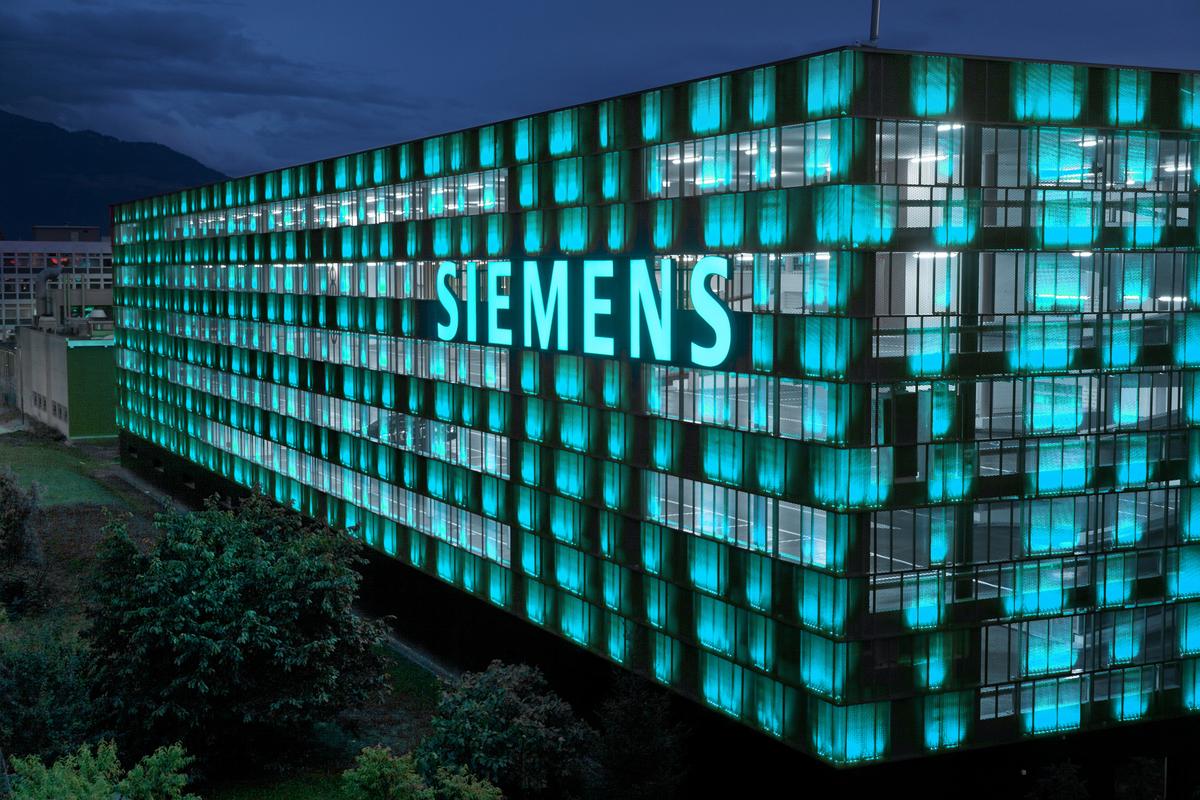
  • Siemens enhances relationship with user community in Southeast Asia

    Siemens enhances relationship with user community in Southeast Asia

    The Siemens Process Automation Conference & Exhibition (SPACe) Innovation Tour 2017 will visit five countries in Southeast Asia this year. A biennial event, SPACe focuses on automation, technology and challenges, as well as drives topics that are shaping Process Industries today.

    Themed “Driving the Digital Enterprise in Process Industries of Southeast Asia” this year, the roadshow will begin from Vietnam on 23 June, followed by countries such as Singapore, Thailand, Philippines and Malaysia in August and September. The conference sessions will consist of customized topics based on specific country’s’ industry requirements, including process automation, integrated drives system, process safety, industrial communication, process instrumentation and emerging industry trends such as digitalization. This enables Siemens community of users to engage with in-house experts and fellow users in the region.

    SPACe is an enriching platform that gathers users, partners and Siemens experts from different parts of the world to allow the sharing of ideas and opinions. Activities include presentation and technology sessions, microfairs and exhibitions, as well as industry workshops and networking sessions that attendees can choose to participate in according to their specialization and interests.

    Through these activities, Siemens’ user community and potential users can gain knowledge from industry peers, discover more about Siemens technologies and network with fellow users as well as Siemens technical experts. This enables them to learn from each other and gain first-hand access to new technologies and its creative applications.

    Dr. Friedhelm Geiger, Head of Siemens PD PA ASEAN Solution Business, Siemens Thailand and SPACe Siemens Advisory Board Chairman, ASEAN, said, “Based on the feedback and support from the user community, we have evolved SPACe to cover more markets this year in order to reach out to and engage with the wider user community. Since the inception of SPACe in 2010, we have had very successful sessions with participants, and we look forward to continuing this outreach by showcasing our expertise in the Process Industries space, and at the same time discussing opportunities available in each of the Southeast Asia markets.”

    Moving forward, the SPACe community in each of the countries will form their local user advisory board, to increase engagement locally and enhance the relationship among members in the industry.

    Tindaro Danze, vice president and country division lead of Siemens Vietnam, said, “Through the conference, we aim to strengthen our relationship with Siemens users in Vietnam and the overall region. We are very keen to hear from them the challenges they face, as well as understand more about the industry requirements to better provide them with relevant technology solutions. We look forward in engaging with them through the various activities organized on-site.”