Author: Mei Ling Tan

  • Ncell taps ZTE for network virtualization

    Ncell taps ZTE for network virtualization

    Nepal’s Ncell Axiata has contracted ZTE to provide network virrtualization technologies for a new virtual subscriber data management (vSDM) platform.

    The operator’s vSDM platform will use advanced virtualization, advanced distributed architecture, hierarchical storage, multi-level protection and cloud technologies, ZTE said.

    Ncell is conducting the project in a bid to establish a more intelligent and flexible telecoms network while increasing cost savings on hardware investment and operations.

    Malaysia-based Axiata Group completed the acquisition of an 80% stake in Ncell in April 2016 for 5.9 billion ringgit ($1.37 billion). Ncell is competing with state-owned Nepal Telecom to be the market’s top operator by market share.

    Ncell has meanwhile announced it has expanded its LTE service to the Pokhara and Damauli areas as part of its plan to make 4G accessible to 15% of the population by the end of the year.

    The operator launched initial 4G services in Kathmandu Valley including in Nagarkot, and Banepa and Dhulikhel on June 1 after securing permission to deploy services over its existing spectrum under Nepal’s technology neutrality principles.

    Ncell aims to make 4G service available in 40 cities nationwide by 2018. Nepal’s National Broadband Policy aims to make broadband connections available to 45% households within 2018 and connect all village development committees with broadband by 2020.

  • AirAsia India gearing up to start international flights

    AirAsia India gearing up to start international flights

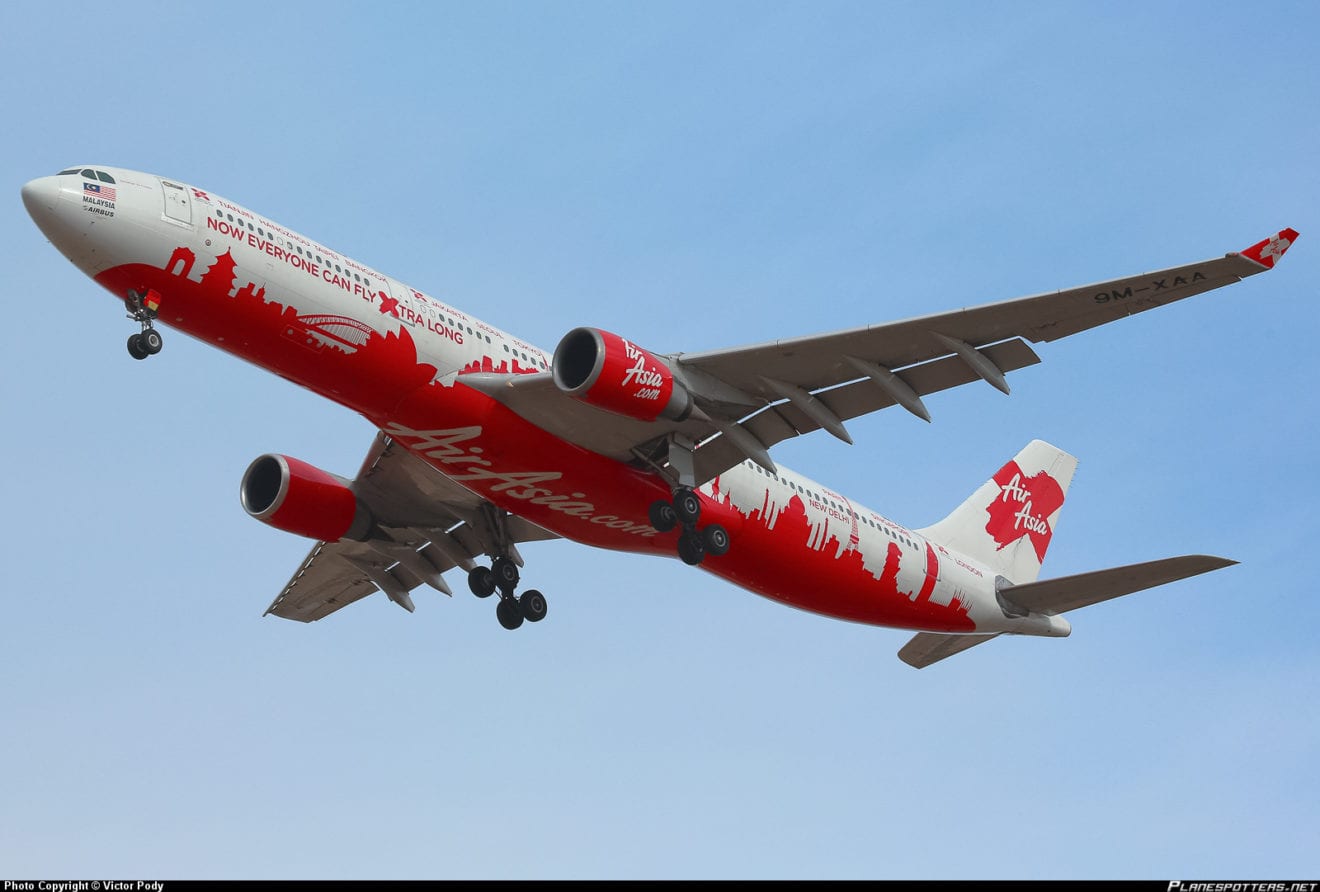
    AirAsia India aims to scale up to a fleet of 20 planes by September-October and commence international operations thereafter, its CEO Amar Abrol said on Tuesday.

    Any domestic airline with a fleet size of at least 20 aircraft will be eligible for international operations under India’s aviation policy. AirAsia India currently has a fleet of 10 Airbus A320 planes.

    Abrol said the initial international destinations in the airline’s plan would naturally be those in Southeast Asia, the stronghold of its parent AirAsia Berhad.

    As a precursor of sorts, the airline is launching Fly-Thru, a service which facilitates seamless check-in for passengers through to the final destination. Abrol said it is in its testing stages.

    He said AirAsia India would stick to its earlier target of doubling revenue and passenger traffic this year although he declined to give any projection on profitability.

    He said the airline is almost every month clocking passenger ticket revenue of Rs 100 crore, double the amount in the same period last year.

    AirAsia India posted a net loss of Rs 40.4 crore in the quarter ended March, down from Rs 46.89 crore a year earlier, thanks to foreign exchange gains. Its operating loss for the quarter widened to Rs 53.91 crore from Rs 46.86 crore, according to unaudited filings in Bursa Malaysia, the Kuala Lumpur stock exchange.

  • SK-II launches exclusively at Changi Airport

    SK-II launches exclusively at Changi Airport

    Japanese beauty brand SK-II will launch new Magnetic Booster, part of its Radical New Age Power (R.N.A) line, exclusively with The Shilla Duty Free at Changi Airport on 1 July.

    The Magnetic Booster will be sold in sets with the R.N.A Power Cream (80g) in the R.N.A Power Magnetic Kit (S$200/US$145) or with the R.N.A Power Essence (50ml) in the R.N.A Power Essence Magnetic Kit (S$187/US$136). Magnetic Booster will be available at all Singapore SK-II counters from September.

    Magnetic Booster features Magnetic Micropulse Technology which is claimed to deliver consistent yet gentle pulsations at 7,000 magnetic vibrations per minute with magnetism. According to SK-II, the product is three times better at improving penetration than finger application.

    To support the launch, top Chinese celebrity make-up artist Wu Miao will host sessions on 7 July for beauty media, influencers and selected customers at the SK-II PITERA Lounge at The Shilla Duty Free. Miao, who contributes to Marie Claire, SELF and OnlyLady magazines, was named as one of the top ten beauty bloggers by Weibo. SK-II Associate Director Travel Retail Global Shweta Sharma, The Shilla Duty Free Head of Global Merchandise Division Raelene Johnson and Changi Airport Group Senior Vice President Airside Concession Division Teo Chew Hoon will also attend the event.

    The SK-II PITERA Lounge, which launched in October 2015, is the brand’s first and only lounge facility in an airport and offers facial and massage services. Miao will share his tips for using the Magnetic Booster along with the R.N.A Power Cream and will provide insight on his inflight and travel skincare regimen by curating his own inflight beauty essentials. Guests will then be invited to experience the new Magnetic Booster and curate their own inflight beauty essentials followed by a shopping tour at The Shilla Duty Free.

    SK-II Associate Director Travel Retail Global Shweta Sharma said: “We are again honoured to be celebrating our ninth year of solid partnership with Changi Airport Group, and our fourth with The Shilla Duty Free with the first-in-the-world launch. We are excited to delight travellers with this exclusive access to our latest skincare innovation and for them to experience the power of the award-winning SK-II R.N.A Power anti-ageing range.”

  • The Region’s Largest Consumer Jewelry Show

    The Region’s Largest Consumer Jewelry Show

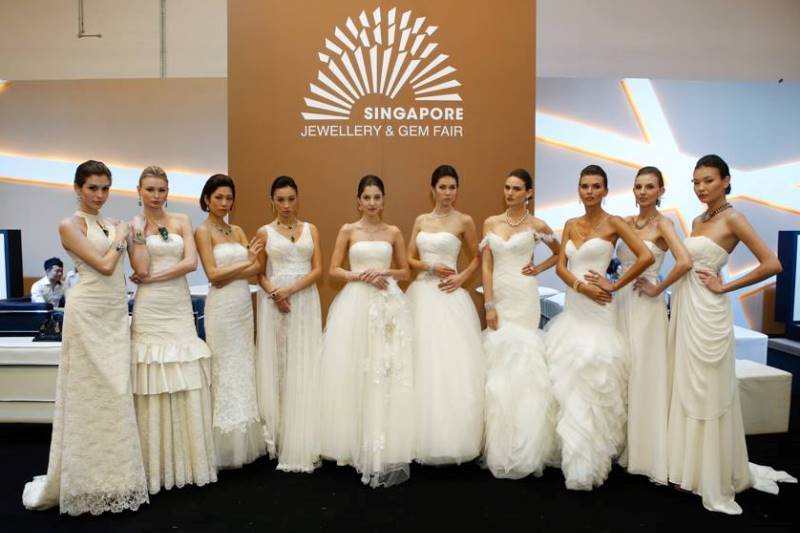
    The Singapore International Jewelry Expo (SIJE) 2017 is back larger than ever. This year SIJE 2017 celebrates the love of jewelry, stunning gemstones that make a statement. Several of the ‘gifts from the heart’ celebrations by the offsprings of well-known jewelers will make their debut at the show. They will present their own creations for a new generation of jewelry enthusiasts.

    Over four days, from July 6 to 9, 2017, some 15,000 visitors are expected to visit more than 200 jewelers from 25 countries. With more than US$150million in exhibits spread over 8,000 square metres, there will be something to intrigue every visitor.

    SIJE 2017 gathers the world’s leading jewelers from the jewelry capitals of the world. The country pavilions and contingents are made up of jewelers from Italy, Hong Kong, India, Singapore, Cambodia, Indonesia, Japan, Thailand, Myanmar and newcomers Portugal and Mongolia, among many more jewelers from 25 countries in all.

    This year, the organiser has commissioned some of the most exquisite and affordable jewelry from jewelers from all over the globe, for buyers here in Singapore. These start from S$250 and are crafted by some of the most talented jewelers from Italy, Hong Kong, India, Malaysia, Singapore and more.

    On the industry front, jewelry has been the most significant contributor to the global sales of personal accessories, largely driven by retail sales of fine jewelry which accounted for 87% of total jewelry sales in 2016. Jewelry growth has remained resilient in tough times, registering the fastest growth within the personal accessories category in 2016.  At the fastest growth rate of 10%, Asia Pacific remains a key growth region in the world for the industry. While China and India continue to account for a large proportion of the demand for jewelry in Asia Pacific, other emerging markets, in particular within Southeast Asia, have grown in importance.

    SIJE has an important role for the industry in this region. It is a hub for fine jewelers and jewelry designers from around the globe to present their collections to a fast expanding Asian market.

    The largest and most sustainable consumer jewelry show in this region, offers its visitors so many reasons to visit it this year.

  • Commonwealth Bank of Australia sells HCM City branch to VIB

    Commonwealth Bank of Australia sells HCM City branch to VIB

    The Vietnam International Bank (VIB) and Commonwealth Bank of Australia (CBA) announced on Monday that CBA’s HCM City branch would be sold to VIB.

    The sale was approved by the State Bank of Viet Nam last week, the two sides said.

    They however refused to disclose the value of the transaction.

    VIB has a network of 160 branches and more than 400 ATMs across Viet Nam.

    CBA said its HCM City branch has around 20,000 customers.

    “This decision signifies our commitment to the Vietnamese market as we strengthen our partnership with VIB,” Steve Ellis, general manager of CBA in Viet Nam, said.

    “It demonstrates the confidence CBA has in VIB to continue to provide high-quality service to our customers.”

    CBA said it would retain the representative office in Hà Nội, which it had opened in 1995, to liaise with Government agencies, financial institutions and corporations.

    Han Ngoc Vu, chief executive officer, VIB, said: “We value our partnership with CBA and have always looked to strengthen our partnership to bring the capabilities of CBA’s HCM City branch together with VIB’s.”

    He added that the two banks will be working closely with customers in the coming weeks to ensure a smooth transition of their banking relationship to VIB.

    The two banks expect the sale to be completed in the third quarter of this year.

    CBA had opened the branch in 2008.

    It has a 20 per cent share in VIB, which it had bought in 2009-10.

  • Richemont sells Shanghai Tang

    Richemont sells Shanghai Tang

    Richemont has sold Hong Kong-based dressmaker Shanghai Tang, showing that a Chinese name still doesn’t have the same ring to luxury shoppers as a French or Italian one.

    Italian fashion entrepreneur Alessandro Bastagli and private equity fund Cassia Investments Ltd. bought the brand, one of the first Chinese fashion labels to seek a global presence, according to a statement Monday. It’s the first sale of a luxury unit by Geneva-based Richemont since 2007, and follows a pledge by Chairman Johann Rupert in November to fix or sell underperforming businesses.

    “The disposal of Shanghai Tang is a logical step,” Rene Weber, an analyst at Vontobel, said in a note. “The brand was neither material in terms of sales nor of profit.”

    Shanghai Tang attracted stars such as Nicole Kidman and Kate Moss with its 1920s-inspired dresses — some costing more than $2,000 — but struggled to gain a broader following in the west, while consumers in China have preferred western luxury brands. In a ranking by researcher Hurun of the top fashion brands for Chinese women, Shanghai Tang ranked 10th, behind nine European brands including Chanel, Dior and Gucci. It didn’t show up on the top 10 for men, which was led by Giorgio Armani.

    Richemont acquired a controlling stake in Shanghai Tang in 1998, a year after sovereignty over Hong Kong was transferred from the U.K. to China. It bought the rest in 2008. The luxury company is revamping its portfolio, having merged its Net-a-Porter online unit with Yoox SpA in 2015 after disposing of Italian penmaker Montegrappa in 2007. It now owns 18 brands, including Cartier, Montblanc and IWC.

    Richemont didn’t disclose the price for Shanghai Tang, one of four labels that Sanford C. Bernstein analyst Mario Ortelli said in 2013 he expected might be sold. The others were Dunhill, Chloe and Azzedine Alaia. Richemont said that year that it decided against any divestments, and has since reconsidered. Its shares were up 0.7 percent at 15:04 p.m. in Zurich.

    The company has restructured Dunhill and rejuvenated Chloe’s management with a new creative director. Other small Richemont brands include Purdey, a maker of luxury shotguns, and Lancel, a French pursemaker that the company considered selling in 2013.

    Sir David Tang, who now writes a column in the Financial Times, started Shanghai Tang as a bespoke tailor shop in 1994, combining Chinese and western design influences and expanding into accessories and housewares. While the brand attracted buzz about China’s growing cultural and design influence around the turn of the millennium, when its form-fitting qipao dresses were worn in Wong Kar-Wai’s film “In the Mood for Love,” its Mandarin collars never caught on in a big way in Europe or the U.S.

    The original Shanghai Tang location in Hong Kong closed in 2011 due to high rents, and the brand also shut a New York shop. The fashion maker has 32 stores currently. Rival Hermes International has provided competition with its Shang Xia brand since 2010.

    Cassia, which focuses its investments on consumer companies, is based in Hong Kong. Bastagli is the chairman of Italian fashion producer and distributor A. Moda SpA, and of Lineapiu Italia, a maker of luxury yarn. A.Moda’s clients have included Versace, according to its website.

  • Garuda opens Kendari-Baubau flight route

    Garuda opens Kendari-Baubau flight route

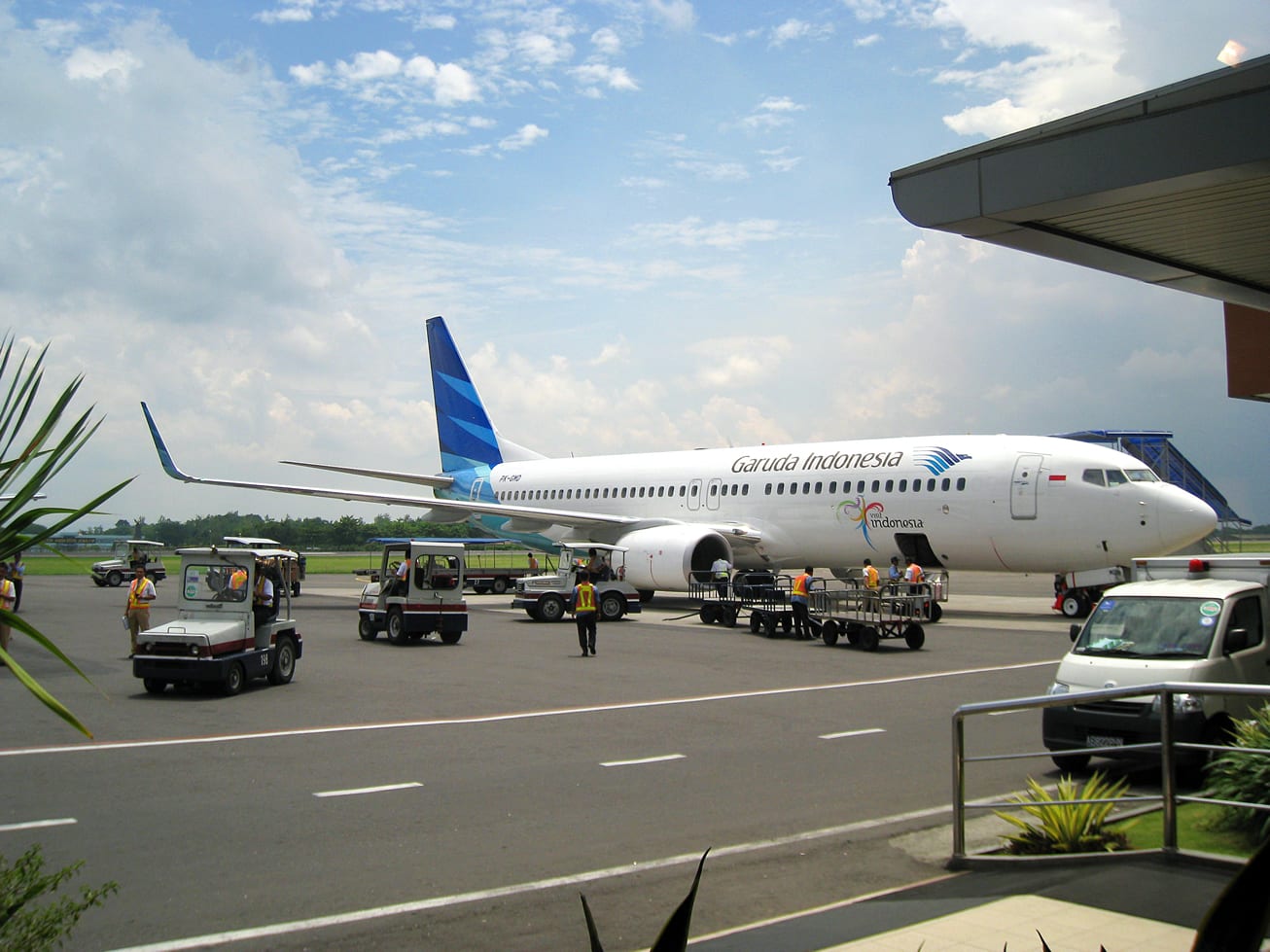
    The Indonesian flag carrier, Garuda Indonesia, opens a new flight route of Haluoleo airport in Kendari to Betoambari Airport in Baubau, Southeast Sulawesi.

    The first flight was made on Monday afternoon.

    Southeast Sulawesi Governor Nur Alam here on Monday appreciated Garuda for the flight route connecting Kendari and Baubau.

    “This will add and expand our access to air transportation and connectivity in Southeast Sulawesi,” he said.

    The Kendari-Baubau flight, Nur Alam added, will provide a fundamental trust for investors to invest in the province.

    “When Garuda opens flights in an area of course it is because there is great economic potential in that place,” he said.

    The Kendari-Bauban route is available roundtrip every day using ATR 72-600.

  • Taiwan cellcos switch off 2G networks

    Taiwan cellcos switch off 2G networks

    Taiwan’s mobile operators have completed the switch-off of their respective 2G networks.

    The switch-off on Saturday has left the nation’s remaining 2G holdouts unable to place any calls except for emergency calls, or send or receive text messages or use data serices.

    At the time of the shutdown there were an estimated 60,000 2G holdouts on Chunghwa Telecom, 20,000 on Taiwan Mobile and 8,000 on Far EasTone, the report states.

    Remaining 2G customers’ numbers will be reserved until the end of December if they choose to upgrade to 4G.

    Taiwan Mobile is meanwhile redirecting customers attempting to place a call to a customer service center and will agree to temporary restart phone services if customers commit to upgrading to 4G. This redirection will last until July 7.

    With the move, Taiwan has become the latest APAC nation to transition away from 2G services to free up spectrum for 4G and other mobile services. The shutdown was prompted by the expiration of all existing 2G licenses.

  • Donald Trump’s business dealings on Australia’s doorstep revealed

    Donald Trump’s business dealings on Australia’s doorstep revealed

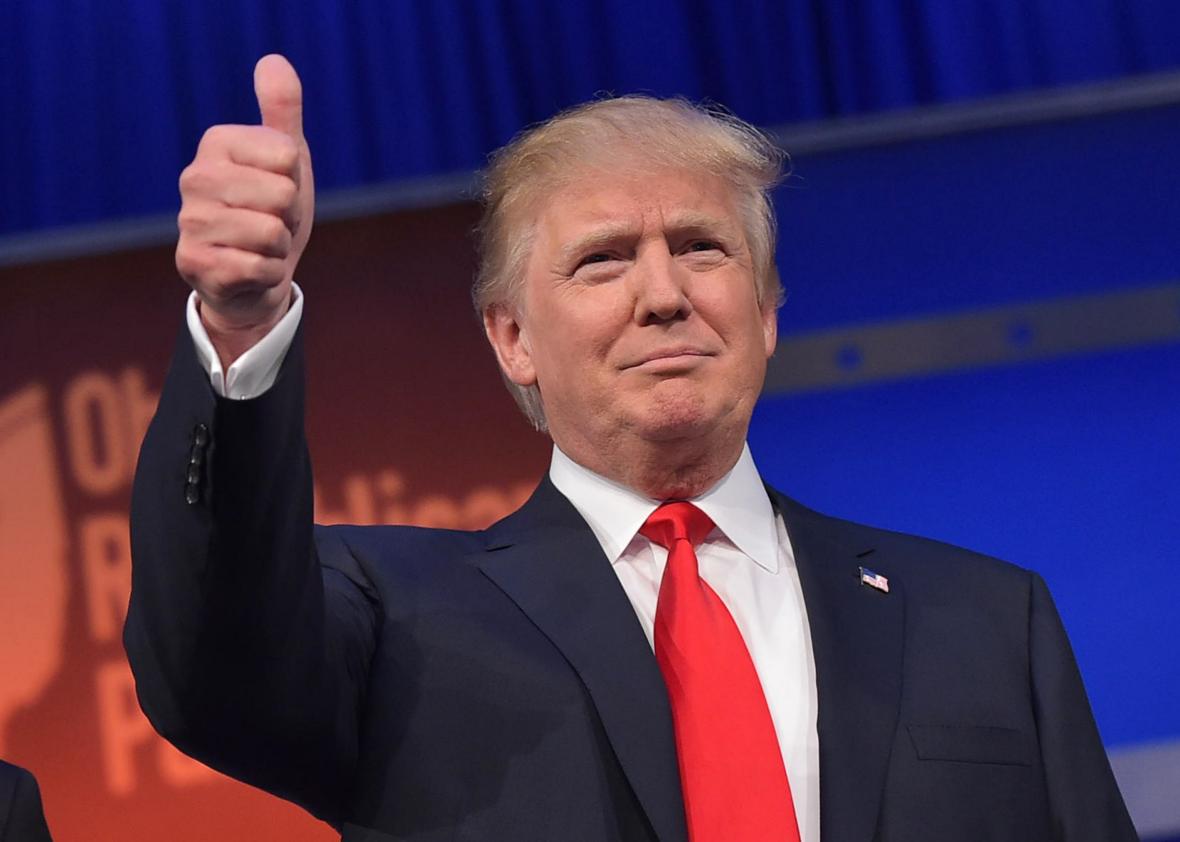
    Donald Trump was running for the US presidency when he personally raised with senior Indonesian politicians the need to have a toll road completed in Indonesia to benefit a massive new resort development in which he later invested.

    A senior Indonesian politician who met Mr Trump in New York in 2015 has revealed that he made clear the project would only go ahead if the toll road was completed.

    “He was saying that it’s impossible without the toll road,” Fadli Zon, the deputy speaker of Indonesia’s Parliament, said.

    Mr Zon, together with the speaker of the Indonesian House of Representatives, Setya Novanto, met then presidential-hopeful Mr Trump at Trump Tower in New York in September 2015 during the presidential primary campaign.

    The meeting, unauthorised by the Indonesian government, was held with the direct assistance of Mr Trump’s new Indonesian business partner, Hary Tanoesoedibjo, known as Hary Tanoe.

    At the time, Mr Trump and Mr Tanoe were in negotiations over the development of a mega-resort and an associated theme park, sky train, and Formula One racing track on a 3000-hectare site on the island of Java, south of the capital Jakarta.

    “He said he really understood well about the situation. For example, this theme park in Bogor area that needs some highway … because sometimes it’s impossible to go there,” Mr Zon said.

    Congested roads in the region can turn the 70-kilometre car ride from Jakarta into a nightmarish two-or-three-hour journey.

    One week after the New York meeting, Mr Trump signed the deal to develop the Trump International Hotel and Tower Lido.

    The construction of the toll road, which had been started then delayed in June 2015, resumed in November.

    The government took over the construction in June 2016 and the first section is due for completion by the end of the year.

    Mr Zon said he estimated that with the impending completion of the toll road, Mr Trump and Mr Tanoe had already tripled their value of the resort land.

    “Yeah. I think the price increase like three times,” he said.

    The President’s latest financial disclosure, released on June 14, stated that the management fees from the Indonesian companies tied to the Bali and Lido resorts had more than doubled.

    The latest disclosure puts the fees at $US380,000 ($A495,000), up from the $US167,000 ($A217,000) he reported in 2016.

    ‘This is a marriage between politicians and business people’

    The head of Human Right Watch Indonesia, Andreas Harsono, said he thought the meeting between the Indonesian politicians and Mr Trump was unethical.

    “It is not appropriate for any business to ask the government to pay for an access toll road into their property,” he told.

    “Unfortunately, it is common in Indonesia. You can change a road direction as you can extend a toll road or bridges or whatever to benefit people who have money, who have interest.

    “This is a marriage between politician and business people.

    “It is common, it is very common in Indonesia.”

    Mr Zon and Mr Novanto were both investigated by a parliamentary ethics committee over whether the meeting with Mr Trump violated strict Indonesian government codes.

    The result of that investigation has never been made public, but both walked away with only a warning.

    In November, two months after the New York meeting, Mr Novanto was embroiled in a massive corruption scandal, accused of attempting to extort a $US4 billion ($A5.2 billion) payment from American mining giant Freeport-McMoRan.

    Mr Novanto denied the accusation, claiming he was “just joking”.

    He was never formally charged.

    Donald Trump’s land in Bali

    Mr Trump and Mr Tanoe’s first controversial Indonesian venture was in Bali.

    The resort, planned as the largest on the island, will overlook one of the most iconic and sacred sites — the Temple of Tanah Lot.

    The existing low-scale Bali Nirwana golf course and resort will close at the end of the month.

    Hundreds of local workers will be laid off and demolition is due to start next month.

    MNC Group bought the Bali Nirwana resort in 2013 from the Bakrie Group, owned by one of the Suharto family’s business associates.

    The Trump Organisation signed up in August 2015 to the redevelopment of the site.

    Not a lot of detail is known about the plans for the second Tanoe/Trump development, Trump International Hotel and Tower Bali.

    When we confronted the local regional governor Ebu Eka Wiryastuti about what had been approved by the local government, she refused to answer questions.

    “I can’t talk about this. I cannot talk about this. At all,” she said.

    “It’s a big complex, more than 100 hectares, to build a hotel, villas, condominiums, also to build a country club — that is also with Mr Trump,” Mr Tanoe told the ABC in January.

    The Trump Organisation will manage the hotel, country clubs and golf courses with the Trump family heavily involved in the project.

    Mr Tanoe outlined the project to the ABC in March and said each of the family members had a different role.

    “Donald Jr is responsible for the overall project. Eric is more on the design and golf, and Ivanka is more on the detail, like the fit-out of the hotel,” he said.

    Mr Harsono has warned that doing business in Indonesia may come at a cost for Mr Trump.

    “I’m not going to say Donald Trump is unethical man, but he is dealing with the worse of Indonesia past, and he is going to deal with the worst of Indonesia future,” he said.

    “I think Donald Trump is going to get his businesses messier and also Indonesia messier.

    “This is going to be a messier place.”

  • Capitalising on China’s cross-border e-commerce market

    Capitalising on China’s cross-border e-commerce market

    Attendees of the dialogue on GMS Cross-border E-commerce Cooperation Platform held in Yunnan province, China earlier this month discussed how to develop cross-border e-commerce businesses of ASEAN countries. More than 100 representatives from e-commerce companies and associations from the Greater Mekong Subregion (GMS) comprising Cambodia, Laos, Myanmar, Thailand and Vietnam as well as Yunnan Province and Guangxi Zhuang Autonomous Region in China participated with this event. Ray Li, vice president of SF Express International Business Division, shared his insights as a representative from the logistics sector on the import opportunities for Chinese e-commerce companies at the event.

    China’s “One Belt, One Road” initiative and Supply-Side Reform policy provides a driving force for the development of cross-border trade for ASEAN countries as well as for China itself, Ray Li said. Overseas shopping by Chinese consumers is growing at a rate of more than 50% annually, driving the rapid increase in sales of milk power made in Singapore, coffee made in Vietnam and latex products made in Thailand.

    As how to best expand into the Chinese market, in the pilot stage of business, Ray Li suggested cross-border e-commerce suppliers use B2C direct mailing services with light assets, zero inventory, small quantities and multi batch models, in order to accelerate the stock cycle and sales.

    SF Express is a Chinese express company known for its fast delivery and quality services and has a network coverage of 34 provinces and cities across China. The express service provider, which owns 51 all-cargo aircraft, is building an air logistics hub that will soon to be the first in Asia and the fourth in the world. In Southeast Asia, the company has set up service points in Singapore, Malaysia, Vietnam and Thailand with its own local service teams that can provide door-to-door international express services.

    This event was co-hosted by the Ministry of Commerce of the People’s Republic of China Department of International Trade and Economic Affairs, the Department of Commerce of Yunnan Province, and the Asia-Pacific Model E-Port Network Operational Center. The event aims to strengthen the cooperation between and the development of GMS members in terms of cross-board e-commerce, through in-depth dialogues and communications.

  • Tesla’s Musk says Model 3 gets regulatory nod for production

    Tesla’s Musk says Model 3 gets regulatory nod for production

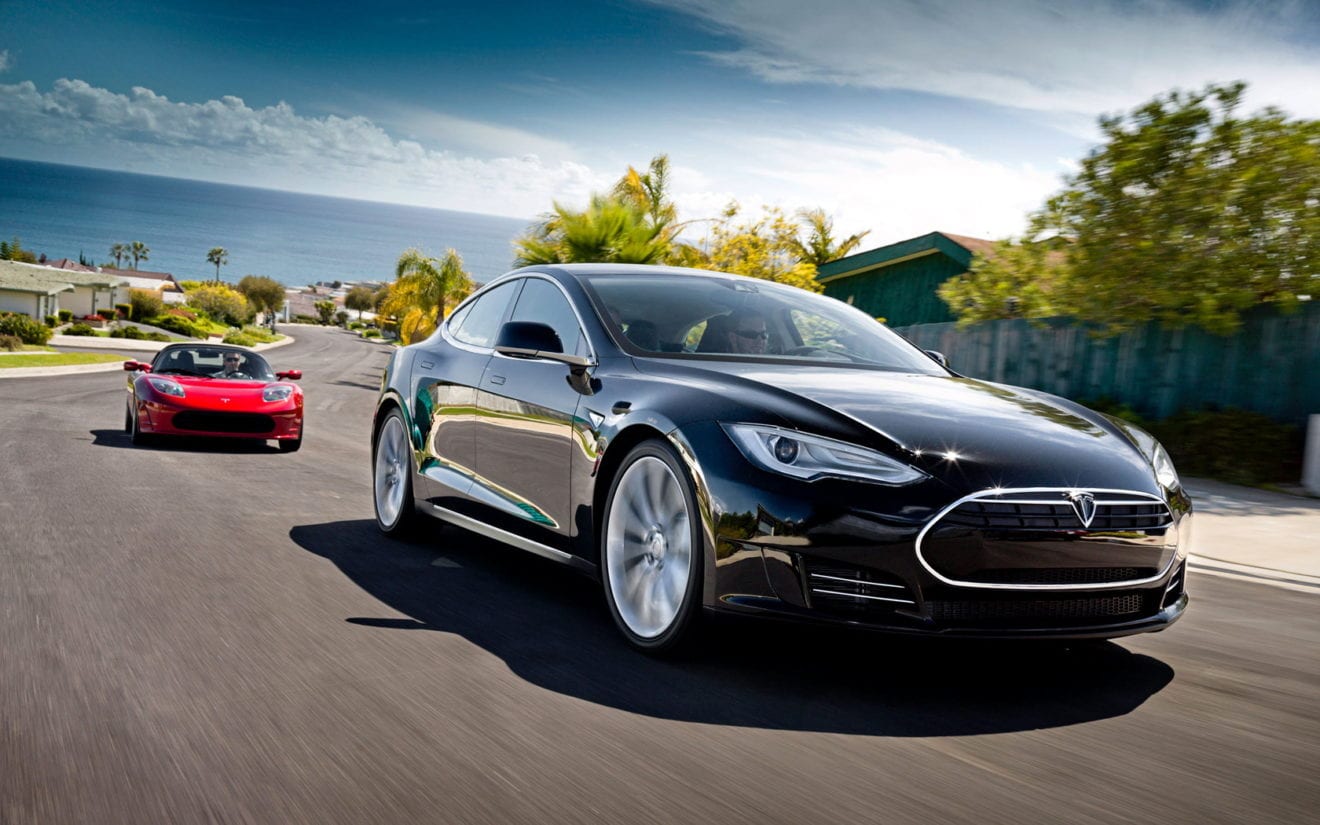
    Tesla’s high-volume Model 3 sedan passed all regulatory requirements for production two weeks ahead of schedule, Chief Executive Elon Musk tweeted on Sunday night.

    “(Model 3) Production grows exponentially, so Aug should be 100 cars and Sept above 1,500,” Musk said on Twitter. “Looks like we can reach 20,000 Model 3 cars per month in Dec.”

    “Expecting to complete SN1 on Friday,” Musk added.

    SN1 is the first car off assembly line for sale, a person familiar with the matter confirmed to Reuters.

    Musk said in May Tesla was on track to begin production of the $35,000 Model 3 in July.

    Tesla had said earlier, it expected to produce over 5,000 Model 3s per week by the end of this year and 10,000 vehicles per week “at some point in 2018”.

    Reuters reported in February that the electric carmaker had shut down production at its California assembly plant for a week for production of the Model 3 sedan, to meet its target of starting production in July.

    Tesla’s previous launches for its Model S sedan and Model X sports utility vehicle were hit by production delays and initial quality issues.

    That track record meant some analysts were skeptical about the model’s July launch.

  • Companies to need new skills as VR enters workplace

    Companies to need new skills as VR enters workplace

    Enterprises need to start thinking now about ways virtual reality (VR) can be used within the workplace, according to recruiting experts Hays.

    While the technology is yet to become more commonplace across the wider world of work, experts say the possibility for its wider application is already here.

    As the technology sees an increase in its use, businesses will need the skills essential for its use. However, the skills required have yet to be standardized and may struggle to keep up with demand initially.

    VR came into existence seventy years ago and has been used across a number of applications since. In the 1970s it was utilized in the workplace for the first time, as it was used by the medical industry, military and in flight simulators.

    With the more recent technological leaps in VR, such as augmented reality (AR) seen in gaming, the technology is starting to make deeper inroads into the world of work.

    While the technology is still used by the military and in medical training, other sectors are beginning to use it to good effect too. One example is in the construction industry, with VR Developers being hired to give their clients a walkthrough of a building before construction has begun.

    One area where VR’s potential is being fully realized already is within training, historically it has been used in high-risk or high-value industries, such as aeronautical and engineering, but it is now being used to help train trade skills.

    In property and real estate, virtual reality platforms are enabling prospective buyers to view and look around the rooms of properties for sale without even leaving the comfort of their current home.

    “The number of possibilities virtual reality creates is astounding,” commented Lynne Roeder, managing director of Hays in Singapore. “While everyday use of the technology within business could still be some way off, there are a number of practical ways the tech could be implemented in the meantime to introduce a more personalized service to customers or to be used internally while managing remote workers.”

    Lynne continues, “Once we start exploring the many ways it could be implemented, it could have a big impact on the world of work. For example, interviews could be conducted in virtual rooms, allowing workers to be interviewed face-to-face, albeit virtually, for a job on the other side of the planet. Remote workers could easily connect to the office for one-to-one or team meetings, even on boarding or one to one training for an employee thousands of miles away would become so much easier.”

    But she added that  new technology creates new job roles and in turn the need for new skill sets. “Employers will need to look at their existing staff and see if there is the opportunity to upskill any of their employees, or whether it will involve bringing an entirely new skill base.”

  • XPO expands global supply chain support for Sealed Air

    XPO expands global supply chain support for Sealed Air

    XPO Logistics has expanded its global supply chain support for Sealed Air Corporation with the launch of an integrated warehousing and logistics management program in North America.

    Sealed Air is a global leader in food safety and security, facility hygiene, and product protection. XPO’s new operation supports four Sealed Air product lines – Diversey, Cryovac, Instapack and Taski – at a 550,000 sq. ft. warehouse in Sturtevant, Wisc. The facility will serve Sealed Air’s customers worldwide with inventory management, light assembly, kitting, labeling, fulfillment and distribution of orders.

    Emile Chammas, senior vice president and chief supply chain officer for Sealed Air, said, “We selected XPO Logistics for this critical role in our supply chain based on the strength of its global experience and ability to continuously improve logistics processes. Sealed Air looks forward to innovating with the XPO team to increase operational efficiency and ensure the highest level of service for our customers.”

    XPO already provides Sealed Air with technology-enabled logistics, warehousing and transportation management services in Europe, and with intermodal and less-than-truckload transportation in North America. The new contract represents a significant expansion of the relationship between the two companies.

    “We are delighted to bring additional value to Sealed Air’s supply chain with this major expansion of our role in North America,” said Ashfaque Chowdhury, XPO Logistics president-supply chain, Americas and Asia Pacific. “Sealed Air has entrusted us with delivering an advanced solution for warehousing and distribution. We are now engaged in bringing our expertise to bear from both sides of the Atlantic, to give this important customer every advantage in serving its global network.”

  • Philippines urged to bring in third telco

    Philippines urged to bring in third telco

    A Philippine think tank has urged the government to facilitate the entry of a third player into the nation’s telecoms market, but warned that a series of structural barriers will make this “extremely difficult” to achieve in the near future.

    The Philippine Institute for Development Studies (PIDS) has published a new reporton the competitive landscape of the nation’s telecoms sector, in light of the recent buyout of San Miguel corporation’s telecoms assets.

    The report found that the acquisition, which ensured the telecoms market was left with only two main players – PLDT and Globe Telecom – “brought a cloud of doubt as to the motives” behind the transactions.

    Report author senior research fellow Erlinda Medalla recommended there be at least three major players in the industry to promote competition.

    But she said challenges “arising from structural barriers, such as the cost of obtaining various permits and licenses, the cost of obtaining rights of way, the available spectrum or bandwidth, and the foreign equity limitation” will make this difficult.

    To address these challenges, Medalla called for liberalization, competition, and regulatory reforms on the part of the Philippine Competition Commission, telecoms regulator NTC and the telecoms ministry.

    While the PCC is currently challenging the legality of the San Miguel acquisition in court, Medalla said the acquisition is a “done deal”. She urged the government to instead concentrate on ensuring the transaction benefits customers, including by pressuring PLDT and Globe to “increase and widen their services.”

    But she also suggested that rules on future M&As be introduced that would mitigate potential anti-competitive impacts and ensuring that a dominant position arising from a merger produces gains for consumers.

  • Kerry Logistics buys 50% stake in Lanzhou Pacific

    Kerry Logistics buys 50% stake in Lanzhou Pacific

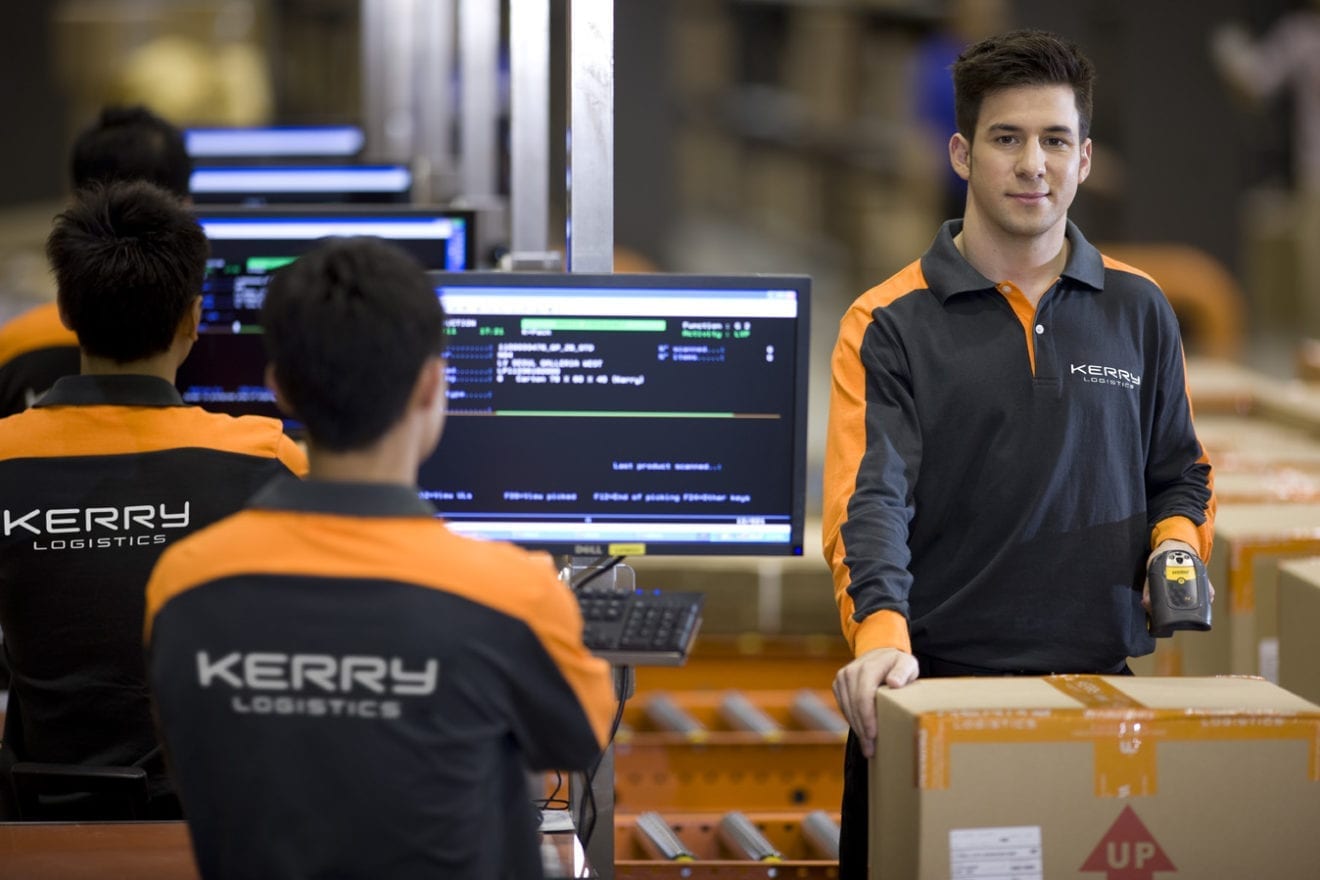
    Kerry Logistics has acquired of 50 per cent shares in Lanzhou Pacific Logistics Ltd. As the new shareholder and joint venture partner, Kerry Logistics will join hands with another shareholder of LPL, China Railway Container Transport Company Limited (CRCTC), in the management and operations of LPL. The investment marks another strategic step in advancing Kerry Logistics’ expansion into the rail freight and multimodal services under the ‘Belt and Road’ Initiative.

    Founded in 2002, LPL specialises in intermodal brokerage services across China and Central Asia including Uzbekistan, Kazakhstan, and Russia. Leveraging on CRCTC’s extensive rail network in China, LPL has a nationwide rail freight network covering more than 100 cities and provides container freight stations and domestic door-to-door logistics services. LPL’s clientele includes a number of Fortune 500 enterprises located in China, spanning the non-ferrous metals, chemicals, auto parts, agriculture, and building materials industries.

    William Ma, group managing director of Kerry Logistics, said, “This acquisition will enable us to draw on the vast opportunities created by the Belt and Road Initiative. Not only will it further strengthen our rail freight capability throughout China and Central Asia, but also allow us to consolidate our expertise in project logistics within our global network.”

    “It will additionally strengthen the rail and road network we have established in The Commonwealth of Independent States through our new joint venture. By constructing an integral multimodal freight chain that connects China, Central Asia, and Europe, we are committed to providing new options and cost-competitive intermodal solutions to our international customers,” Ma added.

    In August 2012, China’s State Council approved to make Lanzhou the fifth state-level development zone in the country. Lanzhou has historically been used as the gateway to the West, due to its strategic location on the geographical and cultural cusps between Northwestern China and Central Asia.

    The city has been chosen to be the major hub of the Silk Road Economic Belt, and a vast network of infrastructure, logistics and industrial zones, and sea ports is being planned that will stretch from East Asia to Western Europe, spanning 60 countries.

    Kerry Logistics was the market pioneer to complete the first westbound charter freight train from Yiwu, Eastern China to Madrid, Spain in August 2016. It also set foot on the first eastbound freight train from London to Yiwu in April 2017.