Author: Mei Ling Tan

  • David Jones poaches Self-Portrait from rival Myer as fashion war continues

    David Jones poaches Self-Portrait from rival Myer as fashion war continues

    Australia’s department store giants David Jones and Myer are at it again. In the latest war of the women’s ready-to-wear brands, high-end retailer David Jones has poached Britain’s Self-Portrait label from competitor Myer.

    David Jones group executive of merchandise David Collins told the Sydney Morning Herald the London-based Self-Portrait was picked up to bolster the department store’s current bridal offering in its Sydney flagship, as well as its regular women’s fashion fold.

    “Self Portrait has become a fast favourite within our bridal category and a brand that we believe will strongly perform in the womenswear ready-to-wear space,” Collins told SMH.

    Founded by Malaysia-born, London-based Han Chong in 2013, Self-Portrait is fashion favourite of the Duchess of Cambridge. Known for its modern lace designs, the brand looks set to be better positioned with a David Jones listing, considering the department store’s brand position as more high-end, compared to Myer.

    “David Jones’ vision to amalgamate the most innovative designers from around the world under their roof is inspiring and we look forward to partnering with them in Australia,” said Chong, in a statement.David Jones said Self-Portrait would be available in store from June 11. Myer started stocking Self-Portrait in 2015.

    In recent months, Australian labels Aje, Karen Walker and By Johnny have also changed sides, heading from Myer to David Jones. As the fashion war roars on, Myer took another blow late last month in its youth fashion segment, following the collapse of Topshop Australia, of which it owns one fifth.

    However, the department store chain said had begun investing in its own Maticevski label and Misha Collection, and was growing its network of shop-in-shops, including Morrison and Skin & Threads. It has also opened concessions for French brand The Kooples and Zadig & Voltaire, and most recently announced a one-year distribution deal with up-and-coming women’s brand We Are Kindred.

    The Australian retail market is facing one of its most frenzied phases. While fast-fashion moguls H&M and Zara continue to steam roll homegrown fashion retailers — including David Lawrence and Marcs, which were recently rescued by Myer after entering administration — the impending arrival of American e-commerce Amazon in Australia is adding to local business blues.

    And consumer fashion spending is bleak. While Australian retailers enjoyed their best monthly sales in nearly three years in April, up 1%, sales growth in clothing and footwear was an anaemic 0.3%.

     

  • Electric vehicles reach 2 million cars in 2016

    Electric vehicles reach 2 million cars in 2016

    The number of electric cars on the roads around the world rose to 2 million in 2016, following a year of strong growth in 2015, according to the latest edition of the International Energy Agency’s Global EV Outlook.

    China remained the largest market in 2016, accounting for more than 40% of the electric cars sold in the world. With more than 200 million electric two-wheelers and more than 300,000 electric buses, China is by far the global leader in the electrification of transport. China, the US and Europe made up the three main markets, totalling over 90% of all EVs sold around the world.

    In Norway, electric cars had a 29% market share last year, the highest globally, followed by the Netherlands with 6.4%, and Sweden with 3.4%. The electric car market is set to transition from early deployment to mass market adoption over the next decade or so, says the Global EV Outlook.

    Between 9 and 20 million electric cars could be deployed by 2020, and between 40 and 70 million by 2025, according to estimates based on recent statement from carmakers.

    Still, electric vehicles only made up 0.2% of total passenger light-duty vehicles in circulation in 2016. They have a long way to go before reaching numbers capable of making a significant contribution to greenhouse gas emission reduction targets.

    In order to limit temperature increases to below 2°C by the end of the century, the number of electric cars will need to reach 600 million by 2040, according to IEA’s Energy Technology Perspectives. Strong policy support will be necessary to keep EVs on track.

    Cities are taking leadership roles in encouraging EV adoption, often because of concerns about air quality. Major urban centres often achieve higher EV market shares compared to national averages. A third of global EV sales took place in 14 cities in 2015.

    Paris, for instance, has mandated that any electric car is allowed to re-charge at the re-charge stations of its car-sharing program, called Autolib.

    Amsterdam has a strategy of offering the installation of charging points on public parking spaces to people who make a request, ensuring that charging infrastructure is installed where it’s actually needed. London for its part encourages EV adoption by waiving its congestion charge.

    The analysis shows that fleet procurement is an important means of encouraging early EV uptake. Fleet operators, both public and private, can contribute significantly to the deployment of EVs, first from demand signals that they send to the market, and second thanks to their broader role as amplifiers in promoting and facilitating the uptake of EVs by their staff and customers.

    Clear and ambitious policy support is vital to keep the growth of EVs on track. Despite impressive improvements in costs and energy density over the past decade, battery packs are still expensive, driving up retail prices. Financial incentives for EV adoption and taxes on fossil fuels will continue to be important in the current phase of EV technology deployment to initiate and reinforce a positive feedback loop that, through increasing sales, production scale-ups and technology learning, will further support cost reductions for batteries and other components.

  • Vietnamese steel faces anti-dumping investigation in Australia

    Vietnamese steel faces anti-dumping investigation in Australia

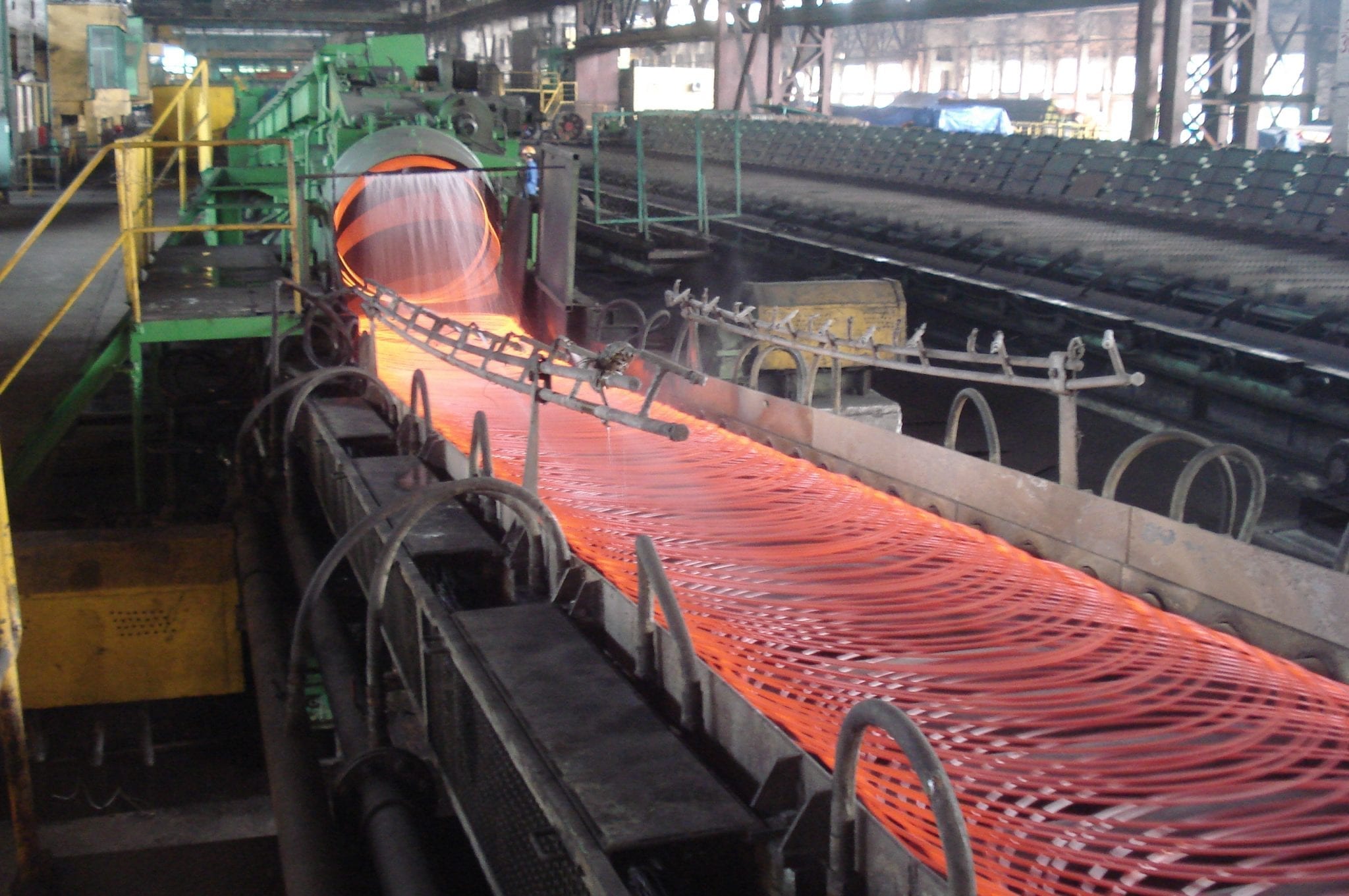
    An Australian firm has accused Vietnamese manufacturers of manipulating market prices. Australia’s Anti-Dumping Commission (ADC) has initiated an anti-dumping investigation into steel rods imported from Indonesia, South Korea and Vietnam.

    The investigation was launched following a complaint lodged by OneSteel Manufacturing Pty Ltd, a manufacturer of steel coil in Australia.

    OneSteel said that that the goods are being exported to Australia at prices less than their normal value and that dumping has damaged the Australian industry through loss of sales, market share and profits.

    The products include hot rolled rods in coils that are not subject to export tax in Australia at present.

    OneSteel alleged that the dumping margin on products from Vietnam is at least 30.6 percent. The company said that the price of these products in Vietnam should not be used to calculate their global market value.

    Steel products from Indonesia, Taiwan and Turkey have also been subject to anti-dumping investigations in Australia, and both Indonesia and Turkey were slapped with anti-dumping taxes in 2015 for a year, while the same products from China were hit with a tariff in April 2016.

  • Taxi boom blamed for traffic jams in HCM City

    Taxi boom blamed for traffic jams in HCM City

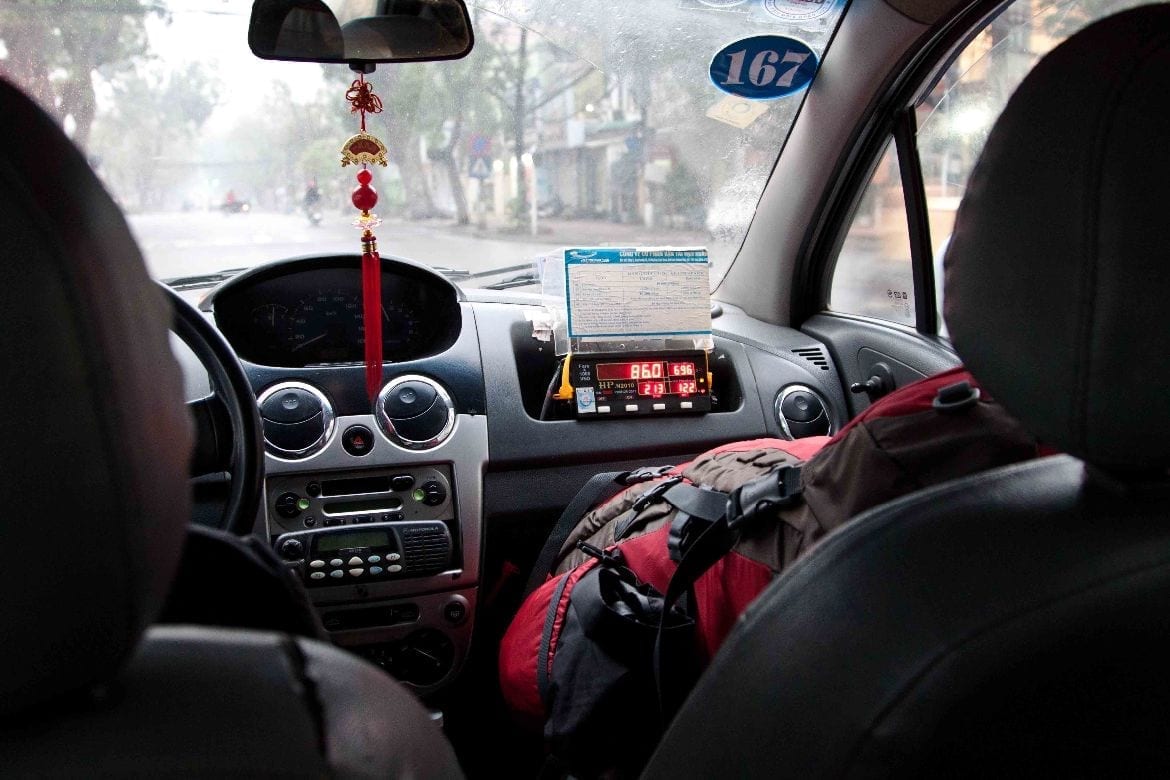
    The city was home to around 300 app-based taxis of less than nine seats in 2015. But the figure grew to 2,437 by the early 2016 and 22,000 by late April this year.

    Giao attempted to blame Uber and Grab for being partially responsible for HCM City’s traffic jams.

    Meanwhile, the city has more than 11,000 traditional taxis, raising the city’s total taxi number to over 33,000 against the set taxi number target of just no more than 12,700 by 2020. The mushrooming taxi development has worsened the city’s traffic jams.

    Nguyen Van Tam, deputy head of the HCM City Transport Department, suggested that app-based taxi boom has become a new problem for the city, so, the city has considered halting the transportation license for cars of below nine seats to operate under the form of app-based taxi service.

    The re-licensing will be carried out after the city finishes a plan on app-based taxi operation, Tam said.

    A representative from the Southern Airport Authority claimed the severe traffic congestion around Tan Son Nhat International Airport is also partially caused by Grab and Uber cars, many of which cruise around to wait for customers.

    Earlier, traditional taxi enterprises urged management agencies to take appropriate steps against foreign ride-hailing firms like Uber and Grab in order because they were proving far more competitive that traditional taxi services.

  • THAI will not increase capital in Nok Air

    THAI will not increase capital in Nok Air

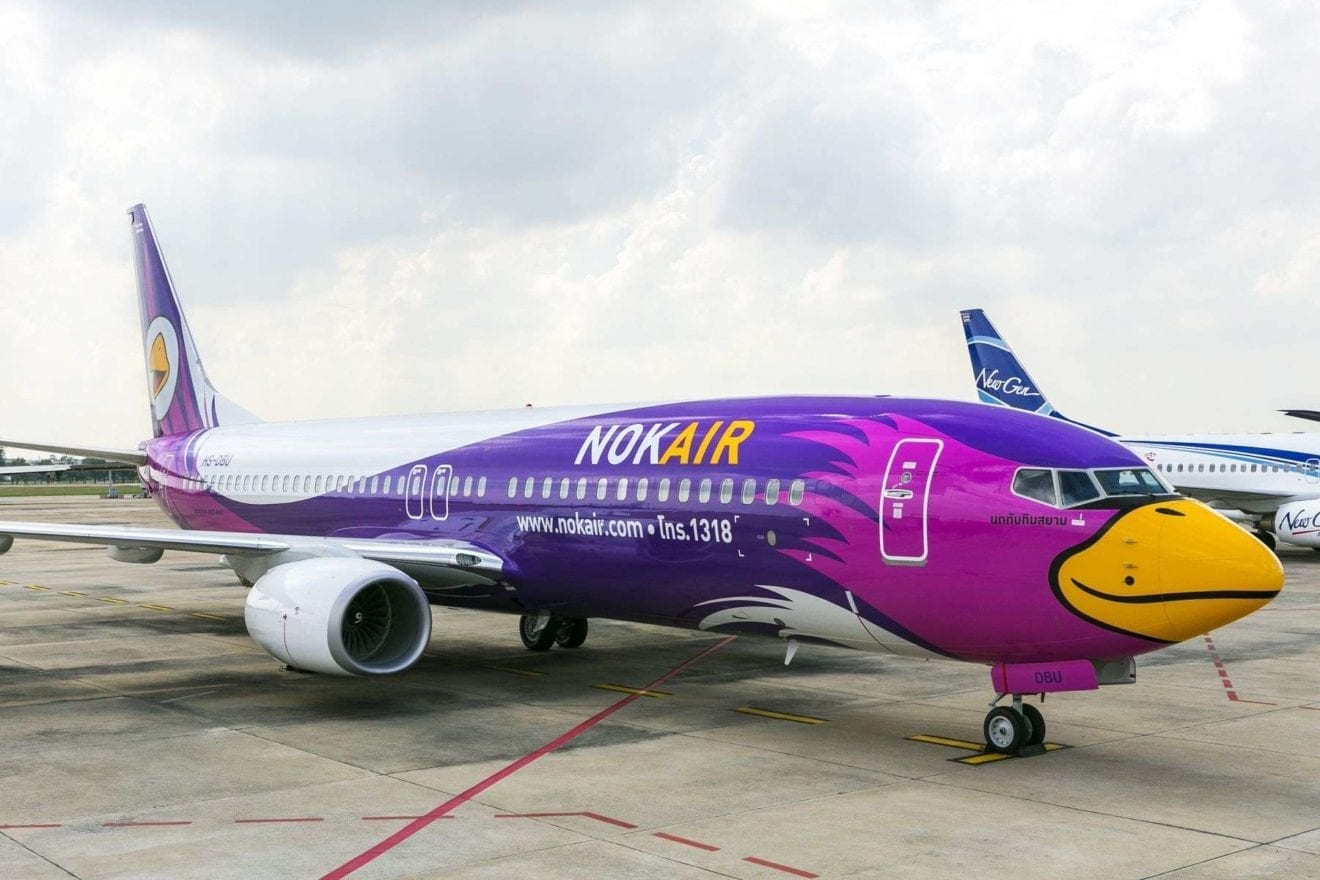
    Thai Airways International Public Company Limited (THAI) stated that THAI’s Board of Directors decided not to increase capital in Nok Air Public Company Limited (Nok Air), which lacks liquidity and needs additional funding to continue operations. Following the meeting on 12 April 2017, it was agreed that a Company representative would be sent to submit a vote on capital increase in Nok Air, which would open up opportunities for other shareholders to increase their shareholding. During this meeting, THAI’s Board of Directors did not yet decide whether or not to subscribe to new shares in Nok Air because a study had to be conducted on suitability and value prior to additional investment.
    On 21 May 2017, a THAI Board of Directors Meeting was held to consider subscription of new shares in Nok Air. THAI’s Board of Directors took consideration of the report prepared by the special task force that studied suitability and value for additional investment in Nok Air, given the Company’s current situation. With consideration to this factor, additional information, and opinions as well given that the transformation plan is still under implementation, THAI’s Board of Directors deemed that under the Company’s current situation it was not the right time to increase investment in Nok Air. Therefore, THAI’s Board of Directors concluded that the Company will not subscribe to new shares in Nok Air, regardless that the Company’s percentage of shares in Nok Air would eventually reduce.
    Even though there will be no subscription to new shares, the Company will continue to contribute as a shareholder and grant support for Nok Air’s eventual recovery and sustainable growth. A Company representative who is a member of Nok Air’s Board of Directors has been assigned by THAI’s Board of Directors to oversee and assist Nok Air through to successful completion of the transformation plan as soon as possible.
  • NEC opens big data analytics center in India

    NEC opens big data analytics center in India

    Japanese technology major NEC Corporation plans to strengthen its big data analysis presence globally as well as in India.

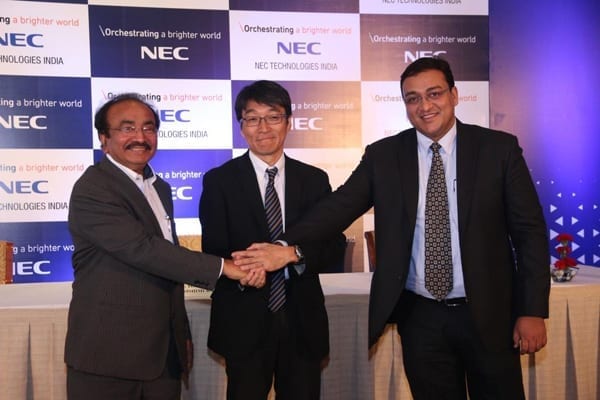
    NEC Corporation and NEC Technologies India Private Limited (NTI) have announced the launch of a Center of Excellence for Analytics Platform and Solutions (COE-APS) for promoting solutions and services of NEC’s Big Data & Analytics Platform, Data Platform for Hadoop (DPH).

    The COE-APS will simplify digital transformation and act as a one stop shop for both customers and partners in the telecom, retail, banking, financial services, insurance and manufacturing sectors, as well as government organizations. The COE-APS will initially focus on markets that include Japan, India, Singapore, Philippines and Hong Kong, then gradually expand services throughout APAC and other regions.

    With the global big data and analytics market expected to reach $210 billion by 2020, NEC plans to organize a team of 100 professionals within the first few years, to support these operations.

    Hadoop alone is expected to reach US$50.2 billion by 2020. With the industry already facing a shortage in talent, specifically in Hadoop and analytics areas, the establishment of the COE-APS will help NEC to leverage India’s strong talent base.

    In recent years, the exponential growth in data processing is straining the capabilities of conventional databases and data warehouse solutions. With the advent of big data & analytics solutions, data is comprehensively and reliably analysed, thereby enabling customers to make well-informed decisions at the right time.

    In addition, the COE-APS will leverage the computational power and scalability of NEC’s specialized hardware for big data & analytics in order to flexibly handle the ever increasing demand for storage and computation by Hadoop.

    “The key to success for organizations today is to make fast and informed decisions by extracting insights out of the huge volumes of data that are available to them. The new Center of Excellence is an important step towards utilizing big data analytics and NEC’s Data Platform for Hadoop to provide benefits for government bodies and enterprises in India and across the world,” NEC SVP  Tomoyasu Nishimura said.

    “Going forward, we aim to continue driving digital transformation for industries of all sizes and markets.”

  • NTT may sell African operations

    NTT may sell African operations

    Japan’s NTT Corporation, parent company of NTT Communications, is reportedly considering the sale of its African operations and could seek around $800 million for the assets.

    NTT is evaluating a sale of the African operations it acquired through the takeover of Dimension Data in 2010, three people familiar with the matter.

    According to the sources one potential outcome of the process is an acquisition of NTT’s Johannesburg-based internet solutions business, a Dimension Data subsidiary, by MTN. The African mobile group is planning to expand into the enterprise internet services segment for further growth, and could use the acquisition to facilitate this expansion.

    Dimension Data’s management are also considering an offer to buy back the company and re-list it publicly, the sources added. NTT acquired Johannesburg-based Dimension Data for around $2.7 billion seven years ago.

    But in 2015 NTT put Dimension Data on notice over its poor performance after years of failing to generate a profit, indicating it may seek to divest the acquisition.

    A sale at this stage is far from guaranteed. The report states that no decision has yet been made on a sale, cites NTT’s MEA CEO as denying that NTT is looking to sell the business and adds that representatives from the Tokyo headquarters refrained from commenting.

  • Tata Motors global sales decline 1 per cent in May

    Tata Motors global sales decline 1 per cent in May

    Tata Motors today reported over 1 per cent decline in global sales in May at 86,385 units, including that of Jaguar Land Rover (JLR) vehicles.

    The company had sold 87,414 units in May 2016, Tata Motors said in a statement.

    In the passenger vehicles category, global sales stood at 58,075 units last month as against 55,039 units during the same period in 2016, up 6 per cent.

    Sales of luxury brand Jaguar Land Rover grew 2 per cent to 47,131 units in May compared to 46,204 units in the same month of 2016.

    However, sales of commercial vehicles declined by 13 per cent to 28,310 units as against 32,375 units in the year-ago month.

  • Landmark Hong Kong launches a new Beauty & Wellness space

    Landmark Hong Kong launches a new Beauty & Wellness space

    Hong Kong’s luxury shopping centre Landmark has opened a new beauty and wellness space, in a bid to bring a lifestyle concept of health to customers.

    Located on the third floor of Landmark Atrium, the newly named Women’s Beauty & Wellness Concept offers a “selection of specialists” to visitors, as part of Landmark’s ‘A Year of Wisdom’ campaign for 2017.
    “Wisdom is one of the essential qualities that defines beauty; after all, the modern view is that beauty stems from within,” said Landmark, in a press release.

    “It begins with getting to know yourself better and culminates in what we eat, what we wear, even how we travel – in addition to our beauty regimes.

    Encompassing this, the space is made up of four branded categories, designed to cater to women seeking food, fashion, beauty and lifestyle goods and service.

    Super Foods provides shoppers with gluten-free products and juices from retailers such as The Cakery, Catch Juicery and Verde Organic.

    Top-Flight Services offers quick beautification for time-pressed women. Customers can head to the airplay blow-dry bar and get a fast blow-dry or try their hand at an express manicures, before heading over to Careyou Beauty for semi-permanent makeup and eyeliner. Other facilities include facials at N°8 Organic Spa by Beyorg, teeth whitening at Smile Dental Surgeons, as well as lash treatments from Suavislash Couture.

    Finally, the At Home Beauty section will sell electronic tools and beauty gadgets via retailer The Artistry, while customers can pick up apparel and undergarments from the space’s Feel Good Fashion section, most notably with a selection of Caelum Greene activewear, Fogal leagwear and Sheer lingerie.

    To mark the launch of the wellness space, a launch event was successfully held on June 8th by the X2 Creative brand engagement agency, with the attendance of many Hong Kong socialites and bloggers.

    During the event, guests were treated to exclusive trial services and gift or redemption offers from twelve beauty and wellness specialists located within the new Landmark wellness space.

  • L’Occitane announces fiscal year 2017 annual results

    L’Occitane announces fiscal year 2017 annual results

    L’Occitane International, a global, natural ingredient-based cosmetics and well-being products company with true stories from Provence, France and around the world, today announces its annual results for the year ended 31 March 2017 (“FY2017”).

    The Group recorded net sales of €1,323.2 million for FY2017, an improvement of 1.7% at constant rates and 3.2% at actual rates compared to FY2016. The improvement in net sales was mostly attributable to the Group’s new stores and newly renovated stores, the good performance of its web channels and own E-commerce business, and double-digit growth in the Group’s emerging brands.

    Gross profit rose 3.9% to €1,102.4 million in FY2017, which was mainly attributable to more efficient supply chain management, better price and product mix and favourable FX effects. Gross profit margin expanded by 0.5 points to 83.3% in FY2017.

    The Group recorded an operating profit of €168.3 million for FY2017; an increase of 0.2% with operating profit margin decreasing 0.4 points to 12.7%, due mostly to continuous investments in R&D, brand awareness and emerging brands. Net profit rose by 16.6% to €132.4 million – the Group’s highest ever profit since its listing – reflecting the management’s ability to expand sales despite the challenging operating environment, the absence of a one-off, non-cash foreign currency loss that was recorded during last year, favourable FX effects and a lower effective tax rate.

    Sell-out sales accounted for 75.0% of the Group’s total sales in FY2017, amounting to €992.5 million, an increase of 1.3% at constant exchange rates. This growth was primarily driven by new stores and newly renovated stores, as well as the growth and development of the Group’s E-commerce channels, especially marketplaces. Under its selective omni-channel expansion strategy, the Group’s global own retail store network grew to a total of 1,514 stores during the year, while its E-commerce presence continued to expand.

    Sell-in sales accounted for 25.0% of the Group’s total sales in FY2017, amounting to €330.7 million, an increase of 3.1% at constant exchange rates. This growth was driven by dynamic growth in web partners, wholesale, distribution and B2B channels and in the emerging brands – L’Occitane au Brésil, Melvita and Erborian.

    Brazil and Japan registered the largest growth at actual rates, with sales growing 30.0% and 15.5% (due to the stronger Brazilian Real and Japanese Yen) respectively. Local currency sales in Brazil also grew by 18.4%, which was driven by both the L’Occitane en Provence and L’Occitane au Brésil brands. Sales in Japan benefited from a well-received TV advertising campaigns and improving sales growth in the Group’s own E-commerce business and web-partners.

    In terms of local currency sales, China was also stand out market for the Group in FY2017, with sales growing 11.0% compared to FY2016, as a result of accelerated growth at its physical and online stores (such as its flagship on TMall) and B2B, particularly in the last quarter of FY2017. Much of this great result was driven by a highly successful brand ambassador campaign that took place in the second half of the year.

    As part of its omni-channel sales strategy, the Group continued to significantly invest in its self-owned E-commerce websites, mobile sites, third-party marketplaces and social media platforms to drive traffic, conversion, sales and growth to its online platforms and physical stores. It also continued to push forward marketing initiatives and gifting strategies to safeguard its performance in markets with a more uncertain economic situation, including the United States, United Kingdom and other European countries.

    As part of its multi-brand strategy, the Group recently invested US$128 million in a 40% stake in LimeLight by Alcone, a fast-growing US-based natural skincare and personalized makeup company selling through “social commerce”, with the objective to develop its business model worldwide, and to speed up the Group’s expansion into the colour cosmetics sector. It will also seek to expand into other product streams to cater for a wider customer audience, including millennials.

    The Group’s balance sheet remained healthy during the year under review, with its net cash position amounting to €379.7 million as at 31 March 2017. L’Occitane is pleased to propose a final dividend of €0.0316 per share, representing a dividend pay-out ratio of 35.0% in FY2017.

  • Nok Scoot and Thai Airasia X receive AOC

    Nok Scoot and Thai Airasia X receive AOC

    Nok Scoot and Thai AirAsia X were yesterday announced to qualify for Air Operators Certificates (AOC) after both met the International Civil Aviation Organization (ICAO) standards.

    Both became the country’s 4th and 5th local airlines to be granted the AOCs.

    Nok Scoot and Thai AirAsia X are low cost international carriers operating in an extremely competitive field.

    Of all 5 local carriers that were granted AOCs, 77% are international carriers.

    The certificates were presented to executives of the two airlines by the Civil Aviation Authority of Thailand yesterday.

    CAAT director-general Chula Sukmanop said that the presentation of AOC certificates showed that the two airlines have security systems in place and their services met ICAO standards even though they are low-cost airlines.

    One final hurdle for Thailand is to petition the ICAO revoke its red-flagging of the local airline industry which should be successfully achieved by the end of this month, he said.

  • 7-Eleven heads to Okinawa to expand its reach in Asia

    7-Eleven heads to Okinawa to expand its reach in Asia

    Seven-Eleven Japan is finally setting up shop in Okinawa, the only Japanese prefecture where it has yet to open an outlet. The convenience store operator plans to use the southern island as a stepping stone for expanding sales of its in-house brand across Asia, where demand for Japanese food and snacks is growing.

    On Friday, Seven-Eleven Japan announced it will enter Okinawa in 2019 and open around 250 outlets there over the following five years, mainly in Naha, the capital.

    While the company is keen to boost domestic business, Okinawa’s proximity to foreign markets also proved an attractive draw for Japan’s largest convenience store operator. President Kazuyuki Furuya said the company plans to use the prefecture as a “transportation hub” for expanding sales of its Seven Premium brand.

    “Asia is full of attractive markets, including China,” Furuya added.

    Okinawa has traditionally not been an ideal location for the company’s so-called area-dominant strategy, which involves concentrating stores in specific areas to rapidly raise brand recognition and reduce transportation costs.

    The company also needed a factory within the prefecture to get food onto store shelves more efficiently. With prospective local partners lined up, however, the operator now plans to open a factory and distribution center as soon as possible.

    With local partners, rival convenience store operators FamilyMart and Lawson already have outlets in Okinawa — around 300 and 200, respectively. Seven-Eleven Japan will establish its first 100% subsidiary this year in the prefecture to better cater to local needs.

    Launched in 2007, the Seven Premium brand now has over 3,600 items, ranging from snacks and ready-made meals to fresh meat and vegetables. By fiscal 2019, the company plans to increase the number to 4,200 items, with a revenue target of 1.5 trillion yen ($13.6 billion), up 30% from fiscal 2016.

    Though the details are still being worked out, Seven-Eleven Japan plans to use a cargo hub in Okinawa operated by All Nippon Airways. Okinawa’s ideal location would allow more efficiently to deploy Seven Premium brand to Asian markets.

    Okinawa is closer than Tokyo to a number of major Asian cities: Taipei, Seoul, Bangkok and Singapore are all within five hours or so. This has allowed ANA Cargo’s air freight network to offer next-day parcel delivery from Japan to these cities. Products are first brought from around the country to Haneda Airport in Tokyo and then to Naha, which permits late-night air traffic and runs customs services around the clock.

    While these trials have has been limited to around 20 items, mostly snacks, Seven-Eleven Japan plans to roll out its Seven Premium brand at its first Vietnamese store in Ho Chi Minh, set to open on Thursday. The company aims to open 20 stores this year and 100 by 2019.

  • OJK to expand banking access to the Philippines

    OJK to expand banking access to the Philippines

    The Financial Services Authority (OJK) plans to expand banking access to the Philippines by signing a Letter of Intent (LoI) with the countrys central bank, Bangko Sentral ng Pilipinas (BSP).

    The cooperation will pave way for access to some Indonesian banks that already certified as “Qualified ASEAN Bank” (QAB), the authoritys Deputy Commissioner for Supervision, I Sukarela Batunanggar, said at a press conference in Jakarta on Friday.

    “Besides the positive trends in economy growth, the two countries also have similarities in the sectors of social and economy, mainly in their domestic credit ratios,” Batunanggar stated.

    Indonesia and the Philippines, he further remarked, also have great potential in terms of their population sizes.

    “The two countries still have more opportunities to continue flourishing,” he noted.

    The LoI that was scheduled to be signed on next Sunday is an initial measure for negotiating bilateral cooperation through the ASEAN Banking Integration Framework (ABIF).

    The framework, which is set by two main principles, including reciprocity and equality, is aimed at supporting the banks in expanding their business within the Southeast Asia region.

    In accordance with the framework, Batunanggar stated the authority has assessed several banks that seek to hold a QAB certification.

    Batunanggar hoped the negotiation between two countries could be completed soon, so it would enhance trade volumes between Indonesia and the Philippines.

    In 2016, the two countries trade volumes remained low, compared with other states.

    Indonesian exports to the Philippines reached less than 4 percent last year, while the imports were only about 1 percent.

    The authority had signed a similar LoI for bilateral financial cooperation with Bank of Thailand (BOT) in March last year.

    Another bilateral deal was implemented between the countrys financial authority and the Malaysian bank central in August last year.

  • Indonesia May motorbike sales up 15.2% yoy

    Indonesia May motorbike sales up 15.2% yoy

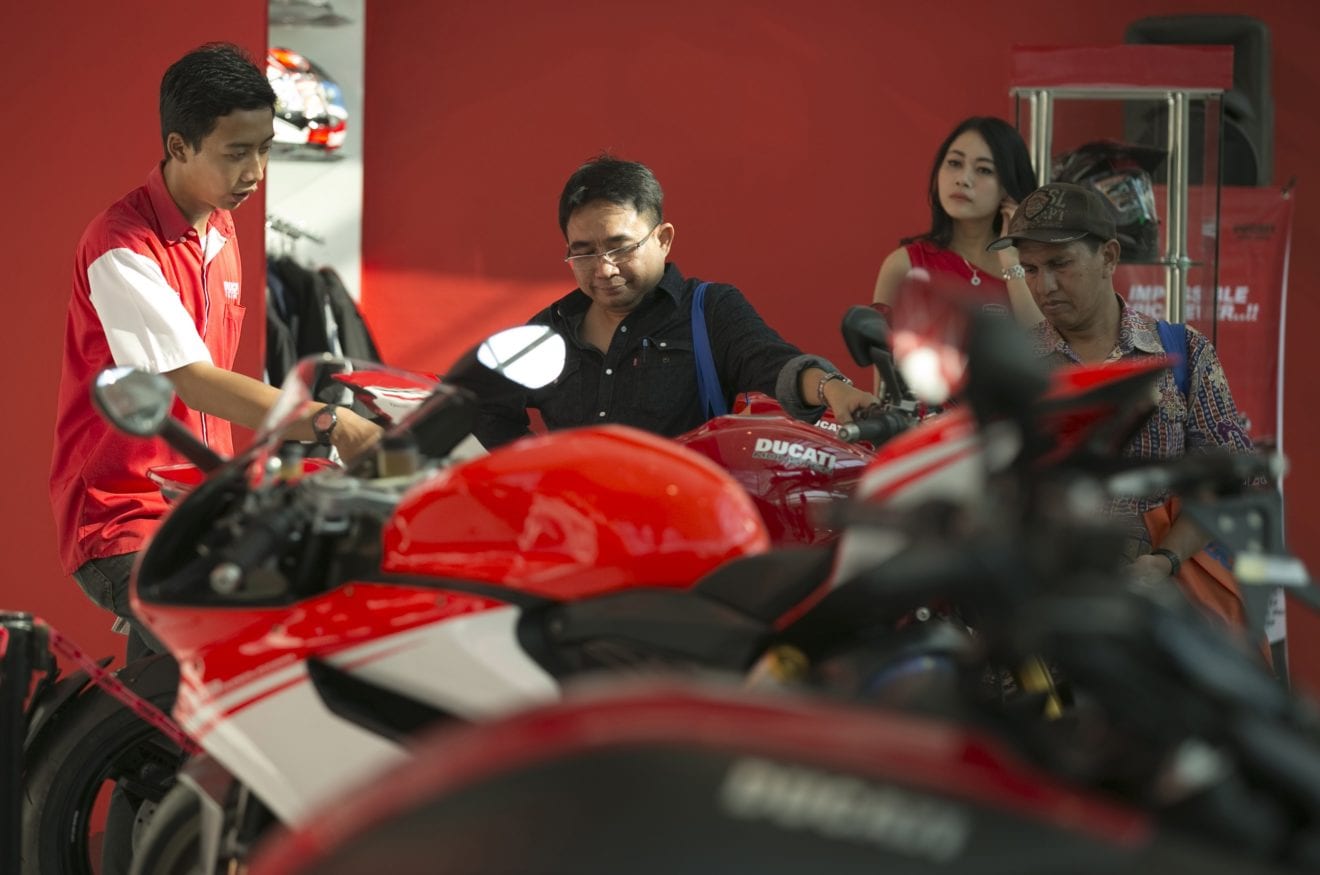
    Motorcycle sales in Indonesia rose 15.2% in May from a year earlier, data from an industry association showed on Monday.

    These sales are also the highest growth rate since August 2014.

    Sales stood at 531,496 motorbikes in May, up from 461,506 sold in the year-ago period.

    It was also higher than the 388,045 bikes sold in April. Motorbikes are hugely popular in Southeast Asia’s biggest economy and their sales are a key indicator of consumption.

    Sales in May were led by Honda Motor , Yamaha Motor Co Ltd and Suzuki, data showed.

  • Bank Mandiri Lends Rp1.5tn to Indonesia Infrastructure

    Bank Mandiri Lends Rp1.5tn to Indonesia Infrastructure

    State-owned Bank Mandiri is lending Rp1.5 trillion to Indonesia Infrastructure Finance (IIF) to help the non-bank financial institution support the acceleration of infrastructure development in Indonesia.

    IIF president director Arisudono Soerono said the loan will used to finance several infrastructure projects that are commercially viable and feasible.

    Bank Mandiri also gives IIF a treasury line facility with US$50 million limit to hedge the company’s transactions using foreign currencies.

    The bilateral term loan is a non-revolving credit with that will mature in three year.

    Bank Mandiri’s government & institutional director Kartini Sally said this is the second time the bank provided lending to IIF. In 2015, Mandiri disbursed Rp1 trillion loan to help IIF fast-track the completion of infrastructure projects in Indonesia.