Author: Mei Ling Tan

  • Huawei will leapfrog Apple and HP to lead the PC market in five years

    Huawei will leapfrog Apple and HP to lead the PC market in five years

    Huawei will become the top personal computer maker in the world in three to five years, leapfrogging the likes of Apple, Lenovo and HP, a top executive at the firm told on Wednesday, just days after launching new notebook devices.

    In May, the Chinese firm took the wraps off of the MateBook X, MateBook D and MateBook E — the X is a laptop that competes directly with Apple’s MacBook line of products. For its part, the company says it is bullish on its plans in the PC space.

    “Whenever Huawei decides to enter an area, make a product, our target is always to be a global leader,” said Wan Biao, chief operating officer of Huawei’s consumer business group. “I think this comes from Huawei’s unswerving input in R&D, and our innovation capabilities. I think these has already been proven in our smartphone products.”

    When asked how long it will take to sit at the top spot in the market, Wan said the “process would take about three to five years.”

    The PC market has been declining for several years, but it recorded 0.6 percent growth in the first quarter of 2017, according to data from IDC. Given that low growth, it’s an incredibly tough market.

    HP, Lenovo, Dell, Apple, and Acer make up the top five players in the world by market share, IDC said. So if Huawei becomes number one, that would mean beating out those top players. Wan, however, said he’s confident.

    “Of course, we are confident because of Huawei’s powerful innovation capabilities. In fact, in the laptop space some technologies are the same with smartphone. In the meantime, with the development of AI, AR and VR [artificial intelligence, augmented reality and virtual reality] technologies, the chance to succeed will only grow bigger for a strong innovative company,” Wan told.

    Huawei’s consumer business is relatively young and began with smartphones. The Chinese giant is seeing success: reported revenues in its consumer business group were up 42 percent year-on-year in 2016 to 178 billion yuan ($26.19 billion). Smartphone shipments were up 29 percent to 139 million units, and Huawei is now the third-largest smartphone vendor in the world by market share.

    Wan’s projection of being the top PC maker in only a few years mirrors similar bullishness from the company about smartphones. In 2016, Richard Yu, the CEO of the consumer division at Huawei, told that the firm would be number one in smartphones by 2021.

    It may seem odd that Huawei is entering a stagnant market, but the tactic is to try and create an ecosystem of products for consumers. Not only does Huawei have smartphones, but it also sells smartwatches and Wi-Fi routers. Laptops are another edition to the portfolio.

    “I think for Huawei’s strategy, one of the most crucial points is the connectivity of all things. Every object in the world should be able to connect … Therefore Huawei is also developing our business over these notions,” Wan said.

  • Fendi Reopens The Fendi Store in Singapore Ngee Ann City

    Fendi Reopens The Fendi Store in Singapore Ngee Ann City

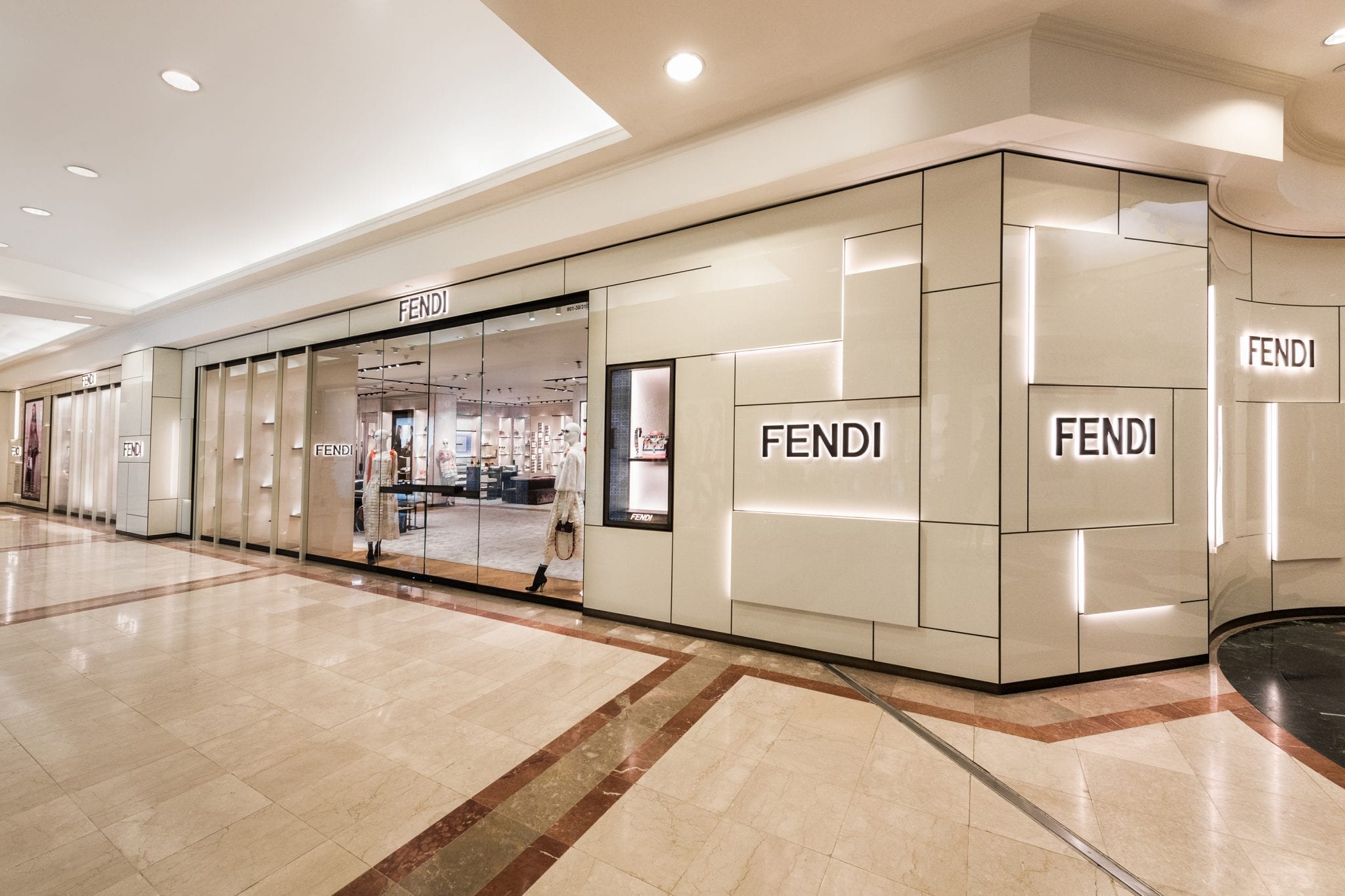
    Inspired by the Maison’s Roman roots, a refined and grandiose atmosphere pervades the spaces, reflecting the highest level of FENDI sophistication, obsession for details and the overall history of this luxury House. The store offers FENDI’s extensive range of Women’s Ready-to-Wear, Furs, Handbags, Shoes and Accessories, and Men’s Leather goods and Accessories.

    For the first time in Singapore, the store will feature a private VIP Room.

    To celebrate the opening of the Ngee Ann City store, FENDI has created a limited edition Mini Peekaboo bag in velvet. The Peekaboo bag features a special tapestry weaving technique pattern, as well as the signature Fendi whipstitch detailing. The tapestry technique comprises of embroidery that is composed of thousands of stitches and threads which are manually cut by the artisans, followed by ironing the design to enhance the colors and thicken the threads.  There will only be 5 pieces of this special Mini Peekaboo bag, retailing at SGD$11,010.

    In addition, FENDI will also be launching 3 other velvet Peekaboo bags at Ngee Ann City, with a limited quantity of 3 to 5 pieces each. They will be retailing at SGD$10,100 to SGD$13,780. It will be the first store in South East Asia to launch these Peekaboo bags.

    FENDI Store
    391 Orchard Road
    Takashimaya Shopping Center, Ngee Ann City
    #01-30/32, Singapore 238872

  • Korea moves towards scrapping basic mobile fees

    Korea moves towards scrapping basic mobile fees

    The South Korean government is increasing pressure to scrap monthly basic mobile service charges to reduce phone bills for customers.

    A presidential advisory committee has called on the Ministry of Science, ICT and Future Planning (MSIP) to draw up a plan for fulfilling these objectives.

    The monthly basic charge is currently 11,000 won ($10). These fees have historically been key drivers for telecoms industry profitability.

    A proposed abolition of basic monthly fees has been on the agenda for years, but the mobile sector has been opposed to the proposal, arguing that it could wipe out their profitability.

    The report states an unnamed industry official as stating that there is currently no appropriate alternative to the basic fees, and asserting that a better solution would be increasing the benefits offered to individual groups of customers.

    The hard-line stance marks an apparent reversal of the committee’s recent position that it is important that the interests of both the industry and customers are taken into account when evaluating reforms to regulations covering mobile price structures.

  • Jetstar Pacific leads in flight cancellations, delays

    Jetstar Pacific leads in flight cancellations, delays

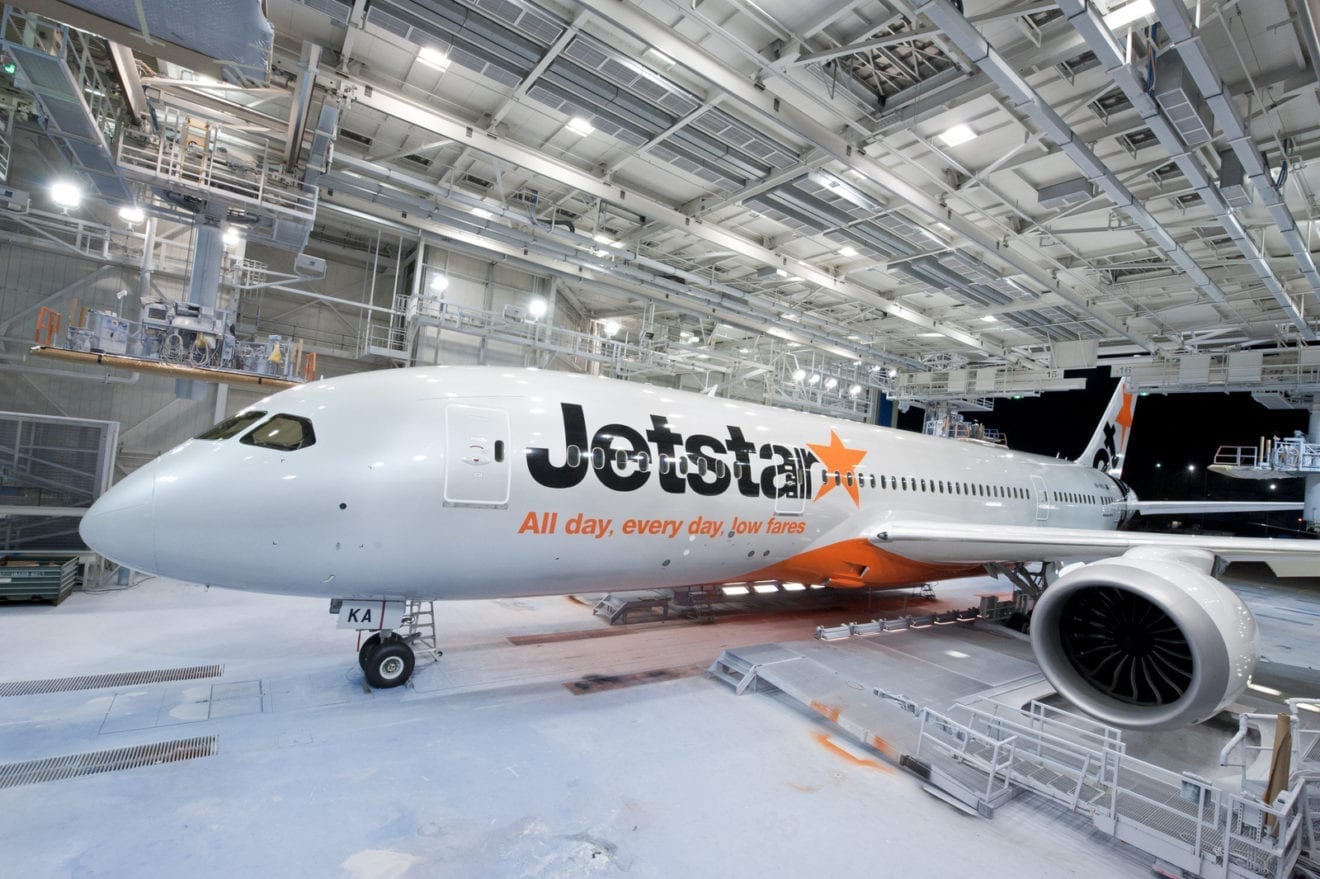
    Low-cost carrier Jetstar Pacific has cancelled and delayed about 15.4 percent of 568 flights it operated in a week, according to the latest report released by the Civil Aviation Authority of Vietnam (CAA).

    The CAA calculated the number of delays and cancelations in four Vietnamese carriers – Vietnam Airlines, VietJet Air, Jetstar Pacific and Vasco from May 31 to June 6.

    Jetstar Pacific was closely followed by national flag carrier Vietnam Airlines which delayed 380 flights and cancelled ten others, or approximately 15 percent, out of a total of 2,605 weekly flights.

    VietJet Air came third with 328 delays and four cancellations among 2,311 flights, or 14.4 percent.

    Vasco had no cancellation and only one delay out of 249 flights.

    There were 5,733 flights made available by the four airlines during the first week of June, of which 810 were delayed and cancelled, the CAA announced, adding that delays and cancellations accounted for 13.8 percent and 0.3 percent, respectively.

    Late arrival of planes before they take off again for return services was the main cause behind the problems, the CAA explained. Such a reason caused 69.1 percent of the delays and cancellations during the reviewed period.

  • Retail businesses ‘count success’ accurately with Cashmaster One

    Retail businesses ‘count success’ accurately with Cashmaster One

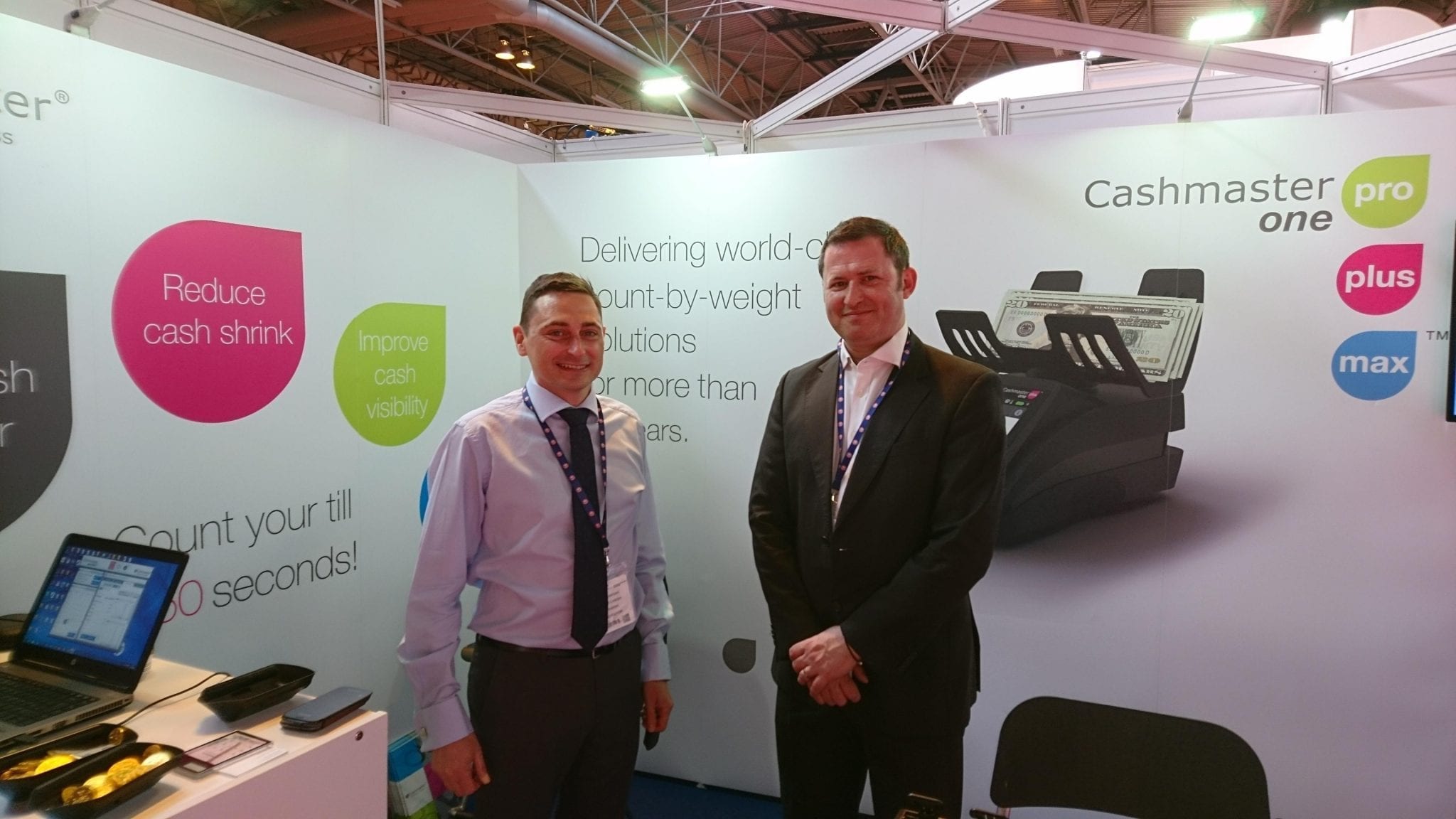
    Cashmaster, one of the leading companies in the global cash-management sector, is demonstrating the transformational cost and time savings that retailers can enjoy when using its latest range of cash-counting scales, Cashmaster One, at Retail Asia Expo (RAE). It is also unveiling Cashmaster Connect, its new cash management application which gives retailers greater ‘real time’ visibility of their cash.The UK-based company is exhibiting for the first time at this year’s RAE which is being held on 13-15 June 2017 in the Hong Kong Convention and Exhibition Centre (Booth L12).

    Gordon McKie, CEO at Cashmaster, commented. “In the last year, we established our Asia Sales and Support headquarters in Hong Kong so it’s the perfect time for us to be participating in such a key exhibition.”

    “All our devices are designed and manufactured in Scotland but we work with businesses world wide, most recently with large retailers in Asia. We understand the highly competitive nature of the markets where our customers operate, which drives them to seek efficiency and process improvements across their organisations. This is where count-by-weight products can help make a tangible and significant difference – driving accuracy and efficiency in cash-management processes and ultimately making a positive impact on their bottom line.”

    Mr McKie pointed out that retailers counting their tills using a Cashmaster count-by-weight device can transform how they manage their day-to-day cash counts and cash-management processes. Manual counting is still commonplace in many retail outlets and it can take up to 10 minutes to perform a single count. Using a count-by-weight device allows organisations to count their tills in less than a minute, helping to drive efficiency improvements that deliver cost savings, reduce cash shrinkage and provide much tighter control and visibility of their cash.

    “Count-by-weight technology delivers measurable cost and staff time savings almost immediately and our customers typically see a return on their investment in 8-12 weeks,” he concluded.

    UK design and manufacture Cashmaster has over 30-yearsexperience in the cash-management sector, designing and manufacturing all its products in the UK. Its latest range of devices, Cashmaster One, incorporates a smart-phone style touch-screen and a highly intuitive icon-driven user interface, making it the easiest to use cash counter on the market. With its optional integral printer, Cashmaster One is the smallest footprint device the company has ever made, ideal for retail environments where space is at a premium.

    New Cashmaster Connect The availability of pertinent, ‘real-time’ management information (MI) is fast becoming a key prerequisite of the physical cash-management sector. The growth in software platforms is a clear indicator that good MI and greater cash visibility is becoming more important to all businesses whether large or small.

    The new application, which allows users to connect their Cashmaster cash counter to their Windows PC, laptop or tablet, gives retailers a simple way to record cash-count data from tills accurately and efficiently in a matter of seconds. Cashmaster Connect allows users in busy retail environments to automatically output till counts in Excel format. This means retailers can capture important cash data, making financial reporting easier and more accurate than ever.

    Working in partnership

    As part of the company’s wider strategy for providing a complete cash-management solution for its customers in small and large enterprise organisations, 2017 will see Cashmaster working in close partnership with key providers of both software and hardware product solutions that target retail and other sectors.

    Amanda Treend, Group Product and Marketing Director at Cashmaster, commented “We receive daily feedback from our customers on how our Cashmaster count-by-weight devices have an immediate impact on their cash management with real improvements in efficiency, accuracy and cost savings. Managing your cash successfully tends not to be a single product fix. Cashmaster technology is designed to integrate seamlessly with a variety of cash-management hardware.

    “We’re delighted that our Cashmaster Connect application and the strategic partnerships we are developing will significantly expand our cash-management solutions offer to retailers of all sizes around the globe, whether they are sole traders or large enterprises.”

  • ‘Donki’ to bring ceiling to floor mega discounts to Asia

    ‘Donki’ to bring ceiling to floor mega discounts to Asia

    Don Quijote, a chain of neon-lit emporiums filled ceiling to floor with discounted goods, is opening its first store in Southeast Asia, where it expects to further expand.

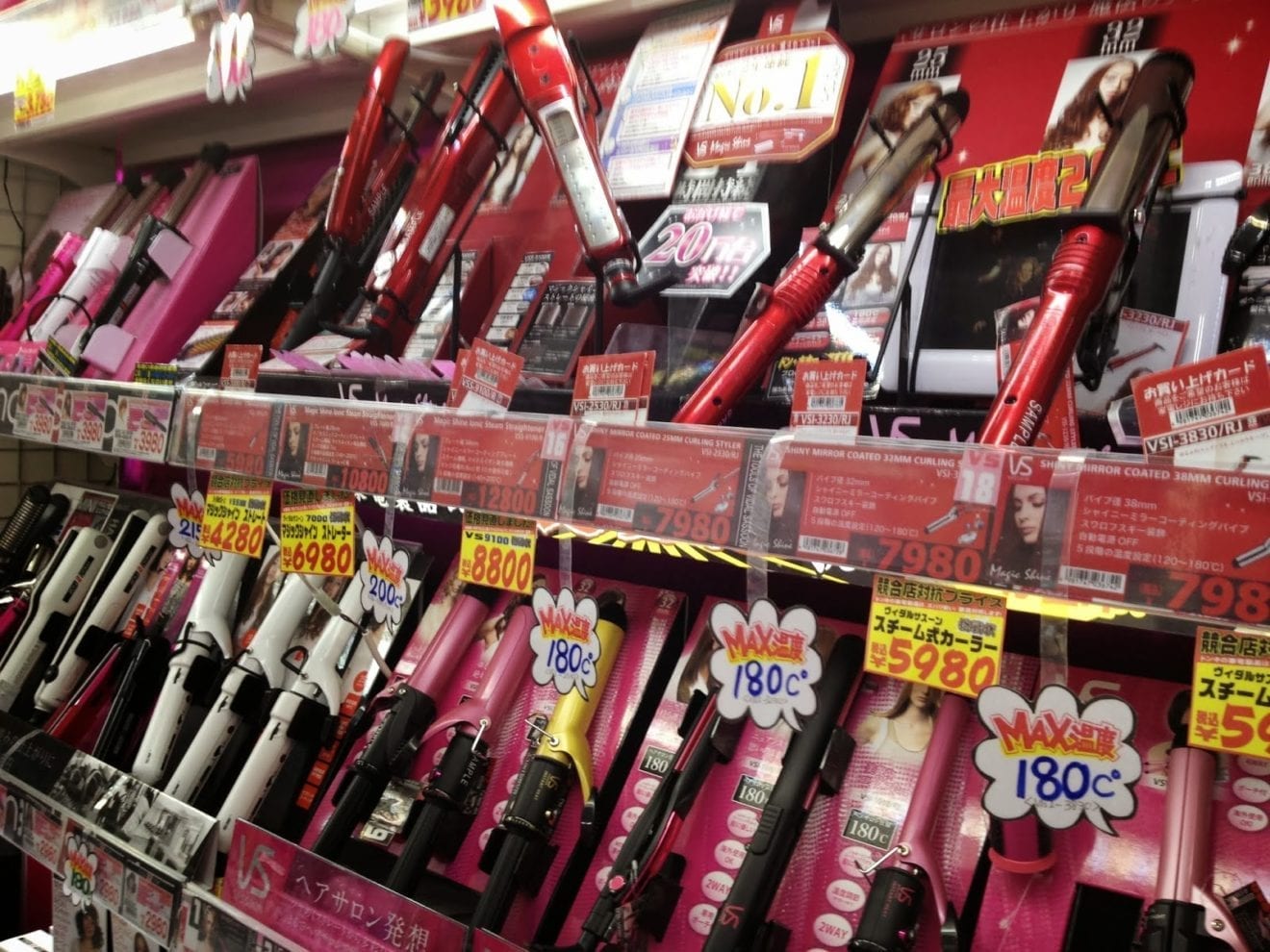
    The chain — now with over 300 stores across Japan — is a must-visit among tourists to Japan. There is much to like — duty-free shopping and a vast selection of discounted products, ranging from packaged food, alcohol and consumer electronics to luxury brand items and cosplay costumes.

    Now shoppers in Singapore can get a taste of “Donki,” as it is commonly known, with a store opening in the city’s Orchard area, the company said this week.

    The branch will be developed by Donki’s holding company for overseas operations, Pan Pacific International Holdings, which was established in the city-state in 2013 to headquarter the group’s overseas operations.

    In Singapore, Donki will offer a range of Japanese pop culture products. But other details — like the store’s opening date, its operating hours and what kind of prices to expect — have yet to be announced.

    This isn’t the first time Donki has ventured overseas. It currently operates three stores in Hawaii. In 2013, it acquired Marukai, a small chain of Japanese grocery stores in the U.S. state of California.

    But the Singapore emporium will be the retailer’s first in Southeast Asia, and the group is looking at opening more stores in the region, a Donki spokesman said, without elaborating on details or strategy.

    In Japan, Donki is also known for its long opening hours, with around 10% of its stores open 24 hours. A typical store offers a selection of around 45,000 goods, stacked on shelves so high that shopping can be a mazelike experience. Thanks to their low prices and multilingual displays, the mazes have seen a surge in overseas customers. The number of foreign visitors to the stores soared 62.4% in 2016, the company said.

    Peek shopping hours for domestic customers are 3 p.m. to 5 p.m. The number of overseas visitors, though, tends to peak around 10 p.m., the spokesman said, with many visiting the stores after dinner or after spending the day sightseeing. He said South Koreans account for nearly 40% of its overseas customers, followed by Chinese, Taiwanese and Thais.

    Japan has been experiencing a tourism boom. Last year, it welcomed 24 million visitors, an increase of 21.8%. Of the total, over 20 million came from Asia, led by tourists from South Korea, China and Taiwan. Prime Minister Shinzo Abe’s goal is to increase the number of foreign visitors to 40 million by 2020, when Tokyo will host the Olympics.

  • Social media plays crucial role in Chinese consumers’ personal lives

    Social media plays crucial role in Chinese consumers’ personal lives

    ocial media is a fundamental part of Chinese consumers’ personal lives, but it is not used professionally as much as it is in Western countries, according to the Consumer Technology Association’s (CTA) new study, Digital Lifestyles in China.

    The study, unveiled today at CES Asia, explores Chinese consumers’ online behaviors in three key areas: social networks, shopping preferences and video content consumption. Owned and produced by CTA and co-produced by Shanghai Intex Exhibition (Shanghai Intex), CES Asia 2017 takes place June 7-9 in Shanghai, China.

    “In the span of just a decade, China has developed and deployed a world-class online services sector – and Chinese consumers have fully embraced it,” said Steve Koenig, senior director of market research, CTA. “Connectivity is shaping Chinese consumers’ lifestyles faster and more dramatically than we’ve seen in with other countries. Brands must understand how this mobile connection shapes Chinese personal networks, content consumption and buying behavior.”

    Social Networks

    Chinese consumers are highly engaged on social media, using messaging platforms to connect with personal contacts (63 percent). About half engage with social content by liking (49 percent) and commenting (42 percent) daily or even multiple times a day. However, only 28 percent of Chinese use social media for professional purposes.

    Additionally, smartphones are the preferred devices for Chinese consumers when it comes to interacting via social media, because they’re always in-hand. WeChat is the leading social networking site – 95 percent of Chinese have an account and 86 percent of those users connect multiple times a day. WeChat is also a leading platform for mobile payments in China – nine in ten Chinese (88 percent) use their smartphones to shop online.

    “Our research shows that Chinese consumers embrace social media as a necessary part of modern society,” said Koenig. “But the strong delineation we see between consumers’ social and professional social media use is striking. It’s possible that creating reliable firewalls between their personal and professional social networking could help the majority of Chinese express their individuality, while still maintaining a professional persona.”

    Buying Behaviors

    Shopping behavior is another area where CTA’s research identified a significant difference between American and Chinese consumers. Among Chinese consumers, an overwhelming preference exists for shopping online vs. in-store. Sixty-one percent of Chinese say they prefer to shop online, compared to just 11 percent who prefer to shop in-store. Almost all Chinese consumers (90 percent) say they’ve purchased a product from leading Chinese retailer Tmall in the last year. The study also shows there are very few products Chinese consumers can’t, or won’t purchase online — mainly expensive items they need to see, feel or try.

    Video Consumption

    Like many in the world, Chinese consumers use streaming video to relax and pass time. When it comes to content sources, Chinese consumers are generally receptive to engaging with both domestic and foreign content, slightly preferring domestic channels and outlets, especially for news.

  • Aviation infrastructure overloaded

    Aviation infrastructure overloaded

    The heavy investment made recently by the Airports Corporation of Vietnam (ACV) to upgrade airports and develop new infrastructure still cannot satisfy the increasingly high travel demand.

    The additional parking lots set up by ACV recently do not mean much if compared with demand, while airlines still have to scramble for the locations to park their aircrafts. Noi Bai and Tan Son Nhat Airports had many meetings to discuss the allocation of parking lots but they were not useful.

    Giao Thong quoted a high ranking executive of Vietnam Airlines as saying that the carrier’s fleet has 10-15 new aircraft every year while it has put next-generation aircrafts into operation. In 2015, Vietnam Airlines had 83 aircrafts, while the figure is expected to increase to 120 by 2020. This leads to a higher demand for parking lots and the upgrade of technical service areas.

    Nguyen Thi Phuong Thao, CEO of Vietjet Air, has repeatedly asked for more aircraft parking lots at the Tan Son Nhat, Noi Bai and Da Nang Airports. In 2016 alone, the air carrier needs at least 44 parking locations.

    According to Tran Van Thang, ACV’s deputy CEO, ACV has arranged 11 new parking locations at Noi Bai, raising the total number of licensed locations to 70.

    At Tan Son Nhat Airport, four new locations have been arranged for ATR72 aircrafts. The figures are 8 at Da Nang and 16 at Cam Ranh. However, he admitted that the additional supply still cannot satisfy the high demand from airlines.

    Head of the Civil Aviation Authority of Vietnam (CAAV) Lai Xuan Thanh confirmed the lack of parking lots for aircrafts. He said all the four large airports including Noi Bai, Tan Son Nhat, Da Nang and Cam Ranh need to have their parking areas expanded to satisfy the demand.

    A CAAV report showed that in the first six months of 2016, airlines provided more than 128,000 flights, 15.8 percent of which were delayed while the canceled flights amounted to 0.6 percent.

    About the reasons behind the delayed and canceled flights, the report pointed out that airlines’ technical problems were the direct reason of 10.3 percent of delayed flights, while the lack of equipment at airports caused the delay of 6.2 percent, or 1,250 flights.

    Meanwhile, the problems in flight control at the departure airports were the reason behind the late arrival of 11.3 percent of total delayed flights.

    Thanh from CAAV said that until the Long Thanh Airport is built and put into operation, the overloading at Tan Son Nhat would still not be settled.

  • Korea’s Mobile shopping soars to record levels

    Korea’s Mobile shopping soars to record levels

    Purchases made through mobile devices like smartphones accounted for record-high levels of all products traded online in April, government data showed.

    Mobile transactions through smartphones and tablets reached 3.68 trillion won (US$3.28 billion) in April, surging 42.2 percent from a year earlier, according to the data by Statistics Korea. The amount was equal to 60.6 percent of all online purchases made in the cited month, which reached 6.08 trillion won, and outpaced the earlier record of 59 percent set in March.

    Mobile purchases in Korea have been on a steep rise for years as a growing number of people are spending more on their smart devices. The percentage of mobile transactions within total online sales was in the 40 percent range in 2015 and went up to the 50 percent level in 2016 before rising to the 60 percent range this year.

    Industry watchers said the increase is attributable to mobile shopping industry that launched aggressive marketing with ‘easy payment’.
    SK Planet Co., the operator of leading e-commerce site 11st offers customized products through ‘Digital Concierge’, which is a consultation service for digital appliances in applications (apps).

    The e-mart mall is equipped with a scanning function to support the mobile viewing of product information, shipping, and sending gifts, as well as the “”always-bought”” corner optimized for shopping malls.
    At the same time, the monthly value of mobile transactions has also been on a roll, reaching an all-time high of 3.74 trillion won in March this year.

    In April, mobile bookings for travel and movie tickets soared 32.9 percent from a year earlier to 509.6 billion won, while mobile sales and deliveries of foodstuffs shot up 68.8 percent to 547.5 billion won. Sales of clothing surged 40.1 percent to 439.8 billion won, while 300.8 billion won worth of cosmetics were sold through smartphones, up 37.2 percent.

  • Oppo eyes phone sales of 100m

    Oppo eyes phone sales of 100m

    OPPO, the No. 1 smartphone vendor in China in 2016, plans to sell 100 million phones globally as it taps its models’ strong photography features and the company’s offline retail channels.

    Oppo partners Sony and Qualcomm to develop customized processors and photography technologies used in its new flagship model R11, the successor to the Oppo R9s — the world’s best selling Android smartphone in the first quarter of 2017.

    The R11 has dual camera including a 20-megapixel front camera for selfie fans, a Sony sensor specially designed for Oppo, and Qualcomm’s Snapdragon processor with photography optimization bokeh.

    In 2016, Oppo ranked No. 1 in China’s smartphone market with 18.1 percent, according to US-based IDC.

  • Alibaba to open data center in Indonesia amid tighter controls on local storage

    Alibaba to open data center in Indonesia amid tighter controls on local storage

    Alibaba Cloud, the cloud computing arm of Alibaba Group, announced today that it plans to establish a new data center in Jakarta, Indonesia. It’s scheduled to open before the end of Q1 next year.

    “Alibaba Cloud will significantly increase its computing resources in Asia, allowing greater support for small and medium enterprises,” the company said in a statement.

    It’s also opening a new center in India and recently announced similar plans for Malaysia.

    Alibaba Cloud operates globally. Other Asian countries like China, Japan, and Singapore already have similar facilities.

    Demand for local storage
    In Indonesia, international giants like Alibaba Cloud are answering the growing demand for reliable, scalable data storage.

    The entire industry is experiencing a boom. NTT Indonesia, a subsidiary of Japanese NTT Data Corporation, told trade publication Data Center Dynamics that it’s seeing “significant growth” since 2014 on the back of developments such as e-commerce and more frequent internet use.

    Amazon Web Services is popular with Indonesian companies, even though the firm does not operate data centers in the archipelago.

    But a 2012 government regulation (PDF) has recently been tightened – especially in the fintech sector. Indonesia’s Financial Services Authority at the end of last year introduced its own sub-regulation that says Indonesian’s financial data must not be stored outside the country without prior approval. This could encourage companies and startups to consider working with Indonesia-based servers.

    We’ve reached out to Alibaba Cloud to learn more about the location of the Indonesia-based center and when it will start operating.

  • DHL boosts cooperation with fashion industry

    DHL boosts cooperation with fashion industry

    DHL is strengthening its ties with the fashion industry and will intensify its participation in this e-commerce driven business sector. DHL has teamed up with multiple fashion organisations across the globe to design tailored initiatives that will help fashion businesses to streamline their international supply chain and expand their business into new markets. Among the new partners are the Council of Fashion Designers of America (CFDA), the British Fashion Council (BFC) and Camera Nazionale della Moda Italiana (CNMI) in Milan.

    “It has always been a major goal of DHL to support the fashion industry in all its different facets. The new approach will allow us to reach an even larger audience of fashion businesses consistently throughout the year with tailored support across their various needs, from producing a collection to shipping it to fashion shows and setting up an e-commerce presence.” said Arjan Sissing, senior vice president corporate global brand marketing, Deutsche Post DHL Group.

    As a partner of the leading US fashion trade association, DHL will co-sponsor and work with CFDA’s innovation partner, Accenture, on a study looking at the future of the industry’s supply chain to help fashion designers more effectively use global supply chains and shipping networks as key means to better target customer needs and elevate their brands. The Council of Fashion Designers of America Inc. is a not-for-profit organization with a membership of more than 500 foremost womenswear, menswear, accessory and jewelry designers.

    Through its cooperation with the British Fashion Council, DHL will launch an award program recognising ‘International Fashion Potential’ supporting British fashion businesses in their ambition to go global. The annual program offers mentoring and logistics support for designers. DHL will provide an annual prize for a promising fashion business and the winner will be announced during London Fashion Week in September 2017.

    In collaboration with Camera Nazionale della Moda Italiana DHL will organise multiple workshops involving start up brands, young designers and members. These seminars will give insights on e-commerce and custom regulations in the fashion business as well as the opportunities and challenges of different trade lanes and transport solutions. Additionally, DHL will form part of a jury together with Camera Moda to select the most international brand designer from all young designers participating. The award will be presented at the Camera Moda opening event in September 2017, and the winner will receive a DHL care package to ease his international express shipments.

  • Chinese e-commerce giant JD.com plans expansion into Southeast Asia

    Chinese e-commerce giant JD.com plans expansion into Southeast Asia

    It plans to use Thailand as a hub for servicing other regional countries such as Vietnam and Malaysia. JD.com Inc, China’s second-largest e-commerce company, plans to enter the Thai market later this year in a move to expand its overseas business beyond Indonesia, its founder and chief executive said on Friday.

    Richard Liu also told Reuters in an interview the company planned to use Thailand as a hub for servicing other Southeast Asian countries such as Vietnam and Malaysia.

    “Thailand will come soon, before the end of the year. We will invest a lot and also find the best local partners to work together with. Everyone could be possible, but not Lazada,” Liu said, referring to the fact that the Southeast Asian online retailer is now controlled by JD.com’s largest domestic rival Alibaba Group.

    Liu said he was confident his firm could compete with Alibaba in that market and elsewhere in Southeast Asia.

    “When we entered the e-commerce business 12 years ago Alibaba was already a giant. It couldn’t kill us. How can it do so today?” Liu told Reuters.

    “Unless we make some serious strategic mistake, no competitors can actually beat us nowadays.”

    But he declined to say how much JD.com would invest in Thailand, though said it was likely to be less than he was investing in Indonesia, which accounts for almost all its current business outside China.

    Amid intense competition, JD.com has expanded into fast-moving consumer goods, including household supplies, food and drink. The company has also diversified into data, cloud and artificial intelligence services.

    In May the firm posted its first quarterly profit since its share listing in 2014, as an expanded product line-up attracted more active users, but also cautioned the cost of expanding at home and abroad could crimp profits growth.

    It made a first-quarter net profit of 355.7 million yuan on revenue up 41 percent at 76.2 billion yuan ($11.21 billion), while active customer accounts total more than 237 million.

    Liu also said the firm was pressing ahead with its adoption of drones to deliver goods between cities and remoter areas including sourcing agricultural and wild produce in the southwestern province of Sichuan, and adjoining Shaanxi province.

    He said JD planned to build 180 so-called drone network “airports” in the mountainous Sichuan region where vehicle deliveries would cost more and take much longer. Each of these drone launch pads would likely cost around 600,000 yuan he said.

    “In the mountains there is a lot of … very good food like wild fruits, like fish, mushrooms, chicken, everything that is safe, more organic or green food,” Liu said.

    Packages delivered to remote villages now cost around five times more than in large cities, Liu said, but with drones this could be reduced to around twice the cost. Deploying drones across China’s vast rural hinterland could potentially grow into a “multi-billion” yuan business for JD he said, without giving exact projections.

    Liu earlier told the D.Live Asia technology conference in Hong Kong that he aimed to eventually be operating a million drones but this would not lead to fewer jobs for its staff.

    “We will need a huge staff to maintain the drones,” he said.

  • Avoiding Supplier Sustainability Scandals Through Better SRM

    Avoiding Supplier Sustainability Scandals Through Better SRM

    Corporate ethics are under greater scrutiny than ever before; any failing is rapidly exposed on social media and very soon hits the global headlines. Investigative media – be that online, on television, or on paper – will eagerly expose the latest scandal, whether it’s to do with child labour, slave workers or bribery in high places, while Governments, which must be seen to act, respond with public inquiries, new legislation, or prosecutions. But it’s not just about protecting brand reputation and adhering to regulations, it’s also about being able to reassure and cater for customers.

    Daniel Weston, Chief Operating Officer (Europe), Adjuno, discusses how best to implement effective Supplier Relationship Management (SRM) to help avoid nasty surprises.

    Conscious Consumers
    Many of today’s shoppers want to know exactly where the items they buy come from and that they are sourced sustainably and ethically. Is that garden furniture made from illegally logged rainforest teak rather than the FSC (Forest Stewardship Council) variety from sustainable plantations? Can you trust the supplier to have honestly labelled it as such? As various scandals in recent years have highlighted, what certain suppliers say about their products is not always strictly true, and when the deception hits the headlines then most members of the public will remember the retailer’s name – not the lesser known supplier.

    Our global world is also highly competitive: consumers are increasingly demanding with across to cross-border ecommerce commonplace, while product life cycles grow ever shorter. Add to that concerns over rapidly changing business-to-consumer (B2C) dynamics as well as the total “cost to serve” – as competition and consumer demand increase pressure on high-level services – and the need for good supplier relations becomes ever more significant.

    Implementing Supplier Relationship Management
    Supplier relationship management is all about strategic collaboration with suppliers to add value, minimise risk and ensure consistent and compliant governance. Any SRM implementation should start small with a pilot project involving a handful of key strategic suppliers before embarking on more significant developments.

    Implementing an SRM process is made a lot simpler when following a step structure, such as in the following checklist.

    1. Define objectives and priorities.
    2. Analyse the activities involved, process change needed and the necessary toolkit.
    3. Identify and define the necessary roles and responsibilities.
    4. Assess the maturity of your procurement department and their ability to cope with change.
    5. Establish the internal competences needed and give training where required.
    6. Identify suppliers and their core competencies.
    7. Segment suppliers: identify the strategic with whom to develop SRM.
    8. Examine existing and needed technology.
    9. Establish parameters for measuring and improving supplier performance.
    10. Establish systems to identify and mitigate risk.
    11. Select meaningful KPIs relevant to both you and your strategic supplier.
    12. Ensure both partners in the relationship are committed and all stakeholders throughout the
    13. Don’t expect a one- size-fits all solution: relations with each strategic supplier may take on a organisation aligned unique character.

    Overcoming Obstacles

    Putting a set of standardised, open and transparent SRM tools in place, plus a rigorous and consistent management approach can help improve the chances of SRM success. But there are still several pitfalls to consider and avoid when setting up SRM, three key ones are:

    1. Placing too much focus on costs rather than value
      Effective SRM demands attributes, such as change management, team leadership, and the long-term planning necessary to develop lean and agile supply chains. Too much preoccupation with short-term cost control and it’s back to those old adversarial combats with buyers pushing down the price while disgruntled suppliers watch their profits evaporate.
    2. Lack of specific SRM competencies and skills
      While the right software tools can ease SRM implementation, it is more than just an electronic filing cabinet. The success also depends on the people and processes across both supplier and buyer organisations. For example, this new way of operating may be challenge for those transitioning from traditional procurement departments that have previously been responsible for running sourcing projects and have specialised in taking an adversarial approach to negotiation. Extra training will help to combat any of these sorts of issues.
    1. Non compatible strategic objectives
      SRM also requires that both supplier and buyer adopt a complementary strategy: developing long-term collaborative partnerships will not work if either side is still in combative mood looking for weaknesses to exploit. The decision to introduce and develop SRM needs good executive leadership and agreement from selected strategic suppliers so that they, too, are comfortable with such an approach.

    Conclusion
    There are lots of benefits to supplier relationship management, as well as more sustainable processes and improved customer satisfaction, they generate better access to technological innovations, improved on-time delivery, reduction on inventories, higher responsiveness to customer demand and more product innovation opportunities.

    SRM is not a quick-fix solution, it is a long-term game and involves a strategic approach to business improvement. Success requires commitment and persistence. Especially, in the global economy with ever-increasing competition, where securing a reliable and supportive supplier base is essential: if businesses do not become the “customer of choice” then it is very likely that one of their competitors will. Equally, if procurement departments maintain a traditional adversarial stance, the performance management is poorly monitored or contracts are buried deep in a filing cabinet, then the likelihood of supply chain breakdown increases – and brands will have no excuse when the ethical failings of their suppliers become public knowledge and damage their hard earned reputation.

  • Garuda aims to improve financial performance in two years

    Garuda aims to improve financial performance in two years

    Garuda Indonesia is optimistic its operational and financial performance will see sustainable positive growth in one to two years, fueled by business strategy focusing on financial performance transformation.

    “Garuda Indonesia will focus on improving its performance by taking 10 financial and business performance initiatives in such a way that its operational and financial conditions will be better and we are quite optimistic about achieving it in one to two years time,” Garuda Indonesia President Director Pahala N Mansury said here on Sunday.

    In the phase of business growth which is full of challenges, Pahala expressed gratitude to all sides for their attention and inputs to improve the financial performance and business dynamics of Garuda Indonesia.

    “Of course, this is worthy of out praise, particularly when it comes to the commitment and concern of all stakeholders to ensure that Garuda Indonesia as national flag carrier will always have good business performance,” he said.

    He said the company is currently in very good condition in terms of operations and services to the public.

    The challenge that the company must fulfill now is related to how to improve its financial performance in a sustainable way to ensure the continuity of its business, he said.

    “We ascertain that the phase of business cycle that Garuda Indonesia is going through is only temporary now that in terms of infrastructures, human resources and products, all business lines of the company have good platform to support the improvement of its performance,” he said.

    Among the 10 financial performance strategy initiatives are making optimum use of fleet, lowering the costs of fleet, improving services related to punctual departure and arrival time, and reforming the system of managing income from service users.