Author: Mei Ling Tan

  • Who What Wear enters mobile arena with new ‘Shop app’

    Who What Wear enters mobile arena with new ‘Shop app’

    Who What Wear launched on Wednesday Shop/Who What Wear, a new shopping app that offers consumers access to retailers and curated products.

    Shop/Who What Wear features a universal shopping cart, auto-added discount codes, and expedited shipping, as well as a product assortment that mixes high and low price points.

    In addition, the app’s editorial direction has attracted brands such as Gucci, Target and Reformation, all of which have never participated in a third-party shopping app, as well as 30 retailers including Barneys, Neiman Marcus, Urban Outfitters and Moda Operandi.

    “Who What Wear has an audience of more than 14 million who come to us for trend roundups, celebrity style inspiration, and market guides,” says Katherine Power, co-founder and CEO of CMG (the parent company of Who What Wear). “SHOP/WHO WHAT WEAR is the perfect complement to our editorial content because it completes the natural progression from seeking fashion inspiration to making a purchase in an easy and curated way.”

    The 100% shoppable online destination is launching its new app a few months after holding its own first see-now-buy-now fashion show during NYFW in February, during which online viewers could shop in real time.

    The Clique Media Group owned website also launched in 2016 a clothing and accessories line exclusively at Target.

    The Shop/Who What Wear app is available to download now on iOS.

  • Bloomingdale’s opens Soko Glam mini store

    Bloomingdale’s opens Soko Glam mini store

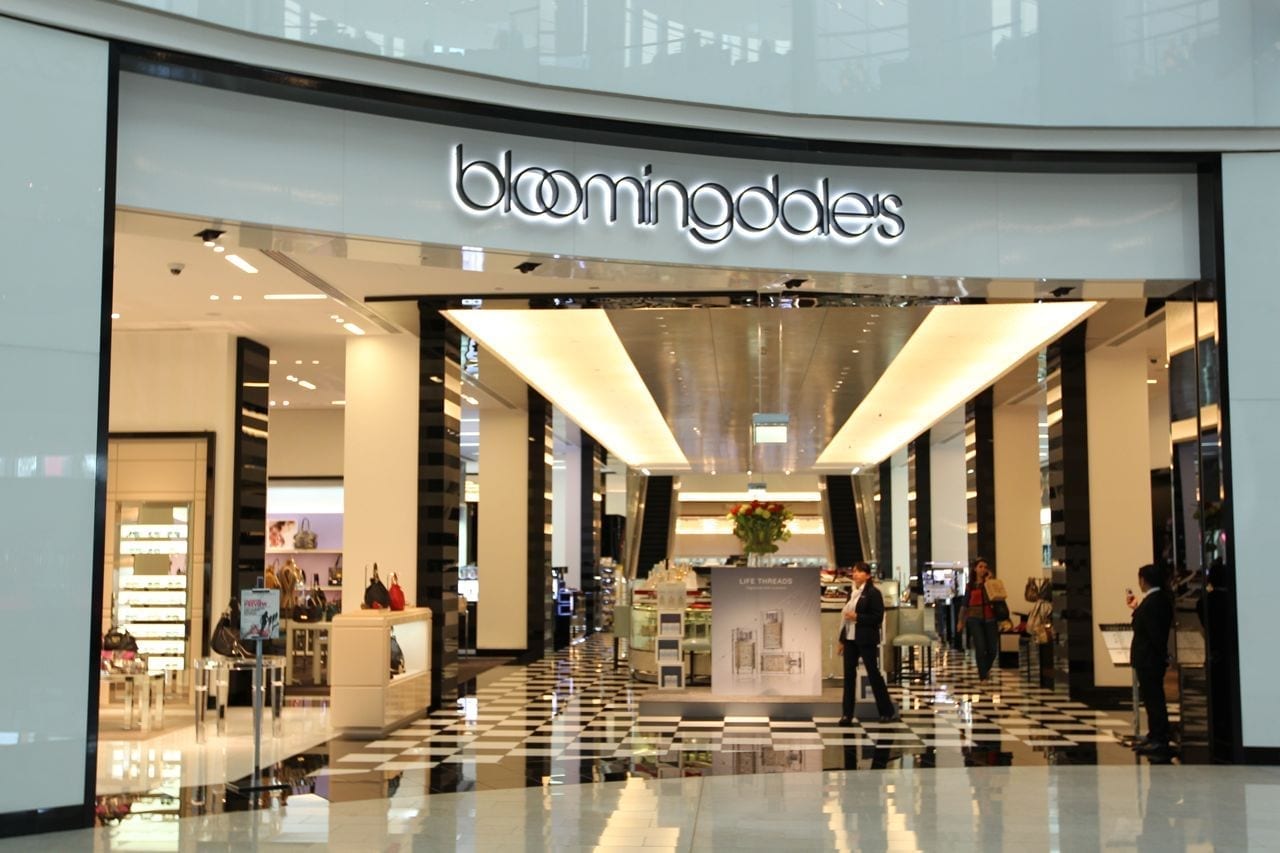
    Bloomingdale’s will launch on June 10th the first ever brick-and-mortar outpost of the Korean beauty retailer at its Soho location. The new mini store will sell a selection of K-beauty products curated by Soko Glam.

    Soko Glam launched in 2012 as an online community and retailer for Korean beauty products. Fans of the brand will now be able to shop the site’s favorite K-beauty products in person at Bloomingdale’s new Soko Glam mini store. The store will officially open on Saturday, with the launch party including a meet and greet with Soko Glam co-founder Charlotte Cho.

    The physical store will still keep some ties to its digital presence at the Bloomingdale’s store. The shop will include monitors showing beauty tutorials from Soko Glam’s blog, The Klog. Visitors to the store’s launch day will be able to upload and tag photos on Instagram in order to win prizes and rewards.

    In-store advisers will also assist customers in navigating Korean beauty products. The shop will carry a mix of well-known Korean brands such as Etude House, Manefit and Neogen, and new editions to the Soko catalogue like Hanskin.

    American interest in Korean beauty products has increased significantly in recent years, with mainstream retailers like CVS carrying Korean cosmetics. In March, Barneys launched a mask bar with Alicia Yoon, founder of the K-beauty shop Peach & Lily. Yoon has also worked with Target to create a curated section of K-beauty.

    Soko Glam expanded its reach by launching a subscription box service earlier this year, however the Bloomingdale’s mini shop represents a huge step forward for the company in establishing a physical presence.

  • 3 HK, GASH Point team on gaming services

    3 HK, GASH Point team on gaming services

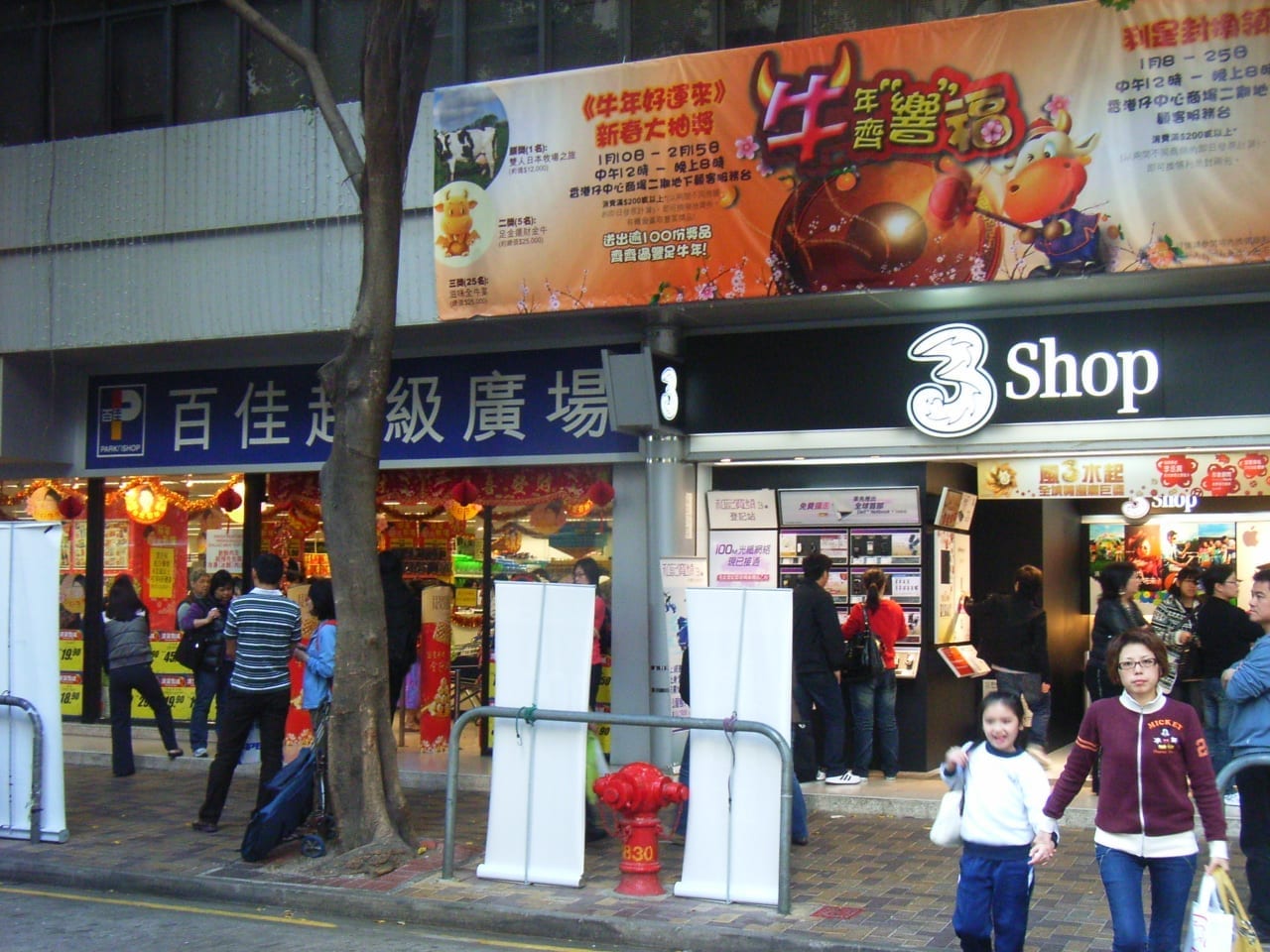
    3 Hong Kong, the mobile division of Hutchison Telecommunications Hong Kong (HTHKH), has signed an agreement with GASH Point, an Asian digital entertainment payment platform, in its latest push to tap the growing gaming market.

    As part of the agreement, the pair will launch co-branded game points cards, ranging between HK$10 ($1.28) and HK$1,500. Users can use the cards to access 3,000 mobile and PC games, as well as digital content. Gamers could also be offered privileges such as special edition gaming equipment.

    The operator said customers can buy GASH game points and receive bonus game points amounting to not less than 5% of a purchase via 3 Hong Kong’s direct carrier billing service. Such transactions will be charged directly to a 3 Hong Kong customer’s mobile bill, thereby providing total peace of mind when making a purchase.

    Gamers holding a GASH Point account can access digital entertainment content via the Gash app. Such items include games such as Clash of Kings, MonsterStrike and the Xifeizuan Palace Game. The app also allows access to Japanese digital content via the DMM.com audio-visual gaming platform and the DLsite.com online shop dedicated to otaku, Japan’s anime and manga fandom scene.

    Kenny Koo, 3 Hong Kong’s director of roaming and service development, said the co-branded cards are expected to be introduced in July at the earliest.

    Koo said 3 Hong Kong is the first operator in the city to seal such a deal with Gash, and the company expects the collaboration with GASH Point will help boost mobile data usage and consumption of value added services.

    The collaboration with GASH Point is the company’s latest effort to build an integrated gaming platform for gamers. In May, 3 HK and Razer, a lifestyle brand for gamers, formed a strategic partnership to collaborate on a number of areas including co-branding, mobile devices and plans, and virtual currency distribution, as well as open RazerStore in Hong Kong.

    “We aim to become the telecoms operator of choice among gamers. The route to this goal involves collaboration with world-class partners, so we can offer the hottest gaming products and services, while delivering the latest eSports information,” the executive said.

    GASH COO Simon Lu said the collaboration with 3 Hong Kong provides local users with a convenient payment method and is “an important milestone” in its penetration of the Asian market.

    “This [partnership] will allow us to extend our operational scale, enhance the GASH application user experience, establish an online-to-offline (O2O) scenario and revamp GASH’s website in order to improve loyalty among members. What’s more, we will offer specially-tailored services, while developing more payment options and making an even greater diversity of digital entertainment content available to satisfy user demand and boost our membership numbers,” he said.

    Lu said there is a lot of potential in gaming market in Asia Pacific, which generated $46.6 billion of revenues in 2016, up 10.7% from the year before.

    GASH currently has presence in Hong Kong, Taiwan, Japan and Korea, with over 10 million registered users across these markets and an annual transaction of $300 million.

    Lu said Hong Kong currently contributes about 15% of the company’s total revenue and gamers in Hong Kong spend two and three times more than those in Taiwan.

    In addition to gaming, Lu said GASH and 3 Hong Kong will also explore in other areas such as co-organizing e-sports tournaments and digital entertainment content.

  • AirAsia partners hijab brand to create exclusive headscarf for female pilots

    AirAsia partners hijab brand to create exclusive headscarf for female pilots

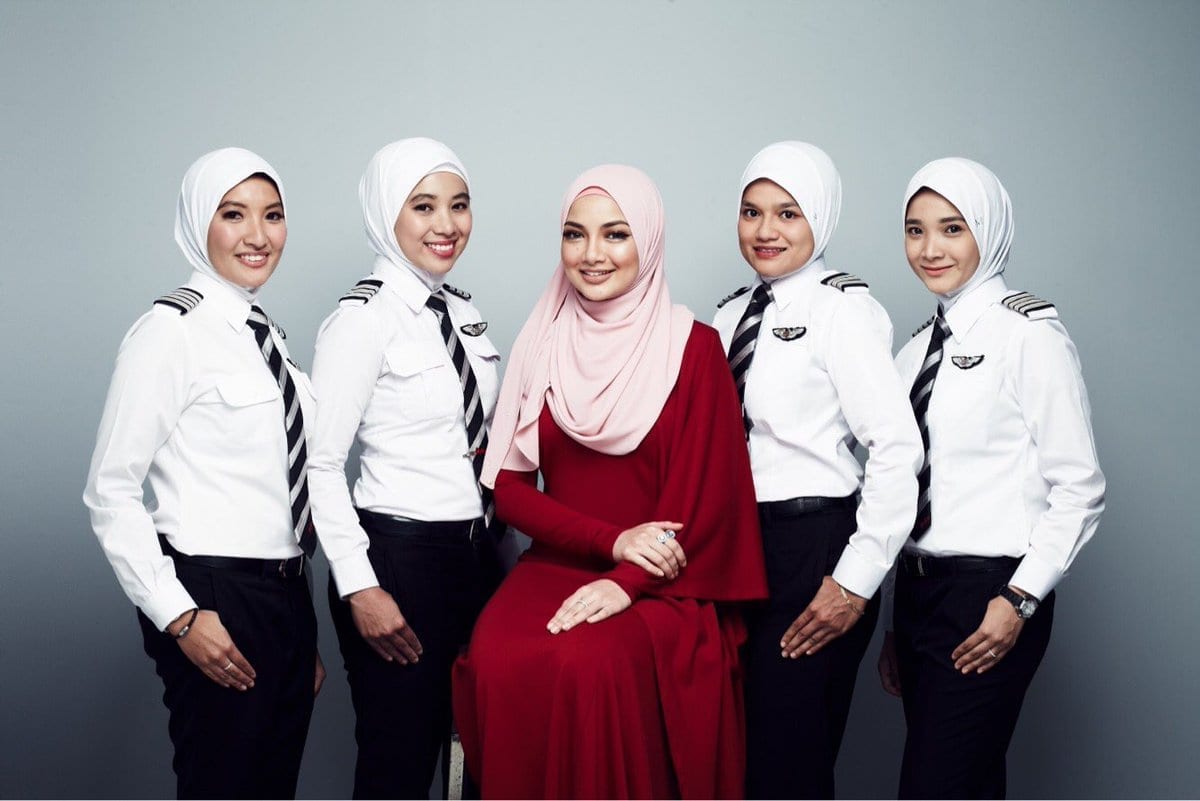
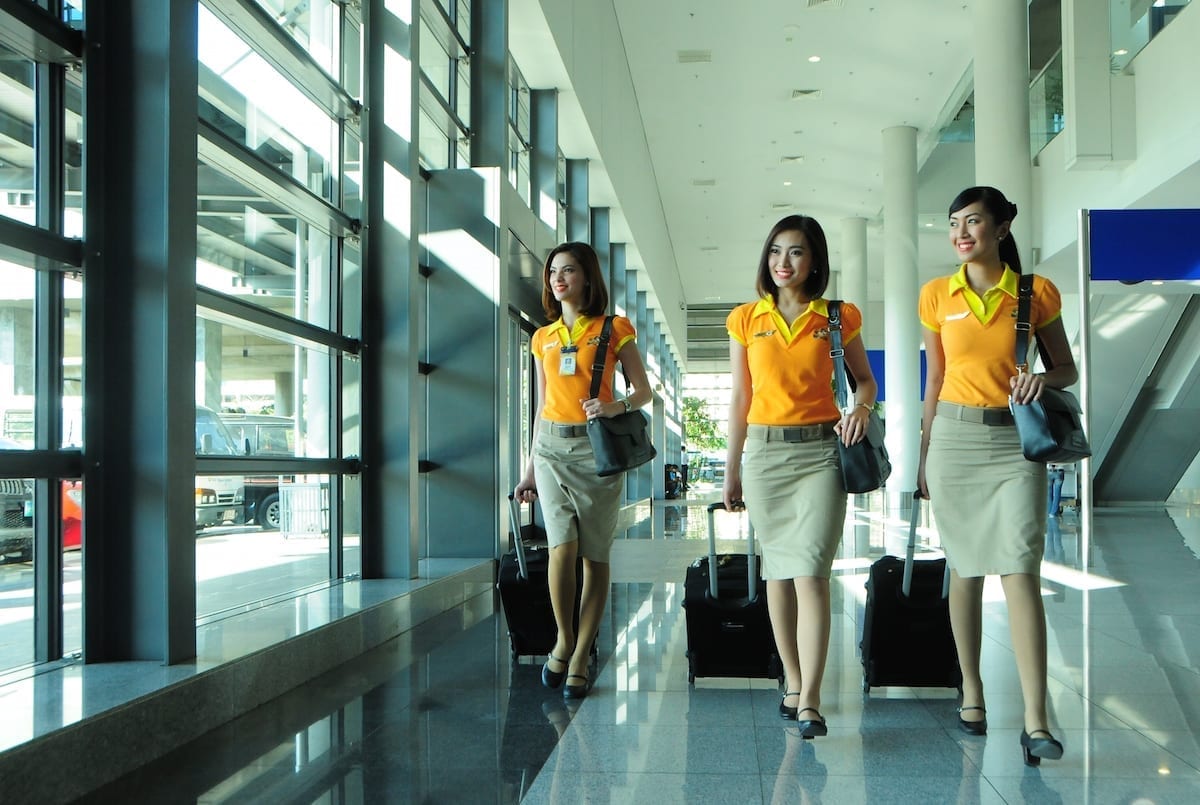
    AirAsia has partnered with Naelofar Hijab to unveil an exclusively designed hijab for the airline’s female pilots.

    Starting from June 2017, Muslim female pilots from AirAsia and AirAsia X will don the white Naelofar Hijab that is specifically tailored to meet their workday needs.

    Rudy Khaw, regional head of branding for AirAsia, said this is the first time ever for the airline to collaborate with a designer in producing hijab wear for its female pilots, “We are happy to work with Naelofar Hijab to create a piece that complements our female pilots’ look while providing enhanced comfort as they perform their duty.”

    “We are currently looking into revamping hijab designs for our ground staff as well,” Khaw added.

    AirAsia female pilots were involved throughout the design process where they worked closely with Naelofar Hijab designers. The prototypes had undergone multiple wear testing by members of the airline’s pilots as well.

    “Being given the opportunity to redesign the female hijab was very exciting and it gave us the opportunity to create a special piece that is comfortable, functional and stylish,” Neelofa, founder of Naelofar Hijab added.

    Using fabric materials with enhancement properties, AirAsia said, the new hijab allows great stretch and recovery for easy movement along with adornment of the signature Naelofar Hijab symbol in Swarovski crystals for a finishing touch.

  • Renault plans foray into energy market with mega battery

    Renault plans foray into energy market with mega battery

    Renault-Nissan is drawing up plans to build a 100 megawatt power storage plant in Europe, sources told Reuters, hoping to give electric car batteries a second life in a project that could eventually compete with utility companies.

    Like rival Tesla’s energy storage business, the Renault-Nissan move underscores its desire to cultivate a second-hand battery market while encouraging the development of energy infrastructure that works for electric cars.

    The Renault-Nissan alliance plant, which has yet to be built, would be big enough to power 120,000 homes, or supplant the role of a gas- or coal-fired power station in meeting peak electricity demand on the grid, the sources said.

    Rather than generating power, a storage plant charges up in times of excess supply and sells electricity back to the grid when needed. Proponents say such plants can play a key role in smoothing out unpredictable wind and solar power generation.

    Renault-Nissan is working in partnership with energy storage specialist The Mobility House on the mega battery which would be assembled from new or used electric car batteries, one of the sources said.

    “We’re working with The Mobility House on several programs including a major energy storage project that is currently still in the study phase,” Renault spokeswoman Celine Farissier said, declining to give further details.

    Makers of electric cars stand to benefit from the creation of a market for used lithium-ion batteries that can no longer power vehicles to drive far enough. Higher second-hand battery values could help bring down the cost of electric cars and mega batteries are one avenue for recycling the power cells.

    Nissan, 44 percent-owned by French alliance partner Renault, has already built a back-up power storage system for the Amsterdam Arena, which is home to soccer club Ajax, in a first partnership with the German start-up.

    Marcus Fendt, its managing director, said the Munich-based company was working on a 100 MW plant with partners he declined to identify, citing confidentiality agreements. He said the studies were aimed at determining where to build the plant.

    Locations and end markets under consideration for the Renault-Nissan plant include Germany, which is suitable because of its high energy prices and its shift from nuclear to renewable energy, as well as the Netherlands, sources said.

    CARMAKING UTILITIES

    Renault-Nissan studied an existing power storage project in the United States before embarking on its own plan to recycle electric car batteries.

    California’s Public Utilities commission selected a 100 MW battery storage system to replace a natural-gas power plant providing electricity for Southern California Edison in the Los Angeles area.

    Large batteries can help stabilize the primary reserve electricity market, which is responsible for ensuring the grid has at least 50 Hertz. Carmakers can also earn money competing with conventional power stations to guarantee the provision of electricity during periods of high demand or volatility.

    “We forecast the combined market for electric passenger vehicles, electric buses and battery storage to increase eight-fold to over $200 billion by 2020, a five-year compound annual growth rate of more than 50 percent,” Berenberg analysts said.

    With about 4 million electric cars expected to be on the roads by 2020, vehicle manufacturers looking at ways to recycle batteries, including Tesla, which already sells everything from solar panels to batteries and electric cars.

    Daimler, BMW, Volkswagen and China’s BYD Co Ltd are also exploring so-called second-life storage projects with batteries.

    That includes partnerships such as the recent collaboration between BMW and Vattenfall, in which the luxury automaker will deliver up to 1,000 lithium-ion batteries to the Swedish utility for storage projects this year.

    “What will end up happening is that BMW and Daimler will become utilities themselves,” said Gerard Reid, founder of Alexa Capital LLP, a corporate advisor in the energy, power infrastructure and technology sectors.

    “They use Vattenfall now because they need to learn but I think the amount of batteries coming back will be so big that I think they’ll end up engaging directly with the end customer themselves. And they’ve got the brand name to do that.”

  • H&M announces location of first store in Vietnam

    H&M announces location of first store in Vietnam

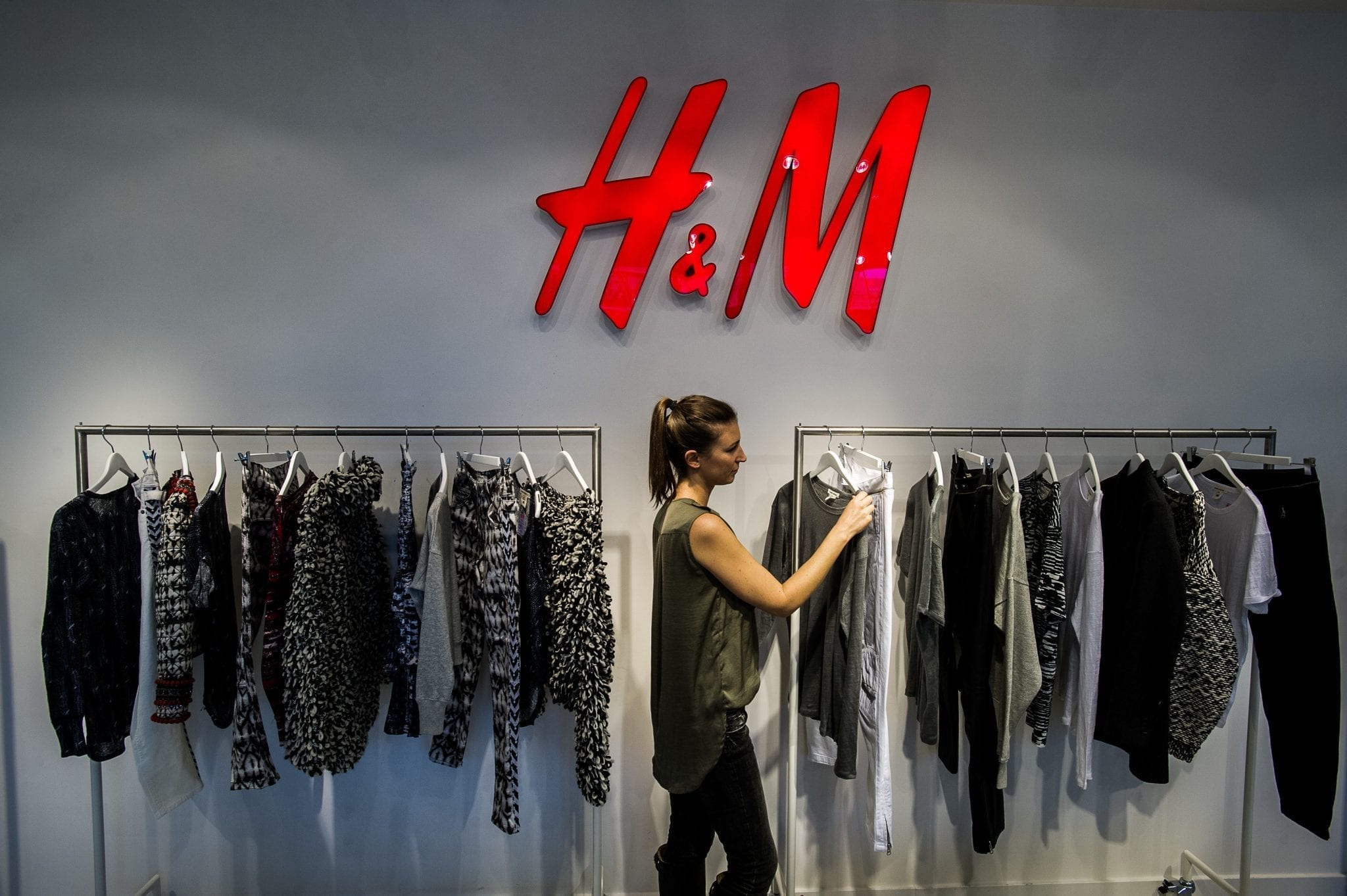
    The world-renowned brand is following in the footsteps of Zara and Topshop. Swedish fashion giant Hennes & Mauritz (H&M) has announced plans to open its first store in Vietnam at the Vincom Dong Khoi commercial complex in Ho Chi Minh City’s District 1.

    The store, which will cover 2,200 square meters across two floors, will open with the launch of the brand’s Fall-Winter 2017 Collection this autumn.

    Fredrik Famm, H&M Country Manager for Southeast Asia, said the opening of the HCMC store will offer a new shopping experience for local customers, providing more options for fashion lovers to create their own styles and personalities.

    In mid-February this year, H&M also started recruiting staff for a store it plans to open in Hanoi.

    H&M was founded in Sweden in 1947 and is listed on the Nasdaq Stockholm. H&M Group has more than 4,300 stores in 66 markets, including franchise markets.

    Other famous fashion brands like Zara and Topshop have also recently made their debuts in Vietnam.

  • Chinese exports, imports beat forecasts but analysts wary

    Chinese exports, imports beat forecasts but analysts wary

    Exports rose 8.7 percent on-year to $191 billion while imports jumped 14.8 percent to $150.2 billion. China on Thursday posted a forecast-busting surge in exports and imports in May, signaling improvement in the world’s number two economy, but there were warnings Beijing would struggle to maintain its momentum.

    The readings will come as a relief after a series of weak readings suggesting a recent pick-up could be fizzling, while there are also lingering concerns about U.S. President Donald Trump’s protectionist rhetoric.

    Exports rose 8.7 percent on-year to $191 billion while imports jumped 14.8 percent to $150.2 billion.

    The data were far better than the 7.2 percent rise in exports and 8.3 percent increase in imports predicted by analysts in a survey by Bloomberg News. The trade surplus rose to $40.8 billion, up $2 billion from April.

    The news comes as the global economy also shows signs of strength.

    However, Julian Evans-Pritchard, China economist at Capital Economics, said the government’s efforts to rein in the country’s ballooning debt could weigh on future trade data.

    “Looking ahead, the current strength of imports is unlikely to be sustained if, as we expect, slower credit growth feeds through into weaker economic activity in the coming quarters,” he warned.

    “Exports growth is also likely to edge down further ahead but should fare better than imports given the relatively upbeat outlook for China’s main trading partners,” he said.

    China had been showing signs of life in early in the year, fuelling hopes the world’s top trader in goods and a key driver of global growth was stirring after a years-long growth slowdown.

    Too early for optimism

    However, other figures have pointed to slowing growth in the Chinese economy as it deals with weaker demand and excess industrial capacity left over from a debt-fuelled infrastructure boom.

    Imports and exports picked up at a weaker rate in April from March, while a private survey of factory activity indicated the manufacturing sector contracted in May for the first time in almost a year, hinting at deteriorating conditions for producers.

    Industrial output, retail sales and fixed-asset investment also hit the brakes, data showed last month.

    “It’s still too early to be optimistic on China’s imports. The outlook for fixed asset investment and infrastructure construction will be key,” said Betty Wang at ANZ Research in a note.

    “While May’s better-than-expected trade data may provide a boost to market sentiment amid tighter financial regulation, it’s premature to draw any solid conclusion.”

    Authorities have been trying to clean up the country’s toxic brew of unregulated and risky lending that for years has fuelled the economy’s spectacular growth, though some analysts doubt its willingness to quit its debt addiction.

    Worries about rising debt levels led agency Moody’s to last month slash China’s credit rating for the first time in almost three decades.

    China’s economy expanded last year at its weakest rate in more than a quarter of a century and Beijing has indicated it expects growth to slow further this year.

    Weak growth is a major concern for stability-obsessed policymakers and it complicates their efforts to retool the economy into one driven by consumer demand rather than state investment and exports.

    The transformation has been rough at times and China is hoping that its much-vaunted Belt and Road infrastructure project will provide a new source of growth.

  • Paycock to supply Seoul with optical recognition-based mobile payment service

    Paycock to supply Seoul with optical recognition-based mobile payment service

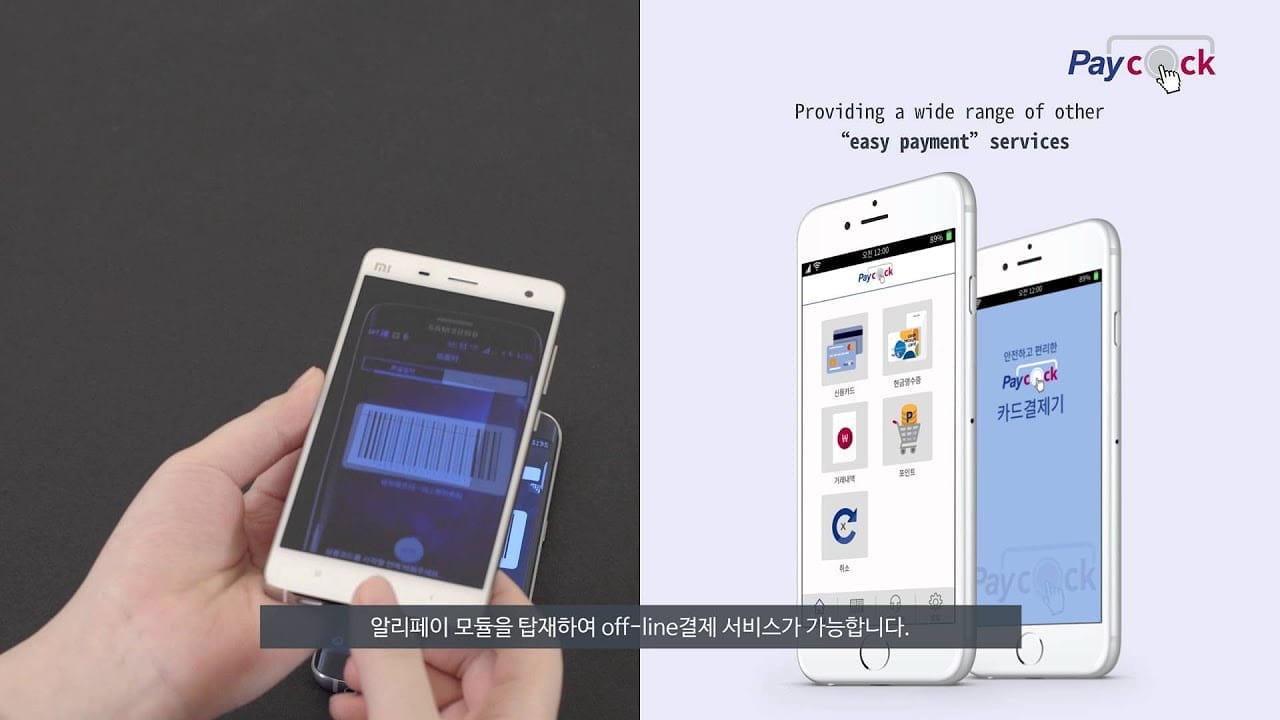
    Fintech startup Paycock announced Monday that it would begin supplying Seoul City with a mobile payment service based on optical character recognition technology starting in June. The service allows stores to accept credit card payments through the company’s mobile application, Paygood, making it possible for payments to be made and accepted no matter the time or location of the payment participants. Seoul City will be providing the mobile application to merchants in the Namdaemun and Dongdaemun markets as part of its support program for small business owners.

    Paycock’s payment application does not require a traditional card-reading device, as its OCR technology enables not only payment via physical credit and debit cards but also mobile application-based credit cards. This OCR technology, which is the product’s key technology, is accompanied by AI deep learning technology to prevent credit card fraud and theft.

    As the application is highly convenient to use and guarantees the security of credit card transactions, it is expected to be widely adopted by small business owners, individuals working in the delivery business, and companies that employ traveling sales representatives. CEO Kwon Hae-won said, “Our product has been fully vetted in terms of security. It has passed the security tests and evaluations of companies recommended by the Korea Internet & Security Agency and the Financial Security Institute.”

    Paycock has already signed MOUs with corporations and the governments of six countries, including the United States. Through its participation in K-Global@Moscow 2017, which is scheduled to be held on June 5, the company plans to seek out opportunities for it to enter the Russian and Northern European markets. Paycock receives support for its overseas marketing activities from the K-ICT Born2Global Centre, an organization affiliated with the Ministry of Science, ICT and Future Planning.

  • Gigabit LTE set to make up 30% of LTE subs by 2026

    Gigabit LTE set to make up 30% of LTE subs by 2026

    Gigabit LTE – a configuration of the LTE Advanced Pro standard – is on track to grow to account for 30% of total LTE subscriptions by 2026, according to ABI Research.

    The research firm predicts that Gigabit LTE will grow to nearly 2 million subscriptions by the end of this year, which will be less than 5% of total LTE Advanced Pro subscriptions.

    But the configuration is expected to grow to account for 70% of LTE Advanced Pro subscriptions and 30% of overall LTE subscriptions by 2026.

    ABI Research senior analyst Prayerna Raina said Gigabit LTE demonstrates that 4G still has a lot to offer.

    “Gigabit LTE… is a critical network milestone for operators in an increasingly competitive environment in the evolution to 5G,” he said. “It is essential for operators to support the ever-rising bandwidth needs of consumers, while also upgrading the network to support 5G networks in future.”

    The first Gigabit LTE service for mobile devices was launched in the US by Sprint in March. Australia’s Telstra meanwhile launched a Gigabit LTE mobile hotspot service in Sydney in February and is expected to support Gigabit LTE mobile devices as they become available.

    Market trends indicate that LTE Advanced and Gigabit LTE will coexist with 5G for some time, Raina said.

    “Today, operators globally are in various stages of upgrading their LTE networks. Over the next four to six years, we expect mobile networks to evolve considerably with the proliferation of LTE Advanced, LTE Advanced Pro, and Gigabit LTE on one hand and the launch of 5G on the other hand,” Raina said.

    “The vendor ecosystem is essential to this network evolution with device availability being critical for the service launch. It is, therefore, imperative for vendors to align their competitive strategies with the operators’ network transition timeline as well as alliances in the ecosystem.”

    LTE overall is meanwhile forecast to grow to account to around 30% of total mobile subscriptions this year and 50% by 2024, ABI Research forecasts.

  • Honda to focus on self-driving cars, robotics, EVs through 2030

    Honda to focus on self-driving cars, robotics, EVs through 2030

    Japanese carmaker Honda Motor on Thursday spelled out for the first time its plans to develop autonomous cars which can drive on city streets by 2025, building on its strategy to take on rivals in the auto market of the future.

    Unveiling its mid-term Vision 2030 strategy plan, Honda said it would boost coordination between R&D, procurement and manufacturing to tame development costs as it acknowledged it must look beyond conventional vehicles to survive in an industry which is moving rapidly into electric and self-driving cars.

    Honda has already spelled out plans to market a vehicle which can drive itself on highways by 2020, and the new target for city-capable self-driving cars puts its progress slightly behind rivals like BMW.

    “We’re going to place utmost priority on electrification and advanced safety technologies going forward,” Honda CEO Takahiro Hachigo said.

    Developing new driving technologies, robotics- and artificial intelligence-driven services and new energy solutions also would be key priorities for Honda in the years ahead, the company said.

    LEVELING UP

    Honda established a division late last year to develop electric vehicles (EVs) as part of its long-held goal for lower-emission gasoline hybrids, plug-in hybrids, EVs and hydrogen fuel cell vehicles (FCVs) to account for two-thirds of its line-up by 2030, from about 5 percent now.

    By 2025, Honda plans to come up with cars with “level 4” standard automated driving functions, meaning they can drive themselves on highways and city roads under most situations.

    Achieving such capabilities will require artificial intelligence to detect traffic movements, along with a battery of cameras and sensors to help avoid accidents.

    BMW has said it would launch a fully autonomous car by 2021, while Ford Motor has said it will introduce a vehicle with similar capabilities for ride-sharing purposes in the same year. Nissan Motor is planning to launch a car which can drive automatically on city streets by 2020.

    Honda has been ramping up R&D spending, earmarking a record 750 billion yen ($6.84 billion) for the year to March.

  • Bango enables new payment option for Amazon customers in Japan

    Bango enables new payment option for Amazon customers in Japan

    Bango, the leading mobile payments company, announces that it has enabled a new payment method for Amazon customers in Japan. Amazon customers with a KDDI or NTT DOCOMO mobile phone account can now pay for physical goods from Amazon.co.jp, by charging the cost to their mobile phone bill.

    Adding carrier billing as a payment option increases choice for customers in Japan, making it easy to complete purchases. Selecting this payment method enables instant purchase completion, without needing to register card details online. Bango technology ensures reliability, security and customer success when paying with carrier billing.

    Charging online payments to a phone bill is a widely-adopted payment method in Japan, where mobile usage is deeply embedded into business and culture. The Japanese market has pioneered carrier billing, offering it as a simple and secure payment method, enabling more consumers to purchase goods and services, online and in retail stores. It is a highly effective way to engage new customers and is popular with younger consumers.

    The payment method opened-up to purchase goods on Amazon.co.jp at the start of June, greatly increasing the range of products that can be charged to the phone bill by KDDI and NTT DOCOMO customers, who cover around 75% of all mobile subscribers in Japan (Telecommunications Carriers Association, Japan, 2016).

    Internet usage in Japan is mobile-first, with billions of dollars in online purchases charged to Japanese consumers’ phone bills,” said Ray Anderson, Bango CEO. “The Bango Platform ensures global retailers can offer these customers the trust and transparency they want from a payment method, and can deliver this at scale.

    To use this payment option, a KDDI or NTT DOCOMO subscriber simply adds carrier billing as a payment option in their Amazon.co.jp account and then purchases can be made from any device, with the cost charged to their post-paid phone bill.

  • Influencer posts are 8 times more popular than brand posts in China

    Influencer posts are 8 times more popular than brand posts in China

    Luxury brands experimenting with WeChat’s commerce model rose from 3 percent to 10 percent from the year-ago, suggesting that the sector is beginning to have better understanding of the Chinese commercial ecosystem.

    L2’s Digital IQ Index China: Luxury 2017 report looked at different luxury brands and how they are performing in the Chinese market. What the report found was that familiarity with China’s unique digital platforms leads to better performance, particularly when engaging with Chinese influencers on social media.

    “The most successful luxury brands in China have embraced ecommerce and are experimenting with new channels such as WeChat commerce,” said Danielle Bailey, head of APAC research at L2, New York. “They have also responded to the rising popularity of livestreaming and short video platforms with celebrity campaigns that resonated with consumers and spiked both social engagement and search volume.

    “Investments in the performance in their localized China sites with a heavy emphasis on mobile, which is crucial for the China market, have paid off,” she said. “These brands also understand that serving Chinese consumers digitally extends beyond the mainland.”

    Chinese ecosystem
    Every market in the world has its own idiosyncrasies that force businesses to adjust their strategies there, but few have the kinds of differences that China poses.

    For one, China has its own set of digital platforms distinct from what most countries use. There is no Facebook, Google, Instagram or many other common digital destinations in China due to government regulation.

    Instead, Chinese consumers rely on platforms such as WeChat, Tmall and JD to search for products, view and share social content and make online purchases.

    Currently, the most successful have been watches and jewelry brands such as Bulgari and Cartier as well as fashion house Christian Dior. These brands are among those that have launched their own direct-to-consumer ecommerce platforms in China.

    Dior, for example, tried its hand at social selling by offering its followers on WeChat the opportunity to purchase a limited-edition handbag directly through a post. Burberry currently leads L2’s China IQ Index in terms of overall digital competence in China.

    This can be partially attributed to Burberry’s embrace of Chinese social media platforms such as WeChat and its partnerships with prominent Chinese influencers such as Mr. Bags, with whom Burberry released an exclusive bag.

    Mobile first
    Another notable trend of the top performing luxury brands in China is an embrace of ecommerce. Online shopping is huge in China and even eclipses in-store purchases by some measurements.

    Because of its reach, some ecommerce sites have become host to the kind of content that would normally appear on a brand’s personal site.

    Instead of getting most of their brand interactions from social media, Chinese shoppers spend a lot of time on ecommerce platforms. The two most popular are Tmall and JD

    China also places heavy emphasis on mobile, with mobile far outweighing desktop as the channel of choice for engaging with brands, consuming media and making purchases. WeChat is a strong driver of this trend, with its emphasis on mobile payments helping to boost the mobile commerce sector.

    WeChat’s social gifting and augmented reality coupons on Alibaba’s Alipay are a few of the tools consumers can leverage through mobile wallets that make the customer experience in China extremely advanced. Marketers should be prepared for this to be replicated throughout the world, as well as advancing beyond. Understanding how the Chinese market works is paramount to luxury brands as the overall spending from Chinese consumers outside of China grows more each year.

  • Steve Madden Asia eyes 150 China stores with new JV

    Steve Madden Asia eyes 150 China stores with new JV

    Madden Asia has entered into a joint venture with C.banner International Holdings Limited, as the distributor of Steve Madden shoes looks to roll out more than 100 new stores in China.

    The joint venture group, named SM (Jiangsu), is co-owned 50% by Xuzhou C.banner and 50% by Madden Asia. SM (Jiangsu) will oversee the promotion, marketing, and sales and distribution of Steve Madden products in China “through integration of both online and offline channels,” said C.banner, in a press release.

    In addition, the new group will open around 150 Steve Madden retail outlets in China by the end of 2020.

    The JV’s distribution rights cover brand names Madden and Steve Madden, along with variations including Madden Girl and Steven By Steve Madden.

    “We believe the brand value of Madden and Steve Madden not only offer a valuable opportunity for C.banner to further enhance its brand image, but also enable the group to further expand its business in the mid-to-high end footwear market of China,” said Hen Yixi, chairman of C.banner International Holdings Limited, in statement.

    “In addition, the company considers this will add synergy to the group’s diversified brand portfolio and overall business, as well as assist the group to enhance its market share and influence in the industry, which will further consolidate the group’s status as an international integrated retailer.”

    Footwear designer Steve Madden founded his namesake shoe brand in 1990. The Long Island, New York-headquartered company recorded revenue of $1.4 billion in 2015.

  • Philippine airline Cebu Pacific to suspend operations in Kuwait, Doha, Riyadh

    Philippine airline Cebu Pacific to suspend operations in Kuwait, Doha, Riyadh

    Philippine carrier Cebu Pacific will fly the last of its four-times-a-week service from Manila to Kuwait on June 13, 2017, and its Kuwait-Manila flight on June 14, 2017.

    The thrice-weekly Manila-Doha-Manila route will have its last flight on July 1, 2017, while its last flight from Manila to Riyadh will depart on July 2, 2017, while the Riyadh-Manila flight will leave on July 3, 2017.

    “The entry of Cebu Pacific into these markets benefitted passengers with lower fares and more choices. Of late, other carriers have aggressively added more flights, which has resulted in substantial oversupply of seats and fares that are so low, hence making the routes unsustainable,” said Atty JR Mantaring, vice president for corporate affairs of Cebu Pacific.

    “We have to continuously review our routes to ensure their viability. At this point, it makes more sense for us to re-deploy the aircraft used for our Riyadh, Doha and Kuwait service to routes where we can further stimulate demand and sustain our low fare offers.”

    The airline will retain its other long-haul services to and from Dubai and Sydney with a view to increasing frequencies to these destinations in the future. The airline also flies to 24 other international destinations across Asia and USA, as well as 37 domestic destinations.

    Passengers affected by the suspension of the airline’s service in Doha, Riyadh and Kuwait are being contacted. Options are being provided to minimize the disruption, which include rebooking passengers on flights with other airlines or on earlier travel dates with Cebu Pacific, a full refund, or placing the full value of the ticket in a travel fund for future use.

    From January to March 2017, Cebu Pacific carried 4.8 million passengers, of which 1.3 million flew international destinations. Total revenues for the first quarter of 2017 were up 4.7 per cent to 16.9 billion Philippine pesos. However, this was outpaced by the growth in expenses, driven by a weaker peso versus the US dollar and rising fuel prices. The airline’s net income for the first three month of 2017 was down 68 per cent versus the same period in 2016.

  • Baccarat bought by China’s Fortune Fountain Capital

    Baccarat bought by China’s Fortune Fountain Capital

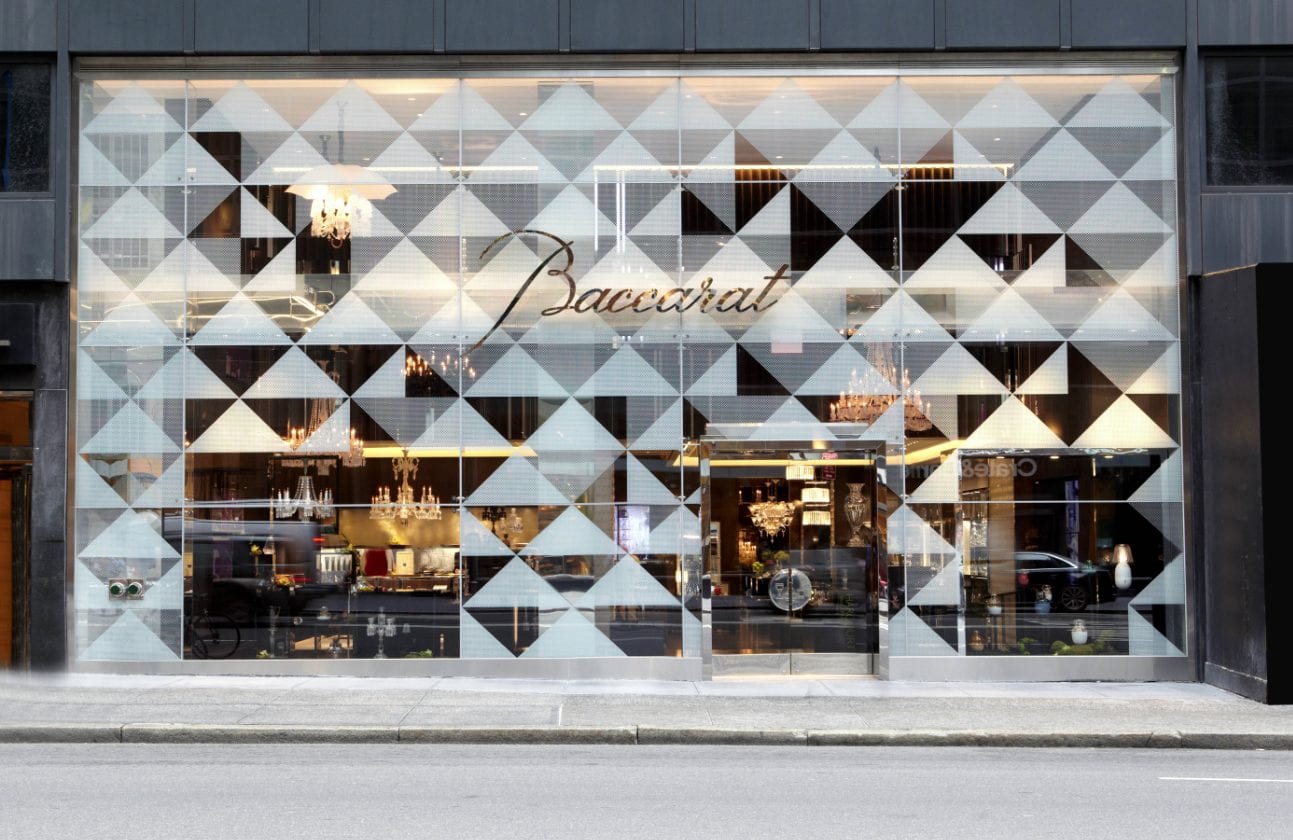
    Baccarat announced on Friday the centuries-old crystal maker has been acquired by a Chinese investment firm, as it looks to ramp up international expansion.

    The French luxury home and tableware brand said China‘s Fortune Fountain Capital (FFC) would acquire an 88.8 per cent in the company from U.S. investment funds Starwood Capital Group and L Catterton.

    As per the agreement, FFC will pay 222.70 euros per share, valuing Baccarat at around 185 million euros ($207 million). That is below the closing price of Baccarat shares on Thursday of 259.90 euros and the current market valuation of 215 million euros, reported Reuters.

    Baccarat said FFC plans to launch a public takeover offer for the remaining shares at the same price, but has no intention of delisting the shares from the Paris stock exchange. FFC has also committed to make “significant” investments in its core areas of activity, said the French firm, and it plans to “maintain and centralise all production and employment and will honour the company’s 250-year heritage.”

    Baccarat’s current chief Daniela Riccardi would remain at the helm.

    Founded in 1746, Baccarat makes tableware, chandeliers and jewellery. It employs 500 people and generated net profit of 2.2 million euros on sales of 148 million euros in 2016.