Author: Mei Ling Tan

  • What’s next for remittances to Vietnam?

    What’s next for remittances to Vietnam?

    Global economic and political conditions cast doubt on the inflows, which have been an important source of capital for Vietnam.

    Vietnam is still in the list of top remittance recipients, but experts are uncertain about the future considering recent economic and political developments in the world.

    According to World Bank’s estimates, during 2016, Vietnam received around $13.4 billion from overseas, up 3 percent from 2015.

    The Washington-based bank noted that remittances to developing countries, in general, fell for a second consecutive year in 2016, a trend not seen in three decades.

    For Vietnam, over the past 25 years, the flow of overseas funds has increased around 100-fold, from $140 million in 1993 to approximately $13.4 billion in 2016, according to latest data released in May by the World Bank.

    Last year, remittances made up for 6.7 percent of the country’s gross domestic product.

    The U.S. has been the largest source of remittances for Vietnam, accounting for around 60 percent of all remittance inflows last year, as calculated by us based on several estimates.

    But there are uncertainties ahead. Credit Suisse, in its report released in March this year, warned of a possible slowdown in 2017, given global economic and tighter border controls imposed by the Trump administration.

    Analysts said remittances could be affected by the recent hike in interest rates in the U.S., which means senders can earn good profits by keeping money in the U.S.

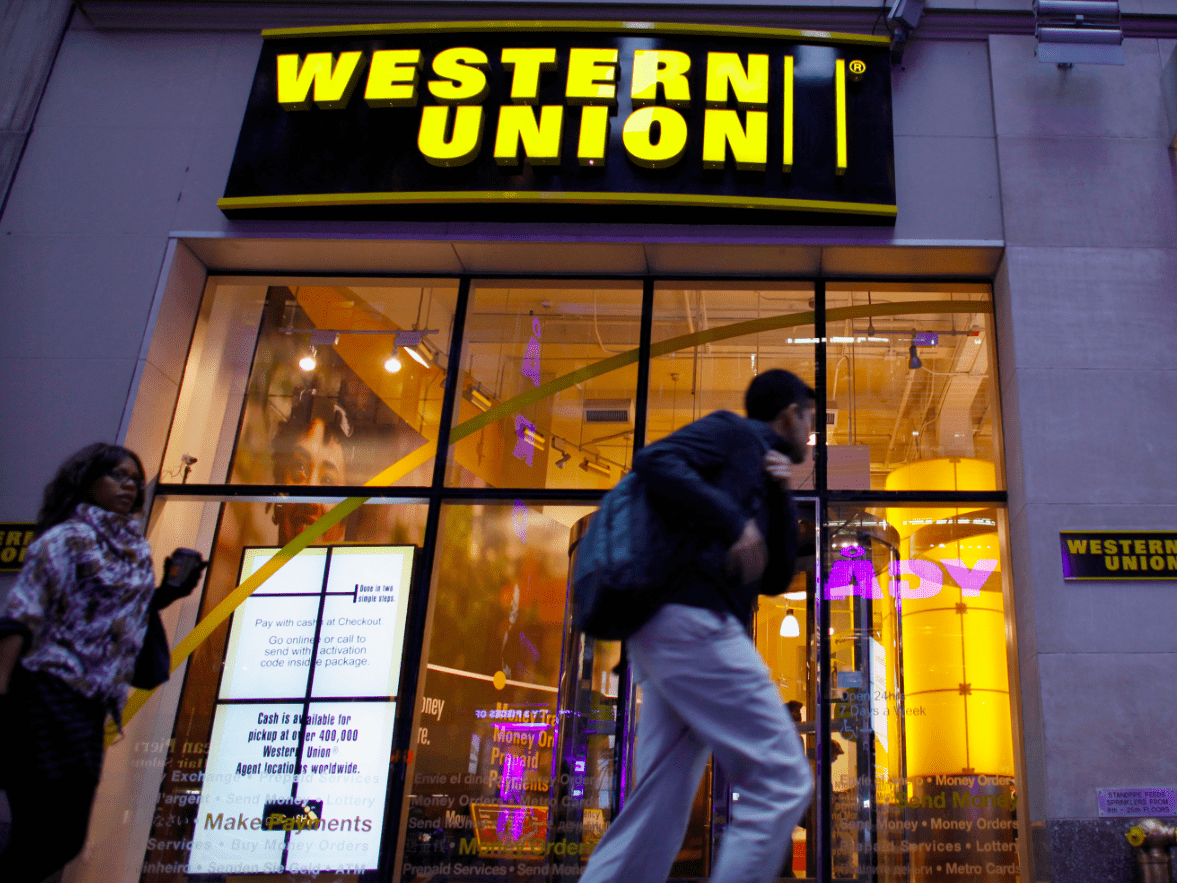
    In recent years, the purpose of using remittances shifts from family support to business investments, real estate and savings, Atish Shrestha, the regional director for Cambodia, Laos and Vietnam at Western Union, told via email.

    As such, the logic of holding on to their money makes sense, Shrestha said.

    He added that while economic and political conditions in the send countries may weaken remittance inflows to Vietnam, the growing number of Vietnamese migrants working abroad may help to offset these effects.

    In 2016, the number of Vietnamese who went to work abroad hit 126,300, exceeding the projection by over 26 percent, and up nearly 10 percent from the previous year, according to the Department of Overseas Labor.

    Vietnam’s major source of remittances, aside from North America, are Australia and European countries, according to Western Union.

  • How to Make Post-Truth Work for Tourism Businesses

    How to Make Post-Truth Work for Tourism Businesses

    A political environment of post-truth, confirmation bias and alternative facts can work well for tourism business marketers who are brave and have finely tuned customer antennae.

    She observes that people are more likely to believe things that confirm their existing positions than information that contradicts them. In the last couple of years consumers and voters have stopped feeling the need to apologize for such post-truth biases.

    “So are we saying it is OK to not tell the truth in marketing? No we aren’t!” says Childs. “But if you know who your customers are and what your brand values are, then you can make a decision on what to comment on and, just as importantly, how to comment.”

    Childs says that a good example of this is the response that some US destinations have made to the potential impact from the attempted travel ban on some (mostly Muslim) markets.

    Travel brands that feel they know their customers have responded boldly. “They have identified that they have more to lose than gain by keeping silent. They have therefore launched communication campaigns that reflect their own alternative position on these issues,” says Childs.

    She cites the clever move by San Francisco (You’re #AlwaysWelcome Here) and Los Angeles (#EveryoneIsWelcome) to launch tourism campaigns setting the record straight. Both emphasize that everyone is welcome, regardless of ethnic, cultural and sexual orientation.

    But brands which have a customer base across the political divide can also exploit this trend. Jet Blue’s “Reach Across the Aisle” and Heineken’s Worlds Apart online adverts fight the belief that disagreement and entrenchment are the new normal. The brands celebrate people that put aside personal and political differences. The message? Our brand believes unity is better than division.

    Childs says both Jet Blue and Heineken position themselves as brands that clear up misunderstanding and remind us of our common humanity. “That’s a powerful message for any brand. It’s like taking a stand without taking a stand.”

    However, she warns that companies should not jump on the latest trend bandwagon. Don’t be cynically opportunistic. It could backfire.

    “It’s that tiny sliver in time, when the thorniest, most divisive issues of the day become safe enough – but not so safe that they’re passé – for brands to speak out, take a position and reap endless buzz,” says Jonah Sachs, the CEO of branding agency Free Range Studios.

    Understanding your customers allows you to work out what you have permission to say and what you don’t,” says Childs. “Think about how your customers would react to this issue and what they would expect you to say about it,” she advises.

    MyTravelResearch.com goes into the importance of branding, persona building and understanding customers in clear detail in their Marketing Plan Blueprint and Five-Step Tourism Marketing System.

  • Government to establish electronic toll collection consortium

    Government to establish electronic toll collection consortium

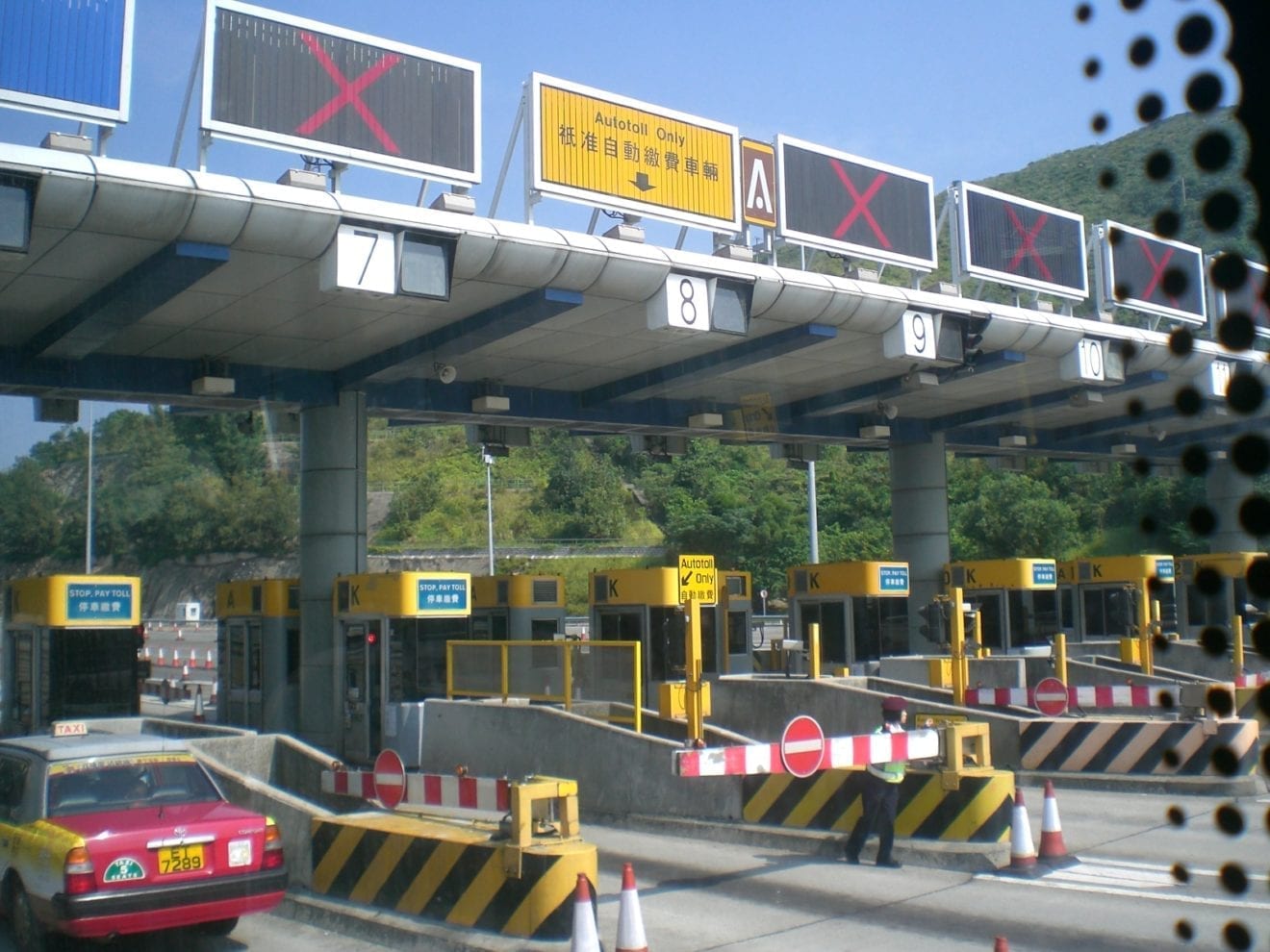
    The Public Works and Public Housing Ministry (PUPR), in cooperation with Bank Indonesia, will establish an electronic toll collection (ETC) consortium to set up a non-cash payment system on toll roads, which is targeted to operate thoroughly in Oct 2017.

    The shareholders of the consortium will consist of various stakeholders from bank companies, toll road enterprises, and switching companies.

    The consortiums role is to manage electronic payment facilities and infrastructure on toll roads, such as system and procurement of “reader,” data synchronization, and proportional profit sharing.

    “It will also play a major role in the integration of the toll road segments as well as in improving the business model and technical aspects of electronics,” BI Governor Agus Martowardojo told the press here on Wednesday.

    The establishment of the consortium is in line with governments target to change every payment in the toll roads using non-cash or electronic mechanism.

    BI has set a target to manage non-cash payment system in 35 toll roads in Oct 2017. Currently, only 25 percent of total payments in 35 toll roads in Indonesia are using non-cash payment.

    “Hence, this consortium is one of the required institutional aspects to be established,” Martowardojo noted.

    In addition to the institutionalization, electronicfication of all toll roads will also change the business model of various participating companies on the highways.

    Among some changes is the business commission that the bank must pay to the operator for the non-cash payment application of 0.3 percent, which will be replaced by a merchant discount rate (MDR) system. MDR will be implemented after the ETC consortium is officially established.

    To add incentives for banks to integrate, BI will also allow banks to charge additional commissions to customers when charging an electronic money balance used to pay for toll services. Such fee will be regulated in the revision of Bank Indonesia regulation concerning electronic money.

    Technically, BI and the PUPR Ministry divide the four stages of non-cash electronication including the electronification stage of the entire toll road in October 2017, the integration of the toll road system, the integration of toll roads and the establishment of the Electronic Toll Collection Consortium (ETC) as well as the implementation of Multi Lane Free Flow (MLFF), as a process of payment of tolls which not require the drivers to take a long stop.

  • Indonesia Eyeing Export Opportunities to Afghanistan

    Indonesia Eyeing Export Opportunities to Afghanistan

    Afghanistan has expressed interest to import Indonesian products. Indonesia and Afghanistan have already establish trade relations covering finished products albeit at a relatively small amount. Industry Minister Airlangga Hartarto said that the government has welcomed Afghanistan’s import proposal. The export will primarily include consumer goods.

    “Afghan President has come here, and now they said that they are interested in importing some commodities from Indonesia. Indonesia and Afghanistan trade volume is not quite significant yet,” Airlangga said yesterday after meeting Afghanistan Ambassador to Indonesia Roya Rahmani in Jakarta.

    Airlangga said that Afghanistan is one of Indonesia’s industrial product export destinations as the country imports almost 90 percent of its daily needs. Some products, according to Airlangga, have the potential to be exported to Afghanistan, such as textile, pharmaceutical, construction products, and food and beverages. Indonesian business delegates will be departing for Afghanistan in the near future.

    Data from the Industry Ministry show that electronics and its appliances make up the most of Indonesia’s industrial product exports to Afghanistan, reaching US$ 3.54 million last year.

    Other products with high export value are pharmaceutical, household products, cosmetics, mirror, tea and coffee, vegetable oil, rubber and chemicals. In 2016, Indonesia’s export to Afghanistan is valued at US$16.22 million.

    In the same period, imports from Afghanistan amounted to US$ 31.1 million, meaning that Indonesia posted a US$ 16.19 million surplus. Indonesia imported some commodities from the country such as processed fruit, electronics and steel products.

  • Garuda Indonesia soars above challenges, gears up for growth

    Garuda Indonesia soars above challenges, gears up for growth

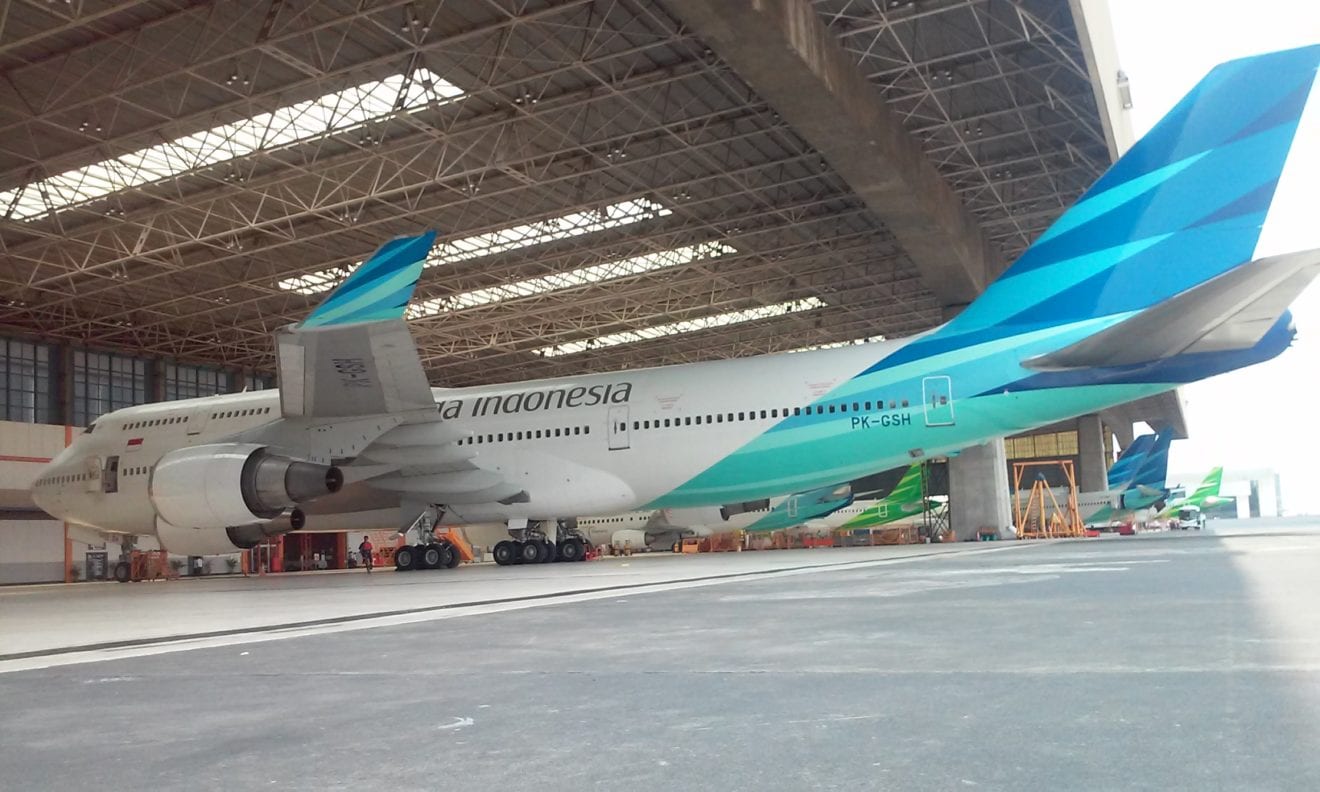
    Ready to face their business growth that is riddled with challenges, Garuda Indonesia is optimistic that both its operational and financial performances will experience sustainable and positive growth in the next two years. This will be attributed to their business strategy, which is to focus on financial performance transition.

    Antara News quoted Garuda Indonesia President Director, Pahala N Mansury, saying that the airline would focus on performance improvement by taking 10 financial and business performance initiatives in a manner that would improve both operational and financial conditions.

    The 10 financial performance strategy initiatives are optimising usage of their fleet, lowering fleet cost, improving service related to departure and arrival time as well as reforming the service user income management services. “We are quite optimistic about achieving it in one or two years time,” he said.

    Pahala said the company is currently in a good position in term of operation and services to the public. However, the main challenge the company is facing is to find ways to improve its financial performance in a sustainable way to ensure business continuity.

    “We have identified that the phase of the business cycle that the group is undergoing is temporary. Infrastructure, human resources and products, and all business lines have a good platform to support the performance improvement,” Pahala said.

    He also lauded all sides for their input and attention into improving the group’s performance and business dynamics.

    Meanwhile, state shipping company PT Pelayaran Indonesia (Pelni) has paired up with Patra Jaya, a subsidiary of state-owned energy firm PT Pertamina, to introduce a cruise ship to boost the tourism industry.

    PT Pelni Kupang brand Head Adrian on Sunday said a memorandum of understanding was signed between the two parties, where the MoU entails the construction of a cruise ship to support the nation’s tourism industry in 10 tourists destination.

    The ten tourists destinations include Labuan Bajo and Riung, East Nusa Tenggara. The ship is currently being built in South Korea and is expected to be completed and sailing by 2018.

    Both Pelni and Pertamina had initially planned to purchase a cruise ship but the plan was halted following a regulation banning government agencies to purchase second-hand goods from abroad.

    Pelni currently operates both passenger and transport ships.

  • BI launches food price information center

    BI launches food price information center

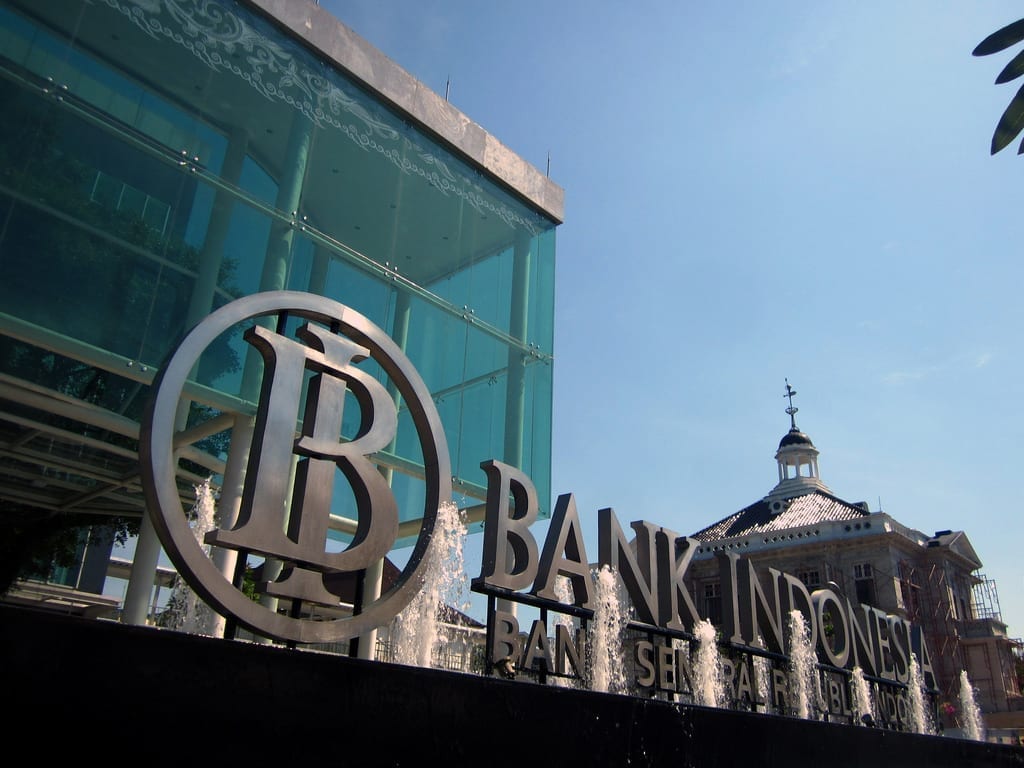
    The central bank of Indonesia, Bank Indonesia (BI), has launched a Strategic Food Price Center website (PIHPS) application which will serve as a reference of pricing information to help those in charge of making policy on inflation management.

    BIs Governor Agus Martowardojo said, at the PIHPS launch here on Monday, that data collection was one of important factor in controlling price to manage inflation.

    “The success of inflation policy application requires not only information but also supporting data. We follow the presidents directive, stated on April 11, 2016, to develop food information system center,” Agus stated.

    He explained that at an early stage, PIHPS will focus on 10 food commodities that contribute more than 50 percent to inflation of the volatile foods category.

    Referring to PIHPSs website at www.hargapangan.id site, the 10 strategic food commodities are rice, beef, chicken, chicken egg, red chili, cayenne pepper, onion, garlic, cooking oil, and sugar.

    Controlling the prices of these 10 food commodities has become the foundation of BI and the government to control inflation of volatile foods.

    Data presented by PIHPS is compiled from 164 traditional markets from 34 provinces. The data collected from 9.00 to 11.00 Jakarta time will be validated by BI at 10.00 to 12.00 and then published at 13.00 Jakarta time.

    PIHPS can be accessed at www.hargapangan.id or by downloading PIHPS National at android and Apple iOS operating system for free.

    In future, the Central Bank will develop the application by extending data coverage that includes modern markets, wholesalers, and producers, Agus remarked.

    “In 2018, we will collect data at the producer level for the 10 commodities, and we will also develop the site, hoping that wider access to food information will gradually lower the price fluctuations,” Agus revealed.

    Through PIHPS, the Central Bank wants to keep the inflation at 3-5 percent this year by paying particular attention to volatile foods, considering that its pressure from administered prices will be high following the energy subsidy adjustment policy that is applied this year.

    BI and the government want to keep volatile foods inflation in the range of 4-5 percent year on year from this year.

    The government has listed an overall inflation assumption of 4 percent in the 2017 State Budget.

  • Jimmy Choo Tokyo Omotesando Hills by Christian Lahoude Studio

    Jimmy Choo Tokyo Omotesando Hills by Christian Lahoude Studio

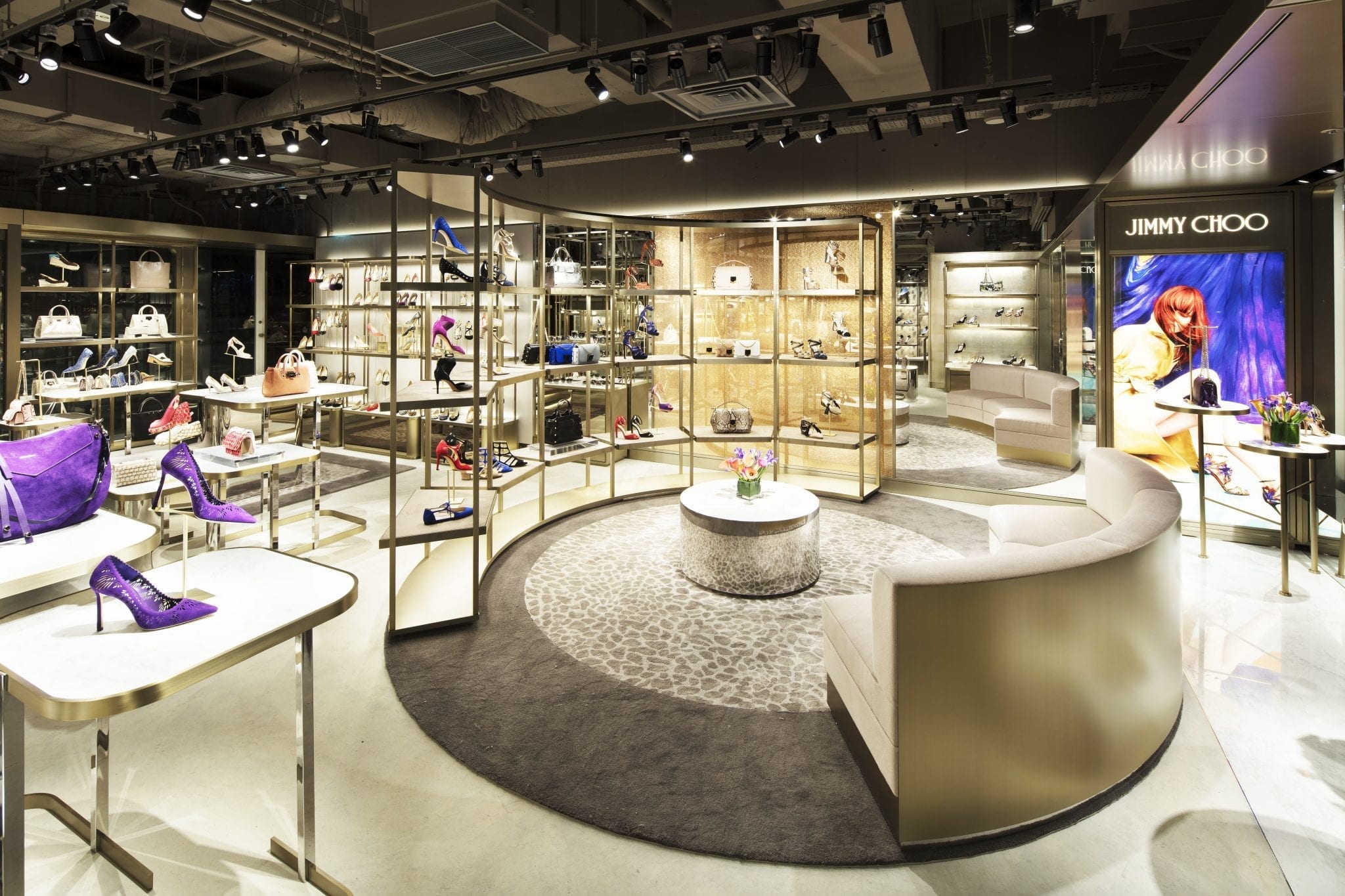
    Jimmy Choo’s 140 square-meter flagship dual gender store in Omotesando Hills Mall, Tokyo, Japan introduces its open floor plan with 2 grand facades. The main façade invites people from the street to enter the luxury store to experience a unique design combining industrial elements with the luxury materials Jimmy Choo is known for. Two entrances – one for men’s and one for women’s – from the mall’s interior are framed in gold metal and invite with lit signage and campaign images.

    Project manager Katharina Hoerath created a continuous flow between the multilevel spaces by designing dynamic curve inspired fixtures. The luxurious environment is warm and welcoming, featuring gold mesh panels on light washed walls juxtaposing the grey painted exposed ductwork ceiling. The marble floors with gold accents and light implemented in the steps are adorned with rich grey carpeting.

  • Indonesia`s fresh pineapples enter Italian market

    Indonesia`s fresh pineapples enter Italian market

    Indonesian fresh pineapples can now be consumed by Italian consumers after a container holding 18 tons of the commodity arrived in Italys city port of Venezia over the weekend.

    The 18 tons of fresh pineapples were exported in a maiden shipment by PT Great Giant Food in cooperation with Italian importer SAMA SpA.

    SAMA is planning to import up to 20 containers of the commodity until the end of the year, Counselor Charles F. Hutapea of the Indonesian Embassy in Rome, told us in Jakarta on Saturday.

    Previously, the Italian consumers could only enjoy Indonesian pineapples in the form of canned product. The unloading of the maiden export of fresh pineapple was witnessed by Indonesian Ambassador to Italy Esti Andayani together with general manager of SAMA, Giorgio Masiero.

    Ambassador Andayani expressed happiness over the fact that Italian consumers are increasingly fond of Indonesian fresh pineapples which could compete with fruit from other countries.

    “So far, many kinds of Indonesian fruits are imported by countries in Europe and now Indonesian pineapples could also penetrate the Italian market,” she said.

    The Italian company previously imported pineapples from Caribbean and African countries with a length of delivery time of about three weeks.

    The length of time for the importation of pineapples from Indonesia is about four weeks.

    However, the longer period does not affect the quality of and shape of Indonesian pineapples. According to the agriculture attache, Yusral Tahir, in Rome, pineapple is one of the Indonesian mainstay types of fruit.

    Pineapple production is ranked third in the volume of Indonesias fruit outputs after bananas and mango. Almost all regions in Indonesia produce pineapples.

    Pineapple production centers in Indonesia included the provinces of Lampung, West Java, North Sumatra, East Java and Jambi.

    Indonesias pineapples production reaches 1.84 million tons with productivity of 117.5 tons per hectare.

  • Vietnamese property developers see new tricks in VR

    Vietnamese property developers see new tricks in VR

    As competition in the property market heats up, developers are seeking new ways of attracting buyers – one recent attempt makes use of virtual reality and augmented reality (VR/AR).

    It’s expected that VR will boom this year, with a wide number of sectors taking advantage of the latest technology, including real estate, which will allow potential buyers “real” experiences of property projects.

    A recent report by Cushman & Wakefield estimated that VR and AR would become a US$2.6 billion market in real estate by 2020, as headsets such as the Oculus Rift and the Microsoft Hololens become common place over the next few years.

    “It’s essential to begin preparing for the expansion,” Cushman & Wakefield said. “In addition to virtual walkthroughs of both finished and unfinished buildings and virtual models projected onto desks and tables in the real world – innovations which are already in development – companies see opportunities for more game-changing features a little further down the road, once mass adoption takes hold.”

    Cushman & Wakefield cited a research report released last year by Goldman Sachs, saying that VR/AR hardware and software is finally catching up with consumer expectations, and are posed to disrupt a number of markets, including real estate.

    Catching up with the trend, several Vietnamese developers have started to use VR and AR in their marketing to promote sales, such as Vingroup, Sun Group and BIM Group.

    At a recent sale opening of Citadines Marina Ha Long, BIM Group used the Microsoft Hololens to demonstrate every detail of the project in front of buyers’ eyes.

    A representative from the developer said that the use of new technologies would help make up for the gaps in traditional marketing tools.

    Phan Thanh Hue from Booyoung Vina was quoted by Dau Tu Bat Dong San (Real Estate Investment) newspaper as saying that the new technologies brought life-like experiences to customers.

    Dinh Anh Tuan, director of 3D Vni, which provides the hardware, said that many customers were excited about the new experiences. Tuan said that developers were staring to use VR and AR in marketing and more expansion was expected.

    Tuan said that VR was forecast to become an indispensable trend, changing the face of marketing and sales in many sectors, including real estate. This technology would also help increase the competitiveness of property products, he added.

    According to Pham Ngoc Mai Anh, director of ADT Creative, a start-up in VR applications, there is an increasing interest in using VR by property developers.

    However, because of current prices, VR is now only appropriate for high-end segments rather than having broad appeal, experts say.

  • Automakers diverge on how fast to deploy automatic braking

    Automakers diverge on how fast to deploy automatic braking

    Big automakers are rushing to launch self-driving cars as early as 2021, but the industry’s major players are moving slowly when it comes to widespread deployment of a less expensive crash prevention technology that regulators say could prevent thousands of deaths and injuries every year.

    Nissan Motor said on Thursday it would make automatic braking systems standard on an estimated 1 million 2018 model cars and light trucks sold in the United States, including high-volume models such as the Rogue and Rogue Sport compact sport utility vehicles, the Altima sedan, Murano and Pathfinder SUVs, LEAF electric car, Maxima sedan and Sentra small car.

    Rival Toyota Motor has said it will make so-called automatic emergency braking standard on nearly all its U.S. models by the end of this year.

    Overall, however, most automakers are not rushing to make automatic brake systems part of the base cost of mainstream vehicles sold in the competitive U.S. market. The industry has come under pressure from regulators, lawmakers and safety advocates to adopt the technology, which can slow or stop a vehicle even if the driver fails to act.

    So far, only about 17 percent of models tested by the Insurance Institute for Highway Safety offered standard collision-avoiding braking, according to data supplied by the auto safety research group backed insurance industry. Many of the models with standard collision-avoiding brake systems are luxury vehicles made by European or Japanese manufacturers.

    The systems require more sensors and software than conventional brakes, and automakers said they need time to engineer the systems into vehicles as part of more comprehensive makeovers.

    Last year, 20 automakers reached a voluntary agreement with U.S. auto safety regulators to make collision-avoiding braking systems standard equipment by 2022.

    Safety advocates have petitioned the National Highway Traffic Safety Administration to begin a regulatory process to require the technologies, but the agency has said the voluntary agreement will result in faster deployment than a formal rule-making process. NHTSA says the technology could eliminate one-fifth of crashes.

    “Do the math. That’s 5 million crashes every year – 20 percent reduction means 1 million less. Those are big numbers,” Mark Rosekind, the NHTSA’s then-administrator, told last year.

    But customers would likely experience the benefits of the technology infrequently. The technology to enable a car to drive itself is far more costly, but industry executives foresee autonomous vehicles driving revenue-generating transportation services that could be attractive to investors.

    General Motors Co (GM.N) offers automatic braking as optional equipment on about two-thirds of its models. The company did not say on Thursday how many vehicles have the technology as standard equipment. GM has not made public its plans to make the technology standard across its lineup.

    “Any time you have a voluntary agreement you have a spectrum of implementation,” Jeff Boyer, GM’s vice president for safety, told Reuters earlier this week. Asked when GM would roll out standard automatic braking, Boyer said, “let’s just say we honor the voluntary commitment.”

    Ford Motor “has a plan to standardize over time,” the company said in a statement on Thursday. Currently, automatic braking systems are optional on several 2017 Ford and Lincoln models, and will be offered on certain 2018 models including the best-selling F-150 pickup truck.

    Fiat Chrysler Automobiles offers automatic braking as optional equipment in nine model lines, using cameras and radar to detect hazards ahead. The company has said it will meet the 2022 target for making the systems standard.

    As 2018 models roll out during the second half of this year, more vehicles will offer automatic braking, said Dean McConnell, an executive with Continental AG’s North American business. Continental’s automatic braking technology systems will be on certain Nissan models.

    “We see it accelerating,” he said. “It varies. There are some (automakers) that are being aggressive” and others that are waiting.

    Nissan did not disclose how much prices for vehicles would rise to offset the cost of standard automatic emergency braking. The 2018 models will be launched later this year. Currently, Nissan, like most carmakers, offers automatic braking as part of a bundle of optional safety and technology features.

    A 2017 Nissan Sentra compact sedan has a starting price of $17,875. To buy the car equipped with automatic braking requires spending another $6,820 for a Sentra SR with a premium technology package.

    German auto technology suppliers Continental and Robert Bosch will supply the systems, Nissan said.
  • A Chinese unicorn backed by Google ready to take on the Amazon Alexa

    A Chinese unicorn backed by Google ready to take on the Amazon Alexa

    China’s Google-backed artificial intelligence (AI) start-up, Mobvoi, could soon take on the world’s leading smart voice assistant technologies, according to the firm’s founder and CEO. Speaking at the Consumer Electronics Show in Shanghai, Mobvoi’s Li Zhifei told that the firm could “absolutely” compete with the likes of Amazon in the digital voice assistant market space.

    “We are just like Amazon‘s Echo … We are making our own device and putting the technology into this device but gradually we are also going to open this AI service into third parties so that we can empower more devices,” Li Zhifei told on Thursday.

    In Western markets, Google Assistant, Amazon Alexa, Apple’s Siri, and Microsoft’s Cortana are the dominant voice assistants. Amazon has continued to push Alexa across numerous products, while Google has rolled out Assistant across Android devices and its own Google Home device. Even Apple came out with its own smart speaker called HomePod this week.

    Though Mobvoi’s CEO acknowledged his signature chatbot device still has long way to go in order to improve its sophistication and compete on a global scale, he stressed the company was making a “huge amount of progress” in its development.

    The Beijing-based start-up was founded by a group of former Google research scientists five years ago and gained prominence after launching its flagship smartwatch, Ticwatch, in June 2015. The watch’s success led to a direct investment from Google and by May 2017, Mobvoi unveiled Tichome, its Chinese language chatbot designed to facilitate human-machine interaction.

    “In the last few years we have made a huge amount of progress in speaker recognition but we haven’t made much progress in natural language understanding, which makes the device not that smart (yet),” he added.

  • Incheon Airport expects US$2billion duty free sales again in 2017

    Incheon Airport expects US$2billion duty free sales again in 2017

    Incheon International Airport says it expects annual duty free sales to reach US$2billion once again in 2017 following the complete remodelling of its 2,753square meter luxury boutique street, Airstar Avenue, at the central area of Terminal 1. Meanwhile the airport expects to open new T2 shops at the end of 2017 following a long and controversial tender process.

    The remodelled area which occupies approximately 16 percent of the airport’s duty free concession space (17,074 square meter), includes these 25 top luxury boutiques: Balenciaga, Bally, Bottega Veneta, Burberry, Bvlgari, Cartier, Celine, Coach, Fendi, Ferragamo, Gucci, Longchamp, Louis Vuitton, Marc Jacobs, Miu Miu, Montblanc, Moncler, Omega, Prada, Rolex, Saint Laurent, Tiffany, Tod’s, Tory Burch and Tumi.

    The Saint Laurent, Balenciaga and Moncler stores were the most recent additions to the revamped shopping street.

    Bum-Ho Kim, IIAC Executive Director of Commercial Marketing, made these comments: “We are pleased to announce the completion of the main terminal’s renovation. Last year, while the area was partially being revamped, the central boutique managed to deliver robust sales of US$224million.

    This sales amount covers approximately 11 percent of the total annual sales (US$2billion). As we have now completed the renewal process successfully, we are expecting to provide efficient customer experiences beyond passengers’ expectations, and aim to hit US$2billion sales once more.

    Turning to Terminal 2, he added: “Incheon Airport is currently putting its utmost efforts to successfully open duty free shops in Terminal 2, by the end of 2017. “Along with T1 duty free, we will do our best to create a place of which can deliver unforgettable, delightful airport shopping experiences and satisfaction for the passengers visiting our airport.”

    Lotte walked away with the L&T concession contract – awarded in May this year – and Shilla took P&C, while the terminal’s fashion tender was rebid.
    The three small and medium enterprise (SME) contracts will be operated by SM Duty Free (DF4), Entas Duty Free (DF5) and CityPlus (DF6), according to an announcement from the Korea Customs Service (KCS).

  • Design your own shoes at Asia’s first Tod’s pop-up

    Design your own shoes at Asia’s first Tod’s pop-up

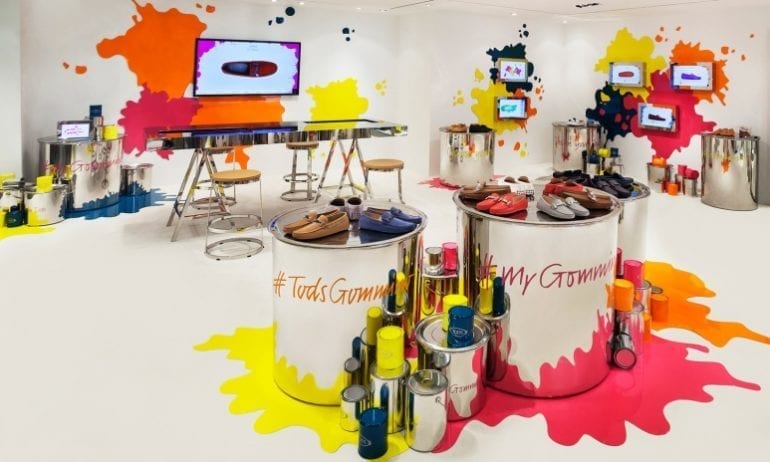
    Tod’s Gommino loafers are a style staple for celebrities, models, royalty and fashionistas the world over. It is now possible to buy a pair adding an own personal touch, as Tod’s is offering customers the chance to create their own pair of the iconic Gommino, complete with stamped initials.

    Hong Kong has been picked as the first city in Asia for a pop-up store that enables customers to create their own personalised pair of the Italian brand’s signature shoe.

    The custom loafers take just three steps to create. First, customers choose from 11 different styles of the brand’s signature shoe (there are five models for women and six for men). Next, clients decide on each of the design elements, from leather, colour and stitching, to the lining, pebbled outsole and any accompanying accessories.

    Once people confirm their initials for the hot-stamped monogram, the creation process is complete. Production takes about 10 weeks.

    With 133 rubber studs under its sole, Tod’s iconic Gommino has been a style staple since the 1970s, drawing widespread appreciation as a lightweight, unisex shoe suitable for all occasions.

    The MY Gommino pop-up is now open at Shop G309 in Harbour City, Tsim Sha Tsui for a limited time.

  • New Look to ramp up China expansion amid ‘appetite for British fashion’

    New Look to ramp up China expansion amid ‘appetite for British fashion’

    New Look is to step up the pace of store openings in China under its new owner Brait, the investment company controlled by South African tycoon Christo Wiese.

    The fashion chain intends to open 80 stores this year, compared with the 60 previously planned, and the vast majority of those will be in China.

    New Look has 30 stores in China, up from 19 at the end of March, and has signed up 40 of a planned 70 new outlets this year. A further 10 will open in Poland and France over the financial year, while only replacement stores are planned in the UK.

    “This is a great story of a British brand which has been successful in China. There is an appetite for British fashion there,” Anders Kristiansen, the chief executive, said.

    He said Brait, which will complete its buyout of a 90% stake in New Look on 25 June, would help the business “go faster”. “There are lots of mid-market brands charging high prices in China. We came in with strong, good fashion at affordable prices and Chinese consumers love it,” he said.

    Revealing a 3.4% rise in group sales to £1.4bn and an 8.7% rise in underlying profit to £153.2m for the year to 28 March, Kristiansen said the retailer had seen a strong bounceback from a difficult autumn season. “I think the outlook is very positive. We are taking market share but also the economy is better and customers are spending more generally.”

    Sales at established New Look outlets, including its website, rose by 5.4% in the three months to 28 March compared with a 1% fall in the previous three months, which were affected by unseasonably warm autumn weather.

    Kristiansen said the autumn quarter had been an exception and a 34% rise in online sales had been backed up by a positive performance in stores during the spring. “Momentum returned,” he said. “We are particularly proud of our performance in the UK business.”

    Sales at established UK stores rose 5% in the year as Kristiansen said improvements in design, the introduction of more menswear and new product areas such as cosmetics as well as items at the cheaper and more expensive ends of the spectrum had helped lift sales. For example, two years ago New Look only sold jeans priced between £12.99 and £22.99; now prices range from £7.99 to nearly £40, helping to broaden the brand’s appeal.

    Investment in linking stores and online services also paid off. “It is about making it as convenient and easy as possible for customers to shop,” Kristiansen said. “Whether it’s mobile, being easy to check out on your desktop, next-day delivery or click and collect or pick up goods at a local station, it’s all part of making it easier for customers and that’s well ahead of our competitors.”

  • Vietnamese firm to ship first batch of chicken products to Japan in August

    Vietnamese firm to ship first batch of chicken products to Japan in August

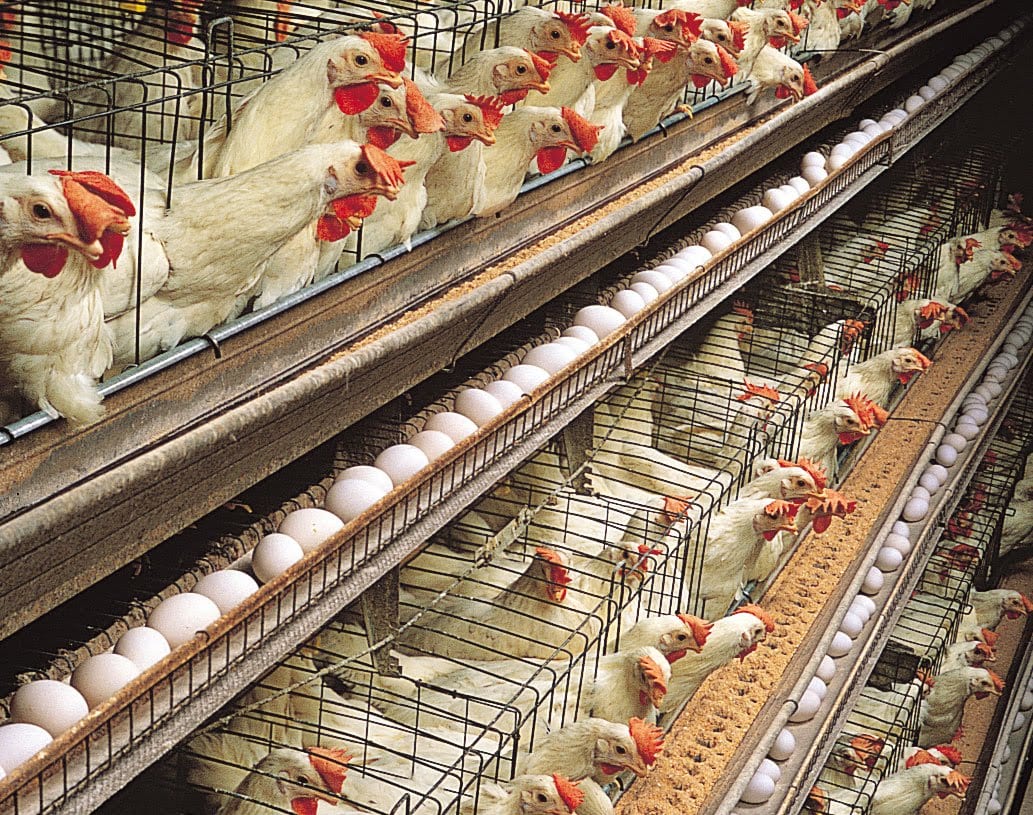
    It has taken the company two years to meet Japan’s strict quality control processes. A Vietnamese firm has completed the necessary procedures to start shipping processed chicken products to Japan.

    Koyu&Unitek Co. Ltd is the first poultry firm in the country to gain access to the Japanese market, and plans to export around 300-400 tons in August this year.

    Nguyen Van Quyen, head of the company’s export division, told that the Japanese market is very demanding and has strict control processes, so it had taken nearly two years to complete the necessary procedures.

    The most difficult phase was building the company’s own management oversight program following criteria laid out by the World Organization for Animal Health and Japan.

    Japanese importers pay special attention to antibiotic residue in products, banned microorganisms and bird flu, among others, said Quyen.

    In additon to Japan, his company is also seeking export opportunities in Europe, Australia and Canada. Each market requires its own strategy to meet the respective criteria of each country, said the official.

    According to Pham Van Dong, director of the Ministry of Agriculture and Rural Development’s Department of Animal Health, Vietnamese chickens are usually consumed in the domestic market and are not bred for export.

    Only two local companies have registered to export processed chicken to Japan: Koyu&Unitek in July 2016 and CP Vietnam Co. Ltd in late May 2017.

    Since the beginning of this year, Vietnam has exported $13.7 billion worth of farm produce, forestry products and seafood to the world market, up 9.5 percent against the same period last year, according to the ministry.