Author: Mei Ling Tan

  • Breguet relocates Singapore store, eyes Asia sales

    Breguet relocates Singapore store, eyes Asia sales

    Swiss watchmaker Breguet has relocated its standalone store in Singapore, in a bid to improve retail operations in Asia, as watch sales look to increase in the region.

    Located in Marina Bay Sands, the new boutique was reopened with a ribbon-cutting ceremony attended by brand management and clients. The luxury watchmaker relocated from its 115 square-metre store to a 134 square-metre space in the premier luxury shopping destination The Shoppes.

    The Swatch Group Singapore & Malaysia management, the operators of Breguet in the region, welcomed sixty VIP guests for an evening doused in the theme “East-meets-West”, said the brand.

    It’s been a tough twelve months of trade for Swatch. In February, Swatch Group said profits were nearly halved in 2016 as global watch market weakness took its toll. However, an uptick in sales in Asia toward the end of last year, namely in China, saw the watchmaker predict a healthier year ahead.

    Watch and jewellery sales dropped by just under 11 per cent as a marked slowdown in 2015 ran into early 2016, it said.

    The end of last year, however, saw fresh movement in sales, especially in China, Swatch said.

    “The months of November, December and January showed, particularly in mainland China, very good growth in the watches and jewellery segment, with a substantial improvement in operating margin,” the group said in a statement.

    “Based on the positive development of the last three months, healthy growth is expected for the year 2017,” it said.

    Founded in 1775, Montres Breguet is synonymous with prestigious Swiss watchmaking. Swatch Group acquired Breguet in 1999 from Investcorp, placing it alongside Swatch stable mates Omega, Longines, Hamilton and Calvin Klein watches.

  • AirAsia eyes local, international expansion

    AirAsia eyes local, international expansion

    AirAsia , who has been gunning for aggressive regional expansion with the signing of two separate joint-ventures in Vietnam and China in the first half of 2017 (1H17), will continue to emphasise on both local and international expansion.

    According to head of commercial Spencer Lee, AirAsia will continue to focus on expanding local connectivity and frequency amidst regional expansion in order to stimulate and maintain local market demand.

    “For us it is always about expansion and locally, we are aiming to close the gap on local connectivity with flights to unique destinations that people might not even expect.

    “For example for our current network in Sarawak, we have started Kuching Pontianak and Kuching Langkawai routes and are set to reveal another additional two new destinations from Kuching at the end of the year,” Lee revealed to The Borneo Post yesterday.

    This was during the inaugural AK1029 flight ceremony from Pontianak to Kuching held at Kuching International Airport yesterday.

    The Kuching-Pontianak route is the latest AirAsia route from Kuching and has begun its operations with daily flights between the two destinations. Its addition brings total AirAsia destinations from Kuching to ten and total weekly flights both ways to 468.

    The Kuching-Langkawi route on the other hand, is slated to begin operation sometime in August.

    Besides expansion on their airline business, Lee emphasised that the group would also be looking towards focusing on growth of their non-airline products such as their Tune travel insurance and their Big prepaid travel money card.

    “Now that have built our network and our passenger numbers, we believe that the one huge opportunity for us to grow even further is to build businesses that complements our entire business model by adding to the whole flying experience for our customers.

    “For example, with our BIG programme, we have amassed a huge database which we can use to improve our customer services, and our other offered products that seek to enhance the entire flying experience we offer.

    “I think at the end of the day, while we are primarily an airline, we believe that it’s about giving guests the best flying experience that extends beyond the actual flight.

    “Hence, at AirAsia, we are really aiming to build up an ecosystem were we can link and connect all of our businesses together.”

    Looking forward, Lee anticipates for the group to see another great year like they had in 2016, especially for Sarawakian operations due to increased partnerships with the local authorities, travel industry and state government with their expansion plans.

    “I hope that personally for Kuching, we will continue seeing a growth like the four per cent year over year (y-o-y) passenger number growth we saw last year and while we don’t have an estimate right now, you can rest assure that we will be aiming to beat last year’s figure.”

  • 5G networks key to healthcare transformation

    5G networks key to healthcare transformation

    The transformative potential of 5G connectivity is becoming increasingly important in healthcare as patients start to demand more connected care through wearables, apps, and telehealth, according to Ericsson’s latest consumer lab report.

    The report, titled ‘From Healthcare to Homecare’, reveals consumer insights into the impact of 5G on the future of healthcare and its transformation across preventative, routine, and post-operative care.

    It shows that 5G will be pivotal in healthcare transformation, providing transmission efficiency in an ecosystem of feedback and alerts, mobility and low latency.

    For instance, in remote health monitoring, wearable devices – such as heart monitors and glucose monitors, require high frequency updates of the central data repository at low-data rates. Experts say that existing networks cannot provide the desired quality of support while connecting a large number of such devices, and they believe that 5G can address this challenge.

    The study cites data showing consumers were concerned with the reliability of health tracking devices — which could include reliability of the network they’re on.

    “As healthcare becomes more dependent on wearables and connectivity, consumers express concern about reliability. In fact, 59% of consumers say that they are concerned about poor connectivity affecting data transmission. Battery charging is another issue – 56% of consumers with chronic ailments worry about their health patches suddenly running out of battery. Fourty-two percent of cross-industry decision makers expect devices connected to 5G networks to consume less power, reducing the frequency of recharges,” the report says.

    Thus telecom operators could enable medical grade devices that connect directly to the internet rather than relying on the patient’s own smartphone.

    “Use of a centralized repository to store patient health records will expose healthcare to data breaches. Forty-seven percent of telecom decision makers say that developing secure networks to access an online central repository is a key challenge. 5G networks are expected to be secure enough to adhere to sensitive patient data regulations.”

    In addition, 5G is also expected to significantly improve connectivity. For instance, 35% of cross-industry decision makers expect 5G to provide reliable and sub-1ms latency connections, which enable haptic feedback to underpin surgeons’ capabilities to carry out remote robotic surgery.

    The report represents the results of two surveys carried out in Germany, Japan, South Korea, the UK and the US. The first was a survey of 4,500 advanced smartphone users.

    The sample is not representative of the general population, but Ericsson predicts these early adopters could point the way toward the healthcare trends of the future. The second survey included 900 hospital decision makers. The results were augmented with patient and provider focus groups held in the US and UK.

  • Ride-hailing firm Grab says likely to raise funds in near future

    Ride-hailing firm Grab says likely to raise funds in near future

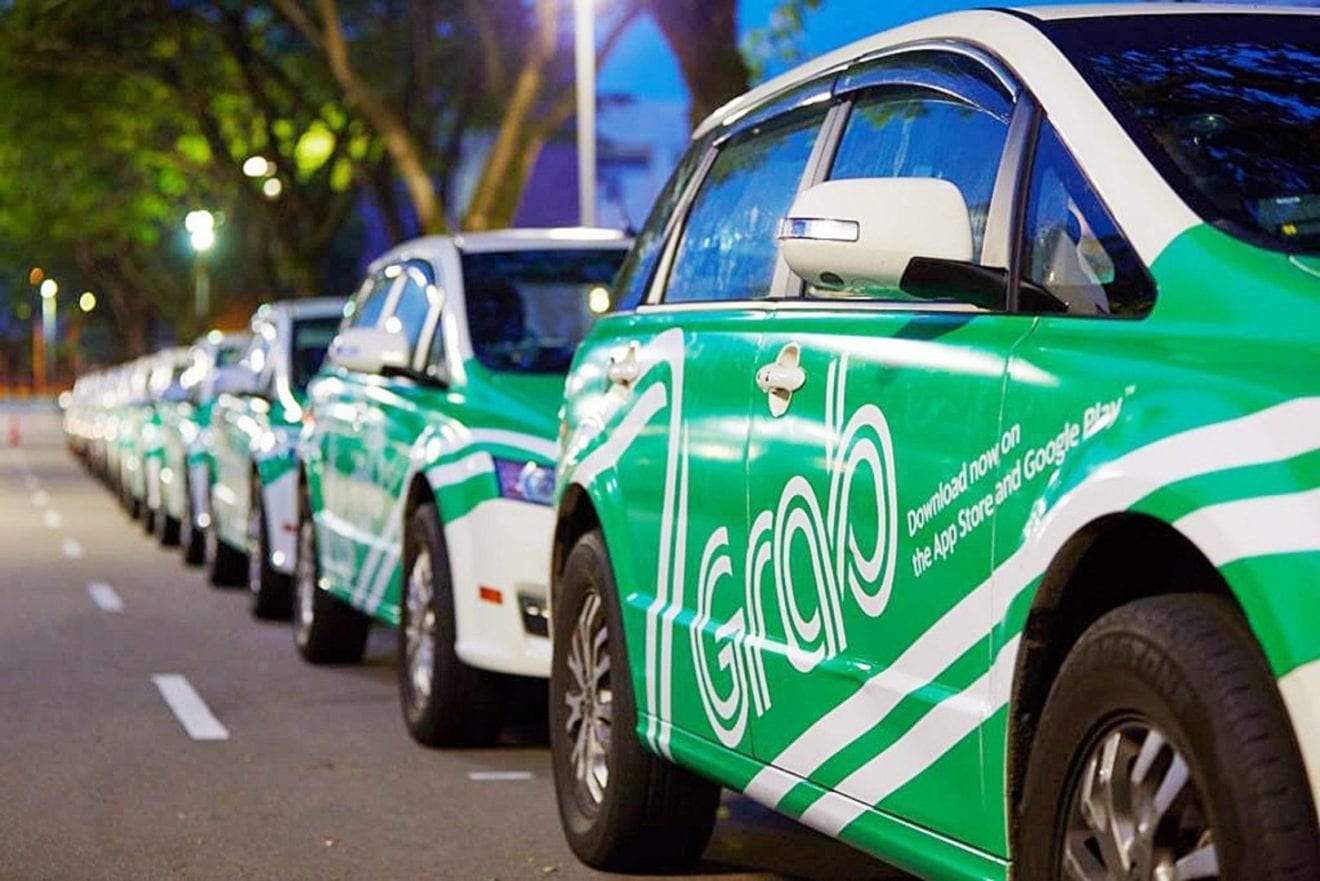
    In five years, Grab’s network has grown from 40 drivers in one country to over 930,000 across 55 cities in seven countries including Vietnam.

    Ride-hailing firm Grab, Uber Technologies Inc’s largest rival in Southeast Asia, is likely to embark on a round of fundraising as it works to develop new offerings such as financial services, its chief executive told us on Tuesday.

    “I can’t specifically give a time line but I can imagine somewhere in the near future, there probably could be more money coming in. That’s probably quite likely,” Anthony Tan, group chief executive officer and co-founder of Grab, said in an interview after an event to mark the firm’s fifth anniversary.

    In five years, Grab’s network has grown from 40 drivers in one country to over 930,000 across 55 cities in seven countries including Singapore, Indonesia, Vietnam and the Philippines.

    The Singapore-based startup raised $750 million in a funding round in September, which sources said valued the firm at over $3 billion.

    Grab’s current investors include Chinese peer Didi Chuxing, China Investment Corp, Japan’s SoftBank Group Corp and Vertex Ventures Holdings – a subsidiary of Singapore state investor Temasek Holdings (Pte) Ltd.

    Tan also said Grab is spending less on incentives per transaction even as competition with Uber increased after the U.S. firm exited the Chinese market last year.

  • Singtel named a “master of digital experience”

    Singtel named a “master of digital experience”

    Singtel ranks among five operators named “masters of digital experience” in Analysys Mason’s latest Digital Experience Index (DXi).

    Singtel and subsidiary Optus, along with Telefonica, AT&T, Etisalat and Swisscom were the only operators to be classed as entering the “digitalized” stage of digital maturity, with only Swisscom considered to have fully entered this stage.

    The report ranked 50 operators worldwide on their ability to provide a digitalized user experience, graded by criteria including automation in customer support, the presence of unified omni-channel support and the option of new digital channels for customers such as in-app chat, web-to-chat or chat-to-voice.

    Operators’ capacity to provide personalized offers, basic or advanced customer self-service and social media support were also taken into consideration.

    The report also shows that nearly all operators believe that providing their customers with a modern digital experience is critical to their future.

    “Providing a modern digital experience is considered by all operators as critical to their competitive position in the future – especially among young and increasingly tech-savvy consumers whose expectations are being shaped by the newer players such as Alibaba, Amazon and Facebook,”  Analysys Mason partner and head of telecoms software and networks Larry Goldman said.

    He said the digital experience index model represents a way for operators to assess their potential new customer experience improvement projects in all aspects of the customer lifecycle, comprising investigation, buying, onboarding and support of goods and services.

  • Australians curb retail spending as household debt balloons

    Australians curb retail spending as household debt balloons

    Australia’s economy may have achieved a remarkable winning streak, avoiding a recession for 25 years, but there are now clear signs that the consumers who have driven much of the growth are running out of puff. With cash interest rates at a record low and house prices near record highs, the nation’s household debt-to-income ratio has climbed to an all-time peak of 189 percent, according to the Reserve Bank of Australia (RBA).

    Australia’s household debt-to-income ratio has climbed to an all-time peak of 189 percent, according to the Reserve Bank of Australia (RBA). That means there are an increasing number of people who have little cash for discretionary spending – on everything from cars to electrical appliances and new clothes – as their pay packets get consumed by large mortgages and high rental payments in the country’s red-hot property market.

    And it’s not as if a sudden plunge in home prices would help – it might well expose and exacerbate the problem, at least in the short run, squeezing many who have bought into the frothy market with high mortgage repayments and little equity in their homes.

    “We are seeing a considerable spike in stress even in more affluent households. Large mortgages, big commitments but no income growth,” said Digital Finance Analytics (DFA) Principal Martin North. “Stressed households are less likely to spend at the shops, which acts as a drag anchor on future growth.”

    North estimates a record 52,000 households risk default in the next 12 months and that 23.4 percent of Australian families are under mortgage stress, meaning their income does not cover ongoing costs. That compares with about 19 percent a year ago.

    “People are up to their ears in mortgages,” said Brad Smith, a car sales consultant at MotorPoint Sydney which has seen a stark slowdown in sales in the past six months. “They are all on a budget. Everyone’s got all their money in houses, that’s how it is.”

    Australians are also facing a cash crunch because price inflation in essential items such as food, electricity and insurance is accelerating at a 3.4 percent annual rate at a time when Australian wages are rising at their slowest pace on record, just 1.9 percent in the year to March.

    Meanwhile, growth in retail sales, personal loans and luxury car sales are all at multi-year lows, suggesting the household sector – nearly 60 percent of Australia’s A$1.7 trillion ($1.3 trillion) economy – is under severe strain.

    RETAILING PAIN

    Weak consumer spending is proving a huge drag on retailers’ performance, with shares in furniture and appliance chain Harvey Norman and electronics shop JB Hi-Fi both trading near one-year lows.

    Retail sales have hardly grown in the past few months. Even online sales have slowed, with all major categories including homeware, games and toys, daily deals and takeaway food shrinking in April, according to the NAB Online Retail Sales Index.

    Car sales have flattened this year after solid growth in 2016 while sales of luxury cars and sports utility vehicles are at a four-year low.

    For consumers such as Sydney resident Marie-Aimee Guillermin, there’s little ‘play money’ left after stepping into Sydney’s housing market with a A$1.4 million 3-bedroom house last month.

    “We thought once we had the house we could take our foot off the brake a little bit but now that we have it I feel even less certain in terms of stability and financial security,” she told.

    “So whether we’ll end up spending a bit more on clothes and restaurants and going out and what have you I don’t see that happening.”

  • Japanese banks expand investments in Vietnam

    Japanese banks expand investments in Vietnam

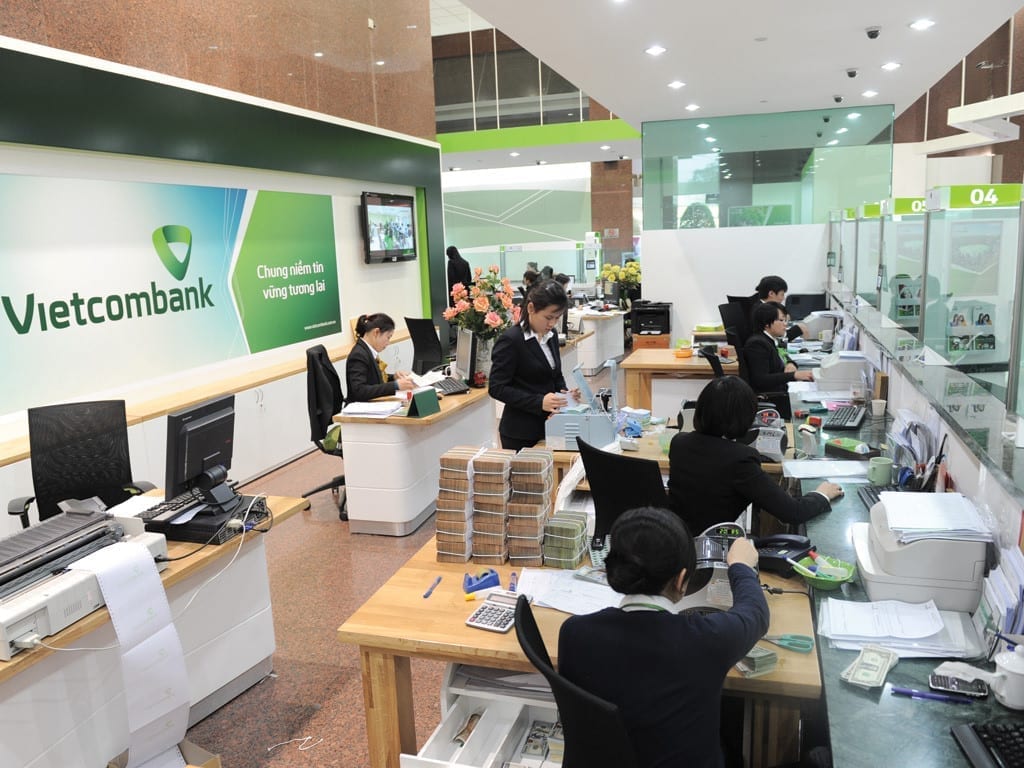
    At a recent working session with the Joint Stock Commercial Bank for Foreign Trade of Vietnam (Vietcombank), President and CEO of Mizuho Financial Group Yasuhiro Sato said Vietcombank is one of its most successful investments.

    He hoped the two sides will expand cooperation to other fields such as stocks and finance after five years of fruitful banking collaboration, aiming to develop Vietcombank into a strong financial group.

    Another Japanese financial group, Sumitomo Mitsui, has invested 225 million USD in the Vietnam Export Import Commercial Joint Stock Bank (Eximbank). It has owned 15 percent of Eximbank since 2007.

    While meeting with Deputy Prime Minister Vuong Dinh Hue recently, President and CEO of the Sumitomo Mitsui Banking Corporation Ryuji Nishisaki said the group is interested in Vietnamese credit organisations.

    Apart from restructuring Eximbank, Sumitomo Mitsui is ready to help its subsidiary companies join the derivative and bond stock markets in Vietnam, he noted.

    Besides seasoned investors such as Sumitomo Mitsui, Mizuho, Bank of Tokyo, and Mitsubishi UFJ, many other banks from Japan are seeking Vietnamese partners.

    Most recently, the Bank for Investment and Development of Vietnam (BIDV) sold 49 percent of shares in its Financial Leasing Company to Japanese Sumitomo Mitsui Trust Bank (SMTB)

    It can be said that Japan is the biggest shareholder of the banking system in Vietnam. With the current wave of investments from Japan, capital contribution deals will expand to other fields, experts said.

    Vietnamese banks are also keen to diversify cooperation channels with Japanese partners.

    Last week, the Vietnam Bank for Agriculture and Rural Development (Agribank) signed a cooperation agreement with Yanmar – a leading Japanese group in farming machines.

    Contracts worth 20 billion USD were signed between the two countries’ businesses and localities during Prime Minister Nguyen Xuan Phuc’s ongoing visit to Japan.

    This record figure is expected to create a new wave of investments from Japanese firms into Vietnam in the coming years.

    In fact, domestic banks have eyed Japanese customers for five years, as the country’s investment in Vietnam has increased.

    In February 2017, BIDV signed a cooperation agreement with Fukuoka – the 16th largest bank in Japan to serve Japanese customers.

    VietinBank and Vietcombank also struck deals with dozens of Japanese banks.

    Vietcombank, in particular, inked cooperation agreements with nearly 60 banks from Japan.

  • Air Asia X‘s Direct Flights from Bali Reduce Passengers Going through KL

    Air Asia X‘s Direct Flights from Bali Reduce Passengers Going through KL

    he number of tourists from China and India has seen huge improvements after e-visa services were made available, said Tourism Malaysia chairman Datuk Dr Siew Ka Wei.

    According to Siew in a statement, between March 2016 and April 2017, total of 284,606 and 323,173 Chinese tourists have applied for e-visa (electronic visa) and eNTRI (Electronic Travel Registration and Information), respectively. As for India, its tourists’ visas application also shot up by 91.1 per cent from 36,442 approved in March to 69,635 visas approved in April.

    “Following the green light from Prime Minister Datuk Seri Najib Razak to approve e-visa applications for multiple entries, the Home Affairs Ministry is working on the final details of the two-week multiple entry visa-free visit to Malaysia, which will boost this number even further.

    “In addition, they are also allowed to transit in Malaysia without a visa, on specific terms and conditions. “This improved facility is expected to help attract larger numbers of tourists from China and India to Malaysia who are looking for a holiday experience that offers diversity at an affordable price,” he said.

    He added that Chinese and Indian nationals can now apply for e-visa, eNTRI or VOA (Visa on Arrival), depending on the purpose of their visit to Malaysia. “These improvements have come at an opportune time to encourage more Chinese and Indian tourists to visit Malaysia.

    “Considering that visa arrangements are critical for the convenience of travellers, these facilities are expected to ease travel preparations, especially since it has the following features, namely online application system, faster processing time and reasonable fees,” he added.

    Meanwhile, Malaysian Association of Tours and Travel Agents (Matta) Inbound and Domestic vice president Datuk KL Tan said the number of tourists from China and India saw a drop lately due to aggressive promotions from neighbouring countries such as Indonesia, Thailand and Singapore.

    “These countries have increased their promotions and are targeting the Chinese and Indian tourists. “Indian tourists have dropped significantly as more countries such as Indonesia had extended free visa on arrival to Indian nationals. Thailand too had extended a similar policy until end of this year.

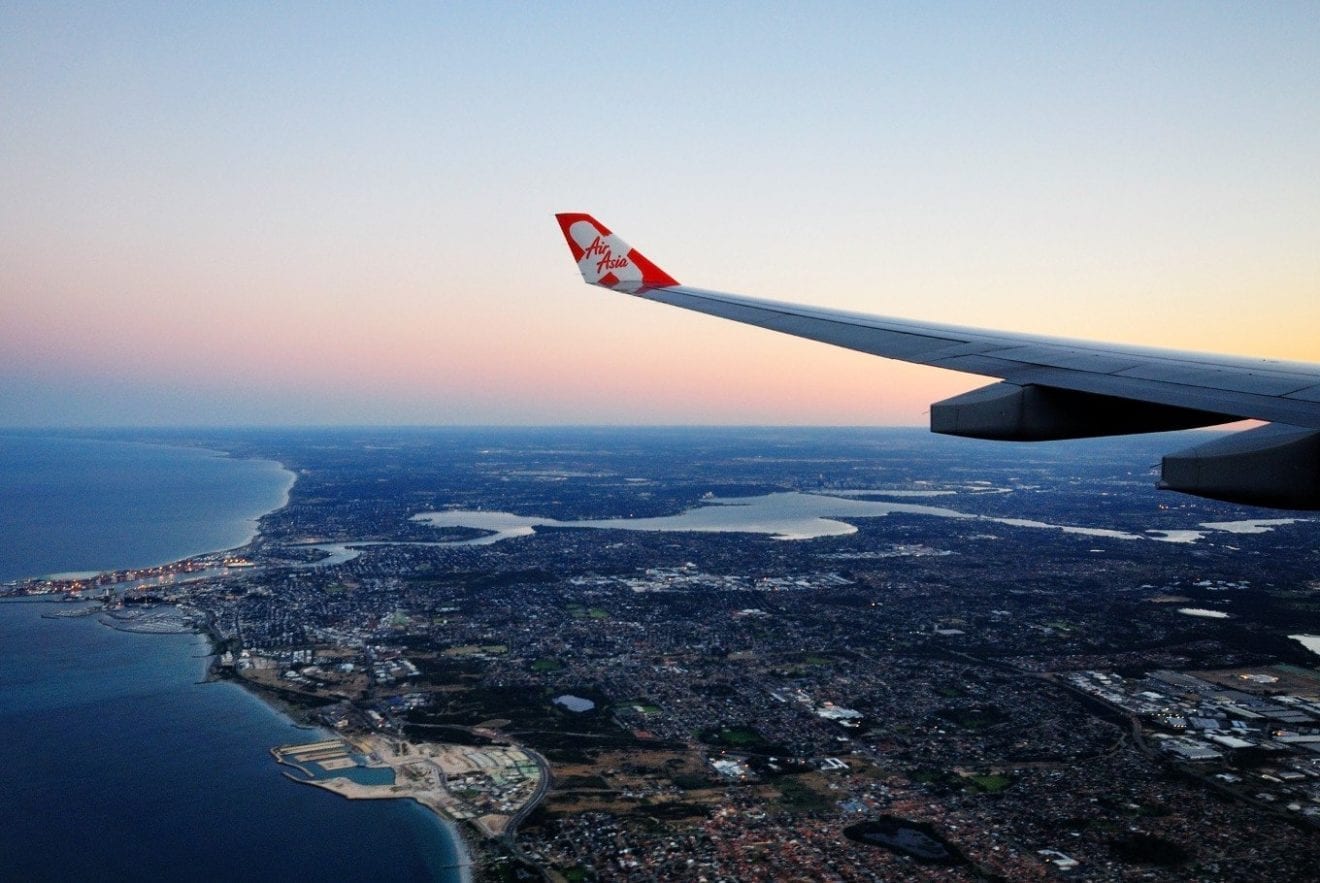
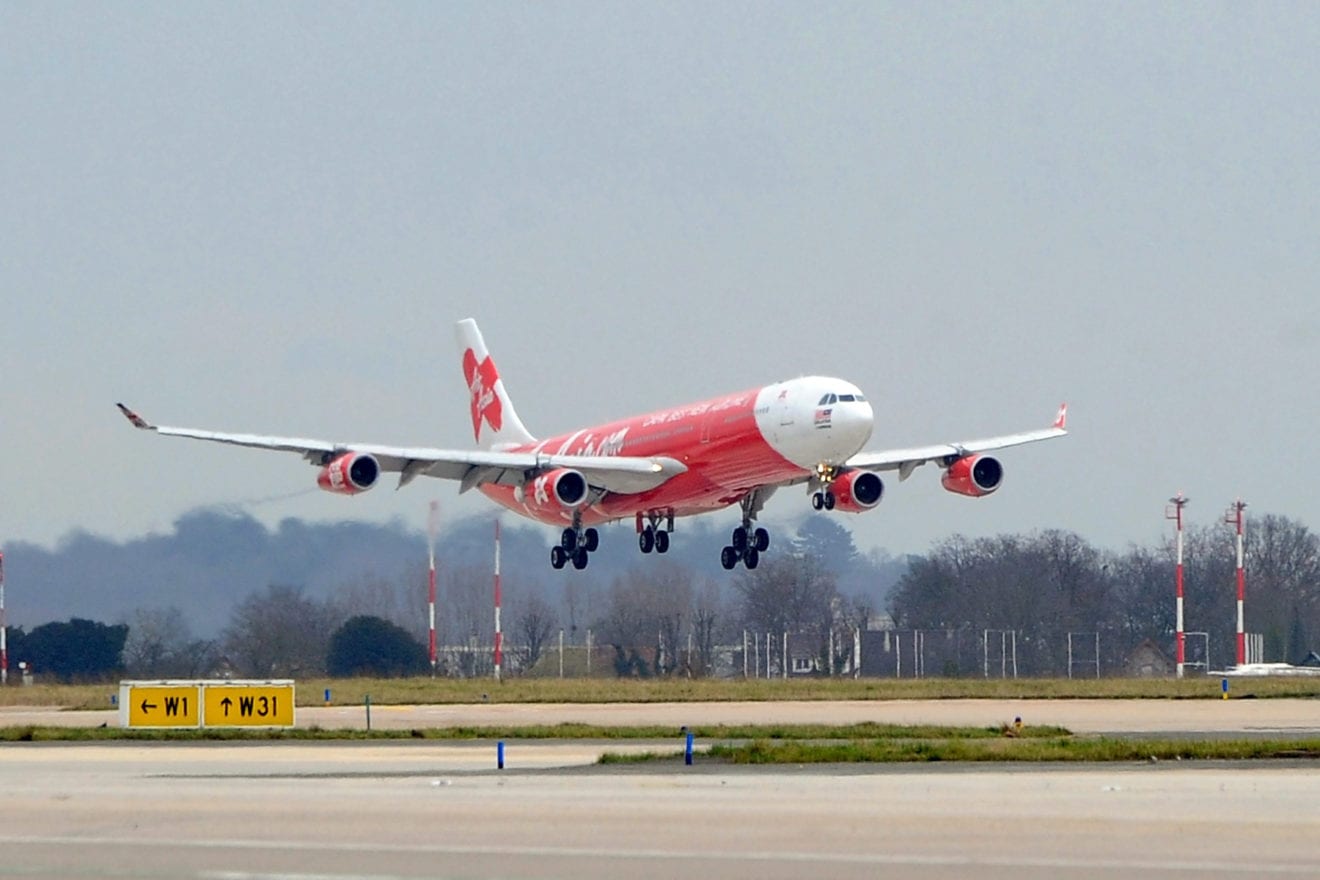
    “Their airlines have started to fly direct. Air Asia X Indonesia started direct flights from Bali to Mumbai and Bali to Kochi. These have reduced chances of passengers going through Kuala Lumpur,” said Tan.

    Tan added that most country’s tourist market have dropped especially in the ASEAN region.“Foreign tourists’ arrival such as those from Singapore, Thailand, Brunei and Indonesia has seen a decrease.“But for long haul markets, we are quite dependent on Chinese tourists.”

    He however applauded the improvements made by the government saying that an increase of visitors from any country is always good. “But India visitors dropped 35.1 per cent during the first quarter in 2017 compared to 11.6 per cent for whole of last year.

    “The visa fee is slightly on the high side. We would like to see for the government’s review on the visa fees, especially for India. “If everything goes right, we could get six million Chinese visitors and 1.5 million from India by 2020. Growth from the nine ASEAN nations will be steady, rising to 23.5 million by 2020 and the rest of the world, five million,” Tan said.

  • LG Uplus enters strategic partnership with Vodafone

    LG Uplus enters strategic partnership with Vodafone

    South Korea’s LG Uplus has announced a new strategic partnership with Vodafone Group for the South Korean market.

    The agreement, the first strategic partnership between LG Uplus and a global operator, will involve collaboration on both enterprise and consumer operations.

    Vodafone will provide best practices and draw on its global reach to support LG Uplus across all areas of its business, including network strategy and development, as well as customer experience management.

    The two operators will also cooperate to jointly offer unified communications and enterprise services to multinational companies with a presence in South Korea. LG Uplus will meanwhile join Vodafone’s global partner market network.

    “ Vodafone is one of the world’s leading telecommunications companies and close cooperation will enable us to streamline and improve our existing business performance and pioneer new areas.  “Vodafone is the ideal partner to help our drive to become world-class,” LG Uplus CEO Youngsoo Kwon said.

    “Our new partnership will enable LG Uplus to benefit from Vodafone expertise and experience, in addition to access to our global enterprise products and services,” Vodafone partner markets CEO Diego Massidda added.

    “I am delighted that LG Uplus has joined our Partner Market network and I look forward to building on our relationship in the coming years.”

  • RCom gets seven-month debt reprieve

    RCom gets seven-month debt reprieve

    India’s Reliance Communications (RCom) has been granted a seven-month reprieve from its debt repayment obligations to give it time to complete its proposed merger with Aircel and a planned sale of a stake in its mobile tower operations.

    In a media release, RCom said its lenders have agreed to a standstill on debt servicing obligations until December 2017 in response to the advanced stages of negotiations over the two transactions.

    The merger with Aircel to create an entity which it has been recently revealed will be named Aircom, as well as a sale of a controlling stake in its tower business to Brookfield Group, are expected to reduce RCom’s debt burden by around 60% to around 200 billion rupees ($3.1 billion).

    RCom has also agreed to develop sustainable long term plans to pay off the remaining debt. If the transactions are not completed by this time, lenders will be able to convert their debt into shares, the company said.

    RCom’s proposed merger with Aircel is expected to create India’s third largest mobile operator with a subscriber base of around 186 million. RCom will hold a 50% stake of the combined company, with Aircel’s parent company – Malaysia’s Maxis Communications – owning the remainder.

  • Three in Four Consumers Frustrated by Inconsistent Retail Experience

    Three in Four Consumers Frustrated by Inconsistent Retail Experience

    Not only do today’s shoppers expect a great service experience, they want it to be integrated and harmonised across channels. According to recent research by Manhattan Associates, three quarters of shoppers say they expect a consistent cross-channel shopping experience, yet just 14 percent claim to enjoy such an experience today. With 82 percent stating they expect their online experience to be duplicated in store, and 78 percent saying they feel they know more about the products and services in store than the store associate, it is clear where the consumer thinks retailers need to invest.

    Furthermore, half of the consumers surveyed said they would like store assistants to make personal recommendations in the same way a website already recommends products they might like, indicating that personalisation within every selling channel – not just online – is high up on the consumer’s agenda.

    The rewards for those retailers able to effectively provide customers with a consistent service experience across channels is potentially huge, with 56 percent of the consumers surveyed stating a seamless service capability as the main reason they would be willing to commit their loyalty to a retailer.

    Other key findings include:

    • 45 percent of consumers stated “a reward scheme that gives you exclusive promotional offers” and 35 percent stated “fast delivery” as key reasons they would stay loyal to a retailer
    • 64% of consumers consider “free delivery” as the most important fulfilment option a retailer should offer as part of their online service proposition, ahead of any chargeable option
    • 47 percent view “product advice” and 33 percent of consumers consider “checking stock availability” as the most important aspects of the service provided by store assistants
    • Regarding reasons consumers are more likely to go to a physical store rather than buying online, 62 percent of respondents said “to get the product there and then” and 53 percent stated “to try and feel the products before buying in-store”
    • As to what consumers would like to happen when they go into a store and the product is not available on the store shelf, 42 percent said “they would like the store assistant to check if it is available in a store nearby where they can collect it from” whilst 19 percent stated “they would like the store assistant to order the product for them and have it delivered to their home or to the same store for collection”

    Raghav Sibal, managing director, Australia and New Zealand at Manhattan Associates, commented, “Consumers clearly have an expectation of what a retail experience should look like in today’s digital world and are willing to offer their loyalty in exchange for retailers able to meet that expectation. Now is the time for retailers to invest in technologies that keep them ahead of the curve and take the appropriate steps required to close the gap between customer expectation and today’s reality. Those that do will be the ones that will thrive in 2017 and beyond.”

    The research by Manhattan Associates questioned 2,000 adults in Australia about their shopping experience and expectations.

  • DHL uses IoT to improve workplace safety for warehouse employees

    DHL uses IoT to improve workplace safety for warehouse employees

    The contract logistics specialist within the Deutsche Post DHL Group — recently completed a pilot at the DHL Advanced Regional Center in Singapore to create a safer warehouse environment using Internet of Things (IoT) technology.

    The company was successful in preventing accidents by leveraging data from wearable wireless sensors.

    These sensors monitored employee fatigue levels, suggested rest periods, and sent alerts when people were in close proximity to moving equipment.

    All of the above was accomplished in real time, indicating a breakthrough that could prove crucial for preventing accidents.

    “At DHL, safety is our number one priority and there is a strong commitment to the health and safety of our employees at all levels of the organisation,”said Steve Walker, chief information officer Asia Pacific and Global Warehouse Management System Centre of Excellence, DHL Supply Chain. “So when we were exploring the use of wearable sensors and how we can leverage the technology for our operations, we naturally chose to focus this pilot project around warehouse safety.”

    Preventive measures

    This pilot comes in the wake of an increase in number of workplace accidents in 2016. Last year, Singapore had to deal with more than 2,000 incidents of workers being struck by moving vehicles in their workplace.

    The Ministry of Manpower Singapore has announced onsite vehicular safety as one of the top three priority areas for improving workplace safety and health in 2017.

    DHL has been testing the use of IoT in its warehouses since 2015 with various partners.

    It is now implementing the technology to monitor operational activities in real-time with heat maps and other visualization tools to optimize operational efficiency and improve employee safety.

    “We have learned a huge amount about IoT from this pilot project,” said Walker. “Now we are evaluating how we can roll out this solution in Asia Pacific and leverage it to add further value for our customers and the business.”

  • Fornarina has opened its new Hong Kong showroom

    Fornarina has opened its new Hong Kong showroom

    The stunning showroom is in Silvercord Building, located in Tsim Sha Tsui, on the world famous shopping street Canton Road. It’s the most important location, where all international fashion brands are present.

    It will be Fornarina’s hub for Asia Pacific, and will serve as the point of reference for development and expansion strategies in the region.

    The newly renowned showroom is contemporary, designed with simplicity and flexibility to accommodate various collections and strategies of the brand. It is a creative hub and destination where Fornarina customers will be inspired and be part of.

    The opening is part of Fornarina worldwide relaunch, thanks to investments of a new ownership. Hong Kong based Bright Fame Holdings owned by the People Group (a leading global design, manufacturing & sourcing group in women’s and men’s footwear, handbags and accessories) acquired the Italian brand on November 2016.

    “The opening of Hong Kong showroom demonstrates our commitment for the global expansion of Fornarina, especially in the Asia corridor, where the brand can tap in a new generation of style conscious consumers. We are focused not only on maintaining and growing in Europe, but more importantly to expand our reach in Asia Pacific, where the brand is still in its early stages of awareness. We believe our Hong Kong showroom will become an important base, and we look forward to welcoming all our Fornarina partners and fans to our new hub!” stated Tina Liu President of the People Group.

    Fornarina’s positioning is focused on the core DNA of denim and footwear, with apparel complementing the overall brand spirit. Designed in Italy, the look is chic and contemporary, targeting the young, fun, and emerging consumer.

    “Our vision is purely international, 35% of our turnover comes from Italy and 65% from abroad. We will be present at the most important international fairs for shoes and clothing, and we are considering new distribution agreements in Europe, USA, and Asia. We plan to have a double digit growth in 2017, after 10 euro millions turnover of 2016” commented Mauro Gabrielli Managing Director of Fornarina.

  • YouCam makeup retail consultations partners with Fruit Gathering

    YouCam makeup retail consultations partners with Fruit Gathering

    Perfect Corp. announces YouCam Makeup’s consultation mode will be available at Fruit Gathering’s new Ginza store starting June 15th, 2017.

    The new store includes a “Virtual Makeup Studio” in which customers try true-to-life makeovers using YouCam Makeup’s augmented reality (AR) technology. YouCam’s consultation mode displays products available on the shelf at Fruit Gathering, so customers can easily explore and create their own makeup and then buy the products directly in-store. Clients can also use the magic makeup mirror to try Fruit Gathering’s recommended base makeup method called the contour “3D Base.”

    “We are delighted to announce our new partnership with Fruit Gathering that creates a new shopping experience through virtual makeup try outs,” said Alice Chang, CEO of Perfect Corp. “The Virtual Makeup Studio at Fruit Gathering will allow customers to try on variety of makeup in seconds to find their ideal products more easily. We believe that true-to-life AR technology is the ultimate key to improving customer satisfaction in stores.”

    Fruit Gathering’s Makeup Method is based on the method developed by GIMA (Good Impression Makeup Association Japan), represented by Reiko Nagashima. Fruit Gathering’s techniques create beauty looks that emphasize the natural bone structure to create the perfect beauty look. This method creates a timeless vision and is sure to leave a lasting impression at first sight. Starting with a neutral makeup base, customers can experience “quick”, “brand mix”, and “retouch” makeup looks. A combination of 36 types of facial recognition allows for an instant impression that gives the ultimate control over the makeup.

  • Apple debuts HomePod speaker to bring Siri into the living room

    Apple debuts HomePod speaker to bring Siri into the living room

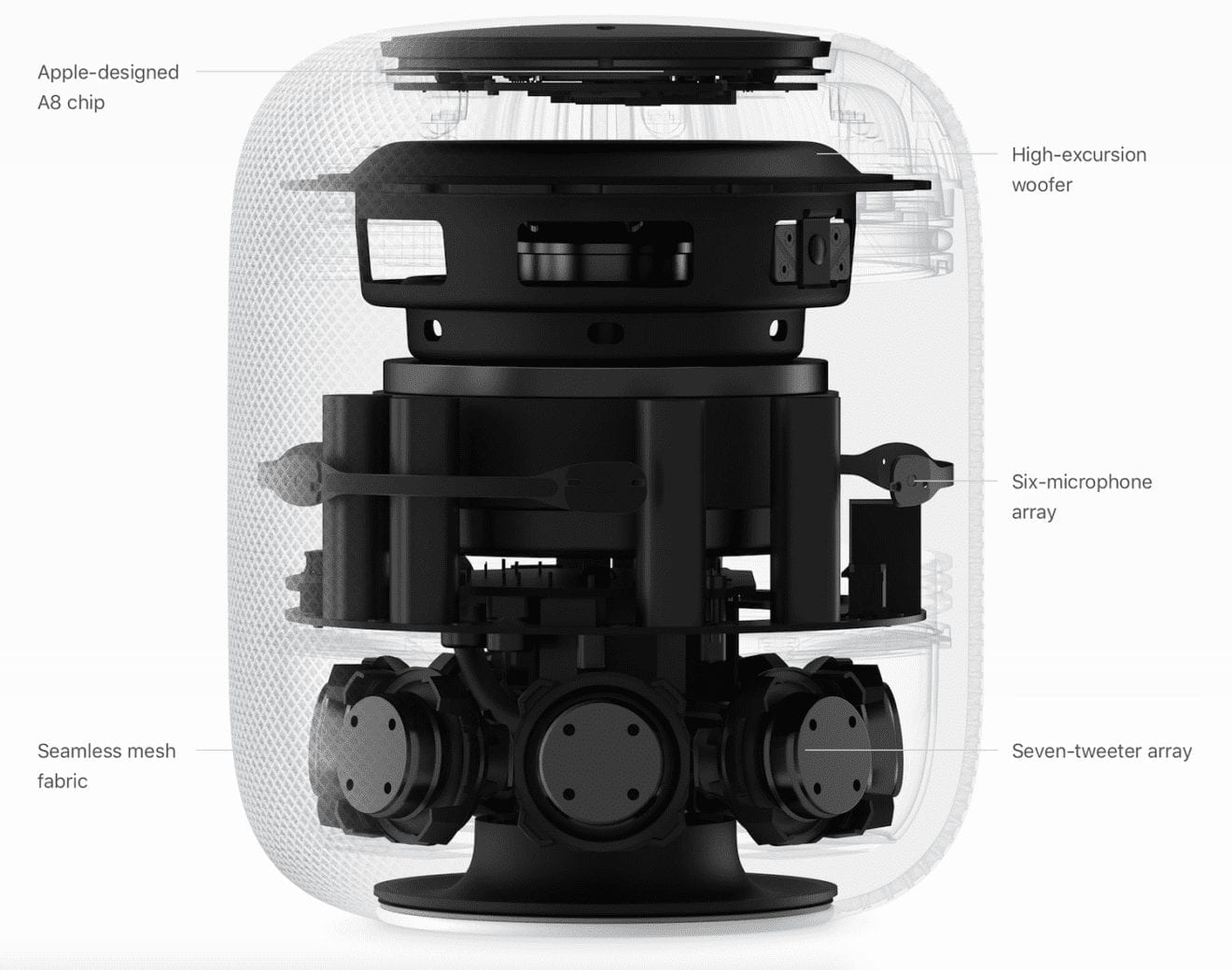
    The HomePod speaker stands just under seven inches (18 cm) tall and is covered in fabric mesh that will come in white or gray. Apple on Monday introduced the HomePod, a voice-controlled speaker that can make music suggestions and adjust home temperatures, taking aim at Amazon.com’s Alexa feature and Echo devices.

    The move is the first into a completely new area by Apple for more than two years as the world’s most valuable technology company looks to make up for a dip in iPhone sales and new ways to get customers to use more of its money-making apps and services.

    Apple’s Siri assistant will be integrated into the $349 speaker, and can make music recommendations that pair with the company’s Apple Music service, send text messages, check news and sports scores and control compatible home gadgets like lightbulbs and thermostats.

    HomePod users may initially be constrained by Siri’s lack of capabilities as compared to Alexa, which also boasts the ability to order millions of Amazon products as well as food from restaurants like Domino’s.

    Apple is expected to announce plans this week to make its Siri voice assistant work with a larger variety of apps, but initial changes were expected to add just a small number of capabilities.

    Apple will begin shipping the HomePod to the United States, Britain and Australia in December.The HomePod speaker stands just under seven inches (18 cm) tall and is covered in fabric mesh that will come in white or gray. A computer processor will tune sound to the room and beam specific parts of music, like a singer’s voice, toward the listener.

    The speaker, while expected by some industry watchers, marked Apple’s first new product announcement since the Apple Watch in September 2014. As a music-playing device, it will also be a challenger to Sonos, whose wifi-controlled speakers are used by many smartphone users for home entertainment.

    A new Siri interface on the Apple Watch will also blend users’ calendar information with other useful details, like airline tickets they may have booked, the company said.The Cupertino, California-based company said Siri, which also competes with Alphabet Inc’s Google Assistant, will now work across devices.

    Apple shares closed down 1 percent at $153.93, not far below the all-time high set last month.Apple also used its annual developer meeting in San Jose, California – its largest ever with some 5,000 people attending – to offer hints about so-called augmented reality technology.

    Augmented reality

    The technology, a feature of the wildly successfully smartphone game Pokemon Go, overlays digital information on real-world images and is seen as an area in which the keenly awaited 10th-anniversary iPhone can stand out from competitors.

    New indoor maps of areas like malls and airports indicated that Apple might be laying groundwork to display information over images of those places in the future.

    The company also rolled out tools for developers to create augmented reality applications for iPhones and iPads. To show the tools off, Apple invited Wingnut AR, the company formed by “Lord of the Rings” director Peter Jackson, on stage.