Author: Mei Ling Tan

  • Tom Dixon opens first flagship store in Hong Kong

    Tom Dixon opens first flagship store in Hong Kong

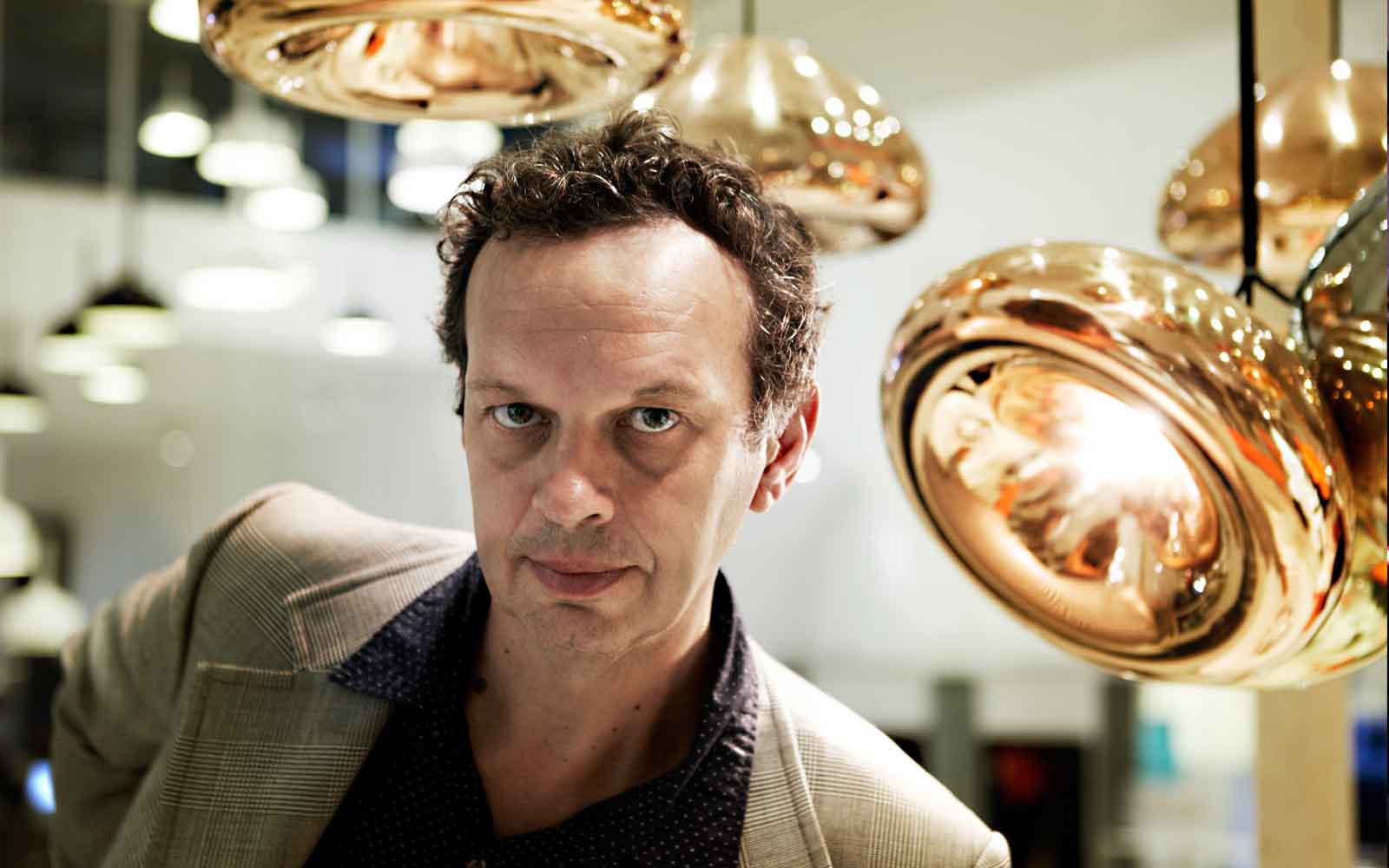
    British designer, Tom Dixon arrived in Hong Kong this week to officially open his first store in South East Asia. The duplex store takes a prime location on Hollywood Road, Central Hong Kong and comprises of Tom Dixon’s latest furniture, lighting and home accessories.

    Commenting on the new Hong Kong shop, Tom Dixon said: “With an acceleration of interest for our work in this region, 52 Hollywood Road emerges as the new epicentre of our latest expansion in Asia. The two-storey showroom showcases a curated collection of our core products where charred timber cladding and grey marble fixtures complement the concrete floor and walls, and serve as a fitting backdrop to our metallic tones of copper, brass and chrome.”

    The ground floor, on one of Hong Kong’s busiest retail stretches, offers a veritable Aladdin’s cave of home accessories. From bold table-top architecture to the scent of London itself, the copper cave houses a cabinet of Tom Dixon curiosities. Designed to engage and encourage interaction, shoppers are also invited to explore the versatility of the collections through a plug and play lighting track, and the designers tool box engineered to demonstrate finishes, colour and fabric options.

    Dexigner
    Dexigner

    The café, operated by Nodi, offers a selection of artisanal coffee, small snacks and the perfect place to slow down and soak in the latest ideas in furniture, accessories and lighting whether you are an architect or just a design enthusiast.

    Dexigner
    Dexigner

    Tom concluded: “As our second monobrand in the eastern hemisphere, 52 Hollywood Road represents the launch pad for many extraordinary adventures in Asia.”

    Yesterday evening, design enthusiasts and industry principles gathered to celebrate the grand opening of the new TOM DIXON Hong Kong store.

  • Ncell launches 4G despite PAC directive

    Ncell launches 4G despite PAC directive

    Nepal’s Ncell has announced the launch of 4G services, despite reports that the company is to have its 4G license withheld due to a tax dispute.

    In a statement, Ncell said it has launched 4G in Kathmandu, Nagarkot, Banepa and Dhulikhel, and has set a target of rolling out 4G to 15% of the country by the end of the year.

    Ncell will allow customers to replace their existing SIMs with a 4G compatible USIM for free at Ncell stores, and will provide 1GB of bonus data with a three day validity to celebrate the launch of 4G.

    The company said customers can expect download speeds of between 10Mbps and 37Mbps and upload speeds of 3Mbps to 18Mbps.

    The statement made no mention of the recent directive from the parliamentary Public Accounts Committee (PAC) that Ncell be prohibited from launching 4G until the dispute is resolved over capital gains tax associated with the sale of TeliaSonera’s indirect controlling stake in Ncell to Malaysia’s Axiata in 2015 for $1.03 billion.

    The PAC has “serious reservations” over the launch, and will call a meeting this week to decide on a formal position over whether to oppose the issuance of Ncell’s 4G license under Nepal’s technology neutrality policy.

    According to the report, Ncell had launched 4G before regulator the Nepal Telecommunications Authority (NTA) had a chance to reach a decision over the validity of the 4G license.

  • Happy Customers Key to Improving a Business’ Bottom Line

    Happy Customers Key to Improving a Business’ Bottom Line

    “You’ve got to start with the customer experience and work backwards to the technology,” said Steve Jobs. And as more and more customers interact with businesses over a variety of touchpoints and channels, it has become essential for businesses to offer a consistently seamless experience. But while everyone is rushing to launch customer experience (CX) programs, it is not easy to know where to focus to drive the most value and change.

    CX management has increasingly become a key differentiator for top Asia Pacific brands in today’s increasingly competitive market. According to Forrester’s “2016 Predictions for Business Leaders In Asia Pacific” report, more businesses in the region will recognise the need to improve their customer experience across all customer touchpoints and will thus put pressure on international companies that do not seek to localize their CX initiatives.

    A well-designed CX program will deliver real-time, actionable feedback from customers about their experiences and expectations, as well as their future intentions to recommend or purchase and connect multiple types of feedback across all customer touchpoints, helping organisations to focus on the areas of greatest impact. By using appropriate customer measures, both lead and lag, organisations can then understand their performance by leveraging real-time stakeholder dashboards and comprehensive reports that need to be fully adaptable as customer priorities and business needs change.

    Volkswagen Australia is a prime example as its customer insights dashboard are made available for dealerships on mobile devices and desktop. Its dynamic closed-loop follow up effectively enables allof its dealerships to resolve customer issues using automated ticketing and customized, role=based dashboards.

    Here are three key methods in which organisations can more effectively manage the customer experience:

    1. Employees drive experience: Many organisations forget about the impact employee engagement has on the customer experience. At the end of the day people drive change and an engaged workforce is essential for long term success of a customer-centric brand. 
    1. Customer feedback is key: Managing the customer experience depends on the ability to build a stable, repeatable process for capturing customer feedback and helping people learn from that feedback so that it is embedded into the way teams work and make decisions every day.
    2. Map the journey, not the moments: Businesses who map the customer journey by segment better understand the unique paths their customers take. This lets them measure things like barriers in the journey, what drives satisfaction, what drives purchase decisions, the relative importance of each stage in the customer journey and more.

    Organisations that can tie journey performance metrics to actions can deliver customer experiences that are tailor-made to encourage loyalty and repeat purchases. It is important for businesses to measure journeys, and not simply one-off interactions. Organising teams around key journeys will also allow businesses to connect their functional silo teams, encouraging them work together to innovate and deliver customer value and find ways to improve efficiency, which in turn reduces cost.

    Organisations that use a sophisticated, yet easy-to-use platform can gather real-time snapshots of their customers’ experiences and determine where they can make operational and strategic improvements. By gathering this kind of feedback and analysing it for insights, businesses can continuously improve their customer’s experience. This will in turn help companies improve revenue, and gain competitive advantage in the market.

  • It’s “Free summer, Fly for free”, enjoy flying with Vietjet

    It’s “Free summer, Fly for free”, enjoy flying with Vietjet

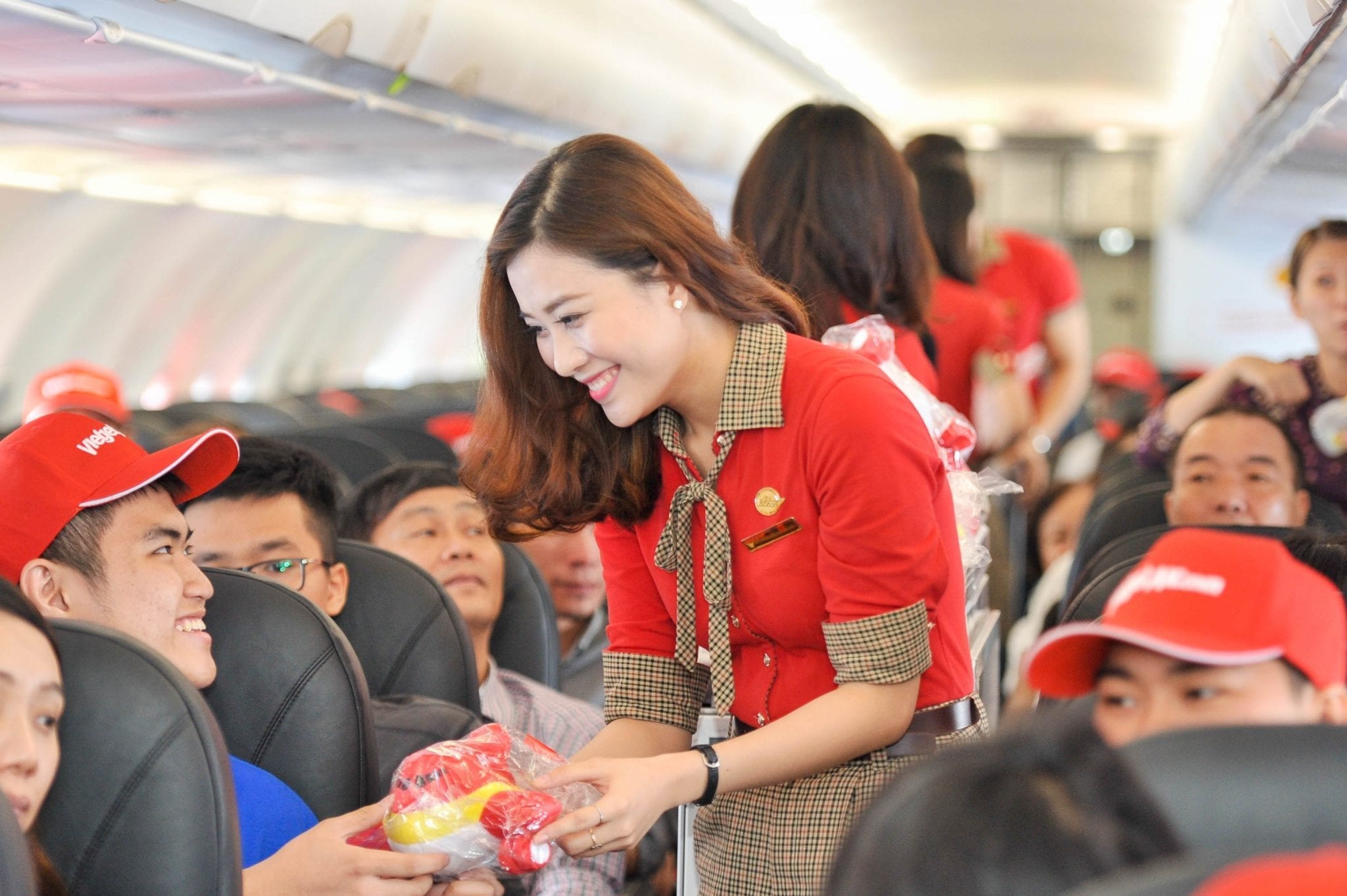
    Hot on the heels of the launch of the sensational promotion campaign of “Free summer, Fly for free”, Vietjet announces a three-golden-day promotion on 06, 07, 08 June 2017, which offers 800,000 promotional tickets priced from only HKD0 within the golden hours 13h-15h at www.vietjetair.com. The promotion is applied for all international routes from Vietnam to Hong Kong, Seoul and Busan (South Korea), Kaohsiung, Taipei, Taichung and Tainan (Taiwan), Singapore, Bangkok (Thailand), Kuala Lumpur (Malaysia), Yangon (Myanmar) and Siem Reap (Cambodia) with travel time being from August 1, 2017 to December 31, 2017 (except public holidays).

    Especially, all customers successfully booking tickets at www.vietjetair.com with instant payment within the golden hours from now to June 15, 2017 will also have the chances to join the lucky draw for the gifts of mobile phone top-up cards and air ticket promotion codes at summerwin.vietjetair.com.

  • ICONSIAM supports the building of  “Kadeejeen-Klongsarn Center”

    ICONSIAM supports the building of “Kadeejeen-Klongsarn Center”

    Through many years, ICONSIAM has a policy of responsibility towards society, the environment, and culture by contributing to the sustainable development of local communities and the long-lasting co-existence with the Chao Phraya River. Hence, ICONSIAM continues to fulfill its missions related to social development throughout the three projects, namely the conservation of natural resources and the environment of the Chao Phraya River in the vicinity, the sustainable development of the communities and their unique local wisdom, and the preservation of the precious culture and traditions of the people living along the Chao Phraya River generation after generation.

    ICONSIAM has cooperated with the Urban Design & Development Center (UddC), Kadeejeen-Klongsarn Community, including homes, temples, schools, and government agencies in Kadeejeen-Klongsarn community, and the PPCP (public-private-community partnership), which comprises of governmental agencies and private organisations, in particular religious leaders in communities including  Buddhist Chief Abbot of Wat Prayurawongsawat Phra Brahmapundit, Head to Goowatin Islam Mosque Imam Nawin Sasanakul, and Assistant Abbot to Santa Cruz Church Father Anthony Ekkachai Soratchakit, to co-work and draw development plan for establishing “Kadeejeen-Klongsarn Center”.

    Mr. Supoj Chaiwatsirikul, Managing Director of ICONSIAM Co., Ltd, said another key aspect of ICONSIAM’s CSR activities lies in the contribution to the development of the communities sustainable. ICONSIAM has foreseen that the project will create benefit for the communities and society, so that the company has taken part to the Kadeejeen-Klongsarn Center project since 2015. During the past two years, ICONSIAM has seen the community strength and unity, and so proud of being part of the community center’s initiative in Kadeejeen-Klongsarn areas. Moreover, ICONSIAM highly expects that the center will be a pilot project and be as a model for other communities’ development. The center will not only be learning and knowledge exchange information center, but also preserve tradition and culture, as well as promote eco-tourism, and increase incomes for people in the communities to have better living standard

    Assistant Professor Niramon Kulsrisombat, director of the Urban  Design & Development Center (UddC), said that the initiative for establishing of the Kadeejeen-Klongsarn Center came from the realization that the areas is one of the oldest communities in Bangkok-Thonburi, which have deep and strong background. During the past 10 years, people in the communities and outside the area have created many activities to rehabilitate this neighbourhood to become lively again. Yet, temporary activities have its limitation and most are not permanent, it could not reach the development target in tangible outcome, despite people in the communities and other organisations have gradually increased their cooperation. As a result, people in Kadeejeen and Klongsarn communities have initiated an idea to establish “Kadeejeen-Klongsarn Center” (KK Center) as social areas and gateway for visitors to reach the area.

    Kadeejeen-Klongsarn Center which will be completed in establishment in 2018 is located on an area of over 250 square meters of the Memorial Bridge adjacent to the riverfront court of the City Law Enforcement Department, which is where Kadeejeen and Klongsarn meet. It is one of the strategic areas to serve the communities as having every kind of transportation including road and water ways, and railway in the near future. The Kadeejeen-Klongsarn Community Center will serve as public utility areas and as the gateway to these communities as well as a starting point for tourists and general people who are searching for information and exchange idea and knowledge about these areas. In addition, the center will also serve as a showcase for products from these communities.

  • Huawei, Henan Unicom develop smart hotel solution

    Huawei, Henan Unicom develop smart hotel solution

    Huawei has teamed up with China Unicom’s Henan branch Henan Unicom to develop a smart hotel connectivity solution based on all-optical access.

    The solution involves the delivery of broadband capability based on a large-capacity converged optical line terminal, fibers routed inside buildings and converged smart gateways.

    Each hotel room will be provided exclusive Wi-Fi access, eliminating issues involving poor coverage or congestion. The converged smart gateways will deliver both wired broadband and Wi-Fi access, and hotel users will be provided dedicated IPTV access.

    The solution also supports centralized managed operation and maintenance (O&M) to eliminate the requirement for dedicated IT support personnel, and delivers an access rate of 10GE. It can support control of lights, home appliances, and curtains using external intelligent devices.

    “Huawei’s all-optical access smart hotel solution has obvious advantages in terms of deployment, service experience, and uniform O&M,” Henan Unicom Zhao Songhui said.

    “This solution enables Henan Unicom to accelerate hotel informatization effectively, and has earned high recognition from both hotels and their guests. In the future, we plan to spread this solution to more hotels and provide users with more intelligent services.”

  • NARS Cosmetics makes Malaysian travel retail debut

    NARS Cosmetics makes Malaysian travel retail debut

    Shiseido Travel Retail has partnered with Colours & Fragrances to open a NARS Cosmetics stand-alone boutique at Kuala Lumpur International Airport (KLIA) on 1 June.

    The 16.5sq m boutique, which marks NARS Cosmetics’ introduction to Malaysian travel retail, is located in KLIA’s Satellite Building outside the Colours & Fragrances store.

    The boutique, said to be an expression of the brand’s “audacious and modern” DNA, is designed to guide travellers on their colour journey through a number of in-store concepts. These include the High Five Tower, showcasing the five most popular product sub-categories (concealer, foundation, lipstick, cheeks and eyes); and the Full Power Pout display which sorts NARS’ range of lip products into different shade ‘families’.

    A make-up station will offer the complete NARS assortment, including seasonal launches and travel retail exclusives. A dedicated Traveler’s Exclusive wall will highlight NARS’ first Traveler’s Exclusive collection, NARSissist #Jetsetter, which has been refreshed for 2017.

    To celebrate the opening of the new boutique, a number of promotional activities will take place from 1 to 4 June. These include complimentary make-over services by NARS make-up specialist Roland Choong, who will show travellers how to create a full beauty look using the new NARSissist #Jetsetter collection and other key products in the NARS portfolio.

    Shiseido Travel Retail General Manager – Asia Pacific Kenji Calméjane commented: “The introduction of NARS at KLIA marks a strategic new step for us in the dynamic Malaysian travel retail market as the brand continues to go from strength to strength in the Asia Pacific region. With three successful NARS boutiques in the Kuala Lumpur domestic market, the brand already has a tremendous fanbase of ‘NARSissists’ who eagerly await every new release and limited-edition collection.

    “We believe the new Traveler’s Exclusive NARSissist #Jetsetter will have significant appeal here, and with the support of Colours & Fragrances we are able to offer an exceptional environment to experience the brand’s extensive assortment.”

    Colours & Fragrances Operations Director Datin Azah Bazid said: “With its bold colours, luxurious textures and edgy style, NARS Cosmetics is a refreshing addition to our portfolio of colour cosmetics brands. The opening of the stunning new boutique underlines our commitment to becoming a luxury beauty destination at KLIA and delivering a world-class airport shopping experience to the 52.6 million international passengers passing through KLIA annually.”

  • Hanoi beer loses in home market despite brief fame from Obama dinner

    Hanoi beer loses in home market despite brief fame from Obama dinner

    Hanoians favor Hanoi beer, Sai Gon beer and Heineken. There are no official statistics about the consumption of beer products, but analysts are sure the three brands dominate the Hanoi market.

    Hanoi Beer Alcohol and Beverage Corp (Habeco) has the Hanoi Beer brand and is located in Hanoi.

    Analysts said that the images of Obama drinking Hanoi beer, which appeared in all local newspapers and international mass media, would help Habeco prosper.

    But Hanoi Beer has lost a large part of the market to its rivals.

    After Obama had dinner at Huong Lien bun cha Shop and drank Bia Ha Noi on May 23, the first day of his visit to Vietnam, both brands appeared many times on mass media. Bia Ha Noi was even mentioned in Obama’s speech the next morning.

    However, while Huong Lien bun cha Shop’s business has been thriving since then, Bia Ha Noi is less lucky.

    Many grocery stores and street shops in Hanoi say that youth now prefer Saigon Special of Sabeco, a brewery headquartered in HCMC. The main customers of Hanoi Beer are aged 50 and more.

    “Hanoi beer now is just for older people,” said Do Hoang Yen, the owner of a grocery store on Khuong Trung street.

    The owner of H.B Shop on Truong Dinh street said five to six years ago, Hanoi beer once dominated the Hanoi market and there was no rival in the bottled beer market.

    “The sales of Sabeco’s products are far higher than Habeco’s,” he said. “We can sell only one Habeco product for every two Sabeco products sold.”

    At large supermarkets, people have begun buying beer in large quantities as the summer has come in Hanoi. And Sabeco’s products are favored.

    Xuan Truong, from Bac Tu Liem district, said he prefers Saigon Beer because it is tastier with a strong flavor, while Hanoi Beer tastes flat.

    However, a branding expert said that tastes are always different. He believes that the problem lies in the marketing strategy.

    While Sabeco offers a wide range of products with different price levels, targeting different groups of customers, Hanoi Beer has stayed the same for many years and cannot attract young people.

  • Vietna​m urges nearly 13,500 Facebook retailers to declare tax

    Vietna​m urges nearly 13,500 Facebook retailers to declare tax

    Most online transactions in Vietnam involve cash, which is difficult to track and tax. District tax departments in Ho Chi Minh City have sent out tax demands to nearly 13,500 Facebook retailers in a move to target tax avoidance by online businesses.

    Since February, Vietnam’s tax authorities have been looking at ways to collect taxes from online businesses that use Facebook and other social media sites such as Instagram and Youtube.

    Nguyen Nam Binh, deputy director of Ho Chi Minh City’s Tax Department, told VnExpress that the law requires online retailers earning over $4,400 a year to declare tax, so authorities are only targeting long-term and unregistered businesses.

    Despite the requests, Binh Thanh District’s tax department said the response had been limited.

    “Most business owners said their business were short-term and their revenue was not high enough to warrant the tax requirements”, said a department representative.

    In February, Facebook representative Huynh Kim Tuoc said at a conference that Vietnam’s e-commerce environment is thriving, with about 50 young people having already earned millions of dollars through online businesses.

    Local businesses in HCMC also told us their revenue rose significantly after they switched online, with some reporting earnings of up to tens of thousands of dollars per month.

    Chairman of Vietnam Tax Consultant Association Nguyen Thi Cuc told us that Vietnam’s tax policy for online businesses is incomplete and therefore not yet compulsory, adding that it’s difficult to collect taxes from online retailers in Vietnam as most transactions are still in cash.

    Vietnam is also struggling to control business activities from transnational corporations like Facebook and Google, she added.

  • Samsung Galaxy S8 ‘Pirates of the Caribbean’ Special Edition launched in China

    Samsung Galaxy S8 ‘Pirates of the Caribbean’ Special Edition launched in China

    Samsung and Disney have teamed up to launch the special ‘Pirates of the Caribbean’ Galaxy S8 variant. The special edition smartphone has been launched in China where it will retail for 5,988 Yuan (or approx Rs. 56,487). The ‘Pirates of the Caribbean’ Galaxy S8 is available via JD.com, one of the largest online retailers in China. It is unknown if the special edition model will be available outside of China.

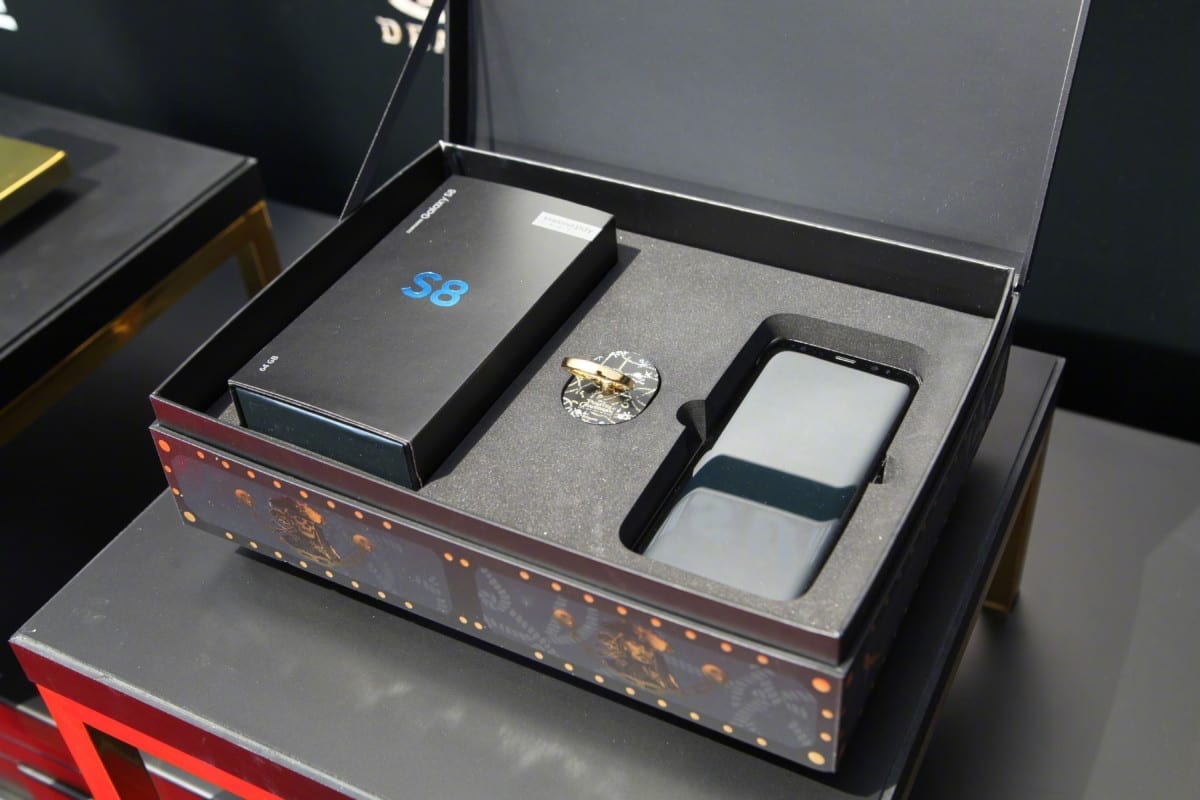
    The limited edition model looks like the regular Galaxy S8 from the outside. However, it comes with special themes and wallpapers. Plus, you will get some bonus content from the Pirates of the Caribbean: Dead Men Tell No Tales which is the fifth installment of the Pirates of the Caribbean franchise. Also, the retail box has been designed to look like a treasure box , with the Pirates of the Caribbean logo engraved on it. Inside the box, you will find a phone’s ring holder and a removable case.

    As far the phone’s specifications are concerned, you’re getting the standard option. The Galaxy S8 sports a 5.8-inch QHD+ display, with a resolution of 2960×1440 pixels. The device features an iris scanner and as well as an ‘Infinity’ display. The size of the display is a bit different. It’s an ultra wide display which has an aspect ratio of 18:5:9 instead of 16:9.

    The smartphone has been powered by Samsung’s Exynos 8995 processor which has been built using 10nm process. The phone further comes with 4GB RAM, 64GB storage and microSD card slot. The Galaxy S8 runs on Andoid 7.0 Nougat with the company’s TouchWiz UI.

    On the camera front, the Galaxy S8 comes with a 12-megapixel rear camera with f/1.7 aperture and optical image stabilization (OIS). On the front the phone sports an 8-megapixel shooter with f/1.7 aperture and autofocus. The phone comes with a 3,000mAh battery and is IP68 certified as well.

    The physical home button is removed entirely and replaced with a touch sensitive button underneath the display. Another big change is that the fingerprint scanner is now located on the back of the device, next to the camera module. The Galaxy S8 also comes with Bixby, Samsung’s new AI assistant.

    This isn’t the first time Samsung is launching a special edition of its flagship device. The South Korean company has released a few limited edition smartphones in the past, like the Batman Edition of the Galaxy S7 Edge and the Iron Man Limited  Edition of its predecessor.

  • Indonesia’s Mandiri eyes Singapore private banking business

    Indonesia’s Mandiri eyes Singapore private banking business

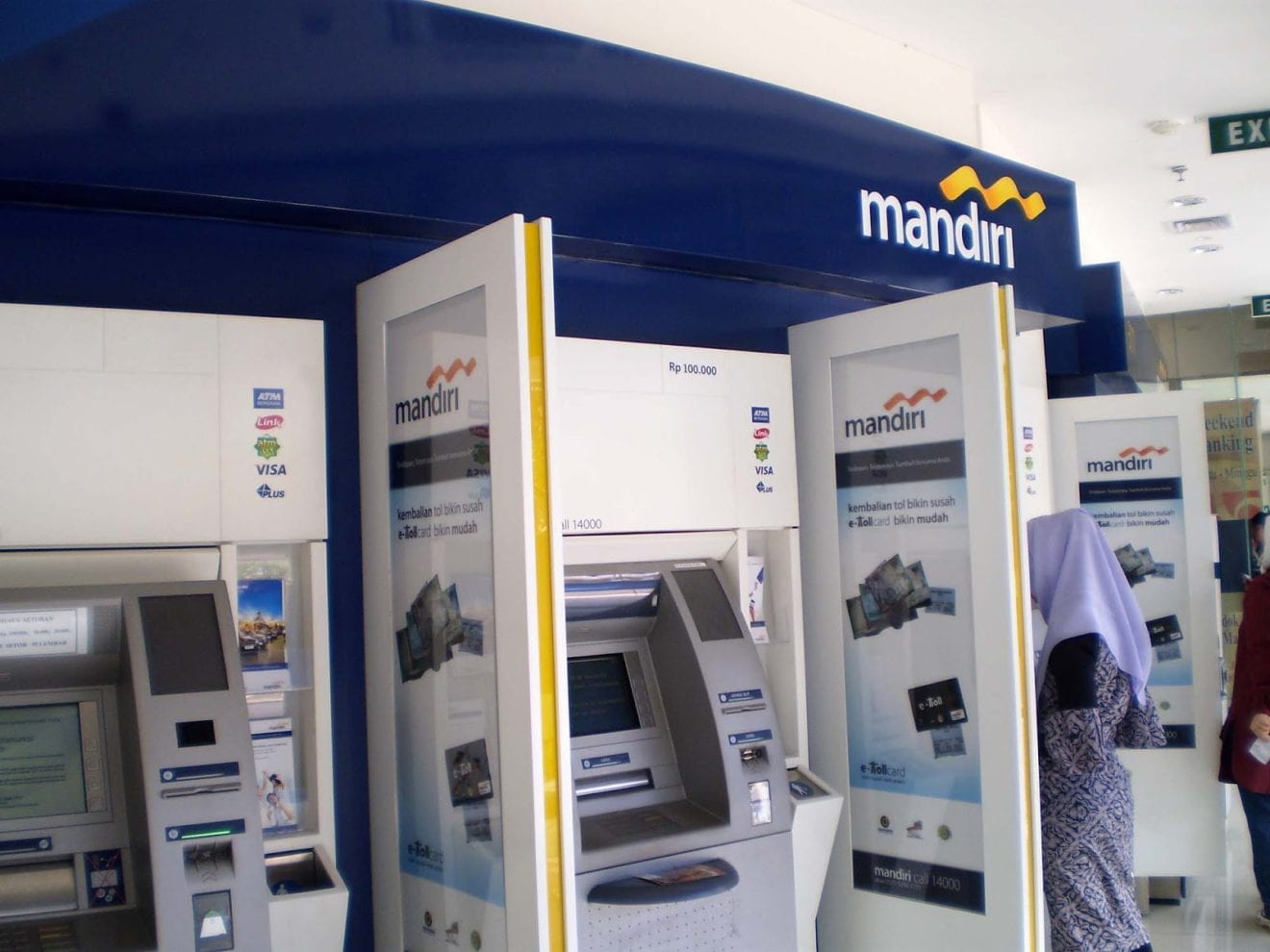
    Indonesia’s largest lender Bank Mandiri wants a piece of the lucrative private banking business in Singapore, particularly the accounts of wealthy Indonesian clients.

    Recent reforms in Indonesia, including a successful tax amnesty, have made ultra-rich citizens less averse to banking with state-owned institutions, said Mandiri chief executive Kartika Wirjoatmodjo.

    “In the past, they were worried that their undeclared wealth will be reported,” he told recently.

    “After the tax amnesty, everything is transparent so Indonesians who put money in Singapore are no longer worried about having us, a state-owned bank, as their banker.”

    Many wealthy Indonesians are believed to bank much of their fortune abroad and the local tax authorities believe some do so to avoid scrutiny and paying taxes.

    Finance Minister Sri Mulyani Indrawati said Indonesians have stashed about US$250 billion (S$346.5 billion) worth of assets overseas, of which a whopping 80 per cent is kept in Singapore.

    The tax amnesty, started in July last year, was introduced to encourage these rich citizens to come clean with the taxman on their assets at home and abroad by offering tax rates as low as 2 per cent.

    More than 4,000 trillion rupiah (S$417 billion) – about a third of Indonesia’s gross domestic product – of newly declared assets were recorded at the end of the scheme in March, with a small portion of the wealth repatriated from overseas.

    Mandiri, which operates in Singapore under an offshore bank licence granted by the Monetary Authority of Singapore (MAS), plans to apply for another licence to run private banking operations. This follows the opening of its securities subsidiary Mandiri Securities Singapore last October.

    Mr Kartika said Mandiri’s move into Singapore’s private banking sector will require a “limited retail banking licence” so that it can serve high-net-worth Indonesians there. “So we don’t want to deploy 200 ATMs in Singapore, perhaps just a couple of branches would do.”

    Mandiri also wants to make Singapore a hub for its corporate clients, most of whom have offshore financing, either bilateral bank loans or fund raising via capital markets, to access global investors.

    “Many investors operate their Asian accounts from Singapore, so by giving them access to the Singapore market, we automatically have global exposure,” said Mr Kartika.

    Besides growth in Singapore, the bank has been expanding its retail banking business in Malaysia and the Philippines.

    After long negotiations, Mandiri is set to get a full retail banking licence in Malaysia within the next two months which would allow it to open retail branches across the country, said Mr Kartika.

    In the Philippines, where the banking industry is less mature and saturated compared with Indonesia, Mandiri is betting on the country’s strong economic growth and is in talks with local banks for possible acquisitions of minority stakes.

    Analysts said Mandiri’s “Singapore strategy” will pave the way for it to become a regional player, just like DBS Bank or Malaysia’s CIMB.

    “It is a positive move if Bank Mandiri starts investing more in its international business,” said Mr Harry Su, head of strategy and research at stockbroker Bahana Sekuritas.

    But Mr Su added that while this is a part of the bank’s strategy to be a bigger player in South-east Asia, it is still early days as “contribution from such efforts will remain minimal to their overall earnings performance in the next three to five years”.

    Another analyst, who declined to be named because he is from a competing bank in Jakarta, said the top four banks control the majority of Indonesia’s total banking assets so the room for others is restricted.

    “This would make Malaysia, Singapore and the Philippines more competitive markets for Mandiri,” he said.

    “But it also means returns or profit margins from doing business there would be less, but as the biggest bank in Indonesia, Mandiri has to expand there.”
  • E-Bay Korea helps firms bolster overseas sales

    E-Bay Korea helps firms bolster overseas sales

    E-Bay Korea has been helping a number of small consumer goods makers by providing an online sales platform through which they can reach millions of buyers abroad.

    Thanks to Gmarket’s global shop, some companies have even seen their overseas sales exceed what they sell in the domestic market as Chinese, Japanese and other foreign buyers flock to the online shop for a range of made-in-Korea consumer products. Gmarket is Korea’s largest e-commerce site operated by e-Bay Korea.

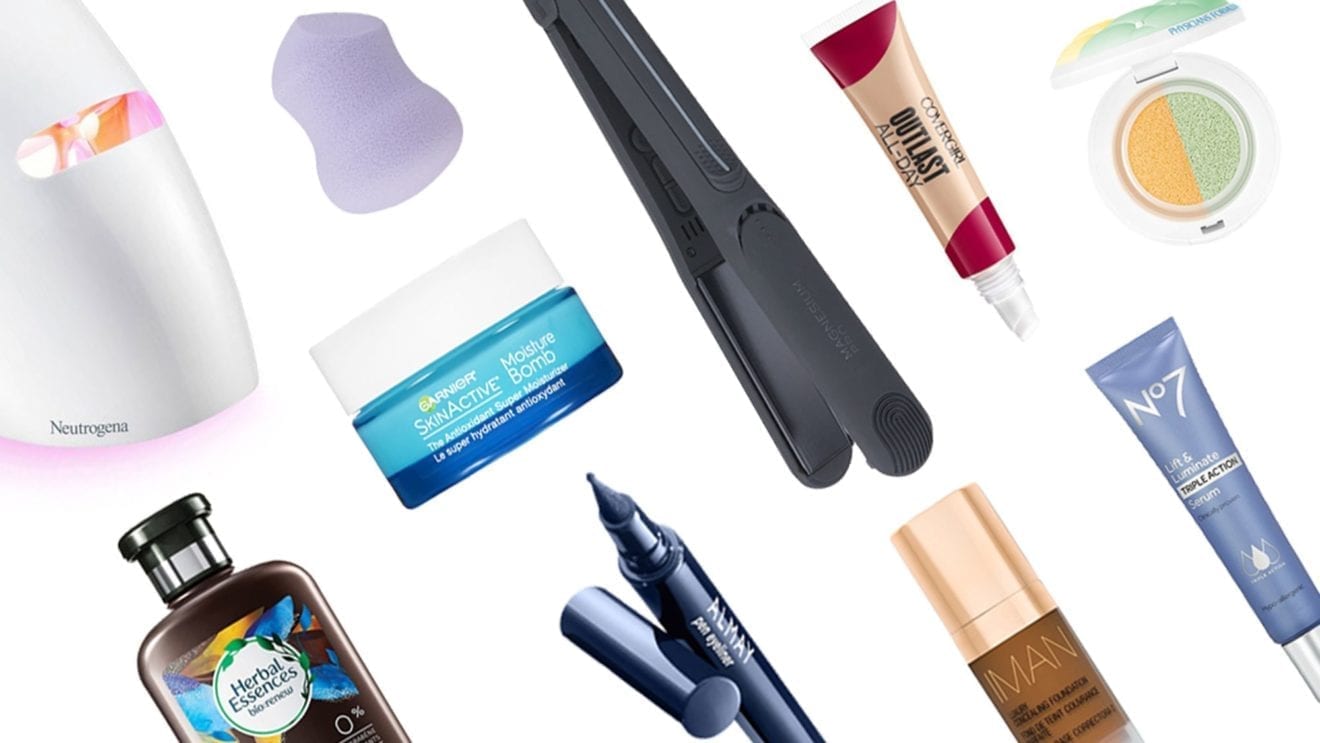
    One of the beneficiaries is Coibana, a mid-tier cosmetics firm specializing in whitening cream and other skincare products, which began selling goods last August on Gmarket’s global shop.

    Following extensive exposure to the site’s main page, the sales of the firm’s items have increased sharply as more foreign shoppers pay attention to what it offers.

    In the first five months of this year, its sales through the global e-commerce site rose three times compared to its performance from August to December the previous year.

    According to Coibana officials, its products are shipped to consumers in China, Japan, the United States, Vietnam and many other countries.

    Skincare goods are popular in Ukraine, while many consumers in France and other European nations buy skin pore care items, they said. Whitening cream is the most popular item among people in the Middle East and Southeast Asia.

    “When we first decided to sell our products to foreign consumers through cyberspace, we were struggling with a language barrier,” Coibana CEO Park Shin-ae said. “We were engaged with people from many different countries and our employees had a hard time dealing with them. But when we became part of Gmarket, e-Bay Korea took care of the language problem for us.”

    Park said the company has received more inquiries from overseas buyers since its goods became available through Gmarket. “The e-commerce site has proven to be a perfect sales platform for companies likes us who want to reach both Korean and non-Korean consumers. We will continue to develop more sales channels overseas in cooperation with e-Bay.”

    Lee Eun-young, e-Bay Korea’s global sales manager, said many small and medium-sized consumer goods makers here need online sales channels through which they can offer products to foreign consumers.

    “We will continue to provide all the support we can to enable local firms to serve consumers abroad and grow into a global enterprise,” Lee said.

  • $14b Intelsat-OneWeb merger falls through

    $14b Intelsat-OneWeb merger falls through

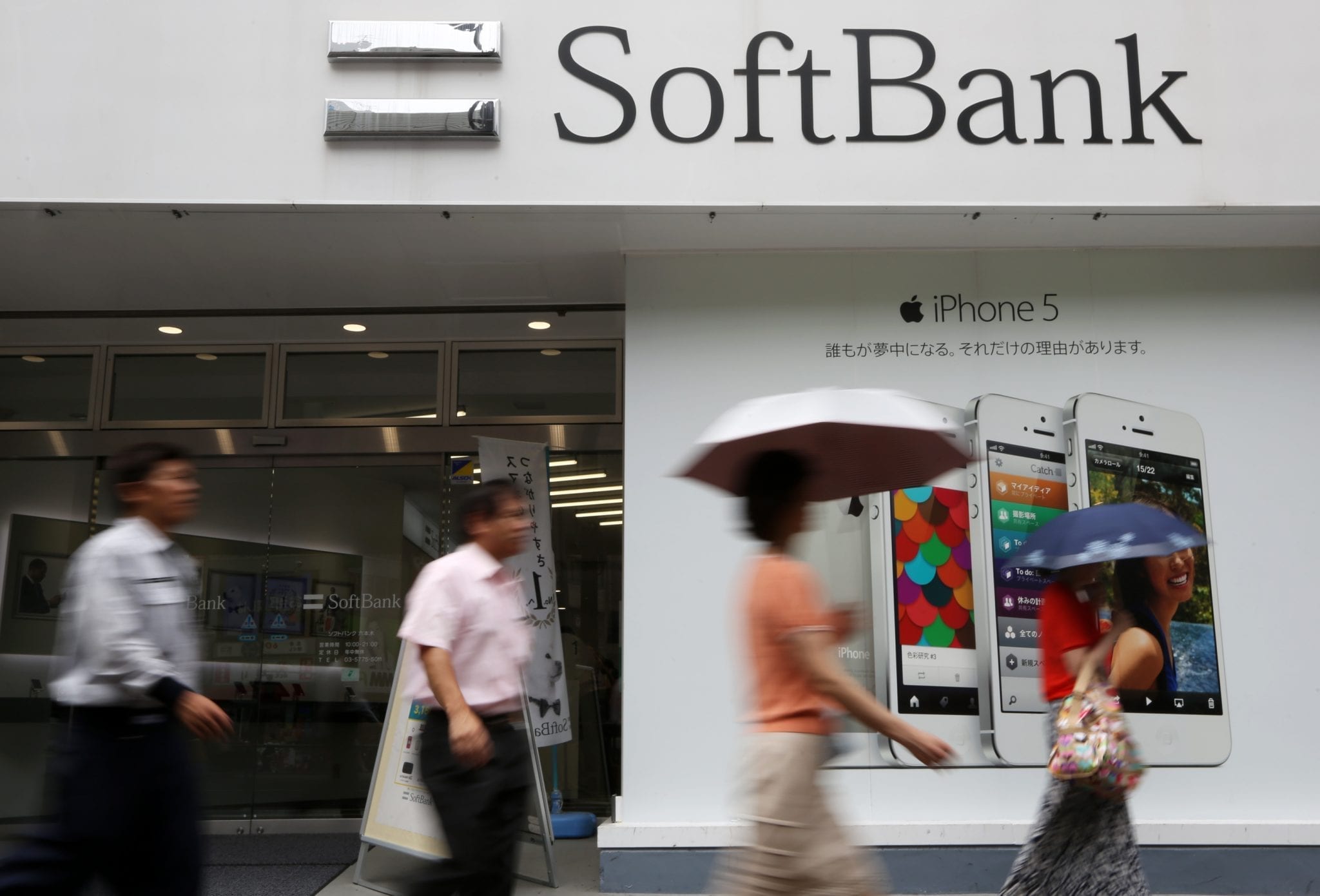
    Satellite operator Intelsat has warned it expects its planned $14 billion merger with SoftBank-backed OneWeb to fall through.

    Debt-land Intelsat disclosed it has failed to get enough of its creditors to accept the deal, which would have required debt investors to accept less than the value of their holdings.

    The terms of the deal were worth approximately $2.85 billion less than the total face value of the debt investments.

    SoftBank CEO Masayoshi Son had planned to combine the two satellite operators to create a global network of satellites capable of providing internet access worldwide. SoftBank had intended to take a 39.9% share in the combined company for around $1.7 billion.

    With the deal likely to fail, Intelsat has terminated a series of debt swap offers associated with the planned merger.

    According to the report, Softbank has had negotiations with other satellite operators on potential replacement deals.

    The company said in a statement that it remains enthusiastic about OneWeb’s prospects as a standalone entity and plans to continue to work with the OneWeb management teams on alternative paths to growth.

  • Australia retail sales see surprise rebound in April

    Australia retail sales see surprise rebound in April

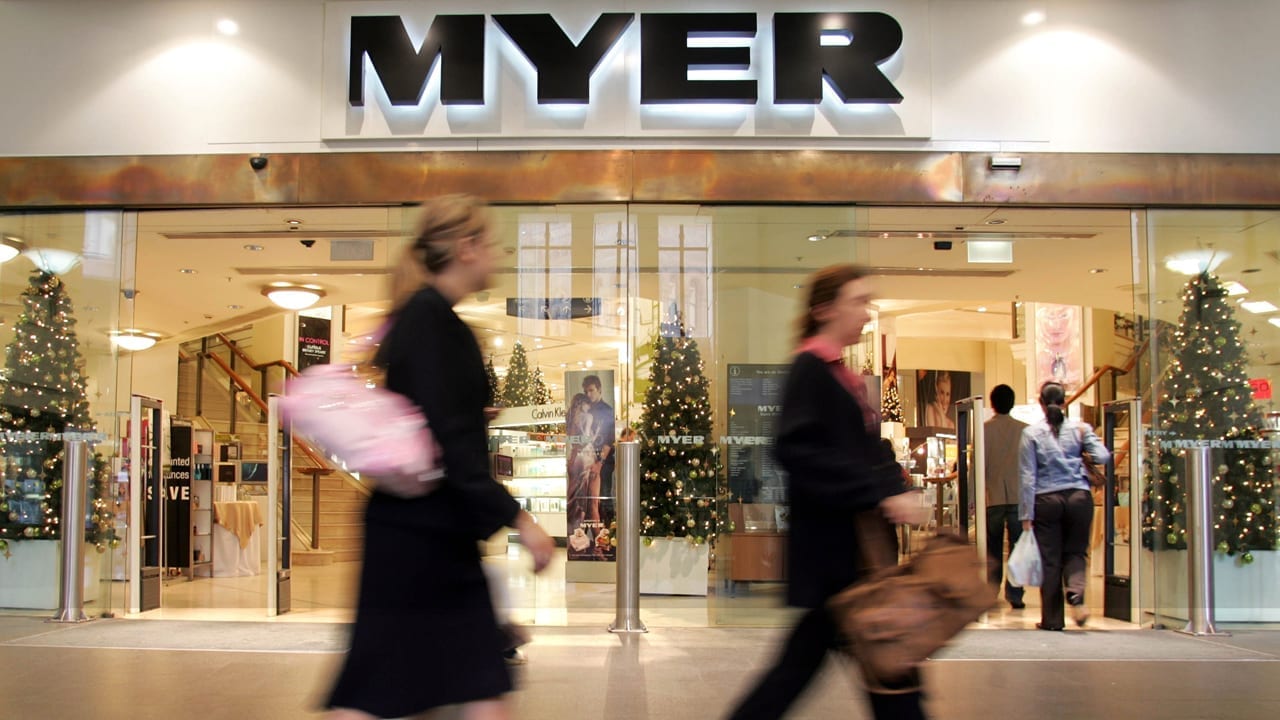
    Australia’s retail sales saw a surprise uptick in April, on the back of a revenue rebound across department stores, including David Jones and Myer, and strong sales in cafes and restaurants.

    According to the data released by the Australian Bureau of Statistics (ABS), retail spending rose 1 per cent – the biggest monthly gain in close to three years – to $AU25.89 billion, surpassing market expectations of a 0.3 per cent rise.

    It’s a sound recovery for the Australian retail market, after a weak two months. Revised ABS data showed that retail sales fell 0.2 per cent in March and were flat in February.

    Cafes, restaurants and fast food sales were up 1.1 per cent in April, said the ABS, and food retailing rose 1.2 per cent. Department store sales were 2.5 per cent higher, it said.

    However, other categories merely inched forward. Sales growth in clothing and footwear was 0.3 per cent while household goods rose 0.4 per cent after falling for two straight months.

    By state, retail sales were up 2.4 per cent in Queensland after five consecutive months of falls as households replaced cyclone- and flood-damaged possessions, following Cyclone Debbie.

    Retail sales in New South Wales, Australia‘s most populous state and home to its most expensive real estate including Sydney, rose 0.1 per cent.

    Australian retail sales have been subdued over the past year or so at a time when wages growth is stuck at a record low 1.9 per cent.

  • Lotte Duty Free taps Vietnam with new airport outlet

    Lotte Duty Free taps Vietnam with new airport outlet

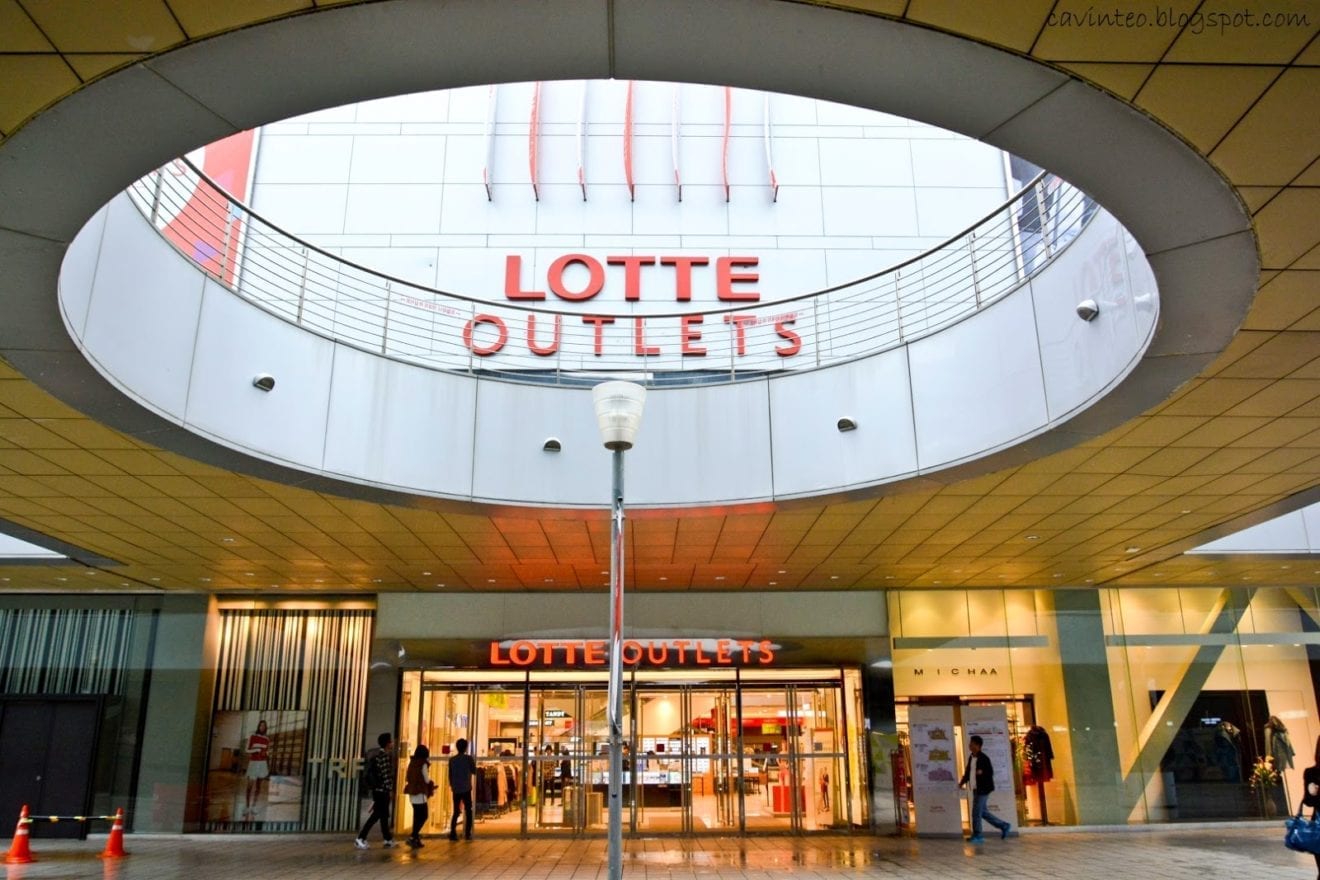
    Lotte Duty Free, South Korea’s top duty-free operator, said it has set up a new outlet at a Vietnamese airport, making a foray into the Southeast Asian market.

    Lotte clinched a joint venture deal with a Vietnamese counterpart to co-run Phu Khanh Duty Free at the Da Nang International Airport, it said in a statement. The South Korean firm owns a 60-percent stake in the airport duty free. The official opening is slated for August, with only part of the shop currently operational. It sells perfume, cosmetics, food & beverage and liquor.

    Da Nang is one of the most popular holiday destinations among South Koreans. PHU KHANH Duty Free shop is located in the new Danang airport, which has been newly expanded due to the recent increase in visitors, and the international flights are on the way to accommodate 4 million passengers per year.

    Korea’s duty-free marketis suffering from a 30-40% decrease in sales due to the due largely to a void in Chinese visitors following Beijing’s trip restriction. Last month, the number of foreign visitors to Korea’s duty-free shop reached a record low this year, falling below 1 million. The number of foreigners who visited Korea’s duty-free shop in April dropped by 40 percent from 1,682,223 in January to 99,806.

    The launch of its Vietnamese duty-free shop underscores Lotte’s push to expand its overseas foothold. Lotte is the third-largest duty-free operator in the world, after Swiss-based Dufry A.G. and DFS of the United States.

    It is the first Korean duty-free operator to have tapped Vietnam.
    Lotte Duty Free said it is planning to open another city branch in Bangkok this month. It currently runs airport stores in Indonesia, Japan and Guam.