Author: Mei Ling Tan

  • AirAsia X dedicates aircraft to remember late COO

    AirAsia X dedicates aircraft to remember late COO

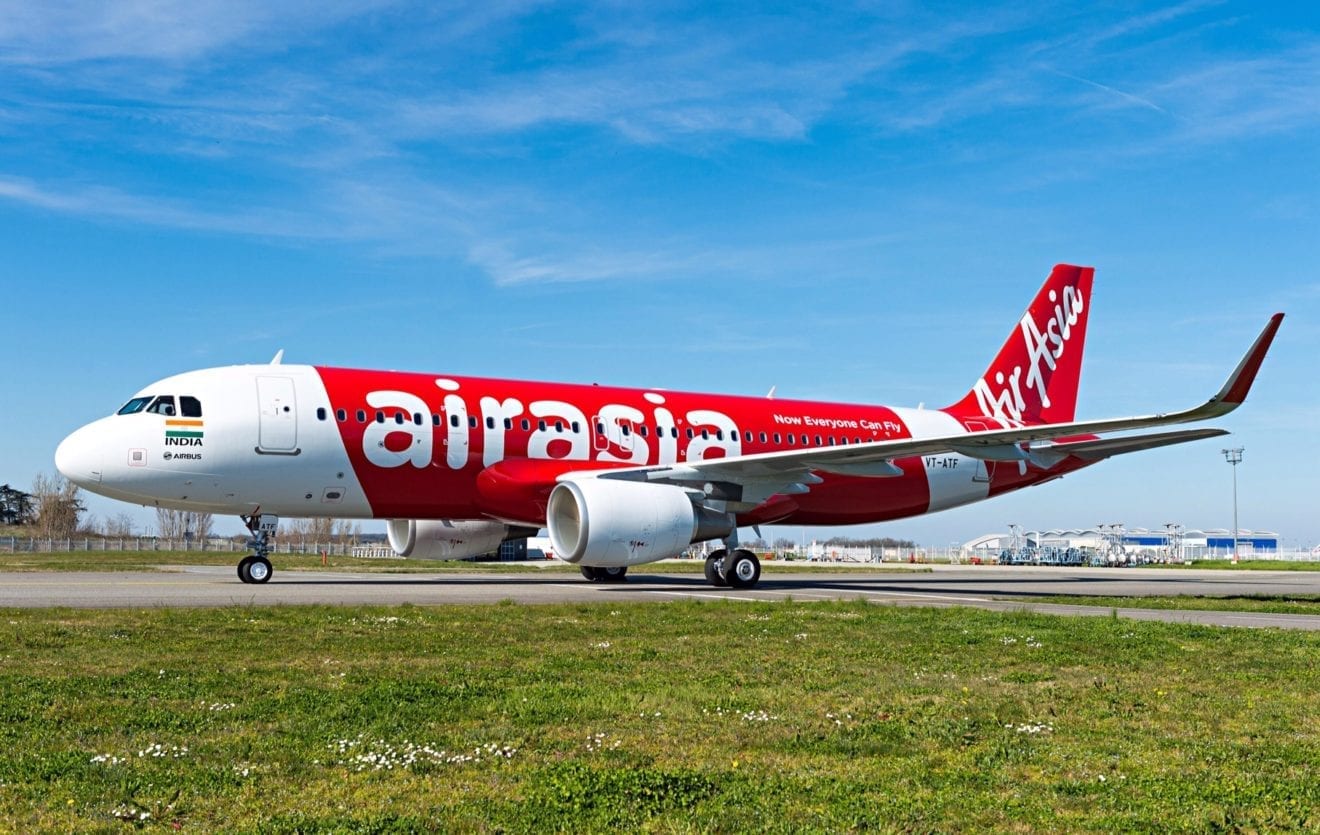
    AirAsia X has dedicated an aircraft to remember their late chief operating officer Anaz Ahmad Tajuddin, who passed away on Jan 13 from cancer.

    AirAsia group chief executive officer Tan Sri Tony Fernandes filmed two Facebook live videos of the sombre event held on Tuesday, unveiling the aircraft with Anaz’s smiling face on the fuselage together with the phrases “A truly passionate Allstar” and “Anaz the legend”.

    “We’re here to give tribute to our wonderful staff Anaz, who left us all too quickly,” said Fernandes in the video.

    Anaz was 43 when he passed away. Meanwhile, AirAsia X chief executive officer Ben Ismail said that the Airbus A330 aircraft was delivered about three weeks ago, and has since travelled to Japan, Australia and China.

    “We are celebrating Anaz being one of the most important men in AirAsia,” said Ben.

    “As you can see, I dedicated one of our aircrafts to him. We love him. I love him,” he added.

    AirAsia executive chairman Kamarudin Meranun said they have gathered to remember “our dear brother Anaz” who was a “very passionate Allstar”.

    “It’s happy because we still remember him but it’s also a sad affair,” said Kamarudin.

    AirAsia chief executive officer Aireen Omar also commended the artistic touch on the plane.

    “I will always remember Anaz,” said Aireen.

    Anaz’s family and other AirAsia staff were also present at the event.

  • BlackBerry working with automakers on anti-hack tool

    BlackBerry working with automakers on anti-hack tool

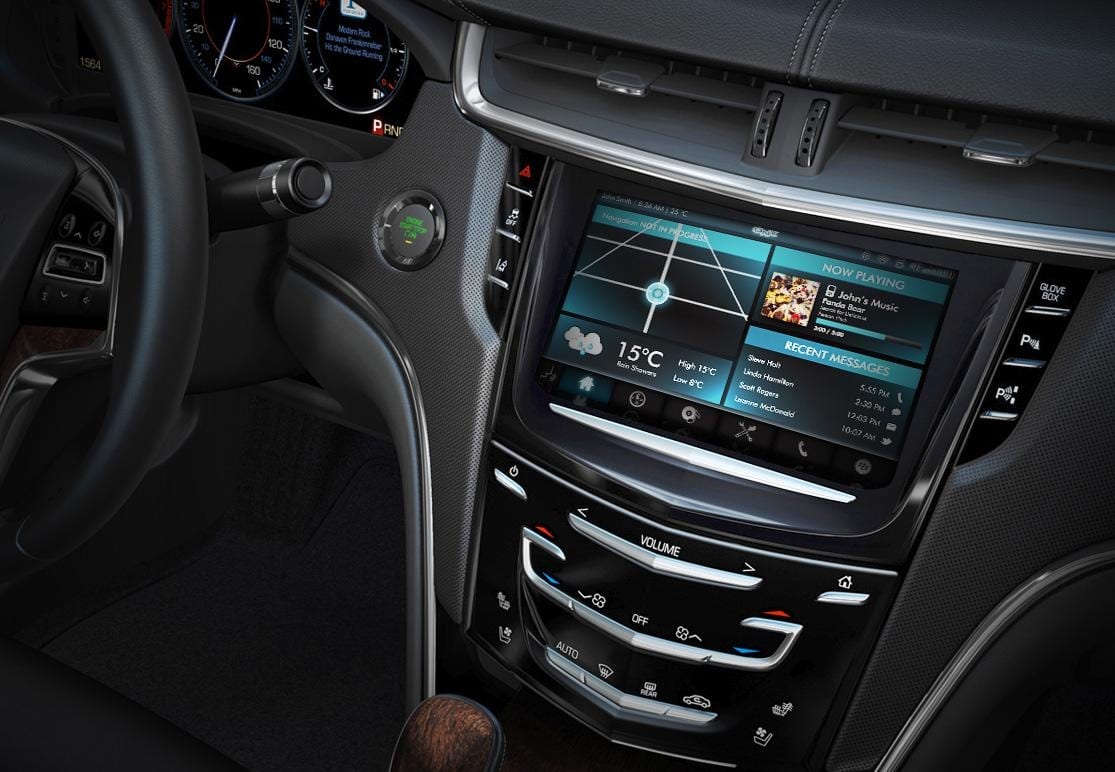
    BlackBerry is working with at least two automakers to develop a security service that would remotely scan vehicles for computer viruses and tell drivers to pull over if they were in critical danger, according to a financial analyst.

    The service, which would also be able to install security patches to an idle car, is being tested by luxury automakers Aston Martin and Range Rover, Macquarie analyst Gus Papageorgiou said in a note to clients sent late on Monday.

    Auto security is among several areas that BlackBerry is betting will boost its revenue after the Canadian company lost its dominance of the smartphone market to Apple Inc and others over the past decade.

    John Wall, the head of BlackBerry’s QNX division, and company spokeswoman Sarah McKinney both declined to comment.

    Matthew Clarke, a spokesman for Aston Martin, said in an email he was not aware of the company testing such a product. Representatives with Range Rover’s parent company, Jaguar Land Rover, could not be reached for comment.

    The service could be launched as early as next year, generating about $10 a month per vehicle for BlackBerry, according to Papageorgiou, who has followed BlackBerry for more than 15 years.

    Vehicles increasingly rely on dozens of computers that connect to each other as well as the internet, mobile networks and Bluetooth communications systems that make them vulnerable to remote hacks.

    “Although a connected, more software-centric automobile offers tremendous advantages to consumers, it also opens the doors to hackers,” Papageorgiou wrote in his note.

    Automaker interest in cyber security has risen dramatically since 2015, when two hacking experts uncovered vulnerabilities in Fiat Chrysler vehicles that led to a U.S. recall of 1.4 million autos.

    BlackBerry shares rose 5.3 percent to close at C$13.84 after touching C$14.15, the highest since March 2015.

  • 7-Eleven tests hand-scanning Biopay in Korea

    7-Eleven tests hand-scanning Biopay in Korea

    In conjunction with Lotte Card and Lotte Data Communication, 7-Eleven has launched its first smart convenience store equipped with a BioPay system at Lotte World Tower.

    BioPay is a payment method that allows consumers to make transactions by identifying themselves with a part of their body linked to a preassigned credit card. It is the first such store to be opened by 7-Eleven in the world, the company said. The HandPay system, in which individuals are recognized by their veins, was chosen over other types of BioPay — such as iris or fingerprint recognition — to maximize convenience, added the company.

    Customers place their purchases on a conveyor belt at an unmanned counter, where the items are then scanned 360 degrees to locate their barcodes. The prices are then tallied and appear on a screen. The system will be further improved through an artificial intelligence system that can identify products without barcodes.

    The store also has other high-tech features, including a refrigerator that automatically opens and shuts, electronic price tags, a smart CCTV system, and a Smart Safe Cigarette Vending Machine.

    Jung Seung-in, president of Korea Seven, said, “7-Eleven Signature, as a premium smart convenience store with a cutting-edge IT system suitable for the fourth industrial revolution, will be remembered as an innovative icon in Korea’s distribution industry.”

    Korea Seven is a joint venture by Lotte and 7-Eleven. The 7-Eleven Signature store will be open exclusively to employees of Lotte for the next one or two months as a pilot program before it opens to the public. The company also said that it would make efforts to extend the HandPay system to payment methods other than Lotte Card by the end of August.

    While the company refused to reveal specific mid- and long-term plans, the technology used in the 7-Eleven Signature store is likely to be expanded to other subsidiaries of Lotte in the future.

  • Vodafone Group swings to $6.7b loss on India

    Vodafone Group swings to $6.7b loss on India

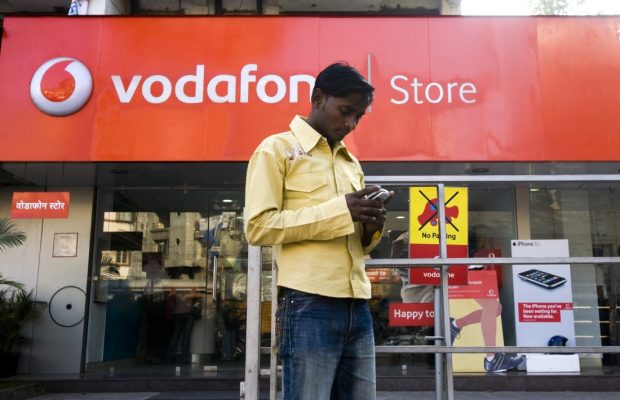
    Vodafone Group has swung to a €6.1 billion ($6.76 billion) full-year loss as a result of a €3.7 billion writedown on its Indian operations.

    Vodafone India recorded an impairment of loss of €4.51 billion for the financial year as a result of the anticipated impact of the entry of Reliance Jio Infocomm into the market and the resulting intense price competition.

    The Indian unit reported an operating loss for the financial year of €4.17 billion, compared to a 423 million operating profit a year earlier. Service revenue also fell 4.9%, or 0.7% on an organic basis, to €5.85 billion.

    But after Vodafone India reached its agreement to merge with Idea Cellular to create India’s largest mobile operator, the impairment charge was reduced to €3.7 billion. Idea Cellular recently also posted a net loss for the financial year.

    Vodafone India’s total net debt meanwhile grew to €8.7 billion by the end of the financial year, up from €8.1 billion at end-2016. Some €7 billion of this was spectrum-related debt

    The impending merger has now led Vodafone to classify Vodafone India as part of its discontinued operations for reporting services.

    The Vodafone Group’s total revenue meanwhile fell 4.4% to €47.63 billion, but operating profit grew 182.2% to €3.72 billion.

  • Yum China buys Chinese food delivery company

    Yum China buys Chinese food delivery company

    Yum China is betting that more consumers will continue to order Pizza Hut and KFC food via their smartphones for speedy delivery to their homes and work.

    Yum China Holdings Inc is buying a controlling interest in online food delivery company Daojia.com.cn for an undisclosed sum.

    Founded in 2010, Daojia.com.cn is an online food delivery service provider focused on higher-end orders in major cities in China, including Beijing, Shanghai, Shenzhen and Guangzhou. It also operates food delivery service Sherpa’s, and has partnered with over 6,000 brands and restaurants, providing services for over one million family customers.

    China Money Network reports that Daojia.com.cn previously raised a US$2 million series A round from Morningside Venture Capital in 2010. It secured a US$7.5 million series B round from CDH Investments in 2011, and completed a US$10 million series C round led by JD.com Inc and Morningside in 2013.

    In 2014, the company received a US$50 million series D round led by JD.com and Macquarie Group, according to its website.

  • Singtel, AXA launch safe driving smart car service

    Singtel, AXA launch safe driving smart car service

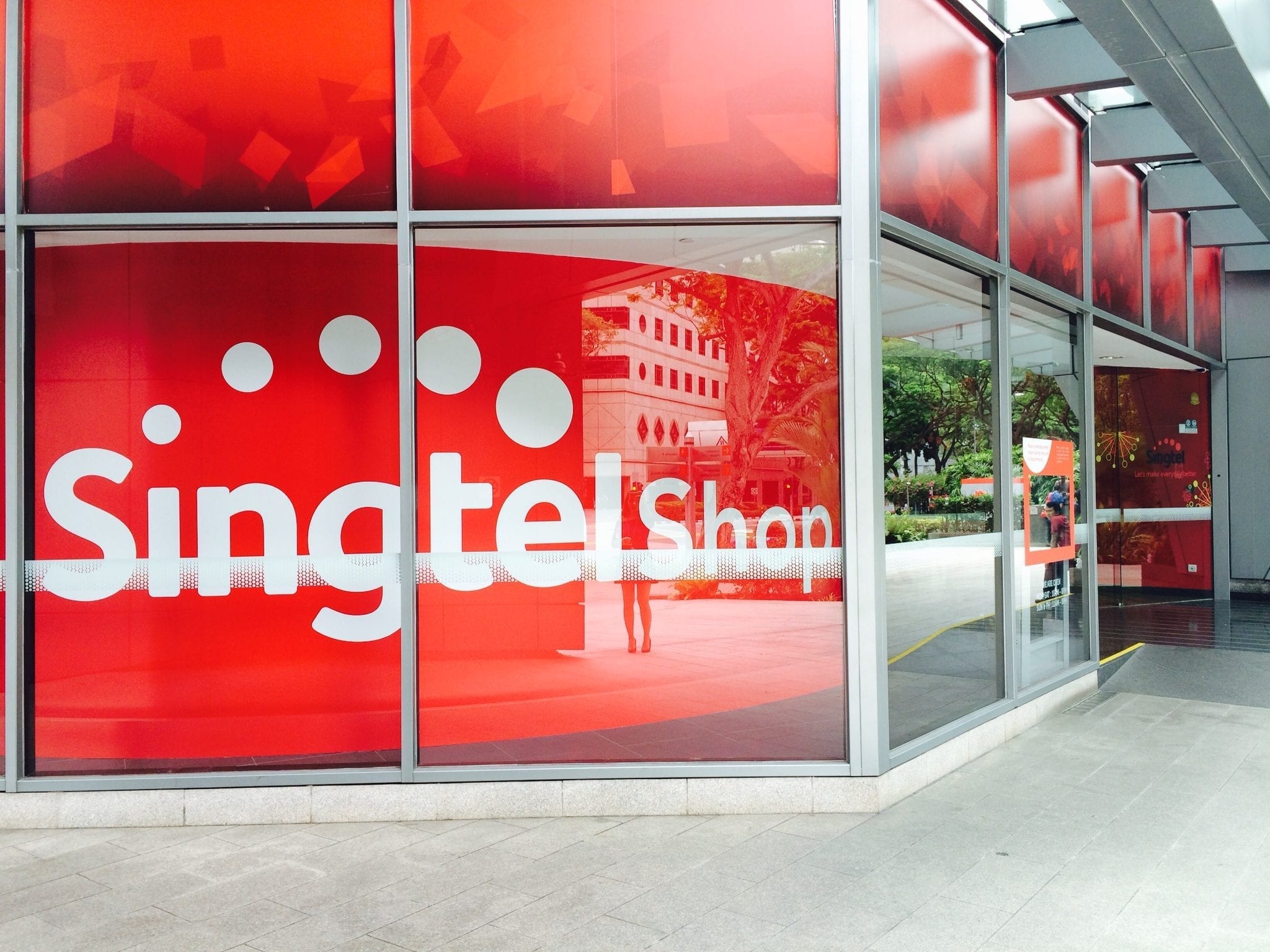
    Singtel has collaborated with AXA Insurance to launch a joint smart car solution aimed at promoting better and safer driving habits.

    The joint solution comprises a Modus smart car device synchronized with a cloud-based smart car application over Singtel’s mobile networks. It analyzes driving patterns through a vehicle’s On-Board Diagnostic (OBD) port.

    Features include driver analysis covering areas such as breaking, acceleration and speed, real-time location monitoring to make it easier for users to find their car and trip history, and provide driving scores based on analysis of this data.

    The solution can also monitor engine health information and provide scheduled maintenance reminders, and provide alerts for speed and mileage limits and geo-fence boundaries.

    To promote the new solution, Singtel and AXA are offering a year worth of free AXA car insurance to the safest driver in Singapore using the solution. Drivers will need to travel at least 3,000km during the contest period.

    “The smart car solution is yet another innovative service that we are bringing to our customers, following the successful launch of Singtel SmartHome,” Singtel CEO consumer Singapore Yuen Kuan Moon said.

    “Now, our customers can enjoy an integrated connected lifestyle both in and out of the home. The solution will allow car lovers to track their driving habits and empower them to have a smarter drive.”

  • Ericsson unveils Dynamic Orchestration solution

    Ericsson unveils Dynamic Orchestration solution

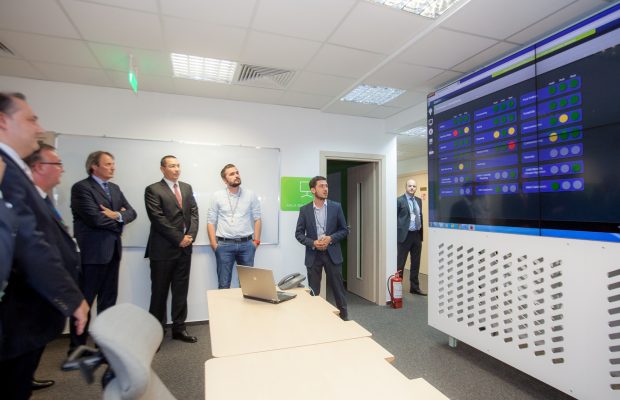
    Ericsson has launched its Dynamic Orchestration solution to facilitate the rapid introduction and closed-loop automation of services across physical and virtual networks.

    The company said this signifies a strategic move forward in the company’s ambition to lead IT transformation services for its customers.

    Ericsson Dynamic Orchestration provides a flexible and modular solution for the management of existing technologies while virtualization capabilities are integrated and controlled.

    With support for zero-touch automation, rapid provisioning and policy-driven service assurance, Ericson Dynamic Orchestration helps operators achieve faster time to market and superior delivery of new and differentiated services.

    “The opportunities offered by virtualization are significant, but due to the complexity, many operators are taking an incremental step-by-step approach to get there,” Ulf Ewaldsson, head of business area digital services at Ericsson.

    “Ericsson Dynamic Orchestration enables our customers to excel at traditional services delivery while simultaneously incorporating virtualization capabilities to embrace emerging market and business opportunities driven by 5G and IoT,” said Ewaldsson.

    Ericsson Dynamic Orchestration is an end-to-end, automated service orchestration solution that provides rapid validation of Virtual Network Functions (VNFs), design and onboarding of new services, inventory, resource and capacity management, service configuration management and service assurance.

    The use of policy and real-time analytics across the lifecycle affords zero-touch operations and is the foundation for SLA compliance.

  • Asics Tiger opens in Seoul

    Asics Tiger opens in Seoul

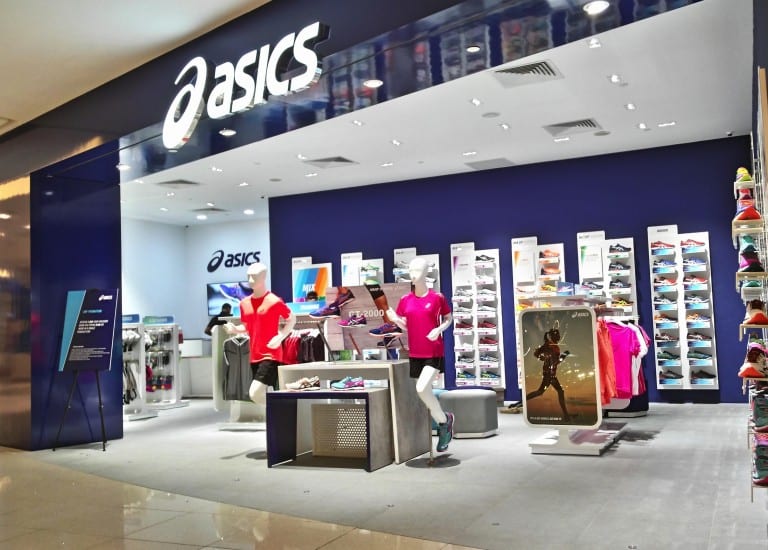
    Japan’s Asics has taken its Asics Tiger lifestyle concept to South Korea, opening its first standalone store for the sub-brand in Seoul.

    This is the second Asics Tiger concept store to open worldwide for Asics, following the debut of the Asics Tiger Osaka Shinsaibashi store, which opened in Japan in September last year.

    Located on Garosugil Road in Seoul’s Sinsa-dong, the latest Korean store boasts Asics Tiger’s chic aesthetic via marble shoe walls and white centre tables. Being a trendy sneaker outlet, there are clear street elements too, such as mortar walls and guardrails. Other features include a graphic wall and a straight yellow accent line on the ceiling.

    The Asics Tiger brand was revived as the third Asics pillar brand back in January 2015, to target the global sports lifestyle market.

    At the time of the launch, a brand new logo was developed to appease the street-ier, youth-ier market. Complementing the original 1977 logo used when Asics was founded, the new brand logo added the word ‘Tiger’ in similar typography, and was developed together with graphic designer Alan Peckolick.

    “The new logo expresses the universal dynamism of our sports brand and the strengths that colour active lifestyles,” the company said, at the opening of their Asics Tiger Japan store in 2016.

    Essentially, Asics Tiger looks to mesh modern designs that integrate technology and fashion, with throwback designs from the 1980s and 1990s. The move hopes to shake-up dwindling revenues for Asics.

    In early May, Asics Corp. said during its first quarter ended March 31, consolidated net sales fell 4% or 1.3% using the previous fiscal year’s foreign exchange rate to 113,052 million yen ($993 million).

    Domestic net sales decreased 3.6% to 30,804 million yen ($270 million) due to weak sales of sportswear, said Asics. However, Asics’ Oceania, Southeast and South Asian regions sales increased 11.3% to 8,068 million yen ($70 million), due to continuing steady sales of running shoes and the strong sales of Onitsuka Tiger shoes.

  • AirAsia and Terengganu join hands as the latter eyes 5.5 million tourist arrivals

    AirAsia and Terengganu join hands as the latter eyes 5.5 million tourist arrivals

    AirAsia and Terengganu state government has signed a memorandum of agreement (MOA) which will see both parties collaborate to promote local tourism in Terengganu. AirAsia will add in new route, allowing travellers to fly directly from Johor Bahru to Terengganu starting 22 June 2017.

    “Terengganu is ready to be known as a tourism state with efficient land and air accessibility, with good services, modern infrastructures and treasures of nature, culture and heritage. The additional Johor Bahru to Kuala Terengganu direct flights will definitely boost the arrival of tourists into Terengganu,” Terengganu chief minister, Ahmad Razif bin Abdul Rahman said.

    “With this collaboration, we will drive our marketing efforts to promote Terengganu as a must-visit destination in Malaysia. We are confident this will contribute significantly in achieving the state government’s target of 5.5 million tourist arrivals in Terengganu for this year,” Aziz Bakar, who sits on AirAsia Berhad’s board of directors added.

    In August last year, the airline’s Singapore unit has also collaborated with the Indonesian Ministry of Tourism on a marketing campaign to promote Indonesia in the city state. As part of the campaign, it showcased travel-related content on various mediums such as radio, Yahoo, Facebook and also brought two top Singapore YouTubers: Night Owls Cinematics and Lepak One Korner) on board.

  • AEON Your Cash Awards 1 Million Baht Worth of Gold to Lucky Winner

    AEON Your Cash Awards 1 Million Baht Worth of Gold to Lucky Winner

    Ms.Saranya Pipoppinyo (right), Vice President Marketing of AEON Thana Sinsap (Thailand) Public Company Limited, awarded a gold bar, valued at 1 million baht, to Ms. Jirarat Khunthong, a lucky winner from Trang province, as part of “Win Gold Worth THB1 Million with AEON”. The campaign was eligible for AEON Your Cash customers who withdrew cash or transferred Your Cash loan at least 1,000 baht from 1 January – 28 February 2017.

  • Alibaba posts strongest sales quarter since 2014 IPO, helped by China’s online shoppers

    Alibaba posts strongest sales quarter since 2014 IPO, helped by China’s online shoppers

    Alibaba Group’s 2016 net profit missed analysts’ estimates, even as revenue soared to a record, as a larger tax bill and investments in cloud computing weighed on results and crimped income from China’s growing preference for online shopping.

    Net income fell 42 per cent to 41.23 billion yuan in the year ended March 31, even as revenue jumped 56 per cent to 158.27 billion yuan (US$22.96 billion). Fourth-quarter profit jumped 85 per cent to 9.85 billion yuan, while sales soared 60 per cent to 38.58 billion yuan in the same period.

    Alibaba’s shares fell for the second day after results were announced, dropping as much as 5.6 per cent to an intraday low of US$114 in New York trading.

    “The core metrics that we care about in terms of segment results show very good momentum across the board”. “Some non-operating lines pinched the earnings and that’s likely what the stock’s reacting to, but there’s lots of variability and lack of predictability that make it difficult for analysts to understand what contributions and other income might come from ads.”

    China’s embrace of the smartphone in the past decade – as well as economic activities related to the internet – has turned Alibaba, Tencent Holdings and other Chinese technology companies into some of the largest enterprises in the industry. Tencent, operator of China’s biggest social network, reported a 55 per cent jump in first-quarter sales on Wednesday.

    “We reported another excellent quarter, with revenue growth accelerating to 60 per cent, the highest growth rate we’ve achieved since our IPO,” Alibaba’s chief financial officer Maggie Wu said in a phone conference announcing the Hangzhou-based company’s results.

    Alibaba, which also owns the South China Morning Post, operates four major business segments, divided into e-commerce, digital media and entertainment, innovation initiatives and cloud computing.

    The company, whose Singles’ Day on November 11 every year is the biggest online shopping festival on earth, reported 3.8 trillion yuan of gross merchandise volume last year. Up to 507 million customers used Alibaba’s China retail platforms on their mobile devices in March, an increase of 14 million from December.

    “The traditional thinking that pits e-commerce against physical commerce no longer holds,” said Alibaba’s co-founder and executive vice chairman Joseph Tsai Chung-hsin. “The distinction between online and offline retail is going away because of the mobile phone. Traditional commerce is buying stuff on a desktop computer, but Chinese consumers now have mobile phones which allow them to buy anything, anytime, anywhere.”

    The number of paying customers in cloud computing rose 14 per cent during the quarter. Still, the company made an operating loss of 505 million yuan in cloud computing during the three months.

    Alibaba has been making large investments into its digital media and entertainment businesses to compete with Tencent and Baidu for a share of the digital content market.

    In October 2016, Alibaba’s film production arm Alibaba Pictures invested in Hollywood director Steven Spielberg’s production company Amblin Partners to produce, distribute and market films both in China and around the world. Alibaba’s founder and chairman Jack Ma Yun has also said that the firm will invest 50 billion yuan over the next three years in Hollywood films.

    The segment reported a loss of 9.9 billion yuan for the year, more than double the 4.1 billion yuan loss a year earlier.

    “In the near term, there will be fierce competition for licensed content [in the entertainment market], but like other players we have moved to develop proprietary content,” Tsai said. “ Over time, the cost of content should come down.”

    Alibaba’s stock has risen 52 per cent in 12 months, boosting the company’s market value to exceed US$300 billion, in the process making Ma the wealthiest man in China, according to a Forbes ranking.

    The company, which operates the Taobao and Tmall platforms, announced a US$6 billion share buyback programme over two years.

    “Alibaba’s Taobao platform is a clear leader in the C2C e-commerce sector, and its Tmall platform is the largest player in the B2C e-commerce sector in 2016 with a 57.5 per cent market share, followed by JD’s 26.2 per cent and VIPShop’s 3.6 per cent share,” Nomura’s analyst Shi Jialong wrote in a research note before the company released its results.

    The Chinese e-commerce giant has also set its sights on expanding globally. In March, Alibaba and the Malaysian government jointly launched the first electronic world trade platform (EWTP) in Malaysia, an internet-based platform that will allow small and medium-sized businesses in Malaysia and China to trade with each other.

    “Internationalisation is a core strategy [for Alibaba] for the next five to 10 years, and we are happy to see concrete progress in Southeast Asia,” said chief executive Daniel Zhang, adding that Singapore-based e-commerce platform Lazada has seen its business grow “very well” since Alibaba’s US$1 billion investment in the company last year.

    Alibaba decided to focus on Southeast Asia as the first step to internationalisation because it is an “important region” with a large population, according to Zhang. “Chinese products are very popular in this market. We will continue to invest in international markets but there is still a long way to go,” he said.

  • Apple Orchard Road opening on May 27

    Apple Orchard Road opening on May 27

    The wait for Apple fans will be over soon. Apple Orchard Road – the official name of the Apple retail store here – will be opening its doors on May 27 at 10am. Close to midnight last night, workers were seen pasting the opening date on the white facade covering the front of the store at Knightsbridge mall.

    It is not only the first Apple retail store in Singapore, but also the first one in South-east Asia. The store will open daily from 10am to 10pm.

    News of the Apple retail store here first broke in October 2015, after a former tenant of the mall, the Pure Fitness gym chain, sent a letter to its members informing them of its closure to make room for the Apple store. Four other tenants were also moved.

    In an exclusive interview during the opening of the Apple Dubai Mall store last month, Apple’s senior vice-president of retail Angela Ahrendts told: “We want to be on an iconic street, where people will naturally come, whether they are locals or tourists.”

    This is especially so when it is the first store in the country and it allows Apple to build a beautiful signature store for that community, she said.

    Retail experts said the Apple store’s location makes sense. Said Associate Professor Prem Shamdasani of the National University of Singapore Business School: “For more than a decade, Apple has been opening retail stores in very good locations in major cities globally to showcase its great products and enhance the brand experience for loyal fans and consumers.

    “Singapore’s position as a vibrant and progressive global city in South-east Asia will help to reinforce Apple’s brand leadership in the region,” he said.

    As of April, Apple has 495 retail stores in 20 countries.

    Apart from selling Apple products such as iPhones, iPads and MacBooks, as well as accessories, the local Apple store will have staff who Apple calls Geniuses – technical personnel who specialise in troubleshooting and repairs of products.

    Apple Orchard Road will also host hands-on sessions called Today at Apple, which launches in all Apple retail stores across the world this week.

    Taught by Creative Pros, who are the liberal arts equivalent of Apple’s technical Geniuses, these free educational sessions focus on the features of Apple products and allow anyone to learn skills like photography, illustration or coding.

    For the Singapore store, Apple has appointed 12 Singaporean creatives as Red Dot Heroes. They are people who have made a contribution in their fields like the arts, photography, music or film.

    They include street photographer Aik Beng Chia and illustrator Kristal Melson (see their profiles below), as well as film-maker Boo Junfeng and local singer Sezairi.

    These Singaporean creatives are similar to Apple’s Creative Pros and some of them will conduct workshops in Apple Orchard Road.

    Experts also see possible learning points for the retail industry from the Apple store.

    “When you want to control the store experience, you need to own and operate it,” said Mr Clement Teo, principal analyst at market research firm Ovum.

    “The bar for customer service in Apple stores and online is high, supported by trained Geniuses and expert advice from Creative Pros to help customers get the most out of their Apple products. Happy customers equal to loyal Apple customers,” Mr Teo added.

    Contrary to popular belief, Apple Orchard Road will not signal the end of Apple premium resellers (APRs) like Nubox and Epicentre, and repair centres such as QCD Technology.

    “They (APRs) will continue to adapt and survive – especially in suburban areas,” said Mr Teo. “Repair centres will be a great supplement to Apple for all sorts of warranty and repairs.”

    In fact, Prof Shamdasani said that the Apple retail store will enhance the brand’s value and attractiveness and help to expand the market for Apple products and services in Singapore, which, in turn, will benefit the APRs and repair centres.

    Apple Orchard Road will be run on 100 per cent clean energy using rooftop solar installations provided by Singapore-based solar energy provider Sunseap Group.

    iPhone and MacBook user Chung Weifang is excited about the new Apple store here. The 33-year-old communications executive said: “There is nothing like buying a product from the brand’s flagship store, where the customer experience begins the moment one steps into the retail space.”

  • Vietnam logistics firms increase cross-border transport

    Vietnam logistics firms increase cross-border transport

    Amid a growing interest in Vietnam from global garment and technology companies, foreign logistics firms are expanding cross-border transport services between Vietnam, China, and other countries in the region to meet the growing demand.

    Dao Trong Khoa, head of the Vietnam Logistics Business Association’s (VLA) transport division, said at last week’s international seminar on cross-border transport (CBT) between Vietnam and China that CBT has great opportunities to develop.

    Khoa said these opportunities will be driven by the development of regional cross-border e-commerce and transport networks.

    Attention is focused on the development of Shenzhen-Hanoi-Bangkok, and Kunming-Lao Cai-Haiphong networks, which have promising full truckload (FTL) and less truckload (LTL) potential.

    So far, the Chinese-invested ZhenYang Logistics Group (ZYL), which focuses on the ZhenYang-Nanning-Hanoi route and routes between southern China and northern Vietnam, has opened offices in Hanoi and Lang Son province.

    ZYL is the first Chinese logistics firm that has been permitted to cross the border directly without any trans-load at the border.

    “We focus on electronics and high-tech products. Our customers are mainly foreign-invested firms such as Samsung, Foxconn, and global forwarders. We have witnessed the volume of containers grow from 70-80 containers a month in 2013 to 400 containers currently,” Nguyen Quang Tung, branch manager of ZhenYang Logistics Group, said.

    “As the demand continues to increase, ZhenYang is planning to develop LTL services to Vietnam in the third quarter of 2017, while also developing additional multimodal transportation hubs that link Vietnam, China and Europe,” Tung said.

    In another significant move to develop regional CBT routes, Malaysian-invested Overland Total Logistics Services Vietnam JSC (OTL)-which focuses on the Singapore-Malaysia-Thailand-Laos-Vietnam-China route-has partnered with Japan’s Yamato Transport to strengthen its market position.

    Trinh Manh Cuong, general manager at OTL, said “our volume of CBT goods has grown significantly, reaching 700-800 containers per month. We will invest in more facilities, open more hubs, and develop multi-model sea, rail, and cross-border road services in the future.”

    CBT between Vietnam and China is becoming increasingly more popular among international groups and Vietnamese firms alike. The popularity of this market is being driven by the expensive cost of air transport, and the huge risks inherent in sea-based routes.

    According to VLA’s statistics, in 2016, cargo shipped by land transit in Vietnam totalled 19,475 vehicle loads. Cargo shipments between China and Vietnam reached 107,600 loads. The shipping amount between China and Laos, China and Thailand, and China and others is estimated at 2,020, 128,000, and 1,076 loads respectively.

    Notably, cargo throughput at PingXiang and Huu Nghi rose from 1.1 million tonnes in 2013, to 1.5 million tonnes in 2015. At the same time, throughput at HeKou and Lao Cai rose from 650,000 tonnes in 2013, to 1.1 million in 2015.

    As Vietnam is now considered the destination for technology and garments by many multinationals, developing new transport routes has become a lucrative endeavour for CBT firms.

    Multinationals that are currently heavy users of CBT services are the electronics manufacturers Samsung Electronics, LG Electronics and its subsidiaries, Foxconn, Canon, and Foster and its subsidiaries.

    Heavy CBT players in the garment sector include Lear, Adidas, Nike, and Levis, while in the automotive sector Honda, Toyota, Yamaha, and GMV are the primary users of CBT.

    These groups have been expanding their investment in Vietnam, which has led to an exponential increase in their CBT usage.
  • Burger King GM talks Myanmar expansion plans

    Burger King GM talks Myanmar expansion plans

    Biting into a Burger King in Myanmar for now requires a passport, with the country’s only restaurant located past customs at Yangon International Airport. But franchise operator Minor Food Group is hoping local appetite will merit many more outlets.

    Thai firm Minor Food Group (MFG) opened Myanmar’s first Burger King in Terminal 1 on July 1 – with very little fanfare. There was no press release, no ceremony.

    By comparison, rival fast-food giant KFC opened its first Myanmar branch almost exactly a year earlier, inviting a host of local media and offering free food. Local KFC franchise holder Yoma Strategic also started its operations with a clear plan to open several outlets, first in Yangon and then across Myanmar. The group says it is on track to have 12 KFC restaurants open by March next year.

    MFG, however, only sought approval from the US Burger King company for a single outlet in Yangon International Airport, Prapat Siangjan, the firm’s general manager for Burger King Thailand, said.

    The firm has specialised in running Burger Kings in airports – it started its Thai operations with restaurants at Suvarnabhumi Airport, and its first expansion outside of Thailand was into airports in the Maldives, he said.

    Myanmar’s new international airport Terminal 1 and anticipated tourist growth prompted MFG’s decision to make the country its second overseas location, he added.

    The lack of publicity was down to two factors. Firstly, when the outlet opened in July not all Terminal 1 operations were online, said Mr Siangjan. Only two carriers were using the new space, although more have since moved in. MFG is also entering a new market and wants to make sure its operations are running smoothly and service standards are up to scratch before the official launch, he added.

    A PR announcement and opening in expected due course, he said.

    Mr Siangjan hopes MFG will be able to open many more outlets outside of the airport. But expansion will depend partly on how well the initial branch does, which will help MFG gauge demand. It is likely to be at least a year before the firm decides to expand, he added.

    One issue with the initial location is that many of the customers are likely to be departing tourists, which Mr Siangjan admitted could make it hard to assess local appetite. The prices at the airport outlet – which are denominated in dollars – have also raised eyebrows, with a standard value whopper meal going for US$8.50.

    One potential plan is to open a second Burger King at the domestic terminal next door, which would have prices in kyat and cater more to locals, but negotiations for a second outlet are at a very early stage, he said.

    Applying for permission for the first airport outlet was relatively smooth, he said. MFG applied towards the end of 2015, and received the green light early this year. The Thai firm runs the Yangon airport Burger King without a local joint venture partner, he added.

    Mr Siangjan could not comment on whether the approvals process would be any different for opening an outlet outside of an airport.

    Keeping an eye on the new Myanmar operations should be straightforward, as Yangon is closer to MFG’s head office than some of the outlets it operates in Thai provinces, he said.

    But MFG is not guaranteed to remain the only franchisee authorised to operate Burger King in Myanmar, and Mr Siangjan said MFG has to keep in close contact with Burger King headquarters to make sure they know if a competitor arrives.

  • Vietnam urged to reduce power losses

    Vietnam urged to reduce power losses

    The electricity industry must improve its management and technology to reduce losses in the transmission grid as well as eradicate power stealing, which are very serious in rural and remote areas, delegates heard at a seminar in Con Dao Island in the southern province of Ba Ria – Vung Tau.

    Viet Nam is ranked 88th of 137 nations for power loss, with 8.95 per cent of power lost in the transmission process, according to the International Energy Agency.

    “Upgrading technology for the transmission grid and increasing awareness in rural and remote residents about power stealing are two urgent jobs,” Nguyen Tan Nghiep from the Southern Power Association told the Sai Gon Giai Phong (Liberated Sai Gon) newspaper.

    The Viet Nam Electricity Group (EVN) has set the goal to reduce power loss from 8.95 per cent to 6.5 per cent by 2020 by applying new technical and operational solutions as well as building new electricity plants and transmission grids.

    During 2016-20, EVN has invested in 13 electricity projects with total capacity of 6,989 MW.

    By ensuring electricity supply, power won’t need to be transmitted far distances and it will help reduce losses.

    For the transmission grid, a 500kV and 220kV grid in Ha Noi, HCM City and other big and industrial cities and provinces will be developed with modern technology to limit power loss.

    Lack of supply

    By 2020, hydropower, renewable and thermal power by gas will only provide 48.3 per cent of power demand and fall to 39.9 per cent by 2030, but power demand is expected to increase 9 – 10 per cent each year during 2016 -2030.

    Furthermore, a nuclear power plant in the central province of Ninh Thuan has been stopped by the Government, therefore, coal thermal power must be considered for economic efficiency and environmental pollution.

    “In the context of a 50 per cent shortage of power, proper power supply must be carefully chosen,” Dr Tran Trong Quyet, vice chairman of the Southern Power Association, said.

    He pointed out that renewable power would ensure environmental protection, but it would require a huge initial investment.

    “Coal thermal power will require a lot of land, is a big problem for environmental pollution and is a large expenditure, but it still plays a very important role in ensuring national power security,” he added.

    To limit the impact of coal thermal power, Quyet warned that modern technology to deal with coal slag and ensure coal supply must be done carefully.