Author: Mei Ling Tan

  • Singapore Airlines trimming several flights from capital express service

    Singapore Airlines trimming several flights from capital express service

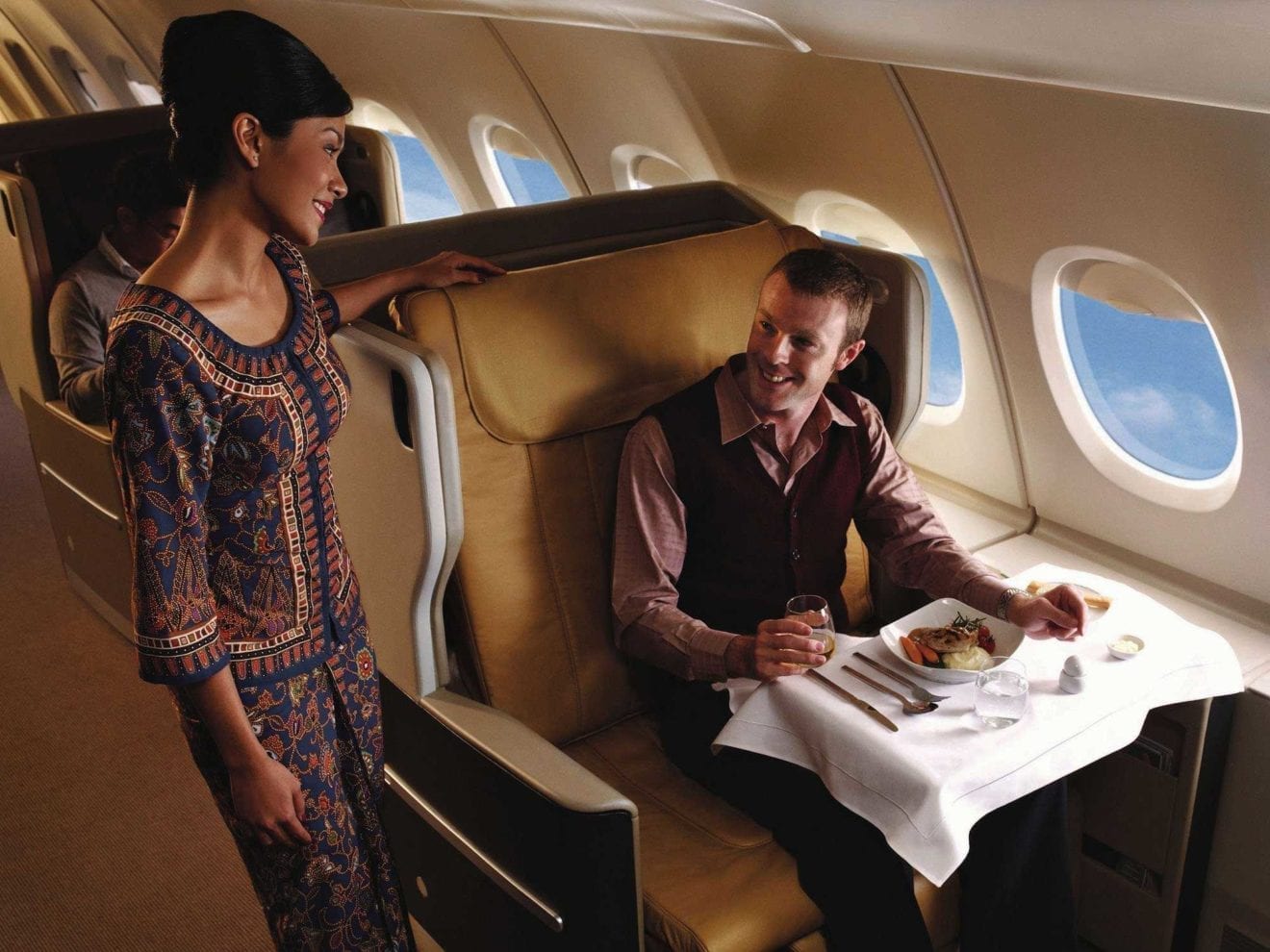
    Singapore Airlines is cancelling several flights from its capital connect services later this year, in response to low demand during the off season.

    Since September, Singapore has flown Boeing 777-200 to Wellington via Canberra four times a week, a service which aviation experts said appeared to be winning strong support.

    Wellington Airport has publicly linked the service to its case to extend its runway south into Cook Strait in a bid to enable direct, long haul services to the capital.

    But the airline is dropping three return flights over three months. The flights were due to land and take off from Wellington on August 14, September 5 and October 24.

    The cancelled flights appear to be equivalent to just over a 5 per cent cut in capacity over the August-October period.

    Simon Turcotte, Singapore Airlines general manager New Zealand, said the decision not to operate the flights was part of normal operations.

    “During the low season we regularly make ad hoc changes to our flight schedules to meet market demand and ensure we are optimising the performance of the route during the low season,” Turcotte said.

    “We will work with affected customers to re-accommodate their travel requirements.”

    Wellington Airport spokesman Greg Thomas said it was not unusual for airlines to change schedules when considering low and high season.

    “We are happy with the performance of the service and have received positive feedback on the vast improvement in connectivity that Singapore Airlines has provided to Asia and onwards to Europe.”

    Brent Thomas, commercial director for House of Travel, said it was not unusual for airlines to make changes to schedules between seasons.

    “Ultimately the airlines will decide where they can get the best use of their aircraft because these are expensive pieces of machinery and the airlines need to determine where they can get the best returns.”

    A slight change in frequency did not mean a service was in jeopardy, Thomas said, however because of the organisation involved and the potential disruption to customers, changes suggested demand was low.

    “These kind of decisions, where they adjust schedules, certainly aren’t taken lightly,” Thomas said.

    The Singapore Airlines service has been in the headlines, both for its improved connectivity to Asia, the fact that it is the first scheduled wide-bodied service from Wellington, and the support the airline received to bring it here.

    When the service was confirmed, Wellington’s then Deputy Mayor Justin Lester said the short time on the tarmac in Canberra meant the service would cut the time it took to get from central New Zealand to Asia by at least 90 minutes.

    In the following days documents emerged showing Wellington Regional Economic Development Agency could provide up to $800,000 a year in marketing support towards the service, for 10 years.

    Shortly after flights commenced, it emerged that Wellington City Council generated almost no paperwork in the decision to agree the subsidy, prompting calls from councillors to rein in chief executive Kevin Lavery’s delegated authority over spending.

  • Wind projects offer promising future

    Wind projects offer promising future

    With growing innovation in the sector, experts and investors note that wind power projects in Vietnam will be feasible with an 8-9 US cent per kWh feed-in-tariff.

    Vu Chi Mai, senior project officer at Geman Technical Cooperation (GIZ), highlighted at a wind power forum hosted by the Asia Wind Energy Association last week that experts are now more optimistic regarding the foreseeable cost reductions in the industry.

    The newfound optimism, Mai noted, may be coming as a result of technological advancements that have yet to be implemented.

    The forthcoming advances suggest that wind energy is not as mature a technology as was previously thought, Mai added.

    “Wind power technology and its advancing development is cutting costs and time for developers,” Mai said, highlighting that developers see a 9 US cent feed-in-tariff (FiT) as bankable.

    Late last year, GIZ sent a proposal to the government stating that the best way to make projects feasible is to offer a FiT of 10.4 US cents.

    Mai explained that per request from the Ministry of Industry and Trade (MoIT) to get the real cost of wind production in Vietnam, GIZ has conducted a study which has been based on the operational costs of the three existing wind farms in Vietnam (the first wind farm has been operational since 2011).

    A bankable FIT of 10.4 US cents per kWh has been then suggested so that the government target of 800 megawatts by 2020 could be reached.

    William Gaillard, regional sales director at Gamesa Siemens – the exclusive supplier for the 40MW Dam Nai  project in the central province of Ninh Thuan, said that “Now you can have profitable wind projects that few years before was not possible, thanks to larger rotor size and bigger generator, but also larger volumes and economies of scale from our side.

    Also other suppliers need to make some efforts. Balance of plant like civil and electrical works also need to drive cost down.” Gaillard added that even current of 7.8 cents can make projects bankable.

    He pointed out that in Vietnam there is very little experience and so risks are high and contractors expect high margins. But the key issues is to get a bankable power purchase agreement (PPA), according to international standards.

    Olivier Duguet, CEO of The Blue Circle – developer of the Dam Nai project, and the first foreign-backed wind power project in Vietnam – told VIR that “the current FiT is perfectly suitable for 2,000MW wind projects in Vietnam.”

    Duguet said focusing on the FiT is the wrong approach. Investors should instead be focusing on conditions that attract long-term debt financing for projects in Vietnam, as this is the only way to develop wind power within the country. Only the very best projects in terms of wind resources and installation costs will be financially viable in the current environment, he added.

    A representative of NRG Systems GmbH noted the wind power industry in Asia is experiencing strong growth, and emerging economies in the region continue to invest heavily in it.

    According to MoIT, Vietnam’s power industry has been facing many challenges around the shortage of energy sources.

    The Vietnamese government has approved several programmes to encourage the development of renewable energy in the country, including the Renewable Energy Development Strategy to 2030, with a vision to 2050.

    The strategy aims to increase the production of electricity from wind sources to 2.5 billion kilowatts by 2020, 16 billion kilowatts by 2030.

  • Zalora Vietnam becomes Robins after merger

    Zalora Vietnam becomes Robins after merger

    Online fashion platform Zalora Vietnam has officially merged with Robins, becoming one online platform, following the pair’s merger 12 months ago.

    As of May 12, Central Group-owned fashion retailer Robins and e-commerce giant Zalora Vietnam will be shopped at Robins.vn only, not on individual websites. The merger is believed to make the new platform the largest fashion e-commerce site for Vietnam.

    Zalora was the largest online fashion shopping website in Vietnam, specialising in fashion, where it stocks fashion and accessories collections from more than 700 brands.

    In April 2016, Zalora Vietnam was sold by Rocket Internet and bought by Thailand’s Central Group, who acquired both Zalora Vietnam and Thailand subsidiaries. At the time of the transaction, Zalora CEO Michelle Ferrario, said the move would allow Zalora to capture opportunities and strengthen its position in our markets, as we gear towards accelerating our growth.

    “We are happy to have contributed to the vibrancy of Thailand and Vietnam’s e-commerce scene, and we trust that the future owners will continue to build on what we started. We remain committed to providing consumers in the region the best online and mobile shopping experience possible,” said Ferrario, early last year.

    A Zalora representative told ICT News this week that with Zalora and Robins both being owned by Central Group, the group “decided to merge the two brands with the desire to bring the best shopping experience to customers.”The Zalora spokesperson said that all shopping activities at www.robins.vn would be maintained normally.

    Robins arrived in Vietnam in 2014 and has two department stores – in Crescent Mall, Ho Chi Minh City, and Royal City, Hanoi.

    Central Group is one of the Southeast Asia’s largest retail players with a huge footprint in Thailand and forays into Vietnam, Malaysia and Indonesia. The group’s assets, which include multiple shopping malls and national department store chains, are worth close to $10 billion and it employs some 70,000 people across its operations.

  • Amazon, channel for Vietnam’s apparel to enter EU

    Amazon, channel for Vietnam’s apparel to enter EU

    Amazon, leading online shopping channel, has the potential to become a window for Vietnamese textile and garment products to gain access to European Union market. This was stated in Hanoi at a seminar, organised by Vietnam Textile and Apparel Association. Vietnamese businesses got advice on e-commerce by experts from Germany’s Vorwarts company at the event.

    Vorwarts CEO André M. Åslund said the quality of Vietnam’s garment products satisfied EU consumers. Many enterprises in Vietnam and Asia were selling their products to the EU via intermediaries or outlets. However, if products are sold on Amazon, intermediaries will not be needed, leading to reduction in cost and improvement in Vietnamese apparel’s competitiveness in EU markets, according to Vietnamese media reports.

    Up to 76 per cent of consumers use mobile phones to shop online, and 50 per cent of mobile phone users shop via Amazon, Åslund said.

    Noting that consumers’ behaviours were changing, he said instead of solely depending on products’ prestige, their interest and trust were now also framed by other factors such as product review and description, and other consumers’ assessment, the reports said.

    Therefore, businesses should pay more attention to quality information provision and product quality to get good assessments. Those evaluations will encourage EU consumers to buy Vietnamese products, Åslund said.

    However, businesses must comply with regulations of EU markets and improve product design to meet consumers’ taste. Once consumers are satisfied, they will introduce products to others, he said.

  • Idea swings to first net loss since 2007

    Idea swings to first net loss since 2007

    India’s third largest mobile operator Idea Cellular has swung to its first annual loss since its IPO in 2007, as the company felt the pressure being inflicted on the mobile industry by the entry of disruptive newcomer Reliance Jio Infocomm.

    The company reported a net loss of 4.07 billion rupees ($63.5 million) for the full-year ending in March. This compares to a 23.78 billion rupee profit for the previous year.

    Total revenue fell 1% to 355.75 billion rupees, marking the first revenue decline since the IPO. Revenue from established service areas fell 1.8% to 329.58 billion rupees but revenue from new service areas up 9.5% to 26.17 billion rupees.

    India’s mobile industry has been struggling since Jio burst onto the scene in September with an aggressive strategy of offering services for completely free for a six-month promotional period.

    “The October to April 2017 interval can be best described as ‘Period of Telecom Discontinuity’, permanently changing mobility business parameters. Consequently, the revenue KPIs & financial parameters for all mobile operators have sharply declined in [2H17],” Idea said in a statement announcing its results.

    “For the first time in its history, the flourishing Indian mobility industry is trending towards an annual revenue decline of ~2% in FY17. With the new entrant starting to charge for its services, albeit very slowly, the sector is expected to return to growth in the next financial year.”

    During the March quarter, revenue fell 6.2% sequentially to 81.26 billion rupees, even as the company added 6.2 million new customers to 198.3 million.

    The operator also strengthened its revenue market share for calendar year 2016 by 0.4% to 19% and maintained a subscriber market share of 19.4%.

    Idea Cellular meanwhile announced that it is making progress with its planned merger with Vodafone India, a deal expected to create the market’s largest telecoms operator.

    The two companies have initiated the steps required to gain regulatory approvals for the merger, including filing a joint notification with the Competition Commission of India.

  • Korean fast fashion brand “8 Seconds” is catching up ZARA

    Korean fast fashion brand “8 Seconds” is catching up ZARA

    The fast fashion brand of the fashion division of Samsung C & T has been on the brink of exceeding 40, the number of stores in Korea. The firm geared up to catch up ZARA, the third-largest fash fashion brand in Korea.

    The number of domestic stores in 8 Seconds will increase from 39 to 41 by the end of this month. It increased by 5 from 36 at the end of last year.
    8 Seconds will open three stores in the metropolitan area, including Seoul, this month alone. It opened the store in Myund-dong branch of Lotte department store in May 1, followed by Lotte Premium outlet in Icheon on May 13. It is also planning to open Hyundai City Outlet Garden Five at the end of this month.

    EightSeconds, officially launched in 2012, has been known as ‘Lee Seo Hyun Brand’ because Lee Seo-hyun, president of Samsung C & T’s fashion division, has elaborated the brand for three years.

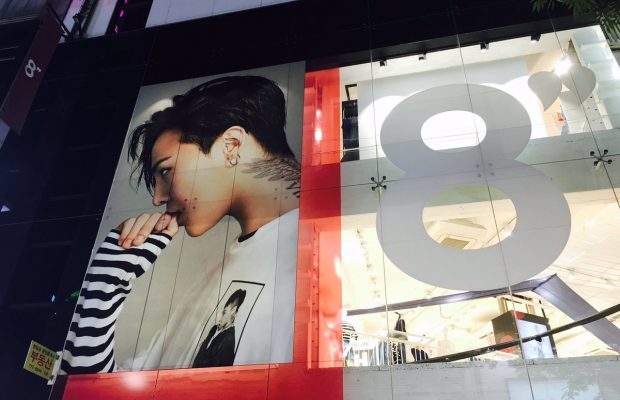
    She planned to enter the Chinese market with the goal of becoming the third fast fashion brand in Asia. Last year, it opened its first flagship store in the center of Huaihai Road in Shanghai, China. The brand gained a huge popularity in China by releasing products which collaborated with Big Bang’s GD who was a model of 8 Seconds. However, as the investment cost has been rising in the early stage of China, the two subsidiaries in Shanghai have suffered an operating loss of 7 billion won.

    8 Seconds will focus on stable operation of its existing Shanghai flagship, rather than aggressively expanding its business in China for the time being, and will aggressively boost its business by expanding distribution channels in Korea.

    The GD collection, which was first introduced in Korea and China last year and was hit by Chinese, will continue to be released. GD has been collaborating with 8 Seconds for the first time as a fast fashion brand in Korea. The third collection, released last month, featured items from the daily life of GD.

    An official from Samsung C & T 8 Seconds said, “We are pursuing a full-scale business with the release of 8 Seconds Summer Collection with model GD.” “We plan to expand distribution in China as well as domestic distribution”.

  • DHL Supply Chain brings IoT to logistics

    DHL Supply Chain brings IoT to logistics

    DHL Supply Chain, the contract logistics specialist within the Deutsche Post DHL Group, forges ahead on its path of digitalization by implementing Internet of Things technology into warehousing to optimize operational efficiency and lay the foundations for safer work practices. Together with Cisco and start-up Conduce, DHL is testing the technology at three pilot sites in Germany, the Netherlands and Poland.

    The solution enables DHL to monitor operational activities in real-time through a responsive graphical visualization of operational data aggregated from sensors on scanners and material handling equipment, and DHL’s warehouse management system. Visualizing operational data with heat maps has changed the way data is analyzed and used at the pilot sites, and is expected to contribute to operational efficiencies and improve employee safety.

  • Starbucks gets boost in China with Wechat partnership

    Starbucks gets boost in China with Wechat partnership

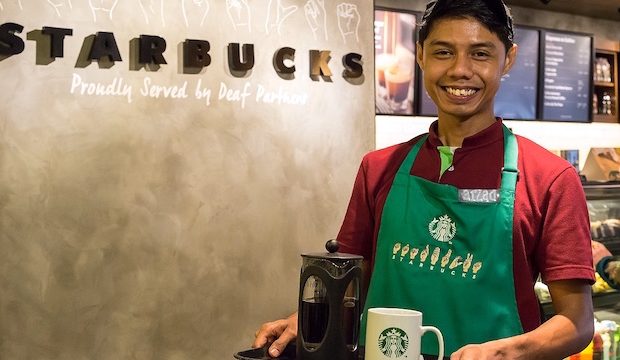
    CEO of Starbucks China, Belinda Wong hailed last week the success seen in the company’s China business after teaming up with social media and payment platform WeChat.

    “Partner and customer enthusiasm for the Starbucks brand and the momentum in Starbucks China business have never been greater,” Wong said. “We saw growth in all categories and dayparts. Beverage, food and digital innovation are laser-focused on operational excellence, and targeted brand investments are attracting new customers into our stores and bringing existing customers in more often.”

    Sales for China grew 7% in the first quarter of the year, following a strategic partnership with WeChat parent company Tencent, which was launched last December.

    “Following on that success, in February this year, we launched social gifting to unprecedented customer demand, partner excitement and social media interest. In only the first seven weeks after launch, over 1.2 million gifts were sent and over half have been redeemed by recipients in our stores.”

    China is the company’s second biggest and fastest growing international market.

  • Cashing in on Korean cuisine

    Cashing in on Korean cuisine

    Some 15 years ago, Malaysians were introduced to a Korean drama series that quickly became a global sensation. This iconic series opened the doors of K-drama to the world, and Malaysia is no stranger to it!

    Our love for all things Korean – food, fashion, beauty, drama, music and so on – quickly escalated into an undescribable passion even til today.

    Malaysia and the rest of East Asia were so enthralled by the Korean culture that many have sought to travel to South Korea for holidays, just to have the glimpse of experiencing the true lifestyle there.

    As per Korea Tourism Organization’s (KTO) statistics, for the first three months of 2017, Malaysian visitors reached a high of 71,215 individuals which was a rise by 14.4 per cent from 62,236 during the same period last year.

    This was up by a stark contrast of 272.4 per cent from only 19,122 during the same period back in 2003.

    It is only natural that after visiting and immersing themselves in the culture of South Korea, enthusiasts cannot forget the charm and benefits of Korean goods and services which may or may not be found in retail outlets in Malaysia.

    This was one of the points discovered by Malaysian online shopping website 11street. Through its recent ‘Shop The World’ campaign, 11street revealed some astonishing behaviours exemplified by Malaysian shoppers.

    “Firstly, Malaysians loved products from Korea, Taiwan and the US,” the online marketplace said in a statement last week. “Consequently, these three countries were also the most popular countries with the highest number of purchases.”

    ‘Malaysians Love Korean Food’

    Another study from 11street affirmed Malaysians’ love specifically for Korean food.

    “The insight we obtained from the market confirmed what we have known for a while now, that Malaysians love Korean food. It revealed that Malaysians often search for Korean food items such as ramyun, chigae, chimek and samgyupsal.

    “On top of that, we noted that a commonly recurring word among these searches on 11street is ‘spicy’, which goes to exemplify Malaysians’ love for spicy food,” said Bruce Lim, Vice President of Merchandising for 11street previously.

    “In fact, ‘heat’ is a common ground between Malaysian and Korean foods, which is why we at 11street have ramped up our spicy Korean food offerings on our platform, to enable our shoppers to find what they love.

    “Through this partnership with K Market, we also took this effort up a notch by introducing products that are halal so that our Muslim shoppers continue to shop with us at ease.”

    According to 11street, the sale of Korean food items on its platform has doubled since its inception in April 2015, with the 26 to 35 age group contributing on average 40 per cent of total Korean food sale in 2016.

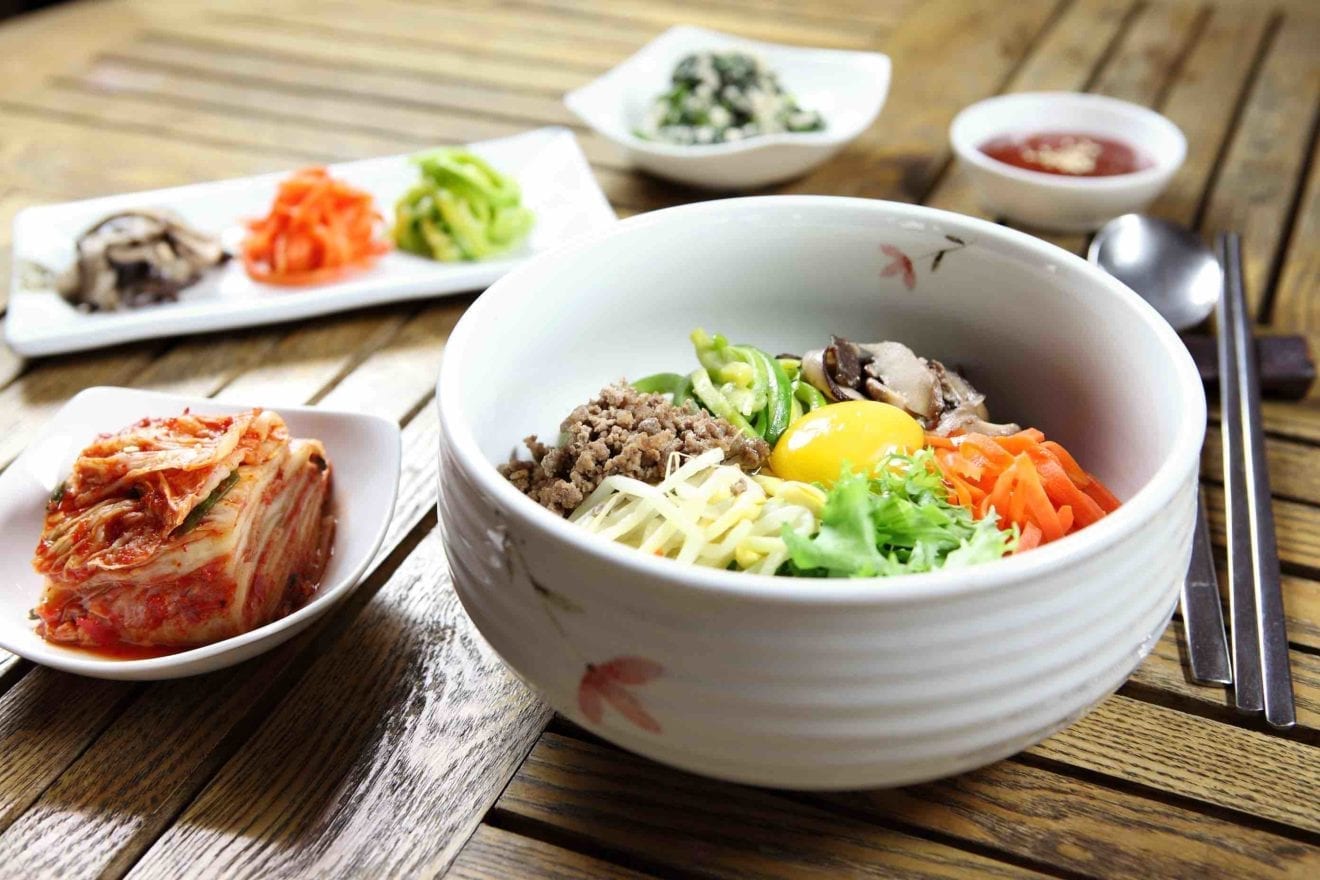
    Among the top five items often purchased from its platform are Pepero, a cookie stick dipped in chocolate; ramyun, also known as instant noodles; kimchi, a fermented Korean side dish made of vegetables; toppoki, a type of soft rice cake; and milkis, a popular carbonated beverage in South Korea.

    Other popular Korean food items that are highly sought after by 11street shoppers are banana milk, red pepper powder for kimchi making and healthy vinegar drink.

    With evidence pointing to the fact that the Korean culture trend is here to stay, BizHive Weekly takes a look at how the Korean cuisine industry fares locally in Kuching:

    Kuching Seoul Garden: An icon of Kuching’s Korean taste

    Ask “Where can we get Korean food in Kuching?” and many may first think of Kuching Seoul Garden (Seoul Garden) which has been operating for several years now.

    Proprietor Steven Lee knows a thing or two about bringing the influential Korean culture trend here to this city.

    Lee first ventured into the restaurant business here seven years ago with Seoul Garden at Central Park Commercial Centre, and initially started with just operating from the ground floor of a shoplot.

    Lee told BizHive Weekly the reason why he was so passionate to open a restaurant here – having had more than 10 years of experience in the restaurant business back in South Korea – was to expand Korea’s culture in other countries.

    “We try to bring a slice of Korean food and culture to Kuching by taking a family-oriented method to run the food and beverage business,” he said. This means taking the time to serve, assist and dine with customers akin to that of eating at home ith family.

    “The ground floor serves ala carte dishes, with an authentic menu list which kept growing and changing over the years to suit the evolving food trends.”

    Using very little monosodium glutamate (MSG) when preparing the dishes, Lee believed this to be one of the few reasons why Seoul Garden has a lot of regular Korean customers as they know that the food at his restaurant are authentic and healthier.

    Lee also affirmed that he sources his seasonings and sauces directly fom South Korea, lending to the authenticity of his dishes.

    “From when we started, these (seasonings and sauces) have gone up by some 40 per cent in prices, especially with the GST (goods and services tax),” he commented. “But we’ve never raised our food prices offered.”

    Authentically made

    In fact, Seoul Garden’s own kimchi stands out from its competitors as Lee adopts the traditional Korean style of making kimchi – which means a longer processing time for the salted and fermented vegetables.

    Additionally, instead of offering seven to eight side dishes for customers, Seoul Garden only serves five, including kimchi and fruits.

    This is because Lee observed that local customers are usually not able to finish the typical portion of seven to eight side dishes customary in Korean restaurants.

    At Seoul Garden, with the exception of kimchi which is a must at every meal, the side dishes will change daily so that regular customers will not feel bored eating the same thing everyday.

    Lee usually tries to change up or add new dishes on the Seoul Garden menu in the middle of the year, as that is the time when they are not too busy and can start becoming creative and designing new dishes according to the latest trend.

    Recently, Kuching Seoul Garden launched a few new dishes incorporating melted cheese which are eaten with the main dish such as stir fried squid or grilled chicken pieces.

    He explained that this is the new trend as he noticed that young people generally like to eat food with cheese. This trend is apparently very common in Singapore and Korea, he observed.

    Changing business model

    Two and a half years ago, Lee decided to branch out into the buffet business model with the addition of a second floor dedicated to meat barbeque (BBQ) steamboat buffet.

    With this buffet, Lee opined that it is a much more straightforward business model given that customers need only pay for a fixed price to have unlimited access to all types of meat, seafood, fruits, drinks and ice cream.

    For the restaurant’s side, staff will only need to prepare the ingredients as the customers themselves will do the cooking.

    “It is more fun,” he said, “as families, or even friends and couples can sit down to a meal together, cook and enjoy each other’s company. They can also adjust the seasonings to their liking.”

    While he does hope to expand and open more halal and non-halal meat BBQ steamboat buffets throughout Sarawak, Lee has reservations in opening more of his ala carte style restaurants in other cities.

    This is because of the extensive menu they have at the ala carte restaurant which will require too much time training and it will also be difficult to maintain the quality and taste of the foods.

    When asked on future potential growth, Lee said he is now looking for potential investors or joint venture partners to consider opening up a halal version of his buffet restaurant to cater to the Muslim market.

    Lee Korean Fried Chicken a new franchise venture

    Recently, Lee has further expanded into Kuching’s first Korean fried chicken restaurant business, a popular Korean cuisine and concept back home.

    Lee explained that in South Korea, if the fried chicken eateries are located in office areas, those usually attract office people who after clocking out from work, will go and have themselves some fried chicken and down that with beer.

    Over here in Kuching, Lee believes that his new restaurant, Lee Korean Fried Chicken (Lee KFC), will attract customers from all walks of life because of the sauces which he makes himself for the chicken dishes.

    He explained that these sauces are important for these dishes, adding that all are made with natural ingredients consisting of carrots, garlic, onions and South Korea-imported chilli powders and yellow and white starch syrup.

    This, he highlighted, is a better business decision than other restaurants which have fully relied on ready-made sauces imported from South Korea. This has resulted in  a lot of expired stock and wasted shipping costs due to their inabilities to estimate how the exact amount of supply required.

    “Compared to other international or local outlets which rely on two typical flavours of spicy or non-spicy, our wide variety of fried and grilled chicken dishes with their authentic sauces will draw in customers who want to try something new and different from other competitors,” he stated.

    Slow start expected

    Customer flow into the restaurant is currently still slow but Lee said that this is normal for brand new businesses. “Because when I first opened (my own fried chicken restaurant) in South Korea, it was the same,” he said.

    Even with a good location facing the main road at 3rd Mile, he expects a slow start as he knows that customers are still getting to know about what Lee KFC has to offer.

    To ensure that customers receive their dishes freshly cooked, Lee KFC’s procedures do not involve pre-deep frying the chicken. Instead, the restaurant will only fry the dishes upon receiving the orders, as is customary in every fried chicken restaurant in Korea.

    Additionally, Lee pointed out that Lee KFC had designed a slightly different menu from the typical fried chicken restaurant concept in South Korea. Aside from its main fried chicken dishes, Lee KFC also added popular Korean favourites such as kimchi jjigae, ramyeon, tteokbokki and many more on its menu.

    The idea is that for families or groups of people whogo to the restaurant to eat, they can order a variety of dishes and share them together.

    As with his Seoul Garden BBQ steamboat buffet concept, Lee is also open for discussion to those who are interested to invest, joint venture or do a franchise of Lee KFC in other aeas of Kuching or other cities in Sarawak. On the sauces, he explained that he can just make the sauces to supply to these other outlets when needed while the staff only need to come to the main outlet in Kuching to learn how to use the machines to cook or fry the chickens.

    That said, he only aims to allow the opening of a few outlets so as not to oversaturate the market and ensure the survival of each individual restaurant.

    In fact, if possible, Lee hopes that when opening new outlets in other areas, that the concepts will consist of Lee KFC on the ground floor while the buffet is on the first floor of the same building.

    Pullman Kuching: Jumping on the bandwagon

    Pullman Kuching is also taking steps to incorporate the Korean cuisine into their food and beverage (F&B) offerings while the K-culture is still trending on the local scenes.

    Pullman Kuching general manager Charles Choi who recently relocated here explained that because of his position, he has tried to do some market research on the F&B industry in Kuching.

    “Whenever I have time for dinner during the weekends, I try to visit as many restaurants as possible. I could see that at the moment, for Kuching, because of the small population and the fact that there are a lot of restaurants operating here, you need to open something special otherwise your restaurant (risks becoming) empty,” Choi observed.

    “You need to have a specialty and I could see that, at the moment, once you have Korean cuisine, Japanese cuisine or even Thai cuisine, it is working. I was thinking to myself, ‘Once you have something special, it already ticks one box on being popular.

    “So, what about if it is good in terms of quality and authenticity?’ That is how I decided to hire a Korean chef from Korea (for Pullman Kuching) so that we can compete with our other competitors in terms of quality and being authentic.”

    Driven by young demand

    Hiring a Korean chef is one of Choi’s efforts to boost up Pullman Kuching again and also to show that the hotel will be different from others in the hotel industry.

    On why Sarawakians and Malaysians in general are still drawn to Korean food, Choi explained that this is because the market is driven by young people.

    He opined that the Korean cuisine is still quite a new thing or trend in Kuching and overall Sarawak.

    While Korean-based Choi admitted that he is still new to the city, he could see that the whole city consumer market has been dominated by the older or senior generation.

    “And recently, I would assume that the young generation has started to become dominant in terms of culinary experience, eating out and visiting new places (to eat),” he observed.

    “That is why some of the trendy malls, restaurants, they are becoming popular. Because if you go to popular restaurants in Kuching, it is filled with young people, not the older crowd. I think that’s a sign that now, young people are starting to have financial power to purchase.”

    Choi also pointed out that as these financially capable young people are still attracted to the K-culture of pop music (K-pop), dramas and movies, that fever has thus carried over to the Korean restaurant industry.

    Eye on halal menu

    On how Pullman Kuching aims to differentiate the Korean cuisine it serves from competing restaurants out there, Choi affirmed that they will be completely halal.

    “Because in Kuching, surprisingly, we have almost 10 korean restaurants and I have been to most of them. Quality wise, they are ok. They are serving good food and they are good restaurants in terms of quality.

    “Problem is, they are not serving halal food. They are only focusing on one part of the market, non-halal,” he said.

    As Pullman Kuching serves all halal food, Choi is taking advantage of this and plans to cater to 100 per cent of the market here with the hotel’s very own halal, authentic and quality Korean food.

    “The hotel will be able to serve 100 per cent of the market and not just 50 per cent or small portion of the market,” he enthused.

    Overall, Choi hopes that the Korean food will continue being popular here but acknowledges that it is a trend and trends do change.

    “I hope it lasts for a long time because I’m Korean,” he said.

    “But, nothing lasts forever. I think we have to take advantage of this trend and I feel very lucky because I came to Kuching during this time when K-pop and K-culture is still popular.”

    Korean purchases online continue to trend, says 11street

    Another insight into the constantly growing Korean food trend in Malaysia was provided by none other than online marketplace 11street which has seen growth in Malaysians conducting Korean-food related searches on their platform.

    11street, which was established in Korea since 2008, is one of the top global e-commerce marketplace providers with 400,000 sellers serving over 30 million consumers worldwide.

    According to vice president of Merchandising Bruce Lim in an email interview with BizHive Weekly, 11street search trends saw an increase in Malaysians searching for Korean food, recipe and ways to prepare Korean food.

    “Apart from that, the search for Korean food on 11street saw an increase from the previous year, whereby we experienced significant boost of total Korean food sale in 2016,” Lim said.

    “This also comes at the back of our year-end survey, where 11street predicted consumers to likely explore new product categories for groceries and fresh produce when shopping online, a clear indication to the growing interest to purchase food products online, especially for Korean food items that are not easily available in Malaysia.”

    To date, the five most popular Korean items purchased from 11street’s platform includes Pepero, a cookie stick dipped in chocolate, Ramyun, also known as instant noodles, Banana milk, a banana flavoured Korean milk beverage, Toppoki, a type of soft rice cake and Ottogi Cheese Ramen, another famous Korean instant noodles.

    “Other popular Korean food items that are highly sought after and getting popular amongst Malaysians in 2017, are Milkis, a popular carbonated beverage in South Korea; red pepper powder for kimchi-making; and healthy vinegar drinks,” Lim revealed.

    Food with extra ‘kick’

    While 11street does not have specific data to indicate which states have the highest demand for Korean food items, Lim has however noted that the response the online marketplace gets in general are very encouraging as it sees an increased demand across the board for Korean food items.

    From K-dramas to pop music to cuisine, the interest for everything Korean especially food has continued to surge since the penetration of K-culture in Malaysia, according to a recent search trend finding by 11street.

    In fact, Lim observed that there are many similarities between the Korean and Malaysian cuisine as both feature spices in their food which gives the cuisine that extra ‘kick’.

    “’Heat’ is a common ground between Malaysian and Korean foods which is evident in the usage of chillies in both cuisine,” he said.

    Meanwhile, Lim believed that the Korean food or cuisine industry will continue to grow and become popular in Malaysia.

    Since its collaboration with KMarket, a subsidiary of KMT Trading Sdn Bhd and importer and distributor of Korean products in Malaysia, last year, 11street has seen a rise in demand for Korean food products on its platform.

    “Korean cuisine is poised to be one of the top cuisines in Malaysia, adding more flavour to the already tasty cuisine we have here, as it is no longer difficult to stumble upon different kinds of Korean restaurants or even Korean products in Malaysia,” the vice president remarked.

    Matthew Lee, Group Managing Director of KMT Trading Sdn Bhd commented: “Two years ago when we decided to open a Korean supermarket in Kuala Lumpur, we were motivated by the growing Korean community in the area.

    “Essentially, we wanted to bring a piece of home closer to them but we certainly did not foresee the steady stream of Malaysians frequenting our store.

    “We realised that in order for us to cater to more Korean food lovers out there, it is more effective that we partner a reputable online marketplace such as 11street.

    “To date, we are happy to continue supplying Malaysians with the Korean foods they love through 11street, as well as introduce new ones that are hot off the shelves from Korea.”

    On the growing demands of halal Korean food items, given the rising popularity of the cuisine and the local requirements, 11street also predicted that many would adhere to the Islamic dietary law as the majority in Malaysia are Muslims.

    “The demand for halal products are on a rise and we took this effort up a notch by introducing products that are halal so that our Muslim shoppers continue to shop with us at ease,” he said.

  • China’s retail sales up 10.7 pct in April

    China’s retail sales up 10.7 pct in April

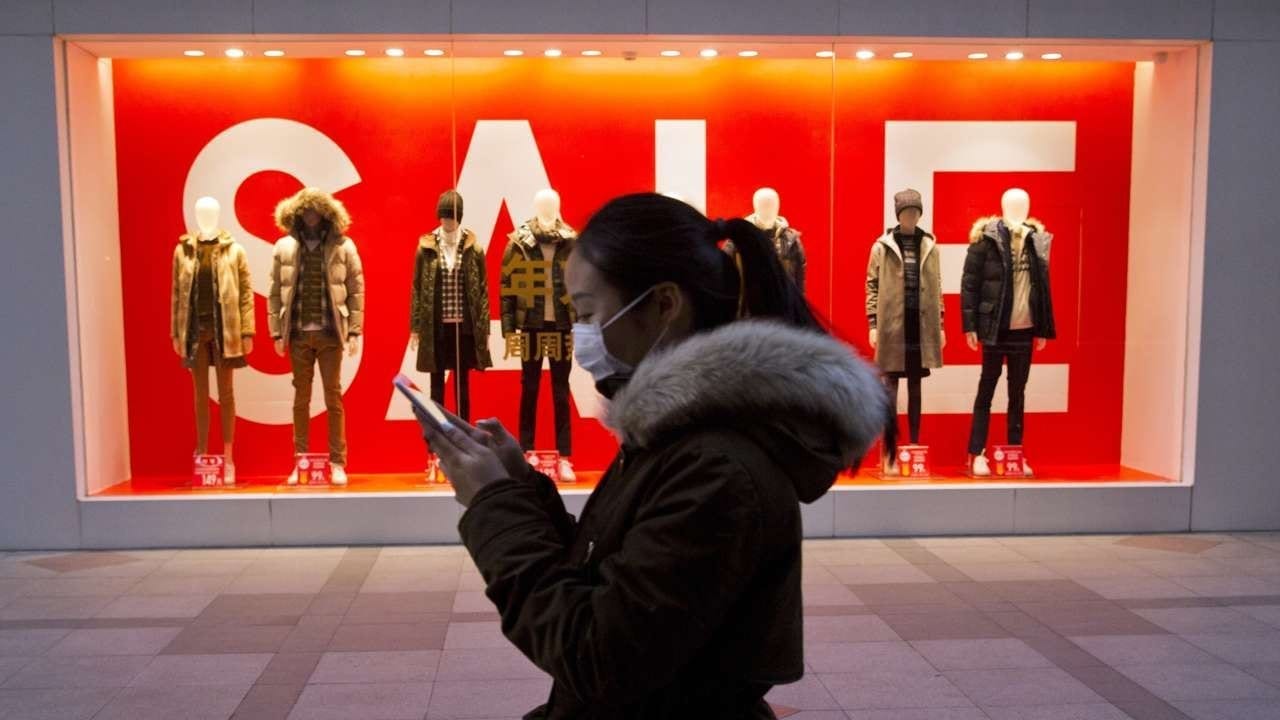
    China’s retail sales, a key indicator of consumption, grew 10.7 percent year on year in April, 0.2 percentage points slower than the March level, official data showed Monday.

    Total retail sales of consumer goods hit 2.73 trillion yuan (about 395.4 billion U.S. dollars) last month, according to the National Bureau of Statistics (NBS). It increased 0.79 percent month on month.

    In the first four months, total retail sales of consumer goods rose 10.2 percent year on year, 0.2 percentage points faster than the growth in the first quarter, according to Xing Zhihong, a spokesperson with the NBS.

    Consumption activities were relatively stronger in rural areas, with retail sales expanding 12.6 percent in April, outpacing urban areas, where retail sales climbed 10.4 percent year on year.

    Online spending was robust. From January to April, online retail sales surged 32 percent year on year to 1.92 trillion yuan.

    Xing said the April figure indicates continued expansion of domestic consumer demand, which was partly driven by consumption upgrades and new business patterns such as online sales.

    China is trying to shift its economy toward a growth model driven by consumer spending, innovation and services, while weaning it off reliance on exports and investment.

    China’s economy expanded at a 6.9-percent pace in the first quarter, accelerating from 6.8 percent in the previous quarter, and 77.2 percent of it was driven by consumption, 12.6 percentage points higher than the 2016 level, according to official data.

  • Toshiba delays results again, warns of $8.4 bln net loss

    Toshiba delays results again, warns of $8.4 bln net loss

    Toshiba twice postponed nine-month earnings before it released unaudited results last month. Troubled conglomerate Toshiba on Monday delayed its earnings for a third time since January, but warned it likely lost 950 billion yen ($8.4 billion) in the just-ended fiscal year, with fears growing about its survival.

    The latest delay comes as one of Japan’s best-known firms grapples with claims of financial misconduct at money-losing U.S. nuclear unit Westinghouse Electric, which is sitting in bankruptcy protection.

    Monday’s warning — largely linked to the bloodletting at Westinghouse — was, however, slightly better than an earlier projected net loss of 1.01 trillion yen for the year ended in March.

    “We can’t officially disclose the earnings as they’re still being audited,” Toshiba president Satoshi Tsunakawa told a news briefing in Tokyo Monday.

    Toshiba — still recovering from a 2015 accounting scandal — has said it needed more time to probe claims of financial misconduct by senior managers at Westinghouse and to gauge the impact on its finances.

    The investigation was started after a whistleblower complained that one or more executives at the U.S. unit exerted “inappropriate pressure” on its accounting.

    The series of delays have stirred fears that Toshiba could be delisted from the Tokyo Stock Exchange.

    The company now faces a deadline for the end of June to file its results with Japan’s finance ministry, or face a possible end-of-July delisting.

    But it is not clear if the firm’s shares will be yanked from the exchange even if that date is missed.

    Toshiba stock, which has lost more than 40 percent of its value since late December, rose 3.43 percent to 261.8 yen on Monday.

    “The market does not feel that the exchange is pushing toward a delisting,” Toshihiko Matsuno, chief strategist at SMBC Friend Securities, told AFP.

    “If that was the case, the company would have been delisted a while ago, but the reality is that it’s been put off for quite some time.”

    Lucrative chips

    Monday’s announcement comes as a sensitive time as Toshiba looks to sell its prized memory chip business.

    The plan is facing opposition from Western Digital, which jointly runs Toshiba’s key chip plant in Japan.

    On Sunday, the U.S.-based firm said it is taking its case to the International Court of Arbitration, seeking an injunction to block Toshiba from selling the business to a third party.

    Unloading the division, which accounts for about one-quarter of Toshiba’s previous 5.6 trillion yen in annual revenue, is seen as key for the company to turn itself around.

    The Japanese firm is the world’s number two supplier of memory chips for smartphones and computers, behind South Korea’s Samsung.

    Numerous reports have suggested that Taiwan’s Hon Hai Precision, better known as Foxconn, is offering some 3.0 trillion yen for the unit.

    Google and Amazon as well as U.S. private-equity firm Silver Lake Partners and American chipmaker Broadcom are reportedly among the other interested suitors.

    Any foreign buyer would need to pass a Japanese government review, given Japan’s concerns about losing a sensitive technology and questions about security around systems already using Toshiba’s memory chips. They are widely used in data centers as well as smartphones and computers.

    The Financial Times reported that Tokyo is ready to guarantee up to 900 billion yen in bank loans if Toshiba chooses a domestic suitor or one with strong Japanese links.

    “It would be no surprise if Japanese authorities take action to prevent Toshiba’s memory chip technology from being transferred overseas,” said Hideki Yasuda, an analyst at Ace Research Institute in Tokyo.

    “The technology is quite attractive and lucrative.”

    Toshiba’s huge losses come after its reputation was badly damaged over separate revelations that top company executives had pressured underlings to cover up weak results for years after the 2008 global financial meltdown.

    The company — which has 188,000 employees globally — once touted its overseas nuclear business as a future growth driver, filling a hole left after the 2011 Fukushima crisis slammed the brakes on new atomic projects in Japan.

    But delays and cost overruns have hit Westinghouse’s finances hard, as the global outlook for the nuclear business weakens.

  • DoCoMo plans major leadership shake-up

    DoCoMo plans major leadership shake-up

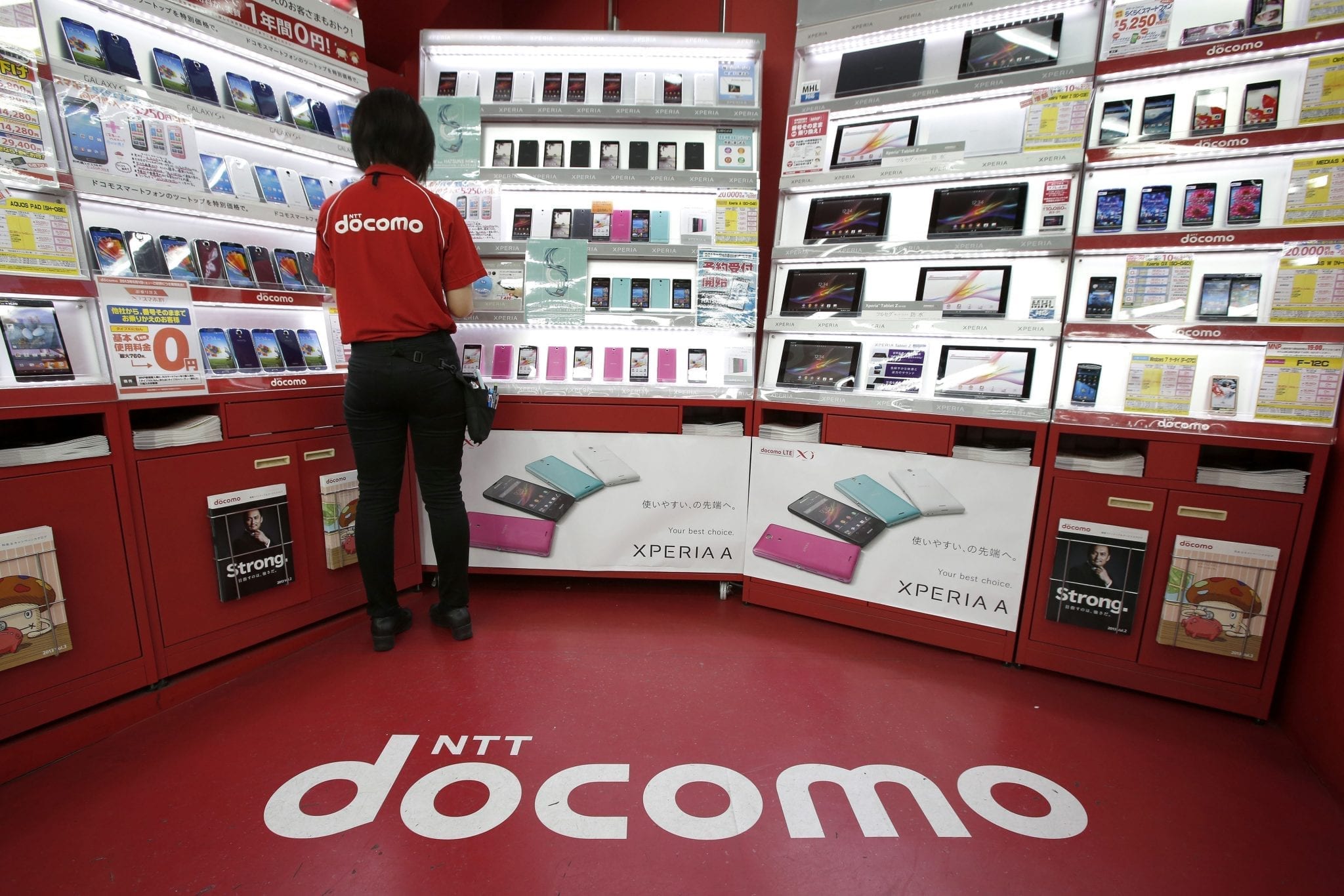
    Japan’s NTT DoCoMo has announced significant proposed changes to its management team as part of efforts to “further grow and develop the company.”

    The operator revealed that one executive director, one director, two audit and supervisory board members and four senior vice presidents are planning to resign, mostly to take up new positions at DoCoMo subsidiaries or affiliate companies.

    In their places there are two new candidates for the board of directors, two new candidates for the audit and supervisory board and seven new senior vice president candidates.

    The changes to the executive positions will be put up for approval at the shareholders meeting, the board of directors meeting and the audit & supervisory board meeting scheduled on June 20, 2017.

    If the changes are approved, DoCoMo’s new board will include executive vice presidents Hirotaka Sato, Kiyohiro Omatsuzawa, Hiroshi Tsujigami, Kouji Furukawa and Kyoji Murakami, as well as senior vice presidents Hiroshi Nakamura and Hozumi Tamura.

    The top leadership team will consist of president, CEO and board member Kazuhiro Yoshizawa, senior executive vice president, CIO, CISO, chief privacy officer and board member Hiroyasu Asami, and senior executive vice president for global business, corporate and CSR and board member Toshiki Nakayama.

  • Rhenus expands global services in its sea and air freight business

    Rhenus expands global services in its sea and air freight business

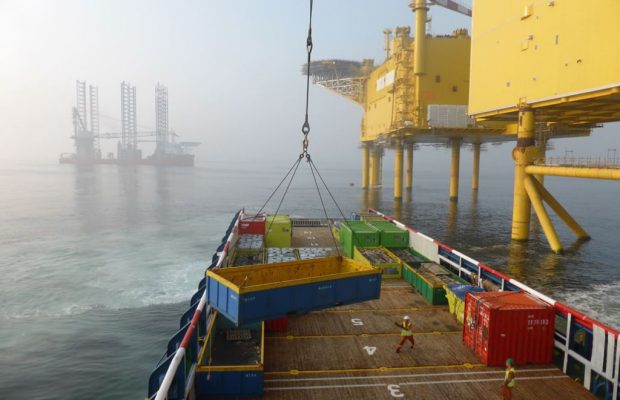
    The process of internationalisation in the Rhenus Group’s sea and air freight business is continuing to gather pace. The company will increase the number of its business sites in the Asia-Pacific region by more than ten percent during 2017. Alongside Asia, Europe and South America are primary target markets this year. Rhenus is also aiming to improve the connections between air and sea freight and overland traffic networks by providing two new gateways.

    Six new offices, including two in the Philippines (Subic and Clark) and one branch each in South Korea (Busan), Indonesia (Semarang), Thailand (Rayong) and Singapore, have already been opened since the beginning of the year. Other business sites in China, Vietnam, Malaysia, Indonesia and the Philippines are due to follow. “We’re involved in a long-term growth course. We’re now continuing this process with our new business sites,” said Tobias Bartz at the “transport logistic” trade fair in Munich.

    Rhenus is planning to consolidate its network both in air and sea freight and overland services this year and offer new routes. Cross-border trucking, which Rhenus provides in Asia, is becoming increasingly important. However, Asia is not the only area of focus of the Freight Logistics business area.

    “Germany, France, Scandinavia, Eastern Europe and South and Central America are also interesting markets for us,” said Tobias Bartz. Rhenus Air has been offering joint customer solutions involving different modes of transport in conjunction with Rhenus Intermodal Systems since April.

    Another goal involves connecting the air and sea freight sites more closely with the Rhenus overland traffic network. Rhenus is opening a sea freight gateway in Germany at Hilden near Düsseldorf this summer, where consignments from all over Europe will be consolidated and shipped via the ports in the west and south of the continent in future. During the course of the year, another consolidation point for air freight consignments is due to open at Frankfurt Airport.

  • Cellcos to spend $21b on 5G NR by 2025

    Cellcos to spend $21b on 5G NR by 2025

    Mobile operators will spend more than $21 billion on standardized 5G NR (New Radio) infrastructure by the end of 2025, according to SNS Research.

    Despite the lack of sufficient LTE coverage in parts of the world, mobile operators and vendors have already embarked on R&D initiatives to develop 5G.

    According to the GSA (Global mobile Suppliers Association), in the first quarter alone at least 25 operators from 15 countries have demonstrated 5G technologies, or announced 5G tests or trials.

    Last week, South Korea’s KT said it is in the final stages of testing for the 5G trial network that will support next year’s Winter Olympic Games in PyeongChang, while Japanese counterparts KDDI and China Mobile also announced trials on pre-5G technologies.

    With pre-standard 5G network deployments well underway, the research firm in March released an estimate, predicting mobile operators worldwide will spend more than $250 million on pre-standard 5G network rollouts by the end of 2017.

    Although 2020 has conventionally been regarded as the headline date for 5G commercialization, the very first standardized deployments of the technology are expected to be commercialized as early as 2019 with the 3GPP’s initial 5G specifications set to be implementation-ready by March 2018.

    Between 2019 and 2025, SNS Research expects the standardized 5G NR infrastructure market to aggressively grow at a CAGR of approximately 70%, eventually accounting for over $21 billion in annual spending by the end of 2025.

    The market will be complemented by additional investments of over $7 billion on NextGen (Next Generation) core and transport (fronthaul/backhaul) networking infrastructure, the research firm estimates.

    SNS Research notes that 5G is expected to provide a single network environment to deliver not only existing mobile broadband and internet of things services, but also new innovations such as self-driving cars, cloud robotics, 3D holographic telepresence and remote surgery with haptic feedback.

    The 3GPP agreed in March to accelerate some elements in the 5G NR timeline to allow operators to speed up deployment of 5G services.

    The standard body set a December 2017 deadline to complete the non-standalone 5G NR specification process and finalize the spec by March next year. The move means non-standalone 5G NR products could be launched as early as 2019.

    Non-standalone 5G NR mode will be designed to anchor a connection in LTE, using 5G NR carriers to improve data rates and reduce latency.

  • Demand for People Counting Systems Stirs up With Increasing Retail Stores

    Demand for People Counting Systems Stirs up With Increasing Retail Stores

    Globally, the increasing number of supermarkets, shopping malls, and retail stores is triggering the deployment of people counting systems. There is a strong need for retailers to monitor footfalls in order to remain competitive.
    Traffic to sales ratio can help retailers in accurately comparing stores on the basis of sales volume. A report by TMR Research, titled “People Counting System Market – Global Industry Analysis, Size, Share, Trends, Analysis, Growth, and Forecast 2017–2025,” offers a comprehensive study of the market. It provides a detailed analysis of the various parameters of the global people counting system market, including trends, opportunities, geographical segmentation, and competitive scenario, for the forecast period between 2017 and 2025.

    The availability of easy set-up and low-cost solutions is stoking the growth of the global people counting system market. The snowballing demand for people counting solutions in the transport sector is also contributing to the overall revenue generation of the market. Rapid technological advancements and robust growth of the retail sector, particularly in emerging countries, are likely to provide a significant push to the market.

    On the flip side, the expansion of the worldwide e-commerce industry and the growing popularity of online sales channel are challenging the growth of the brick and mortar commerce, which in turn is hampering the growth prospects of the market.

    Geographically, Asia Pacific will account for a large chunk in the revenue pie of the global market. The rising number of shopping malls, retail stores, and supermarkets are prompting global participants to invest in the region. Besides this, favorable government initiatives are promoting the presence of foreign retailers in India, which is also leading to the widening pool of retail stores in Asia Pacific. Countries such as Hong Kong, China, Japan, India, Malaysia, and Singapore will be the sites of high growth rate throughout the forecast horizon.

    Other developing regions such as Latin America and the Middle East and Africa are likely to witness similar growth conditions. The presence of infrastructure such as airports, train stations, and bus stations along with a substantial number of upcoming projects are boosting the adoption of people counting systems. The robust growth of the hospitality industry is also supporting the growth of the regions.