Author: Mei Ling Tan

  • IMF warns Asia to act early on rapidly-aging population

    IMF warns Asia to act early on rapidly-aging population

    Asia has enjoyed substantial demographic dividends, but the growing number of elderly is set to create a ‘tax’ on growth. The International Monetary Fund called on Asian economies to learn from Japan’s experience and act early to cope with rapidly ageing populations, warning that parts of the region risk “getting old before becoming rich.”

    Asia has enjoyed substantial demographic dividends in the past decades, but the growing number of elderly is set to create a demographic “tax” on growth, the IMF said in its economic outlook report for the Asia-Pacific region on Tuesday.

    “Adapting to aging could be especially challenging for Asia, as populations living at relatively low per capita income levels in many parts of the region are rapidly becoming old,” the report said. “Some countries in Asia are getting old before becoming rich.”

    The population growth rate is projected to fall to zero for Asia by 2050 and the share of working-age people – now at its peak – will decline over the coming decades, the report said.

    The share of the population aged 65 and older will increase rapidly and reach close to two-and-a-half times the current level by 2050, it said.

    That means demographics could subtract 0.1 percentage point from annual global growth over the next three decades, it said.

    In Vietnam, people aged 60 or older currently represent about 10.5 percent of the country’s population of over 90 million, according to official data.

    Vietnam’s golden population is estimated to last about 30 years from 2010 to 2040. But due to a lower birthrate and longer life expectancy, Vietnam is aging rapidly and the working-age population is shrinking.

    Labor officials have warned that Vietnam’s working-age population will shrink so quickly that by 2030 one in six Vietnamese will be over 60 years old, and one in four of the population will be 60 or older by 2060.

    The challenges are particularly huge for Japan, which faces both an ageing and shrinking population. Its labor force shrank by more than 7 percent in the past two decades, the IMF said.

    The high percentage of its citizens living on pensions may be behind Japan’s excess savings and low investment, which are weighing on growth and blamed in part for keeping inflation below the Bank of Japan’s 2 percent target, the report said.

    “Japan’s experience highlights how demographic headwinds can adversely impact growth, inflation dynamics and the effectiveness of monetary policy,” it said.

    The IMF called on Asian nations to learn from Japan’s experience and deal with demographic headwinds early, such as by introducing credible fiscal consolidation plans, boosting female and elderly labor force participation, and revamping social safety nets.

  • Toyota’s new SUV C-HR becomes best-selling model in Japan

    Toyota’s new SUV C-HR becomes best-selling model in Japan

    Toyota Motor’s newly launched C-HR crossover sports utility vehicle grabbed the top spot in monthly domestic sales in April, becoming the first SUV to top the list in Japan since at least 2007, data from industry bodies showed on Tuesday.

    The country’s largest carmaker by volume sold 13,168 units of the C-HR subcompact crossover in the reporting month. The Japan Automobile Dealers Association and the Japan Light Motor Vehicle and Motorcycle Association said the model rolled out last December is the first SUV to become the best-selling model since they began compiling data in 1968 and 2007 respectively.

    The C-HR, which uses the same platform as its popular gasoline-electric hybrid car Prius, attracts fuel-cost sensitive customers with its fuel-efficiency. Its hybrid model runs 30.2 kilometres per liter of gasoline, among the best in the segment. Toyota plans to market the model in over 100 countries on the back of growing demand for compact SUVs worldwide.

    Honda Motor’s minicar N-Box came in second with 12,265, up 4.9% from the same month last year, ceding the crown to the C-HR after maintaining the No. l position for four consecutive months through March. The Move minicar of Daihatsu Motor  — Toyota’s subsidiary — was third, as sales of the minicar model more than doubled to 12,004 units in the month.

    Five minivehicle models with engines no larger than 660 cc made it into the top 10 ranking, according to the two associations, as they continue to entice customers with a relatively low tax levied on them and their fuel-economy.

    Daihatsu’s Tanto minivehicle ranked fourth with 11,926 units, up 8.5%, followed by Toyota’s Prius hybrid, the best seller in 2016, with 9,920 units, down 52.2%.

  • Pizza Hut CMO Pankaj Batra moves on to new role after 11 years in Asia

    Pizza Hut CMO Pankaj Batra moves on to new role after 11 years in Asia

    Pankaj Batra, chief marketing officer at Pizza Hut Asia Pacific, has taken on a new role as chief brand officer at Pizza Hut, Middle East, Turkey and Africa (META). This was confirmed by him to Marketing.

    According to his LinkedIn, he will be responsible for sales and brand metrics, digital marketing and food innovation for the region. Prior to the appointment he held the CMO role since 2014, where he was responsible for brand equity and sales growth of Pizza Hut across over 2,600 restaurants in 13 countries.

    He was also responsible for marketing and sales for Home Service and Express channels. He also partnered with seasoned franchisees and a team of over 50 marketing professionals to develop regional and local programs to achieve targets and grow market share.

    Before that he was director of marketing and PR in Asia, where he handled brand marketing and sales leader for Pizza Hut Delivery across nine countries in Asia, including Japan, Hong Kong, Taiwan, Indonesia, Philippines, Malaysia, Singapore, Vietnam & Brunei.

    Last year, Pizza Hut Singapore appointed See Seow Ying as senior marketing director, who was previously head of marketing at Burger King Singapore since 2013. She replaced Michelle Lee, who moved on to take on the role as head of marketing for SEA and Korea at Subway Systems Singapore.

    During her tenure, Lee was responsible for overall brand direction, brand sales, P&L and marketing strategies. She also drove product and service innovations along with menu development with food innovation, operations and supply chains.

  • Gogoboi teams up with foreign brands to sell luxury on WeChat

    Gogoboi teams up with foreign brands to sell luxury on WeChat

    There is no need to elaborate on the importance of Chinese fashion bloggers in educating affluent consumers on the latest fashion trends and luxury items. For international luxury brands that hope to gain a share in China’s competitive retail scene, the real challenge for them is how they can best use these bloggers’ online fame to boost their sales prospects.

    A recent collaboration between Thomas Ye Shi, aka Gogoboi, and a number of Western luxury e-commerce sites and department stores may offer a clue. Last week, Gogoboi announced the official launch of his WeChat boutique, called “Bu Da Jing Xuan (不大精选)”, on his WeChat account. This is not the first time that he has turned the app into a mobile store. Gogoboi sold lifestyle products, such as Gucci fragrances and Keecie bags, to his followers in the past.

    The new boutique that will sell a curated selection of luxury goods, however, creates a new business model that is different from Gogoboi’s previous partnerships with a variety of monobrands. The blogger said in a statement that all of the products on his Bu Da Jing Xuan WeChat store would come from international luxury e-commerce retailers including Yoox, Net-A-Porter, Farfetch, Revolve, Mytheresa.com, and SSENSE, as well as department stores such as Harrods and Luisa Via Roma.

    As China’s top fashion blogger on Weibo according to an Exane BNP Paribas ranking, Gogoboi built up his fame with his harsh and acerbic comments on Chinese celebrities’ fashion tastes and luxury apparel. His sharp personality, which is deemed as candid and humorous by many Chinese online users, has helped him quickly gain a significant following on both Weibo and WeChat. This has led many prestigious luxury brands, such as Louis Vuitton and Fendi, to come to him to form partnerships in recent years, which in turn, boosted his popularity further among the luxury and fashion circles.

    Gogoboi has more than 7 million followers on Weibo and the viewership of his posts on WeChat can exceed 100,000 on average. The blogging style of Gogoboi has changed significantly as he has become more famous and developed closer relationships with brands. He is now much less harsh than he was before.

    On WeChat, his posts embrace a wide range of topics to cater to different interests and tastes of readers, which include fashion trends, popular luxury items, mix-and-match tips as well as celebrity gossip. As an opinion leader in this field, luxury items that get mentioned and recommended by Gogoboi have great potential to become the most coveted products among Chinese affluent consumers.

    As a result, the new WeChat boutique that supports a “see now, buy now” model is a smart way for international luxury e-commerce retailers to connect with wealthy consumers directly. As readers go through Gogoboi’s articles on WeChat, they can directly place an order for the items they like. The mobile store also promises customer service from 8 am to midnight everyday. To celebrate the launch, consumers currently can get a 15 percent discount on Yoox products.

    The transparency and authenticity supported by Gogoboi’s new business can also pose a challenge to the daigou market in China, which is good news for luxury brands that have been plagued by this issue for years. As shown in the image above, Gogoboi will list the official sources of each product along with the shipping and customs information on the app. In contrast, Chinese daigou dealers tend to be vague and opaque about this information.

    In addition, the pricing of Gogoboi’s products (excluding shipping and customs costs) is sometimes even lower than the prices on the original websites. For example, Jimmy Choo’s Petite Locket Shoulder Bag (image above) costs 8,729 RMB (approximately US$1,268) on Gogoboi’s WeChat store, while it is sold for $US1,350 on Farfetch.

    With all of the benefits and potential of this WeChat store, Gogoboi’s new business does not come without challenges. It remains to be seen how the sales will perform in the next couple of months and whether it can offer affluent Chinese consumers with a smooth cross-border shopping experience. Gogoboi’s position is also not irreplaceable—it’s very possible that blogger competition like Mr. Bags and Shi Liu Po Report could put a greater emphasis on e-commerce in the future.

  • SF Express opens branches in Vietnam and Thailand

    SF Express opens branches in Vietnam and Thailand

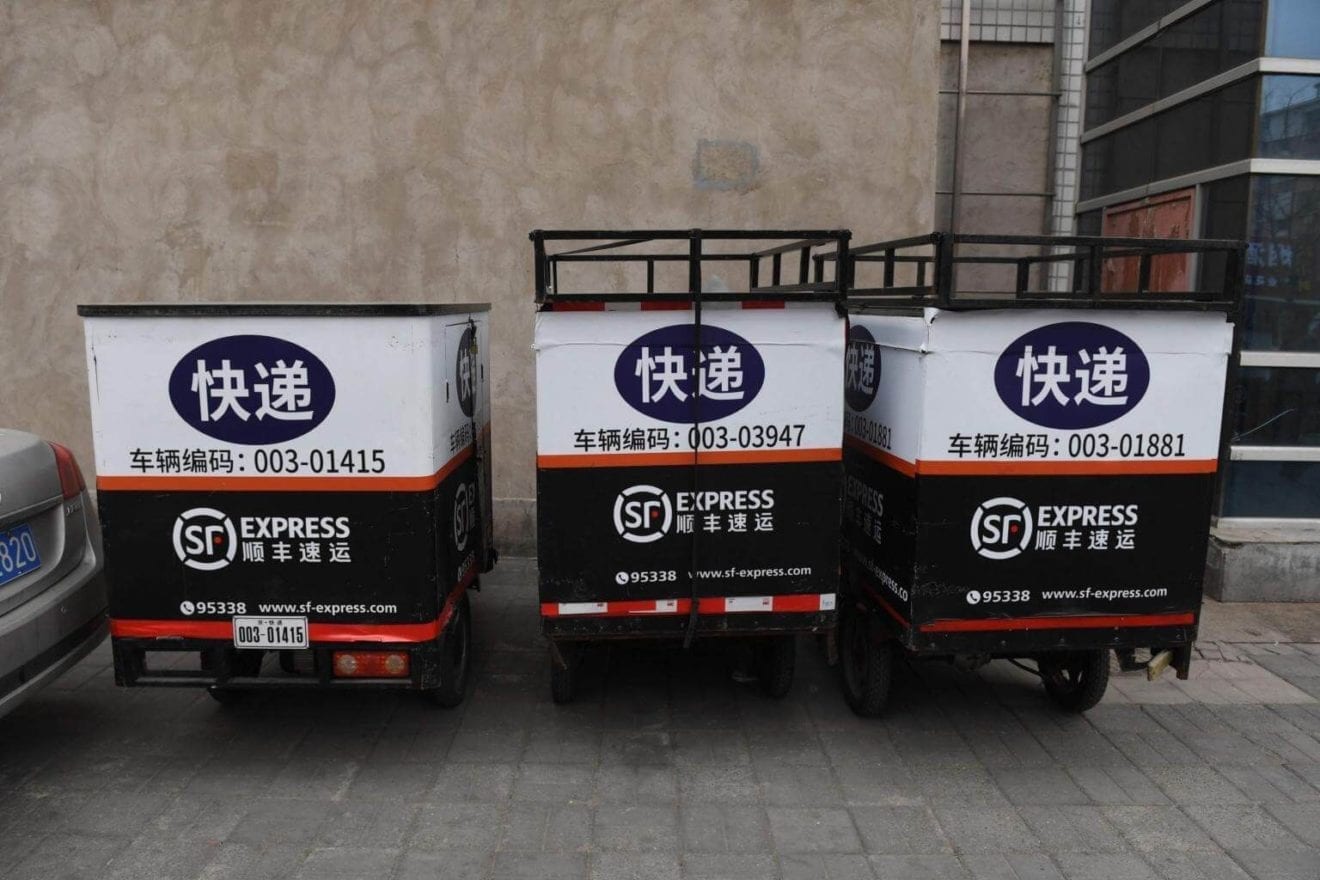
    SF Express, a subsidiary of SF Holdings, a Shenzhen, China-based express delivery firm, recently announced that its service centers in Vietnam and Thailand have formally opened for business, providing export and import express delivery services to local companies and individuals.

    The opening of the two offices are further evidence of the company’s continued efforts to invest in and expand its network in the ASEAN region, on the heels of the opening of service centers in Singapore and Malaysia.

  • Storefront launches largest international pop-up retail space marketplace

    Storefront launches largest international pop-up retail space marketplace

    Storefront is the world’s largest marketplace for brands  to  connect with retail spaces and is being called “the Airbnb of Pop-Up Space”. Over 8,000 brands, including L’Oréal, Maje, Chloé, OnTheList, Miss Runner, Butterboom, Thierry Mugler and Giorgio Armani, have opened temporary retail stores using the Storefront platform, which offers expanded access to space in leading retail cities around the world, including New York City, Paris, London, Los Angeles, Amsterdam, Hong Kong and most recently, Milan. The platform powers over 20,000 listings worldwide and 2,000 in Hong Kong, which represent more than 60 million square feet of retail space in 6 countries.

    “We are delighted to have expanded Storefront to Asia. Hong Kong is an incredibly dynamic market with abundant opportunities for brands to gain exposure,” explains Benoît Clément-Bollée, co-founder and CEO of Storefront Asia.

    The company specializes in matching a network of over 100,000 brands including retailers, e-commerce players, entrepreneurs and artists with commercial spaces across 3 continents, enabling them to launch short-term pop-up stores, showrooms, private sales, products launches and other events. These spaces can be rented for as little as one day up to several months, offering the most prominent possibility for filling vacant spaces with brands that range from local startups to international luxury brands.

    Storefront endeavors to democratize access to the commercial real estate market by making short-term commercial space rental as easy as booking a hotel room and revolutionizing traditional rental methods in the process. 94% of retail happens offline, and the company aims  at making this part of retail accessible to any business.

    Physical retail is changing with global e-commerce companies opening physical stores. Storefront helps companies, like Etsy, to find spaces for them to develop and fine tune their

    Online to Offline (O2O) strategies thanks to pop-up stores.

    “Expanding to Asia is a top priority for many of our U.S. brands,” says CEO Mohamed Haouache, co-founder and CEO. “The ability to use a single service to find premium retail spaces for pop-up stores in cities around the world is something many brands have requested. The Hong Kong expansion opens doors for international brands in Asia and will further democratize the concept of the pop-up store.”

  • Standardized payment QR code to launch in Thailand

    Standardized payment QR code to launch in Thailand

    Top payment card companies Mastercard, UnionPay International and Visa have jointly introduced a standardized QR code for mobile payments in Thailand.

    The new standardized code allows merchants to easily accept electronic payments without the need to invest in physical point-of-sale machines. They need only have a piece of paper with their unique QR code for consumers to scan.

    Customers with a Mastercard, UnionPay, or Visa card can use a mobile application to scan the code using both smartphones and feature phones with a camera function.

    In future, the standards are intended to be globally interoperable and useable anywhere they have been expected.

    The standardized code is expected to be implemented by banks and merchants across Thailand by the third quarter.

    The initiative also meshes with the Thai financial sector’s Electronic Data Capture (EDC) expansion initiatives under the government’s National e-Payment Roadmap, which aims to support the nation’s transition to a cashless society.

    The launch of the Standardized QR Code signals exciting times for Thailand as consumers move quickly to adopt new payments technology,” Mastercard country manager for Thailand Donald Ong said.

    “Our own research, for example, shows that 50% of young consumers across South East Asia would use the QR code straightaway, and we believe this reflects the demand in Thailand.”

  • Burger King hands Lowe Lintas creative brief for the Whopper

    Burger King hands Lowe Lintas creative brief for the Whopper

    International fast food franchise Burger King has appointed Lowe Lintas Mumbai to launch a new campaign for its iconic sandwich ‘the Whopper’.

    The campaign brief is be mainly targeted at India’s millennial generation and will focus on strengthening brand awareness within this demographic.

    Describing Lowe Lintas’ team as a “talented bunch”, Burger King India’s chief marketing officer Kapil Grover said: “Creative agencies are like an extended marketing team. It’s important to have partners who understand the brand and share the same passion.”

    Lowe Lintas’ leadership recently underwent a reshuffle with the appointment of Arun Iyer to the dual role of agency chairman and chief creative officer.

    President and Mumbai office head Raj Gupta was also named chief executive officer.

  • Vietnam cuts size limit for apartments to reach low-income buyers

    Vietnam cuts size limit for apartments to reach low-income buyers

    The construction ministry has approved a developer’s request to build 25-square-meter apartments. Vietnam’s Ministry of Construction has given the go-ahead for a real estate developer to build apartments as small as 25 square meters (270 square feet) to attract low-income earners.

    The ministry’s Housing and Real Estate Market Management Department, in a letter issued late last month to a domestic developer, said the firm would be allowed to build 25-square-meter apartments before the ministry sets new national standards for apartment sizes.

    Vietnam’s construction law from July 2015 abolished a previous requirement that set the minimum area for an apartment at 45 square meters, but did not stipulate a new limit.

    In December 2015, a government decree on developing houses for low-income earners came into force and set the minimum area at 25 square meters. Decrees often requires guidance from related ministries before they are implemented.

    Construction businesses and provincial authorities have been seeking permission to build commercial houses of 30-40 square meters to attract individuals, small families and low-income buyers, and the permit has been granted given the huge demand, the construction ministry said.

    Binh Duong Province, an industrial center neighboring Ho Chi Minh City, last year launched 5,000 apartments as part of its housing program for low-income people, and has started construction of another 10,000 units.

    Vietnam currently has 2.2 million people working in industrial parks, but only 20 percent of them have their own homes, according to the construction ministry.

  • The Body Shop rolls out £10m digital transformation strategy

    The Body Shop rolls out £10m digital transformation strategy

    L’Oréal-owned cosmetics brand The Body Shop has launched a £10m, three-year digital transformation strategy in a bid to revamp its online appeal and boost the e-commerce channel.

    As part of the strategy, the British retailer has launched in 11 countries a new mobile-first e-commerce site which integrates content and commerce. The countries where the site is now live include the UK, US, Canada, France, Germany, Brazil and Indonesia, with 20 further countries expected to be added throughout the year.

    Given the scale of the business, The Body Shop has given regional variations to its new platform, which means its presence will be adapted to each relevant market according to consumer preferences for merchandising, payment and delivery fulfillment.

    The new website has a live appointment booking service for in-store consultations and a personalised skincare diagnostic tool. A click & collect functionality is also expected to launch later in the year.

    The Body Shop was founded in 1976 and quickly became a retail favourite with its colourful range of body butters, but in recent years it has struggled to remain relevant in a highly competitive market.

    The £10m investment to expand its global e-commerce footprint comes after the retailer saw a 19% increase in online sales in 2016 – double than the prior year’s figure. The share is expected to reach 20% this year.

    “With the successful launch of a responsive, content-rich digital platform, we have established a strong foundation to support our future innovation agenda and global rollout,” said chief digital officer Harriet Williams.

    “The Body Shop is a big business, operating in a large number of countries with both franchise and non-franchise markets. The platform needed to strike the right balance between global brand consistency and local relevance, being flexible enough to meet the needs of each individual market.”

    The Body Shop sells its nature-inspired products in more than 3,000 stores in 66 countries.

  • Vietnam’s April coffee exports fall to 5-month low

    Vietnam’s April coffee exports fall to 5-month low

    Export volume has fallen on higher prices and thinning demand. Vietnam’s coffee exports fell to 134,800 tons in April, the lowest level in five months, the country’s customs office reported.

    Shipments last month from Vietnam, the world’s largest robusta producer and exporter, fell 28.3 percent from the same month in 2016, the Finance Ministry-run Vietnam Customs said in its monthly report.

    While the export volume was slightly above market expectations, it dropped to its lowest since November 2016, based on government data.

    In the last week of April, Vietnamese coffee prices rose beyond ICE futures prices for the first time since September 2016 due to thin domestic stocks and a fast decline of futures prices, traders said.

    Robusta beans grade 2, 5 percent black and broken stood at premiums of $20-30 a ton to London’s robusta July contract, narrowing from premiums of $45-$50. The futures contract ended down 0.4 percent at $2,020 per ton on Tuesday.

    “(Foreign) trading firms have not bought anew,” a trader at a European firm in Ho Chi Minh City said. “Some foreign companies (in Vietnam) even have such high stocks that they are ready to resell to others for loading.”

    The fall in export volume is a hit to a positive start to the year after March shipments rose to their highest since April 2016, placing the country ahead of top producer Brazil for the second time in a year.

    The global coffee market continues to be well supplied, with exports in the first half of the 2016/17 crop year starting last October rising 4.8 percent from a year ago to 60 million bags, the International Coffee Organization (ICO) said in its April report released on Tuesday.

    The Ho Chi Minh City-based trader said most domestic stocks are currently in the hands of export firms and foreign trading firms that have established warehouses in Vietnam, while farmers in the Central Highlands coffee belt are holding on to an estimated 10 percent of their harvest.

    Vietnam’s 2017/2018 harvest is due to start in October.

    “The supply outlook for 2017-18 seems increasingly positive,” the ICO report said, referring to global coffee production. However, it noted Brazil’s current low stocks, saying its supply could be at risk if the weather turns unfavorable.

  • BYOD security a key focus for Hong Kong CIO’s

    BYOD security a key focus for Hong Kong CIO’s

    One in three Hong Kong CIOs believe that a lack of employee knowledge and skills around data security is the most significant security risk their organization will face in the next five years, according to Robert Half Hong Kong.

    A survey commissioned by the specialist recruitment consultancy finds that Hong Kong CIOs are stepping up the fight against the security risks posed by the widespread adoption of bring-your-own-device (BYOD) practices.

    With nearly three in four (74%) local CIOs allowing employees to access corporate data on their personal devices, the security risks of BYOD have become a top priority.

    Nearly all (99%) CIOs are taking steps to protect their company from potential data breaches in light of the threat posed by BYOD, the research shows.

    In addition, 57% have deployed mobile device management technologies to enforce enhanced protection on employee mobile devices, 56% require workers to sign an acceptable use policy 51% are providing training to their staff on maintaining security with using their mobile devices and 45% are using authentication software.

    The growing focus on security is meanwhile generating an increased demand for IT security specialists with the niche skills needed to protect companies against data security risks.

    But 98% of Hong Kong CIOs report finding it challenging to source skilled technology professionals, with 23% stating that professionals with mobile security skills are in top demand.

    “With such a highly mobile and device driven workforce in Hong Kong, it is no surprise that companies see potential in boosting productivity and engagement by offering BYOD options,” Robert Half Hong Kong managing director Adam Johnston said.

    “However, these practices pose a significant cyber-security threat and demand that corporate networks and data are protected, that mobile device management strategies are put in place, and that security policies are developed.”

  • BMW to raise production capacity to 3 million cars by 2020

    BMW to raise production capacity to 3 million cars by 2020

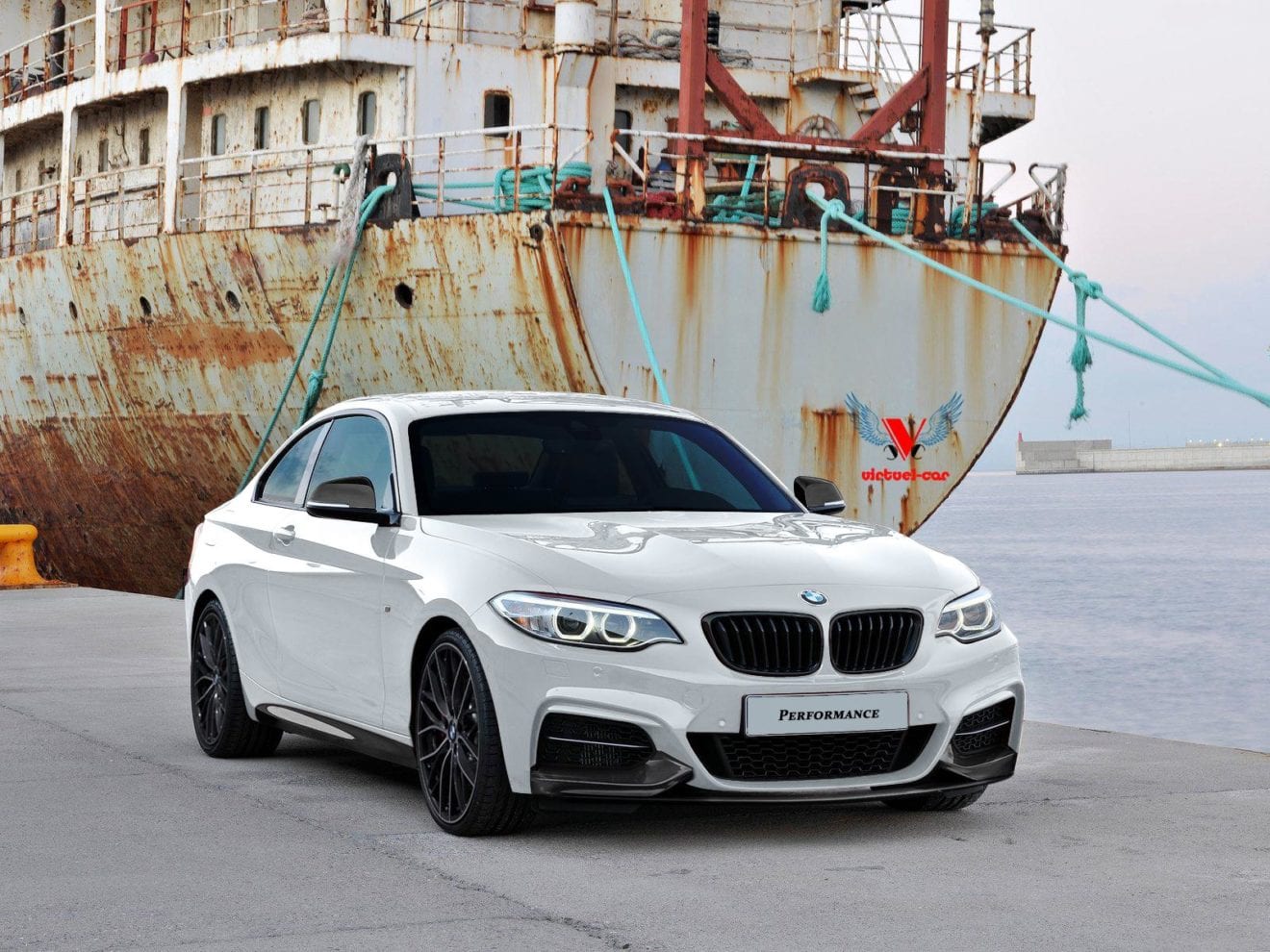
    German luxury carmaker BMW Group will raise its annual production capacity to 3 million cars by 2020 and plans to build its X5 offroader in China, citing company sources familiar with the plans.

    BMW Group, which includes the Mini and Rolls-Royce brands, and built 2.37 million cars last year, plans to double its production capacity in China to 600,000 cars.

    In North America and Mexico, production capacity will be increased to 750,000 vehicles from 410,000, the paper said, adding that BMW brand wants to overtake rival Mercedes-Benz, which is owned by Daimler, to reclaim the volume sales crown for premium carmakers.

  • Hong Kong retail sales climb 3.1% in March

    Hong Kong retail sales climb 3.1% in March

    Hong Kong’s retail rut is no more. For the month of March, Hong Kong retail sales lifted 3.1%, the first gain in two years, as visitors from mainland China returned to the city’s shopping regions.

    The 3.1% uptick in Hong Kong was a measure of total revenues, while retail sales in volume terms gained 2.7%, rising for the first time since July 2015 according to figures released by the Hong Kong government’s Census and Statistics Department (C&SD) on Monday.

    “Retail sales resumed moderate year-on-year growth in March,” said the government in a statement.

    “This reflected partly the continued recovery of visitor arrivals and partly the robust local consumption demand.”

    Local tourism surged 10.4% in March compared to the same month last year, pushed on by the return of mainland Chinese arrivals. It was the most growth recorded since February 2015.

    March’s return to growth follows a dire start to 2017 for local retailers. Hong Kong retail sales dived 5.7% in February, after January sales contracted just 1%, said the C&SD.

    In recent months, Hong Kong tourism has been hurt by an influx of Chinese tourists to Macau, the only Chinese territory where gambling is legal. The region is fast becoming a shopping hotspot too, with major retailers opening stores close to casinos and restaurants.

    This includes US lingerie heavyweight Victoria’s Secret, who bowed its assortment retail store in Macau this month.

  • Cebu Pacific passenger traffic slipped in Q1

    Cebu Pacific passenger traffic slipped in Q1

    The operator of budget airline Cebu Pacific Air saw passenger growth contract in the first quarter of 2017, partly on increased competition with domestic rivals.

    Cebu Air, which owns Cebu Pacific and Cebgo, announced its January to March 2017 operating statistics on Wednesday, showing that passenger traffic slid by 0.5 percent to 4.81 million passengers compared to the same period in 2016.

    Cebu Air said capacity, with a growth of 2.9 percent, rose faster than demand, causing seat load factor to slip 2.9 percentage points to 83.8 percent for the period.

    Since tycoon Lucio Tan resumed full control of rival Philippine Airlines in 2014, the flag carrier vowed to aggressively compete anew in the domestic arena.

    As a result, think tank CAPA-Center for Aviation said in a report early this year that Cebu Pacific ceded some domestic market share to PAL in 2016. However, CAPA noted these were mainly on “lower yielding and generally unprofitable point-to-point routes.” Separately, Philippines Air Asia noted higher passenger volume in 2016.

    Cebu Air also said passenger traffic for March 2017 alone was down 0.2 percent to 1.64 million passengers compared to the same period in 2016.

    Capacity during the period was up by 3.3 percent, while seat load factor was down 2.9 percentage points to 82.8 percent.

    Cebu Air disclosed earlier that full-year 2016 net income jumped 122.3 percent to P9.75 billion compared to the same period in 2015 on strong passenger volume and lower oil prices.