Author: Mei Ling Tan

  • Lotte World Tower becomes tourist hotspot in Korea

    Lotte World Tower becomes tourist hotspot in Korea

    Lotte World Tower has drawn 126,000 daily visitors on average in April, becoming Korea’s newest tourist hotspot.

    The number is set to grow faster this month, as Lotte holds various events around the nation’s tallest skyscraper in Jamsil, southeastern Seoul, during the “golden week” holiday. According to Lotte Corporation, Monday, 3.16 million people have visited Lotte World Tower and its neighboring Lotte World Mall since the tower’s April 3 opening. About 102,000 people per day visited the site on weekdays, while 203,000 per day visited there on weekends.

    In particular, Seoul Sky, the nation’s highest observation deck located between the 117th and 123rd floors of the tower, was visited by 120,000 people ─ about 4,800 a day enjoyed the city view from the 500-meter-high deck.

    Lotte, which has suffered a decreasing number of Chinese tourists over a missile dispute, now expects to achieve its goal of attracting 60 million tourists a year. The growing number of visitors positively affected sales revenue of facilities there as well. The aquarium, cinema, shopping mall, department store, discount store and electronics shop in the mall respectively had 33.6, 48.5, 15.8, 10.6, 19 and 61.5 percent more sales in April than a month earlier.

    The duty free shop alone suffered a 40 percent sales decrease, due to the Chinese government’s de facto travel ban on group tours to Korea.

    As more tourists are expected to visit the tower this week, Lotte has begun to hold various events. Until next Monday, visitors can enjoy the Sweet Swan public art project at Seokchon Lake. Lotte expects the massive swan family sculptures will boost sales of the nearby shops, as the 2014 Rubber Duck project and 2016 Super Moon project did.

    Families with children may enjoy a LEGO festival at a park in front of the tower. Four million LEGO parts will be available to visitors during the festival, so they can participate in making an eight- meter-wide and 12-meter-high flower which will be displayed at the park. Lotte World Tower is also holding exhibitions and classical concerts during the holidays.

  • Anchanto raises funds to expand its Southeast Asia e-commerce network

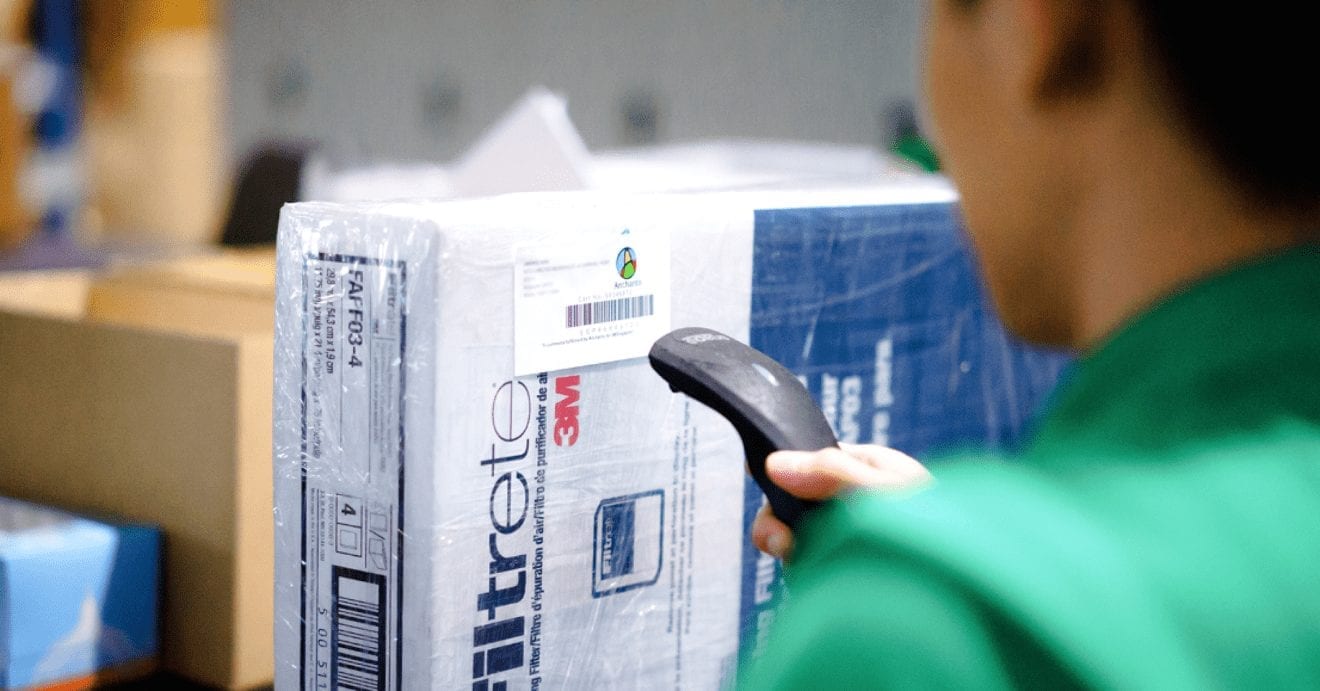
    Anchanto raises funds to expand its Southeast Asia e-commerce network

    Anchanto, a Singapore-based e-commerce logistics and selling platform, announced that Luxasia Group (Luxasia), Asia’s leading omnichannel retailer, and transcosmos inc. Japan (TCI), a TSE-listed global end-to-end e-commerce enabler, have made investments to be part of Anchanto’s growth story and offer overall partner services across its network.

    This partner round exemplifies the confidence that two of the largest players in the Asian e-commerce domain have in Anchanto’s current and future business plans.

  • Daimler drops bid to win approval to sell U.S. 2017 Mercedes diesels

    Daimler drops bid to win approval to sell U.S. 2017 Mercedes diesels

    German automaker Daimler said on Tuesday it had dropped plans to seek U.S. approval to sell 2017 Mercedes-Benz U.S. diesel models, but had not decided whether to exit the American passenger diesel market.

    “We constantly review our portfolio offerings and make adjustments to meet immediate customer need,” Mercedes-Benz USA spokesman Rob Moran said in an email. “Combined with the increased effort to certify diesel engines in the U.S., we have put the certification process for diesel passenger cars on hold.”

    There has been growing scrutiny of diesel vehicles in the United States since Volkswagen AG admitted in September 2015 to installing secret software on 580,000 U.S. vehicles that allowed them to emit up to 40 times legally allowable emissions.

    VW was sentenced in April after pleading guilty in the emissions scandal. In total, VW has agreed to spend up to $25 billion in the United States to address claims from owners, environmental regulators, states and dealers and offered to buy back about 500,000 polluting U.S. vehicles.

    Last month, Daimler said investigations by authorities of diesel emissions and auxiliary emission control devices could lead to significant penalties and recalls.

    The U.S. Justice Department, EPA, California Air Resources Board and a prosecutor in Stuttgart, Germany, are investigating emissions of Mercedes-Benz diesel vehicles.

    In March, the Stuttgart prosecutor launched an investigation against Daimler employees on suspicion of fraud and misleading advertising tied to vehicle emissions.

    The company told in October that it planned to seek approval to sell four U.S. Mercedes diesel models for the 2017 model year. Last year, Mercedes-Benz offered four U.S. diesel models.

    In April, Dietmar Exler, president and chief executive of Mercedes-Benz USA, told reporters the company had not made a decision “one way or the other” on the future of U.S. diesel sales.

    Moran said diesel vehicles in the U.S. in 2016 accounted for less than 1 percent of U.S. sales and the company could still opt to seek 2017 certification at a later date. The company is “leaving the door open to offer diesels as a potential option in our passenger cars and SUVs.”

    Daimler won approval in late April to sell U.S. diesel Sprinter commercial vans after months of talks with regulators.

    In January, the EPA and CARB accused Fiat Chrysler Automobiles NV of illegally using software to allow excess diesel emissions from 104,000 U.S. trucks and SUVs. Regulators have refused to grant Fiat Chrysler approval to sell 2017 U.S. diesel models.

  • JD.com swings to profit first, revenues surge 41%

    JD.com swings to profit first, revenues surge 41%

    E-commerce giant JD.com said on Monday first-quarter revenues lifted 41% for fiscal 2017, as the second-biggest online retailer in China recorded its first profit as a publicly listed company.

    JD.com reported net income of 239 million yuan ($35 million) for the three months ended March — its first time in the black since listing in 2014. Sales rose 41 percent to 76.2 billion yuan, also topping the 73.6 billion yuan projected.

    JD, which bought Walmart’s Yihaodian local shopping platform in 2016, saw a rapid expansion into household supplies and food, as well as fashion and homewares during the last quarter, which increased users.

    JD also dipped into data, cloud and artificial intelligence services – moves that saw it swing to a profit from a loss in the previous quarter.

    “Margins benefited from our rapidly growing scale across all of our product categories,” JD’s chief financial officer, Sidney Huang, said in a statement.

    In November, JD.com said that it would seek to split off JD Finance, its financial unit, making it a fully Chinese-owned entity. The move allows JD to apply for licenses that Chinese laws forbid foreign-listed firms from holding, including mutual funds and securities. Under the restructuring, CEO Richard Liu will be one of the buyers and JD.com will receive 40% of any pre-tax profit.

    In the financial statement, JD forecast second-quarter revenues to lie between 86.6-89.1 million yuan excluding JD Finance, representing a growth rate of 33-37%, in line with analyst predictions of 36%.

    However, Huang cautioned future investments, such as the construction of warehouses, would “significantly increase” capital expenditure resulting in falling free cash flow.

    “Our quarterly earnings will likely be lower in one or more of the next few quarters,” he said. “The Chinese e-commerce market remains highly competitive and we remain committed to returning a meaningful portion of our incremental gains from scaled economies onto our customers.”

  • Airtel Q4 profit slumps 71.7%

    Airtel Q4 profit slumps 71.7%

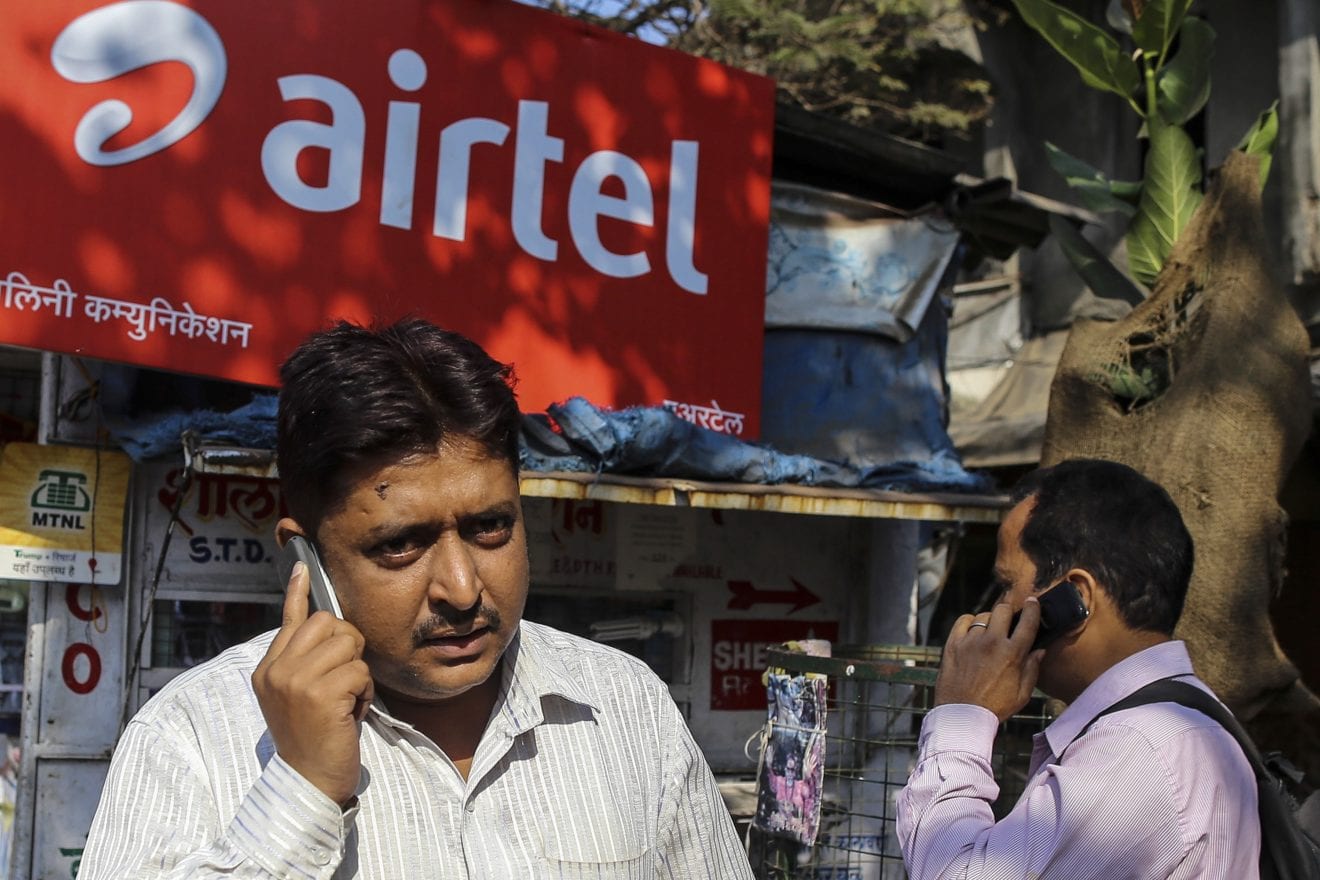
    India’s Bharti Airtel has reported a steep 71.7% decline in net profit for its fiscal fourth quarter to 3.73 billion rupees ($57.6 million), as the company felt the effect of competition from newcomer Reliance Jio Infocomm.

    Revenue for the quarter declined 12.1% to 219.35 billion rupees, with revenue from India down 7.1% year-on-year to 170.3 billion rupees.

    Domestic revenue was impacted by a 11.4% year-on-year decline in mobile revenue as a result of intensified competition amid the free offering from Reliance Jio.

    “The sustained predatory pricing by the new operator has led to a decline in revenue growth for the second quarter in a row. The telecom industry as a whole also witnessed a revenue decline for the first time ever on a full year basis,” Airtel CEO for India and South Asia Gopal Vittal said.

    “The deteriorating health of the industry was compounded by the tsunami of incoming voice traffic from the new operator as a result of which significant investments had to be made just to carry the incoming traffic on our network.”

    While Airtel’s Indian mobile broadband customers increased by 20.5% to 42.7 million, mobile data’s contribution to total revenue declined to 21.5% from 23.3% in the same quarter last year. Airtel’s total mobile customer base in India grew 2.9% to 273.6 million.

    Revenue from Africa grew 2.6% in constant currency terms, with data revenue up 14.5% year-on-year to 157 million, representing 17.7% of total revenue from the continent.

    The company’s Airtel Mobey mobile money service meanwhile increased its customer base to 9 million, increasing the total transaction value over the platform by 35.1% to $4 billion. Airtel’s total Africa subscriber base declined by 0.4% to 80.06 million.

    For the full year, net income declined by 37.5% to 60.77 billion rupees, with revenue down 1.1% to 954.68 billion rupees.

  • Pandora grows in China and Australia

    Pandora grows in China and Australia

    Jewellery giant Pandora had a good Q1, the Danish firm said Tuesday, with revenue from its owned retail stores leaping ahead, although not every market was buoyant.

    While the company saw strength in France and Italy, and Asia Pacific surged due to Chinese grwoth, the Americas saw a decline and the UK was hurt by the falling value of the pound.

    So, let’s look at the numbers. Overall revenue rose 9% to DKK5.196bn (£589m) and was up 8% in local currencies. Pandora’s owned retail stores saw revenue surging 39% to now make up 38% of group sales. Comparable sales in Pandora’s own stores rose 8%.

    Revenue from the EMEA region rose 5%, or 9% in local currencies, boosted by those higher sales in France and Italy but dented by that UK weakness.

    A strong performance in important growth markets such as China in Asia Pacific saw revenue rising 44% (40% in local currencies) with the region now accounting for 25% of group revenue.

    But the Americas decreased 5% (or an even worse 9% in local currencies), including a negative impact from network restructuring in the US.

    The company said its ambitions to offer a full jewellery line-up are progressing with revenue from rings, earrings and necklaces/pendants all up more than 40% and with the three categories now representing 25% of total revenue

    That all added up to higher profits as EBITDA rose 7% to DKK1.879bn, although the gross margin was 73.3%, down from 74.6% a year ago as it was hurt by currency headwinds and the product mix.

    CEO Anders Colding Friis said he was ‘satisfied” with the results, and “very pleased” with the performance in its important growth markets. “Some of our most developed markets continue to perform,” he said, adding that revenue from Australia up 27% but that the retail climate in the US remains difficult.

  • Siemens partners with MMH to provide technology for Myanmar’s ports

    Siemens partners with MMH to provide technology for Myanmar’s ports

    Myanmar Mahar Htun (MMH) to provide technology and solutions for Myanmar’s busy ports with ever-increasing requirements. Through this collaboration, MMH will equip ports with cranes that feature Siemens’ technology, which would enable them to upgrade their services, enhance safety features and improve productivity. This is in alignment with the focus of Myanmar Port Authority (MPA) to increase capabilities of the country’s port facilities.

    Myanmar, with its strategic location that is connected to key regional markets China and India, and bordering three other Asian countries, Bangladesh, Thailand and Laos, currently is able to handle around 20 small tankers with around a total of 220,000 deadweight tonnes (DWT). This number is set to further rise with the expansion of its ports. In particular, its Yangon port is expected to handle ships with maximum of 50,000 DWT, putting it in front of ports in other Southeast Asian markets.

    Christian Beckers, head of business development, Digital Factory and Process Industry and Drives, Siemens Myanmar and Cambodia, said: “Growing demand for quality goods plus increase in trade and investments will create new opportunities for expansion of Myanmar’s port and logistics sector. Hence, it is important for the terminals to be equipped with the ability to handle the surging amount of imports and exports expected in the coming years.”

    “Siemens’ innovative technologies can enhance productivity, energy efficiency and flexibility while at the same time fulfil the highest international safety standards and increased competitiveness in the market. Along with MMH and the MPA, we aim to enhance port optimization to reliably handle increased traffic and trade volumes,” he continued.

    Yamon Win, executive director, Myanmar Mahar Htun Co., Ltd said: “Through our solid joint partnership, Siemens and Myanmar Mahar Htun Co. Ltd are able to provide a value-added product range which comprise of a combination of totally integrated and complete range of technologies and tailor-made solutions as well as local contact support for our customers in Myanmar. Our aim is to make Myanmar’s ports more efficient as they expand, and this will in turn make the country more competitive on a regional level, and all the more attractive to investors and operators.”

    Cranes are indispensable for transporting loads in terminals, industrial operations and shipyards. Wherever they are used, they must operate with the greatest performance and safety, as well as optimal availability, reliability, maintainability and cost-effectiveness.

    To underline their commitment to the industry in Myanmar, Siemens and MMH have also recently organized a seminar for their customers to discuss challenges faced by different terminals and identify potential solutions to address these challenges. The seminar, which was also organized with the support of MPA, enabled Siemens to showcase how its technology would enable the companies to enhance their offerings to meet with current and future industry demands.

  • Australia’s retail slugout adds to worry over weak inflation

    Australia’s retail slugout adds to worry over weak inflation

    A fierce price war among retailers is threatening to keep a lid on improving inflation in Australia, compounding the problems of policymakers struggling to support still-weak domestic demand.

    An uptick in consumer inflation has lowered the chance of another rate cut this year, but competition from global retailers such as Amazon.com Inc is set to keep prices under pressure – good news for shoppers but worrying for the central bank.

    The country’s biggest retailers are suffering from a long spell of deflation that is unlikely to subside soon. Amazon and German supermarket chain Kaufland want to fortify their global presence Down Under and will join recent entrants such as H&M, Uniqlo and Aldi.

    The Reserve Bank of Australia (RBA) said on Friday that “heightened competitive pressures” in the retail sector were among key factors keeping inflation subdued.

    “The arrival of further new foreign retailers will be an important influence on final retail prices over the next few years,” the RBA said in its quarterly statement on monetary policy in which it expects underlying inflation may only fully return to its 2-3 percent target band by mid-2019.

    Worried about deflation risks, the RBA slashed rates twice last year to a record low 1.50 percent. It is widely expected to hold rates until mid-2018 but subdued consumer prices could become a trigger for a move lower, and push the Australian dollar weaker.

    “While consumers will benefit from lower prices, ongoing weakness in retail inflation is a key factor weighing on the broader inflation outlook,” said ANZ economist Jo Masters.

    There was some relief headline consumer prices rose in the first quarter, taking the annual pace to its fastest since 2014 at 2.1 percent. But five of 11 sectors – about 30 percent of the CPI basket – saw price falls. Prices for women’s clothing, for example, were at their cheapest on record.

    A study by Capital Economics shows price increase in what it classifies as ‘luxuries’ – clothing, alcohol and recreation – halved to 0.6 percent from 1.2 since the start of last year. Inflation in ‘essentials’ – food, electricity and insurance – accelerated to 3.4 percent from 1 percent.

    “In other words, it now costs much more to live, but not much more to have fun,” said economist Paul Dales, adding that this situation was hitting household spending on discretionary items. “It implies that consumption growth will be a little bit weaker.”

    Clothing and homeware prices have fallen due to cut-throat competition among major retailers, which only intensified with the arrival of foreign chains to Australia.

    While there are few details on how Amazon will position itself, the retail giant’s expected entry this year will worsen the pain of a retail industry that has been largely insulated by a housing boom and pick-up in global growth, analysts said.

    Jefferies expects Amazon to capture between A$3 billion to A$8 billion ($2.25-$6 billion) of sales in Australia – about 30 percent of current online retail sales.

    Australian retailers are already being forced to change their business models but four major firms going into voluntary administration in the first two months of the year highlights the deepening crisis.

    Not surprisingly, the sector has been shedding jobs, with more workers lost in the year to November 2016 than any other industry.

    “Foreign retailers are attracted by relatively high margins in Australia and will continue to enter the market as long as that additional margin is on offer,” said Masters of ANZ.

    So far, only 16 percent of the world’s top 250 retailers have a physical presence in Australia, according to Deloitte.

  • AirAsia, Tourism Malaysia team up to promote tourism

    AirAsia, Tourism Malaysia team up to promote tourism

    AirAsia and Tourism Malaysia are teaming up to attract tourists to Malaysia under a two-year agreement.

    In a statement, the low-cost airline said they would focus on developing activities to promote the country to all 10 Asean countries, China, Japan, South Korea, India, Sri Lanka, Bangladesh, Nepal, Maldives, Saudi Arabia, Iran, Australia and New Zealand.

    The agreement will include efforts in terms of brand advertising, promotional activities and campaigns; familiarisation trip for consumer, trade, media, travel agencies to Malaysia; synergy in planning between tourism development and air transportation to provide better connectivity; market intelligence sharing and assistance for developing the tourism sector; and joint roadshows between both parties to market Malaysia to trade partners.

    In conjunction with this partnership, AirAsia is offering a 5% special discount on top of all existing promotions exclusively for UnionPay cardholders.

    This discount is available for booking starting now until July 4, 2017, with travel period from May 5, 2017, to June 5 2018.

    AirAsia and Tourism Malaysia signed a memorandum of agreement (MOA) for the partnership on Wednesday in Shanghai.

    Tourism Malaysia was represented by its deputy director general (promotion) Datuk Seri Abdul Khani Daud and AirAsia Bhd by its head of commercial Spencer Lee.

    The signing ceremony was witnessed by Tourism and Culture Minister Datuk Seri Mohamed Nazri Abdul Aziz, who was in Shanghai to lead Malaysia’s participation at the inaugural ITB China travel trade fair at the Shanghai World Expo Exhibition and Convention Centre.

    “Connectivity is the heart of tourism, and this partnership between Tourism Malaysia and AirAsia will combine our marketing efforts, resulting in a stronger awareness and branding for Malaysia as a tourist destination,” Abdul Khani said.

    “We look forward to stronger customer demand and confidence in Malaysia as an ideal holiday destination.”

    Lee said AirAsia looked forward to work closely with Tourism Malaysia to provide travellers with better connectivity into and within Malaysia while allowing them to travel from one destination to another seamlessly.

    “Through this partnership, we aim to generate wide awareness and publicity on Malaysia as a preferred leisure and business destination, and boost the country’s tourist arrivals and receipts. This effort is in line with the national objectives, as seen through the newly implemented e-visa entry for China and India, making tourist entry into Malaysia easier and convenient,” he said.

    It has been reported that the Tourism and Culture Ministry faced financial constraints, with its advertising and promotion budget being slashed year after year over the last few years. The budget last year was RM167mil, down about 40% from 2012.

    In April, Parliament passed a bill to introduce a tourism tax, which is expected to provide a sustainable fund every year to develop the tourism industry.

  • Biometrics to authenticate 2b m-payments this year

    Biometrics to authenticate 2b m-payments this year

    A new report by Juniper Research predicts the number of mobile payments authenticated by biometrics will climb to to nearly 2 billion this year, up from just over 600 million in 2016.

    The new research found that while Apple Pay had provided the catalyst for initial growth, other leading wallets including Android Pay and Samsung Pay were increasingly offering biometric solutions for authentication.

    Furthermore, the size of the opportunity has been boosted by the greater availability of fingerprint sensors. Juniper estimates around 60% of smartphone models are expected to ship with such sensors this year, with many Chinese vendors incorporating them into mid-range models.

    The research emphasized the increasing momentum behind alternative biometric solutions. It recognized Mastercard as an early leader in this space through its Identity Check Mobile capability, due to go live in the latter part of 2017. Informally known as “selfie pay”, this allows users to scan their fingerprints and/or take selfies to validate their identities and thereby make payments.

    Meanwhile, it expected to see strong adoption of the authentication app recently unveiled by India’s identification authority, through which merchants can verify a customer’s ID via either fingerprint or iris scan. Indeed, since the biometric data is linked to a bank account, the process acts as both authentication and transaction enabler.

    However, the research argued that the key challenge for service providers would be striking the right balance between end-user convenience and solution security.

    Research author Dr Windsor Holden pointed out that “typically, the more secure the solution, the more time-consuming the authentication process. It is essential to offer a range of verification options allowing clients to determine what level of security is required for a given authentication.”

  • KT, Ericsson moving forward with 5G trial network

    KT, Ericsson moving forward with 5G trial network

    South Korea’s KT is in the final stages of testing for the 5G trial network that will support next year’s Winter Olympic Games in PyeongChang.

    Technology partner Ericsson announced that the companies have recently agreed on the details of the planned deployment and optimization of a trial 5G network in the nation this year.

    The 28-GHz trial network will include a virtualized radio access network and core system.

    Ericsson and KT have also jointly been testing components of the planned trial network along the new high speed rail line linking Seoul with the Incheon International Airport. The tests included a handover between 5G base stations along the railway, and achieved a peak throughput of 4Gpbs.

    The companies now plan to jointly develop beam forming and tracking technology for 5G and 5G-LTE interoperability technology to help operators optimize capacity and coverage.

    “Stability and interoperability among multiple services, systems and device manufacturers needs to be verified well in in advance of the trial network. We are raising the bar through our collaboration with partners such as Ericsson who are leading 5G technology and standardization,” KT head of networks Seong-Mok Oh said.

    Ericsson head of networks Fredrik Jejdling added that the companies have been working closely on 5G development since signing the 5G collaboration agreement in 2015.

  • Mastercard, UnionPay International and Visa Make E-Payments in Thailand Easier

    Mastercard, UnionPay International and Visa Make E-Payments in Thailand Easier

    Mastercard, UnionPay International and Visa today introduced a Standardized Quick Response (QR) Code for payments, accelerating Thailand’s transition to a cashless society.

    The Standardized QR Code supports the Bank of Thailand’s cashless agenda to drive innovation, interoperability, and security in payments.

    In order to pay, consumers holding a Mastercard, UnionPay, or Visa card can simply use a mobile application with Standardized QR Code support to scan the merchant-presented QR code. QR Code works on both smart phones and feature phones with camera function.

    By establishing standard specifications for QR code payments, consumers and merchants in Thailand now have more options to pay electronically without compromising on security and convenience. The Standard QR Code is simple to set up and use and provides three key benefits.

    First, consumers will not need to scan different QR codes to make payments with Mastercard, UnionPay and Visa. Merchants will only need to display one QR code at the storefront or through the acquiring bank’s mobile application.

    Second, by routing the transactions through global-standard processing networks, consumers can enjoy a fast, convenient and secure payment experience.

    Third, the standards are intended to be globally interoperable and with the right mobile application consumers will be able to use the same standard QR code to make payments everywhere the standards have been adopted.

    The Standardized QR Code is intended to be implemented by banks and merchants across Thailand by the third quarter of 2017 and will contribute to the financial sector’s Electronic Data Capture (EDC) expansion initiatives under the National e-Payment Roadmap introduced by Ministry of Finance.

    A readily accessible and secure payment processing option for all stakeholders, the Standardized QR Code for payments will contribute to the growth and speed of electronic payment adoption across the country, lowering the cost for accepting electronic payments.

    In the future, Thai consumers will benefit from being able to make QR code based payments when traveling outside of Thailand.

    Mr. Donald Ong, Country Manager, Thailand and Myanmar, Mastercard, said, “The launch of the Standardized QR Code signals exciting times for Thailand as consumers move quickly to adopt new payments technology. Our own research, for example, shows that 50% of young consumers across South East Asia would use the QR code straightaway, and we believe this reflects the demand in Thailand. This demand will grow further as the technology is rolled out at small shops across the country, and includes bill payments and cash on delivery as well. Developed in line with global standards, this QR code solution means Mastercard users have even more peace of mind, as well as extra convenience when paying for goods and services. This is yet another strong offering as Mastercard supports Thailand’s evolution towards a cashless society.”

    Mr. Wenhui Yang, General Manager for UnionPay International Southeast Asia, said, “UnionPay now chairs an international workgroup with other payment networks to develop a global QR Code Standard for payments. As an international payment network, UnionPay aims to provide payment solutions that are tailored to the needs of the local market, to enable choice and ease of payment for consumers and businesses alike. The Standardized QR Code is an innovative step forward in the right direction for Thailand’s payment industry. By enabling consumers and merchants to pay and process QR codes easily and securely, this will accelerate the development of the local payments industry, as we continue to work with the Bank of Thailand on payment solutions that will benefit the people of Thailand. We believe the Standardized QR Code has the potential to support and strengthen the Thai economy and help Thailand become a truly cashless society.”

    Mr. Suripong Tantiyanon, Visa Country Manager, Thailand, said, “Visa is proud to have contributed to the development of Standardized QR Code in Thailand as we believe it has the potential to significantly accelerate the growth of electronic payments acceptance in the country. This is especially true for consumers as well as small merchants, as it lowers cost and is easy to implement, eliminating the need for traditional POS hardware. The success of mVisa worldwide has proven a QR code solution to be scalable, secure and easy to use. Increased use of electronic payments has contributed to meaningful economic growth, with more than USD 3.18 billion or about THB 113 billion added to Thailand’s GDP from 2011 to 2015. We look forward to continuing to partner with our clients, merchants and the government to innovate and expand access to digital payments in Thailand, driving inclusive growth for everyone, everywhere.”

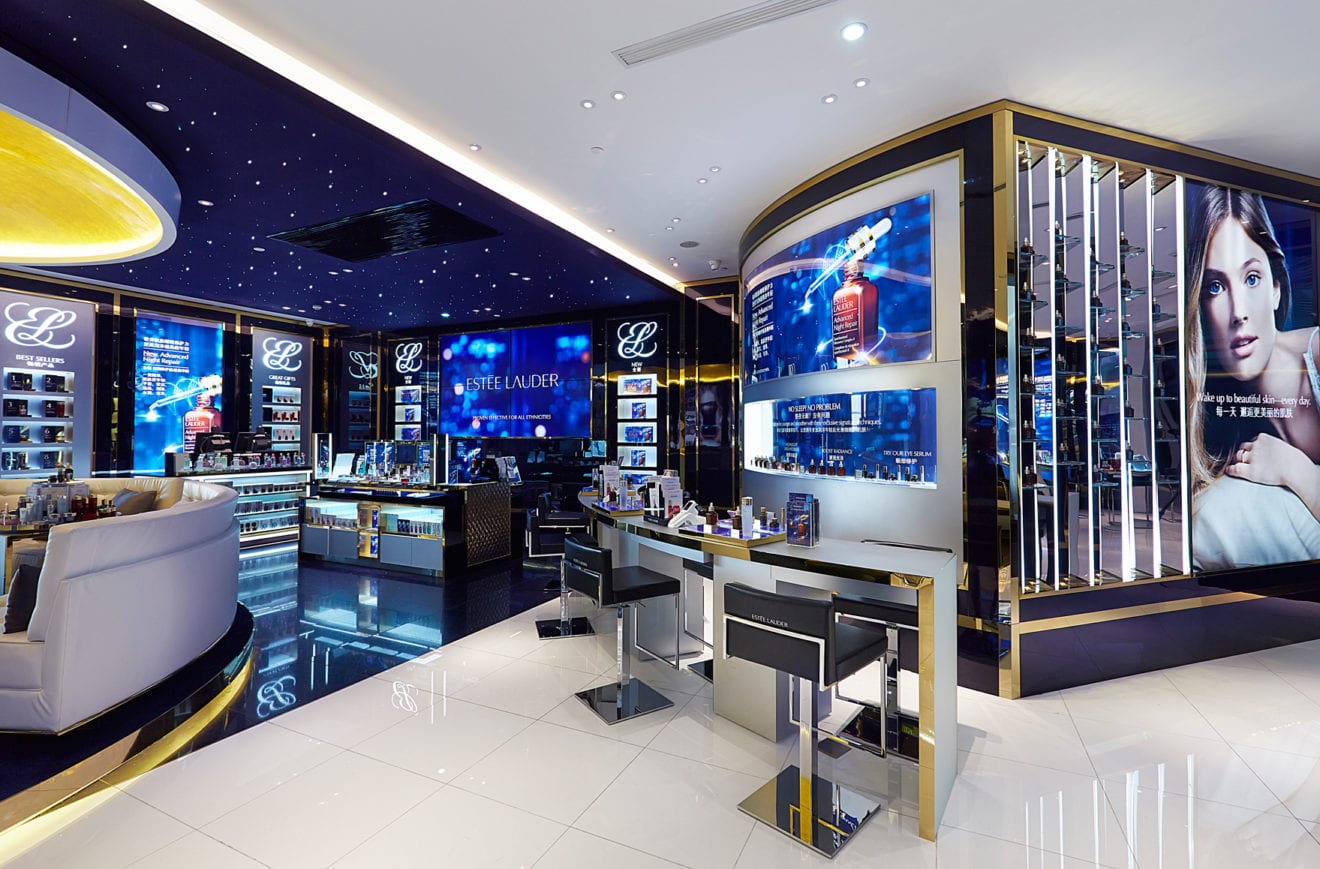
  • Estée Lauder And DFS Create Beauty Digital First With #BEAUTYALLNIGHT Campaign

    Estée Lauder And DFS Create Beauty Digital First With #BEAUTYALLNIGHT Campaign

    DFS and Estée Lauder are transforming fans into influencers with the launch of the exclusive #BeautyAllNight campaign this May. Inspired by the popularity of online beauty tutorials, DFS partnered with Estée Lauder to create the perfect #BeautyAllNight look whether you stay in or go out. From May 1 – 31, customers can discover the best of beauty at DFS locations worldwide with a DFS exclusive Love of Night set and the launch of latest Pure Color Love lipstick shades.

    The campaign creative follows three travelers visiting New York, Venice and Hong Kong as they unpack and apply their beauty travel essentials, snapping selfies and sharing their look on social media. To bring the #BeautyAllNight look to life for fans, followers of DFS’ WeChat channel can place themselves in the campaign and share their #BeautyAllNight look with friends on social media. In a beauty digital first, the dedicated WeChat page leverages facial recognition technology that allows the user to choose whether they would like the “staying in” or “going out” look. Fans can then select products from the DFS exclusive Love of Night set or Pure Color Love lipsticks to virtually try-on and share their #BeautyAllNight selfie on their WeChat Moments.

    “Today’s beauty shopper wants to see, test and share her next beauty look before even stepping into the store to purchase. She crowdsources everything, from where she should shop to what are the must-have products, often trusting peer-to-peer recommendations above all else,” said Ariel Gentzbourger, Senior Vice President Beauty, Fragrances and Wellbeing. “We’re proud to partner with Estée Lauder to harness the power of the social network and deliver this beauty digital first on WeChat with our #BeautyAllNight campaign. We’re confident that through this innovative online approach we’ll drive awareness and engagement of these beauty essentials in store with the growing Millennial segment.”

    To build excitement in store, DFS kicked off the campaign with an event at T Galleria Beauty by DFS, Causeway Bay in Hong Kong on May 4. The event centered around a #BeautyAllNight pop-up featuring an interactive photo booth, a skincare animation featuring the Advanced Night Repair Collection and a “Wall of Kisses” highlighting the latest Pure Color Love lipstick shades. In addition to Hong Kong, customers can discover dedicated #BeautyAllNight pop-ups at T Galleria by DFS, Hawaii and T Galleria by DFS, Macau, Studio City.

    Throughout the campaign, customers can enjoy 30 percent savings versus individual purchase when they buy the DFS exclusive Love of Night set featuring fan favorites including Advanced Night Repair (50ml), Advanced Night Repair Eye Gel (15ml), Advanced Night Repair Eye Serum (15ml), Advanced Night Repair 7ml Deluxe Sample, Resilience Lift Night Cream 5ml Deluxe Sample and Re-Nutriv Ultimate Lift Age-Correcting Eye Cream 5ml Deluxe Sample.

    Discover the #BeautyAllNight campaign and DFS exclusive Love of Night set at the below locations:

    T Galleria by DFS, Hong Kong, Canton Road

    T Galleria by DFS, Hong Kong, Tsim Sha Tsui East

    T Galleria Beauty by DFS, Hong Kong, Causeway Bay

    T Galleria by DFS, Macau, City of Dreams

    T Galleria by DFS, Macau, Shoppes at Four Seasons

    T Galleria by DFS, Macau, Studio City

    T Galleria by DFS, Hawaii

    T Fondaco dei Tedeschi by DFS

    DFS, Los Angeles International Airport

  • Vietnam to adopt international financial reporting standards by 2025

    Vietnam to adopt international financial reporting standards by 2025

    Financial statements prepared under the new standards will give investors better insight into how companies perform. Vietnam will join most of the world by adopting the International Financial Reporting Standards (IFRS) by 2025 to improve transparency and boost investment.

    The decision was announced by officials at a seminar in Hanoi late last week.

    Vu Duc Chinh, director of the Accounting and Auditing Policies Department, said Vietnam has its own accounting standards but there are shortcomings and inconsistencies that hinder foreigners from investing in the country.

    Financial statements prepared under the international standards will give investors better insight into how a company actually performs, officials said.

    Globally, over 90 percent of all countries have publicly confirmed adoption or already followed the standards.

    It normally takes quite a long time before a country completes its transition to the new rules.

    “Adopting IFRS in a comprehensive and complete way often takes five to 10 years, depending on financial conditions of each country,” said Chris Fabling, senior financial management specialist at the World Bank.

    Under the current roadmap, the standards will be gradually rolled out and applied by 2020, with listed companies as the first group to be subjected to the rules. By 2025, all companies in the Vietnam will have to follow the new standards.

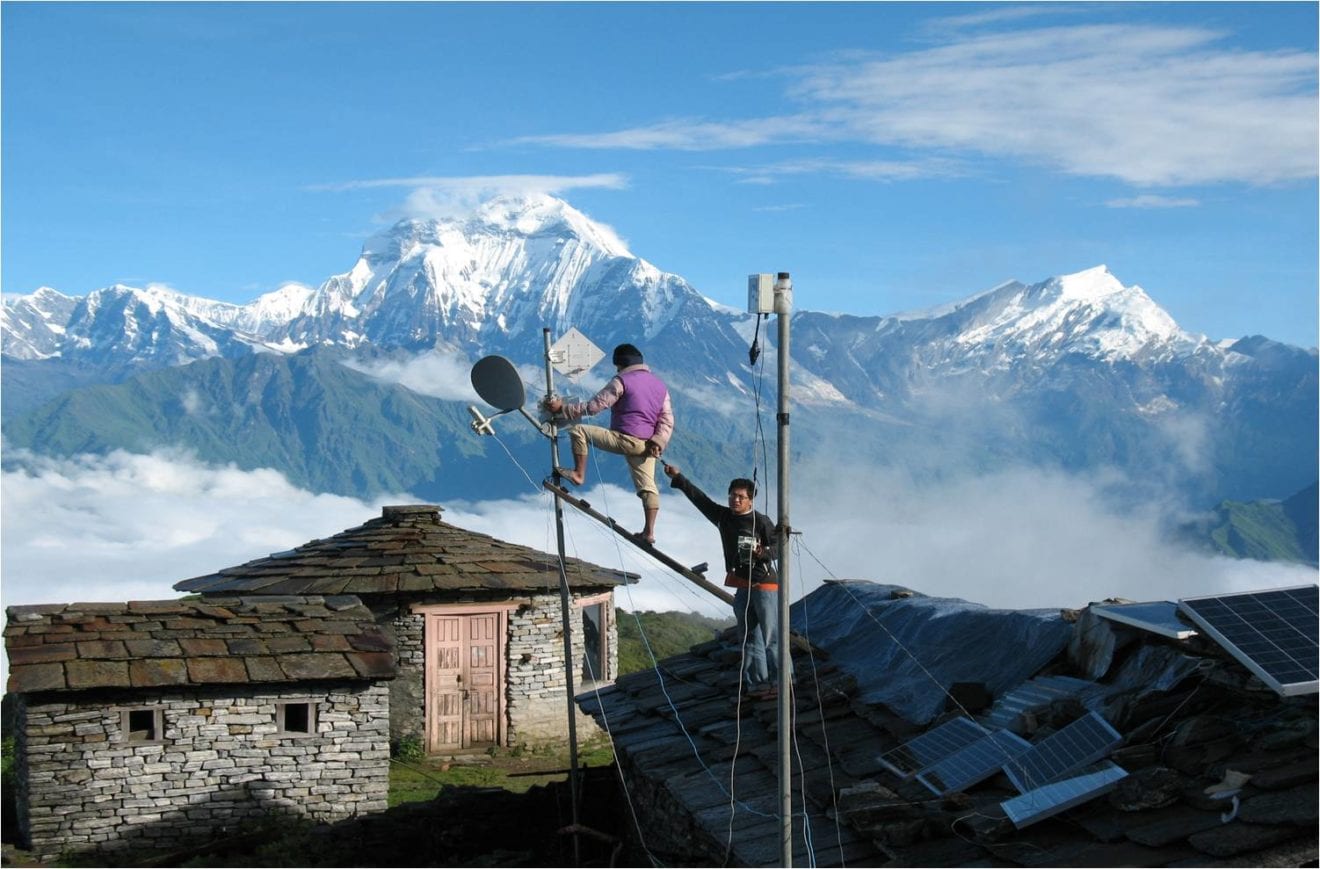
  • Nepal Telecom Authority clears Ncell to launch 4G services

    Nepal Telecom Authority clears Ncell to launch 4G services

    The Nepal Telecommunications Authority (NTA) has cleared operator Ncell to launch 4G services over its existing 900-MHz and 1800-MHz spectrum holdings, paving the way for the operator to compete with Nepal Telecom.

    The telecoms regulator has informed Ncell it is clear to launch 4G services using its spectrum holdings from June 1.

    But the move goes against the decision of Nepalese parliament’s Public Accounts Committee (PAC) not to allow Ncell to launch 4G services until it pays a capital gains tax the government has been demanding from the operator.

    According to the report, the committee had approached the regulator asking why Ncell had been permitted to roll out 4G services despite the tax dispute. The NTA responded that it had given the directive in the spirit of the technology neutrality spectrum policy.

    Nepal’s Development Committee had also directed NTA to allow a launch on the grounds that consumers have been negatively affected by the decision to delay providing approval, undermining the committee’s authority.

    In light of the PAC’s concerns, the regulator noted that while Nepal Telecom has been granted new spectrum to support its 4G foray, Ncell so far has not.

    The tax dispute centers on Ncell’s former shareholder TeliaSonera’s decision to exit the Nepalese market. The Sweden-headquartered operator sold its indirect majority stake in Ncell to Malaysia’s Axiata Group for $1.36 billion during a deal announced in April last year.

    The Nepalese government has demanded that capital gains tax be paid on the transaction, but because TeliaSonera had already exited the market and had disputed the assertion that the transaction is taxable, it has been leaning on Ncell to resolve the issue and potentially pay the tax on TeliaSonera’s behalf. But Ncell has resisted this pressure.