Author: Mei Ling Tan

  • Geox opens fourth store in Kuala Lumpur

    Geox opens fourth store in Kuala Lumpur

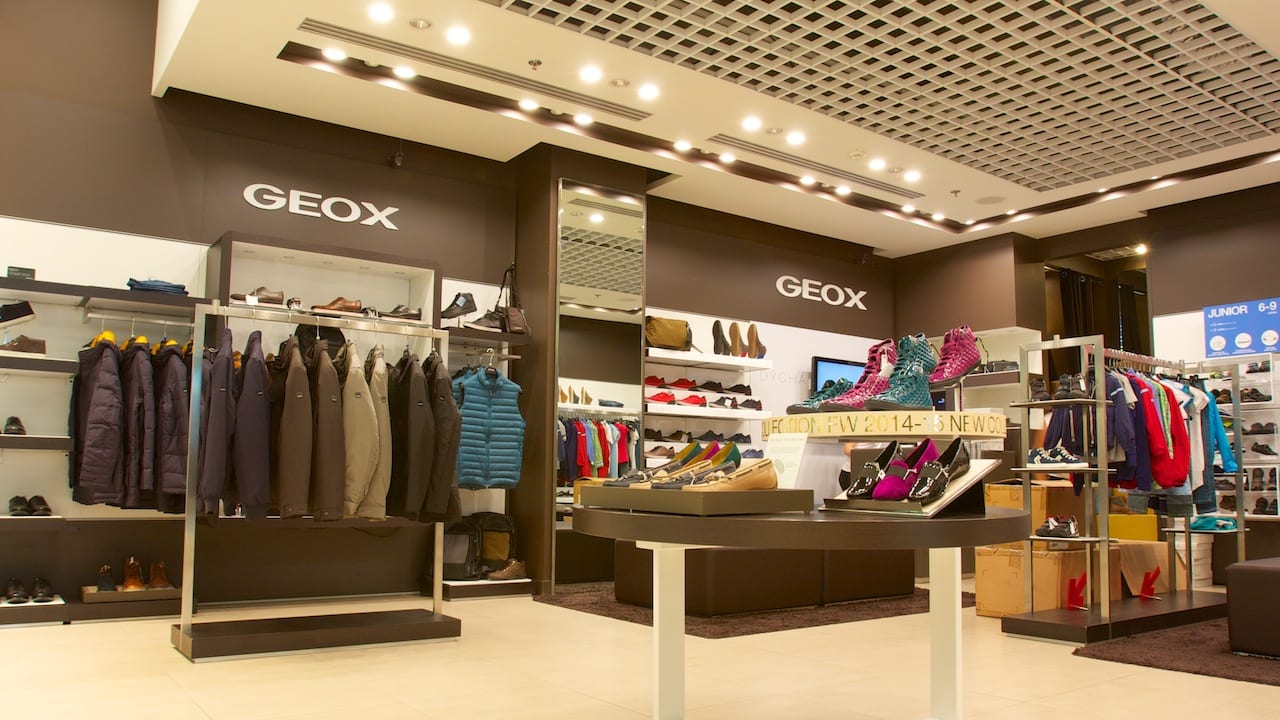
    Geox is expanding its international footprint with the opening of a new store in Kuala Lumpur. The 110 sq mt space launched at Pavilion shopping centre, which attracts more than 30 million visitors a year.

    The new location joins seven further shops across Malaysia. The Italian footwear brand has three stores in Kuala Lumpur and 19 concessions in the country’s leading department stores.

    The brand’s full shoe collections, known for their patented systems, will be available in the new Pavilion store including children’s shoes. The store will also showcase Geox’ men’s and women’s clothing lines.

    Geox has made innovation a key part of its brand identity and boasts of over 60 different patents registered in Italy and extended internationally.

    Geox has currently a retail presence in 110 countries and is stocked in more than 1,161 standalone stores and 10,000 multi-brand retailers.

    The group has recently appointed Gregorio Borgo as its new CEO. The company’s consolidated net sales for 2016 increased by 3% to 900.8 million euros.

  • Singapore Airlines partners with UOB for frequent flyer program

    Singapore Airlines partners with UOB for frequent flyer program

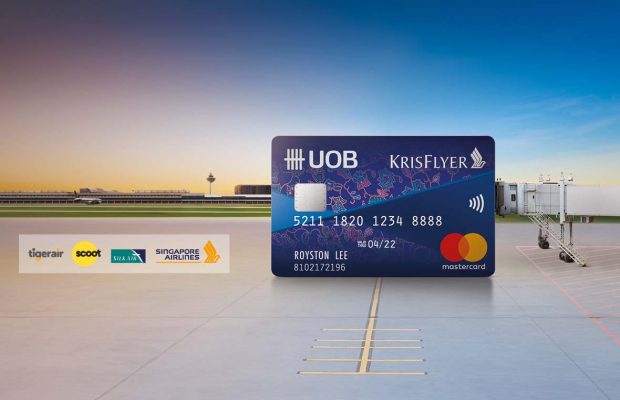
    United Overseas Bank Limited (UOB) has teamed up with Singapore Airlines’ (SIA) frequent flyer program to launch KrisFlyer UOB Account.

    Targeting those who prefer to use a debit card or millennials who may not yet be eligible for a credit card the account allows users to earn KrisFlyer miles whenever they save or spend. The miles can also be used for award flights and upgrades on SIA and SilkAir, or as travel vouchers on Scoot or Tigerair.

    The miles earned will depend on the customers’ account balance. Those who have an account balance of S$350,000 (US$249,377) and above, for instance, will earn 5.4 KrisFlyer miles for every dollar they spend using their KrisFlyer UOB account.

    “We have seen spending on UOB debit cards grow 40 percent over the past two years. Travel spend on debit cards also increased 15 percent in the corresponding period as our customers make more trips abroad,” said UOB head of personal financial services Singapore, Jacquelyn Tan, in a press release.

    The bank is targeting to open at least 200,000 KrisFlyer UOB accounts in the next five years.

    Meanwhile, SIA Marketing Planning senior VP Tan Kai Ping said, “The KrisFlyer UOB card leverages the wide reach of the KrisFlyer frequent flyer programme, giving card members access to all the airlines within the Singapore Airlines Group. This means seamless access to our four airlines – from full-service carriers Singapore Airlines and SilkAir to budget carriers Scoot and Tigerair – when they spend and save through this account.”

  • Chanel opens first cosmetic boutique in Vietnam

    Chanel opens first cosmetic boutique in Vietnam

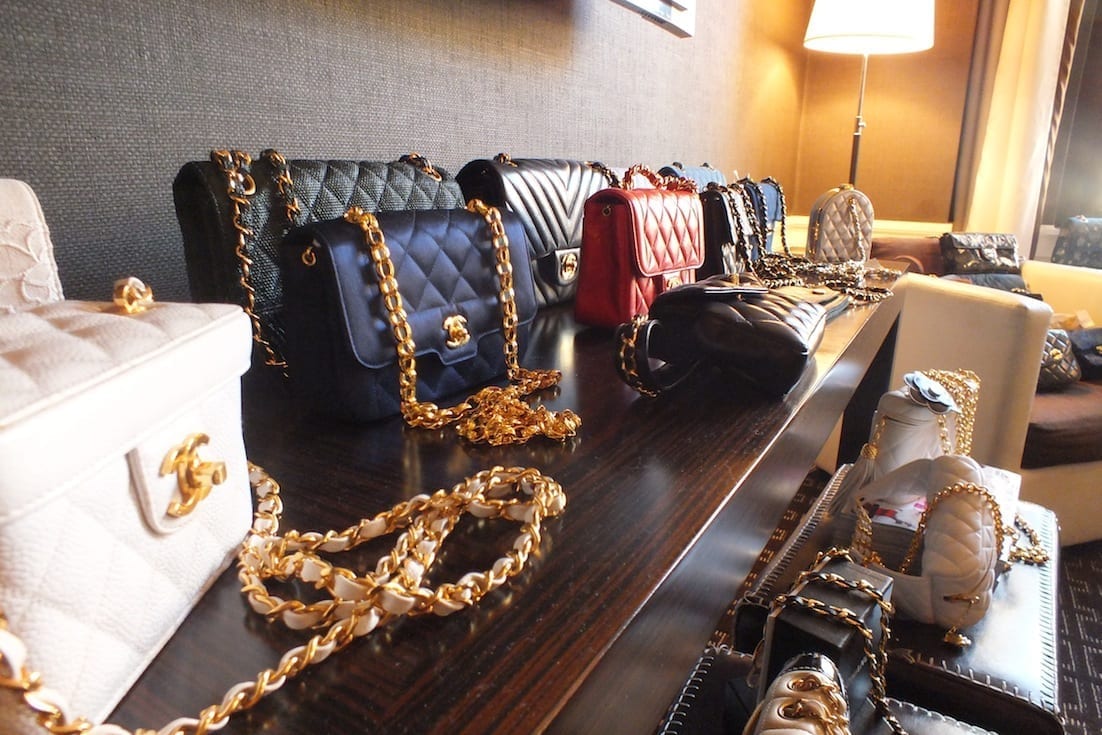
    Chanel has opened its first dedicated cosmetics and perfume boutique in Vietnam.

    Opting to debut in Ho Chi Minh City, the new store is located on the ground of the capital’s Saigon Centre shopping mall. Covering 133 square metres, the Chanel shop is designed with a tri-colour theme of black, beige, and burgundy.

    The Vietnamese outlet will sell Chanel’s latest makeup, skincare, and perfume collections – with special emphasis on the ‘Les Exclusifs de Chanel’ perfume collection with 16 scents.

    Local customers are also privy to Chanel’s special skincare service called Sublimage from Chanel beauty team.

    Chanel’s Vietnam cosmetic store opening signals the French fashion house’s continued push in to Asia, a market that is growing.

    In March, Chris Leung joined Chanel as rewards manager, Asia Pacific. Based in Hong Kong, Leung has his five years rewards experience as regional reward manager for Asia Pacific at Oxford University Press.

    According to Euromonitor International, Vietnam’s cosmetics market is vastly made up of imported foreign products, namely from South Korea, Europe and the US, accounting for 90% of the local market.

    A recent report from the Trade Map of ITC (International Trade Centre) and the World Bank showed that Vietnam imported $1.1 billion worth of foreign brand cosmetics in 2016, with the figure expected to double by 2020 to $2.2 billion.

    Perfume topped the list of biggest cosmetics items, accounting for 55% of total imports, followed by makeup products, which account for 21%.

  • Garuda Indonesia Provides 45,000 Seats during Eid Holiday

    Garuda Indonesia Provides 45,000 Seats during Eid Holiday

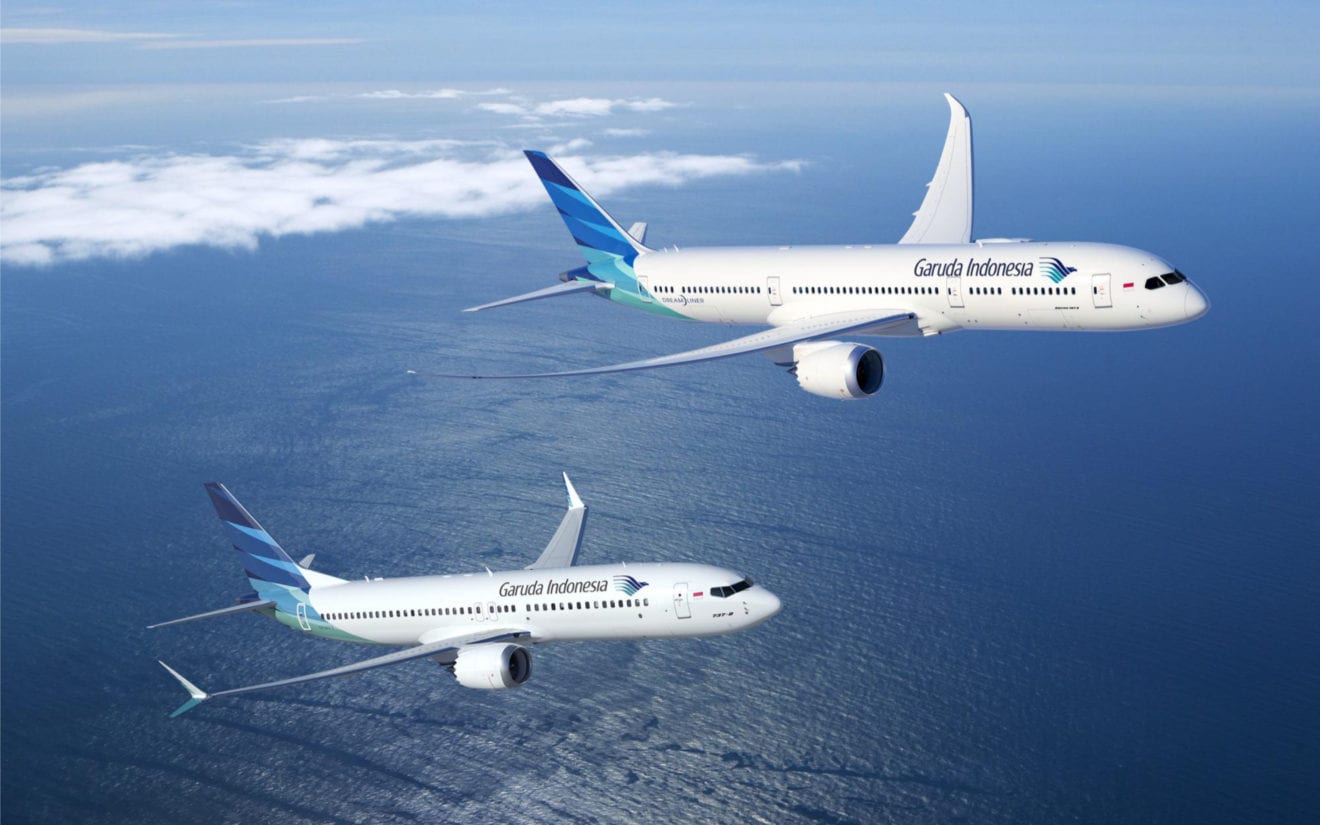
    PT Garuda Indonesia provides extra 45,000 seats to serve people for 2017 Eid al-Fitr.

    “This year we offer extra seats to people or consumers who travel before Eid al-Fitr and after the celebration,” PT Garuda Indonesia President Director Pahala N. Mansyuri said in Bali on Saturday (6/5).

    He added that the extra seats offered before and after 2017 Eid al-Fitr increase 39 percent compared to the previous year.

    “We offer the extra seats eight days before and after the celebration starting from 18 June to 3 July 2017,” he added.

  • Timex opens first worldwide monobrand store in Tokyo

    Timex opens first worldwide monobrand store in Tokyo

    “Timex Tokyo” is set to open in Jingumae 6th street, near the Jingumae intersection. The store will be located on the 2nd floor of the building. The store will also feature a ‘strap bar’ for leather maintenance and engraving, and will also feature exhibition pieces.

    Timex was established by the Waterbury Clock Company in Connecticut in 1854. In the 1890s it launched the first edition of the pocket watch, Yankee, which sold 4 million units in 20 years. The label’s timepieces were also said to have been worn by the writer Mark Twain.

    The brand later released its first military-issue watch, dubbed ‘Midget.’ By the 1960s the company occupied a 50% share of the US watch market as the nation’s most popular brand, and is perhaps best known for the appearance of the ‘Ironman’ model on the wrist of Bill Clinton at his 1993 inaugural speech.

    The brand has gained visibility in Japan of late due to Timex’s Japan-exclusive collaborations, including a partnership between Engineered Garments and Japanese retailer Beams. Relaunches of classic models such as the Camper, updated last year by Timex Japan in stainless steel and limited to 1500 pieces, have also been a hit.

  • Reebok to accelerate China expansion with 500 new stores by 2020

    Reebok to accelerate China expansion with 500 new stores by 2020

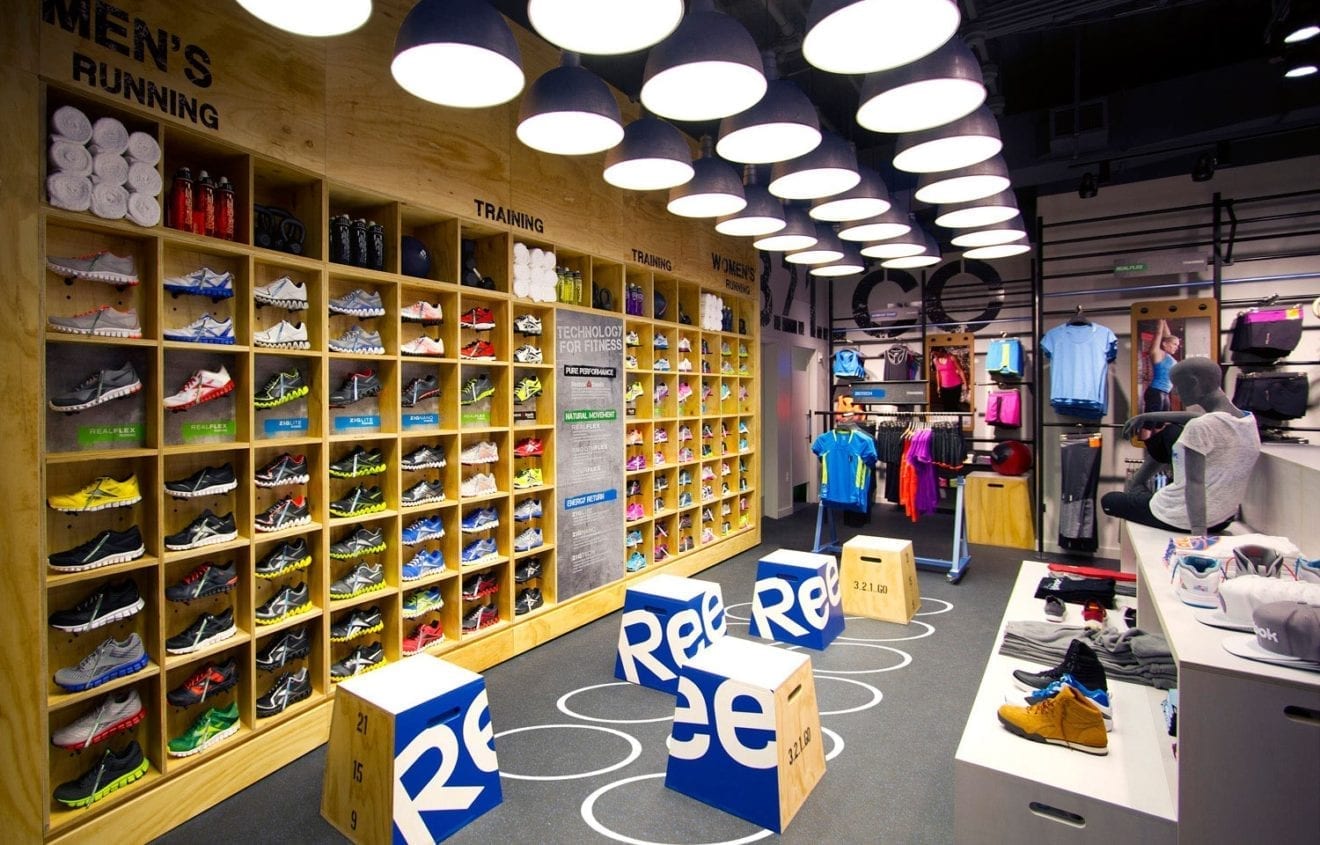
    Global fitness and lifestyle brand Reebok has unveiled plans to open 500 FitHub stores in China by 2020 as part of a major push to become the region’s leading fitness brand.
    The label, owned by Adidas, aims to expand its physical presence in China where it says the market for fitness is growing fast.

    The FitHub concept is an extension of the brand’s new positioning as a fitness-focused label and offers customers an integrated store experience with in-store classes, events and a team of product experts who can provide advice on the right gear for every workout.

    Reebok has already opened seven FitHub stores in China in the last few months, including locations in Wuhan, Qingdao, Hangzhou and Beijing.

    And 50 further stores are scheduled to open this year to meet the target of 500 FitHubs in China by 2020, according to local media reports. Reebok is collaborating with its retail partner Belle International Holdings Ltd to drive the rollout.

    “For a fitness brand, there is no better country to invest in right now than China,” said Chad Wittman, general manager of Reebok Greater China to China Daily.

    “We’ve spent a lot of time and energy putting together a China strategy that meets the specific needs of Chinese consumers in terms of product, messaging and experiences.”

    Wittman said the strategy of offering events in stores will resonate in China, where consumers “want to do fitness activities to be more healthy and more successful. There are lots of opportunities to offer Chinese consumers a better life through fitness activities.”

    In addition to its global range of fitness apparel, footwear and equipment, the brand will be working with teams based in China to design and manufacture products that meet the specific needs of Chinese shoppers.

    Reebok, a 120-year-old brand, has been shifting away from celebrity athletes and repositioning itself as a brand for fitness lovers in the past few years. It is currently focusing on three key categories: running, training and classics, and this year running will be a key category according to Wittman.

  • McDonald’s Malaysia to double store presence

    McDonald’s Malaysia to double store presence

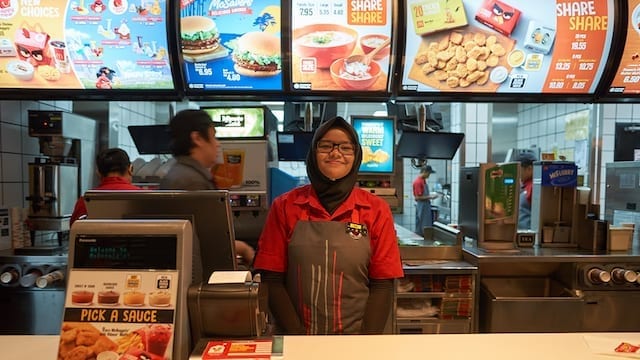
    McDonald’s Malaysia will expand its store stable over the next nine years, taking its current store total to 450 by 2025.

    The fast-food operator will invest 1.4 billion ringgit (US$317 million) to facilitate an almost doubling of store numbers in Malaysia.

    According to a press release, some 363 million ringgit will be used to open 33 new restaurants and refurbish 86 existing outlets by 2019, in an “aggressive three-year accelerated growth plan.”

    In addition, more than sixty per cent of outlets will have a drive-thru service, increasing consumer “convenience, anytime anywhere,” Azmir Jaafar, McDonald’s Malaysia managing director, told reporters.

    McDonald’s Malaysia also plans to open more McCafes, and launch mobile app-enabled delivery and 24-hour stores — slated for urban areas and on busy roadsides.

    The retail shakeup comes just 100 days after Lionhorn, part of Saudi Arabia’s Reza Investment Company, acquired the American restaurant’s franchise license to operate 400 McDonald’s outlets in Malaysia and Singapore.

    At the time, McDonald’s hailed the venture as positive with more flexibility for accessing capital, and more streamline decision making for business growth.

    As part of McDonald’s turnaround plan announced in May 2015, it was committed to refranchising 4,000 restaurants by end-2018 with the long-term goal of becoming 95% franchised. McDonald’s has now refranchised about 1,300 restaurants.

    U.S.-based McDonald’s shift to Developmental Licensee ownership in Malaysia has further allowed local market stores to create products for local consumption.

    Product customisation, coupled with McDonald’s burger icons, resulted in double-digit growth for McDonald’s Malaysia last year. Same-store sales surged 16% year on year in 2016, driven the Big Mac and the “Great Value” hamburger products.

    Looking forward, the fast-food operator projects double-digit growth for 2017 in Malaysia. It currently boasts a network of 262 restaurants and 12,000 employees and served 13.5 million customers monthly.

  • Plug and Play Accelerator Program has officially started in Indonesia

    Plug and Play Accelerator Program has officially started in Indonesia

    In collaboration with Gan Kapital, a strategic investment advisory in Indonesia, Plug and Play is finally going to announce the 11 selected startups for its first batch of accelerator program in Indonesia. The announcement will be held at a coworking space where these startups will reside and learn during the 3-month program in Kuningan, South Jakarta. Based in Silicon Valley, Plug and Play Indonesia is part of the largest startup accelerator program in the world.

    Plug and Play Indonesia accepted more than 400 startups applied between the month of February and March. These applications came from Jakarta, Bandung, Yogyakarta, Bali, Malaysia, Singapore, Hong Kong, India, Brazil, and even Germany. Indeed, Plug and Play Indonesia accelerator program also welcomes foreign startups trying to enter Indonesia’s market. Plug and Play Indonesia proudly introduces the startups selected to be part of its first batch of accelerator program, that is Dana Didik, KYCK, Otospector, Bustiket, Karta Indonesia Global, Sayurbox, Brankas, Astrnt, Bandboo, Wonderlabs, dan Toucan.

    “Selecting these startups wasn’t an easy task because we met with so many high quality startups. We are positive that our months of rigorous selection process has led us the 11 best startups,” said Nayoko Wicaksono as the Accelerator Director of Plug and Play Indonesia. After carefully reviewing the online application and documents, 50 startups were invited for an initial pitch session on March 29 and 30.

    During this initial pitch, startups were asked to explain business model, traction, financial plan, as well as the team profile. The next step was another round of pitching in front of a panel judges from Plug and Play Indonesia, Play and Play Asia Pacific, Plug and Play Silicon Valley, as well as representatives from corporate members, such as Astra International and Bank Negara Indonesia. “Our Corporate Partners also have the right to vote for the startups who will be joining our accelerator program. This is one of the way to ensure that our startups will get the benefit of working with corporates,” said Wesley Harjono, President Director of Plug and Play Indonesia who was also a part of the final judging panel.

    Collaboration with corporate and seed funding are just some of the benefits received by the 11 selected startups. During the 3-month accelerator program, these startups will also be mentored closely by pool of experts united in Plug and Play Indonesia ecosystem. These startups will also have access to workshops of different topics that will be delivered by more than 60 experts from different areas. Among Plug and

    Play Indonesia pool of esteemed mentors are Kevin Darmawan from Coffee Venture, Sebastian Sieber from Lazada, Sukan Makmuri from KUDO, Anton Soeharyo from Touchten, Natali Ardianto from Tiket.com, Nikita Semenov from Zen Room, Norman Sasono from Bizzy, Mark. F Winkel from Prisma Public Relations, Rama Mamuaya from Daily Social, Wempy Dyocta Koto from Wardour and Oxford, and many more. The list doesn’t stop there, the selected startups will also have free access to a coworking space strategically located in elite are of Kuningan, South Jakarta. “With this holistic support from Plug and Play Indonesia, our startups can focus on developing their product to the market,” said Nayoko

    Wicaksono, Accelerator Director at Plug and Play Indonesia. At the end of the 3-month accelerator program, Plug and Play Indonesia will be holding a Demo Day. This Demo Day is meant to bridge Plug and Play startups with local and international customers and investors.

    The Demo Day is currently scheduled to be in August 2017.
  • Facebook warns again on ad growth, shares dip from high

    Facebook warns again on ad growth, shares dip from high

    Facebook’s total revenue went up 49 percent to $8.03 billion. Facebook’s shares dipped from a record high on Wednesday after the world’s biggest online social network warned investors once again that its advertising revenue growth would likely come down from current high levels.

    The warning appeared to outweigh Facebook’s surging quarterly profit and revenue, fueled by growth in its mobile ad business, which is still not showing much sign of slowing down as the company nears the five-year anniversary of its initial public offering.

    Chief Executive Mark Zuckerberg said in a statement it was a “good start to 2017.”

    Facebook’s shares fell 2.7 percent in after-hours trading to $147.60. They had closed at an all-time high of $153.60 on Tuesday.

    Chief Financial Officer David Wehner said on a conference call after the earnings announcement that the company expects its ad revenue growth to come down significantly over the rest of 2017, repeating prior company warnings that it is hitting a limit in “ad load,” or the number of ads it can squeeze onto users’ pages before upsetting them.

    Facebook said quarterly profit rose 76.6 percent year-over year to $3.06 billion and total revenue went up 49 percent to $8.03 billion.

    The company caused some brief confusion on Wall Street by only issuing numbers conforming to Generally Accepted Accounting Principles (GAAP) without warning. Previously it also issued non-GAAP numbers, which it had said provided greater transparency and were closely watched by investors and analysts.

    The social media giant is expected to generate $31.94 billion in mobile ad revenue globally in 2017, up 42.1 percent from a year earlier, according to research firm eMarketer.

    That would give Facebook a 22.6 percent share of the worldwide mobile ad market, with archrival Google of Alphabet Inc projected to be the leader with a 35.1 percent share, according to eMarketer.

    Facebook continued its march toward the 2 billion user threshold, saying it had some 1.94 billion people using its service monthly as of March 31. That was up 17 percent from a year earlier.

    Analysts on average had expected monthly active users of 1.91 billion, according to financial data and analytics firm FactSet.

    Net income attributable to Facebook shareholders rose to $3.06 billion, or $1.04 per share, in the first quarter from $1.73 billion, or 60 cents per share, a year earlier.

    Mobile ad revenue accounted for about 85 percent of the company’s total advertising revenue of $7.86 billion in the first quarter ended March 31, compared with about 82 percent a year earlier.

    Analysts on average had expected total ad revenue of $7.68 billion, according to FactSet.

    Earlier in the day, Zuckerberg said the company would add 3,000 people over the next year to monitor and remove murders, suicides and other inappropriate material from its network, which have become a threat to Facebook’s valuable public image.

  • Underserved Indonesian Areas to be Connected via Thaicom and Axiata Partners

    Underserved Indonesian Areas to be Connected via Thaicom and Axiata Partners

    The partners inked the deal for Axiata Business Services to purchase the remaining capacity on IPSTAR over Indonesia to deliver Axiata’s operating company, PT XL Axiata Tbk (“XL”), more than 1 Gbps High Throughput Satellite (HTS) capacity for the provision of broadband services in Indonesia. According to the terms of the agreement, Axiata Business Services will use capacity of up to seven Ku-band shaped and spot beams on the IPSTAR-1 broadband satellite located at 119.5°E for the provision of broadband services in Indonesia, including broadband access direct to residential and enterprise premises, and cellular network backhaul.

    The IPSTAR-1 satellite was launched in 2005 and was the first HTS ever launched into orbit. IPSTAR cellular backhaul and direct to premise broadband connectivity provides telecom operators with the ability to expand their networks, launch new broadband services and reach underserved areas quickly and cost-effectively.

    Asri Hassan Sabri, Group Chief Business Operations Officer of Axiata, reported that his company is leveraging on Thaicom’s capabilities in Asia to grow their enterprise business quickly and flexibly, all the while providing reliable broadband services to all potential customers, regardless of their location. Where terrestrial-based connectivity is limited or unavailable, HTS connectivity serves as an enabler to unlock the digital ecosystem for new market opportunities. As the world’s first ever HTS, launched in 2005, Thaicom’s IPSTAR helps us to connect users in remote and underserved areas of Indonesia cost-effectively.

    Dian Siswarini, Chief Executive Officer of XL, added that as the biggest archipelago in the world, there are many areas and islands in Indonesia that have not been served by Internet services as of yet.The availability of HTS will help to cover these unserved areas with considerable economic potential. On top of that, the company will be able to support the local community’s economic growth and Indonesian government’s vision to accelerate the national development of digital economy across Indonesia.

    Dominic P Arena, Group Chief Strategy Officer of Axiata, indicated that this HTS partnership is highly strategic for Axiata and the beginning of what all believe can become a core future broadband delivery platform for the operating companies to deliver broadband connectivity, media and entertainment, IoT and other digital services to enterprise and consumer home segments. More importantly, this partnership allows the firm to provide the best connectivity option and reach to underserved communities, in line with Axiata’s broader goal of advancing Asia by piecing together the best in innovation, connectivity and talent.

  • Toys “R” US to add 40 more stores in China annually

    Toys “R” US to add 40 more stores in China annually

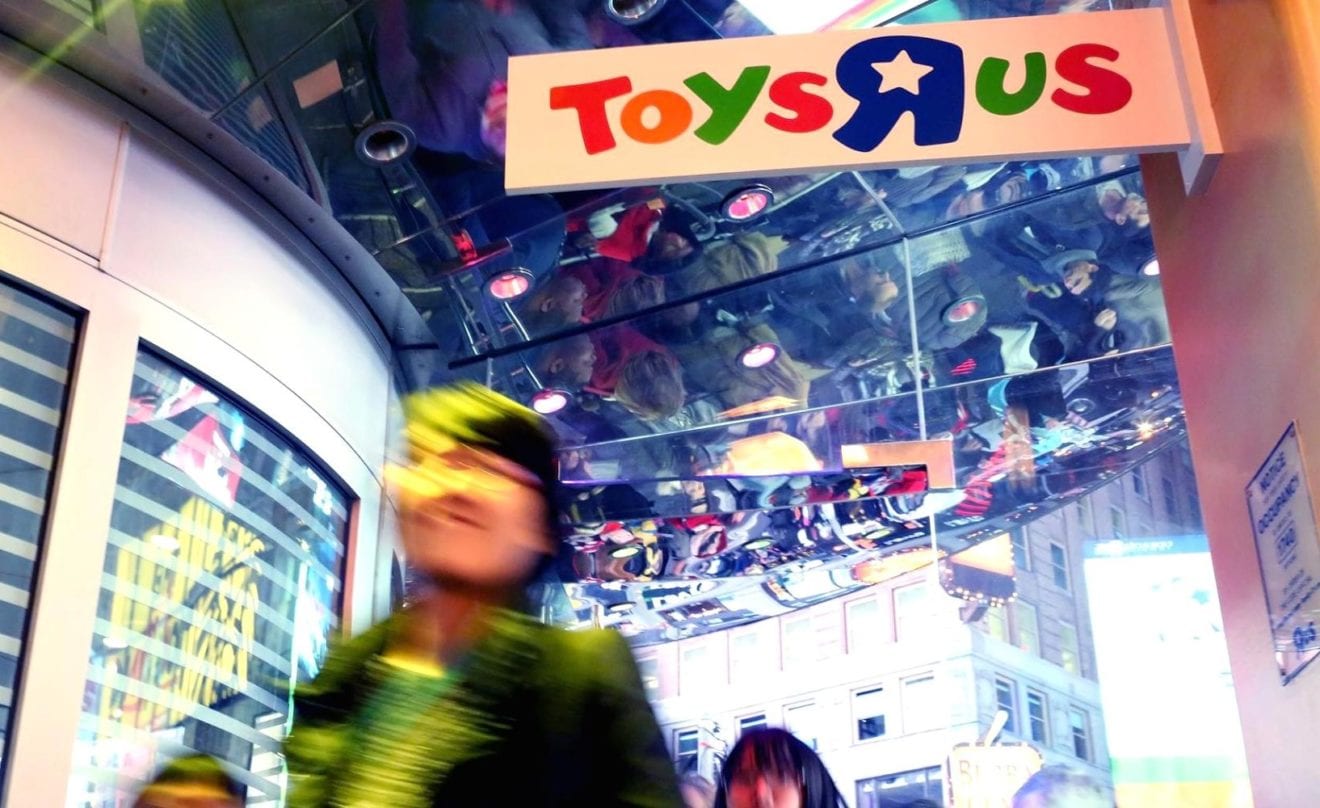
    Toy retailer Toys “R” Us said it will open between 30 to 40 stores annually in China, as the local toy and game market in China took in $31.6 billion in 2016.

    With China’s penchant for toys and consumers preferring to see and touch products before purchasing, Roy Sammartino, managing director of Toys “R” Us China stressed the importance of a growing physical store presence in China.

    “China is our fastest-growing market with more store openings than anywhere else in the world,” Sammartino told China Daily in an interview.

    The American firm’s stores would open mostly in major cities, while regional and online shoppers would be able to access products via its online stores.

    “Internet retailing continues to gain a strong share, as the pricing of products in online stores helps it capture sales from other channels,” Euromonitor International Senior Associate Carol Lu told the leading daily.

    “For toy and game firms, internet retailing is an important tool for marketing their products in regions where they have a limited presence.”

    Meanwhile, popular movies continue to drive the sales of toys and the impact lasts a long time, said experts.

    According to Euromonitor, China’s total toy and game market was worth 218 billion yuan ($31.6 billion) in 2016. Traditional toys and games accounted for around 70 billion yuan.

    Founded in 1948 by Charles Lazarus, Toys “R” Us in headquartered in Wayne, New Jersey, in the New York City metropolitan area.

    Toys ‘R’ Us currently has two online stores and 134 physical stores in 55 cities in China. It boasts 883 stores in the United States, Puerto Rico and Guam and another 1,049 stores in 37 other countries and regions around the world including Australia.

  • Indonesia Sees Unemployment Drops by 0.28 Percent

    Indonesia Sees Unemployment Drops by 0.28 Percent

    Institute for Development of Economics and Finance (Indef) Economist Dzulfian Syafrian positively welcomed the decline of the open unemployment rate (TPT) in February 2017 as much as 0.28 percent.

    This figure is lower compared to that of February 2016 with 0.17 percent. He also claimed that the drop indicates the increase of labor absorption.

    “However, the increase of workforce as much as 6.11 million people compared to August 2016 or 3,88 million compared to February 2016 has to be given a special attention from the government since it is a double-edged sword,” he said on Friday, May 5.

    Dzulfian explained that the high number of productive citizens is a good capital for development.

    “Nevertheless, if the government cannot manage it well, it can be a burden instead of an advantage,” he added.

    He further said that when this high number of citizens are unemployed, the government have to bear the consequences of a higher number of crimes, radicalism, and others.

    Therefore, Dzulfian urges the government to focus on creating employment opportunities and enhancing the quality of employment. He added that one of the policies that the government can implement to improve employment issues is the investment-oriented economy.

    “Economic and political stability and infrastructure support are two big agendas that the government needs to prepare in order to secure investment and improve the quality of employment for the people.”

  • 2XU launches first flagship store in Hong Kong

    2XU launches first flagship store in Hong Kong

    Australian sportswear brand 2XU has opened a Hong Kong flagship store this month, located in the prestigious Causeway Bay shopping district.

    Situated in the heart of Causeway Bay, at 77 Leighton Road, the new 930 square foot store is the official Hong Kong flagship and is the first standalone store for the high-performance sports apparel brand in the city. 2XU successfully debuted a Hong Kong e-commerce platform at the end of 2015.

    Melbourne-born, 2XU specialises in technical fabrics, particularly compression wear. Its products are used by top athletes in Australia and internationally (it is distributed in fifty markets) and has been worn by basketball players in the NBA and NFL football leagues in the United States.

    It boasted an annual 40 per cent increase in sales over the past five years, and has grown EBITDA at around 25 per cent per annum for same period.

    In December 2013, L Capital Asia acquired a 40 per cent share of 2XU. In 2015, there was talk of L Capital Asia mulling a public float in either in Australia or New York that could value the business at more than $600 million.

    2XU was founded in 2005 by Clyde Davenport, James Hunt and Aidan Clarke. The founders still hold a 42 per cent share, while Lazard Australian Private Equity holding an 18 per cent stake.

  • Vietnamese developers reveal latest ride-hailing app

    Vietnamese developers reveal latest ride-hailing app

    The new app will work along the same lines as Uber and Grab, but with better understanding of local travel habits, developers said. A locally developed ride-hailing app was unveiled on Friday in Vietnam, giving travelers yet another option in the rapidly expanding market.

    APPP, developed by Vietnam’s University of Transport Technology with funding from German-based investment company Sapa Thale, will work similarly to Uber and Grab but with a better understanding of local travel habits, its developers said.

    Uber and Grab are both popular services in Vietnam and considered major rivals to traditional taxi companies, which have reported losses due to the competition.

    While the other apps estimate the fare of each trip in advance, APPP allows the customer to negotiate the fare with eight drivers before booking, the developers said at the launch.

    The investor expects a door-opening fare of between VND8,000-8,500 ($0.35-0.38) and for fees to range from VND6,000-6,300 per kilometer.

    Sapa Thale said it has submitted an application to license the service with the transport ministry. No timeframe for a commercial launch has been revealed.

  • Apple to open first Taiwan store in Taipei 101 mall

    Apple to open first Taiwan store in Taipei 101 mall

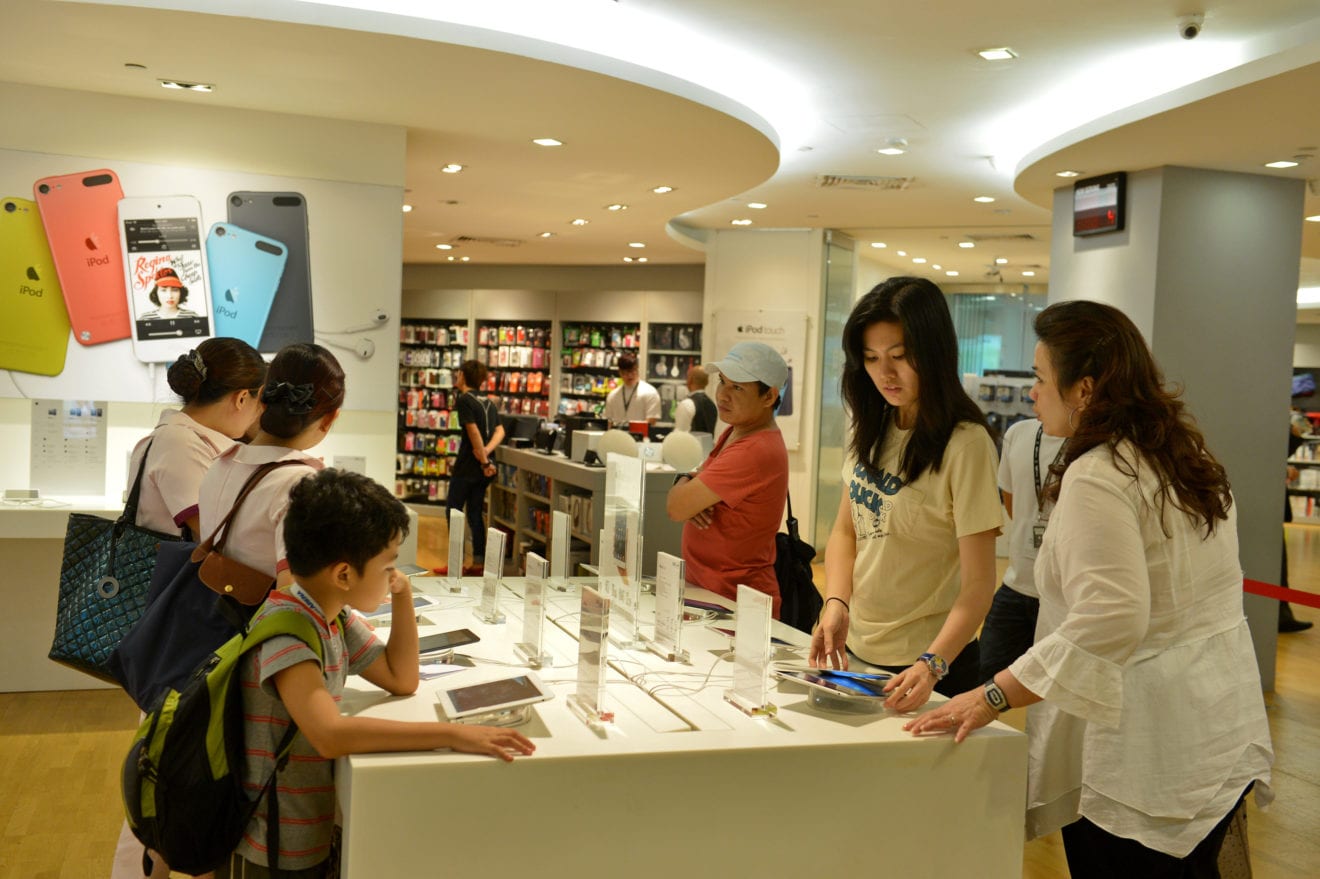
    Tech giant Apple  is reportedly eyeing Taipei 101 mall as the location for its first retail store in Taiwan, according to an industry insider, with no official opening date given by the source.

    Located on the first basement level of the mall, the debut Taiwanese store will be spread over 1,322 square meters. It is expected that the branch will be fitted out in Apple’s new retail design, which is already being rolled out across the US.

    Further consolidating Apple’s push into Taipei, Apple premium reseller Studio A will close its shop on April 17, Studio A president Cheng Ying-lung told local media.

    Cheng said the Studio A store in Taipei 101 has seen a decline in sales over the past three months, due mainly to a drop in tourist arrivals from China.

    Last July, Apple posted its first job listings for Taiwan, which were followed by a confirmation of its plans to set up a store in the country.

    However, Apple did not say when the shop would be opened or where in Taiwan it would be located.

    Apple boasts nearly 500 retail stores in 19 countries and online stores available in 39 countries.

    After the US, China is Apple’s biggest market. Apple’s latest store opening was in China’s Nanjing in early April, one day after a Beijing court ruled in favour of Apple pertaining to a patent feud the US smartphone maker is having with Shenzhen Baili Marketing Services Co.

    The local manufacturer claims Apple stole its exterior designs, which the court found not to be the case.