Author: Mei Ling Tan

  • Ikea plans fourth Store In Hong Kong

    Ikea plans fourth Store In Hong Kong

    Dairy Farm International, parent company of Ikea’s business in Hong Kong, recently revealed that Ikea plans to open its fourth outlet in Hong Kong during the second half of 2017.

    This new Ikea store will be reportedly located in the Tsuen Wan area of northern Hong Kong.

    Dairy Farm International revealed the news about the new store opening in its annual performance report; however, the company did not mention the detailed address of the new site.

    Dairy Farm International is a multi-model retailer listed in Hong Kong. It owns the franchising rights of Ikea in Hong Kong, Indonesia, and Taiwan. Later this year, the company plans to open Ikea’s second store in Jakarta, capital of Indonesia.

  • Vietnam fruit exports have to meet high standards in foreign markets

    Vietnam fruit exports have to meet high standards in foreign markets

    Vietnam is well known for its tropical fruits, but it has to meet many strict requirements by importing countries in order to export its fruit. GDC said Vietnam’s fruit export turnover in 2016 reached $2.46 billion, a sharp increase of 33.6 percent compared to 2015. Turnover has been increasing in the last three years: by 28.4 percent in 2014 and 23.7 percent in 2015.

    China remains the biggest market for Vietnam with exports increasing by 45.8 percent to $1.74 billion.

    China bought 70.4 percent of Vietnam’s fruit exports, while the US only consumed 3.4 percent, Japan 3.1 percent and South Korea 3.6 percent.

    However, in order to obtain the modest figure of 3 percent, Vietnam had to go through some hardships because the markets are all choosy.

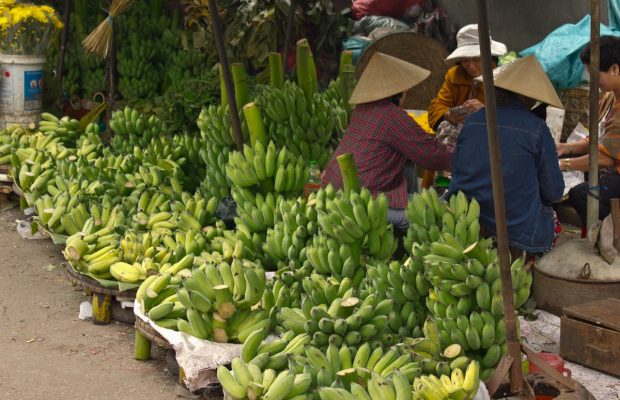
    As for the Japanese market, for example, only some kinds of fruits, such as bananas, mango and dragon fruit, can be exported to the country as they have met the requirements set in Japan’s plant quarantine law.

    Vietnam’s Ministries of Industry & Trade (MOIT) and Agriculture & Rural Development (MARD) had to spend many years to persuade the Japanese side to remove the technical barriers against certain kinds of fruits.

    The company owned by Vo Quan Huy became the first Vietnamese enterprise selling Fohla brand bananas to Japan. About 2-3 containers of bananas are exported to the Japanese market each week.

    Huy said that before signing the contract on buying bananas, the Japanese side sent staff to his banana farms to take soil, water and air samples to bring to Japan for testing 230 physiological and biochemical indicators.

    The aim was to make bananas safe, clean and delicious, with no heavy metal residue, no bacteria, no pesticide residue and no growth stimulus.

    Australia is another fastidious market. It sets high requirements on farm produce imports, especially requirements on radiation that not many Vietnamese companies can satisfy.

    To date, only two kinds of fresh fruits have licenses to enter the Australian market – litchis (received in 2015) and mango (2016).

    A senior executive of a fruit export company said there is always an American expert from FDA in charge of checking fruit samples before putting fruit into radiation.

    If the expert discovers soil or insects on fruits, the whole consignment will be refused. The company once had one consignment of rambutan rejected.

  • Singapore banks seek to simplify online transactions

    Singapore banks seek to simplify online transactions

    Four banks in Singapore are participating in a pilot that aims to explore ways to simplify online banking transactions with the use of the government’s MyInfo online authentication service.

    The pilot is backed by the Smart Nation and Digital Government Office (SNDGO) and Government Technology Agency (GovTech), in collaboration with the Monetary Authority of Singapore (MAS).

    Prospective customers of United Overseas Bank (UOB), Development Bank of Singapore (DBS), Oversea-Chinese Banking Corporation (OCBC) and Standard Chartered Bank (StanChart) with a registered profile on myinfo.gov.sg will be able to apply for a new bank account without needing to submit supporting documentation.

    This aims to provide greater convenience and a faster transaction time for consumers while benefiting banks in the form of higher productivity and lower compliance costs.

    Banks in Singapore currently require users to submit copies of their identity, income and CPF documents for applications. With MyInfo, customers can pre-fill these Government-verified personal particulars into the necessary forms, and avoid the need to submit supporting documents.

    MyInfo has been rolled out for SingPass users since May 2016 for popular government digital services such as balloting of the Housing Development Board’s Build-To-Order (BTO) flats. MyInfo is scheduled to be available on most government digital services with SingPass two-factor authentication (2FA) by 2018.

    Jacqueline Poh, Chief Executive, GovTech, said, “We want to explore how citizen-centric government digital services can be extended to better help industry and transform service-delivery to citizens. We have seen good take-up of MyInfo, and hope that this public-private collaboration will provide citizens with even more benefits.”

    Sopnendu Mohanty, Chief FinTech Officer, MAS, said: “MAS is excited by the opportunities that national infrastructure platforms can bring to the financial industry, such as hassle-free online account opening and instant account activation in the near future. MAS would like to urge the industry to reimagine their customer journey for instant gratification as they leverage platforms like MyInfo.”

    Michael Gorriz, Group CIO, Standard Chartered Bank, said: “Central database and central data-keeping is absolutely the way forward. If you look at the 3 parties – the Singapore government, the citizens and the banks or other entities – it is really a win-win-win situation. So first of all, for the consumer, he only has to enter the data once and then he decides who has access to the data. We as a Bank, we win, because we get qualified data from the consumer, which he puts all due diligence and care in to keep it up to date.”

    After this pilot, MyInfo may be extended later this year to other popular transactions such as applications for credit cards and home loans. MyInfo could also be extended to other sectors with strong citizen touch points such as insurance.

  • Starbucks Reserve opens 10th Singapore store in Changi airport

    Starbucks Reserve opens 10th Singapore store in Changi airport

    American coffee house Starbucks has opened its 10th Reserve café in Singapore. Located inside Singapore’s Changi airport, the 24-hour airport outlet has opened in T3’s public area, in the United Square section.

    While patrons will be familiar with Starbucks, Starbucks Reserve is the coffee chain’s more high-end version of a café or coffee bar.

    Every year, Starbucks coffee buyers travel to coffee-growing regions to find and purchase some of the world’s finest Arabica coffee beans. Starbucks Reserve then offers these to its customers, which are in limited quantity and only available at select Starbucks Reserve stores and online.

    On the ground, Starbucks Reserve allows customers to ask exactly how they would like their coffee brewed at the bar: Starbuck’s proprietary Clover brewer, the Chemex coffeemaker, the traditional Coffee Press and Pour-overs, mimicking a more boutique coffee house.

    While there are several other Reserve outlets in Singapores, the Changi store is the first to feature the interactive Coffee Bar, along with the Black Eagle espresso, and the Nitro Cold Brew, which is served from the tap.

    However, Reserve customers can still order normal Starbucks coffee as seen available at the regular stores.

    For the last financial quarter ending January 26, Starbucks reported revenues of $5.7 billion, up 6.7% on a year-over-year basis.

    Starbucks is a roaster, marketer and retailer of coffee. As of October 2016, the company operated in 75 countries.

  • Vietnam looks for shrimp farming to save the Mekong Delta

    Vietnam looks for shrimp farming to save the Mekong Delta

    About 700 000 hectares of rice and other agriculture crops in Vietnam were destroyed by climate-induced natural disasters in 2016, reports the Ministry of Agriculture and Rural Development.

    Consequently, rice production, which was hit the hardest, fell by some 800,000 tons, which has forced the Ministry to fast track implementation of remedial climate change adaption measures.

    Under one initiative, rice cultivation in several Mekong Delta provinces has been converted to growing fruit trees and grapes that require less water yet provide suitable alternative sources of income for farmers.

    Vietnam is the third largest exporter of rice, behind India and Thailand. Nicknamed the ‘rice bowl’, the Mekong Delta region comprises 12% of the arable land of the country and is responsible for nearly 50% of the rice production.

    This past paddy season, the culprit was salt water intruding upstream from the coast, said Mekong wetlands ecologist Nguyen Huu Thien.

    In turn, he places the blame squarely on dams that have been constructed at locations in Laos and Cambodia that are blocking the free flow of water and sediment, which allows for saltwater to make its way in the opposite direction the waters of the river naturally flow.

    Last year, a severe drought in much of Southeast Asia compounded the problem.

    In May, the Vietnam government observed the Mekong River at its lowest level since 1926, but eventually successfully convinced China to release water from its upstream dams, which helped to alleviate some of the problem.

    The Ministry has also helped other farmers migrate elsewhere in the country where they can earn a living and, as part of their main initiative, assisted many rice farmers to experiment with saltwater shrimp farms in lieu of growing rice.

    The Mekong Delta is gradually losing the capacity to support the populace, say Ministry spokespersons and it will fall apart if a corrective action plan isn’t put in place to address the fundamental problems post haste.

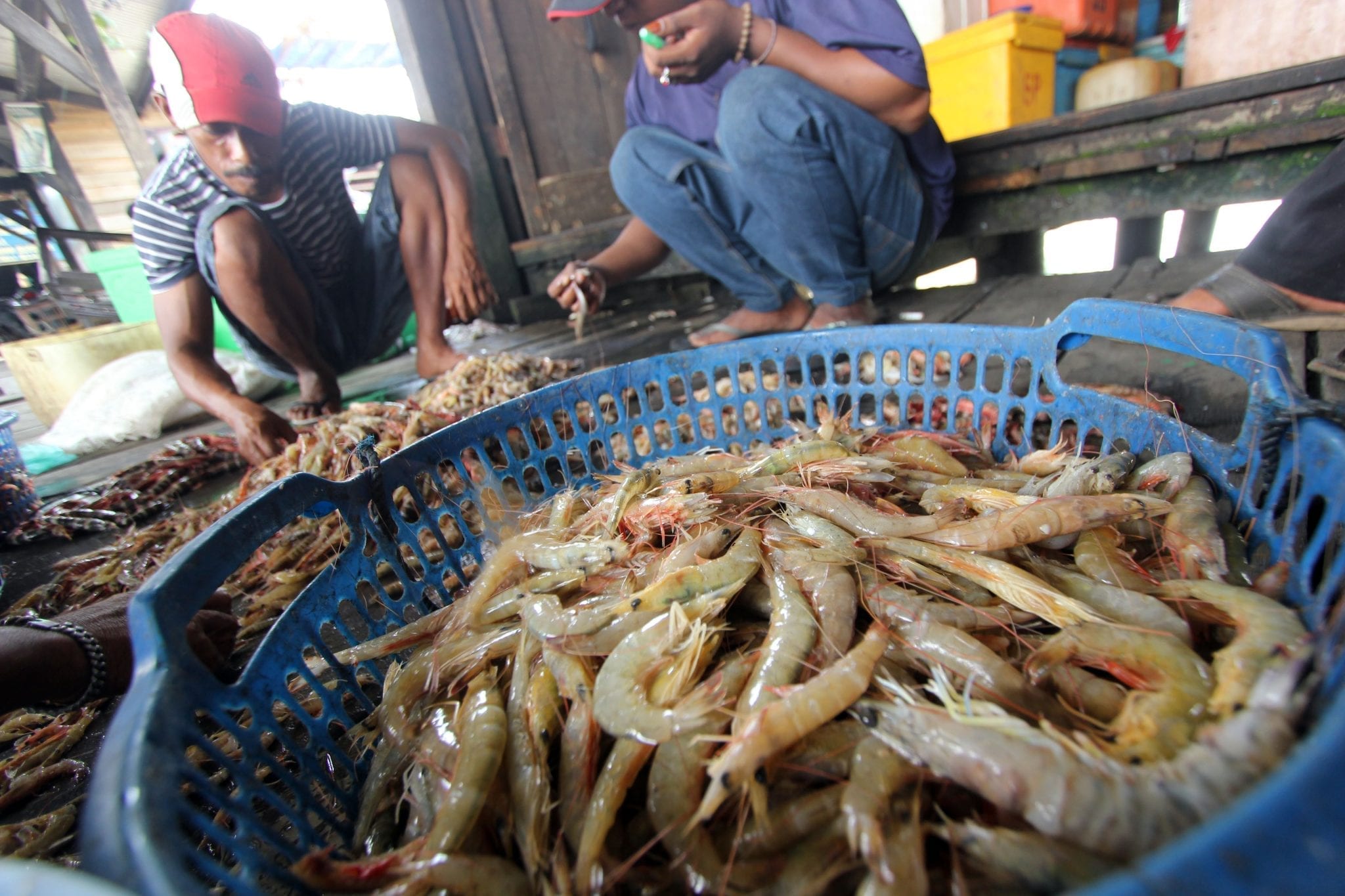
    Shrimp farming appears to be the best alternative but even the farming of shrimp, a salt-tolerant creature, can be challenged by excessively salty conditions.

    However, Ministry spokespersons say some of the challenges facing shrimp farming in the Mekong are being addressed by using a three-pond shrimp and fish farming strategy, in which one pond holds fresh water that is used to dilute water in the other two ponds when they become too salty.

    Research is also underway to find the most suitable commercial shrimp species to raise and to identify synergies in the processes that may benefit shrimp production in the Mekong Delta.

    Many Vietnamese and global organizations, say Ministry spokespersons, are supporting these efforts and others intended to help sustain food production in the Mekong.

    Shrimp farming seems to be a win-win situation for all involved. The farmer in the Mekong can earn more money with it than rice and the consumer in the main importing regions of the EU, US and Japan, can eat healthier shrimp.

    Shrimp farms can also play a role in ensuring the future of the Mekong Delta. Even when the saltwater rises.
  • Apple reportedly opening first Singapore store in May

    Apple reportedly opening first Singapore store in May

    Apple is reportedly opening its first store in Singapore this month, according to CNBC, which will also serve as the U.S. tech giant’s first Southeast Asia store.

    Located at the city’s Knightsbridge mall on Orchard Road, the hotly anticipated Apple store – which spans five storefronts and climbs four storeys, is due to open May 22, a retail fit-out worker has told CNBC.

    CNBC managed to speak with the Legends Interior employee onsite last Thursday after finishing work on the retail space, who said the store is planned to open May 22.

    When contacted via email, the Apple’s head of corporate communications for Southeast Asia and India. Katrina Tran, told CNBC, “We don’t have any new announcements about Apple retail.”

    The mega-store has been veiled in secrecy since works began on the site some two years ago, with problems relating to the construction in a busy part of central Singapore being the reason behind such delays.

    Singapore’s Ministry of Manpower (MOM) issued a stop work order to the contractor for the worksite, Legend Interiors, a retail interiors specialist. The order went into effect on October 24, 2016 and was lifted on November 16, 2016.

    MOM told that the stop work order was issued “for unsafe conditions relating to work at height, traffic management, scaffolding, electrical installation and lifting operations that were observed during an inspection at the worksite.”

    A sign outside the building site originally said the expected completion date was October 31, 2016. Then it was changed to January 30, 2017, before a date was erased completely.

    A source with knowledge of the project also told CNBC about problems with a neighbour — the Grand Royal Orchard Singapore hotel. That source said there had been a conflict over logistical and infrastructure issues related to the construction

    DP Architects PTE, the architect for the Singapore project, declined to comment on the new store, citing nondisclosure agreements, while civil and structural engineer, Rankine & Hill, and the mechanical and electrical engineer, J. Roger Preston, also avoided commentary.

    Apple is notorious for secrecy with new stores and is known for strict non-disclosure agreements for the company’s contractors and suppliers, including $50 million payouts for each breach.

  • New Guangzhou Baiyun Airport T2 duty free concession goes to tender

    New Guangzhou Baiyun Airport T2 duty free concession goes to tender

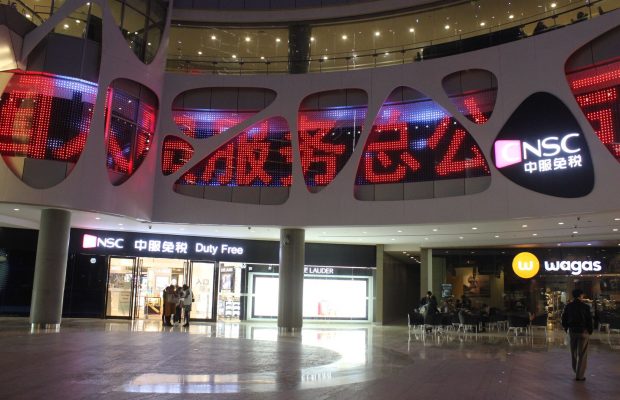
    A tender for the duty free concession at Guangzhou Baiyun Airport’s new Terminal 2, due to open in 2018, was issued this week.

    Guangzhou Baiyun International Airport is China’s third-busiest and the world’s 16th-busiest airport, with 59.78 million passengers in 2016, up +19.3% year-on-year. Of those, some 13.58 million were arriving and departing international passengers. By 2020 total traffic is projected to reach 80 million and by 2030 100 million. China Duty Free Group is the incumbent retailer at the existing airport facilities.

    The tender is being organised by GMG International Tendering Co. It covers 25 stores across the vast terminal, embracing some 3,544sq m of duty free space. While the tender has been divided into two bids, one winner can win the whole concession.

    At TFWA’s recent China’s Century conference, Guangzhou Baiyun International Airport Co President Qiu Jiachen painted a bold picture of the airport’s traffic and retail prospects, pledging a “complete commercial eco-system” once T2 is open

    The vast Chinese gateway is set to boom in coming years as passenger numbers surge and the new terminal eases capacity pressures.

    Qualifying bidders must fulfil a series of criteria, including having had established duty free business in Mainland China on a profitable basis for the past three years.

    Bid 1: 14 shops totalling 1,943sq m (first year); monthly guaranteed sales RMB15,860,000 (US$2.3 million); minimum concession fee 31%.

    Bid 2: 11 shops total 1,601sq m (first year); monthly guaranteed sales RMB13,070,000 (US$1.9 million); minimum concession fee 31%.

    Interested parties must register to bid between 2 and 8 May.

    CDFG’s new contract covers 300sq m of retail space at T1 before the T2 opening. Once open, T2 will offer 700sq m of space and T1 will be extended to 400sq m.

    Duty Free Expert Publisher Jason Cao commented: “This is the second duty free departure projects tender following on from Beijing Capital International Airport which is showing the future trend – i.e. more departure shops will adopt the bidding system for their duty free concessions.”

  • Oracle, Fujitsu launch public cloud services in Japan

    Oracle, Fujitsu launch public cloud services in Japan

    Fujitsu and Oracle Japan have launched Oracle Cloud Platform services, including Oracle Database Cloud Service, via a Fujitsu data center, a first for Japan.

    Oracle and Fujitsu have a long history of collaboration when it comes to processors, servers, and software. This synergy now extends to the data center, where Oracle’s cloud services will be available locally to Japanese customers backed by Fujitsu.

    Fujitsu has the largest number of Oracle-certified Oracle Cloud engineers in Japan, and offers a coordinated portfolio of services to assist in the deployment and operations of Oracle Public Cloud, to help organizations build new modern cloud-based solutions and transition their enterprise systems, including mission-critical operations, to the cloud.

    Fujitsu and Oracle formed a strategic alliance in July last year, based on a strategic collaboration to deliver enterprise-grade, world-class cloud services to customers in Japan and their subsidiaries around the world.

    Together with making Oracle Public Cloud services available from Fujitsu’s robust and reliable data center in Japan, can now be used as part of Fujitsu Cloud Service K5, Fujitsu’s public cloud service.

    “The Oracle Cloud Platform running in Fujitsu’s Japan datacenter alongside Fujitsu Cloud Service K5 DB powered by Oracle Cloud is a natural continuation of the three decade history Oracle and Fujitsu have working together to help customers achieve competitive advantage,” said Edward Screven, Chief Corporate Architect, Oracle.

    “By combining Fujitsu’s system integration expertise with Oracle’s cloud services, Fujitsu and Oracle will accelerate the transition of our joint customers’ enterprise systems to cloud.”

    Oracle Cloud offers a complete range of public cloud services across SaaS, PaaS, and IaaS. Oracle Cloud Platform, which includes Oracle’s analytics, application development, data management, and integration services, has experienced steady growth, adding thousands of customers in fiscal 2017.

  • AirAsia to launch Bali-Mumbai route

    AirAsia to launch Bali-Mumbai route

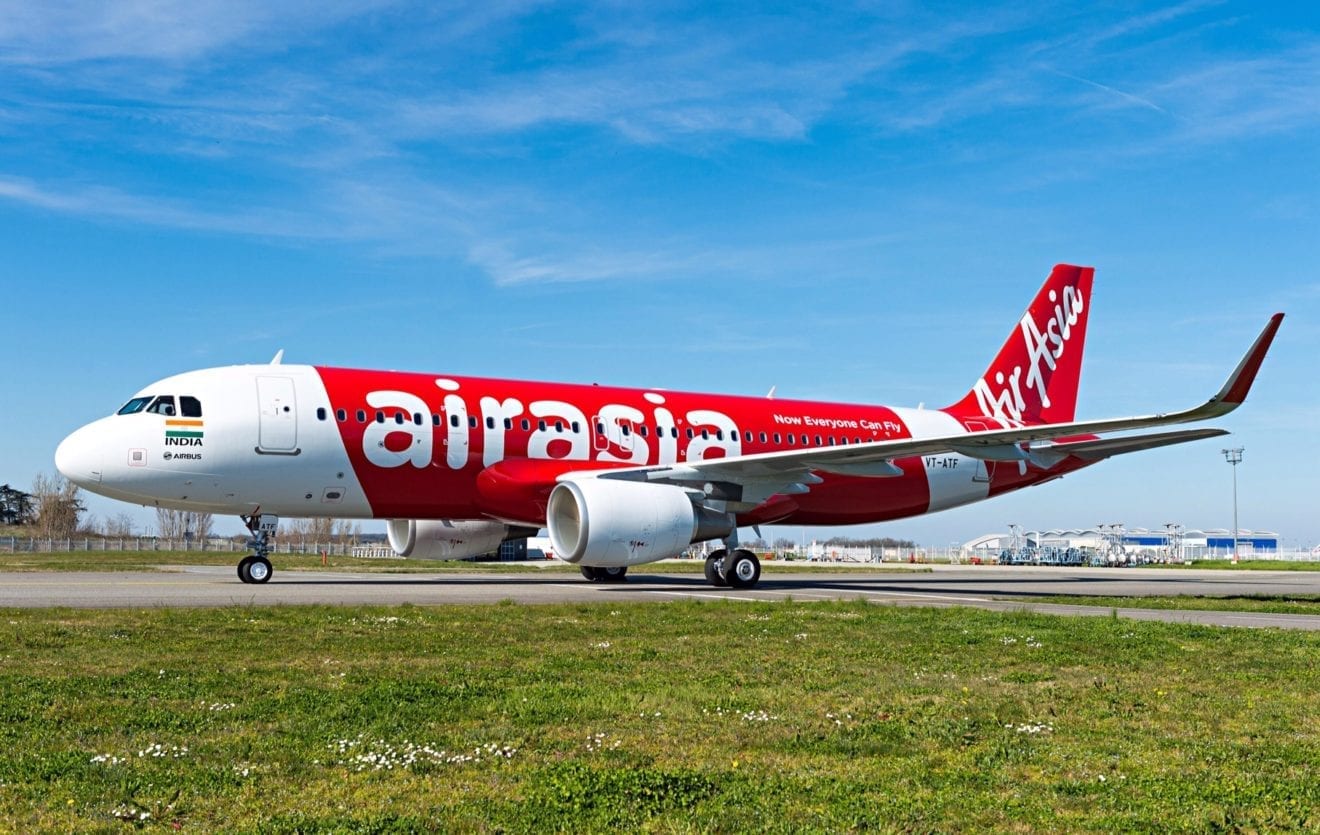
    AirAsia is launching a new route connecting Bali and Indian metropolis, Mumbai.

    The AirAsia X Indonesia service will kick off on May 19, operating seven times per week, using an Airbus A330-300 with 377 seats, 12 of which will be flatbed. Flights are already available for booking. 

    The route won’t be direct—there will be a stopover in KL, AirAsia’s hub, for 65 minutes.

    Dendy Kurniawan, AirAsia Group Chief Executive Officer (CEO) for Indonesia operations, says the Mumbai flight was added in response to an increasing demand amongst Indian tourists to holiday in Bali.

    The Indian and Chinese markets are two of the fastest growing, after all.

    The Mumbai service won’t be AirAsia’s only new route out of Indonesia. AirAsia Indonesia is also opening up a Jakarta to Macau flight starting August 7 later this year, beginning with three scheduled flights per week.

  • Vietnam Motorcycle Show 2017 opens in HCM City

    Vietnam Motorcycle Show 2017 opens in HCM City

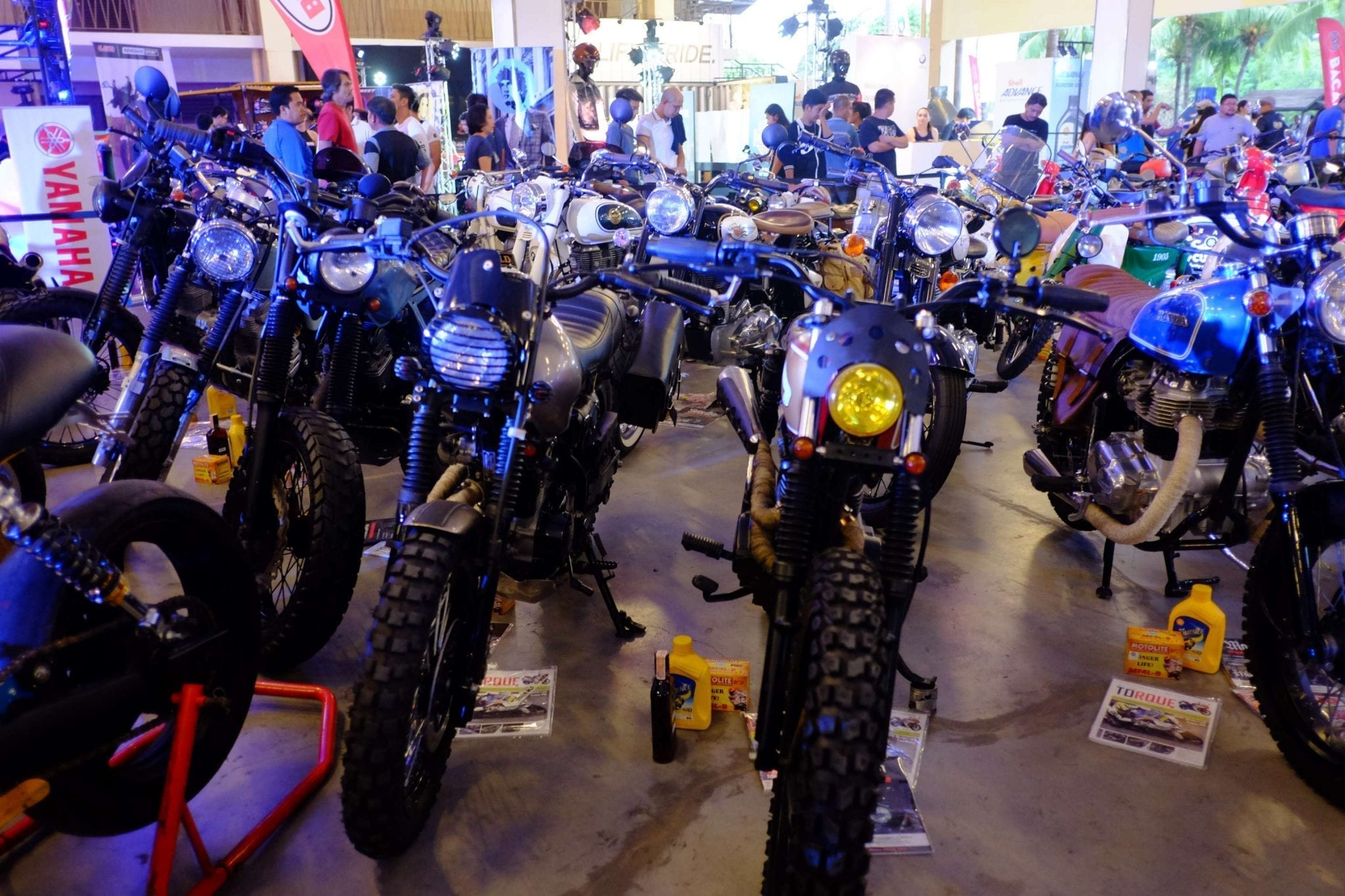
    The exhibition, the second edition, is being held with numerous challenges facing domestic manufacturers and importers.

    A wide range of models from commercial and sport bikes to motors were showcased at the exhibition.

    A number of activities were also held during the event, including driving games and a freestyle motorcross performance by Japanese athletes, funded by Yamaha.

    The event also gathered 55 trademarks of support industries and spare part providers as well as relevant industries, including foreign brands including Motul, Michelin, Caltex, Total, Nissin and Quik Fix.

    The exhibition is open until May 7.

    According to the Vietnam Association of Motorcycle Manufacturers, last year, automatic motorcycles accounted for 45 percent of total sales.

    Vietnam’s motorcycle market is expected to continue growing in 2017, the association added.

  • Nokia forms smart city alliance with Tianfu New Area

    Nokia forms smart city alliance with Tianfu New Area

    Nokia has signed an agreement with the Tianfu New Area Chengdu Administrative Committee to collaborate on digital city development.

    Under the agreement, both parties will collaborate on the construction of a data center and related telecoms infrastructure, deploy an IoT trial network in the city and jointly incubate IoT applications and devices.

    The partnership will also involve the deployment of an end-to-end optical network in the Tianfu New Area of Chengdu – one of the three most populous cities in Western China with an urban population of over 10.1 million.

    “The TianFu New Area development project presents an exciting opportunity to build a smart city – or actually a smart region – from the ground up,” Nokia president of Greater China Mike Wang said.

    “The communications network will serve as the brain and nervous system of the smart city, and we welcome the opportunity to apply Nokia’s technology and know-how to the challenge of building the digital infrastructure that will support this groundbreaking effort.”

    Nokia will be following its Smart City Playbook strategy for the project. This strategy was launched in late 2016 and outlines best practices for smart cities.

    The agreement also marks a key development in Nokia’s efforts to expand its customer base outside of the traditional telecoms sphere.

    The Tianfu New Area modernization project was launched in late 2011. It covers three cities, seven counties and 37 towns and villages.

  • Viettel plans to expand to Indonesia, Nigeria

    Viettel plans to expand to Indonesia, Nigeria

    Vietnam’s Viettel is reportedly eyeing a foray into Indonesia and Nigeria as part of its international expansion drive.

    The military-run operator’s Viettel Global subsidiary is planning to enter the two markets due to their large populations.

    As of June last year, Indonesia had a population of 258 million while Nigeria had a population of 187 million. Viettel expects that this large addressable market will help establish the conditions that would allow it to expand to other markets in the future.

    Viettel Global had a combined 24 million subscribers in nine overseas markets – Laos, Cambodia, East Timor, Cameroon, Haiti, Mozambique, Burundi, Peru, and Tanzania. The company reported revenue of $1.04 billion last year and is targeting $1.3 billion in revenue this year.

    Viettel is also moving to enter the Myanmar market, having won the tender to be the 49%-owned partner to a consortium of local ICT companies that will become the market’s fourth operator.

    But the company is facing tough competition in Africa from rivals such as Orange, MTN, Movistar, Claro, Digicel, and Axiata.

  • McDonalds’ Q1 sales boosted by its all-day breakfast menu

    McDonalds’ Q1 sales boosted by its all-day breakfast menu

    In November, credit ratings agency Fitch warned that the breakfast-driven rebound the chain is experiencing won’t last forever. While that prediction still may prove correct someday, Fitch can’t claim victory just yet: McDonald’s reported better-than-expected first quarter same-store sales Tuesday, thanks in no small part to a continued boost from the most important meal of the day.

    McDonald’s reported Tuesday that its global same-store sales increased 4% during its first fiscal quarter of 2017. “There’s a sense of urgency across the business as we take actions to retain existing customers, regain lapsed customers and convert casual customers to committed customers,” McDonald’s president and CEO Steve Easterbrook said in a statement Tuesday morning.

    The growth in same-store sales didn’t completely translate to gangbuster top-line sales, with first quarter revenue ticking down 4% to $5.68 billion (a figure that nonetheless managed to come in ahead of the $5.5 billion Wall Street consensus). McDonald’s explained the dip by pointing to the refranchising effort that is a part of its broader turnaround plan, and the costs associated with that effort.

    Net income for the quarter, meanwhile, grew 8% to $1.2 billion, resulting in earnings of $1.47 per share — a figure that came in well ahead of the Street’s $1.33 per-share consensus.

    “Our efforts to build a better McDonald’s are yielding meaningful results with continued positive momentum and a strong start to 2017 that includes positive comparable sales across all segments, higher global guest counts and enhanced profitability,” Easterbrook continued. “We’re challenging ourselves to identify and pursue initiatives that can bring the biggest benefit to the most customers in the shortest possible time. I’m confident that we’re on the right path and well-positioned to unlock incremental growth and deliver against our growth plan for 2017 and beyond.”

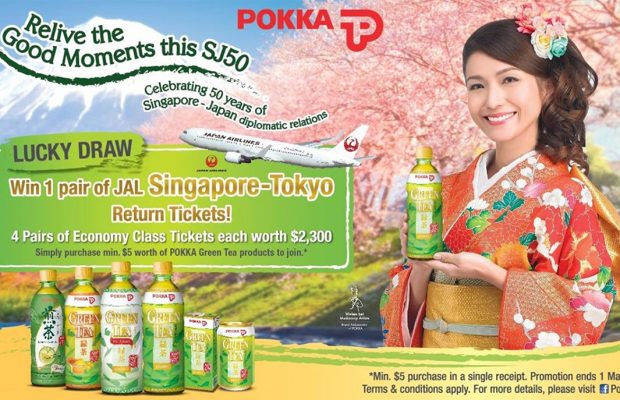
  • Japan’s Pokka Starts Making Soft Drinks in Indonesia

    Japan’s Pokka Starts Making Soft Drinks in Indonesia

    Pokka Sapporo Food & Beverage is ramping up Indonesian operations in soft drinks, switching to local production to strengthen its market foothold and save on costs.

    The Japanese beverage maker set up a production facility through a joint venture with local distributor Dima Indonesia and began shipments in late April. Pokka aims to sell 1.4 million cases in the first year.

    Since predecessor Pokka Corp. set up shop in Southeast Asia back in 1977, Pokka has become well-known in the region for its green tea, mainly in Singapore. The company has also shipped drinks produced in Singapore to Indonesia for sale.

    The first products coming out of the Indonesian plant include bottled jasmine green tea and lemon black tea. Pokka’s drinks are a little pricier than rival brands, costing the equivalent of 40 yen to 70 yen (36 cents to 63 cents) more per bottle. The company plans to use sales channels of Dima and expand sales through supermarkets and other volume retailers.

  • Victoria’s Secret to open mega store in Macau

    Victoria’s Secret to open mega store in Macau

    Victoria’s Secret will open a new mega store in Macau on April 27, as the US brand eyes further Asia expansion, following its China debut store opening last February.

    Under parent company L Brands, the 15,000-square-foot Macau full assortment store  — which not only sells its branded accessories and cosmetics but lingerie and sportswear — will bow at St Mark’s Square at The Venetian.

    In addition to the latest collections and pieces, the store will showcase five sets of Victoria’s Secret angel wings – all of which have featured on the runway of past Victoria’s Secret shows. The curate will be on display at The Venetian from April 26 to May 31.

    The news comes as the fashion lingerie conglomerate opened its first standalone store in mainland China in February. The four-story, 25,850-square-foot flagship opened in Shanghai, followed by a 12,294-square-foot store debut in Chengdu one week later. A Beijing store is coming later this year.

    Meanwhile, Victoria’s Secret’s Asia expansion is also taking on a flagship store in Hong Kong. The brand is reportedly taking up prime location in Causeway Bay, the former residence of Forever21. It is slated to open in Hong Kong next year.

    Fellow lingerie maker La Perla has already opened a four-storey flagship store in Causeway Bay in late 2015, located on the iconic, and expensive, Russell Street.

    More and more international retailers are renewing leases in the region as tents in Hong Kong continue to drop, especially in Causeway Bay.

    According to a recent report by Everbright Property Investment Consultancy. For the first quarter of 2017, major lease transaction records in Hong Kong’s high-traffic tourist areas — including Central, Causeway Bay, Mong Kok and Tsim Sha Tsui — featured drops in monthly rents of up to 72% in some cases.

    On average, Causeway Bay witnessed the sharpest rent price decline for the period, down 31%, the report said.