Author: Mei Ling Tan

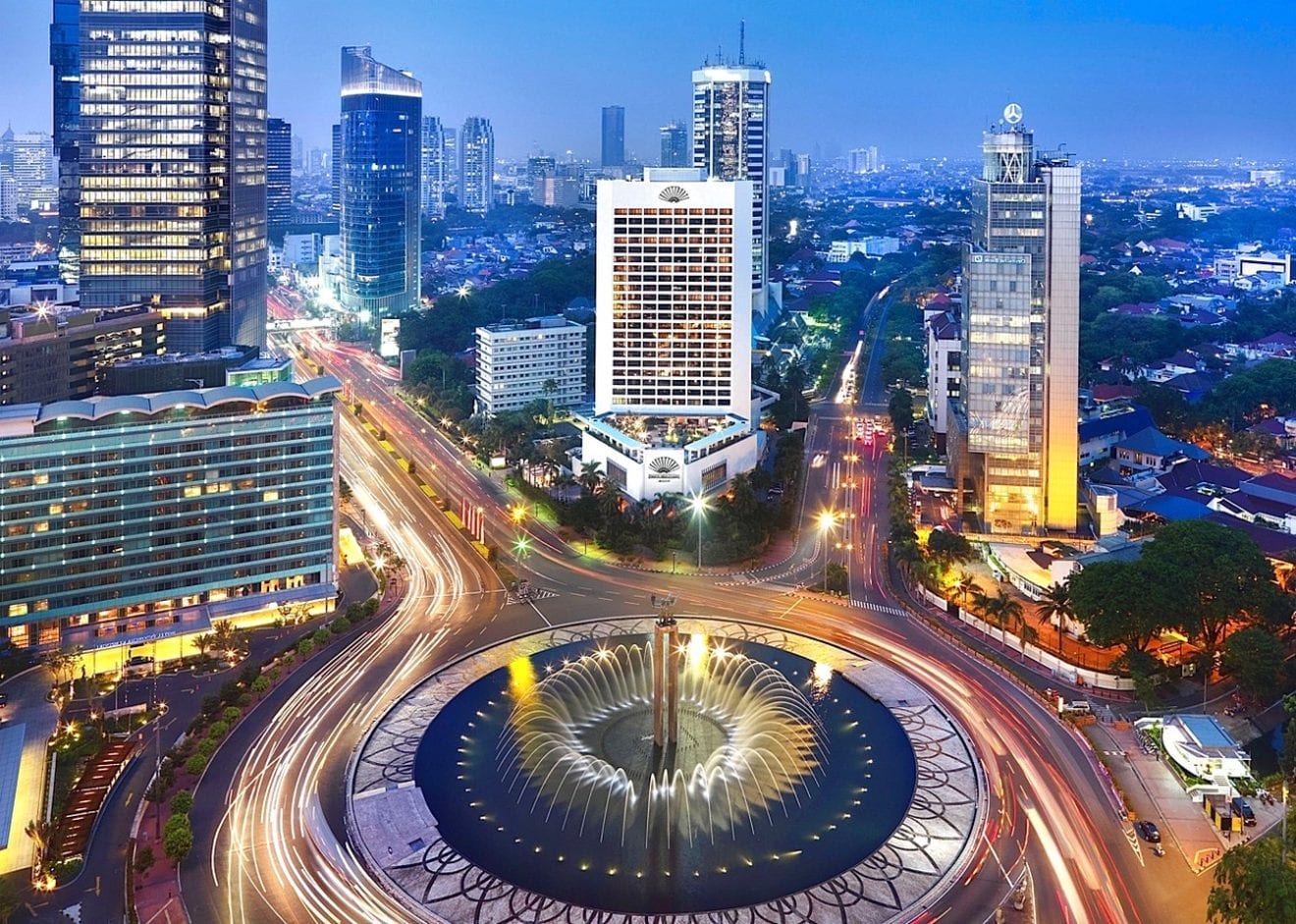
  • Indonesia records inflation of 0.09% in April

    Indonesia records inflation of 0.09% in April

    After seeing deflation a month earlier owing to the harvest season, the country recorded monthly inflation of 0.09 percent in April on account of increases in the prices of most commodities.

    Inflation in April brought annual inflation to 4.17 percent year-on-year (yoy), the Central Statistics Agency (BPS) announced on Tuesday.

    “I think inflation at 0.09 percent in April remained in line with what the government is trying to manage because there will be bigger challenges in May and June,” said BPS head Suhariyanto in a press conference.

    The agency warned prices of food commodities could increase in May due to rising demand during Ramadhan.

    In June, Suhariyanto said, prices would rise as an effect of the second hike of electricity rates for 900 volt-ampere (VA) capacity in May.

    “The electricity rate increase will occur in May, but the impact will only be seen in June because most customers of 900 VA are post-paid type rather than prepaid,” he said.

    The price increases in April occurred in administered prices, particularly electricity and fuel, as well as in a number of food commodities such as garlic, chicken, tomato and dogfruit.

    Meanwhile, price decreases in April were seen in major food commodities such as red and green chili, rice, sugar, beef and chicken eggs. (bbn)
  • International Flight Services Launched in Terminal 3, Soekarno Hatta

    International Flight Services Launched in Terminal 3, Soekarno Hatta

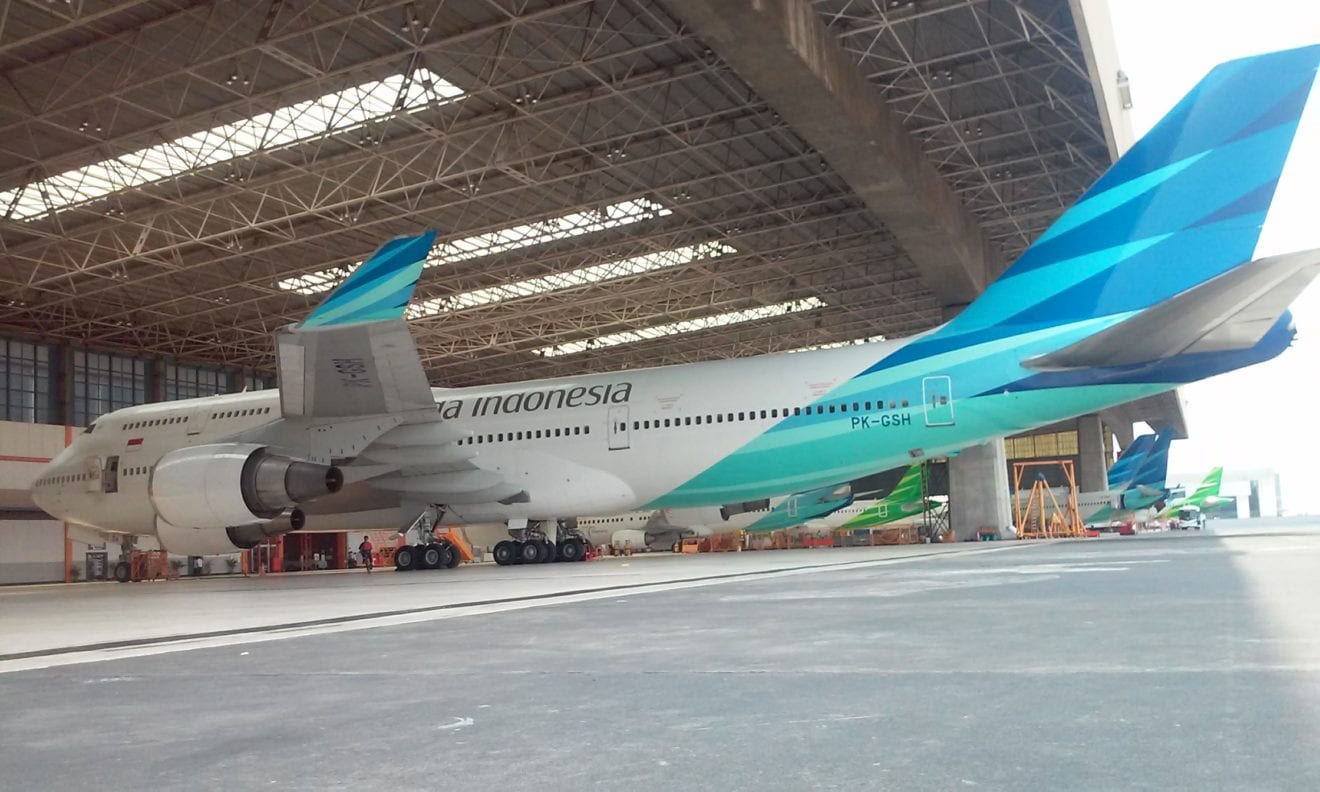
    President & CEO Garuda Indonesia Pahala N Mansury and President & CEO of Angkasa Pura II Muhammad Awaluddin inaugurated Garuda Indonesia international flight operations service at Terminal 3 of Soekarno-Hatta Airport, Tangerang on Monday (1/5) by releasing flight GA 820 route Jakarta – Kuala Lumpur and welcoming the arrival of flight GA 823 route Singapore – Jakarta.

    Flight GA 820 from Jakarta to Kuala Lumpur destination, departed at 08.35 Local Time, while the arrival of flight GA 823 route Singapore – Jakarta landed at 08.15 Local Time. Both direct flights were greeted and released by the President & CEO from Garuda Indonesia and AP II.

    President Director & CEO Garuda Indonesia Pahala N Mansury said the official operation of Garuda Indonesia international flight service at Terminal 3 of Soekarno-Hatta Airport marked the companies ongoing effort to enhance service excellence commitment and increase the convenience of all passengers in enjoying Garuda Indonesia flight service.

    “We would also like to extend our greatest appreciation and gratitude to Angkasa Pura II who successfully provided an international airport service with modern facilities which surely will further support the operational service services that we provide to all passengers.”

    “With the vision of Garuda Indonesia-based Indonesian hospitality service that is also aligned with Angkasa Pura II’s vision of making Soekarno-Hatta the best smart-connected airport in the region, Garuda is optimistic that the presence of this international Terminal 3 service will not only be a concrete step towards the development of competitive infrastructure and transportation services Global, but also a milestone for the development of national tourism aspects in the eyes of the world,” concluded Pahala.

    Meanwhile, President Director of Angkasa Pura II Muhammad Awaluddin expressed “We are grateful for the support of the public, Ministry of Transportation, especially the Directorate General for Air Transportation and other stakeholders at Soekarno-Hatta Airport so that on May 1, 2017, international route flights can be served through Terminal 3 Where this special first stage is operated by Garuda Indonesia,” he explained.

    “AP II is optimistic that the operation of international flights in Terminal 3 can further make Soekarno-Hatta Airport one of the supporters of tourism growth, in addition to the increase of Indonesia’s economy,” said Muhammad Awaluddin.

    On the other hand, Angkasa Pura II completes the operation of international flights in Terminal 3 with facilities supporting parking facilities that can accommodate about 1,200 private vehicles for regular parking. Then as a form of familiarization of the service users towards the building of International Terminal 3 parking, for seven days or starting from 1-7 May 2017 regular parking users will be free of vehicle parking fee.

    As for the parking of the vehicle, Angkasa Pura II also provides 2 parking garage area that is East Inap Parking and West Inap Parking located in the office area in the middle of the airport area where passengers who want to invite the vehicle can make reservations first through the smartphone application “Orangapark Parking” which can be downloaded through Google Play.

    In addition, on 1-7 May 2017 all tenants including food and beverages in the area of Terminal 3 International in cooperation with Angkasa Pura II will be granted an additional 10% discount to all airline passengers or airport visitors, excluding any existing discounts.

    In line with Garuda Indonesia’s international flight service to Terminal 3 of Soekarno-Hatta Airport, Garuda Indonesia is optimistic that it will further strengthen the 5-star service and increase the capacity of pre-light and post-flight services provided to all passengers.

    International flight services in Terminal 3, Garuda Indonesia will further expand the capacity of its pre-post flight service to all users of the service users. At Terminal 3 later, Garuda Indonesia will operate 26 check-in counters as well as a significant increase in executive lounge capacity with an area of 2,100 m2 comprising 350 seats for business class and 56 seats for first class.

  • Cebu Pacific issues travel advisory related to Asean summit

    Cebu Pacific issues travel advisory related to Asean summit

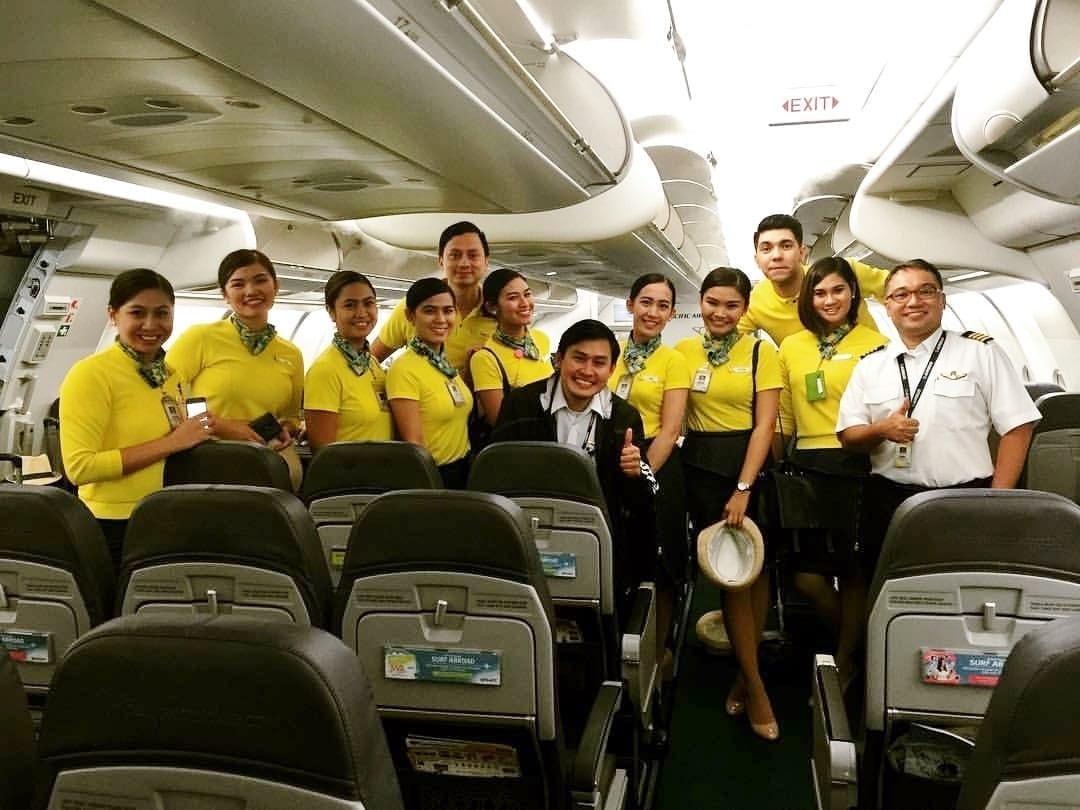
    In light of the 30th Asean Summit and Related Meetings which will be held in Manila from April 26 to 29, 2017, Cebu Pacific and Cebgo reminded all passengers flying out on these dates to plan their routes going to the Ninoy Aquino International Airport (NAIA). The carrier issued the advisory as several roads in Pasay City, especially those leading to NAIA Terminals 3 and 4, will be closed.

    Aside from this, the period from April 29 to May 1, 2017 is also Labor Day weekend. Malacañang, by virtue of Memorandum Circular 18 issued on April 21, suspended classes at all levels and work in the government and private sector on April 28, Friday, in line with the Philippines’ hosting of the Asean Summit. Passengers traveling to and from Manila from April 28-30, 2017 who wish to change their flight schedules may rebook their flights for free within 30 days. Guests flying out this weekend are advised to be at the airport early to process pre-departure requirements and avoid long lines at the check-in, security and immigration counters. Cebu Pacific’s domestic check-in counters are open three hours before the scheduled time of departure and four hours for international flights.

    All check-in counters will close 45 minutes before the scheduled time of flights, except those exiting the Middle East (one hour) and Shanghai (50 minutes). For international flights, web check-in is available from seven days up to four hours before scheduled flight departure. Those taking domestic flights can do web check-in up to one hour before their scheduled departure.

    Self Check-in Kiosks. Passengers at NAIA Terminals 3 and 4 and selected domestic airports can use these kiosks to check-in their flights eight hours up to one hour before the scheduled flight departure. Domestic web or mobile check-in guests with check-in luggage can drop these off at the bag drop counter at least 45 minutes before the flight, except those exiting the Middle East (one hour) and Shanghai (50 minutes).

    International web or mobile check-in guests still need to show up at check-in or bag drop counter at least one hour before the flight to present valid travel documents. For more information on the Asean 2017 calendar of events, traffic advisories and rerouting, visit https://www.asean2017.ph, or at the official Facebook page “Asean 2017” of the Asean 2017 Chairmanship in the Philippines.

  • Hong Kong Investor Expresses Investment Commitment to Jokowi

    Hong Kong Investor Expresses Investment Commitment to Jokowi

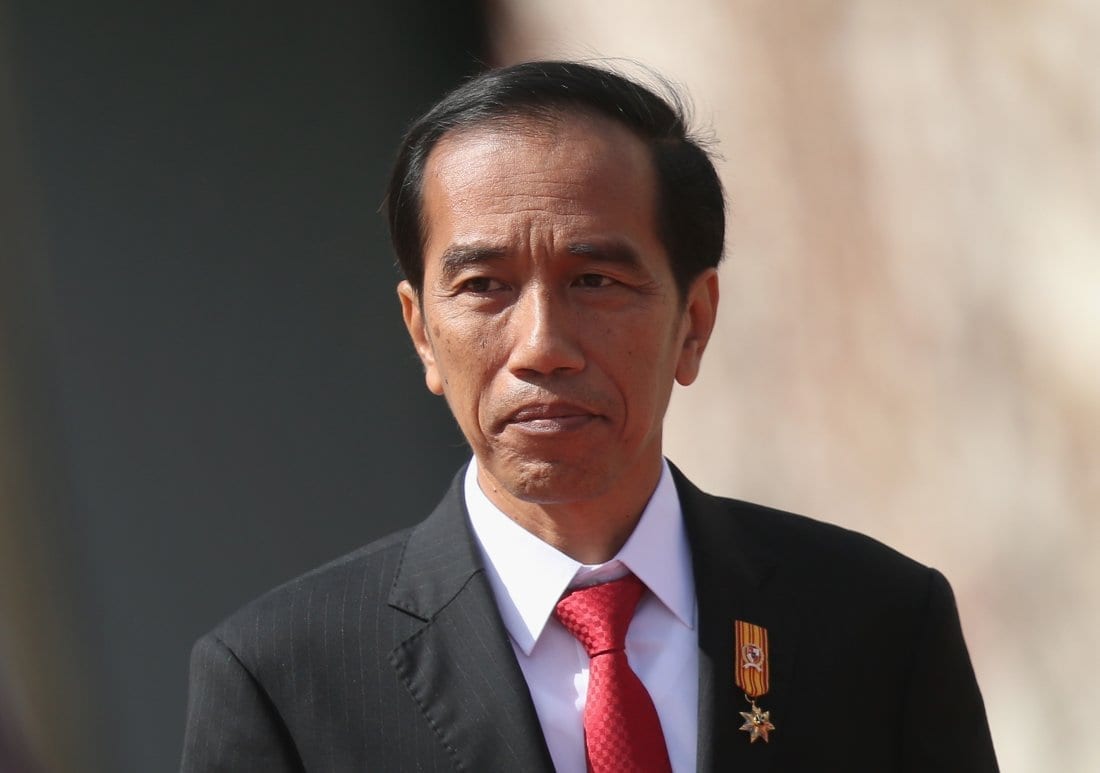
    During a meeting with President Joko Widodo or Jokowi at Conrad Hotel in Hong Kong, CK Hutchison Holdings Limited owner Li Ka-Shing expressed investment commitment in Indonesia.

    “CK Hutchison Holdings Limited is one of the largest companies listed in the Hong Kong Stock Exchange,” Foreign Minister Retno Marsudi said in a press release on Monday, May 1, 2017.

    CK Hutchison Holdings Limited is one of the largest container terminal operators in the world with a total investment of US$10 billion. Retno explained that the company views Indonesia as a country with a huge potential. Therefore, Li Ka-Shing expressed his commitment to increasing the company’s investment in Indonesia.

    “A commitment to increasing investment in Indonesia has been made,” Retno added.

    During the meeting, President Jokowi also elaborated a number Indonesian government plans to improve the economic growth.

    “Indonesia’s economic reform was one of the topics raised by President Jokowi,” Retno said. “President Jokowi also explained Indonesia’s infrastructure development plans.”

    In addition to Retno, attending the meeting were Trade Minister Enggartiasto Lukita, Cabinet Secretary Pramono Anung, and Investment Coordinating Board head Thomas Lembong.

  • Healthy living tops Indian consumers’ list of goals and aspirations

    Healthy living tops Indian consumers’ list of goals and aspirations

    It seems the pursuit of a healthier lifestyle is a nationwide obsession in India as healthy living tops the list of consumers goals and aspirations. New research from global market intelligence agency Mintel reveals that nearly half (48%) of consumers in India aim to live a healthier lifestyle, followed by better time management (30%), improving relationships with family and friends (25%), and travelling (24%).

    Further down on the agenda, just 8% of consumers say they wish to get married in the next three years, rising to less than three in 10 (27%) of those who are still single. Meanwhile, just 5% of consumers say they’d like to have a child, making this the lowest priority on the list of consumer’s goals and aspirations.

    Close to three in four (72%) Indian consumers report increased happiness as their motivation for leading a healthy lifestyle, while over half say that they aim to live healthily in order to look better (56%) and to feel better (53%). Additionally, two in five (41%) say they aim to lead a healthy lifestyle in order to live longer, while just 10% wish to do so to manage their health conditions. Currently, over half (52%) of Indian adults say they eat a healthy diet as part of their healthy living habits.

    Ranjana Sundaresan, Senior Research Analyst at Mintel, said: “Many Indians believe leading a healthy lifestyle will have a knock-off effect on their personal happiness. There has been quite a bit of publicity regarding the rise in lifestyle diseases among Indians, and, thus, growing awareness of the importance of being healthy.”

    While healthy living tops the list of consumers’ aspirations, it seems few are taking steps towards living a healthier life. Just one in three (34%) say they are always trying new things to improve their health, while one in four (26%) say they research health concerns and 10% say they research or think about health a lot but rarely make changes. This opens up quite a bit of opportunity for companies to offer consumers convenient solutions that could encourage making that change.

    Research from Mintel indicates that the food industry has already taken steps to appeal to consumers changing demands. According to Mintel Global New Products Database (GNPD), “natural” was the second largest claim carried on food launches in India last year, behind “suitable for” claims, accounting for 28% of all food product launches in 2016, up from 22% in 2012.

    As a result between 2012 and 2016, India had the highest number of food product launches carrying a natural claim in Asia and was the fifth largest market for these launches globally, accounting for 6% of the world’s food launches labelled as ‘natural’.

    Indeed, while India is leading the charge with Asia’s natural food production, Mintel research reveals that one in five (19%) Indian consumers say they would like to see a wider variety of natural snacks. Furthermore, as many as half (47%) of those who snack think it is important for snacks to be healthy.

    And it seems that consumers in India are willing to pay more for healthier snack options as two in five (39%) Indians who snack are willing to pay extra for fruit or vegetable snacks, while one in four (25%) would pay more for snacks with added nutrition.

    “It is known worldwide that healthy and natural foods tend to be more expensive, and many think twice before making a purchase. However, powered by higher disposable income and increasing health consciousness, India’s growing middle-class urban population is now more willing to pay the additional cost for healthier options.” Ranjana concludes. Ranjana concludes.

  • South Korean Amore Pacific’s profit suffers from extended domestic slump

    South Korean Amore Pacific’s profit suffers from extended domestic slump

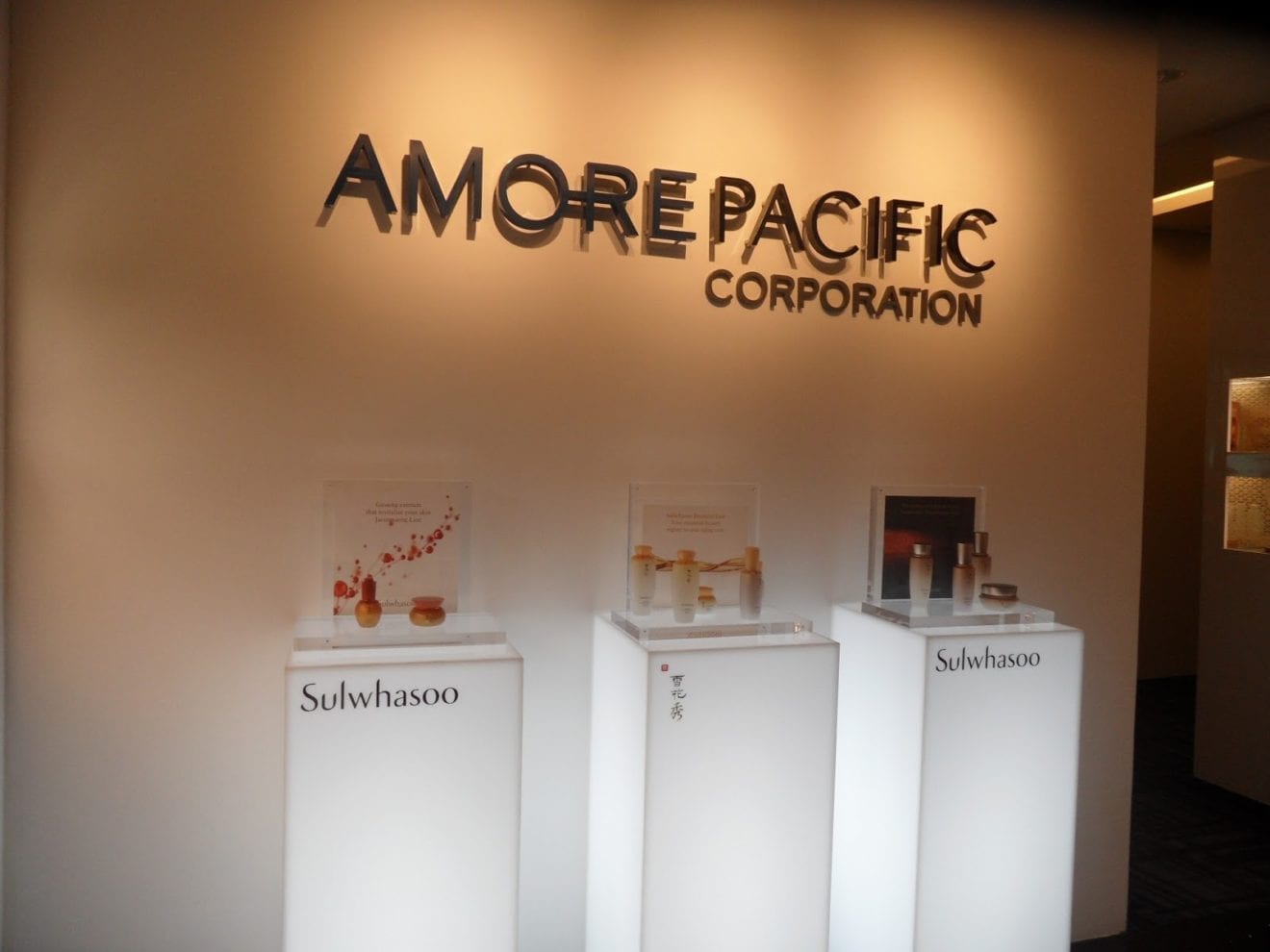
    Amore Pacific‘s first-quarter net profit shrank 15 percent from a year earlier, due largely to a protracted slump in the domestic market amid a rapid drop in Chinese tourists.

    Its net income came to 223.5 billion won (US$197.1 million) in the January-March period, compared with 262.9 billion won the previous year. The operating profit for January-March also slipped 6.2 percent on-year to 316.8 billion won, but sales gained 5.7 percent to 1.56 trillion won in the cited period from a year earlier.

    The company cited a drawn-out slump in its domestic sales, along with a decrease in inbound tourist inflow from China, which followed the ban on trip sales to South Korea by its authorities from mid-March as the main factors that weigh on the profit amid a slow economy. An increase in sales in other foreign markets, however, helped cushion a fall in sales stemming from Chinese consumers.

    South Korea has seen its tally on Chinese tourists plunge by nearly 40 percent since March 15, when travel agencies in China stopped selling tours to Korea on the behest of its government. Such a move by Beijing is seen as part of a string of apparent retaliatory measures against Seoul for the decision to station a U.S. anti-missile system, known as THAAD, on its soil.

    Its operating income from domestic sales, which include the revenue from duty-free stores, dropped 13 percent on-year to 234 billion won as of end-March. Market analysts predicted earlier that AmorePacific may suffer a blow from its mainstay duty-free sales as a result of China’s trip ban. Chinese tourists accounted for half of the foreigners who came into the country last year.

    In contrast, its overseas business posted an operating income of 88 billion won in the first quarter, up 11 percent from a year earlier, with the sales advancing 17 percent to 447 billion won over the cited period. AmorePacific will strive to improve the profitability by realigning the brand portfolio and sales channels in different markets, citing its European unit that logged a 7-percent on-year growth after it bolstered its fragrance lineup, drawing a contrast to the U.S. business which suffered a 16-percent decline in sales.

    The combined operating income of AmorePacific Group, which includes its smaller brands like Innisfree, Etude and other household products, reached 378.5 billion won in the first quarter, down 9.7 percent from a year ago. The sales on a consolidated basis also dropped 5.5 percent on-year to 1.75 trillion won.

  • Ikea gets approval to enter the Philippines

    Ikea gets approval to enter the Philippines

    The Philippine Board of Investments (BOI) has approved Ikea’s entry into the Philippines, following a bid from Ikano Ltd, the operator and franchise-rights owner of the Swedish furniture giant in Asia.

    The ready-to-assemble furniture and appliance maker first mentioned it had plans to enter the Philippines as early as 2013, but has so far failed to do so.

    According to BOI documents, Ikea has prequalified under the Retail Trade Liberalization Act of 2000 last November to open stores in the Asian market, as reported by Business Mirror.

    All foreign retailers must have a net worth of either $200 million or $50 million, depending on its classification as a foreign retailer under the Act, before retail trade can commence.

    The firm must also have five operating retail stores in other global locations or own at least one store worth $25 million, and a five-year track record in retailing, which Ikea does.

    Ikea is also said to be registering with the Securities and Exchange Commission for its capitalisation requirement.

    No further information on store locations or manufacturing has been revealed.

    Speaking at a media roundtable held on the occasion of the 70th year of Sweden-Philippine Diplomatic Relations in March, the Swedish ambassador to the Philippines, Harald Fries confirmed in March that Ikea will be setting up in the Philippines soon, bringing employment to the region.

    “There would be great opportunities for Filipinos to find work and there would be investment in putting up stores,” Fries said.

    “I won’t be surprised that once they have set their camp here, they’ll be looking for local manufacturing. I think that would be wonderful and interesting for the Philippines,” Fries added.

    Launching in 1943, Ikea — Ingvar Kamprad Elmtaryd was founded by 17-year-old Swede Ingvar Kamprad.

    Ikano owns and operates home furnishing stores in South East Asia and under the franchise rights from the Swedish firm IKEA Systems BV. The company was incorporated in 1980 and is based in Singapore.

    The BOI is an attached agency of Department of Trade and Industry (DTI). It is the lead government agency responsible for the promotion of investments in the Philippines.

  • 25 cellcos test 5G in Q1, says GSA

    25 cellcos test 5G in Q1, says GSA

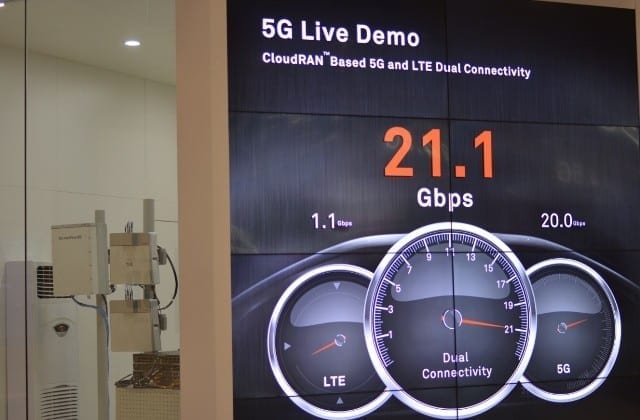
    The GSA (Global mobile Suppliers Association) has said that in the first quarter alone at least 25 operators from 15 countries have demonstrated 5G technologies, or announced 5G tests, or trials.

    And 18 operators are currently committed to the implementation of services based on pre-standards 5G technology by or before 2019, says the GSA quarterly “Evolution from LTE to 5G” report.

    Although the GSA does not name all the specific pre-5G operators within the report, it does mention Etisalat, Telia Sonera, TIM and Verizon as four examples.

    A further 26 operators are trialling, deploying or planning LTE-Advanced Pro networks exhibiting multiple Rel-13 features such as those related to carrier aggregation, modulation scheme, MIMO, latency and MCPTT (mission-critical push-to-talk).

    An important milestone was reached in March 2017 when the 3GPP agreed on an intermediate target for early completion of Non-Standalone (NSA) 5G NR mode for enhanced mobile broadband. NSA mode anchors connections in 3G, using 5G NR carriers to augment data rates and reduce latency where needed. It was agreed to work towards finalization of the NSA standard by March 2018.

    At the same time, the group said it was still committed to completing the standard for Standalone (SA) 5G NR mode by September 2018. In February 2017, a large group of operators and vendors had lent their public support to this new approach, expressing the view that it will enable standards-based field trials to begin in 2019.

  • Lotte refashions outlet to target families and kids

    Lotte refashions outlet to target families and kids

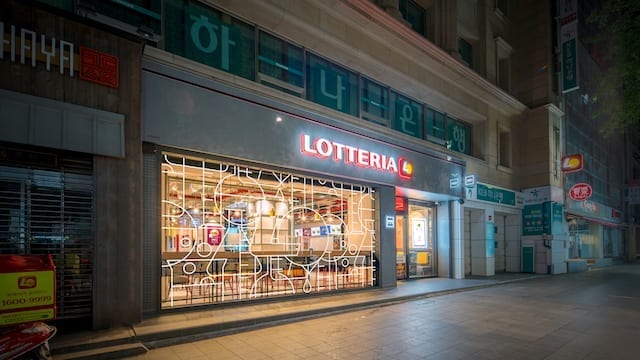
    The renovated branch of Lotte Premium Outlets in this suburban city about 30 miles south of Seoul looks more like an amusement park than a shopping mall for bargain hunting.

    At its Incheon outlet location, Lotte has opened a three-story complex catering to families with children. There are cafes with ball pits and slides, job experience zones where kids can pretend to be doctors and firefighters, and a large Toys ”R” Us store that anchors it all. The Incheon branch is not just for shopping but also for outdoor activities for families.

    Since opening the location in 2013, Lotte found that 75 percent of visitors were in their 30s and 40s. That’s 6 percentage points higher than the share of people who visit other outlet branches outside Seoul. The company figured that more shops and facilities for family visitors, especially kids, be better for customers.

    Another factor was the growing popularity of children’s products in Korea. Between 2012 and 2016, the industry’s revenue expanded from 27 trillion won (US$24 billion) to 39 trillion won. A good portion of the outlet’s new building is dedicated to play. On the third floor, a job experience zone lets kids experience diverse occupations, from veterinarian to firefighter and even urban planner. There is a fee – 22,000 won for kids between 5 and 13 and an extra 4,000 won for an accompanying adult – but there is no limit on time.

    In another play space, called Doctor Balance, children can test their physical strength, including muscle endurance and responsiveness, on playground sets that resemble gym equipment. Next to the job experience zone is a Toys “R” Us. Lotte is the Korean operator of the U.S.-based toy store, but so far, it’s only installed stores in its supermarket chain Lotte Mart.

    The location in the Incheon outlet is the first time Lotte is running a Toys “R” Us outside the mart. An outlet spokesman said the toy store will have about 6,000 products. The building’s second floor has more shopping areas, but even they’re dedicated to kids. Outdoor brands Nepa and Blackyak, for instance, are selling swimsuits and backpacks for children. Out of 47 brands in the new space, 32 are specifically kids’ brands.

    There’s something for the parents, too. Various fast fashion brands, including Uniqlo and Topten, have set up shop, and automaker BMW has opened one of its Motorrad cafes where car aficionados can enjoy coffee while browsing BMW-themed apparel.

    Lotte Premium Outlets’ Incheon location holds the title of biggest outlet in Asia with a floor space of 53,000 square meters (570,000 square feet). An average 15,000 people visit daily, and it has generated 1.2 trillion won in revenue since opening. The company expects the new Fashion & Kids Mall building to boost the number of visitors by 20 percent.

  • The KAfe, Coffee Inn died young, but milk-tea chains thriving

    The KAfe, Coffee Inn died young, but milk-tea chains thriving

    The KAfe, Coffee Inn and Saigon Café recently shut down, following the closure of big foreign chains Gloria Jean’s and NYDC in recent months.

    Discouraged by the departure of such chains, many investors have postponed their plans to open new shops.

    Meanwhile, more and more milk tea chains have been established, especially in the north and in Hanoi. This has been a surprise to analysts, as the north is a conservative market where people prefer coffee to sweet drinks like milk tea.

    It is estimated that 170 milk tea brands have appeared in the market so far this year, both privately branded and franchised ones.

    Unlike the ‘milk tea waves’ in previous years, this year witnesses the mushrooming of  milk tea shops in non-Hanoi provinces, especially in Bac Ninh, Hai Phong, Quang Ninh and Phu Tho.

    In Bac Ninh alone, 30 milk tea brands turned up in the market in March and April with hundreds of shops, both small kiosks to larger shops (15-20 tables).

    Ding Tea is the best known brand with 100 sale points, followed by Toco Toco with 50 shops. Other brands have been present in the market for a long time, such as Chatime, ChaGo and ChaChaGo.

    Other milk tea chains, franchised ones, such as Bobapop, Citea Fund and Blackball, have been expanding rapidly in the capital city. GongCha and TraTien Huong originated from HCMC, and have also landed in Hanoi.

    Amy Truong, the owner of Toco Toco, said milk tea is suitable to different groups of consumers, from youth to office workers.

    Two brands, which have just appeared, have been developing at a fast pace – Goky and Mr.Good Tea. Goky has more than 100 shops after five months of operation, while it plans to open six more shops in May.

    Meanwhile, Mr. Good Tea has more than 20 sale points after half a year of making its debut, not only in Hanoi, but in many other northern provinces.

    Analysts said there were two reasons that had made milk tea become the favorite investment field.

    First, investors don’t have to spend too much money on shop decoration, setup, staff and formula. Second, milk tea is said to bring big profits. Sources said VND2,000 worth of tea powder is used in a glass of milk tea priced at VND20,000.

    “It seems that it is now easiest to sell milk tea,” the CEO of a beverage chain said. However, he warned that those who want to jump into the market will have to compete with dozens of existing brands.

  • Nearly one in five smartphones shipped are fake

    Nearly one in five smartphones shipped are fake

    Nearly one in five mobile phones and one in four video game consoles shipped internationally are fake, according to a new OECD report.

    Trade in Counterfeit ICT Goods finds that a growing trade in counterfeit IT and communications hardware is impacting consumers, manufacturers and public finances.

    Smartphone batteries, chargers, memory cards, magnetic stripe cards, solid state drives and music players are also increasingly falling prey to counterfeiters.

    On average, 6.5% of global trade in ICT goods is in counterfeit products, according to analysis of 2013 customs data. That is well above the 2.5% of overall traded goods found to be fake in a 2016 report.

    The high value of smartphones and ICT accessories and insatiable demand makes them a lucrative target for counterfeiters, and cautions that the number and range of affected products is growing.

    Counterfeit ICT goods entail health and safety risks, service outages and loss of income for companies and governments. China is the primary source of fake ICT goods, and US manufacturers are the most hit by lost revenue and erosion of brand value. Almost 43% of seized fake ICT goods infringe the IP rights of US firms, followed by 25% for Finnish firms and 12% for Japanese firms.

    Counterfeits are goods that infringe trademarks. In an industry that relies heavily on intellectual property rights, ICT counterfeiting preys on consumers’ trust in established brands and poses risks to their health, safety and privacy. Counterfeit phones can contain more hazardous substances like lead and cadmium, while fake phone chargers can mean fire and electric shock risks. Fake intermediary ICT devices and components, including transistors, printed circuits and radio masts, are also being shipped.

    The report estimates the value of global trade in counterfeit ICT goods at $143 billion as of 2013, based on data from nearly half a million customs seizures around the world over 2011-13. Almost two-thirds of counterfeit ICT goods are shipped by express and postal services, significantly complicating the screening and detection process.

    The ICT sector accounted for 5.5% of total value added in the OECD area in 2013, equivalent to about USD 2.4 trillion. World exports of manufactured ICT goods grew 6% per year from 2001 to 2013 to USD 1.6 trillion, with China exporting almost a third of the total.

  • Bitcoins are to be accepted in more than 260,000 stores in Japan

    Bitcoins are to be accepted in more than 260,000 stores in Japan

    Major bitcoin exchanges in Japan are teaming up with retailers to start a transaction revolution that would allow stores to accept Bitcoin payments.

    Bitcoin is an example of a cryptocurrency, i.e., a digital currency that’s based on a data structure called Blockchain. A blockchain is a digital ledger that allows for recording and keeping transactions in a decentralized and cryptographically secured manner.

    Each block in a blockchain is maintain by so-called “miners” through servers spread all over the world. These miners then receive cryptocurrencies in exchange. While most markets have been slow to accept cryptocurrencies, some retailers are beginning to test the new form of payment.

    According to the Nikkei Asian Review, Japanese consumer electronics retail chain Bic Camera is going to try out a payment system using Bitcoin in two of its stores in Tokyo. To do this, it will partner with Bitflyer, which is the largest bitcoin exchange by volume in Japan. At the same time, Recruit Holdings’ retail support arm Recruit Lifestyle plans to work with Coincheck bitcoin exchange to implement a similar system: “Bitcoin will be accepted at 260,000 shops by this summer,” the company stated.

    Currently, about 4,500 stores in Japan accept Bitcoin as payments. Furthermore, in a Bitcoin.com interview this January, said Kagayaki Kawabata, Coincheck’s Business Development Lead, disclosed that there are already more than 5,000 merchants and websites in Japan that accept Bitcoin payments using the company’s system.

    The move to adapt Bitcoin isn’t an arbitrary one, of course. Aside from security, another reason for opting for cryptocurrency is the relative ease with which transactions can be conducted. Bitcoin allows tourists to make purchases in Japan without having to go through currency exchange rates. Additionally, if more outlets accepted Bitcoin, more individual consumers would likely be persuaded to get Bitcoin accounts.

    The rise of cryptocurrencies like Bitcoin may be ushering in a new way of conducting financial transactions. To date, over 20 million people worldwide now use Bitcoin. Bitcoin is no longer seen as something to be hoarded — it’s used for shopping. As Japanese stores adapt Bitcoin, this cryptocurrency is steadily making its way into mainstream financial transactions.

  • Lacoste opens boutique at Indira Gandhi International Airport

    Lacoste opens boutique at Indira Gandhi International Airport

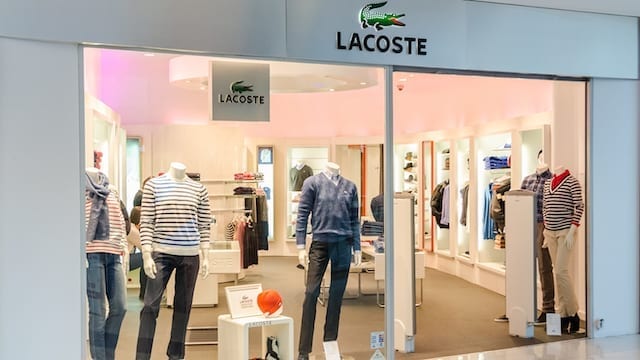
    Lacoste has opened a 1076sq ft store at Indira Gandhi International Airport Terminal 3, Delhi, India.

    The brand said the boutique aims to offer a premium shopping experience to both local and international travellers.

    Lacoste said it reinforces the consumer experience in travel retail through channel specific products and visual merchandising

    Lacoste has more than 170 travel retail boutiques worldwide. The company said it will continue to leverage the travel retail channel to strengthen or expand in new areas, develop new channels, such as e-commerce and cruise, and new ways of connecting with consumers before, during and after their trips.

  • DoCoMo wins Indian court case over TTSL exit

    DoCoMo wins Indian court case over TTSL exit

    India’s Delhi High Court has found in favor of Japan’s NTT DoCoMo and local holding company Tata Sons in their dispute with the Reserve Bank of India (RBI) over an international arbitration settlement.

    With the verdict DoCoMo will be entitled to collect the $1.18 billion award reached in a settlement agreement in the London Court of International Arbitration, associated with DoCoMo’s planned exit of the Tata DoCoMo Indian telecoms joint venture.

    When DoCoMo first entered the joint venture in 2008 via an investment in Tata Teleservices, it was with the condition that the operator would be entitled to sell its stake in the venture at a predetermined sum if it chose to leave the venture.

    DoCoMo attempted to exercise this option in 2014 after the joint venture failed to perform as desired, and when Tata Sons failed to find a buyer the holding company applied to the RBI to make the acquisition.

    But the RBI blocked the transaction on the grounds that it violates Indian regulations restricting the sale of shares at a price higher than market value.

    DoCoMo entered international arbitration with Tata Sons and Tata Teleservices in an attempt to break this deadlock, and the court awarded DoCoMo with $1.17 billion in damages.

    But the RBI objected to this transaction, and DoCoMo accordingly brought the case before the Delhi High Court. DoCoMo and Tata entered a settlement agreement in February, but the RBI once again sought to block the enforcement of this agreement on the grounds that it would be circumventing Indian regulations.

    Tata Sons was required to deposit the $1.18 billion with the court while the case was being held. The settlement can now be transferred to DoCoMo in exchange for the operator’s shares in Tata Teleservices..

  • Metro to open first store in Jinan

    Metro to open first store in Jinan

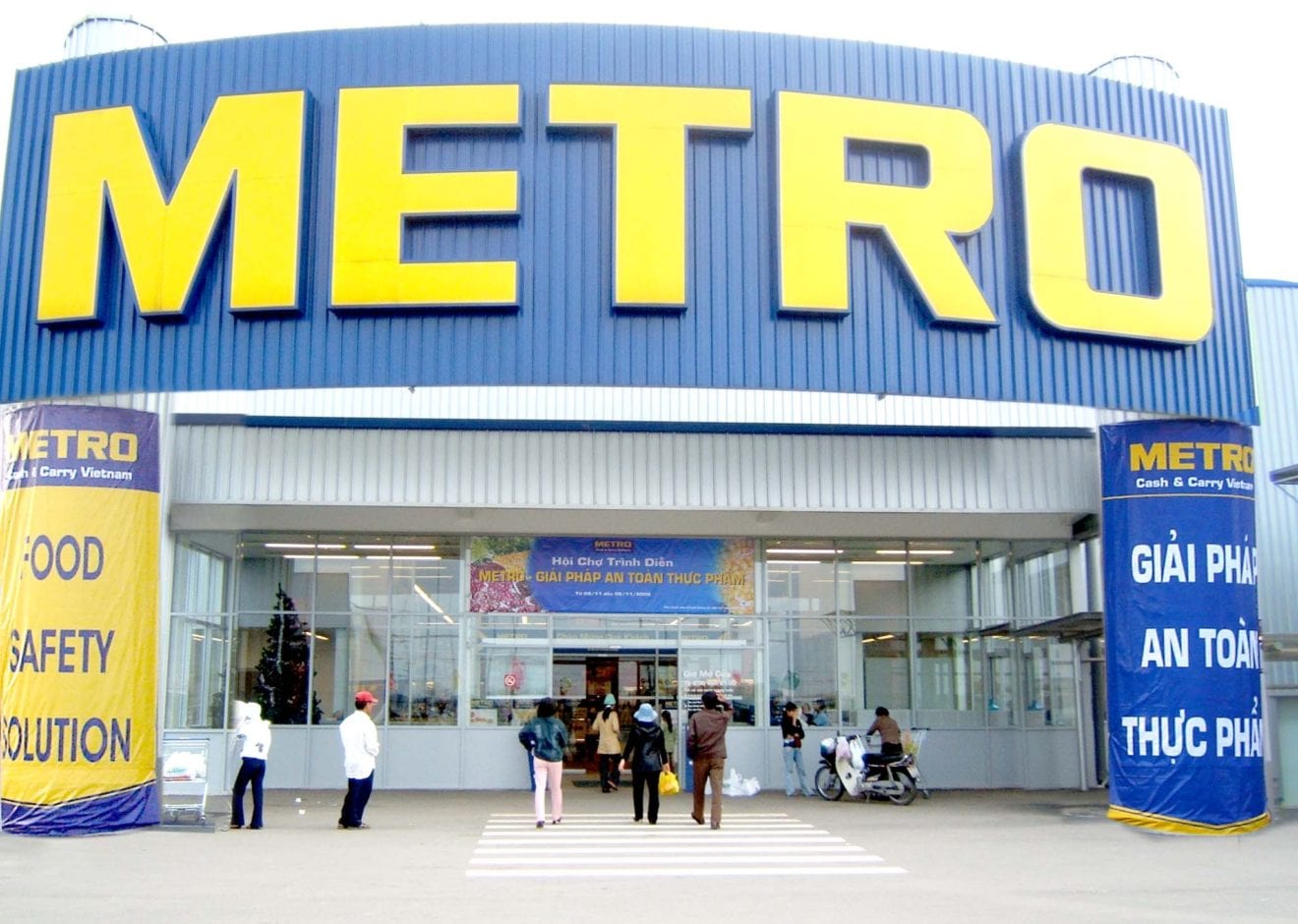
    European supermarket chain Metro plans to open its first store in Jinan, Shandong province in August 2017.

    Located in Jinan’s Huaiyin district, Metro’s new supermarket started construction on November 15, 2016. So far, its main steel structure has been completed and main ceiling installation is nearly completed. With an area of 7,900 square meters, this new store is expected to open in August 2017.

    Metro’s entry into Jinan will boost Jinan’s business community and its cash and carry business model will lift the grade and competitiveness of the service industry of the city.

    Metro entered Shandong province in 2001; however, the company only opened one store in Qingdao over the following ten years. After 2010, Metro accelerated its development in Shandong and opened stores in cities like Yantai, Zibo, Linyi, and Weifang.

    At the same time, Ikea‘s new store in this area of Jinan will also start operation in August 2017.