Author: Mei Ling Tan

  • Accolade to showcase new Aussie wines in Singapore

    Accolade to showcase new Aussie wines in Singapore

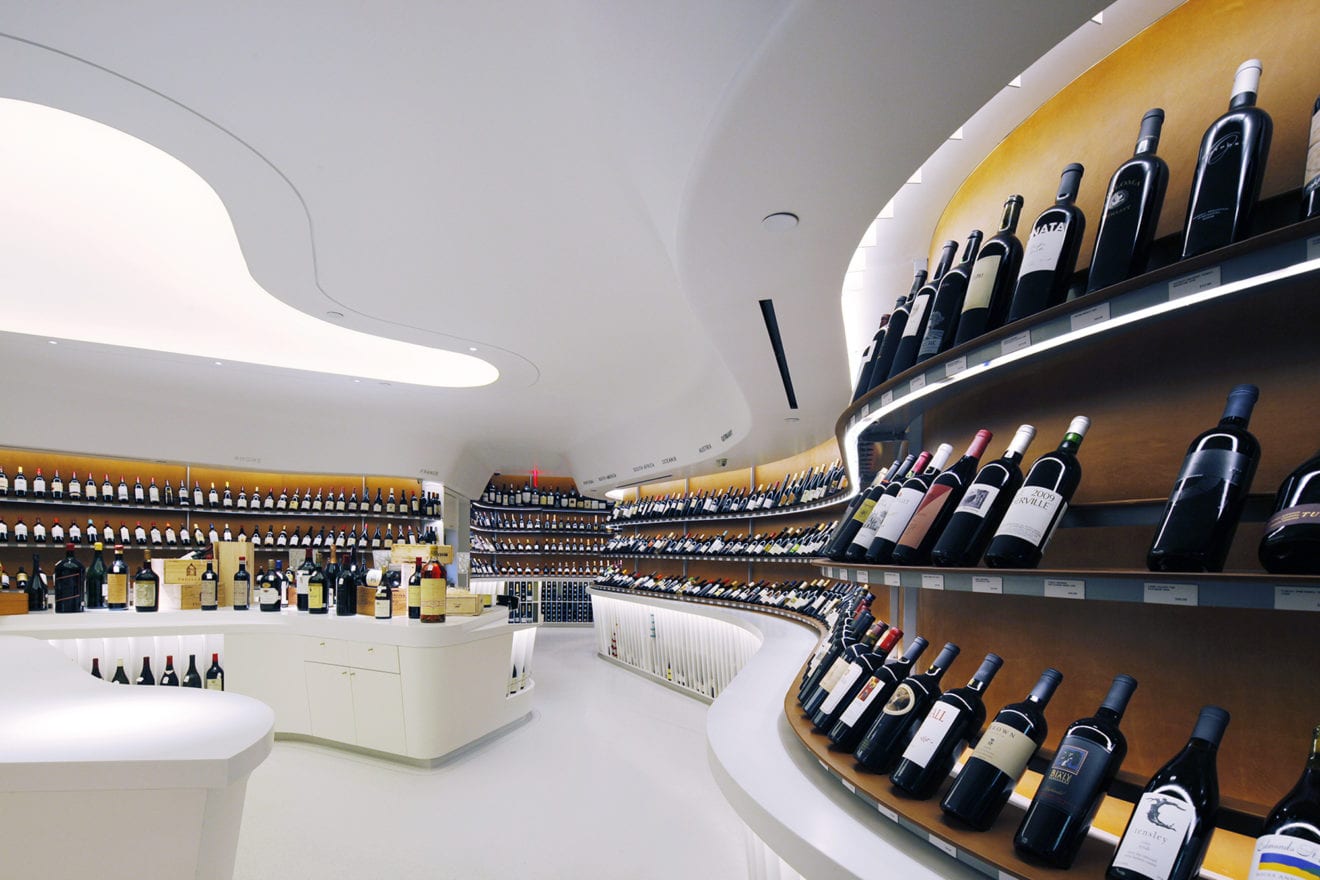
    Accolade Wines will be introducing an enhanced portfolio to visitors at the upcoming TFWA Asia Pacific Exhibition (Basement 2, J5) following the acquisition of six wine brands from Australia: Petaluma, Croser, St Hallett, Knappstein, Stonier and Tatachilla.

    These newly introduced brands reside in some of Australia’s most renowned wine regions, including Adelaide Hills, the Barossa Valley, McLaren Vale and the Mornington Peninsula.

    Rupert Firbank, Commercial Director, Accolade Wines, comments: “We have been experiencing significant growth in global travel retail and domestic markets over the past six years.

    “This has been supported through the acquisition of up-and-coming brands that have allowed us to expand our global footprint and add a great breadth to our portfolio.

    HARDYS APPROACHES 165TH BIRTHDAY

    “Our previous acquisitions of Geyser Peak in the United States, Grant Burge Wines in Australia, Mud House in New Zealand and Vina Anakena in Chile have been hugely successful, so we are confident that these new additions will add another dimension for our customers.

    “TFWA Asia Pacific Exhibition & Conference is the ideal opportunity to introduce these new wines to our Asian partners.

    “Being able to sit down face-to-face with them makes a big difference in being able to fully explain the story behind each brand. We invite visitors to the show to come and experience our exciting new wines and our current brands, most notably Hardys wine which is fast approaching its 165th birthday.

  • HSBC takes the long view with Guangdong strategy

    HSBC takes the long view with Guangdong strategy

    After two years of ploughing to become a universal bank in China’s southern Guangdong province that also serves the surrounding region, there is little sign of a full yield in near sight for HSBC Holdings. But HSBC stresses that it always knew the road to harvest would be long and treacherous, and is reiterating its commitment by pumping in more resources to expand services and hiring more staff this year.

    This is despite the fact that the lender made a loss of US$72 million in retail banking and wealth management in China last year. “The [Pearl River Delta] plan is on track,” said Kevin Martin, HSBC’s Asia-Pacific head of retail banking and wealth management. “What we’ve said is that in Guangdong we want to be a full universal bank. We feel that we are able to compete on the ground there, using digital capabilities, to bank the communities in Guangzhou and Shenzhen, and also the surrounds.” In fact, it was these efforts and investments to build out the Guangdong and Pearl River Delta plan that led to the loss last year. “It [the loss] largely reflects investment,” Martin said. “If you look at the underlying HSBC business in China retail, it is profitable. But as you invest into the future, your earnings are a tail.”

    HSBC’s choice of Guangdong and the Pearl River Delta to front its China strategy is hardly surprising, given their proximity to Hong Kong, which benefits the bank as far as Chinese consumers’ recognition of the HSBC brand goes. The bank, first called Hongkong and Shanghai Bank, was established 152 years ago in Hong Kong and a month later in Shanghai.

    “Guangdong residents don’t consider us to be the Bank of China, but when they look at their international needs… they know us and that we are well placed to meet those needs. And obviously for those who come to Hong Kong regularly, it makes sense,” Martin said. In Guangdong, HSBC has expanded its premier offering to mass affluent customers, grown out its mortgage book (though this has been affected by the Guangdong government’s cooling measures) and in December last year announced it would launch credit cards.

    Martin said there were currently 150,000 HSBC credit cards in the market by the end of April, or 5 per cent of the three-million-card target it aims to issue over three to five years that he announced in December when the card was launched. Currently, 600 million to 700 million credit cards are issued in China.

  • Illva Saronno brands in the spotlight in Singapore

    Illva Saronno brands in the spotlight in Singapore

    Italy’s Illva Saronno returns to this year’s TFWA Asia Pacific Exhibition & Conference with the aim of consolidating its brand presence and meeting new clients.

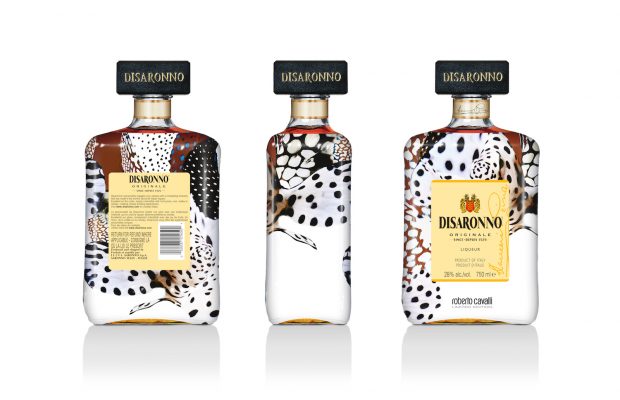
    The brand’s main focus will be on its trademark Disaronno, which is also available as a limited edition with the Disaronno wears Etro bottling.

    Each year, Disaronno forges a partnership with an Italian fashion designer to produce a bespoke bottle. This year’s upcoming collaboration remains under wraps for now, says the brand.

    Also on display will be new packaging for acclaimed coffee liqueur Tia Maria, which is backed by a cerebral marketing campaign fusing traditional marketing with neuroscience and psychology to test customers’ reactions to products and brands.

    Meanwhile, Italian aperitif Rabarbaro Zucca, which is made from an infusion of rhubarb rootstocks and a secret collection of rare herbs, will also be presented to buyers.b

    Zucca is prepared using the root of the true Chinese rhubarb, which grows in mountainous regions of the Gangsu province.

    DISARONNO RISERVA

    Furthermore, Disaronno Riserva – a blend of Disaronno Originale and blended Scotch whisky from the Highland and Speyside Islands – will be presented to buyers.

    The limited edition, which features an eye-catching bottle design, marries the fluid in oak barrels that contained Marsala wine reserves, with Illva Saronno believing the product is particularly well suited for buyers in Asia Pacific.

    Wines from Duca di Salaparuta and Florio will also be showcased, including Duca Enrico, made from Nero d’Avola grapes harvested in an area of south-western Sicily that benefits from a unique relationship between its micro-climate, vines and land.

    Domenico Toni, International Sales Director, Illva Saronno comments: “Asia Pacific is still a very new region for us, and we have been slowly introducing our brands over the past year.

    “We are planning on greatly building our business there, in both travel retail and domestic, over the next 5 years, so the TFWA Asia Pacific Exhibition & Conference is a vital resource for us to accomplish our goals.

    “We first exhibited at the show last year, and received plenty of interest from buyers. We have high hopes that this year will be even more successful for us.”

    Visitors to the TFWA Asia Pacific Exhibition & Conference can sample Disaronno’s famous Disaronno Sours cocktail at the TFWA Asia Pacific bar, situated on level 4 of the convention centre, from Monday to Wednesday at selected times.

  • Growing Internet café lures Chinese company

    Growing Internet café lures Chinese company

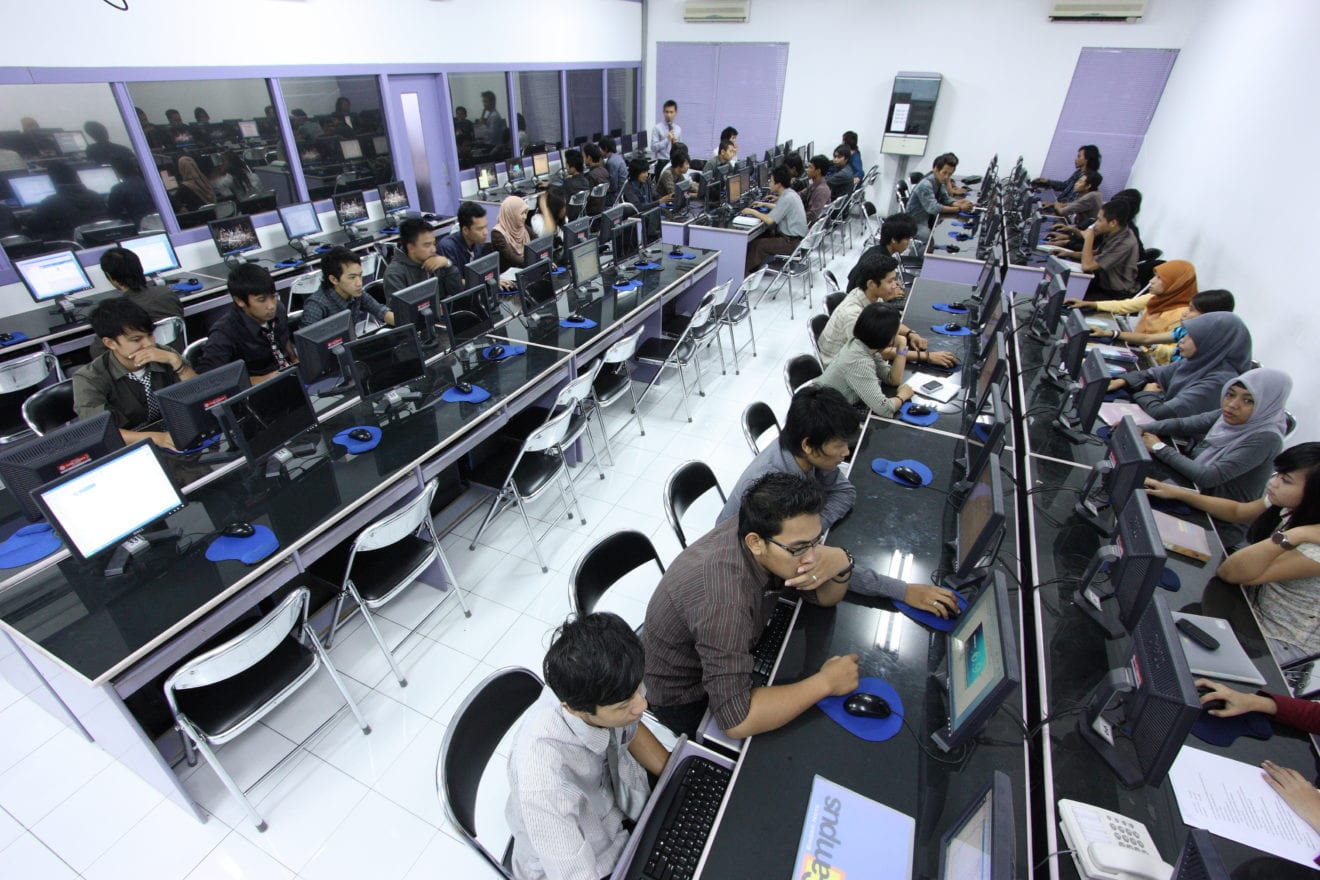
    Chinese computer-peripherals firm Shenzhen Rapoo Technology (Rapoo) is penetrating the growing local Internet Café (iCafé) sector to secure a dominant position in the market.

    The iCafé business is a growing industry here, according to Rapoo Philippines Retail Sales Manager Lem Estiva.

    “A lot of well-known i Cafes, like The Net.Com (TNC) and WarGods, have started expanding and actually franchising,” Estiva told the BusinessMirror on the sidelines of the company’s gaming peripherals launching in early April. “So it’s really a growing business.”

    He said the growth prompted the firm to introduce its gaming peripherals in Manila. He added the series of gaming peripherals they brought into the local market are categorically divided for two types of markets: retail and iCafés.

    “We have entry-level gaming peripherals targetting basically the iCafés for that,” Estiva said. “Meanwhile, the midrange and high-end level —that would be for personal use—target the retail market.”

    A little late

    ESTIVA disclosed they tried to reach out to some of the big local iCafés, including TNC and Mineski Corp. for possible partnerships. However, Estiva said they were a little bit too late.

    “We’ve been communicating with them, I guess for the last several months,” he said.

    Estiva added there was discussion before at the possibility of Rapoo being an original equipment manufacturer for TNC.

    “We provide them the products and have them rebrand it,” Estiva said. “Apparently, we came in a little too late.” Estiva, however, said they are “very hopeful” they can “eventually find other partners”. The Rapoo executive said they are also planning to form their own local eSports team before the year ends.

    “That’s one of our plans this year. I have quite a number of [team] names in my head,” Estiva said. “But I’m keeping them a secret.”

    Since 2014 Rapoo has been signing with teams and athletes, mostly from China, in various eSports titles, including “League of Legends” and “Dota 2”.

    Estiva said some of the iCafé operators already have First-Person Shooter and Dota 2 teams.

    “Usually they discuss with sponsors during the last quarter of the year about partnerships,” he said. “And we just came in the second quarter of this year.” Estiva said he expects the sponsorship by Rapoo starts next year.

    Peripherals

    Rapoo, which has market capitalization of $1.1 billion, began selling in the Philippines a series of wireless mice and keyboards in 2013.

    Last month the company has brought into the country its gaming peripheral series under a subbrand called “VPRO”.

    It is selling two gaming headphone models, which costs P1,515 and P2,945 each. Rapoo has four models of mice to cater to Filipino gamers with prices ranging from P1,245 to P2,190. Three of the four models are for entry-level users that are designed for ambidextrous gamers.

    For its gaming keyboard series, Rapoo VPRO brought nine different models in the Philippine market with prices ranging at a low of P1,265 and P6,730.

    Different league

    ACCORDING to Estiva, the company has an edge against competitors because of its pricing structure. “There are competitors, but we are on a different league. Some of them would be very expensive and for a new brand in the local market, we must have something different to offer on the table,” he said.

    Estiva said Rapoo is “very comparable in terms of design and durability with a very popular [brand].”

    “But it’s competitor’s product expensive,” he said. “So we come up with something similar but with an affordable price.”

    Estiva said Rappoo offers customers a direct product replacement if the products bought were deemed defective within its one-year warranty period.

    Estiva said Rapoo has its own dedicated research and development (R&D) team to ensure their products are of high quality—a way to defy the common Filipino notion that China-made products are substandard ones.

    “That’s why we have an R&D team to check all the products, because we know the reputation [here] of made in China products,” he said. “And because we are competing with other brands who have been in the business for years, we are not going to grow, or worse, we are going to die if we don’t actually provide very good products to the public.”

    Estiva said Rapoo aims to have its brand to be known as “something that would live for a long life”.

    Top three

    AT present Rapoo has two authorized distributors of its products in the Philippines: Techtron Systems Corp. and Philteq Enterprise Inc., according to Estiva. He said a third distributor is currently out of the question, as it could affect the retail price of Rapoo products in the market.

    “Probably the two distributors are enough. Because in the case of Techtron, they handle pretty much the bigger types of resellers and then Philteq would handle the growing ones or those in the mobile business,” he said.

    “So, I think we have pretty much a good balance with those two distributors. Having three would probably create a price war with the resellers,” he added.

    Rapoo Regional Sales Director Johnson Zhang said Rapoo is top three in the Philippine market, traling behind Taiwan-based firm A4Tech Co. Ltd. and Swiss company Logitech International SA. “We are trying our best to get more market share in the market,” Zhang told the BusinessMirror.

    Rapoo Philippines Country Manager Aileen Chua said the company’s revenue from the local market grew by 30 percent in 2016 from 2015. However, Chua did not disclose the company’s top line in the previous fiscal year.

    Plans

    Even with a 30-percent growth, Chua said she sees Rapoo could still perform better in the country, as much of their sales operations are focused in Luzon, particularly in Metro Manila.

    “We feel that we have penetrated Metro Manila well. However for provincial [operations], we are kind of poor in that aspect, because we don’t have the dedicated manpower assigned in those areas of the Visayas and Mindanao,” she said. “Hopefully, this year we could put up some people there who can help us promote the brand.”

    Zhang said the Philippines stands out compared to other countries in the Asia-Pacific region where Rapoo distributes its products.

    “The Philippines is performing quite good compared to most of the countries [where Rapoo is]. It performed very well,” Zhang said. “I think it’s because we have a very strong local team, and because of our quality products and cost-effective performance.”

    Estiva added the Philippines is better than other countries where Rapoo distributes its products in terms of sales target, revenue and market visibility.

    Zhang said Rapoo is currently developing its first wireless mechanical keyboard to be at par with other competitors. He said the company plans to launch it by the end of the year.

    “A lot of other brands are developing wireless gaming [peripherals], so we are also developing the same.”

    Estiva added the firm also plans to introduce in the country its product line for unmanned aerial vehicles or commonly known as a “drone”. According to him, the company has already introduced its drone called “Xiro” in the world market.
  • SM Investments Corporation announces key organizational changes

    SM Investments Corporation announces key organizational changes

    The Board has already conferred upon Mr. Henry Sy, Sr. the role of Chairman Emeritus, in recognition of his role as the founder of SM and all of its core businesses. Mr. Sy, who is a multiawarded entrepreneur and philanthropist, opened the first ShoeMart store in 1958, a business now simply known as SM, and fostered it to become one of the largest holding companies in the country.

    SM has likewise evolved into a dynamic and highly synergistic group of businesses with market leading positions in retail, banking and property development as well as a growing portfolio of other investments that can capture the high growth opportunities in the emerging Philippine economy.

    Board Changes

    Mr. Jose T. Sio was appointed to succeed Mr. Sy as the Chairman of the Board. Mr. Sio, as SM’s Chief Financial Officer for 26 years, was highly instrumental in supporting the phenomenal growth of SM and its subsidiaries. He instilled strict financial discipline across all businesses that later helped the company achieve optimal results even as the whole group maintained a sound and stable financial position. Mr. Sio was a senior partner at Sycip Gorres Velayo & Co prior to joining SM on November 1990.

    New members of the board include Mr. Frederic C. DyBuncio as Director and Mr. Alfredo Pascual as Independent Director replacing Mr. Ah Doo Lim who joined the Board in 2008 and has served the full term as an independent director.

    Mr. DyBuncio brings with him a wealth of experience in banking where he spent over 20 years with JP Morgan Chase and its predecessor companies. He was assigned to various places apart from the Philippines such as New York, Seoul, Bangkok, and Hong Kong and held various executive positions where he gained substantial professional experience in the areas of credit, relationship management and origination, investment banking, capital markets, and general management.

    Mr. Alfredo Pascual just completed his six-year term as President of the University of the Philippines (UP). Prior to his involvement in the academe, he worked at the Asian Development Bank (ADB) for 19 years in such positions as Director for Private Sector Operations, Director for Infrastructure Finance, and Advisor for Public-Private Partnership.

    Mr. Pascual was also among the pioneers in investment banking in the Philippines having held executive positions in State Investment House, Inc., First Metro Investment Corporation, Philippine Pacific Capital Corporation now known as RCBC Capital, and Bancom Development Corporation which eventually merged with Union Bank.

    Management Appointment

    Mr. DyBuncio will assume the role of President of SM Investments in place of Mr. Harley T. Sy who will remain as Executive Director of the Board. Mr. DyBuncio joined SM in 2011 as Senior Vice President and eventually as Executive Vice President handling the company’s portfolio investments. This portfolio has since grown to include Belle Corp., Atlas Mining, the Net Buildings, CityMalls, MyTown, and most recently, 2Go.

    These changes affirm the continuing role of professionals in executing the larger vision of SM while further strengthening the group’s good governance and sustainability practices.

  • AirAsia to launch daily flights between Bhubaneswar and Kuala Lumpur soon

    After the successful launch of first direct international flight operation between Bhubaneswar and Kuala Lumpur, AirAsia on Thursday announced to start daily flights between the two destinations soon. The Malaysia-based low-cost airlines will also start flights to enhance domestic connectivity between Bhubaneswar and other Indian cities, said CEO of the airlines, Aireen Omar.

    “We are really overwhelmed with the response we got for launching operations in this latest exclusive direct route between Bhubaneswar and Kuala Lumpur. If the response will continue then we may soon enhance the frequency from four times in a week to daily,” Omar said media persons here. The direct flight will facilitate business and leisure trips not only to Malaysia, but seamlessly connect Odisha with 21 destinations in Asia and over 120 destinations in 24 countries across South East Asia.

    “As a group, India is an important market for us and with the launch of this new route, we show our commitment towards enhancing our connectivity in the country. AirAsia India will soon start domestic flights to increase connectivity between Bhubaneswar with other Indian cities,” she said.

    The airline has also plans to start operation between Bhubaneswar and Bangkok soon, official sources said. “Since we started booking passengers have booked tickets from countries including Singapore, Thailand, Philippines, Indonesia, Vietnam, Australia and New Zealand. In view of the trend we may start direct flights to more destinations from Bhubaneswar,” she said. Describing the tie-up with Odisha government as the beginning of a strategic partnership, she said “Odisha has so much to offer as a tourist destination.

    Our aim is to showcase the unique state to the world and we are committed to build Odisha as a top holiday destination. With AirAsia group’s everyday low fares will be the catalyst in realizing the local market here further enhancing socio-economic developments in the region.”

     Earlier in the day a team of delegates including Malaysia High Commissioner in Malaysia Dato’ Hidayat Abdul Hamid, senior director Tourism Malaysia Datuk Zainuddin had visited the chief minister Naveen Patnaik. “The flight service will certainly enhance the ties between the two countries. We have a long history of cultural and trade ties and th ese relations will go stronger by the day,” said Dato’ Hidayat Abdul Hamid. her tourism minister Ashok Chandra Panda, tourism secretary Arti Ahuja, tourism director Nitin Jawale and other dignitaries were present on the occasion.
  • UnionPay International’s Cross-Border Marketing Platform

    UnionPay International’s Cross-Border Marketing Platform

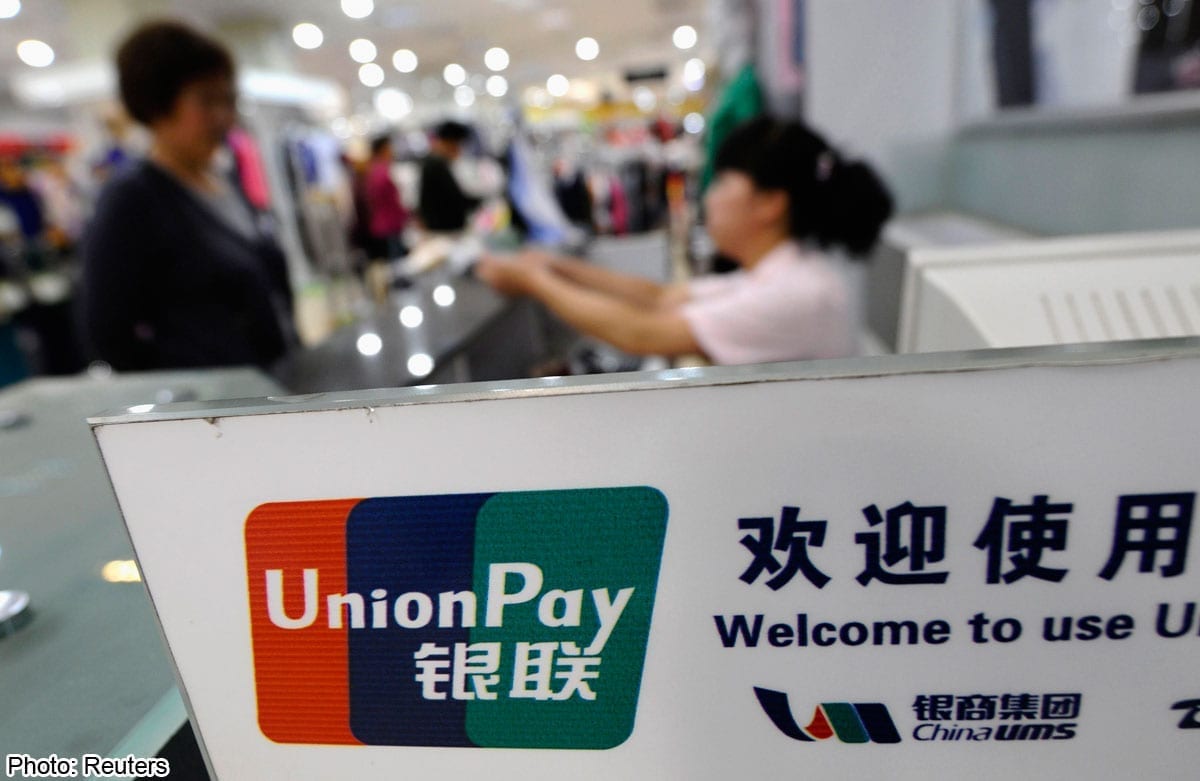
    With the May Day holiday approaching, tourism in Asia is set to experience another peak. In anticipation of the increased tourist arrivals around the world, UnionPay International announced the expansion of its cross-border marketing platform, U Plan, to 1,600 stores in nine countries and regions around the world.

    With U Plan, UnionPay Cardholders around the world can enjoy more savings when shopping with UnionPay Cards locally and overseas. To take advantage of the U Plan benefits, Cardholders can simply download the UnionPay International mobile app on iOS and Android phones prior to their travels. Through the app, Cardholders can access all the latest merchant discounts and promotions available at their travel destinations, and download exclusive U Plan discount coupons to be presented at the participating merchant’s point-of-sales counters together with their UnionPay Card (card number starting with 62), to enjoy additional savings on their travels.

    Since the launch of U Plan in July last year, the cross-border marketing platform has expanded to 300 stores in Hong Kong, Macau, Singapore and Thailand in November 2016. With this latest expansion, the platform now covers 1,600 stores across the globe, as well as merchants in countries including Australia, Japan, New Zealand and the USA.

    Some of the new merchants that have come on board U Plan include:

    Country/Region Merchant U Plan Benefits
    Thailand ShowDC Enjoy 5% and an additional THB100 off when you spend a minimum of THB1,000 with UnionPay Cards upon presentation of U Plan coupon


    Emporium, EmQuartier, Paragon Department Stores Enjoy 10% off with UnionPay Cards upon presentation of U Plan coupon
    Korea Doota Mall Enjoy KRW30,000 off when you spend a minimum of KRW150,000 with UnionPay Cards upon presentation of U Plan coupon


    Doota Duty Free Enjoy KRW20,000 off when you spend a minimum of KRW200,000 with UnionPay Cards upon presentation of U Plan coupon


    Japan Mitsui Outlet Park, Mitsui Shopping Park LaLaport (Toyosu, EXPOCITY), DiverCity Tokyo Plaza, Coredo Muromachi


    Enjoy 10% off with UnionPay Cards upon presentation of U Plan coupon
    Matsumoto Kyoshi Enjoy 7% off when you spend a minimum of JPY30,000 with UnionPay Cards upon presentation of U Plan coupon


    USA Macy’s Enjoy 20% off with UnionPay Cards upon presentation of U Plan coupon


    Australia JR Duty Free Enjoy 10% off with UnionPay Cards upon presentation of U Plan coupon


    T Galleria Sydney Enjoy AUD25 off when you spend a minimum of AUD500 with UnionPay Cards upon presentation of U Plan Coupon


    New Zealand JR Duty Free Enjoy 10% off with UnionPay Cards upon presentation of U Plan coupon


    T Galleria Auckland Enjoy NZD25 off when you spend a minimum of NZD500 with UnionPay Cards upon presentation of U Plan Coupon


    U Plan is the world’s first open cross-border marketing platform launched by UnionPay for Cardholders. By bringing together service providers in the finance, tourism and retail industries, U Plan provides a one-stop marketing platform for UnionPay and its partners to market products and services to Cardholders across geographical borders. Through the use of mobile applications and location services,U Plan enables a high-level of precision for UnionPay and partners to reach out to potential travelers prior to their travels, to promote special privileges and discounts that UnionPay Cardholders can enjoy at their travel destinations.

    To date, U Plan has been well received by merchants and UnionPay Cardholders around the world. Moving forward, UnionPay International plans to expand the platform to more merchants in Europe and the USA, providing a wider range of gifts, discounts and VIP shopping booklets to enhance the overall experience for UnionPay Cardholders.

  • Vietjet launches new routes in service extension program

    Vietjet launches new routes in service extension program

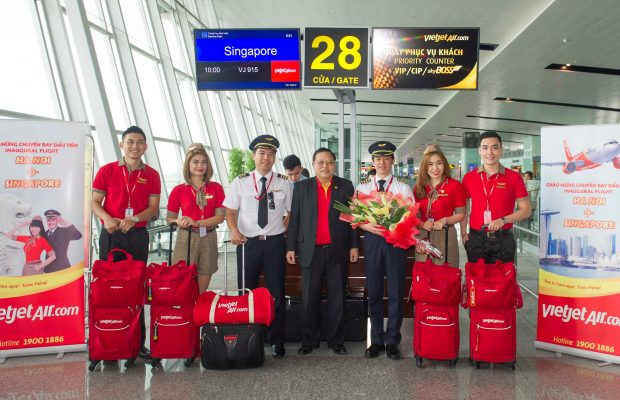
    Vietjet has just launched two new routes on both the international and domestic fronts in its continued service extension program. The new routes are expected to meet the increasing travel demand of individuals, travelers and businessmen, looking to boost trade and integration in the region. At the Changi Airport in Singapore on April 27, 2017, Vietjet celebrated the inaugural of the Singapore-Hanoi route amid fanfare with an exciting flash-mob dance. The ceremony was witnessed by leaders from the new-age carrier and the airport. The first passengers were also presented with gifts from the Vietjet crew. The Hanoi-Singapore flight is operated with 2 hours 55 minutes per leg. The flight from Hanoi takes off at 10:00 (local time) and arrives in Singapore at 13:55 (local time). The return flight departs at 14:55 (local time) and lands in Hanoi at 16:50 (local time). The new route’s tickets are now available for booking within the golden hours from 13:00 to 15:00 at www.vietjetair.com (also compatible with smartphones at https://m.vietjetair.com) or at https://www.facebook.com/VietjetHongKong. Payment can be easily made with debit and credit cards of Visa, MasterCard, JCB, KCP and American Express.

    Singapore is one of the world’s major finance and trade centers. The island-country, also known as Singapura – the lion city, attracts visitors thanks to not only its crowded streets and modern traffic system but also its unique cuisine and diversified cultures. There is a series of entertainment destinations in Singapore such as Universal Studios, Wild Wild Wet, Merlion, Esplanade, Orchard Road and Vivo City, which makes the island a dream land for travellers.

    On the domestic front, Vietjet announced the launch of its route from Hanoi to the capital city of Quang Bing Province, Dong Hoi on June 1, 2017. With tickets priced at VDN99,000 (HKD34), the Hanoi-Dong Hoi flight is operated daily with a flight time of one hour per leg. The flight from Hanoi takes off at 0640 and arrives at 0735 (local time). The return flight departs at 0805 and lands in Hanoi at 0900 (local time).

    There is a series of tourist attractions at Quang Binh’s Phong Nha – Ke Bang national park, which attracts more and more visitors and is also one of the main filming destinations for Hollywood blockbuster “Kong: Skull Islands”. Many tourists have been mesmerized by its magnificent sceneries and well-known sites such as Hang Tien, Cha Noi valley, Hang Chuot, Tu Lan caves, and Son Doong cave. Hanoi is also a must-see destination for tourists thanks to its thousand years of culture and history.

    With its high-quality services, special low-fare tickets and diverse ticket classes, Vietjet offers its passengers enjoyable flights with dynamic and friendly flight crew, comfy seats, amazing hot meals and special surprises from the airline’s inflight activities.

  • DHL launches domestic delivery service with nationwide coverage in Malaysia

    DHL launches domestic delivery service with nationwide coverage in Malaysia

    HL eCommerce, a division of the world’s leading logistics company, Deutsche Post DHL Group, has launched its domestic delivery operations in Malaysia with a range of customer-centric services catered to Malaysia’s growing e-commerce market. Malaysian online retailers will also benefit from DHL’s range of cross-border shipping solutions and network of fulfillment centers globally to enable their international expansion. This will further accelerate the e-commerce market in Malaysia which is expected to grow at CAGR of 15.8% to EUR 1 bn by 2020, largely fuelled by recent initiatives such as the National E-commerce Strategic Roadmap, Digital Free Trade Zone and Economic Transformation Program.

    “E-commerce has become a way of life for Malaysians, with 47% already using their smartphones to shop online,” said Malcolm Monteiro, CEO, Asia Pacific, DHL eCommerce. “Approximately 7 million are already shopping online every month, and with the industry expected to grow to EUR 1 bn by 2020 in Malaysia and globally to US$1 trillion[4] in the same year, businesses need high-quality logistics solutions to leverage this immense growth and meet the rapidly changing needs of online shoppers. This makes the need for a tailored e-commerce delivery service greater than ever before.”

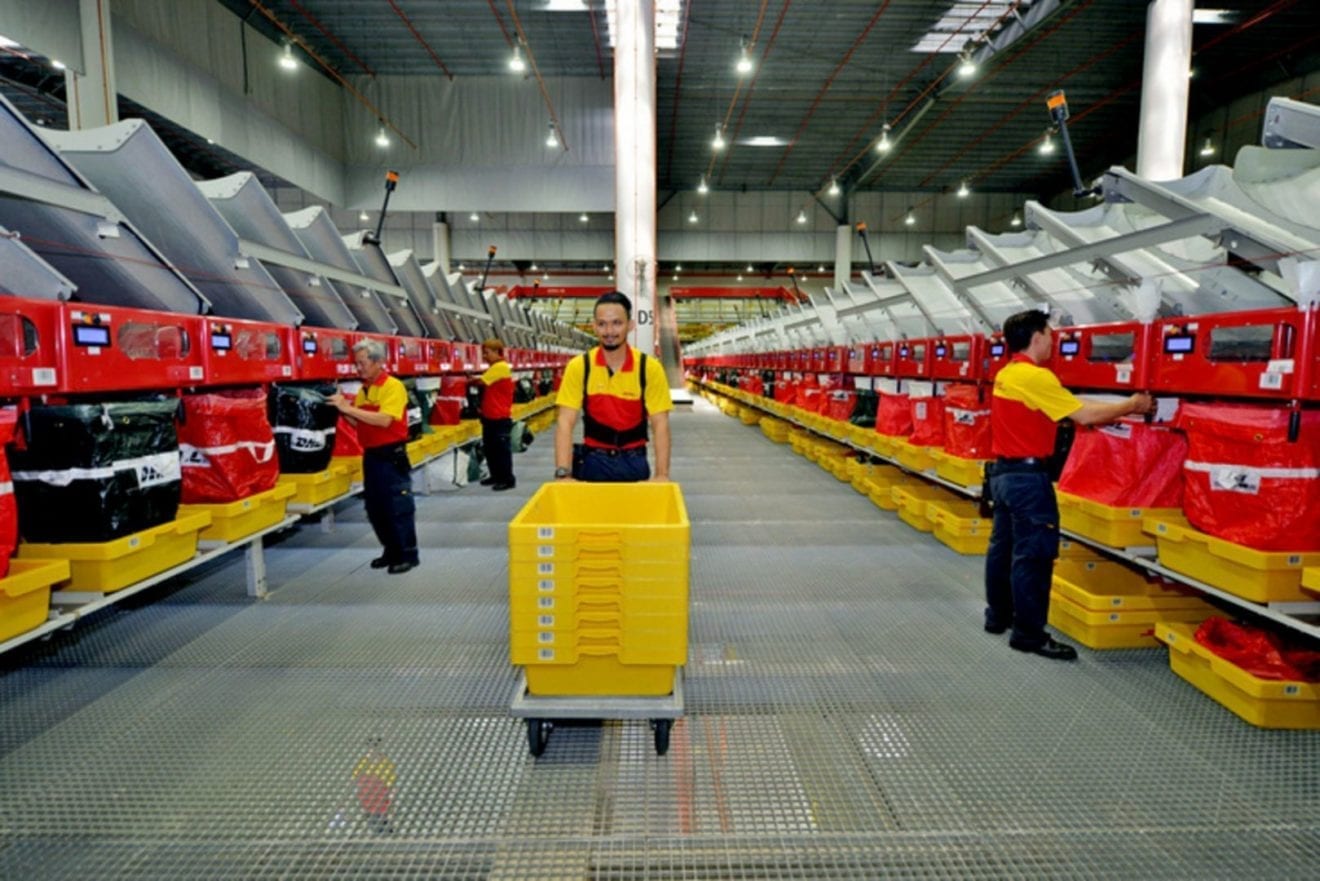
    The investment in Malaysia includes a 48,000 sq ft central distribution hub in Puchong as well as depots in Penang, Johor Bahru, Cheras and Puchong and a fleet of 2-wheel and 4-wheel vehicles. The fleet of vehicles will provide next-day delivery to all urban areas in Klang Valley, Penang and Johor Bahru, and two to four day delivery to all other locations across West Malaysia and East Malaysia.

    DHL eCommerce’s end-to-end domestic delivery solutions will offer pick-up services, track and trace, reverse logistics, cash on delivery with daily remittance and call center capabilities for deliveries within Malaysia. It aims to provide best-in-class domestic delivery with quick, predictive and secure delivery.

  • Sa Sa International’s shares decline on profit warning

    Sa Sa International’s shares decline on profit warning

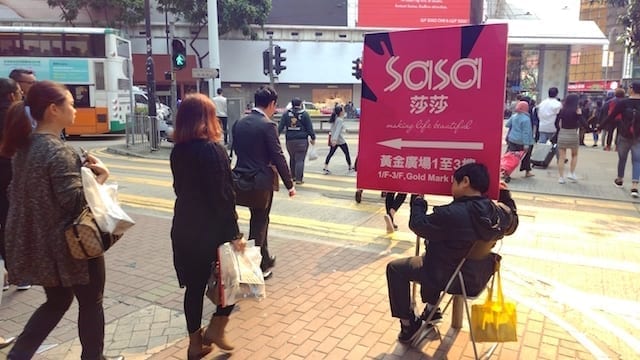
    Shares of Sa Sa International Holdings, Hong Kong’s largest cosmetics chain, declined almost 1% here on Wednesday morning after the company warned of a profit decline for the financial year ended in March.

    Although Sa Sa’s turnover during the three months through March was 2.02 billion Hong Kong dollars ($260 million), increasing 4.9% from the same period a year earlier, investors were discouraged by a separate filing that indicated net profit for the full financial year could fall anywhere from 10% to 20%.

    The group carries both its own brands and international cosmetics. It boasts over 280 stores across Asia. While sales in its major markets of Hong Kong and Macau recovered toward the end of 2016, online sales were below expectations.

    Simon Kwok Siu-ming, Sa Sa’s chairman and CEO, said in a statement that the group’s efforts to adjust its product lineups to better align with a market demanding trendy products has “caused a continued downward pressure on gross profit margin.”

    Hong Kong’s entire retail environment is facing headwinds due to fewer tourist arriving from mainland China. Retail sales in the territory last year dropped 8.1%.

    Some analysts see a recovery — at least one led by mainland tourists — as hard to come by.

    “Retail sales in Hong Kong are not going to have a strong boost from Chinese tourists like before,” said Andes S.C. Lau of Prudential Brokerage in Hong Kong.

    Still, further big drops are unlikely.

    Lau sees Sa Sa’s share price, which is hovering at a year-to-date low, as being “supported by investors buying on weakness.”

  • Myanmar’s First Private Bank to modernise banking operations with Misys

    Myanmar’s First Private Bank to modernise banking operations with Misys

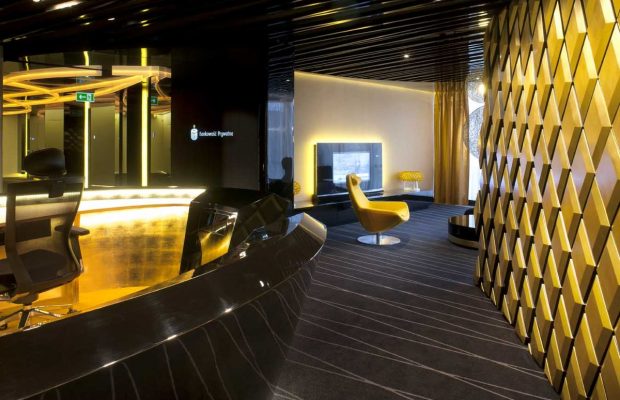
    First Private Bank (FPB) has chosen Misys FusionBanking to streamline operations and digitalise as it takes a significant role in contributing to Myanmar’s growing economy. The bank, which received the first banking licence in Myanmar in 1992, aims to facilitate access to financial services for all and will transform its retail, corporate and digital offering to bring new products and enhanced services to customers quickly and efficiently.

    “The market here has been through immense change across all industries, and banking is no exception. As we come into a period of expected rapid growth, competition is heating up and customers are demanding superior products and services,” said Dr Sein Maung, Chairman at FPB. “Our mission is to deliver efficient, transparent and trustworthy banking to all and we know that requires a slick, modern technology platform at the core. Misys technology is flexible and scalable and will form the foundation for efficient, digital banking here at FPB.”

    Myanmar’s economy is expected to grow an average of 7.1 percent per year in the next three years. Amidst increasing competition, FPB will be able to provide consumers and businesses with relevant and innovative products and services and shape an enhanced digital experience. This will enable it to capture a greater share of the country’s retail and corporate banking market, including opening up services to those that are currently unbanked.

    This project will see Misys FusionBanking Essence and Digital Channels provide an efficient, connected front, middle and back office with advanced analytics to support the bank in better understanding consumer needs. FPB will be able to launch personalised products quickly and cost effectively in line with demand. Customers will be able to view and access their accounts across channels, get salaries credited electronically, transfer money and pay bills from different branches or on the go via mobile. The FusionBanking Insight analytics module will also enable the bank to track performance and obtain a consolidated view of customer preferences.

    Meanwhile, Misys FusionBanking Trade Innovation and Corporate Channels will help the bank provide unified online commercial banking services and digitalised, efficient trade finance capabilities. The move will ensure rapid access to trade finance and working capital for corporate clients, and support Myanmar’s businesses in expanding into international markets. With an automated trade finance solution, the bank can grow volumes quickly and securely with minimal impact on operations.

    “Creation of a stable banking system has a powerful part to play in supporting this phase of Myanmar’s economic and social growth,” said Simon Paris, President at Misys. “Developing regions can often leap-frog mature banking market challenges, since they are not saddled with legacy technology and processes and can modernise faster. Digital services like those we are providing to FPB make a significant difference. This is especially true in a country where many locals are underbanked but now have access to the latest smartphones, having skipped chunkier mobile models of yesteryear. Bringing modern technology into the bank to support this changing dynamic and drive inclusive financial services is aspirational and speaks to a positive future.”

    Big Byte International was instrumental in the deal which saw Misys chosen over other core banking vendors for its modern, componentised technology and expertise in the region. Amit Johari (AJ), CEO, Big Byte International said, “With the launch of our third entity in Myanmar, Big Byte International will continue to provide consulting, sales and support services to banks and FIs across Asia. Myanmar is our key growth market in addition to Singapore and India.”

    With a growing customer base in Myanmar and Asia Pacific, Misys will help FPB to incorporate best practices, processes and technology. Misys FusionBanking will replace the bank’s partially computerised distributed branch system.

  • VoIP and SIP trunking revenues growing strongly

    VoIP and SIP trunking revenues growing strongly

    The benefits of VoIP access and SIP trunking services are prompting enterprise customers to transition to fully converged, IP-based networks, without having to overhaul existing IT networks, according to Frost & Sullivan.

    The research firm forecasts that market revenue will grow at a compound annual growth rate (CAGR) of 21.5% from 2015 to 2020, and a user base at a CAGR of 18.1%.

    Businesses aiming to lower operational expenditure and obtain significant returns on investments are being drawn to SIP trunking’s attractively priced services, layered with value additions such as voicemail, mobility and collaboration tools.

    Disruptive pricing, packaging, feature/functionality and business models within the existing VoIP access and SIP trunking market, as well as the emerging Communications Platform as a Service (CPaaS) space, are accelerating adoption among enterprises and heating up competition among service providers.

    “There are significant opportunities for providers of IP-based voice access to build on current successes and branch out into the emerging CPaaS arena,” said Frost & Sullivan Digital Transformation Industry Analyst Michael Brandenburg.

    “CPaaS offerings are emerging as an on-demand alternative to traditional communications services, prompting companies to build, buy or partner, to enable an application program interface (API)-level integration with voice services.”

    While the current adoption of CPaaS is largely limited to app developers and aggressive startups, customer demand for multiple ways to communicate with businesses, including voice, video and text messages will drive adoption among larger enterprises as well.

    “This is the right time for service providers to penetrate the emerging CPaaS arena through mergers and acquisitions that add breadth and depth to the existing portfolio and customer base,” noted Brandenburg.

    “Targeting competitors such as start-up CPaaS providers and API developers will provide complementary network footprint and service capabilities, helping the market grow significantly.”

  • ALC and NFF agree key freight strategy priorities

    ALC and NFF agree key freight strategy priorities

    With less than a fortnight until the Federal Budget is handed down, it was an opportune moment for the peak bodies representing the nation’s freight logistics and farming sectors to underscore their common interests and agree priority areas for action.

    “This meeting allowed ALC and the NFF to explore the key infrastructure issues involved in getting produce from the farm into our cities and ports,” ALC Managing Director Michael Kilgariff said.

    “We know Australian households want to purchase the freshest possible produce when they do their shopping. We also know that Australia’s high-quality agricultural produce represents an enormous export opportunity. However, industry can only meet the expectations of domestic and international consumers if we have a safe and efficient supply chain.”

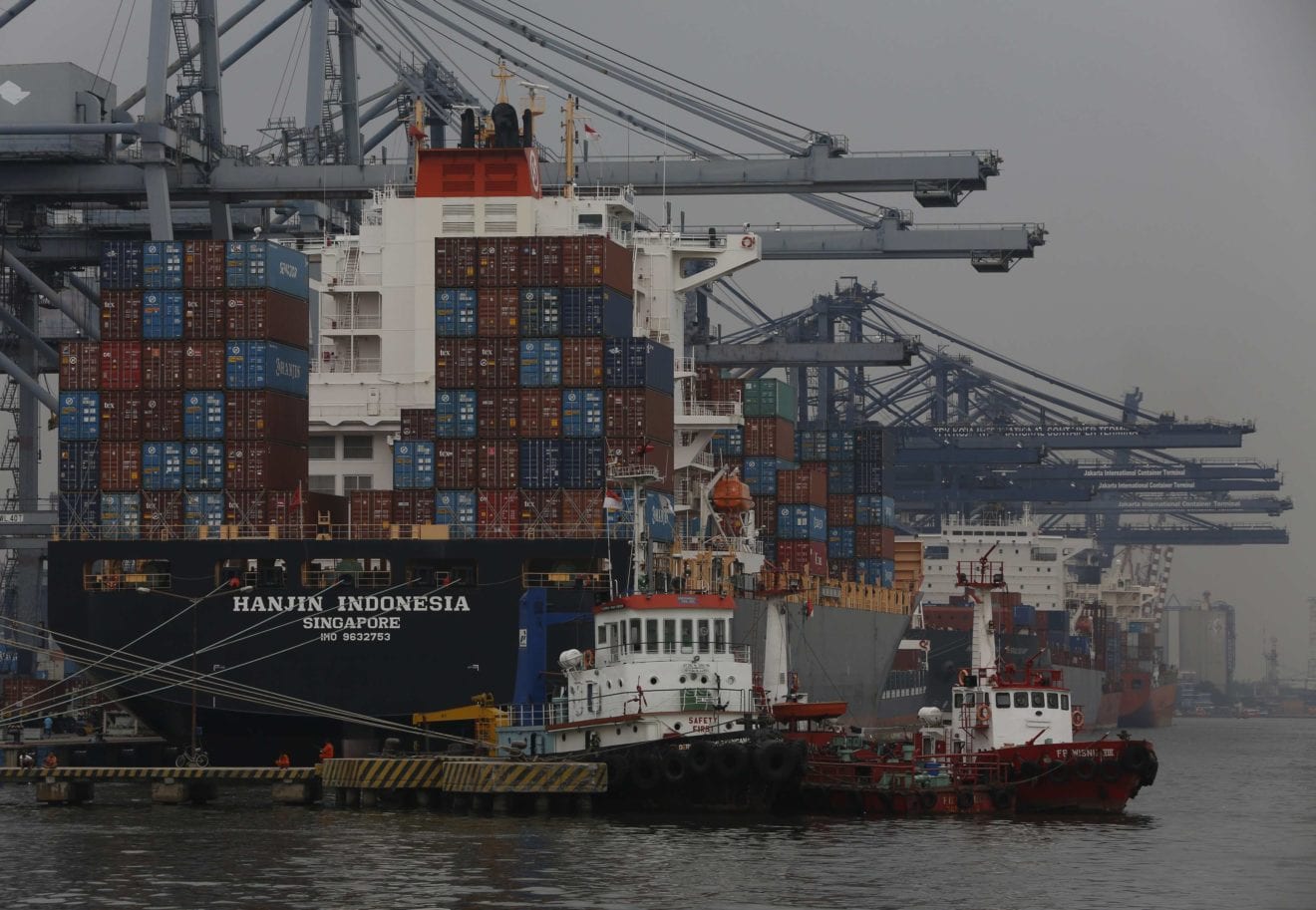
    “This requires governments to make the necessary regulatory improvements and infrastructure investments, including constructing major projects such as the Inland Rail linking the ports of Melbourne and Brisbane, with efficient linkages to the ports of Newcastle, Botany and Kembla.

    NFF Chief Executive Officer Tony Mahar said the meeting was a good chance for NFF members to provide their perspective on the National Freight and Supply Chain Strategy.

    “Agriculture is an industry that competes on the global stage. In order to maintain and build our international competitiveness, strategic infrastructure investment is vital.”

    “Farmers are some of the best innovators in growing our produce, but only so much can be done on farm. Once our products leave the farm gate we are heavily reliant on our transport and infrastructure networks to reach consumers. Getting this right is fundamental, which is why we have had these discussions with ALC to identify where key productivity gains can be made.”

    “ALC and NFF will use the outcomes from this meeting to shape our respective contributions to the ongoing development of the National Freight and Supply Chain Strategy. This will help ensure the Strategy is relevant to the needs of the freight and logistics industry, farmers and consumers,” Mr Kilgariff and Mr Mahar concluded.

  • Private hospitals struggle to stay open in Vietnam

    Private hospitals struggle to stay open in Vietnam

    Many private hospitals in HCM City are on the verge of shutting down as most average patients prefer cheaper prices at public hospitals. Diep Van Phat, chairman of the International Phuc An Khang Hospital (Ipak), ordered employees to stop receiving patients as the hospital will shut down on April 28.

    Ipak Hospital was converted into a modern hospital from five blocks apartment buildings with an investment of VND2.5trn (USD109m).

    It was hoped that Ipak could reduce the overload at several hospitals in District 2, District 9 and Thu Duc District and some patients from Dong Nai Province.

    However, hundreds of doctors and nurses haven’t received their wages for February and March as the hospital lacks patients.

    Two firms have been invited to invest in Ipak but nothing has progressed. The hospital has incurred VND60bn (USD2.6m) in debt.

    About 4,000 patients who have just registered their health insurance here will be transferred to other hospitals and 50% of the employees have no idea where to go to after the hospital is closed.

    The 72-story Phu Tho Hospital in Tan Phu District was closed several years ago after being put into operation for only six years.

    Debts to the employees and shareholders haven’t been settled.

    The hospital is being offered at VND390bn (USD17m) but hasn’t attracted any buyer.

    No one believes the hospital can thrive and the price is deemed too high for a regular real estate investment.

    City International Hospital in Binh Tan District is also struggling. It was opened in 2014 with an investment of USD80m.

    But now they have to cover USD1m in losses every month.

    Tran Thi Lam, chairman of Hoa Lam Corporation, the hospital’s investor, hopes that the city authorities and the Ministry of Health will support them with more access to funds and co-operation with public hospitals.

    Many private hospitals in Vietnam don’t participate in primary health care activities so patients can’t use their health insurance there and eventually are put off by private hospitals.

    Meanwhile, the people with health insurance in public hospitals are complaining about the treatment difference.

    Experts have also complained about private companies being hired to supply equipment in many public hospitals and can earn huge commission fees.

    Some tests, operations and health check-ups in public hospitals actually have higher fees than in private hospitals.

    It’s clear that with better equipment, the patients will be first to enjoy the benefits but it’s also creating a disparity as patients who don’t use health insurance are offered better customer services.

    61-year-old Nguyen Van Tuan said he felt self-pity sometimes. “I wait from morning until noon to have my name called and the health check-up is sloppy. People with money are guided by the hospital employees to the designated rooms and taken care of. The process is much quicker too,” he said.

    Dr Le Van Toan who retired from a local public hospital to opened a private clinic said it’s like there was a “private hospital” inside the public hospital where patients were treated like gods.

    But everywhere else is overcrowded and patients sleep or eat out in the hallways.

  • Samsung Pay early access program launches in Hong Kong

    Samsung Pay early access program launches in Hong Kong

    Samsung has launched an early access program for Samsung Pay in Hong Kong, in collaboration with local banks.

    Customers with American Express, Citibank, Dah Sing Bank and Standard Chartered Bank cards are able to register to participate in the early access program.

    The service is expected to launch more widely in the second quarter, adding support for other card issuers including Bank of China (Hong Kong).

    Samsung Pay is a mobile payment system that supports both NFC and Samsung’s own Magnetic Secure Transmission (MST) technologies.

    It uses three levels of security – biometric authentication, card tokenization and the Samsung Knox mobile security platform, as well as the ability for users to lock or wipe Samsung Pay remotely should their phone be lost or stolen.

    To date, Samsung pay has launched in 12 markets worldwide and is in early access in a further four. Over 240 million transactions have been processed by Samsung Pay in the past 18 months.

    Samsung has partnered with payment technology companies American Express, Mastercard and Visa for the mobile payment service.

    “As a global leader in information technology, Samsung has always aspired to create better and more fulfilling experiences for our users through meaningful innovations,” Samsung VP and head of IT and mobile communications Yiyin Zhao said.

    “We hope to offer our consumers a payment service that is truly safe, simple, and widely-accepted. We are also thankful for the support of Mastercard. Together, we are creating a more complete payment experience, further enhanced with promotions, to bring mobile payments capability to more users than ever before.”

    Mastercard division president for Hong Kong, Macau and Taiwan said a recent survey by the payment card company indicates that more than four in 10 Hong Kong consumers have made purchases via their mobile device in the past three months.

    “This partnership demonstrates Mastercard’s commitment to delivering innovative solutions for the rapidly evolving mobile payments space,” he said.

    Compatible Samsung Pay devices include the Galaxy S8+, Galaxy S8, Galaxy S7 edge, Galaxy S7, Galaxy S6 edge+ and Galaxy Note5, with more compatible devices due to launch soon.