Author: Mei Ling Tan

  • Ericsson, MTS test new 5G features

    Ericsson, MTS test new 5G features

    Ericsson have built a prototype 5G network and completed a successful test of new radio network features.

    The scope of the trial covered features such as massive and multi-user MIMO (multiple input multiple output), beam tracking and dynamic TDD (time division duplex), concepts and technologies that are available in Ericsson’s commercial portfolio, and included stationary and mobile test cases.

    The prototype system comprises a base station with integrated multiple antennas and two sets of user equipment, and is located in Moscow.

    The massive and multi-user MIMO features are based on hardware including up to 512 smart antennas with integrated transceivers per cell, which significantly improves throughput for subscribers.

    Also, the multi-user MIMO feature enables operators to serve multiple subscribers in one sector of a cell with the same spectrum, and thus increase the efficiency of frequency use and the cell capacity.

    “With a scalable and dynamic 5G network as a base, an array of new services and revenue streams will be available to operators,” said Hannes Ekstrom, head of customer unit MTS in Europe & Latin America. “It will enable the automation and business transformation required for the Internet of Things, as well as services like virtual and augmented reality.”

    Ericsson and MTS plan to further develop the 5G prototype system to an extended 5G demo zone in time for the 2018 international soccer competition in Russia.

  • India is among the world’s fastest growing chocolate markets

    India is among the world’s fastest growing chocolate markets

    While the global chocolate confectionery market posts slow growth, new research from global market intelligence agency Mintel reveals that India is defying the odds. Indeed, India is now one of the world’s fastest growing chocolate confectionery markets.

    Sales of chocolate confectionery in retail markets grew by 13% between 2015 and 2016 in India, followed by Poland which saw sales growth of 2%. In comparison to the rest of the world, Poland and India were the only two markets to see sales of chocolate grow in 2016, with sales in the United States (US), United Kingdom (UK), Germany and France flat over this period, while sales fell in Russia (-2%), Brazil (-6%), and China (-6%).

    Data from Mintel also reveals India’s chocolate confectionery market has had a strong CAGR (compound annual growth rate) of 19.9%, in retail market value, between 2011 and 2015, and is expected to grow at a CAGR of 20.6% from 2016 to 2020.

    When it comes to chocolate confectionery consumption (volume sales), it seems India is a nation of chocolate lovers, as Mintel research reveals that India consumed 228 thousand tonnes worth of chocolate in 2016. Other markets that have consumed in excess of 200,000 tonnes of chocolate last year include France (251 thousand tonnes), Brazil (236 thousand tonnes), and China (202 thousand tonnes). Meanwhile, Australia and Indonesia consumed 95 thousand tonnes and 94 thousand tonnes worth of chocolate in 2016 (respectively). The US and the UK, on the other hand, consumed 1.3 million tonnes and 555 thousand tonnes of chocolate (respectively).

    Marcia Mogelonsky, Director of Insight, Mintel Food and Drink, said: “Chocolate confectionery had an uneven year in 2016. Volume sales in developed markets remained flat, while the picture was a bit brighter in emerging markets, like India, where sales generally fared better.”

    Indeed, according to a consumer study by Mintel, 42% of Indian consumers have eaten sweet or sugary snacks (other than biscuits) like chocolates and cakes in the past three months, rising to 53% of consumers aged 18 to 24. On the benefits of chocolates, Mintel research reveals over two in five Indian consumers (44%) find sweet or sugary snacks like chocolates and cakes to be healthy, while over one in three (35%) Indians believe these snacks provide them with energy.

    Meanwhile, as many as one in two (49%) Indian consumers associate sweet or sugary snacks like chocolates with convenience. Data from Mintel also reveals 43% of Indians consume sweet or sugary snacks like chocolate and cake between lunch and dinner, with over half (53%) of Indian consumers reporting that they tend to snack in between meals because they get hungry.

    “Our research shows that seasonal chocolate tops all chocolate new product development, a testament to the popularity of seasonal treats among consumers across the globe. This reflects the fact that these products are typically bought to help celebrate holidays or special occasions. With this in mind, seasonal chocolate is somewhat immune to recessionary pressures as these products are bought on an occasional basis.”

    Proving chocolate lovers have a heart, interest in ethical products remains relatively strong, with 17% of new products claiming some sort of “ethical-human” positioning, which could include fair trade, Rainforest Alliance, or some other independent “bean-to-bar” certification. Although still a small part of the category, accounting for less than 6% of global new product introductions in 2016, launches of chocolate confectionery with an organic claim increased 6% between 2014 and 2016.

    Finally, Mintel research shows that consumer demand is likely to be the major impetus for more conversion to organic offerings. In India, as many as 19% of Indian consumers would like to see a wider variety of natural snacks that have no additives or preservatives, for instance.

  • Luxury spenders defy Japan’s tight-fisted reputation

    Luxury spenders defy Japan’s tight-fisted reputation

    Tight-fisted shoppers, unsteady economic growth and a shrinking population: Japan doesn’t exactly fit the image of a spending powerhouse these days.

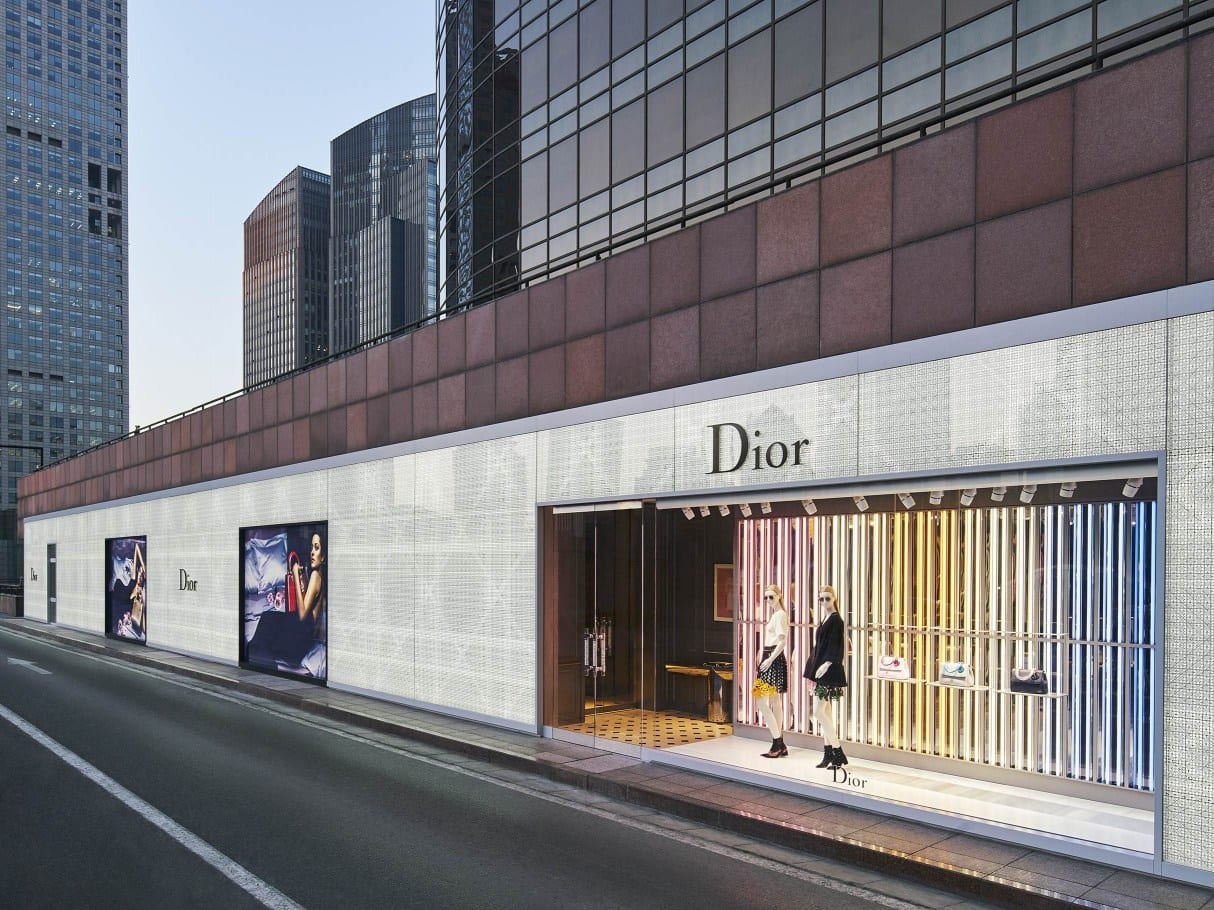
    But you would never know it in Ginza — Tokyo’s answer to the Champs-Elysees or Fifth Avenue — where a new 13-storey upscale mall is proving that Japan is still a whale in the luxury business. The country logs some $22.7 billion in annual spending on top-end goods made by brands including Chanel, Dior, and Prada, ranking it as the world’s number two luxury market behind the United States.

    “Luxury products may be more expensive, but they are very well-made,” said 79-year-old Toshiko Obu, carrying her longtime Fendi bag outside the Ginza Six building, which has been drawing big crowds since last week’s opening.

    Japan is renowned among the world’s priciest retailers for its discriminating clientele — Chanel tries to keep local customers physically separated from tourists packing more cash than class.

    “You shouldn’t forget that a big portion of the luxury clientele is here in Japan,” Sidney Toledano, chairman and CEO of Christian Dior Couture, told at the opening of the 241-store building.

    “It remains a strategic market for luxury and, I’d say, true luxury.”

    – ‘Biting their fingernails’ –

    Dior is counting on Japan’s luxury market to rise this year, while rival Chanel is also expecting an upbeat 2017, after global sales of personal luxury goods barely grew last year.

    “We did not lose our character,” said Richard Collasse, head of Chanel in Japan. “There are brands that are suffering — the ones that at some stage stopped investing in Japan because China was the new El Dorado. And today they are biting their fingernails.”

    Few brands predicted that deep-pocketed Chinese shoppers visiting Japan would support its luxury market — tourists account for about one-third of top-end spending.

    Japan is hoping to land 40 million visitors in 2020, the year that Tokyo hosts the Olympics. Last year, some six million Chinese visited, compared with 2.4 million in 2014.

    “Historically, (Japan has) been a very insular luxury market where 90 to 95 percent of the spending was by locals,” said Joëlle de Montgolfier, Paris-based director of consumer and luxury product research at consultancy Bain & Company.

    But now some 30 percent of sales are generated by foreign visitors owing to tourism, she added. A stronger yen dented visitors’ purchasing power last year, with luxury sales down one percent, after a 9.0 percent rise in 2015.

    Dior’s Toledano said it is an opportunity to refocus on Japanese clientele. “We don’t ignore tourists, of course, but we’re not a duty-free shop,” he added.

    – ‘Touching everything’ –

    Some other Chanel shops in Tokyo have a separate cosmetics and perfume section reserved for top Japanese customers, in a bid to keep them away from the nouveau riche crowd.

    It also tips off local clientele about the expected arrival time of tourist buses so they can avoid them.

    “The loyal Japanese clients tend to run away from customers who were not very well raised and are wearing whatever or lying all over the sofa, touching everything,” said Chanel’s Collasse.

    Dior’s haute couture show at the new mall’s opening featured Japanese-inspired dresses, underscoring a focus on the local market. But warning signs lurk behind smiling clerks and glitzy interiors at the new property on one of the world’s priciest shopping streets.

    Japan has struggled to reverse a decades-long economic slump while a falling population continues to shrink its labour force — and the pool of future luxury consumers.

    Younger people, many on tenuous work contracts, don’t have the money or the same interest in luxury brands anymore, especially since top-end goods can now be rented online instead, said Naoko Kuga, a consumer lifestyle analyst at Tokyo’s NLI Research Institute.

    “When you look at consumer purchasing behaviour, younger people put less value on luxury brand products” than previous generations, she said.

  • IoT fleet management market worth US$8.28bn by 2021

    IoT fleet management market worth US$8.28bn by 2021

    The global IoT fleet management market is estimated to grow from US$3.16 billion in 2016 to US$8.28 billion by 2021, at a CAGR of 21.26% during the forecast period. According to a report published by MarkesandMarkets, the key factors driving the growth of the market are increased demand for optimised business operations, real-time fleet monitoring, and growing number of government mandates for fleet safety.

    Routing management
    Routing management accounted for the largest share of the IoT fleet management market, by solutions. The growth of this segment can be attributed to rising global road freight traffic and constant R&D activities to develop innovative products.

    According to the Road Freight Transport Statistics of European Commission (EC), the road freight transport of European countries increased by 2.2% in 2015, as compared to 2014, and was the highest in the last five years. Also, the continuous R&D activities by fleet solution providers to develop advanced products help the fleet companies to provide the shortest and less crowded route to fleet vehicles to avoid unnecessary overtime cost.

    Managed services
    The managed services segment is expected to dominate the IoT fleet management market, by services, from 2016 to 2021. Managed services not only offer flexibility but also allow multiple function handling efficiently and, hence, reduce the overall operational cost. These also help to provide the desired operation as per the client’s specific needs, resulting in enhanced customer satisfaction. Further, these services allow work allocation as per the expertise and centralisation of various applications with the data center. The increasing role of IoT in fleet management along with the integration of IoT is resulting in the increased usage of these services. The difficulty for companies to focus on other support functions other than their core business processes has also increased the significance of managed services.

    The Americas region is expected to hold the largest share in the IoT fleet management market. The growth of the market in this region can be attributed to increasing sales of fleet vehicles, high adoption rate of advanced technological products, and regulatory developments by the government. For instance, according to the U.S. Bureau of Transportation Statistics, the number of fleet vehicles includes vans, SUVs, and trucks had increased from 11,550 thousand units in 2010 to 12,276 thousand units in 2015. The increasing number of fleet vehicles propels the demand for IoT fleet management solutions. Also, some of the Original Equipment Manufacturers (OEM) in this region such as Volvo Trucks and Daimler Trucks North America, LLC started offering telematics solutions either independently or in partnership with fleet solution providers. Further, in 2015, Daimler Trucks had successfully completed the testing of truck platooning concept. Also, the U.S. government regulations of Electronic Logging Devices (ELD) mandate makes fleet management solutions a necessary tool for commercial trucks.

  • Singapore leads region by online video consumption

    Singapore leads region by online video consumption

    Singaporeans lead the region in online video consumption, spending two hours every day tuning into video content, according to the results from a new YouTube Consumer Insights study conducted by Google Singapore and Kantar TNS.

    The survey of 1,035 Singaporeans aged 16 to 60 found that 78% of Singaporeans are turning to YouTube as their first stop for their daily dose of video. And perhaps not surprisingly, 6 in 10 agree that they visit YouTube for one video and end up looking at others.

    The study also found that Singaporeans are watching videos away from a desktop, with more than half of YouTube watch-time originating from mobile devices. Moreover, more than half are finding more content that they want to watch on YouTube than on TV, according to the study.

    Google pointed to recent research that it conducted with Ipsos that found attention to paid advertising on YouTube is 84% higher than advertising on TV. In addition, 95% of video ads on YouTube are also played with sound on, ensuring brands’ messages reach their audiences as intended.

    There is no question that the popularity of online video is at an all-time high; Google says that the hours of YouTube content uploads from Singapore has doubled compared to the previous year.

    “YouTube is popular with Singaporeans of all ages – who come to YouTube for entertainment, education, shopping and much more. With Singaporeans using YouTube to search for products, businesses looking to grow should use YouTube to tell their story and build their brands,” said Joanna Flint, country director of Google Singapore.

  • Digitalisation tops agenda on opening day of Sea Asia 2017

    Digitalisation tops agenda on opening day of Sea Asia 2017

    Industry leaders kicked off discussions at the sixth edition of Sea Asia with a focus on digitalisation and the need for industry players to embrace this new reality in order to remain competitive in today’s market environment. In particular, industry leaders emphasised that there needs to be a change in mindset towards one that is more receptive to digital transformations in the industry.

    Taking place in Singapore until Thursday, 27 April, Sea Asia 2017 brings together leaders of the maritime and offshore industries to discuss, debate and analyse challenges and opportunities facing the sector.

    Speaking at the opening ceremony, Coordinating Minister for Infrastructure and Minister for Transport, Khaw Boon Wan, said that with the advent of digitalisation in the industry, the Government is taking steps to help companies in Singapore develop capabilities to succeed in the future.

    For example, the Maritime and Port Authority of Singapore’s (MPA) enhanced Maritime Cluster Fund now provides more co-funding for companies that want to use technology to optimise their processes or transform their business models.

    Khaw also highlighted the importance of preparing the local workforce for transformations driven by digitalisation in the industry, adding that the jobs of tomorrow will be markedly different from today.

    “We have to ensure that our maritime manpower is equipped to handle transformation, and for some of them, to drive the transformation,” said Khaw.

    Experts on the panel of the Sea Asia Global Forum commented on the need to provide an enabling environment that allows for the maritime workforce to learn and be comfortable with the idea of digitalisation in the industry.

    “When it comes to digitalisation, the word to think about is not disruption, but transformation. There are many opportunities that come with the transformations that digitalisation brings to the industry and hence, we have to learn to change the way we’re thinking about it. The maritime industry needs to create an environment that allows for its people to experiment with new technologies and learn how to use them.

    “It’s all about changing people’s mindsets on digitalisation and making them confident that they can work with the changes,” said Piyush Gupta, CEO of DBS Group who was one of the panellists of the Sea Asia Global Forum.

    Despite this, industry leaders still recognise the ongoing need for a more human element in the industry.

    Oskar Levander, VP Innovation, Engineering & Technology – Marine, Rolls-Royce, said at ‘The Fourth Industrial Revolution: Threat or Opportunity?’ session: “Digitalisation is changing everything in the industry, from the way ships are run to how business models are shaped. With digitalisation, I believe there will eventually be remote and autonomous shipping; but this is not to say that all ships will be unmanned and that no crew is needed.”

    With expanded technology also comes added risk — another factor companies need to consider when adopting a more digital approach.

    Speaking at the same session, Michael Montoya, chief cybersecurity advisor, Microsoft Asia, said: “Companies must embrace technology… but as you expand your digital footprint, you do open yourself to risks in the form of cybersecurity. However, there are ways to protect yourself from that risk, and there are smart ways that you can implement that will allow you to continue on that maturity journey to put much better services and systems in place.”

    The industry leaders also highlighted the importance of coming together to discuss and analyse new trends such as digitalisation at a regional platform such as Sea Asia.

    Seatrade chairman Chris Hayman said: “Since the first event in 2007, Sea Asia has trebled in size and we are expecting more than 16,000 participants from around 80 countries for this year’s edition.

    “This event gives us all the opportunity to hear from the leaders of the industry in this region, and their counterparts from around the world,” he said.

  • AIS moves to enable VoLTE peering

    AIS moves to enable VoLTE peering

    Thailand’s AIS has deployed technology to enable it to offer VoLTE peering between the company and other operators in the region.

    AIS has extended its deployment of Metaswitch’s Perimeta session border controllers from its 3G to its 4G network.

    The operator has also deployed the Metaview Service Assurance Server (SAS) to support improved service delivery to its more than 40 million subscribers.

    SAS is designed to facilitate troubleshooting and remediation to resolve problems in service delivery and help ensure that SLAs are being met even in virtualized enivornments.

    “VoLTE peering offered by our own network and others will enable rapid proliferation of VoLTE services in the SEA region,” AIS CTO Kriengsak Wanichnatee commented.

    “Perimeta’s high performance, unsurpassed stability and seamless interoperability with third-party products made our decision to deploy it on our 4G VoLTE network extremely easy. This extension of Perimeta’s role in our network confirms that the platform gives us the confidence and capabilities to rapidly deploy new services and scale quickly as our subscriber base grows.”

  • AirAsia 1Q passengers top 15m

    AirAsia 1Q passengers top 15m

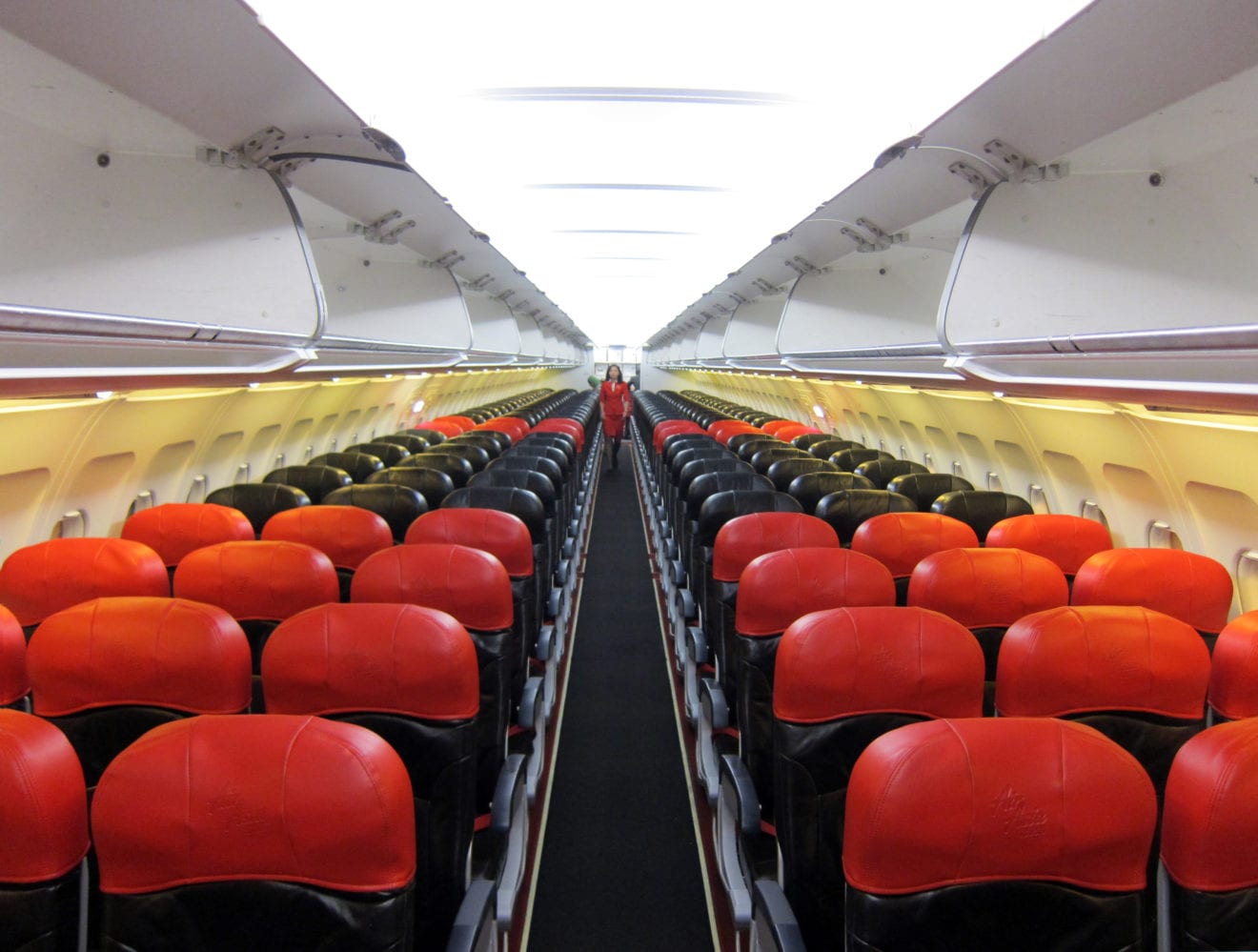
    AirAsia Bhd reported a 9% increase in the number of passengers carried at 15.23 million in the first quarter ended March 31, 2017 (1Q17) from 13.94 million a year earlier as the budget airline’s capacity and load factor rose.

    In a statement late yesterday, AirAsia said capacity rose 5% to 17.13 million seats from 16.29 million. The number of passengers carried and capacity translated into a higher load factor at 89% versus 86%, according to AirAsia.

    “In 1Q17, the group posted load factor of 89%, up three percentage points from the same period last year. The total number of passengers carried increased 9% year-on-year to 15.23 million, well ahead of the 5% increase in seat capacity.

    “At the end of the quarter under review, the group’s total fleet size stood at 176 aircraft (180 including two A320 aircraft novated from MAA (Malaysia AirAsia) to Asia Aviation Capital and subsequently leased to a third party airline and two A320 aircraft delivered to AirAsia Japan but yet to commence operations),” AirAsia said.

  • Singapore to help SMEs compete in the global marketplace

    Singapore to help SMEs compete in the global marketplace

    Finance Minister Heng Swee Keat’s Budget 2017 has placed a strong emphasis on helping businesses stay competitive and grow in an increasingly global marketplace.

    Helping Singapore SMEs Go Digital

    Mr Heng has emphasized the importance of digital capability as the Singapore economy continues to mature. He says it is essential that SMEs in particular embrace the digital age and adopt new and innovative digital solutions. Digital technology has the power to transform all businesses, but many SMEs lack the capability to use digital technology.
    The new Go Digital Programme is a government ‘leg up’ for SMEs and an exciting new addition to a series of strategies to strengthen small and medium-sized businesses in Singapore. More than $80 million will be made available from the government to fund these initiatives.

    Industry Digital Plans

    Industry Digital Plans will be provided by the government to help businesses use technology at each stage of their growth. Sectors targeted by the Go Digital Programme include retail, wholesale trade, food services, logistics, security and cleaning. Mr Heng indicated that he felt these sectors were the ones where digital technology could make the biggest difference to productivity levels.
    Network of SME Centres.

    Start-ups and SMEs can seek basic ICT help in person from SME centres, where advisors can offer help with everyday technology solutions. If businesses need more specialist advice, specialist advice will be made available from new SME Technology Hubs, which are being set up by IMDA and will complement existing SME Centres. SMEs can also seek advice and funding support for pilot ICT solutions already in place.
    Corporations have also been included in the Go Digital Programme. There is support available for them to help them adopt impactful and interoperable digital solutions.

    Cybersecurity Measures

    Mr Heng recognises that SMEs need to strengthen their data and cybersecurity, so the Cyber Security Agency of Singapore will be working with professional bodies to help increase cybersecurity and ensure business networks function smoothly.
    The Singapore government is also keen to promote innovation in technology, and will be creating Regulatory Sandboxes where rules and regulation is suspended, so companies can experiment with FinTech platforms like City Index and self-driving vehicles.

    Technology Innovation

    A Tech Access Initiative is designed to help small companies build prototype products. The Agency for Science, Technology and Research (A*STAR) will work with companies, providing access to its advanced machine tools so small businesses can prototype and test. SMEs will also have access to the Headstart programme so they can co-develop intellectual property licences.
    Most analysts and the majority of SMEs have welcomed the digital initiatives, as they say it fills a gap in the ecosystem, but some experts believe the measures don’t go far enough. However, these changes are definitely a step in the right direction, and with a strong network of SME centres in place throughout Singapore, thousands of small and medium-sized businesses now have access to help as they work to digitise their businesses.

  • Global shopping center completions rise, led by China

    Global shopping center completions rise, led by China

    CBRE’s annual study of global retail development found that builders completed 12.5 million sq. m. of shopping centers globally last year, up 11.4% from 2015. China dominated the top ten most active global markets with seven Chinese cities making the list. Melbourne ranked number ten—the only non-Chinese city in Asia Pacific to have made the top ten.

    Developers completed more retail centers across the globe last year than in 2015, yet momentum appeared to wane in many countries as retailers strive to find the right balance of brick-and-mortar and e-commerce operations.

    “In the omnichannel era, retailers are focused on ensuring that they have the optimal mix of brick-and-mortar stores and e-commerce operations, so they are using sophisticated analytics and market knowledge to choose the best store sites rather than the most store sites,” said Anthony Buono, Chairman of CBRE’s Global Retail Executive Committee.

    Meanwhile, construction activity overall has slowed in many markets amidst a more cautious approach by investors and occupiers. The global pipeline of retail centers under construction declined by 22% y-o-y to 33.5 million sq. m. at the end of last year, according to the CBRE report.

    The Asia Pacific region, particularly China, remains the global hotspot for retail construction totaling 26.6 million sq. m.—79% of the global total. Of this, China accounted for 19.7 million sq. m.

    More than 90% of Asia Pacific cities hosted large-scale retail construction in 2016 compared to 56% of cities in the Americas and 14% in Europe, the Middle East and Africa.

    “The Chinese retail market is showing some signs of recovery. Leasing demand is stabilizing despite oversupply concerns,” said Joel Stephen, Senior Director, Advisory & Transactions, Retail, CBRE Asia. “Retail markets are thriving across Asia Pacific, with strong demand supporting construction in markets like Melbourne, Brisbane and Ho Chi Minh City.”

    China’s largest volumes of retail space under construction are in Shenzhen and Shanghai, which together account for about 40% of the pipeline in China. Elsewhere, retail construction remained relatively limited in India, especially tier-one cities like New Delhi and Mumbai, whilst major retail markets in Asia such as Tokyo, Hong Kong and Seoul, are all anticipating mix-used development in their CBD locations.

  • Robots outgrowing factory roles in China

    Robots outgrowing factory roles in China

    While it has become common to see robots on factory assembly lines, in China the machines have already begun providing the elderly with care and helping raise children at daycare centres.

    At one of China’s largest daycare centres, in Sanhe, Hubei province, three white and round-bodied robots help give classes.

    The children, aged around four or five, each approach Keeko the robot, and speak to it, which then arranges what the children told it to musically narrate the story.

    At the centre, where the children can also learn kung-fu and calligraphy, the goal is to “combine tradition with modern advancements”, one of the professors, Gao Haiyan.

    Keeko also dances with the children, solves mathematical problems and supports artificial intelligence so that it can even understand in the future.

    “If everyone said negative things to it, Keeko would think they were correct, which would not be good for the kids, therefore we intervene a lot to make the lessons as positive as possible,” said Chen Xiaodong, official at Xiamen Zhitong, the firm that made Keeko.

    Keeko’s role in helping educate children contrasts to that of a robot known as A-Tai, which is 1200km away in the eastern city of Hangzhou.

    A-Tai is in charge of taking care of the elderly at an age care home with more than 1300 old people.

    It is slightly taller than Keeko, is equipped with two blue antennas and is capable of singing traditional Chinese opera, known to be popular among elderly Chinese people, can also make calls to residents’ relatives, and remind the residents to take their medicine.

    Its designer, Shen Jianchun, believes that someday his robots will replace the nurses at such institutions.

    Although China entered the realm of robot manufacturing later than other countries, it has quickly become the world leader, mainly through the Made in China 2025 campaign, which hopes to spur China to become the leader in all areas of technology production and development.

    In 2016, China installed 90,000 new robots – a third of all robots in the world – in factories, a 30 per cent increase from 2015.

  • Banks are closing branches all over the world, but why not in Hong Kong?

    Banks are closing branches all over the world, but why not in Hong Kong?

    Retail banking in Hong Kong seems resilient if you look at the number of outlets. Elsewhere in the world, bank branches have been closing; in Hong Kong, by and large, they have stayed open.

    HSBC will have halved its UK presence compared to 2011 by the end of this year, but a spokesman for the bank said in January that there was no programme of branch closures in Hong Kong

    Meanwhile, earlier this month, Citi announced that it would close 80 per cent of its branches in Korea, a move that has not been replicated in Hong Kong to anywhere near the same extent. In both cases the move towards digitisation was given as a reason.

    The slower take up of digital services by Hong Kong residents is at least part of the reason why there have not been similar closures in Hong Kong.

    “While we see that a growing number of basic transactions like payments are shifting to online and mobile channels, our customers continue to use branches for wealth management and mortgage services which need more personalised support,” said Greg Hingston, HSBC’s head of retail banking and wealth management Hong Kong.

    “Also there are still segments of the population that don’t use digital banking and … we continue to invest in outlets to serve these customers.” This has had positive consequences for employment in Hong Kong.

    “In the Netherlands, ING laid off 1,000 staff as they moved to more digital operations. Because there has not been the same take up of digital in Hong Kong, we have not seen any significant decline in branch headcount,” said Maggie Li, associate director of banking and financial services at Randstad Hong Kong.

    “In fact at the moment in Hong Kong digitisation means that banks are hiring more staff as they adjust to the changes.”

    However, there are reasons for branches remaining open in Hong Kong above the digital dimension.

    “In Hong Kong it is also important to note that the degree of customer account concentration per branch is very high and our network is very productive, unlike other markets where [it] is much lower,” said Hingston.

    Hong Kong’s sky high housing prices are a factor in this too.

    “Mortgages in Hong Kong are much larger than mortgages elsewhere, and if a bank were to close branches, losing a small fraction of this business would still be a significant sum,” said Keith Pogson, senior partner for financial services at EY.

    Branch closures have been seen in less profitable areas, and last year, BEA closed all 22 branches of its East Asia Securities outlets.

    Customer behaviour is also playing a role.

    “In Hong Kong when customers are choosing a bank, the convenience of its location – usually how close it is to their place of work rather than where they live – is an important aspect, and so that is another reason why branches are staying open,” said Pogson.

    Hong Kong’s banking regulator is also keen for banks to maintain a physical presence.

    “The HKMA attaches great importance to the accessibility of basic banking services to the general public, and has been encouraging the banking industry to put the spirit of financial inclusion into practice when developing their banking networks,” a HKMA spokeswoman said.

    The spokeswoman added that there were even plans afoot for more bank branches to open. “Three note-issuing banks and five retail banks plan to open about 10 branches and deploy one mobile branch in the next 12 months or so to provide basic banking services for the residents in remote areas and public housing estates,” she said.

    Branches are becoming more about selling additional services to clients, and not just offering transactions

    Keith Pogson, senior partner for financial services at EY

    Nonetheless, bank branches in Hong Kong are starting to change.

    “Branches are becoming more about selling additional services to clients, and not just offering transactions,” said Pogson.

    “This means that there has been some change in the people employed in branches, as banks look to raise branch staff’s capabilities to offer more.”

    There are also now indications that banks are starting to adapt their offerings, and a number are exploring wholly digital branches.

    Other adaptations may even involve some closures or “rationalisations”.

    “Going forward, Bank of China Hong Kong will continue to explore the feasibility of using innovative forms of banking service delivery channels and to rationalise its branch network to provide customers with banking convenience beyond conventional branch services,” said a spokeswoman for the bank.

    As Hong Kong consumers gradually become more willing to use technology, and technology provided by the banks improves, then the pace of such changes may accelerate.


  • Tesla must complete brake fix to regain top safety rating

    Tesla must complete brake fix to regain top safety rating

    Tesla needs to complete fixing its Model S sedan emergency braking system to regain Consumer Reports’ top safety rating, the magazine said on Friday, noting that a recent update by the luxury electric car maker was not enough.

    The magazine, which provides an annual rating of vehicles sold in the United States, said on Wednesday the sedan had lost its top ranking in the ultra-luxury car category for failing to install the feature that it had promised to owners as standard equipment.

    The Model S fell to third place in Consumer Reports’ ratings behind the Lexus LS made by Toyota Motor Corp and the BMW 7 Series.

    Consumer Reports said both Tesla models previously came with standard automatic emergency braking (AEB), a feature that helps reduce accidents. The software issue affects more recent vehicles built since late October 2016.

    The magazine said Friday that the Model S sedan it owns had received an automatic emergency braking software update Thursday, but the new version only operates up to 28 miles per hour (45 km).

    That is far less than the current 90 mile per hour limit for the prior Tesla AEB system included on vehicles built before late October.

    The magazine cited a statement from Tesla that “over the next several weeks” the car maker would increase the speed limit “until it is the most capable of any vehicle in the world.”

    The California automaker last week recalled 53,000 Model S and Model X vehicles to fix an unrelated parking brake issue.

    Earlier this month, Tesla briefly edged out General Motors Co to become the most valuable U.S. car maker.

  • Lenovo Set To Open Retail Stores In Asia Pacific, Gaming Brand Push

    Lenovo Set To Open Retail Stores In Asia Pacific, Gaming Brand Push

    Lenovo has said that they are looking to establish over 100 Lenovo gaming stores in the Asia Pacific region, it’s not known if or when any Australian stores will be established.

    Currently JB Hi Fi has an exclusive deal with Harvey Norman who are not seen as a destination for hard core gamers. The decision to go exclusive with the mass retailer was made by Brandan Lau the Director of Consumer PC’s at Lenovo Australia.

    Initially JB Hi Fi was going to range Lenovo gaming products but dropped the Chinese brand in favour of staying with the Alienware brand from Dell, which has been highly successful for the retailer.

    According to Lenovo sources in Hong Kong, the new Asia Pacific stores will sell a range of gaming products including workstations, notebooks, accessories including mouse and keyboards as well as gaming bags.

    We also understand that the Company who are successful direct sell operators in Australia, are also looking to sell their B2B PC range which includes Think Pads and 2 in 1 products via the new stores.

    Currently Lau is banking on heavy discounting to drive consumer PC sales while at the same time investing in extensive direct sell marketing in mass newspapers and online, for Lenovo PC products a move that has not gone unnoticed by Lenovo consumer PC retail partners.

    The Company are also major partners with Amazon.

    Combined Lenovo’s consumer and enterprise product lines each contributes 50% of Lenovo’s PC sales in Asia Pacific with the Chinese Company set to shortly market a 25th anniversary range of ‘Think’ enterprise products to lift awareness of their enterprise offering.

    What Lenovo are looking to achieve with their direct sell retail format, according to sources, is uptake for a new gaming brand called Legion. All their new gaming products including a new range that will be released at IFA in Germany in September will be branded Legion.

    Ivan Cheung Asia Pacific President at Lenovo said recently that excluding Japan and China that gaming products made up 75% of the Asia Pacific’s overall consumer PC sales, Retail News understands that this is not the case in Australia due in part to Lau’s decision to consolidate his gaming sales primarily via Harvey Norman.

  • Funan woos consumers with cutting edge showsuite ahead of 2019 opening

    Funan woos consumers with cutting edge showsuite ahead of 2019 opening

    The public can get a preview from this Sunday of what to expect when Funan mall opens its doors in the final quarter of 2019.

    Funan, an integrated development redeveloped from the former Funan DigitaLife Mall in the heart of Singapore’s Civic & Cultural District, has scored a retail sector-first with a one-of-a-kind experiential showsuite, landlord CapitaLand Mall Trust said at the launch of the suite yesterday.

    Located at the junction of High Street and Hill Street, the two-storey showsuite brings to life a new live-work-play paradigm with cutting-edge immersive virtual reality simulation technology.

    It incorporates design elements reflective of Funan’s centerpiece “Tree of Life”, a wood-and-steel structure extending from Basement 2 to Level 4 that will house a variety of open platforms and studios that promote new forms of retail, experimentation and social learning, CapitaLand Mall Trust said.

    The showsuite will open to the public daily from 11am to 9pm, from this Sunday, which coincides with this month’s edition of car-free Sunday SG in the Civic District.

    In conjunction with opening festivities, visitors can expect activities that include watercolouring and terrarium workshops, conversations with creative entrepreneurs, and an exclusive InstaMeet helmed by popular Instagrammer Yafiq Yusman, known for his unique perspective on architectural photography on the social media site.

    “Funan sets out to be an aspirational and experiential space that fosters collaboration among complementary partners, to spark inspiration and discovery for consumers.

    “And this commitment to break new ground has been carried through to the way Funan’s showsuite is designed — accessible, community-centric and experiential,” said Mr Wilson Tan, CEO of CapitaLand Mall Trust Management.

    With a project development expenditure of S$560 million, Funan will have a total gross floor area of 887,000 sq ft, including 500,000 sq ft for retail, 266,000 sq ft for offices and 121,000 sq ft for 279 apartment units.

    Funan has received commitments for about 25 per cent of its total retail net lettable area of 324,000 square feet, the landlord said.

    Local theatre company W!ld Rice’s 380-seat theatre spanning 18,000 sq ft will be Singapore’s first theatre venue within a commercial complex that is designed, managed and programmed by a theatre company.

    Some of the other key tenants at the new Funan include IT retailers Newstead Technologies and AddOn Systems, supermarket chain FairPrice Finest, cinema operator Golden Village, Kopitiam food court and rock climbing facility Climb Central.

    Well-known photography store TK Foto will have a dedicated test zone for drone filming.

    Funan, which will have one floor entirely dedicated to IT, aims to merge smart shopping technologies such as drive-through collection for products ordered online, a pick-up concierge and a basement storage facility for retailers.

    In a separate announcement yesterday, Challenger Technologies said it will open its flagship store at Bugis Junction Basement 1 this weekend. Challenger, the largest homegrown IT products and services provider in Singapore, had closed its 53,000 sq ft flagship megastore at Funan DigitaLife Mall in late 2015 after CapitaLand Mall Trust said it would redevelop the mall.

    The new 14,000 sq ft flagship brings the total number of Challenger stores in Singapore to 40. The flagship store offers a smart, interactive experience featuring 15 lifestyle concept zones backed by data analytics to guide shoppers in their purchases. The integrated retail space, with carefully curated merchandise, experiential areas and engaging displays, aims to draw shoppers in to explore and experience before making an informed purchase, Challenger said.