Author: Mei Ling Tan

  • When Forever 21 join India’s Jabong

    When Forever 21 join India’s Jabong

    Indian fashion portal Jabong has added American fashion brand Forever 21 to its product portfolio. It definitely will give another option for India’s shopper to check the collections of Forever 21.

    A selection of goods including play-in tops, dresses, t-shirts, cosmetics, intimates and shoes will go online on Jabong, priced from Rs.499 to Rs.2400 (US$7.50 to $37).

    Jabong has introduced 20 new fashion brands this month and says it will add a further 15 before March 31. These include New Era Caps, WROGN, Mothercare, Roadster, Cover Story, AAY, Zivame and Mast and Harbor. Jabong now has approximately 2000 brands in its product portfolio, out of which 50 brands have been launched in 2017 alone. Its portfolio also includes Topshop, Topman, Dorothy Perkins, Missguided and Next.

    “At Jabong, we continuously strive to offer the best of global fashion brands to our shoppers. Forever 21 is a pioneer and global leader in the fast fashion category and its addition will strengthen the comprehensive line of finely curated international portfolio on Jabong,” said Gunjan Soni, head of Jabong.

    Abhinav Zutshi, India business head of Forever 21, said the combined strengths of Jabong and Myntra will give the brand exposure to a major share of India’s online fashion retail market.

    “This complements our aggressive offline strategy and we are excited to herald a long association with Jabong,” he said.

    Jabong is a multi-brand fashion e-store offering some 350,000 products across footwear, apparel, jewellery and accessories.

  • Digital Free Trade Zone For Malaysian E-commerce Growth

    Digital Free Trade Zone For Malaysian E-commerce Growth

    The announcement of the much-anticipated Digital Free Trade Zone (DFTZ) by Prime Minister Datuk Seri Najib Tun Razak today comes amidst a time where businesses in Malaysia are encouraged to capitalise on this initiative to boost the Digital Economy in the country. First-ever and a pilot programme, we foresee the DFTZ to benefit local SMEs and entrepreneurs, and pave the way to a more global market for them.

    With the implementation of a DFTZ in Malaysia, the comprehensive approach, covering fulfilment, global supply chain, payment gateways, training and employment prospects, will set a conducive platform to cement Malaysia as a digital hub in the Southeast Asia region, as well as to encourage traditional brick-and-mortar businesses especially local SMEs to transition onto the e-commerce sphere, and trade across ASEAN countries and soon, the world.

    Furthermore, the Government’s introduction of a Digital Free Trade Zone exemplifies an intention to impart knowledge and equip entrepreneurs with the knowledge and know-hows of e-commerce complementing the vast facilities that the trade zone will stand to offer. Resonating this intention, 11street’s owned training programme which is recognised by the Malaysian Digital Economy Corporation (MDEC) aims to help e-entrepreneurs understand the basic rudiments of online business, sharing with them the effective strategies that will propel their businesses to a different height and be competitive in the global market.

    In conclusion, the Digital Free Trade Zone is shaping up to be a boon to local SMEs. The trade zone will serve as gateway to the ASEAN market and allow local products to tap into a wider market. We at 11street will continue to support to initiatives to evolve e-commerce in Malaysia, so as to open up opportunities for a better e-commerce climate for both e-commerce platforms and also entrepreneurs.

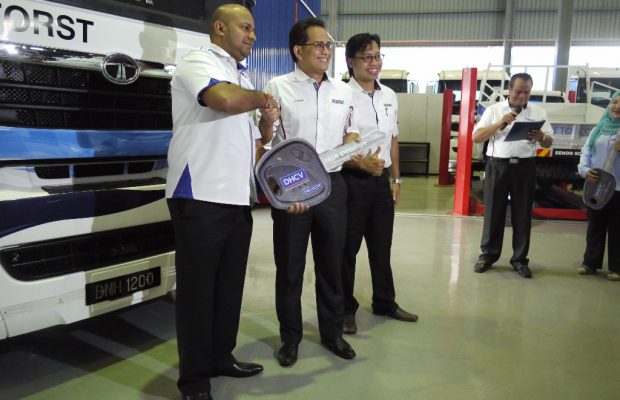
  • Biforst Logistics Selects Oracle Cloud Applications to Swiftly Modernize its Retail Operations

    Biforst Logistics Selects Oracle Cloud Applications to Swiftly Modernize its Retail Operations

    Oracle today announced that Biforst Logistics Sdn Bhd, a Malaysian logistics solutions provider, has successfully shifted to Oracle Cloud Applications to enhance its speed-to-market delivery. The entire project was completed in just five weeks from the date of placing the order for service. Biforst selected Oracle Enterprise Resource Planning (ERP) Cloud and Oracle Supply Chain Management (SCM) Cloud to manage the surge in their business, drawing on Oracle Modern Best Practice for Logistics for their transformation to the cloud.

    Biforst Logistics was in need of an improved internal and external IT infrastructure, as well as a need to rapidly scale business operations efficiently via a recent mega-project to procure and fulfill nearly 1,000 stores throughout the country. The implementation of cloud solutions was also critical to curb the increasing internal operational and IT maintenance costs from its older enterprise systems.

    “We received an exciting business opportunity this year to provide our services to one of Malaysia’s leading retailers in the convenience retail sector. This opportunity meant that we needed to quickly scale our internal and external operations, enhance the financial insight into our business, and digitally transform into a modern logistics company, said Karthegesan Bala, COO, Biforst Logistics. “With Oracle ERP Cloud and SCM Cloud solutions, we will lower our IT spend, redirect our resources to more strategic efforts, and streamline our logistics processes, so that we can procure, store, and distribute approximately 2,000 stock keeping units to all the outlets nationwide, and in a much shorter timeframe than before.”

    Oracle ERP Cloud enabled Biforst Logistics to spend more time analyzing financial results and to align its business strategies by automating time-intensive tasks including administrative work, routine transactions, and reporting. Similarly, Oracle SCM Cloud has delivered greater insights and capabilities, along with the visibility and control of its overall transportation network required by Biforst Logistics, to improve and modernise their supply chain, with minimal risk, at a lower cost, and with maximum flexibility.

    “We are delighted to be a part of Biforst Logistics’ journey in modernising their business. They were looking to integrate modern best practices and adopt solutions with embedded analytics to help them meet their business requirements and deliver quick return on investment,” said Jasbir Singh, vice president, ERP/SCM cloud applications of Oracle Asia Pacific. “With guidance from our modern best practice, Oracle’s complete, modern, and proven ERP Cloud and SCM Cloud tools enable Biforst Logistics to leverage  mobile, analytics, and social collaboration capabilities, thus allowing employees to work more efficiently and with the agility to better to meet the needs of their customers.”

    “We are pleased to witness more local companies like Biforst Logistics embrace Oracle Cloud Applications to help grow their business,” said Fitri Abdullah, managing director for Malaysia, Oracle. “We truly appreciate Biforst Logistics’ decision to entrust Oracle to modernise their business and look forward to a continued partnership and success in the year ahead.”

    Oracle delivers the industry’s broadest suite of enterprise-grade Cloud services, including Software as a Service (SaaS), Platform as a Service (PaaS), Infrastructure as a Service (IaaS), and Data as a Service (DaaS).

  • India’s Flipkart closes $1 billion funding round

    India’s Flipkart closes $1 billion funding round

    Indian e-commerce giant Flipkart has closed a US$1 billion funding round, with plans to raise an equal amount over the next few months.

    Investors who have contributed to this round include eBay, Microsoft and Tencent Holdings, Bloomberg reports.
    The funding comes at a valuation of $10 billion, up from $5.39 billion when its minority investor and the mutual fund managed by Morgan Stanley slashed Flipkart valuation by 3 per cent last month. Its peak valuation was $15.5 billion in 2015.

    Launched in 2007, Flipkart was one of the first Indian tech companies to enter the global Unicorn startups club. It had an invincible run until Amazon entered India in 2012.

    In 2014, Flipkart raised $1 billion, a record amount for an Indian company, from investors including Accel Partners, Russia-based DST Global and Tiger Global, whose former MD Kalyan Krishnamurthy has joined Flipkart as CEO.

  • Casinos still off-limits to Vietnamese

    Casinos still off-limits to Vietnamese

    Seven businesses have been licensed to operate casinos in Vietnam. Pham Ngoc Nam, deputy general director of Royal International Corp – the owner of a five-star hotel complex with a casino in Halong City, told the paper that the firm has been waiting for a guiding circular on the implementation of Government Decree 03/2017/ND-CP which allows Vietnamese passport holders to enter casinos.

    He said the decree allows Vietnamese people in casinos for a three-year period, but the Government has yet to issue official guidelines. The requirements for casino entry, especially income, are unclear.

    He said other casinos in Quang Ninh Province and other localities are in wait-and-see mode as well.

    That gamblers must prove their monthly income of at least VND10 million (around US$439) seems to be a tough challenge, said a representative of another casino.

    “Many casino goers are self-employed and wealthy but unwilling to apply for income certificates,” he explained.

    A representative of the Ministry of Finance said the Department of Banking and Financial Institutions is finalizing draft guidelines for the implementation of the decree on casino business. However, he refused to say when it comes out.

    The representative said the delay in issuing the guidance circular is unavoidable, as this is the first time Vietnamese gamblers have got the green light for entering casinos in the country.

    Many issues should be taken into careful consideration. Economist Nguyen Minh Phong shared the same view, saying that technically, the guidance circular should be available upon the promulgation of the decree.

    However, there is no precedent for this, thereby requiring careful preparation.

    The decree specifies Vietnamese citizens admitted to casinos must be at least 21 years old with regular monthly income of at least VND10 million or being subject to the third range of taxable income which is VND10-18 million a month under the Law on Personal Income Tax.

    The Ministry of Finance is responsible for providing them with application forms for these conditions.

    Gamblers will not be allowed in if their family members like parents, parents-in-law, spouses and children submit formal requests for preventing them from casinos.

    Besides, those who have violated national security rules or committed other crimes abroad resulting in more than three years of imprisonment will not be allowed in casinos.

    This includes those serving jail terms, with or without bail, or any other form of legal punishment.

  • Valmet to build new Mercedes-Benz compact cars

    Valmet to build new Mercedes-Benz compact cars

    Finland’s Valmet Automotive said on Wednesday it had signed a new contract to build future Mercedes-Benz compact cars for Daimler AG.

    The company said it would hire about 1,000 staff to help with its existing contract under which it manufactures Mercedes-Benz passenger cars and SUVs. The plant currently has 2,300 employees.

    The facility is one of the bright spots in the Finnish economy which is slowly recovering from a decade of stagnation.

    In January, Chinese battery maker Contemporary Amperex Technology Ltd bought a 22 percent stake in Valmet Automotive.

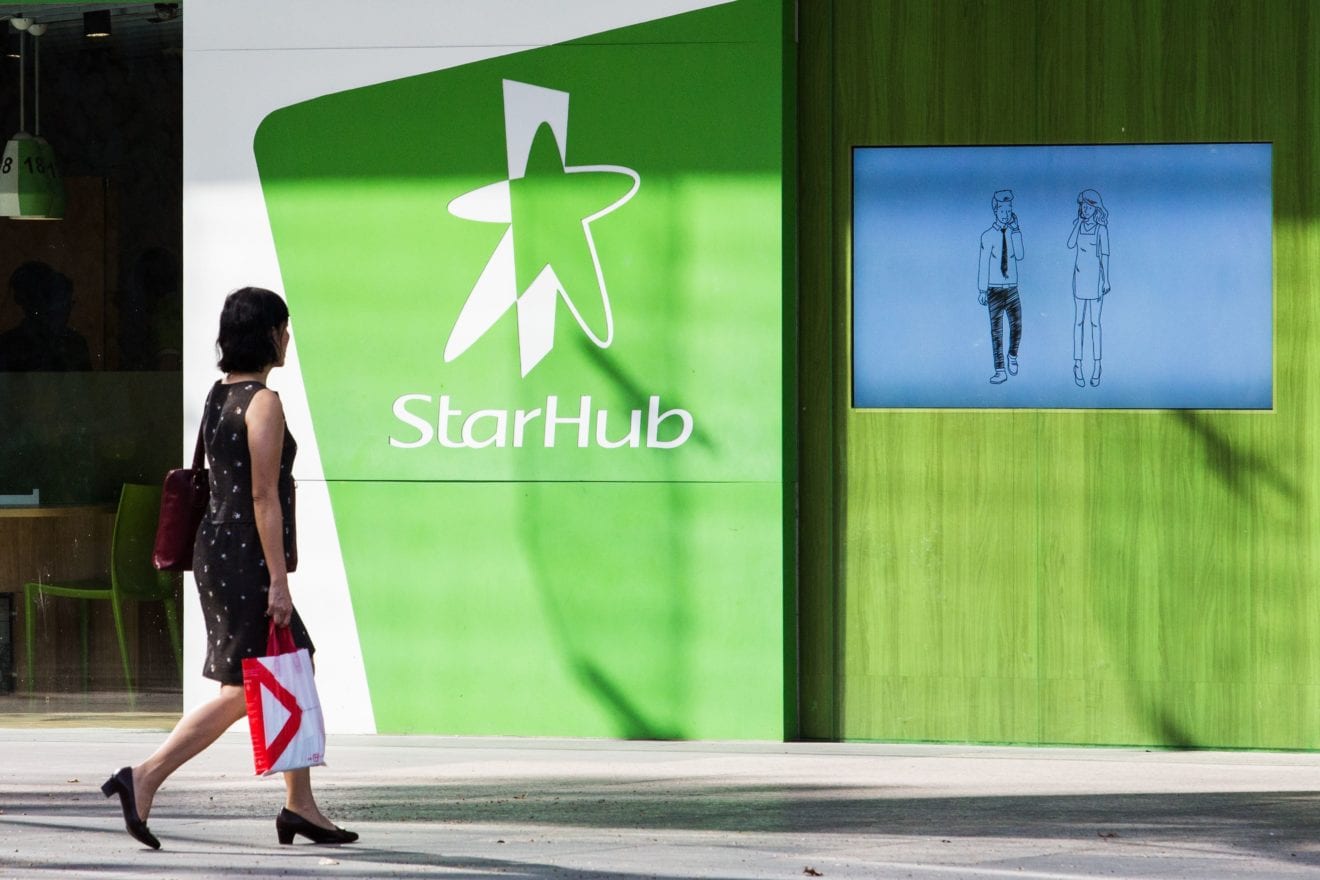
  • StarHub opens Hubtricity innovation center

    StarHub opens Hubtricity innovation center

    Singapore’s StartHub has opened a new innovation center and converged operations cockpit named Hubtricity, aimed at accelerating Singapore’s transformation into a Smart Nation.

    The 58,000 square feet facility will act as a foundation to foster service innovation and co-creation with partners and customers.

    The centerpiece at Hubtricity is the converged command cockpit, where StarHub with real-time data can monitor how its fixed, mobile and pay TV networks and services are performing and understand how customers are using and responding to its service offerings through call center metrics and social media analytics.

    Tan Tong Hai, CEO of StarHub said Hubtricity is derived from three words Hubbing – the convergence of technology and services; Tri – the three core networks that power Hubbing; and City – where it is about the consumers.

    “Hubtricity not only showcases our extensive connectivity and deep competency in data analytics and cyber security, but is also a co-working space for partners and start-up companies to create solutions for a Smart Nation,” said Tan.

    “Currently, we are working with both local and global partners to build platforms, such as smart home, intelligent vehicles, connected buildings, virtual reality and smart retail, to meet the future needs of our customers,” added Tan.

    As a home-grown company, StarHub supports the nurturing of local talent and is keen to help drive the local tech startup ecosystem. Hubtricity aims to bring local technopreneurs together, who can create ideas and test out their solutions, catalyzing greater collaboration and innovation from Singapore.

    Kiren Kumar, assistant managing director at Singapore Economic Development Board, said that with Hubtricity, StarHub is investing in capabilities that will enable it to innovate and develop new digital products, services and solutions with partners across industries.

    “Hubtricity will add to Singapore’s position as the Digital Capital of Asia and will create exciting jobs in Singapore in areas such as cyber security and social media analytics,” said Kumar.

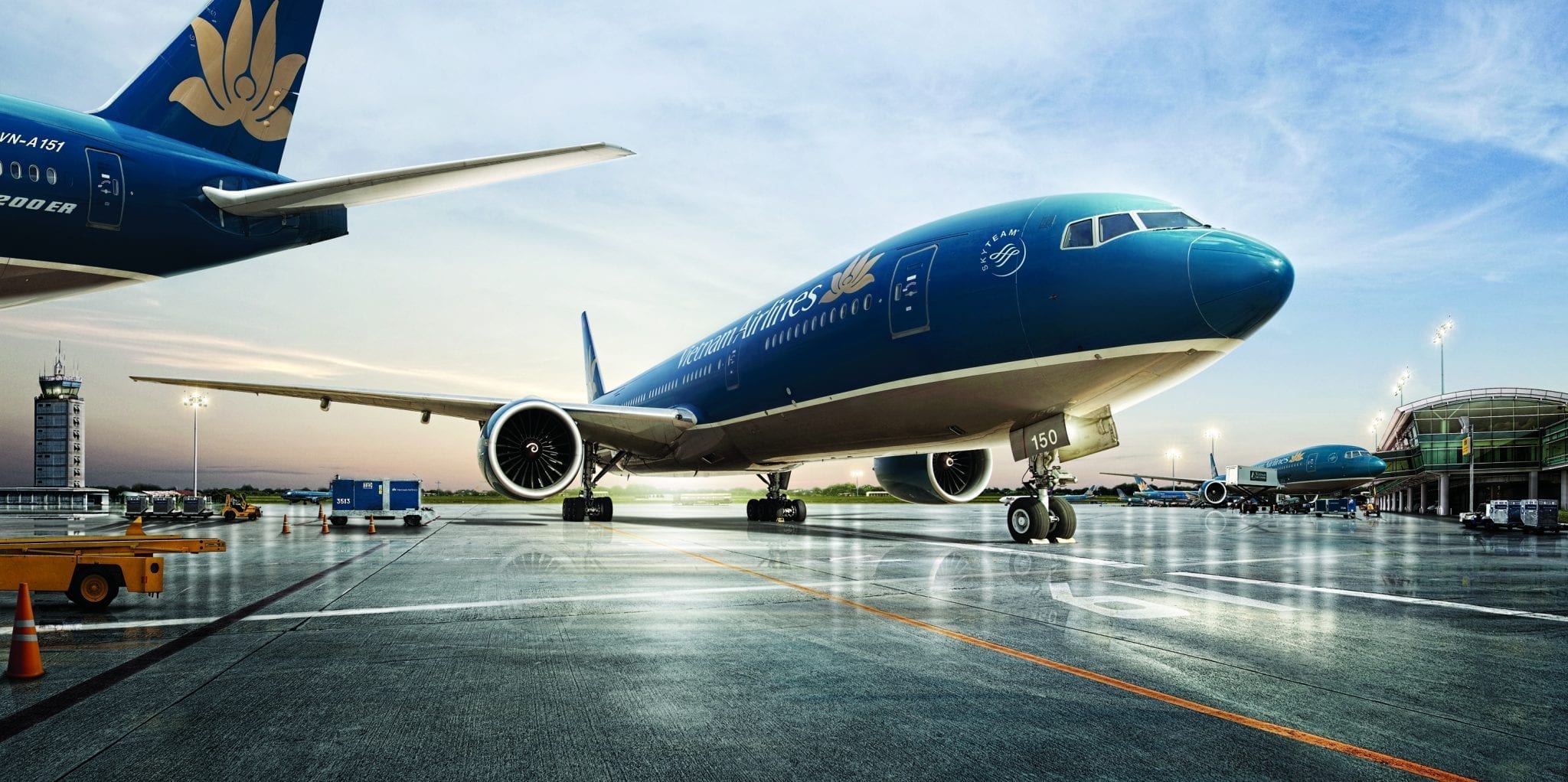
  • Airlines to increase airfares

    Airlines to increase airfares

    The national flag carrier Vietnam Airlines increased tickets for business class on for domestic flights by 100,000 – 500,000 VND per leg; and economy class 40,000 – 300,000 VND.

    The airfare adjustment will be applied from April 1 for specific flights.

    However, Vietnam Airlines will maintain around 10 low-cost prices for each domestic flight, and keep unchanged prices for some specific routes.

    Vietjet Air also increased service fees from 100,000 VND to 140,000 VND per domestic leg and from 120,000 VND to 160,000 VND per international leg from March 22.

    Meanwhile, Jetstar Pacific announced to increase management fees from 100,000 VND to 130,000 VND per leg from March 15.

    The adjustment of airfare is based on the market demand and regulations of the Civil Aviation Authority of Vietnam and Ministry of Transport, a representative from Vietnam Airlines said.

    It also aims to ensure healthy competition in the aviation sector, a representative from Vietjet Air said.

    The Civil Aviation Authority of Vietnam in early this month sent a proposal to the Ministry of Transport to raise several aviation service charges in order to reduce peak-hour overloads and raise money for infrastructure development.

    Under the proposal, take-off and landing service charges at major airports, including Noi Bai and Tan Son Nhat, would be raised by 15 percent during rush hours and reduced by 15 percent during off-peak hours.

    The Civil Aviation Authority is also proposing a hike in security charges of 0.5 USD per passenger for international flights, and 18,181 VND (0.9 cents) per passenger for domestic flights – double the current charge.

    A hike of 40,000 VND in passenger service charges is also being proposed, raising them to 90,909 VND for arrivals and departures at type A airports, and 72,727 VND at type B airports.

    The increase is explained by the upgrading of many airports and passenger service quality.

  • Ralph Lauren Indian debut on table

    Ralph Lauren Indian debut on table

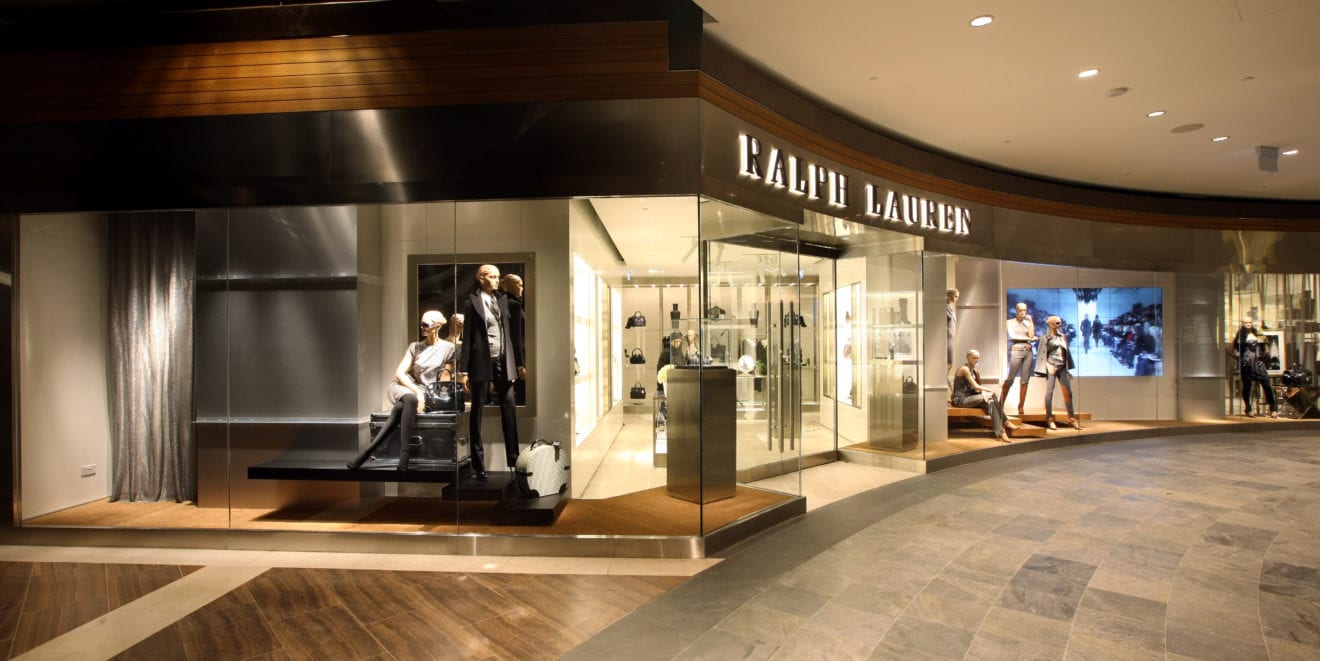
    Ralph Lauren may launch into India through a franchising agreement.

    The premium US lifestyle products company is reportedly negotiating a Ralph Lauren India debut along these lines with Aditya Birla Fashion and Retail.

    Insiders say the first Ralph Lauren store in India will open in the Emporio mall at Chanakyapuri, in New Delhi’s diplomatic enclave, reports The Economic Times. The mall is owned by major commercial real estate developer DLF (Delhi Land & Finance).

    Discussions are at an advanced stage and the store should be launched in the next seven to eight months, an insider says.

    Founded 50 years ago, the New York-­based fashion giant designs, markets and distributes apparel, accessories, fragrances and home furnishings under a wide range of brands.

    According to a report by Indian industry body Assocham last year, the luxury goods market in the nation of 1.2 billion people is likely to grow 25 per cent year ­on ­year.

  • BT completes first stage Michelin deployment

    BT completes first stage Michelin deployment

    BT has delivered the first milestones of its global enterprise networking contract with tyre manufacturer Michelin.

    The contract was signed late 2016 and is now in deployment phase. It is designed to transform Michelin’s global network infrastructure and provide all the advantages of the latest network, unified communications and security technologies.

    Under the terms of the five-year contract, BT is to provide Michelin with managed network services for 216 sites in 43 countries across all continents.

    Managed from France, the services covered by the contract are set to play an important role in delivering Michelin’s strategic IT transformation program.

    Agnès Mauffrey, Group CIO of Michelin, said they are driven to look for new ideas to improve the performance of our products and the efficiency of our business.

    “We see a great match between these requirements and BT’s global reach, local in-country capabilities and strong global portfolio,” said Mauffrey.

    “Our aim is to create a platform for digital innovation which will give our people around the world high performance access to cloud-based services, allowing them to collaborate more effectively, she said. “This is being done in a secure and reliable environment over which we have complete control.”

    Luis Alvarez, CEO of BT’s global services division, said BT will support Michelin globally through a dedicated network operations centre and provide centralised network management.

    The contract includes services from several areas of the BT portfolio: BT Connect (network services), BT Security (security services), BT One (unified communications and collaboration services) and BT Advise (professional services).

    “We understand how important digital is to our customers and how cloud services integration can contribute to their success,” said Alvarez. “In the midst of this digital revolution, we also make sure that organizations retain control of their IT, so that the performance, reliability and security of their cloud applications meet all their business requirements.”

  • China Mobile service revenue up 6.7% in 2016

    China Mobile service revenue up 6.7% in 2016

    China Mobile has recorded a five-year high growth in service revenue growth for 2016, due to strong mobile data revenue growth.

    Operating revenue for the year grew 6% to 708.42 billion yuan ($102.7 billion), with service revenue up 6.7% to 623.42 billion yuan.

    During the year, wireless data traffic became China Mobile’s single largest revenue source for the first time, after growing by 43.5% to account for 46.2% of total service revenue.

    Net profit grew a slim 0.2% to 108.74 billion yuan ($15.78 billion), but excluding the gains from the disposal of tower assets to telecommunications infrastructure sharing joint venture China Tower in the prior year, profit would have grown 10.5%.

    China Mobile added 223 million 4G customers throughout the year, bringing its total 4G base to 535 million and representing a penetration rate of 63%. The company also added 400,000 4G base stations to its network, taking its total population coverage to more than 1.3 billion.

    The operator’s total mobile customer base grew 2.7% from 2015 to 848.9 million.

    On the fixed line front, China Mobile added 22.59 million broadband customers, taking the total to 77.62 million, with 76.9% of these subscribed to services with speeds of at least 20Mbps.

    China Mobile is the last of China’s big three operators to report its results for 2016. China Mobile’s performance compares to a 6.4% increase in operating revenue and 10.2% decline in net profit for China Telecom, as well as a 94.1% slump in net profit and 1% decrease in operating revenue for China Unicom.

  • Tencent Holdings revenues soar 48 per cent

    Tencent Holdings revenues soar 48 per cent

    Revenues for Chinese internet value-added services provider Tencent Holdings grew by 48 per cent last year.

    Total revenues reached RMB151.94 billion (US$21.9 billion), its audited consolidated results show.

    Tencent’s operating profit was RMB56.117 billion, up 38 per cent over 2015, while its operating margin decreased from 39 to 37 per cent.

    Profit for the year was RMB41.447 billion, an increase of 42 per cent, while net margin eased to 27 per cent from 28 per cent the previous year.

    Its unaudited results for the fourth quarter show total revenues grew 44 per cent to RMB43.864 billion. Operating profit was RMB13.9 billion, up 28 per cent, while the operating margin fell from 36 to 32 per cent.

    “During the year, Tencent achieved significant progress in a number of strategic initiatives to further strengthen our leadership, enrich our ecosystem and enhance our competitiveness,” says chairman/CEO Ma Huateng.

    “We substantially increased the market share and daily transactions of our mobile payment services, and achieved rapid growth in commercial payment transactions.”

    Technology investment

    Looking ahead, he says the company will further implement its “Connection” strategy and also invest heavily in cutting-edge technologies such as security, cloud, big data and AI “so as to position us for the next wave of growth”.

    Tencent surpassed 600 million mobile payment monthly active user accounts and average daily payment transactions in December.

    “Our payment-related services provide a fast and seamless experience for a widening range of offline scenarios such as taxi booking, convenience stores, restaurants and supermarkets,” says Huateng.

    “We drove merchant adoption by working with acquiring agencies and simplifying on-boarding procedures.”

    He says the group’s fast-growing commercial payment transaction volume is diversifying from large online merchants to a broad range of offline merchants.

    “Our robust payment infrastructure, which made continuous improvements in payment security, service reliability and transaction speed, enabled us to process peak volume of 760,000 red packets a second during the Lunar New Year.”

  • Macau dining, retail recovering

    Macau dining, retail recovering

    Macau dining revenue is rising with more than half the city’s restaurants surveyed by the Statistics and Census Service (DSEC) reporting improved sales in January.

    And retail was also buoyant, with 53 per cent of retailers reporting increased January sales, up by 11 points from December.

    The data shows growth by 61 per cent of restaurants and similar establishments, up a substantial 27 points from December.

    However, 28 per cent of restaurants covered reported a drop revenue, down by 16 points from December.
    In retail, all leather goods retailers reported higher year-on-year sales.

    Restaurant managers say they expected slower business after the Lunar New Year, with 56 per cent anticipating increased or stable revenues for February. However, 44 per cent predict lower receipts.

    Retailers are also expecting less February business, the DSEC saying that only 17 per cent anticipate higher sales, an eight-point decline.

    For its Business Climate Survey, the DSEC covered 167 restaurants and similar establishments, as well as 135 retailers.

  • AirAsia X starts seventh Chinese route from Kuala Lumpur

    AirAsia X starts seventh Chinese route from Kuala Lumpur

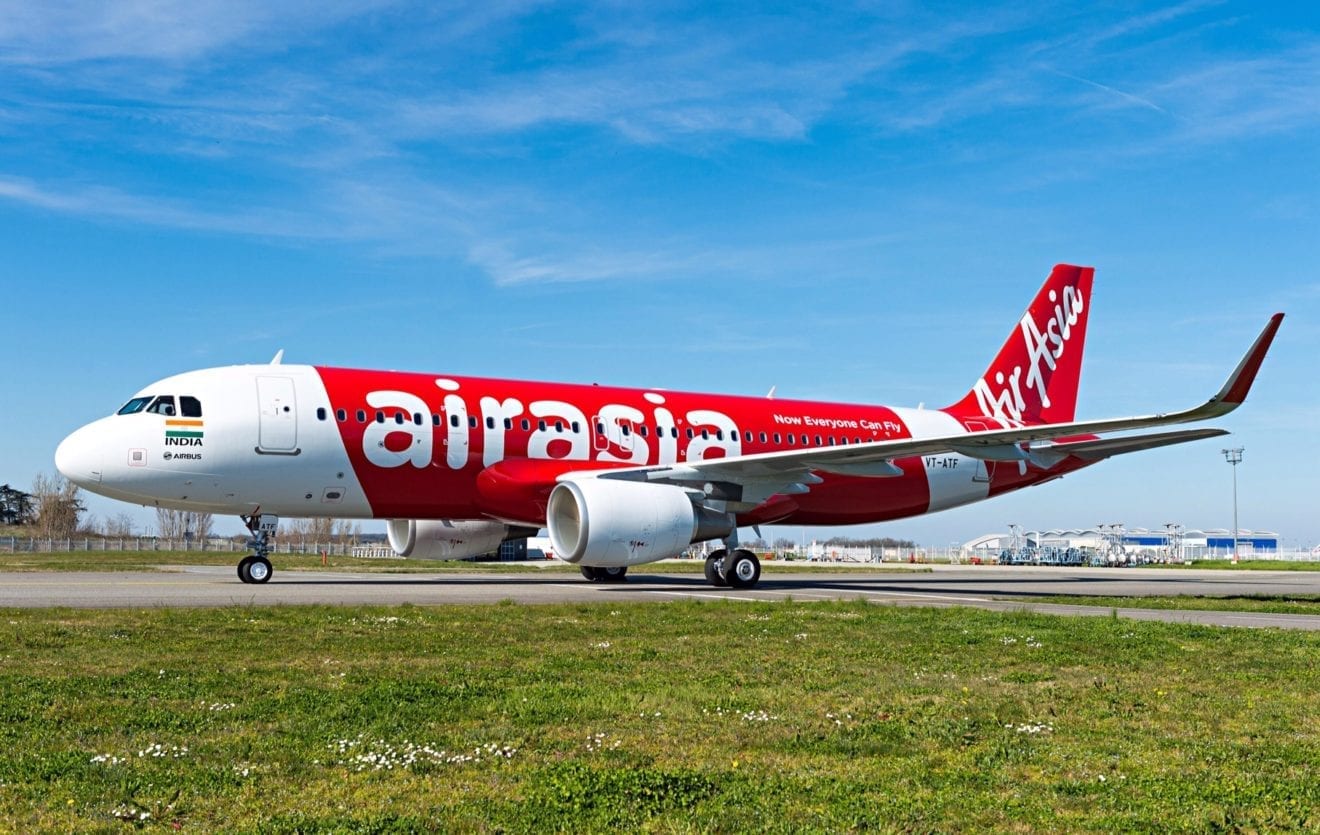
    AirAsia X on 22 March began a daily service from Kuala Lumpur (KUL) to Wuhan (WUH) in China. The 3,381-kilometre route will be flown by the carrier’s A330-300s and will not face any direct competition. Wuhan becomes the airline’s seventh destination in China after Beijing (launched in June 2012), Chengdu (October 2009), Chongqing (September 2016), Hangzhou (February 2008), Shanghai Pudong (February 2013) and Xi’an (July 2014). AirAsia and AirAsia X each have around 29% of the seat capacity between Malaysia and China, well ahead of Malaysia Airlines and China Southern Airlines who both account for around 11% each.

    Benyamin Ismail, CEO of AirAsia X Berhad, said: “We are happy to connect Wuhan directly to Kuala Lumpur after Kota Kinabalu, Bangkok and Phuket operated by our short-haul affiliate AirAsia Berhad and AirAsia Thailand. China is a key market for the AirAsia and AirAsia X Group and this new connectivity option will further strengthen our presence in China. Travellers can enjoy many interesting attractions in Wuhan such as historical sites and natural sites with picturesque scenery.

    Benefitting from its strategic position in central China, Wuhan naturally became a hub for the efficient distribution of products for many industries. We are confident that Wuhan will not only attract leisure travellers to fly with us but also business travellers who want to take advantage of Wuhan’s substantial economic growth.”

    Last year Wuhan Tianhe International Airport handled almost 20.8 million passengers, ranking 14th among Chinese airports. In total AirAsia X now operates 51 flights per week from KL to destinations in China, beaten only by the 53 flights per week it scheduled to Australia.

  • Oppo, Vivo founder reveals how he toppled Apple in China

    Oppo, Vivo founder reveals how he toppled Apple in China

    Duan Yongping is convinced Tim Cook didn’t have a clue who he was when they first met a couple years ago. The Apple boss probably does now.

    Duan is the reclusive billionaire who founded Oppo and Vivo, the twin smartphone brands that dealt the world’s largest company a stinging defeat in China last year. Once derided as cheap iPhone knockoffs, they leapfrogged the rankings and shoved Apple Inc. out of the top three in 2016 — when iPhone shipments fell in China for the first time.

    They managed to do it because the American smartphone giant didn’t adapt to local competition, the entrepreneur told Bloomberg in what he said was his first interview in 10 years. Oppo and Vivo employed tactics Apple was reluctant to match, such as cheaper devices with high-end features, for fear of jeopardizing its winning formula elsewhere, Duan said.

    “Apple couldn’t beat us in China because even they have flaws,” the 56-year-old electronics mogul said. “They’re maybe too stubborn sometimes. They made a lot of great things, like their operating system, but we surpass them in other areas.”

    That’s not to say Duan doesn’t appreciate the iPhone maker’s global clout. In fact, the billionaire’s obsession with his US rival is legion: he’s long been a big-time investor in Apple and an unabashed fan of its chief executive officer.

    “I’ve met Tim Cook on several occasions. He might not know me but we’ve chatted a little,” Duan said. “I like him a lot.”

    Apple couldn’t confirm Duan’s meeting with Cook when contacted by Bloomberg. But Duan has blogged incessantly about Apple’s products, share price and operations since 2013, when the company was worth half what it is today. He needs “a really big pocket” because he carries four devices, including a heavily-used iPhone. In a 2015 post, he argued Apple’s profit should reach $100 billion within five years. Today, Duan won’t say when he actually bought in but says much of his overseas wealth remains tied up in the iPhone maker. He even lives in Palo Alto, an easy drive from Apple’s new UFO-like headquarters in Cupertino.

    “Apple is an extraordinary company. It is a model for us to learn from,” Duan said. “We don’t have the concept of surpassing anyone, the focus instead is to improve ourselves.”

    Oppo’s gains against Apple may now earn an even broader following for the billionaire dubbed China’s Warren Buffett by local media for his investment acumen. Born in Jiangxi, a birthplace of Mao Zedong’s Communist revolution, Duan began his career at a state-run vacuum tube plant before making his name with homegrown electronics.

    Duan left the factory floor around 1990, when China was just embracing capitalism and opening industries to private investment. He headed to southern China’s Guangdong province, then the cradle of liberal reforms, to run a struggling electronics plant. His first product was the “Subor” gaming console with dual-cartridge slots — a direct shot at Nintendo Co.’s classic Family Computer, known elsewhere as the Nintendo Entertainment System. The 100- to 400-yuan Subor became a hit in the absence of local competitors. Duan even enlisted Kung Fu star Jackie Chan to endorse the device. By 1995, revenue from the Subor exceeded 1 billion yuan.

    Duan left to set up a new business that year as the operation flourished — a pattern he would repeat in later years. He christened his second venture Bubugao, literally “rising higher step-by-step.” BBK, as the company came to be known, created a popular line of VCD and MP3 players but later also made DVD players for global brands. Subsidiary Bubugao Communication Equipment Co. became one of the country’s biggest feature-phone makers around 2000, going head-to-head with Nokia and Motorola.

    It was the first iPhone in 2007 that paved the way for Oppo and Vivo. While they share a common founder in Duan, the sister brands are fierce competitors, trotting out dueling marketing campaigns in markets from India to Southeast Asia. Their salesmanship philosophy plays well in emerging markets, IDC research manager Kiranjeet Kaur said.

    “The companies fully understand how to make the best of their people, a specialty they inherited from Duan,” said Nicole Peng, a senior director at Canalys. Importantly, they understood their millennial audience. “Many of their managers are young and have been working at the company since graduation.”

    Duan’s latest endeavors were, in part, dreamed up in Apple’s backyard. By 2001 at the age of 40, Duan had decided to move to California to focus on investment and philanthropy, later installing his family in a mansion he reportedly bought from Cisco Systems Inc. Chairman John Chambers. But the advent of the smartphone forced the entrepreneur out of retirement.

    By the second half of 2000s, BBK was on the verge of falling apart as sales of its basic devices slowed. The likes of Huawei and Coolpad were making smartphones priced at around 1,000 yuan. That nearly put the company under, Duan recalled.

    “We were in serious discussions about how to close the company peacefully — in a way that the employees can leave unhurt and suppliers don’t lose money,” he said.

    Those intense brainstorming sessions spawned the two businesses that would go on to embody Duan’s greatest success. In 2005, the entrepreneur and his protege Tony Chen decided to create a new company. Dubbed Oppo, it sold music players but ramped up to smartphones in 2011. In 2009, BBK itself created Vivo, headed by another of Duan’s disciples, Shen Wei.

    “Making mobile phones was not my call,” said Duan. “But I reckoned we could do well in this market.”

    At first, neither label garnered much attention. The iPhone was captivating users with its revolutionary apps system and elegant interface, while BlackBerrys lorded over the corporate market. But Oppo and Vivo then developed a marketing-blitz approach that relied on local celebrity endorsement and a vast re-sellers’ store network across China. They crafted an affordable image that appealed to a millennial crowd, then tricked out their devices with high-end specs. On the surface, Oppo and Vivo phones now routinely surpass the iPhone on measures such as charging speeds, memory and battery life.

    It paid off. The duo together shipped more than 147 million smartphones in China in 2016, dwarfing Huawei Technologies Co.’s 76.6 million units, Apple’s 44.9 million and Xiaomi’s 41.5 million, IDC estimates. Oppo and Vivo both doubled their 2015 haul. In the fourth quarter, they were No. 1 and No. 3, respectively — Huawei was second. Their approach worked particularly well in lower-tier cities, where mid-range phones became a mainstream hit, said Tay Xiaohan, an IDC analyst.

    Duan’s smartphone progeny are also gaining some momentum beyond their home turf. In the fourth quarter, Oppo and Vivo were fourth and fifth in the world, respectively. About a quarter of Oppo’s shipments went to markets like India, where it hopes to dig in before Apple establishes a meaningful presence.

    “Smartphones are an unprecedented opportunity. We forecast at least for the next 10 or 20 years, there’s no replacement. But we don’t know,” Duan said.

    Cook said on the weekend that Apple doesn’t have a specific goal for market share.

    “The competition is more fierce in China — not only in this industry, but in many industries,” Cook told the China Development Forum in Beijing. “I think that’s a credit to a number of local companies that put their energies into making good products.”

    Duan has increasingly kept his distance from the Chinese smartphone makers despite remaining a significant shareholder (he won’t say how much). He says he prefers to stay out of the spotlight and enjoy California with his journalist wife and kids. In fact, he attends board meetings but claims to get most of his information on Oppo and Vivo from the internet, to avoid “disturbing them.”

    His rivals have been less considerate. Last October, Xiaomi Corp. co-founder Lei Jun lambasted competitors who build dense store channels in rural areas in pursuit of quick sales. In an interview with China Entrepreneurs Magazine in October, Lei accused such players of using “imbalanced information” to trick buyers into shunning Xiaomi, precipitating its decline from the top spot.

    “Those who said this were insane,” Duan said without naming names. “When someone talks about an information imbalance, deep down they believe consumers are idiots.”

    His most visible passion these days is stock investment, which is why he agreed to pay a then-record $620,100 in 2006 to lunch with Buffett. Quotes from the Sage of Omaha still pepper Duan’s blogposts, right alongside tips on golf and Apple.

    Duan cemented his reputation as a savvy financier in part by digging his friend, Netease Inc. founder William Ding, out of a hole. Ding’s internet company tanked to as low as 13 cents after the dot-com bubble burst, then almost became the first U.S.-listed Chinese company to get tossed off the Nasdaq over an auditing issue. Duan came to his friend’s aid, buying about 5 percent of Netease with just $2 million in 2002, when the stock price averaged 16 cents. Company filings show he still held just over 4 million shares as of March 2009, but Duan said he sold much of that when Netease hit $40.

    His other much-studied holding is premium-liquor company Kweichow Moutai Co. He said he bought in at 180 yuan in late 2012. While it nearly halved in 2014, Moutai today trades above 370 yuan.

    Duan isn’t shy about talking up his trades, not least of which is Apple, which remains near a record high despite a rare sales decline in 2016. But looking back on his decades as first entrepreneur then stock-picker, his proudest moments remain rooted in BBK. Though he claims to keep it at arm’s length, he admits to worrying about succession and whether the company culture will survive another generation of leaders.

    And while BBK’s Vivo and Duan’s own Oppo have done well, there’s no certainty in a fast-moving business. Both are starting to ramp up everything from the features on their phones to marketing campaigns: Oppo notably used Barcelona’s Mobile World Congress to unveil its most advanced camera technology yet, signaling a new maturity.

    One thing’s for sure, Duan doesn’t see himself returning to an active executive, leaving others to deal with the next challenge.

    “I’ve made it clear many years ago, I will never make a comeback,” he said. “If there’s a problem they can’t fix, then neither can I.”