Author: Mei Ling Tan

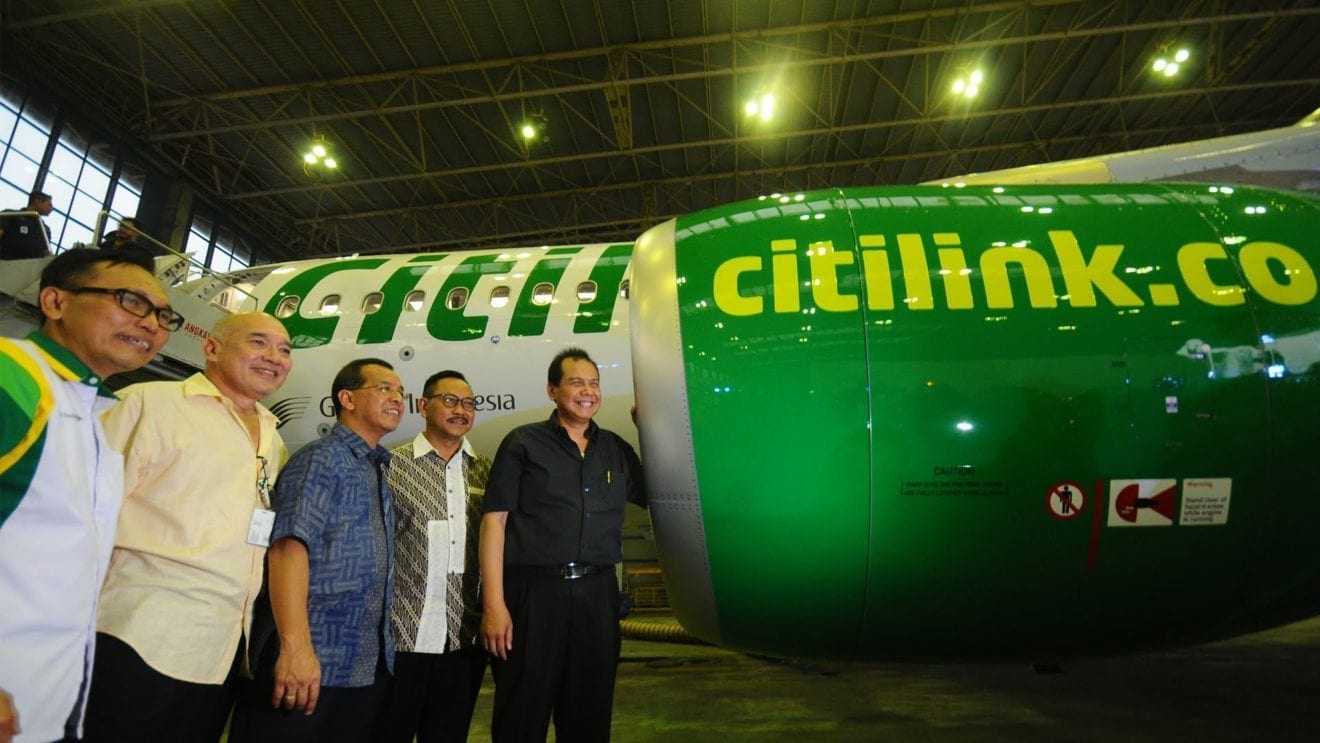
  • Garuda Indonesia Announces Change in Citilink Director Board

    Garuda Indonesia Announces Change in Citilink Director Board

    PT Garuda Indonesia Tbk (GIAA) changes the composition of board of directors of its subsidiary, PT Citilink Indonesia.

    The change in the composition of board of directors was made after Chief Executive Officer (CEO) of Citilink Albert Burhan submitted resignation at the end of December 2016.

    Albert resigned following the case of Citilink airline’s pilots who allegedly drunk when he was about to fly Surabaya-Jakarta plane on Wednesday (12/28/2016).

    In a public expose before the Indonesia Stock Exchange (IDX), Thursday (2/2/2017), the company reported that resignation of Citilink’s CEO or President Director Albert Burhan and Operation Director Hadinoto Soedigno was approved by the company.

    The Annual General Meeting of Shareholders (AGM) of PT Citilink Indonesia approved the change in the composition of Citilink’s board of directors by January 30, 2017.

    Additionally, PT Citilink Indonesia’s current Director is Mega Satria.

    “General Meeting of Shareholders of Citilink Indonesia has approved the change in Citilink’s Board of Directors, which is effective as of January 30, 2017,” the public expose said.

  • RoRo To Connect Indonesia-Philippines As Part of ASEAN Connectivity

    RoRo To Connect Indonesia-Philippines As Part of ASEAN Connectivity

    New economic and trade opportunities are in sight with the opening of the Davao-General Santos-Bitung (D-G-B) Shipping Service, which is one of the target priorities for the Philippines Chairmanship of the ASEAN in 2017.

    Philippine Ambassador to Indonesia Maria Lumen B. Isleta and members of the Philippines and Indonesia Inter-Agency Task Force for the Operationalization of the D-G-B Roll-on/Roll-off (RoRo) Route gathered in Jakarta on Jan 17, 2017, to discuss preparations for the maiden voyage of the RoRo, which will connect Davao and General Santos City to Bitung in North Sulawesi, Indonesia, the Philippine embassy said in a statement here on Thursday.

    The D-G-B RoRo Route under the ASEAN RoRo Initiative aims to enhance maritime connectivity in ASEAN and maximize the use of regional sea lanes.

    The opening of the route is a more cost and time-efficient alternative to the usual Manila-Jakarta-Bitung route, which would take about three to five weeks of shipping time.

    In contrast, direct shipping through the D-G-B route will take only one day and a half of sailing (excluding port stay).

    The route is also expected to spur trade between Mindanao and the Sulawesi provinces in Indonesia. It is also expected to provide greater access for local businessmen to engage in international trade, as well as stimulate other areas of development such as joint tourism promotion, establishment of direct linkages, and increase in investment inflows, among others.

    On Jan 18, Isleta and leaders of the RoRo project task force paid a visit to Manado and met with North Sulawesi Governor Olly Dondokambey to discuss the maiden voyage of the RoRo.

    Meanwhile, The Philippine News Agency (PNA) reported that Philippines President Rodrigo R. Duterte and Indonesian President Joko Widodo will launch the ASEAN RoRo Project on April 28, 2017.

    New economic and trade opportunities are in sight with the opening of the Davao-General Santos-Bitung (D-G-B) Shipping Service, which is one of the target priorities for the Philippines Chairmanship of the ASEAN in 2017.

    Philippine Ambassador to Indonesia Maria Lumen B. Isleta and members of the Philippines and Indonesia Inter-Agency Task Force for the Operationalization of the D-G-B Roll-on/Roll-off (RoRo) Route gathered in Jakarta on Jan 17, 2017, to discuss preparations for the maiden voyage of the RoRo, which will connect Davao and General Santos City to Bitung in North Sulawesi, Indonesia, the Philippine embassy said in a statement here on Thursday.

    The D-G-B RoRo Route under the ASEAN RoRo Initiative aims to enhance maritime connectivity in ASEAN and maximize the use of regional sea lanes.

    The opening of the route is a more cost and time-efficient alternative to the usual Manila-Jakarta-Bitung route, which would take about three to five weeks of shipping time.

    In contrast, direct shipping through the D-G-B route will take only one day and a half of sailing (excluding port stay).

    The route is also expected to spur trade between Mindanao and the Sulawesi provinces in Indonesia. It is also expected to provide greater access for local businessmen to engage in international trade, as well as stimulate other areas of development such as joint tourism promotion, establishment of direct linkages, and increase in investment inflows, among others.

    On Jan 18, Isleta and leaders of the RoRo project task force paid a visit to Manado and met with North Sulawesi Governor Olly Dondokambey to discuss the maiden voyage of the RoRo.

    Meanwhile, The Philippine News Agency (PNA) reported that Philippines President Rodrigo R. Duterte and Indonesian President Joko Widodo will launch the ASEAN RoRo Project on April 28, 2017.

  • Nokia beats estimates with Q4 earnings

    Nokia beats estimates with Q4 earnings

    Nokia has reported a narrower-than-expected 64.6% year-on-year decline in fourth quarter net profit to $682 million, as the company’s efforts to expand its portfolio to compensate for a shrinking mobile equipment market bore fruit.

    The company’s ebitda declined 27% over the same period to $1.01 billion, but analysts had been projecting a decline to $850 billion.

    Net sales fell 14% year-on-year to €6.7 billion ($7.21 billion), in a result Nokia said reflects challenging market conditions during the quarter.

    But Nokia CEO Rajeev Suri said the company’s diversification strategy helped compensate for these conditions somewhat.

    “At the start of the year, Nokia was focused primarily on mobile networks,” he said.

    “We ended the year as a company with a complete portfolio spanning mobile, fixed, routing, optical, stand-alone software and more; with solid opportunities to drive higher returns through expansion into new customer segments; with emerging businesses in digital health and digital media; and with greatly expanded patent and brand licensing activities.”

    For the full year, net sales fell 10% to $23.94 billion, while operating profit fell 25% to  $2.17 billion.

    “Our ongoing intense focus on execution, cost management and pricing discipline was critical to offset the impact of challenging market conditions over the course of the year,” Suri said.

    “While I remain disappointed with our topline development in 2016, we continue to expect our performance to improve in 2017 and see the potential for margin expansion in 2017 and beyond, as market conditions improve and our sales transformation programs gain further traction.”

  • Grab rides up Indonesia with $700M investment

    Grab rides up Indonesia with $700M investment

    Grab has announced plans to invest US$700 million in Indonesia over the next four years, as part of efforts to increase its footprint in a market where it has seen growth.

    The Southeast Asian ride-sharing operator said Thursday the new investment would support the Indonesian government’s ambition of becoming the region’s largest digital economy by 2020. It would include plans to set up a research and development (R&D) facility in the capital city of Jakarta, focused on developing technology innovations for the local market.

     Latest news on Asia

    A US$100 million funding initiative also would be introduced to support startups and entrepreneurs keen on driving “financial inclusion” in smaller communities.

    Grab added that its investment followed “a strong year of growth” in the country, with its GrabCar and GrabBike businesses each clocking more than 600 percent growth in 2016. Its range of ride-sharing services were available in several Indonesian cities, including Bali, Bandung, Medan, and Surabaya.

    According to Grab, one in three of its customers in the country used more than one of its services. It said its drivers earned 40 to 70 percent more per hour than the average transport or delivery driver in Indonesia, where it helped generate more than US$260 million in income for its driver partners.

    Indonesia’s Minister of Communication and IT Rudiantara said: “We want all Indonesians to benefit from IT to improve their lives, develop new skills, and build the next wave of global leaders in technology. Grab’s investment to train and hire more ICT professionals and mentor young entrepreneurs will accelerate the growth of Indonesia’s digital economy. This kind of app has to be positioned as a tool to spur and empower people and the economy.”

    Coordinating Minister for Maritime Affairs Luhut Binsar Pandjaitan added that Indonesia’s growth would require the continued development of its infrastructure, including its public transport network. Stressing the role of technology, he said services that tapped data analytics would better enhance the efficiency and reliability of the national transportation infrastructure.

    According to Grab, the R&D facility in Jakarta would hire 150 engineers over the next two years and focus on developing localised services, including algorithms to support new road regulations as well as a bike-pooling service for nearly 1.4 million commuters in the city. Engineers also would be offered training in Grab’s other R&D centres in Singapore, Beijing, and Seattle.

    By pumping up to US$100 million into the investment fund, Grab said it hoped to nurture Indonesian startups and technopreneurs focused on mobile and financial services, with the aim to better serve smaller cities and communities that had yet to experience the digital economy.

    The ride-sharing operator also would be looking to launch mobile services to bolster access to mobile payments across Indonesia, expanding its own mobile payment services through GrabPay Credits.

    This would further build on its announcement last July to extend its partnership with Indonesian consumer services company, Lippo Group, and enable the payment of retail goods and services its mobile app. With more than 50 million customers between the two companies, the new e-payment platform would allow these consumers to tap their mobile phones or the Grab mobile app to pay for goods and services under Lippo’s retail network, which included department stores, hypermarts, cinemas, coffee shops, and e-commerce portals. Nobu Bank also was participating in this initiative.

    Grab currently operated a network of more than 630,000 drivers across the Southeast Asian region.

  • BNI plans to set up subsidiary in Malaysia

    BNI plans to set up subsidiary in Malaysia

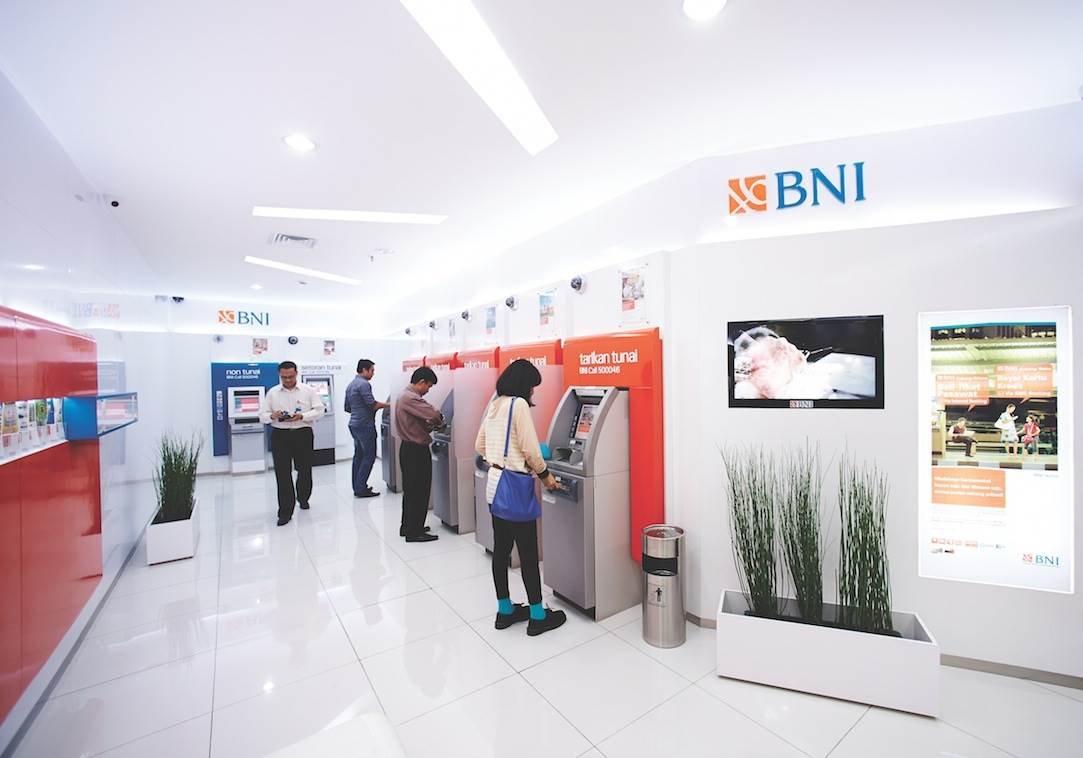
    State lender Bank Negara Indonesia (BNI) plans to set up a subsidiary in Malaysia this year after the two countries signed an agreement on reciprocity-based banking business.

    BNI is waiting for the holding company of state-owned companies in the banking sector to issue a policy, which is currently under process, BNI Director for Treasury and International Affairs Panji Irawan said at the Indonesia Stock Exchange here on Thursday.

    To set up the subsidiary, BNI is considering involving other state lenders, including Bank Mandiri and Bank Rakyat Indonesia, to shore up its business capacity and efficiency, he added.

    “Whoever is interested in it, can cooperate with us. We cannot do it alone,” he noted.

    In view of its financial capacity, BNI is likely to set up a subsidiary rather than establishing a branch office in the neighboring country, he revealed.

    “The subsidiary will not serve as a branch. It will be locally incorporated and must have a board of directors,” he explained.

    Under the Malaysian law, BNI must have a paid-up capital of US$66 million to US$75 million to set up the subsidiary, he informed.

    BNI President Director Achmad Baiquni wanted the bank to strengthen its network in the neighboring country in the first half of this year.

  • Cebu Pacific offers P1 fare anew; system crashes

    Cebu Pacific offers P1 fare anew; system crashes

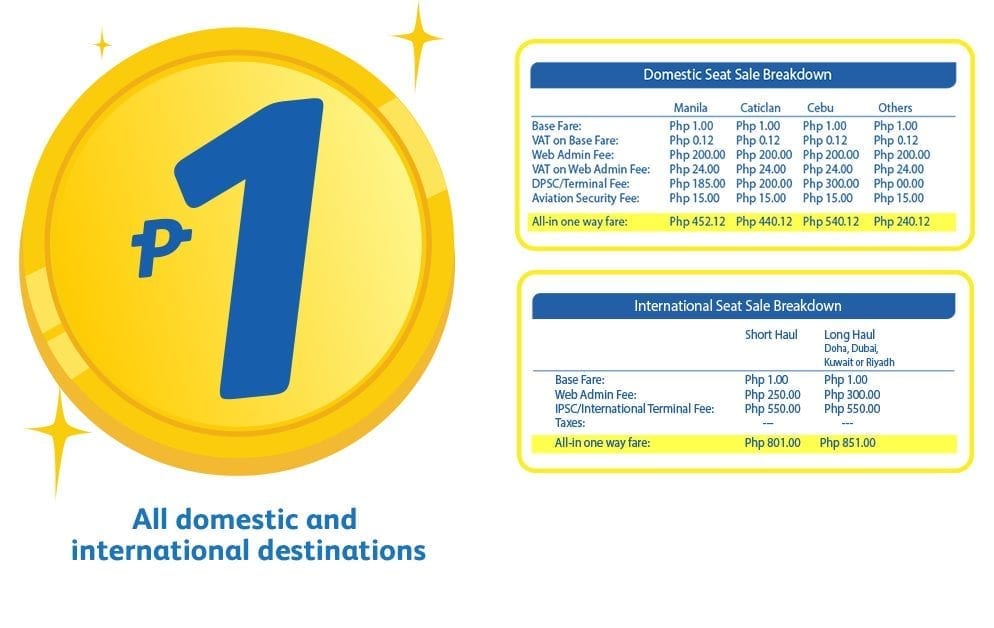
    Cebu Pacific, the country’s largest carrier, is once again offering its popular piso fare promo. Its booking system page, however, was swamped with many visitors interested in the promo that it became inaccessible an hour after the promo rolled out.

    The budget carrier’s two-day seat sale started Friday and will end Saturday, or until seats last.

    The piso fare is offered for the all of the airline’s domestic and international routes, including its Manila-Sydney route.

    Travel period is from June 10 to December 10, 2017.

    Cebu Pacific said one-way fares are inclusive of P1 base fare with 7kg handcarry baggage allowance, P150 web admin fee, 12% VAT, terminal fees ranging from P200-P315 for flights transiting in/exiting from Caticlan, Cebu and Manila stations.

    “Terminal Fees originating from non-Caticlan/Cebu/Manila stations must be paid at the airport,” it added.

    Its international one-way fares, meanwhile, are inclusive of P1 base fare with 7kg hangcarry baggage allowance, P150 and P200 web admin fees for short-haul and long-haul flights, respectively and P550 international terminal fee for flights exiting from Manila.

    “P1,620 Philippine travel tax and country-specific taxes ranging from P420-P2,185 are paid on of top quoted one-way fares,” Cebu Pacific said.

    “Promo fares have limited availability and are non-refundable but rebookable subject to the following rebooking fees: P1,500 (domestic), P2,300 (short haul) and P2,800 (long haul) plus fare difference,” the airline said.

    Its list of available number of seats on sale per route can be found here.

  • Half the world is now online

    Half the world is now online

    Internet penetration increased by 10% in the last 12 months to hit 3.773 billion, or 50% of the world’s population, according to a report from social media management platform Hootsuite and social media agency We Are Social.

    The report also showed that global social media use has increased by 21% in the last 12 months, reaching 2.8 billion users globally.

    Another finding is that mobile social media use has increased by 30% year-over-year to surpass 2.5 billion users globally, with 91% of social media users accessing social from mobile.

    In APAC, mobile data traffic leads significantly over other regions, with 4.12 billion gigabytes consumed, compared with 1.24 gigabytes from North Europe, Middle East, and Africa.

    Social media growth rates increased by over 50% year-on-year. More than 1.5 billion people across APAC now use social media on a monthly basis, 95% of whom access social via mobile devices – the highest ratio in the world.

    As a result, organizations in APAC should plan to transform their communications strategy to increase customer engagement and real-time interaction across the customer journey.

    “Half of the world’s population is now online, which is a testament to the speed with which digital connectivity is helping to improve people’s lives,” We Are Social’s Simon Kemp said.

    “Given this latest data, it’s probably time for us to stop referring to social as ‘new media’, and integrate it more seamlessly into our day-to-day activities.”

    The report compiles data from the world’s largest studies of online behavior, conducted by organizations including GlobalWebIndex, GSMA Intelligence, Statista, and Akamai.

  • Vietnamese to be permitted to gamble in casinos

    Vietnamese to be permitted to gamble in casinos

    The decree, titled 03/2017/NĐ-CP, allows foreigners and overseas Vietnamese situated abroad with a valid foreign passport to gamble in casinos in Vietnam.

    Vietnamese citizens can now also be admitted into domestic casinos, on a three year trial basis. After which, the government will decide whether or not to continue allowing domestic citizens to participate in casino gambling.

    All players must have full capacity for civil acts of individuals according to Vietnamese law and be willing to accept the terms and conditions of the games and the casino’s regulations.

    Vietnamese citizens admitted into casinos must be 21 years old or above with full capacity for civil acts of individuals according to Vietnamese law, have proof of regular monthly income of 10 million VND (450 USD) or be subjected to third degree taxation according to the law on individual income tax. The Ministry of Finance is responsible for providing citizens application forms for these conditions.

    Only enterprises with a Certification of Business will have the legal right to run a casino. The business must be a conditioned commercial act that is closely inspected by the appropriate government authority to ensure operations follow the decree’s regulations and other legal procedures, the decree dictates.

    Players must buy tickets to the casino at 1 million VND (45 USD) for 24 hours entry and 25 million VND (1,126) per person monthly. Players must not be related to casino owners in any way.

    Vietnamese players at casinos must exchange VND for tokens and vice versa.

    Vietnamese citizens who violated national security or committed other crimes abroad resulting in more than three years of imprisonment will not be admitted to casinos. This includes those serving jail time, with or without bail, or any other form of legal punishment.

    The decree did not restrict the amount of capital for business owners, but differentiated between large casinos (of more than 2 billion USD) and small casinos (less than 2 billion USD in capital).

    The decree states that the casino business must be linked to the entrepreneur’s key commercial operations to help boost tourism, trade, diversify entertainment and recreation and enrich tourists’ experience, while assuring security and nation defence, social order and moral health.

    The operation of and participation in gambling games must be transparent, coherent and honest, to protect the rights and legal benefits of parties involved.

    The decree bans gambling between players on results of games at casinos; cheating during preparation, organisation or participation in the casinos; any action that affects security and order in casinos and using gambling machines, tables, tokens and other devices with content not approved by the government.

    The decree also forbids the casino businesses from providing illegal gambling online or telecommunication networks, from smuggling and transferring foreign currency, precious gems and metals and other acts of money laundering, sponsoring terrorism and prostitution and paying out the wrong amount of prize money, among others.

    Organisations and individuals linked to the games’ operations must comply with the decree in its entirety and other legal requirements.

  • AirAsia to resume flights between Clark, Kalibo

    AirAsia to resume flights between Clark, Kalibo

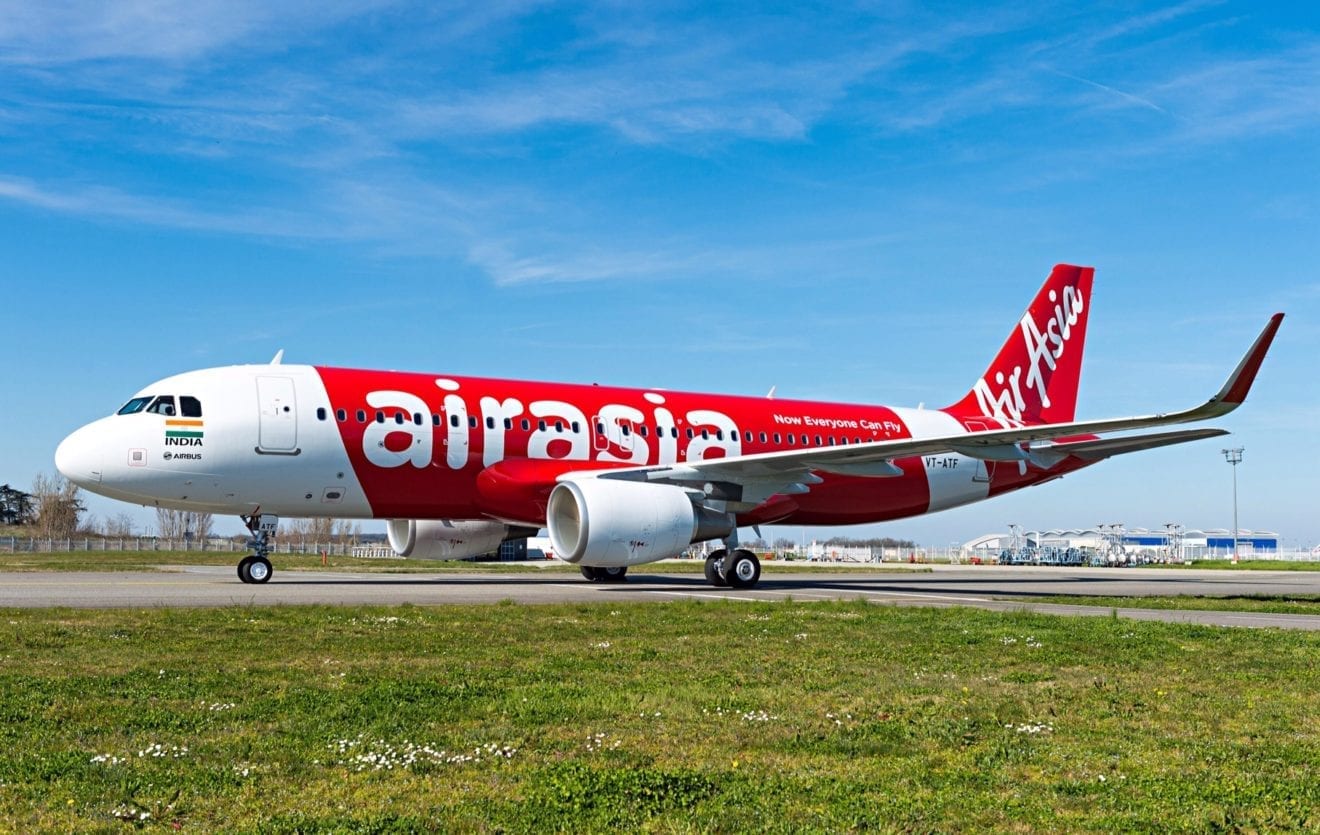
    In a statement, Philippines AirAsia said it will start the three flights weekly from Clark to Kalibo on March 27. The budget carrier will mount flights every Monday, Tuesday and Friday.

    “AirAsia has constantly dedicated itself to make air travel more affordable, convenient, and accessible to all and we are reaffirming this commitment with our newest Clark-Kalibo route. We are thrilled to provide the much needed connectivity at affordable fares for travellers from Central and Northern Luzon,” Philippines AirAsia CEO Captain Dexter Comendador said.

    To recall, AirAsia introduced commercial flights from Clark in 2012 before moving to the main gateway Ninoy Aquino International Airport.

    With the resumption of Clark flghts, AirAsia is offering promo fares to Kalibo from as low as P699 until Feb. 5. Travel period is between March 27 and Nov. 30, 2017.

  • Vietnamese crazy about cars, manufacturers rush to sell

    Vietnamese crazy about cars, manufacturers rush to sell

    Car trading in 2016 saw the number of projects in the sector increasing sharply. About 505 projects in the field were licensed, ranking second in terms of foreign direct investment (FDI), just after real estate, according to the Ministry of Planning and Investment (MPI).

    The representative of a foreign-invested automobile manufacturer said previously, FDI capital flowed into production and assembling, but now, it pours into retail and post-sale services.

    He said foreign investors all can see great potential in Vietnam, where the demand has been increasing rapidly. There is a big wave of foreign investors coming to Vietnam to work as distribution agents for manufacturers.

    Sources said some auto manufacturers have finalized the list of distributors for the years from now to 2023, i.e that from 2017, they will only consider appointing distributors for the years from 2024.

    From January 1, 2018, the tariff on the imports form ASEAN will be cut down to zero percent. Under free trade agreements, the tariffs on CBU (complete built unit) imports will also be decreasing step by step. By 2026, nearly all the tariffs will be lowered to zero percent before Vietnam fully opens its market by 2029.

    About 30 leading brands are present in Vietnam. However, most of them still don’t have large distribution networks. The biggest brand has 40 sales agents throughout the country. The Central Highlands and the western part of the southern region –  potential market areas – still have not been exploited.

    Automobile manufacturers understand that expanding distribution networks is the best solution to improve revenue. Therefore, they applaud the FIEs joining the distribution market.

    Mercedes Benz, Audi, BMW, Toyota, Honda, Mazda, Ford, Hyundai, Kia and Mitsubishi  have opened a series of authorized distribution agents recently.

    It is expected that by 2029, Vietnam market scale would be about 1 million brand-new cars a year with revenue of $12 billion.

    Vietnam is among the fastest growing markets in the region. Over 300,000 cars were sold in 2016, an increase of 24 percent over 2015. Experts have predicted the growth rate would be 20 percent in 2017 thanks to the tax cut and lower car prices.

    An analyst said there were clear opportunities to make money from selling cars as import tariff cuts would make cars cheaper and more affordable to Vietnamese.

  • Cebu Pacific planes use world’s lightest aircraft seat

    Cebu Pacific planes use world’s lightest aircraft seat

    Cebu Pacific, through its wholly owned subsidiary Cebgo, has chosen the world’s lightest aircraft seat, Expliseat, for its ATR 72-600 aircraft.

    The Titanium seat will be installed on all 16 aircraft, two of which are already being utilized by Cebu Pacific. The lighter seat is expected to help decrease fuel burn while allowing the carriage of more guests and cargo on board.

    Expliseat Titanium seat / CREDIT: Expliseat / Manila Bulletin

    Expliseat Titanium seat / CREDIT: Expliseat / Manila Bulletin

    “With Expliseat’s ultralight seats, Cebu Pacific is able to provide comfortable seating to its guests while allowing for a more fuel-efficient operation which will lead to more affordable fares.  With the airline’s low fare offer, we hope to further stimulate inter-island connectivity and contribute to the economies of the destinations we operate in,” said Alexander Lao, president and CEO of Cebgo.

    “Expliseat is proud to announce its collaboration with Cebu Pacific Air. This agreement confirms the unique balance between passenger comfort, high reliability and weight savings that can be offered by the Titanium Seat,” said Benjamin Saada, chief executive officer of Expliseat.

    The Titanium Seat is a technological breakthrough registered under 16 patents, made of ultralight materials such as titanium and carbon composite resources.

    CEB offers flights to 37 domestic and 29 international destinations, covering an extensive network that spans Asia, Australia, the Middle East, and USA.

  • Thailand readies for shopping mall boom in 2017

    Thailand readies for shopping mall boom in 2017

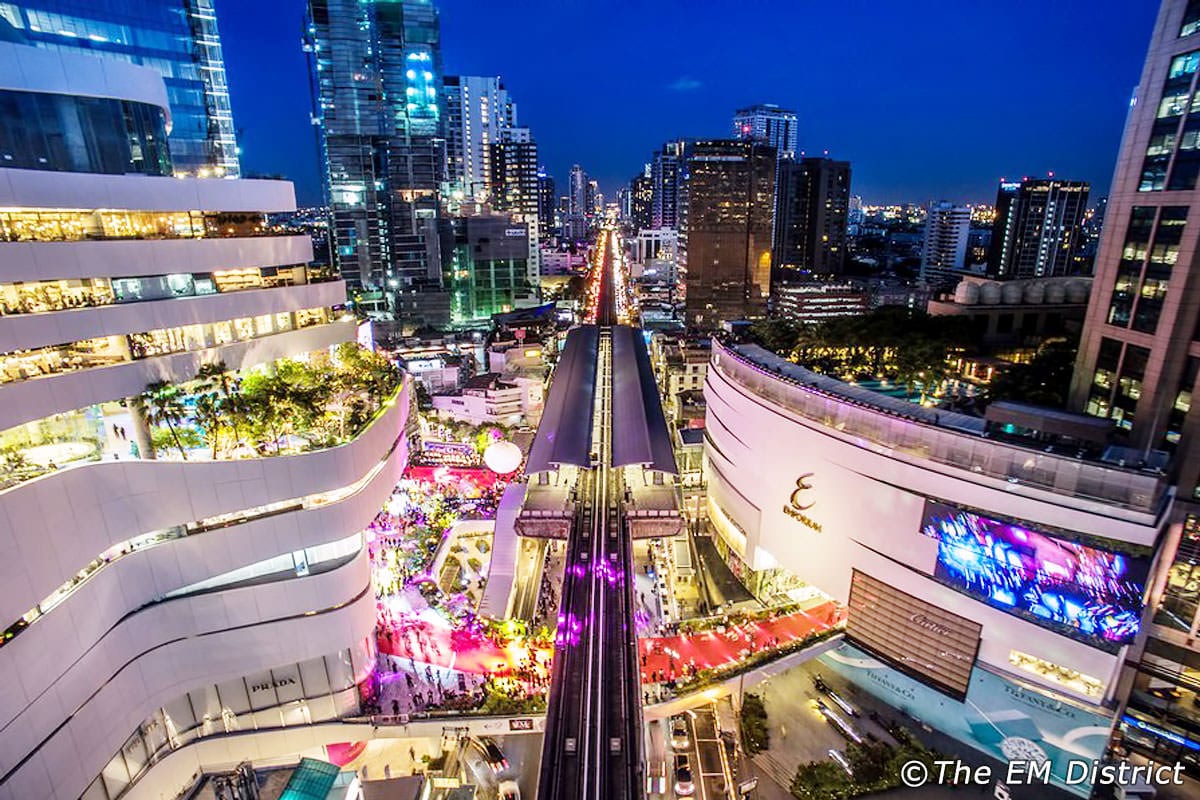
    Thailand can expect a slew of shopping mall openings in 2017, according to retail experts, as more international fashion brands and retailers look to take advantage of the evident mall culture in the Southeast Asian market.

    Japanese bank and consulting group Nomura said in a new research report that Thailand, and Southeast Asia as a whole, is experiencing rapid retail growth and increased store openings, which analysts expect will continue over the next twelve months.

    Moreover, demand for shopfronts in malls and retail spaces will outstrip retail supply in Thailand, according to report author Peerawat Dentananan.

    “We anticipate a rise in shopping mall-related investments driving near-term growth, and environmental improvements set in motion to boost longer-term growth,” said Dentananan in a note.

    The report estimates that Bangkok’s retail occupancy rate will stay above 97%, This follows the evidence that the supply of retail space in Bangkok has registered 6% compound annual growth between 2007 and 2015.

    Meanwhile, Nomura said Southeast Asian country’s bricks and mortar store are more secure to withstand current online shopping threat other markets are experiencing, because the consumers in these markets have embraced a mall culture.

    “Despite rapid growth, we believe e-commerce in Thailand is unlikely to overtake malls as reversing the trend in China, the [U.S.] and Singapore, given that malls in Bangkok are better developed and are usually located close to home,” Dentananan wrote.

    “We see shopping malls as a choice for [socializing] and/or taking care of personal lifestyle needs for Thai people, due to year-round hot weather (driving the demand for air conditioning) and the lack of nature parks.”

  • Top 30 Chinese global brands: Lenovo, Huwaei, Alibaba rank first

    Top 30 Chinese global brands: Lenovo, Huwaei, Alibaba rank first

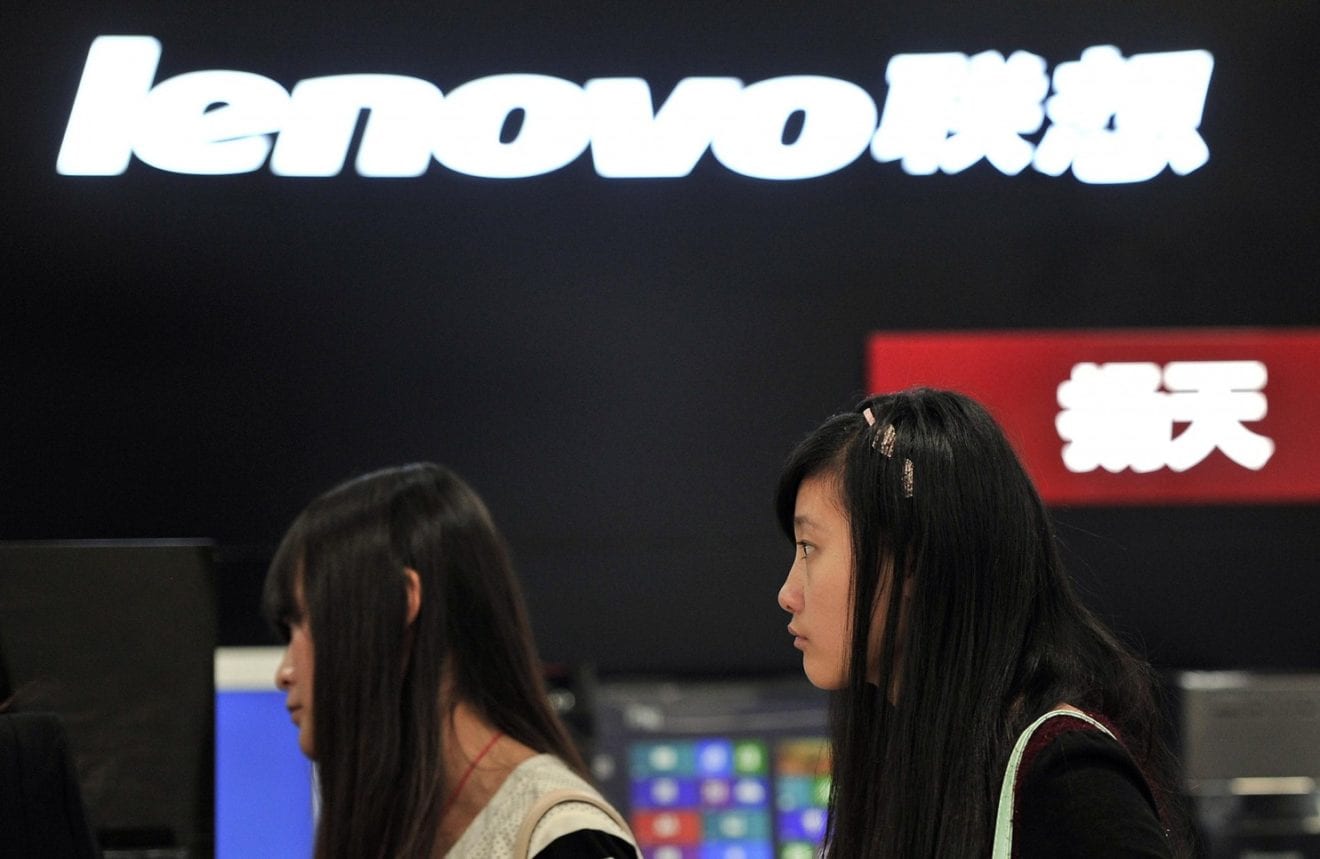
    Lenovo is the most powerful Chinese global brand builder, followed by Huawei and Alibaba, according to new research released this week.
    The first “Brand Top 30 Chinese Global Brand Builders”, released by WPP and Kantar Millward Brown in collaboration with Google, said the personal computer and mobile technology firm is the most powerful Chinese export brand with a Brand Power score of 1,682. Lenovo was followed by consumer electronics brand Huawei (1,256) the e-commerce marketplace giant Alibaba (1,047).

    Kantar Millward Brown calculated the Brand Power (the BrandZ measure of consumer predisposition to choose a particular brand) of Chinese brands outside of China across seven countries, supported by research conducted using Google Surveys in September 2016, to find the ranking. The evaluation looked at 167 Chinese brands, the median Brand Power score of which is 85.

    The biggest find was how the Made in China brand is shifting. While established brands currently have an edge over the emerging internet-lead brands, with 57% of the total Brand Power in the ranking, digital brands were the biggest winner.

    Collectively, consumer electronics and mobile gaming lead the ranking, both in terms of the number of brands in the ranking (17) and combined Brand Power (59%). The result reflects the transformation of Chinese brands, which consumers abroad increasingly associate with innovative digital devices and services.

    One challenge facing Chinese brands is that international consumers are generally less aware of, and less likely to consider purchasing, a Chinese brand than a local or globally recognised one, said the research.

    However, awareness and consideration gaps vary, with consumers in France, Germany and Spain more aware of and likely to consider Chinese brands than consumers in Japan, Britain or America, said report authors.

    “The study shows that the movement of ideas and product leadership has expanded globally, with consumers increasingly looking to China as a potential source for the newest and most innovative products and brands,” said David Roth, CEO of EMEA & Asia, The Store WPP.

    “This is the opportune time for Chinese brands to expand abroad, despite the many obstacles and this is why in collaboration with Google we have produced the ground-breaking “BrandZ Top 30 Chinese Global Brand Builders 2017” report. By analysing consumer perceptions of Chinese and non-Chinese brands, we have been able to identify gaps in Chinese brand performance and provide recommendations for brand building strength.”

  • Korean duty free shops rely on online Chinese celebs

    Korean duty free shops rely on online Chinese celebs

    Duty free shops in Korea have begun to invite internet celebrities from China, better known as “Wang Hong” there, to attract Chinese tourists during the upcoming holiday season.

    The shops are seeking to break through Beijing’s economic retaliation against Seoul’s decision to deploy a U.S. Terminal High Altitude Area Defense (THAAD) battery here.

    Last Wednesday, HDC Shilla invited four Chinese internet celebrities to HDC I’Park Mall and Shilla I’PARK Duty Free in Yongsan, central Seoul.

    The online stars, who have millions of followers on social media such as Weibo, broadcast their shopping for two hours to China through their smartphones.

    At toy store Toys & Hobby in I’Park Mall, the four introduced “kidult culture” in Korea, which has yet to be seen in China. They introduced Korea’s fashion and beauty brands as well at The Handsome and 3 Concept Eyes outlets in Shilla I’PARK Duty Free.

    “The promotional video broadcast by the four celebrities will likely get more than 5 million views within a week,” an HDC Shilla official said.

    The Shilla Duty Free also invited 15 Chinese internet celebrities to Korea to offer them a trip for five days and four nights from this Monday to Friday. The affiliate of Hotel Shilla plans to give them various experiences beyond shopping.

    Image result for shilla duty free korea

    Traveling from Seoul to Jeju, the 15 will visit hidden local restaurants and a tangerine farm on the island. They will also enjoy make-up sessions, a tea ceremony and pop arts, according to The Shilla Duty Free.

    An official said, “We expect more Chinese tourists, who are interested in beauty, food and experiences, to come to Korea.”

    The duty free shops want the celebrities to attract more Chinese tourists to Korea during the Lunar New Year festival from Jan. 27 to Feb. 2, which is regarded as one of the most lucrative times of the year in the industry.

    Last year, Lotte Duty Free and The Shilla Duty Free posted 10 per cent more in sales during the festival.

    However, duty free shops this year are facing a gloomy outlook due to Beijing’s order to regulate group tours to Korea.

    According to the Korea Duty Free Association, the number of foreign shoppers last November declined 17.8 per cent from a year earlier. The total sales of duty free shops also fell 8 per cent year-on-year, as sales to foreigners decreased 9.6 per cent.

    Observers said the recent invitations of Chinese celebrities are targeting non-group tourists, who visit Korea individually without travel agencies and who can replace the group tours.

    “The non-group tourists are not regulated by the Chinese authorities,” another HDC Shilla official said. “So, we want those tourists to visit Korea more, after watching promotional videos filmed by Chinese celebrities.”

    The Shilla Duty Free also said the itinerary of celebrities was arranged to help non-group tourists who are considering visiting Korea.

  • Mainland China accounts for 28m of 30m Macau visitors

    Mainland China accounts for 28m of 30m Macau visitors

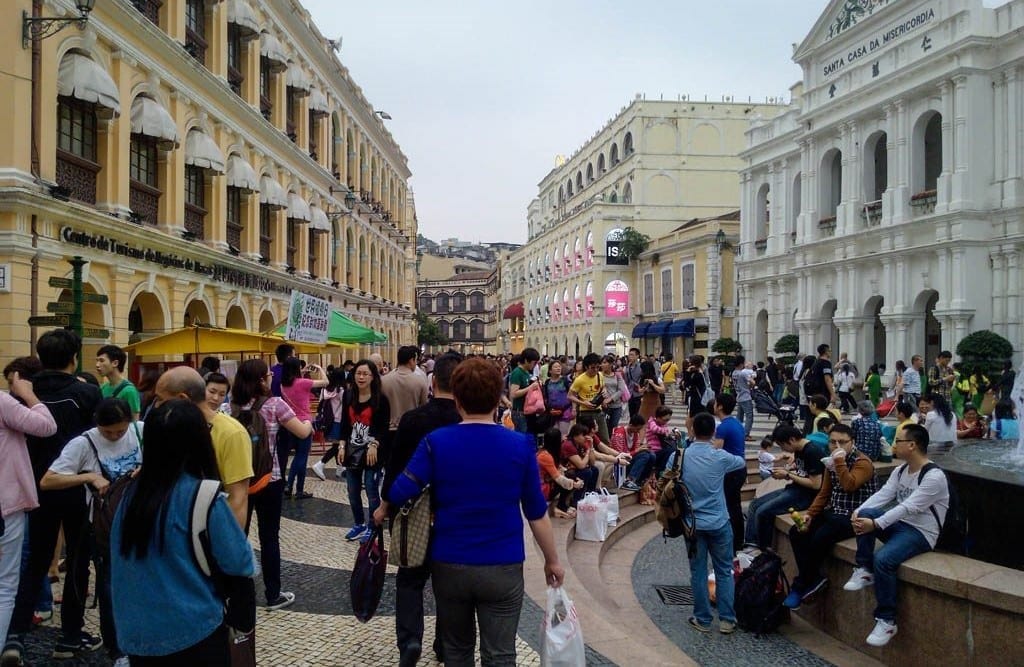
    Macau’s total visitor arrivals rose a nominal 0.8% to a new record 30.95m in 2016, with nearly 28m travelling from Greater China markets (+0.1%), a slight increase of 0.1%, whereas the much smaller international visitor arrival total grew by 7.9%.

    This will be encouraging news for DFS Macau in particular, plus Duty Free Americas, Dufry and many other standalone retailers currently operating shops in Macau’s hotels and tourist district.

    MACAU GAMBLING ON CASINO RECOVERY

    The increase also comes at a time when Macau’s casino business appears to be recovering some of its big spenders, with last December’s revenue up an impressive 8%.

    Most of these big ’high rollers’ were put off visiting the location, following Beijing’s crack down on irresponsible gambling by some mainlanders three years ago.

    Having said that, there was still a 3% fall in Macau’s overall gambling revenue to $28bn last year and this is still the Special Administrative Region of China’s biggest source of revenue by far [three times the gambling revenues generated in Las Vegas-Ed].

    Macau also continues to be only territory anywhere in China that is allowed to operate casinos.

    MACAU STILL NEEDS A LOT MORE HOTEL ROOMS

    The huge new bridge being constructed to link Hong Kong and Macau and the planned expansion of ferry operations to Macau are also expected to greatly increase visitor arrivals – although this expansion will only as good as the number of hotel rooms that are available – around 35,000 at present.

    In the meantime, the MGTO says it continue to work towards completing the tourism development goals in the 5- year development plan formulated by the SAR Government aimed at turning Macau into a World Centre of Tourism and Leisure.

    Macau welcomed more than 20m Mainland visitors last year, up by 0.2%, with 44% from Guangdong Province. There were also nearly 9.56m ‘independent’ visitors from the Mainland. An increase of 8.8% was recorded for the Taiwan market, whereas the sum of Hong Kong visitors dropped by 1.8%.

    HALF A MILLION KOREANS VISITED MACAU LAST YEAR

    As for international markets, South Korea still ranked highest, contributing over 660,000 visitors to Macau last year (+20%). Southeast Asian markets also performed well, with visitors from Thailand registering the largest growth of over 30% among the top ten source markets.