Author: Mei Ling Tan

  • Prada Asia fortunes wane

    Prada Asia fortunes wane

    Prada Asia is the Italian luxury label’s achilles heel with the company reporting  a 16 per cent decrease in sales in the region in the year to January 31.

    “The economic situation of the Chinese market remains negative although there was some improvement in the final quarter,” Prada said in its earnings statement.

    “Consequently, in the 2015 financial year, the entire Asia Pacific area (excluding Japan) recorded a 4 per cent revenue decrease at current exchange rates and a 16 per cent decrease at constant exchange rates.”

    Japan proved a better market, for the label: for the fifth consecutive year, sales rose, this time by  11 per cent at current exchange rates, or 4 per cent at constant rates.

    Global sales changed little – for the second year in a row – largely due to the strengthening US dollar.  Total revenue was 3.552 billion euros (US$3.96 billion) in 2015. Sales in the US fell 9 per cent excluding currency fluctuations.

    “Throughout 2015, we had to deal with an economic environment characterised by extreme volatility in currency markets, as well as by the deteriorating geopolitical situation in many world regions,” commented said CEO Patrizio Bertelli, in a clear reference to the falling demand for luxury goods in China and the Paris terrorist attacks.

    “These two factors have made prices fluctuate wildly and diverted tourist traffic in sudden and unpredictable ways. Our retail network – now truly global thanks to investment in recent years – enables us to keep developing a direct relationship with our ever more demanding customer all over the world. In the coming months, the group will be focusing its energies on the development of new commercial and marketing initiatives to sustain organic growth, also by means of an extensive digital project to strengthen dialogue with our customers. These actions, taken against the background of rigorous and disciplined cost control, will enable us to consolidate our market position with satisfactory margins and returns on investment.”

    Prada is listed in Hong Kong.

  • Reebok Launches Tuk Tuk Inspired Sneakers

    Reebok Launches Tuk Tuk Inspired Sneakers

    A new sneaker collaboration between Reebok and international sneaker destination store 24 Kilates in Barcelona pays homage to Bangkok and, even more specifically, to the bright colors of the city’s iconic tuk tuk.

    The video, released a few days ago in advance of the sneaker’s March 12 drop date, plays out like a two minute-long love letter to Bangkok.

    The clip opens with a sunrise over Bangkok and the ambient traffic noise that is the never-ending soundtrack to life in the city. The viewer follows the sneakers as they visit many of Bangkok’s key sites: the Chao Phraya River, the Grand Palace, Wat Arun, the Giant Swing, Asoke intersection and what appears to be Soi Cowboy. The entire homage is set to the driving line of a morlum tune.

    And how does the dude wearing the sneakers get from place to place around our giant city? In a tuk tuk that matches the shoes, of course.

    The sneaker design is the brainchild of the owners of 24 Kilates. The two men come to Bangkok often, saying they have fallen in love with the city and also plan to open their second 24 Kilates location in the capital in the not-too-distant future.

    Whether you care about sneakers or not, seeing the city through their eyes in this video is a worthwhile way to spend a few minutes.

  • World catches the Chinese holiday shopping bug

    World catches the Chinese holiday shopping bug

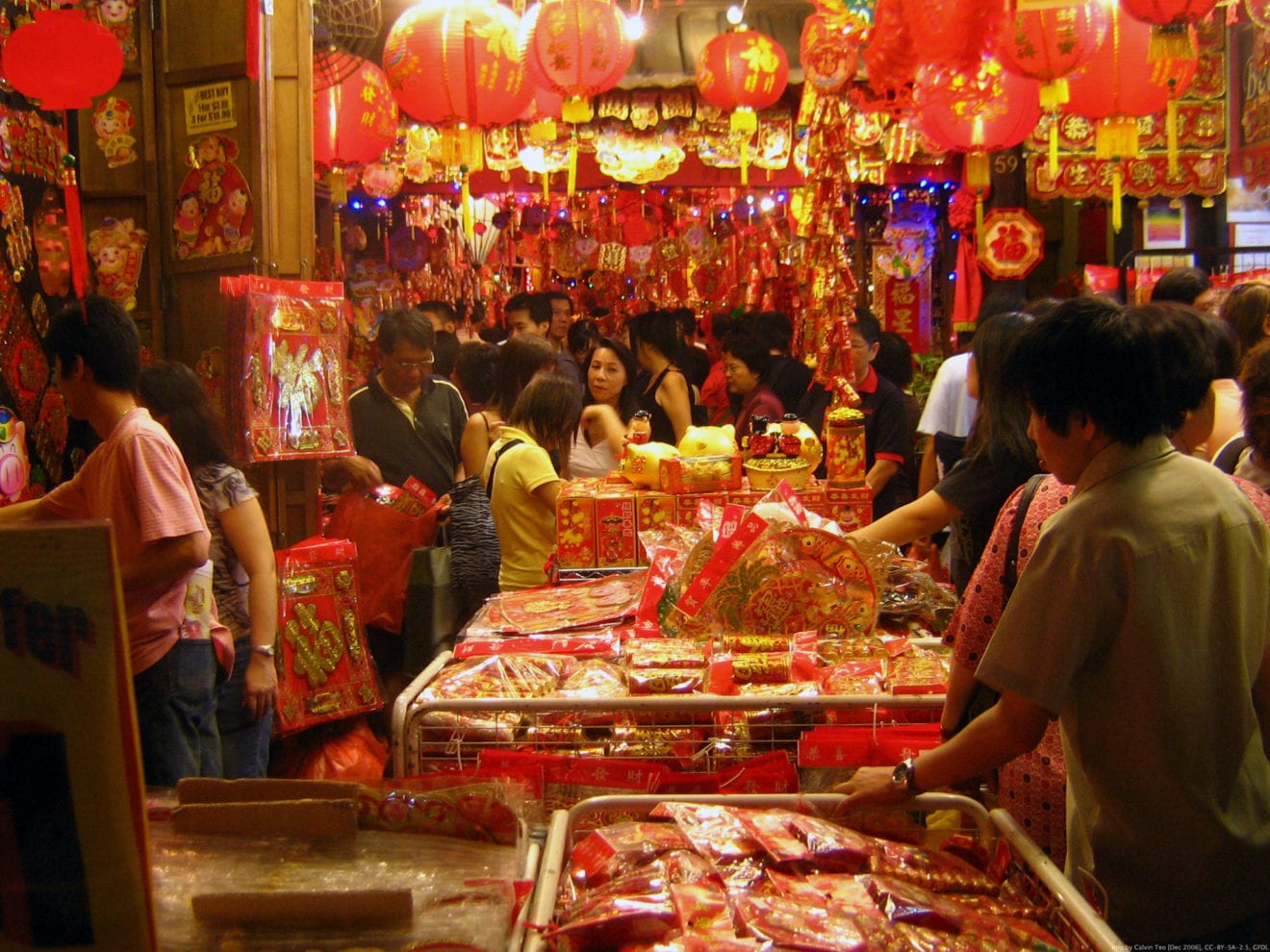
    Elena Zhang, sales manager of Xi’an Silk Road Crafts Co, said the company started receiving overseas orders for Spring Festival in July last year.

    One order last month came from Spain, for more than 1,000 red hanging lanterns made of Chinese fabric.

    Orders for various products related to Chinese New Year had come in from Canada, France, Germany and Russia, she said. AliExpress, a website that sells made-in-China products to overseas customers, is by far the most used online shop.

    Our China Dream series of lanterns are the bestsellers among overseas Chinese this year. It belongs to Alibaba, China’s largest e-commerce player. “Fabric lanterns priced between $1.50 and $4.30 (£1-3) each were the most popular items this year,” Ms Zhang said.

    “Overseas buyers usually place their Spring Festival orders in summer. But we have had orders at the end of the year, too. Enthusiasm overseas in Chinese New Year shopping seems to be increasing, and e-commerce is helping increase sales.”

    Sales by AliExpress to overseas consumers from the city of Yiwu, Zhejiang province, well-known as a centre for small commodities, have risen sharply since the company began to ship worldwide on Dec 31.

    To the end of January it had shipped more than one million parcels overseas. One of the companies making full use of this new service is Yiwu Wonderful Lantern Co.

    Xia Rongwang, the company’s manager, said many overseas orders had been placed since the middle of January, especially from overseas Chinese in countries such as Malaysia.

    Some buyers said the lanterns make them feel as though they are back home celebrating new year

    “Our China Dream series of lanterns are the bestsellers among overseas Chinese this year. Some buyers have said the lanterns make them feel as though they are back home celebrating the new year.”

    Apart from Spring Festival-related items such as lanterns, overseas consumers are buying other products made in China selling at bargain prices in the holiday period and just before it. DHgate, a Chinese online wholesale marketplace, said sofa and bed cushions are particularly popular among Canadian shoppers.

    Russians are said to be the most numerous overseas buyers. AliExpress says they love buying clothes made in China, their keenness to shop online spurred by a depreciating rouble. Consumers in countries where winters tend to be very cold buy made-in-China down jackets and other winter-wear.

    Felix Zhang, sales manager for Shaoxing Goldson Dress Co in Zhejiang province, said Chinese down jackets in the $40 to $47 price range are popular among buyers in Kazakhstan, Estonia and Latvia. “We offer discounts of up to $500 for buyers who order more than 10,000 down jackets. The reason is obvious: Online selling means we cut the costs resulting from going through intermediaries.”

  • SmarTone opens online store for smartphones, accessories

    SmarTone opens online store for smartphones, accessories

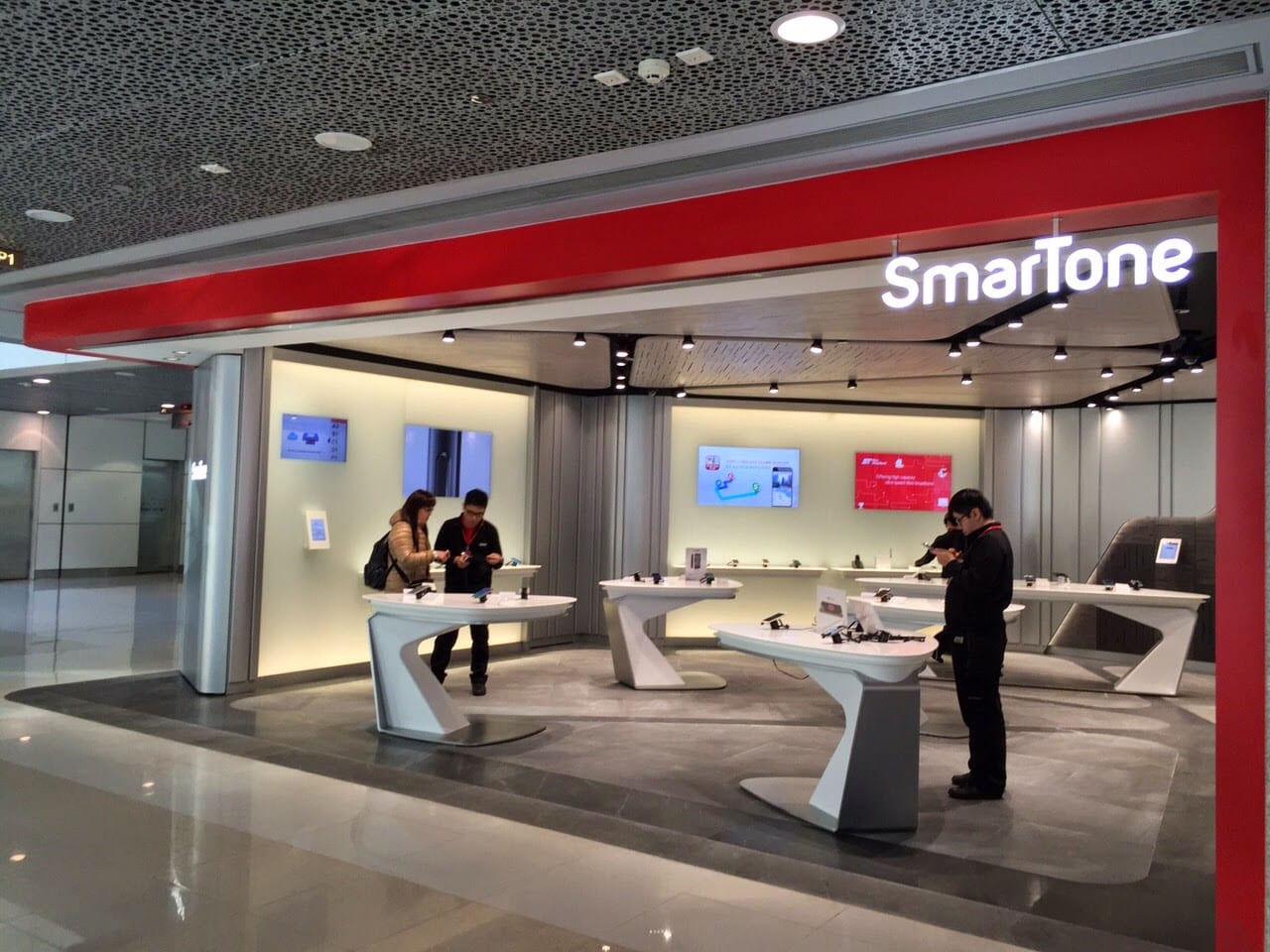
    SmarTone has launched a new online store for customers looking to buy smartphones and accessories.

    The store at shop.smartone.com will provide customers with a range of online exclusive offers, including a 12-month screen replacement warranty for smartphones and HK$50 off on accessories for every HK$1,000 smartphone purchase.

    Customers will be able to use the shop to choose their own numbers for prepaid SIMs from a pool of sought after numbers.

    The store will also offer free delivery to commercial addresses in Hong Kong for every order over HK$300.

    As a promotional offer, the company is providing winning customers with up to a HK$1,000 rebate on their orders, for a total pool of store credit worth HK$100,000. The promotion ends on Tuesday.

    SmarTone interim CEO Stephen Chau said the new store is aimed at adapting to the changing demands of Hong Kong consumers.

    “SmarTone has always focused on delivering an outstanding experience to our customers. In recent years, we have observed the trend of Hong Kong consumers shopping online,” he said.

    “To better serve customer needs, our new online store focuses on bringing products from quality brands internationally to customers, and they also enjoy our renowned customer care such as gift wrapping service and 24/7 Web Chat. Leveraging on our omni-channel capability, we aim to provide customers with an enjoyable shopping experience.”

  • Vietnam risks losing entire retail market to Thailand

    Vietnam risks losing entire retail market to Thailand

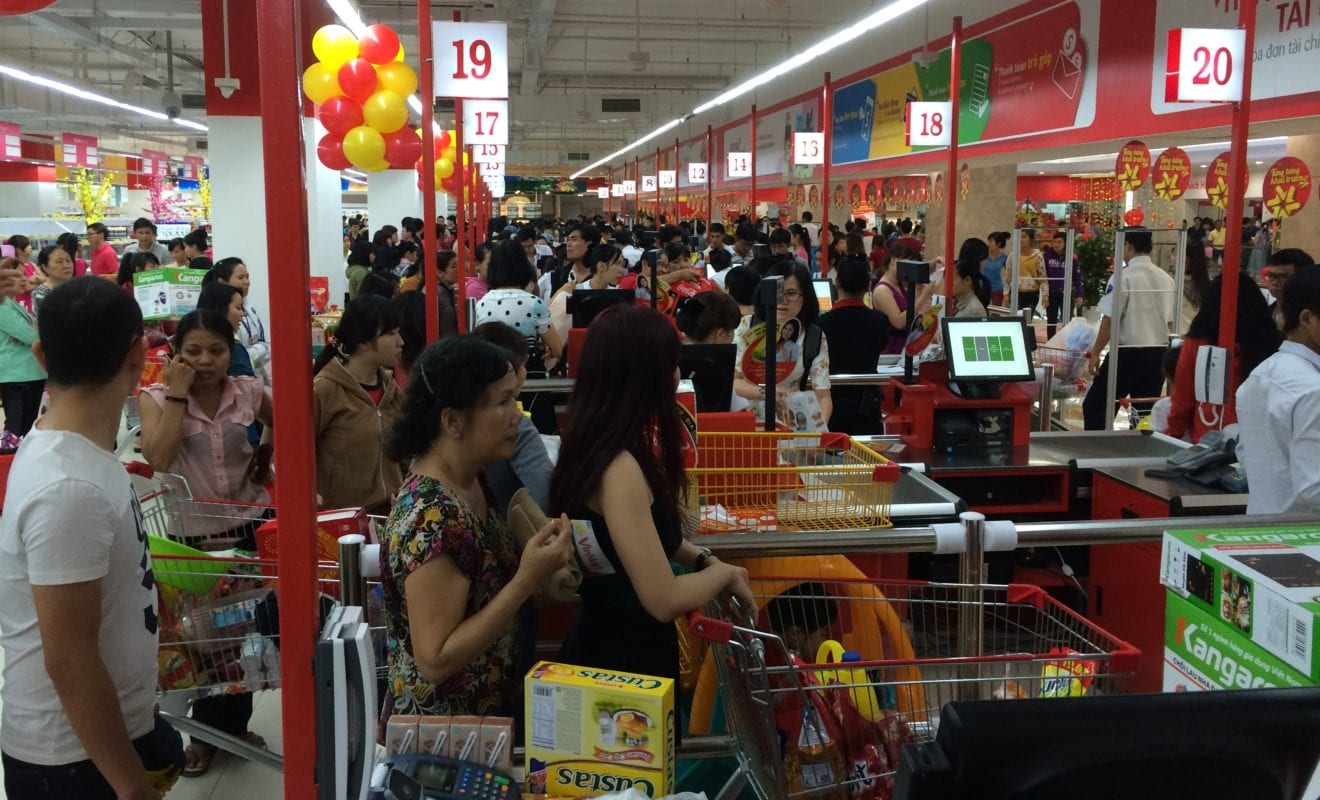
    Industry insiders have warned that Vietnam is on the brink of losing its entire retail market to neighbor Thailand. Made-in-Thailand goods, from confectionery to luxury items, are making their largest-ever ‘invasion’ of the Vietnamese market, and many local firms are looking like being acquired by Thai investors.

    Last month, Thailand’s TCC Holding Co. officially acquired Metro Cash & Carry Vietnam’s operations from Germany’s giant retailer Metro Group for an enterprise value of €655 million (US$712.14 million).

    The business includes 19 wholesale stores and related real estate portfolios across Vietnam.

    Another major Thai investor, Berli Jucker (BJC), is also is keen to buy the Big C Vietnam supermarket chain from its French operator, Casino Group.

    The French company reportedly wanted to sell its Vietnam business after completing the transfer of its business in Thailand, Thai Big C, to home player TCC in a $3.5 billion deal earlier this month.

    “If Big C Vietnam is sold to a Thai investor, it can then be said that the entire Vietnamese retail market is in Thailand’s hands,” said Vu Kim Hanh, chairwoman of the Business Association of High-Quality Vietnamese Goods.

    In 2013, BJC acquired the Vietnamese convenience store chain from Japan’s Family Mart and renamed it B’s Mart.

    Later that year, Family Mart teamed up with a new Vietnamese partner to keep the Family Mart chain running, not to be confused with the Thai-operated B’S Mart.

    “A supermarket chain is the missing piece at a time when Thai companies are already running wholesale markets, convenience stores, and even traditional retail channels in Vietnam,” Hanh told us recently.

    With multiple retail channels under their control, Thai investors can easily cut costs and increase competitiveness, and “it will be more difficult for Vietnamese goods to enter Thai-controlled retail outlets,” Hanh said.

    In fact, Thai goods are currently dominating the B’s Mart chain in Vietnam following its acquisition from Family Mart, according to the director of a processed food company.

    “There have been huge changes in the way these stores source products, with Thai candies, snacks and packaged food dominating shelves,” she told Tuoi Tre.

    A real threat

    Shelf space for Thai goods has also increased in other Thai-owned retail channels in Vietnam.

    One executive from a Ho Chi Minh City-based frozen foods trading firm said they had stopped making private-label products for Metro late last year, even before the cash and carry business was sold to TCC.

    Private-label goods are typically those manufactured or provided by one company sold under another company’s brand name.

    “Several procedures have taken longer than usual since the Thais have controlled Metro,” she added.

    “It took me six months to pull some products from their shelves, and requests to adjust prices also took a long time to be effected.”

    Other Vietnamese businesses said the trading policies of Metro, under the new owner, have changed a lot.

    “We are offered higher commissions, but sales have been much slower,” one company director said.

    N.T.C., director of a fresh food producer, said Metro Cash & Carry Vietnam has a new marketing policy that openly favors Thai suppliers.

    “Across product categories, only the Thai ones are subject to repeated promotional campaigns, which leave Vietnamese suppliers like us in shock,” he said.

    The presence of Thai-made products has even increased in retail outlets not owned by the Thais, including South Korea’s Lotte Mart and Co.op Mart, which is Vietnam’s largest supermarket chain.

    “Thai businesses are receiving huge support from the government, in terms of both policies and capital, in their ‘invasion campaign’,” said Vo Xuan Trung, director of IBP Co., a local distributor of Thai snacks.

    While there used to be only one annual Thai goods fair in Ho Chi Minh City, the event has been held four times annually since 2014, Trung said.

    “Having said that, we should acknowledge that most Thai products are of better quality and available at more attractive prices than their local competitors,” he said.

    Tran Anh Tuan, general director of Pathfinder, a Ho Chi Minh City-based market consulting firm, said it was a real threat for Vietnam to lose its home market to Thai retailers.

    “Once Thai retailers are in Vietnam, it is certain that they will try to increase the presence of their goods,” he said.

    Tuan underlined that timely policies should be made before the second, bigger risk comes.

    “Soon we will see not only our consumers rush to buy Thai goods, but also Vietnamese firms acquired by Thai investors,” he warned.

  • Mobile shopping is doubling in China each year

    Mobile shopping is doubling in China each year

    On the back of strong growth in household income and wealth, retail spending has been one of the few shining lights for the Chinese economy of late. The pace of growth, no matter what method used to measure it, has been phenomenal since the turn of the century.

    According to analysis produced by UBS equity analysts Xinyu Liao and Yunyun Hu, retail sales of consumer goods grew at a compound average growth rate (CAGR) of 13.8% since 2000, leaving the total amount spent by Chinese households last year at a mammoth 30 trillion RMB (US$4.6 trillion).

    From the levels of 2000, that represents a more than six-fold increase.

    As as the chart below from UBS shows, despite a recent deceleration in the pace of growth, retail sales of consumer goods, let alone services, is still growing at a rate of around 10% per annum.

    Breaking down the retail sales figure further, there’s one component that stands head and shoulder above the rest when it comes to annual growth: online retail sales.

    It grew by an astonishing 33.% in 2015, accounting for more than 10% of total retail sales, a figure that dwarfs comparable online spending figures from the US and Japan.

    With mobile usage in China exploding, so too is retail spending on mobile devices. It grew by over 100% in 2015, continuing the trend seen since late 2013.

    According to Xinhua, citing a research report from the China Internet Network Information Center (CINIC), Chinese internet traffic through mobile devices surged by 36.79 million people in the first six months of 2015, taking the total number accessing the web through smartphones to 594 million.

    Massive growth, and combined with Chinese demographics, one that looks set to see spending on mobile devices skyrocket even further in the years ahead.

    Of China’s more than 1.3 billion people, 43% are aged between 10-39 years. While less than half of the population, what they lack in numbers, comparatively speaking, they make up for in terms of internet usage.

    Nearly 80% of China’s internet users come from this age group, presenting an enormous opportunity for retailers as their numbers, and wealth, increase.

    “With younger people set to become China’s most influential group of consumers in the next few years, we expect growth in online and mobile consumption to continue, say Liao and Hu. “Equally importantly, their consumption habits are likely to influence the next generation, as more of these younger consumers go on to become parents. Thus, we believe the shift from offline to online channels could have far-reaching implications for the spending habits of Chinese consumers.”

    Based on the changes witnessed in Chinese household spending patterns over the past 25 years, those firms offering discretionary items look set to do well.

    Like most economies making the transition from developing to developed status, the proportion of household spending directed to necessities has been steadily falling, replaced by discretionary spending such as education and housing.

    Clearly the opportunities to tap into marketplace are immense, as discovered by many firms in and outside of China over recent years. However, the formula to do that successfully, particularly for foreign firms, might not be so easy to crack.

  • Explore bittersweet world of coffee at ‘Thailand Coffee Fest’

    Explore bittersweet world of coffee at ‘Thailand Coffee Fest’

    With the bittersweet scent of coffee in the air and the endless coffee products on display, Thailand Coffee Fest 2016 will turn Queen Sirikit National Convention Center into a heaven for coffee addicts.

    Organized by SCATH and CP Link, Thailand Coffee Fest 2016 will be a hub for all things caffeinated. The event features shopping and will showcasing products from Thailand’s leading coffee companies, along with fancy appliances that can help you to brew your perfect cup.   

    The event will host various exhibitions including a photography gallery, while coffee lovers can head to workshops to learn basic barista skills including the art of latte making and cold drip coffee, and coffee-themed seminars.

    Thailand’s Brewer Cup and Latte Art Championship 2016 will pit skilled baristas against each other, while the Highlight will host the search for quality coffee and the 10 best coffee beans of the fair, followed by an auction of the coffee treats.

    You can register for workshops and seminars on the website.

    Thailand Coffee Fest 2016 takes place from Feb. 25-28 at Plenary Hall, Queen Sirikit National Convention Center. Entry is free.

  • New ‘Siam Discovery-the Exploratorium’ to open Q2 as Thailand’s first hybrid retail store

    New ‘Siam Discovery-the Exploratorium’ to open Q2 as Thailand’s first hybrid retail store

    Siam Piwat Co., Ltd., the owner and operator of prestige retail developments such as Siam Paragon, Siam Center, Siam Discovery, and Paradise Park, as well as the joint venture partner of ICONSIAM, today, announced that it is introducing a revolutionary new retail concept to Thailand with the opening of the new Siam Discovery retail destination in the second quarter of 2016, after a Bht 4,000 million re-build.

    Mrs. Chadatip Chutrakul, Chief Executive Officer of Siam Piwat Co., Ltd. said: “The new Siam Discovery is the first hybrid retail destination in Thailand.  We have created a venue where thousands of lifestyle brands are brought together under a single universal concept that puts customers at the centre, rather than brands.  That means everything presented at Siam Discovery is not organized by brand, or category, as in traditional retailing, but by the visitors’ interest, because our purpose is no longer just to sell products but to provide an extraordinary and emotional experience to the visitor allowing them to discover themselves, as well as express themselves.

    Mr. Oki Sato, Chief Designer and Founder of nendo and Mrs. Chadatip Chutrakul, Chief Executive Officer of Siam Piwat-1

    “We then enhance that experience by presenting a story rather than just products, and by making the experience in our store highly interactive as well as allowing visitors to personalize their purchases.  We give visitors opportunities to make a statement about their life preferences, whether it be about sustainability or a love of nature, and to support those preferences through their purchases, and through occasions to interact with like-minded people and communities.  And then we further enhance those experiences through the power of the most advanced digital technology,” she said.

    Mrs. Chutrakul added, “Taken together, this new retail format makes a visit to the store an exciting, emotional experience that gives visitors a great opportunity to play, to experiment, to discover and re-discover themselves.  We want people to fall in love with that experience.

    “Our role as a retailer has advanced to another level and become one of managing visitors’ experiences and emotions at the destination, rather than just one of managing products, categories and displays,” she said

    “We target all genders and all age groups, and there is something for everyone at all price points,” Mrs. Chutrakul said.

    “Come Play With Me”

    Empowering visitors to create their own personal style
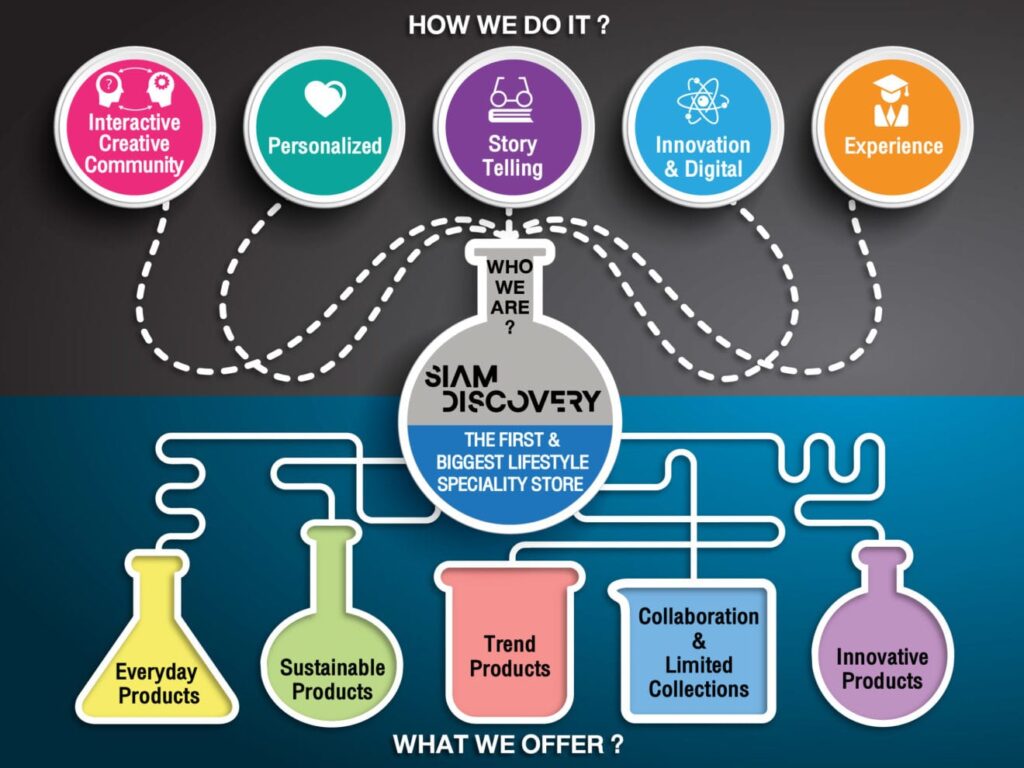
    Siam Discovery Infographic

    According to Mrs. Chutrakul, “The new Siam Discovery says ‘Come play with me!’ to visitors, inviting them to experiment by trying out new products, new ideas, re-thinking conventions, and customising their purchases, all across 40,000 square metres of floor space.”

    “We are completely overturning past retailer practice of organising and presenting products by brand or category.  Instead, at the new Siam Discovery, multiple brands and complementary merchandise are brought together for the convenience and enjoyment of the visitor and unified with underlying stories.  They are organised and presented by type, function, relevance and, most importantly, the visitor’s interest.

    “This is a pioneering retail concept that empowers visitors to mix and match across brands and categories to discover, define and create their own distinct, personal style, while also pursuing related interests and passions that need not be tied to any purchase intent.  It has never been done before in Thailand and on such a scale, and it’s a concept that will bring new excitement to any visit to Siam Discovery.  We estimate it will also double Siam Discovery’s per-square-metre sales within a year,” she said.

    Mrs. Chutrakul added that the new Siam Discovery is called ‘The Exploratorium’ and is a ‘lifestyle lab’ because it allows every individual to explore who they want to be and what is the style that best reflects their true self without the constraints of a particular brand or school of design.  She said that visitors can try new ideas across the hundreds of categories and more than 5,000 international and local brands on offer, many of which are first-time-in-Thailand brands.  It includes everyday products, sustainability products, trend products, collaboration and limited edition collections, as well as innovative products.

    Visitors can go even further in experimenting with creating their own style because the new Siam Discovery also provides bespoke personalisation opportunities that let customers tailor their purchases to their own personal preferences.

    Immersive Story-Telling, Advanced Digital Technology, Interactive Experience

    The presentations of products have a very strong story-telling component.  As visitors move through the various parts of Siam Discovery, they are immersed in the heritage and the intangibles of a brand and a category.  They are also drawn into stories relevant to their interests, their beliefs, and trends rather than just being presented a selection of products.

    “These experiences are enriched and heightened through advanced digital technology as well as many interactive experiences that are offered to the visitor.  It’s a totally new and an extraordinarily exciting way of presenting products and their associated lifestyles,” she said.

    “As part of this ‘immersive experience’, Siam Discovery has created areas for people of similar interests to interact, share experiences, make friends and create their own communities, whether they be designers, sportsmen, collectors, health gurus, or travellers.  Not only can they do things with other people, they can also do things for other people: through their purchases, they will be able to indulge in their passions and convictions, such as supporting sustainability or other causes important to them,” she added.

    Siam Discovery Visual Ad-1

    Thailand on the World Stage

    Mrs. Chutrakul noted that the introduction of a revolutionary, new retail concept will reinforce Bangkok’s appeal as the retail hub of the ASEAN Economic Community (AEC) and help make the city a favourite shopping destination for the world.

    “Siam Area is Bangkok’s top-ranked retail destination with more than two million square metres of world-class attractions and the widest variety of shopping, dining, art, culture and education offerings in Thailand, attracting traffic of over 160 million visits, annually.  The new Siam Discovery enriches the total package of offerings in Siam Area by introducing a completely new proposition,” she said

    Top Global Designer ‘nendo’

    ‘nendo’ (Mr. Oki Sato), who is one of the world’s top designers and a person voted as among the ‘100 Most Respected Japanese’ by Newsweek Magazine, provided the overall design inspiration for the new Siam Discovery.  He was engaged as the chief consultant for the building design as well as the interior design, while Urban Architect Co., Ltd. was the Thai architectural design and interior design company for the project.

    The new Siam Discovery is nendo’s largest project, ever, and his first in Thailand.

    Mrs. Chutrakul said, “We invited nendo to provide the inspirational design concept for Siam Discovery because Siam Piwat looks at the future from a global perspective rather than just the potential of the Thai market.  This is because Siam Piwat is committed to the business of creating extraordinary experiences for customers who are not only Thai people but also visitors from every corner of the world.

    “In line with our growth strategy, Siam Piwat is creating unprecedented destinations in Thailand that can compete with the best of the world’s destinations and help support Thailand to become a top-ranked global retail and entertainment paradise.”

    “Within the first year, we aim to have 100,000 people a day visit and fall in love with the new Siam Discovery, of which around 65% are expected to be Thai and 35% to be international visitors.  What our visitors will have in common will be their progressive, independent-minded outlook on life, and a passion to explore and try new things,” she said.

    The new Siam Discovery follows from Siam Piwat’s highly successful Bht 1,800 million     re-build of Siam Center three years ago, which pioneered a revolutionary retail development concept where the developer worked collaboratively with retailers and brand owners to give the entire venue a consistent visual identity that is clearly and distinctly Siam Center.  The concept has been showered with eight highly prestigious international awards, including recognition as one of the world’s 5 best-designed retail centres by the retail industry’s leading international association – the International Council of Shopping Centers (ICSC).

  • Indonesia to expand seafood market to England

    Indonesia to expand seafood market to England

    Indonesian government, through the Coordinating Ministry for Maritime Affairs and Resources, will work to expand the seafood market to England and North Ireland as part of an MoU for maritime cooperation signed by the two countries in July 2015.

    “The UK is the biggest seafood market for Indonesia, and the European Union accounts for 60 percent of our total seafood market,” Deputy Minister for Maritime Sovereignty Arif Havas Oegroseno said on the sidelines of the “Bilateral Maritime Workshop” here on Monday.

    With a large market, Great Britain is considered as setting the standards in the seafood market in the world.
    “Through our collaboration with the British, we could manage our shrimps, fishes, or other seafood species to meet the world standards as well as increase the production,” Havas stated.

    In addition, he said, cooperation on marine fisheries between the two countries was also considered as an opportunity to introduce Indonesian seafood products which were free of any illegal practices, including slavery.
    Indonesia and the UK have initiated maritime cooperation through the Bilateral Maritime Forum, a meeting of which would be held in London next April.

    The UK was one of the maritime countries, known for its experience and high end technology in the field.
    Therefore, the workshop held in Jakarta was expected to focus on some maritime issues which would be later discussed in the forum in London.

    Besides expanding the seafood market, the Indonesia-UK cooperation would also involve education, maritime investment in the shipbuilding field and exchange of information on international maritime law.

  • China’s move to curb grey market for luxury goods may have opposite effect

    China’s move to curb grey market for luxury goods may have opposite effect

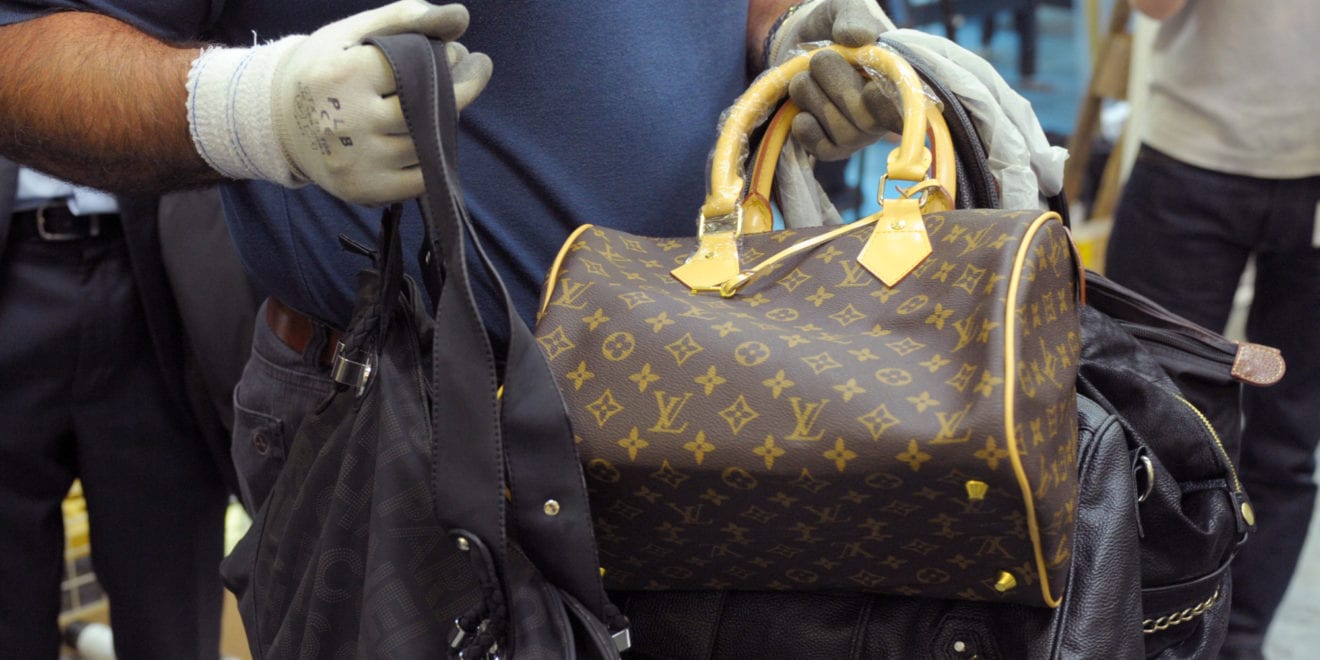
    Given the still significant price gap between high-end goods inside and outside of China, parallel imports are big business. The key players in this grey market are cross-border traders known in Chinese as daigou, and they sometimes double-deal in genuine goods and fakes. While the country’s customs service has taken steps to curb the re-selling of luxury goods sourced from overseas, some evidence suggests that those measures have driven business toward daigou by making legitimate online purchases more difficult. Both trends should be considered by brands tailoring their retail and enforcement strategies to the Chinese market.

    Driven by high taxes, tariffs and the impact of different retail strategies, price differentials for luxury goods between China and developed markets like Europe and North America make buying through daigou a compelling option for many consumers. According to Fortune Character’s 2015 China Luxury Report, the average price difference last year was between 25% and 33% depending on the category of goods. For watches, certain models were nearly 90% more expensive in China.

    These disparities make it a no-brainer for Chinese consumers to look for alternatives to their local retail outlets. One result is the huge amount spent by Chinese tourists on trips abroad. But for those who are not travelling overseas in the near future, and cannot ask a friend or relative to pick up goods for them, daigou have emerged as an alternative. Often coordinating through messaging app WeChat, Chinese buyers pick up specific items for Chinese customers and ship them to China in what Bain & Company says is a 43 billion Rmb per year business in the luxury segment alone. But the introduction of this unknown third party also creates an opportunity for dishonest traders to introduce fake goods into the mix, meaning daigou customers may be getting less than they bargained for.

    Chinese shoppers do have another option – buying online direct from the brand. While only 4% of consumers told Fortune Character that e-commerce was their preferred channel for buying luxury items, more opportunities are opening up. Among these is Alipay’s ePass, introduced about a year-and-a-half ago. The service allows brands to sell directly into China through their existing online outlets by providing both Rmb payment settlement and a delivery network in China. Cutting out the middleman gives customers more confidence that the products they order are the real deal, and Bain says this option is already hurting parallel traders’ bottom line: cross-border e-commerce accounted for 48 billion Rmb in luxury sales in 2015 – a shade higher than the figure for daigou business.

    China has also introduced measures specifically aimed at curbing grey market imports and thus allowing the government to recover more tax and tariff revenue. Last summer, the Ministry of Finance cut tariffs on cosmetics, fur products and suits. It followed up in December by announcing reduced duties on sunglasses, handbags and clothing.

    So far, this sounds like good news for brand owners. But a recent report in Business of Fashion suggests that tougher customs controls – intended to check parallel traders – are instead hampering legitimate e-commerce, and may even be driving customers back to daigou sellers.

    China’s General Administration of Customs (GAC) has stepped up scrutiny of small shipments with high declared values as part of the country’s wide-ranging anti-graft campaign. That’s problematic for some consumers who prefer to buy big-ticket luxury goods directly from overseas brands. A woman named Gao described to Business of Fashion her experience of having two DHL parcels from a UK luxury retailer turned around at customs, saying: “If they’re more than 1,000 Rmb, your parcels will be returned. So I have to either order them separately and pay double DHL overseas shipping fees, or use a daigou.” Unlike legitimate sellers, daigou can attempt to get around this by not declaring an accurate value. An e-tailer who provides a legitimate platform for Chinese consumers to buy directly from brands including Chloé and Lanvin said the complaint was a common one among his customers, with many saying their parcels had been rejected “for no reason”.

    Asked why they think luxury goods cost so much more in China, 24% of people told Fortune Character it’s because “Chinese commerce channels are unduly complex”. For brands looking to sell directly into China via e-commerce, GAC may be complicating their efforts to give customers there a simple and reliable way to buy authentic products. According to Bain, the market share of luxury parallel importers contracted last year, but if cross-border e-commerce gains a reputation as unreliable and the price gap persists, the daigou could prove more resilient than brand owners would like.

  • Kingsdown Debuts First Bedmatch System In South Korea

    Kingsdown Debuts First Bedmatch System In South Korea

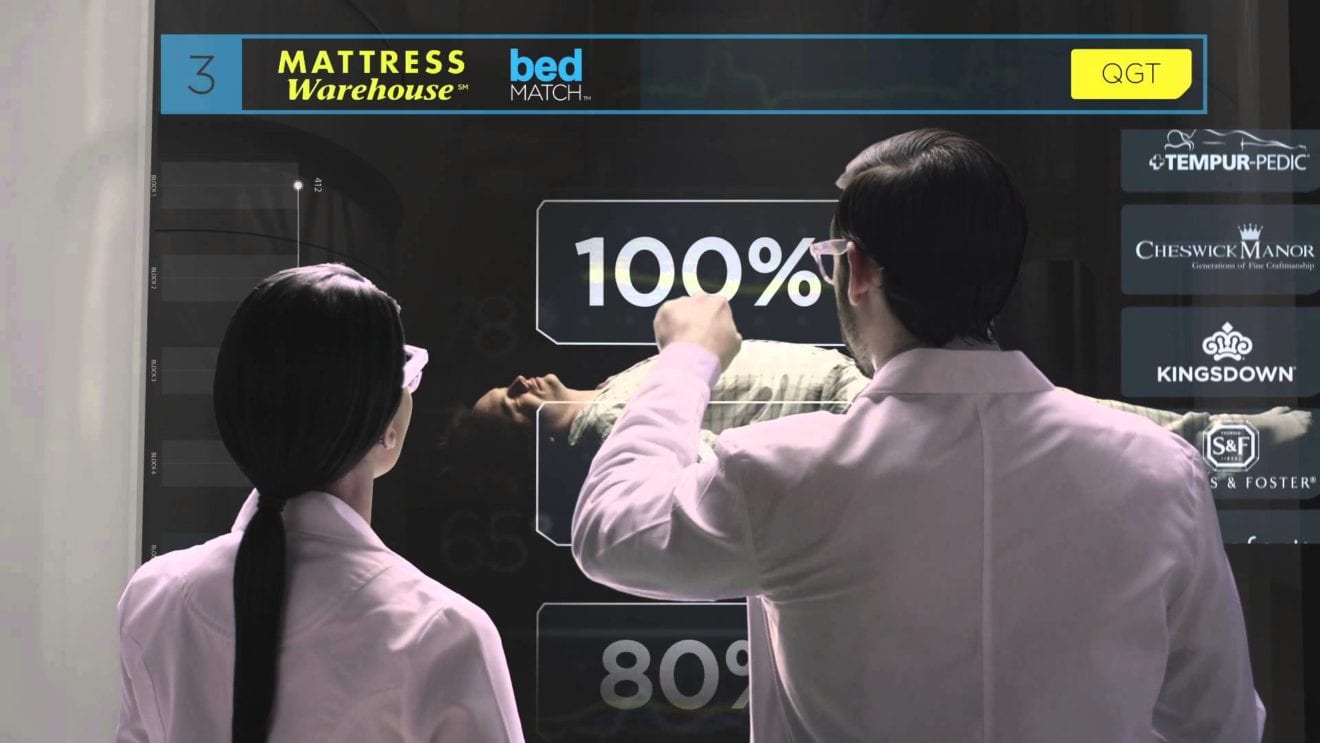
    Kingsdown, an employee-owned mattress manufacturer, announced recently that it has debuted its first bedMATCH system in Songdo, South Korea. Kingsdown is one of the largest U.S. manufacturers selling product in Asia, and plans to use this program as a launching starting point for further distribution of bedMATCH systems, Kingsdown and Sleep to Live bedding products throughout the region.

    Partnering with Kingsdown licensee, Navijam, Inc, the South Korea store is the first in the country to feature the patented bedMATCH diagnostic system to enhance the way consumers shop for mattresses. The majority of the Sleep to Live mattresses on the store’s showroom floor are made in South Korea with additional products being imported from the United States.

    “Looking to grow our brand in Asia, we are confident that South Korea is the right location due to their focus on advancements in technology, product quality and styling,” said Kingsdown President and CEO Frank Hood. “As Kingsdown continues to expand we have seen great success and growth abroad through our innovations in sleep technology. We have also found a partner that not only believes in our product but also shares our company’s vision of providing retailers and their consumers with high quality products from an internationally respected brand.”

    bedMATCH uses 18 statistical measurements along with thousands of calculations to assist the customer in determining the best mattress option for their specific body type. In addition to this South Korean location, Kingsdown is also set to open 60 additional bedMATCH/My Side locations throughout Asia in 2016.

  • MasterCard says Australian retail sales ‘worrisome’

    MasterCard says Australian retail sales ‘worrisome’

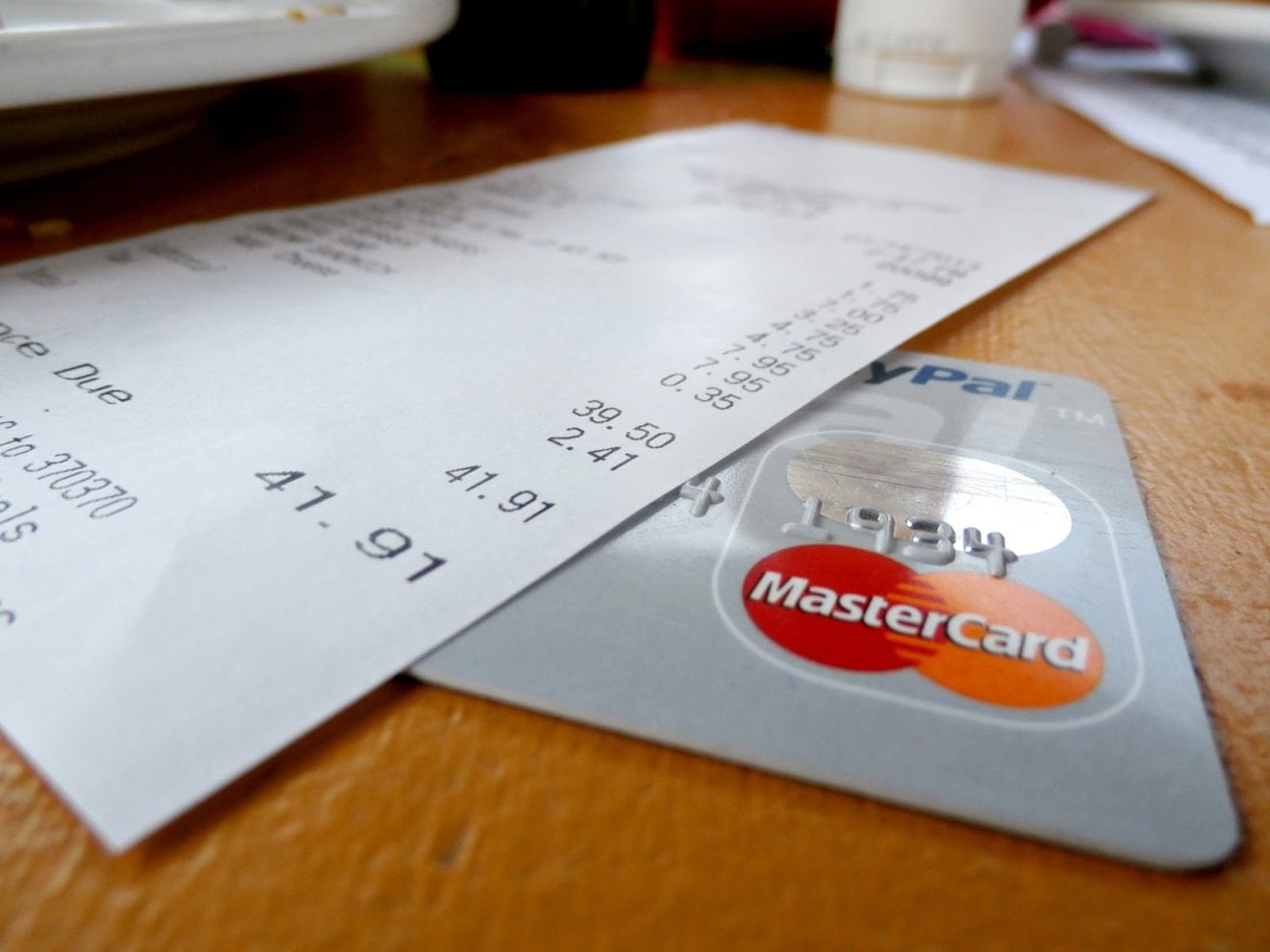
    MasterCard’s Sarah Quinlan says a cooling property market is hitting retail sales. Australian retail sales will rise in 2016, but slowing wages growth and a cooling property market here and in China is dampening growth. That’s the prediction based on MasterCard’s first monthly analysis of millions of card payments made on card terminals.

    It began tracking retail sales in Australia last year based on all transactions at terminals and claims this gives more accurate data than that provided by the Bureau of Statistics, which relies on surveys.

    MasterCard’s first monthly survey of payments in Australia predicts retail spend will drop further. Photo: Jim Rice

    Sarah Quinlan, MasterCard’s New York-based senior vice-president of market insights, said retail sales year-on-year in Australia grew 3.2 per cent in value in January compared to a year earlier.

    Year-on-year sales growth in January 2015 was running at about 6 per cent.

    She said growth at the moment is due to inflation because of a depreciating Australian dollar and the trend down is being driven by real wages growth declining. This has been reinforced by house prices cooling because regulators have capped investor lending.

    A big slowdown in spending by Chinese tourists and investors is the other main factor which is hitting all countries.

    “You could have absolutely predicted the real estate outcome,” she said. “There’s two things I watch in spending; I watch consumer confidence and wage growth.”

    MasterCard's first monthly survey of payments in Australia predicts retail spend will drop further.

    Growth due to importing inflation

    In the US, she said, wage growth has been poor, but consumer confidence is higher than in Australia now.

    “They are absolutely confident they are going to hold their job now or they can find a job if they want to switch. It is the opposite of what’s happening here,” Ms Quinlan said.

    “While you still have a positive growth rate in your spending in Australia, it is of a worrisome nature because it is more due to importing inflation due to a 35 per cent drop in the Australian dollar [versus the US dollar] since 2012.”

    The pullback of Chinese money, she said, is due to a property bubble there and numerous senior officials being hit with corruption allegations.

    “We can tie exactly back to the day back in August 2013 that [politician] Bo Xilai was arrested for corruption and there’ve been 100,000 people arrested for corruption subsequently. So they are just not showing their wealth now,” she added.

    “And this debt bubble up there is huge right now, it makes ours pale by comparison. By our calculations around 75 per cent of the economy in China is owned by state-owned enterprises. So the state has been running this huge bubble.”

    As well as Australia, MasterCard produces a monthly report called SpendingPulse based on 160 million transactions per hour on its network for the US, Japan, Canada, Brazil, Hong Kong and Britain.

  • Step Inside Asia’s Largest Jordan-Only Store in Hong Kong

    Step Inside Asia’s Largest Jordan-Only Store in Hong Kong

    Dipping into the streetwear mecca of Hong Kong, you’ll now find the all-new Jordan Brand store, set amongst the busy streets of the city’s Central District.

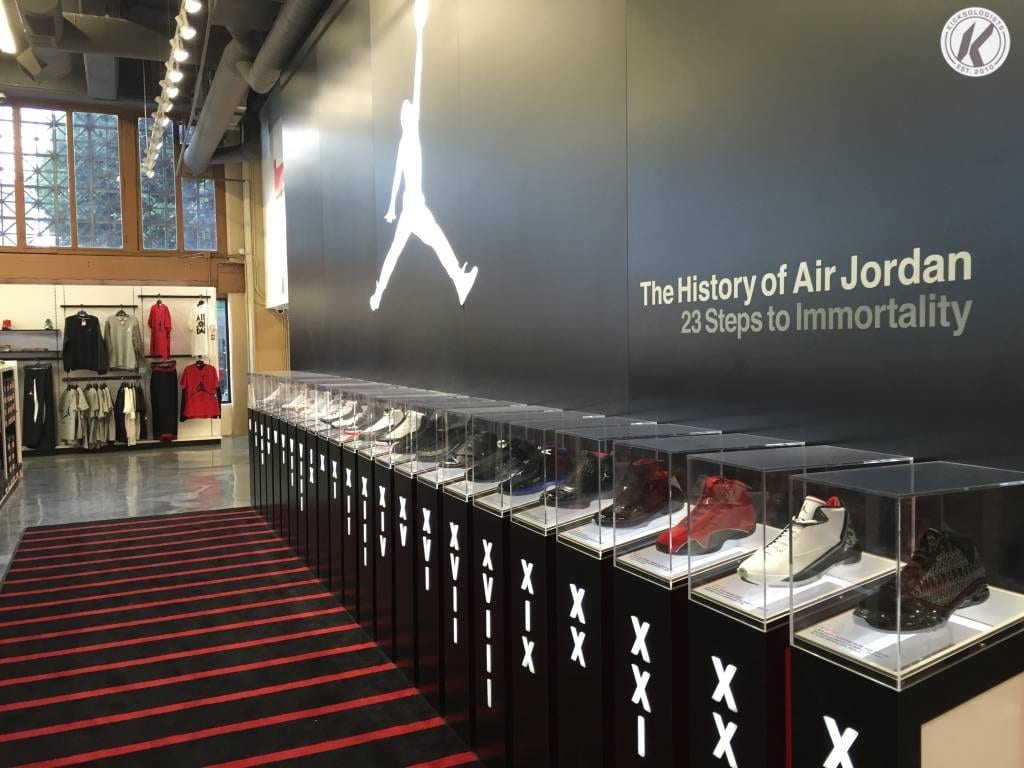
    Located on Wellington Street, Jordan 8 Wellington is currently Asia’s largest Jordan-only store in Hong Kong, offering a fresh new approach to premium retail.

    Taking the Jordan Brand to the next level, consumers are invited to members-only concepts, including custom t-shirts and jerseys, along with first access to Jordan Brand products. The space also offers a hands on experience  allowing visitors to test selected sneakers – with basketball drills and moves, displayed on an adjacent digital wall.

    Adopting the brand’s new design concept which originated at Chicago’s 32 South State Street store, the space pays homage to the legendary Michael Jordan through art installations and historical displays.

    Also, be sure to peep Drake previewing a pair of “Kentucky Blue” OVO x Air Jordan 8 Retros.

  • Is Xinqi Asset another Ezubao?

    Is Xinqi Asset another Ezubao?

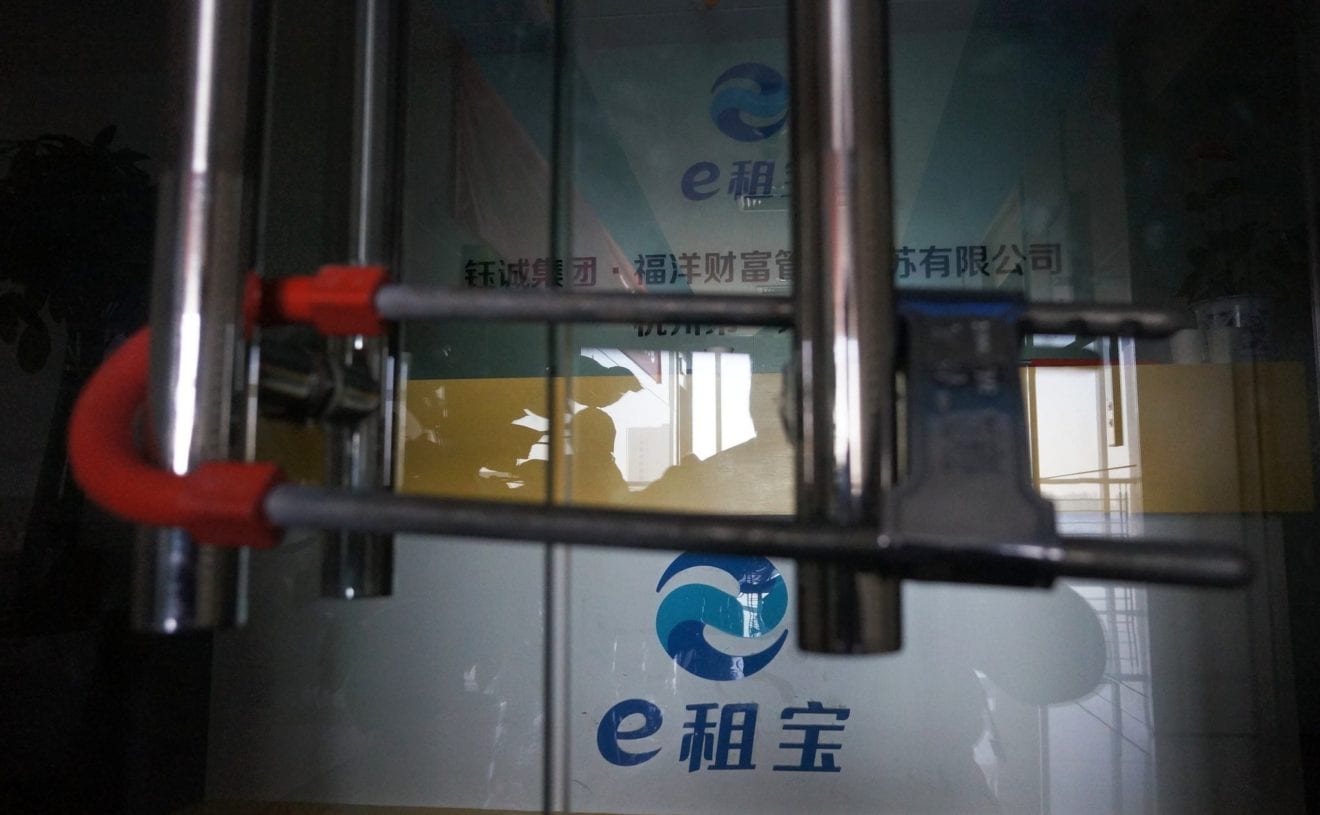
    An asset management company backed by property projects has defaulted on wealth management products worth 1.9 billion yuan (HK$2.27 billion), affecting more than 5,000 retail investors across mainland China and triggering more concerns about its property and financial markets.

    Xinqi Asset held a meeting to discuss solutions with its investors in Shanghai on Wednesday, sources said. Retail investors have been unable to redeem their investments and earnings since Sunday.

    A final solution has not been confirmed. It remains unknown whether other assets managed by Xinqi are safe. An earlier company statement said assets under management stood at around 4 billion yuan. Shanghai police have been taking complaints from investors and looking into the matter.

    More defaults and scandals have been exposed in the mainland’s thriving wealth management business in recent months as the economy slows down, revealing scams in the innovative and less regulated sector. Late last year, the mainland’s largest peer to peer lending company, Ezubao, defaulted on HK$59 billion owed to more than 900,000 investors across the mainland. Xinhua said 95 per cent of the projects on the platform were fake.

    Xinqi Asset sold wealth management products to individual investors, with the investments put into commercial and residential development in second-tier cities including such as Xian and Zhengzhou, and promised annual interest rates as high as 15.6 per cent, according to its official website and documents about its products.

    Worse still, there is no specific regulator overseeing these companies

    The wealth management products issued by Xinqi Asset were used to finance big property developers.

    Xinqi would buy properties under development from the developers, and then transfer ownership to retail investors. Investors would be repaid with their capital and earnings after the project was finished and the developer bought back the properties.

    Xinqi Asset lists mainland China’s leading property developer, Greenland, as a partner on its official website.

    Greenland denied raising funds through Xinqi Asset as early as September, although it did sell some property units to it.

    “It seems Xinqi Asset has been using offline selling, rather than online selling to promote its products, which makes it different from the popular peer to peer lending companies,” said Abner An, an independent financial commentator in Beijing. “However, China’s offline asset management companies have even bigger problems with lack of transparency in capital flow.

    “Worse still, there is no specific regulator overseeing these companies. It is crucial to find out the capital flow under Xinqi Asset. It is possible that their investments in property are eroded by sluggish selling in second-tier cities. But the problem will be bigger if the money is embezzled to do other high-yield investment.”

    Calls to Xinqi’s headquarters in Zhengzhou, Henan province on Thursday, failed to reach management.

    Xinqi Asset, registered in Xian, Shaanxi province, has registered capital of 200 million yuan.

  • MPG shifts focus to beauty products

    MPG shifts focus to beauty products

    Nalaanlat Nunnonl, chief marketing officer, said the company’s vision was now to become one of the leading players for beauty products in Asean by 2020.

    The company next month will launch its own house brands – Clouda for makeup and Keira for skincare – with about 100 products altogether.

    The ranges will be distributed via a number of channels, both online and offline.

    “We will next year explore selling our house-brand cosmetics beyond Thailand, primarily to the CLMV markets [Cambodia, Laos, Myanmar and Vietnam]. We will appoint local distributors in each of those territories. Under the 2020 vision, we will shift the way we do business from business-to-consumer to be more business-to-business,” she said.

    “We want to stand behind the beauty of women in Asean. Our house-brand cosmetics will be distributed to all potential markets throughout the region.”

    MPG wants to grow its annual revenue from around Bt400 million posted last year to about Bt5 billion in 2020, of which 80 per cent will be contributed by its own house-brand beauty products and the rest from its existing retail businesses.

    The revenue contribution from overseas markets will be about 40 per cent by 2020, Nalaanlat said.

    The business revamp is in line with the arrival of digital technology, which allows individuals to download and enjoy movies and music in front of a computer screen, she explained. Digital tech had affected traditional retailers of home-entertainment products, including Mangpong, which were burdened with huge stocks of music and movies as a result.

    Mangpong is among the longest-established entertainment retailers in Thailand, merchandising a wide range of products, including Blu-ray discs, DVDs, compact discs, vinyl records and other formats.

    Mangpong was established by Montri Mitsatha and Kityajai Triekvijit, who were both initially movie and music enthusiasts rather than businesspeople.

    They opened their first store as a small movie and music retailer in 1981, before developing the business into Mangpong, a full-size retailer, in 1989.

    The first Mangpong shop was located at The Mall Ratchaprasong, offering movies and music in the form of laser disc, VHS and cassette tape, as well as other entertainment-related products such as movie posters and T-shirts. Nalaanlat, a second-generation member of the Nunnonl family, said Mangpong had spent the years through to 1994 as the “beginning-to-stand era” for a business that was raised via her parents’ love for home-entertainment products. At that time, cassette recordings of Harajuku music became the most popular products sold by the company.

    From 1995 to 2006, the company entered the “growing era” by acquiring the rights for blockbuster movies, such as “The Terminator” and “Lord of the Rings”, and retailing them as home-entertainment products.

    Mangpong was a pioneering business in terms of bringing licensed Hollywood blockbusters into Thai homes, she said.

    “In 2000, which was the peak year for Mangpong, the company operated about 300 Mangpong outlets, of which 200 were kiosks and the remainder were shops. The number of movie titles stocked in our library was as high as 100,000 at the time,” the chief marketing officer said.

    The company then entered an “adjustment period” between 2007 and 2012, shaped by the transformation of media technology from cassette tape to digital format, which allowed movies on Blu-ray discs and DVDs to spread easily via a large number of players in the market.

    “At that time, we adjusted ourselves by bringing in documentaries and edutainment content created by the BBC, such as ‘Planet Earth’ and ‘Blue Planet’, to sell exclusively at our Mangpong stores, in order to offer different products to the market,” Nalaanlat said.

    However, with the rapid development of the Internet and digital technology in recent years, today’s consumers can download and enjoy movies at home, she added.

    “We have gradually reduced the number of Mangpong stores to about 24 today. The number of movie titles in our library has also declined gradually, to between 3,000 and 4,000,” she said.

    Diversifying risk

    In a move aimed at diversifying its business risk, MPG launched the Gizman chain in 2013 as a “house of lifestyle gadgets”. The flagship Gizman store was opened at the company’s headquarters on Lat Phrao Road Soi 90, while the first official outlet was opened at CentralPlaza Rama 3.

    MPG now operates a chain of 30 Gizman stores.Inspired by Nalaanlat and her mother, MPG last year launched Stardust, a chain of multi-brand beauty stores, with its first outlet at Future Park Rangsit.

    There are now seven stores in the Stardust chain. “We will this year convert full or partial space in 10 to 15 of our Mangpong stores to Stardust. We expect that by 2020, there will be about five Mangpong stores left in the marketplace, located only at prime locations in Bangkok,” MPG’s marketing chief said.