Author: Mei Ling Tan

  • OCBC rallies on earnings surprise as Singapore bank rivals fall

    OCBC rallies on earnings surprise as Singapore bank rivals fall

    Oversea-Chinese Banking Corp.rallied after fourth-quarter profit rose more than analysts anticipated. Shares of its two large Singapore rivals fell.

    The bank’s stock surged Wednesday by the most in almost six months following the release of an exchange statement showing net income climbed 21% on higher interest and trading income as well as gains from life insurance.

    Chief Executive Officer Samuel Tsien signalled confidence in the bank’s ability to continue growing as Singapore’s lenders face pressure from their exposure to a commodity price slump and an economic slowdown in China and Southeast Asia. OCBC doesn’t face issues with its Greater China loan portfolio, he said in a briefing. Smaller competitor United Overseas Bank Ltd.reported barely improved quarterly net income Tuesday as rising expenses and provisions for bad loans restrained earnings growth.

    “Against the massively negative sentiments against banks in general and fears of oil and gas impact, OCBC indeed saw higher provisions but nowhere near levels justifying” downgrades for the stock, Kevin Kwek, an analyst at Sanford C. Bernstein & Co. in Singapore, said in an e-mail. “The positives of gains in net interest and fee income in this environment should also reassure investors.”

    Analysts had cut their consensus 12-month target price for OCBC’s shares to $9.67 from a peak of $11.76 last August, according to estimates compiled by Bloomberg.

    The lender’s stock jumped as much as 4%, the largest intraday gain since Aug. 25. The shares were up 1.8% at $7.91 as of 1:33 p.m. in Singapore. United Overseas Bank fell 3.2% and DBS Group Holdings Ltd. declined 0.2%. The benchmark Straits Times Index dropped 0.9%. The rally in OCBC stock pared its loss this year to 10%, exceeding a 9% decline in the Straits Times Index.

    OCBC, Singapore’s second-biggest bank by assets, said net income climbed to $960 million in the three months ended Dec. 31 from $791 million a year earlier. That exceeded the $877 million average of seven analysts’ estimates compiled by Bloomberg.

    OCBC’s net interest margin, a measure of lending profitability, rose to 1.74% in the fourth quarter, a seven basis-point increase from a year earlier. That helped net interest income climb 5% to S$1.34 billion, the statement showed. Non-interest income advanced 26% to $960 million as the life-insurance unit’s profit jumped 24%. Net trading income soared nine times to $163 million from $18 million a year earlier.

    Bad loans

    Non-performing loans rose 54% to $1.97 billion in 2015, mostly because of “a few large corporate accounts associated with the oil and gas services sector,” the bank said. Its bad-loan ratio climbed to 0.9% as of Dec. 31 from 0.6% a year earlier. The loan portfolio remained “sound” with a “comfortable” allowance coverage, the bank said.

    At a briefing for media and analysts Wednesday, CEO Tsien said that while he expects an increase in non-performing loans, it’s unlikely the bank’s NPL ratio will exceed levels during the global financial crisis that started in 2008. In that period, OCBC’s soured credit ratio reached 1.7% of total loans. NPLs tied to the oil and gas industry represented 0.39% of the bank’s loan book of $211 billion, he said.

    Tsien said pillars of Singapore’s economy — such as real estate, retail and oil and gas — have weakened, and that a “challenging operating environment” will continue this year.

    “The past year has been a challenging one for most industries,” he said in the statement, citing the economic downturn, volatility in financial markets and higher regulatory requirements for capital.

    OCBC spent US$5 billion buying Hong Kong-based Wing Hang Bank in 2014. The acquisition helped the bank rely less on revenue from Southeast Asia as China including Hong Kong became its largest source of income after Singapore. Greater China accounted for 20% of pretax profit in 2015, up from 12% in 2014, it said.
  • Retail In China Suffers From New Year’s Hangover

    Retail In China Suffers From New Year’s Hangover

    While sales surrounding China’s Lunar New Year gave some retailers reason to celebrate, that was not the case for all of them.

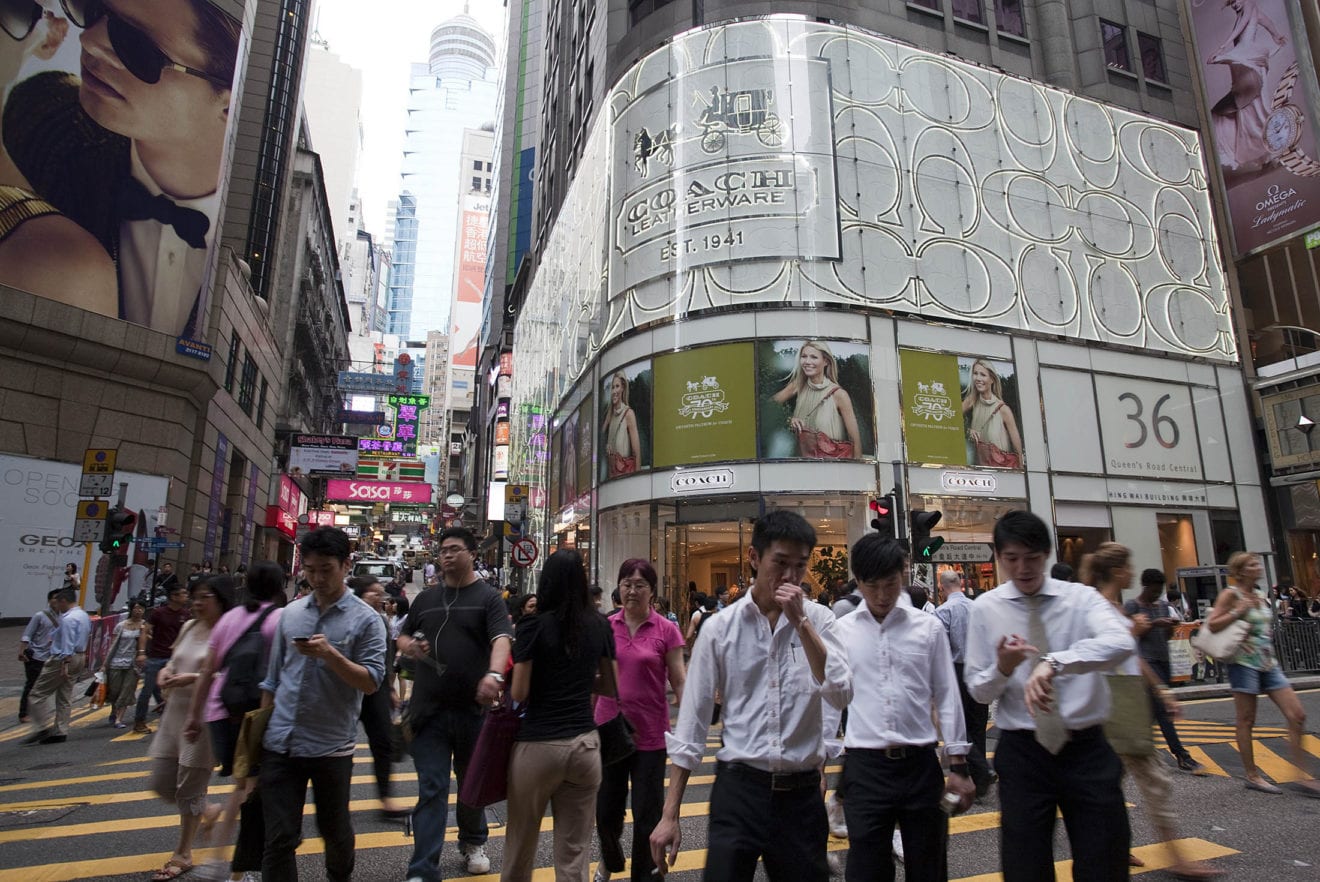
    As a result, the stock value of a number of jewelry and cosmetics retailers in the country dropped yesterday. Analysts told the outlet that lackluster New Year sales were felt particularly hard by those sellers with locations in smaller neighborhood malls, as opposed to ones housed in larger ones, which saw a greater influx of foot traffic during the holiday period.

    Another factor that contributed to the stock slide for jewelry and cosmetics retailers in the region, was a dropoff in shopping by mainland tourists during the Lunar New Year. Sa Sa International, for example, reported to the outlet that its sales to mainland tourists fell 26 percent from the same period last year, with the average number of transactions among that consumer group decreasing 18 percent and the average ticket cost falling 9 percent.

    “This showed a further deterioration from the third quarter [for Sa Sa] as the Chinese tourist arrivals widened to a double-digit decline during the period,” Bocom International.

    Credit Suisse, meanwhile, told the outlet that it had visited nine shopping malls in China during the Lunar New Year and found that the majority of them were less busy within that period than they normally are on any given weekend.

    “The era of easy money in the retail industry has come to end,” Maureen Fung Sau-yim, a director of Sun Hung Kai Properties subsidiary, Sun Hung Kai Development. “Looking ahead, we have to work harder to cope with the market change” (referring to, explains the outlet, a stronger Hong Kong dollar and fewer mainland tourists).

  • Hong Kong to post surplus even as economy grapples with China slowdown

    Hong Kong to post surplus even as economy grapples with China slowdown

    Hong Kong is forecast to post a healthy fiscal surplus in its annual budget on Wednesday, with a series of one-off sweeteners expected to help businesses hurt by a slowdown in China, including the hard-hit retail and tourism sectors.

    Hong Kong’s longstanding Financial Secretary John Tsang isn’t expected, however, to unveil any sweeping new initiatives amid concerns the government’s reliance on one-off measures are failing to bolster the city’s economic fundamentals as it enters a period of slower growth and heightened political tensions.

    Tsang wrote on his official blog on Sunday that while sweeteners may only account for 1 percent of Hong Kong’s annual budget, they provide an important boost for the local economy and job market, and play an important “stabilising” role.

    A night-long riot shook the city after the authorities tried to remove illegal street stalls during the Lunar New Year, the worst violence since pro-democracy protests in 2014.

    While Hong Kong has tended to post healthy surpluses over the past decade, pressures are mounting on some of the economy’s biggest drivers. Mainland Chinese tourists who power the territory’s all-important retail sector stayed away from the city last year, leading to the worst annual decline in sales since 2002.

    Hong Kong officials have also sought to integrate more closely with China through Beijing’s “One Belt, One Road” blueprint to deepen regional economic co-operation, though the details remain sketchy.

    Four economists surveyed by Reuters expect fourth quarter growth to slow to a seasonally adjusted 0.1 percent from 0.9 percent in the third. From a year earlier, growth was forecast at 2 percent, down from 2.3 percent in the third quarter.

    Six economists estimated the economy would expand 2.3 percent in 2015, slightly less than the official forecast of 2.4 percent.

    The global financial hub’s economy is highly reliant on China which is grappling with its slowest growth in nearly 25 years.

    The government is forecasting a surplus of HK$36.8 billion while professional services firm Deloitte expects HK$80 billion.

    Despite a recent softening in the city’s sky-high property prices, analysts expect cooling measures implemented over the past few years to stay in place. Standard & Poor’s has forecast a 10 to 15 percent drop in property prices in 2016.

    Hong Kong’s economic pressures come on top of an increasingly fraught political environment, including the disappearances and feared abductions by Chinese agents of several Hong Kong booksellers, and lingering tensions towards Beijing’s refusal to allow full democracy in Hong Kong after protesters occupied major roads for 79 days in late 2014.

    The former British colony, with a population of 7.3 million, returned to Chinese rule in 1997 under a “one country, two systems” framework that gave it a large degree of autonomy although its leaders ultimately defer to Beijing.

  • Hong Kong’s Chow Tai Fook, Sa Sa saw sales fall over Lunar New Year

    Hong Kong’s Chow Tai Fook, Sa Sa saw sales fall over Lunar New Year

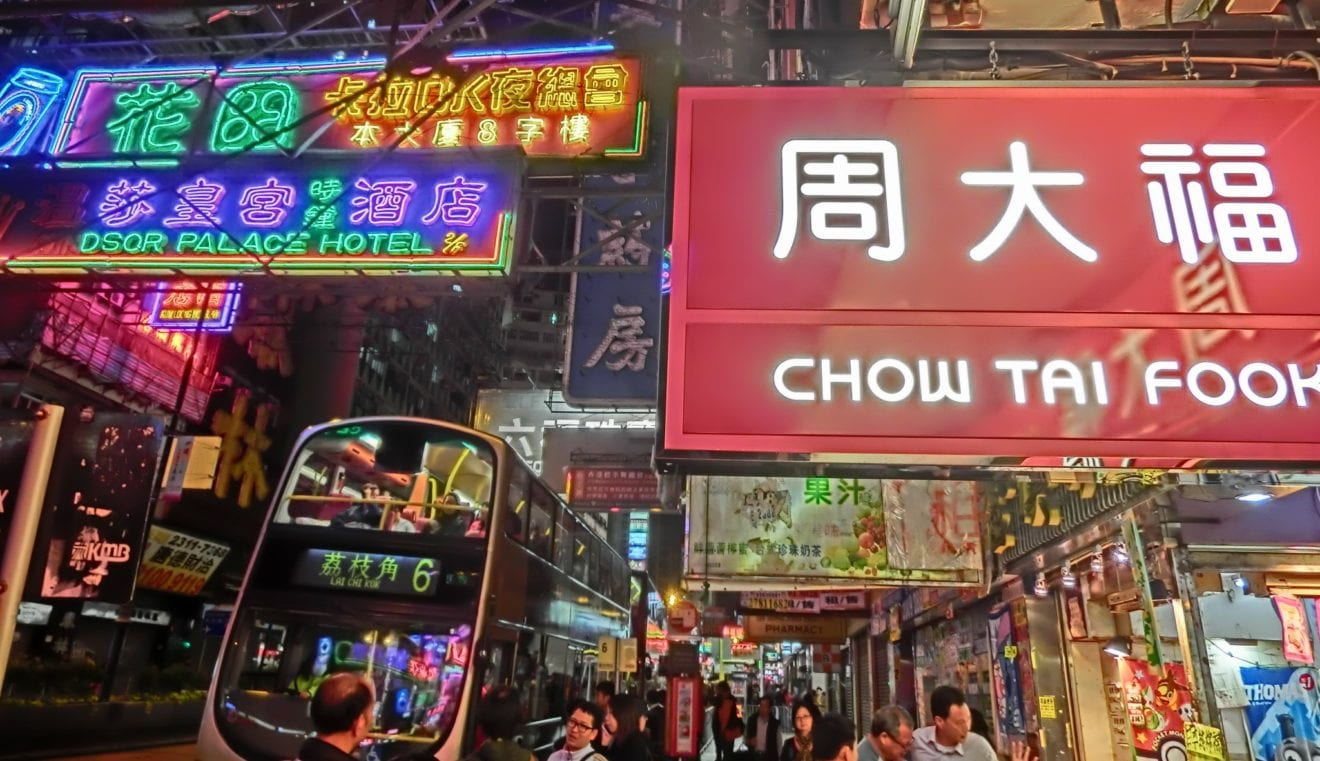
    Hong Kong’s top jewellery firm Chow Tai Fook and cosmetics retailer Sa Sa saw sales declines of at least 20 percent during the key Lunar New Year shopping season, as China’s slowing economy weighed on consumer spending.

    Chow Tai Fook Jewellery Group Ltd, Hong Kong’s largest jewellery firm by market value, saw its retail sales drop by almost a third in mainland China and by 23 percent in Hong Kong and Macau between Jan. 25 and Feb. 14, compared with the previous year’s Lunar New Year period. The buying spree usually happens a week or more before the start of Lunar New Year, which fell on Feb. 8 this year.

    Same-store sales were down 31 percent in mainland China and down 22 percent in Hong Kong and Macau, Chow Tai Fook said in a filing to the Hong Kong stock exchange on Wednesday.

    “The management anticipates the retail business environment will continue to be challenging for the fourth quarter and the sales performance will be worse than that of the third quarter,” the jeweller said.

    China’s economy, which posted the slowest growth since 2009 in the fourth quarter, and the government’s crackdown on corruption have stifled spending among Chinese consumers, who typically flock to Hong Kong to shop for everything from handbags to milk powder.

    On Wednesday, another prominent retailer in Hong Kong also reported dismal sales. Sa Sa International Holdings Ltd, which has a store in almost every corner of Hong Kong, posted a 20 percent drop in retail sales in Hong Kong and Macau over Feb. 8-14, compared with the previous year’s Lunar New Year period. Sa Sa’s same-store sales fell 19 percent over the same period, it said in a filing to the Hong Kong stock exchange. The announcements came after Hong Kong’s market closed on Wednesday. Chow Tai Fook’s shares ended 6 percent lower, while Sa Sa’s stock was down by 0.9 percent, versus the main Hang Seng index’s 1 percent fall.


  • BKPM Launches Easy Investing Service

    BKPM Launches Easy Investing Service

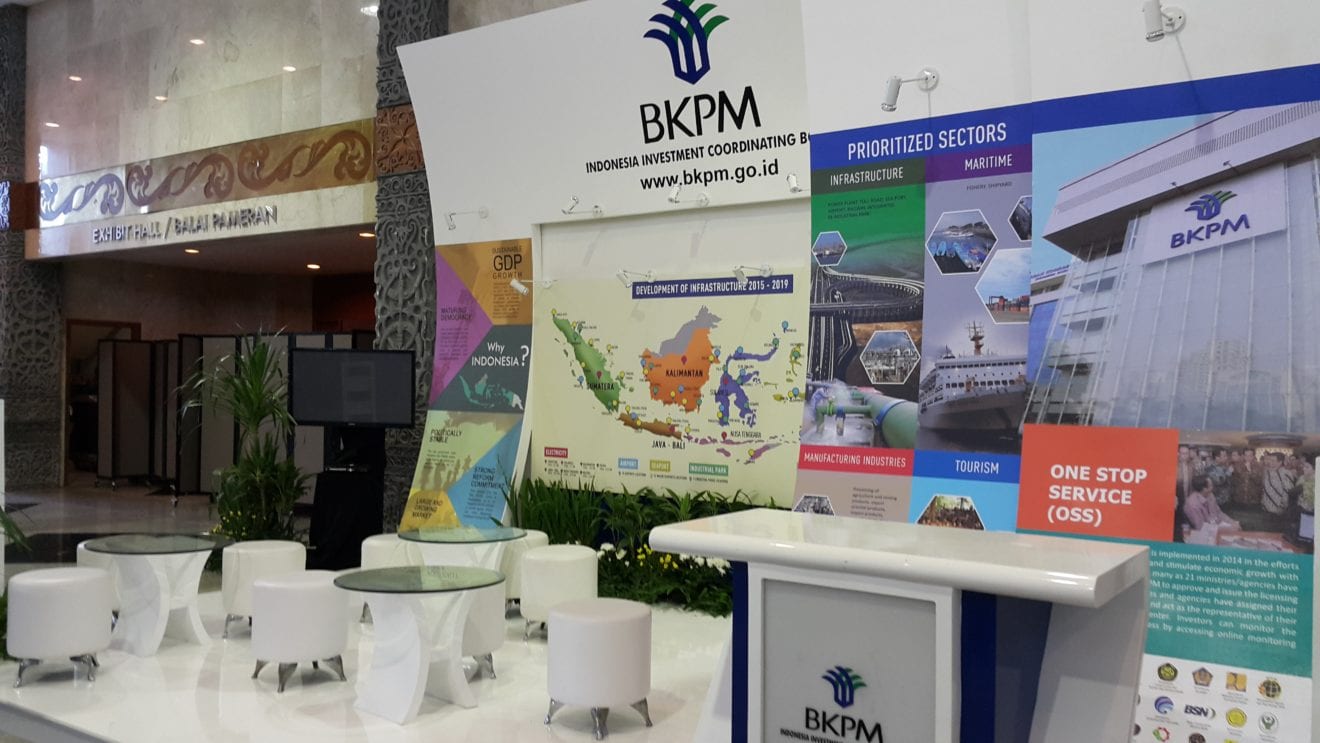
    The Investment Coordinating Board (BKPM) has launched two investment services for the convenience of investors. The first service is called KLIK, which is short for Kemudahan Investasi Langsung Konstruksi, a.k.a. simplicity in direct investment for the construction sector. The second is a three-hour service for permit upgrade in the infrastructure sector.

    In the launching ceremony at the Mercure Hotel in Jakarta, Monday, February 22, BKPM chief Franky Sibarani said the KLIK facility is a convenience provided by the government to companies willing to invest in specific areas. There are 14 industrial areas in six provinces and nine regencies/cities established to implement this service. The areas cover 10,022 hectares of effective land from a total land size of 17,154 hectares.

    With KLIK, Franky said, investors can immediately build their projects after obtaining the principle license.

    The launching ceremony was also attended also by officials from relevant ministries including the Public Works and Public Housing Ministry, the Energy and Mineral Resources Ministry, the Transportation Ministry, and the Ministry of Communication and Information. Also present were officials from the Attorney General, the Indonesian National Police, and representatives from provinces associated with the KLIK program: North Sumatra , Banten, West Java, Central Java, East Java, and South Sulawesi.

    In a press conference held at the same day, Franky said the investment facilities are given as a way to enhance Indonesia’s competitiveness and help meet the government’s investment target of Rp 594.8 trillion in 2016.

  • BitMEX Launches Leveraged China A50 Stcok Index Trading with Bitcoin

    BitMEX Launches Leveraged China A50 Stcok Index Trading with Bitcoin

    BitMEX (Bitcoin Mercantile Exchange) has announced this week they are launching the world’s first bitcoin denominated futures contract on a Chinese A Share index. The new instrument from the bitcoin derivatives focused venue allows cryptocurrency investors to access the walled-off equity market in China and trade with up to 25 to 1 leverage.

    The China A50 Equity Index is comprised of the fifty biggest public companies in China and priced in Chinese yuan (CNY). However, investors using the BitMEX product will receive 0.0001 Bitcoin (XBT) per 1 CNY move in the index. Additionally, unlike the Chinese stock exchanges that only open Monday to Friday, the BitMEX contract trades 24/7. The new contract has monthly expiries based on the closing price of the FTSE CHINA A50 Index to two decimal places.

    Speaking with Finance Magnates Arthur Hayes, co-founder and CEO of BitMEX, explains the rationale for the new product: “Trading the China A share market for most investors is quite difficult. Due to various restrictions, obtaining long and especially short exposure with leverage is almost impossible. For retail investors without large brokerage accounts, it is even more difficult.

    BitMEX aims to provide retail investors globally access to the China A share market using a Bitcoin denominated futures contract (commonly referred to as a quanto futures contract). Investors with only a few hundred USD of Bitcoin can now trade the China stock market. As long as an investor can exchange his or her domestic currency for Bitcoin, he or she can trade the BitMEX China A50 Index Futures contract.”

  • Tata Motors & Jaguar Land Rover: China Drag Diminished?

    Tata Motors & Jaguar Land Rover: China Drag Diminished?

    Tata stock, down 25% so far this year, is off by 54% over 12 months, prompting Goldman Sachs to close its sell rating on Tata Motors equity Monday. Citi Analysts Manish A. Somaiya and Esha Ranganath note that for the Jaguar Land Rover unit, while China revenue accounted for a third of fiscal 2015 earnings, China is only about 19% of fiscal year to-date retail volume compared to 27% in the prior year. They write:

    “Management cited the 10% year-over year decrease in China retail volumes for the fiscal third quarter (including joint ventures vs. -32% in the fiscal second quarter and -33% in the fiscal first quarter) as an indication that declines in the region have stabilized while still citing the region as a main factor in lower year-over-year earnings before interest, taxes, depreciation and amortization (EBITDA) (we assume this is a function of JV transition and higher China margins) …”

    The Citi analysts raised their issuer weighting on Jaguar Land Rover (TTMTIN) to Marketweight from Underweight, and raised their senior notes ratings to Neutral from Sell. With their sell rating last fall, they cited weak China revenue. The fresh decision reflects the following:

    1. “Management actions including capex reduction bolstering liquidity,
    2. Volume growth in other regions offsetting a softer China and,
    3. Possible stabilization of decline in China.

    While we still anticipate a negative free cash flow year and slightly higher gross leverage of 0.9x at fiscal 2016 year-end (vs. 0.8x currently), we like the company’s strong balance sheet and could see investor focus on higher quality defensive names providing a positive technical. Additionally, we continue to monitor potential execution risk from focus on multiple product launches …

    Guidance included FY2016 capex reduction to £3.3 billion ($4.7 billion) from £3.5 billion previously and indications of negative free cash flow (FCF) in the near to medium term (albeit offset by a strong balance sheet and cash balance). On the call, management reaffirmed EBITDA margins at the lower end of 14-16% range as a result of model mix, launch costs, and mixed economic conditions incl. China. At the same time, management aims to fund capex from operating cash flows as evidenced this quarter and anticipates continued working capital benefit during fiscal fourth quarter given seasonal benefits during the second half of the fiscal year. At a high level, we estimate FY2016 EBITDA of £2.9 billion, implying a 14% margin in-line with low end of guidance. Our FCF use estimate of ~£1.0 billion for the year results in gross leverage increasing slightly to 0.9x at year end.”

  • Tyco Retail Solutions Opens New Office in Tokyo

    Tyco Retail Solutions Opens New Office in Tokyo

    Tyco Retail Solutions (www.tycoretailsolutions.com) is pleased to announce the opening of its new Tokyo office to meet the growing need for Store Performance Solutions in Japan, the world’s third-largest economy. As Japan-based multinational retailers are upgrading technology and expanding in Asia, Tyco is strengthening its presence to support retailers’ demand for new technologies, including RFID for which the adoption rate in Japan is ahead of other Asian markets.

    According to PwC’s report, “2015-16 Outlook for the Retail and Consumer Products Sector in Asia,” retail sales in Asia are expected to top U.S. $10 trillion by 2018. Japan, home to a number of internationally recognized designer brands, will remain a cornerstone of the global fashion industry. PwC reported that Japanese fashion continues to influence apparel and footwear trends in many other countries.

    Tyco has served the Japanese retail market for 45 years, focused on loss prevention solutions and customer relationships managed through certified business partners. Building on its success in the region, Tyco is reinforcing its RFID resources on the ground to support key retail global accounts.

    As the retail industry undergoes transformation, RFID has emerged as a critical, enabling technology for retailers competing in an omni-channel world and a cornerstone for the retail Internet of Things (IoT). Progressive retailers understand the critical role of RFID-based inventory visibility to maximize revenue, improve store operations, and meet the demands of today’s consumers. Tyco has seen significant momentum, not only in the number of retailers deploying RFID, but also in the number of stores and merchandise categories designated for RFID roll-outs. It is gaining increased value as an essential technology for solving inventory challenges.

    “The Tokyo site represents our continued investment in IoT technologies such as RFID, which helps deliver meaningful, tangible business benefits for our customers,” said Nancy Chisholm, President, Tyco Retail Solutions. “Our expansion in the region allows us to keep pace with their needs and deliver the quality solutions, products and services they have come to expect over the years.”

  • Challenger Technologies going online

    Challenger Technologies going online

    To maintain its relevance in a fragmented and slow retail market, Singapore-listed Challenger Technologies will launch a new online store concept in April.

    In announcing its results for the full year and fourth quarter ended December 31, the IT products and services provider says the portal, Hachi.sg, will have “significantly” more products, an improved shopper interface and a robust sales platform.

    CEO Loo Leong Thye says that with the weak market sentiment from last year spilling over into 2016, retailers like Challenger have to keep innovating to keep customers and attract new ones.

    While the group’s net profit for the year increased by 22 per cent to $18.3 million, its fourth-quarter profit ballooned by 50 per cent to $7.5 million, year-on-year. This is mainly attributed to higher government grants received and lower operating expenses following the closure of retail outlets in Malaysia.

    During the year, the group also learnt that it will lose its flagship megastore when Funan DigitaLife Mall is demolished to make way for an integrated development.

    Group revenue dipped 1 per cent for the full year – by $2.9 million to $352.2 million, mainly because of lower contribution from retail revenue in Singapore and the absence of revenue after closing its Malaysian businesses in the second half of the year. This was partially offset by higher corporate sales and a writeback of deferred revenue on loyalty program activities.

    Fourth-quarter revenue shrank by $9 million, or 9 per cent, compared to the same quarter the previous year, attributed mainly to lower retail and corporate sales.

    While higher expenses will be incurred to kick-start and grow online sales this year, the online focus corresponds with the overall market trend in the region.

    “The next wave of growth is online, and we are building up to a stronger position by investing our resources and manpower for the next three to five years toward the online business,” says Loo. “Our strong network of offline stores will complement the online business.”

    Incorporated in 1984 and listed in January 2004, the group has a chain of 48 stores in Singapore, plus more than half a million members in its loyalty program.

  • Build-A-Bear builds back profits

    Build-A-Bear builds back profits

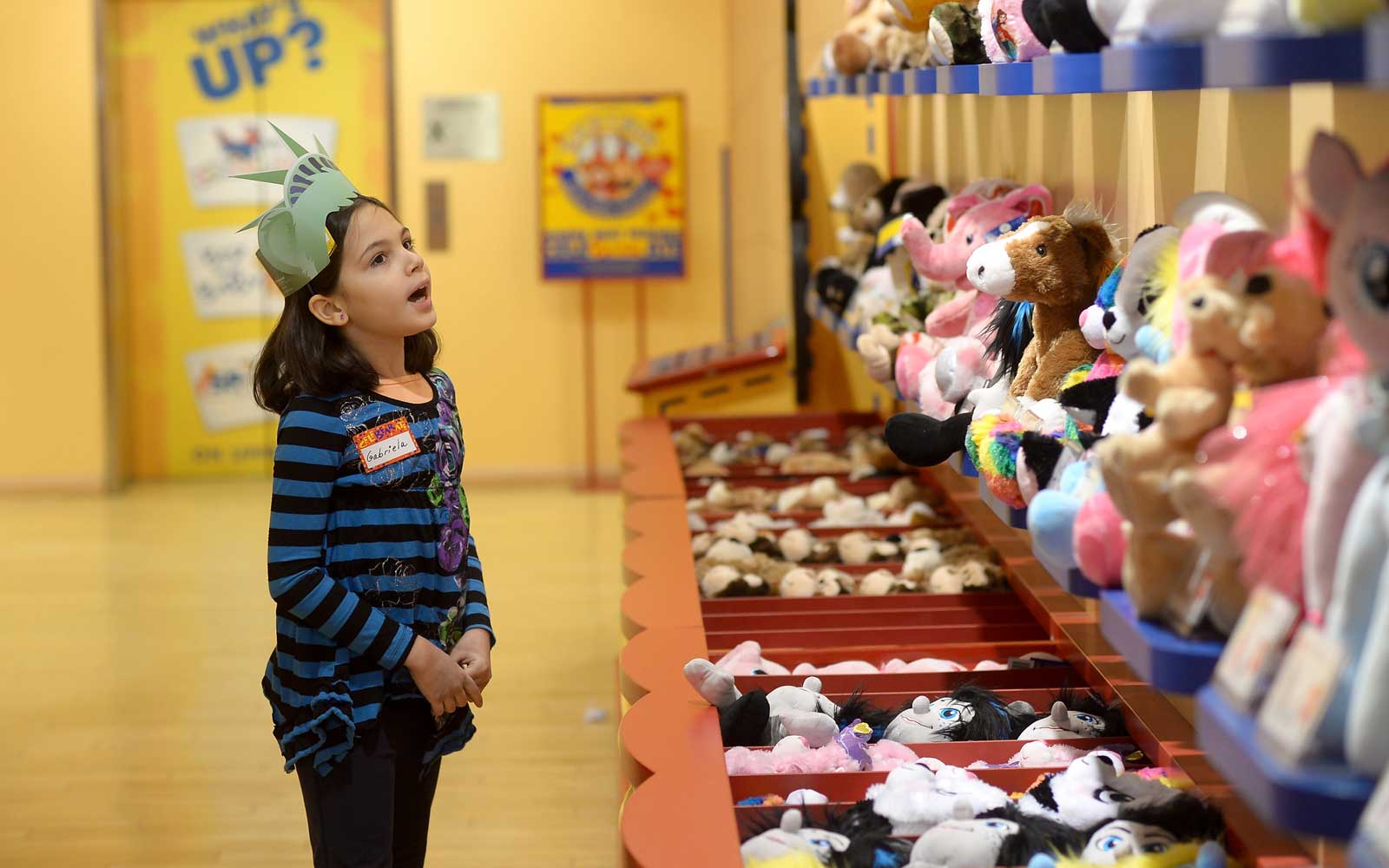
    Build-A-Bear Workshop has recorded its third consecutive year of increased profit.

    CEO Sharon Price John has attributed the ongoing improvement in the once-challenged children’s experiential workshop concept to initiatives including store remodelling in the new Discovery format, which generated double-digit growth compared to our heritage stores, focusing on key consumer segments and investing in infrastructure.

    “We made steady progress toward our stated long-term sales productivity goals as we achieved the highest average transaction value in our history and highest units per transaction since 2008. We remain committed to the ongoing disciplined execution of our strategy while we continue to leverage our powerful brand in order to deliver both sales and profit improvement,” she said.

    In the 52 weeks to January 2, 2016, Build-A-Bear achieved total revenues of US$377.7 million, compared to $392.4 million in the previous financial year (which had 53 weeks, hence the higher figure).

    Same store sales rose 1 per cent – growth was flat in North America, but increased 4.8 per cent in Europe, and online sales rose 11.8 per cent.

    The company’s retail gross margin expanded 150 basis points to 47.1 per cent compared to 45.6 per cent in the previous year. Pre-tax profit  improved 11.7 per cent to $17.9 million.

    During 2015, the company closed 20 stores and opened 25 locations, including 11 in its new Discovery format, to end the year with 329 Company-owned stores; 269 in North America and 60 in Europe. The company’s international franchisees ended the year with 77 stores in 11 countries.

    In June this year, Build-A-Bear Workshop will open a new store in the new Disneytown retail precinct at the Shanghai Disney Resort in China.a

  • Garuda Indonesia Attains “5-Star Airline” Award for second year running

    Garuda Indonesia Attains “5-Star Airline” Award for second year running

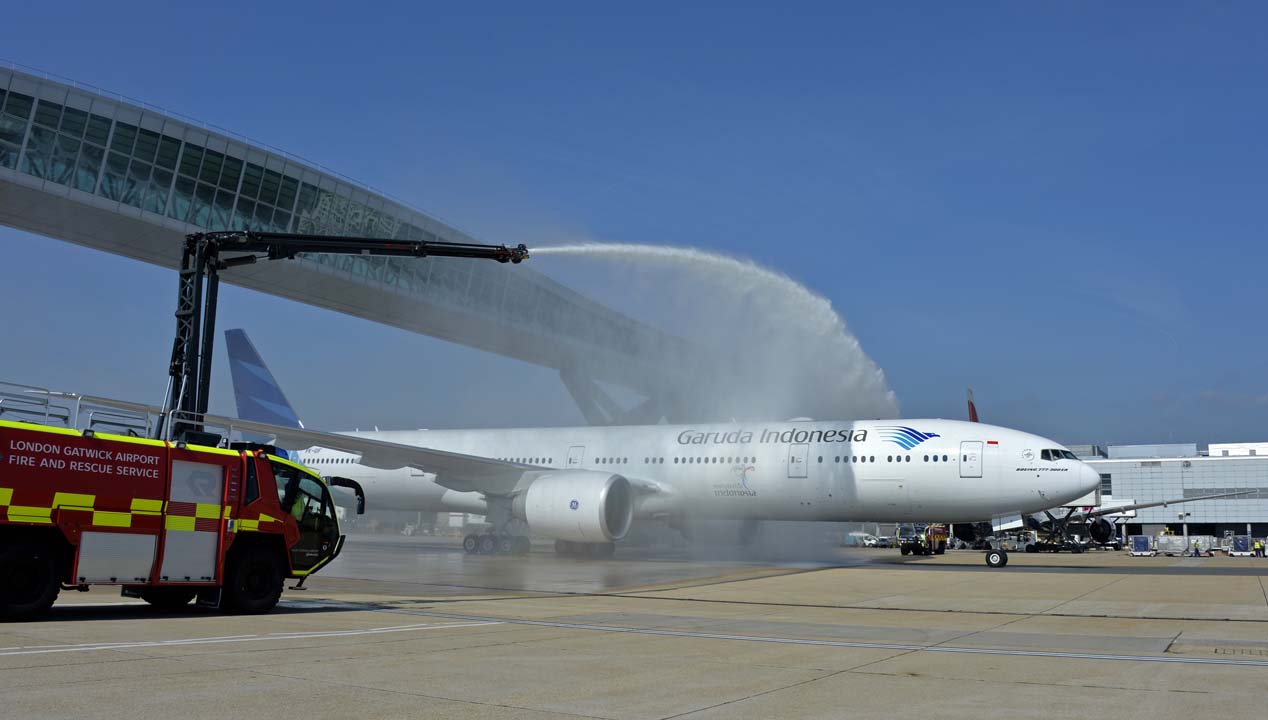
    National flag carrier Garuda Indonesia has been awarded the ultimate “5-Star Airline” rating from Skytrax for a second year running. This year’s award was presented to the President & CEO of Garuda Indonesia, M. Arif Wibowo, by Edward Plaisted, CEO of Skytrax, at the Changi Exhibition Center during Singapore Airshow 2016.

    Indonesian Minister of State-Owned Enterprises Rini Soemarno, Indonesian Ambassador for Singapore I Gusti Ngurah Swajayam, and President Commissioner of Garuda Indonesia Jusman Syafii Djamal were present during the ceremony. Minister Rini Soemarno expressed her highest regards “for all Garuda management and staff, their hard work, and their success in maintaining the quality and standards that exemplify a “5-Star Airline”.”
    “We believe that recognition of Garuda Indonesia as a “5-Star Airline” for consecutive years will not only help to strengthen Garuda Indonesia as a global brand, but also support our efforts at “Nation Branding”, as laid out in the Indonesian government’s strategic program,” Rini added.

    As the national flag carrier, Rini said, Garuda Indonesia was succesfully representing the Republik of Indonesia with this achievement. “But success also brings a larger challenge for Garuda Indonesia, to continuously improve the quality of their service, and deliver this service to all customers on the ground and in the air.”

    The Minister finished by suggesting that the global achievement would be followed by better financial results, and extended her appreciation for Garuda Indonesia’s turnaround financial results which ended in net profit for 2015.
    M. Arif Wibowo, President & CEO, Garuda Indonesia, expressed that “The 5-Star rating reflects the hard work and deep commitment from both management and staff at Garuda who continuously deliver their best efforts to maintain and improve the company’s performance in all business aspects.

    “This achievement will be an important milestone for Garuda Indonesia in 2016, as well as being a challenge for everybody in Garuda Indonesia Group to constantly improve performance and deliver service excellence to all customers,” Arif said.
    The “5-Star Airline” certification was awarded following the ongoing Skytrax Audit, with comprehensive points covering all service aspects; pre-flight, in-flight and post-flight, including ground handling services, lounge, seat and cabin comfort, inflight meals and inflight entertainment.

    Skytrax CEO Edward Plaisted said that the “5-Star Airline” rating awarded to Garuda Indonesia for two years consecutively was a result keeping consistently high service standards.
    “In the globally competitive airline industry, Garuda Indonesia proved that they can survive and even perform to the highest values and service standards. The consistency of product and service quality is the most important part in a 5-Star certification audit, and we proudly announce that Garuda’s aircraft are offering the variety of classes that is a requirement of a 5-Star Airline,” Edward added.

    Spurred on by a strong commitment from the airline’s management and staff to deliver best service, Garuda Indonesia’s performance continues to earn global recognition. In 2013, Skytrax awarded Garuda Indonesia for “The World’s Best Economy Class”. This continued in 2014, with recognition as “The World’s Best Cabin Staff”, a “5-Star Airline”, and 7th rank in “The World’s Top 10 Airlines”.

    At the World Airline Awards, Paris Airshow 2015, Garuda Indonesia was once again named “The World’s Best Cabin Staff”, based on a global customer satisfaction survey conducted by Skytrax of more than 18 million passengers. The survey, which covers 245 international airlines, is held every year and measures standards across 41 key performance indicators of airline products and services.

    As part of a fleet revitalization program throughout 2016, the Garuda Indonesia Group will receive 16 new aircraft in total; 1 Boeing 777-300ER, 4 Airbus A330-300, 4 ATR72-600, and also 8 Airbus A320 to be operated by Citilink. By the end of 2016, Garuda Indonesia Group will operate a total of 188 aircraft; 144 aircraft for Garuda Indonesia and 44 aircraft for Citilink.
    To continue the positive growth achieved during its “Quick Wins” program in 2015, Garuda Indonesia will enter a “Sky Beyond” program for 2016 aiming at rapid company expansion, focusing on three ‘core strategies’ – company group synergy, effectiveness and efficiency, and service enhancement – to accelerate company achievement and performance.

    As part of its company synergy, the Garuda Indonesia Group joined Singapore Airshow, Asia’s largest aerospace and defence event. This was Garuda Indonesia’s first participation as a Group, as only a subsidiary, the Garuda Maintenance Facility AeroAsia, had participated in the past.

    The presence of Garuda Indonesia Group at the Singapore Airshow follows Group strategy to develop brand image, to elaborate potential business, to enhance business relations with stakeholders, and to boost up the awareness to Garuda Indonesia Group’s strategic role as Indonesia’s trade envoy in international level.
    At Singapore Airshow 2016, the Garuda Indonesia Group, through Garuda Maintenance Facility AeroAsia, looks to several short- and long-term business contracts, with a value of nearly USD 100 milion.

    Garuda Indonesia currently has 6 subsidiaries with diverse business sectors; Garuda Maintenance Facility AeroAsia, specialized in integrated aircraft maintenance, including engine and aircraft components repair service; Citilink, a low cost carrier (LCC) airline projected for budget traveller; Aerowisata, specialized in hospitality, transportation, catering and travel agent service; Gapura, specialized in ground handling service, supoorted by cargo and warehousing service; Asyst, specialized in IT and consultation service; and Abacus – which now has transformed to Sabre Travel Network Indonesia – specialized in technology provider service for global travel and tourism.

  • Game changer for Maybank Islamic

    Game changer for Maybank Islamic

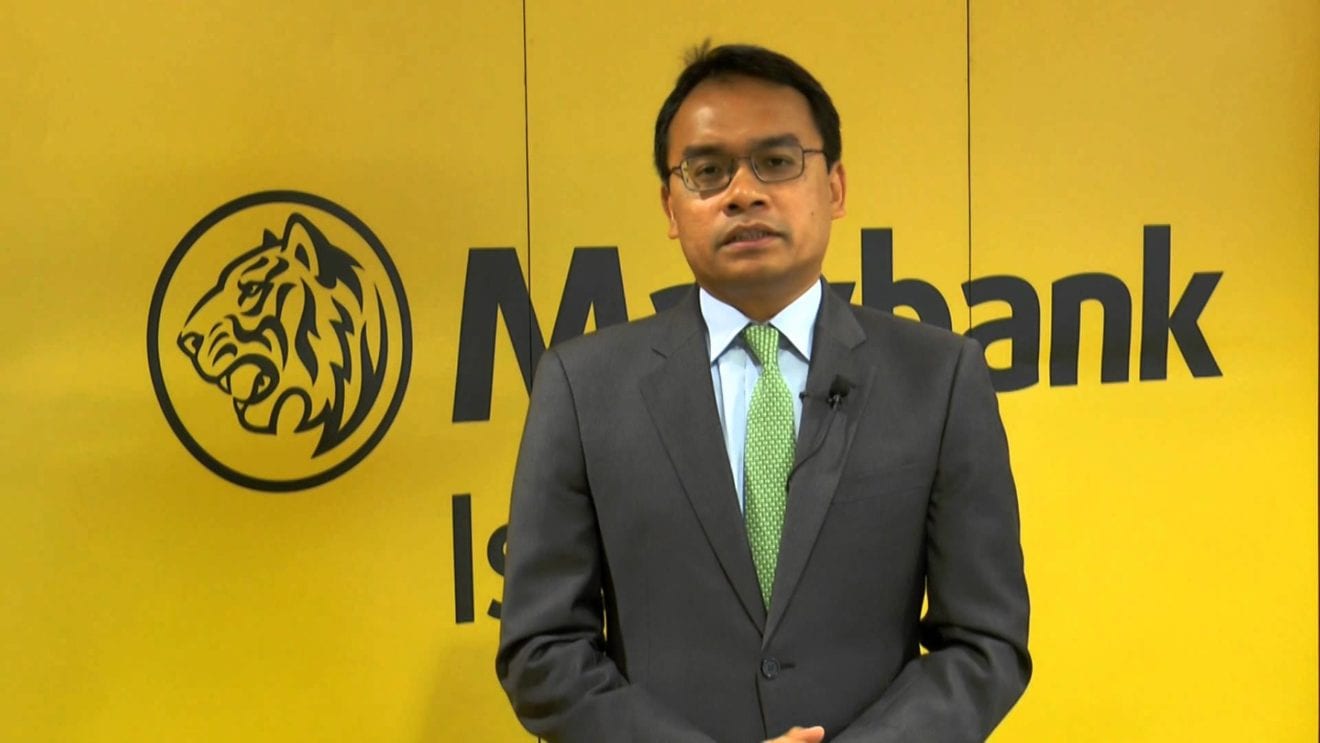
    Malaysia’s biggest Islamic lender, Maybank Islamic Bhd, says the investment account (IA) business is set to be a game changer for the group in its effort to boost earnings growth amid the subdued banking landscape.

    The Islamic lender, which has total assets worth close to RM147bil, will focus on its new mudarabah (profit-sharing) investment fund launched in July last year in view of the Islamic Financial Services Act (IFSA) 2013.

    Describing the IA business as “the evolution of the next phase of growth”, Maybank Islamic chief executive officer Datuk Muzaffar Hisham told StarBiz that demand for the IA business has shot up significantly, as the value of its mudarabah fund rose to RM18bil in the last six months of 2015.

    “Judging from this figure, we are confident that the fund will continue to grow, underpinned by strong demand from the Muslim and non-Muslim population as well as the benefits it offers.

    “We have a customer base of about 4.5 million, of which 50% comprises non-Muslims,” explained Muzaffar.

    The value proposition offered by the mudarabah IA is that MayBank Islamic could provide steady returns of between 4% and 5% per year to its customers.

    “We are confident that this fund will be a growth driver for us, moving forward,” he added.

    He pointed out that “the bank has put in place an effective and robust risk management framework for all of its products, including the new IA, which aims to provide capital preservation, financial security and steady returns through low risk and low to medium-risk investments.”

    Under the IFSA 2013, all banks are required to distinguish IA and Islamic deposit. This means that products with mudarabah (profit sharing) or wakalah (agency) features are considered IAs and are not-principal guaranteed and hence not protected by the Malaysia Deposit Insurance Corp.

    The classification aims to provide greater legal clarity on the types of syariah financial contracts. Customers will have a choice and will be able to differentiate between products that are principal guaranteed and those which are not that provide potentially higher risk returns like mudarabah.

    Besides garnering a pole position in terms of asset size, Maybank Islamic’s market share in the country is also the biggest in terms of financing at 33.6% and deposit at 27.9%.

    At group level, Maybank Islamic’s contribution to the Maybank Group is also significant, accounting for close to 30% in revenue and 48.7% in total loans and financing.

    All these figures were for the third quarter ended Sept 30, 2015 (Q3’15).

    Muzaffar said the bank is also looking to grow its Islamic banking business in the region, adding that the business in Singapore and Indonesia each accounted for about 5% of Maybank Islamic’s revenue.

    Although Indonesia has the highest Muslim population in the world, he noted that syariah banking was relatively still at its infancy stage unlike commercial banking.

    “The Islamic banking business in Indonesia accounts for close to 9% of the total banking business there.

    “In Malaysia, it is 25%. Hence, there is plenty of room for growth and we intend to grow and take advantage of this situation,” he added.

    According to Muzaffar, the challenge for the bank in venturing overseas will be the regulatory framework, in which Maybank Islamic has to operate in, as well as the uncertainties in the Basel III rules pertaining to its implementation in Islamic finance.

    On the corporate investment business, he said it would be dependent on the country’s economic growth, adding that the bank would continue to look at opportunities in the debt and initial public offering markets.

    As for its fourth-quarter results, he said Maybank Islamic hopes to maintain its performance in the preceding quarter, although much will be dictated by the external economic environment and market conditions.

    For Q3’15, the bank recorded a 13.2% year-on-year growth in pre-tax profit to RM1.23bil from RM1.09bil. The growth in earnings was on the back of strong financing growth, which grew by 23% to RM127bil.

    Total income for the period stood at RM2.98bil as opposed to RM2.46bil. Total capital ratio and return on equity for the period stood at 15.18% and 16.14%, respectively.

  • Indonesian Cities Now Charging Shoppers for Plastic Bags

    Indonesian Cities Now Charging Shoppers for Plastic Bags

    The policy is imposed on all retailers, including supermarkets, stores and vendors at traditional markets.

    Bandung is adopting a more conservative approach, charging customers the minimum Rp 200 per bag, mayor Ridwan Kamil said at the initiative’s launching ceremony in Jakarta. The world renowned architect said that by charging customers for plastic bags, the city will not only reduce waste but also generate revenue.

    “Buying plastic bags can generate Rp 1 billion a day for the city government. In a year we should have Rp 360 billion from plastic bag sales. That can be earmarked to buy dump trucks, build incinerators or a recycling plant,” he said.

    Bogor, in the outskirts of Jakarta, also demanded retailers and stores charge Rp 200 per plastic bag.

    “The government [central and local] have agreed that the lowest price for each plastic bag is Rp 200. What matters most is to reduce the use of plastic bags,” Bogor mayor Bima Arya said.

    “If we do not see a significant impact from the policy, then there might be a possibility to raise the price.”

    Roy Madey, chairman of the Indonesia Retailers Association (Aprindo), said that the association would also help the government educate the public about the negative environmental impact of plastic bags through various social media platforms and posters displayed at retail stores.

    During the public awareness campaign, retailers will subsidize each bag in order to maintain a price of Rp 200.

    “If the policy calls for the fee to go above Rp 200 per plastic bag, we are concerned that it will decrease the number of customers shopping at modern retail stores. The government has to protect every industrial sector to allow it to grow, including the retail industry,” Roy said.

    Indonesia is ranked the world’s second largest plastic waste producer, using 187.2 million tons each year according to a study published last year in the journal Science. China stands at number one, producing 262.9 million tons of plastic waste, most of which ends up in the ocean.

  • Indonesia’s MAP Group is the latest to venture into e-commerce

    Indonesia’s MAP Group is the latest to venture into e-commerce

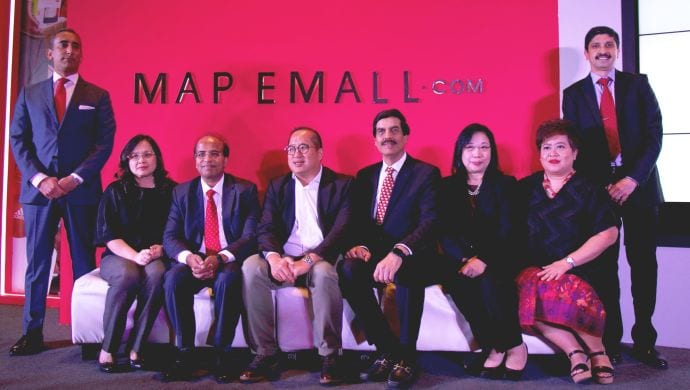
    Indonesian lifestyle retail company PT Mitra Adiperkasa (MAP Group) has launched a fashion products portal MAP EMALL, with an aim to capture the country’s robust e-commerce sector.

    Targeting the middle and upper class segment, the online store will sell fashion products from leading brands such as Marks & Spencer, Lacoste, Mango, Swatch, Birkenstock, Nike, Adidas, Reebok, and Converse.

    MAP EMALL plans to develop an O2O feature that will enable customers to pick up their products purchased online at MAP Group’s offline retail stores. This is in addition to the traditional home delivery services.

    MAP will also launch a mobile app in April this year.

    “MAP has a clear and strong roadmap to unite all of its assets to offer a reliable and wholesome omni-channel shopping experience for all our loyal customers,” said CEO VP Sharma during the launch event.

    The company also announced a partnership with Standard Chartered, which will be giving exclusive offers to credit card holders to shop on the new platform.

    The MAP Group has partnered with more than 150 global lifestyle brands, and has at least 2,000 offline retail stores in 60 cities across Indonesia.

    MAP Group is the latest major Indonesian business mogul to venture into e-commerce. In early February, MNC Group marked their entry into e-commerce by launching a fashion e-commerce portal BrandOutlet.

    Earlier, Lippo Group had forayed into e-commerce with MatahariMall.

    MAP EMALL is also one of the very few e-commerce platforms that target the middle- and upper-class segment, apart from Bobobobo.

  • Toyota ready to invest Rp5.4 trillion in Indonesia

    Toyota ready to invest Rp5.4 trillion in Indonesia

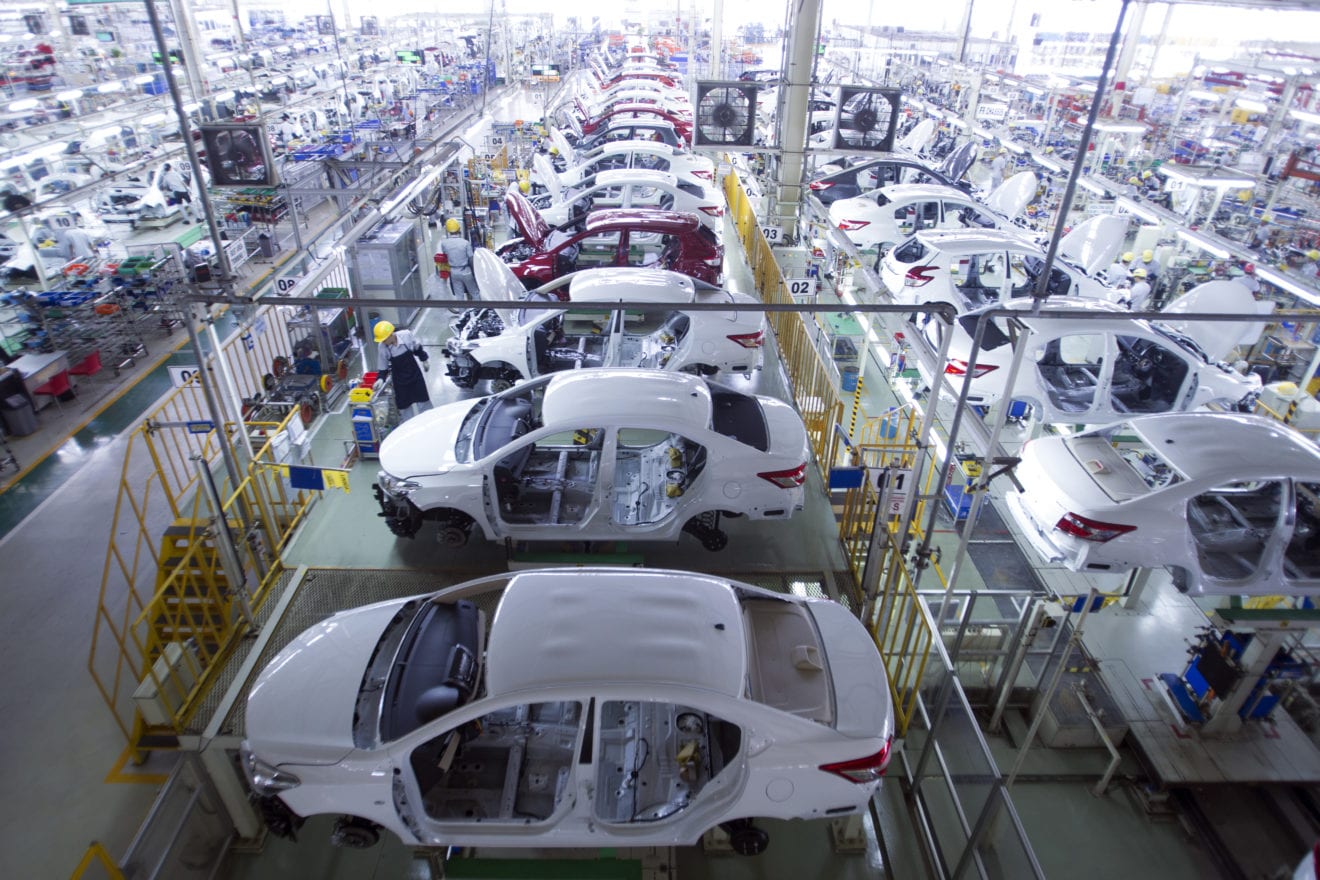
    The Toyota Motor Corporation (TMC) group is ready to invest Rp5.4 trillion in Indonesia this year, according to Industry Minister Saleh Husin.

    Husin received the pledge during a meeting with TMC Executive Vice President Seiichi Sudo in Nagoya, Japan, on Thursday.

    “Toyota is serious about doing business in Indonesia. This year, it will invest Rp5.4 trillion, following the Rp5 trillion worth of investment that the company made in 2015,” he noted in a press statement received here, Friday.

    This reflects that global investors still trust Indonesias investment climate and see prospects in the nations automotive industry, he noted.

    The minister has lauded Toyota for its trust and continued investment in Indonesia, after selecting the nation as one of its investment destinations and a Toyota car production base so far.

    He called on Toyota and its partners in Japan to increase investment in the automotive sector, particularly for the manufacturing of materials and spare parts.

    The minister also invited the company to conduct research and development activities in Indonesia to strengthen the structure of Japans existing automotive industry in Indonesia.

    Husin also urged Toyota to increase the production of cars in Indonesia, which has a population of over 250 million, including 74 million belonging to the middle class.

    The Toyota brand dominates around 31-32 percent of Indonesias domestic market.

    Within five years, from 2015 to 2019, Toyota has planned to invest a total of Rp20 trillion.

    Until 2014, Toyota had invested Rp40 trillion in Indonesia.

    Currently, the Japanese company is constructing an engine plant in Karawang, West Java.