Category: Automotive

Retail News Asia is committed to providing both local and global retailers with the latest Auto and Car news throughout the Asian market. This on a daily base.

  • Kia Seltos Teased Again Ahead Of India Debut

    Kia Seltos Teased Again Ahead Of India Debut

    It was February 2018 when Kia Motors showcased the SP Concept, which was supposed to be the first Kia offering in India. Needless to say, it was an SUV too. Fast forward a year and a half and Kia Motors India is all set to take the wraps off the Kia Seltos, the first model from Kia for India. The company has been releasing teasers of the Kia Seltos SUV for some time now and the latest teaser reveals certain features on the SUV along with insight into the design language as well. The latest teaser video of the Kia Seltos reveals in-cabin features such as steering mounted controls for audio and cruise control. There is climate control along with analogue tachometer and speedometer. Plus the Seltos Compact SUV also gets front parking sensors along with a sunroof, not a panoramic one, but similar to the one on the Hyundai Creta.

    Spy images of the Kia Seltos’ interior reveal piano black finish inserts on the dashboard, black leather seats and rear AC vents. The front and rear seats both get hand rests for added convenience, while there are a couple of cup holders and storage spaces. Kia Motors India has already confirmed a number of features on the upcoming Seltos SUV that will include a 10.25-inch touchscreen infotainment system, 360-degree camera, wireless charging, head-up display (HUD), MID, cruise control and more. The model will also come with ambient lighting, electronic parking brake, hill assist and multiple driving modes.

    As far as exterior design is concerned, the Kia Seltos will feature Kia’s signature ‘Tiger-Nose’ grille along with LED headlamps and stylish fog lamps which are vertical. Also, we expect the top trims of the Seltos to have a dual-tone colour scheme (The roof having a different colour). The design of the 5-spoke diamond-cut alloy wheels is also different from that of the concept model. The teaser video also shows the Seltos taking on some off-road terrain but we don’t know if the SUV will get an off-road kit such as driving modes, AWD or anything on those lines.

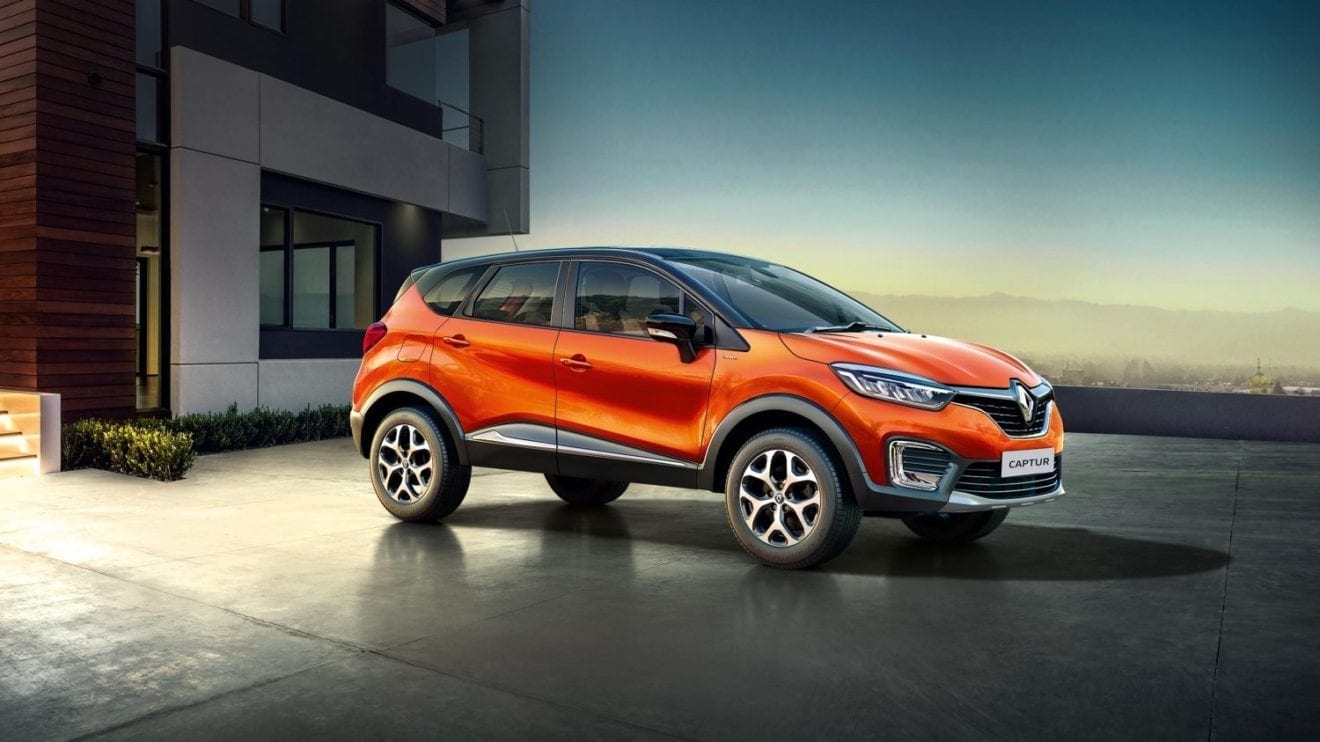
    The Kia Seltos will get a 1.5-litre petrol and a 1.5-litre diesel and both engines will get manual and automatic gearbox options. It may be possible that Kia also offer a 1.4-litre turbo-petrol engine which could have a 7-speed dual-clutch automatic gearbox. As far as competition is concerned, the Kia Seltos will be going up against the likes of the Tata Harrier, Nissan Kicks, Renault Captur and its sister model, the Hyundai Creta. The top-spec models of the Kia Seltos could also rival the MG Hector and the Jeep Compass.

  • The Aston Martin Valhalla Is The Company’s New Hypercar

    The Aston Martin Valhalla Is The Company’s New Hypercar

    Formerly identified by its codename AM-RB 003, Aston Martin’s latest mid-engined hypercar collaboration with Red Bull Advanced Technologies and Adrian Newey has been officially named the Aston Martin Valhalla. Named after the warrior’s paradise celebrated in ancient Norse mythology, Valhalla employs a lightweight construction method and radical aerodynamics pioneered in the Valkyrie. The Valhalla will be propelled by a combination of a high-efficiency, high-output turbocharged V6 petrol engine and a battery-electric hybrid system. Of course, it’s a limited edition model and only 500 examples of this all-carbon fibre hypercar will be built.

    Together with the recently announced Vanquish Vision Concept, Valhalla continues this proud, seven decade old ‘V’ car naming strategy, providing an evocative and powerful moniker fit for one of the world’s most compelling ultra-high performance cars.

    Aston Martin Lagonda President and Group Chief Executive Officer, Andy Palmer said, “Aston Martin model names always attract a lot of attention. They do so because they invariably capture an emotion or tell a story. In following the Valkyrie we knew the Aston Martin Valhalla needed to make a strong statement of its own, yet also offer continuity and a clear connection. Norse mythology contains such powerful language and rich storytelling it felt only right that the AM-RB 003 should follow the Valkyrie’s theme. For those fortunate enough to own one I’m sure they will recognise and appreciate the name’s connotations of glory and happiness, for there can be few more hallowed places than the driver’s seat of an Aston Martin Valhalla.”

  • Kia Seltos India Launch Details Out

    Kia Seltos India Launch Details Out

    Kia Motors India has unveiled the Seltos compact SUV and yes, we all are waiting for the company to launch the car. The Kia Seltos will be launched in India in August 2019. We still do not have a confirmation on the date but it will be in the second half of that month. The company has invested more than $2 billion in India and the Seltos is the first of many product offerings to come to the country. The Seltos will be exported to other markets too from India including Latin America, the Middle East and other parts of Asia, which shows how important a product it is for Kia Motors globally. It is also equipped with a host of segment-first features which should give it an edge in its segment.

    The Kia Seltos enters a very crowded segment which has seen more players enter than ever before. Of course it has to deal with contenders like the Hyundai Creta, which has been the segment leader, but there are newer challengers to deal with too, the Tata Harrier and even the first connected compact SUV – the MG Hector.

    But while the Seltos too is a connected car, there are a host of segment first features that it brings to the table. To begin with, it’s the first carmaker to make a car available in a dual trim option. It also gets a first in segment 10.25-inch touchscreen infotainment system with navigation. Adding to the premiumness, is an 8-speaker sound system by Bose. Kia has also provided an air purifier which has been placed between the front two seats and provides for an AC vent for rear seat passengers. There’s a 360 degree surround camera added to the segment first list as well which provides for better visibility.

    So, the Seltos becomes the second connected compact SUV after the MG Hector. Kia calls it UVO and you can, just like we’ve seen in the Venue, use your phone to operate the car’s ignition, AC controls and more. There’s also Apple Carplay and Android Auto on offer. That’s not the end of the segment first features yet, the Seltos SUV also gets an 8 inch heads up display which gives you all the information you need without being distracted. There’s also a sound mood lamp, rear sunshade curtain and a 7-inch colour TFT unit for the instrument console, which add to the premiumness of the Seltos.

    With all these features expect the Seltos to be priced competitively and that’s because of the local content that it gets. The Seltos is expected to be priced between ₹ 11 lakh – ₹ 17 lakh when it’s launched, but we’ll know more about the car when we drive it and also at the launch.

  • Bajaj Triumph Alliance To Be Finalised In A Few Months

    Bajaj Triumph Alliance To Be Finalised In A Few Months

    Bajaj Auto Limited and British motorcycle brand Triumph Motorcycles are close to finalising the alliance that will see small displacement Triumph motorcycles to be manufactured by Bajaj and sold in India, and other markets. The alliance between the two motorcycle brands was announced almost two years ago, in August 2017, but now a senior official of Bajaj Auto has confirmed that the discussions between the two brands are at an advanced stage and will be finalised in a matter of months. However, the first Triumph motorcycle to be fully manufactured by Bajaj in India is still some time away, although sources have revealed that the development has been ongoing, and in fact, at an advanced stage, with the designs coming from Triumph’s headquarters in Hinckley and the engine and chassis development handled by Bajaj.

    Bajaj Auto’s Executive Director Rakesh Sharma has now said in an interview that the talks with Triumph are at an advanced stage, and a final agreement is expected to be reached very soon, maybe even before the year is over. So, that could mean we may well see some sort of a concept at one of the motorcycle shows later this year, with possibly a production model sometime by late 2020, or early 2021.

    What remains to be seen is what type of motorcycle the new Bajaj-Triumph alliance will develop. From all indications, and Triumph’s expertise and legacy of modern classic motorcycles, the first model from the alliance could well be a small displacement modern classic – something like a Triumph Bonneville with a 300-500 cc engine. While using Bajaj Auto’s manufacturing facility and supporting supply chain infrastructure, this new model could well be priced very competitively to take on established players like Royal Enfield, the global leader in the mid-size motorcycle space.

    In any case, Triumph has dabbled in building some small displacement prototypes in the past, targeted specifically at markets like India, which were shelved. These include a small Daytona-like sportbike, as well as a small displacement naked roadster, which never saw production. But we can’t rule such models out as well from the Bajaj-Triumph alliance, once manufacturing begins after the first product is launched.

  • BMW 8 Series Gran Coupe Revealed

    BMW 8 Series Gran Coupe Revealed

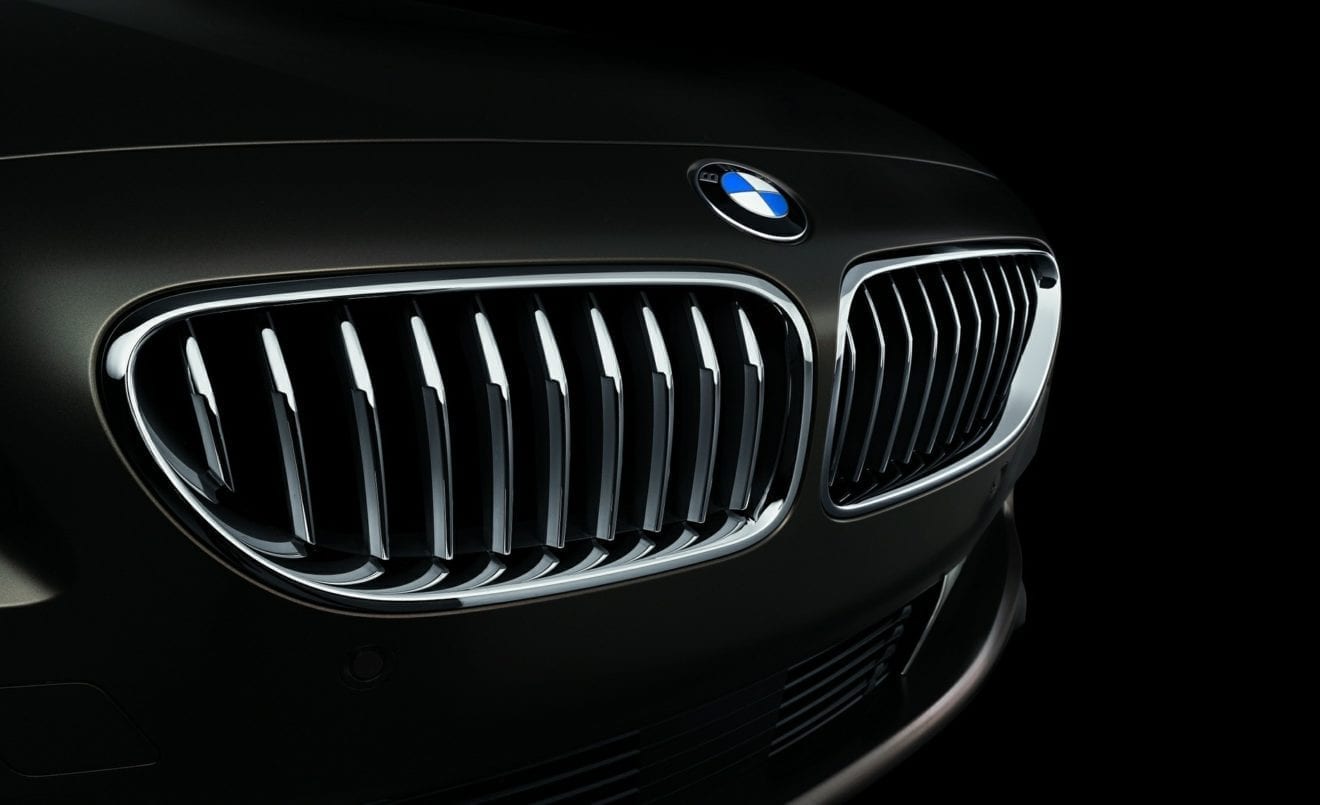
    BMW has revealed the four-door 2020 8 Series Gran Coupe. The 8 Series Gran Coupe will be available in the rear-wheel drive 840i, all-wheel drive 840i xDrive and M850i xDrive models. The new BMW 8 Series Gran Coupe showcases a sweeping four-door body with wide flanks and sharp creased modern lines. In fact, with a rear track of 1671 mm, the 8 Series Gran Coupe stands on the widest rear track of any BMW automobile; a design criteria which required an update of the Plant Dingolfing assembly line in order to accommodate the new, wider platform.

    From the A-pillar, the 8 Series Gran Coupe design differs from that of the Coupe to both increase interior space and deliver a vehicle with strong presence and authority. The windshield features less rake than in the Coupe to allow the roofline to raise to a higher point above the front seats, providing increased headroom for both front and rear passengers. The roof then merges into the rear trunk lid with fin-like transitional lines to create the visual of a long and flowing body. The rear glass is mounted with increased rake to increase the size of the trunk opening and also acts to from a fixed part of the body’s structure to increase torsional rigidity and reduce noise entering the cabin.

    The standard panoramic glass moonroof stretches from the front windshield all the way back to the rear window and the multi-functional antenna is integrated into the rear glass, eliminating the need for the roof-mounted shark fin antenna, thus allowing for a larger glass roof. The 8 Series Gran Coupe gets Icon Adaptive LED Headlights with Laserlight flank the one piece hexagonal BMW kidney grille surround which frames active air intake slats inside. Large openings in either side of the front bumper give the low-slung front end of the BMW 8 Series Gran Coupe an aggressive appearance. Functional Air Breathers let air flow through the front fenders improving both aerodynamics and styling. The Hofmeister kink in the expansive c-pillar ties the flowing side profile lines of the new Gran Coupe to heavily sculptures rear fenders and trunk lid. Slim LED rear lights stand high above trapezoidal twin exhaust pipes.

    An intelligent mix of lightweight materials helps to reduce weight in the BMW 8 Series Gran Coupe. Aluminium construction is used for the doors, hood, roof, front bulkhead, engine subframe and rear bumper support. The trunk lid is made from dent-resistant plastic while the cabin dashboard support is made from magnesium and parts of the center driveline tunnel are made from carbon-fibre reinforced plastic.

    The BMW 8 Series Gran Coupe seats five people and the longer wheelbase and wider rear flanks of the car have allowed for sizable increases in interior space. Front head room increases by 0.2 inches while rear headroom is up by 3.4 inches. Rear legroom increases by a substantial 7.1 inches while rear shoulder room improves by 7.7 inches. The extended centre console in the 8 Series Gran Coupe is unique to the model and continues into the rear space, dividing the individually-styled right and left seats while still allowing for the rear centre seat space to be used when needed. The rear console offers passengers individual right and left climate controls, air vents, storage tray and USB-C ports.

    The standard heated front sport seats feature integrated headrests and are designed with a thinner profile to allow for greater rear knee space. All four main seats offer generous levels of lateral support so that the performance capabilities of the 8 Series Gran Coupe can be enjoyed by all passengers. The rear seats can be folded down in a 40:20:40 configuration allowing for any variation of passengers and cargo on both short and long trips.

    Under the hood the BMW 840i and 840i xDrive Gran Coupe models are powered by the latest iteration of BMW’s TwinPower 3.0 litre inline 6-cylinder Turbo engine which produces 335 horses and 499 Nm of torque allows the rear-wheel drive 840i Gran Coupe to accelerate from 0 to 98 kmph in 4.9 seconds while the added traction of BMW xDrive allows the 840i xDrive Gran Coupe to reach 98 kmph in 4.6 seconds.

    Both vehicles feature an electronically limited top speed of 209 kmph when equipped with all-season tyres and 249 kmph when equipped with performance tyres.  The new 6-cylinder engine features an exhaust manifold integrated into the cylinder head, a twin-scroll turbocharger with quicker response and direct injection technology working at an increased maximum pressure of 350 bar.

    The BMW M850i xDrive Gran Coupe is powered by the latest generation of the BMW TwinPower 4.4-liter eight-cylinder Turbo engine. Power production is rated at 523 horsepower while torque figures stand at 750 Nm between 1,800 – 4,600 rpm which allow this model to accelerate from 0 to 98 kmph in 3.7 seconds.

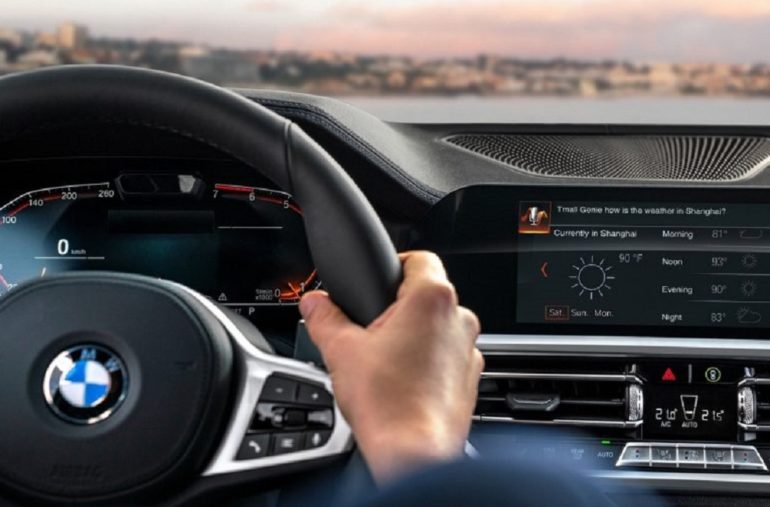
    Both engines transfer power to the driveline through the latest improved version of the Steptronic Sport automatic transmission featuring a weight-reducing design, a newly developed controller and a wider gear ratio spread. The BMW Live Cockpit Professional in the 2020 BMW 8 Series Gran Coupe combines the latest-generation of the iDrive, featuring a high-resolution digital 12.3-inch instrument cluster display behind the steering wheel and a 10.25-inch centre display diagonally across.

    The system offers many hardware upgrades including new haptic controls on the iDrive controller, an advanced tablet-like touch interface, and stunning visualizations. The multi-modal approach of the iDrive touch controller, large touchscreen center display, cloud-based voice control, and gesture control allow users to interact in the way of their choosing.  Elements of the BMW Live Cockpit Professional are the Navigation Professional system, a hard-drive-based multimedia system with 32 GB of memory and two USB ports, plus Bluetooth interfaces. The driver can be automatically detected and personal settings activated either using the traditional vehicle key or by downloading the driver’s personal settings to the BMW Cloud.

  • BMW S 1000 RR Recalled Ahead Of India Launch

    BMW S 1000 RR Recalled Ahead Of India Launch

    The 2019 BMW S 1000 RR has had its first recall on a certain production batch in Europe, because of a problem in the gearbox. However, BMW Motorrad clarifies that only a certain batch has been affected, around 340 motorcycles in all, of which 113 are intended for the German market. Only a few of the recalled 340 motorcycles were delivered to customers, and these few customers have already been contacted by BMW Motorrad, a senior press spokesperson is quoted as having said. The issue is with a manufacturing tool which had an “unnoticed defect”, and as a result, an oil hole in the gearbox may not have been executed correctly, which could lead to gearbox damage in the long term.

    “We are now looking at all 340 of the S 1000 RR produced in the time. For those who were made with the help of that machine, we change the engine for safety’s sake,” press spokespersons Gerhard Lindner and Tim Diehl-Thiele are quoted as saying by Motorradonline. “The few customers who already have such a motorcycle are now contacted by BMW,” Lindner is quoted as saying.

    The 2019 BMW S 1000 RR will be launched in India on June 27, and the news may be disheartening for some prospective customers in India. But BMW Motorrad has clarified that only a limited number of motorcycles have been affected by the recall, “during about three weeks of production period” in May. Needless to say, BMW Motorrad has pro-actively issued a recall on the affected motorcycles, and the ones to be made available in India would have gone through a proper quality check before being shipped. Despite the recall, there is an unprecedented demand for the BMW S 1000 RR in Europe and BMW Motorrad is anticipating delays in delivery, owing to the high demand. In the UK alone, delivery may even be delayed in individual cases until the end of 2019.

    The 2019 BMW S 1000 RR is a completely new model, with updated design, new bodywork and a new engine with even more performance and new technology. The all-new 998 cc, in-line four-cylinder engine now puts out 204 bhp at 13,500 rpm with peak torque of 113 Nm kicking in at 10,500 rpm. The engine also sports BMW’s ShiftCam technology, essentially a variable valve timing system, which offers a wider range of torque across the rev range. Also new is an updated electronic suite, with separate riding modes, and a 6-axis IMU-aided cornering ABS, Dynamic Traction Control, Wheelie Control, and rear-wheel lift mitigation. An optional ‘M’ electronics package allows even more customisation of the electronics suite, including Race Pro modes. The 2019 BMW S 1000 RR is expected to be priced at around ₹ 20.5 lakh (ex-showroom).

  • Honda e Electric Vehicle Details Revealed

    Honda e Electric Vehicle Details Revealed

    Honda’s new compact electric vehicle, the Honda e, is the first Honda to be built on a dedicated EV platform, designed from the ground up but finally, there are details that have poured out which give more information about the specifications. The Honda e platform has been developed focussing on urban environments. The battery is positioned at a low level under the floor, and centrally within the wheelbase of the car, affording a 50:50 weight distribution and low center of gravity for optimal handling and stability. Power from the high-torque electric motor is delivered through the rear wheels, enabling steering precision even at high acceleration.

    The four-wheel independent suspension is engineered to offer better stability in all conditions, a smooth ride and responsive handling. Elements of the suspension components are forged aluminum to reduce weight and benefit performance and efficiency. The compact size of the Honda e sees it get a short overhang and it’s also best suited for the urban environment.

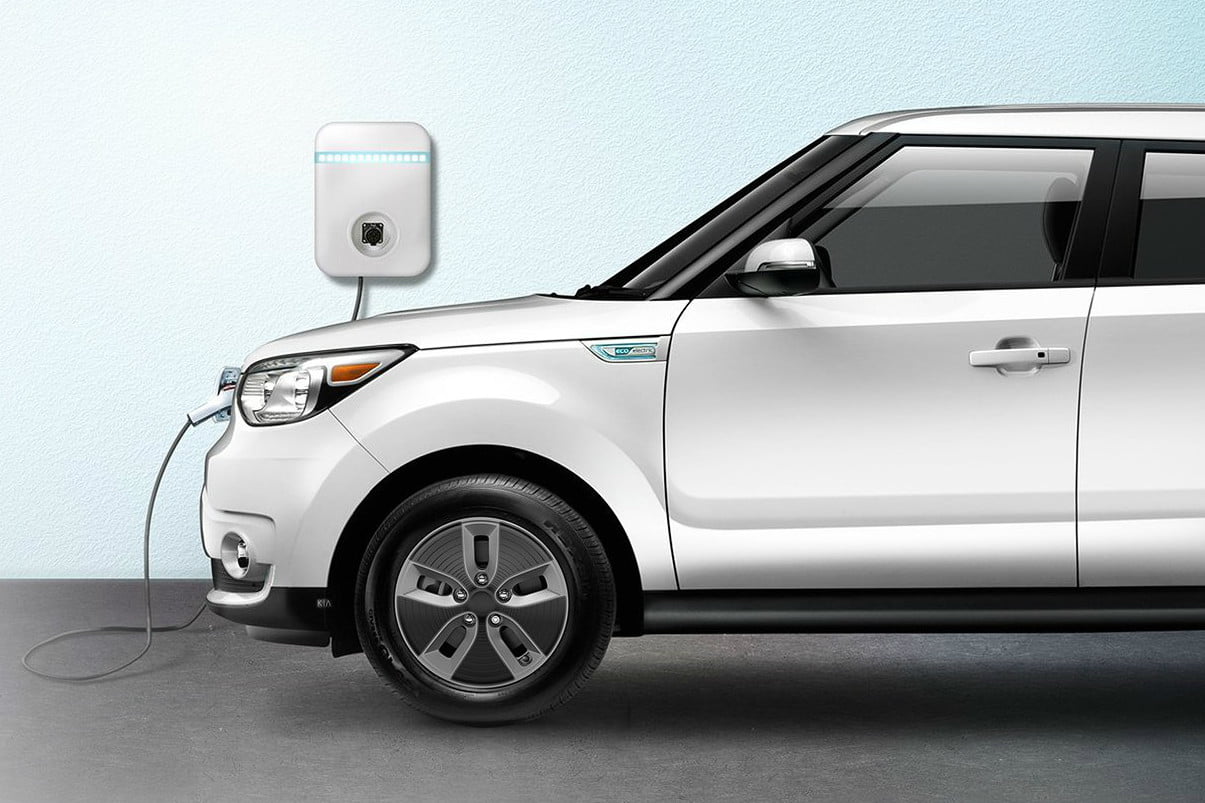
    The Honda e gets a 35.5 kWh Lithium-ion high-capacity battery, can be charged using either Type 2 AC connection or a CCS2 DC rapid charger. It’s range on a full charge stands at 200 km, and the fast charging capability sees it charge up to 80 percent in just 30 minutes. The Honda e charging port is integrated into the bonnet, with LED lighting visible through a glass panel to illuminate the port for the driver and highlight the battery charging status. The positioning of the charging port allows easy access from the front of the car or from either side. Displays on the dual touchscreens inside the car present the current level of battery charge, while a drivetrain graphic charts the current power flow and the regeneration and recharging status.

    The battery pack is water-cooled to maintain an optimum thermal state, therefore, maximizing the efficiency of the battery and charge state, while also ensuring its size and weight are minimized so that it does not compromise cabin room.

    Honda has already received 31,000 expressions of interest, and customers can make a reservation for priority ordering online in UK, Germany, France and Norway

  • Rezvani Tank Teased

    Rezvani Tank Teased

    In just a few weeks Rezvani Motors will debut the all-new 2020 Tank. Designed to be an antidote to the current dull SUV segment, the Tank is a military-inspired, purpose-built, extreme utility vehicle loaded with a ton of features. The 2020 Tank is all new and shares no parts with its predecessor, but it sure has the DNA. Thanks to a body on steel frame design, massive off-road tyres, and sports suspension, the Rezvani Tank will be able to tackle some serious off-roading trails.

    The optional TANK X will offer a 6.2-litre Supercharged V8 sourced from the Dodge Demon and further tuned to produce over 1000 horsepower. In addition to the list of standard features in the previous generation, Tank Military Edition will feature standard military grade EMP (Electromagnetic Pulse) protection covering E1, E2 and E3 electromagnetic pulses to protect critical electronic systems.

    Ferris Rezvani, CEO Rezvani Motors said, “The vision was to offer a fresh design for a purpose-built, rugged, off-road capable vehicle that was muscular, well proportioned, and brand new; as exciting to the eyes as it is to drive. The design was inspired by extreme off-road concepts typcially never seen on the road, but is completely street legal and ready for production to be able to be driven and enjoyed as a daily driver.”

    The 2020 Rezvani Tank gets a 6.2-litre Supercharged V8 sourced from the Dodge Demon and further tuned to produce over 1000 horsepower.

    The new 2020 Rezvani Tank will make its debut in the next few months in international markets with deliveries beginning by the end of 2019

  • Tata Tigor Subcompact Sedan Gets Two New AMT Variants

    Tata Tigor Subcompact Sedan Gets Two New AMT Variants

    Tata Motors today announced introducing two new AMT (automated manual transmission) variants for its popular subcompact sedan, Tata Tigor. So, in addition to the existing XZA, now the Tigor sedan will also come with a mid-level automatic XMA option and a top-of-the-line XZA+ variant. With this, save for the base model XE, all the variants of the Tata Tigor now come with the option of an automatic (AMT) variant. The XMA and XZA+ variants are priced at ₹ 6.39 Lakhs and ₹ 7.24 Lakhs, (ex-showroom Delhi), respectively.

    Commenting on the launch of the new variants, S N Barman, VP, Sales, Marketing & Customer Support, Passenger Vehicles Business Unit (PVBU), Tata Motors, said “In a constant effort to maintain our growth momentum, we continuously introduce advanced technologies in our products, fill white spaces and offer exciting product interventions to meet the growing aspirations of our customers. This strategy also includes continuously expanding and strengthening our automatic portfolio. We are confident that our customers will appreciate the perfect combination of practicality and convenience these new additions have to offer.”

    Both the Tata Tigor XMA and XZA+ variants will be available only in petrol options, powered by Tata’s tried and tested 1.2-litre Revotron engine. The 1199 cc, three-cylinder petrol engine is tuned to churn out 84 bhp and develop 114 Nm of peak torque and comes mated to a 5-speed manual gearbox, in addition to the optional AMT unit. The diesel variants, of course, get the 1.05-litre Revotorq 3-cylinder oil burner, making 69 bhp and 140 Nm torque, with the 5-speed manual unit as standard. However, Tata Motors has already confirmed that the engine will not make the shift to BS6, the more stringent emission norms that are set to kick in from April 1, 2020.

    As for features, being based on the XZ+ variants, the new XZA+ will come with all the bells and whistles like – the 7-inch touchscreen infotainment system with Apple CarPlay, Android Auto, along with an 8 speaker sound system by Harman, 15-inch diamond cut alloy wheels and auto-fold ORVMs with integrated LEDs. This is in addition to the dual chamber projector headlamps with chrome finish. The new Tata Tigor XMA variant will share its features-list with the mid-level XM trim, and features common to both variants include – driving modes, a Harman tuned music system with Bluetooth connectivity, reverse parking sensors, and foldable rear armrest with cupholders. Safety features like Dual Airbags, Anti-lock brakes, Electronic brake-force distribution, Corner Stability Control, reverse parking sensors, speed-dependent automatic door locking and engine immobilizer are also on offer.

  • Niti Aayog Recommends Sale Of Only Electric Cars From 2030

    Niti Aayog Recommends Sale Of Only Electric Cars From 2030

    In another ambitious move, Niti Aayog has proposed that only electric vehicles should be sold in the country after 2030. Government’s think tank had earlier suggested banning all conventional three-wheelers and two-wheelers which are equipped with engines of up to 150 cc. According to Times Of India report, the committee has forward a cabinet note asking to assign roles to different ministries. Ministry of Road Transport And Highways (MoRTH) has been asked to work on a new framework to phase out the sale of diesel and petrol vehicles by 2030.

    That said, the proposal penned down by Niti Aayog is not only limited to vehicles and also talks about the infrastructure to push their sales. It suggests starting an e-Highway program with an overhead electricity network to facilitate operation for long distance trucks and busses. However, it has suggested piloting the project with selected National Highways which is likely to begin with the upcoming Delhi-Mumbai Expressway. Along with the electrification of national highways, Niti Aayaog has also proposed local manufacturing of 50 GWh batteries by 2030.

    In a bid to meet the target, Niti Aayog has also proposed extending financial incentives like cash subsidy on the basis of overall domestic value addition per kilowatt hour (KWh) which will be around Rs 8000 crore. If domestic manufacturing of batteries can be made possible, the maximum cash subsidy will go up to ₹ 2000 crore for up to 20 GWh per firm which will be for just one KWh for total value capture. The think tank is also planning to procure 10 lakh direct and indirect job opportunities if the proposal is implemented.

  • Porsche Macan Facelift Bookings Open In India

    Porsche Macan Facelift Bookings Open In India

    Porsche India has opened bookings for the Macan facelift in India and it’s all set to be launched in the country in July this year. First launched in 2014, the SUV was long overdue for an update and it’s finally here. The 2018 Porsche Macan facelift comes with updated styling that has been inspired by the new-generation Cayenne, which is also set to go on sale in India later this year. In addition to cosmetic changes, the facelifted Macan also comes with a host new and updated features, which Porsche claims, offers enhanced comfort, connectivity and driving dynamics.

    Visually, the 2018 Macan retains the signature Porsche DNA and is equipped with a host of premium features, both on the outside as well as inside. The front section of the SUV has been redesigned, giving it wider facial features and LED headlights that come as standard, while the rear section is a bit sleeker now and features a three-dimensional LED tail light strip, also a standard fitment. However, if you want something even more high-tech, then the company also offers its ‘Porsche Dynamic Light System Plus’ (PDLS) with adaptive light distribution, as an optional extra. The SUV now also comes in four new exterior colour options – Miami Blue, Mamba Green Metallic, Dolomite Silver Metallic, and Crayon. It also comes with new 20- and 21-inch wheels with an array of customisation option.

    The cabin has also been updated, which now gets new interior packages with more with customisation option. The revised dashboard now features an 11-inch touchscreen display for the new Porsche Communication Management (PCM), the air vents have also been redesigned and also repositioned, and the SUV now also gets the GT sports steering wheel similar to the 911. The mode switch plus Sport Response Button have been integrated into the steering wheel, and are offered as part of the optional Sports Chrono Package. The Macan is equipped with a Connect Plus module, making every vehicle fully networked as standard, while the new Offroad Precision App can record and analyse off-road driving experiences in the model.

    The existing 3.0-litre engines in both petrol and diesel versions of the Macan will make its way on the car, possibly power boost across the entire range. The base model will be uprated to about 300 bhp, the Macan S is expected to offer up to 355 bhp, while the top-end Macan Turbo is likely to offers 434 bhp in the facelifted model.

  • Nvidia Boosts Self-Driving AI Business With Volvo Trucks Deal

    Nvidia Boosts Self-Driving AI Business With Volvo Trucks Deal

    Sweden’s AB Volvo is joining forces with Nvidia to develop artificial intelligence used in self-driving trucks, in a boost for the U.S. chipmaker that was ditched by Tesla last year. The agreement announced on Tuesday by Nvidia and Volvo, the world’s second-biggest truckmaker after Daimler, is a long-term partnership spanning several years. Work will begin immediately in Gothenburg, Sweden and Santa Clara, California. Volvo, which demonstrated its first autonomous truck last year, said the partnership would develop a flexible, scalable self-driving system, which is planned to be used first in pilot schemes before commercial deployment.

    “The resulting system is designed to safely handle fully autonomous driving on public roads and highways,” Volvo said in a statement. Nvidia, known for its powerful gaming graphics chips, has been aggressively expanding into the automotive sphere, where trucks – with their regular routes that are easier to automate than cars navigating traffic – may lead the way in self-driving.

    Potential demand is strong in the United States in particular, where a shortage of truck drivers has been pushing up freight costs. Together with Intel, Nvidia dominates the fast-growing AI chip market.Nvidia, which has previously announced technology partnerships with automakers including Volkswagen, Mercedez-Benz and Toyota, said it was thrilled to team up with Volvo.

    “The latest breakthroughs in AI and robotics bring a new level of intelligence and automation to address the transportation challenges we face,” said Nvidia Chief Executive Jensen Huang.

    Volvo said last week its self-driving truck, “Vera”, would begin transporting goods from a logistics center to a port terminal in Gothenburg in collaboration with logistics firm DFDS, in a first step toward operations on public roads here.Nvidia’s so-called Drive Constellation chips often power the machine learning used to refine self-driving car software algorithms inside data centers, and the company has also been working to build its Drive chips into cars. Automotive chips accounted for $641 million of Nvidia’s $11.7 billion in revenue in its most recent fiscal year.

  • Domino’s To Use Self-Driving Vehicle To Deliver Pizza

    Domino’s To Use Self-Driving Vehicle To Deliver Pizza

    Domino’s Pizza and Nuro, a robotics company have partnered to bring out an autonomous pizza delivery unmanned vehicle known as the R2. Dominos will use Nuro’s unmanned fleet to serve select Houston Domino’s customers who place orders online. This partnership will expand Nuro’s autonomous delivery operations, which have been running in the Houston metro area since March 2019.

    Select customers who order online from one of Domino’s participating stores will have the opportunity to use Nuro’s autonomous delivery. Once they have opted in, customers can track the vehicle via the Domino’s app and will be provided with a unique pin code to unlock the compartment to get their pizza.

    Kevin Vasconi, Domino’s executive vice president and chief information officer, said, “We are always looking for new ways to innovate and evolve the delivery experience for our customers. Nuro’s vehicles are specially designed to optimize the food delivery experience, which makes them a valuable partner in our autonomous vehicle journey. The opportunity to bring our customers the choice of unmanned delivery experience, and our operators an additional delivery solution during a busy store rush, is an important part of our autonomous vehicle testing.”

  • Yamaha Electric Scooter With Removable Batteries Unveiled

    Yamaha Electric Scooter With Removable Batteries Unveiled

    Yamaha has just revealed its new EC-05 electric scooter, and it features removable batteries for easy re-charging and to swap out the drained battery with a fully charged battery. The Yamaha EC-05 is the result of Yamaha’s partnership with Taiwanese electric motorcycle manufacturer Gogoro. Last year, the two brands formed a partnership with the goal of incorporating Gogoro’s electric powertrain into a Yamaha electric scooter, and that is what the Yamaha EC-05 seems to be. The EC-05’s design has been worked on by Yamaha, but the powertrain and technical workings are almost all developed by Gogoro.

    So far, the specifications of the Yamaha EC-05 have not been revealed, but Yamaha has released a teaser video of the new electric scooter. The EC-05 is expected to have a top speed of around 90 kmph, and will likely have a range of around 100 km with two Gogoro battery packs. Right now, the Yamaha EC-05 will only be available in Taiwan, since Gogoro already operates more than 1,000 battery exchange stations, so the charging and swapping infrastructure is already established. The EC-07 is likely to come with two swappable 2170 lithium-ion batteries, with one battery to be rented, which means it can be exchanged at recharging stations across the country, while the other remains in the scooter. The primary battery is also removable, to be charged at home, or elsewhere.

    The Yamaha EC-05 is expected to hit the Taiwanese market sometime in August 2019, but there’s no news at this stage if the electric scooter will be sold in international markets. Gogoro is reportedly exploring partnerships, indicating that the EC-07, and other electric scooters from the Taiwanese brand, will be introduced in other international markets, sooner than expected. It’s still early to say with any certainty though if India Yamaha has any plans of introducing any electric scooter in India.

  • Cheaper Sensors Could Speed More Self-Driving Cars To Market By 2022

    Cheaper Sensors Could Speed More Self-Driving Cars To Market By 2022

    The first heavily automated mass-market vehicles for consumers could go on sale as soon as 2022, if one or more vehicle manufacturers adopt a new sub-$500 lidar sensing package being developed by Silicon Valley startup Luminar.The tremendous cost of lidar – prices for individual sensors currently range from about $6,000 to more than $100,000 – is one of the big stumbling blocks to the wide rollout of self-driving vehicles, whether in commercial delivery and robo-taxi fleets such as those being developed by Ford Motor Co and General Motors Co, or in passenger vehicles aimed at consumers.

    Luminar has developed a low-cost lidar platform that bundles hardware and software and is being tested by several automakers, according to Austin Russell, Luminar chief executive officer and founder.

    The company’s new Iris system will be offered in two versions, one that will enable hands-free “freeway autonomy” and a less expensive version that will enable some automated functions, such as automatic emergency steering and braking. The first is designed to sell for under $1,000 at higher production volumes, while the second, which is intended to plug into manufacturers’ advanced driver assistance systems (ADAS), is expected to sell for under $500, Russell told Reuters.

    Manufacturers and suppliers are increasingly skeptical about the speed of adoption of fully automated self-driving systems, because of both their high cost and complexity. In the meantime, they have begun focusing on deploying more ADAS features, which share components, but cost much less and can generate much-needed revenue to help defray the cost of developing full self-driving systems.

    Lidar-driven ADAS “can be more easily monetized by the manufacturers (and) more easily implemented today” than fully automated systems, said Steve Lambright, vice president of marketing for lidar startup AEye, which is developing components for both types of systems.

    In the meantime, a long-predicted shakeout in the lidar sector has yet to materialize, judging from a recent flurry of investments and acquisitions, even though the industry has yet to embrace a single lidar technology.

    Israeli startup Innoviz, backed by suppliers Aptiv Plc and Magna International Inc , just closed a Series C round of funding and has raised a total of $252 million – more than any of its rivals – with new money from SoftBank Ventures Asia and several large Chinese investors.

    A new player, North Carolina-based Sense Photonics, this week closed a Series A round and has raised more than $43 million, with backing from corporate investors Samsung Ventures and Shell Ventures.

    Aurora, a Silicon Valley self-driving startup backed by e-commerce giant Amazon.com Inc and automaker Hyundai Motor Co , recently acquired Montana-based lidar startup Blackmore.