Category: Automotive

Retail News Asia is committed to providing both local and global retailers with the latest Auto and Car news throughout the Asian market. This on a daily base.

  • SsangYong expands to Australia

    SsangYong expands to Australia

    SsangYong Motor will establish its first overseas sales unit in Australia in November to take advantage of rising demand for SUVs there, the carmaker said Monday.

    The establishment of its first overseas sales unit will serve as a stepping stone for SsangYong Motor to further fortify its global sales, the carmaker said.

    SsangYong Motor, the Korean unit of Indian auto giant Mahindra & Mahindra, sold its cars in other countries before through partnerships with local dealerships. It has never operated its own sales unit outside of Korea before.

    “The Australian sales unit will be SsangYong Motor’s first overseas sales unit to be directly managed by the carmaker,” said CEO Choi Johng-sik in a written statement released on Monday. “It will help us to be more flexible in handling the local market, such as the marketing strategy.”

    SsangYong Motor currently exports cars to Europe, South America and the Middle East.

    Chile was the biggest export market for SsangYong Motor last year.

    When the Australian unit opens in November, SsangYong Motor is expected to launch a full range of models, including the Tivoli, G4 Rexton and Rexton Sports. SsangYong Motor said it hopes to eventually run 60 directly managed dealerships in Australia.

    SsangYong Motor stopped selling its cars in Australia in 2016. It had previously been selling vehicles to local dealerships.

    Its decision to resume sales is due to the sharp growth in Australian SUV sales. According to the carmaker, sales of SUVs accounted for 18 percent of vehicle sales in Australia in 2006, but they expanded to 39 percent last year. Sales of pick-up trucks, which SsangYong Motor also sells, rose by 70,000 vehicles during the same period.

    The unique Australian automobile market, which is completely reliant on imported vehicles, also factored into SsangYong’s decision to launch an overseas sales subsidiary.

    “While countries that have a homegrown brand tend to be hard to penetrate, Australia doesn’t have their own marque, which is why we thought the brand would have a better chance,” a SsangYong Motor official said.

    After launching its existing models, SsangYong Motor said it will continue to launch new models in Australia to secure its position in the market.

  • BMW under pressure as cars keep catching on fire

    BMW under pressure as cars keep catching on fire

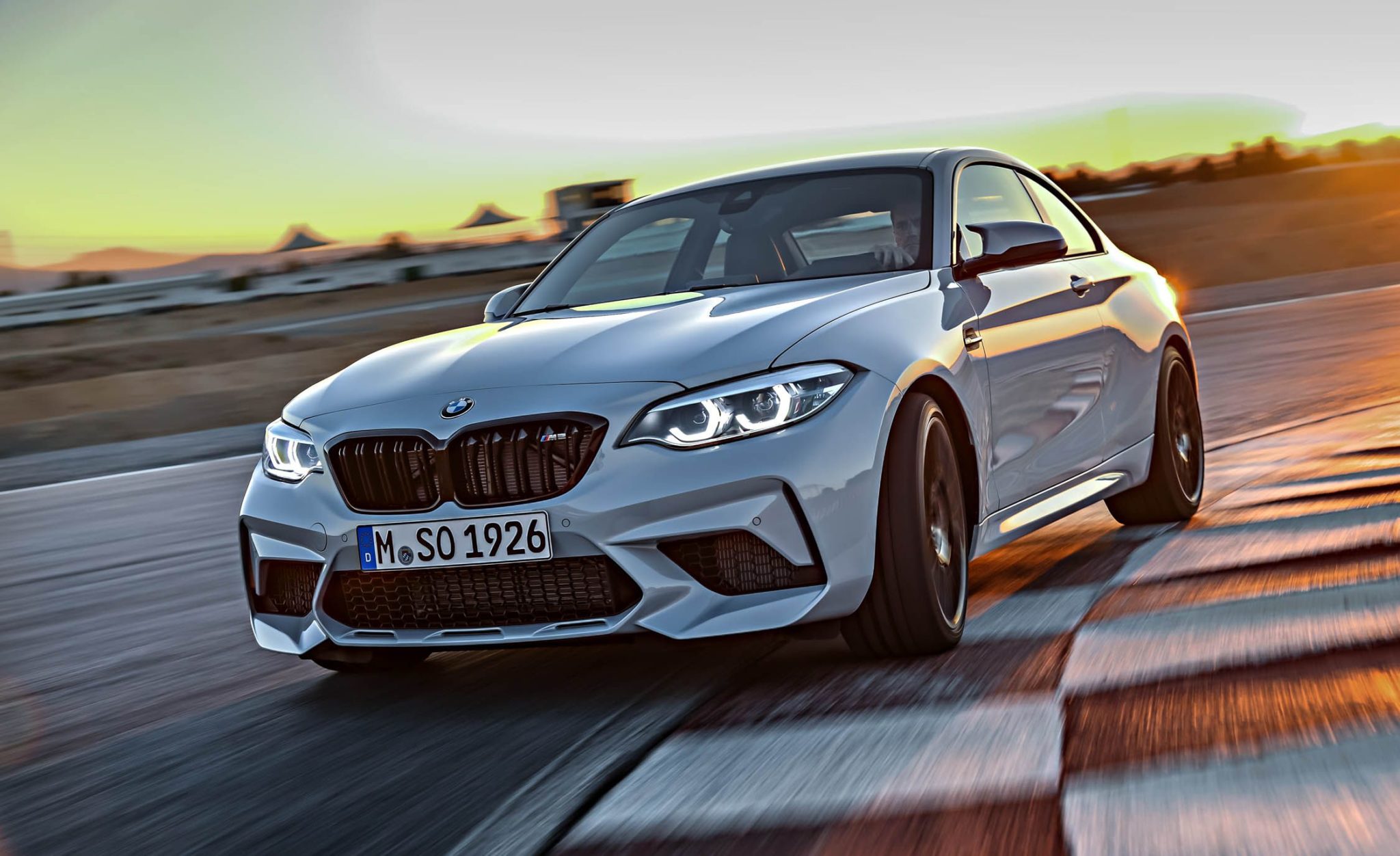
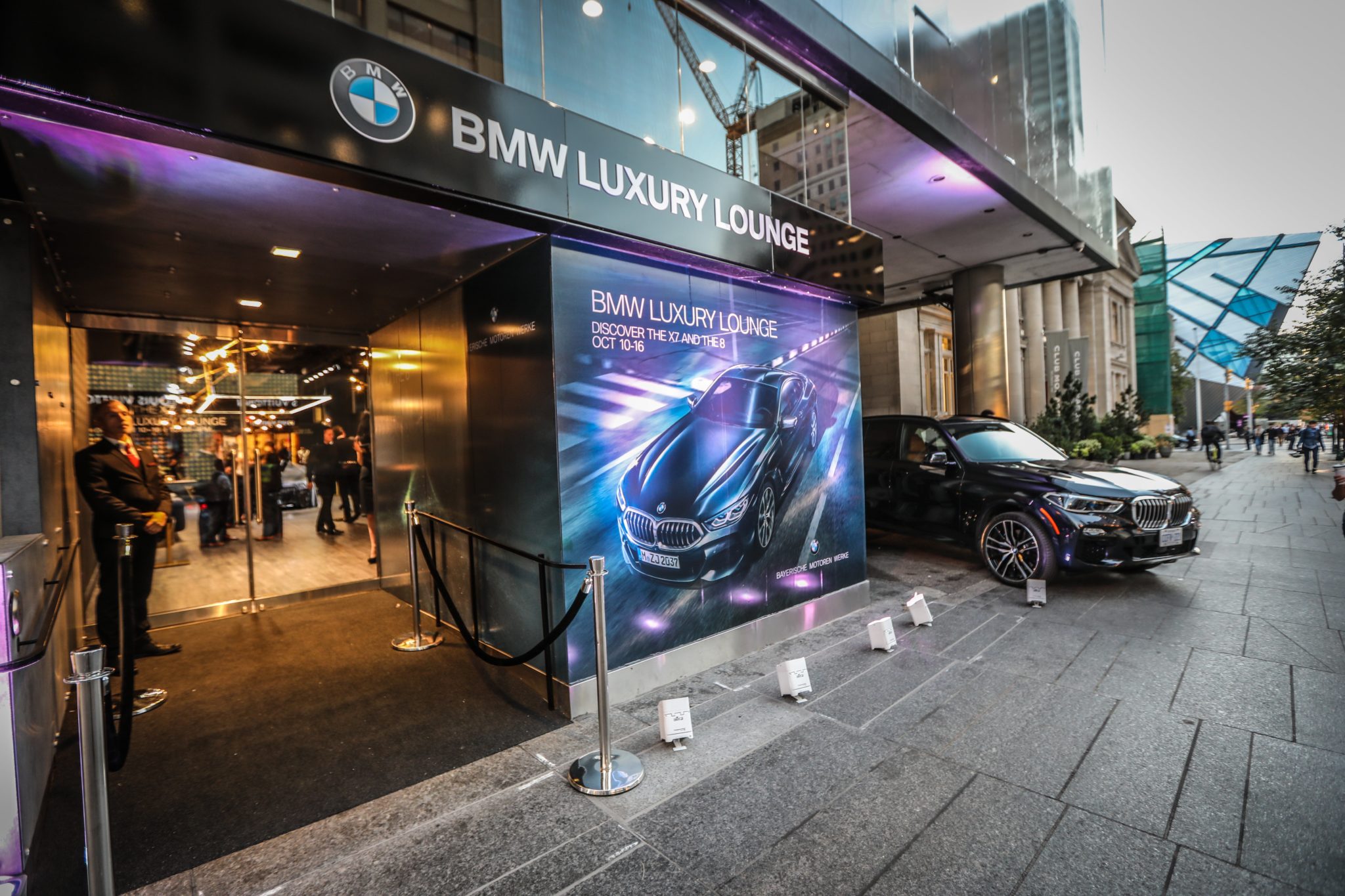
    Reports of BMW 520ds catching on fire are on the rise in Korea, posing a serious threat to the carmaker’s credibility.

    An official recall of the vehicles has still not been announced, making owners of the country’s second most popular import brand anxious about their own cars.

    The latest fire broke out on Monday in Incheon on a highway in Incheon headed toward Ilsan, Gyeonggi. The engine of the 520d sedan reportedly caught fire while the vehicle was moving, resulting in damages worth 37.5 million won ($33,000) according to the local fire station. The driver was not injured.

    Monday’s incident was the latest in a slew of fires. A total of 15 fires in BMW 520ds have been reported to Korea’s Ministry of Land, Infrastructure and Transport this year as of Monday, according to the ministry.

    In the month of July alone, four fires have been reported; some while driving and some while the car was parked.

    “It seems the manifold -part of the emissions system – has defects,” said an official from the Transport Ministry Monday.

    “But since all but one of the vehicles were completely burnt out, it will take more time to come up with an exact reason as to why these 520ds caught fire,” the official added.

    BMW Korea said it will carry out a recall “soon,” but the range of affected cars and when the recall will take place has not been decided.

    The ministry launched its own investigation into the problematic car on July 16 and is waiting for the carmaker to submit a detailed recall plan.

    BMW Korea said it needs more time to come up with a plan.

    If the recall plan is finalized, it would be the first time that BMW Korea has ever had to carry out a recall due to the risk of fire.

    “The fact that we will carry out a voluntary recall has been decided but more time is needed to decide when and what models will be recalled since it is a sensitive matter,” a BMW Korea spokesman said Monday.

    “We are considering expanding the recall beyond just the 520d model to ones that use the same parts,” the official added.

    This is not the first time a safety issue has been raised with BMW vehicles due to fire hazards.

    In 2015, four fires were reported in less than a month in BMW vehicles including the 5-Series and 7-Series, resulting in then-BMW Korea CEO Kim Hyo-joon issuing an official apology. The vehicles were not recalled.

    The 520d model is the most popular vehicle within the BMW Korea lineup. In the first half of this year, sales of the 520d accounted for nearly 30 percent of the company’s entire sales.

  • Electric car sales in Korea shoot up as driving range grows

    Electric car sales in Korea shoot up as driving range grows

    For years, Korea’s electric car market lagged behind that of other countries due to a lack of charging infrastructure and few appealing models.

    This year marks a turning point, as sales of electric vehicles (EV) grew by more than 150 percent in the first half of 2018 when compared to 2017.

    According to data from Korea’s four domestic carmakers and the Korea Automobile Importers & Distributors Association released on Sunday, 11,866 pure electric vehicles were sold from January to June this year. This is 168.9 percent more than the first half of last year, when 4,412 electric cars were sold in Korea.

    Hyundai Motor sold 4,488 of its Ioniq Electric cars, making it the year’s most popular model. It was followed by GM Korea’s Bolt EV.

    The Bolt EV launched in Korea last year, and GM Korea sold a total of 3,122 of the cars in the first half of this year.

    The electric version of Hyundai Motor’s small Kona SUV, which only launched in May, took the third spot with 1,380 vehicles sold.

    The top three EV models this year all have batteries that provide for long ranges.

    The Ioniq Electric, the oldest of the three, can travel 200 kilometers (124 miles) per charge, a slight upgrade from its previous version, which ran out of juice after 191 kilometers.

    GM Korea’s Bolt EV, a rising star in the Korean EV industry, can travel about 380 kilometers. The Kona Electric has the longest range of the top three at 400 kilometers.

    According to Hyundai Motor, about 15,000 sales of the Kona EV have not yet been reflected in the data.

    Kia Motors’ Soul EV followed in fourth place, with 1,139 cars sold, which is 80.2 percent more than the first half of 2017.

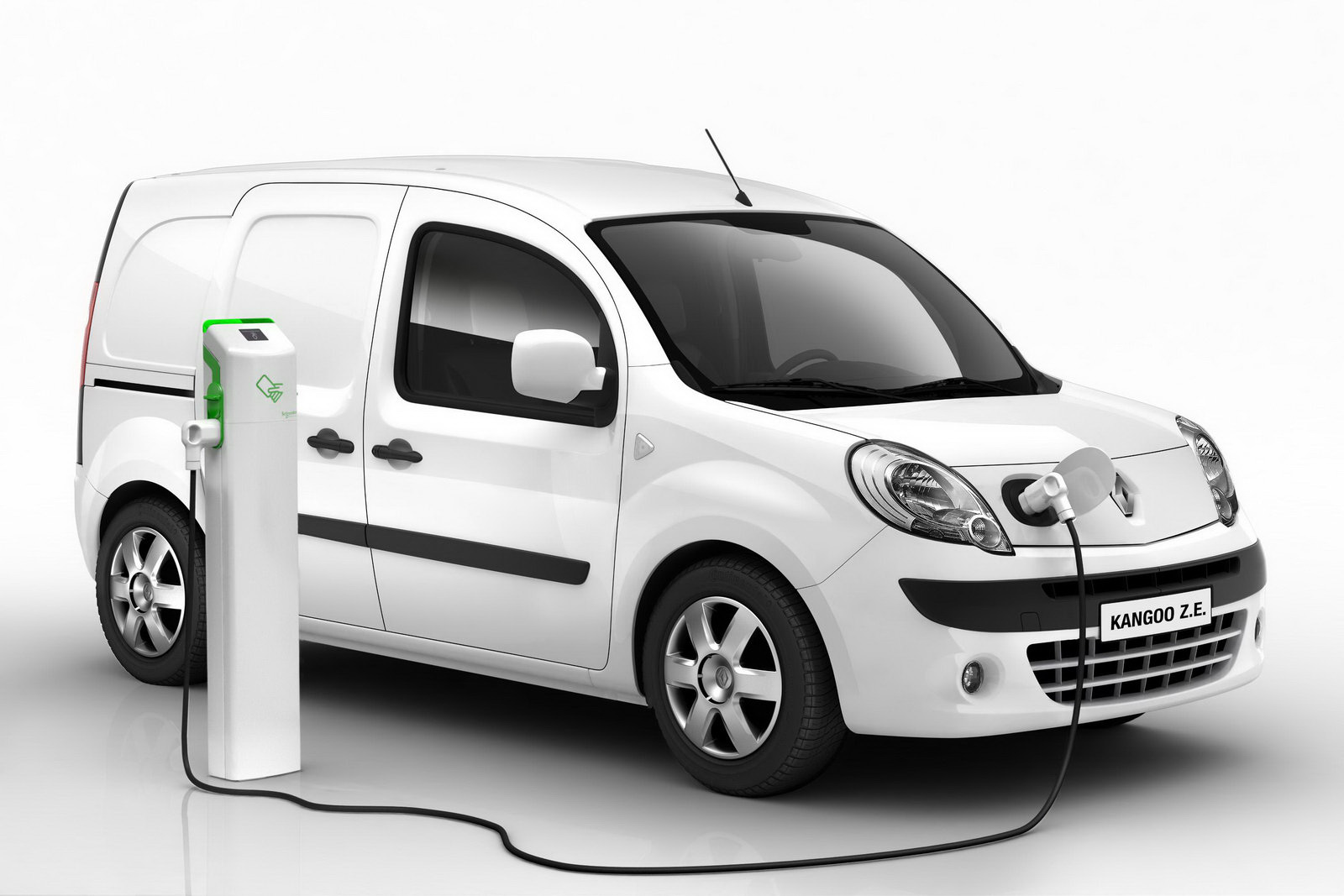
    Renault Samsung Motors is aiming at a niche market with its electric cars. Its electric SM3 Z.E. sold 630 units in the first half. The Korean unit of French auto giant Renault Group is targeting taxi companies by providing an extra discount for SM3 Z.E.s sold as taxi vehicles.

    It also launched a micro EV, the Twizy, last year, which sold 984 units so far this year.

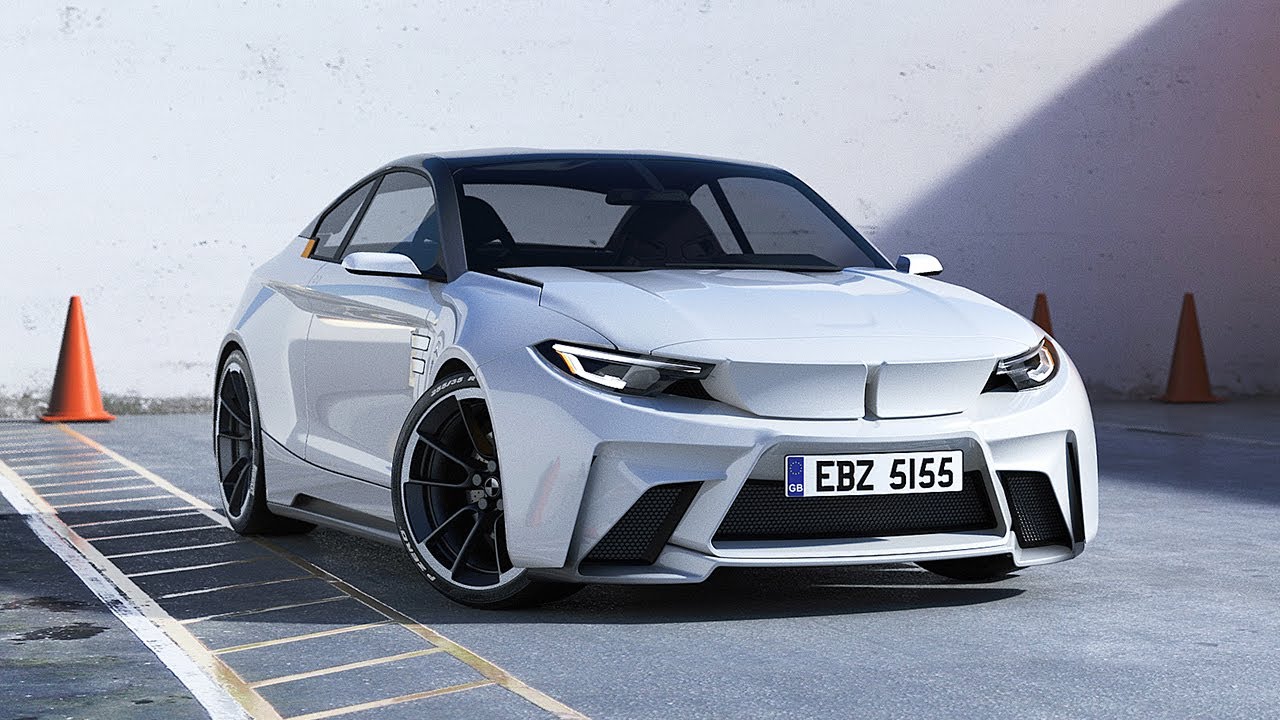
    BMW upgraded the driving distance of its i3 by 50 percent last year to 208 kilometers. The company sold 115 i3s last year, 173.8 percent more than the first half of 2017.

    The EV market in Korea is expected to grow further later this year after Kia Motors’ launches its electric Niro SUV, which will be able to travel more than 380 kilometers per charge, and Jaguar’s I-Pace, which will have a range of 480 kilometers per charge.

  • Volkswagen, Toyota lead a surge in imports

    Volkswagen, Toyota lead a surge in imports

    Audi and Volkswagen have roared back to the Korean imported car market after a two-year absence.

    After launching in May, Volkswagen’s flagship midsize Tiguan SUV became the best-selling imported car model in Korea in June.

    The Tiguan 2.0 TDI sold 1,076 units in June, according to the Korea Automobile Importers & Distributors Association on Thursday. It was the only imported model that sold over 1,000 units last month.

    In its launch month, Volkswagen Korea sold 1,561 Tiguans.

    “Although Volkswagen’s brand image was dented due to the emissions scandal, the Tiguan SUV is widely known to be well-made and it seems like Korean consumers have been waiting specifically for the model,” said Kim Pil-soo, an automotive engineering professor at Daelim University.

    “At the moment, there are no substitutes for the Tiguan SUV that satisfy those who want to buy an imported car in a medium price range. Due to its relatively low price, Tiguan is able to appeal to consumers who were thinking about buying domestic brands.”

    On the back of those strong sales, Volkswagen Korea was ranked third in sales of imported cars in June with only two models on offer, the Tiguan and the Passat sedan.

    As for specific imported models, BMW’s 5-series sedan 520d came in second in June sales with 963 units, followed by Audi’s A6 35 TDI with 891 units.

    Korea’s imported car sales continued to grow in the first half of this year.

    According to KAIDA statistics, a total of 140,109 imports were sold between January and June, which was an 18.6 percent year-on-year jump.

    Mercedes-Benz Korea managed to maintain its top spot for six consecutive months. It sold 41,069 units in the Jan.-June period, an 8.9 percent year-on-year increase. BMW Korea followed, selling 34,568 units, a 19.2 percent year-on-year jump.

    Japanese brands are expanding their presence in Korea. In the past, Japanese brands were largely neglected here because they were considered overly expensive.

    Toyota Korea came in third spot in the Jan.-June period. It sold 8,350 units, recording a whopping 60.8 percent year-on-year increase. A hybrid version of its new Camry sold 3,051 units in the first half, followed by the gasoline-powered Camry, which sold 2,104 units.

    Toyota’s luxury arm Lexus tumbled two steps from last year’s third spot to fifth, but its sales still recorded solid growth. It sold 6,276 units in the first half, a 7.2 percent year-on-year jump.

    “With the rising interest in imported cars, people who would have bought domestic brands are now turning to import brands. Japanese brands are benefiting from that shift in consumption patterns,” Kim added.

  • Android Auto finally learns Korean Language

    Android Auto finally learns Korean Language

    Android Auto, Google’s three-year-old software for cars, is finally available in the Korean language and can now be used in a majority of Hyundai and Kia vehicles in Korea.

    Google Korea, Hyundai Motor and Kakao jointly announced the launch of the smartphone-based virtual dashboard in Korea on Thursday, effective on the same day. The Android software, when connected to an Android smartphone, enables drivers to make calls, send text messages, use a navigation map, listen to music and much more, all through Google Assistant voice commands.

    “The primary task of drivers is safely driving,” said Lawrence Kim, a lead product manager at Google Android Auto, “but observation of drivers showed they do so many other tasks with their smartphone – sending text messages, reading news and making calls. It’s a far-from-safe situation, which led us to think about how to seamlessly integrate smartphones with the vehicle.”

    He noted that the software is not designed to simply mirror the app on the smartphone. Google has customized the user interface for the car display.

    Google joined forces with Kakao Mobility, the transportation arm of Kakao, to develop a navigation map based on the Kakao Navi app as an alternative to Google Maps. The Korean government’s ban on Google’s use of mapping data has led to Android Auto’s later-than-expected debut here. Google Maps users in Korea can only get access to public transportation routes – save for subways – and simple street maps.

    Hyundai Motor and its sister carmaker Kia Motors were the first in the world to introduce Android Auto in their vehicles in 2015, but availability was confined to outside of Korea until Thursday. The software is compatible with all cars currently sold by Hyundai Motor and Kia Motors – totaling over 40 including the Avante, Sonata, Santa Fe from Hyundai and the K5, K7 and K9 from Kia.

    Drivers only need to download the Android Auto app from the Google Play store, connect their smartphone to their vehicle via a USB cable and install the system in the car. The software is activated by pressing a voice-recognition button on the steering wheel or saying “Okay Google.”

    Choo Kyo-woong, director of the infotainment development group at Hyundai Motor, said the carmaker currently does not support wireless connection with the smartphone, citing the issue of smartphone battery exhaustion.

    Android Auto’s entry in Korea comes amid growing competition in the auto infotainment market. Consumers are increasingly attracted to entertaining and safe driving and customized car systems. There is no downright leader in the market, yet, but Google has a great competitive edge, given that the Android system captures more than an 80 percent share of smartphones in Korea.

    Naver currently sells Away, a car infotainment display based on its self-developed artificial intelligence platform, at over 300,000 won ($266). Naver’s portal and chat app rival Kakao has its own service based on its Kakao I AI platform. SK Telecom has combined Nugu AI platform with T Map, a navigation app that controls more than 60 percent of the navigation market in Korea. KT is preparing to unveil its system, Giga Drive.

    Apple’s CarPlay is already available for owners of the iPhone 5 or later models in almost 40 countries around the world, including Korea. Unfortunately, its functions are limited here because navigation is not available.

  • H1 car imports slow down to a crawl in Vietnam

    H1 car imports slow down to a crawl in Vietnam

    More than 126,000 autos were sold in Vietnam in the first half of the year, 106,600 of them locally assembled and over 19,000 imported ones.

    The Vietnam Automobile Manufacturers’ Association (VAMA) says that sales of locally assembled cars increased 10 percent over the same period last year, while that of imported cars plunged 49 percent.

    As a whole, sales were down 2 percent over H1 in 2017, VAMA said.

    It noted that the decline in sales of imported cars was mainly because of a government decree that took effect this year, setting tough conditions for car imports.

    The decree stipulates that traders will only be permitted to import automobiles if they can provide valid vehicle registration certificates issued by authorities from the countries of origin.

    Original quality control certificates for each vehicle and letters of authorization regarding recalls of defective vehicles from the manufacturers are also be required, along with copies of quality assurance certificates provided by the countries of origin.

    The regulation also requires importers to have one car from each batch shipped to Vietnam to go through emissions and safety tests.

    The decree was met with strong opposition from importers who said that it cost them more time and money, but the Ministry of Industry and Trade countered it by saying the new rules would protect consumers and facilitate fair competition.

    However, in March this year, the government removed the condition for local testing of autos, and June auto imports saw a 45.6 percent surge dominated by Thailand.

  • DRB-Hicom studying Proton-Indonesia joint venture

    DRB-Hicom studying Proton-Indonesia joint venture

    DRB-Hicom Bhd is studying the proposed collaboration between Malaysia and Indonesia to produce an Asean car.

    Group managing director Datuk Seri Syed Faisal Syed Albar said a discussion on the matter is taking place as a memorandum of understanding was signed in 2015 between its subsidiary, Proton Holdings Bhd, and an Indonesian company to undertake the joint effort.

    “There is no cost involved and we need to study it a lot,” he said.

    Proton is 50.1% owned by DRB-Hicom and 49.9% by China-based automaker Zhejiang Geely Holding Group via its wholly-owned subsidiary, Geely International (Hong Kong) Ltd.

    It was reported earlier that the joint effort between Proton and Indonesia to produce an Asean car would be revived following talks between Prime Minister Tun Dr Mahathir Mohamad and Indonesian President Joko Widodo during the former’s visit to Indonesia last month.

    Meanwhile, Syed Faisal, who is also Proton chairman, disclosed that Geely has invited Mahathir to visit the company’s facilities in China during the prime minister’s visit to the country next month.

    Syed Faisal gave an assurance that the launch of the first Proton sport utility vehicle (SUV) will take place as scheduled in October.

    He said the briefing today also covered future technology offered by Geely.

    “Tun Mahathir likes the SUV that we loaned to him earlier, which indirectly shows that he has confidence in Geely’s technology in Proton,” he said.

    On the Mahathir’s plan for another national car, Syed Faisal said he believes that Proton, as the national car, has secured the confidence of banks, vendors and dealers. “In that regard, we will think of Proton first, and there will be no change in direction on that.”

    Syed Faisal reiterated the group’s commitment to pursue a 30% price cut from its automotive parts suppliers by year-end.

    Also present at the briefing was Dr Li Chunrong, CEO of Proton’s manufacturing arm, Perusahaan Otomobil Nasional Sdn Bhd.

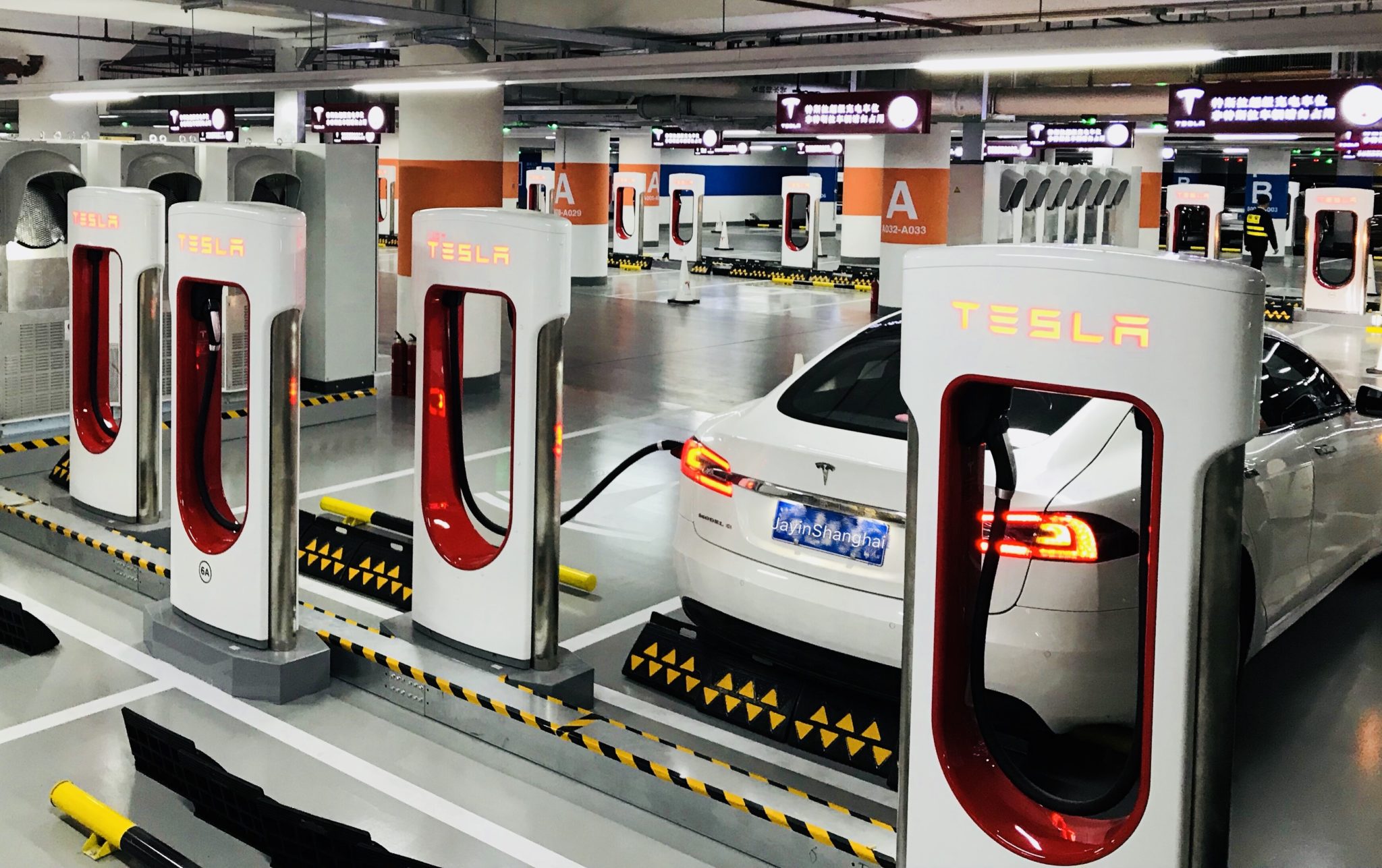
  • Tesla Buyers in China Are Early Casualties in Trade Wrestle

    Tesla Buyers in China Are Early Casualties in Trade Wrestle

    Tesla buyers in China will be among the first consumers to feel the pinch from the U.S.-China trade dispute.

    Price listings on Tesla’s Chinese website increased by nearly 20% this weekend. It came after the U.S. and China on Friday imposed tit-for-tat tariffs on $34 billion of each other’s goods, which affected U.S.-built cars exported to China including Teslas.

    The Silicon Valley electric-car maker had briefly cut prices by about 6% after the Chinese government reduced its tariffs on imported cars to 15% from 25% on July 1.

    But that cut proved short lived. The measures imposed Friday raised the tariff on Tesla to 40%.

    A basic Model S sedan now costs roughly $128,400, up from $107,300 last week, while a Model X sport-utility vehicle costs $140,100, compared with $117,100.

    A Tesla dealer in Beijing said there were still some cars in stock with lower price tags that were delivered before the new tariffs were imposed, but that inventory was very low.

    Tesla plans to build a plant in Shanghai to serve the local market, but for now it only produces vehicles in the U.S. Last year, it sold about 17,000 cars in China, its second-biggest market globally, generating more than $2 billion in revenue.

    Unlike most auto makers, Tesla sells its cars through company-owned stores instead of franchised dealerships, allowing it to set prices. It has 30 stores in China, according to its website.

    The tariffs the U.S. and China imposed on each other present companies with a dilemma: Risk a loss by absorbing the cost or risk market share by passing it on to consumers. Beijing has been looking for ways to shield its companies and consumers, for example by trying to direct purchases of soybeans to Brazil and other suppliers.

    China’s Commerce Ministry said Monday it would use the added revenue from the increased tariffs to provide relief for affected companies and workers. Also Monday, the executive office of the State Council, China’s cabinet, issued a notice Monday calling for an increase in imports while stabilizing exports to promote more balanced trade.

    Tesla isn’t the only auto maker that builds in the U.S. and ships to China: BMW AG , DaimlerAG and Ford Motor Co. all sell U.S. imports in significant volume here.

    Last week, Ford said it has no current plans to raise retail prices on its China imports in response to the tariff hike. Ford sold roughly 65,000 imported Lincoln vehicles in China last year, as well as nearly 19,000 Fords. Locally produced cars comprised more than 90% of its sales.

    Daimler said it didn’t plan to pass the entire cost of the tariff rise onto its customers.

    Sales of high-end imports such as Tesla’s are unlikely to be hit severely by the price increase, according to analysts, since buyers of luxury cars tend not to be price-conscious.

    But the pain will spread if the trade war continues, a saleswoman at an import-export company based in Shandong province predicted.

    The company imports U.S. auto parts that are subject to the new tariffs, which means higher prices for its Chinese buyers. They are negotiating with American suppliers on how to divide the higher costs, she said, but they will most likely be absorbed by her company, the saleswoman said.

    “In the short term, our vendors are still talking and discussing prices,” she said. “But in the long term, I think it will definitely have an impact on our business.”

  • Volvo Car Malaysia launches new Batu Pahat 3S centre

    Volvo Car Malaysia launches new Batu Pahat 3S centre

    Volvo Car Malaysia, together with its newest dealer AJ Premium Motors, have launched a new Volvo 3S centre in Batu Pahat to serve customers in the Southern region. The new dealership is part of the company’s sales and aftersales transformation programme, with more locations set to be introduced later in the year.

    “There is growing interest for our models in Malaysia and we are actively setting-up dealerships in strategic areas around Malaysia to better service this need,” said Lennart Stegland, managing director of Volvo Car Malaysia.

    “It is an absolute requirement for all new dealerships to adhere to the Volvo Retail Experience (VRE) standards, consistent with our dealership standards in Europe – it is not just an aesthetical guideline but also dictates the level of service rendered in our dealerships,” added Stegland.

    Volvo Batu Pahat features a Scandinavian-inspired ‘living room’ where customers can relax while being attended to by a sales representative or while waiting for the vehicles to be serviced in one of the two service bays in the facility.

    “Our presence in Batu Pahat makes it more convenient for owners from the surrounding areas of Muar, Kluang and Segamat to service their cars or for prospective customers to view new Volvo models,” said Jacky Ong, managing director of AJ Premium Motors.

    The 3S centre is located at Lot. 1005, Jalan Kluang, 83000 Batu Pahat, Johor, Malaysia and it is open from 9am till 6pm on Monday to Saturday, and from 11am to 5pm on Sunday and public holidays.


  • Hershey’s activation comes to life at KLIA

    Hershey’s activation comes to life at KLIA

    A new mobile retail concept from Hershey’s has launched at Kuala Lumpur International Airport (KLIA).

    The Hershey’s flotilla buggy is the result of The Hershey Company, Malaysia Airports and DR Groupdiscussing ways to enhance customer engagement at the TFWA World Exhibition & Conference in Cannes in October 2017.

    The flotilla buggy is converted from a conventional buggy making it the world’s first truly mobile promotion from a confectionery brand and is expected to become a unique attraction at KLIA, Malaysia Airports said. It is based on the classic American Cadillac and is adorned with messages and artistic images of iconic landmarks.

    Nazli Aziz, senior general manager for commercial services, Malaysia Airports (at the rostrum) giving a speech at the launch of the Hershey’s flotilla buggy.

    “Malaysia Airports is constantly looking into new ways to curate a convenient, unique and memorable shopping experience for customers. The launch of the Hershey’s flotilla buggy is the culmination of a successful partnership between Malaysia Airports, a world-class confectionery brand and an enterprising retailer,” Malaysia Airports Senior General Manager for Commercial Services Nazli Aziz said.

    cof

    DR Group Managing Director Dato’ Dahlan Rashid added: “Since its inception in 1985, DR Group has been creating its own niche internationally by innovating [in] the travel retail confectionery landscape. We believe this synergistic collaboration provides the perfect beginning for endless possibilities in retail innovation.”

  • Ford says no plans to hike China prices despite new tariffs

    Ford says no plans to hike China prices despite new tariffs

    Ford Motor Co said on Thursday that for now, it will not hike prices of imported Ford and higher-margin luxury Lincoln models in China, thus absorbing the additional cost of tariffs on U.S.-made vehicles due to be applied starting on Friday.

    The U.S. carmaker, which has faced sluggish sales in the world’s largest auto market, said in a statement that “it has no current plans to increase the manufacturer’s suggested retail price (MSRP) on its import line-up in China.”

    Ford’s move, which would reduce the profit margins on its cars imported to China, makes it the first foreign automaker to address pricing issues ahead of the new tariffs that will affect around $34 billion of U.S. imports, from soybeans and cars to lobsters.

    German automaker Daimler AG said last month that its 2018 pre-tax profits would fall versus last year because new import tariffs on cars exported from the United States to China would hurt sales of high-margin Mercedes-Benz sports utility vehicles.

    Ford has much to lose if rising trade tensions between China and Republican U.S. President Donald Trump escalate into a full-blown tariff war. Last year, it shipped about 80,000 vehicles to China from North America, more than half of them its upper-end Lincolns – including the Lincoln Continental sedan and the Lincoln MKX crossover SUV.

    China, which just days ago cut tariffs on all imported automobiles, plans to slap an additional 25 percent levy on 545 American products, including U.S.-made cars, should Trump’s administration proceed with plans to implement tariffs on $34 billion of Chinese imports beginning on Friday.

    Ford encouraged the United States and China to resolve their dispute, and said it would “monitor the situation as it evolves.”

    Most of the vehicles Ford sells in China are made locally with its joint venture partners.

    All Lincoln vehicles that Ford sells in China are imported from North America. The brand last year sold 54,124 vehicles in China, up 66 percent from 2016. It is unclear how long it will take for any impact on profit margins at Ford, as the automaker will likely have a couple of months’ supply of imported vehicles already on the ground in China.

    Ford and Lincoln both cut prices on imported models in May after China announced steep tariff cuts for automobiles and car parts that took effect on July 1.

    Trade-related issues are cropping up for Ford at a time when it is suffering from a big sales slump in China caused by a lack of new models in its line-up. Last year, its sales fell 6 percent even as overall vehicle sales in China rose 3 percent.

    Other firms that export U.S.-made cars to China include BMW, Daimler’s Mercedes and Tesla. Those automakers did not immediately respond to requests for comment.

    China is General Motors’s largest market. A GM spokesman said that aside from a very small number of Chevrolet Camaro cars, virtually all of its vehicles and parts sold in China are made there. The automaker is still assessing what to do about that small number of imported vehicles, the spokesman said.

    Fiat Chrysler Automobiles NV (FCA) produces the bulk of the vehicles it sells in China locally, but exports the Jeep Wrangler, Jeep Grand Cherokee and Chrysler Pacifica minivan to China.


  • E-Mart to have electric car charging at all stores

    E-Mart to have electric car charging at all stores

    Korean hypermarket giant E-Mart plans to install electric car charging stations at all of its outlets nationwide by 2021.

    The company initiated formal service of nine electric car charging stations in four regions (Sokcho, Gangneung, Geomdan, and Gumi) this week.

    The stations can accommodate many cars at any given time. From October, E-Mart will be expanding the number of charging stations by 30 every year so that by 2021, the total number of stations within its overarching Shinsegae Group will reach 1100 including the 140-odd stations installed on the premises of its E-Mart stores.

    The multi-car charging stations will each accommodate 18 cars that can be fully charged within 40 minutes at 100kWh, making them the fastest chargers in the nation.

    A new payment system that automatically recognises the driver’s Hi Pass payment card number will make payment easy without requiring the driver to take out his or her credit card.

    E-Mart was the first retailer in the nation to build charging stations for electric cars. The company currently operates more than 110 charging stations with a total capacity of charging 200 electric cars.

  • Vietnam’s first driver-less car gets the green light

    Vietnam’s first driver-less car gets the green light

    An FPT Software request to pilot its self-driving cars in Vietnam’s hi-tech zones and software parks has received a positive response from the Transport Ministry.

    The ministry said it supports FPT’s plan because it was in line with global trends and confirmed to the Government’s agenda to foster the fourth industrial revolution (Industry 4.0).

    It instructed FPT to seek authorization from the high tech parks’ management board before testing the autonomous cars on internal roads of the Saigon High Tech Park in Ho Chi Minh City’s District 9 and take responsibility for traffic security during the trial.

    The tech giant has also been asked to report on tests carried out with the driver-less car and propose solutions to tackle any possible problems that may arise once it is put to test on public roads.

    Pham Minh Tuan, general director of FPT Software, said that the company had established two years ago a strategic unit specializing in automotive technology solutions.

    FPT Global Automotive (FGA) has three main focuses: self-propelled car, safety system, and entertainment system, he said.

    The unit now has a 2,000-person team dedicated to hardware and software development, and mechanical design. It is ready to develop most of the car’s functions, he said.

    FPT had introduced the first self-propelled car in Vietnam on October 31, 2017.

    The Hanoi-based company has been operating autonomous cars around the FPT complexes in the central city of Da Nang and F-town campus within the Saigon High Tech Park.

    The self-driving vehicles have an average speed of 20-25kph and can reach up to 40kph on straight stretches. They can self-align, change lanes and avoid obstacles or tripping when needed. The vehicles have had over 1,000 hours of self-steering, with no problems in weathering different conditions including sunshine, rain and low light.

    FPT is working to perfect the vehicle’s brake system and other functions like GPS, direction guide and built-in voice response control.

    The new initiative builds on FPT Software’s work in implementing more than 150 projects in the automotive industry for more than 20 clients in Japan, South Korea, Europe and the United States.

    It aims to reach $200 million in automotive-related sales by 2020, including software, design, analysis and IC design.

    The corporation also aims to supply 10 per cent of the world’s self-propelled automotive software by 2025.

  • GM to transfer Vietnam operation to Vingroup’s car arm, eyes sales boost

    GM to transfer Vietnam operation to Vingroup’s car arm, eyes sales boost

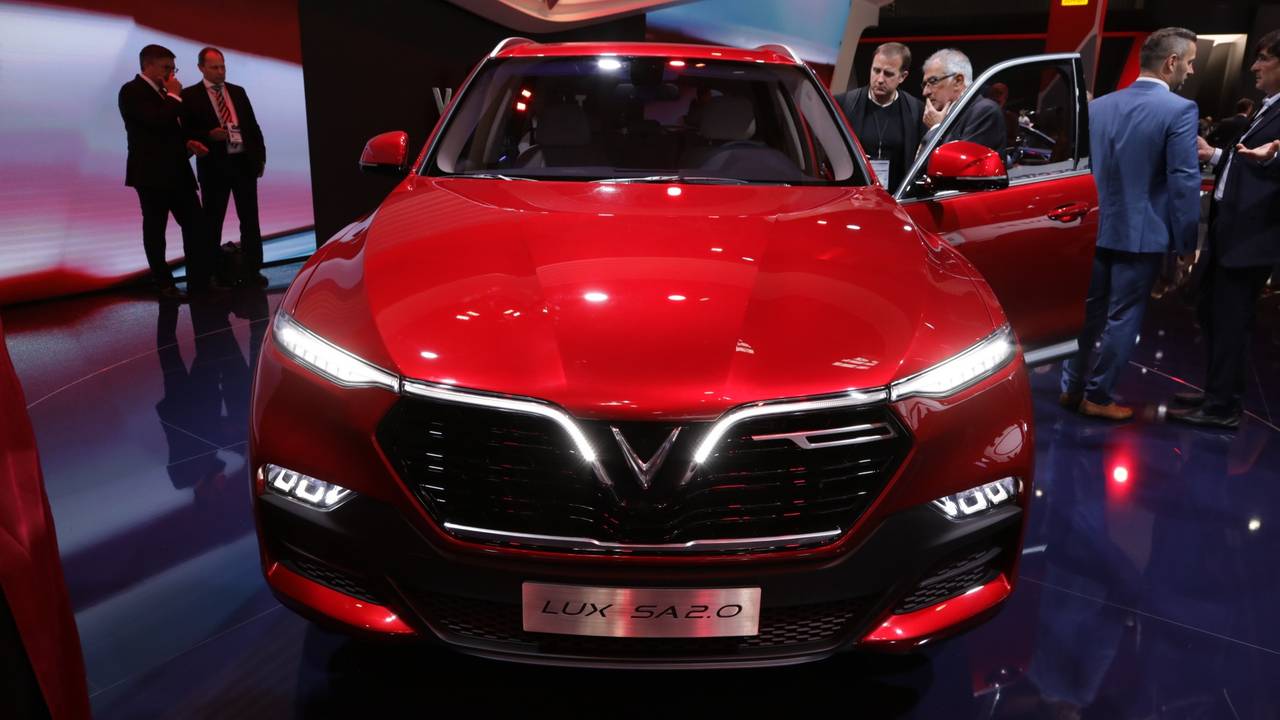
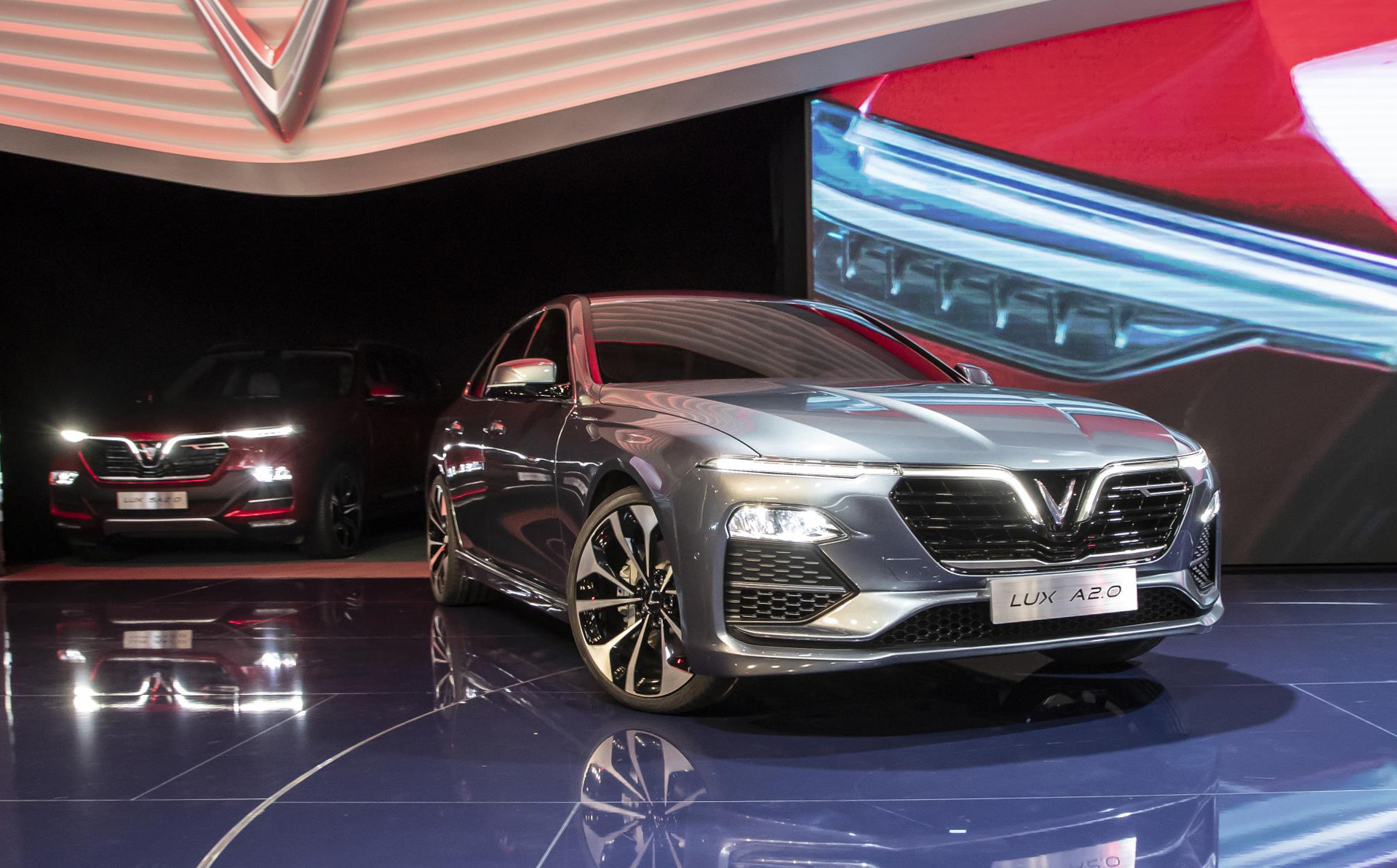
    General Motors (GM.N) has agreed to transfer its Vietnamese operation to VinFast Trading and Production LLC and distribute Chevrolet cars through the local carmaker, in a move that could help drive up its modest sales in the country.

    The U.S. automaker will transfer full ownership of its Hanoi factory to VinFast for the Vietnamese firm to produce small cars under a GM global license from 2019, the companies said in a statement on Thursday, without disclosing a value for the deal.

    As part of the deal, VinFast, a unit of Vietnam’s biggest private conglomerate – Vingroup JSC VIC.HM, will be the exclusive distributor of the Chevrolet in Vietnam.

    “The GM-VinFast strategic partnership will best position the Chevrolet brand and dealer network for long-term growth in Vietnam by leveraging GM’s global scale and expertise, married with VinFast’s domestic strength and insight,” said Barry Engle, executive vice president and president of GM International.

    The transfer, which includes GM’s Hanoi plant, dealer network and employee base, is expected to be conducted by the end of 2018, the companies said in the statement.

    GM used its Hanoi plant to assemble Chevrolets with parts imported from South Korea – a country where the U.S. automaker came close to bankruptcy as it struggled to turn around its debt-laden unit. GM Korea is GM’s biggest production base in Asia excluding China.

    The plant will be used solely to produce VinFast cars after the transfer, while Chevrolet cars will be imported.

    VinFast said this partnership with GM was “integral” to its plan to “launch a portfolio of five VinFast vehicles in 2019”.

    It is building a $1.5 billion factory in the northern province of Hai Phong and plans to launch a sedan and sport-utility vehicle in the third quarter of 2019, and a small car, electric car and electric bus by end-2019.

    “Our vision is to build an automobile manufacturing eco-system that will include assembly plants, local automotive suppliers and dealers, and a string of supporting industries,” said VinFast CEO Jim DeLuca.

    Vietnam’s automobile sales grew 24 percent in 2016 but fell 10 percent last year to 272,750 units, data from the Vietnam Automobile Manufacturers’ Association (VAMA) showed. Sales fell 6 percent in the first five months of 2018.

    While GM’s sales in Vietnam have been rising since 2014, its numbers last year were only an eighth of the country’s market leader, local Truong Hai Auto Corp, and a sixth of runner up Japanese rival Toyota Motor Corp (7203.T), VAMA data showed.

    Sales of the Chevrolet, the only vehicle GM offers in Vietnam, grew 8.5 percent to 10,576 units in 2017, lagging gains of 34.5 percent in Indonesia and 25.7 percent in Thailand.

  • Audi CEO Stadler faces at least another week in jail

    Audi CEO Stadler faces at least another week in jail

    Suspended Audi CEO Rupert Stadler is facing at least another week in custody after agreeing to additional questioning by prosecutors over his role in the diesel emissions scandal.

    His defense attorneys and investigators scheduled meetings for next week, Karin Jung, spokeswoman for Munich prosecutors said in an interview. He will remain in custody for now.

    Stadler, who became a suspect in the probe at the end of May, was arrested a week ago. He was first questioned June 20, but the interviews were adjourned to allow his lawyers to assess the evidence before deciding whether to resume talks.

    In his first interrogation, prosecutors had quizzed Stadler over the fraud allegations against him and their suspicions — from a wire tapped phone call — that he threatened to suspend an Audi employee who had testified in the criminal probe, two people familiar with the case have said.

    The arrest of the 55-year-old marks the highest-profile detention since Volkswagen Group’s cheating scandal erupted when the automaker admitted to rigging 11 million vehicles globally to bypass emissions tests. Volkswagen has rejected claims that top executives including Stadler were aware of the criminal scheme that stretched over nearly a decade.