Category: Automotive

Retail News Asia is committed to providing both local and global retailers with the latest Auto and Car news throughout the Asian market. This on a daily base.

  • Honda Malaysia retains number one spot for non-national brands

    Honda Malaysia retains number one spot for non-national brands

    Honda Malaysia retained its number one spot for non-national brands for the third consecutive year, managing to sell 19% more cars or 109,511 units in 2017, the highest in its history.

    Honda Malaysia also sold the second largest number of cars in total industry volume in 2017, for the second consecutive year, it said in a statement today.

    Since 2003 and in the span of 14 years, Honda Malaysia has sold more than 730,000 units of vehicles.

    The company managed to capture a 19% market share, the highest ever achieved in Honda Malaysia history, with six new model launches, namely BR-V, City, Jazz and Jazz Hybrid, City Hybrid, CR-V and All-New Civic Type R.

    The City emerged as Honda’s best-selling model in 2017, contributing 27% of total sales, followed by HR-V at 17%, BR-V at 16% and Civic at 14% respectively.

    In the Hybrid segment, the Jazz Hybrid and City Hybrid contributed 2% to the total sales of Honda Malaysia despite being on sale for only 4 months. The two models are leading the overall Hybrid segment.

    Throughout 2017, Honda Malaysia expanded its presence and penetration in Sabah and Sarawak, which contributed more than 7,500 units to the total sales achieved. Sales for East Malaysia in 2017 increased by 33% compared to 2016. BR-V was the best-selling model in Sabah and Sarawak.

    Not losing sight of its after sales service segment, Honda Malaysia introduced Honda Pride with 12 specially designed benefits such as five years warranty with unlimited mileage, genuine parts and comfortable dealer showroom.

    In terms of service intake, Honda Malaysia recorded more than 1.15 million vehicles serviced in 2017, up 13% from the 1.0 million vehicles serviced in 2016.

    Managing director and CEO Toichi Ishiyama said, “Reflectively, we are pleased to note that with the maturing Malaysian market, customers responded well to the various Next Generation Advanced Technologies we introduced such as Honda SENSING, Turbo and Sport Hybrid i-DCD. The Sport Hybrid i-DCD made history during their introductions, as Malaysia is the only country outside of Japan to introduce the technology. It was also the most affordable Hybrid to be introduced in the market. Honda was also the first brand to introduce the SENSING technology into mass models such as the CR-V and New Accord.”

  • Daimler Trucks on track to record sales of 465,000 units in 2017

    Daimler Trucks on track to record sales of 465,000 units in 2017

    Daimler Trucks has increased its worldwide deliveries in the first 11 months of 2017 by 12 percent year on year to 422,500 units, despite the continuation of disparate market conditions. Until the end of November, more trucks were delivered than in the whole of last year. In full-year 2016, the Daimler truck division sold approximately 415,100 vehicles of the Mercedes-Benz, Fuso, Freightliner, Western Star, Thomas Built Buses and BharatBenz brands worldwide.

    On the basis of initial December data, Daimler Trucks assumes that it will end the full year with unit sales in the magnitude of 465,000 vehicles (2016: 415,100). The final sales figures will be available at Daimler’s annual press conference on February 1, 2018.

    “For full-year 2017, we at Daimler Trucks anticipate unit sales in the magnitude of 465,000 trucks – significantly more than in the previous year and significantly more than we expected at the beginning of the year. This is only possible with leading products and an excellent international team – especially with an ongoing situation of weak tailwinds from our markets. I thank all our employees for their outstanding efforts,” stated Martin Daum, Member of the Board of Management of Daimler AG, responsible for Trucks & Buses. “In everything that we do, our focus is on our customers. In order to offer them the best products and solutions, we work continuously on innovations. We used the year 2017 to work hard on efficient, electric, automated and connected trucks.”

    North America key growth driver
    The significant growth in unit sales achieved by Daimler Trucks was driven by the positive sales development in the NAFTA region, especially in the second half of the year. Sales rose by 12 percent to 150,600 units (2016: 134,200).

    With a market share of 39.2 percent in weight classes 6 to 8 (2016: 40.0 percent), Daimler Trucks says it continued to be the undisputed market leader for medium- and heavy-duty trucks in North America by a clear margin. A key growth driver in the North American market is the new Freightliner Cascadia, which has been produced since early 2017 with an integrated Detroit powertrain and sets standards in terms of fuel efficiency, safety and connectivity. Also in the fourth quarter, Daimler Trucks recorded a significantly higher number of orders received in the NAFTA region than in the prior-year period.

    Uptick in Europe and Latin America – growth in Brazil again
    Daimler Trucks increased its sales also in the EU30 region (European Union, Switzerland and Norway) by three percent to 73,600 units in the months of January through November (2016: 71,100). Mercedes-Benz maintained its market leadership in the segment of medium- and heavy-duty trucks with 21.0 percent (2016: 20.7 percent). Mercedes-Benz is the best-selling brand also in Germany, with a market share of 36.6 percent (2016: 37.2 percent) and deliveries of 28,000 vehicles (2016: 27,600).

    Since March 2017, Mercedes-Benz trucks feature the new Truck Data Center. This standardised connectivity module is fitted across the Daimler Trucks brands: in the Mercedes-Benz Actros, Arocs, Antos and Atego as well as in the new Freightliner Cascadia and the new Fuso SuperGreat. The Truck Data Center forms the basis for existing connectivity solutions from Daimler Trucks such as the telematics systems of Fleetboard, Truckonnect and Detroit Connect. However, it also allows new digital services such as the Mercedes-Benz Uptime service product. This intelligent linking up of trucks, Mercedes-Benz Service and customers can reduce off-road times.


  • EMart’s M-Lounge to sell electric mini-vehicles

    EMart’s M-Lounge to sell electric mini-vehicles

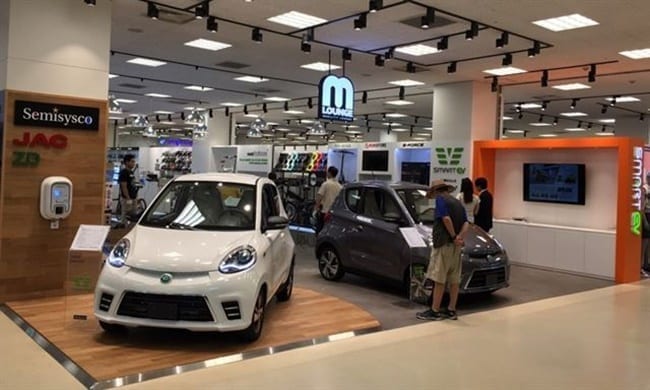
    South Korea’s discount store E-Mart, a unit of retail conglomerate Shinsegae Group, has started selling electric mini-vehicles.

    E-Mart says it has expanded its M Lounge network to seven shops across Korea to sell electric bicycles and EVs.

    Introduced at its Yeongdeungpo store last March to introduce its e-mobility lineup, M Lounge now sells E-Mart’s private-brand e-bike Pedelec and other brands such as Mando Footloose and Maskali, as well as Air Wheel (electric wheel) and iBoat (electric kickboard). It has also started taking orders for the Zhi Dou two-seater electric car from China, which can run up to 150㎞ on a single charge.

    Cleared by regulatory authorities last month, the vehicle is expected to be priced at KW13 to 14 million (US$13,000).

    E-Mart aims to install M Lounge at up to 20 key stores across the country.

  • Nissan’s ePower tech coming to U.S. vehicle

    Nissan’s ePower tech coming to U.S. vehicle

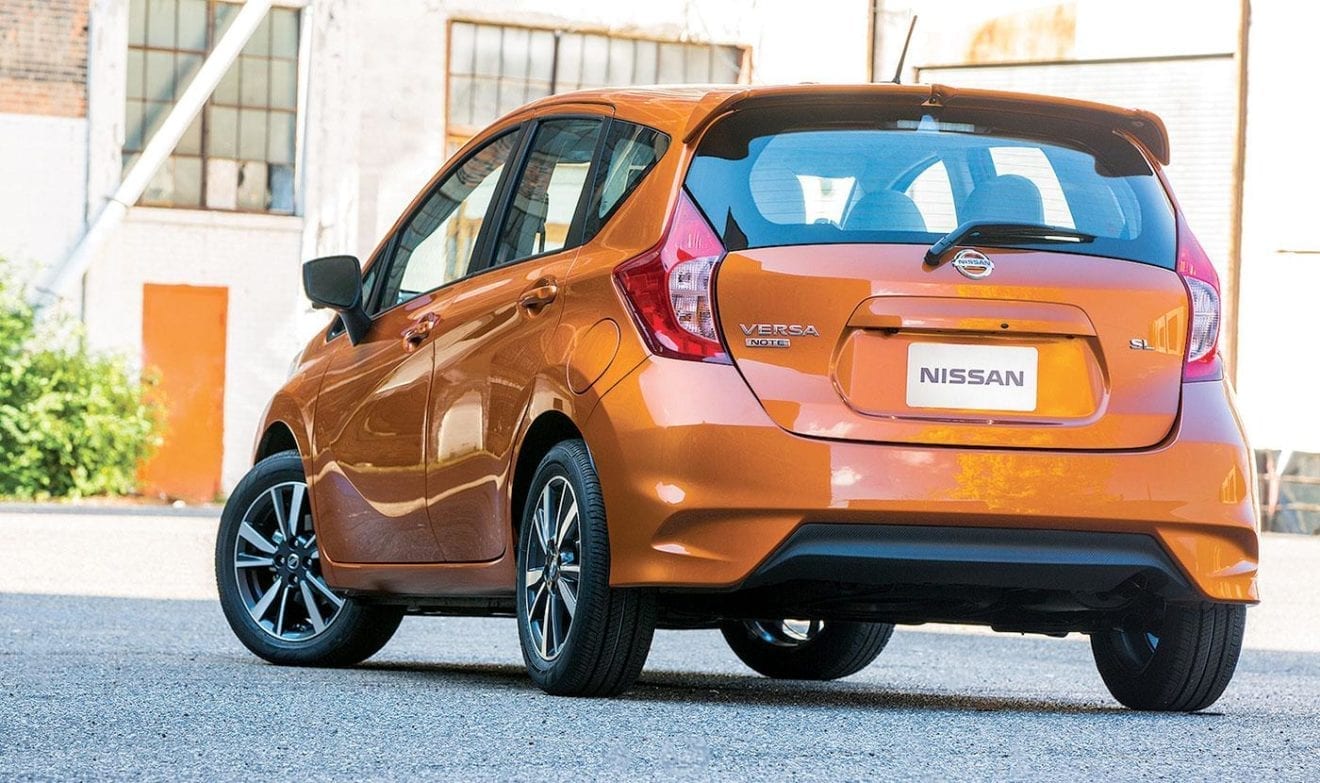
    Startled by enthusiastic consumer demand for ePower in Japan last year, Nissan Motor Co. now plans to introduce the electric motor-powered technology to its vehicles in the U.S.

    But unlike its Japanese application in the humble subcompact Note, Nissan will more likely use ePower here as an option on higher-end vehicles, said Philippe Klein, the automaker’s chief planning officer said last week.

    Klein did not say which Nissan brand products might receive ePower but suggested it will begin with higher-priced nameplates that can absorb the added cost of the powertrain.

    Meanwhile, Klein’s boss, Nissan CEO Hiroto Saikawa said that Infiniti will begin offering ePower in the near future. Saikawa said ePower will play a key role in Infiniti’s move to almost completely electrify its lineup starting in 2021.

    The technology, essentially a range extender, appears on the Note in Japan.

    Saikawa said that every Infiniti that appears in or after 2021 will either be a full electric vehicle or have an ePower powertrain.

    The technology reached the market in Japan as a powertrain option on the Note in late 2016. But in 2017, its first full year of availability, it had a 65 percent take rate on the car, Klein said.

    “Our strategy is to expand to other vehicles and to other markets,” Klein said. “It’s not only for small vehicles. We’re going to go to bigger vehicles.”

    The system is essentially a range extender in which an electric motor propels the vehicle at all times. A battery provides the power for the motor. A gasoline engine is used to charge the battery when necessary.

    The system delivers a fuel economy rating of about 77 mpg under Japan’s testing protocol, which is not comparable to U.S. testing methods.

    But Klein said fuel economy is only half the attraction to consumers. A second appeal is the powertrain’s exhilarating acceleration, he said, which is something that will appeal to buyers of any vehicle.

    “One part of it is the rational — lower gas costs. The other issue is emotional,” he said. “The driving experience is very close to that of an electric vehicle. Contrary to a conventional hybrid, you have the smooth acceleration of an electric vehicle.”

    Klein said that ePower has helped Nissan increase the revenue generated by the Note, and also has allowed Nissan to reposition the Note in Japan as a more upscale model.

    He added that Nissan believes the technology also provides an alternative to diesel powertrains in Europe.

    The company is considering offering ePower there as regulations make it harder to sell diesel vehicles.

    Its immediate benefit as a new source of fuel economy is not so clear for the U.S. market, he said. “But the benefits of being emotional and fun to drive might apply in the U.S. for some categories of vehicles,” he said. “So it’s part of the strategy.”

  • Perodua aims for 2% growth in car sales this year

    Perodua aims for 2% growth in car sales this year

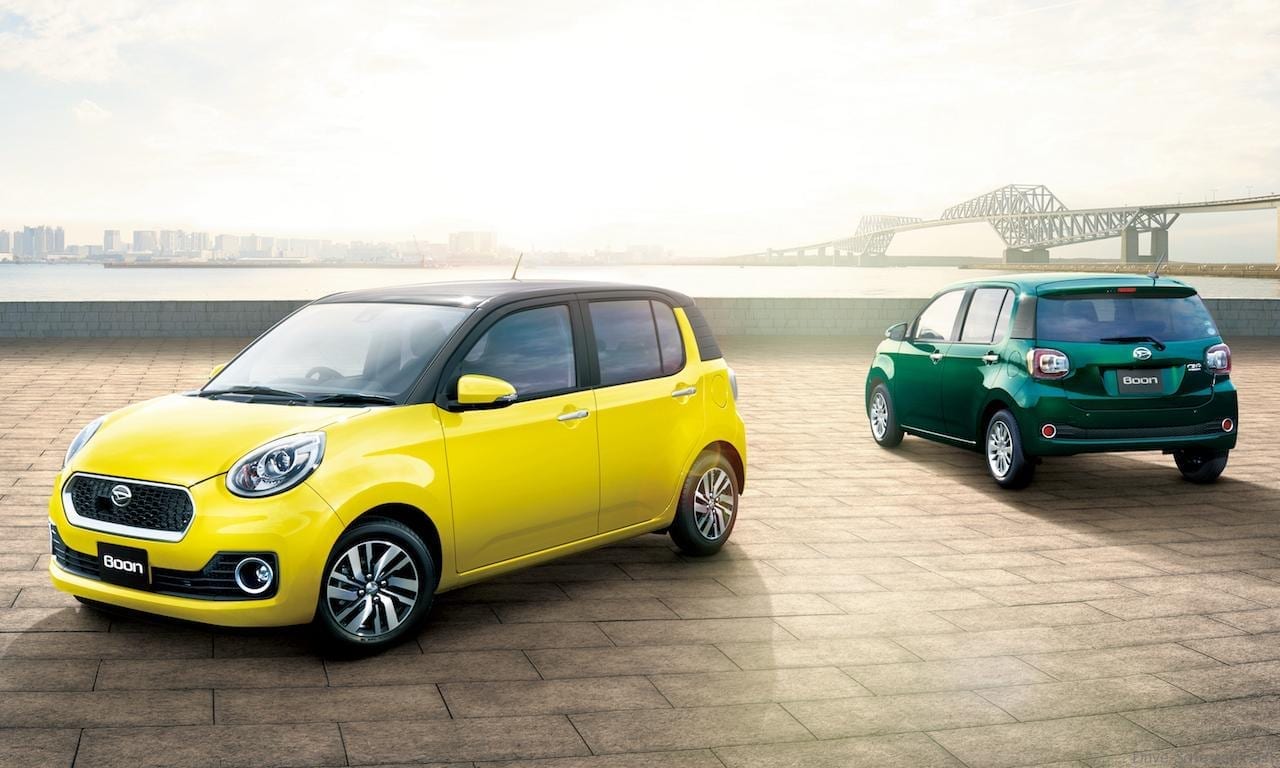
    Perusahaan Otomobil Kedua Sdn Bhd (Perodua) is targeting for the sale of 209,000 vehicles this year, which is a 2% jump from the 204,900 units sold in 2017.

    Speaking to reporters at the 2017 full year review briefing, Perodua’s president and CEO Datuk Dr Aminar Rashid Salleh said, this year the car maker is focusing on maximising the sales potential of all its models to meet its target.

    Production of vehicles is also expected to be ramped up to 215,334 units compared to the 200,146 vehicles produced last year.

    Aminar said that due to unfavourable foreign exchange conditions the company may focus more on the exports of parts and accessories instead of complete built-ups.

    Perodua currently exports to countries such as Indonesia, Mauritius, Sri Lanka and Fiji.


  • Vietnam car market slump continues

    Vietnam car market slump continues

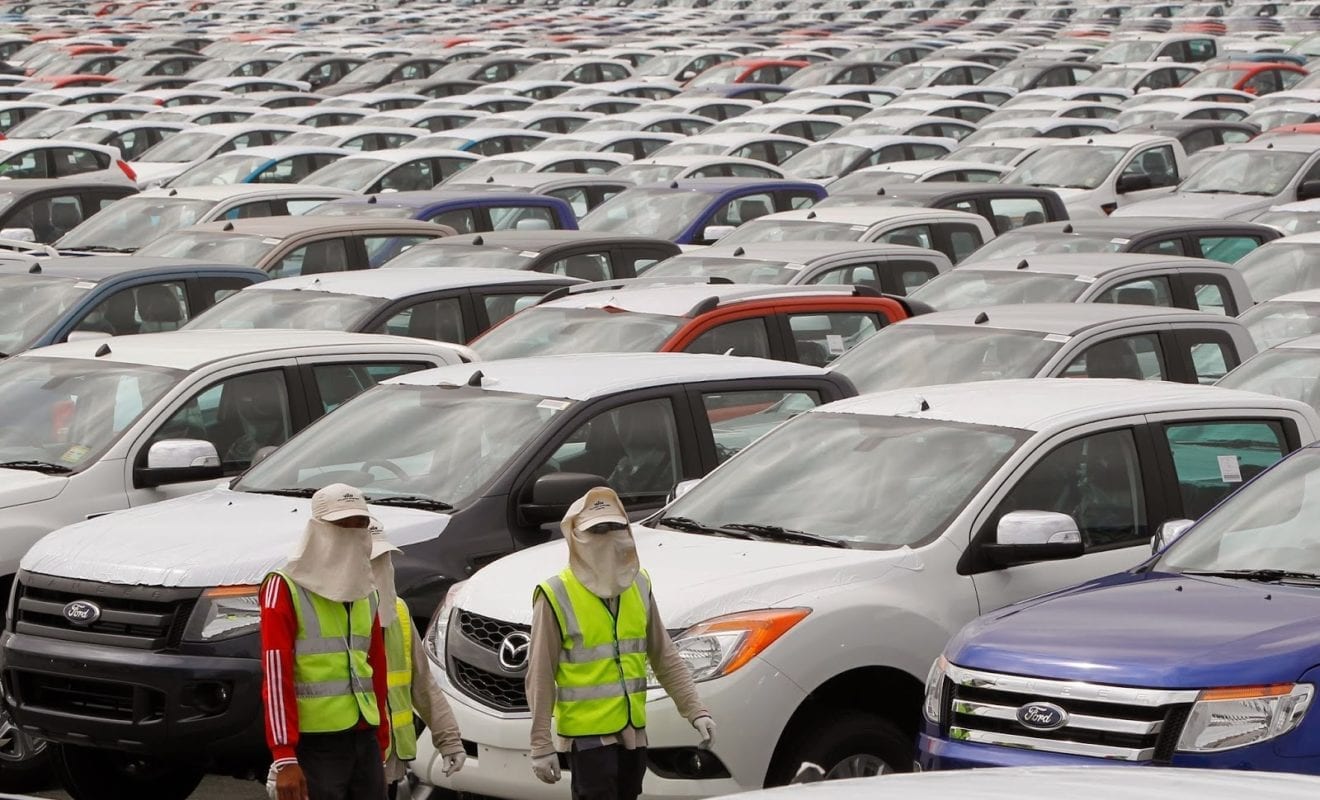
    Việt Nam spent more than US$2.15 billion importing 94,000 cars last year, marking a year-on-year decrease of 16.8 per cent in volume and 9.6 per cent in value.

    This was revealed by the General Statistics Office.

    The domestic automobile market witnessed many uncertainties last year. Notably, in the first half of the year, after the tax rate of complete built-up units (CBUs) import from ASEAN countries dropped to 30 per cent, the auto import turnover remained constantly high. However, in the second half of the year, the import turnover fell to low levels in both quantity and value.

    The uncertainty of CBUs auto import turnover in 2017 clearly reflects the evolution of the market.

    The decline in turnover shows a paradox. The car import market in 2017 benefited from the import tax of Southeast Asian-origin vehicles down by 10 per cent (to 30 per cent) and car import tax from countries enjoying the status of the Most Favoured Nation decreased by five per cent. With such a decrease, the auto import turnover should have accelerated; however, the figures remarkably reduced.

    Meanwhile, the tax rate of CBUs imported from ASEAN countries has officially reduced to zero per cent from January 1. But the market is yet to recover.

    According to Nikkei Asian Review, Toyota said on Tuesday that it has halted all production for export to the Vietnamese market. The Japanese automaker manufactures locally in Việt Nam, but imports from Thailand, Indonesia and Japan account for some one-fifth of what it sells in the market, or 1,000 units every month. Models imported include the Hilux pickup trucks, Yaris subcompacts, sports utility vehicle Fortuner and luxury car Lexus.

    “The Vietnamese market slowed down last year clearly because consumers refrained from buying as they waited for the tariff removal at the end of 2017,” Toyota Motors Thailand President Michinobu Sugata told reporters in Bangkok.

    Indeed, auto sales in Việt Nam between January and November last year slumped 10 per cent to 245,000 units. “We were anticipating a big jump in 2018, but due to the non-tariff barriers set by the Vietnamese government we cannot export to the market at all,” he said.

    Announced in October, Decree 116 requires emission and safety tests to be conducted on every batch of automobile to be imported. In the past, only the first shipment of each model would be tested. One emission test could take two months and cost up to $10,000, according to a statement of the Japanese Chamber of Commerce and Industry in Việt Nam.

    The decree also requires all models to obtain a Vehicle Type Approval certification issued by authorities of the exporting country. VTA certifications are to show that the vehicle meets standards of the country it will be sold in and is normally issued by domestic entities of the exporting country.

    Since the decree was announced, major exporters from Japan, Thailand and the United States have expressed concerns that it would become impossible for them to sell in Việt Nam.

    Phạm Anh Tuấn, head of the Vietnam Automobile Manufacturers’ Association (VAMA)’s Policy Subcommittee, told Việt Nam News that car manufacturers had not imported cars since January 1. The Vietnamese automobile market currently had only a few vehicles that were imported by the end of 2017, he said.

    For Toyota Motor Việt Nam, the latest import was towards the end of October last year.

    Tuấn also said VAMA had sent a letter of petition four times to the government regarding the content related to Decree 116.

    “VAMA would like the Government to delay the enforcement of the regulations on the import of cars in Decree 116 for six months to help its members prepare well in time. In addition to this, VAMA also proposed to revise the regulation that requires auto importers to submit Vehicle Type Approval certification of automakers as well as changing the requirements for conducting tests on each batch of imported cars,” said Tuấn.


  • Samsung Galaxy A8 Series Launched in Malaysia, Retails From RM1799

    Samsung Galaxy A8 Series Launched in Malaysia, Retails From RM1799

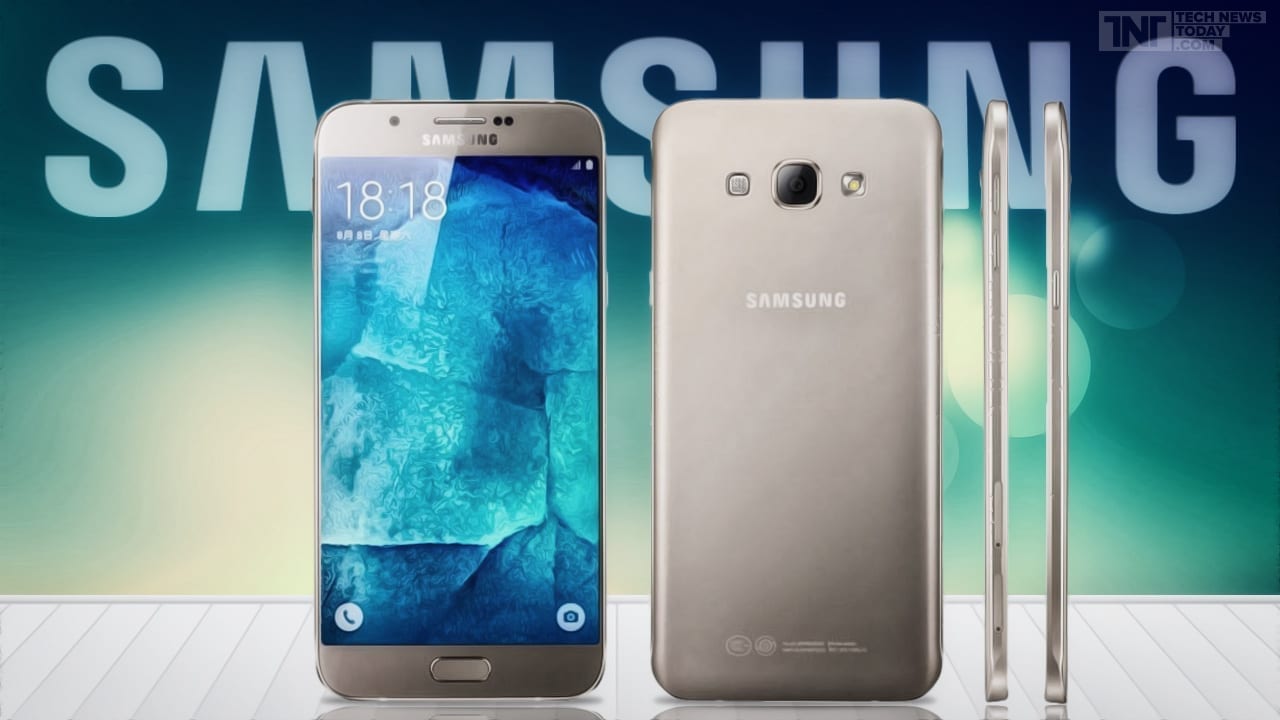
    Samsung has officially announced the arrival of the new Galaxy A8 (2018) in Malaysia. The Galaxy A8 (2018) and Galaxy A8+ (2018) are the company’s new mid-range offerings, featuring IP68-rated bodies and a new dual front camera setup, and will retail from RM1799.

    While they may be positioned as mid-range devices, Samsung has actually trickled down quite a number of flagship features to the new Galaxy A8 (2018) devices. In fact, the two phones even feature a dual-camera setup at the front, allowing for Live Focus for selfies – something the flagship Galaxy S8 and Note 8 devices do not offer.

    The Galaxy A8 also feature the Infinity Display with slim bezels: the A8 sports a 5.6-inch 18.5:9 Super AMOLED display, while the A8+ features a larger 6-inch panel; both phones boast Full HD+ 2220 x 1080 resolutions.

    The dual front camera, on the other hand, are made up of 16MP + 8MP sensors. The front cameras feature Live Focus, which simulates a shallow depth of field in your selfie shots. The rear camera, on the other hand, is a 16MP f/1.7 shooter with phase detection autofocus.

    Rounding out the specifications of the Galaxy A8 and A8+ are an unspecified Exynos octa-core processor paired with 4GB (A8) or 6GB (A8+) of RAM, 32GB (A8) or 64GB (A8+) of expandable storage, IP68 water and dust resistance, a 3,000mAh battery (3,500mAh on the Galaxy A8+), and Android 7.1.1 Nougat out of the box.

    The two phones run Android 7.1.1 out of the box, and feature a fingerprint scanner USB Type C fast charging, Bixby, and the Dual Messenger feature.

    The Samsung Galaxy A8 (2018) and Galaxy A8+ (2018) will be available in three colours (Black, Gold, and Orchid Grey) and will retail for RM1799 and RM2499 respectively. They will go on sale nationwide from 19 January onwards, and there will also be an early bird promo from 19-21 January, where those who buy the Galaxy A8 phones will receive a free 64GB Samsung Evo Plus microSD card and a 10000mAh power bank with Type C connector.

  • Apple’s first South Korean store set to open in Seoul on Jan. 27

    Apple’s first South Korean store set to open in Seoul on Jan. 27

    The first official Apple Store Korea will open later this month.

    Apple Korea announced today that its first fully-fledged retail shop in South Korea will open on January 27, on Garosugil in the affluent southern district of Gangnam in Seoul.Apple said on its website that the store will trade seven days a week from 10am to 10pm.

    Consumers will be able to try out iPhones, Apple Watches, iPads, MacBooks and other Apple products, visit the Genius Grove for repairs, and attend training sessions on the use of Apple gadgets at the store.

    Apple said it has been working with mobile carriers, including SK Telecom, KT and LG Uplus so users can register and set up their mobile phones at the store.

    Apple began replacing iPhone batteries early this month as hundreds of thousands of South Korean iPhone users filed a suit over allegations the tech giant intentionally slowed down older iPhones to push users to buy new models.

  • Nissan’s Infiniti vehicles to go electric

    Nissan’s Infiniti vehicles to go electric

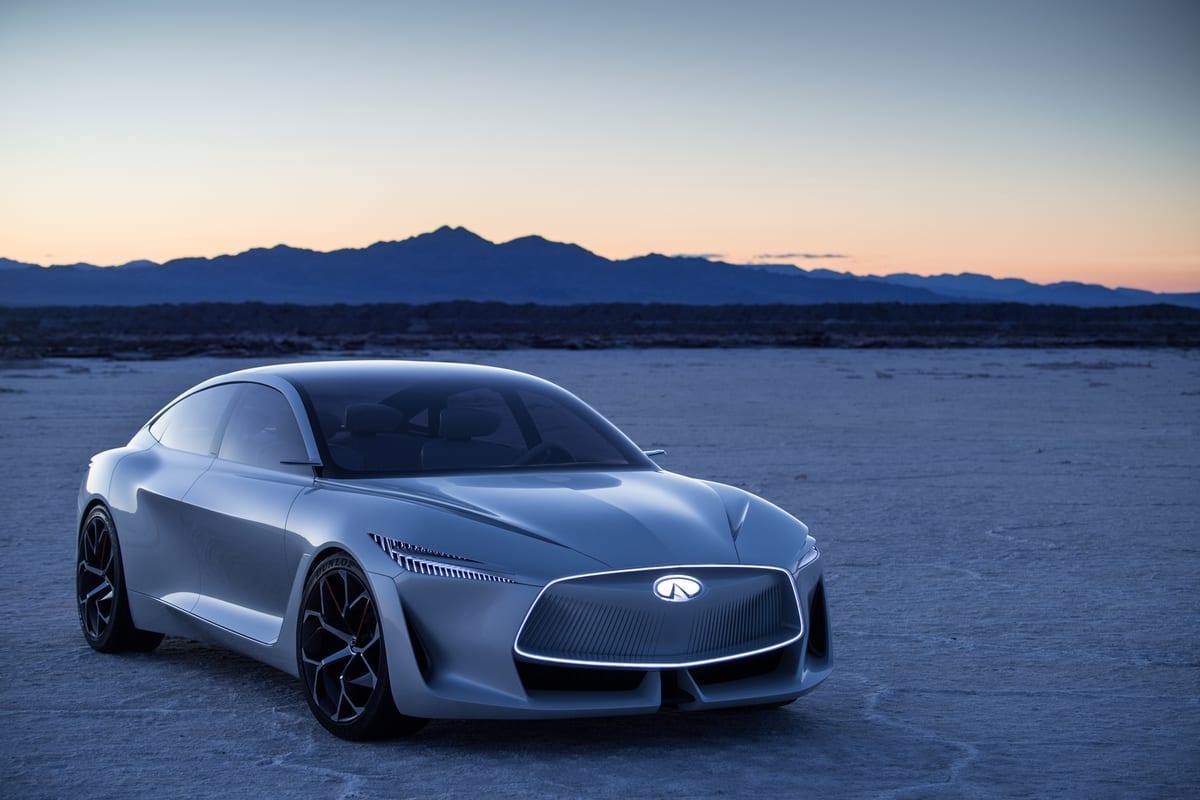
    Japanese carmaker Nissan Motor Co. plans to transform its upscale Infiniti brand of vehicles into a primarily electrified offering, Chief Executive Hiroto Saikawa said on Tuesday.

    All new Infiniti models launched from 2021 will be either electric or so-called “e-Power” hybrids, Saikawa told the Automotive News World Congress in Detroit.

    The announcement revives plans for a luxury electric offering that Nissan first touted with a 2012 Infiniti show car, but later scrapped over profitability concerns. That left the road clear for Tesla’s (TSLA.O) Model S, introduced the same year.

    “We are going to make Infiniti the premium and highly electrified brand,” Saikawa said on Tuesday.

    Nissan and alliance partner Renault (RENA.PA) took an early lead in battery-powered cars with models such as the 2011 Leaf, still the world’s top-selling electric vehicle.

    However, Tesla has hogged the limelight in recent years, while German carmakers are leading a $90 billion wave of investment in electric and plug-in hybrid cars.

    Nissan dropped the earlier electric Infiniti program in mid-2014 over concerns it would threaten the financial goals in its “Power 88” mid-term plan, according to people involved in those discussions. The company ended up missing its 8 percent margin target anyway, in fiscal 2017.

    Nissan is one of a number of Japanese carmakers seeking to jump-start a higher-end brand. Toyota (7203.T) is launching a revamped Lexus LS flagship, while Honda (7267.T) has been redesigning its Acura line in the hope of boosting sales.

    In the United States, Infiniti’s sales rose 11.3 percent last year in a light vehicle market that was down 1.5 percent overall, while Acura deliveries fell by 3.9 percent and Lexus by 7.6 percent.

  • GM sees flat 2018 earnings, with pickups picking up in 2019

    GM sees flat 2018 earnings, with pickups picking up in 2019

    General Motors Co shares rose on Tuesday after the company said 2018 earnings will be largely flat compared with 2017 and forecast higher profits in 2019 when its revamped line of high-margin pickup trucks hits the U.S. market.

    The 2018 earnings outlook was above market expectations, sending GM shares up about 2 percent in midday trading.

    GM forecast 2017 earnings per share at the high end of its previously forecast range of $6 to $6.50. The company expects earnings for 2018 to be roughly the same as in 2017. Analysts have predicted full-year 2017 earnings per share of $6.30, and $5.98 a share in 2018.

    “If the guidance is as positive as we interpret it, this could be the positive catalyst that we expected, and sets up a solid ’18,” Barclays analyst Brian Johnson wrote in a client note.

    The company and its Detroit rivals, Ford Motor Co and Fiat Chrysler Automobiles NV, are bringing on new trucks at a time when overall U.S. new vehicle sales have been falling, but truck sales continue to grow as consumers abandon passenger cars in favor of pickups, SUVs and crossovers.

    President Dan Ammann said GM’s new line of pickups should generate improved profit from increased production of higher-priced, four-door crew cab trucks, and expanded sales of luxury truck models.

    GM said in a presentation on Tuesday its Denali line of luxury pickups has average transaction prices of about $55,600, higher than the average for Daimler AG’s (DAIGn.DE) Mercedes-Benz brand, or GM’s own Cadillac luxury brand.

    Chief Executive Mary Barra said during a meeting with reporters the automaker will boost investment in electric vehicles, but declined to say by how much. Rival automakers have used the Detroit auto show to tout multi-billion dollar investments in electrification.

    GM said it expects capital expenditure in 2018 of around $8.5 billion, about $1 billion of which will go toward self-driving car technology. In future years, Chief Financial Officer Chuck Stevens said total capital spending should decrease.

    Last week, the company said it was seeking U.S. government approval for a fully autonomous car – one without a steering wheel, brake pedal or accelerator pedal – to join GM’s first commercial ride-sharing fleet in 2019.

    Barra also said GM will not follow other companies that have given employees special bonuses tied to tax cuts by the administration of U.S. President Donald Trump, which slashed the top U.S. corporate tax rate.

    Instead, Barra said if GM has higher profits because of lower U.S. taxes, GM employees, including union-represented U.S. factory workers, should see larger bonuses or profit-sharing checks based on existing pay formulas.

    In a client note, Buckingham Research Group analyst Joseph Amaturo wrote that GM’s 2018 earnings outlook includes a “lower statutory corporate tax rate, so on an apples-to-apples basis, this appears to be an effective EPS guide down.”

    “We believe the stock will fade after investors understand that the implied EPS guide is for a year-on-year decline, as we and consensus are forecasting,” Amaturo wrote.

    GM faces challenges in 2018 from the costs of launching the new large pickup trucks, rising interest rates in the United States and a likely decline in overall U.S. vehicle sales, Stevens said.

    However, Stevens said wage growth could offset the impact of higher interest rates for consumers buying vehicles.

    Barra, Ammann and Stevens declined to say when investments in self-driving vehicle services and electrification will return profits. They pointed to the potential for new trucks and SUVs, a new, low-cost car for international markets, and the Cadillac luxury brand, to improve future earnings.

    Cadillac profits should double from current levels by 2021, GM said, riding growing sales in China and new products planned for the United States to replace a current crop of slow-selling sedans. Stevens did not disclose current profit figures for Cadillac.

    GM said on Tuesday that while it retools a factory in Ft. Wayne, Indiana, to make the new pickup trucks, it will shift some production to an Oshawa, Ontario, plant in order to build up to 60,000 vehicles and avoid missing sales.

    The No. 1 U.S. automaker said it will record a $7 billion non-cash charge for its fourth-quarter 2017 earnings related to deferred tax assets that will lose their value because of the lower U.S. corporate tax rate.

    GM shares rose 2.2 percent to $45.04 in noon trading.reu

  • Hyundai Motor and Aurora Partner to Develop Level 4 Autonomous Vehicles by 2021

    Hyundai Motor and Aurora Partner to Develop Level 4 Autonomous Vehicles by 2021

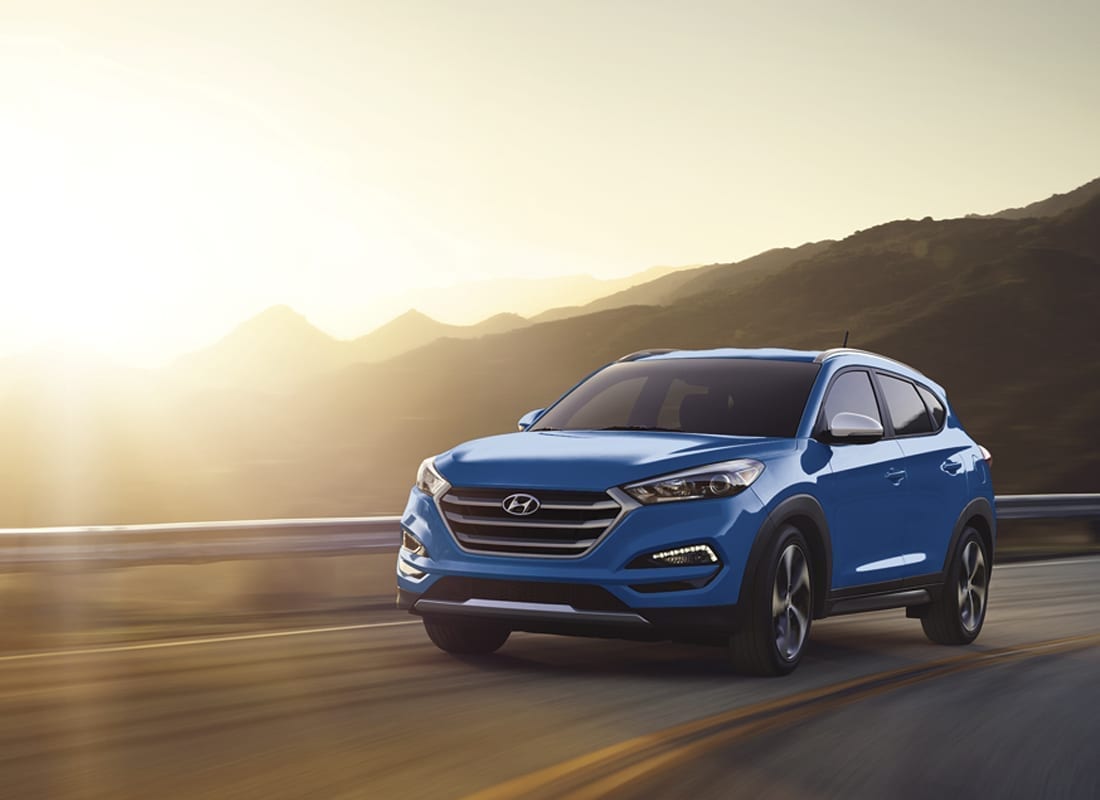
    Last week, Hyundai Motor Company and Aurora, a leader in autonomous vehicle technology, announced a strategic partnership to bring self-driving Hyundai vehicles to market by 2021. This partnership will incorporate Aurora’s self-driving technology into Hyundai vehicles starting with models custom-developed and launched in test programs and pilot cities. Over the longer term, Hyundai and Aurora will work to commercialize self-driving vehicles worldwide.

    To start, the partnership will focus on the ongoing development of hardware and software for automated and autonomous driving and the back-end data services required for Level 4 automation. Level 4 autonomous vehicles defined by SAE can operate without human input or oversight under select conditions. The goal of the partnership is to deploy autonomous driving quickly, broadly and safely.

    “We know the future of transportation is autonomous, and autonomous driving technology needs to be proven in the real-world to accelerate deployment in a safe and scalable manner,” said Dr. Woong Chul Yang, Vice Chairman of Hyundai Motor. “Combining our advanced vehicle technology that embeds the latest safety features with Aurora’s leading suite of Level 4 autonomous technology will advance this revolution in mobility with Hyundai in a leadership position.”

    Hyundai and Aurora share the common vision of improving safety and mobility on the world’s roads, and together bring the skills and experience required to successfully introduce this technology at scale. For nearly 50 years, Hyundai has been a leader in vehicle design, safety and manufacturing, catapulting the company to become one of the world’s largest vehicle manufacturers together with its Kia Motors Corporation affiliate.

    For the last two decades, Aurora’s founders have spearheaded the self-driving revolution, building teams and pioneering modern machine learning techniques now on the cusp of transforming transportation. Together, Hyundai and Aurora will move quickly to bring self-driving technology to market around the world.

    “Aurora is excited to partner with Hyundai Motor to make the social benefits of self-driving available globally,” said Dr. Chris Urmson, CEO of Aurora. “This partnership combines Hyundai’s strengths in vehicle design, safety and manufacturing with Aurora’s expertise in self-driving technologies to make a positive difference in the world.”

    Hyundai Motor’s partnership with Aurora is part of the company’s ongoing efforts towards realizing fully autonomous driving. Hyundai first began testing autonomous vehicles on public roads of the USA in 2015, having been granted a license by the state of Nevada. Last year at the 2017 CES, Hyundai advanced its trials in urban environments, demonstrating self-driving technologies to the public with its autonomous IONIQ models.

    Hyundai’s latest new-generation fuel-cell vehicle, which will make its official global debut at CES 2018 next week, will become the first model to be utilized in the test processes starting this year. The fuel-cell powertrain will offer an ideal platform to implement autonomous driving technologies, which requires a massive amount of power to support the large amount of data communication as well as the operation of hardware such as sensors. Hydrogen-powered fuel cell vehicle will be able to provide a stable electric power supply without concerns about driving range.

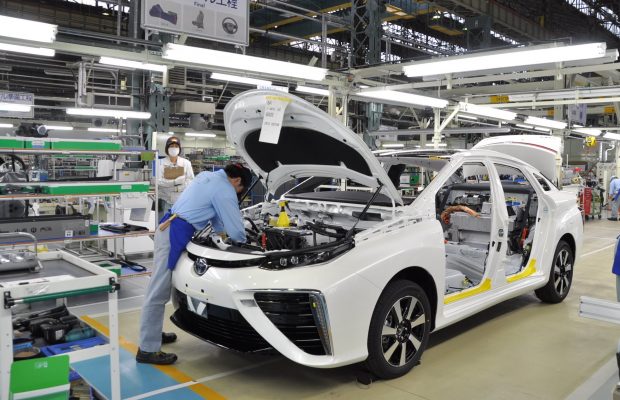
  • Toyota, Mazda to build $1.6 billion plant in Alabama

    Toyota, Mazda to build $1.6 billion plant in Alabama

    Alabama will be the site of a new $1.6 billion Toyota Motor Corp and Mazda Motor Corp auto plant, a victory for President Donald Trump who had prodded manufacturers to build new U.S. facilities and threatened tariffs on foreign production, sources said on Tuesday.

    The plant, which will employ up to 4,000 people and produce about 300,000 vehicles a year, will be located in Huntsville, Alabama, and is a boon for the state, where Toyota has a large engine plant and an existing network of automotive suppliers.

    A formal announcement by company and state officials is expected on Wednesday in Montgomery, sources briefed on the matter said.

    The new plant –in a state Trump won by 28 points in 2016 — could be a political boost to the Republican president, who has urged automakers to build plants in the United States and add jobs. The companies said they expect the plant to open in 2021.

    Trump tweeted in March he wanted “new plants to be built here for cars sold here.” The White House did not immediately comment on Tuesday.

    The announcement also comes at a time of declining U.S. auto industry sales, so it could exacerbate overcapacity and add pressure to cut prices. U.S. new vehicle sales fell 2 percent in 2017, after hitting an all-time record high in 2016, and are expected to fall further in 2018.

    Details of an anticipated tax and incentive package for the investment were not yet known. It has been reported the companies sought at least $1 billion in incentives.

    A Toyota spokesman declined to comment, except to say an announcement was expected soon. A Mazda spokeswoman also declined to comment.

    In recent months, the companies had narrowed their choices down to sites in Alabama and North Carolina.

    Local media last month said the leading site under consideration was in northern Alabama’s Limestone County, near Toyota’s large engine plant in Huntsville. In September Toyota announced a $106 million technology upgrade for the Huntsville plant.

    A Chamber of Commerce of Huntsville website for the “Huntsville Mega Site” touts the fact it has been “certified as development-ready.” The commerce chamber, local and state officials declined to comment on Tuesday on plans for the plant.

    A year ago, President-elect Trump criticized Toyota and threatened hefty tariffs against the Japanese automaker if it built its Corolla sedan for the U.S. market in Mexico.

    “Toyota Motor said will build a new plant in Baja, Mexico, to build Corolla cars for U.S. NO WAY! Build plant in U.S. or pay big border tax,” Trump posted on Twitter in early 2017.

    Toyota and Mazda announced plans for a new plant in August. Toyota said it would shift production of Corollas from Canada to the new venture rather than in Guanajuato, and would build Tacoma pickups in Mexico instead. Mazda plans to build new crossover SUVs at the plant.

    Trump praised the joint venture announcement, saying in August on Twitter: “Toyota & Mazda to build a new $1.6B plant here in the U.S.A. and create 4K new American jobs. A great investment in American manufacturing!”

    In October, Toyota said it would scale back investment in a planned plant in Mexico by 30 percent to $700 million and cut planned annual capacity in half to 100,000 vehicles as it shuffles its production plans to meet market demands.

    Toyota has 10 U.S. plants in eight states in an arc running from West Virginia through Kentucky, Indiana, Alabama, Mississippi and Texas.Toyota and Mazda announced a capital alliance in August and are exploring joint development of technologies for the basic structure of competitive electric vehicles.

    Over the last 30 years Toyota, along with German and Asian automakers, has built a second auto industry in the United States, rivaling the operations of the Detroit Three automakers in size and employment, but with newer, and fewer unionized, plants.

    States covet auto assembly plants because they typically pay above-average wages and spin off jobs at suppliers and service companies. Southern U.S. states have the advantage of good transportation infrastructure, business-friendly regulators and generally anti-union politicians.

    The Alabama Department of Commerce shows 150 of the large automotive suppliers operate in the state, providing the logistical strength that Kristin Dziczek, a researcher at the Center for Automotive Research in Michigan, said helped land the plant.

    Dziczek said that Alabama in 2017 was tied for fifth among U.S. states in auto production, at 9 percent with Tennessee. It was behind Michigan at 19 percent; Indiana at 12 percent, Kentucky at 11 percent; and Ohio at 10 percent.

    “The impact of an auto assembly plant extends beyond its immediate economic impact, and that’s why states offer robust incentives,” said Dennis Cuneo, a site-selection consultant and former Toyota executive. “It creates a halo effect that in turn helps attract other projects.”

    Alabama spent an estimated $250 million to woo Daimler AG’s Mercedes-Benz to put an auto plant in Tuscaloosa two decades ago.
  • Ford India sales up 27% in December 2017

    Ford India sales up 27% in December 2017

    Ford India’s combined domestic wholesales and exports in December recorded 29,795 vehicles, compared to 23,470 vehicles in the same month last year, registering a growth of 27%.

    The company sold 5,087 vehicles in domestic wholesales, compared to 5,566 vehicles the corresponding month last year. Exports in December stood at 24,708 vehicles, against 17,904 vehicles a year ago.

    Ending the year with sustained growth, the combined domestic wholesales and exports in CY 2017 stood at 262,784 vehicles, compared to 238,098 units in CY 2016 – recording its highest production and wholesale volume ever.

    “The year 2017 saw the Indian automotive industry overcome challenges precipitated by the implementation of GST, increased inflation, after-effects of demonetization, rising crude prices and volatile regulatory environment to register growth,” said Anurag Mehrotra, president & managing director, Ford India.

    “At Ford, we remain committed to India as one of our most important markets, and are focused on the strategic pillars like strong brand, right products, competitive cost and effective scale, to build a profitable business.”

    Ford’s efforts on delivering differentiated customer experience and surprisingly affordable service cost continue to win customers. The introduction of several industry-first service initiatives such as service price promise and parts price promise are enabling Ford customers to know the exact costs of routine repairs, parts, and maintenance, even before they walk into a dealership.

    With two of its world-class plants, Ford continues to deliver on the Make in India promise with the commencement of KA+ exports to mature markets like Europe and New Ford EcoSport to North America.

  • BlackBerry software to be used in Baidu’s self-driving platform

    BlackBerry software to be used in Baidu’s self-driving platform

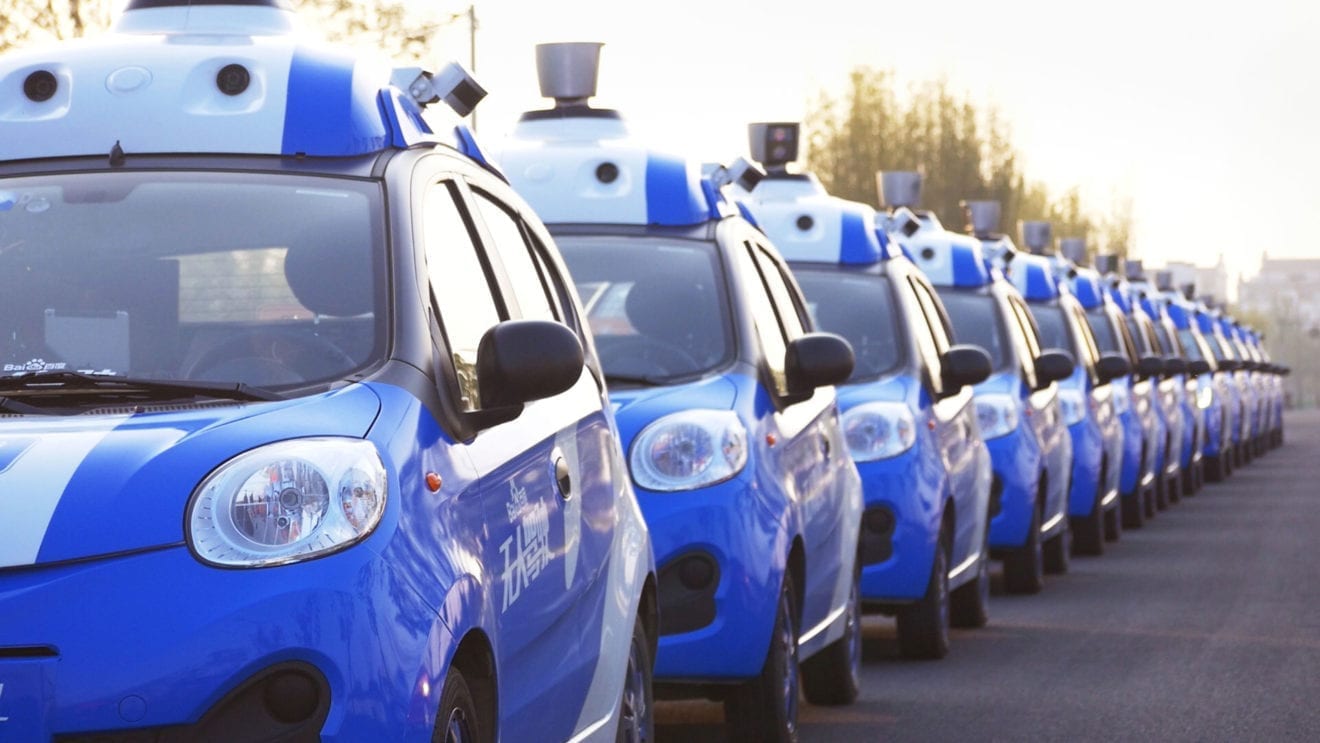
    BlackBerry said on Wednesday it will collaborate with Chinese internet search firm Baidu Inc to tap the fast-growing autonomous vehicle market.

    BlackBerry, which has developed software QNX Hypervisor 2.0 to run complex computer systems in vehicles, said Baidu will use its software for its self-driving open platform, Apollo.

    “By integrating the BlackBerry QNX OS with the Apollo platform, we will enable carmakers to leap from prototype to production systems,” said Li Zhenyu, general manager of Baidu’s intelligent driving division.

    The automotive industry is one of the fastest-growing segments of the technology market, as automakers race to add more features toward building self-driving cars.

    As part of the agreement, BlackBerry and Baidu will also integrate Baidu’s smartphone integration software for connected cars and its AI system to run on the BlackBerry QNX Platform, the Canadian software maker said.

    U.S.-listed shares of BlackBerry were up 4 percent at $12.50 in premarket trade.

  • Japan’s Denso considering $440 million investment in JOLED

    Japan’s Denso considering $440 million investment in JOLED

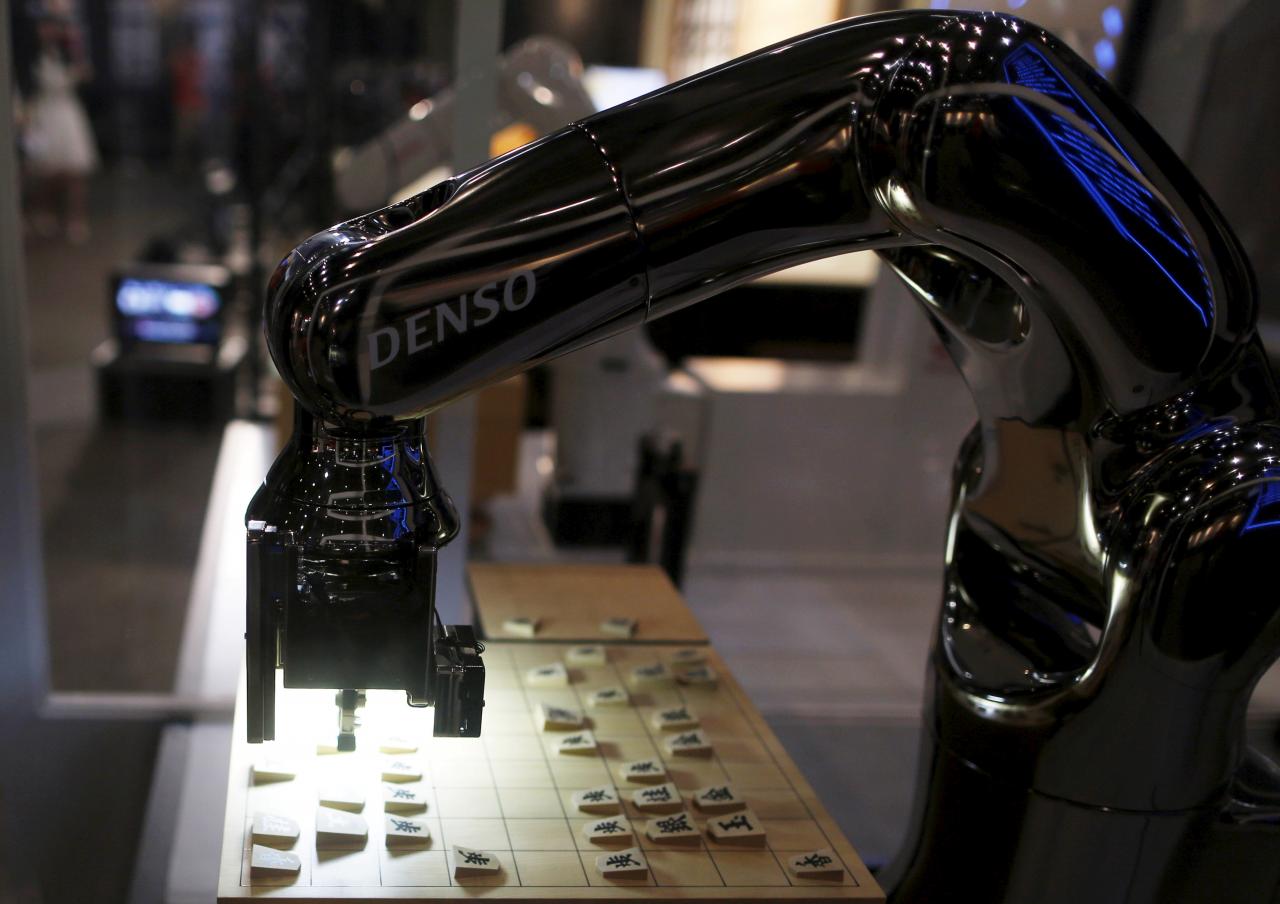
    Japanese auto parts maker Denso Corp is considering a 50 billion yen ($440 million) investment in organic light-emitting diode (OLED) panel maker JOLED, Kyodo news reported, citing sources close to the matter.

    JOLED, majority owned by a state-backed technology investment fund, sold its inaugural batch of OLED screens this month, and has said it wants to raise 100 billion yen by the end of March to expand its currently limited capacity.

    The move comes amid the growing popularity for OLED screens, which are generally thinner and can show more vivid colors than liquid crystal display (LCD) panels. Smartphone makers have been shifting to OLED, including Apple Inc which has adopted them for its iPhone X.

    Cash-strapped domestic display makers such as Japan Display Inc, which has a 15 percent stake in JOLED, and rival Sharp Corp are struggling to respond to the shift, letting Korean rivals Samsung Electronics Co Ltd and LG Display Co Ltd take the lead.

    The Nikkei reported earlier this month that Japan Display had considered investing in JOLED but decided it did not have the funds. Japan Display has said it wants to start mass-producing OLED screens to better compete with Samsung and that it needs capital to do so but has so far declined to disclose details of any negotiations.

    Kyodo’s report said that Sony Corp and Panasonic Corp, which both own 5 percent in JOLED, are also expected to invest 5 billion to 10 billion yen each.

    Sumitomo Chemical Co and Screen Holdings Co are considering chipping in, and the four companies are together seen investing 20 billion to 40 billion yen in JOLED, Kyodo said.

    A JOLED representative said the company was in talks with various materials and equipment makers about the investment, but that nothing specific had been decided.

    A Denso spokesman said the reported plan wasn’t something the company announced, while a Screen Holdings spokeswoman denied the company was considering the investment. Sony said nothing had been decided, while Panasonic and Sumitomo Chemical declined to comment.

    JOLED was created in 2015 by merging the OLED divisions of Sony and Panasonic.

    Analysts have said it lacks the scale and expertise of display makers which have smartphone-size panels. JOLED is 75 percent owned by state-backed fund, the Innovation Network Corporation of Japan.