Category: Automotive

Retail News Asia is committed to providing both local and global retailers with the latest Auto and Car news throughout the Asian market. This on a daily base.

  • Renault plans foray into energy market with mega battery

    Renault plans foray into energy market with mega battery

    Renault-Nissan is drawing up plans to build a 100 megawatt power storage plant in Europe, sources told Reuters, hoping to give electric car batteries a second life in a project that could eventually compete with utility companies.

    Like rival Tesla’s energy storage business, the Renault-Nissan move underscores its desire to cultivate a second-hand battery market while encouraging the development of energy infrastructure that works for electric cars.

    The Renault-Nissan alliance plant, which has yet to be built, would be big enough to power 120,000 homes, or supplant the role of a gas- or coal-fired power station in meeting peak electricity demand on the grid, the sources said.

    Rather than generating power, a storage plant charges up in times of excess supply and sells electricity back to the grid when needed. Proponents say such plants can play a key role in smoothing out unpredictable wind and solar power generation.

    Renault-Nissan is working in partnership with energy storage specialist The Mobility House on the mega battery which would be assembled from new or used electric car batteries, one of the sources said.

    “We’re working with The Mobility House on several programs including a major energy storage project that is currently still in the study phase,” Renault spokeswoman Celine Farissier said, declining to give further details.

    Makers of electric cars stand to benefit from the creation of a market for used lithium-ion batteries that can no longer power vehicles to drive far enough. Higher second-hand battery values could help bring down the cost of electric cars and mega batteries are one avenue for recycling the power cells.

    Nissan, 44 percent-owned by French alliance partner Renault, has already built a back-up power storage system for the Amsterdam Arena, which is home to soccer club Ajax, in a first partnership with the German start-up.

    Marcus Fendt, its managing director, said the Munich-based company was working on a 100 MW plant with partners he declined to identify, citing confidentiality agreements. He said the studies were aimed at determining where to build the plant.

    Locations and end markets under consideration for the Renault-Nissan plant include Germany, which is suitable because of its high energy prices and its shift from nuclear to renewable energy, as well as the Netherlands, sources said.

    CARMAKING UTILITIES

    Renault-Nissan studied an existing power storage project in the United States before embarking on its own plan to recycle electric car batteries.

    California’s Public Utilities commission selected a 100 MW battery storage system to replace a natural-gas power plant providing electricity for Southern California Edison in the Los Angeles area.

    Large batteries can help stabilize the primary reserve electricity market, which is responsible for ensuring the grid has at least 50 Hertz. Carmakers can also earn money competing with conventional power stations to guarantee the provision of electricity during periods of high demand or volatility.

    “We forecast the combined market for electric passenger vehicles, electric buses and battery storage to increase eight-fold to over $200 billion by 2020, a five-year compound annual growth rate of more than 50 percent,” Berenberg analysts said.

    With about 4 million electric cars expected to be on the roads by 2020, vehicle manufacturers looking at ways to recycle batteries, including Tesla, which already sells everything from solar panels to batteries and electric cars.

    Daimler, BMW, Volkswagen and China’s BYD Co Ltd are also exploring so-called second-life storage projects with batteries.

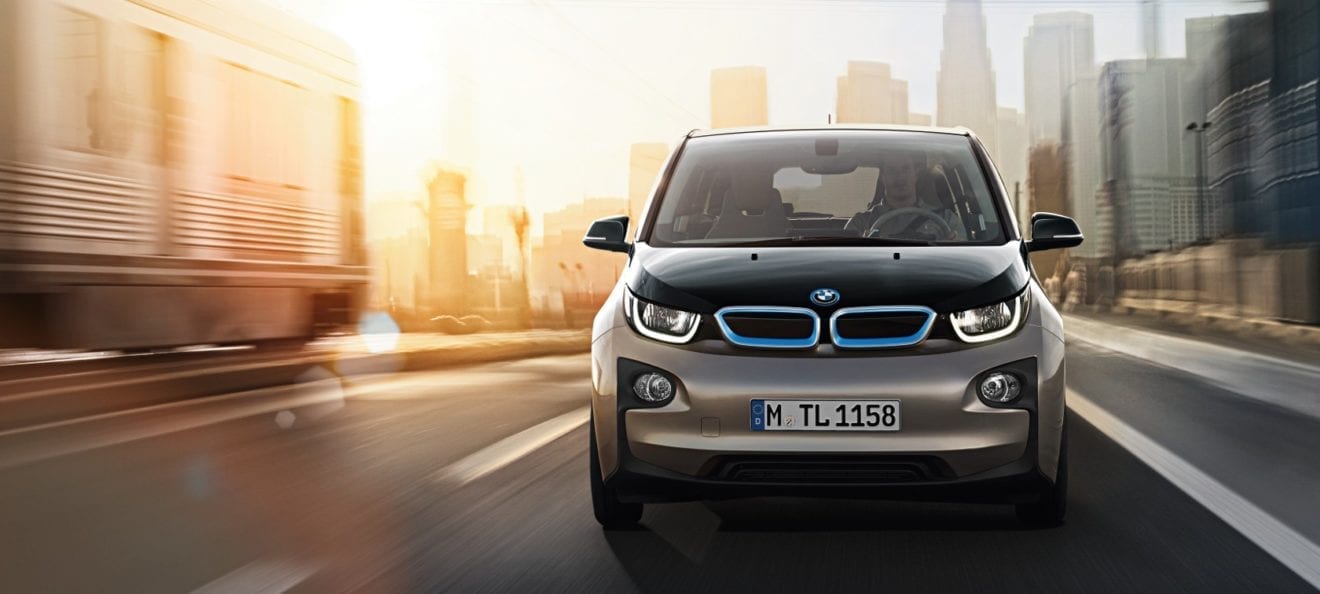
    That includes partnerships such as the recent collaboration between BMW and Vattenfall, in which the luxury automaker will deliver up to 1,000 lithium-ion batteries to the Swedish utility for storage projects this year.

    “What will end up happening is that BMW and Daimler will become utilities themselves,” said Gerard Reid, founder of Alexa Capital LLP, a corporate advisor in the energy, power infrastructure and technology sectors.

    “They use Vattenfall now because they need to learn but I think the amount of batteries coming back will be so big that I think they’ll end up engaging directly with the end customer themselves. And they’ve got the brand name to do that.”

  • Honda to focus on self-driving cars, robotics, EVs through 2030

    Honda to focus on self-driving cars, robotics, EVs through 2030

    Japanese carmaker Honda Motor on Thursday spelled out for the first time its plans to develop autonomous cars which can drive on city streets by 2025, building on its strategy to take on rivals in the auto market of the future.

    Unveiling its mid-term Vision 2030 strategy plan, Honda said it would boost coordination between R&D, procurement and manufacturing to tame development costs as it acknowledged it must look beyond conventional vehicles to survive in an industry which is moving rapidly into electric and self-driving cars.

    Honda has already spelled out plans to market a vehicle which can drive itself on highways by 2020, and the new target for city-capable self-driving cars puts its progress slightly behind rivals like BMW.

    “We’re going to place utmost priority on electrification and advanced safety technologies going forward,” Honda CEO Takahiro Hachigo said.

    Developing new driving technologies, robotics- and artificial intelligence-driven services and new energy solutions also would be key priorities for Honda in the years ahead, the company said.

    LEVELING UP

    Honda established a division late last year to develop electric vehicles (EVs) as part of its long-held goal for lower-emission gasoline hybrids, plug-in hybrids, EVs and hydrogen fuel cell vehicles (FCVs) to account for two-thirds of its line-up by 2030, from about 5 percent now.

    By 2025, Honda plans to come up with cars with “level 4” standard automated driving functions, meaning they can drive themselves on highways and city roads under most situations.

    Achieving such capabilities will require artificial intelligence to detect traffic movements, along with a battery of cameras and sensors to help avoid accidents.

    BMW has said it would launch a fully autonomous car by 2021, while Ford Motor has said it will introduce a vehicle with similar capabilities for ride-sharing purposes in the same year. Nissan Motor is planning to launch a car which can drive automatically on city streets by 2020.

    Honda has been ramping up R&D spending, earmarking a record 750 billion yen ($6.84 billion) for the year to March.

  • All terrain Michelin LTX Force SUV tyres launched in India

    All terrain Michelin LTX Force SUV tyres launched in India

    Tyre maker Michelin has today announced the availability of Michelin LTX Force range of SUV tyres in India. Designed for all types of terrain, Michelin LTX Force tyres offer durability, superior grip on-road and higher traction off-road, claims the company statement.

    The introduction of this new range in India helps the company further strengthen its product portfolio.

    Mohan Kumar, Commercial Director, Michelin India said, “The SUV market is one of the fastest growing segments in India. Industry estimates indicate one in four vehicles sold last year was an SUV and as more Indians opt for SUV’s, this segment is estimated to continue growing, both in cities and upcountry towns. Our LTX Force is an all-rounder and is ideal for SUV owners who regularly use their vehicle on both paved and unpaved road.”

    ” Innovation is at the heart of our product development and this tyre is a perfect example of it, where we showcase a seamless transformation from track to road. By using this range, the SUV users in India will benefit from the international technology that has enjoyed numerous podium finishes at grueling all terrain competitions such as Rally WRC.” he added.

    Michelin LTX Force uses compact tread technology which takes advantage of two contradictory performances: durability plus grip. The tread pattern inspired by endurance races is designed to provide a greater contact area thanks to higher tread blocks which favours both durability and traction.

    The comoany claims that the tyres are a result of tried and tested motorsport technologies

    Motorsport offers the ideal proving ground for Michelin to test tyres in the most extreme conditions. Michelin LTX Force tyre is yet another example of our from track to road philosophy. These tyres have been tested in extreme mining conditions to ensure off-road traction and robustness.

    The Michelin LTX Force range tyres are available nationally at Michelin premium dealerships – the Michelin Priority Partners, the TYREPLUS network and Michelin retailers.

  • Jaguar Land Rover overall retail sales up 1.2 pct in May

    Jaguar Land Rover overall retail sales up 1.2 pct in May

    Jaguar Land Rover says overall retail sales for Jaguar Land Rover were 45,487 in May, up 1.2 percent year-on-year.

    Jaguar Land Rover says Jaguar May sales were 13,613 vehicles, up 28 percent year-on-year. Jaguar Land Rover says Land Rover retailed 31,874 vehicles in May, down 7.1 percent year-on-year.

  • Auto Expo 2017 opens in Hanoi

    Auto Expo 2017 opens in Hanoi

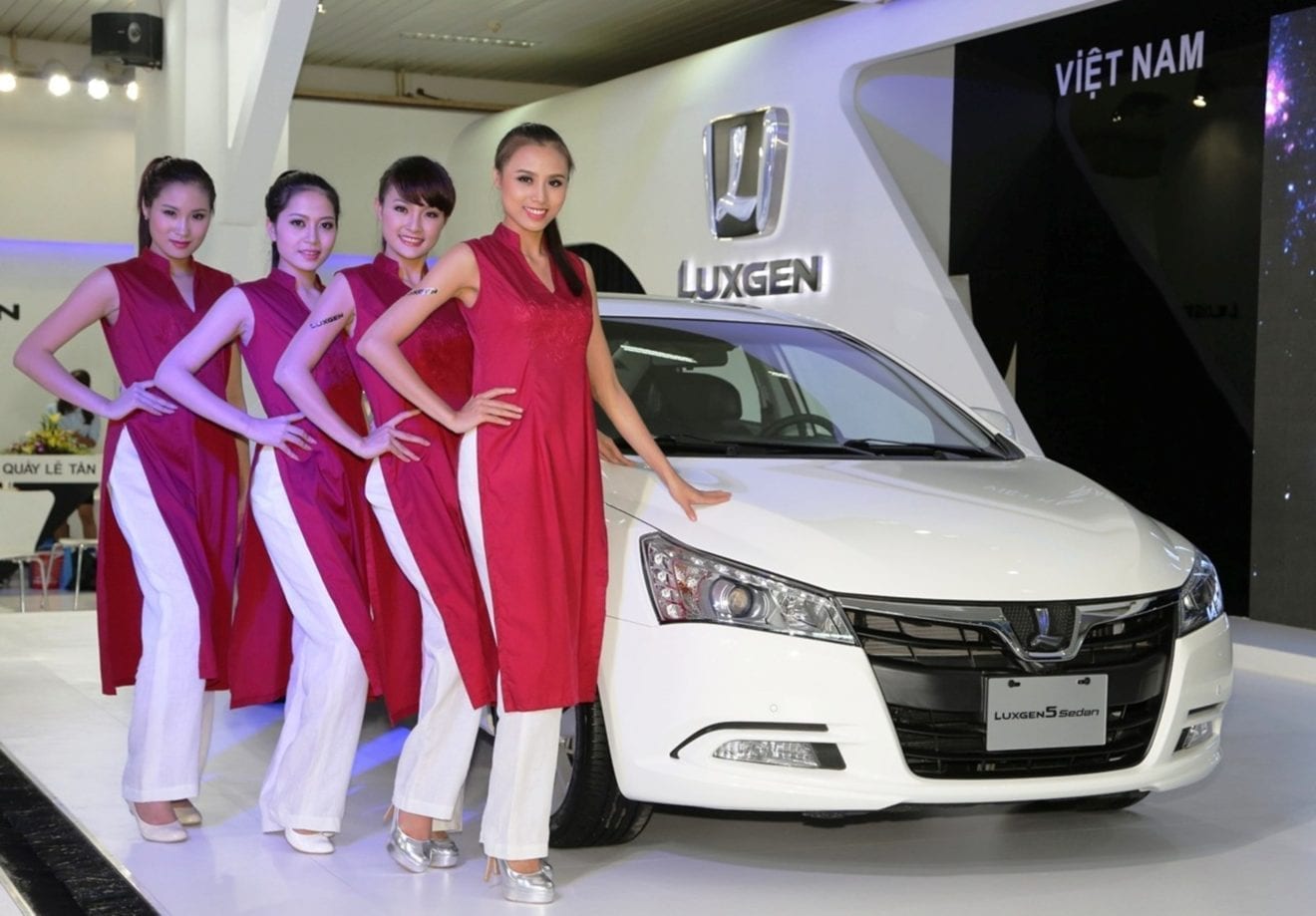
    Domestic auto assemblers and parts suppliers are showcasing their latest products at the 14th International Automobile and Supporting Industries Exhibition (Auto Expo 2017), which opened in Hanoi today.

    The four-day event, sponsored by the Ministry of Industry and Trade (MoIT), is being held at theHanoi International Exhibition Centre by the MoIT’s Industry Policy and Strategy Institute (IPSI) and the Vietnam Society of Automotive Engineers (VSAE).

    The expo has around 450 booths that have on display a wide range of vehicles, including passenger cars, buses, trucks, vans, vehicles for special purposes such as those serving construction, mining, agricultural, military, medical and hygiene activities, as well as two-wheelers such as scooters, motorcycles and electric bikes.

    With an exhibition space spanning 10,000sq.m, the expo also showcases spare parts and components for producing, manufacturing and assembling automobiles, motorbikes and other vehicles. On display are technologies in moulding, welding, plating, painting, automobile interior decor and toys; maintenance and repair equipment; measurement and diagnosis systems; as well as transportation rescue vehicles and devices.

    At the event, exhibitors have introduced services such as garage services, banking and insurance services, and consultative and assistance services for activities related to vehicle manufacturing and trading.

    In addition to the participation of local auto firms such as Vietnam Engine and Agricultural Machinery Corporation (VEAM), CAMC Việt Nam and Vietnam Machine Investment Development JSC (VIMID), the exhibition has also attracted foreign manufacturers and companies from the US, Japan, Thailand, South Korea, mainland China, Taiwan and Malaysia.

    Speaking at the opening ceremony of the exhibition, Deputy Minister of Industry and Trade Đỗ Thắng Hải said the expo would bring more business opportunities for auto firms, help them connect with the auto market and provide a favourable environment for enterprises looking for clients.

    In 2016, the Vietnamese auto market sold around 300,000 cars, up 24 per cent over the previous year, of which the sales of commercial vehicles and special purpose vehicles increased by 25 per cent and 33 per cent, respectively. In the first quarter of 2017, the auto market sold around 65,000 vehicles, a year-on-year increase of 8 per cent.-

  • Lamborghini prepares for a new chapter

    Lamborghini prepares for a new chapter

    On the basis that Italian is the official language of fast, beautiful cars, Lamborghini’s unabashed use of the word ibrido (hybrid) at the launch of its latest concept should silence any petrol hearts out there still in denial that the world has seen the last of gas-chugging/carbon-spewing supercars. That said, even in the world of hybrid F1 and Le Mans cars, LaFerraris and Porsche 918s, it does still seem slightly bizarre to be contemplating a Lamborghini hybrid, even if it is now 17 years since the Mk I Toyota Prius.

    You get the sense that it’s a slightly bizarre experience for Lamborghini also; the concept, called Asterion, doesn’t have the reckless swagger we’ve come to expect of Lamborghini. This, says the company’s suave CEO Stephan Winkelmann, is deliberate; the Asterion is not designed to chase, thrills, lap times and the tails of the LaFerrari and the 918. Instead its ibrido powertrain is programmed to deliver a less visceral experience than the V12 Aventador and V10 Huracan. It is, says Winkelman, more of a GT.

    Filippo Perini, head of design at Lamborghini, last year completed a full cycle of new cars with the Huracan, which replaced the Gallardo designed by his predecessor Luc Donckerwolke (now at VW Group’s Bentley label).

    The 2011 Aventador now looks in retrospect the high water mark for Lamborghini’s intensely geometric phase; the Huracan is visibly softer and the Asterion softer still. It still has the ability to shock, mind you. In profile it appears to carry a lot of weight between the cabin and the rear wheels, as the 1976 Silhouette did (there are shades of another ‘70s supercar in there also; the De Tomaso Pantera) Is this Perini getting hip to the ‘70s supercar revival or is he trying to tell us there is something different going on in there?

    The powertrain uses the Huracan’s 5.2-litre V10, here rated at just over 600bhp. However the Asterion has no less than three electric motors, one for each front wheel and another between the V10 and the seven-speed transmission. Together they can add nearly 300bhp more to the output, taking it close to 900bhp maximum and, of course, four wheel drive. The electrical power is stored in a lithium ion battery pack that sits along the spine of the car, where the mechanical drive for the front wheels would normally be. Engineering wise the Asterion is based on the carbon fibre and aluminium structure of the Huracan; philosophically the hybrid layout is borrowed from yet another VW label, Porsche.

    Lamborghini is running something of a deficit when it comes to turning concepts into reality. The Estoque four-door was shown in Paris six years ago now and is presumed dead. The Urus SUV (first shown in China two years ago) has been confirmed for production, although no date has yet been given. The Asterion’s rear-heavy profile has an echo of the Urus concept and you wouldn’t want to bet against the SUV using some kind of ibrido powertrain; the longer the wait, the more dated the idea of an old-school Lamborghini SUV seems.

  • Toyota working on ‘flying car’, Lexus luxury ‘yacht’

    Toyota working on ‘flying car’, Lexus luxury ‘yacht’

    A startup backed by the Japanese automaker has developed a test model that engineers hope will eventually develop into a tiny car with a driver who’ll be able to light the Olympic torch in the 2020 Tokyo games. For now, however, the project is a concoction of aluminum framing and eight propellers that barely gets off the ground and crashes after several seconds.

    Toyota has invested 42.5 million yen ($386,000) in startup Cartivator Resource Management to work on ” Sky Drive .” At a test flight Saturday in the city where the automaker is based, the gadgetry, about the size of a car and loaded with batteries and sensors, blew up a lot of sand and made a lot of noise.

    It managed to get up as high as eye level for several seconds before tilting and falling to the ground. Basketballs attached to its bottom served as cushions. After several attempts, the endeavor had to be canceled after one of the covers got detached from the frame and broke, damaging the propellers.

    The goal of Cartivator’s is to deliver a seamless transition from driving to flight, like the world of “Back to the Future,” said the project’s leader Tsubasa Nakamura.

    “I always loved planes and cars. And my longtime dream was to have a personal vehicle that can fly and go many places,” he told.

    The group is now working on a better design with the money from Toyota with the plan to have the first manned flight in 2019. No one has ridden on Sky Drive yet, or any drone, as that would be too dangerous.

    Still, dabbling in businesses other than cars is Toyota’s trademark. In recent years, it has been aggressively venturing into robotics and artificial intelligence, investing a billion dollars in a research and development company in Silicon Valley. It’s also working in Japan on using robotics to help the sick walk. It also just announced a five-year $35 million investment in its research center in Ann Arbor, Michigan, for autonomous and connected vehicle technologies.

    The idea that each generation must take up challenges is part of Toyota’s roots, said auto analyst Takaki Nakanishi.

    President Akio Toyoda’s great-grandfather Sakichi Toyoda started out developing the loom and then its automated improvements from the 1890s, before the company became an automaker. More recently, Toyota sees software and services as central to the auto industry, as cars become connected, start driving themselves and turn into lifestyle digital tools, Nakanishi said.

    As Toyota gets into the business of ecological vehicles, such as hybrids, electric cars and fuel cells, it’s turning into an energy company as well.

    “Toyota’s business is centered on mobility, anything that moves, including people, things, money, information, energy,” said Nakanishi.

    Toyota is traveling not only in the skies but also to the waters, although that still remains a tiny part of its sprawling empire.

    Toyota’s boat operations began in 1997. Toyota now offers four models and has sold a cumulative 845 boats. In contrast, Toyota sells about 10 million vehicles a year around the world.

    Reporters recently got a ride in Tokyo Bay of a Lexus luxury concept “yacht,” which runs on two gas engines. With a streamlined curvaceous design, inspired by a dolphin and evocative of a Lexus car, it’s being promised as a commercial product in the next few years.

    Designed for executives zipping through resort waters, it comes with fantasy-evoking features, like an anchor pulled in by a chain into a tiny door in the bow, which opens then closes mechanically.

    The engine, shiny like a chrome sculpture, is visible beneath the sheer floor surface. Shigeki Tomoyama, the executive in charge, said the boat was going for “a liberating effect.” A price was not given. Many Americans have already expressed interest, according to Toyota.

    The project started about two years ago under direct orders from Toyoda, who has with Tomoyama spearheaded Toyota’s Gazoo internet business, another non-auto business for Toyota.

    “He asked us to create a space that can work as a secret hiding place in the middle of the ocean,” Tomoyama said. “We went for the wow factor, which requires no words.”

  • Toyota sells all shares in Tesla as their tie-up ends

    Toyota sells all shares in Tesla as their tie-up ends

    Toyota Motor Corp said on Saturday it had sold all shares in Tesla Inc by the end of 2016, having canceled its tie-up with the U.S. luxury automaker to jointly develop electric vehicles.

    Japan’s biggest automaker had bought around a 3 percent stake in the Palo Alto-based automaker for $50 million.

    Toyota spokesman Ryo Sakai said the company had sold all of its shares in Tesla as of the end of 2016, part of a regular, periodic review of its investments, after it had initially sold down a portion in 2014.

    “Our development partnership with Tesla ended a while ago, and since there has not been any new developments on that front, we decided it was time to sell the remaining stake,” he said.

    In November, the Japanese automaker appointed its president to lead their newly-formed electric car division, flagging its commitment to develop a technology that it has been slow to embrace.

    The department comprises a new in-house unit to plan Toyota’s strategy to develop and market electric cars as part of the company’s efforts to keep pace with tightening global emissions regulations.

  • Daimler, BAIC agree to make electric cars in China

    Daimler, BAIC agree to make electric cars in China

    Daimler and its Chinese joint venture partner BAIC Motor Corporation agreed to upgrade the Mercedes-Benz factory in Beijing to make electric cars, the German carmaker said on Thursday.

    At a signing ceremony in Berlin attended by German Chancellor Angela Merkel and Chinese Premier Li Keqiang, Daimler signed a framework agreement to upgrade production facilities at Beijing Benz Automotive (BBAC), to make New Energy Vehicles, a label for so-called low-emission vehicles which include hybrid and pure battery electric cars.

    “China today is already the world’s largest market for NEVs, and Daimler is committed to contributing to the further development of electric mobility in this country,” Hubertus Troska, Daimler’s board member in charge of China, said.

    Daimler also agreed to acquire a minority stake in Beijing Electric Vehicle (BJEV), a subsidiary of the BAIC Group, to enhance collaboration on developing so-called new energy vehicles. Daimler declined to provide a figure for the scale or value of the stake.

    BJEV was established in 2009 by the BAIC Group and other shareholders as a development platform for New Energy Vehicles.

    It focuses on research and development, production, and sales and services for New Energy Vehicles and core NEV components. To date, the company’s product portfolio covers five major series of electric vehicles.

    The German government’s agenda to the Germany-China summit in Berlin also showed that Volkswagen was due to sign a contract with Anhui Jianghuai Automobile Co about production, research and development of electric cars in China.

  • Japan-Based Gecom Expands Production

    Japan-Based Gecom Expands Production

    GECOM, a manufacturer of automotive door locking components, plans to expand its operations in Greensburg, Indiana. The company plans to create up to 30 new jobs by 2019.

    The company, which is a subsidiary of Japan-based Mitsui Kinzoku ACT, will invest $26.29 million into its only U.S. production facility, launching three new manufacturing lines at its 403,550-square-foot plant at 1025 Barachel Lane in Greensburg.

    “Greensburg, Indiana, was selected as a manufacturing location in 1987 based on the proximity to most of our customers. The point remains true today,” said Jeff Wright, vice president and chief compliance officer at GECOM. “Our customers appreciate seeing GECOM’s commitment to stay in Indiana and the benefits it provides them. Additionally, the local Hoosier workforce is dedicated to GECOM’s success and work hard to maintain our reputation of quality automotive products at a competitive price. We look forward to this new business opportunity as we continue to support our local community.”

    With construction currently underway, the company plans for the first of its new lines to be operational later this year, with the remaining two lines starting production in 2019. With its new capacity, the company will boost production of slide door locks for Honda and Chrysler and hood latches for Nissan, Toyota and Subaru.

    As an incentive, the Indiana Economic Development Corporation offered GECOM Corporation up to $280,000 in conditional tax credits based on the company’s job creation plans. These incentives are performance-based, meaning until Hoosiers are hired, the company is not eligible to claim incentives. The city of Greensburg approved additional incentives at the request of the Greensburg-Decatur County Economic Development Corporation.

    GECOM currently employs 900 associates in Greensburg as part of its global network of more than 6,300 employees. The company is currently hiring, and plans to add 10 new research and development positions and 20 new production positions as part of its growth.

    “With companies like Japan-based GECOM continuing to expand in our state, there’s a reason why Indiana is adding manufacturing jobs at the second-fastest rate in the nation,” said Jim Schellinger, Indiana Secretary of Commerce. “Indiana’s automotive suppliers are operating in the center of a global economy. We have companies choosing to come to Indiana from around the world, locating here because of our state’s business-friendly environment, low taxes and outstanding workforce.”

    “We are excited for GECOM in this expansion,” said Greensburg Mayor Dan Manus. “GECOM has been in Greensburg now for 30 years and to have a company continue to grow and expand after that amount of time is a very positive thing for our community. We truly appreciate our GECOM family and what they do for our community and we will continue to support them in this expansion and any future expansions.”

  • Volkswagen woos BMW, Mercedes buyers in new upmarket push

    Volkswagen woos BMW, Mercedes buyers in new upmarket push

    Volkswagen’s troubled mass-market brand is pushing upmarket again with a new flagship model a year after ceasing the flopped Phaeton luxury saloon in a bid to lift margins and revive its post-dieselgate image.

    Volkswagen (VW), traditionally known for its range of practical saloons, hatchbacks and sport-utility vehicles (SUVs), on Wednesday unveiled the new Arteon fastback to woo customers who like upscale cars like BMW’s 4-Series Gran Coupe or Mercedes-Benz’s CLS coupe but at lower prices.

    The four-door Arteon will go on sale in German showrooms next month starting at 34,800 euros ($39,111).

    The world’s largest automaker needs higher-margin models to help fund a strategic shift to electric and self-driving cars as it grapples with billions of euros in costs for its emissions scandal.

    The Arteon, featuring adaptive cruise control and enhanced emergency braking and steering functions, resembles VW luxury brand Audi’s A5 Sportback with its long wheelbase, extended hood and lowered roofline.

    “Cars like this have until now been the domain of premium carmakers,” VW brand chief executive Herbert Diess told reporters. “With the Arteon we are trying to gain a foothold in this business.”

    It’s not the first time the VW brand has pushed upmarket. In 2002, it launched the executive Phaeton saloon which was axed last March after never meeting VW’s original sales target of 20,000 cars per year.

    VW aims to sell up to 40,000 Arteons a year worldwide, Diess said, about the same as the predecessor CC saloon which ceased production last October.

    The Arteon is the latest example of a post-dieselgate product overhaul at the VW brand to revive profitability which has been lagging rivals such as PSA Peugeot Citroen and Toyota.

    VW will present redesigned versions of the Polo subcompact, one of its all-time bestsellers, in June and the flagship Touareg SUV in September, after it launched an overhauled Tiguan compact SUV last year.

    Research firm IHS Markit expects the German brand’s new top-of-the-line model to beat sales expectations easily.

    Deliveries of Arteons in core markets of Europe, China and North America may more than double to 81,172 cars by 2025 from 39,265 next year, IHS said.

    By comparison, IHS expects sales of BMW’s 4-Series Gran Coupe to plunge 16 percent to 40,562 models by 2025 while it sees sales of the Mercedes CLS jumping 10 percent to 23,856 cars.

    IHS says China will account for about half of global sales of the Arteon, which will be built in VW’s biggest market and at a factory in Emden, Germany.

  • Fiat Automobiles to roll out Jeep Compass on June 1

    Fiat Automobiles to roll out Jeep Compass on June 1

    Fiat India Automobiles has confirmed that it will roll out its first ever, ‘Made-in- India’ Jeep Compass production vehicle from the assembly line in Ranjangaon near Pune on June 1.

    Maharashtra Chief Minister Devendra Fadnavis will roll out the first ever ‘Made in India’ Jeep Compass production vehicle from the assembly line at Ranjangaon on Thursday, a company statement said.

    This development comes 23 months after Fadnavis, along with a high level delegation met senior Fiat Chrysler Automobiles (FCA) officials in June, 2015 at the company’s headquarters in Auburn Hills, Michigan in the Unites States.

    The delegation discussed FCA’s investment strategy in Maharashtra and reaffirmed the state government’s interest in strengthening ties with FCA, besides offering full support to the company’s manufacturing, said the statement.

    FCA has invested USD 280 million towards localisation of the Jeep Compass and has enhanced the facility to world standard. The Ranjangaon facility has become a significant manufacturing and export hub for FCA joining Brazil, Mexico and China on the global production map.

    FIAPL will be FCA’s sole manufacturing facility that will supply Jeep Compass SUVs to all international right-hand drive markets, it said.

  • Finance Ministry updates registration fees for autos, motorbikes

    Finance Ministry updates registration fees for autos, motorbikes

    The Ministry of Finance has recently updated the list of registration fees for automobiles and mortobikes, which has increased the price of many luxury models.

    In Vietnam, the registration fee is between 10 per cent and 12 per cent of the car value in different cities and provinces.

    According to the revised Decision 942/QĐ-BTC issued on May 24, the ministry has added the registration fees for 135 types of imported auto with nine seats and less, 19 types of locally-assembled cars with nine seats and less, two kinds of imported electric cars, 29 types of imported motorbikes and 127 kinds of locally-assembled motorbikes.

    Topping the list are luxury imported cars, which have high engine displacement.

    McLaren 650S Spider, with an engine displacement of 3,800cc, is priced at VNĐ22.02 billion (US$966,637); 6,000cc Bentley Flying Spur is priced at VNĐ19.5 billion; and 3,800cc McLaren 570S is priced at VNĐ12.57 billion. With a registration fee of 12 per cent in Hanoi, customers will have to pay VNĐ2.64 billion, VNĐ2.34 billion and VNĐ1.5 billion more to own these cars, respectively.

    The ministry added in the list imported Audi models and BMW models of X4 and X6, with prices ranging from VNĐ850 million to VNĐ3.4 billion and from VNĐ2.3 billion to VNĐ3.4 billion, respectively.

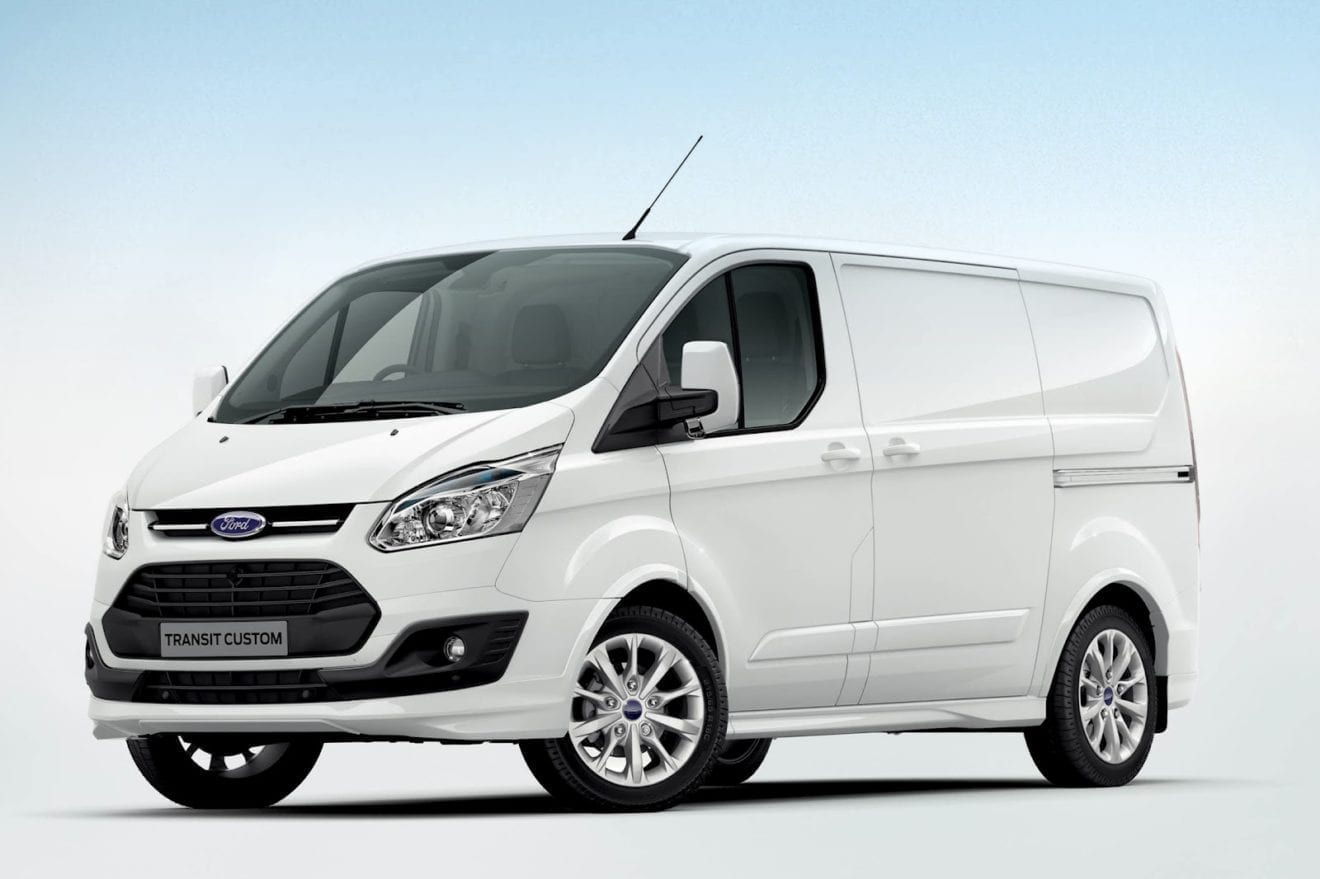
    The ministry also updated the prices of locally assembled models with nine seats and less into the list, including 2,400cc Toyota Hiace, which is priced at VNĐ802 million, Mercedes-Benz C200K, E250, E200 and E300 with prices ranging from VNĐ1.08 billion to VNĐ2.77 billion, 2,000cc Mazda CX5 AT-2WD at more than VNĐ1 billion and 2,400cc Ford Transit at VNĐ1.25 billion.

    Insiders said that the increase in registration fees was foreseen because it had been adjusted according to the market prices, as proposed by auto businesses.

    The ministry also added several imported motorbike types, including Harley-Davidson Cvo Limited, Harley-Davidson Ultra Limited Low, Harley-Davidson Street Glide Special and Honda CB1100 EX, which is priced between VNĐ455 million and VNĐ1.86 billion.

    The registration fee is being applied at 2 per cent of the motorbike value in cities and provinces nationwide, excluding two major cities of Hanoi and HCM City, where customers have to pay 5 per cent.

  • BMW says shortage of parts from Bosch hampers production

    BMW says shortage of parts from Bosch hampers production

    German carmaker BMW said a shortage of steering gears supplied by Robert Bosch slowed production of several of its compact and mid-sized models and caused stoppages at its plants in South Africa and China.

    “Our supplier Bosch is not currently able to provide us with a sufficient number of steering gears for the BMW 1 Series, 2 Series, 3 Series and 4 Series,” BMW said in a statement on Monday.

    BMW plants in Tiexi, China and Rosslyn, South Africa have extended or pulled forward planned interruptions to production, the carmaker said.

    “We are taking advantage of the flexibility of our processes to minimize economic damage. We expect that Bosch, as the responsible supplier, will compensate for damages,” BMW said.

    Bosch meanwhile blamed the problem on a sub-supplier in Italy, which it did not name.

    “One main component of the steering system is the housing; which Bosch procures from a sub-supplier in Italy. We are currently experiencing delivery problems with this supplier,” it said in an e-mailed statement.

    It said Bosch, BMW and the sub-supplier were doing all they could to resolve the delivery bottlenecks.

  • One2car.com launches vehicle inspection service

    One2car.com launches vehicle inspection service

    One2car.com, the largest and most trusted website for new and used cars in Thailand and part of the iCar Asia Thailand network, has officially launched its new vehicle inspection service, which will be carried out by a certified and professional inspection team. Each team member has undergone a Vehicle Inspection Training program, providing added assurance that the inspection is being conducted in accordance with engineering standards and procedures.

    Peace Chongseeha, Head of Inspection Department at one2car.com, said this service will raise confidence in the buying and selling of used cars on one2car.com’s portal and build trust with customers.

    “This service provides assistance to every used car buyer and seller. Buyers visiting the website to purchase a car can use this service to have the car inspected so they can make an informed decision before buying to make sure they are making a good investment. For sellers, using this service prior to listing their car for sale, will assure potential buyers of the good condition of their car”, he explained.

    The vehicle inspection service includes four core safety components:

    • Vehicle body or frame inspection: to ensure no serious accidents or collision compromising structural safety have occurred
    • Modifications inspection:  to check there has been no modification in the vehicle frame and body
    • Submersion inspection: to check that the vehicle has never been submerged underwater
    • Fire inspection: to check that the vehicle has never been on fire

    A 21-page report is provided after the inspection is completed and the results can be posted on one2car.com’s website free of charge for any car using this inspection service. An inspection sticker is also available to place in front of the vehicle to confirm that a physical vehicle inspection was performed. Buyers can request this report from the sellers, thereby facilitating the transaction process.

    One2car also offers additional inspection services including frame check, exterior check, paint thickness check, interior check and passenger amenities functionality check, vehicle systems functionality check with OBDII, engine and equipment check, battery check and  underbody, tyre, wheel and brake check.

    Pornladda Dathratwibul, iCar Asia Thailand’s Country Manager said that this new service allows one2car.com to provide a comprehensive auto service as required by buyers and sellers of used cars.

    “This service offers convenience and benefits both buyers and sellers, providing both parties with trust and credibility which can also help seal the deal. Most importantly, this inspection is carried out by a highly qualified inspection team, headed by an automotive engineer, armed with 20 years of experience and training in Germany with major vehicle brands and inspection training institutes, including vehicle design and modifiction.”

    “Our vehicle inspection process covers all essential areas and is conducted in accordance with high standards of engineering guidelines, which makes our service unique and exceptional from other service providers. With One2car.com’s vehicle inspection service, buyers and sellers can be reassured and confident of a trustworthy service,” she added.