Category: Automotive

Retail News Asia is committed to providing both local and global retailers with the latest Auto and Car news throughout the Asian market. This on a daily base.

  • Toyota recalls 18,757 Lexus cars

    Toyota recalls 18,757 Lexus cars

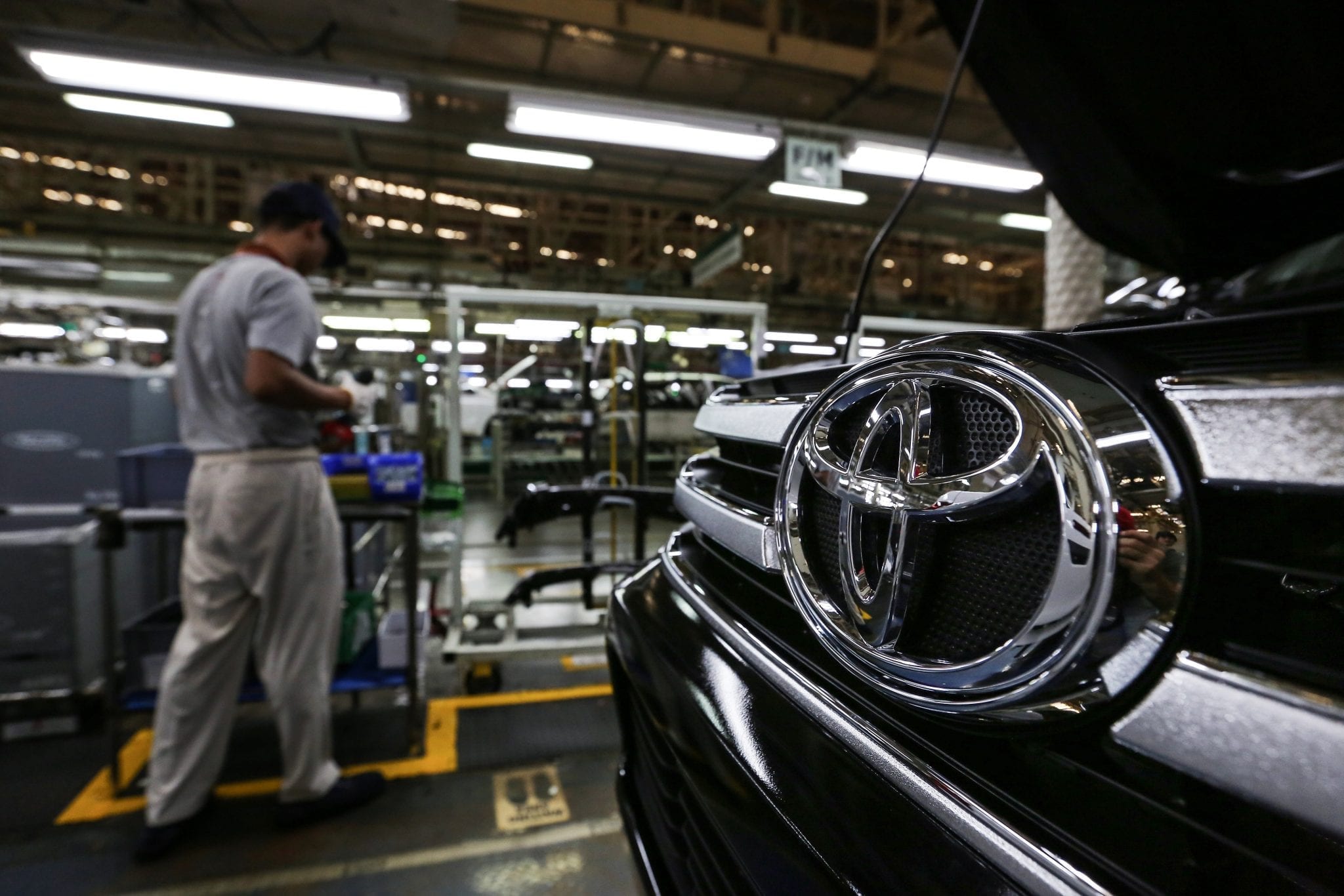
    Russian standards agency Rosstandart said on Monday it had been informed about a voluntary recall by Toyota of 18,757 Lexus NX 200, NX 200t and NX 300h cars which had a fault in their braking systems.

    The recall affected cars sold after Sept. 11 2014, the agency said in a statement.

  • Lifan Industry to set up new energy car unit

    Lifan Industry to set up new energy car unit

    Lifan Industry Group Co Ltd Says it plans to set up new energy car unit with registered capital at 1.0 billion yuan ($143.93 million).

  • BMW to recall over 1.93 lakh vehicles in China over defective airbags

    BMW to recall over 1.93 lakh vehicles in China over defective airbags

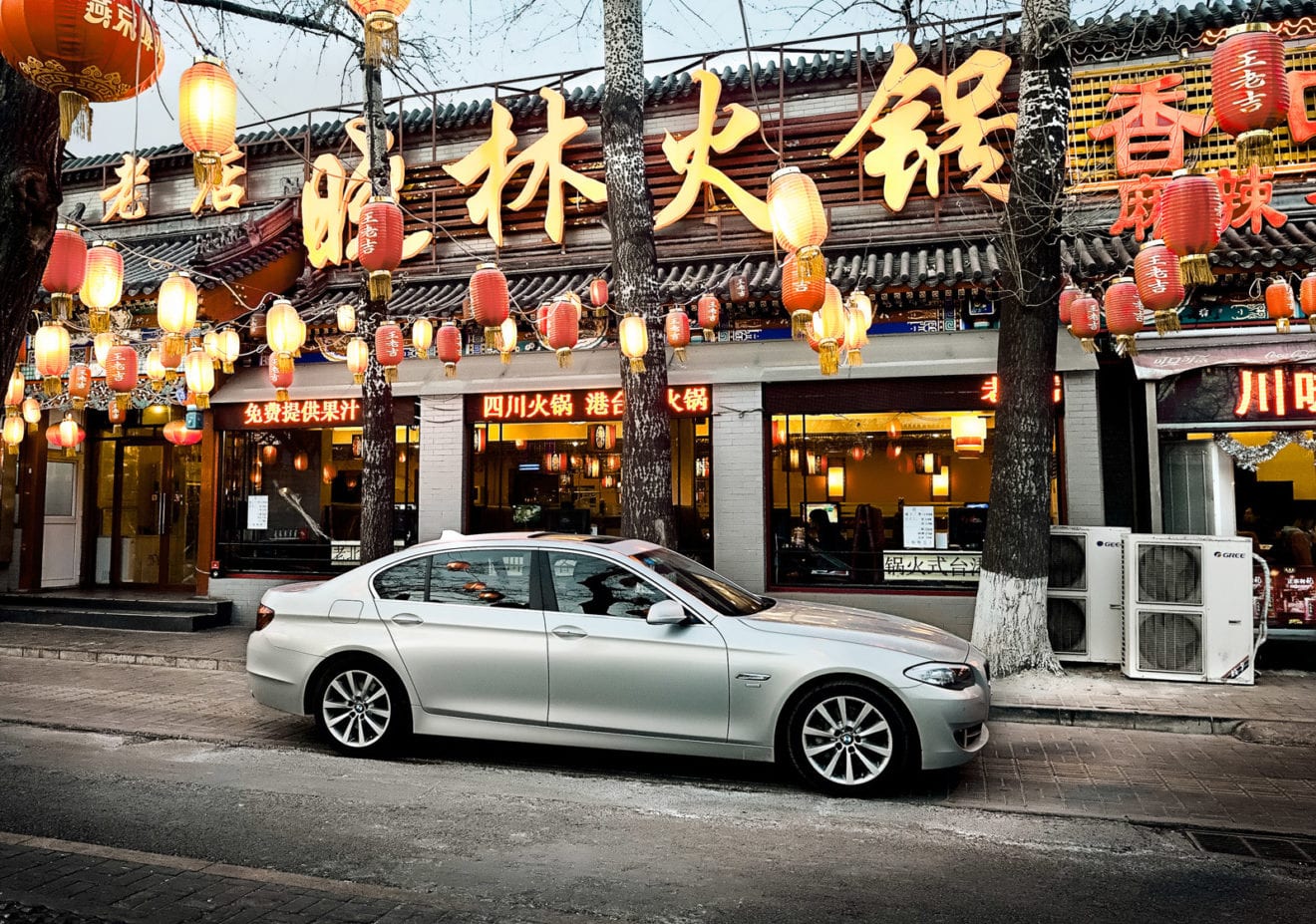
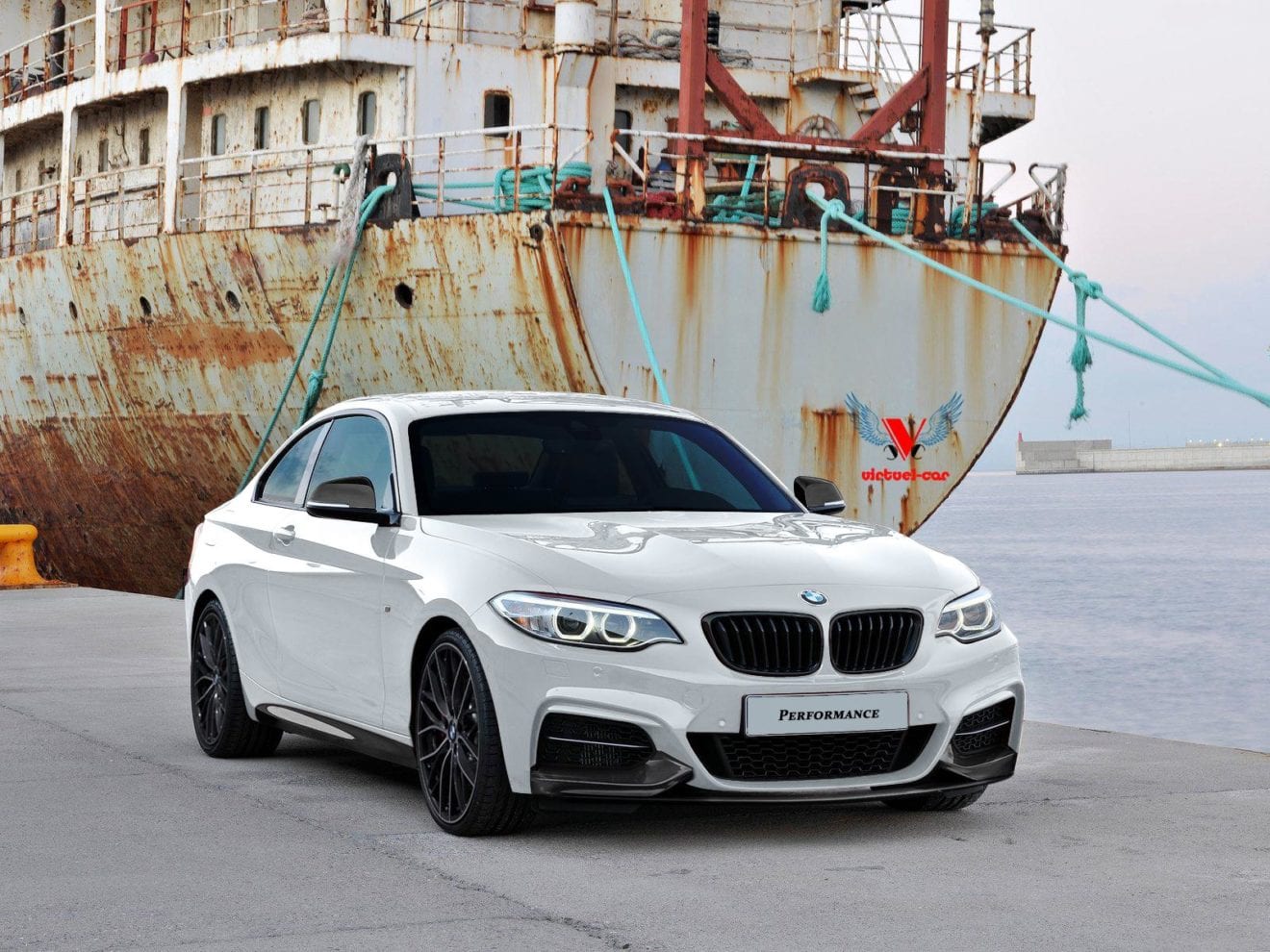
    German automaker BMW will recall 1,93,611 cars in China over a defect in their airbags, a quality watchdog here said today.

    About 1,68,861 imported cars manufactured between December 9, 2005 and December 23, 2011 as well as 24,750 sedans made between July 12, 2005 and December 31, 2011 will be recalled from August 1, 2017, the General Administration of Quality Supervision, Inspection and Quarantine said.

    When the driver and front passenger airbags of the affected vehicles inflate, the gas generators inside may become damaged and cause flying debris, posing safety risks to passengers, the statement said.

    BMW has promised to replace the defective parts free of charge, state run Xinhua news agency reported.

  • China Slaps GM With $29 Million Fine

    China Slaps GM With $29 Million Fine

    China slapped a $29 million fine on General Motors for antitrust violations, a sign of the growing tensions between the U.S. and the Asian nation.

    The largest U.S. automaker is accused of setting minimum prices on some models in its SAIC General Motors joint venture. The Shanghai Municipal Development & Reform Commission, which imposed the 201 million yuan fine, alleged in a statement that GM punished dealers who sold cars for less than the prices set by the Detroit-based automaker. This is the first time China has fined GM, the second-largest foreign carmaker in China by sales.

    China-U.S. relations have become strained after President-elect Donald Trump proposed tariffs on Chinese goods, questioned the One-China policy regarding Taiwan and accused the Asian nation of stealing an American naval drone in international waters in the South China Sea. A Communist Party newspaper in November said a “tit for tat” retaliation could follow proposals by Trump for tariffs on the world’s largest trading nation, which had $627 billion in U.S. trade in 2015.

    “GM fully respects local laws and regulations wherever we operate,” Irene Shen, a company spokeswoman, said in a text message referring to the penalty. “We will provide full support to our joint venture in China to ensure that all responsive and appropriate actions are taken with respect to this matter.”

    Shares of SAIC Motor Corp. fell 1.2 percent to 23.17 yuan in Shanghai, before the penalty was announced. They have declined 3.3 percent since Dec. 14 when reported that GM’s joint venture in China was being investigated for possible antitrust violations. In trading in New York, GM shares fell 0.2 percent to $35.61 at 10:50 a.m.

    Last year, China fined Daimler AG’s Mercedes-Benz unit $56 million for monopolistic pricing practices. In 2014, the government penalized Volkswagen AG and Fiat Chrysler Automobiles NV for similar practices as well as a dozen parts makers. The auto component suppliers were fined $200 million collectively.

    Since 2011, the National Development and Reform Commission, China’s main economic planner, has pressured carmakers to cut prices as part of an investigation into the auto industry. The NDRC said the probe was meant to ensure market order and protect consumers.

    Chinese media have reported that penalties on American companies may be coming. The China Daily reported earlier this month that the government would soon penalize a U.S. automaker for price fixing, citing an interview with Zhang Handong, director of the NDRC’s price supervision bureau. The Global Times wrote in an editorial that orders for Boeing Co. planes could be replaced with models from Airbus Group SE, and that Apple Inc.‘s iPhone sales may suffer a setback.

    GM’s retail sales in China rose 8.5 percent this year through November to 3.44 million vehicles, trailing only Volkswagen among foreign automakers. Its German rival boosted deliveries 12 percent to 3.59 million units.


  • Honda, Alphabet’s Waymo in talks over self-driving technology

    Honda, Alphabet’s Waymo in talks over self-driving technology

    Honda Motor Co said on Wednesday it had entered into formal talks with Alphabet Inc’s new self-driving division Waymo to add self-driving technology to its vehicles, marking the second potential customer for the automation software.

    The move comes just one week after Google spun off its self-driving unit into its own company named “Waymo” with a mandate to strike partnerships with automakers and others and commercialize the research it has been developing for over seven years.

    The potential deal illustrates how automakers faced with the high costs of developing the new technology in-house are separating into those betting on developing it alone, such as Ford Motor Co and General Motors Co, and those turning to partnerships with suppliers to spread the costs.

    Honda’s announcement marks Google’s second potential tie-up with an automaker over its self-driving technology. The first came in May, when the technology giant signed a deal with Fiat Chrysler Automobiles NV to incorporate the tech into the carmaker’s minivans.

    Unlike cash-strapped Fiat Chrysler, however, Honda has already committed its own resources to autonomous driving, and it said on Tuesday those efforts would continue.

    While Honda has been less vocal about its plans for self-driving cars than larger rivals like Toyota Motor Corp, the Japanese automaker showed off a self-driving prototype in June it has been testing in Northern California. The carmaker foresees full autonomy on highways by 2020.

    “In addition to these on-going (in-house) efforts, this technical collaboration with Waymo could allow Honda R&D to explore a different technological approach to bring fully self-driving technology to market,” Honda said in a statement.

    Honda said, as part of the collaboration talks, it could provide Waymo with vehicles modified to accommodate Waymo software, such as Fiat Chrysler has done with its Chrysler Pacifica minivans.

    Were a deal to be signed, Honda said its engineers in Silicon Valley and Tochigi, Japan would work closely with Waymo engineers.

    A Waymo representative said the company was “looking forward to exploring opportunities to collaborate with Honda to advance fully self-driving technology and make our roads safer.”

  • China’s Wanxiang gets approval to produce Karma electric cars

    China’s Wanxiang gets approval to produce Karma electric cars

    Wanxiang Group, a major Chinese auto parts supplier which almost three years ago bought the assets of defunct California-based plug-in hybrid carmaker Fisker Automotive, has received approval from local regulators to produce electric vehicles in China.

    According to a notice on Friday on the website of the National Development and Reform Commission (NDRC), China’s top economic and industrial planner, Wanxiang has the green light to build a factory with capacity to produce 50,000 electric cars a year.

    The move means the former Fisker Automotive, which was founded in part with a U.S. government loan and ceased production of its $100,000 plug-in electric hybrid sports cars in 2012 after a series of technical glitches and cost overruns, continues to survive under Chinese ownership after Wanxiang gave it a second life.

    Wanxiang later changed Fisker’s name to Karma Automotive.

    Wanxiang, a Hangzhou-based company which in 2012 also acquired U.S. lithium-ion battery maker A123, became the sixth company to be allowed to produce new-energy vehicles in China.

    More companies are currently being encouraged to enter the automotive industry in China but only if they are willing to produce so-called new-energy cars, mostly all-electric battery cars and heavily electrified plug-in hybrids.

    China has been making a push for electrically-propelled cars by offering incentives to buyers, forcing global automakers to share their technology, and opening its market to tech firms and others to produce electric vehicles.

    Beijing wants such vehicles to serve the mass market, and hopes the technology will help its auto industry close a competitive gap with global rivals which have a century’s head-start in traditional combustion engines.

    Aside from Wanxiang, NDRC has approved five companies to produce new-energy vehicles, including Ch-Auto’s Qiantu Motor, and Changjiang Auto. More companies such as WM Motor, Future Mobility, Singulato Motors are seeking approval.

  • Indonesia, Michelin Cooperate in Tire Exports

    Indonesia, Michelin Cooperate in Tire Exports

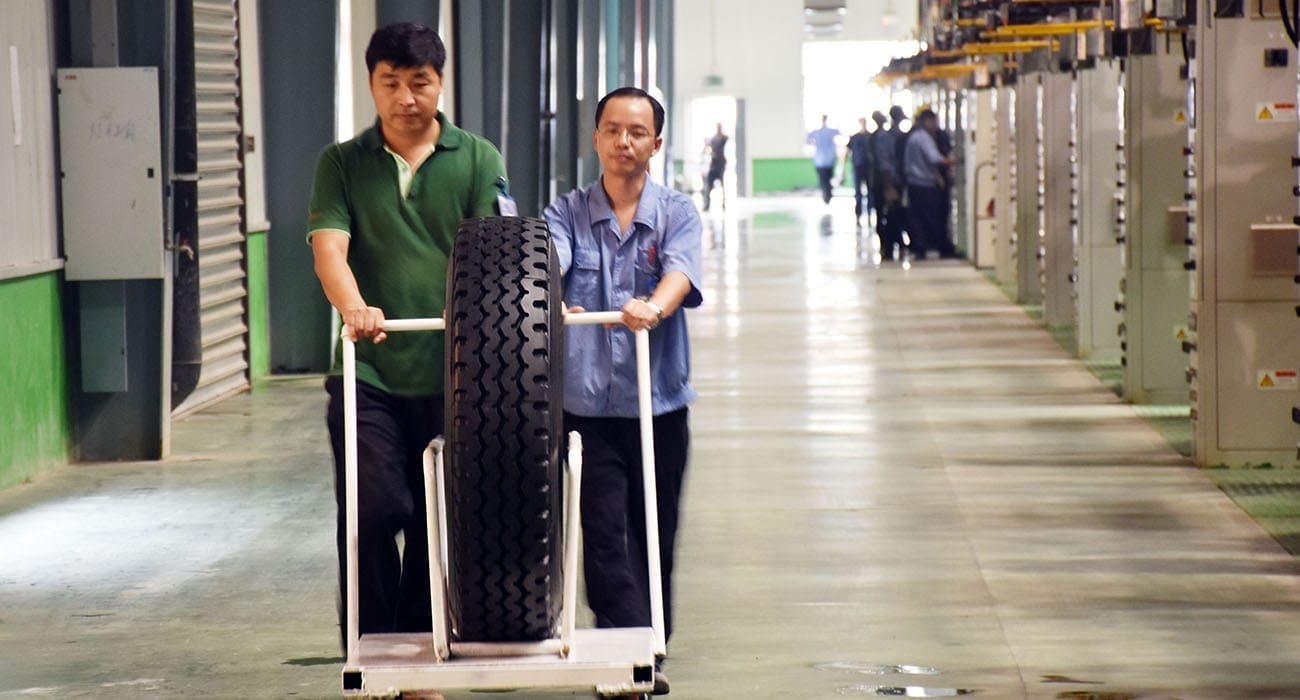
    The Indonesian government has joined hands with French tire company Michelin to open market access to Europe and the United States. The plan was proposed in a meeting between Industry Minister Airlangga Hartarto and Vice President Public Affairs of Michelin East-Asia and Oceania Segsarn Trai-Ukos in Jakarta last week.

    According to Airlangga, the government and Michelin will also cooperate in aircraft tire retreading. “Michelin has developed tire retreading in Thailand,” he said yesterday.

    He said that Michelin technology can help develop aircraft tire retreading in Indonesia and reduce negative perception of retreaded tires. High-tech retreaded tires can help lower airline costs and boost growth of air transport industry.

    Indonesia and Michelin will also collaborate in utilizing used tires. According to Airlangga, Michelin is expected to process used tires into raw material for asphalt. He pointed to the example of 80 million units of two-wheeled vehicles with 160 million tires. “With an average lifespan of 1.5 to 2 years, abundant supply of used tires will be available to be utilized.”

    The Minister also discussed business opportunities with French Ambassador to Indonesia Jean-Charles Berthonnet. Airlangga said that France can become Indonesia’s export gateway to the non-traditional European market.

    He sees France as an important trade partner. In 2015, Indonesia’s import value from France hit US$1.3 billion for aircraft components, vehicles, machinery, milk, and pharmaceutical. Whereas, Indonesia’s export to France worth US$972 million, which include footwear, rubber, furniture, clothing, and coffee.

  • Toyota Indonesia to see exports down by 5 percent this year

    Toyota Indonesia to see exports down by 5 percent this year

    Car manufacturer PT Toyota Motor Manufacturing Indonesia (TMMIN) expects to see its exports fall by 5 percent this year mainly due to low demand in the Middle East.

    TMMIN vice president director Warih Andang Tjahjono said, a protracted security crisis in the Middle East and global oil price decline had impacted car demand in the region. Thus, the company will see its car exports down to 165,000 units this year from 176,000 units last year.

    Car exports to Saudi Arabia, which makes up 50 percent of the company’s exports to the Middle East, saw a 30 percent decline this year, the biggest in the region. The Middle East and Asia are the biggest markets for Toyota cars, contributing more than 50 percent to the company’s exports, Warih said.

    While demand in the export market declined, domestic demand for Toyota cars has grown above the industry’s average.
    As of November, Toyota car sales had risen by 19 percent year-on-year compared to the corresponding period last year, Toyota Astra Motor vice president director Henry Tanoto said.
    “We predict our domestic car sales will reach between 375,000 and 380,000 units by year-end,” he said

  • Toyota recalls 66,830 imported Lexus cars in China

    Toyota recalls 66,830 imported Lexus cars in China

    The Chinese unit of Toyota Motor Corp will recall 66,830 imported Lexus brand vehicles in the country over potential safety issues, China’s quality watchdog said on Friday.

    Some Lexus models, made between June 2014 and December 2016, have problems with their braking software, China’s General Administration of Quality Supervision, Inspection and Quarantine said on its website.

    In October, Toyota issued a recall for about 5.8 million cars in Japan, Europe and China over potentially faulty airbag inflators made by Takata Corp. In June

    The notice urged consumers to immediately contact dealers for inspection and said current stock vehicles will be sold in the absence of defects.

  • BMW November sales up 5.9 percent, Mercedes poised to overtake

    BMW November sales up 5.9 percent, Mercedes poised to overtake

    Daimler’s Mercedes-Benz is on track to overtake rival BMW to take the title of the world’s biggest luxury carmaker, sales figures for November released on Monday showed.

    November sales of BMW branded luxury cars were up 5.9 percent to 177,740 taking year-to-date sales to 1,824,490. By contrast Mercedes-Benz passenger car sales were up 12.7 percent to 182,602 increasing year-to-date sales to 1,893,619.

    Sales of BMW’s core brand reached 1.91 million in 2015 on strong demand for sports utility vehicles like the X5, the 11th year in a row the Munich-based carmaker clinched the title in 2005.

    Mercedes sold to 1.87 million cars in 2015, compared with 1.80 million luxury vehicles sold by Volkswagen’s Audi

  • Tesla settles Norway lawsuit over car’s performance

    Tesla settles Norway lawsuit over car’s performance

    Electric carmaker Tesla Motors Inc has reached an out-of-court settlement with 126 Norwegian customers who claimed their cars’ performance did not match promises made in the firm’s marketing.

    Lawyers for the owners and the company told the Oslo District Court in a joint letter they wanted to withdraw the case which had been due to start on Monday, a court spokeswoman said.

    Kaspar Nygaard Thommessen of Oslo-based law firm Wikborg Rein, who represented the car owners, told Reuters a settlement had been reached in recent days and the case had been resolved.

    He declined to provide details of the settlement.

    Norwegian business newspaper Dagens Naeringsliv (DN) said on Sunday Tesla had agreed to pay 65,000 Norwegian crowns ($7,700) to each car owner, about half of what they demanded, or allow them to choose from alternative options, including car upgrades.

    The case involved Tesla’s Model S P85D, which the car owners said had a lower horsepower than stated by Tesla. The company has denied misleading the buyers.

    While the Model S PD85 is no longer offered in Norway, similar Tesla Model S cars range from $95,000 for the 90D version to $135,000 for the P100D, according to the company’s Norwegian price website. Most buyers will also pay for add-ons that raise the price further.

    Norway is among the world’s top markets for electric cars thanks to generous government subsidies aimed at increasing the electrification of transport.

    The registration of new Tesla cars in Norway fell by 24 percent in the first 11 months of 2016 compared with 2015, according to data from lobby group Road Traffic Information Council (OFV).

  • World Debut Of A New Motorcycle Brand

    World Debut Of A New Motorcycle Brand

    Conceived, designed and built in New York City, Vanguard is an exciting, entirely new and wholly distinct motorcycle brand. Vanguard, with its forward-thinking design and pioneering features, is a product without equivalent as well as a brand with the potential to bring new perspectives to the motorcycle industry.

    Vanguard is excited to invite members of the media and public to come see its new Roadster in person. The world premiere is scheduled for the Progressive International Motorcycle Show in New York City on December 9th.

    DESIGN

    Form and function have never been more complimentary. The Vanguard Roadster has a striking contemporary silhouette, the result of clear and well-informed design decisions. The lines emerged from breaking everything down into rethinking needs and solutions.

    MOTORCYCLES

    The Vanguard Roadster is a running prototype, with production slated for 2018. It boasts many unique features including a frameless structural engine, unitized crankcase, integrated exhaust and a tablet-size digital dashboard with rear-view camera.

    The Roadster is the first of 3 motorcycles built on a common powertrain platform that will cover all riding positions: Roadster, Cruiser and Racer.

    PRODUCTION

    Vanguard motorcycles will be assembled in New York City at the Brooklyn Navy Yard. The modular construction, based on large sub-assemblies, revisits traditional manufacturing methods. Combined with worldwide sourcing and the support of key motorcycle vendors, Vanguard will deliver exceptional value and quality.

    SALES

    Starting at $29,995, a premium price within reach, the Vanguard Roadster is a strong alternative to current premium motorcycles. Selected dealers are signing up to be the ambassadors of this game-changing brand.

    PEOPLE

    Vanguard is led by renowned designer Edward Jacobs and serial entrepreneur Francois-Xavier Terny. Together they form a dynamic team of drive and vision.

    With a fresh perspective and unique approach, Vanguard promises to be a premium motorcycle brand of revolutionary effect.

  • Hanon Systems Expands Engineering Capability in China

    Hanon Systems Expands Engineering Capability in China

    Hanon Systems, a leading global provider of automotive thermal solutions, is enhancing its ability to serve vehicle manufacturers in China by opening a new engineering center in Shanghai.

    Located in Shanghai’s Songjiang district, the new 3,612 square meter multi-story facility will serve as the engineering epicenter of technical collaboration for application engineering and system evaluation supporting Chinese automakers and global vehicle manufacturers operating in China.

    “Supporting customers is a top priority and China is an important market to Hanon Systems,” said In-Young Lee, president and chief executive officer of Hanon Systems. “We are pleased to open this new engineering center in Shanghai to provide automakers with local technical expertise and testing capability to better support the growing China market.”

    The engineering center also is equipped with state-of-the-art test equipment to provide in-house design verification, product validation and in-process testing. Specific test capability includes noise, vibration and harshness (NVH) evaluation; air handling performance and durability of heating, ventilation and air conditioning modules; and thermal system component testing for electric vehicles.

    “Hanon Systems is well-positioned to support the demand for new energy vehicles (NEV) in China with a suite of products that are proven with global vehicle manufacturers and designed specifically for NEV architectures,” said Dr. Kwangtaek Hong, chief technology officer of Hanon Systems. “This new engineering center is a testament to our commitment to support the China market and the NEV trend.”

    Hanon Systems is relocating its Shanghai technical staff from an existing site approximately 25 kilometers in distance to the new facility in the Songjiang district, which has the capacity to accommodate additional resources to support growth based on business and customer needs.

    The Shanghai center is one of 14 engineering locations supported by four global technical centers that are responsible for developing advanced technologies, core product development and global standardization of new technologies. Hanon Systems’ global technical centers are located Daejeon, Korea; Kerpen, Germany; Nový Jičín, Czech Republic; and Van Buren Township, Mich.

  • Toyota chief shifts gear, to boost electric vehicle division

    Toyota chief shifts gear, to boost electric vehicle division

    Toyota Motor Corp on Wednesday appointed its president to lead their newly formed electric car division, flagging its commitment to develop a technology that the automaker has been slow to embrace.

    The change comes as the United States, China and European countries are encouraging automakers to make more all-electric battery cars as they push alternative energy strategies.

    Akio Toyoda, grandson of the company’s founder Kiichiro Toyoda, has been at the helm of the world’s largest automaker since 2009. He will head the company’s electric vehicle (EV) planning department along with Executive Vice Presidents Mitsuhisa Kato and Shigeki Terashi.

    “By putting the president and vice presidents in charge of the department, we plan to speed up development of electric cars,” said Toyota spokeswoman Kayo Doi, following a personnel change announcement by the company.

    “The president will directly oversee the department’s operations to enable decisions to be made quickly and nimbly.”

    The department comprises a new in-house unit to plan Toyota’s strategy to develop and market electric cars as part of the company’s efforts to keep pace with the tightening global emissions regulations.

    Toyota is also shifting the chief engineer of its Prius petrol-hybrid to its EV efforts, appointing Koji Toyoshima to head the division’s engineering team. Toyoshima will also join the four-member EV strategy unit, which will include representatives from group suppliers – Denso Corp, Aisin Seiki Co, and Toyota Industries Corporation.

    Rivals such as Nissan Motor, Volkswagen and Tesla Motors have touted pure electric cars as the most viable zero-emission vehicles.

    However, Toyota until recently said it favored EVs for short-distance commuting given their limited driving range and lengthy charging time. It has been investing heavily in hydrogen fuel-cell vehicles (FCVs), which the company considers as the ultimate “green” car.

    Earlier this month, Toyota said it will develop cars with up to 15 percent greater range and battery life in the next few years.

  • Tesla Motors to get semiconductors from Samsung Electronics

    Tesla Motors to get semiconductors from Samsung Electronics

    Samsung Electronics will supply semiconductors to US electric car maker Tesla Motors, South Korea’s Electronic Times reported on Friday citing unnamed sources.

    Samsung would contract manufacture chips for self-driving features in Tesla vehicles, the paper reported, without putting a value on the order.

    The South Korean firm has been trying to build auto-related sales for components such as semiconductors and displays in a push to develop a new growth engine.

    Samsung in November said it would acquire Harman International Industries for $8 billion in a bid to grow quickly in the automotive market.

    Samsung did not immediately comment on the report, while Tesla could not be immediately reached for comment.