Category: Automotive

Retail News Asia is committed to providing both local and global retailers with the latest Auto and Car news throughout the Asian market. This on a daily base.

  • Tesla rents second space in Korea to go Gangnam-style

    Tesla rents second space in Korea to go Gangnam-style

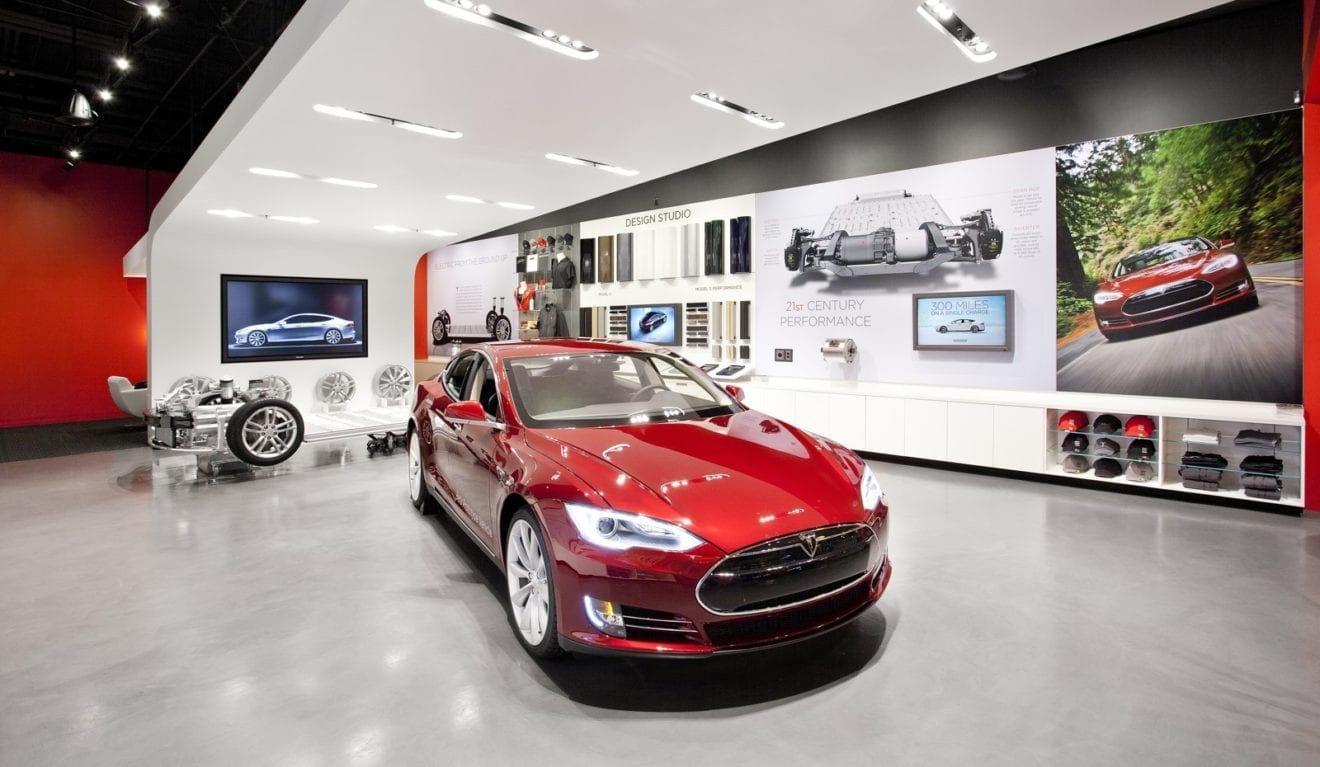
    Tesla Motors is preparing to open a second showroom in Korea in Gangnam, southern Seoul. Its first will open in the Starfield Hanam shopping mall in Gyeonggi in less than two months.

    A lease on three floors of a five-story building in Cheongdam-dong, 131-11, known as Yeongdongdaero 730 under the new address system, was signed by Tesla Motors Korea on Sept. 1. Tesla will rent the building’s basement, first and second floors through Aug. 31, 2021. The rent is 500 million won ($439,059) for the entire period, the document shows.

    The landlord is Bora Trading, a Seoul-based importer of Italian food products including the De Cecco pasta brand.

    Tesla made it official Sept. 2 that it would open its first Korea showroom in Starfield Hanam, a shopping mall that was opened Sept. 9 by retail giant Shinsegae, by December. The announcement came 10 months after the American electric vehicle pioneer opened an office in Samseong-dong, southern Seoul.

    Second showroom for Korea in a building in Cheongdam-dong, 131-11, 

    Tesla confirmed its rental in Gangnam.

    “We have just registered a building on Yeongdong Boulevard,” said Atsuko Doi, Tesla’s head of communications for Asia Pacific, in an email. She added the company hasn’t “planned in detail how we use it.”

    Regarding rumors among auto enthusiasts in Korea that Tesla may choose not to open the showroom in the 212-square-meter (2,281-square-foot) space in Starfield Hanam, she described them as “incorrect.”

    When visited on Monday by the Korea JoongAng Daily, the space Tesla has rented from Bora Trading was already under remodeling. Previously an Italian restaurant, the old interior was torn down completely. One of the workers on the scene said they are working on an automobile showroom without elaborating further. The process is expected to be finished in a month, which would indicate it could open in November at the earliest.

    There is speculation Tesla will open two showrooms simultaneously. The one in Gangnam will be more symbolic of Tesla’s attempt to be considered a luxury brand.

    Cheongdam-dong is Seoul’s swankiest area full of luxury-brand stores including Dior, Cartier and Hermes. Showrooms for Lamborghini, Ferrari and Bentley are less than 1 kilometer from Tesla’s space. Korea’s top automaker, Hyundai Motor, is scheduled to complete by 2021 a 105-story new headquarters just 1.6 kilometers farther down Yeongdong Boulevard.

    The building in Gangnam has been optimized to serve as a car showroom. It was established in 2004 by KUZ Plus, which was the official importer of Ferrari and Maserati until 2006. The floors are framed by huge glass windows to display vehicles.

    In Asia, the California-based company led by business magnate Elon Musk opened its first showroom in October 2010 in Tokyo’s trendy Aoyama district. Now there are three in Japan. Tesla runs 21 stores in China, three in Hong Kong and one in Taiwan, which opened in July.
     

  • Mazda to leave Indonesia, hands distribution to Eurokars

    Mazda to leave Indonesia, hands distribution to Eurokars

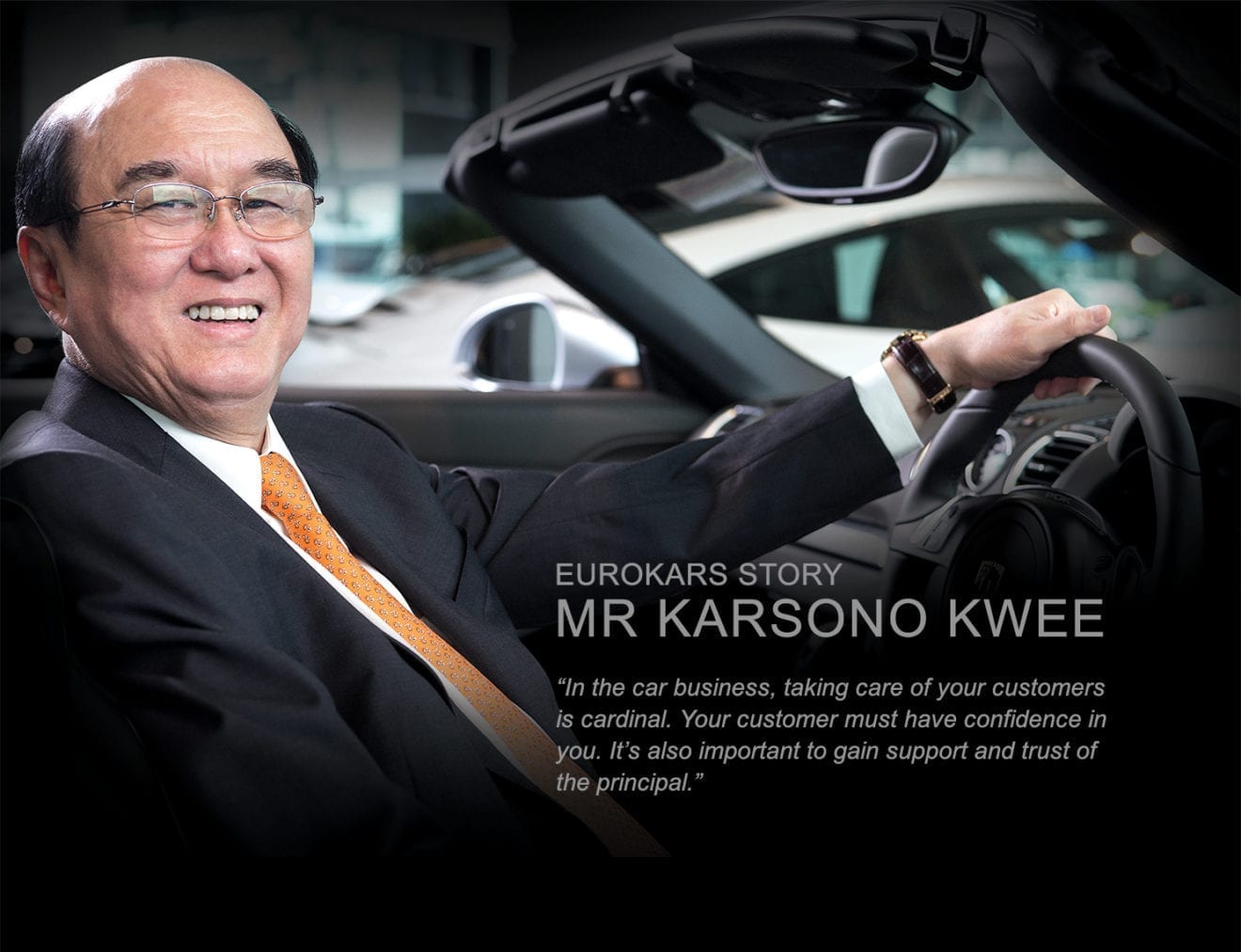
    Mazda Motor Corporation has appointed Eurokars Motor Indonesia, a member of Eurokars Group, as the distributor of Mazda vehicles in Indonesia following its decision to leave the country.

    Eurokars Group spokesperson Angeline Tan said Mazda’s distribution network of 45 dealers would be officially transferred from Mazda Motor Indonesia to Eurokars Indonesia in February.

    “This appointment represents a significant milestone for Eurokars Group. It also reflects the synergistic partnership between Mazda Motor Corporation and Eurokars Group, which is well-positioned to run the distributorship,” she said in a press statement in Jakarta on Friday.

    Following the official transfer, she added, Eurokars would take over existing staff members and dealers currently under Mazda Indonesia. It will also be responsible for after-sales including the warranties of all Mazda vehicles sold by Mazda Indonesia prior to the transfer.

    Founded in 1985, Eurokars was a dealer for Mazda cars in Indonesia in 2007 and took over the distribution of Mazda vehicles in Singapore in 2011.

    From November, Mazda Indonesia’s business entity will be changed from a sole distributor to an importer of the Japan-based Mazda Motor Corporation’s products in related to the business decision.

  • Astra named best Indonesian company of past decades

    Astra named best Indonesian company of past decades

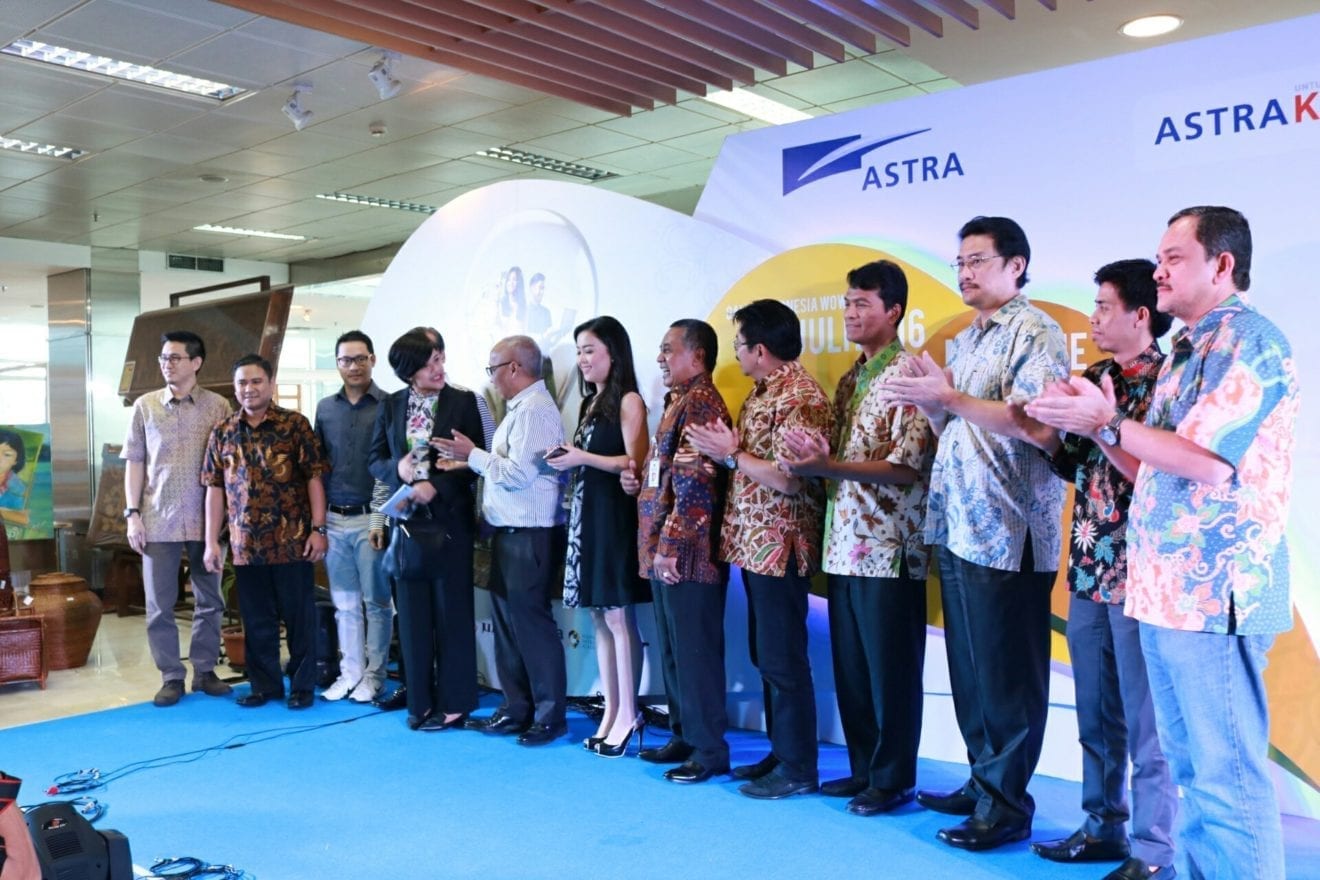
    PT Astra International has added one more award to its collection after Hong Kong-based magazine FinanceAsia named the widely diversified business group the best non-financial company in Indonesia for the past two decades.

    The magazine’s publisher, Jonathan Hirst, presented the award to Astra International president director Prijono Sugiarto at a ceremony in Hong Kong on Thursday evening.

    The award was based on polls conducted annually on the company’s performance over the past 20 years. As many as 115 financial and non-financial companies in Asia received such awards this year.

    Other large corporations named as best non-financial companies in their respective countries include Samsung Electronics of South Korea, China Telecom of China, PTT of Thailand and SingTel of Singapore.

    Meanwhile, in the Indonesian financial sector, five companies won similar awards. They include Bank Mandiri, which was named the best domestic bank, Mandiri Sekuritas as the best domestic investment bank and as the best domestic bond house, Danareksa Sekuritas as the best domestic equity house, HSBC as the best foreign bank and Credit Suisse as the best foreign investment bank.

    “On behalf of the Astra management, we thank all the stakeholders who have participated in the survey for their support for Astra during its 59 years of operations,” Prijono said after receiving the award.

    “Obviously, we hope that this achievement also brings pride to the Indonesian people, “ he added.

    According Prijono, as a national asset, Astra wants to continue to contribute to economic and social development for the Indonesian people through its 202 subsidiaries and affiliated companies, which employed more than 200,000 people. The business group was working with at least 2,500 vendors employing more than one million employees, he said.

    Astra is engaged in six business lines, namely automotive, financial services, heavy equipment and mining, agribusiness, infrastructure, logistics and IT.

    Astra was listed on the Indonesian Stock Exchange in April 1990 and has become a blue chip stock with a market capitalization of about Rp 337 trillion (US$25.8 billion) as of Oct. 12.

    FinanceAsia has presented awards to leading Asian companies every year since its establishment 20 years ago. Winners are determined by surveys among investors and analysts in Asia on a range of criteria, such as corporate performance, corporate governance, investor relations, corporate social responsibility (CSR) and leadership.

    Astra has received at least 13 awards from the magazine, in addition to numerous awards from other organizations. Unlike in previous years, this year’s award was given for the achievement over a 20-year period.

    In 2010, Astra management under the leadership of Prijono adopted a comprehensive business strategy it calls the Triple P Roadmap, according to which the company’s portfolio, people and public contribution should all ensure sustainable growth.

    Prijono attributed the success of the business group in maintaining sustainable growth to the company’s long-term business concept.

    Based on that concept, Astra had implemented concrete programs that clearly highlight the position of Astra in the long-term, including by creating new opportunities to diversify sources of revenue, to improve the competency of human resources and to expand the reach of the company’s corporate social responsibility (CSR) activities.

    Prijono explained that Astra carried out CSR activities through all of its subsidiaries and nine foundations, which include the foundation of Toyota and Astra, the foundation of Dharma Bhakti Astra, the foundation of Astra Bina Science, the foundation of Astra Honda Motor, the foundation of Amaliah Astra, the educational foundation of Michael D. Ruslim, the foundation of Karya Bhakti UT, the foundation of Astra Agro Lestari and the foundation of Insan Mulia Pama.

  • Hyundai Motor reaches tentative wage deal with South Korean union

    Hyundai Motor reaches tentative wage deal with South Korean union

    Hyundai Motor reached a tentative wage pact with its South Korean labor union on Wednesday after the worst strikes in the automaker’s history disrupted output at its domestic production base.

    The agreement is subject to a vote by almost 50,000 union members on Thursday, who rejected an earlier deal in August because of it was less generous than the previous year’s package.

    The union has held 24 rounds of full-scale or partial strikes since July 19, preventing the automaker from making 131,851 vehicles worth more than 2.9 trillion won ($2.60 billion), the government said last week.

    “The company and the union have formed a common ground that we should prevent further catastrophe as a prolonged strike has had a substantial impact on not only the company but the regional and national economy,” Hyundai Motor said in a statement.

    Under the latest agreement, Hyundai will increase basic monthly pay by 72,000 won; give each worker a one-off payment of 3.3 million won as well as bonus and incentives payments worth 3.5 times their basic monthly wage; and each worker will also receive 10 Hyundai shares, the company said.

    The deal came after the government threatened to intervene to suspend strike action, criticizing the union for walkouts despite relatively high wages at the automaker.

    The prolonged labor disputes coupled with sluggish domestic demand have prompted some analysts to cut earnings forecasts for the July to September quarter which the company is scheduled to report late this month.

    Twelve out of 25 net profit estimates have been revised down in the past 30 days, pushing the average estimate 12 percent lower, according to Thomson Reuters StarMine.

    Hyundai Motor, which is the world’s fifth-biggest carmaker including affiliate Kia Motors (000270.KS), has been hit by strikes in all but four of the union’s 29-year history though it usually made up for lost production by the end of each year.

  • Nissan recalls 932 units of Datsun redi-Go in India

    Nissan recalls 932 units of Datsun redi-Go in India

    Japanese auto major Nissan is recalling 932 units of entry level car redi-Go from its Datsun brand in India to fix faulty fuel system.

    “Datsun is conducting a voluntary recall campaign on certain India-manufactured Datsun redi-GO vehicles to inspect the fuel hose and fix a clip at no cost to the customer,” Nissan Motor India said in a statement.

    Datsun will start notifying affected owners from this month.

    The recall will affect units manufactured till May 18, 2016, a company official said.

    The redi-GO hit the market on June 7 this year and has sold over 14,000 units.

  • Daimler Trucks to increase its sales activities in core market Indonesia

    Daimler Trucks to increase its sales activities in core market Indonesia

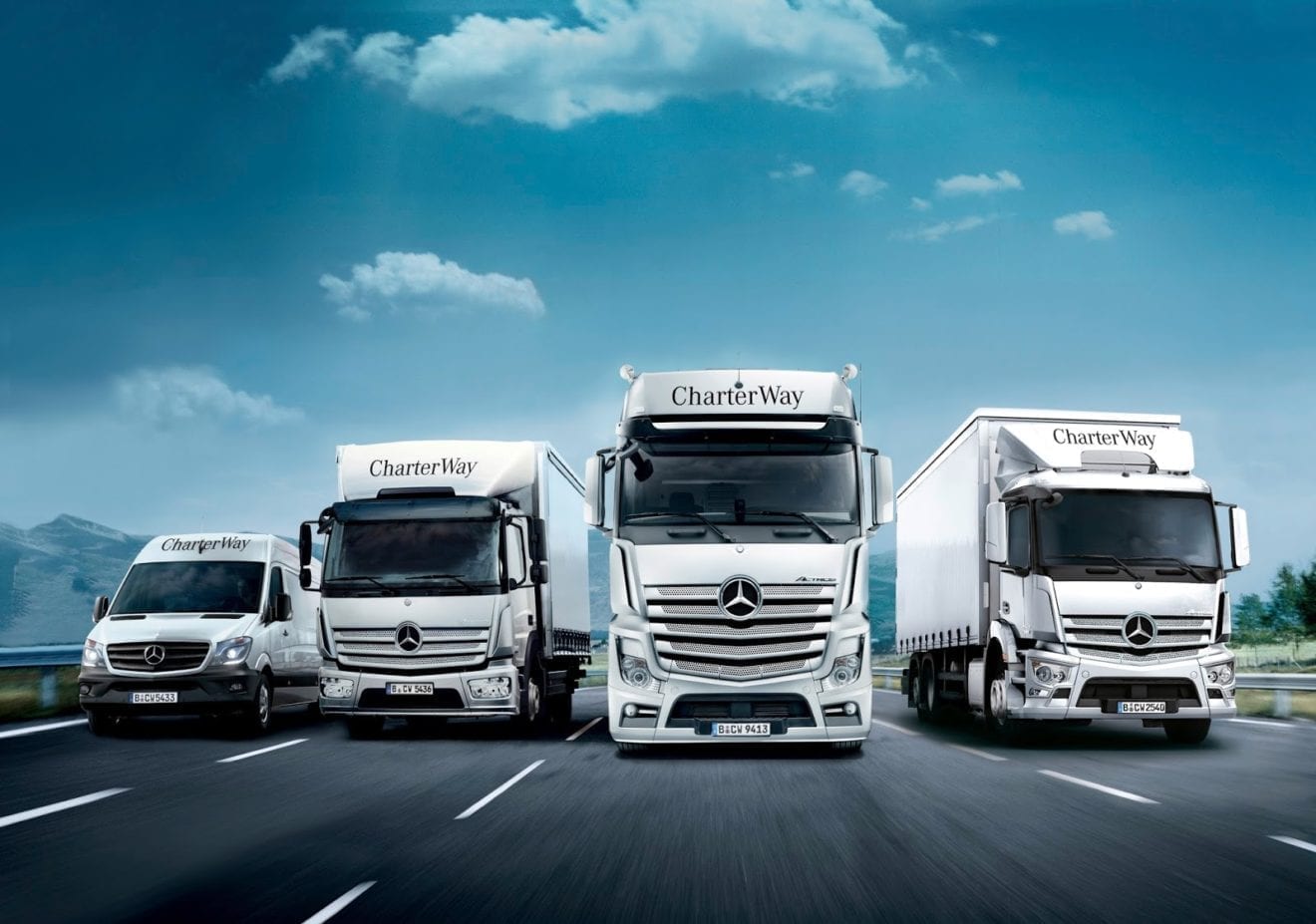
    Daimler Trucks, the world’s leading truck manufacturer with a strong foothold in Asia, is enhancing its position in commercial vehicles in its core market Indonesia. The Daimler Trucks subsidiary FUSO (Mitsubishi Fuso Truck and Bus Corporation, MFTBC), Mitsubishi Corporation (MC), Mitsubishi Motors Corporation (MMC), and the Indonesian company PT Krama Yudha (KY) have signed a respective framework agreement. As part of this agreement, the Indonesian trade and sales partner PT Krama Yudha Tiga Berlian Motors (KTB) will focus exclusively on selling FUSO brand commercial vehicles. KTB’s passenger car business will be transferred to an independent legal entity. At the same time, FUSO will increase its stake in the newly structured company KTB from 18 to 30 percent.

    Dr. Wolfgang Bernhard, Member of the Board of Management of Daimler AG for Daimler Trucks & Buses: “By increasing our stake in our partner KTB, we are underlining the importance of the Indonesian market and can be even more active locally. Concentrating our sales activities completely on the commercial vehicle market fits perfectly into our Daimler Trucks strategy of consistently focusing on the needs of our customers. With this shift, we as market leader are positioning ourselves in order to continue to tap market potential in Indonesia in the best way possible.”

    Marc Llistosella, President and CEO of Mitsubishi Fuso Truck and Bus Corporation and Head of Daimler Trucks Asia: “With our FUSO brand we have been the clear market leader in Indonesia for over 40 years. By increasing our stake in KTB, we can expand on our position even further.”

    With a current market share of about 47 percent, FUSO has been leading the Indonesian market for 46 years in a row since 1970. The country is the largest export market for the FUSO brand. The light duty truck Fuso Canter, which is sold under the name FUSO Colt Diesel, is the absolute top-seller in Indonesia.

    The current restructuring of KTB results in the following shareholder composition: FUSO (MFTBC) holds 30 percent, Krama Yudha (KY) 40 percent and Mitsubishi Corporation (MC) 30 percent. The overall transaction is subject to customary conditions precedent including merger control clearances.

    KTB will serve as dedicated wholesaler and distributor of FUSO vehicles in the Indonesian market and will continue to hold its stake in the related production business, which is responsible for vehicle assembly in Indonesia.

    For Daimler Trucks, this transaction is another important step forward in implementing its strategy of global and consistent orientation towards the requirements of commercial vehicle customers. To this end, Daimler Trucks is partially repositioning its sales and service organizations around the world with a clear focus on the commercial vehicle business. Daimler Trucks is thereby putting regional and national customer orientation at the center of its operations.

    Indonesia has a population of about 250 million people, of which 70 percent are under the age of 40. In 2016, the annual GDP growth rate is at 5.1 percent. The middle class is forecasted to expand to more than 140 million people by the year 2020. Indonesia is the world’s fourth most populous country with growth prospects, which are expected to be supported by a large number of infrastructure projects in the near future. It can be assumed that the infrastructure sector will expand further and result in an increasing demand for commercial vehicles.

  • New Mitsubishi Distributor to Boost Sales Operations in Indonesia

    New Mitsubishi Distributor to Boost Sales Operations in Indonesia

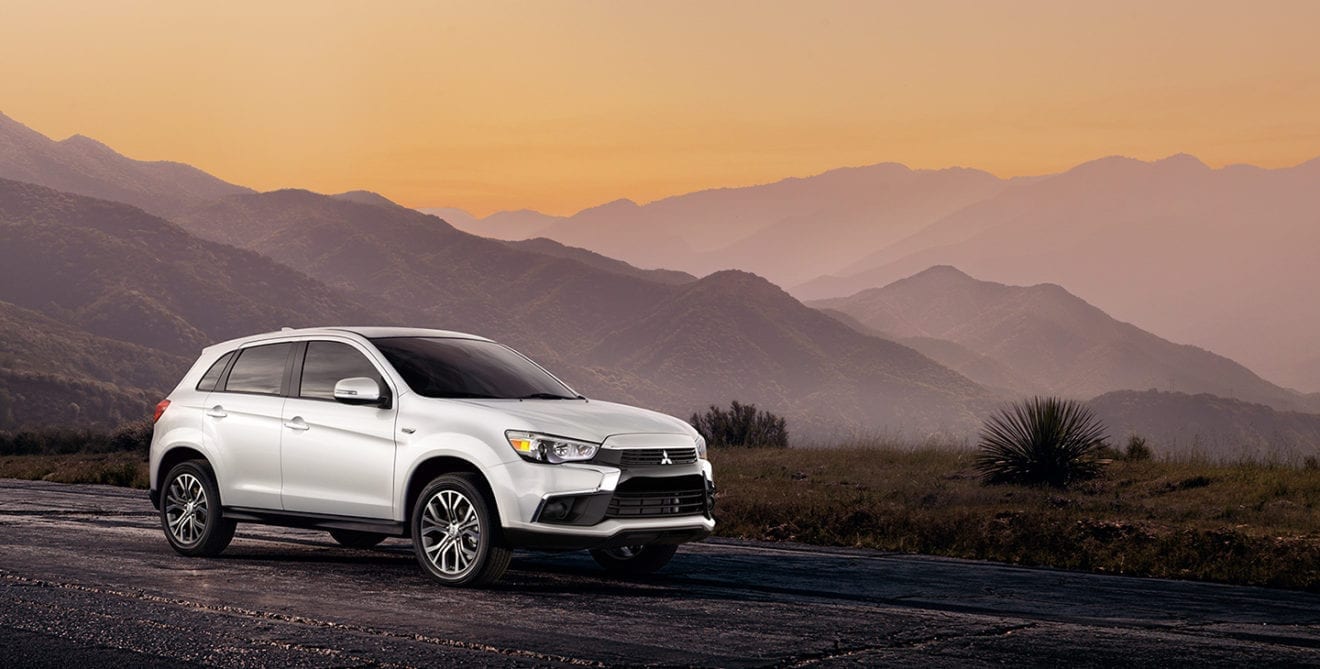
    Mitsubishi Motors Corporation (MMC) and business partners Mitsubishi Corporation (MC), PT Krama Yudha (KY) and Mitsubishi FUSO Truck and Bus Corporation (MFTBC) reached a basic agreement on restructuring MMC-brand vehicle sales operations in Indonesia in order to strengthen their Indonesian operating base.

    Under the basic agreement, the current distributor PT Krama Yudha Tiga Berlian Motors (KTB) will be split into MMC and MFTBC brands and a new distributor dedicated to the MMC brand will be set up. The new distributor will enhance MMC’s passenger car sales organization in Indonesia through promoting areas such as branding, sales personnel training, improving the quality of after-sales services and building up the dealer network. The new company is due to start sales operations in April 2017.

    MMC, in partnership with MC and KY began automobile production and sales in 1970 and since then business has grown focusing mainly on commercial vehicle sales.

    To meet further expected growth in the Indonesian passenger car market, MMC is preparing to commence production in April 2017 in a new factory at Mitsubishi Motors Krama Yudha Indonesia (MMKI). In October 2017, MMC also plans to start production of a new compact MPV segment model for which there is a large demand in Indonesia.

    MMC will work to further expand profits in Indonesia through expanding its model lineup, moving its focus from small commercial vehicles to passenger vehicles, strengthening the sales aspect with the new MMC brand-focused distributor in addition to production through the new factory at MMKI and new product.

  • Toyota recalls 340,000 Priuses globally to fix parking brake issue

    Toyota recalls 340,000 Priuses globally to fix parking brake issue

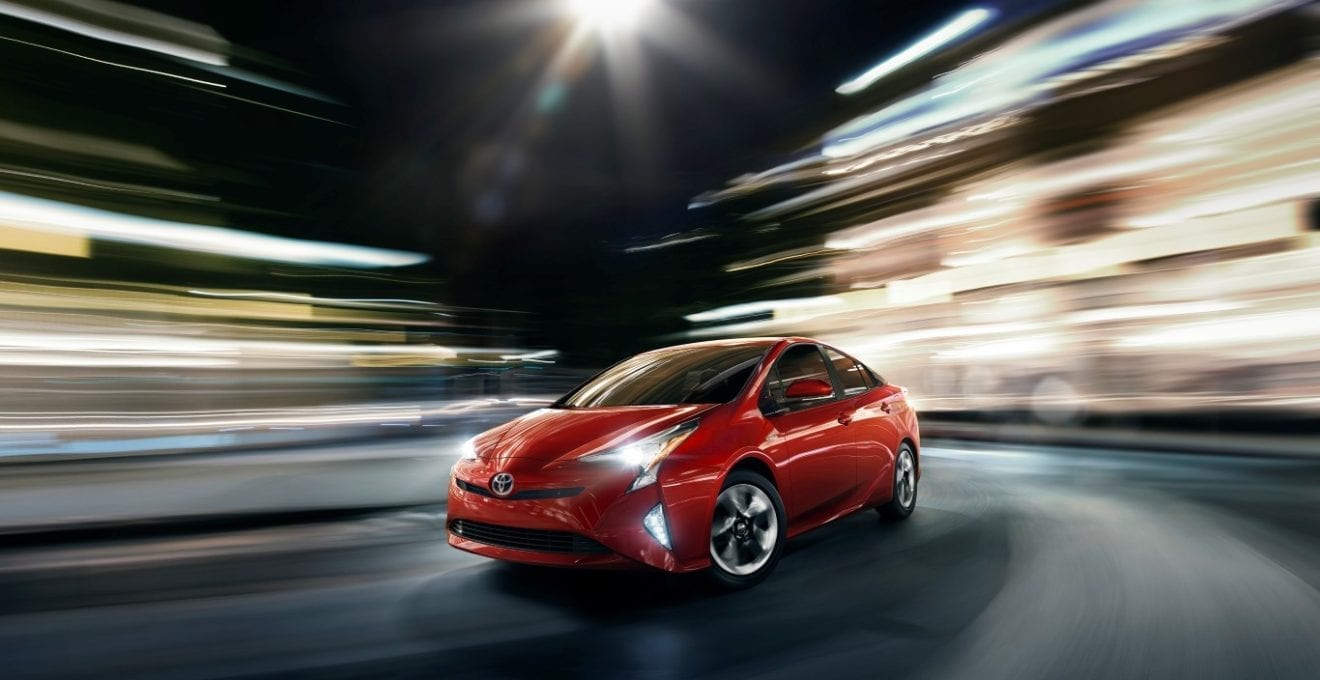
    Toyota Motor Corp said on Wednesday it was recalling around 340,000 of its latest Prius gasoline hybrid model in Japan and overseas to fix a parking brake issue.

    The recall covers models produced between October 2015 and October 2016, and affects around 210,000 vehicles in Japan and 92,000 in North America, Toyota said, adding that the balance would be recalled in Europe, Australia and other regions.

    No accidents have been reported in Japan in connection with the issue, a Toyota spokeswoman said, while declining to comment on whether any accidents had occurred overseas.

  • Tata Motors Jaguar Retail sales up 70% at 17640 units

    Tata Motors Jaguar Retail sales up 70% at 17640 units

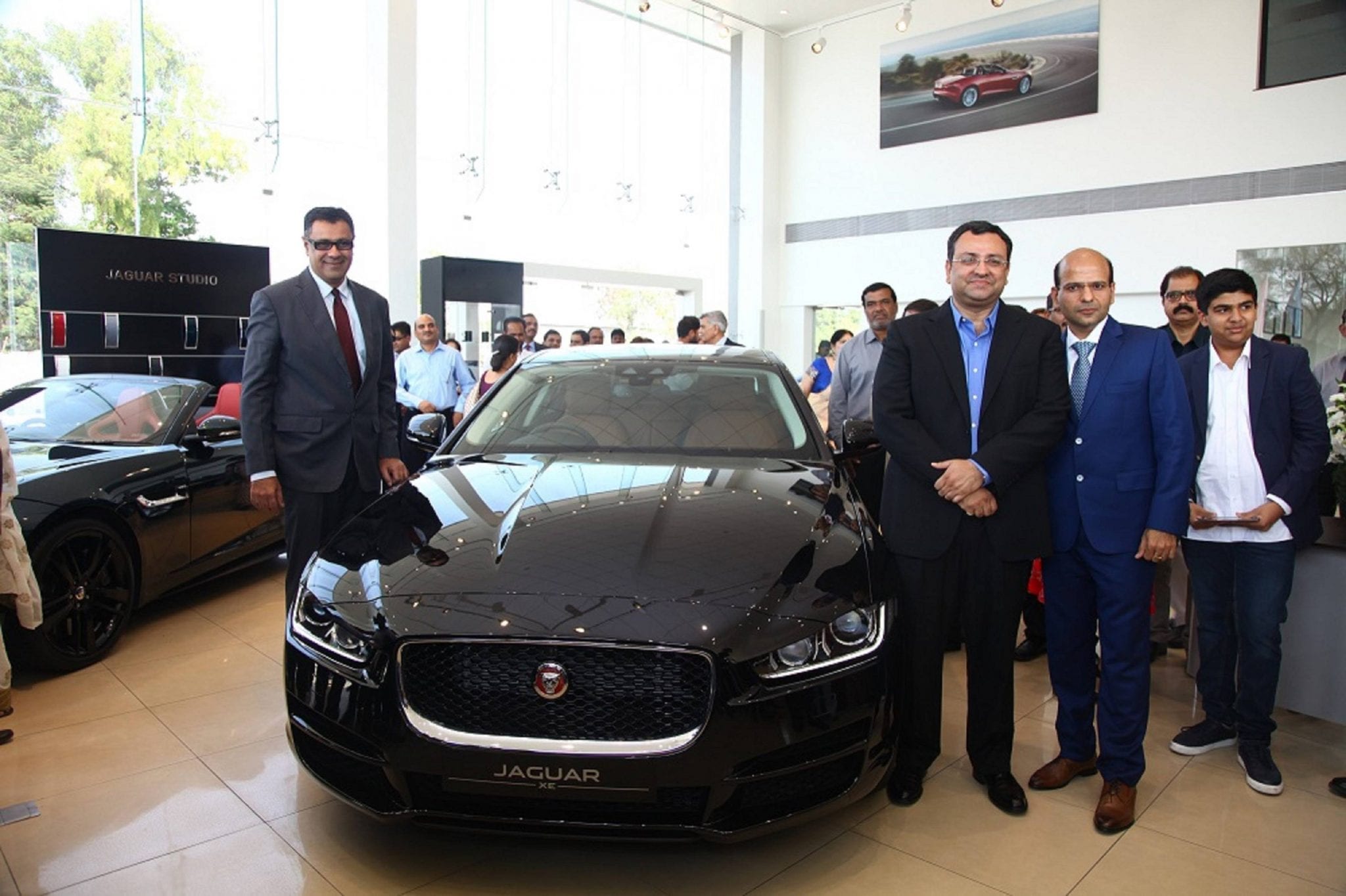
    Jaguar Land Rover, the UK’s leading manufacturer of premium luxury vehicles, today reported its best ever September retail sales of 61,047 vehicles, up 28% compared to September 2015. The month’s performance has been driven by strong sales of the Land Rover Discovery, Discovery Sport, the Range Rover Evoque and the Jaguar F-PACE, as well as solid sales in China.

    Jaguar Land Rover delivered solid retail sales growth across all key regions year on year, with China up 50%, Europe up 32%, UK up 30%, North America up 23% and other overseas markets up 3%. Jaguar Land Rover sold 434,025 vehicles in the first nine months of 2016, 24% up on the same period in the prior year.

    Commenting on the performance, Andy Goss, Jaguar Land Rover Group Sales Operations Director said, “September is always an important month for the automotive industry and we are proud of our results. Performance was strong in China and Europe, where collectively we sold almost 23,000 cars this month alone.

    “With the new Discovery launched in Paris this month and sales starting for the first locallybuilt Jaguar in China – the XFL, our British line-up continues to expand and delight in markets across the world.”

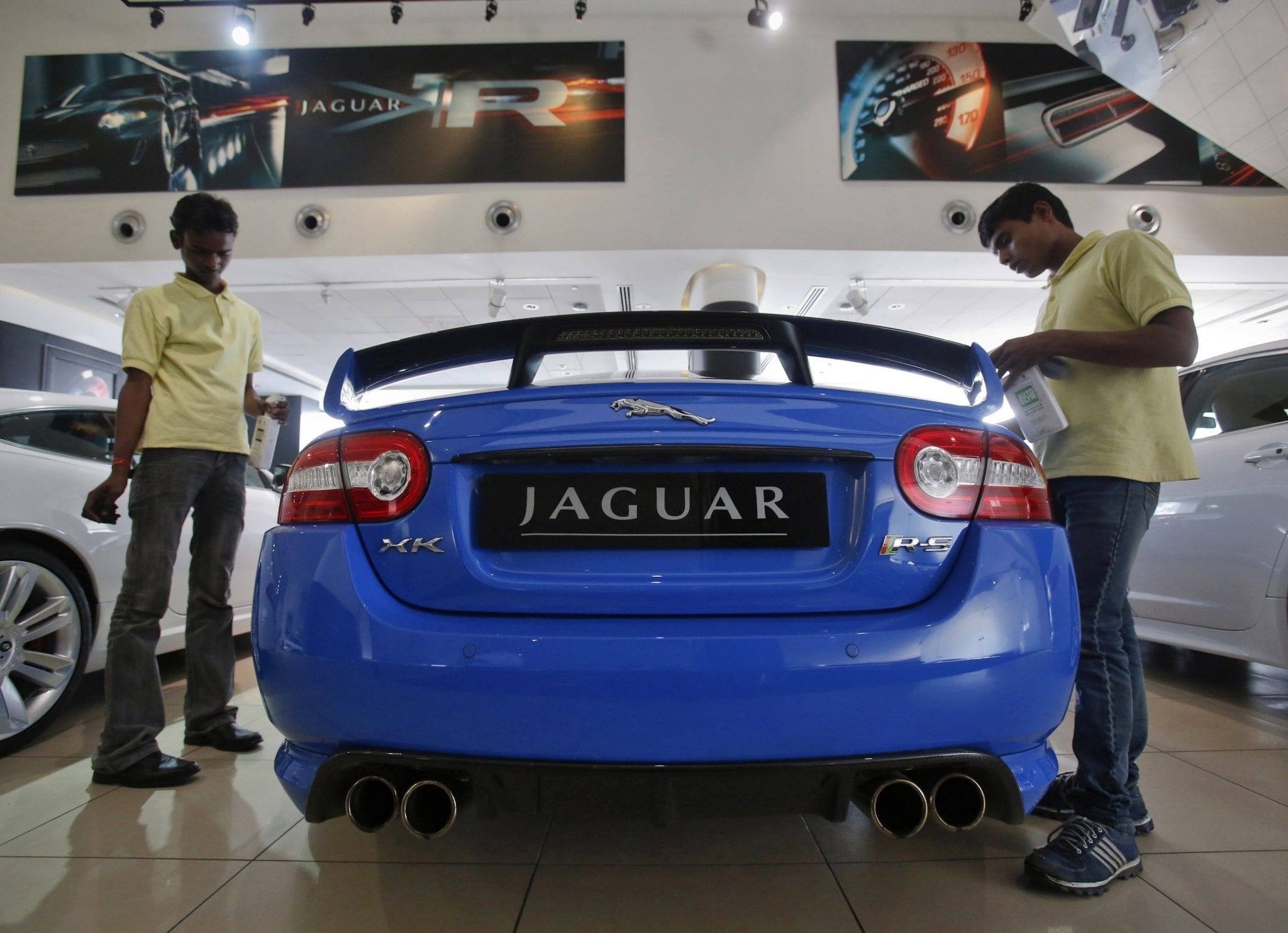
    Jaguar recorded its best September ever, with retail sales reaching 17,640 vehicles, up 70% on the previous year, reflecting the strong launch of the F-PACE as well as continued solid sales of the XE. Calendar year-to-date sales for Jaguar were 103,366 up 72% year-on-year.

    Land Rover strengthened its position as a world-leading manufacturer of all-terrain SUVs, with its strongest ever September sales of 43,407 vehicles, up 17% year-on-year. The strong sales were led by the Discovery Sport, retailing 12,838 vehicles, up 50% compared to last September, and Range Rover Evoque retailing 11,761 vehicles, up 53%. Calendar year-to-date sales for Land Rover reached 330,659 vehicles, 14% up on the prior year.


  • Toyota with Daihatsu gets ready to enter small-car market

    Toyota with Daihatsu gets ready to enter small-car market

    The world’s largest carmaker, Toyota Motor, is finally getting ready to enter the Indian small-car market and challenge the dominance of Maruti Suzuki and Hyundai Motor in their bread-and-butter segment. The Japanese automaker and its unit specialising in small cars, Daihatsu Motor, are expected to drive in a new range of vehicles to India starting 2020-2021.

    A few days ago, Toyota and its fully owned Daihatsu unit announced plans to establish an internal company that will be responsible for compact vehicles for emerging markets, from product planning to production preparation. India is an integral part of this move. The structure of this new internal company is likely to be formed by January, 2017.

    The groundwork has already been done through various studies commissioned over the years, said people in the know of the plans. The Toyota-Daihatsu combine will target the A and B segments, where vehicles are typically priced below Rs 10 lakh. This segment, where Toyota currently has only a limited presence here with the Etios range, is the mainstay for Maruti and Hyundai Motor India.

    The branding for the products is yet to be defined. The new cars under the venture may be branded Toyota or Daihatsu, or it could be an all-new brand in line with how Toyota introduced a ‘Scion’ brand in North America in 2003 — the brand was discontinued this year.

    Through the proposed internal organisation, the objective is to develop and launch competitive compact vehicles in emerging markets based on Daihatsu’s approach to manufacturing affordable, high-quality products. While the small car champion will take the lead responsibility in this new initiative, in India, it will seek to gain from the parent’s understanding of the market.

    Vikram Kirloskar, vice chairman of Toyota Kirloskar, the Indian unit of Toyota, told ET that the initial target of the new company would be Asian countries and that joint decisions would be made to enable the effective use of both companies’ existing bases of operation.

    “We are happy to note that India is among the countries being considered as the responsibility of Daihatsu as the Indian market has strong need for compact vehicles in the B Segment and A Segment which is Daihatsu’s strong point. The priority would be to strengthen operations in each country by first enhancing the collective capabilities of the Toyota Group,” he said.

    More details on the initiative will be known by January of 2017, when the formal structure will be defined, Kirloskar said, while declining to comment on products or timelines.

    A person in the know of the plans said the vehicles would come around 2020 and conform to the BS-VI emission guidelines that would come into effect that year.

    It makes sense for Toyota to launch compact cars in India around 2020, by when the market would grow more than 70% from now and the buying power of the middle class would be much higher, said Gaurav Vangaal, senior analyst for forecasting at IHS Markit Automotive. “But then, countering the already strengthening Maruti and Hyundai won’t be an easy task, though the cars will be from Toyota,” he added.

    Daihatsu will be responsible for the development, procurement and production preparation for compact vehicles for emerging markets based on “DNGA”, a Daihatsu vehicle architecture now being defined, and Toyota will support these efforts by providing knowledge and resources. The business plans will be formulated jointly and, in India, the Toyota-Daihatsu combine is likely to use Toyota’s existing facility on the outskirts of Bengaluru. It factory has an annual capacity to produce 3.1 lakh vehicles and is being underutilised.

    Kirloskar said Toyota is learning about Daihatsu’s strengths, such as its work processes and approach to manufacturing at both its production and development workplaces. Daihatsu, on the other hand, is receiving various kinds of support related to the evolution of automobile manufacturing, such as information related to advanced technologies, starting with hybrids.

    “We are hopeful that by sharing and unifying strategies for the future, mutual synergies will be steadily achieved and result would be seen in India as well,” he added.

    Daihatsu has twice in the past attempted to enter the Indian market — first in late 2000 and then a few years later.

    According a person in the know of Toyota’s plans, the sourcing executives of Daihatsu have already met vendors to discuss a few projects.

    Another said future growth for the company would likely come from Asia. “The needs of these markets are different from the developed world; they can be catered only through Daihatsu’s small car,” he added.

    Daihatsu will launch a new generation Agya or Ayla — a small car sold in Indonesia — by 2019 and it is the same car which is being explored for the Indian market, said year another person. “The company has also studied the possibility of launching the B segment SUV for India.”

  • Fuji Heavy recalls 100,000 Subaru cars to fix air pump switch

    Fuji Heavy recalls 100,000 Subaru cars to fix air pump switch

    Japan’s Fuji Heavy Industries said on Thursday it was recalling about 100,000 of its Subaru-branded vehicles in Japan to fix a problem with an air pump switch located in the main fuse box.

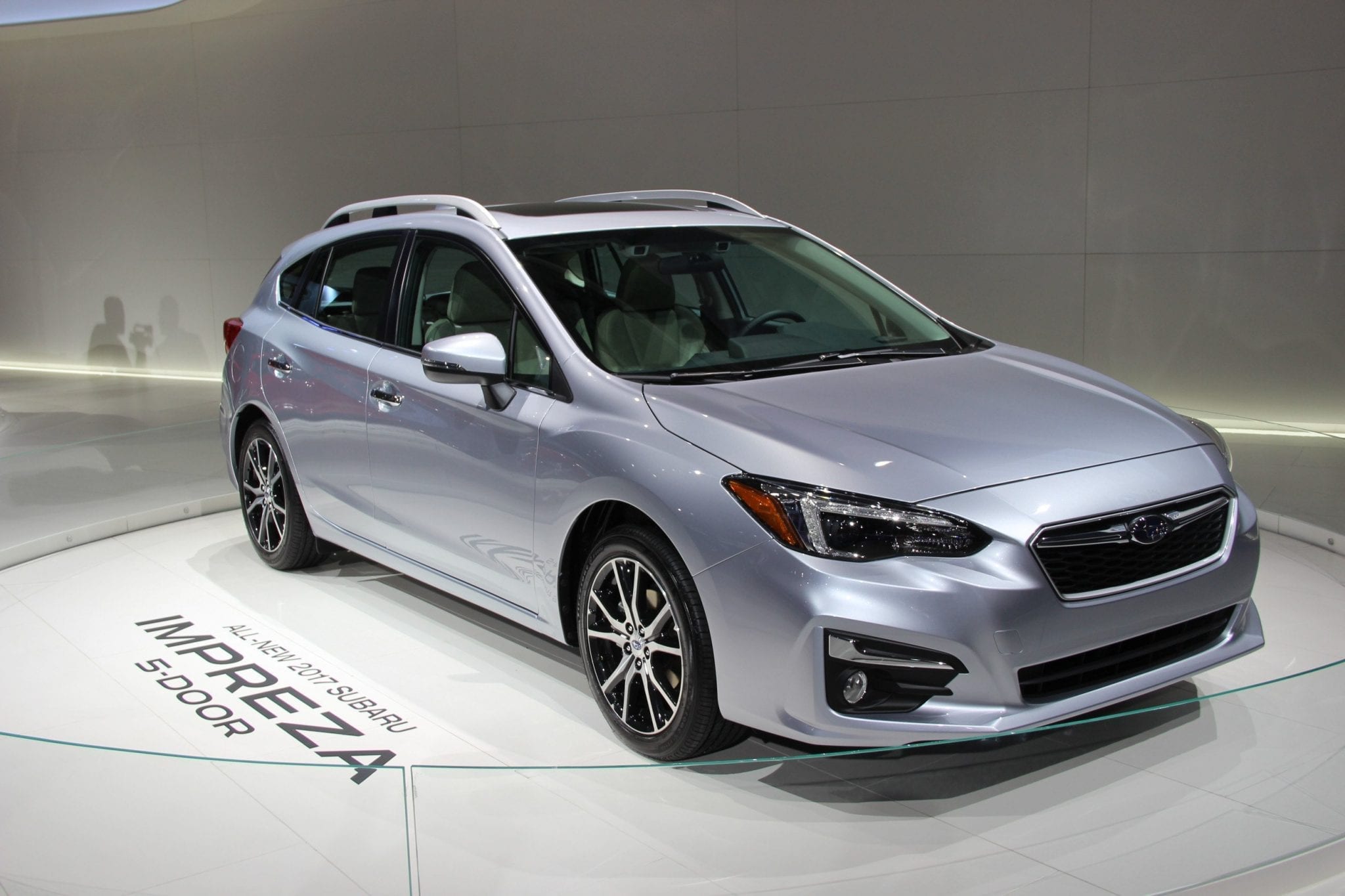
    The recall covers models including the Legacy and Imprezza, along with Exiga and Forrester crossover SUVs produced in 2006-2013.

    The Japanese automaker said it was also planning to recall models overseas, but declined to give further details.

  • High-end luxury car market hit hard

    High-end luxury car market hit hard

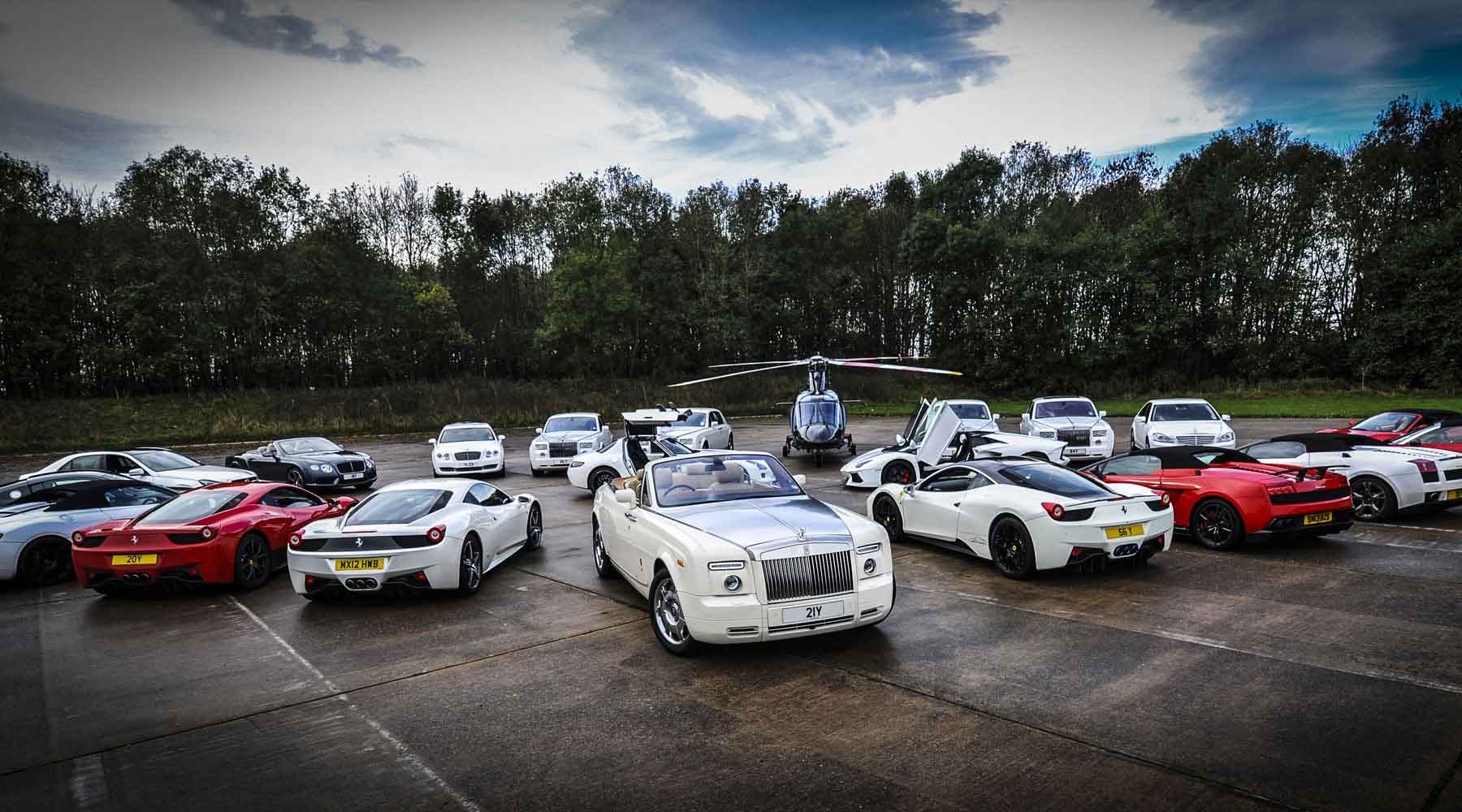
    The bottom may already be falling out of the high-end luxury car segment because of the gloomy economy, but Indonesia’s tax amnesty scheme seems to be exacerbating the situation.

    This segment groups super sports car and ultra luxury limousine brands, namely Ferrari, Lamborghini, McLaren, Aston Martin, Rolls-Royce and Bentley.

    From January to August this year, a total of 91 of these cars were registered here, according to the Land Transport Authority. This is down 27 per cent or about a quarter from the 125 units registered in the same period last year.

    This is in stark contrast to the total year-to-date registrations for the overall car market, which soared 71 per cent from 33,673 to 57,468.

    According to some dealers, the high-end luxury car segment has been particularly quiet in the past couple of months since the start of the Hungry Ghost Festival, a period when prospective buyers traditionally refrain from making big-ticket purchases.

    Pang Cheong Yan, managing director of Wearnes Automotive, said: “Generally, people are becoming more cautious as they are not sure how long this current economic climate will continue.”

    Mr Pang, who is in charge of the Aston Martin and Bentley brands, added that it did not mean that this group of buyers is “less rich”.

    “They are just not willing to spend on discretionary items.”

    Melvin Goh, chief executive officer of EuroSports Global, said that the wealthy are being “more careful with their spending”. EuroSports distributes Lamborghini and Zonda, among other brands.

    Mr Goh said: “Business sentiment is weak and this has affected the Lamborghini business. Fortunately though, we have the LP580-2 Coupe and Spider priced below S$1 million and these are still selling.”

    Mr Goh explained that the S$1 million mark is a psychological barrier for many people, so anything just below it becomes a “magic number”.

    Besides the economy, however, some dealers said that Indonesia’s tax amnesty scheme is also hurting their business.

    The director of a high-end luxury brand, who declined to be named, said that as many as 30 per cent of his customers are wealthy Indonesians and “this group is gone”.

    He said that many are “scrambling for cash” to pay the taxman after having declared their assets to the authorities.

    “As for the rest who still have spare cash, they won’t spend until they are in the clear.”

    The head of another high-end luxury dealership agreed. He said that while the large majority of his customers – up to 90 per cent – are Singaporeans, some of the remaining 10 per cent are also feeling the heat from the tax amnesty issue.

    “For now, they are not going to be seen spending any of their money on expensive cars.”

  • India auto sales soar 20% in September ahead of festive seasons

    India auto sales soar 20% in September ahead of festive seasons

    Demand is expected to slowdown in the coming months, however.

    During Sep-16, domestic sales of passenger vehicles rose 20% YoY and two wheelers grew 22% YoY, ahead of Diwali and Dussera in Oct-16.

    MayBank KimEng’s channel checks suggest the demand for automobiles is 10% more than in the previous two festive seasons.

    “We expect demand to normalize lower in Nov and Dec as dealers start cutting inventories,” it said in a report.

    The Society of Indian Automobile Manufacturers (SIAM) confirmed the uptrend by revising up its sales growth forecast to 10-12% for FY17 from 6-8%.

    “We will wait for two more months of retail sales data before deciding whether to revise up our growth forecasts,” said MayBank KimEng.

  • Ford Philippines retail sales up 32% in Q3

    Ford Philippines retail sales up 32% in Q3

    Retail sales of Ford Philippines surged to 8,244 units in the third quarter of 2016, up 32 percent from a year earlier.

    The demand for the EcoSport, Ranger, and Everest models helped grow the carmakers’s Philippine sales, Ford said in a statement on Thursday.

    Car sales stood at 24,993 units in the year-to-date, up 50 percent year-on-year.

    “Our full lineup of global Ford vehicles is contributing to another exceptional year of growth. EcoSport, Everest and Ranger continue to be the main drivers, but the rest of our showroom, including vehicles like Explorer, Fiesta and Mustang are helping build on the broad-based appeal for the Ford brand in the market,” said Lance Mosley, managing director of Ford Philippines.

    Ford Philippines is the local distributor of America’s Ford Motor Co.

  • GM Korea sales plunge 12.4 pct on-year in September

    GM Korea sales plunge 12.4 pct on-year in September

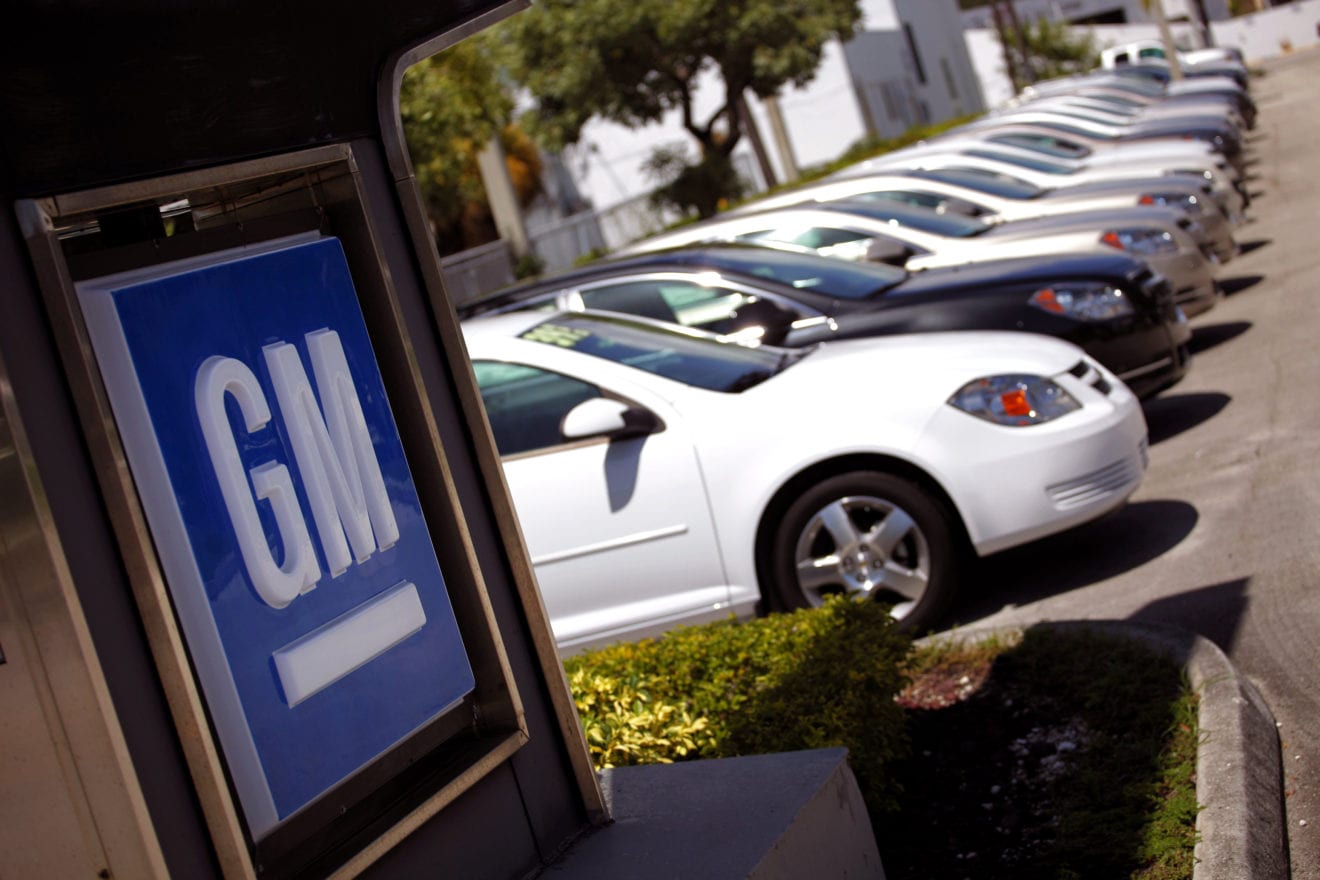
    GM Korea Co., the local unit of U.S. automaker General Motors Co., said Tuesday its sales dropped over 12 percent from a year earlier last month as both its domestic sales and exports suffered heavy losses.

    In September, the company sold 45,113 vehicles globally, down 12.4 percent from the same month last year, the company said in a press release.

    Domestic sales tumbled 14.1 percent on-year to 14,078 cars, while exports retreated 11.16 percent to 31,035 vehicles.

    In the first nine months of the year, the company’s global sales slipped 4.4 percent to 434,573 cars despite a 12.3 percent on-year spike in domestic sales as its outbound shipments plunged 10 percent on-year to 306,583 units over the cited period.