Category: Automotive

Retail News Asia is committed to providing both local and global retailers with the latest Auto and Car news throughout the Asian market. This on a daily base.

  • CEO Mary Barra Bets General Motors Can Grow Beyond Cars And Trucks

    CEO Mary Barra Bets General Motors Can Grow Beyond Cars And Trucks

    Pam Fletcher wants to change the way General Motors Co makes money. The veteran GM engineer’s Global Innovation team is looking for new enterprises to expand the automaker’s sources of revenue well beyond vehicle sales and is incubating ventures from commercial delivery services to vehicle insurance, to address future markets worth an estimated $1.3 trillion. That doesn’t include flying cars, a market sector that alone could be worth $1.3 trillion, Fletcher told Reuters.

    On a recent video chat, Fletcher counted silently before answering how many ventures her team is shepherding. “Just under 20,” she said.

    The fact that GM is now incubating its own startups – with its corporate venture arm investing in dozens more- underscores Chief Executive Mary Barra’s sweeping effort to remake the largest U.S. carmaker. The goal is to become a diversified purveyor of mobility services – the automotive equivalent of Apple, with revenue that rolls in monthly or quarterly from software and services long after the initial product is sold.

    For legacy automakers such as GM, Volkswagen and others attempting to overhaul and transform their businesses, that task is daunting, according to Evangelos Simoudis, author and adviser on corporate innovation strategy.

    “The technologies incorporated in the software-defined vehicle will require areas of expertise that one routinely finds in technology companies rather than in automakers,” he said.

    Barra’s push to transform GM’s century-old business model is already having a significant impact – even though the first of a new generation of electric vehicles she has promised is still months from launch. GM returned $24 billion to shareholders in dividends and stock buybacks between 2014, when Barra took over, and early 2020. But those buybacks were suspended indefinitely when the pandemic hit last spring. Now, Barra told Reuters, the company has more productive uses for its money: Investing in electric vehicles and expansion of business lines that promise recurring revenue streams.

    GM’s new ventures could add tens of billions to the future revenue, Barra said, and push operating profit margins above the current 8% it achieved in 2020, and the 10% it has targeted long term. “We have very significant growth opportunities and different margin opportunity initiatives to invest in,” she said in a video interview. Barra’s shift from stock buybacks to investing in recurring revenue services, coupled with a drive to make GM an all-EV company by 2035, has achieved in one year what a decade of cost cuts and cash returns to shareholders could not.

    GM’s share price over the past six months has broken out of the range it was stuck in since the company’s post-bankruptcy IPO in 2010. GM shares hit a post-2010 high of $62.23 on March 18 and are up nearly 50% for the year. Still, GM’s $90 billion market cap lags Tesla Inc’s $600 billion valuation by a wide margin, reflecting doubts among investors that a 113-year-old Detroit manufacturer can keep up with an 18-year-old Silicon Valley company that has no technology or workforce legacy burdens to slog through.

    “I understand why people may be skeptical (of GM) because this is a company where we have seen revolutions being announced over the last half century and for some reasons it wasn’t authentic,” says Jeffrey Sonnenfeld, a dean of leadership programs at the Yale School of Management.

    Barra, he said, “has the authenticity and legitimacy to pull it off in a way that a lot of other people wouldn’t.”

    Barra’s effort to remake GM’s business relies on an executive corps that mixes long-time GM managers like herself – Barra has worked at the company for 40 years – and recent recruits from outside the auto industry.

    “We’re marrying people who really understand the auto business with people who understand these other businesses that we think are growth opportunities,” Barra said.

    A new venture that combines several aspects of GM’s approach is BrightDrop, a unit that will provide electric vans and related hardware to commercial delivery firms, starting with FedEx, along with support services from fleet management to predictive analytics.

    GM rival Ford Motor Co is introducing its own electric delivery van and expanding support services to defend its leading share of the U.S. commercial vehicle market of more than 40%.

    BrightDrop, one of the first “graduates” of Fletcher’s innovation incubator, started life less than two years ago as an idea initially dubbed Smart Cargo.

    Fletcher’s team started incubating Smart Cargo in September 2019, about the same time another GM group was working on the company’s future electric vehicle portfolio. The “big idea” – marrying an electric van with the software- and data-driven delivery services business – was hatched in February 2020.

    The enterprise gained additional traction in late 2020, when GM recruited longtime tech entrepreneur Travis Katz to become BrightDrop’s president and CEO.

    Ultimately, GM’s leadership wants BrightDrop to operate independently and cultivate “outside ideas and new ways of thinking,” Katz told Reuters.

    “We expect BrightDrop to be a very big and very profitable business,” he added. Eventually, “there will be a lot of learnings from the BrightDrop experience that will flow back into GM.”

    Barra also is building GM’s long-standing OnStar telematics business into a platform for selling insurance and other services that can be delivered over the air.

    Santiago Chamorro, head of global connected services, has expanded OnStar’s safety and security portfolio with new products and services incubated in-house, including OnStar Insurance, mobile safety app Guardian and Vehicle Insights, a data analytics platform for commercial fleet managers.

    Insurance, a new arena for GM, is led by outside hire Andrew Rose, who previously worked for auto insurance powers Progressive and Britain’s Admiral Group.

    Rose says GM dealers could offer policies to owners when they buy or lease a vehicle. OnStar could offer discounts to better drivers, as well as quicker claims service after an accident, and eventually could offer home insurance as part of the package.

    GM has never broken out OnStar’s financial results, and Barra won’t say if or when the company will do so.

    “OnStar is already a very significant business,” she said. “We think there are opportunities to grow it even out beyond our vehicles.”

  • Switch Mobility And Siemens Partner To Work On Electric Mobility Projects In India

    Switch Mobility And Siemens Partner To Work On Electric Mobility Projects In India

    Home-grown commercial vehicle manufacturer, Ashok Leyland’s global electric mobility arm, Switch Mobility has entered into a partnership with German technology conglomerate, Siemens Limited. The two companies have signed a Memorandum of Understanding (MOU) towards building a cooperative technological partnership in the electric commercial mobility segment and work on eMobility projects in India. The company says that the main objective of this partnership between the two brands is to offer efficient, cost-effective and sustainable e-mobility solutions to various commercial vehicle customers in India.

    Commenting on the partnership, Nitin Seth, Director, Switch Mobility said, “Our collaboration with Siemens will focus on key identified areas, which will be critical to propel ourselves as an industry, towards clean and sustainable mobility solutions. Our overarching objective is to achieve the lowest Total Cost of Ownership (TCO) and our endeavour with Siemens will focus on it to make eMobility a compelling solution for businesses and the environment in India.”

    At the same time Sunil Mathur, Managing Director and Chief Executive Officer, Siemens Limited, said, “Siemens is a global leader in e-mobility solutions for commercial vehicles. We have been implementing projects for electric commercial vehicles across the globe. Together with Switch Mobility, we intend to implement high-quality techno-commercial solutions to address the needs of the growing E-mobility market in India.”

    To achieve their joint objective, for its part, Switch Mobility will offer its strong electric commercial vehicle industry experience. Siemens, on the other hand, will bring its flexible, high-efficiency charging infrastructure technology to the table, which comes with efficient and reliable medium-voltage grid connection solutions. The company says that Siemens’ charging infrastructure management software solution would enhance the energy-efficient operations of the chargers.

    As part of the MOU, Siemens Financial Services (SFS), the financing arm of Siemens AG, will consider a minority investment in OHM Global Mobility Private Ltd., the eMaas platform company to be formed as a subsidiary of Switch Mobility Automotive Limited.

  • Indian motorcycle maker Royal Enfields bids goodbye to Vietnam

    Indian motorcycle maker Royal Enfields bids goodbye to Vietnam

    Indian motorbike maker Royal Enfield is pulling out of Vietnam after a disappointing four-year run.

    Al Naboodah International, the official distributor of the brand, said the decision was made since business results did not meet expectations.

    It said since Royal Enfield vehicles are imported from India they do not get import tax waivers like other brands such as Honda, Ducati and Kawasaki, which are shipped from Thailand.

    Another reason for the poor sales was that the retro and classic designs of Royal Enfield motorcycles were not popular in Vietnam, it said.

    It did not disclose sales figures.

    But it assured that warranty and maintenance services would continue uninterrupted.

    Al Naboodah International also represents also two other brands, Triumph and Harley Davidson, in Vietnam.

    Royal Enfield was originally the U.K.’s Enfield Cycle Company Limited established in 1901.

    In 1955, it and its Indian partner, Madras Motors, founded Enfield of India with a factory in Chennai that produced the first batch of 800 Royal Enfield Bullet 350 cc engines for the Indian government.

    When Royal Enfield ceased operations in the U.K. in 1967, Enfield of India continued to operate and was acquired by tractor and commercial vehicle manufacturer Eicher Group Limited (India) in 1994.

    The company later changed the name to Royal Enfield Motors Limited.

  • Volkswagen To Buy Credits From Tesla In China To Comply With Environmental Rules

    Volkswagen To Buy Credits From Tesla In China To Comply With Environmental Rules

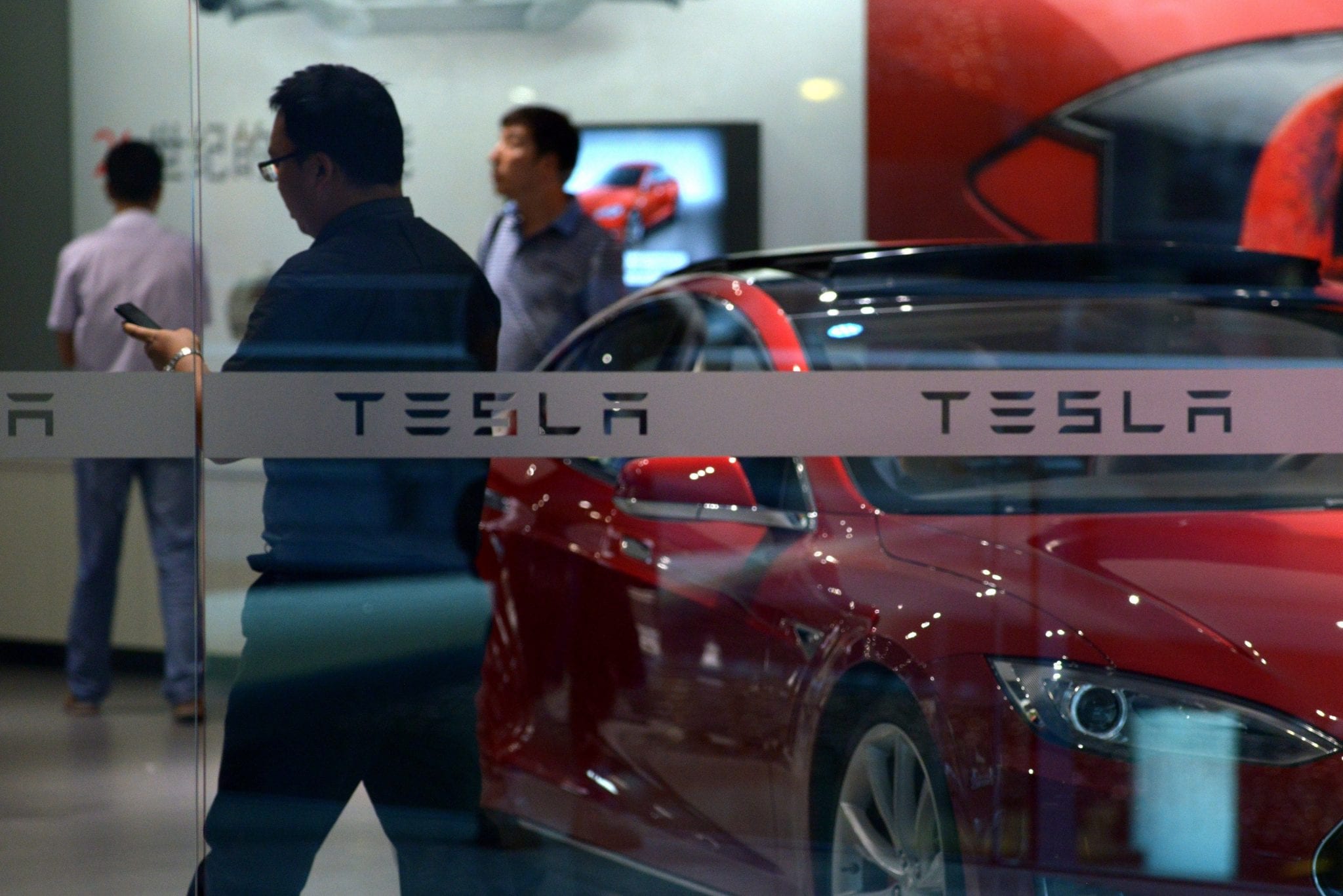
    A Volkswagen joint venture in China has agreed to buy green car credits from Tesla to help meet local environmental rules, three people briefed on the matter told Reuters. The deal, the first of its kind to be reported between the two companies in China, highlights the scale of the task Volkswagen faces in transforming its huge petrol carmaking business into a leader in electric vehicles to rival Tesla. Shares in Volkswagen, the world’s second-biggest automaker, have soared this year as investors warm to its plans to go electric. But in China, and elsewhere, the German company is still heavily reliant on traditional combustion-engine vehicles.

    China, the world’s biggest auto market where over 25 million vehicles were sold last year, runs a credit system that encourages automakers to work towards a cleaner future by, for example, improving fuel efficiency or making more electric cars. Manufacturers are awarded green credits that can be offset against negative credits for producing more polluting vehicles. They can also buy green credits to ensure compliance with overall targets, though trade is usually between affiliated companies that share a major stakeholder.

    To help meet increasingly tough targets, Volkswagen’s joint venture with state-owned Chinese automaker FAW, or FAW-Volkswagen, has agreed to buy credits from Tesla, the sources said, declining to be named as the talks were private. Volkswagen declined to comment on the deal. It said in a statement it was “strategically targeting to be self-compliant” with rules in China, but that if required it would buy credits. Tesla did not respond to requests for comment.

    FAW-Volkswagen sold 2.16 million cars last year. The business and another Volkswagen venture in China – with SAIC Motor – were among the most negative credit-generating automakers in the country in 2019, according to data from China’s Ministry of Industry and Information Technology. The ventures’ gasoline sedans and SUVs have so far proved far more popular in China than their electric vehicles. It is unclear how many green credits FAW-Volkswagen will buy from Tesla, but FAW-Volkswagen’s offer was around 3,000 yuan per credit, higher than prices in previous years, the sources said.

    The deal effectively sees Volkswagen, the biggest foreign carmaker in China, subsidising a rival while the German group ramps up production of electric vehicles. Its ventures in China plan to roll out five electric ID series models this year.

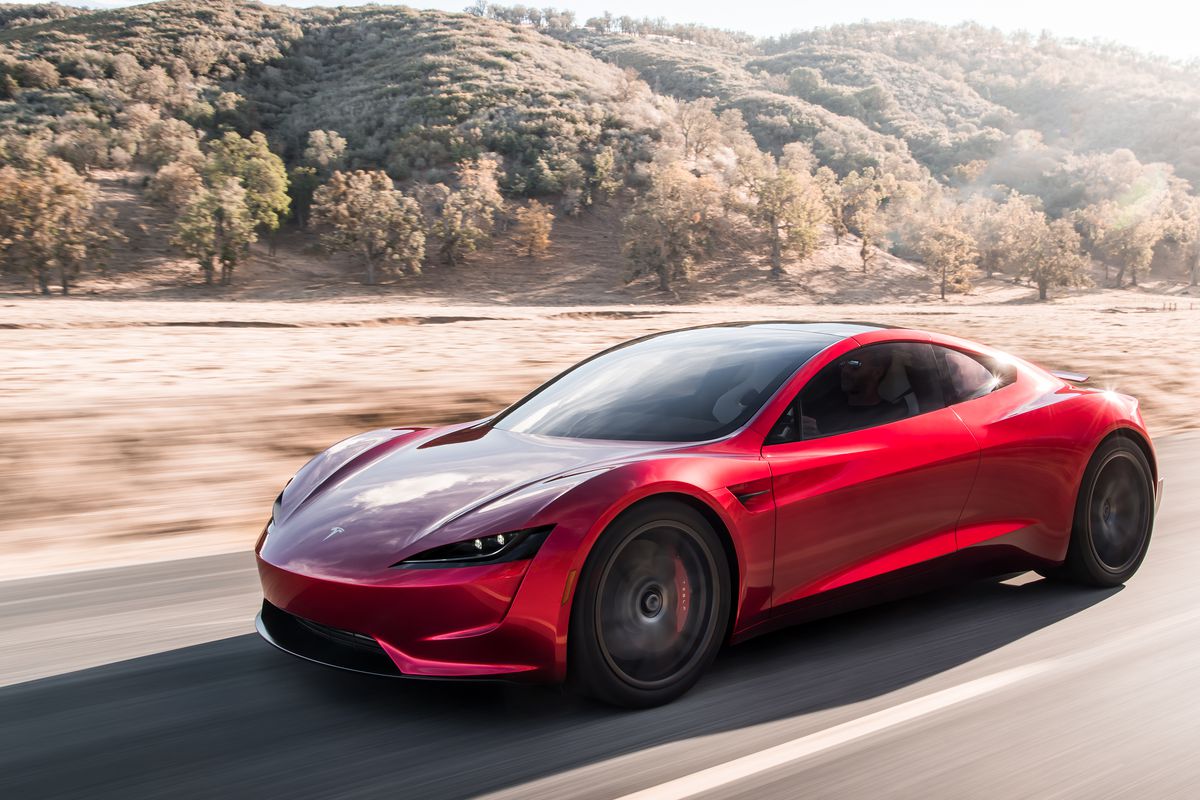
    In the United States, where regulators also set environmental requirements, Tesla has sold regulatory credits to rivals such as Fiat Chrysler, now part of Stellantis, but it has not so far reported any deals in China, where it started making cars in late 2019. Tesla’s revenue from selling regulatory credits totalled $1.58 billion in 2020, according to a regulatory filing.

  • Volkswagen US Changes Its Name To Voltswagen To Signify Brand’s Electric Aspirations

    Volkswagen US Changes Its Name To Voltswagen To Signify Brand’s Electric Aspirations

    Voltswagen! Yes, that will be the name of German auto giant Volkswagen’s operations in the United States of America. The official brand name has changed from Volkswagen of America to ‘Voltswagen of America’ and clearly emphasizes the brand’s electric aspirations in the market. The new name, the automaker, symbolises the brand’s momentum towards moving people from point-to-point with electric vehicles. But we now know that this was an April Fool’s joke by the company.

    To give it that reality flavour, the company even quoted Scott Keogh, president and CEO of Voltswagen of America, saying, “We might be changing out our K for a T, but what we aren’t changing is this brand’s commitment to making best-in-class vehicles for drivers and people everywhere. The idea of a ‘people’s car’ is the very fabric of our being. From the beginning of our shift to an electric future, we have said that we will build EVs for the millions, not just millionaires. This name change signifies a nod to our past as the peoples’ car and our firm belief that our future is in being the peoples’ electric car.”

    Do note that the Voltswagen name was to be specific to the US market, while the company will continue to use its original name in other markets globally. The Voltswagen name, though, isn’t exactly all-new. The brand had used it in one of their ads in 2013 while promoting the Volkswagen e-Up! in Europe.

    “As our newly launched ID.4 campaign demonstrates, the humanity at the core of this brand remains its enduring legacy,” said Kimberley Gardiner, senior vice president, Voltswagen of America brand marketing. “The tone of Voltswagen will be a consistent thread between the branded communications for our growing electric fleet to our gas vehicles. Over the course of the next few months, you will see the brand transition at all consumer touchpoints. This is an exciting moment for us, and we have been working through every avenue to make the transition clear, consistent, seamless, and fun for all.”

    The new name strategy also comes when the company has introduced the ID.4 SUV in the US, its first all-electric offering. The automaker has also said that its electric cars will sport the Voltswagen exterior badge and get a light blue version of the brand logo to differentiate the new EV-centric branding. Meanwhile, the gasoline-powered cars will retain the iconic dark blue VW logo, albeit without any exterior badging of the new name

  • Indian Consumers Prefer 3D Catalogues As Digital First Trend Takes Off Because Of COVID19

    Indian Consumers Prefer 3D Catalogues As Digital First Trend Takes Off Because Of COVID19

    Eccentric Engine’s One 3D platform has been powering the virtual showroom and 3D catalogs for various automobile OEMs has released a survey which reveals 7.6 million Indians chose to experience cars virtually in 3D on platforms enabled by its technology in 2020.

    It reports a 300 percent increase from 2019 for its visualization platform One 3D. The data is based on 100 million interactions and over 500 respondents spanning tier 1, tier 2 and tier 3 cities. Its platform enabled research for cars in a virtual 3D format.

    Eccentric Engine’s 3D configurator has been in the market since 2018. Most recently, it enabled the 3D experiences for MG Motors, Citroen and Tata Motors.

    “In India, we work with Maruti Suzuki, Tata Motors, MG, Citroen, Toyota, and Nissan. And also with the newly formed Stellantis (which is the whole PSA group plus FCA),” revealed Varun Shah, the co-founder of Eccentric Engine.

    Shah reveals his platform enables users to explore granular details about vehicles, including details that can’t be explored in review videos or online activations.

    The survey revealed that 51 percent of the sessions were from the 6 top-tier cities including New Delhi, Mumbai, Pune, Hyderabad, Bangalore and Chennai. Even Lucknow broke into 3 percent of the digital sessions making its way into the top 10 cities in India. Interestingly, tier 3 cities accounted for 9 percent of the queries which is an impressive number.

    The survey also revealed that 91 percent of the users who experienced the car online ended up buying the same car offline.

    “By intuitively integrating the real and digital world with One 3D we are excited to create an unprecedented level of customer engagement for our OEM partners to understand evolving consumer needs and help them serve their customers better by offering world-class product visualization that can create surprise and delight and personalize their buying experience,” said Varun Shah.

    The survey also revealed that non-resident Indians were making buying decisions for their families in India digitally. 4.6 percent sessions were from NRIs out of which 31 percent were from North America, 32 percent were from the Middle East, 10 percent were from Europe, 5 percent from the UK, 4 percent from Australia, 2 percent Africa and 1 percent from Latin America.

    The survey also showed blue and white were the most popular shades by more than 40 percent. 35 percent people preferred the colour grey, brown and silver. Red, black and orange were preferred by 15 percent.

    Indian automakers have seen a sharp rise in digital interaction over the past couple of years and yes, it’s been largely driven by the pandemic. Audi India, Volkswagen India saw an uptick of 70% in online interface compared to pre-covid times and with new tech, enhancing that experience for customers is going to be paramount. More manufacturers are now getting into the game and innovation is at the top of everyone’s agenda.

  • Volkswagen Clarifies That It’s Not Rebranding To Voltswagen In The US

    Volkswagen Clarifies That It’s Not Rebranding To Voltswagen In The US

    Earlier today we told you about Volkswagen’s plan to change its name to Voltswagen in the US. Volkswagen US in fact issued a statement that it had changed from Volkswagen of America to ‘Voltswagen of America’ to show the clear emphasis on the brand’s electric aspirations in the market.

    The news clearly had a big impact given that there were official quotes from the company’s top management and soon, there was a lot of confusion about how the shares were going to be transferred to the new name. The announcement also saw Volkswagen’s stock price rise by 5 percent on Tuesday as well.

    Scott Keogh, president and CEO of Volkswagen of America, said in the release, “We might be changing out our K for a T, but what we aren’t changing is this brand’s commitment to making best-in-class vehicles for drivers and people everywhere,”

    However, it’s come to light now, that the company had intended it as an ‘April Fools’ post. VW issued a statement confirming that it won’t be changing its brand name to ‘Voltswagen’. The company sent out a statement saying that “The renaming was designed to be an announcement in the spirit of April Fool’s Day,”

    Volkswagen clearly fooled retail news as well like the many other media houses around the globe and kudos to the team for it. However, it will be interesting to see if the rise in the stock price of the company will prompt an inquiry from the SEC in the US.

  • Mercedes-Benz EQS Cabin Revealed

    Mercedes-Benz EQS Cabin Revealed

    The EQS is the luxurious and avant-garde top-of-the-range model from Mercedes-EQ and while we’ve seen teasers from the company, we are looking forward to see what the car is actually like and come April 15, we’ll see the what it looks like. But the company has now revealed what the cabin of the EQS looks like and we have to say it looks something from outer space and the reason we say this is because of the MBUX Hyperscreen that is showcased in the car.

    Though optional, the entire instrument panel is one ultimate widescreen. This determines the aesthetics of the entire cockpit and interior. The real glass appears to drape itself in three dimensions over the entire width of the vehicle like a wave – a unique feature in automotive construction to date.

    The high-resolution screens merge seemingly seamlessly under the shared glass cover. The graphic appearance of their MBUX content is tailored to each other. The MBUX Hyperscreen is integrated into the instrument panel in minimalist fashion. The MBUX Hyperscreen is surrounded only by a thin silver shadow frame, a vent band and a narrow leather frame, reminiscent of the lower volume body of classic instrument panels.

    The vent band spans across the entire width at the top and is very slim at the same time. These extreme proportions, together with the glass wave of the MBUX Hyperscreen, create the avant-garde architecture of the cockpit. For further details on the MBUX Hyperscreen, see separate chapters.

    The front section of the center console joins the instrument panel and stands freely in space. Flowing leather surfaces with intricate seam patterns create a lot of storage space in combination with a large cover made of real wood. The visual impression is both modern and luxurious.

    The base model without MBUX Hyperscreen has a slightly different center console. There is a soft armrest in the rear section. It is first visually interrupted before being transitioned into the floating central display.

    The design of the door panels borrows from the interior design of modern living spaces. Doors and their center panels emerge from behind the MBUX Hyperscreen to span the space. A surface-mounted modular body floats like a sideboard in front of the door panel. It accommodates all necessary door elements such as armrest, door module, pull handle, and map pocket. Circular ambient lighting completes this floating, avant-garde aesthetic in the dark.

    In combination with the AMG Line interior, the EQS is fitted with sports seats. They are characterized by a slim and monolithic shape. The seat surfaces are designed in such a way that they give the impression of draped-on leather blankets. The technical term is “layering”.

    Common features of the seats are the dynamic graphic patterns with highly elaborate, positioned perforations. Here, too, you will find the typical Mercedes-EQ combination of the highest standards in materials, ambiance and workmanship as well as state-of-the-art technology.

    Avant-garde, as well as traditional materials and colors, give the interior a special atmosphere. Eight coordinated color combinations in the interior emphasize the generous feeling of space. The EQS is immersed in a progressive and luxurious color world of warm and cool tones. Colors such as balao brown-neva grey and space grey-macchiato add the finishing touches to the soft and emotive design. The color rosé gold, derived and evolved from the electric coil, emphasizes the design of the vent band and is used as a contrasting color.

    The shape of both seats is outlined by illuminated piping. This creates a unique night-time ambiance. The innovative trim elements make a decisive contribution to the aesthetics in the EQS. Two examples: the anthracite 3D relief-look trim elements feature tiny metal pigments. The different lighting situations in the vehicle subtly change the appearance and create a subtle value appeal.

    Visually, all graphics are designed in a new color world of blue/orange throughout. The classic cockpit display of the two-round dials has been reinterpreted with a digital laser sword in a glass lens. All content relevant to driving can be accessed between the round dials.

    The “sporty” display from the S-Class has been converted into a three-dimensional performance bar and emotively and impressively conveys the respective driving status (Drive, Accelerate, Charge). The central object here is a “G-force puck”, which dynamically moves freely in space in line with the acceleration forces.

    The appearance of the screens can be individualized with three display styles (discreet, sporty, classic) and three modes (Navigation, Assistance, Service).

    In the EQS, the content of the displays is reduced as much as possible and coordinated with the colour change of the ambient lighting in seven screen color worlds. In “Assistance” mode, important events such as lane changes or target distance control as well as the infrastructure and detected other road users (cars, motorbikes, trucks) are displayed.

    Head-up displays are available in two sizes. They contribute to relaxed driving because the driver does not need to look away from the road. The large augmented head-up display is the highlight here, as it shows relevant information and actions three-dimensionally in the actual driving situation and environment.

  • Mercedes-Benz To Purchase Electricity From Renewable Energy Sources From 2022

    Mercedes-Benz To Purchase Electricity From Renewable Energy Sources From 2022

    Mercedes-Benz has entered into a green power supply contract with energy supplier Enovos and the Norwegian energy producer Statkraft. This means that from 2022 onwards, the company will purchase electricity in Germany which comes exclusively from renewable sources. A green power supply contract ensures the purchase of electricity from renewable energy sources at all times.

    The CO2-free electricity from solar, wind and hydro sources is generated in various power plants, most of which are located in Germany. These include a part of a solar park with the size of 60 football pitches near Ingolstadt and 24 wind farms with a total of more than 200 wind turbines. The electricity generated from this is roughly equivalent to the amount consumed by 65,000 households annually. The intelligent mix is supplemented by electricity from flexible hydropower plants.

    Generation of green electricity is synchronized to follow patterns of consumption so that a supply from the grid with green electricity can be guaranteed on a quarter hourly basis. In many previous green power contracts, feed-in to the grid takes place purely on an annual balance basis. In 2018, Mercedes-Benz was the first major industrial customer in Germany to secure the long-term continued operation of six wind farms in northern Germany after the end of the EEG subsidy through a similar concept. The first Mercedes-Benz locations are already being supplied with this CO2-free electricity.

    In Germany, green electricity procurement is ensured not only for the passenger car production plants but for all Daimler locations. This also includes the German van, truck and bus plants as well as the central and administrative units – more than 100 locations in total. The company is thus making a significant contribution to the expansion of renewable energy in Germany and to the energy transition.

    With Ambition 2039, Mercedes-Benz is pursuing the goal of a fully connected and CO2 neutral vehicle fleet in 2039 – eleven years earlier than required by EU legislation. The company envisages that more than 50 percent of its passenger car unit sales will be accounted for by plug-in hybrids or all-electric vehicles by 2030.

  • Harley-Davidson Pan America Production Begins

    Harley-Davidson Pan America Production Begins

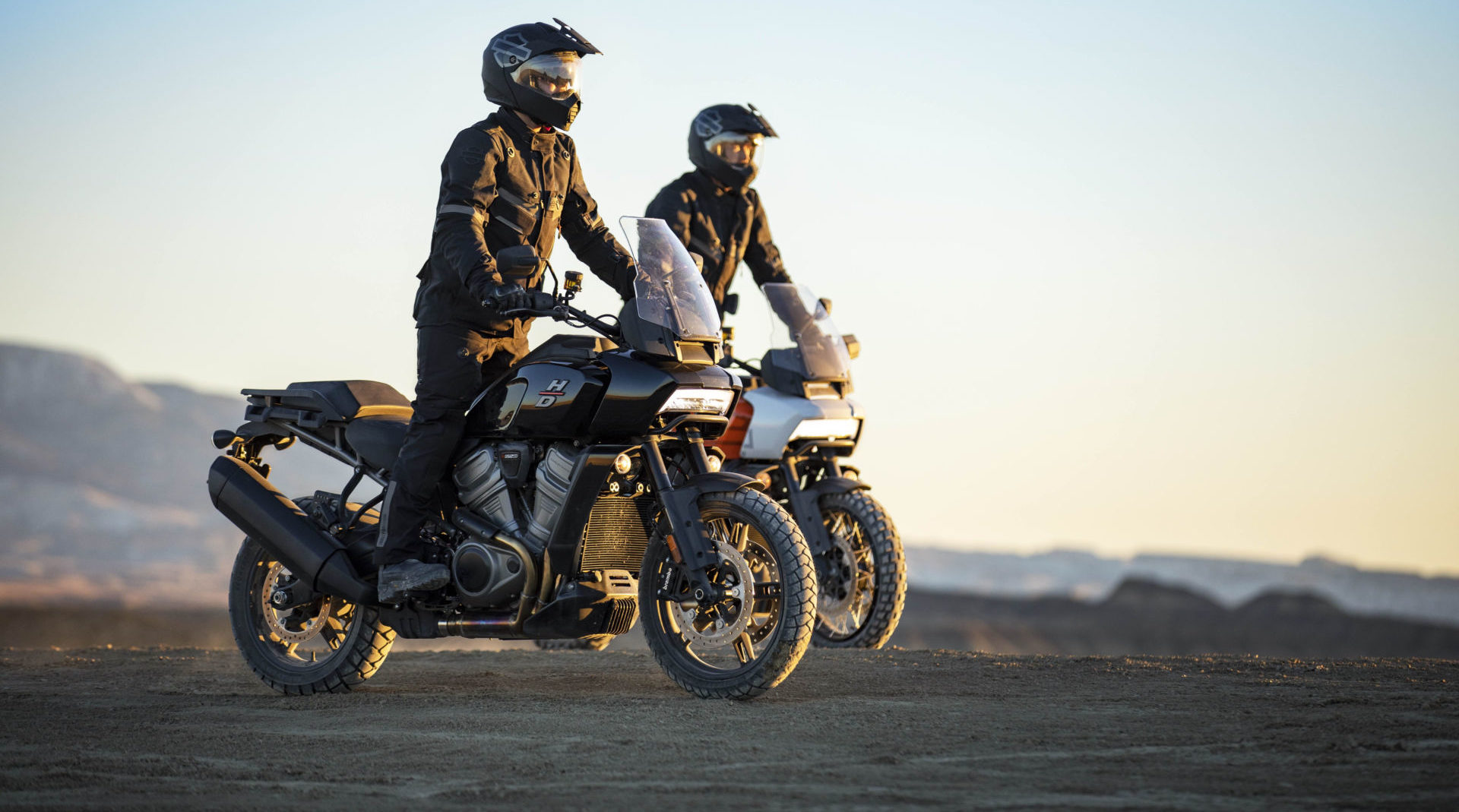
    The Harley-Davidson Pan America has started rolling off the production line from Harley’s York, Pennsylvania Vehicle Operations Plant. And it’s soon to make its way not just across the Atlantic to Europe, but to India and the rest of Asia as well. Back in the US, the action around the Pan America is heating up. A new video released by Harley-Davidson shows the first few bikes rolling off the assembly line at the Pennsylvania plant. So, it may be sooner than the end of the year when we do get to see the Pan America in India, with Harley-Davidson restructuring its India business model with the collaboration with Hero MotoCorp.

    The H-D Pan America is powered by a 1,252 cc Revolution Max V-Twin which is first of its kind from the company. The engine is liquid-cooled and it makes 150 bhp at 9,000 rpm along with 127 Nm of peak torque at 6,750 rpm. The engine is paired to a 6-speed gearbox. Harley claims that the Pan America 1250 has a fuel efficiency of 48 miles per gallon or 20.4 kmpl. The Pan America will be available in two variants, Standard and Special. The Pan America 1250 Special gets semi-active suspension along with vehicle load control, tyre pressure monitoring system, standard centre stand, adjustable rear brake pedal, Aluminium skid-plate, heated hand grips, steering damper, adaptive ride height and tubeless spoked wheels. The colour options are different on both motorcycle variants as well.

    The most significant change on the Pan America Special though is the introduction of Adaptive Ride Height (ARH), which Harley-Davidson says is a first for any motorcycle. The system works by lowering the motorcycle when it comes to a stop. So, when the bike is being ridden, the seat height is normal 890 mm height, with unladen ground clearance of 175 mm. But the Adaptive Ride Height system will lower the seat height to 855 mm when the bike comes to a halt. And the ARH can also be optimised by settings through which the rider to suit his own needs.

    We expect the Harley-Davidson Pan America to be launched in India sometime in the second half of 2021. By our estimates, expect the standard model to be priced at around ₹ 20 lakh (Ex-showroom), while the Special variant will likely be priced upwards of ₹ 22 lakh (Ex-showroom).

  • Rapido, Zypp Electric Join Hands For Electric Bike Taxi Service

    Rapido, Zypp Electric Join Hands For Electric Bike Taxi Service

    Indian bike taxi platform Rapido, has joined hands with Zypp Electric to provide electric bike taxi service to its customers. Called Rapido EV, the new electric bike taxi is intended to reduce carbon footprint and encourage customers to use environment-friendly two-wheelers. More than 100 riders and electric two-wheelers will be onboarded on to the Rapido platform from Zypp as part of Rapido’s captain fleet. The service will be a pilot run for three months starting from March 2021 and will be tested for its demand and veracity in the Delhi-NCR area. Rapido is looking to on-board more such EV partners to further expand this business model across its Tier I market in the country, according to a press statement from the company.

    Announcing the launch of Rapido EV, Aravind Sanka, Co-Founder, Rapido, said, “While India is the largest two-wheeler market, only 1% of it is electric. With the launch of Rapido EV rides, we want to give a unique experience to our users along with contributing positively to the environment and reduce our carbon footprint. The recent World Air Quality report by Swiss technology company IQAir ranked Delhi as the world’s most polluted capital among 106 countries and we hope that this move helps contribute to the betterment of the air quality in the city.”

    On the partnership with Rapido, Akash Gupta, Co-Founder, Zypp Electric, said, “We at Zypp are becoming the de-facto EV layer when it comes to goods and people movement. The partnership with Rapido is part of highly focused EV utilization project where we wish to ensure that every segment is able to switch to EVs comfortably. With our robust battery-swapping network which will be tested with bike taxi services with Rapido, we’re here to bolster the EV proposition together with this partnership and would love to scale this nationally making people get pollution-free taxi rides too.”

    Rapido EV Rides will be available under the Ride section on the app and will be priced at the Rapido Ride rate with a minimal convenience fee. Customers have to download the app, log in to their account and book a Rapido Ride, through their iOS/Android phones. Rapido is a bike taxi service spread across all of India from Tier I to Tier III cities. The app allows customers to book bike taxis conveniently with very less wait time.

    Zypp Electric offers dedicated electric vehicles for delivery of essentials, goods, medicines and food packages. The company was started in 2017 to make last mile delivery carbon-free for local merchants to e-commerce giants. The company currently has more than 1,000 Zypp pilots (delivery executives) using IoT enabled electric scotoers for delivery services.

  • Skoda To Invest 2.5 Billion Euros Over Next 5 Years On Future Technologies And EVs

    Skoda To Invest 2.5 Billion Euros Over Next 5 Years On Future Technologies And EVs

    Czech carmaker Skoda Auto, part of the Volkswagen Group, said on Wednesday it would invest around 2.5 billion euros over the next five years on future technologies, with more than half going to electric vehicle investment. The Czech Republic’s largest exporter is hoping for a rebound in 2021 from a global car sales drop but faces uncertainty over the coronavirus pandemic and a semiconductor shortage rattling the industry.

    “This year is likely to be another big challenge,” finance director Klaus-Dieter Schuermann said. “We expect Skoda Auto’s group performance to improve, with sales revenue significantly above the level of last year.”

    Skoda reported on Wednesday a 54.5% drop in 2020 operating to 756 million euros ($894 million). Sales revenue dropped 13.8% to 17.1 billion euros.

    Global deliveries remained above 1 million cars for a seventh straight year despite a 19% drop after production outages at the outset of the pandemic and a fall in China, its biggest single market.

    Chief Executive Thomas Shaefer said the car company was managing the semiconductor shortage “but it will follow us for a while” and the impact was not visible yet.

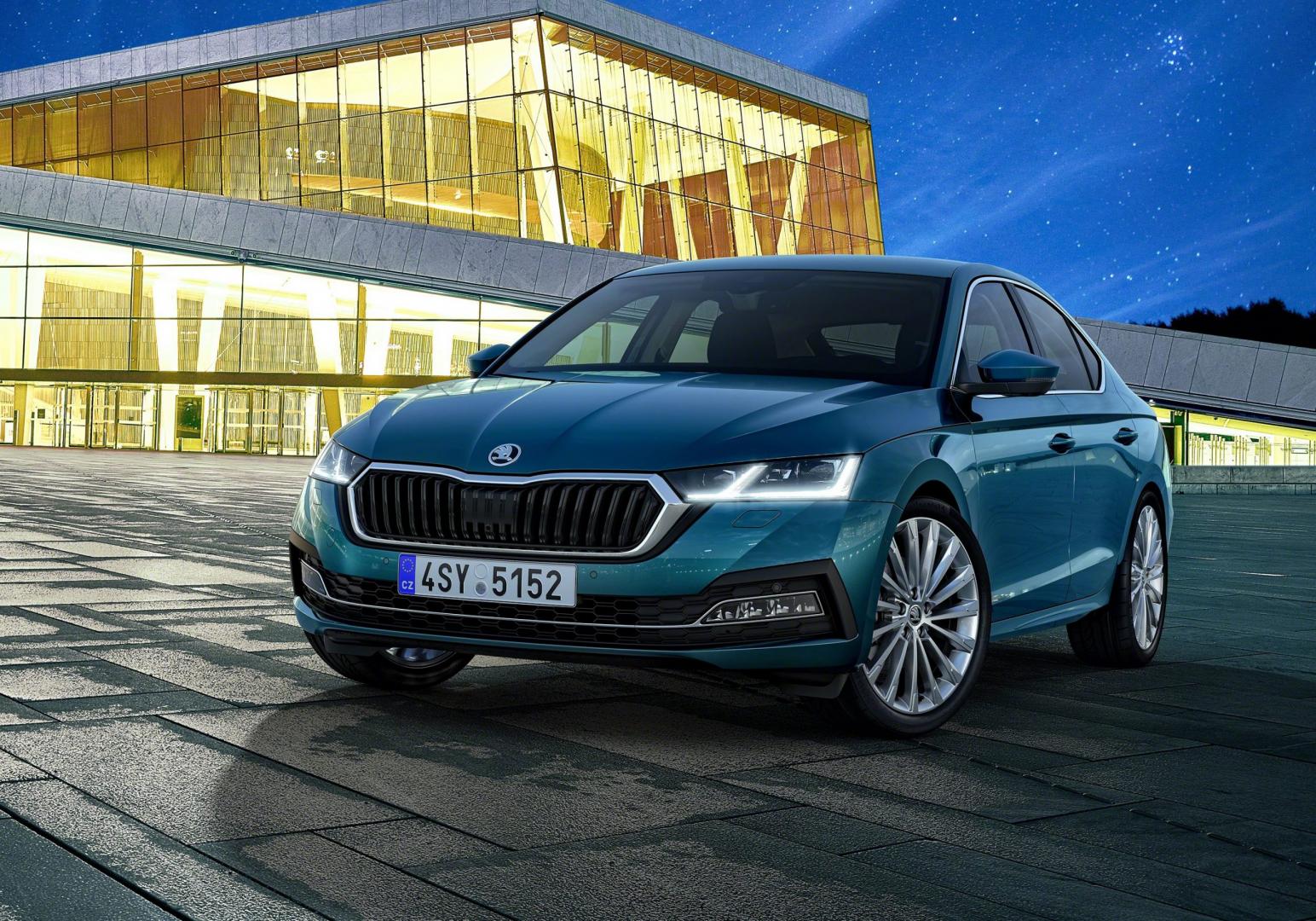
    Skoda’s core market in Europe would be electric in the future, Shaefer said, although it was still not time to completely switch away from traditional models, which include the launch last year of a new generation of its flagship Octavia model. It has also started production of the all-electric Enyaq iV model.

    Skoda plans investments of 1.4 billion euros into electromobility development as part of its five-year investment plan. Investments will also go into digitalization activities and plant modernization.

  • Royal Enfield Joins Hands With Knox

    Royal Enfield Joins Hands With Knox

    Royal Enfield has joined hands with Knox, experts and innovators of protective apparel and body armour to co-create a range of high-protection riding gear. As part of the collaboration, the two brands have also introduced CE certified external knee guards called Conqueror. The latest launch of riding gear is part of Royal Enfield’s long term collaboration, with the vision of providing high-quality riding gear and accessories. The range offers versatile and accessible riding gear that meets global safety norms that can be used for multiple riding needs and in varied conditions.

    Commenting on the collaboration with Knox, Puneet Sood, Head – Apparel Business at Royal Enfield said, “At Royal Enfield, ensuring a ‘safe’ and a ‘pure riding experience’ for our riders is at the centre of our product strategy. With this partnership, we aim to foster our commitment to provide our customers with products that meet global safety norms. The intent is to offer relevant and accessible products for riders and motorcycling enthusiasts. The partnership started with using Knox armours for our new range of riding gear including jackets, gloves and riding trousers. The co-created knee-guard is a byproduct of years of our motorcycling experience, our understanding of a rider’s needs, different riding conditions, terrains etc. and Knox’s technical expertise and experience in designing and manufacturing innovative body armours and apparel for motorcycling.

    “Our motorcycles are used for both leisure riding as well as a means of not only commute. Rider safety is equally important in both cases. We understood that the acceptance of a riding trouser is low in India and there was a need for a product that provides protection and can be worn over regular denims or trousers be it for a commute to office, a weekend ride or a trip to the Himalayas. In line with our vision to increase awareness around road safety and safe riding practices, we will continue to offer versatile consumer centric products. Our alliance with Knox is a testimony of our dedication to provide a ‘pure motorcycling’ experience to everyone in love with the motorcycling way of life.”

    Speaking about the collaboration Margaret Travell, the Commercial Director at Knox said, “We are committed to the design of high performance body armour systems that really work for riders. We began this association 2 years ago by equipping Royal Enfield apparel with Knox armour and gloves with Micro-lock armour with the famous Scaphoid Protection System. One year later, we began the next development – to build a standalone Knee guard, tough enough to tackle some of the toughest environments on Earth. It had to be relevant to Royal Enfield riders in India and beyond, so needed to be easy to put on and remove and also capable of being worn on its own for those who prefer not to wear armoured trousers. The knee guard is not only tough and durable enough to be CE approved to the highest Level 2 standard, it is also supremely flexible and comfortable enough to wear all day long in any environment you ride in. We’re excited to see people using them on their own riding adventures.”

    Extending this partnership further, the two brands have now co-created CE certified level 2 external knee guards built with Knox’s microlock protection. Royal Enfield’s new riding jacket line-up that was introduced last year includes select styles that come equipped with Knox’s CE Level 1 Flexiform and CE Level 2 MICRO-LOCK armours for shoulder and elbow.

    Along with the knee guard, Royal Enfield has also introduced a range of new riding gloves for varied riding needs. The range has 14 gloves of which 9 are CE certified. The range has been developed with best-in-class features such as knuckle protection, palm protection, padding, cuff adjusters, screen friendly finger tips, accordion stretch panels, and constructed with high quality abrasion resistance leather, Polyester Air mesh and waterproof membrane among others. The new range of gloves will suit the varied needs of the riders, from riding in the city to extreme weather conditions. Further, selective gloves also come with Knox knuckle protectors and Knox scaphoid protection system.

    The Conqueror CE Level 2 certified knee guards are priced at ₹ 3,950, while prices for the range of CE certified gloves begin at ₹ 2,250, going up to ₹ 4,500. The riding jacket range with Knox armours range from the Streetwind V2, priced at ₹ 4,950, the Windfarer, priced at ₹ 6,950, and the CE Certified Explorer V3, priced at ₹ 8,950.

  • Hyundai And Shell Expand Collaborations On Clean Energy Solutions

    Hyundai And Shell Expand Collaborations On Clean Energy Solutions

    Hyundai Motor Company has signed a new five-year Global Business Cooperation Agreement with Shell. The signing ceremony was held online at Hyundai Motorstudio Goyang, Korea. The agreement, which runs through 2026, marks the fourth extension of the partnership, but this time with a new focus on clean energy and carbon reduction in proactive response to market changes.

    The partnership will undertake cooperative projects that reflect this new direction, including a plan to establish new type of service channels specialized for mobility service providers, primarily in Asia. Both companies will also discuss cooperation schemes for energy supply business, such as EV and FCEV charging services.

    Un Soo Kim, Senior Vice President and Head of Global Operations Division of Hyundai Motor Company, said, “With Shell, we will be securing our competitiveness within the automotive industry, continuing our transition as a smart mobility solution provider.”

    The global cooperation agreement also maintains Hyundai’s recommendation for Shell lubricants across its global aftermarket network. The two companies run joint R&D programs including for the first-fill lubricants to meet Hyundai’s specific engine requirements, which could extend for collaboration on e-Fluids development for EVs.

  • Lamborghini Urus Sets High-Speed Record On Ice

    Lamborghini Urus Sets High-Speed Record On Ice

    Automobili Lamborghini took part for the first time in the Days of Speed on the ice of Lake Baikal, with the Lamborghini Urus and it set the 1,000-meter record, averaging a top speed of 114 kmph from a standing start. Piloted by the 18-time Days of Speed Russian record-holder Andrey Leontyev, the maximum recorded speed of the Urus during the record-breaking sprint was an impressive 298 kmph, despite significant warming of the ice on the world’s deepest lake. During the practice runs, the Urus even managed to reach a maximum speed of 302 kmph. Official data registered by the FIA and the RAF (Russian Automobile Federation) will be published in April.

    The annual Days of Speed festival was held between 10 and 13 March. Organised by LAV-racing company, this official sports event is dedicated to setting record speeds on ice. The event strictly adheres to all regulations of the FIA (Federation Internationale de l’Automobile) and RAF (Russian Automobile Federation).

    The Lamborghini Urus features a 4.0-litre V8 twin-turbo engine delivering 650 horses, producing maximum torque of 850 Nm at 2,250 rpm. The Urus accelerates from 0-100 kmph in 3.6 seconds, 0-200 kmph in 12.8 seconds and with a top speed of 305 kmph making it the fastest SUV in the world.