Category: Automotive

Retail News Asia is committed to providing both local and global retailers with the latest Auto and Car news throughout the Asian market. This on a daily base.

  • Remote-Based App Exposed Thousands Of Vehicles To Hackers

    Remote-Based App Exposed Thousands Of Vehicles To Hackers

    A hacker who goes by the handle Jmaxxz has exposed a series of vulnerabilities in a remote-based automobile app that may have exposed around 60,000 cars to hackers.

    In a talk at the Defcon hacker conference in Las Vegas on Saturday, Jmaxxz identified several issues in a system called “MyCar” — developed by Canadian company Automobility, Wired reported.

    Based on a scan of MyCar’s exposed database, Jmaxxz estimates that there were roughly 60,000 cars left open to theft by security bugs, with enough exposed data for a hacker to even choose the make and model of the car they wanted to steal.

    MyCar’s devices and apps connect to radio-based remote start devices like Fortin, CodeAlarm and Flashlogic using GPS and a cellular connection to extend their range using an Internet connection.

    Jmaxxz claims that the danger of these glitches are beyond theft or remote alarm-triggering pranks. Remotely starting a car without the owner’s knowledge could lead to dangerous carbon monoxide leaks which could be fatally dangerous.

    Addressing the matter, MyCar’s parent company has said that all the resources at their disposal have been used to promptly address the situation, the report added.

  • Toyota Aims To Counter Mistakes Of Gas Pedal For Brake

    Toyota Aims To Counter Mistakes Of Gas Pedal For Brake

    Toyota Motor Corp. plans to introduce a safety function as early as this year to help prevent accidents caused by drivers slamming the accelerator instead of the brake by mistake, the Yomiuri newspaper reported, citing a person familiar with the matter.

    The new function is designed to prevent vehicles from quickly accelerating when the driver presses the gas pedal too firmly, the report said. Prime Minister Shinzo Abe has called for measures to counter a number of fatal accidents recently caused by simple mistakes made in some cases by elderly drivers.

    The number of fatalities caused by drivers 75 years old or older reached a four-year high of 460 last year in Japan, according to National Police Agency data, and critics have been calling attention to cases involving senior drivers mistaking the accelerator for the brake. Toyota will likely first focus on installing the new function on hybrid vehicles popular among senior citizens if requested by car owners, the Yomiuri said.

    Toyota plans to keep the cost at 50,000 yen ($472) or less for the device, the report said.

  • Auto Industry Slowdown Hits Lakhs Of Jobs

    Auto Industry Slowdown Hits Lakhs Of Jobs

    The slowdown in the auto sector has rendered an estimated three lakh and fifty thousand people jobless due to spiraling layoffs in the automobile industry. In Chennai’s Amabattur industrial estate the slowdown has crippled John Peter makes valve components. Over the last five months, his 8 lakh monthly turnover has dropped by ninety percent, to just one lakh. With a forty lakh private bank loan he has defaulted in repaying his monthly installment of around a lakh rupees. He has laid off 3 of his 13 workers. He has reduced the three-hour shift to one.

    He told NDTV “In today’s situation I’m neither able to pay salary for workers nor repay a loan. It’s so difficult. I don’t know what to do. Banks don’t listen when we say there is no business. They say they would come home and threaten us”.

    Chandrabose, one of his employees who used to earn Rs 18000 a month has already suffered a third of it as there is no overtime opportunity now. The father of two school-going children is now scared that the ax could fall on him soon. He says “I can live only if I have a job. Only if I have a job I can look after my family”.

    Not far away Andrew Ranjithkumar has decided to dump brake component manufacturing his family has been doing for 30 years. Orders from auto companies he says have fallen by seventy percent. Unviable, now he’s making parts for washing machines and home appliances. A third of his machines are also rusting for want of work. He said “There is no demand from the automobile sector. We are pushed towards home appliances as otherwise, we have to lay off people. We are unable to pay a salary”.

    This industrial hub with 2000 units employs around three lakh people. The industry has sought government intervention. N Sujeesh, President, Ambattur Industrial Estate Manufacturers’ Association added “We need a reduction in GST from 28% to 18 % and for subcontractors, small players from 18% to 5 %. The lending rate is high and we need to bridge the gap between interest on savings and lending rate”.

    Carmakers and industry bodies like SIAM, ACMA and FADA have been demanding to reduce the GST rates on passenger vehicles.

    With thirty-five thousand crore worth of unsold cars countrywide there’s an abnormal hike in dealers shutting down. The industry has estimated a loss of 3.5 lakh jobs from car manufacturers to component manufacturers. S E Palanivel Babu, MD of True Sai Works, a car dealer based in Salem has reduced his off -take by thirty-five percent. He says dealers with huge borrowings are collapsing.

    He also blames it on manufacturers thrusting vehicles on dealers. He believes “IN all developed countries market share is calculated on the end consumer. Only in India car market share is calculated on the basis of what manufacturers sell to dealers. This is a wrong way which leads to a wrong market share; the dealer is pressurized to hold more stocks and erosion of working capital in the long run”.

    Many in the industry hope the upcoming Diwali season could shift car sales to top gear for a turn around if the government swiftly intervenes.

  • Mercedes-Benz Offers Subsidies To Retrofit Older Diesel Cars In Germany

    Mercedes-Benz Offers Subsidies To Retrofit Older Diesel Cars In Germany

    Daimler said on Tuesday Mercedes-Benz customers in Germany could apply for a 3,000 euro ($3,350) subsidy to upgrade the exhaust filters of older, polluting diesel vehicles, the latest effort among German carmakers to avoid inner-city bans.

    Carmakers have been forced to consider upgrading exhaust treatment systems on older cars after German cities started banning heavily polluting diesel vehicles to cut fine particulate matter and toxic nitrogen oxides.

    Daimler launched a website this week to process applications for financial support, as German motor authority KBA seeks to approve an after-market kit to upgrade the exhaust systems on various Mercedes diesel passenger vehicles.

    The company has offered the subsidy to customers in German regions that face potential driving bans, the carmaker said. For a factbox about possible diesel bans, click:.

    The first retrofit kit for Mercedes cars with “Euro 5” diesel engines, including the best-selling E220 and E250 models, has been developed by Dr Pley SCR Technology, a Bavaria-based, family-owned business.

    German carmakers initially offered software updates and shied away from endorsing hardware retrofits, instead of lobbying for customers to buy new cars with cleaner engines.

    But consumer groups pressured carmakers to endorse retrofits as a more cost-effective measure.

    “We have known right from the start that retrofits are feasible and have now proved this to the carmakers,” said Thomas Steinbrueckner, head of development at Dr Pley SCR Technology.

  • Car Market Slowdown Threatens Jobs At Bosch

    Car Market Slowdown Threatens Jobs At Bosch

    Global car market is expected to slow this year and the continuing aftershocks of a sector-wide diesel cheating scandal will hit jobs at the world’s biggest component supplier Bosch, its boss said Tuesday.

    “Of course, we have to react to falling demand,” chief executive Volkmar Denner told Munich-based daily Sueddeutsche Zeitung when asked about possible job cuts.

    Expected by analysts to contract this year, the global car market is developing “much more weakly than we still thought a year ago,” Denner said.

    “This isn’t just a short-term dip that will quickly be recovered,” he added.

    Reduced demand for diesel-fuelled vehicles “is hitting us particularly hard,” said Denner.

    Customers in Germany and abroad have turned away from the fuel since Volkswagen’s 2015 admission to cheating regulatory emissions tests on 11 million vehicles worldwide, while investigations have spread to other carmakers in Germany’s flagship industry.

    Many potential buyers have been deterred by already-implemented or proposed bans for some diesels from city centres, as municipalities try to reduce levels of harmful nitrogen oxides (NOx) in the air.

    Meanwhile manufacturers themselves are ramping up alternatives, like hybrid and battery-electric vehicles, to meet tough new EU carbon dioxide (CO2) emissions targets set to bite from next year.

    Bosch said in January lower diesel demand would force it to slash 600 jobs among its 15,000 employees in the field.

    Over the full year, the company expects revenue at the same level as 2018, when sales reached 77.9 billion euros, rather than the slight increase it had previously predicted.

    And “we won’t be able to maintain the high level of profitability we had last year,” Denner said.

    The company said early this year it expected a profit margin of below six percent, rather than last year’s seven percent.

    Competitor Continental, listed on the blue-chip DAX index, in July lowered its full-year financial objectives, blaming the weak global market.

  • Tens Of Thousands Losing Jobs As India’s Auto Crisis

    Tens Of Thousands Losing Jobs As India’s Auto Crisis

    Slumping sales of cars and motorcycles are triggering massive job cuts in India’s auto sector, with many companies forced to shut down factories for days and axe shifts, multiple sources said. The cull has been so extensive that one senior industry source told Reuters that initial estimates suggest that automakers, parts manufacturers and dealers have laid off about 350,000 workers since April.

    Within this previously unreported figure, car and motorcycle makers have laid off 15,000 and component manufacturers 100,000, with the remaining job losses at dealers, many of which have closed, the industry source said.

    Reuters was able to identify at least five companies that have recently cut or plan to cut hundreds of jobs, mainly from their temporary labor force.

    The downturn – regarded by industry executives as the worst suffered by the Indian auto industry – is posing a big challenge for Prime Minister Narendra Modi’s government as it begins its second term at a time when India’s jobless numbers are climbing.

    To revive the sector, auto executives plan to demand tax cuts and easier access to financing for both dealers and consumers at a meeting with officials from India’s finance ministry scheduled for Wednesday, the senior industry source said. The industry’s plight was highlighted by the Automotive Component Manufactures Association of India (ACMA), with the trade body’s director-general, Vinnie Mehta, saying the sector was experiencing a “recessionary phase”.

    The malaise has been spreading across much of the industry, both in terms of vehicle type and components as well as geographically in India’s manufacturing hubs.

    For example, Japanese motorcycle maker Yamaha Motor and auto components makers including France’s Valeo and Subros have laid off about 1,700 temporary workers in India after a slump in sales, sources told Reuters.

    Subros, which is part-owned by Japan’s Denso Corp and Suzuki Motor Corp, has laid off 800 workers. Indian parts maker Vee Gee Kaushiko has cut 500 people while Yamaha and Valeo last month reduced their workforces by 200 each, said several sources aware of the cuts.

    Meanwhile, automotive supplier Wheels India could cut its temporary workforce by as much as 800 and has started realigning its shifts, two of the sources said. The layoffs come as carmakers including Honda Motor Co, Tata Motors and Mahindra & Mahindra have implemented brief suspensions to production in recent weeks in the face of slow demand, separate sources said.

    The auto sector, which contributes more than 7% of India’s GDP, is facing one of its worst downturns.

    Passenger vehicle sales have dropped for nine straight months through July, with some automakers suffering year-on-year declines of more than 30 percent in recent months.

    Manpower is the only variable factor for companies and more workers will face the axe, said ACMA’s Mehta.

    Yamaha, Subros, Vee Gee Kaushiko and Wheels India did not respond to requests for comment.

    Valeo India said it is realigning for changing conditions and has trimmed its temporary workforce.

    The fallout from the auto slump could be huge. The sector employs more than 35 million people, directly and indirectly, accounting for nearly half of India’s manufacturing output.

    India’s jobless rate rose to 7.51% in July 2019 from 5.66% a year earlier, according to private data group CMIE. The CMIE data is more up-to-date than government figures and regarded in financial markets as more credible.

    At least 7% of temporary workers employed by 15 automakers in India have lost their jobs in recent months, said Vishnu Mathur, director-general at the Society of Indian Automobile Manufacturers (SIAM).

    “It is a conservative estimate based on our initial analysis,” he said.

    Maruti Suzuki, India’s biggest carmaker, cut its temporary workforce by 6% over the past six months.

    There is little sign of a revival.

    Tata Motors has had week-long shutdowns at four of its plants in the past two weeks, while Mahindra has said it had 5-13 days without production at various plants between April and June.

    A statement from Tata Motors said it has aligned production with demand and adjusted the shifts and temporary workers.

    Honda has stopped production of some car models at its plant in the northwestern state of Rajasthan since July 16 and is halting manufacturing entirely at its second plant in Greater Noida on the outskirts of Delhi for 15 days from July 26, two sources said.

    The company’s Indian business said that production management will be critical throughout the year and it is seeking to avoid stock build-up.

  • Tesla Reintroduces Unlimited Free Supercharging On Model S And Model X

    Tesla Reintroduces Unlimited Free Supercharging On Model S And Model X

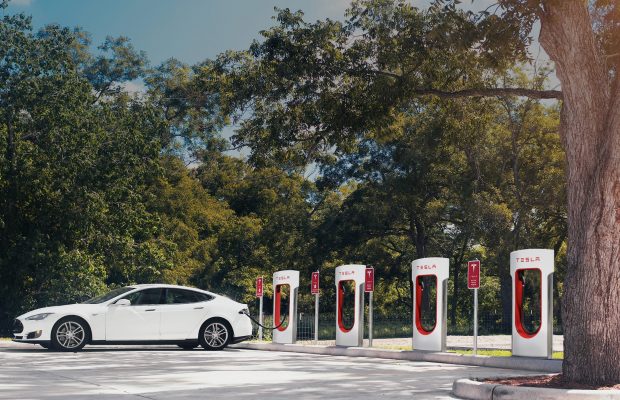
    Superchargers have had an important role in making Teslas popular simply because they help customers deal with the issue of range anxiety which is the biggest problem an electric car owner has to face. A Tesla Model S powered by a 85 kWh battery pack takes 20 minutes for a 50 percent charge, 40 minutes for 80 percent charge and 75 minutes for 100 percent charge using a supercharger. The duration for a similar spec Model X stands at par as well. There was a time when Tesla used to give this service for free to Model S customers when the company was quite new in the business, however, customers were soon charged to avail the service.

    The California based carmaker in a tweet has confirmed reintroducing the unlimited free charging scheme on the Model S and Model X. At present, Tesla owners in the US need to pay $ 0.28 (28 cents) per kWh or $ 0.13 (13 cents) to $ 0.26 (26 cents) per minute for using a supercharger. This means a full charge on a Tesla Model S through a supercharger would cost $ 19.5 which is over ₹ 1300 in Indian currency. The free charging service is available to Model S and Model X owners only while Model 3 owners will need to pay for the service.

    The offer will help Tesla to sustain sales of both models alongside the Model 3 which is much more affordable. The Model S and Model X were also given an under the skin (mechanical) upgrade to boost its drive range and both models are now compatible with Tesla’s V2 superchargers which have a power range of 200 kWh.

  • Hyundai Names Its New Hatchback Grand i10 Nios

    Hyundai Names Its New Hatchback Grand i10 Nios

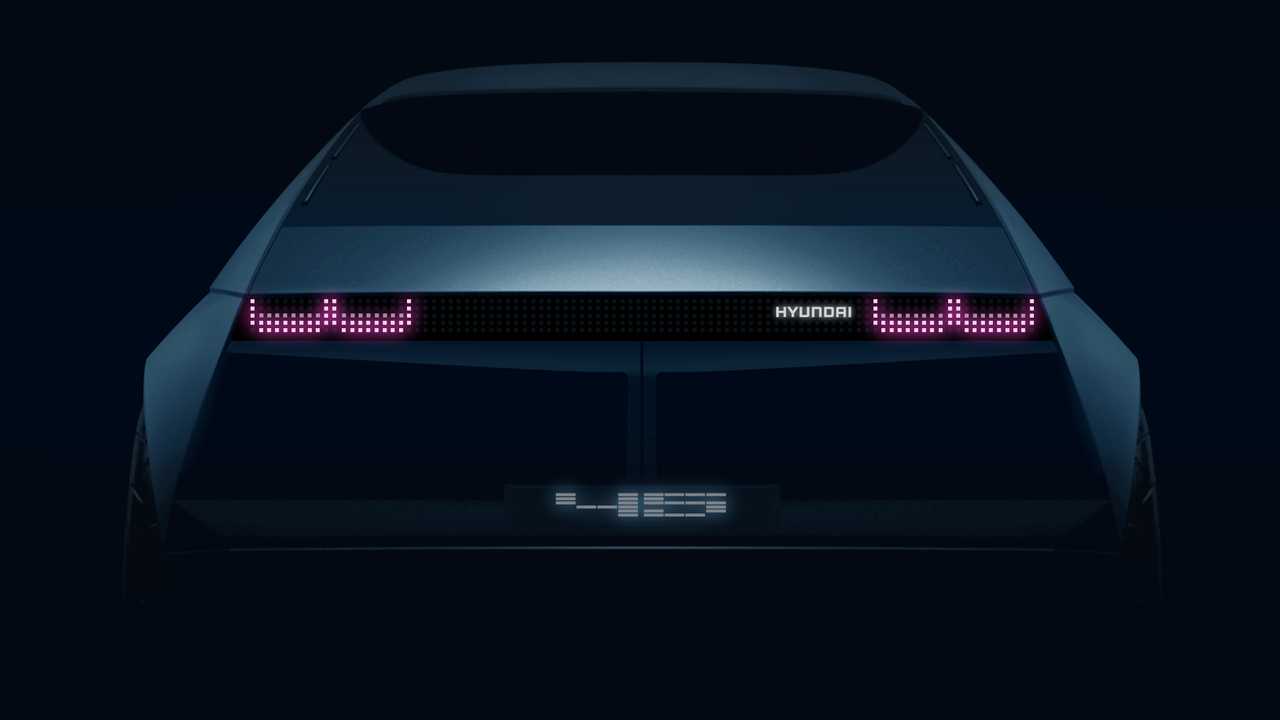
    Hyundai has named the new-gen Grand i10 as the Grand i10 Nios. The car is set to be launched in India on August 20, 2019. The Grand i10 Nios name is only for India though, worldwide this car will be called the i10. The Grand i10 Nios is the 3rd Generation of the legendary brand ‘i10’ and will co-exist with Grand i10. Hyundai has kick-started bookings for the car in India across its dealerships in the country and the booking amount is set at ₹ 11,000.

    The new Grand i10 Nios gets Hyundai’s Signature ‘cascading grille’ which gives it a wider and stronger appeal to the front while rear gets a low and wide proportioned bumper gives it a sportier look. The compact yet spacious interiors with upper C pad appearing to be floating on the lower C Pad and the door trim character line flowing into the C pad gives a wider and spacious interior feel.The cabin gets a dual-tone treatment with black and beige. The steering wheel too gets a bit of chrome element on it making it looks a bit more sporty. But right in the centre of it all sits the touchscreen infotainment system. It’s likely to get Apple Carplay and Android Auto. The instrument cluster will be part analogue and part digital as well, giving the Hyundai Grand i10 Nios a sporty appeal. It will also get automatic climate control. From what we can see, the car will come with ABS and dual airbags as standard.

    SS Kim, MD & CEO- Hyundai Motor India Ltd said, “Hyundai Motor India has created benchmarks in Indian automobile industry by introducing Cutting-edge technologies and Best-in-segment world-class products for past 21 years. We are glad to present the All New 3rd Generation Grand i10 Nios, that blends the intrinsic and intuitive beauty of the car with unique design sense constantly changing and fulfilling our customers’ expectations. With the new Grand i10 Nios, we have created a new paradigm ensuring to maximize our customers’ emotional values in the perfect harmony with the four elements of Hyundai Design Identity: ‘Sensuous Sportiness’, such as Proportion, Architecture, Styling and Technology.”

    The Hyundai Grand i10 Nios is likely to come with a petrol and diesel powertrain but the company has not yet confirmed the engine line up and we’ll know more closer to the launch of the car

  • Kia Seltos Starts Arriving At Dealerships Across India

    Kia Seltos Starts Arriving At Dealerships Across India

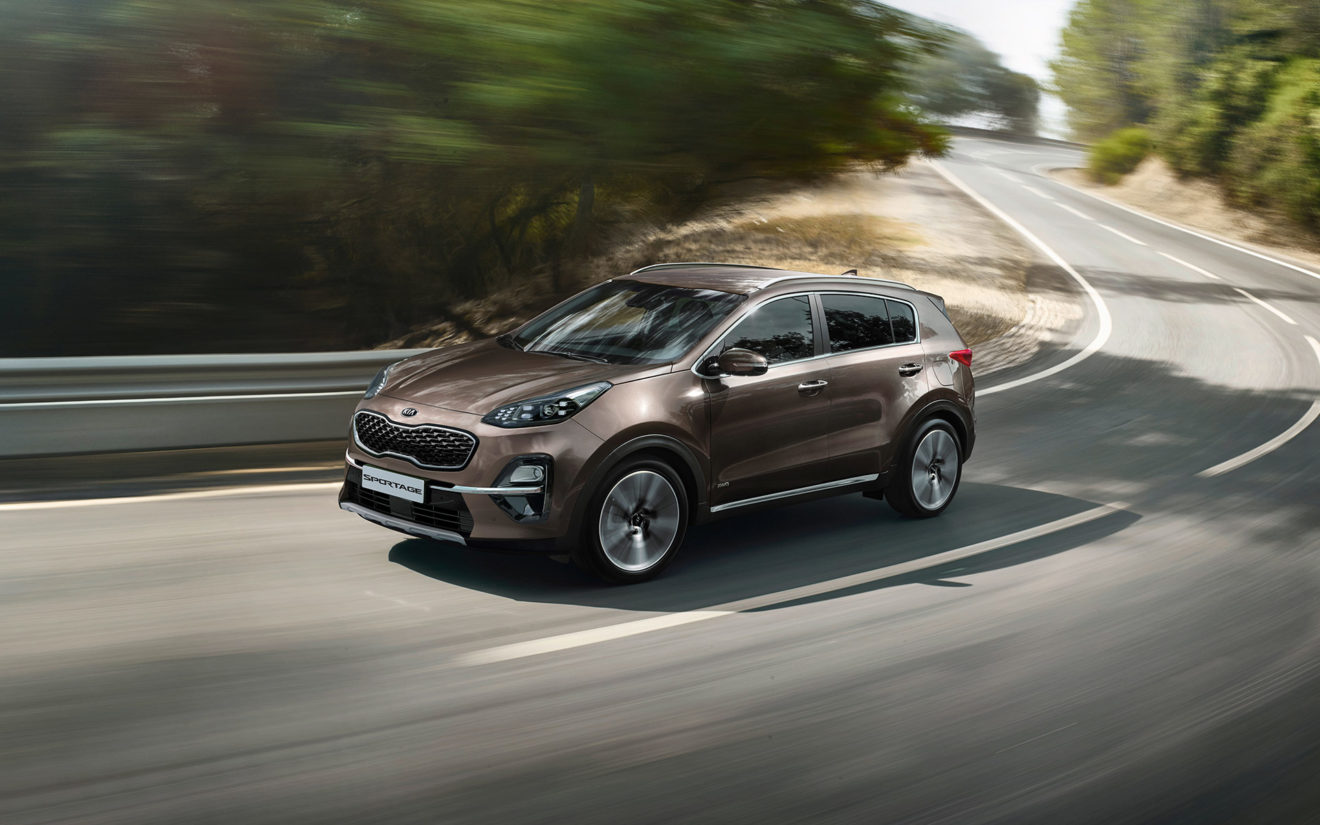
    Kia Motor India is all set to introduce its first product – Seltos – later this month and the compact SUV has started arriving at dealerships across the country. The Kia Seltos was unveiled to the public at the company’s Hyderabad dealership recently, along with Bangalore, Ahmedabad and Siliguri among other major metros. Kia is commencing operations with 256 touchpoints across 160 cities pan India in a bid to reach out to customers more effectively right from the start. The Kia Seltos is scheduled for launch on August 22, 2019, while bookings are already open for a token amount of ₹ 25,000.

    Speaking at the inauguration of the dealership in Hyderabad, Manohar Bhat, Vice President and Head of Sales & Marketing said, “Kia Motors oozes contemporary and stylish design language to make sure that the customer feels this luxury with ease. We have a great product and now to show our care for the customers, we are prepared to provide world-class vehicle maintenance and repair services with the availability of spare parts across the country. Entering India as a global premium brand, we understand the expectations of the customers, so we are prepared to ensure optimum service quality and customer satisfaction.”

    Located in Hitec City and Nagole, Automotive Kia is a 5000 sq.ft. facility that will include sales, service and spares under one roof. The Hyderabad dealership is one of the company’s 192 dealerships that are currently operational. The manufacturer’s 256 touchpoints will be operated by Kia dealer partners and promise a state-of-the-art experience through Internet of Things (IOT) technology. The company will also connect with customers via the Kia Link App that will notify owners about upcoming service reminder, and also set an appointment with their preferred dealer via the Dealer Management System (DMS) on the app. Kia has also partnered with eight leading banks for financing solutions.

    We’ve already had a close look at the Kia Seltos at the global show earlier this year and only the fine details of the SUV are yet to be revealed including the pricing. The Seltos looks promising with a butch yet urban design language and a host of features including connected car tech, wireless charging, mood lighting, electric sunroof, rear share curtain, 360-degree camera, and a whole lot more.

    Power will come from the new Smartstream family of engines that includes the 1.4-liter turbocharged petrol and 1.5-liter petrol and diesel engines that will be BS6 ready right from the start. The compact SUV will be available with four transmission options including a 6-speed manual, Intelligent continuously variable transmission (IVT), 7-step DCT, and a 6-speed automatic.

    The Kia Seltos registered an impressive 6046 bookings on the first day itself and the manufacturer has a capacity of three lakh units per annum at its newly developed manufacturing facility in Anantapur, Andhra Pradesh. The Seltos will be the first offering from Kia in India, which will be followed by a new car in every six to nine months, lining up at least five vehicles by 2021.

  • My Audi Connect App Introduced In India

    My Audi Connect App Introduced In India

    There is no denying the fact that connected cars are the future and whoever gets it first in the segment, definitely has the exclusivity advantage to an extent. In the luxury car market, its Audi which have come up with a new connected app that not only helps you access your car 24×7 but also offers a range of exciting features. However, Audi customers will need to shell out ₹ 19,999 more for the package. The app represents the digital connection between the owner, vehicle and infrastructure and provides real-time information about the vehicle which can be accessed from any part of the world as long as you have an active internet connection.

    The My Audi app is broadly divided into five categories- Safety and Security, Driver’s Behaviour, Lifestyle, Geo-Location and Utility. Under the safety and security slug, you get features like SOS emergency alert to contacts and medical help, roadside assistance, curfew alerts which basically is geofencing and sets the boundary outside which the car isn’t allowed to go and disturbance alert which alerts your whenever someone is trying to access your car without your permission. The Driver’s behavior category offers features like Trip Analysis, Head Braking, Hard Acceleration, sharp turns and idling alert (just in case your vehicle is on for a long time and the driver is misusing the AC or other features). The lifestyle segment brings to you various music and media apps along with a very elite kind of feature called concierge desk which gives you a plethora of dine and wine options among other leisure activities. The geolocation feature is again a very useful one primarily because of its car finder and tow alert feature along with live location service. Last but not the least, the utility category offers features like service booking, vehicle history, vehicle’s health and virtual document storage which Audi says won’t be used for scanning personal information of any customer.

    Though these services come at a cost in most of Audi cars, the company says that the flagship models will get them as standard. Existing Audi customers who have purchased their cars after 2011 can also avail these services as it will be compatible with those models. However, the idea is also to cater and attract entry-level luxury car buyers who may find these features even more lucrative as it will add value to their lifestyle.

  • Fiat Chrysler Open To Re-Start Merger Negotiations With Renault

    Fiat Chrysler Open To Re-Start Merger Negotiations With Renault

    Fiat Chrysler Automobiles Chief Executive has a message for Renault SA and other would-be partners: We are happy to talk, but we can go it alone.

    “Strategically, we have a solid future and clear plans that are being invested in and are underway now,” Mike Manley said during a session with reporters the day after the company released better than expected second-quarter results.

    “That isn’t to say if there is a better future through an alliance or partnership or merger we wouldn’t be open and interested to it.”

    Fiat Chrysler is open to re-starting merger negotiations with French automaker Renault, Manley said, but added the French carmaker is not the only potential partner to gain scale or plug gaps in Fiat Chrysler’s technology or vehicle lineup.

    “To say are they the only opportunity, the answer to that question would be a definitive ‘No,’” Manley said.

    Fiat Chrysler in June withdrew a $35 billion merger proposal with Renault after French government officials intervened in the talks and sought to delay a decision on the deal.

    The Wall Street Journal reported on Friday that Renault and Nissan are trying again to reshape their alliance and resolve disagreements that helped to derail the merger talks with Fiat Chrysler.

    Fiat Chrysler has a commercial vehicle partnership with French rival Peugeot SA, and the two companies discussed a broader combination before Fiat Chrysler made its offer to Renault, people familiar with the situation have said.

    Manley said automakers are not the only potential partners.

    “There are cooperations that can help in specific technologies. There are cooperations as we think about the consumer-car interface,” he said. “You could see collaborations that never would be there in the past.”

    Fiat Chrysler’s North American business is strong thanks to Ram trucks and Jeep SUVs, but in other markets, the automaker faces continued challenges.

    The company is overhauling its mass-market business in Europe, which is anchored by the Fiat brand. Fiat Chrysler’s Europe, Middle East and Africa operations were marginally profitable in the second quarter and achieved 1.8% profit margin in 2018. Manley has set a goal of 3% operating margins, well short of the 10% margins the company forecast for North America.

    Fiat Chrysler can improve profitability in Europe by expanding the Jeep sport utility vehicle lineup, launching a redesigned Fiat 500 line, including electric and hybrid models, and adding larger vehicles to the Fiat brand, Manley said.

    “We have the oldest fleet in Europe,” in the Fiat brand, Manley said.

    Increasing the number of cars produced per worker in Italy and reducing the ranks of Italian hourly workers, Manley said. But in the short term, Manley said he is prepared to sacrifice sales volume to increase margins.

    “Margins in Europe are absolutely critical as we go through the next three to five years,” he said.

    A deal to pool emissions credits with Silicon Valley electric-car maker Tesla Inc (TSLA.O) gives Fiat Chrysler strategic options for managing rising emissions compliance costs, Manley said.

    In China, Manley said the restructuring of Fiat Chrysler’s alliance with joint venture partner GAC Group is reducing costs. The venture needs to add more Jeep models, he said. “We only have three vehicles localized,” Manley said.

    The third challenge for Fiat Chrysler is reviving the Maserati premium brand, which lost money through the first half of 2019, in part because of writedowns related to underperforming leases. The company has said it plans to sell down inventories of Maseratis during the remainder of this year.

    An overhaul of Maserati’s product line will begin with the debut of a new model at the 2020 Geneva auto show, Manley said.

  • Tata Motors To Introduce Its Next Electric Car By End Of FY2020

    Tata Motors To Introduce Its Next Electric Car By End Of FY2020

    Tata Motors will be introducing its next electric vehicle for the Indian market by the end of the financial year 2019-20. The carmaker recently announced its partnership with Tata Power to set up 300 fast chargers across 5 metros in India. Speaking to carandbike.com on the sidelines, Shailesh Chandra, President Electric Mobility Business & Corporate Strategy, Tata Motors, said that the company is currently working on electric vehicles focused towards private buyers, and will introduce a higher range Tigor EV a new model by end of this fiscal year.

    Talking about the upcoming electric vehicle, Chandra said, “We will come out with a very private focused product within this financial year, and we are doing a host of activities around it. That is the reason why we have started the charging infrastructure work now so that when we have to launch that product, in a certain number of cities that we have targeting, charging infrastructure should be visible.” Chandra further added, “We are also planning to come with a higher range version for Tigor which we will be bringing out in the market very shortly. That is the time when we intend to open it to the private buyers also.”

    Recently at the company Annual General Meeting, N Chandrasekaran, Chairman Tata Motors announced that the company aims to launch four electric models in India in the next 18 months. Chandrasekaran also confirmed that the electric version of the Tata Nexon will be one of the four new electric models. The other three will be – the Tata Altroz EV showcased at the Geneva Motor Show, the more powerful Tigor EV for private buyers, and a fourth undisclosed model.

    Talking about these upcoming electric cars, Shailesh Chandra said, “These are the products which are focused towards the private segment and there might be some more products which might come, but we are gearing up towards their development and we’ll see what the right time to launch them is. So, these two (Nexon EV and Altroz EV) special products are definitely the private buyer-focused products,” When asked whether the upcoming EV could either be the Nexon EV or the Altroz EV, he said, “Hopefully, yes”.

  • Sales Of Japanese Cars In South Korea Slump Amid Growing Diplomatic Row

    Sales Of Japanese Cars In South Korea Slump Amid Growing Diplomatic Row

    Sales of Japanese-branded autos in South Korea slumped in July amid a worsening diplomatic row between the two countries that has led to consumer boycotts and efforts by Seoul to cut the economy’s reliance on imports from Japan.

    Industry data out of South Korea on Monday showed Toyota Motor sales in the country tumbled 32% from a year earlier and Honda’s sales skidded 34%.

    Although automakers are still assessing the main factors driving the declines last month, industry participants worry declining sales would continue in August as diplomatic tensions grow.

    Japan tightened controls in July on exports to South Korea, escalating a row over wartime forced laborers and sparking a boycott by South Korean consumers of Japanese products and services, from cars, beer, and pens to tours. On Friday, Japan escalated tensions by removing South Korea from a list of export destinations approved for fast-track status.

    “Showroom visits are declining while consumers are holding off on signing contracts,” a Honda Korea official told Reuters, asking not to be identified because of the sensitivity of the matter.

    A Honda Korea spokesman said it needs to assess the reason for the July sales fall and whether it is related to Japan’s export curbs, or summer holidays. A Toyota Korea spokeswoman declined to comment on the drop.

    The data from the Korea Automobile Importers & Distributors Association (KAIDA) also showed Lexus, South Korea’s third-most imported car brand after Mercedes and BMW, saw sales down 25% from the previous month, although that was still up 33% from the previous year.

    South Korean shares fell more than 2% on Monday, tracking broader moves in Asia as the Sino-U.S. trade war intensified but also weighed by uncertainty over the diplomatic dispute between Seoul and Tokyo.

    Earlier on Monday, South Korea’s government announced plans to invest about 7.8 trillion won ($6.48 billion) in research and development for local materials, parts and equipment over the next seven years in an effort to cut the reliance on Japanese imports.

    The government on Friday said it would “step up safety measures” on Japanese tourism, food and waste, without elaborating further.

    While foreign-branded cars make up a small portion of domestic auto sales in South Korea, the business community is concerned a consumer swing away from Japanese imports for political reasons could spread to other parts of the retail market.

    Japan’s Asahi Group Holdings, whose Asahi Super Dry is the most popular import brand in South Korea, said on Thursday the spread of the South Korean consumer boycott of Japanese goods was affecting its beer sales as it lowered its profit guidance slightly.

  • Auto Industry May Further Cut Production

    Auto Industry May Further Cut Production

    After denting the auto sector’s profitability, the consumption slowdown along with the upcoming shift to BS VI standards will further decelerate production, leading to eventual job losses. Industry insiders point out that slowdown, which is a culmination of high GST tax rates, farm distress, stagnant wages, and liquidity constraints, has led to the month-on-month sales de-growth. Besides, inventory pile-up at the dealership level and stock management of the unsold BS IV vehicles has become a problem for the sector.

    According to Grant Thornton India Partner Sridhar V., a further reduction in production due to the continuing de-growth in sales of passenger vehicles can be expected.

    “OEMs are exploring avenues to minimize cost at an operational level by deferring and tightening the spending rate,” Sridhar V. told IANS.

    “They also at times resort to production cuts to tide over this difficult phase.”

    Accordingly, the sales downturn assumes significance as the auto industry contributes to almost half of the manufacturing GDP and 11 percent of the total GST revenue.

    “With prolonged weak consumer demand, the inventories at dealer levels have peaked, necessitating production cuts by OEMs,” Richa Bulani, Senior Analyst, India Ratings & Research (Fitch Group), told IANS.

    “Production cuts may provide some short-term relief to dealers, it negatively affects the entire auto supply chain — OEMs, component suppliers, and dealers. Volume growth of components dependent on OEMs will be affected in the first half.”

    Recently, all major OEMs consisting of passenger, commercial, two and three-wheeler manufacturers have reported a massive decline in domestic sales.

    Figures from the Society of Indian Automobile Manufacturers (SIAM) showed that domestic passenger car sales in June went down by 24.07 percent to 139,628 units. The July figures are awaited.

    In the commercial vehicle segment, domestic sales were down by 12.27 percent to 70,771 units last month.

    The overall sales of two-wheelers, which include scooters, motorcycles and mopeds, edged lower by 11.69 percent to 1,649,477 units.

    In all, the total sales of the Indian automobile sector declined by 12.34 percent during June 2019 to 1,997,952 units across segments and categories.

    Consequently, sales slowdown led to a curtailment of manufacturing with the domestic passenger cars’ production coming down by 22.26 percent to 169,594 units from 218,167 units.

    Similarly, commercial vehicle production was down by 23.39 percent to 69,496 units last month. Overall two-wheelers’ production edged lower by 11.70 percent to 1,915,195 units.

    The total production of the Indian automobile sector declined by 12.98 percent during June 2019 to 2,336,138 units across segments and categories.

    “Tight control on production volumes will continue. Beyond the upcoming festive season when OEMs would expect to have sufficient volume in the channel, they would want to keep production volume output in check,” said Rahul Mishra, Principal, A.T. Kearney.

    “Volume liquidation pressures due to BS VI and the sluggish demand will not revive production output drastically for the next few months.”

  • Zoomcar Partners With Renault To Offer Kwid Hatchback

    Zoomcar Partners With Renault To Offer Kwid Hatchback

    Self-driving car rental platform Zoomcar has partnered with Renault India to offer the Kwid hatchback via its leasing program. Zoomcar users can now subscribe to the Renault Kwid at a monthly subscription of ₹ 14,999, and the company plans to add 1000 Renault cars to its fleet across India by next year for its 15 million users. Under Zoomcar’s leasing program – ZAP – subscribers ca share the car back on Zoomcar’s self-drive platform which can be used for self-drive bookings by its registered customers for short-term rentals.

    Speaking on the announcement, Greg Moran, Co-founder, and CEO, Zoomcar said, “We are a dedicated marketplace that is addressing a sizeable market void. Our constant endeavor is to keep on widening the automotive options available to our subscribers and Zoomcar users, might it be SUVs, Hatchbacks or sedans. To accomplish this overarching objective, we are getting into deep strategic partnerships with leading OEMs in India. We are grateful to Team Renault for joining hands with Zoomcar and cultivating a futuristic and dynamic business relationship.”

    As part of the partnership with Renault, Zoomcar will offer some of the company’s most popular models to its customers. While the association has kick-started with the Kwid, the firm will soon add the automaker’s range of SUVs and crossovers to its fleet, according to the statement. Zoomcar has a total of 25 car variants of different brands available under its regular rental model as well as its shared subscription mobility model.

    Zoomcar has partnered with a number OEMs recently including Volkswagen and Nissan, and is expected to announce a number of associations in the future. The leasing option helps customers reduce capital expense on purchasing a vehicle, while manufacturers also find volumes at one go. Zoomcar says the shared mobility segment promises limited liability and superior flexibility including the minimized cost of ownership that is making it attractive for the new-age car buyers.