Category: E-Tailing

Retail News Asia is committed to providing both local and global retailers with the latest E-Commerce & Etail news throughout the Asian market. This on a daily base.

  • Alipay Launches “Double 12” Global Shopping Festival in Hong Kong

    Alipay Launches “Double 12” Global Shopping Festival in Hong Kong

    Alipay, the world’s largest online, mobile payment and lifestyle platform operated by Ant Financial Services Group, today launched this year’s “Double 12” Global Shopping Festival in 15 countries spanning across four continents. In addition, Ant Financial’s strategic partners in Hong Kong, India, Thailand and the Philippines will introduce campaigns for their local e-wallet users for the first time. These partners include Paytm in India, TrueMoney in Thailand, and GCash in the Philippines. Together with CK Hutchison Holdings (“CK Hutchison), AlipayHK was launched in Hong Kong earlier this year to further develop local service offerings in the city.

    In short, we call it ‘glocalization.’” Douglas Feagin, President of International Business, Ant Financial Services Group said at the launch ceremony. “This concept is about developing Alipay globally while also developing localized service offerings.”

    “Working with our global merchants network, we also continue to focus on enhancing the Alipay mobile payment experience for Mainland Chinese tourists wherever they travel,” he added. “In particular, some of our most attractive Double 12 promotions are in the Greater Bay Area, where millions of Chinese travellers regularly visit.”

    As part of this year’s Double 12 Shopping Festival, almost 10,000 merchants in Hong Kong and Macau will offer exclusive discounts throughout December to Alipay users from Mainland China. This year, a key feature of this year’s Double 12 offering is focused on Hong Kong delicacies to attract Mainland China users. In Hong Kong’s Mongkok district, a promotion of “Hong Kong snacks for 1 RMB” can be enjoyed by Alipay users. In the Guangdong province, Alipay users will receive a cashback for every payment made in over 2 million stores.

    Venetia Lee, General Manager of Alipay Hong Kong, Taiwan & Macau said, “Our aim is to provide a seamless payment and travel experience to millions of Alipay users who constantly travel to the Greater Bay Area. We will plan to launch more integrated campaigns to further enhance our user experience and bring more value to our merchant network in the region.”

    Jennifer Tan, CEO designate of the joint venture between CK Hutchison and Ant Financial that offers AlipayHK separately commented on plans for Hong Kong. “Building on Alipay’s success in mainland China, we are rolling out a creative, localized payment experience for our Hong Kong users. Participating in this year’s Double 12 Festival is a first step towards that, and we are very excited to be partnering with so many local merchants to bring this festival to life by providing exclusive offerings to AlipayHK users.”

    CK Hutchison and Ant Financial first announced the strategic partnership in September 2017. The joint venture remains subject to regulatory approval, and is expected to complete in the first quarter of 2018.

    AlipayHK has partnered with over 8,000 brick-and-mortar stores to offer exclusive gifts, discounts and rewards throughout December. In addition, vendors in the Po Tat Market will offer “1 Dollar Groceries” flash sale on December 12.

    Alipay is also working with partners across Southeast Asia to launch localized versions of Double 12 shopping festival. In Thailand for example, more than 10,000 merchants will be participating in the 1212 D-day Deals for TrueMoney users while 3,000 merchants will offer exclusive discounts on 1212 GCash Day in the Philippines.

  • Lazada to offer Apple products to Southeast Asia customers

    Lazada to offer Apple products to Southeast Asia customers

    Fans of Apple can soon buy their favourite Apple products on Lazada, Southeast Asia’s leading eCommerce company.  As an authorised online reseller, Lazada’s customers will be able to choose from a wide range of Apple products including iPhone, MacBook, MacBook Pro, iPad, iPad Pro, Apple TV, Beats by Dr. Dre, and other accessories.

    Start shopping this holiday season

    Consumers can start browsing this holiday season when the Apple ‘Shop-in-Shop’ on Lazada officially launches today (8th December) in the Philippines, Indonesia, Thailand and Singapore. This will be followed by Malaysia on 11th December, and then in Vietnam.

    By shopping on Lazada, customers can choose to pay for their Apple devices through Lazada’s 0% financing instalment plans[1]. Exciting surprises also await Lazada customers looking to score savings from deals offered during the finale of Lazada’s Online Revolution shopping event, the 12.12 Final Sale. More details will be announced later.

    The “preferred choice” for global brands

    Lazada Group Chief Executive Officer Max Bittner said the Apple ‘Shop-in-Shop’ concept is a testament to Lazada’s reputation as the undisputed and trusted online shopping and selling platform in Southeast Asia. “Lazada is the preferred choice for global brands who, like us, want to drive the explosive growth of eCommerce in Southeast Asia,” said Mr. Bittner, adding: “It also underscores our commitment to give consumers better and convenient access to the world’s best brands and products, especially those from Apple.”

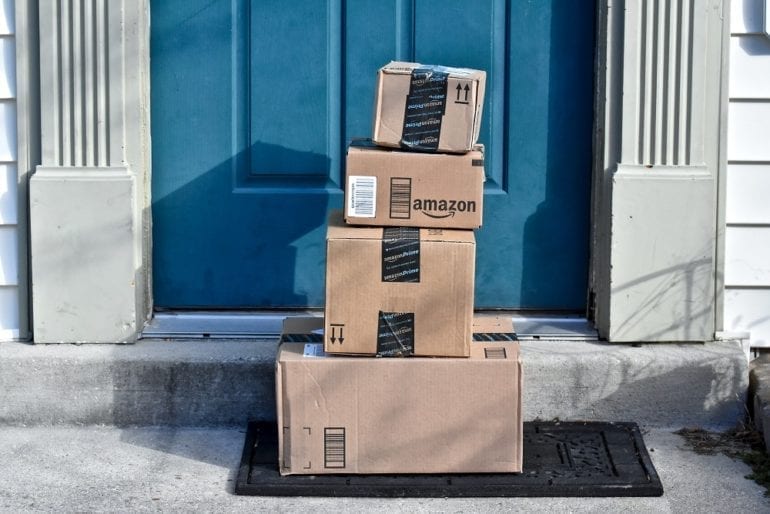
  • Amazon secret recipe to save the physical store

    Amazon secret recipe to save the physical store

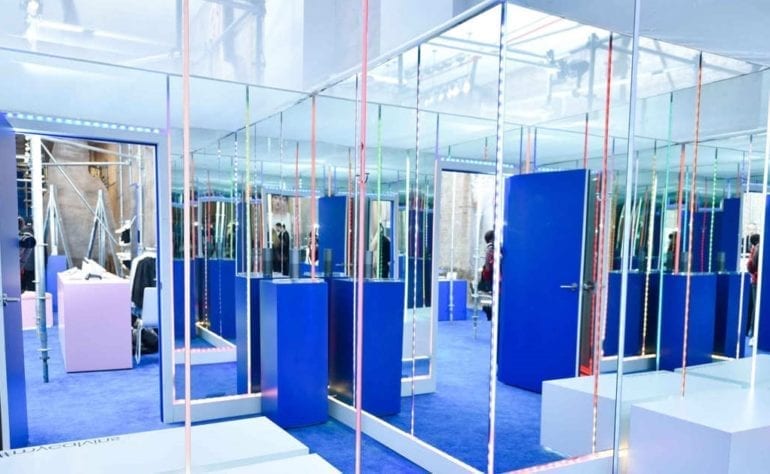
    The Amazon-Calvin Klein pop-up stores in New York City and Los Angeles may be just what brick-and-mortar retailers need to bring online shoppers back to the real world, Morgan Stanley’s Brian Nowak said.

    Amazon is banking on its loyalty with consumers who rely on the company for the best prices, Nowak said. When it comes to brick-and-mortar, that transparency “could encourage more people to shop in store rather than online,” he said.

    The key way it does this is by having consumers experience dynamic pricing while at the shop, prompting shoppers to scan the barcodes of items in order to see the ever-changing prices. The prices will match what’s on Amazon.com, which is often the lowest price, Nowak said.

    The Amazon-Calvin Klein pop-up also offers free personalization and customization of basic items, such as underwear, the mainstay of Calvin Klein’s brand. It is also offering exclusive merchandise, which can only be found in the store or at the ‘My Calvins’ online brand store on Amazon.com.

    “This phone scanning and dynamic pricing combination is another example of Amazon’s attempt to change consumer behavior/expectations in the offline world in a way to build trust with consumers that they are always getting the lowest price,” Nowak wrote in a note.

    Amazon’s outsized influence as an ecommerce giant has retailers scrambling to stay relevant as it eats away at brick-and-mortars’ market share, particularly in-store sales. When Amazon announced a partnership with Nike in June, it hit Dick’s, Under Armour, Foot Locker and other competitors with many retailers reporting dismal third-quarter earnings.

    The company’s attempts at providing a different shopping experience in brick-and-mortar stores may be what saves the retail industry and brings shoppers back to physical stores.

    Amazon’s stock is trading at $1,133.97 a share and was up 50.39% up for the year. PVH Corp, the parent of Calvin Klein, is trading at $134.28 a share and is up 47.64% for the year.

  • Amazon launches fully in Australia

    Amazon launches fully in Australia

    Amazon has officially arrived down under. The US e-commerce mogul unleashed its complete retail offering after a soft launch  in Australia.

    The Seattle-based mega-site kicked off with 23 categories, more than previous debuts in markets such as Canada and the UK, with millions of products now available to Australians with faster shipping times, along with free shipping for orders over $49.

    Key categories for the new Amazon Australia include consumer electronics and sporting goods, as well as beauty products and clothing and accessories. Products being promoted with the Australian debut include Calvin Klein underwear and polos from Tommy Hilfiger.

    Amazon has been operating in Australia for several years, but it mainly offered best-selling books and products form third-party sellers were minute with expensive delivery costs.

    “Focusing on customers and the long term are key principles in Amazon’s approach to retailing,” said Rocco Braeuniger, Amazon Australia’s country manager. “By concentrating on providing a great shopping experience and by constantly innovating on behalf of customers, we hope to earn the trust and the custom of Australian shoppers in the years to come.”

    Earlier this year Amazon opened a new fulfillment centre in Melbourne, its first in Australia, making it possible to offer local customers faster shipping times.

    A recent UBS survey found that 42 percent of those surveyed are expected to shop online more after Amazon’s launch, while 56 percent would probably visit Amazon’s Australian website. Some 51 percent said there was a strong likelihood they would buy on the platform.

    Australian retail sales bounced back in October after months of lukewarm demand, a bright sign for spending in the upcoming holiday season.

    Data from the Australian Bureau of Statistics (ABS) showed retail sales rose 0.5 percent in October 2017 from the previous month, the strongest since May 2017 and above expectations for a 0.3 percent increase. September 2017 sales had only inched up by a revised 0.1 percent.

  • HCMC plans to stop tax dodgers by enforcing card payments in restaurants

    HCMC plans to stop tax dodgers by enforcing card payments in restaurants

    Ho Chi Minh City’s Tax Department has suggested that customers should pay for restaurants and other high-end services using bank cards rather than cash to make it easier to collect tax revenue.

    Tran Ngoc Tam, the department director, said the proposal could help manage tax payments for high-end services.

    His unit is working with other agencies before submitting the plan to the city’s government for approval.

    Tam said that cash payments are no longer popular. Vietnam does not allow cash paymentss worth VND20 million ($880) or more, and that threshold is likely to go down to VND5 million soon “when we have the infrastructure to boost electronic payments,” he said.

    The role of cash in all payments across Vietnam fell from 14 percent in 2010 to 11.5 percent in August 2017, according to figures from the central bank.

    HCMC’s tax office raised the card payment proposal amid reports that the department is likely to miss its target this year.

    The department was set to bring in nearly VND239 trillion ($10.5 billion) in taxes, but has so far only reached 87 percent of the target.

    Legislators in the city, the biggest contributor to the state budget, earlier this week also suggested that celebrities who advertise products on Facebook should be taxed.

    Facebook is the most popular social network in Vietnam with more than 52 million active accounts to advertisers, and is also used as a e-commerce platform that tax authorities have struggled to keep track of.

  • True Shopping to set partnership with 11street

    True Shopping to set partnership with 11street

    Thai home-shopping retailer True Shopping has launched an online store on marketplace 11street.

    To mark its sixth anniversary, True Shopping and 11street are running a promotion this month with discounts and bonus coupons.

    “One of our key strategies for next year is to win new customer groups,” says CEO Ongard Prapakamol of True Shopping owner True GS. “That’s why we think 11street is a strong partner to allow us to gain a strong foothold in e-commerce.”

    Selling on 11street on a trial basis since October, True Shopping has had great feedback, says Prapakamol. “We found that our buyers from 11street are totally different from our home-shopping buyers: they are younger, have a taste for trendier products and are price sensitive.”

    “We are delighted True Shopping trusts us to be another channel for its products,” says 11street Thailand CEO Hong Cheol Jeon. “True Shopping’s wealth of low-priced products and services, more than 400 SKUs, will help increase our product portfolio to meet the demands of our more than 700,000 shoppers.”

    The anniversary promotion runs until December 24.

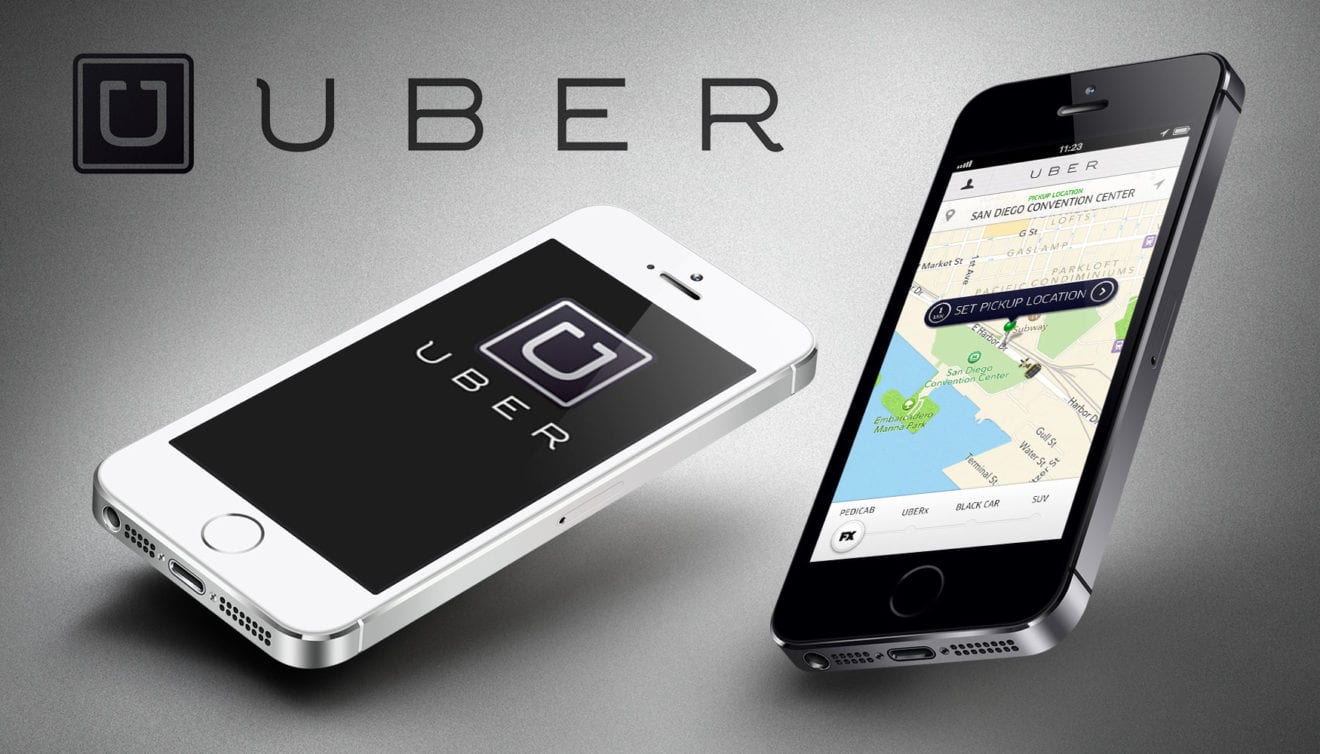
  • Uber joins forces with global public transport association

    Uber joins forces with global public transport association

    Ride-hailing app Uber said on Monday it was joining a global public transport association to improve mobility in the cities it operates in.

    Uber also said it was joining the International Association of Public Transportation (UITP) to connect more people to public transport.

    Andrew Salzberg, Uber’s head of transportation policy and research, said aligning the company with public transport authorities was a good way to make Uber a better partner for cities.

    UITP represents public transport providers around the world, including Transport for London (TfL) – which in September stripped Uber of its operating licence.

    Scandal-hit Uber has just had to reassure authorities it is tackling the way it does business after the disclosure of a massive data breach cover-up that has prompted investigations from regulators around the world.

    Uber, currently valued at $69 billion, has been testing a more collaborative approach to regulators under its new CEO Dara Khosrowshahi in a shift away from a more aggressive culture under former CEO Travis Kalanick.

    “One of the big emphases that Dara has made … is that we want to be better partners for the cities we operate in,” Salzberg said, acknowledging that Monday’s announcement was part of the company’s effort to improve relationships with local authorities.

    Uber said it would work on a series of training sessions with UITP starting with the so-called first and last mile issue of public transport to connect people better at the start or end of their journeys.

    Salzberg said the company also wanted to help to reduce congestion on roads by encouraging people to move to shared modes of transport.

    Alain Flausch, Secretary General of UITP, said Uber joining the association was a sign that the company wanted to have a better relationship with regulators.

    “They are kind of saying to every politician: ‘We are joining the community and we want to help in the new ecosystem’,” Flausch said.

    Flausch said he had told members of UITP that he would check the company stuck to its promises.

    “It’s a work in progress and having Uber join is a good sign. Of course they keep their business model but … they need to be a bit more flexible and open to talking.”

  • Retailers brace as Amazon launches in Australia

    Retailers brace as Amazon launches in Australia

    U.S. internet giant Amazon launched in Australia Tuesday in time for Christmas, with retailers scrambling to cut costs and boost their online offerings as they brace for an expected shake-up of the sector.

    The arrival of the behemoth — which has grown from an online bookstore to one of the world’s largest firms — poses a threat to a market already grappling with weak consumer confidence amid tepid wages growth.

    The American giant is offering “millions” of products from well-known Australian brands, as well as small and medium-sized Australian businesses selling on Amazon Marketplace.

    They will be shipped from a warehouse in Melbourne.

    Online shopping only accounts for between 8-13 percent of total sales in Australia, leaving room for growth in a sector estimated to be worth more than Aus$300 billion ($227 billion) annually.

    “We believe Amazon’s full entry into Australia will likely be a success,” UBS analysts said in a note ahead of the launch, adding that Australia was an “attractive market where online is under-penetrated”.

    “Australian online shoppers spend the third-most globally of Amazon’s markets.”

    Retail categories most likely to be hurt by Amazon’s entry include electrical, appliances, apparel and cosmetics, UBS added.

    Faces challenges

    The U.S. firm was likely to absorb losses initially to boost its market share, IBISWorld senior analyst Kim Do said, pressuring the profitability and margins of its competitors.

    Several top Australian retailers have recently succumbed to pressure from foreign giants such as Japan’s Uniqlo and Sephora of France, while others have cut back on bricks-and-mortar stores.

    But Australian Retailers Association executive director Russell Zimmerman welcomed Amazon’s arrival, saying it provided an additional platform to boost sales.

    “With over 300 million active users already on Amazon’s Marketplace, the majority of Australian retailers view Amazon’s platform as a supplementary channel to their current retail offering,” he said.

    Some analysts warned Amazon would face challenges, such as low access to broadband and the large size of the island continent.

    “A key reason why Australia lags behind its peers (in the development of the e-commerce sector) is the low access to broadband,” BMI Research, Fitch Group’s research arm, said in a note.

    Broadband subscriptions in Australia stand at 57.3 per 100 people, rising to a forecast 60 in 2021, in contrast to markets like Singapore which is projected to have subscriptions of 75.3 per 100 that year, BMI said.

    “Slower delivery speeds due to the large geographic size of the country and as a result, more costly delivery services… will not bode well for the success of an e-commerce company.”

    Retail analyst Brian Walker said according to his research, Amazon was “producing a positive return” in just one-third of the countries it was operating in outside of the U.S.

    “The rest are still in the various stages of growing. And that is the point about Amazon,” Walker told AFP. “They will take in our view of somewhere between two to five years to hit any form of scale in Australia.”

    Amazon, a Seattle-based company, has expanded far beyond its roots as a digital bookstore, moving into the groceries and other retail sectors as well as cloud computing, streaming video, artificial intelligence and more.

    It has become one of the most valuable companies on the planet alongside U.S. tech rivals Apple, Facebook and Google parent Alphabet, and in October reported third-quarter profits of $256 million.

  • Retailers in South East Asia brace as Amazon makes debut in Australia

    Retailers in South East Asia brace as Amazon makes debut in Australia

    U.S. internet giant Amazon launched in Australia on Tuesday with retailers scrambling to cut costs and boost their online offerings as they brace for an expected shake-up of the sector.

    The arrival of the behemoth — which has grown from being an online bookstore to one of the world’s largest firms — poses a threat to a market already grappling with weak consumer confidence amid tepid wage growth.

    “Focusing on customers and the long term are key principles in Amazon’s approach to retailing,” Amazon Australia country manager Rocco Braeuniger said in a statement. “By concentrating on providing a great shopping experience and by constantly innovating on behalf of customers, we hope to earn the trust and the custom of Australian shoppers in the years to come.”

    The American giant is offering millions of products from well-known Australian brands as well as small and medium-size Australian businesses selling on Amazon Marketplace.

    Online shopping only accounts for 8 to 13 percent of total sales in Australia, leaving room for growth in a sector estimated to be worth more than 300 billion Australian dollars ($227 billion) annually.

    “We believe Amazon’s full entry into Australia will likely be a success,” UBS analysts said in a note ahead of the launch, adding that Australia was an “attractive market where online is under-penetrated.”

    “Australian online shoppers spend the third-most globally of Amazon’s markets,” UBS said.

    Retail categories most likely to be hurt by Amazon’s entry include electrical, appliances, apparel and cosmetics, UBS added.

    Amazon might also be willing to absorb losses initially to boost its market share, IBISWorld senior analyst Kim Do said, pressuring the profitability and margins of its competitors.

    Several top Australian retailers have recently succumbed to pressure from foreign giants, including Japan’s Uniqlo and Sephora of France, while others have cut back on brick-and-mortar stores.

    But Australian Retailers Association executive director Russell Zimmerman welcomed Amazon’s arrival, saying it provides an additional platform to boost sales.

    “With over 300 million active users already on Amazon’s Marketplace, the majority of Australian retailers view Amazon’s platform as a supplementary channel to their current retail offering,” he said.

    Some analysts warned that Amazon will face challenges such as low access to broadband and the large size of the island continent.

    “A key reason why Australia lags behind its peers (in the development of the e-commerce sector) is the low access to broadband,” BMI Research, Fitch Group’s research arm, said in a note.

    Broadband subscriptions in Australia stand at 57.3 per 100 people, rising to a forecast 60 in 2021, in contrast to markets like Singapore which is projected to have subscriptions of 75.3 per 100 that year, BMI said.

    “Slower delivery speeds due to the large geographic size of the country and as a result, more costly delivery services … will not bode well for the success of an e-commerce company.”

    Retail analyst Brian Walker said that according to his research, Amazon is “producing a positive return” in just one-third of the countries it is operating in outside of the U.S.

    “The rest are still in the various stages of growing. And that is the point about Amazon,” Walker said. “They will take in our view of somewhere between two and five years to hit any form of scale in Australia.”

    Amazon, a Seattle-based company, has expanded far beyond its roots as a digital bookstore, moving into the groceries and other retail sectors as well as cloud computing, streaming video, artificial intelligence and more.

    It has become one of the most valuable companies on the planet alongside U.S. tech rivals Apple, Facebook and Google parent Alphabet, and in October reported third-quarter profits of $256 million.

  • Shopee giant leaps on its second year

    Shopee giant leaps on its second year

    Fast-growing e-commerce platform Shopee has released impressive statistics in marking just its second birthday.

    Combined annualised GMV from Taiwan and the six Southeast Asian markets where it operates has reached US$5 billion. It has more than 180 million active listings by more than 4 millions sellers, including 5000 leading brands and distributors. Its app has been downloaded more than 80 million time.

    In Singapore alone, where it has its own mall portal, the app has had more than 1 million downloads and features more than 70,000 sellers and brands.

    “Shopee has undergone tremendous transformation since we first launched, and while we are proud of all that we have achieved, this is only the beginning,” said Zhou Junjie, chief commercial officer of Shopee.

    “Shopee has always been committed to listening to the needs and preferences of our users, and has worked to create a platform that is tailored to exactly that. Whether it is providing a fuss-free and convenient shopping experience for buyers, or offering a reliable and secure platform for brands and budding entrepreneurs to expand their online presence, Shopee strives to continue improving the lives of the region’s consumers and businesses with technology,” said Zhou.

    “This year has been a great one for Shopee and we would like to thank our customers, sellers, and partners for their continuous support. Moving forward, we will continue to focus on improving our platform and diversifying our product assortment. We remain committed to helping brands and local entrepreneurs grow and continuously strive to push the boundaries of e-commerce to become the leading online shopping destination of choice in the region.”

    As part of its birthday celebration, Shopee Singapore will be holding a 10-day birthday sale until December 13, featuring promotions across over 10,000 items.

  • Uber’s use of encrypted messaging may set legal precedents

    Uber’s use of encrypted messaging may set legal precedents

    Top executives at Uber Technologies Inc used the encrypted chat app Wickr to hold secret conversations, current and former workers testified in court this week, setting up what could be the first major legal test of the issues raised by the use of encrypted apps inside companies.

    The revelations Tuesday and Wednesday about the extensive use of Wickr inside Uber upended the high-stakes legal showdown with Alphabet’s Inc Waymo unit, which accuses the ride-hailing firm of stealing its self-driving car secrets.

    Apps such as Wickr, Signal, Telegram, Confide and Snapchat offer security and anonymity, with features including passcodes to open messages and automatic deletion of all copies of a message after as little as a few seconds.

    There is nothing inherently unlawful about instructing employees to use disappearing messaging apps, said Timothy Heaphy, a lawyer at Hunton & Williams and a former U.S. Attorney in Virginia.

    However, companies have an obligation to preserve records that may be reasonably seen as relevant to litigation or that fall under data retention rules set by industry regulators. In Uber’s situation, chat logs that could help get to the bottom of the trade secrets case are now inaccessible. Uber also faces a criminal investigation over the alleged theft.

    “It’s a knotty question for courts and lawyers on when the obligation arises” to preserve records, said Julia Brickell, general counsel at the legal discovery firm H5. But “if someone uses a communication device to specifically hide information from litigation because you knew it would result in litigation, that would be foul from the start.”

    Richard Jacobs, a security analyst whom Uber fired in April and now consults for the company, testified Tuesday that up to dozens of employees were trained to used ephemeral messaging systems, including Wickr, to communicate so that their conversations would be clandestine and could not surface in any “anticipated litigation.”

    Two officials still at Uber testified Wednesday that multiple teams used Wickr. Among the users, they said, was Anthony Levandowski, a one-time leader of Waymo’s autonomous vehicle efforts who the company alleges brought trade secrets to Uber.

    Wickr key evidence

    It is unclear when Uber began using Wickr, but the company said that in October of last year it began paying for a business version that gave it the ability to preserve messages for as long as a year instead of a maximum of six days.

    While the contents of an individual user’s Wickr account would be impossible to access without the account-holder’s permission, the business version gives the company the ability see whatever information has not been automatically erased.

    In the middle of the contentious court hearing Tuesday, Uber Chief Executive Dara Khosrowshahi tweeted: “True that Wickr, Telegram were used often at Uber when I came in. As of Sept 27th I directed my teams NOT to use such Apps when discussing Uber-related business.”

    U.S. District Judge William Alsup opened the pre-trial hearing by admonishing attorneys that counsel in future cases can be “found in malpractice” if they do not turn over evidence from specialized communications tools.

    An app such as Wickr “could be a way for Levandowski to communicate ‘By the way, how did we do that back at Waymo?’ and all that vanishes in 30 seconds,” Alsup said. “To me it’s plausible that it happened. And the evidence is gone now. Because it was an intentionally set up system to not leave a paper trail.”

    Federal civil court guidelines enable judges to tell jurors that they can presume that information covered up by a litigant and now missing would have been negative for that party, Brickell said.

    Such a declaration could hurt Uber, as its primary defense has been that Waymo has turned up no concrete evidence of the trade-secret theft. Now, Waymo can claim that such evidence was simply deleted.

    “That they were so concerned about covering things up meant that they could have known what they were doing was a crime,” said Nick Akerman, a lawyer at Dorsey & Whitney and a former federal prosecutor in Manhattan. “To me, that’s very powerful evidence.”

    Andy Wilson, chief executive of forensics software maker Logikcull, said it is already common for companies to search for usage of encrypted apps or deleted messages when conducting internal investigations.

    He said his company’s program is used by Salesforce.com Inc and other businesses to scan emails and chat messages. Emails showing a user signed up for a service such as Signal or Telegram are held against them in internal investigations, he said, as are records showing a text was deleted.

    “It’s a huge win for (customers) because it shows ill-intent” on the part of the subject of the investigation, Wilson said.

  • Search Engine Optimization For Retail Businesses

    Search Engine Optimization For Retail Businesses

    Search engine optimization (SEO) is a special marketing technique that can help your site rank better in the search engines. The process itself involves not only optimizing the actual content of a company’s website but also external factors such as the quality of the links that are pointing at the website and the company’s social media presence. SEO is a complicated and time-consuming process – especially for retail businesses since they usually have a lot of pages to maintain. Further complicating the matter is the fact that the search engines are continually tweaking their algorithms. That means that you have to stay on the cutting edge of SEO if you want to get good results.

    Retail businesses typically have pages dedicated to every product that they sell. They also have complicated search forms that allow visitors to search for products based on a variety of different factors. Every product on the site needs to be properly optimized to ensure that they come up during these searches.

    That is one of the things that makes optimizing a retail website so challenging. Not only do you have to optimize your site as a whole but you also have to optimize each product page if you really want to connect with potential buyers.

    Understanding The Importance Of Getting Listed Well In The Search Results

    Although the SEO process can take a lot of time, it is definitely worthwhile. Obtaining one of the top spots in the search engines can provide the following benefits:

    * An increase in traffic. Studies have shown that nearly 70% of all of the clicks on a typical search engine page go to the top five results. That means that if your site isn’t in one of the top positions, it most likely won’t get a lot of clicks from the search engines.

    * Instant trust. Search engines do an excellent job of curating content, only delivering high-quality results to their users. As a result, people have naturally come to expect that the top few results in the search listings are high-quality websites. That means that if you can obtain one of these spots, you will instantly have a measure of trust with the people who click through to your site. Appearing in a top position can make your website seem more credible and trustworthy.

    * Decreased advertising costs. Getting your site listed well in the search engines can result in a lot of free, highly-targeted traffic. When compared to other advertising methods such as pay-per-click advertising, SEO is far less expensive. Best of all, the visitors who land on your site are usually easy to convert since they are already looking for the products that you sell.

    The only downside to search engine optimization is that it can take time to see results. It is not an overnight process. Instead, all of the changes that you make cumulatively add up over time, helping your site to rank better and better in the search results. As frustrating as it might be to have to wait for results, it is well worth the effort. The sooner you start, the sooner you can start seeing an increase in traffic.

    Remember – regardless of the size of your business, you can succeed online. You don’t need a huge advertising budget or a large retail shop. Instead, all that you need to do is get your business in front of the eyes of the people who are searching for the products that you sell. Here are some tips that you can use to start optimizing your site today.

    1. Include the right keywords in your content.

    Keywords are the words that people type into the search engines when they are searching for a particular product or service. When deciding what keywords to use in your content, think about the types of words that people type in. For instance, if you sell dresses, avoid general terms such as “clothing”, opting instead for more specific words such as “red evening gowns” or “blue maxi dresses”. Being more specific will help bring in targeted traffic.

    There are also a lot of different keyword tools out there that you can use to help figure out which keywords and search phrases people are using when they are searching for the items that you carry in your store.

    When people are shopping, they tend to use very specific keywords. Because of that, you should incorporate specific keywords in your content. These keywords should clearly identify what the product is as well as other details such as its color, size, and the type of material that it is made from. See more about keywords here.

    1. Create a large site.

    SEO guru Matthew Woodward suggests adding additional pages to your website may help it rank better since search engines tend to favor larger sites over smaller ones. Retail sites are usually already quite big, simply because they have a separate page for every product.

    Along with your product pages, however, you should consider adding additional content such as blog posts, interesting articles, or testimonials from past customers. Product reviews can also be beneficial for helping people find the products that they need. The more time and effort you can put into building a helpful, informative website, the more likely your site is to rank well in the search results.

    The key through all of this, however, is to focus on creating the highest quality content that you can. Check out Matt’s seo tutorials if you want more on this.

    1. Leverage your images.

    Adding images to your website is a great way to help people get a better idea of what they are buying. Images can also be used to help optimize your site. All that you have to do is add a description to them.

    Adding relevant keywords to the name of the image file and to the alt tag for every image on your site is a great way to help the search engines better understand what your content is about. This can boost your rankings, allowing your site to appear higher and bringing in more traffic. SEO tool Yoast have some good tips here.

    1. Make it easy for people to share your content.

    Although social media doesn’t have a direct impact on your overall ranking, it never hurts to have your content shared on as many social media platforms as possible. The easier you can make it for people to share your content, the more likely they are to do it.

    You should have share buttons displayed prominently on every page of your website. That way, all people have to do to share your content is to click on one of those buttons. The more times your content gets shared, the more likely you are to connect with potential buyers.

    1. Make your site mobile-friendly.

    A large percentage of people rely on their cell phones when accessing the Internet. In fact, there are now more people using mobile devices to search the Internet than there are people using desktop or laptop computers. Because of that, you should make sure that your content is mobile-friendly and that it displays correctly on cell phones, tablets, and other mobile devices. Make sure your text is large enough to easily read and that your layout works well on small screens.

     

  • Bangkok could gain THB 126 billion of economic benefits by going cashless

    Bangkok could gain THB 126 billion of economic benefits by going cashless

    Residents, businesses and government of Bangkok could realize THB 126 billion-worth of economic benefits by transitioning from physical money to digital payments, according to an independent study conducted by Roubini ThoughtLab and commissioned by Visa.

    The results examine the economic impact of increasing the use of digital payments in major cities around the world. As a “digitally transitioning” city, Bangkok is among the six global metropolises selected for the study, representing one of the five different stages of digital payment maturity.

    “As more people move from rural to urban areas, cities become the nexus for the adoption of electronic payments. This study is unique in that for the first time it looks at the net benefits associated with adopting digital payments at a city-level. The research shows that a shift to electronic payments will benefit people, businesses and government not just in big cities like Bangkok, but other urban centers such as Phuket and Khon Khaen as well,” said Suripong Tantiyanon, Country Manager, Visa Thailand.

    For Bangkok, widespread usage of electronic payments could generate an estimated increase of THB126 billion to the city’s economy – with consumers, businesses and government to realize net benefits of THB 3 billion, THB 73 billion, and THB 50 billion, respectively.

    Estimated net benefits are derived from factors including time savings while conducting and processing banking, retail and transit transactions; increased sales revenues from extended customer base both online and in-store; increased tax revenues and economic growth; cost savings; and reduced cash-related crime, among others.

    “There are many existing and emerging technologies in payment that will drive wider adoption of electronic payments. In cities like Bangkok, we will see new payments form factors such as standardized QR Code go beyond being just a money transfer tool and mainstream method such as debit chip card becoming widely used and accepted, giving consumers and businesses the choices on how to pay and get paid,” said Mr. Suripong.

    About the Cashless Cities Report

    “Cashless Cities: Realizing the Benefits of Digital Payments”, is a unique study that quantifies the potential net benefits experienced by cities which move to an “achievable level of cashlessness”—defined as the entire population of a city moving to digital payment usage equal to the top 10% of users in that city today.  The study does not look at eliminating cash.  Rather, it seeks to quantify the potential benefits and costs of significantly increasing the use of digital payments.

    By reducing reliance on cash, the study estimates the immediate and long-term benefits for three main groups—consumers, businesses and governments. According to the study, these benefits could add up to combined direct net benefits of approximately U.S. $470 billion or equivalent to 3 percent of the average GDP of the 100 cities that were analyzed:

    • Consumers across the 100 cities could achieve nearly $28 billion per year in estimated direct net benefits. This impact would be derived from factors including up to 3.2 billion hours in time savings conducting banking, retail and transit transactions, in addition to a reduction in cash-related crime.
    • Businesses across the 100 cities could achieve more than $312 billion per year in estimated direct benefits. This impact would derived from factors including up to 3.1 billion hours in time savings processing incoming and outgoing payments and increased sales revenues stemming from extended online and in-store customer bases. The study also found that accepting cash and checks costs businesses 7.1 cents of every dollar received compared to 5 cents of every dollar collected from digital sources.
    • Governments across the 100 cities could achieve nearly $130 billion per year in estimated direct benefits. This impact would be derived from factors including increased tax revenues, increased economic growth, cost savings from administrative efficiencies and lower criminal justice costs due to reduced cash-related crime.

    “This study demonstrates the substantial upside for consumers, businesses and governments as cities move toward greater adoption of digital payments,” said Ellen Richey, Visa’s vice chairman and chief risk officer. “Societies that substitute digital payments for cash see benefits from greater economic growth, less crime, more jobs, higher wages, and increased worker productivity.”

    As cities increase use of digital payments, the positive impacts can extend beyond financial benefits to consumers, businesses, and government. The shift to digital payments also may have a catalytic effect on the city’s overall economic performance, including GDP, employment, wage, and productivity growth.

    “The use of digital technologies—from smart phones and wearables to artificial intelligence and driverless cars—is rapidly transforming how city dwellers shop, travel, and live,” said Lou Celi, Head of Roubini ThoughtLab. “Without a firm foundation in electronic payments, cities will not be able to fully capture their digital future, according to our analysis.”

    “Cashless Cities: Realizing the Benefits of Digital Payments” offers 61 recommendations for policymakers to help their cities become more efficient through greater adoption of digital payments. Recommendations include undertaking financial literacy programs to help move the unbanked into the banking system, implementing incentives to stimulate innovation focused on scaling new payment technologies, implementing secure open-loop payment systems across all transportation networks and more.

    Visa and Roubini Thoughtlab created an online data visualization tool as a companion to “Cashless Cities: Realizing the Benefits of Digital Payments.” Using the data visualization tool, individuals can increase or decrease the level of digital usage in each of the 100 cities included in the study to better explore the benefits of a world, less dependent on cash.  

    Methodology

    Roubini Thoughtlab, a leading economics and evidence-based research firm, surveyed 3,000 consumers and 900 businesses in 2016 across six cities (Tokyo, Chicago, Stockholm, Sao Paolo, Bangkok and Lagos) that represent different levels of digital payments maturity. These surveys examined the use, acceptance, and cost-benefit impact of physical and digital money. Researchers then extrapolated these survey results based on specific demographic and economic data to another 94 cities around the world to determine the net impact of moving toward a cashless economy on consumers and businesses in each location. Through other sources, the research was also able to identify expected impacts on government. Researchers used World Bank, Organisation for Economic Co-operation and Development, and other well-respected secondary data sources to augment the survey results and build the overall findings. An econometric model used by various central banks and other institutions – the National Institute Global Econometric Model (NiGEM) – was used to estimate the “catalytic” impacts (economic growth, productivity, employment and wages) that a move toward digital payments would have on each of the 100 cities analyzed. Visa commissioned the study.  Roubini Thoughtlab independently conducted the surveys, managed the research and developed the analysis.

  • Amazon India to support female entrepreneurs

    Amazon India to support female entrepreneurs

    Amazon India has launched an exclusive online store for women entrepreneurs.

    It is rolling out it Amazon Saheli initiative in partnership with non-government social-service entities Impulse Social Enterprise and Self-Employed Women Association (Sewa). The store will enable women entrepreneurs to sell their products online (“saheli” is Hindi for “women’s friend”).

    “Through Amazon Saheli we aim to bring a change in the lives of thousands of women entrepreneurs with the help of our partners,” says Amazon India director/GM seller services Gopal Pillai.

    Sewa founder and social worker Reema Nanavati says the partnership will not only provide women entrepreneurs access to millions of new customers and become economically secure, but will also generate employment opportunities for many more young women.

    The store will feature exclusive products like handicrafts, apparel, handbags and home-decor items made by women entrepreneurs.

    Meanwhile, Amazon India has been running workshops across the country to familiarise women entrepreneurs with the benefits of e-commerce.

    For the Saheli store, the e-commerce firm is offering women vendors such benefits as subsidised product cataloguing, imaging, packaging and courier services, as well as basic online training.

    Pillai says he expects the workshop program to reach about 20,000 women entrepreneurs over the next few months.

    The program will eventually be expanded to empower women through other programs offered by Amazon India like ATES (Amazon-Trained E-commerce Specialists), IHS (I Have Space,) SPN (Service Provider Network) and Udaan.

  • Alibaba betting on long-term gain from eSports investment

    Alibaba betting on long-term gain from eSports investment

    The booming eSports industry may not yet attract the sponsors and television rights of real life sports, but Chinese e-commerce conglomerate Alibaba believes it is only a matter of time before its bet on competitive video gaming comes up big.

    Alibaba’s sports arm Alisports was opened in 2015 with the aim of cashing in on the rapidly growing world of electronic sports, where players square off in lucrative video game tournaments that draw millions of viewers online.

    “We are prepared to lose money. We can accept the losses now as we hope to promote this sport,” Alisports CEO Zhang Dazhong told AFP in an interview at the European final of the second edition of Alisports’ World Electronic Sports Games (WESG) in Barcelona, which wrapped up on Sunday.

    “For a sport that has a lot of participation, it must have a bright future. Even if for now you don’t make a lot of money, in the future, you’ll definitely be rewarded. This is something we firmly believe in.”

    In 2016, Alisports entered into an agreement with the International e-Sports Federation (IeSF) to create the WESG, a market-leading international tournament.

    The first edition of the WESG saw 63,000 participants from 125 countries battle for a share of the $5.5 million prize pot.

    Yet the results weren’t so lucrative for Alisports, who lost 70 percent of their investment.

    “We estimate that we will be losing money for the next five years,” admitted Zhang.

    Long-term returns

    Alisports’ strategy, though, is a long-term one.

    “We estimate that in five to ten years…the business model will be more complete. On top of the competitions, we have to bear in mind the electronics business and marketing related to eSports,” added Zhang.

    Participation in eSports has soared as virtual games gain traction with a worldwide fan audience now estimated at 400 million people according to a study by Deloitte, more than that for baseball or American football’s National Football League.

    The size of the eSports market will more than double to $696 million this year from $325 million in 2015, according to Deloitte’s study. It predicts the market will be worth $1.5 billion in 2020.

    But the market is fragmented, with different operators staging their own tournaments, and sales of television rights and merchandising remain weak.

    An eSport fan brings only three euros to the table annually on average, according to a recent study by market research group Nielsen Sports, compared to 30 euros for a football fan.

    Yet, Alibaba believes its position as the market leader in China, the worldwide powerhouse of eSports, ensures the return on eSports will be plentiful.

    “In China we have 1.8 million eSport fanatics and 65 percent of those are between 18 and 25,” continued Zhang.

    “They play video games, but they also buy all sorts of products from Alibaba. We understand them very well.”

    Olympic dream?

    The leap in popularity has helped fuel talk that professional gaming could become an Olympic discipline, but not everyone is convinced.

    “I think we have to differentiate eSports and gaming in general,” Zhang said when he was asked about the controversy.

    “Gaming of course isn’t a sport, but eSports involve high-level confrontation, teams, individual resistance, so I think it’s a sport. And I think that sport in general is evolving towards a combination of technology and physical activity.”

    Zhang said he hopes eSports will be part of the 2024 Olympics in Paris or the 2028 Olympics in Los Angeles.

    “It could happen, because at this year’s Asian Indoor and Martial Arts Games, we already gave a demonstration of games. In the Asian Games in Hangzhou in 2022, it’s already an official event,” he said.

    The director of the Paris 2024 Olympics committee said earlier this month that the door to the Games was “not closed” to eSports.