Category: E-Tailing

Retail News Asia is committed to providing both local and global retailers with the latest E-Commerce & Etail news throughout the Asian market. This on a daily base.

  • WeChat and Guangzhou government to introduce WeChat ID

    WeChat and Guangzhou government to introduce WeChat ID

    WeChat may soon become an indispensable part of the Chinese citizens after a report emerged claiming that the Tencent-owned messaging app will be used to officially ID people.

    The Guangzhou government has reportedly initiated a pilot program which creates a virtual ID card through WeChat account of registered users. This Virtual ID card has the same purpose as that of a normal state-issued ID card.

    The South China Morning Post claims that according to Xinhua, the service will soon be introduced in the rest of the country as well.

    WeChat is currently the largest social media platform in China and also has additional features such as payments and money transfers. The program, called the WeChat ID, was co-developed by the Ministry of Public Security and the WeChat team said the report.

    The WeChat ID can be used as an official ID to register in hotels or applying for government jobs without bringing in the state issued ID.

    A similar kind of electronic ID system was earlier implemented in the city of Wuhan, where the branch of the Public Security Bureau partnered up with Alipay to launch an electronic ID card service as reported.

  • Following Alibaba, Online retailer JD.com opens offline fresh-food store

    Following Alibaba, Online retailer JD.com opens offline fresh-food store

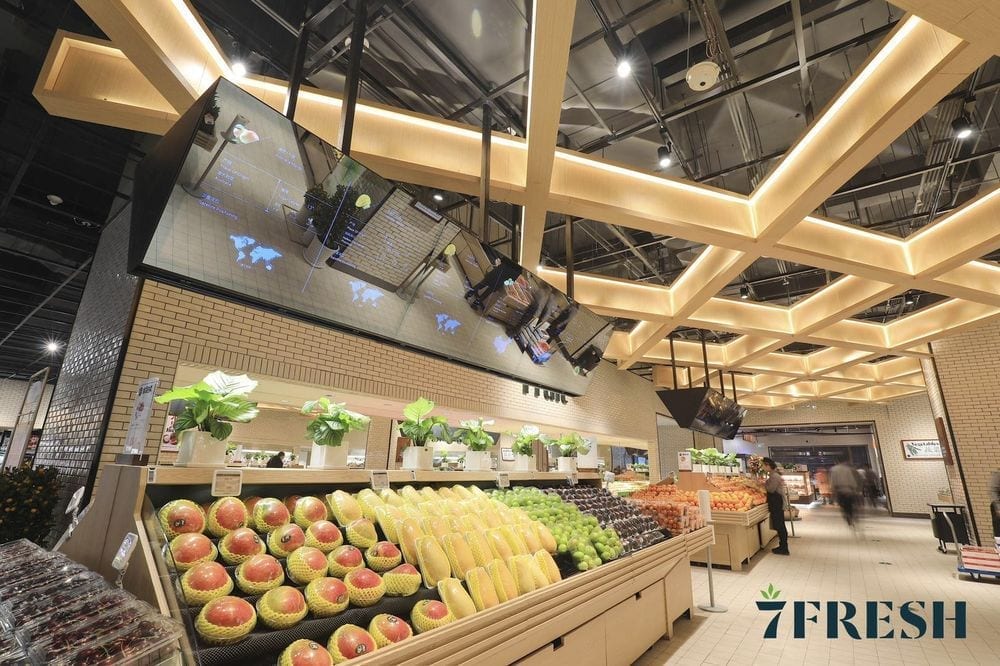
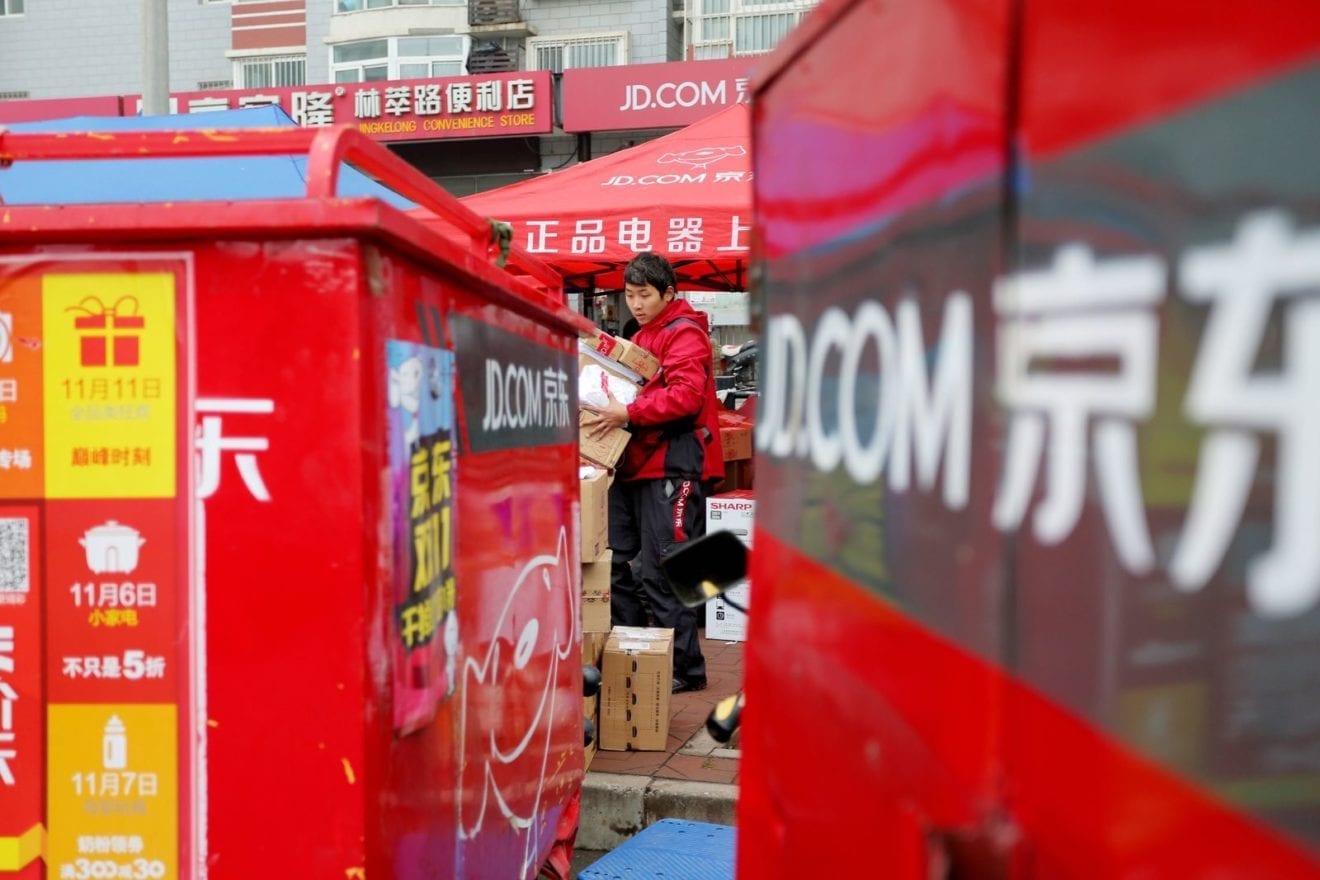
    JD.com owner Beijing Jingdong Century Trade has launched an offline supermarket, 7Fresh, in Beijing.

    Covering 4000sqm, the store is at the Dazu Plaza Shopping Center, near the e-commerce company’s headquarters in Yizhuang district.

    Big-data analytics are being used by 7Fresh to tailor its product offering for its shoppers. To ensure freshness, products are being sourced directly from origin. Fresh produce accounts for 75 per cent of 7Fresh’s total product range. Its food offering includes fruit from New Zealand and beer from Australia.

    Customers who buy fresh seafood and meats can have them cooked in store for immediate consumption. A 30-minute delivery service is also offered for customers who live within a 5km radius of the store.

    Technology introduced by the supermarket includes smart shopping carts and sensor-activated product information. The smart shopping carts do not have to be pushed – they follow the shoppers around, and can even guide shoppers to the correct aisle.

    During a trial period, transactions surpassed 10,000 a day, says JD.com founder/chief executive Richard Liu Qiangdong.

    A second 7Fresh outlet is planned for Beijing’s Haidian district.

  • Amazon : AR will change how we shop

    Amazon : AR will change how we shop

    Amazon saw its biggest holiday shopping season yet, as the draw of its Prime membership program seemed to kick into overdrive, with consumers around the world buying at record levels, the nation’s largest online retailer said.

    Over the course of one week, more than four million people either started free Prime trials, or purchased a membership outright, wooed by benefits such as free two-day, one-day or same-day shipping, as well as one-hour and two-hour delivery perks.

    The retailer’s holiday findings hint at what is poised to propel retail sales next year and beyond — from merchandise purchased via voice commerce to furniture shopping aided by the magic of augmented reality.

    Alexa-enabled Amazon devices such as the Echo Dot and Fire TV Stick with Alexa Voice Remote were not only top selling Amazon items, but also the best-selling products from any manufacturer in any product category and brand sold on the site, according to the e-tailer.

    Amazon additionally scored a hit with its Echo voice-assistant devices, as the Echo Spot, Echo Dot and Echo Buttons sold out. At the same time, the Echo Dot, Fire TV Stick with Alexa Voice Remote and TP-Link Smart Plug Mini ranked as the most popular items purchased by voice.

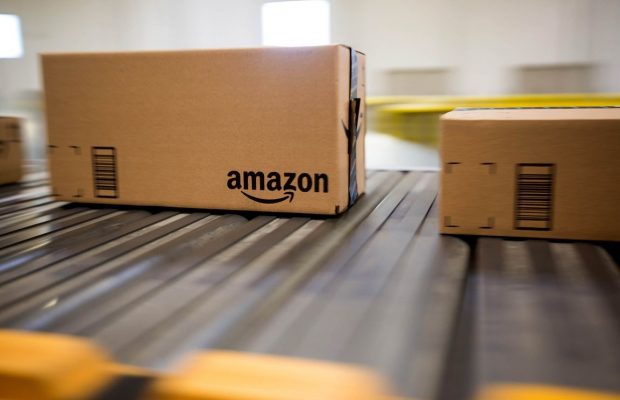
    Amid a $2.3 trillion global ecommerce market, Amazon shipped more than one million customer packages in a single day in North America and Europe alone, with 19 December 2017 marking the mega load for picking, packing and shipping at its 10 fulfillment centers.

    To meet that demand, the retailer increased the size of its fulfillment and shipping network by more than 30% worldwide this year.

    Just as holiday 2017 is poised to go down in the retail record books as a tipping point for mobile shopping, consumer purchases on Amazon’s app soared nearly 70% this season, the retailer said.

    To take that out of the abstract, more than 1,400 electronics products were ordered per second on the site via a mobile device this holiday.

    “The mobile phone is the new mall, and how a brand looks on a smartphone replaces the physical store window,” according to Oliver Chen, retail analyst with Cowen, in a research note.

    Meanwhile, Amazon shoppers can now see how a sofa would look in their own living room via its AR View feature.

    Shoppers are beginning to give AR more attention on the site, particularly when viewing function-driven, feature rich, high-consideration purchase, such as furniture. Top categories viewed via AR included furniture, toys, Amazon devices, kitchen items and consumer electronics, with the retailer’s black chair with ottoman getting the most views.

    In its Future 100 report, J. Walter Thompson’s Innovation Group files this trend under the “transcendent retail” category, as shopping is “ leaping on the screen and morphing into a more immersive experience,” said Lucie Greene, Director of JWT Innovation, in a press statement on the report.

    Voice technology, augmented reality, and artificial intelligence are transforming the retail industry “to make buying products quicker, easier and more enjoyable.”

  • H&M to close stores and expand on Tmall

    H&M to close stores and expand on Tmall

    It is normal practice to use Tmall to test the Chinese market. Is H&M tinking of using Tmall to replace its physical stores?

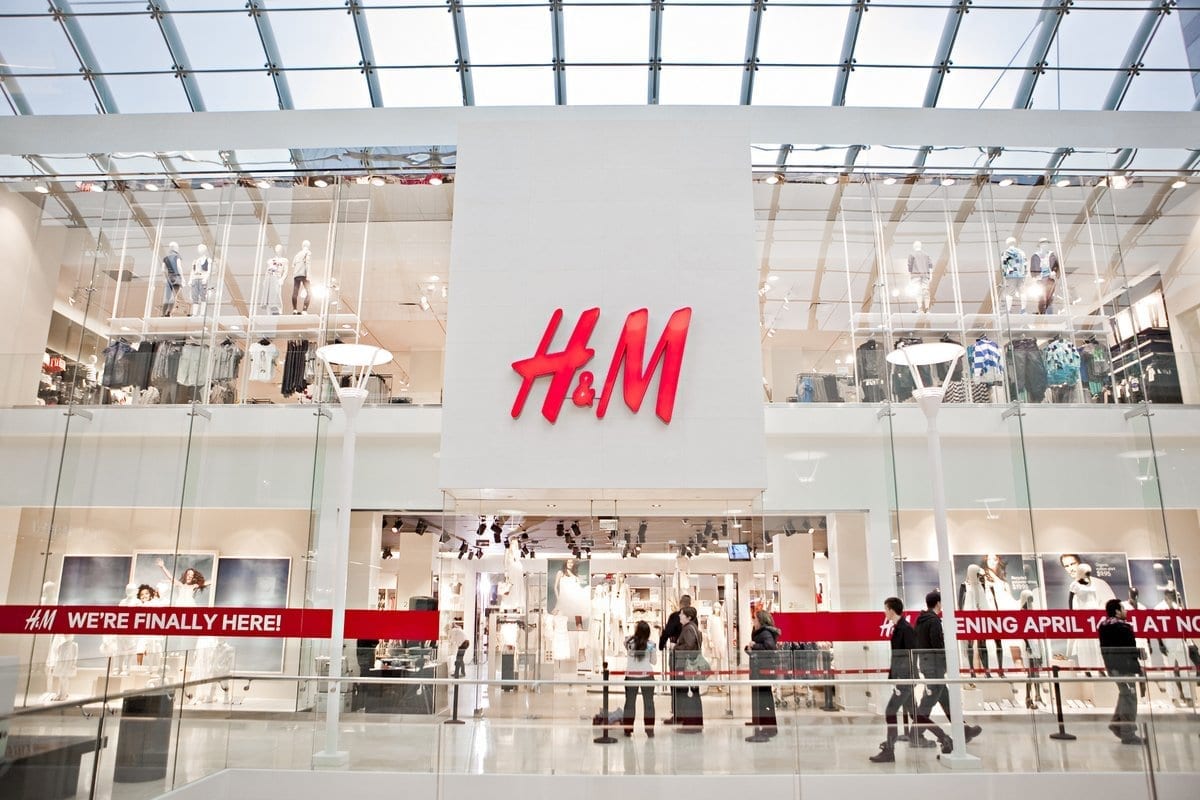
    As inventories rose and sales tanked in the fourth quarter, H&M announced it is picking up the pace on a transformation plan.

    Q4 sales fell 4% to $5.97 billion from the same period a year ago and foot traffic to stores declined, according to a company press release.

    CEO Karl-Johan Persson said the company would scale back its physical expansion and close some stores, but its collaboration with Alibaba is expanding.

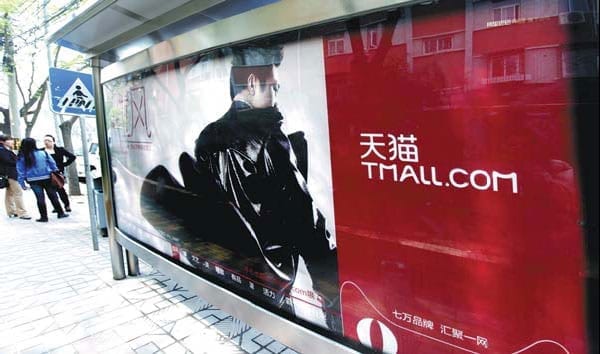
    H&M and H&M Home brands will begin selling on Tmall and the company is in “far advanced discussions” to sell the rest of H&M’s brands through the Chinese e-commerce marketplace, according to another press release.

    Also last week, H&M rival Inditex reported a net sales rise of 10% to €17.96 billion ($21 billion) in the first nine months of fiscal 2017.

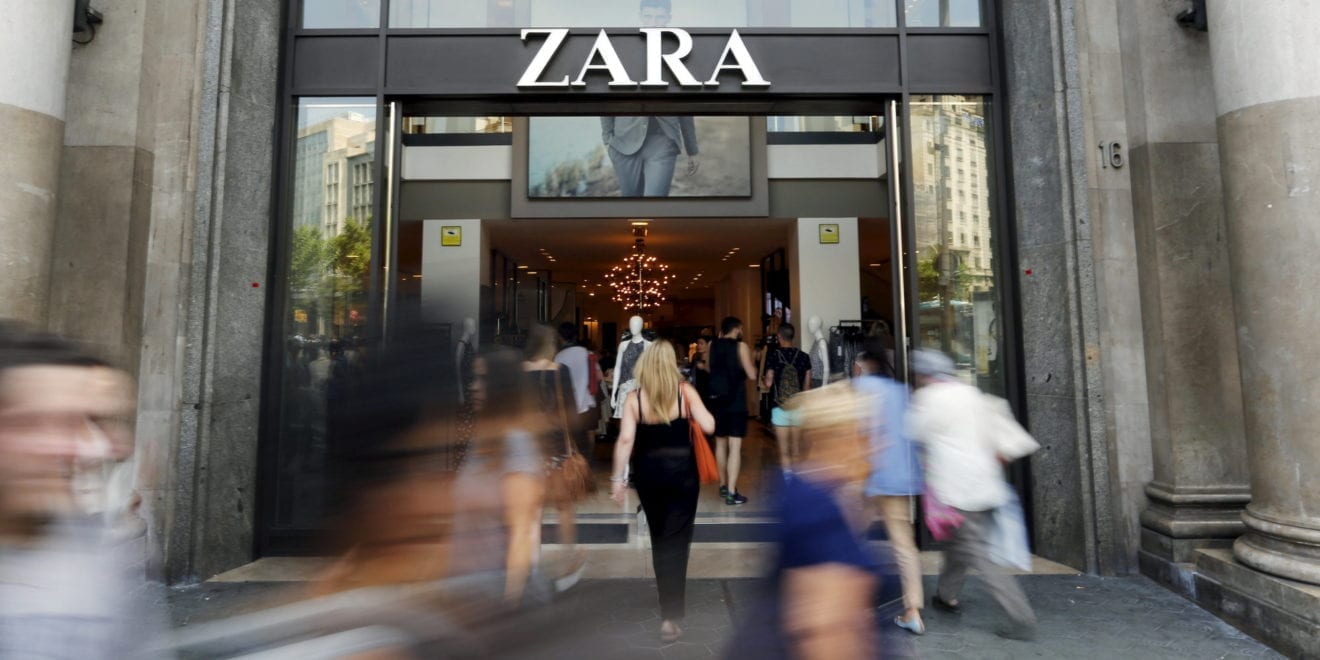
    The Spanish apparel company, owner of Zara, also announced the rollout of same-day delivery, automated in-store pick-up points for online orders and next-day delivery in six markets, including in Spain, France, the U.K. and China.

  • What Will the Giorgio Armani-TMall Partnership Bring About?

    What Will the Giorgio Armani-TMall Partnership Bring About?

    Giorgio Armani will launch a flagship e-tail store on TMall to sell its high-end cosmetic products in China, the company announced at the end of December last year. It will also partner with Luxury Pavilion, a subsidiary of TMall featuring luxury brands, to provide customers with first-hand, exclusive sales called “TMall Super Brand Days” this month. It seems that in recent years, Western luxury brands have become increasingly eager to join China’s e-commerce platforms.

    So what will the Giorgio Armani-TMall partnership bring about this time? Here are some Jing Daily’s concerns and takeaways:

    More exclusivity?

    In August when the Luxury Pavilion was first launched, only 17 brands, including LVMH’s Zenith, Guerlain and Rimowa; La Mer; Burberry; Hugo Boss; and Maserati, were invited to participate in the platform’s first-phase sales. As for consumers, the access to the Luxury Pavilion was also invitation-only, which means Alibaba has filtered out customers in advance based on their previous transactions on Taobao. The more one has spent on Taobao, the more likely one will be invited to the Luxury Pavilion. Therefore, even though joining TMall may help Giorgio Armani expand its presence in China, the effort might be limited, given that such an e-tail store will only be available to select luxury consumers. Of course, differentiating individual shoppers is the best way to maximize profits and is in fact quite popular in the industry. But doesn’t this also indicate routine profiling and discrimination from the retailer? Will it be a good policy in the long run?

    More convenience?

    Western high-end cosmetics brands usually cost more in China due to import tariffs, and sometimes certain brands are not even available in local brick-and-mortar stores, which forces many Chinese customers to turn to daigou (shopping agents), who go abroad to buy goods to resell in China, for cheaper deals and purchases. By launching a flagship store on TMall, Giorgio Armani will make it easier for Chinese customers to order products directly from its authorized e-retail website – otherwise, these Chinese customers might step up their purchases through daigou in other countries or from other platforms. However, it’s still not clear the pricing Giorgio Armani will offer to TMall customers. If prices are not competitive compared to the price that a daigou can offer, customers may very well avoid using the platform.

    More anti-counterfeiting efforts?

    Despite e-commerce platforms’ relentless efforts to fight against counterfeit goods, it is impossible to make each e-commerce site completely fake-free. Hence, selling products through a flagship store directly from the brand will help provide a quality local resource for Chinese fashionistas – in this case, the Giorgio Armani fans. However, even if Giorgio Armani manages to deal with the fake goods issue, it may still face another challenge: how to combat against counterfeit goods. Look-alike goods are often hard to examine and can exist in all corners of the e-commerce world. For example, Kering, which owns brands including Gucci and Yves Saint Laurent, has filed law suits against Alibaba for allegedly selling counterfeit (note: not fake) goods on the platform.

    More consumers?

    The post-90 generation, who have grown up and matured with mobile technology, is now a driving force for the online luxury purchase industry, according to the latest report on China’s e-luxury market by Secoo and Tencent. Giorgio Armani’s e-tail will certainly cater to such groups, but will it appeal to all customers? Many consumers from older generations still prefer visiting brick-and-mortar stores, especially when it comes to luxury cosmetics shopping. In all fairness, most consumers still want to try on lipsticks or find the perfect foundation color match before any expensive purchase.

  • Zara to launch CleverFlex self-service pick-up kiosk

    Zara to launch CleverFlex self-service pick-up kiosk

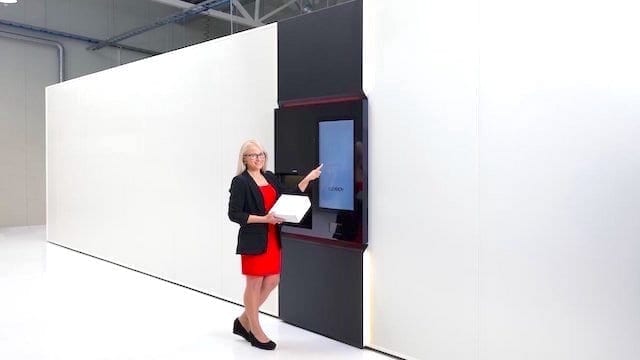
    Spanish fast-fashion retailer Zara has installed a self-service kiosk at one of its stores to provide a flexible shopping experience for online customers.

    Springwise.com reports that when a package arrives to the kiosk, the customer receives a notification and can go to the location to pick up their item at their convenience. The CleverFlex kiosk, provided by Estonia-headquartered technology company Cleveron, has the capacity to store up to 4000 parcels – double the number of the Walmart’s pickup towers.

    The CleverFlex has a sleek white exterior and a modular design that allows retailers to customise its height and width according to their aesthetic preferences, and even being able to hide it behind a wall. The kiosks have been created to further streamline the customer online shopping experience, with the CleverFlex retrieving the correct parcel for a shopper in a matter of seconds.

    The creation of the CleverFlex kiosk “is another step in simplifying the connection between a retailer’s online entity and physical stores,” observes Springwise.

    “CleverFlex also has some some self-learning capabilities as it can remember parcel traffic peak times and predict user activity based on past data to optimise its workflow.”

    Self-service kiosks are increasingly popular across many industries, with deliveries that go directly to a smart locker streamlining the pick up process for the apartment residents and a pay-as-you-go pantry placed within an office both popular examples.

  • Yamato teams up with JD.com to send goods across China

    Yamato teams up with JD.com to send goods across China

    Yamato Holdings will partner with Chinese e-commerce giant JD.com to ship products from Japanese retailers throughout China starting in 2018, likely boosting Japanese online sales there.

    JD.com is China’s second-largest internet retailer, after Alibaba Group Holding, and operates a nationwide delivery network.

    Yamato will handle international shipping from Japan to China and use JD.com’s network for home delivery under an agreement concluded Monday. Responsibility for clearing customs will be decided later.

    The alliance will enable Chinese consumers buying items on Japanese websites to have purchases delivered to where they live. With cosmetics and food products from Japan popular in China, sales of Japanese companies are growing as they offer goods on internet marketplaces there. Yamato’s service will offer a way into China for small and midsize Japanese business that have yet to enter the country’s online retail market.

    JD.com will receive shipping service support from Yamato as well. The parcel courier is already consulting JD.com on its cold-chain network and other delivery methods to maintain product quality in transit. This will help JD.com better handle fresh Japanese foods and other perishables, expanding its online retail business.

    China-bound online sales from Japan grew some 30% in 2016 to 1.03 trillion yen ($9.08 billion), according to the Ministry of Economy, Trade and Industry. The market is estimated to nearly double to 1.9 trillion yen in 2020.

    New strategy

    The profitability of home delivery services in Japan has been squeezed amid a personnel shortage that has pushed up labor costs. Yamato sees international delivery, which carries high rates, as a growth field.

    Yamato had been able to offer home deliveries from Japan to only those areas where it has a transport network, such as Shanghai and Hong Kong in China. But it is abandoning this model and partnering with other companies to accelerate expansion abroad. Yamato launched a home delivery service in Thailand with Siam Cement in January.

    But the competition is intense. Japan Post already has Japan-China transport infrastructure and holds a large share of such shipments. It partnered with China’s STO Express to launch a low-cost delivery service in October. Nippon Express is also cooperating with Alibaba in China-bound shipping, handling international transport of goods and customs.

  • aCommerce expects online-shopping market share to double to 5.5 percent

    aCommerce expects online-shopping market share to double to 5.5 percent

    E-commerce in the Philippines is gaining ground, given the expectation that its contribution to the total retail market would double to 5.5 percent, according to Southeast Asia’s retail-solutions provider aCommerce.

    Paul Srivorakul, aCommerce Group CEO, said the improved penetration of the online marketplace in the country will further improve as more and more brands move to Web-based retail to expand their presence.

    “Before, it was enough for brands to simply have a web site. But now, brands are starting to realize the importance of utilizing an omnichannel approach to stay ahead of the retail game,” he said.

    The company said this move is due to the changing behavior of the buying public, as they are now beginning to realize that online purchasing is more practical than visiting the so-called “brick-and-mortar” or physical stores.

    In the Philippines aCommerce currently has 25 brand partners. The number could grow to at least 40 next year as its portfolio encompasses consumer goods, home and living, fashion and electronics.

  • Bic Camera, Rakuten looking at JV

    Bic Camera, Rakuten looking at JV

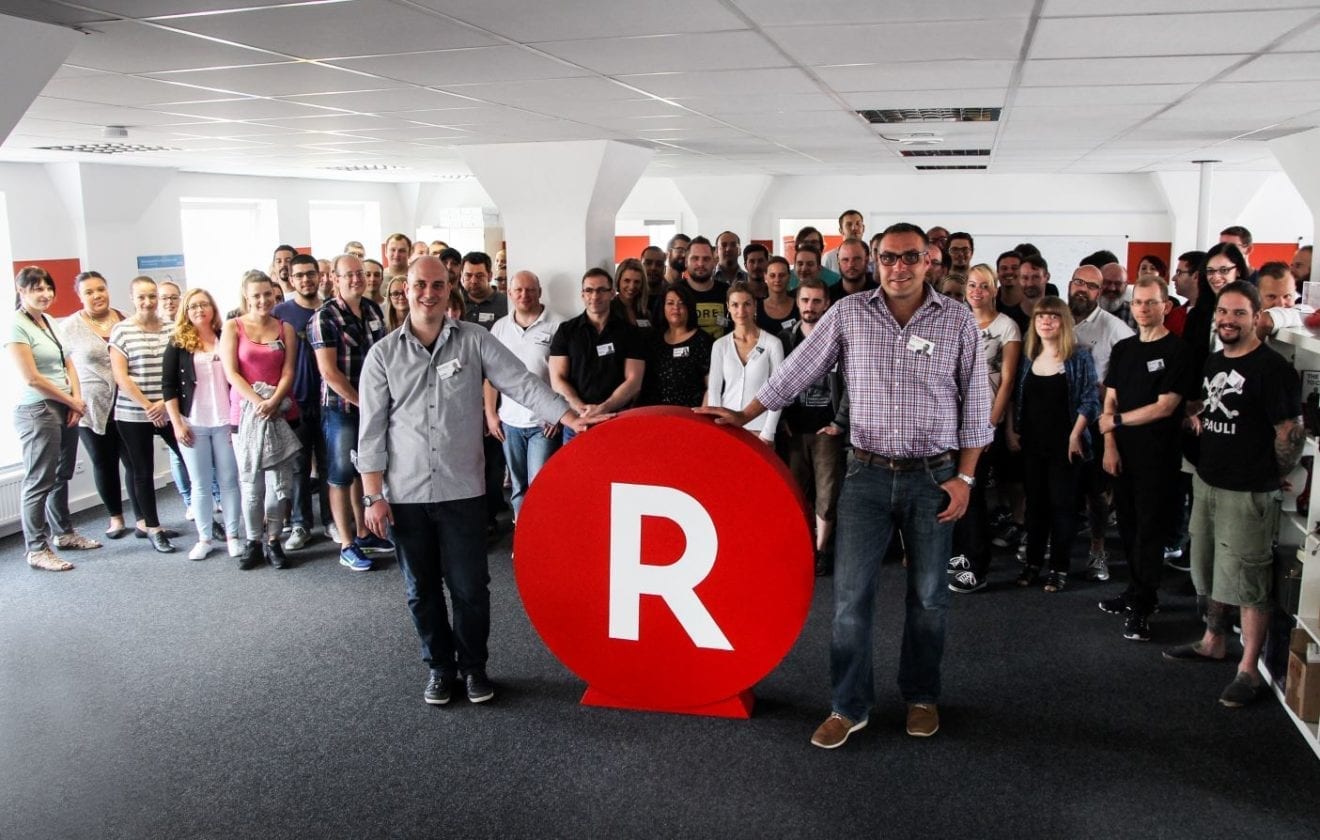
    Japanese e-commerce site Rakuten and consumer electronics retailer Bic Camera are considering a JV that will marry virtual and real stores.

    They expect to sign a basic agreement soon with a view to setting up their partnership early next year to work toward launching their e-commerce site in April.

    Bic Camera already has an online store on Rakuten Ichiba virtual mall. Through integrating their systems, Bic Camera will upgrade its online store into a joint site that will offer improved services, such as easy booking for delivery and installation.

    Buyers will also be able to search for brick-and-mortar Bic Camera locations that carry the product that interests them. Eventually, the scope of their cooperation will be expanded to cover in-store pickups of online orders, common shopping points and joint delivery services.

    While online sales account for nearly 30 per cent of consumer electronics  and appliance sales in Japan, shoppers say they want to touch and see products before buying. They also criticise the lack of attentive delivery and installation services they can find at physical stores.

    For Bic Camera, 9.2 per cent of its sales, at ¥72.9 billion (US$643 million), were online for the year to the end of August. While the company has its own e-commerce site, it does not anticipate much negative impact from launching the store with Rakuten.

    “Most of the Rakuten Ichiba shoppers will be new customers for us, because people who buy in the ‘Rakuten economic zone’ are different from those who buy from our website,” says a Bic Camera official.

  • Ola Cabs merges with Foodpanda in India

    Ola Cabs merges with Foodpanda in India

    Uber rival Ola Cabs has merged with food-delivery platform Foodpanda India, taking control from Delivery Hero Group of Germany.

    Under the terms of the deal, as well as a handover of shares, Ola has committed to investing US$200 million into Foodpanda’s India business.

    With Foodpanda India CEO Saurabh Kochhar having moved on, Ola founding partner Pranay Jivrajka will be interim CEO.

    Rocket Internet-backed Delivery Hero last year pulled out of Indonesia after tough competition, while Foodpanda wound up its Vietnam business in 2015 and scaled back in India.

    “The partnership with Ola will allow us to further consolidate markets where it strategically makes sense to collaborate with local players,” says Delivery Hero CEO/co-founder Niklas Östberg.

    The acquisition comes shortly after Ola raised $1.1 billion in funding from Japanese telco SoftBank Group and Chinese internet giant Tencent.

    Uber Eats launched in India a few months ago.

  • Aeon Group to invest into digital space

    Aeon Group to invest into digital space

    Major Japanese retailer Aeon Group plans to invest ¥500 billion (US$4.4 billion) in online retail over the next three years.

    Representing a 150 per cent spike in its online investments, the plan has been revealed in a new midterm business plan.

    Openings of tenant stores in Japanese shopping malls have shrunk by 30 per cent in the past year, a Nikkei survey shows. Stores are also closing faster than they are opening, and malls are struggling to find replacements.

    Aeon has spent 18 months mapping out its new strategy, which is intended to ensure its long-term survival. The midterm plan will be in effect until fiscal 2020.

    “We will spend more on things other than brick-and-mortar stores,” Aeon president Motoya Okada said after unveiling the plan in Tokyo.

    Aeon’s massive investment in technologies and services to raise its online retailing profile reflects the challenges it faces along with other traditional merchants.

    Okada said the company also plans to double its investment for boosting its online business beginning in fiscal 2021.

    He also said “old-fashioned” retailers have learned much from Amazon.

  • Tencent buys minority stake in Yonghui Stores

    Tencent buys minority stake in Yonghui Stores

    China’s Tencent plans to acquire a minority stake – some 5% — in offline Chinese retailer Yonghui Stores, as the tech giant looks to explore a physical retail presence in the domestic market.

    Yonghui said in a filing to the Shanghai stock exchange that the share transfer agreement would be made with Linzhi Tencent, a Tencent affiliate. Tencent will also take a 15 per cent stake in Yonghui supply chain and logistics subsidiary Yonghui Yunchuang Technology following further discussions.  The purchasing price was not revealed.

    Yonghui, a department store retailer, operates hundreds of stores in mainland China. The acquisition comes at a time when Chinese tech firms are ramping up investments in physical stores.

    Rival Alibaba last month took a $2.9 billion stake in leading Chinese grocery chain Sun Art Retail Group Ltd. The move also sees Tencent follow in the likes of JD.com, who is already a stakeholder in Yonghui Stores.

    In China, 85 percent of retail sales are still made offline, reported Reuters.

    Trading in Yonghui’s stock will remain suspended after being halted when the firm’s shares jumped the daily limit of 10 percent on media reports of Tencent’s investment.

    Founded in 2001, Yonghui plans to close some 00 supermarkets in around 20 provinces in China. The firm’s major investors include Dairy Farm Group, part of conglomerate Jardine Matheson Group.

    Last month, Tencent reported a 57 per cent year-on-year jump in third-quarter operating profit to Rmb22.75bn ($3.43bn), while revenues were up 61 per cent year on year at Rmb65.2bn.

  • Muji Singapore to suspend e-commerce site

    Muji Singapore to suspend e-commerce site

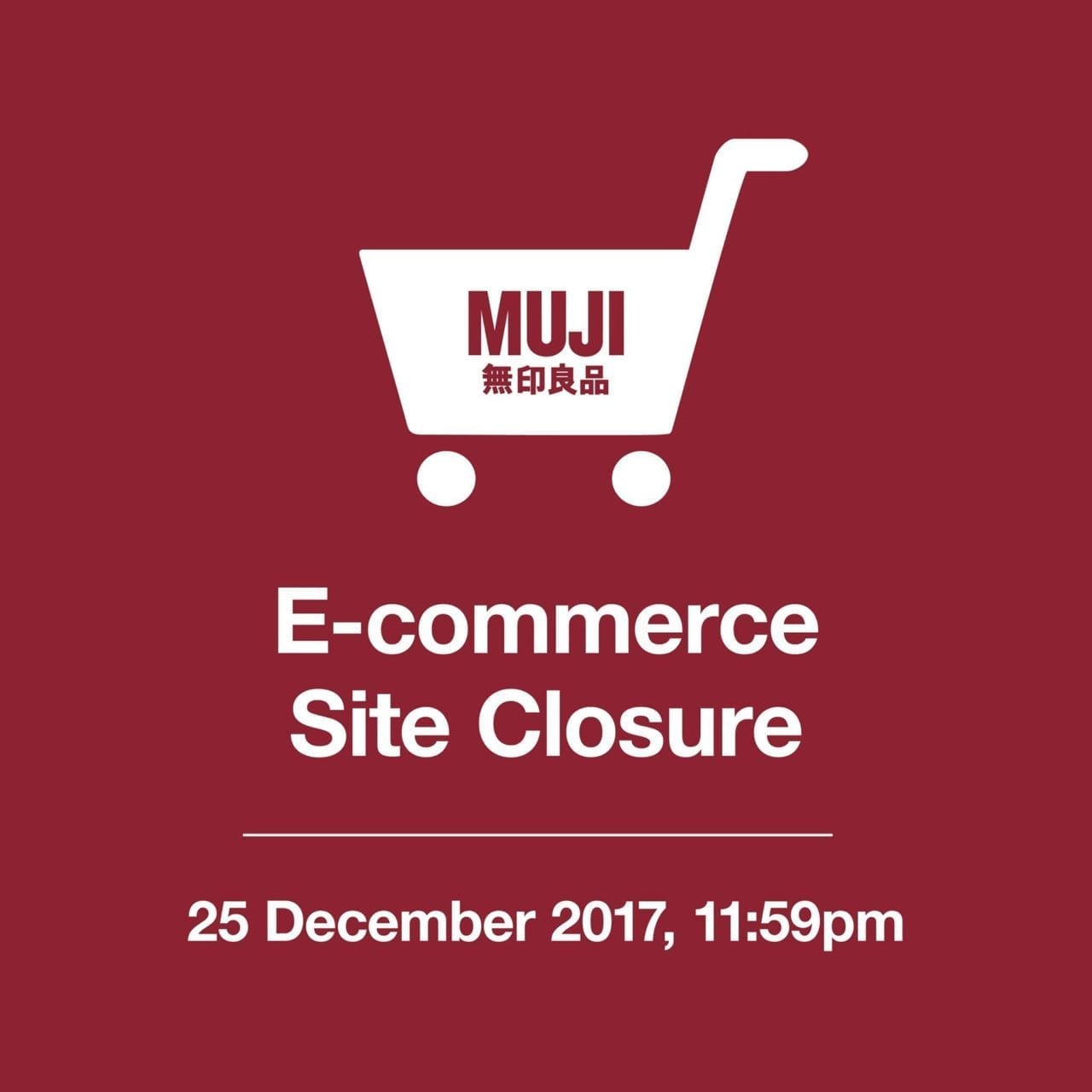
    Lifestyle retailer Muji Singapore will close its e-commerce site a minute before midnight on Christmas Day for redevelopment.

    “We sincerely apologise for any inconvenience caused,” the company says in a newsletter to its customers. “This move is for us to set sights on developing a better and more comprehensive shopping experience in the near future.”

    Its new web portal will be re-launched “in the coming months”.

    Meantime, Muji Singapore will have a final clearance sale with discounts of up to 50 per cent, plus a further 15 per cent off with a discount code when checking out.

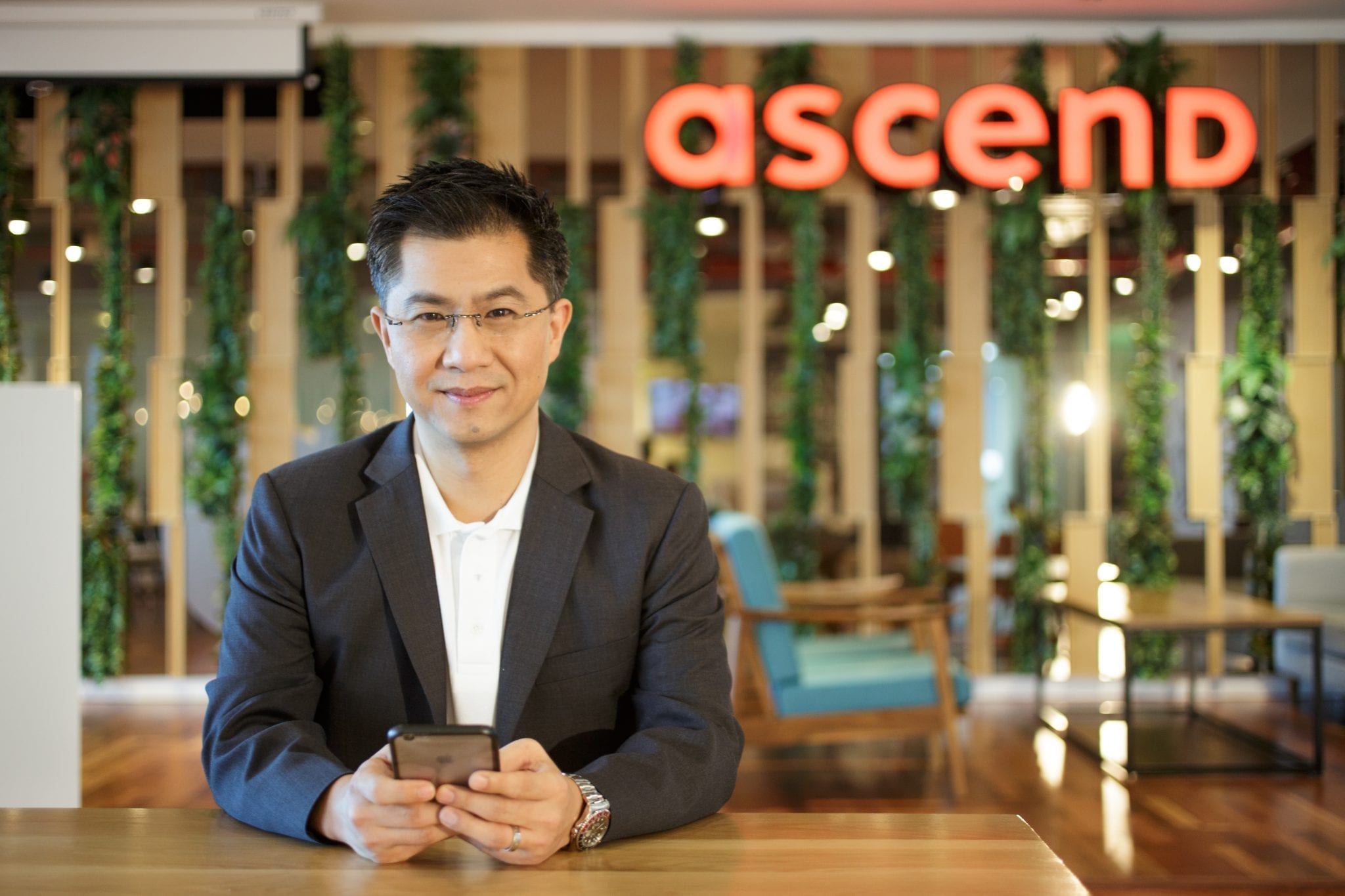
  • Ascend Money Announces 50,000 Agent Networks Across Southeast Asia

    Ascend Money Announces 50,000 Agent Networks Across Southeast Asia

    Ascend Money, a Southeast Asian fintech business under Thailand’s Ascend Group, has reached 50,000 agents—local franchises and networks such as convenience stores, pharmacies, street vendors, and cafes, that conduct financial services for customers—across Thailand, Indonesia, Vietnam, Myanmar, Cambodia, and the Philippines. Ascend Money has strengthened its foothold in the region through major partnerships, with the latest cooperation with Bank Negara Indonesia (BNI) to extend financial services to rural communities.

    Punnamas Vichitkulwongsa, Chief Executive Officer of Ascend Money said, “Having reached 50,000 agents in Southeast Asia we are expanding quickly to become the region’s leading financial services provider. Southeast Asia’s unbanked population faces several barriers to financial inclusion, such as the predominant use of cash, lack of trust in internet banking, and lack of access to urban centres or bank branches. Agent networks are crucial for bridging these gaps, by providing the unbanked with cash-in and cash-out services, reliability and trust through an established local presence, and convenience of access beyond urban areas. We’re moving closer to fulfilling our mission of enabling everyone access to innovative financial services, leading to better lives.”

    Ascend Money currently has over 20 million customers, with half based in Thailand. Following the successful rollout of TrueMoney Wallet across Thailand in major retail outlets such as True Coffee shops and 7-Eleven convenience stores, Ascend Money is leveraging Ant Financial’s technical and strategic expertise to expand their services and payment options to increase convenience for digital users. TrueMoney users in Thailand are now able to pay for purchases in the App Store, Apple Music, and iTunes directly from the TrueMoney account.

    Ascend Money has already reached 16,000 agents in Indonesia, and recently announced their cooperation with BNI—Indonesia’s fourth largest bank—to enable 16,000 TrueMoney agents to provide banking services to rural communities who have not been touched by banking services. Through TrueMoney agents, unbanked customers can open an account, deposit and withdraw cash, purchase phone and utility credits, and pay monthly bills. TrueMoney is one of the largest non-bank e-money providers, and the first non-bank fintech firm to hold a remittance license as well as a Shariah-complaint e-money license, critical for reaching a large percentage of Indonesian consumers.

    Between 2016 and 2017, Ascend Money launched TrueMoney payroll services in Indonesia, as well as in Cambodia and the Philippines. Through the service, employees can cash out with Ascend Money’s agents, or transfer money directly to their bank account.

    Mr Punnamas said, “Serving over 100 companies and almost 30,000 employees across three countries, Ascend Money’s new payroll services address another pain point in accessing financial services—the burden of micro, small, and medium sized enterprises to apply for and maintain employee payroll accounts with banks. Faced with limited bank players, complicated documentation, and high maintenance fees, MSMEs—which make up the backbone of Southeast Asian economies—can now easily access financial services that were previously unavailable.”

    Ascend Money has expanded rapidly across the region, with the Philippines and Vietnam as the newest markets. With 10,000 agents across both countries, Ascend Money will introduce services for both digital consumers and the unbanked, including the e-wallet app, bill payment and remittance services.

    In Cambodia and Myanmar, where Ascend Money’s agent networks already exceed the number of outlets of the largest banks, users can make domestic money transfers, phone top up, and bill payments. In Myanmar, Ascend Money has recently partnered with the VisionFund, a microfinance NGO, to expand their agent networks to rural households. Through the partnership, the VisionFund’s 600 mobile agents will provide all TrueMoney services; meanwhile, VisionFund customers can repay loans at any TrueMoney agent nationwide.

    “As we continue to innovate and add new services to improve the lives of ASEAN consumers, Ascend Money is rapidly expanding our footprint through partnerships that bring financial services to the heart of Southeast Asia. Whether we’re reaching one of the region’s 200 million digital consumers, or one of the 438 million unbanked, the opportunity to access greater financial stability will help unlock Southeast Asia’s economic potential and future prosperity,” Mr Punnamas concluded.

    Ascend Money is the only Southeast Asian fintech company licensed to provide e-money financial services across Southeast Asia’s major markets. The push for financial inclusion through mobile payments is underscored by Southeast Asia’s 300 million mobile internet users. Across the region, around 90-95% of the population use mobile phones.


  • Rakuten Opens “Rakuten SPORTS ZONE” with NBA Merchandise

    Rakuten Opens “Rakuten SPORTS ZONE” with NBA Merchandise

    Rakuten, Inc., a global marketing partner of the National Basketball Association (NBA), today opened its pro sports merchandise store Rakuten SPORTS ZONE to further build excitement around the NBA in Japan. The store is launching with sales of limited-edition items including autographed items from NBA Legends.

    In October 2017, Rakuten launched a multiyear partnership with the NBA, making it a global marketing partner of the organization. With this partnership, Rakuten is now operating the “NBA ZONE” in its internet shopping mall Rakuten Ichiba as a special page gathering NBA merchandise from Rakuten Ichiba stores. With the opening of the new Rakuten SPORTS ZONE, offering products that can rarely be obtained in Japan such as premium goods of former NBA stars, we will be able to further expand the product lineup offered in the NBA ZONE.

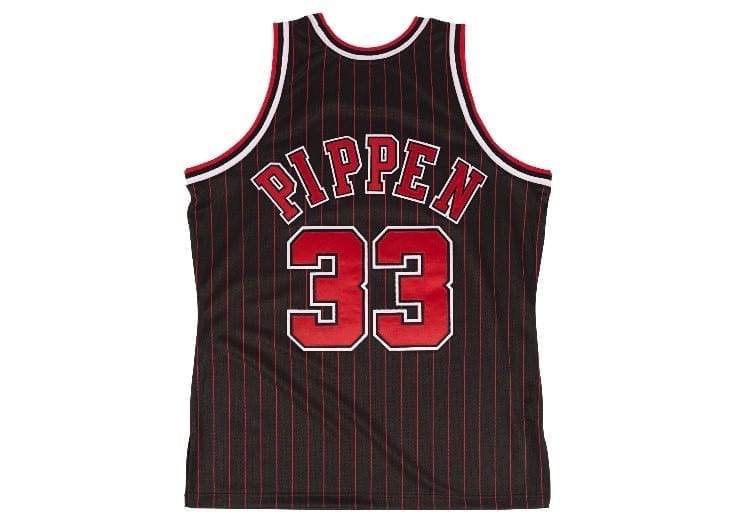
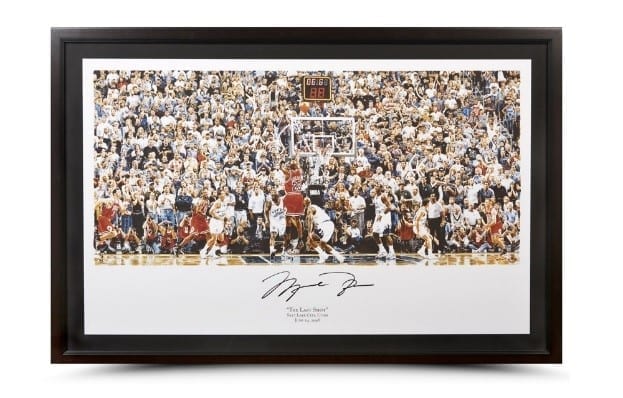
    Offerings include limited-edition autographed memorabilia (with serial number) offered by the Upper Deck Company, and reproductions of the jerseys of 80s and 90s NBA stars offered by the American sports apparel-maker Mitchell & Ness Nostalgia Co. New products will be added going forward.

    Rakuten will leverage its diverse range of services to further promote the NBA and basketball in Japan, and contribute to the further development of sports and culture.