Category: E-Tailing

Retail News Asia is committed to providing both local and global retailers with the latest E-Commerce & Etail news throughout the Asian market. This on a daily base.

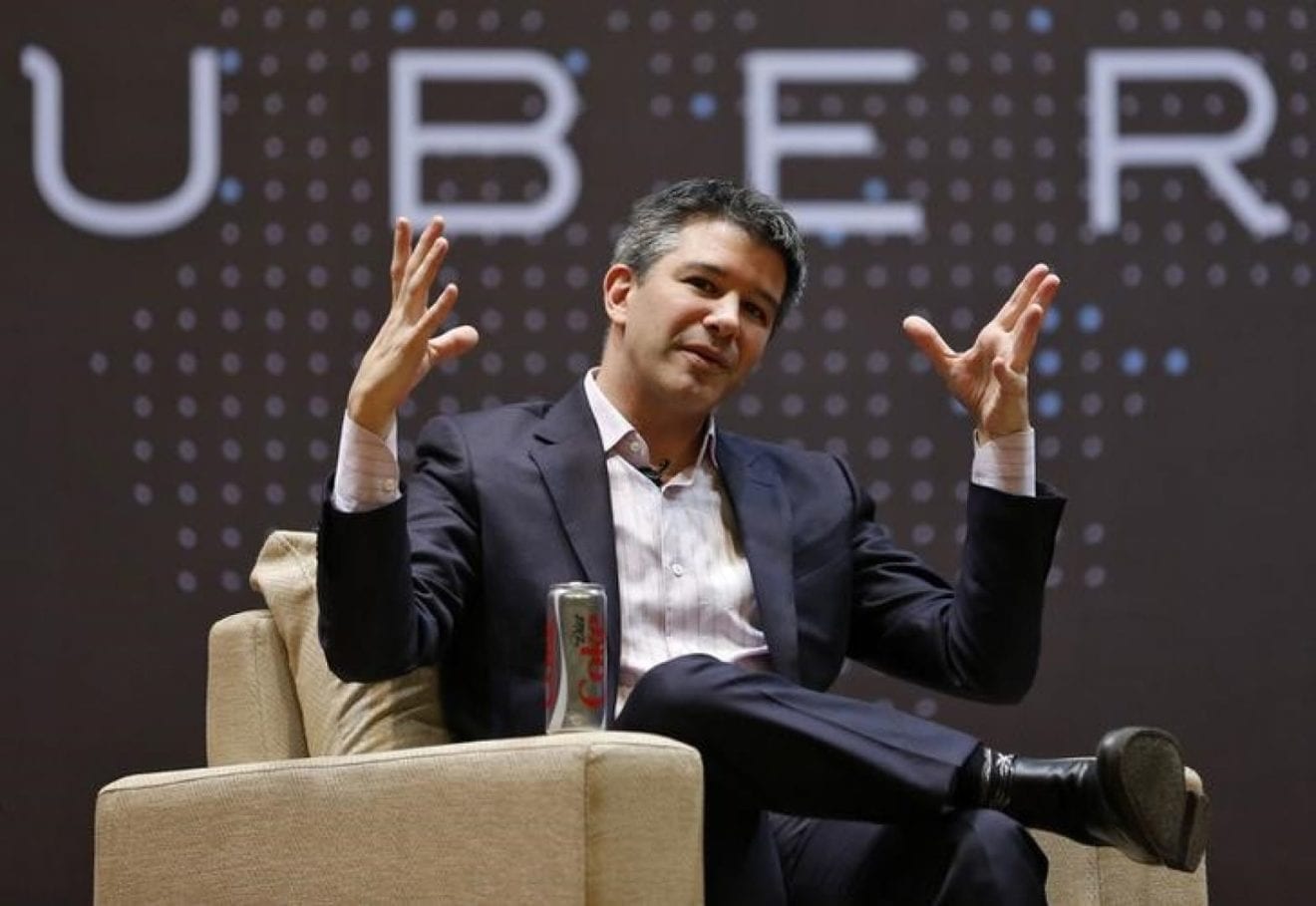
  • Uber Vietnam fills vacated CEO position

    Uber Vietnam fills vacated CEO position

    The Australian replacement has worked in management positions for the ride-hailing firm for two years. Uber Vietnam has appointed a new CEO following the abrupt departure of its previous leader two weeks ago.

    Tom White, an Australian who joined Uber in January 2015, is now holding this chair.

    White will be in Hanoi soon to take up the position, a source close to the matter told.

    According to his Linkedin profile, White worked as Uber’s head of cities in Australia and New Zealand from July to September this year after leaving his position as general manager in Western and Southern Australia, which he held from February 2016 to June 2017.

    Before that, he was Uber’s city leader in Perth from July 2015 to February 2016 and demand manager for the U.S.-based ride-hailing firm from January to July, 2015.

    “I’m excited to be setting sail for Vietnam to help the Uber team there write their next chapter of their story,” White wrote in a Tweet last month.

    Earlier this month, Dang Viet Dung, the first CEO of Uber Vietnam, left after holding the position for three years.

    No information about the reasons for his departure has been revealed to date.

    His departure triggered speculation that Uber Vietnam was in a crisis, especially after a recent tax scandal.

    Late last month, tax authorities in Ho Chi Minh City collected VND66.68 billion ($2.93 million) in arrears from Uber Vietnam, including fines for faulty declarations and late payments.

    Following the incident, rumors started to spread that Uber would be leaving Vietnam. The company was quick to dismiss this.

    As of August, Uber had four million users in Vietnam, according to official company data.
  • Alibaba sets up global research academy

    Alibaba sets up global research academy

    Alibaba Group has established a global research academy which aims to increase collaboration on cutting-edge technology development.

    Through the academy the company expects to invest more than $15 billion in R&D over the next three years.

    The new Alibaba DAMO Academy — the Academy for Discovery, Adventure, Momentum and Outlook — will oversee the development of R&D labs worldwide to seek to recruit talented scientists and researchers to join the program. It will be led by Alibaba Group CTO Jeff Zhang.

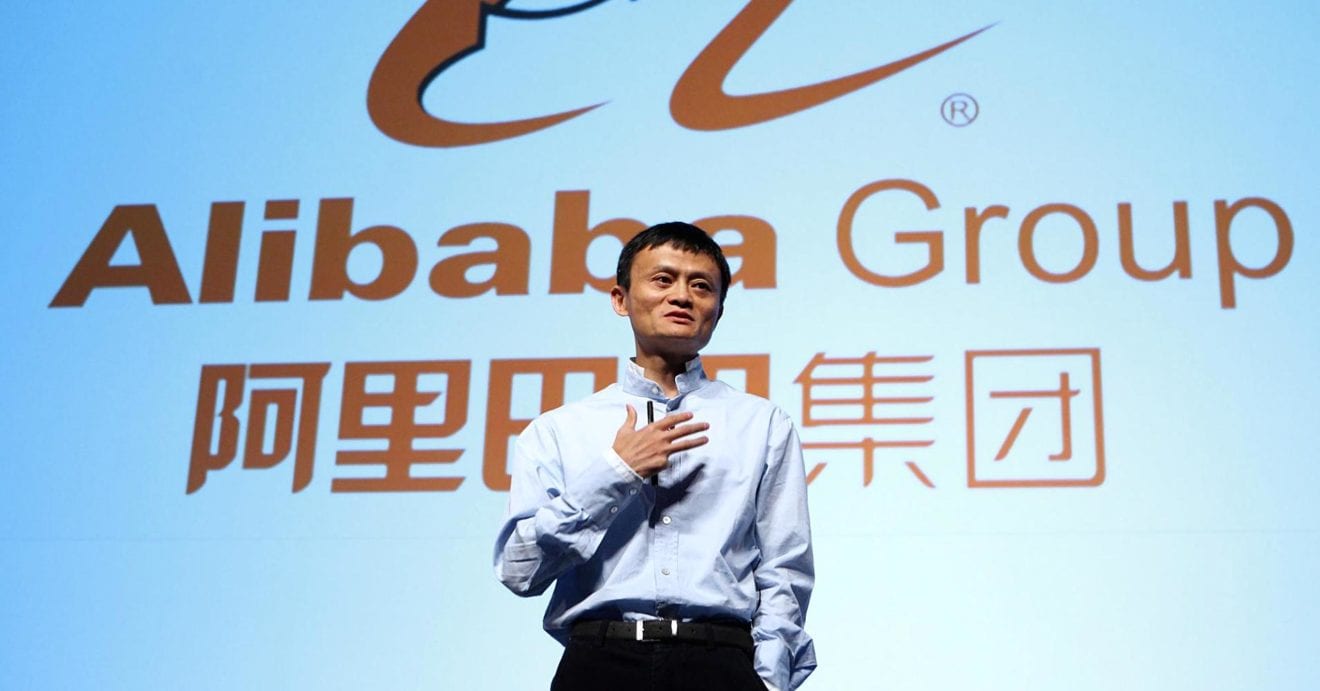
    “Over the past 18 years of establishment, we have gained robust growth in our business, profit and have accumulated lots of data. Now is the right time to set up our own research academy,” said Jack Ma, executive president of Alibaba Group at the company’s Computing Conference 2017 in Hangzhou.

    He added, “Our academy is not just for making profit or for fun. We aim to focus on research for solving society and people’ problems. We will learn from IBM, Intel and Microsoft research labs, and target to surpass them.”

    Initially the academy will focus on opening research labs in China – in Beijing and Hangzhou – as well as two in the US and one each in Russia, Israel and Singapore.

    The seven labs will focus on research into disruptive technologies including data intelligence, the internet of things, fintech, quantum computing and human-machine interaction.

    Areas of focus within these broad domains will include machine learning, network security, visual computing and natural language processing (NLP).

    The academy will also seek to recruit 100 talented researchers from around the world to assist with the research efforts, and form partnerships with luminaries in the technology sector and educational institutions.

    “The Alibaba DAMO Academy will be at the forefront of developing next-generation technology that will spur the growth of Alibaba and our partners. We aim to discover breakthrough technologies that will enable greater efficiency, network security and ecosystem synergy for end-users and businesses everywhere,” Alibaba Group’s Zhang said.

    “Over the past 18 years, we have developed a robust technology infrastructure that supports the rapid growth of our business. With our global expansion, we have grown and refined our technology manifold. We are now looking for talented and driven researchers to join us in the quest for new disruptive technologies that would advance our every-day lives, benefit small businesses and narrow the technology gap to make our world a more inclusive place.”

    The company also plans to use the research lab to help fulfill its ambition of serving 2 billion customers and creating 100 million job opportunities in 20 years.

    The research academy will include advisers like educators and researchers from universities globally who will provide guidance and advice on key research areas.

  • Over 500 already signed up as Amazon hosts first Aussie summit

    Over 500 already signed up as Amazon hosts first Aussie summit

    Amazon will host a marketplace seller summit in Sydney with hundreds of Australian businesses set to attend to receive advice on selling through the e-commerce giant’s platform.

    Over 500 Australian sellers already registered to sell on Amazon Marketplace in Australia.

    In a recent webinar with potential sellers, key account manager, Brittany Rinker, said the company aims to launch Marketplace by late 2017 or early 2018, though she emphasised that this is not an official launch date.

    She said Amazon is currently focused on getting businesses signed up and creating listings on Marketplace, which represents over 50 per cent of all items sold on Amazon websites globally.

    The free half-day event will provide practical guidance on setting up and growing a business online, and is being run in partnership with the Australian Retailers Association (ARA) and small business network, the SME Association of Australia (SMEA).

    “The internet and technology have the power to level the playing field between big and small businesses, empowering Australian companies, large and small, to grow their sales and their business online,” said Rocco Braeuniger, Australian country manager, Amazon.

    “We look forward to enabling local businesses to make their products available to a wide audience, not only in Australia, but also worldwide.”

    The event at Jones Bay Wharf in Sydney will feature keynote presentations from Braeuniger, and head of Amazon Marketplace in Australia, Fabio Bertola, as well as insight from experts and entrepreneurs.

    “Amazon launching in Australia marks an exciting time for Australian entrepreneurs,” said Adam Mills, CTO and founder of Australian business KoalaSafe, which has seen incremental year on year growth in sales, with Amazon Marketplace being its biggest channel. Mills will be presenting at the Seller Summit, sharing his experience and best practice.

    “For those who are selling physical products, Amazon provides a great opportunity to get these products in front of customers and we encourage businesses to take full advantage.”

    Russell Zimmerman, executive director of the Australian Retailers Association said Amazon’s arrival brings new possibilities to Australian retailers, small and large.

    Mark Flack, board member, SMEA added that the “reality is that there’s a lot of education that needs to happen amongst the small business community when it comes to being digitally savvy and using the right tools to take their business to the next level.”

  • SIA, Grab integrate mobile apps

    SIA, Grab integrate mobile apps

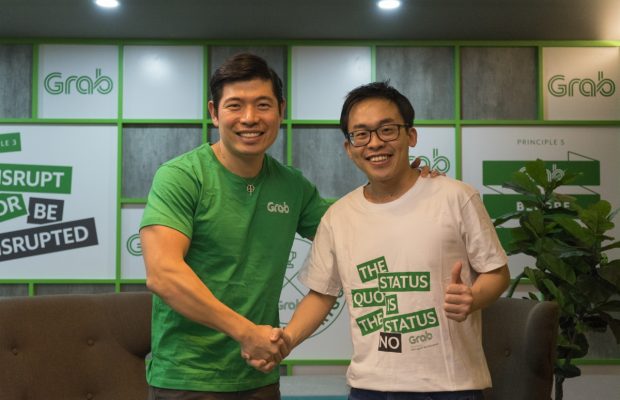
    Singapore Airlines (SIA) and Grab have integrated their respective mobile apps to offer enhanced convenience to travelers.

    The partnership will benefit customers who are travelling to the airport in six countries across Southeast Asia – Indonesia, Malaysia, the Philippines, Singapore, Thailand and Vietnam.

    SIA customers can now book Grab rides through the SingaporeAir mobile app. Customers using the app will see an option to book a Grab ride to the airport seven days before their scheduled flight.

    Selecting this option will direct customers to the Grab app, where they can choose to order a Grab ride to the airport on-demand or in advance. The airport will be automatically listed as the destination, so the user simply fills in the pick-up point and desired time.

    The first 5,000 customers will receive GrabPay Credits worth S$10 ($7.38) in their Grab account for bookings made through the SingaporeAir mobile app for Grab rides in Singapore.

    “We are constantly seeking to enhance our SingaporeAir mobile app and KrisFlyer program to ensure that we provide more benefits to our customers,” said Campbell Wilson, SIA SVP for sales and marketing.

    Jason Thompson, head of GrabPay, said that with GrabRewards, a dollar spent on Grab is more valuable than a dollar spent in cash. “By integrating Grab’s and SIA’s loyalty programs, customers can look forward to using their points when they plan for their next holiday.”

  • Alibaba chairman Jack Ma to speak at e-payment forum in Hanoi

    Alibaba chairman Jack Ma to speak at e-payment forum in Hanoi

    Now in its third year, the forum is the country’s biggest e-payment event. World famous billionaire and Alibaba chairman Jack Ma is expected to visit Hanoi next month to attend a forum on e-payment services.

    Now in its third year, the annual Vietnam E-Payment Forum, provides an opportunity for the government, experts and businesses to sit down together and discuss the latest trends in e-payment services and the best ways to apply them in Vietnam.

    This year, mobile payment will be in the spotlight.

    As a speaker at the event, Jack Ma, founder and executive chairman of Chinese e-commerce giant Alibaba, will talk about his experiences of developing e-commerce and mobile payment services in China.

    According to iResearch, the leading provider of online audience measurement and consumer insights in China, the mobile payment market was valued at $5.5 trillion last year in China, nearly 50 times greater than that of the U.S., and Ant Financial Service, a subsidiary of Alibaba, contributed a lion’s share of 54 percent.E-payment has gradually replaced cash in Vietnam’s northern neighbor, and these days, most Chinese people pay for products and services using their smartphones.

  • Alibaba, New Hua Du supermarkets forming JV

    Alibaba, New Hua Du supermarkets forming JV

    To accelerate its roll-out of new high-tech retail, Alibaba Group is establishing a JV company with supermarket chain New Hua Du Supercenter.

    It will be a co-operative platform to pool their resources and respective advantages in the supply chain.

    The controlling shareholder of New Hua Du Supercenter, Newhuadu Industrial group, has transferred 10 per cent equity at lower than market price to Alibaba (Chengdu) Software Technology Company in concert with Hangzhou Hanyun Xinling Equity Investment Fund Partnership, and signed a co-operation framework agreement with Hangzhou Alibaba Zetai Information Technology Company.

    After the deal, the proportion of shares held by Newhuadu Industrial Group will decline to 45.8 per cent, and Alibaba (Chengdu) Software Technology and Hangzhou Hanyun Xinling Equity Investment Fund Partnership will own 5 per cent equity of the company respectively.

    Newhuadu Industrial Group hopes to introduce strategic investors to advance resource integration and expand business channels through taking advantage of Alibaba’s resources in e-commerce.

    New Hua Du Supercenter has also signed a co-operation framework agreement with Alibaba Zetai Information Technology. The two parties have proposed to establish a JV company to invest, open and run innovative stores under the tentative name Fujian New Box Network Technology Company, with a registered capital of RMB200 million (US$30 million). Its business scope will include technical development, technical consulting and technical service in the field of computer networks.

    New Hua Du Supercenter and Alibaba Zetai Information Technology will make capital contributions in cash, each by RMB100 million, accounting for 50 per cent of the stake.

  • Amazon Japan launching pop-up bar

    Amazon Japan launching pop-up bar

    To promote the alcoholic drinks being sold on its platform, Amazon Japan will launch a promotional pop-up bar in Tokyo.

    In Ginza, the 78-seat Amazon Bar will run for 10 days from October 20, serving cocktails, sake and wine.

    The online retail giant says some products will be exclusive, and the bar will not have a menu but recommend drinks to customers. It is the company’s first such venture, its previous foray into brick and mortar being bookstores.

    Japan is one of Amazon’s four largest markets and is among the world’s biggest alcohol markets. Beer drinking is fading there, with wine showing the biggest increase in popularity over the past decade, followed by whiskey. The number of drinkers has risen by more than 55 and 34 per cent respectively, according to Japan’s National Tax Agency.

  • Xiaomi plans Indonesia-based business

    Xiaomi plans Indonesia-based business

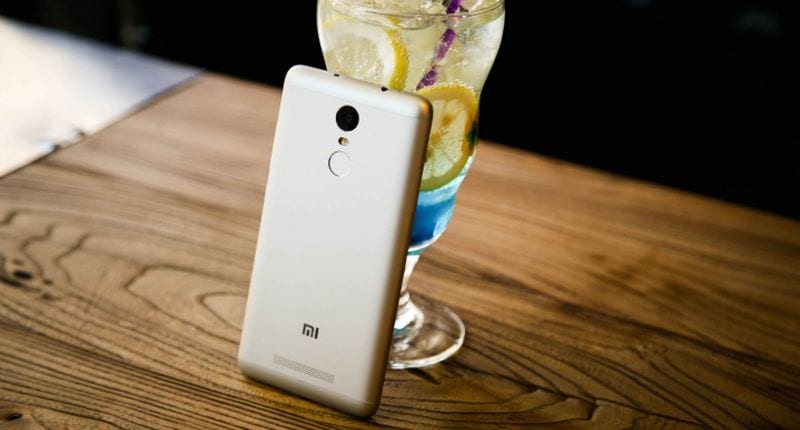
    Xiaomi has announced plans to set up a permanent business entity in Indonesia. Indonesia is pushing for foreign firms that have internet-based services there to set up local companies for the purpose of tax compliance.

    Speaking at the Xiaomi Way of Innovation event in Jakarta, CEO/founder Lei Jun said Indonesia was the company’s “most important” market after China and India.

    International Data Corporation (IDC) data for the first quarter of this year ranked Xiaomi, which entered the smartphone market in 2010, the fifth-largest smartphone manufacturer in the world. It has a presence in more than 60 countries and last month shipped a record 10 million smartphones, thanks to growing demand in India.

    Lei said Xiaomi was mostly known in Indonesia as a smartphone manufacturer, but he wanted to change that by taking more of the firm’s products mainstream. Xiaomi was also an internet and e-commerce company, he said.

    He referred to the company’s business model as a “golden triangle” as it was propped up by three key elements: hardware, internet and retail.

    Xiaomi’s products include robot vacuum cleaners, rice cookers, washing machines, scooters, toys and desk lamps.
    “Hopefully in the future Xiaomi’s ecosystem of products can deliver a great impact on Indonesian users and producers.”

  • Grab, Singapore Airlines announce reward points conversion

    Grab, Singapore Airlines announce reward points conversion

    RAB and Singapore Airlines (SIA), in a joint announcement said members of Grab’s GrabRewards programme will be able to convert their GrabRewards points into SIA Krisflyer miles in the near future.

    The announcement was coupled with the launch of a joint booking scheme between the companies.

    Starting Oct 3, passengers can now book rides to airports in six countries on Grab through SIA’s mobile app.

    The service allows passengers to book their Grab trips to airports in Indonesia, Malaysia, the Philippines, Singapore, Thailand and Vietnam, up to seven days before their flight.

    Passengers who open the SingaporeAir mobile app will be directed to the Grab app, with the airport filled in automatically as the destination.

    “We are thrilled to bring more convenience to our customers on the ground and in the air through our new partnership with Grab, while also offering KrisFlyer and GrabRewards members the opportunity to convert points to miles and redeem them for award flights or flight upgrades,” said Campbell Wilson, SIA senior vice-president of sales and marketing.

  • South Korean shoppers set new mobile spending record

    South Korean shoppers set new mobile spending record

    South Korean shoppers set a new record for the volume of purchases made through mobile devices during September.

    Government data says mobile transactions through smartphones and tablets reached a new high of 4.04 trillion won (US$3.5 billion) in August, up 29.5 per cent from a year earlier.  Statistics Korea says the trend is being fuelled by the growing amount of time consumers are spending on their handsets.

    Mobile transactions accounted for 61.9 per cent of all online purchases made during the month.

    Shopping by mobile phone in South Korea has been on a steep rise for years as smart devices are widening their presence in the world’s most-wired country. They are rapidly replacing computers as a means of conducting online transactions.

    Mobile bookings for travel and movie tickets surged 35.5 per cent in August from a year earlier to a record 755.8 billion won in the summer vacation season, while South Korean shoppers spent 344.8 billion won on cosmetics during the month, up 20.7 per cent.

    Food delivery services increased 38.2 per cent year-on-year to 610.3 billion won last month, while 381 billion won worth of electronic goods was sold through smartphones, up 18.3 per cent from a year earlier.

  • EU cracks tax whip, demands Amazon pay up

    EU cracks tax whip, demands Amazon pay up

    Amazon has been told to pay about €250 million (A$374 million) in back taxes to Luxembourg, the latest US tech company to be caught up in a European Union crackdown on unfair tax deals.

    The fine was much lower than some sources close to the case had expected and is only a fraction of the €13 billion that Apple Inc was ordered to pay to Ireland last year.

    EU Competition Commissioner Margrethe Vestager, who has other big US tech companies in her sights, has taken a tough line on multinational companies’ approach to tax.

    Amazon said it was considering an appeal.

    Amazon shares were little changed in early Wednesday trading.

    While the exact amount Amazon needs to repay is yet to be calculated, the €250 million is significantly less than the 400 million euros which sources close to the matter told Reuters a year ago was under consideration by Vestager.

    The bill suggests the Commission believes Amazon shielded around 900 million euros in EU profits from tax, calculations by Reuters show.

    For most of its existence, Amazon has worked on razor thin profit margins to fuel its global expansion, making only US$2.4 billion (A$3.1 billion) profit on global revenues of US$136 billion in 2016.

    The Commission said Luxembourg allowed Amazon to channel a significant portion of its profits to a holding company without paying tax.

    Amazon’s corporate set up with subsidies in Luxembourg was also subject of a US$1.5 billion court case with US tax authorities, which Amazon won in March.

    Amazon, which employs 1500 in the grand duchy, is one of the biggest employers in the country of half a million people. It has a Europe-wide staff of some 50,000.

    Luxembourg, whose tiny economy has benefited from providing a European base for multinational companies, rejected the finding and said it was looking at its legal options.

  • Brussels to hit Amazon with large tax bill

    Brussels to hit Amazon with large tax bill

    Online retail giant Amazon will reportedly be slapped with a tax bill worth several hundred million euros following a lengthy EU investigation into a sweetheart tax deal with Luxembourg.

    The EU’s competition commissioner Margrethe Vestager is expected to issue her decision on Wednesday following a near three-year investigation into whether Amazon’s tax affairs complied with state aid rules, according to the Financial Times, which cited sources.

    The probe, which was launched in October 2014, looked at a 2003 tax agreement between Luxembourg and the retailer that saw most of Amazon’s European profits recorded in the country, but not fully taxed.

    Both Amazon and the European Commission declined to comment.

    It would be the latest EU regulatory decision to affect a major US firm, with Vestager putting the tax affairs of a number of high-profile targets including Amazon under the microscope in recent years.

    The EU Commission last year hit US tech giant Apple with a 13 billion euro ($A20 billion) tax bill in the wake of an investigation which found that Apple paid 50 euro in tax for every one million of profit made outside the US in 2014.

    The government and Apple are both appealing against the decision.

    McDonald’s is also facing fire from EU antitrust officials who are investigating claims that the fast food giant avoided more than 1 billion euro in tax through the use of a royalties loophole in Luxembourg.

    When it launched its investigation in 2015, the European Commission said the European arm of McDonald’s had paid virtually no corporation tax in Luxembourg or the US since 2009, despite making significant profits in the division.

    McDonald’s subsequently announced this past December that it was moving its non-US tax base to the UK, as it battled EU regulators over its tax affairs.

  • Uber Vietnam CEO leaves post, reasons unknown

    Uber Vietnam CEO leaves post, reasons unknown

    The company had to pay nearly $3 million in back-taxes and fines last month, but it is unclear if this had any bearing on the decision. Uber Vietnam has announced that its CEO Dang Viet Dung has left the company. No information about the reasons for his departure or who will replace him has been revealed.

    Dung, 32, took the helm of Uber Vietnam when the U.S.-based firm first entered the country in 2014.

    A graduate from Amherst College in the U.S., he took the post after halting a master program at Harvard Business School.

    Late last month, tax authorities in Ho Chi Minh City collected VND66.68 billion ($2.93 million) in arrears from Uber Vietnam, including fines for faulty declarations and late payments.

    Following the incident, rumors started to spread that Uber would be leaving Vietnam. The company was quick to dismiss this.

    As of August, Uber had four million users in Vietnam, according to official company data.
  • Opposing suitors lining up for 11street Malaysia

    Opposing suitors lining up for 11street Malaysia

    Alibaba Group and JD.com are both competing to try to take over e-commerce company 11street Malaysia, a partnership between Celcom Axiata and Korea’s SK Planet, called Celcom Planet.

    The Chinese rivals are both discussing deals with 11street Malaysia.

    Running second to Lazada in terms of monthly visits and apps installed, 11street is an online marketplace for fashion, electronics, groceries, health and beauty, children’s and baby products, leisure and sports, home and living, books and services, and deal offerings such as e-vouchers.

    In late August, Celcom Planet CEO Hoseok Kim said the company was confident about its long-term growth prospects, but appeared to concede a change of ownership was on the cards, at least in part.

    “We are very pleased with the success and progress that 11street Malaysia has made in less than three years since its launch and we are confident that we will be the number one marketplace in Malaysia within the next three years”, said Kim.

    He added that the company was looking at various strategic options including funding from strategic partners to prepare for the next phase of accelerated growth.

    Alibaba has already invested more than $2 billion in Lazada, and has led a $1.1 billion investment in Indonesia’s Tokopedia.

    SK Planet launched 11street in Thailand this year. It launched in Malaysia in 2015 and a year earlier in Indonesia as Elevenia (now taken over by Salim Group).

    Meanwhile,  JD.com has announced a $500 million joint venture with Thailand’s Central Group focused on e-commerce and financial technology.

    Chairman/CEO Richard Liu says he plans to make Indonesia the centre for the island area of Southeast Asia, and Thailand the hub for mainland Southeast Asia.

  • Amazon Global Selling to take Korean products everywhere

    Amazon Global Selling to take Korean products everywhere

    Amazon has revealed plans to help South Korean sellers make international sales via its Amazon Global Selling program.

    Amazon laid out its plans during its first press conference in South Korea dubbed the ‘Global Selling Conference’, which was held at COEX this week. The international shopping giant discussed its global selling service, ‘Amazon Global Selling,’ which allows sellers to sell items to other countries without the help of a customer service center or local distribution centre.

    According to the company, using its global selling platform can enable South Korean sellers to reach up to 300 million people in 185 countries across the world. Amazon Global Selling not only provides sellers with access to the international market but also provides help in dealing with common problems such as refunds, returns, and issues surrounding international delivery.

    Using Fulfillment by Amazon, a one-stop order processing service, sellers can use the distribution center owned by the shopping giant from which the rest of the selling process will be handled by Amazon.

    “Though domestic online sales are common, international online sales are still at an early stage in South Korea. We plan to actively help South Korean companies maximise their sales during the most eventful days of the year such as Black Friday, Cyber Monday and the Christmas season,” a company spokesperson said.

    Amazon Global Selling was first launched in 2015, and now the international company is set to begin the Korean language service of its portal ‘Seller Central’, as well as providing education programs for South Korean sellers.

    During the press conference, which was held in the presence of more than 1000 officials ranging from business partners and government officials to people interested in working with Amazon, Cindy Tai, the head of Amazon Global Selling-Asia, explained the conference was held two years after the global selling service was launched in the country, as an active community has been built only recently.

    Amazon’s move to help South Korean online sellers is set to see competition intensify in the online sales market, as similar services are already being operated by the likes of GMarket and 11street.

    With the growing number of people who wish to sell their products online in the international market in South Korea, some industry sources believe Amazon’s decision to introduce localised support programs for online sales is part of their effort to boost their competitiveness by training online businesses with potential and encouraging them to use their platform.