Category: E-Tailing

Retail News Asia is committed to providing both local and global retailers with the latest E-Commerce & Etail news throughout the Asian market. This on a daily base.

  • Alibaba to open its first physical mall

    Alibaba to open its first physical mall

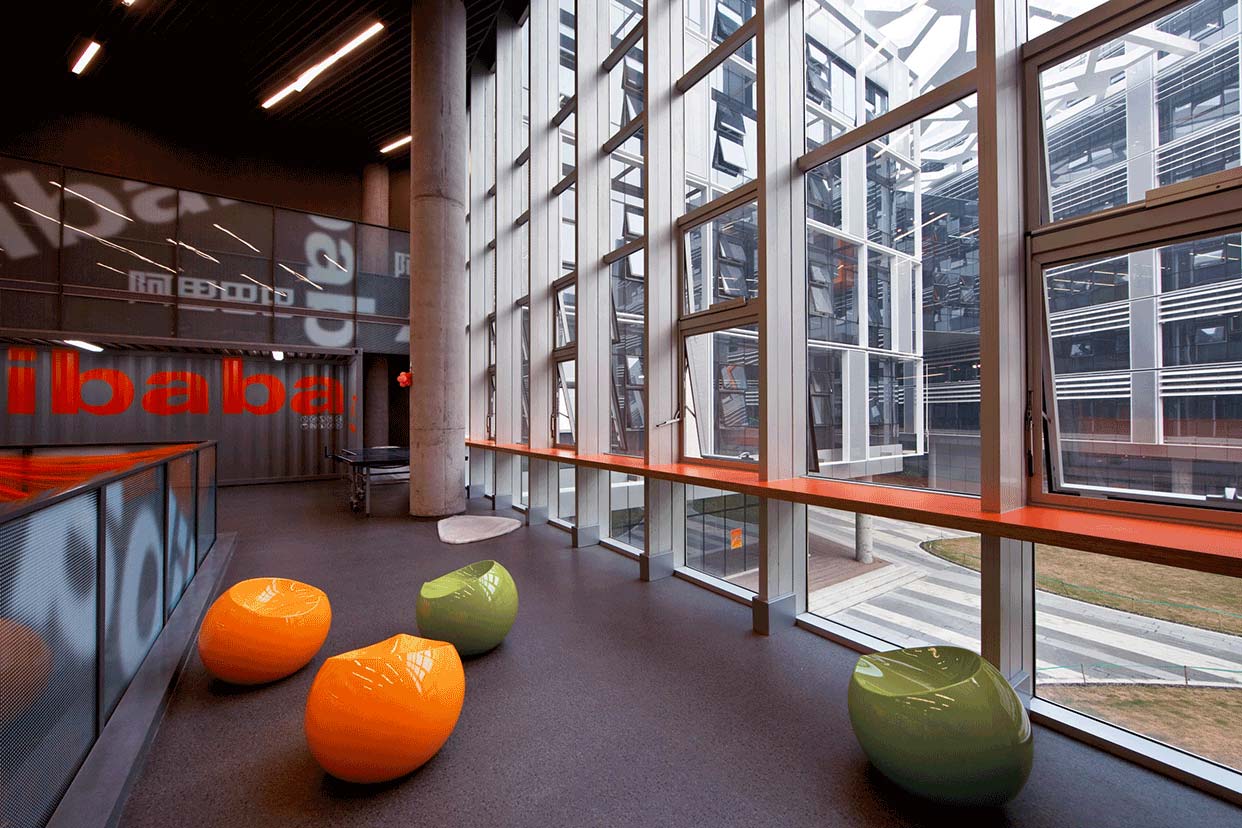
    Alibaba, the pioneer of Chinese e-commerce, is reportedly embarking on its first brick-and-mortar mall.

    The five-floor center, to be called “More Mall,” is being built near Alibaba‘s headquarters in the eastern Chinese city of Hangzhou, according to Caixin, a Beijing-based financial news group.

    Caixin first reported on the news Tuesday 2 September in the morning.

    A representative from Alibaba did not immediately respond to CNBC’s request for comment.

    The mall is being constructed on a 40,000-square-meter plot of land, Caixin said, and is scheduled to open in April 2018. Construction crews are believed to be finishing the building’s interior on time.

    Meantime, the internet giant has been making other moves in China to break into physical retailing.

    Alibaba CEO Jack Ma has said he wants to blend the online world with that of offline. One example is the company rolling out its own grocery concept, known as Hema.

    “More Mall” will feature unique brands from Alibaba’s e-commerce platform, Taobao, along with conventional retail brands, Caixin wrote.

    It will also have a Hema supermarket store, the publication said. Hema was first launched in 2015 as an app that allows shoppers to order groceries via a cellphone, using Alibaba’s Alipay to ring up purchases.

    In the U.S., Amazon is also encroaching on the physical world of retail — especially hurting grocery stores, after it bought Whole Foods.

    There are no reports of Amazon constructing its own mall, though. At least for now.

  • Amazon ‘here in 60 days’

    Amazon ‘here in 60 days’

    Amazon could launch across Australia within the next 60 days, according to Citi Australia.

    Based on supplier feedback across many categories, Citi said a pre-Christmas Amazon launch date is likely.

    “Launch timing remains uncertain and subject to website and logistics testing, but we would expect a formal launch to occur sometime in October 2017, ahead of Black Friday on 24 November,” Citi analysts said in a note.

    “We expect Amazon to offer free delivery over a value threshold, with the Prime service to be offered later, potentially coinciding with Prime Day in July 2018.”

    Citi said Amazon will be buying directly from leading suppliers, holding inventory and setting retail prices, adding that buying terms have been set and first orders have been placed with suppliers in recent weeks.

    “This increases near term gross margin risks for retailers as price will be Amazon’s key lever.”

    Contrary to initial press releases and market expectations, Citi said that Amazon Marketplace is a secondary focus, although several retailers and Ebay sellers have been targeted.

    “In our view, lower pricing will likely be the result of Amazon’s lower margin and ROI expectations, particularly in the short term. A lower cost-to-serve could provide support for favourable buying terms relative to bricks and mortar retailers.”

    Citi suggested Amazon has targeted a full product range with key suppliers.

    “Based on our estimates, the incremental 2Q18e sales impact could be ~$200 million or ~0.2 per cent of total Australian retail sales,” said Citi analysts.

    Meanwhile, Amazon is searching for a location to build its second headquarters in North America that would cost more than $US5 billion ($A6.2 billion) and house up to 50,000 staff.

    The e-commerce company, which is headquartered in Seattle, said on Thursday it was seeking proposals from local and state government leaders and would select the location next year.

    Amazon’s workforce has exploded to more than 380,000 from under 25,000 since it moved to Seattle in 2010, as it rapidly expanded to become a global retailer – selling everything from groceries to appliances.

    The company’s total revenue has grown to $US136 billion at the end of last year from $US34 billion in 2010. Amazon recently snatched up Whole Foods Market for $US13.7 billion.

    Amazon said the new headquarters should ideally be located in a metropolitan area with more than one million people, potentially giving the company a shopping list of more than 50 cities to choose from.

    The project would initially need more than 500,000 square feet and up to 8 million square feet beyond 2027, Amazon said.

    “We want to find a city that is excited to work with us and where our customers, employees, and the community can all benefit,” Amazon said.

  • ShopBack Thailand launches Cashback Day

    ShopBack Thailand launches Cashback Day

    ShopBack Thailand, the cashback platform that rewards consumers for shopping online, has declared next Saturday as the nation’s first Cashback Day.

    Five days of savings kick off today with sneak-preview deals between 9pm and midnight. Until Friday, shoppers are offered up to 49 per cent cashback from such platforms as Aliexpress, Apple Store, Expedia, Lazada, Sephora and Uber. Then all day Saturday shoppers can receive up to 99 per cent cashback on purchases, plus discounts and promotional codes from travel, food, lifestyle and entertainment businesses.

    “To thank our customers for the overwhelming response we’ve received since ShopBack’s launch in Thailand in July, this inaugural Cashback Day will bring them more savings than usual” says ShopBack co-founder/country head Kawin Prachanukul.

  • Saudi Arabian ‘honesty’ app takes internet by storm

    Saudi Arabian ‘honesty’ app takes internet by storm

    Its mass appeal stems from the appetite in the Arab world — notorious for online censorship — for unfiltered platforms for expression.

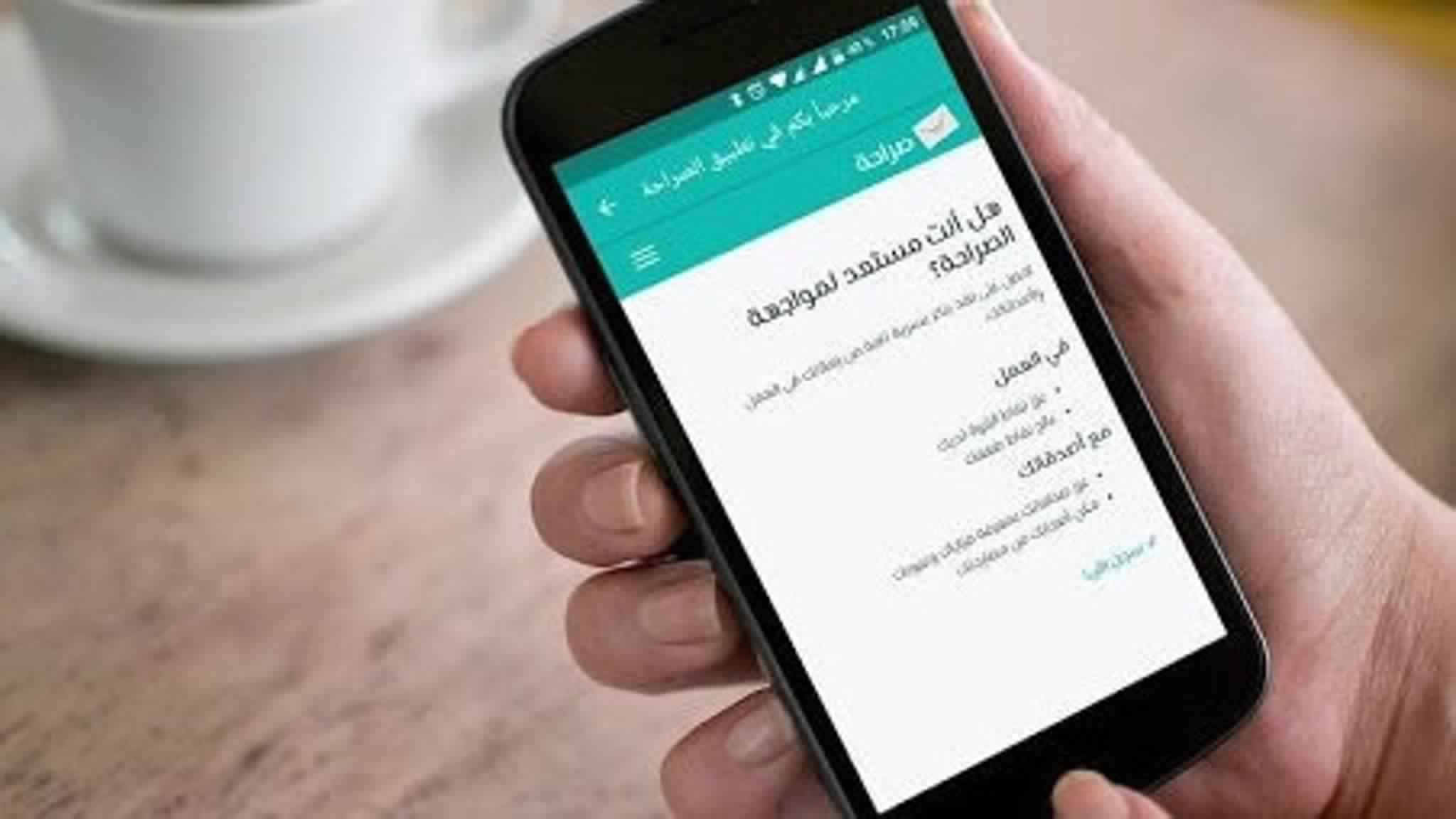
    Fizzing with boyish exuberance, Saudi programmer Zainalabdin Tawfiq could be mistaken for a college freshman, but the popularity of his “honesty” app has shone a spotlight on the conservative kingdom’s nascent tech scene.

    Tawfiq catapulted to fame when he took time out of his day job as a business analyst last year to develop an anonymous messaging tool called Sarahah — honesty in Arabic — that subsequently topped the charts for app downloads.

    Initially conceived as a tool for soliciting bluntly frank workplace feedback, Sarahah has found its way into the smartphones of millennials worldwide, even as critics have raised alarm about trolling and privacy issues.

    “Sarahah is the digital equivalent of an old-school suggestion box,” 29-year-old Tawfiq told AFP, adding that it is built on the premise that stripping users of their identity promotes ruthless honesty.

    “Feedback is the goal — anonymous feedback.”

    The app has a frugal design and a simple prompt that encourages users to “leave a constructive message :)”, with the recipient not allowed to reply but only share it on social media or block the sender.

    Its mass appeal stems from the appetite in the Arab world — notorious for online censorship — for unfiltered platforms for expression, though Tawfiq said it has also gained a strong popularity in Western countries.

    Such has been its power to knock down social barriers that obstruct free speech that one user described it as an app where you can “hit enter on comments you would have otherwise backspaced”.

    Sarahah has so far drawn 85 million registered users, and rocketed to the top of the Apple app store in some countries, ahead of heavyweights such as Snapchat and Instagram.

    ‘Oil’s decline, entrepreneurship’s rise’

    “The success story of Sarahah really proves that Saudi startups can achieve spectacular gains when properly supported,” said Nawaf Alsahhaf, CEO of Badir, a government-backed technology incubator that helped Tawfiq.That a Saudi app could gain such success spotlights hidden potential for tech innovation and entrepreneurship at a time of economic transformation in an ultra-conservative country.

    “There truly is undeniable potential behind Saudi startups we currently incubate,” he told.

    Saudi Arabia is promoting private enterprise as part of its ambitious reform program to move the kingdom away from its dependence on oil revenues.

    “It is clear oil’s decline and entrepreneurship’s rise are necessarily intertwined,” the Beirut-based venture capital firm Leap Ventures wrote on its website last year, noting a new growth in disruptive tech innovations in the region.

    A new breed of Saudi startups — from an on-demand roadside assistance app called Morni to Hunger Station, a food ordering portal — have recently drawn the attention of venture capitalists.

    Minimising abuse

    Tawfiq said he is in negotiations with venture capitalists from the United States, China and the Arab world, without disclosing details, in response to critics who question whether his app can be effectively monetised.

    In some gender-segregated Arab societies, men have used Sarahah for secret love confessions, but it has also been used by service delivery companies to harvest constructive feedback and psychiatrists in far-away Mumbai to engage openly on subjects such as sexual health.

    Sarahah has come under fire for being a troll magnet — but Tawfiq said that problem was common to all major social media platforms.

    It has also recently been accused of secretly harvesting the address books of users. Tawfiq rejected that claim and said he plans to remove Sarahah’s address upload feature with the next update.

    He currently runs a tight ship with another business partner and three customer support executives, but is considering leaving his day job to focus on Sarahah full time.

    “I believe that even one case (of abuse) is actually too many,” Tawfiq said. “I won’t tell you how, but my aim is to make the job of misusers as difficult as possible.

  • 11street Thailand eyes top spot

    11street Thailand eyes top spot

    Korean-owned 11street may be exiting Indonesia, but the e-commerce platform remains bullish about its opportunities in Thailand.

    Yun Chang-sung, 11street Thailand VP of sales, says the company is working towards being the largest e-commerce player in the nation by 2022.

    A week ago, 11street parent SK Planet, a subsidiary of SK Telecom, announced it was selling its half stake in Indonesian website Elevenia to fellow Korean corporation Lotte, with whom it is in discussions over an e-commerce joint venture at home.

    “SK Planet decided it was best to close down money-losing operations overseas to focus on propping up the domestic business,” wrote Pulse News. “After Indonesia, the next to go could be Malaysia among the three overseas markets including Thailand and Turkey.”

    First, 11street Malaysia dismissed such speculation, saying it was committed to the long term., 11Street Malaysia is operated by Celcom Planet, a joint venture between Celcom Axiata Berhad and SK Planet.

    11street Thailand says it has more than 580,000 shoppers buying from 18,000 sellers on its platform, just seven months after its launch.

    “We have become number two in the market in just a few months, and we are sure we can become number one in less than five years,” Yun said.

    He said Thailand’s e-commerce size is comparatively small at present, relative to mature markets like South Korea and the US.

    “Competition in Thailand is not that aggressive compared with other countries such as South Korea,” he said. “There are great opportunities to grow. The more dynamic logistics and payment industries in Thailand also contribute to the growth of e-commerce.”

    Thai and international brands including as Nestle, Samsung, Mahajak, Cotton USA, Watsons, FBT and Grand Sport list goods on 11street Thailand.

  • Boom time for Thailand internet shopping

    Boom time for Thailand internet shopping

    As consumers become more tech savvy, Thailand internet shopping has boomed.

    Online retail sales in Thailand are more than doubling annually, whereas traditional stores are seeing only about 10 per cent growth.

    This is attributed to a combination of stronger and faster internet speeds in Thailand plus the success of online merchants such as Lazada.

    Thailand mobile-phone company Total Access Communication estimates Thais spend up to six hours a day on social media websites like Facebook and Youtube.

    Corporate financial services company Maybank Kim Eng Holdings says Thailand is the only Southeast Asian country that includes an online category for retail sales data.

    While online sales in Southeast Asia have been growing strongly, they still account for less than 4 per cent of overall retail purchases, according to a Maybank report by economists Chua Hak Bin and Lee Ju Ye.

    Larger markets, like China and South Korea, already have higher penetration rates of online retailing at 16 and 18 per cent respectively. They say this shows the potential for Southeast Asia, where e-commerce sales could reach 5 to 10 per cent of overall retail purchases over the next five years.

    Meanwhile, Alibaba Group Holding founder Jack Ma has joined a government panel in Indonesia that has the task of steering the e-commerce industry in Southeast Asia’s most-populous nation. Macquarie Research estimates online retailing in the country could reach $65 billion by 2020.

  • Korean online mall sales lose traction

    Korean online mall sales lose traction

    South Korean online mall sales growth has decelerated as competition grows more fierce, government data shows.

    There was a 3.6 per cent increase in the combined revenue of 26 offline and online retailers to 10.22 trillion won (US$9 billion) in July, according to the Ministry of Trade, Industry and Energy. This gain marks a deceleration from 7.2, 6.3 and 7.2 per cent growth posted in April, May and June respectively.

    The slowdown is attributed largely to fewer sales on online open markets such as eBay and 11st.

    Sales at 13 major online shopping malls rose 4.4 per cent last month, following double-digit growth for five straight months since February. Meanwhile, the sales of the 13 offline retailers, including department stores, discount chains and convenience stores, rose 3.2 per cent on-year on the back of strong performance by convenience stores.

    Convenience stores saw their sales rise 11.1 per cent last month, with hypermarket chains posting 1.7 per cent growth and department stores having a 1.3 per cent revenue slide.

  • Eraman partners with Alipay in drive to attract Chinese consumers

    Eraman partners with Alipay in drive to attract Chinese consumers

    Malaysia Airports (Niaga) Sdn Bhd, known as Eraman, has partnered with Alipay, the world’s largest online and mobile payment platform, as it improves its services to Chinese shoppers.

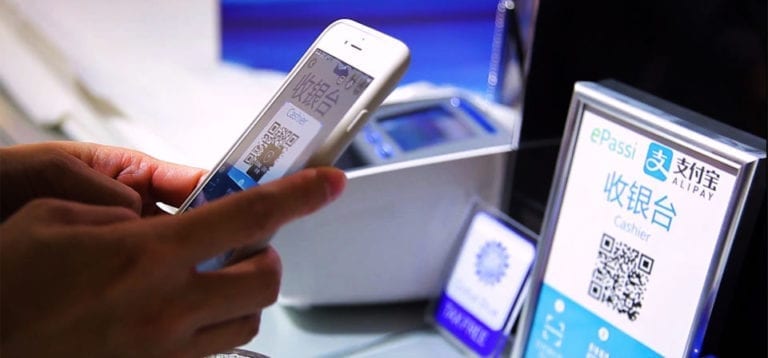
    Eraman, Malaysia’s leading travel retailer, said it will now be able to tap into the 520 million-strong Alipay active user base. Some 4.5 million are Chinese tourists that travel to Malaysia annually. Those travellers visiting Eraman outlets will be able to pay with their Alipay personal QR code via their smart phone.

    Alipay is integrated into the merchant portfolio of Maybank and CIMB Bank Bhd, Malaysia’s two largest financial services providers, and uses the in-store on-line payment solution at all Eraman outlets nationwide. Eraman claimed that this new payment mode will improve Chinese travellers’ shopping experience at the airports.

    “Security and speed are important to us as we look to enable our Chinese travellers to walk into our outlets while travelling abroad and pay for purchases with the Alipay – just like they do in China. This Alipay in-store payment will act as the settlement, allowing Chinese travellers to pay for their transactions in Yuan without having concerns on the exchange rate. This is done through a simple swipe and barcode-scanning method,” said Malaysia Airports (Niaga) General Manager Zulhikam Ahmad.

    “All Eraman retail outlets in KLIA and klia2 including duty free emporium and lifestyle stores began accepting Alipay in June 2017. However Eraman food & beverage and retails outlets in Kota Kinabalu, Kuching, Penang, Langkawi International Airport and Labuan Airport have begun to accept Alipay since the end of August. In China, this payment system is a way of life for shopping and many other activities, and given the growing number of Chinese travellers here, we are hoping for a high uptake,” added Zulhikam.

    In conjunction with this smart partnership, Eraman has launched a special promotion from 1 September to 31 December whereby all Chinese travellers using Alipay will be entitled to an e-voucher of RMB100 when they spend RMB1,000 at participating Eraman retail outlets. This e-voucher can be redeemed for the second purchase at Eraman outlets within 24 hours.

    Meanwhile, Alipay users will also be able to enjoy up to -10% off for purchases made at Eraman’s F&B outlets and its convenience store, EXpress. The discount can be used for a second purchase at Eraman within 24 hours.

    “As the premier retail brand under Malaysia Airports, Eraman has evolved over the last couple of years. We continue to diversify our offerings, embrace the many exciting possibilities and grow our presence in the leading airports in Malaysia. This is our way of providing the total airport experience by means of an alternate payment method and providing ease for our Chinese customers who happen to be one of our top three passenger groups in terms of nationality,” said Zulhikam.

    Chinese travellers contribute the highest ticket sales at KLIA and klia2. Eraman said it has recorded double-digit percentage growth in sales value with fragrances & cosmetics, liquor and tobacco boosted by purchases from Chinese travellers this year. Eraman said this was also due to a varied offer and competitive pricing compared to downtown on fragrances, cosmetics and liquor.

    Malaysia is ranked third in the region after Thailand and Singapore for the number of Chinese visitors it attracts each year. Eraman said it aimed to become “their preferred duty free retailer” as Malaysia rises in the rankings.

    Eraman added that it is keen to build “long term alliances with reputable partners and recognises this collaboration to be a major contributor to the company”.

    “The entry of Alipay marks a notable milestone in the growth of Chinese tourist arrivals and online transaction services in Malaysia, and we are proud to be part of this development. We look forward to a strong synergistic collaboration and we are happy Alipay is on board with us,” said Zulhikam.

    “We are excited to partner Eraman, a very strong player in the duty free industry. With this partnership we’ll help Eraman to reach out to more Chinese customers by utilizing the Alipay marketing platform to market various top brands and products offered by Eraman,” said Alipay Country Manager of Malaysia Greta Gunawan. “Duty free shops are always on the must-visit list of Chinese tourists. In the future, Alipay users can check shop details and special offers via the in-app Discovery platform even before they depart to Malaysia.”

    CIMB Group Chief Executive Officer, Group Transaction Banking Hendra Lembong added: “We are pleased to collaborate with Eraman in providing Chinese tourists a convenient and secure cashless payment experience in Malaysia with CIMB’s Alipay mobile wallet. As a pioneer settlement and merchant acquirer bank in facilitating Alipay payments in Malaysia, CIMB is confident of spearheading the growth of mobile wallet payment services in the country with its cutting edge expertise in transaction banking. We aim to not only support Malaysia’s drive for a safe and secure cashless society, but also provide our customers with a seamless banking experience within ASEAN.”
     

  • Twitch creators to sell Amazon products

    Twitch creators to sell Amazon products

    Twitch is the world’s leading video platform and community for gamers with more than 45 million gamers gathering every month to broadcast, watch and chat.

    Twitch today is introducing a suite of tools called Twitch Extensions that will allow its streamers to customize their channel pages with interactive features, including polls, leaderboards, tickers, schedules, overlays and even virtual pets, among other things.

    Beyond simply personalizing their channel to make it more engaging to fans, the extensions in some cases will help streamers generate additional revenue.

    In particular, one extension called “Gear on Amazon” allows Twitch creators to show off their favorite Amazon products.

    If a viewer clicks through to purchase, the creator will earn a commission through the Amazon Associates program.

    This extension will be available to both Twitch Partners and Affiliates, and is the first time that Twitch’s streamers have been invited to join the program, even though Amazon owns Twitch.

    To create their list of suggested products, streamers will be able to sign up as an Amazon Affiliate, then browse the Amazon catalog and pick their favorite products, right from their Twitch dashboard, the company says.

    This follows another recent move from Amazon to help video creators make money by promoting Amazon products, as it turns out.

    Last week, Amazon opened up its social media “Influencers” program to YouTube stars, allowing video creators to build their own curated shop, with its own short and memorable URL. It only makes sense that Amazon would enable something similar for its Twitch streamers, as well.

    However, the Amazon extension is only one of many that will be available at launch. There are currently over 20 extensions available, including some game-specific ones like OP.gg for League of Legends by OP.gg, Innkeeper: Interactive Hearth Overlay by Curse, and MasterOverwatch by Master Network.

    Others are designed for more general use, like Streamlabs’ Loyalty, Music, Polls & Games, or Muxy’s Overlay and Leaderboard, for example.

    At launch, extensions will be free, but Twitch tells us that monetization details are soon to come. More information about this will be announced at Twitch’s developer conference, TwitchCon’s Developer Day next month.

    Twitch had planned to make the extensions available to streamers tonight, but that’s been pushed back at the last minute. Instead, the company now says the extensions will be “coming soon.”

  • Uber to end post-trip tracking of riders as part of privacy push

    Uber to end post-trip tracking of riders as part of privacy push

    The change, which restores users’ ability to share location data only while using the app, is expected to be announced on Tuesday and rolled out to Apple Inc iPhone users starting this week.

    Uber Technologies Inc is pulling a heavily criticized feature from its app that allowed it to track riders for up to five minutes after a trip, its security chief told, as the ride-services company tries to fix its poor reputation for customer privacy.

    The change, which restores users’ ability to share location data only while using the app, is expected to be announced on Tuesday and rolled out to Apple Inc iPhone users starting this week. It comes as Uber tries to recover from a series of crises culminating in the ouster of Chief Executive Travis Kalanick and other top executives.

    Dara Khosrowshahi, the CEO of travel-booking company Expedia Inc is set to become Uber’s new chief executive.

    The location-tracking update is unrelated to executive changes, said Joe Sullivan, Uber’s chief security officer, in an interview with Reuters. Sullivan and his team of about 500 have been working to beef up customer privacy at Uber since he joined in 2015.

    “We’ve been building through the turmoil and challenges because we already had our mandate,” said Sullivan, who is a member of the executive leadership team that has been co-running Uber since Kalanick left in June.

    An update to the app made last November eliminated the option for users to limit data gathering to only when the app is in use, instead forcing them to choose between letting Uber always collect location data or never collect it.

    Uber said it needed permission to always gather data in order to track riders for five minutes after a trip was completed, which the company believed could help in ensuring customers’ physical safety. The option to never track required riders to manually enter pickup and drop-off addresses.

    But the changes were met with swift criticism by some users and privacy advocates who called them a breach of user trust by a company already under fire for how it collects and uses customers’ data. Uber said it never actually began post-trip tracking for iPhone users and suspended it for Android users.

    Sullivan said Uber made a mistake by asking for more information from users without making clear what value Uber would offer in return. If Uber decides that tracking a rider’s location for five minutes is valuable in the future, it will seek to explain what the value is and allow customers to opt in to the setting, he said.

    Sullivan said Uber was committed to privacy but had previously suffered “a lack of expertise” in the area.

    The change comes two weeks after Uber settled a U.S. Federal Trade Commission complaint that the company failed to protect the personal information of drivers and passengers and was deceptive about its efforts to prevent snooping by its employees.

    Uber agreed to conduct an audit every two years for the next 20 years to ensure compliance with FTC requirements.

    The location-tracking changes will initially only be available to iPhone users, but Uber intends to bring parity to Android devices, Sullivan said.

    The changes are part of a series of updates expected in the coming year to improve privacy, security and transparency at Uber, Sullivan said.

  • Alexa allies with Cortana to take on Google Assistant, Siri

    Alexa allies with Cortana to take on Google Assistant, Siri

    It’s the first time two tech giants, Amazon and Microsoft open up their AI powered virtual aides to each other. Amazon.com Inc and Microsoft Corp have joined forces to let their voice-controlled virtual assistants talk to each other, offering users the ability to seamlessly tap into work, their homes and shop online.

    The partnership is the first time two technology companies open up their artificial intelligence-powered virtual aides to each other, and will be aimed at outsmarting rivals Google Assistant and Apple’s Siri.

    The move in itself is rare as most virtual assistants are known to use data from their own ecosystems and not talk to one another.

    Users of Amazon’s Alexa will be able to ask Microsoft’s Cortana to do a range of activities — from booking a meeting to reading work email. And Cortana users will be able to call on Alexa to play music or turn on house lights.

    Not to be left behind, Alphabet Inc said on Wednesday Google Assistant will soon be available on third-party speakers and other home appliances.

    “Starting later this year, with manufacturers like LG, you’ll be able to control your appliances, including washers, dryers, vacuums and more from your Assistant on your smart speaker, Android phone or iPhone,” Google said.

    Several technology companies are trying to grab a share in smart homes, which allow consumers to control various connected appliances such as refrigerators and lights from a central hub or a smartphone.

    “In the long run it would seem that Amazon has more to gain from this deal, as Cortana remains trapped within the PC…while Amazon has won a powerful ally in its battle against Google,” Atlantic Equities analyst James Cordwell said.

    While Amazon introduced voice-controlled Alexa with its Echo speakers in 2014, Google launched Assistant on its Google Home speakers last year. Apple Inc in June introduced HomePod, powered by Siri.

    Amazon Echo devices will claim a 70.6 percent share of the U.S. market this year compared with a 23.8 percent share for Google Home, research firm eMarketer said in May.

    Users will be able to turn to their Echo device later this year and say, “Alexa, open Cortana,” or turn to their Windows 10 device and say, “Cortana, open Alexa,” the companies said.

    “It is surprising to me that these competitors have collaborated, that speaks to the quality of their respective CEOs,” Wedbush Securities analyst Michael Pachter said.

    “They understand that they will benefit more by working together than trying to destroy one another.”

  • What if Amazon is the trigger for the next tech wreck?

    What if Amazon is the trigger for the next tech wreck?

    With the levels of hype around the US retailer and predictions that “Amazon will decimate retail as we know it”, it is worth considering the opposite alternative as well – at least in the interest of balanced contemplation. Let’s be clear however. There are no signs at all right now that Amazon is in any way facing economic collapse or imminent failure, but what if….

    The current frenzy around Amazon is based on the theory that top-line growth – as distinct from trading profit growth – will at some point make Amazon the undisputed heavy weight champion at retail and that at that point in time they will be able to transition market dominance into high yielding profit.

    It has taken Amazon twenty years in the United States to achieve a market share of nearly 4 per cent of all retail sales. While its growth is strong – 24 per cent year on year – Walmart’s online growth is tracking at 69 per cent. And Walmart makes a huge profit. It also declares dividends. Investors are massively backing a future payoff for Amazon. In most other markets around the world Amazon at present has less than 2 per cent market share of all retail sales and its margins are thin.

    The usual rules of investment do not apply to Amazon. Something that seems to only apply to technology stocks today, as it did between 1997 and 2001 when we saw technology stocks climb to valuation levels, which had nothing to do with traditional EBIT multiples. The “belief” in Amazon is about a future that may or may not eventuate.

    So what if it doesn’t? And what if the over-arching investment cycle turns and investors – who could previously justify their support of Amazon based on re-valuing the stock and using dividends from other holdings in their portfolios to pay returns to investors – get desperate about the need to drive greater dividend streams to pay returns to investors and earn their bonuses?

    When patience runs thin and the luxury of taking the ‘big gamble’ is removed, the market turns. The biggest bet on applied technology in the ‘age of disruption’ is Amazon. Therefore it could very well be the trigger that sets off the next ‘tech wreck’ – a correction many analysts are saying is overdue.

    From a book re-seller with grand ambition to its present day position as a major player, Amazon has made great progress and changed the way many retailers and suppliers do business. However it isn’t the only heavy weight contender and it has yet to deliver real returns to shareholders. Hype – as most seasoned analysts and investors will tell you – is a distraction smart people can do without. Salesmen love it. Canny businessmen don’t.

    Study Amazon. Learn from it. Improve your own game because the only thing that matters is the real competitive context and how customers react to it. But don’t get swayed by hype and the wall of noise that is modern media coverage. Amazon could one day deliver. Or it could be the next trigger for a tech wreck.

    Only time will tell and in the meantime you have to build your customer franchise and make the profits that you can re-invest into your business growth. Because – unlike Amazon – no one will give you cheap investment capital on a promise.

  • Fulfilment by Amazon ‘unlikely’ for initial launch

    Fulfilment by Amazon ‘unlikely’ for initial launch

    Almost one month after Amazon confirmed the location of its first fulfilment centre in Australia, the e-commerce giant remains tight-lipped about the date and scope of its launch of Marketplace Down Under.

    But sources within the retail sector have told that a late-September, early-October launch is very likely. They have also said Fulfilment by Amazon (FBA) will not be part of the initial launch.

    “It will more than likely not be a full-service that will be launching. They might not have all their categories. They might not have all the FBA service,” said Ray Ridgeway, managing director of World First, a company that helps sellers on Amazon, Ebay and other global marketplaces transfer funds overseas.

    FBA allows sellers to outsource their entire logistics process – warehousing, fulfilment, returns and customer service – to Amazon for a fee. While the exact fee depends on the weight of the item, among other factors, sellers using FBA can expect to pay somewhere between 25-30 per cent of the sale to Amazon. This includes the 15 per cent fee Amazon charges to sell on Marketplace.

    Most people in the industry agree that FBA is the key to Amazon’s success, underpinning its delivery offering and differentiating it from competitors like Ebay. (The alternative is FBM, or Fulfilment by Merchant.)

    Qing Yuan Zhou, venture partner at Goat Consulting, a US-based Amazon consulting firm, previously told that her company almost always recommends FBA to sellers, since they are more likely to get a favourable page ranking and a shortcut for customers to add their products to cart. As a result, Zhou said, sellers may see sales go up by at least 20 per cent.

    But according to sources who have been given access to a beta version of ‘Seller Central’, Amazon’s seller portal, FBA is not currently supported in Australia. This is unsurprising given the fact that Amazon has only recently secured its first local warehouse and the general consensus that Marketplace will launch in time for Christmas trading.

  • WeChat goes to ground with WeStore test

    WeChat goes to ground with WeStore test

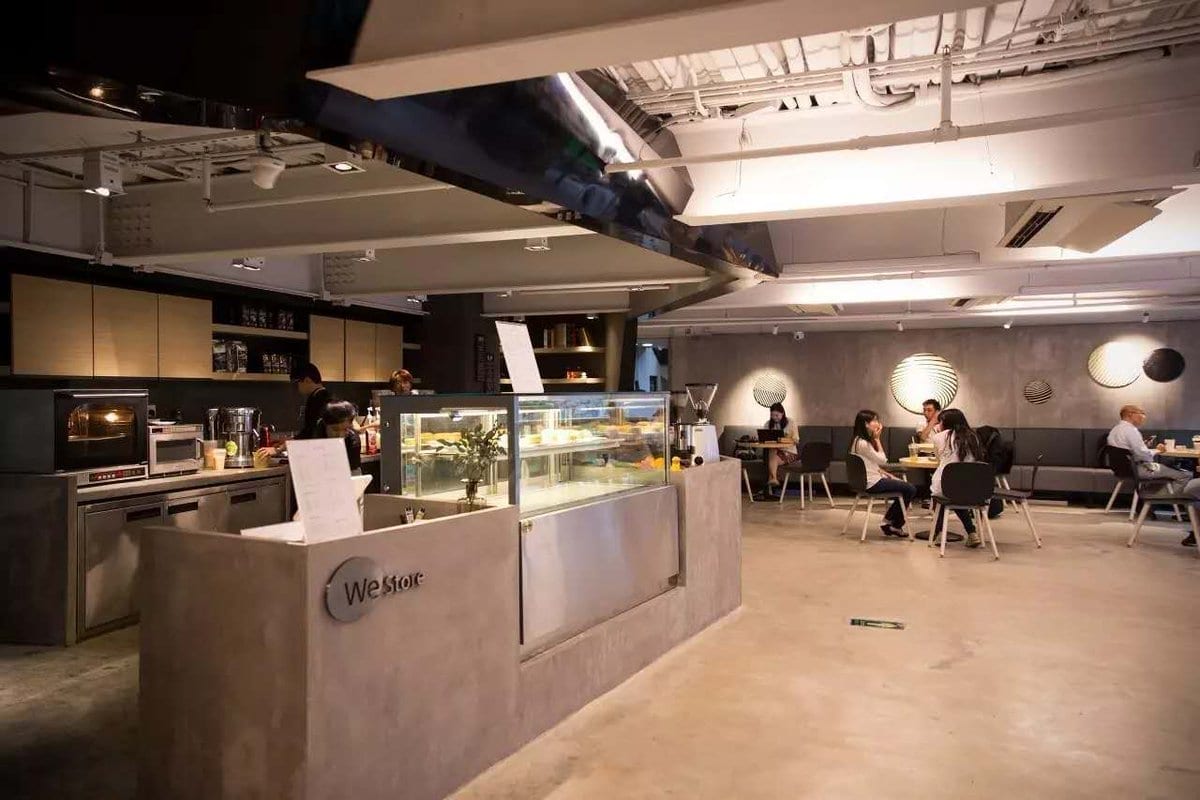
    As Chinese chat app WeChat moves into merchandising, it has opened an on-ground “test” WeStore in Guangzhou.

    This follows its announcement that it is partnering with apparel retailer Gap to launch a range of WeChat-branded clothing, its first major foray into branded merchandise.

    This was foreshadowed at December’s annual WeChat conference in Guangzhou, where are limited-edition range of branded merchandise was released, including pillows, notebooks, stickers and pins.

    A few months ago, WeChat-themed merchandise such as pillows, bags and light jackets was used as prizes for an online competition.

  • China’s JD.com Eyes Indonesia with Investment of Go-Jek

    China’s JD.com Eyes Indonesia with Investment of Go-Jek

    The move by China-based tech firms into Southeast Asia continues apace. But the ranks of Alibaba and Tencent, so far the most aggressive to expand into the region, are now being joined by Alibaba’s largest ecommerce rival in China, JD.com.

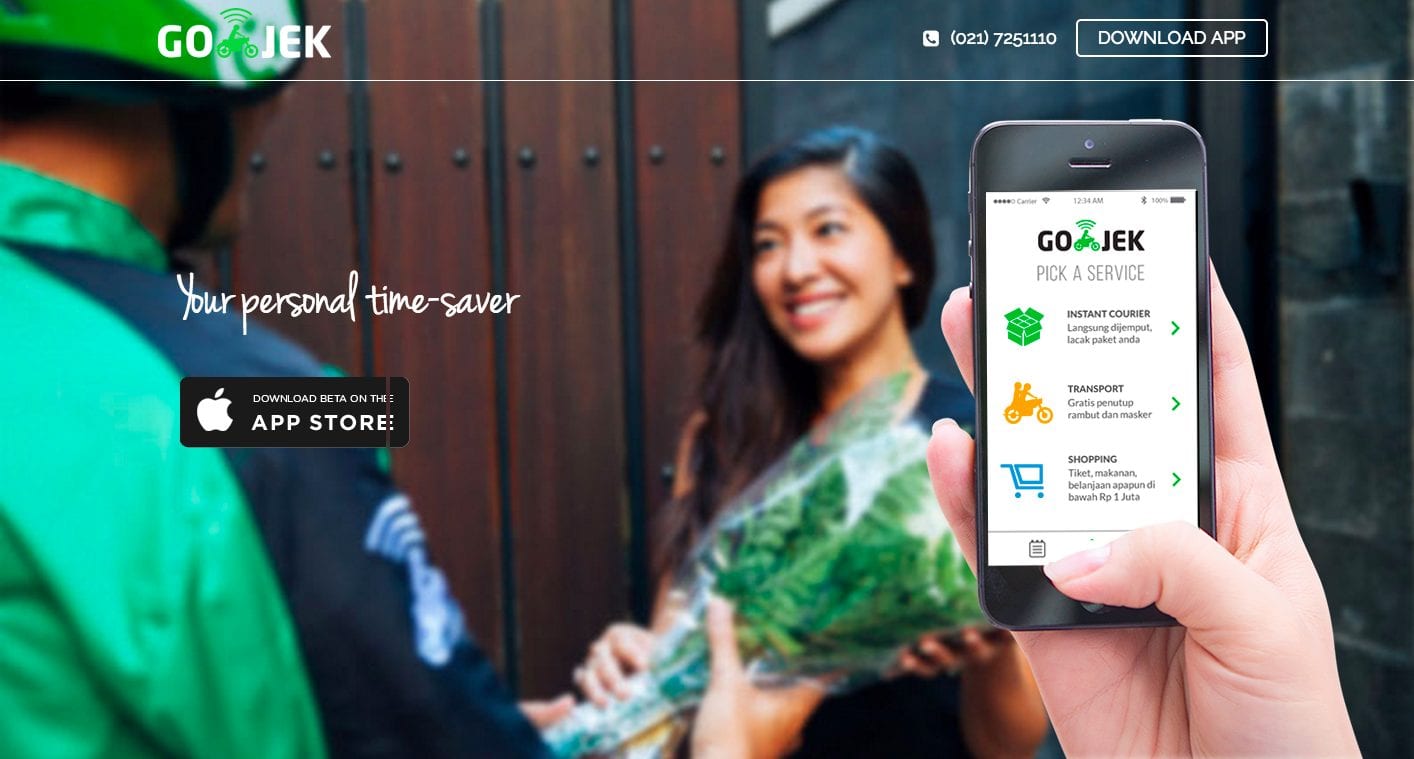
    Over the weekend, JD.com confirmed that it had invested in Indonesia-based ride-hailing service Go-Jek after news outlet The Information reported the development last week. According to Reuters, JD.com’s investment in the firm is around $100 million, and will be part of a funding round of about $1 billion.

    Go-Jek got its start in 2010 as an on-demand transportation platform for motorbikes, a common way for urbanites in Indonesia to navigate streets choked with traffic. However, Go-Jek’s portfolio of services has been broadly expanded since then to include grocery delivery, courier services, home cleaning, massages and even online ticketing.

    Go-Jek appears to be mimicking the success messaging platform WeChat has seen in China, by gaining a user base for one service—online ride-hailing—and then branching out. Go-Jek is also smartly pushing its users to pay for its expanding suite of services using its own digital payment service, Go-Pay.

    JD.com was once largely overshadowed by China’s ecommerce giant, Alibaba. But that has changed as the company’s model of using a business-to-consumer (B2C) ecommerce model—a contrast to Alibaba’s popular consumer-to-consumer (C2C) marketplace Taobao—has found success among a growing middle class in China that’s moving upmarket in the quality of goods it wants to purchase.

    According to data from iResearch Consulting Group, JD.com was responsible for 24.7% of retail ecommerce sales share in China in 2016, behind only Alibaba’s B2C platform Tmall.

    But JD.com is also clearly eyeing the potential in emerging markets like Indonesia. eMarketer estimates there will be 36.2 million digital buyers in the country this year, when retail ecommerce sales will total $8.21 billion. However, the ranks of buyers will swell to nearly 74 million by 2021, when $18.07 billion will be spent on retail ecommerce.

    JD.com is set on making sure it doesn’t get left behind in the market through its Go-Jek investment. In return, Go-Jek is likely to gain from JD.com’s expertise in managing the nuts and bolts of the ecommerce business, including shipping logistics and inventory management, should it decide to expand its efforts in that sector.

    Meanwhile, Go-Jek is given some more cash to fend off rivals Uber and Grab, a similarly Southeast Asia-focused ride-hailing app based in Singapore. Go-Jek can use all the money it can get its hands on; Grab, which operates in 65 cities in seven markets across Southeast Asia, closed a funding round worth $2.5 billion in late July from investors that include Japan-based telecom SoftBank Group and China-based ride-hailing giant Didi Chuxing.