Category: E-Tailing

Retail News Asia is committed to providing both local and global retailers with the latest E-Commerce & Etail news throughout the Asian market. This on a daily base.

  • Alibaba plans regional distribution hub in Malaysia

    Alibaba plans regional distribution hub in Malaysia

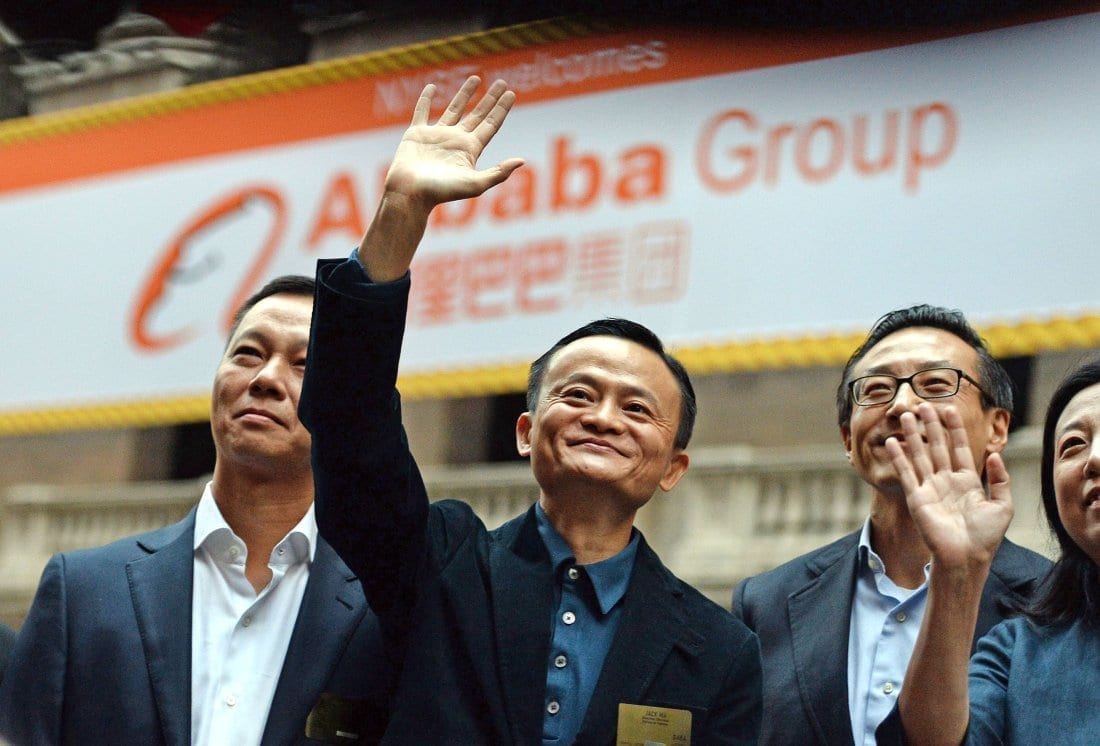
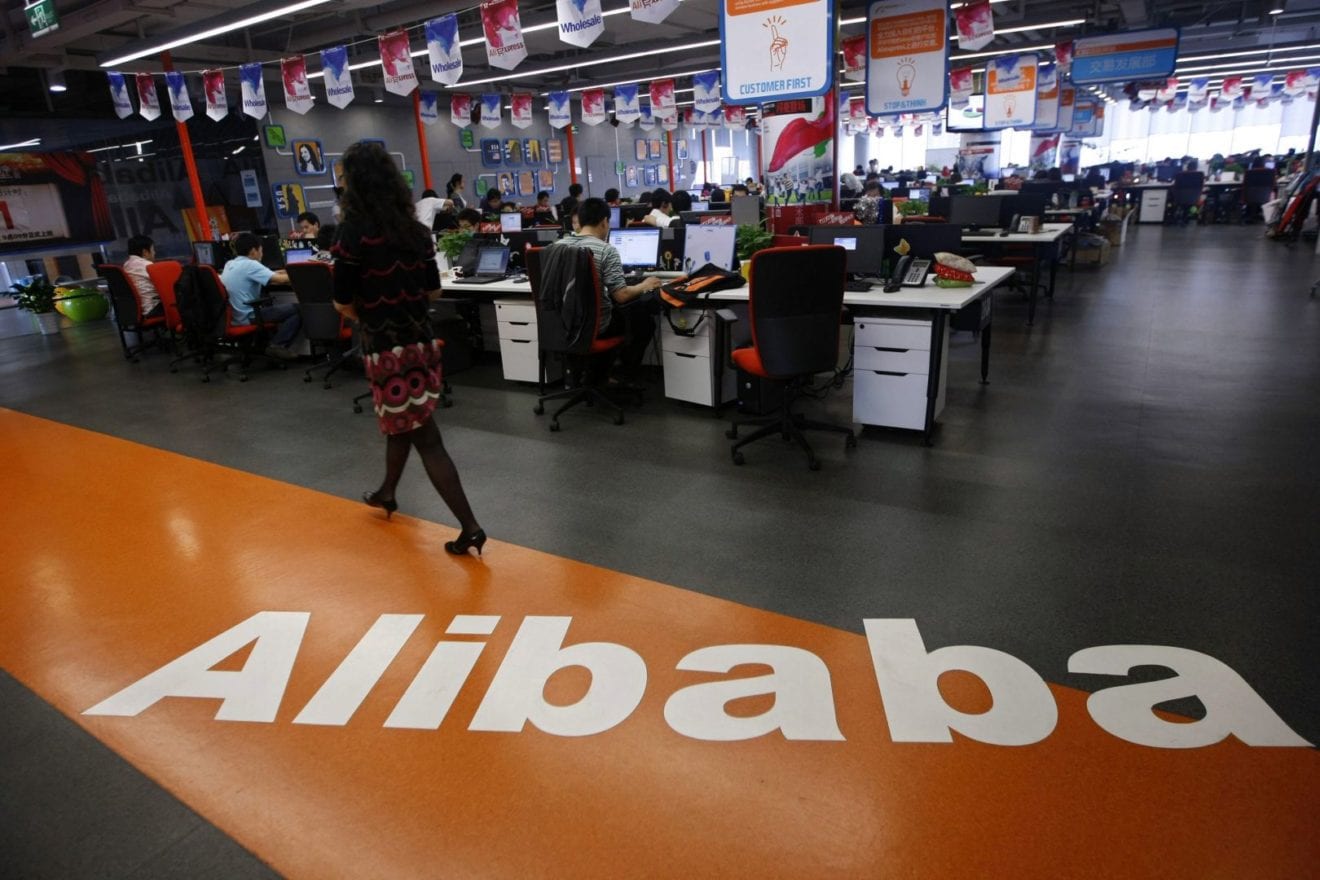
    Alibaba Group has signed an agreement with the Malaysian government covering the establishment of an e-fulfillment hub in Kuala Lumpur and a one-stop online cross-border trading platform.

    The agreement will also include cooperation in e-payment and financing, and development of e-talent training that will fit into Malaysia’s roadmap of transformation into a digital economy.

    The e-hub to be built near the Kuala Lumpur International Airport is under the Electronic World Trade Platform (eWTP) initiative which is being undertaken together with the Malaysia Digital Economy Corporation (MDEC) and other parties. The facility is envisioned to function as a centralized customs clearance, warehousing and fulfilment facility for Malaysia and the region, to deliver faster clearance for imports and exports.

    “We have set out plans to progress Malaysia’s economy and place it firmly at the center of the global marketplace. To do this we need to harness the assets that we have and provide the support for individuals and businesses to be competitive in the new digital landscape. “The Alibaba Group is at the forefront of private sector development of e-commerce solutions and their ambitions to enable trade, particularly for SMEs, make them the perfect partner in this new initiative,” said Prime Minister Razak.

    Ma proposed the establishment of digital free trade zones for small businesses while attending the St. Petersburg International Economic Forum in Russia last June, suggesting that such special trading areas can act as e-commerce hubs linking up markets around the world.

    As part of Malaysia’s DFTZ initiative, the e-hub will provide new commercial opportunities on the established trade route with the country. As more trading routes are covered with new hubs that reflect the needs of the firms participating in the modern economy, a digital global e-road will be created.

    Alibaba has already played a key role in the establishment of the China (Hangzhou) Cross-Border E-Commerce Comprehensive Pilot Free Trade Area which will be connected to the DFTZ in Kuala Lumpur.

    The eWTP’s e-hub concept has been incorporated into Malaysia’s DFTZ which will see the involvement of Alibaba, its subsidiaries and affiliates such as Lazada and Cainiao Network in other areas as well, such as the proposed e-service platform, which, when connected to Alibaba’s OneTouch platform, will link Malaysia directly to the e-commerce pilot area in Hangzhou, China to allow SMEs and businesses to trade conveniently and efficiently between the two countries. Relevant parties from both sides will also explore e-payment and financing opportunities and establish training programs to help incubate startups and develop skillsets in individuals in support of Malaysia’s digital economy development.

    “With innovation throughout the supply chain, support from governments and important private sector collaborations, we will achieve our aim of enabling SMEs and young people to thrive and enjoy in the fruits of the next phase of globalization,” Ma said.

  • Burger King, Foodpanda launch April Fool’s Day campaigns

    Burger King, Foodpanda launch April Fool’s Day campaigns

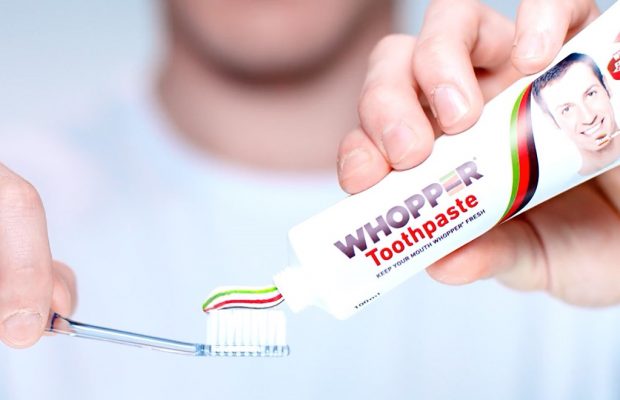
    A Whopper-flavoured toothpaste and a weekend staycation where you can chill in a panda costume… those were the first two April Fool’s Day pranks orchestrated by marketers this silly season.

    Putting aside for a moment the question of whether launching such promotions several days in advance really qualifies as an April 1 stunt, the issue is whether the marketing programs are designed to make the news media look foolish in an era of growing chatter about “fake news”, or are just an entertainment for consumers.

    Foodpanda Singapore issued a media release on Wednesday promoting a “wellness retreat” dubbed The Pandanctuary.  The food delivery service cited “UK research” (not referenced) as finding that more than 10,000 people “enjoy dressing up as animals to escape the pressure of modern living”.

    In the release, MD Aspa Lekka (her name checks out on Google) says: “With studies showing that dressing up like an animal is scientifically proven to reduce stress levels, we wanted to give our busy customers the opportunity to see what it’s like to live like our ‘chilled out’ mascot for the weekend – the beloved panda.”

    The release was distributed by Leon Tan, an account executive with W, whose signature file references an award for “Best new PR consultancy in Asia Pacific”. We sent Tan an email asking him to confirm it was an April Fool’s Day stunt. He didn’t reply.

    But the sheer detail of the promotion was impressive enough to fool the likes of mainstream media including the South China Morning Post, which appeared to treat it seriously in an online article.

    According to the release, Foodpanda has partnered with Studio M Hotel on Nanson Road to create “the ultimate panda experience, decking out bespoke ‘panda rooms’ with bamboo plants, play ropes and large water bowls”. Catering will be provided by Jamie’s Italian.

    The biggest hint of mischief in the campaign was at the bottom of the application form where those interested in participating in the “pandamonium” had until “23.59 on March 31” to apply.

    Here’s a video of The Pandanctuary:

    A whopper

    Meanwhile in Europe, Burger King France and its ad agency Buzzman claim to have teamed up with “experts” to create a signature toothpaste with extracts that recreate the distinctive barbecued beef flavour of its Whopper burger (also note that in western slang, “whopper” means a massive lie).

    They even created a realistic 60-second commercial to promote it, in movie-trailer style with the memorable tagline “the Whopper’s taste is so good, some people will do anything to keep it in their mouths”:

    As Marketing Interactive reported online, considering April Fool’s Day is this week “we can safely assume this is a joke – but we will report back if we get our hands on a sample”.

  • Amazon buys Middle East marketplace Souq.com

    Amazon buys Middle East marketplace Souq.com

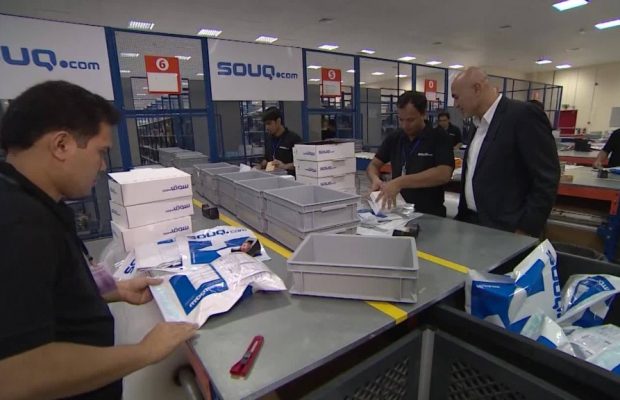
    US e-commerce business Amazon has bought the leading online marketplace in the Middle East, Souq.com.

    “Joining the Amazon family will enable Souq.com to continue growing while working with Amazon to bring even more products and offerings to customers worldwide,” the US company said in a statement.

    Souq.com is the largest online retail and marketplace platform in the Arab world, featuring more than 8.4 million products across 31 categories such as consumer electronics, fashion, health and beauty, household goods, and baby. The site attracts more than 45 million visits per month, with localised operations in the KSA, UAE and Egypt.

    “Amazon and SOUQ.com share the same DNA – we’re both driven by customers, invention, and long-term thinking,” said Russ Grandinetti, Amazon senior VP, international consumer. “Souq.com pioneered e-commerce in the Middle East, creating a great shopping experience for their customers. We’re looking forward to both learning from and supporting them with Amazon technology and global resources. And together, we’ll work hard to provide the best possible service for millions of customers in the Middle East.”

    Souq.com co-founder and CEO Ronaldo Mouchawar described the deal as “a critical next step in growing our e-commerce presence on behalf of customers across the region”.

    “By becoming part of the Amazon family, we’ll be able to vastly expand our delivery capabilities and customer selection much faster, as well as continue Amazon’s great track record of empowering sellers.”

    Subject to conditions, the acquisition is expected to close in 2017.

  • Hermes promises year of ‘digital change’

    Hermes promises year of ‘digital change’

    French luxury retailer Hermes plans to update its digital strategy this year with an initial test run “in a small country”, according to chief executive Axel Dumas.

    He says 2017 will be “a year of digital change for us”, with the company’s e-commerce sales showing “significantly higher” growth rate than overall turnover.

    Dumas says he is proud of the result considering the company’s website “sort of stumbles along”.
    During the Christmas season, the Hermes e-shop was the group’s best-performing outlet for global neck-tie sales.

    “Hermes was the first luxury brand to launch e-commerce, in 2001, especially in the US,” says Dumas. “We are primarily retailers and wanted to handle our own online sales directly rather than hand over this business to an external corporate site.”

    However, he admits the website has aged while new technologies have forged ahead.

    “In wanting to maintain great image quality, we lagged behind in getting a mobile app,” says Dumas, also acknowledging a lack of clear organisation for the website.

    “To recreate the magic of Hermes, we decided to make a site where people could lose themselves. The result: people were really lost,” he says.

    “We hope to launch the new site this year. We will first run a test in a small country.”

  • Ho Chi Minh City may tax online sales next month

    Ho Chi Minh City may tax online sales next month

    The city is making serious steps to collect sales taxes from small and home-based online business owners. Ho Chi Minh City’s tax department has said it will work with related departments to impose sales taxes on businesses running on Facebook and other online shopping sites.

    The department would submit the taxing plan to the city’s government for approval early next month, an unnamed official from the department told.

    The department said it would coordinate with information and trade departments, internet providers, banks and post offices to collect the tax.

    Last month, the trade department proposed the city work with Facebook on measures to collect tax from businesses running on the site.

    The General Department of Taxation later agreed with the proposal, saying it is working on measures to tax the businesses operating on Facebook, YouTube and Vietnamese messaging app Zalo.

    Tightening tax collection from online businesses is part of a plan to enhance state budget revenue collection.

    The city’s intent on taxing online sales has stirred up different opinions.

    Many said the tax collection is not an easy job for the authorities as many online retailers use anonymous accounts for transactions, not to mention that most purchase or sales transaction are cash-based.

    Vietnam’s e-commerce market, which has one of the world’s fastest growth rates, jumped 37 percent to around US$4 billion in 2015, data from the Ministry of Industry and Trade show.

    The growth rate is about 2.5 times faster than that in Japan, according to Tran Duc Tam, an industry expert.

    The government has projected revenue by Vietnam’s online retail to hit $10 billion by 2020, accounting for 5 percent of the country’s retail market.

    Retail sales in the first quarter of 2017 rose an estimated 9.2 percent from a year ago to $40.5 billion, the government said Wednesday, after an annual rise of 10.2 percent last year to $118 billion.

    Up to 60 percent Vietnam’s population is online.

  • How Alibaba’s Jack Ma Is Building a Truly Global Retail Empire

    How Alibaba’s Jack Ma Is Building a Truly Global Retail Empire

    Jack Ma is one of China’s richest men, with a fortune valued at nearly $30 billion. As executive chairman of Alibaba Group, he leads the dominant force in Chinese e-commerce, a company with a market value of $264 billion and some 450 million customers. A global ambassador for Chinese business, he spent 800 hours aloft last year—­visiting princes, Presidents, and Prime Ministers and lots of mere businesspeople too. “A professional pilot cannot travel that much, or so I’m told,” he boasts.

    Even so, the rich and powerful people who meet with Ma tend to come away from the experience with a fresh nugget of information, either about him or about the still poorly understood digital conglomerate he started with a bunch of friends 18 years ago in the provincial coastal city of Hangzhou. Jim Kim, a physician who is the president of the World Bank, met Ma four years ago over a dinner lasting more than three hours and was startled to find the billionaire wearing sandals, holding Buddhist prayer beads, and sitting cross-legged on his chair. Kim was so taken with Ma’s passion for facilitating global trade by focusing on small-business people that he’s rethinking his international development organization’s approach.

    Others are moved by Ma’s humanity. Jean Liu, president of Chinese ride-hailing startup Didi Chuxing, has known Ma for years and considers him a mentor. (Alibaba is a Didi shareholder.) She recently learned, through family connections rather than from Ma, about how he repeatedly visited a seamstress he had met after learning she was ill. Says Liu: “He genuinely cares about the people around him.”

    Then there’s the President of the United States, who met Ma for the first time a few weeks before his Inauguration. “Trump didn’t know that much about Alibaba,” reports company president ­Michael Evans, a former Goldman Sachs banker and Asia hand who helped set up the powwow. “He was fascinated to hear that Chinese consumers are interested in buying from U.S. small businesses. I don’t think that had occurred to him.” Ma used the sit-down to make a bold promise—that Alibaba would help create 1 million jobs in the U.S. over five years. The pronouncement was music to the President-elect’s ears. “It was a great meeting,” he declared before the cameras in the lobby of Trump Tower, a beaming Ma beside him. “Jack and I are going to do some great things.”

    President Trump isn’t the only one who could stand to learn more about Alibaba. Despite its heft in China and the blockbuster 2014 public offering that raised $25 billion on the New York Stock Exchange and introduced Alibaba to Western investors, Ma’s company remains a mystery to most non-Chinese. There’s a simple reason for that: Few outside the world’s second-largest economy are Alibaba customers. Ma is aware of this knowledge gap. It’s part of what drives him to keep logging frequent-flier miles to educate people about his company and his plans.

    To realize his vision—which relies on technology to buy, sell, finance, and deliver goods on Alibaba’s digital platforms around the world—Ma has been busily recasting himself of late as a global leader. Already he is the first Chinese business executive who can claim to have transcended his homeland for the world stage. In his travels, Ma promotes the lowering of trade barriers, touts his own brand of philanthropy, and supports causes such as primary-school education. His version of globalization is carefully calibrated and expansive enough to be consistent with the goals of his own President, Xi Jinping, as well as with Trump’s America-first positioning.

    As with so many effective leaders, Ma’s motives are complex. China is already a huge consumer market and one that’s still growing fast, but Ma knows that eventually he will need to conquer new territories for Alibaba to continue on its current trajectory. Like other Chinese champions, Alibaba has thrived at home while foreign competitors have thus far been stymied from entering his turf. If that changes, foreign markets will be even more crucial. Ma also needs for ­Alibaba—plagued by criticism over the profusion of counterfeit wares for sale on its sites—to develop a reputation as trusted around the world as Jack Ma is cherished by his fellow bold-faced names.

    Ma’s opportunity is unique. After centuries of stagnation, his country has recently reassumed its position as a world leader—just as Alibaba, one of its marquee corporate names, has joined the ranks of world-beating companies. With characteristic intuition, Ma, 52, seems to realize that this is his moment to go beyond merely being famous and take his place among the globe’s revered business leaders.

    -Fortune

  • Lazada brings Alibaba’s biggest bazaar to Singaporean shoppers

    Lazada brings Alibaba’s biggest bazaar to Singaporean shoppers

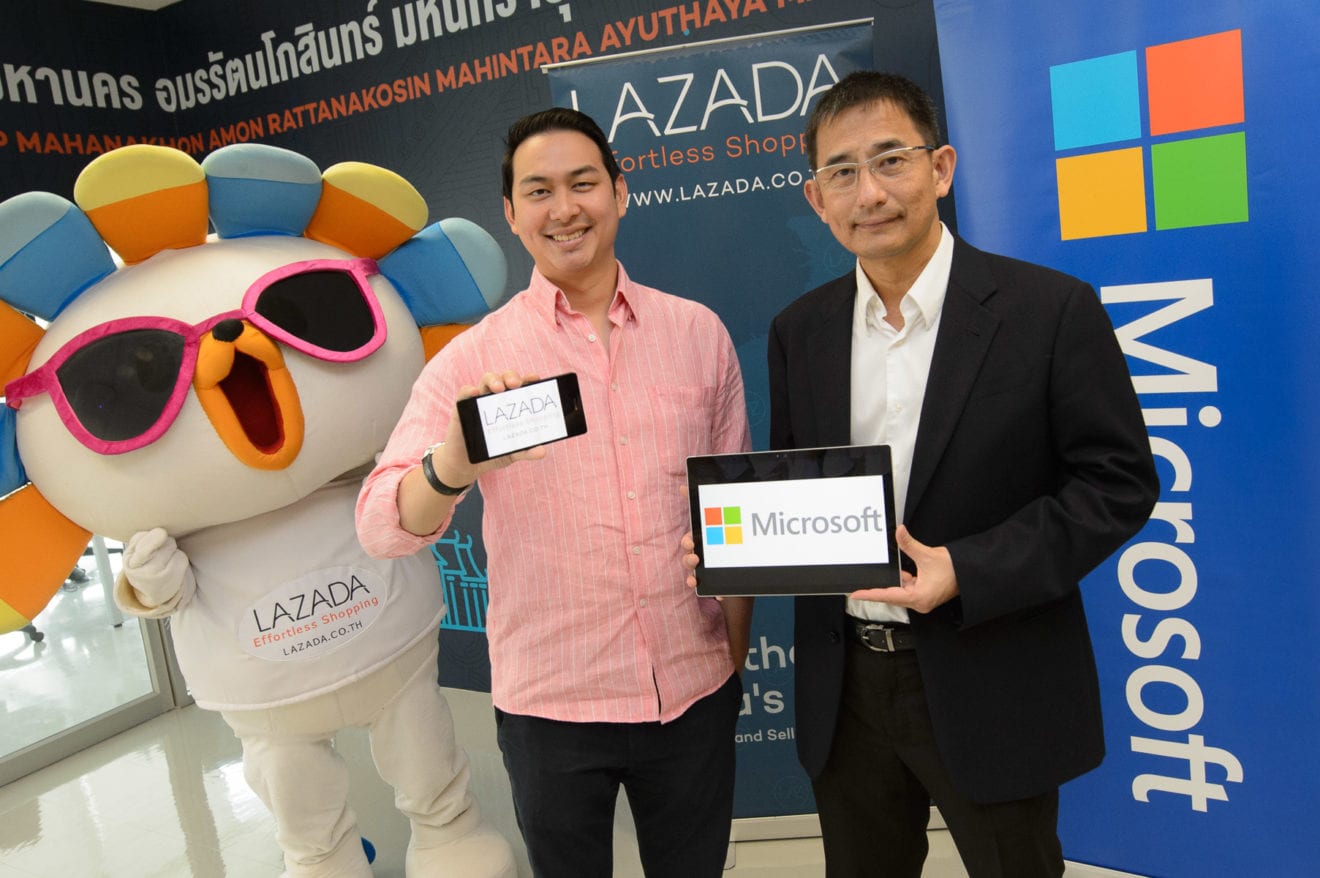
    China’s Alibaba Group has teamed up with online retailer Lazada to bring popular shopping site Taobao to Singapore, in a move to deepen the reach of the Chinese e-commerce giant into Asia ahead of US rival Amazon.

    Last year, Alibaba made headlines with a US$1 billion (S$1.4 billion) deal for control of Lazada, giving the Chinese retailer greater access to South-east Asia and closer to a goal of shedding its home-market reliance.

    The dedicated online store, Taobao Collection, went live this week, and links shoppers in Singapore directly to Taobao through Lazada’s website (taobao.lazada.sg).

    The collection targets shoppers in Singapore who want to shop directly from Taobao and are more comfortable with a local connection.

    Some 400,000 items, from electronics to home products, will be specially curated for the Singapore market, Mr Alexis Lanternier, CEO of Lazada Singapore told TODAY.

    The customised range is selected based on top selling products and customer reviews, from the existing line-up of about 1.5 billion offerings on the Taobao website, he said.

    The idea, according to Mr Lanternier, is to address some of the challenges that shoppers here face while shopping from Taobao, such as lowering shipping fees. By doing away with external agents, Taobao Collection is able to offer a flat delivery rate of S$2.99 per order.

    “Lazada is aiming at solving difficulties that currently exist when shopping from Taobao, enabling an effortless way for them to shop. The site will be translated into English (from Chinese) and shoppers don’t have to worry about shipping, payment methods and returns. Shoppers can also track their orders end-to-end on Lazada and can shop exactly as they would on Lazada Singapore,” Mr Lanternier said.

    Taobao’s entry into Singapore, according to industry players, is likely to have far-reaching implications even as it expands the playing field for e-commerce and creates a more dynamic landscape for retailers.

    “It will definitely require online retailers to continuously think on their feet to come up with new and fresh offerings, in order to keep their customers engaged. To ultimately drive Singapore’s weakening retail sector, online and offline retailers should synergise with — instead of cannibalise — each other,” said Mr Hyun Wook Cho, Qoo10 Singapore country manager.

    With more than 2.5 million registered users in Singapore, however, Qoo10 remains confident of its future prospects as an online shopping platform for Singaporeans, as it offers affordable products and understands the local market.

    “Singaporeans are highly savvy online shoppers who no longer only go for attractive prices, but also look for value-added services to have enjoyable shopping experiences,” Mr Cho added, highlighting the company’s interactive Live10 app which serves as a community chatroom where users can broadcast live demos or shopping tips to their followers.

    Meanwhile, avid shoppers in Singapore welcomed Alibaba’s move to bring its largest shopping platform much closer.

    “We now hope to have access to Taobao products much faster and expect them to be cheaper with no agents in between. Earlier, it used to take almost a month to get the products,” said 19-year-old Siglap resident Mr Nguyen Duc Thanh who buys electronic products for himself and others from Taobao at least once a month.

    “I would want to shop more now that Taobao is easily accessible through Lazada. I have always wanted to do so but given the language and other issues (related to agents), I was hesitant,” said Dakota resident Mr Andrew Fang, 30, who is keen on buying more home products.
    According to Qoo10’s Mr Cho, e-commerce players who successfully create lasting experiences that resonate with their user bases will be the ones to survive today’s increasingly competitive landscape.

  • Sesco introduces payment kiosks

    Sesco introduces payment kiosks

    Sarawak Energy’s operation and retail arm Syarikat Sesco Bhd (Sesco) introduced payment kiosks to members of public on Wednesday.

    According to a press release, the latest initiative from the state utility company is part of its continuous innovation and to further enhance customer services for the better.

    The introduction of payment kiosk machines will be an additional payment channel, allowing for real-time payment updates and it will be available at Sesco counters for added customer convenience.

    Through the kiosks, customers can make single or multiple payments (up to five bills) per transaction and also pay for collateral deposits. Payments can be made either by cash, cheque or any credit card issued by banks in Malaysia. Customers can also perform bill enquiries and print e-bills.

    This will provide an additional option for customers who can also choose from channels such as the “SEBCares” mobile app where customers can view and pay their electricity bills via online banking, credit or debit card or auto pay.

    Sarawak Energy Group chief executive officer (CEO) Sharbini Suhaili who officiated at theevent  at Wisma Sesco here on Wednesday congratulated the Retail team for applying technological advancement and innovation to enhance customer experience.

    “Please continue to innovate to improve on customers’ touch points especially through new technology,” he said.

    “This is an example of how we can simplify processes to deliver with speed and precision. Sometimes the simplest idea can bring meaningful change. Let us walk the extra mile to delight the customers and surpass expectations.”

    Adding on, Sesco chief executive officer Lau Kim Swee explained that the kiosk was part of the Retail team’s long-term vision for counter-less transactions.

    “Our customer service principle has evolved from merely providing services to delivering a truly outstanding customer experience. In doing so, we are always finding ways to implement initiatives that make it easier for our customer to do business with us. We constantly seek customers’ feedback and this payment kiosk is one of the requests made by our customers,” he said.

    In a briefing before the launch, vice-president for retail Yusri Safri gave an update on the company’s various customer service initiatives.

    “By introducing the kiosk, we will be able to reduce customers’ queuing time at the counters and enable the front-liners to focus more on handling other complex transactions and enquiries. We hope to extend this facility to the smaller counters in rural areas so customers can enjoy similar convenience as experienced in urban areas.

    “We are also looking into the idea of having the kiosks placed at strategic locations such as shopping malls for better customer convenience,” Yusri said, adding that this would extend the time customers could use the kiosks past traditional office hours.

    Also in attendance were Sarawak Energy Group chief operating officer Lu Yew Hung, executive vice-president for corporate services Aisah Eden and other members of the executive committee, senior management and staff.

    So far, four kiosks have been installed at Wisma Sesco and Pending in Kuching and another two at the Sibu office. Ten more kiosks will be installed in stages at Sri Aman, Sarikei, Sibu Civic Centre, Bintulu, and Miri counters as well as at UTC Kuching, UTC Sibu and UTC Miri.

    Apart from the services mentioned, the company is also looking at accepting payment through the kiosk for non-energy bills, electricity bill instalments, arrears bills and arrears instalments as well as payments for third-party bills in the next phase.

  • Flipkart to acquire eBay India

    Flipkart to acquire eBay India

    Three days after closing a funding round of US$1 billion, Flipkart is taking steps to acquire eBay India.

    Insiders say eBay India will be folded into Flipkart, reports start-up specialist publication E27.

    After Flipkart, Amazon, Shopclues, PayTM and Snapdeal, eBay is India’s six-largest e-commerce company.
    Flipkart’s latest funding round involved eBay, Microsoft and Tencent Holdings, setting its value at US$10 billion, up from US$5.39 billion last month.

    Launched in 2007, Flipkart is battling against Amazon to dominate the e-commerce market in India. Amazon arrived in India in 2012, ending Flipkart’s five years of supremacy.

    In 2014, Flipkart raised US$1 billion, a record for an Indian company, from such investors as Accel Partners, Russia’s DST Global and Tiger Global.

  • Metail signs partnership with South Korean tech giant

    Metail signs partnership with South Korean tech giant

    British fashion technology start-up Metail has signed a partnership agreement with Benit, the technology arm of South Korea’s fourth largest conglomerate Kolon.

    The deal means Metail’s technology, which allows consumers discover, shop and “try on” clothes online, will significantly increase its reach in the Asian market.

    The Kolon conglomerate has a presence throughout Asia and interests spanning multiple sectors, ranging from manufacturing to construction, trade, life sciences research, environment, retail and fashion. It is now setting its sights on the fast growing South-Korean fashion e-commerce market through its technology arm Benit.

    South Korea is the world’s 7th largest fashion market and APAC’s 3rd largest e-commerce market with 77% of all Koreans purchasing clothing items online in 2016. The South Korean fashion industry is expected to exceed $6.9bn this year and by 2021 it is predicted to hit $32bn. Benit’s clients alone account for $2.5bn of the market.

    Tom Adeyoola who founded London and Cambridge-based Metail said the deal would help the business achieve its mission “to digitise all of the world’s garments and people“. The Metail technology allows shoppers to create a bespoke 3D model of themselves, a Memodel, which they can use while shopping online to try on garments virtually. It rose to prominence in 2014 when it teamed up with Henry Holland’s House of Holland label to allow consumers to shop direct from the catwalk.

    “Following going viral in Korea with our mobile House of Holland offering for London Fashion Week in 2014 we’ve been looking for the right strategic partner to take advantage of what is clearly the most mobile-focused, tech-savvy and fashion-conscious market in the world,” Adeyoola said.

    “The Kolon group with their scale, fantastic stable of brands and market leading fashion focused IT services arm, Benit, quickly became the obvious choice. We’ve already placed a customer director on the ground and have built a strong working relationship with the consummate partner to help us perfect our offering for the Korean market and rapidly scale,” he said.

    Deputy general manager of Benit’s mobile convergence team Jaehoon Kang said it has been looking for “innovative and useful solutions to develop the South Korean market “and Metail’s solutions is the most valuable. We cannot try on clothes when buying clothes online. So often there are difficulties in sizing and styling; limitations which Metail help to overcome,” he said.

    “Through this agreement, fashion and distribution companies in the Korean market will be able to provide a useful and wonderful experience to customers. Benit is very excited to be adding such a great solution to its fashion-specific business portfolio,” he added.

    Metail was founded in 2008 and has gone on to develop an international customer base including House of Holland and Little Mistress in the UK as well as Abof in India and Princess Polly in Australia to name a few

    Yesterday luxury fashion etailer Mytheresa.com revealed a dedicated Korean language site for the South Korean market.

  • Snapcart raises US$3million in quest for Southeast Asian offline retail data

    Snapcart raises US$3million in quest for Southeast Asian offline retail data

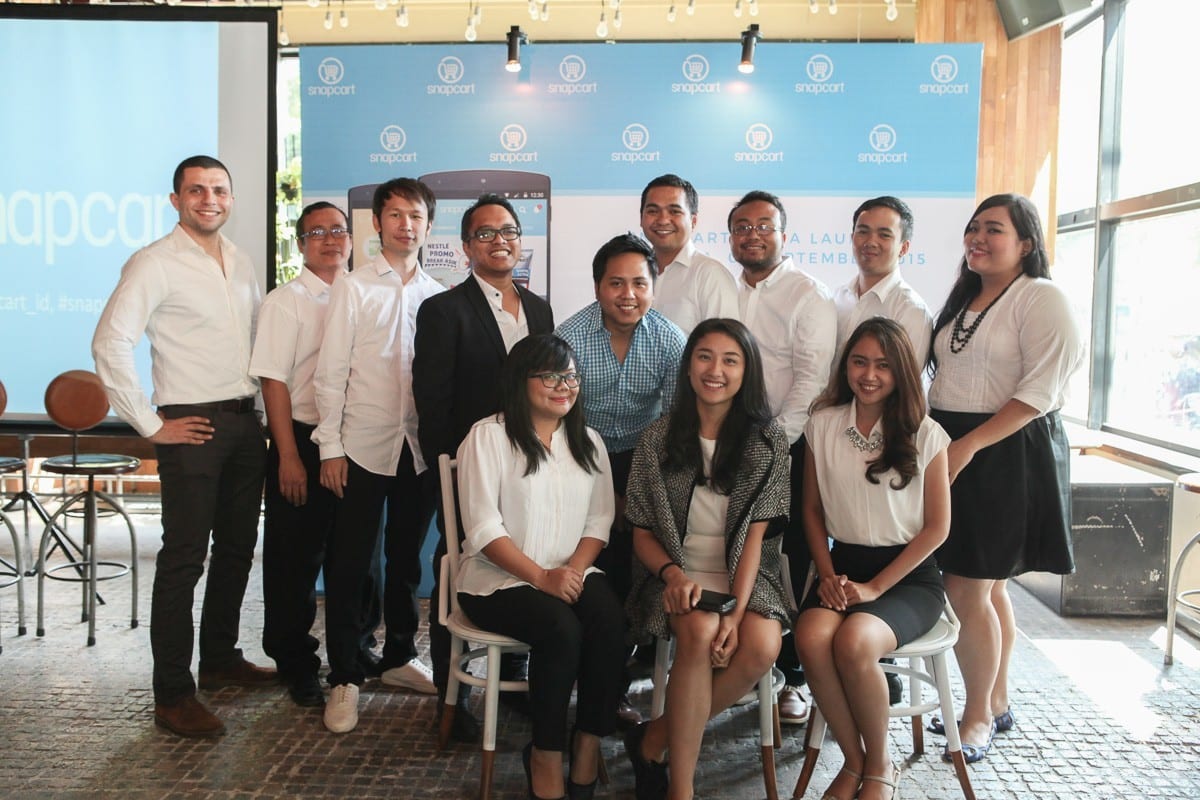
    In a bid to shed light on the offline retail market of Southeast Asia, startup Snapcart has raised US$3 million in pre-Series A funding,

    “Southeast Asia is a black hole and brands don’t know what is happening,” explains Snapcart CEO Reynazran Royono.

    The new funding round comes after Snapcart raised US$1.7 million in January of 2016. Since then Snapcart has expanded from Indonesia to the Philippines.

  • Lazada on mission to spur e-commerce

    Lazada on mission to spur e-commerce

    As Lazada celebrates its fifth year in the Philippines, the people behind Southeast Asia’s largest online marketplace are embarking on a mission: to make the country one of the “dominant players” in the global e-commerce industry.

    “In terms of Facebook penetration, the Philippines is No. 1 in the world. There are 57 million Facebook accounts—why shouldn’t the same thing apply to e-commerce?” says Inanc Balci, cofounder and CEO of Lazada Philippines. “So we’re now on a mission to make Philippines a dominant player in the world when it comes to e-commerce penetration.”

    Balci cited Taiwan as having the highest percentage of online retail sales at 18 percent; the Philippines, on the other, hand, is only at 1 to 2 percent. “Buying online is as easy as getting an account on Facebook; sometimes easier, because you don’t need an e-mail account for some websites. The Philippines can have a much higher percentage of e-commerce penetration than that of Taiwan,” Balci says.

    Other factors also come into play when it comes to the Philippines’ strong potential in e-commerce, adds Balci. “The middle class is growing very fast; the economy is doing really well among other nations in Asia; there is a very young population; smartphone penetration is higher than any other country in Southeast Asia.”

    As a treat to its customers, Lazada held a birthday sale last March 21-23. These kinds of events, says Balci, are also a form of investment for the company when it comes to addressing one of the three main challenges in the local ecommerce industry: general market size. Promos and special deals allow Lazada to attract new customers and further grow the business, says Balci.

    The other two issues, he adds, are payments and logistics. To address the latter, the company formed its own logistics arm called Lazada Express. “That has, today, 70 percent coverage nationwide, and we are continuing to push it even more,” says Balci. “We are also looking toward improving the payments landscape. There is only about 5 percent credit-card penetration which makes it difficult to transact online, so Lazada was the first to launch nationwide cash on delivery. Not a lot of companies are doing this because it’s a costly way of doing business, but for us to grow, we need to invest.”

    Lazada was initially established in the Philippines as an online retailer selling electronic goods.

    The company then “pivoted” its business strategy in 2014, says Balci, shifting its model to an online marketplace, which was “one of the biggest accelerators” of its growth.

    “Now our business model is a cross of retail marketplace and cross-border marketplace, which is similar to a local marketplace but the merchants are from other countries in the region,” Balci explains.

    As Lazada and the country’s e-commerce industry continue to grow, so does competition—something which Balci welcomes with open arms.

    “It’s always better for the market to have competition to keep you on your toes. We believe that for the market to grow much faster, we need better, healthier competition,” he says.

  • Facebook launches new shopping format

    Facebook launches new shopping format

    Global brands Adidas and Tommy Hilfiger are among the first names to use Facebook’s newly launched shopping ad format, which incorporates creative media into product pages when selling.

    The social media giant said the new platform, dubbed ‘collection’, increases the “likelihood of discovery and a purchase” by featuring a primary creative video or image above relevant product images.

    Global sports brand, Adidas, said it used the platform to drive sales for its a new garment and complementary products, and saw a 5.3x return on ad spend

    “We used collection to showcase a video highlighting the technical features of the Z.N.E. Road Trip Hoodie,” said Rebecca Watts, performance marketing senior specialist, Adidas.

    “People who tapped on the ad were instantly taken to a full-screen shopping experience that included complementary Adidas products to complete the look.

    Meanwhile, American fashion brand, Tommy Hilfiger, said the platform creates a consumer experience that reflects how current generations of digital natives interact with their favorite brands. The fashion brand said it used the platform to for a marketing campaign targeting smartphones and saw a 2.2x higher return on ad spend.

    “Our mission was to democratise the runway and make every look immediately available to all consumers worldwide,” said Avery Baker, chief brand officer, Tommy Hilfiger.

    “We took our video assets to the next level, through integrating shopping functionality. The results exceeded expectations, generating an ROI increase of over 200 per cent.”

    Facebook said the platform was spurred by research that showed three in four consumers say that watching videos on social media influences their purchasing decisions and that 45 per cent of all shopping journeys now contain a mobile action,

    The US corp also said it will start a test of a new outbound clicks metric over the coming weeks, which will show the number of clicks leading people off of Facebook. Marketers with ads that appear on Instagram will also see outbound clicks reported.

  • MyTheresa.com takes aim at Korea

    MyTheresa.com takes aim at Korea

    European luxury online retailer MyTheresa.com is launching a Korean-language site.

    Selling luxury womenswear and accessories from such brands as Chloe, Gucci, Miu Miu and Stella McCartney, the e-tailer says it has seen “huge growth potential” in South Korea.

    “The Korean luxury market is moving quickly to digital. Ever since our first activities in Korea we have seen a massive consumer shift to digital and a triple-digit growth in the market,” says MyTheresa.com president Michael Kliger.

    The online fashion destination’s Korean website will offer free exchanges and returns within 30 days, including a free collection service, as well 72-hour deliveries. It aims to offer a more personalised service with a Korean-speaking customer care team.

    Korean customers will be able to pay in euros if using American Express, MasterCard or Visa.

    Launched in 2006, MyTheresa.com was acquired by American company Neiman Marcus Group in 2014. The German multi-brand retailer delivers to more than 120 countries with websites available in Arabic, Chinese, English, French, German and Italian.

  • Amazon Japan adopts UnionPay to attract Chinese shoppers

    Amazon Japan adopts UnionPay to attract Chinese shoppers

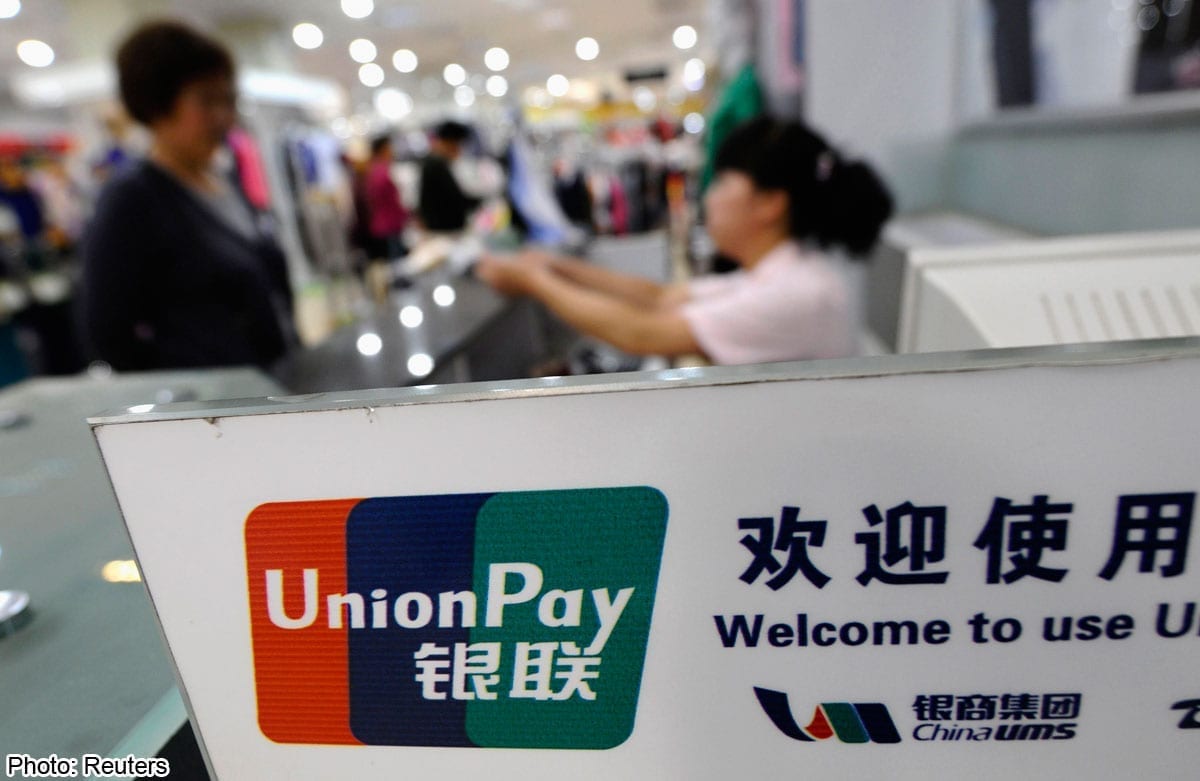
    Amazon.com Inc.’s website in Japan will start accepting UnionPay cards, as the web retailer steps up efforts to sell more merchandise to Chinese shoppers across Asia.

    China UnionPay Co., with more than 6 billion cards in circulation, is now a key rival to Visa Inc., Mastercard Inc. and other issuers and has become an important way for retailers around the globe to attract Chinese tourists and consumers. UnionPay can now be used across Amazon Japan’s website from Wednesday, the Seattle-based company said.

    Amazon, which debuted in Japan in 2000, rolled out a Simplified Chinese-language version of its website last year to cater to booming demand by shoppers seeking everything from Japanese books and music to cosmetics and baby products. The number of online customers from the mainland rose fivefold since early 2016, according to Jasper Cheung, president of Amazon Japan. Amazon’s revenue in the country rose 31 percent to $10.8 billion in 2016.

    “We continue to drive more selection available for export, and we’ve increased it by 50 percent,” Cheung said. “The biggest-selling categories have been books, health and beauty, baby products and kitchen appliances.”

    Amazon Japan is catering to an emerging class of consumers who are willing to shop online within Asia, and offers reduced shipping rates to homes and businesses in mainland China, Macau, Hong Kong, Taiwan and South Korea. E-commerce demand from China to Japan alone is projected to almost triple to 2.34 trillion yen ($22.5 billion) in 2019, according to Japan’s Ministry of Economy, Trade and Industry.

    Chinese tourists, now a constant presence in Tokyo’s stores, often stock up on authentic Made-in-Japan products during their visits to the archipelago. The number of Chinese tourists in Japan rose 28 percent last year to 6.4 million visitors.