Category: E-Tailing

Retail News Asia is committed to providing both local and global retailers with the latest E-Commerce & Etail news throughout the Asian market. This on a daily base.

  • Matsuya opens its own online store in China

    Matsuya opens its own online store in China

    Luxury Japanese department store Matsuya has opened its own online store in China.

    The company plans to use the store to lure repeat business from Chinese shoppers who have visited its Ginza flagship while on vacation, once they return home.

    Inbound Chinese travellers account for about 20 per cent of Matsuya’s store sales.

    Prior to opening its own site Matsuya had a presence on online malls, but after partnering with a local Chinese firm, the Japanese retailer is confident it can better tailor its offer and marketing to mainland Chinese.

    Stock will be shipped from Japan rather than from a local warehouse and the site will be backed by an investment in advertising and promotional marketing.

  • Shopify revenues grow 90 per cent

    Shopify revenues grow 90 per cent

    Shopify, the cloud-based, multi-channel platform designed for small and medium-sized businesses, has reported a 90 per cent increase in revenues for 2016.

    GMV rose 99 per cent to US$15.4 billion, figures which “speak to the enormous opportunity in retail right now and our strategic position within it,” according to CFO Russ Jones.

    Total revenue for the full year reached $389.3 million, compared with $205.2 million in 2015. Within this, subscription solutions revenue grew 68 per cent to $188.6 million and merchant solutions revenue grew 115 per cent to $200.7 million.

    But it still recorded a net loss of $35.4 million, almost double the $18.8 million of 2015.

    Merchants can use Shopify software to design, set up, and manage their stores across multiple sales channels, including web, mobile, social media, marketplaces and physical retail locations. Shopify powers 377,500 merchants in some 175 countries. Its clients include Tesla, Nestle, GE, Red Bull and Kylie Cosmetics.

    “Our work at Shopify is to help entrepreneurs thrive in a space that’s changing all the time, and we did our job especially well this past holiday season,” stated Tobi Lütke, founder and CEO of Shopify. “That eight of our 10 top sellers over the Black Friday Cyber Monday weekend were merchants that had upgraded from lower-priced plans reminds us that today’s startups become tomorrow’s superstars, at a velocity that appears to be increasing all the time. As the engine powering the growth of these merchants, Shopify has an opportunity that stretches years into the future.”

    For the full year 2017, Shopify currently expects revenues in the range of $580 million to $600 million and an operating loss in the range of $73 million to $77 million.

  • Mall directory website GoToMalls.com launches in Indonesia

    Mall directory website GoToMalls.com launches in Indonesia

    While e-commerce has been growing at a substantial pace in Indonesia, its effect of turning away shoppers from offline retailers is yet to be felt.

    Malls still dominate the daily life of Indonesians, who prefer the experience of going to physical stores.

    Demonstrating the strong grip that malls and offline stores have on the local market, Singapore-based company DominoPos Pte Ltd launched on Tuesday a real-time proximity marketing and digital media platform named GoToMalls.com.

    Offering a comprehensive geo-located, profile-based smart directory of malls and stores in Indonesia, the website aims to enhance the online and offline business in shopping complexes by reviving offline transactions, bringing “the community’s spirit back to the malls through digital media support.”

    “What we are doing with GoToMalls.com is actually assisting all the offline retail brands to publish their own call-to-action campaigns, promote their products or services on a digital platform and fully utilize their target audience,” GoToMalls.com CEO Bruno Zysman said.

    The website provides its users with a comprehensive reference about shopping malls, stores and promotions. It lists up to 375 malls and shopping complexes, along with 19,000 stores.

    To ease their entry into the Indonesian market, the site has partnered with telecommunications operator PT Indosat, also known as Indosat Ooredoo, and ride-hailing app provider Grab.

    Aside from Indonesia, GoToMalls was deployed in DominoPos’ home country of Singapore in February. It also plans to expand into other countries.

  • Cross-border e-commerce to hit $900b by 2020

    Cross-border e-commerce to hit $900b by 2020

    Cross-border e-commerce is now the fastest growing segment in the retail market, according to a report published by DHL Express.

    Cross-border sales volumes are predicted to increase at an annual average rate of 25% – from $300 billion to $900 billion – between 2015 and 2020. This is twice the pace of domestic e-commerce growth, DHL Express said.

    The study found that online retailers are boosting sales by 10-15% on average simply by extending their offering to international customers.

    By including premium service offering such as faster shipping options, retailers and manufacturers also grew 1.6 times their online stores faster on average than other players.

    “Shipping cross-border is much, much easier than many retailers believe, and we see every day the positive impact that selling to international markets can have on our customers’ business growth,” DHL Express CEO Ken Allen said.

    In Asia (Singapore, Hong Kong, and India) and Europe (Italy, Spain, France, Germany), key markets for high-value purchases are being expanded — with growth rates up to two or three times higher than the global average driven by rising consumer education and e-tailer awareness of opportunity.

    The report also noted that the $30 billion market of high-basket value transactions is evenly divided between Asia, Europe, and North America.

    Allen added that DHL Express sees that virtually every product category has the potential to upgrade to premium, both by developing higher quality luxury editions and by offering superior levels of service quality to meet the demands of less price-sensitive customers.

    “The opportunity to ‘go global’ and ‘go premium’ is there for many retailers in all markets,” he said.

    The main challenges highlighted by consumers to cross-border purchases relate to logistics, trust, price, and customer experience.

  • Alibaba Group Investments in Delivery Start Ups

    Alibaba Group Investments in Delivery Start Ups

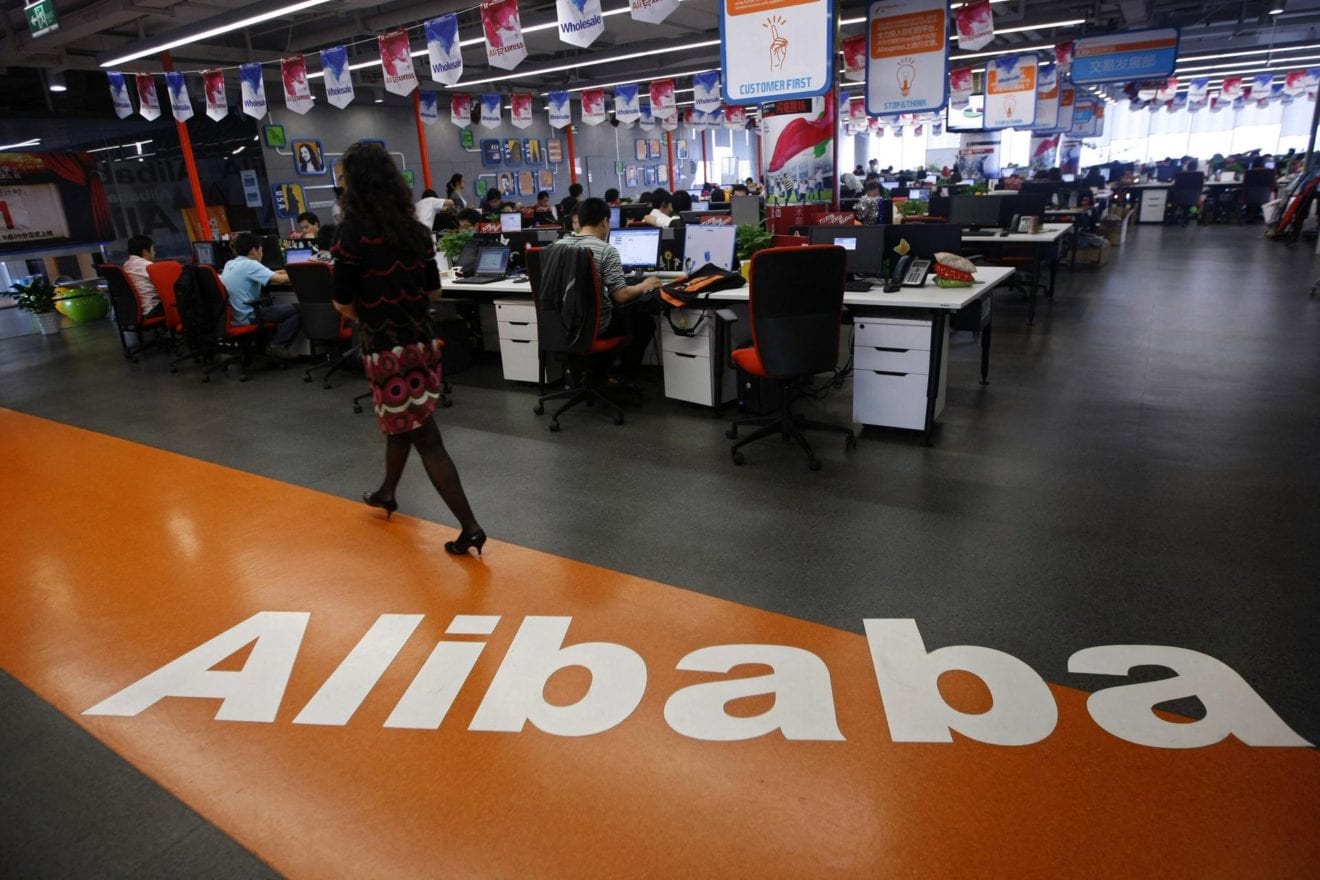
    Alibaba and main rival JD.com will enjoy fast growth in the fast moving consumer goods (FMCG) market, according to research from Goldman Sachs, as more people in China turn to online shopping for daily grocery items like food snacks, body care products and soft drinks.

    The online grocery retail market is currently substantial and will continue to grow and support the two major e-commerce platforms in China, as they take away business from offline Chinese stores in the coming years and invest in a new type of courier service, according to a report published by investment bank Goldman Sachs.

    Alibaba will use start-ups courier businesses, which works much like Uber for delivery, and similar to Instacart. The start-ups run lean, with little infrastructure. When a customer logs onto the Alibaba website or app and purchases groceries, they will send contractor couriers, many of who ride electric bikes, to supermarkets, convenience stores and local groceries as well, where store employees bag the orders for the courier to pick up.

    While delivery start-ups like this have existed for the last couple years, they have gained position since a boost of funding from Alibaba and JD.com.

    In hundreds of cities around China, consumers can order their groceries on the Alibaba or JD.com app and have them delivered to their door within an hour.

    The company is still looking for the better ways to bring perishables like fresh seafood, meat and vegetables to its customers, according to Goldman Sachs analysts led by Ronald Keung. Last year both companies finished building its nationwide fulfilment centres, enabling more than 200 cities in China to enjoy same or next day delivery for groceries ordered online.

    “We expect Tmall and JD’s new supermarket initiatives to drive further online growth in the supermarket segment,” said Keung in the report.

    “These will be enabled by their logistics improvements, wider FMCG brand participation and ongoing new user adoption. We see the FMCG market big enough for two online winners.”

    FMCG currently accounts for 37 percent of all retail spending in China and the market is expected to increase on average by 6 percent annually to reach $2.6 trillion in 2020.

  • Honestbee Thailand launches in Bangkok

    Honestbee Thailand launches in Bangkok

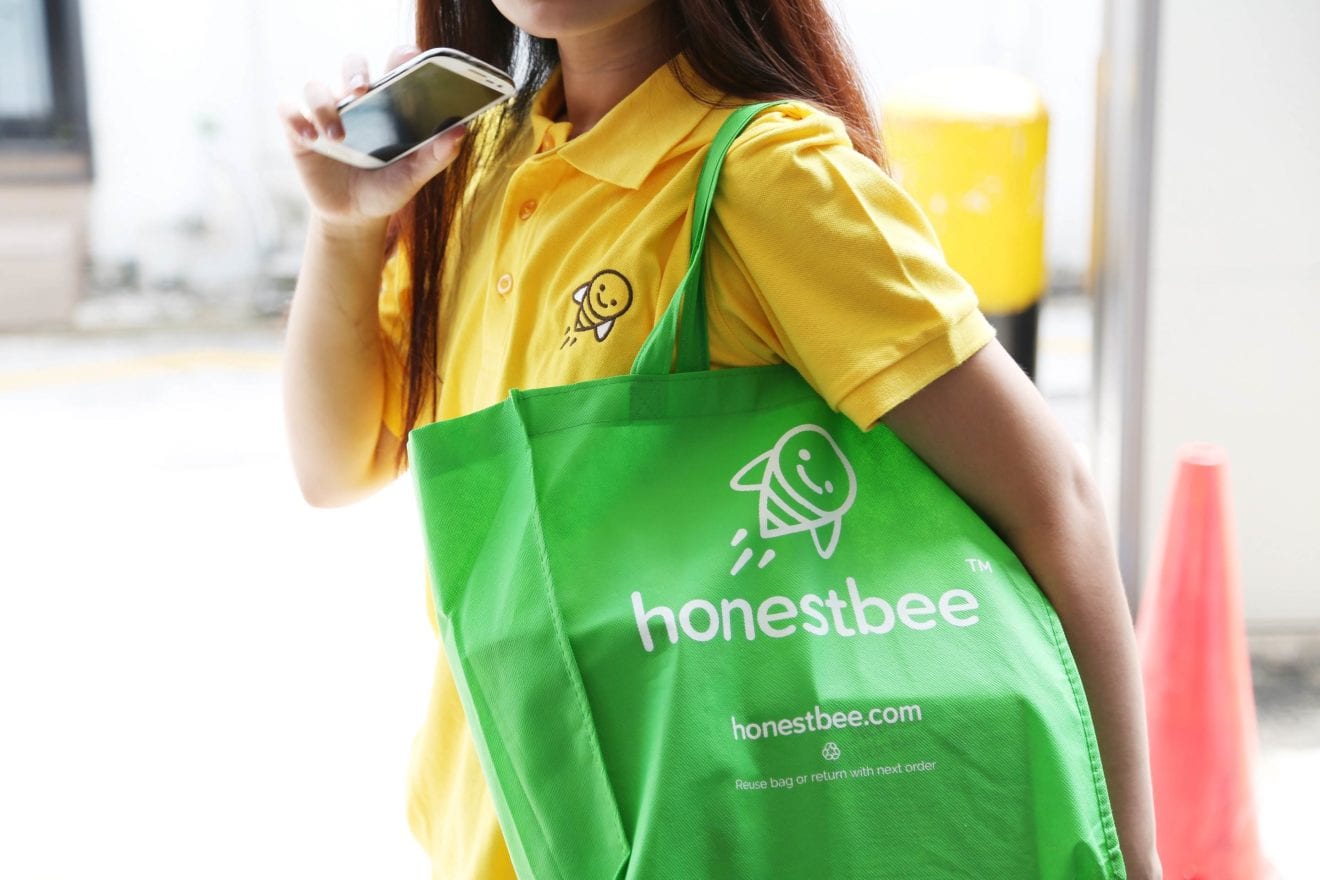
    Singapore on-demand online grocery concierge and delivery service Honestbee has launched in Bangkok.

    In partnership with retail chain Villa Market, Honestbee is offering customers a faster and easier way to obtain their daily groceries through concierge shoppers. Honestbee has been training the shoppers to select the best quality groceries and deliver them the same day.

    Under the partnership, Honestbee will use all Villa Market’s outlets throughout Bangkok as well as its bistro and cooking studio The Gastro, and the Villa Market Holiday Store.

    Honestbee co-founder/CEO Joel Sng says the company has been doing some trial runs during the past few months.

    Honestbee Executive - Mr Joel Sng

    He says Honestbee is committed to help Villa Market and other speciality stores work online through technology such as website and mobile apps, plus logistics. Honestbee also aims to create flexible jobs.

    Honest Bee website


    Honestbee’s one-stop app service will offer a range of more than 11,000 products from grocery chains and gourmet/specialty food suppliers. These include organic foods, fresh fruits, imported frozen meats, wines, specialty drinks, hampers, seasonal products and kitchen supplies from partners including Ahmad Tea London, Happy Flavour, Ja Guem Song, K-Market, Meyer, Perfect Earth Organics, Pierre Herme Paris, Pipper Standard, Simply W and Wishbeer, with more to come.

    Prices are the same as in store, and deliveries are to the customer’s doorstep. There is a special voucher promotion to help launch the service.

    As well as Singapore, Honestbee already has a presence in Hong Kong, Indonesia, Japan, Malaysia and Taiwan.

    Established in 1974, Villa Market was a retail pioneer when the only outlets to buy groceries in Bangkok were markets and small grocery stores.

  • Alibaba to open Malaysian distribution hub

    Alibaba to open Malaysian distribution hub

    Chinese e-commerce giant Alibaba is to open a Malaysian distribution hub at KLIA Aeropolis to serve its growing business in Southeast Asia.

    According to unnamed sources quoted by financial press, Alibaba founder Jack Ma and Malaysian prime minister Najib Razak will announce the project at an event in Kuala Lumpur next week.

    The new centre will be a major feature of a 1 million sqm KLIA Aeropolis development adjacent to the city’s international airport, under development by Malaysia Airports Holdings. The plan is to create a regional distribution hub, boosting air freight traffic and attracting US$1.58 billion of domestic and foreign investment.

    “Kuala Lumpur International Airport (KLIA) has existing facility for Alibaba Group to pilot their distribution services here, and if (Alibaba) decide to expand in the future, there is the option to build more on other (undeveloped) sites in KLIA Aeropolis,” one source told Reuters.

    While Alibaba invested $1 billion to buy Singapore-headquartered online retail Lazada and has built a 14.4 per cent stake in Singapore Post, this will mark the company’s first investment in Malaysia.

    The KLIA Aeropolis is part of a planned Digital Free Trade Zone being established in Malaysia, details of which will be released during Ma’s visit to the country next week. Ma has been appointed a digital economy advisor to the Malaysian government.

  • Rakuten drone network under development

    Rakuten drone network under development

    US company AirMap is helping develop technology to manage a Rakuten drone network in Japan.

    Rakuten, Japan’s giant online retail platform, and AirMap hope drones will be allowed to be used at low altitude.

    Rakuten set a world record early this year for the longest drone delivery, flying a container of hot soup 12 km to surfers on a beach.

    CEO Hiroshi “Mickey” Mikitani expects drones to revolutionise the delivery sector. “The capacity in the skies above us is far greater than in the roads beneath our feet,” he has written in a blog post.

    Global rival Amazon is also making a push into drone deliveries.

    With more than 14,000 employees and revenue last year of more than ¥781.9 billion (US$6.8 billion), it is pushing to become a tech giant on the scale of Alibaba or Google.

    So committed is Mikitani to going global that he made English the official company language in 2010. This helped the company dispense with the honorifics and deference of Japanese, and also made it easier to hire foreigners, reports CNN Tech.

    Rakuten takes Japan’s “high-quality, really customer-oriented service mind” and mixes it “with the Silicon Valley, little bit techie, dynamic culture,” says Mikitani.

    A household name in Japan, Rakuten spent $900 million to buy messaging app Viber in 2014, and has also invested in startups such as US transportation company Lyft and Pinterest.

  • Spoiled for choice for e-payments in Hong Kong

    Spoiled for choice for e-payments in Hong Kong

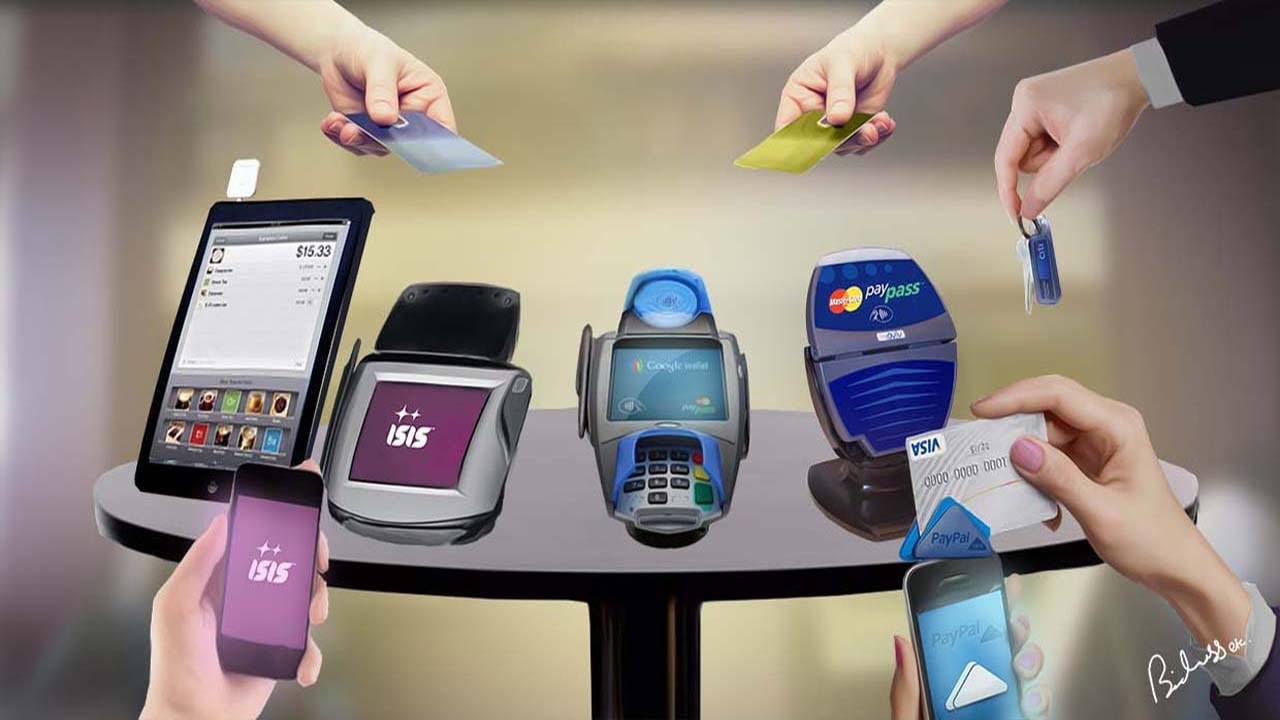
    Whether it is paying for groceries, a cup of coffee or a meal in a restaurant, most places provide payment options using the Octopus card, mobile e-wallets and credit cards.

    The city was one of the first in the world to implement a cashless payment system when it launched the Octopus card in 1997. The card has since grown into a widely used payment mode for all public transport and purchases in shops, from convenience stores, supermarkets, to parking meters, car parks and other point-of-sale applications such as service stations and vending machines.

    There are now 32 million of the cards in circulation – nearly four and a half times the population of Hong Kong, reported South China Morning Post.

    China Daily Asia reported last September (2016) that Octopus had daily spending of HK$173 million (S$31.3 million).

    To stay ahead in the race to a cashless society, last year the Hong Kong government approved stored-value licences for 13 e-wallet providers, including PayPal, Optal, UniCard, Alipay Wallet, Tap&Go by PCCW’s HKT, Tencent’s WeChat Pay and TNG Wallet.

    In response, last November (2016) Octopus launched O! ePay, a smartphone app carrying out peer-to-peer payments and topping up Octopus cards.

    Following the launch of Apple Pay last July, Android Pay introduced its touchless payment system at more than 5,000 locations in the city, after Singapore and Australia.

    Hong Kongers can use the system with Visa or MasterCard cards issued by least six banks in Hong Kong, and there is no limit on the number of cards users can add.

    A report by research firm Statista estimated the total value of digital transactions in Hong Kong will reach US$13.85 billion (S$19.45 billion) this year(2017) and with an annual growth rate of 16 per cent, it is expected to hit US$25.1 billion (S$35.2 billion) in 2021.

    Last year(2016), the value of total retail sales was HK$436.6 billion (S$78.9 billion).

    The report defined digital payments to include payments for goods and services made over the internet, mobile payments for point-of-sale made over smartphone applications and cross-border peer-to-peer transfers between private users.

    The Hong Kong Monetary Authority does not have statistics on transactions using cashless payment other than credit cards.

  • Vietnam e-commerce competition hotting up

    Vietnam e-commerce competition hotting up

    The competition between shopping websites has now switched focus from prices to rapid delivery.

    Analysts said competing by cutting prices by up to 50 per cent is an old story, and with customers’ demand for good service increasing, delivery times have become a key factor.

    Alexandre Dardy, the CEO of the country’s largest online shopping platform, Lazada, said besides increasing the number of merchants and products, his company would soon reduce delivery times.

    Currently the average delivery time that Lazada offers customers is more than two days, with urban areas served faster than rural for obvious reasons.

    At the end of last year the company tied up with AhaMove, a motorbike-based delivery service, and began a new delivery schedule that enables customers to get their product within just 60 minutes in certain cases.

    Another online shopping website, tiki.vn, is also taking measures to improve its delivery process. Currently its average delivery time is two to three days.

    Trần Ngọc Thái Sơn, director of tiki.vn, said product quality and delivery time are the most important factors for customers.

    His company has begun to deliver within 24 hours, he said.

    In case of late delivery, customers will receive a Tiki coin worth VNĐ30,000 (US$1.3) for use next time while shopping.

    The speedier delivery does cost more, the company said.

    Express delivery costs two or three times higher than standard delivery.

    For instance, while standard delivery costs only around VNĐ15,000 for a package weighing less than three kilogrammes, express delivery costs VNĐ30,000.

    However, 50-75 per cent of this is covered by the online shopping companies.

    Dardy said Ahamove gets VNĐ30,000 for express delivery, with Lazada covering VNĐ20,000 of it and only passing on VNĐ10,000 to the customer.

    But despite this, companies have no hesitation in offering express delivery, realising this will encourage customers to return in future.

  • Lazada Indonesia aligns business model with Alibaba

    Lazada Indonesia aligns business model with Alibaba

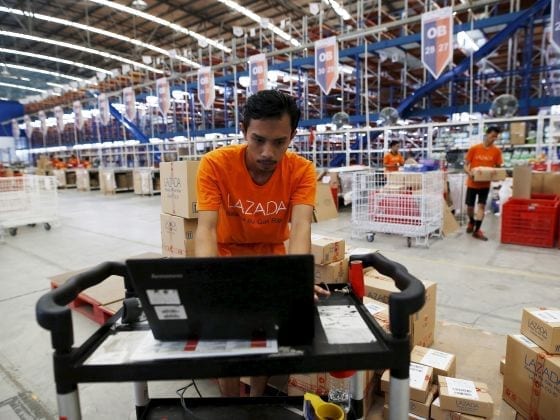
    The Indonesian unit of Lazada said it plans to focus on adding small merchants to its online marketplace, emulating the strategy of Alibaba Group Holding, the Chinese e-commerce company that acquired it last year.

    Florian Holm, Lazada Indonesia’s co-chief executive, told reporters on Wednesday the company will launch a campaign in April which will also mark the first anniversary of its acquisition by Alibaba to attract more small businesses online. It already partners some 15,000 third-party sellers in Indonesia. Holm said Lazada also plans to enable some merchants to sell products to shoppers in China through Alibaba’s Taobao e-commerce platform.

    “We are learning from Alibaba and trying to apply its learnings in how we can foster more entrepreneurship,” Holm said. “We want to help all the people out there who have great business ideas … because in e-commerce you can try with minimal cost.”

    Lazada operates in six Southeast Asian countries, and entered Indonesia in 2012 as an online retailer buying merchandise from electronic and fashion companies to sell on its website. It began selling products from third-party merchants the following year, and according to Holm these now account for more than 80% of products sold on the platform, and up to 30% of products shipped from Lazada’s three warehouses in the country.

    Lazada was one of the largest e-commerce operations in Indonesia, but Alibaba’s $1 billion acquisition came at a time when it was facing increasingly stiff competition from local rivals like SoftBank-backed Tokopedia, Lippo Group’s MatahariMall.com, and Bukalapak, which is funded by a local media mogul.

    Small businesses play a large role in the Indonesian economy due to the lack of modern retail outlets outside major cities, and this is fueling the exponential growth of e-commerce, which is estimated to rise from $1.7 billion in 2015 to $46 billion in 2025.

    The Lazada acquisition has prompted speculation about the possible rollout in Indonesia of Alipay, Alibaba’s affiliated payment service. Holm said adding payment options is always a priority at Lazada, but said there is “no further news” on Alipay.

  • Indonesia’s Lippo & Korea’s Lotte form e-commerce JV

    Indonesia’s Lippo & Korea’s Lotte form e-commerce JV

    Indonesia’s Salim Group is planning a major foray into e-commerce this year in partnership with South Korea’s Lotte.

    Indo Lotte Makmur, a 50-50 JV by the two conglomerates, will launch the iLotte online shopping platform as soon as July, putting US$88 million into the project initially. The service will be geared primarily toward women in their 20s and 30s, and feature name-brand cosmetics sold in South Korea as well as offerings from Lotte’s online mall.

    A robust infrastructure built up over the course of years will let Salim achieve economies of scale for the e-commerce business, says Indo Lotte CFO Dani Sumarsono, who is overseeing online business at Indonesia’s largest conglomerate.

    “E-commerce is not only about digital technology but about moving physical products,” he says. “We have been investing in infrastructure for a long time.”

    Indo Lotte president, a former executive at Lotte’s e-commerce business in South Korea, says Salim has a lot of infrastructure, while Lotte can bring know-how and technology.

    Indonesia’s e-commerce market is expected to grow to $46 billion in 2025 from just $1.7 billion a decade earlier, according to research by Google and Singapore’s Temasek Holdings. Under this scenario, Indonesia would make up more than half of the total Southeast Asian e-commerce market and would follow China and India as the third-largest national market in Asia, excluding Japan. A doubling of internet users, from 92 million to 215 million, is seen as the driver of this expansion.

    Expensive market

    With chronic congestion of its major cities and a lack of basic infrastructure on its islands, Indonesia is an expensive market to service. Logistics costs are 27 per cent of GDP, compared with 20 per cent in Thailand and 13 per cent in Malaysia, according to the World Bank.

    However, Salim’s 13,000-plus Indomaret convenience stores across Indonesia can be used as places to pay for and pick up goods ordered online. Meanwhile, a shipping unit that delivers instant noodles made by group member Indofood Sukses Makmur to more than 30,000 small towns nationwide can help bolster efficiency.

    Salim has also created a JV with Tokyo-based startup Liquid to explore payments using fingerprint authentication, with credit-card ownership of less than one in every 10 adults in Indonesia. Liquid’s system allowing pre-registered shoppers to pay via fingerprint scanner has been deployed at Japanese convenience stores. The JV will test the system for 500,000 Salim employees initially and targets commercial application within the year.

    Meanwhile, another Indonesian conglomerate, Lippo Group, is developing an electronic payment service for use on MatahariMall.com, which Lippo launched in 2015.

  • Alibaba plans technology boost

    Alibaba plans technology boost

    Alibaba plans to form independent research and development teams to build up core technologies that support its vision of serving 2 billion people in the future.

    The giant e-commerce and technology company unveiled its grand plan at its inaugural tech summit, “New Technology, New Future”, at its Hangzhou headquarters in China. About 5000 engineers attended, plus thousands of other staff members, technical and otherwise, watched via live stream.

    “Alibaba’s success in commerce has outshone its light of technology over the past 18 years,” Alibaba Group chief technology officer Jeff Zhang told the summit, describing it as “a tech-driven company that seamlessly combines business and technology”.

    Over the past several years, Alibaba has rolled out a wide range technologies for an array events and business areas, including Alibaba’s 11.11 Global Shopping Festival, payments, cloud computing and logistics. Zhang said Alibaba had reached “a critical point in technology innovation” and should gear up to develop more core technologies for future success.

    Executive chairman Jack Ma said he expected Alibaba to become the world’s fifth-largest economy in the next 20 years, serving 2 billion customers, creating 100 million job opportunities and enabling 10 million businesses to make profits. To hit that goal, he said the new economy he envisioned should be built on the continuing development of technological infrastructure.

    “An economy that serves 2 billion people must be backed by solid technological capacity. To shoulder the future responsibility, we will build Alibaba’s own ‘NASA”, Ma said, referring to the National Aeronautics and Space Administration, an organisation he admires for what it has contributed to mankind through technological advances.

    “We will establish new teams to develop the core technologies of machine learning, chips, the Internet of Things, operating systems and biometric identification.”

    He said Alibaba once developed figurative “hand grenades”, but the new R&D-focussed team and mechanisms would allow it to develop “missiles”.

    Ma said Alibaba needed to have a discerning, independent eye when judging technology trends. Technology developed by Alibaba should empower people in the virtual economy, making it more inclusive and creating opportunities. Technology needed to ensure the new economy would be sustainable and lead to its participants having happy and healthy lives.

    Speaking about computers and robots, and the possibility they might one day replace or displace humans, Ma said machine learning should help humans do things that otherwise could not be done. Machines should serve as assistants to humans, rather than robbing them of human pleasure or becoming rivals.

    Alibaba has more than 20,000 engineers on staff, including more than 500 with doctoral degrees. Among its 36 partners — the group’s powerful decision-making body — nine come from a technology background.

    Alibaba has been investing in new technologies for many years, and has developed many key technologies of its own. These include…

    Cloud computing

    Apsara: A super computational engine developed by Alibaba Cloud. It offers clients powerful computing capability, robust technology services and software that can affect broader society.

    Database systems

    OceanBase: The first applied large-scale financial database system in China, developed by Alibaba Group and Ant Financial.

    Artificial intelligence

    ET: Artificial intelligence services that can be broadly applied to different areas in society. Cases include the Hangzhou City Brain master plan, which has enhanced the city transportation department’s efforts to ease traffic congestion. It has also helped Guangzhou International Airport with flight management.

    Personal recommendations: Tailored shopping pages on Taobao/Tmall with a most-suitable product recommendation for each buyer. About 6.7 billion personalised shopping pages were created during Alibaba’s 11.11 Global Shopping Festival last year.

    Ali Xiaomi: A smart personal shopping assistant on Alibaba’s e-commerce sites. About 95 per cent of daily inquiries can be handled by Ali Xiaomi.

    Ant Financial’s smart customer service: This can answer about 97 per cent of daily inquiries.

    Quantum computing/communications

    The Chinese Academy of Sciences -­ Alibaba Quantum Computing Laboratory was established in 2015. Quantum cryptographic data-transfer services became available on Alibaba Cloud this year.

    Virtual reality

    Buy+: Offers the world’s first end-to-end VR shopping experience, in which the entire transaction can be completed, from browsing, to order, to payment.

    Biometric recognition

    Facial recognition payment: Alipay enables facial-recognition payment with an accuracy of more than 99 per cent. It is listed among the top 10 technology breakthroughs this year by the MIT Technology Review.

    Alibaba is also using biometrics to recognise eye patterns, irises, palm prints and handwriting.

    Geolocation technology

    QianXun location network technology: Using BeiDou satellite technology, this can achieve a positioning accuracy of 1 millimetre.

    Operating systems

    YunOS: The world’s third-largest mobile operating system works in mobile phones, cars, TVs, tablets and other Internet of Things items.

    Blockchain

    Ant Financial has started deploying this technology for charitable donations. Blockchains are a database — an open ledger that records transactions between two parties in an immediate, secure, verifiable and permanent way.

    Smart logistics

    Alibaba’s smart-logistics technology includes last-mile delivery robot and its intelligent warehousing system.

    -Susan Wang

  • Six Startups with the Largest Funding in Indonesia

    Six Startups with the Largest Funding in Indonesia

    The emergence of many start-up companies lately has become an interesting phenomenon, many of them were built with fantastic funding figure.

    Well, following are six startup companies with the largest funding or investment value in Indonesia.

     1.Go-Jek

    Go-Jek is a startup of ride-hailing application (in Indonesia this is called online transportation); the company founded by Nadiem Makarim has a staggering funding of $550 million (or IDR7.2 trillion) in last August 2016.

    2. Lamudi

    In February 2016, Lamudi, global property portal, received funds amounting to $31.4 million to boost its business. Supported by Rocket Internet, Lamudi has strong position to dominate the property market in Indonesia. In 13 other countries wherein Lamudi is operating, the startup position is also strong because it is supported by a sophisticated quality portal and user-friendly.

    3. Tokopedia

    Tokopedia last year received an injection of investment worth $147 million (or equivalent to IDR1.9 trillion), thus the startup initiated by Wiliam Tanuwijaya and Leontinus Edison has gathered a total investment of $247.7 million. With the funding it is expected Tokopedia will become the biggest Android-based shopping app in Indonesia.

    4. Elevenia

    Launched in early 2014 with funding of $18.3 million is enough to make Elevenia has an important position in the e-commerce world. This platform received 20,000 transactions per day and has more than four million listings.

    5. MatahariMall

    Funds amounting to $100 million (or IDR1.3 trillion) have made a startup backed by Lippo Group as one of the kings in the e-commerce field. Plus, the support from Mitsui investment also increasingly strengthens MatahariMall and makes MM one of startups with unicorn status.

    6. Oto

    Oto.com is a platform that connects customers with the automobile manufacturers and distributors. The customers can look for prices, specifications, drawings and others about their desired car via the website. This startup has received a funding of $25 million in 2016 ago.

  • Chinese online sales reported to grow

    Chinese online sales reported to grow

    Chinese online sales are tipped to reach US$1.17 trillion by 2020, according to new research by  Goldman Sachs.

    That compares with $750 billion in 2016.

    “While there have been concerns of a slowdown following the deceleration in growth to mid-20 per cent in 2016, we expect online retail growth to sail on at 23 per cent CAGR over 2016-2020, continuing to grow at nearly triple the pace of offline retail,” the financier said in a research paper.

    And it says the internet’s share of total retail sales will climb from 16 per cent in 2016 to 25 per cent in 2020 – representing an increase in its protection of just a year ago.

    Augmented reality and virtual reality will help fuel a rise in apparel sales online from 31 per cent of the total market last year to 49 per cent by 2020.

    Goldman Sachs also predicts that the average spend will grow at a combined annual growth rate of 10 per cent from 2016 through 2020 as incomes grow and as consumers buy a wider range of products and more branded goods through the internet.