Category: E-Tailing

Retail News Asia is committed to providing both local and global retailers with the latest E-Commerce & Etail news throughout the Asian market. This on a daily base.

  • Many businesses stop advertising on YouTube

    Many businesses stop advertising on YouTube

    Some major brands in Việt Nam had to stop advertising on the world’s largest online video site, YouTube, when these brands’ advertisements were linked to clips containing poor content.

    According to information from the Authority of Broadcasting and Electronic Information under the Ministry of Information and Communications, the authority received official dispatches from Vietnam Airlines, Mead Johnson Nutrition Việt Nam and Vinamilk explaining an incident in which their brands appeared in clips with pornographic, slanderous or anti-government content on YouTube.

    At the same time, businesses have also confirmed that they stopped advertising on the online video site.

    A Vinamilk’s representative told media that the company signed a co-operation contract with WPP Media Company Limited (Mediacom) to promote the brand to consumers through mass media.

    According to a commitment between the two parties, Mediacom has to conduct communication services in compliance with Vietnamese laws, as well as take responsibility in monitoring and reporting for Vinamilk, if there are problems affecting its images and reputation.

    After receiving the dispatch from the Authority of Broadcasting and Electronic Information regarding the incident, Vinamilk asked Mediacom to coordinate with YouTube to remove advertisements on clips with unwanted content, at the same time, suspending all advertisement plans on YouTube until the media partner and the site send reports to Vinamilk to find solutions for the problem.

    Earlier, the Authority of Broadcasting and Electronic Information sent dispatches to several large enterprises in Việt Nam asking for reports about these brands or their products appearing in clips with improper contents posted on YouTube.

    The authority found 17 clips with advertising inserted into videos on YouTube that had contents violating the country’s law.

    Additionally, the Ministry of Information and Communications has coordinated with the Ministry of Culture, Sports and Tourism to decide upon a fine for YouTube for not obeying the regulations on advertising for cross-border advertising activities on websites in Việt Nam.

    The ministry also invited YouTube and Google representatives to cooperate in resolving these violations.

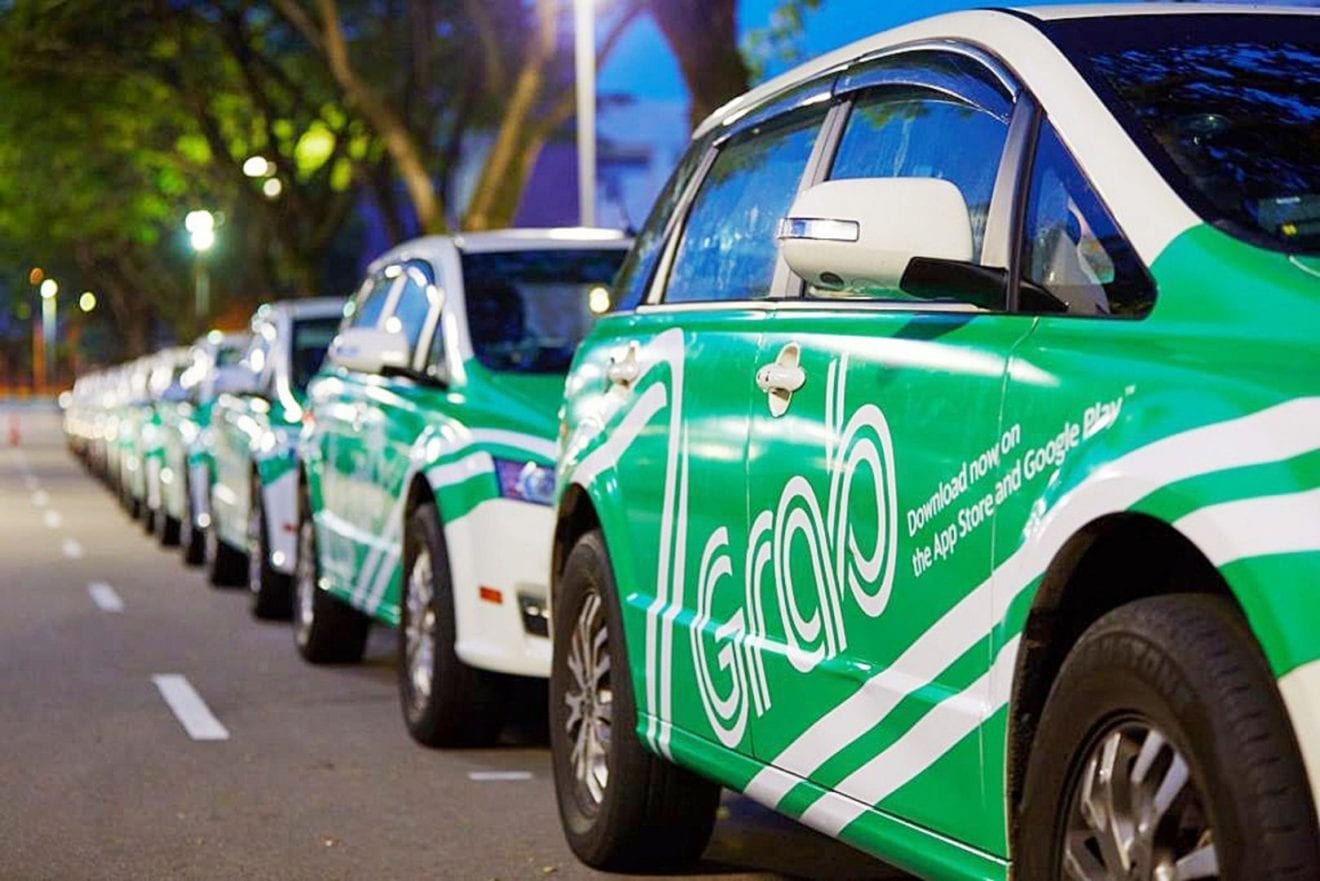
  • Uber & Grab hit roadblock in Da Nang

    Uber & Grab hit roadblock in Da Nang

    In a proposal submitted to the Da Nang Department of Information and Communications, the local Traffic Safety Committee wrote that the unauthorized operations of Uber and Grab could worsen traffic in the city.

    The committee asked the department to have internet providers block access to Uber and Grab apps and also asked police to investigate and punish any individual or organization found to be offering transport services illegally in the city.

    Department Director Mr. Nguyen Quang Thanh confirmed with local media on March 4 that the proposal is under consideration but more time is needed for study before advising the city’s government on a final decision.

    The latest move comes after Da Nang, on November 25, declined to run a pilot car hailing project by Grab. In a statement sent to the Ministry of Transport, Da Nang said Grab’s presence in the city would cause a sharp rise in the number of private cars and taxis, worsening congestion.

    The ministry had earlier that month asked Da Nang, Hanoi, Ho Chi Minh City, the northern province of Quang Ninh and the central province of Khanh Hoa to allow Grab to launch trial operations.

    Mr. Nguyen Tuan Anh, General Manager of Grab Vietnam, told local media the company hopes to meet with Da Nang officials to find a solution to the city’s concerns.

    Meanwhile, a representative from Uber said the company has not received any notice from Da Nang authorities and is actually focusing on Hanoi and Ho Chi Minh City and does not have plans to expand to Da Nang just yet.

    The arrival of Singaporean transport app Uber and the Malaysian-based Grab over the last two years has put traditional taxi drivers, generally made up of men with few resources, under threat.

    Accustomed to negotiating the price with passengers before hitting the road, many motorcycle taxi drivers are unable to compete with the rates offered by these apps or with the convenience of booking the service and knowing the price in advance.

    Although Grab and Uber have recruited thousands of existing taxi drivers for their fleets, many refuse to join because of an unfamiliarity with new technology or simply because they refuse to give a percentage of their income to the companies.

    Last month, Uber had its application to operate on a trial basis rejected for a second time.

    The company applied for a license after local regulators outlawed its smartphone app-based services in November 2015, due mainly to its failure to establish an independent legal entity in Vietnam.

    Market regulators declared that the company behind the ride-sharing service that controls Uber in Vietnam should be held responsible for the app rather than its Vietnamese business unit, which is yet to be recognized as a legal entity by local authorities.

    Transport authorities have also asked Uber Vietnam to make changes to its app by registering itself as licensed ride service provider, apart from existing services such as “consulting and management” and “market research and public opinion polling”.

    GrabTaxi is the only foreign-run transport service allowed to operate in five cities in Vietnam using registered private vehicles between 2016 and 2018.

    Uber, however, has been singled out for providing ride-hailing services without legal permission.

  • Uber still unable to see eye-to-eye with regulators

    Uber still unable to see eye-to-eye with regulators

    On March 3, Uber lost to Transport for London (TfL), the local government agency managing the city’s transport system, in its case to challenge the latter’s requiring all taxi drivers to take a written English test.

    TfL introduced the requirement, which is applicable for taxi drivers seeking to obtain or renew their private hire licence to drive inside London after 1 April 2017, in June 2016.

    Accordingly, drivers will have to pass a written English exam, including a 120-word essay.

    Uber did succeed in getting the TfL to apply the requirement to all drivers including those from English speaking country on grounds of discrimination. However, it failed to get the TfL to drop the requirement.

    In London, drivers who drive for Uber have to have the private-hire license issued by TfL.

    As reported by The Guardian, general manager of Uber London, Tom Elvidge, earlier called the requirement a “deeply disappointing outcome for tens of thousands of drivers who will lose their livelihoods because they cannot pass an essay writing test”.

    “We’ve always supported spoken English skills, but writing an essay has nothing to do with communicating with passengers or getting them safely from A to B,” Elvidge added.

    On the other hand, the mayor of London, Sadiq Khan, said drivers being able to speak English and understand information from passengers and licensing requirements is a vital part of ensuring passengers get the high standard of service they need and deserve.

    “This could include discussing a better route, talking about a medical condition, or ensuring every driver is fully up to date with new regulations,” he said.

    In another instance, Uber has been found using a tool called Greyball to deceive law enforcement officials in cities where its service is not legal.

    As reported by The New York Times, Greyball used geolocation data, credit card information, social media accounts and other data points to identify government officials.

    As a result, officials attempting to hail an Uber might see icons of cars within the app navigating nearby, but no one would come pick them up.

    The programme helped Uber drivers avoid being ticketed. Greyball has been used in Portland (Oregon), Philadelphia, Boston, and Las Vegas, as well as France, Australia, China, South Korea and Italy.

    According to a statement from Uber, the programme is aimed at violators of its terms of service. “This programme denies ride requests to users who are violating our terms of service—whether that’s people aiming to physically harm drivers, competitors looking to disrupt our operations, or opponents who collude with officials on secret ‘stings’ meant to entrap drivers,” the company said.

    In 2016, Uber was estimated to be valued at $66 billion. CEO Travis Kalanick in an interview with Vanity Fair in October last year said that Uber is not going to have an initial public offering (IPO) soon.

    With Uber not being on the good books of governments in many countries and territories around the world, coupled with a host of recently revealed controversies, one may wonder whether the company is still valued $66 billion.

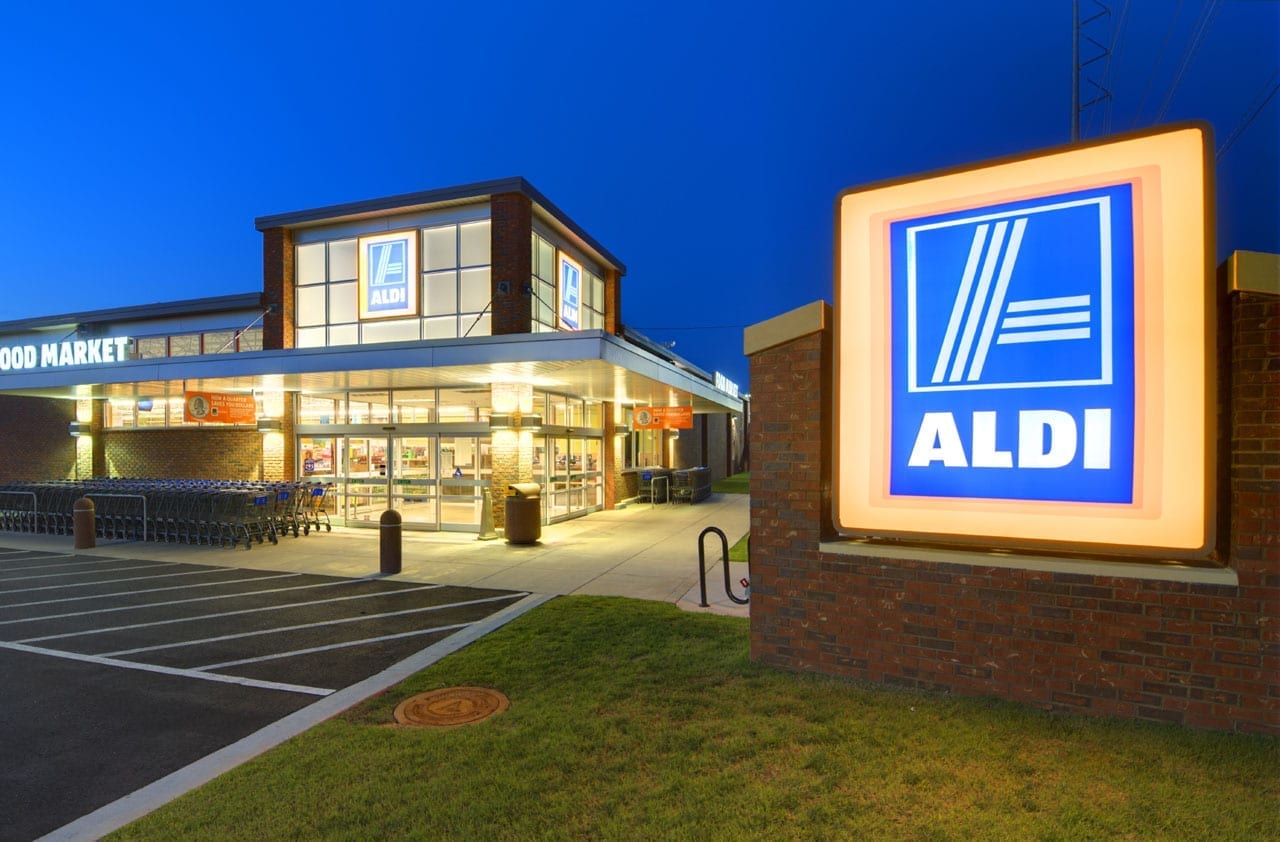
  • Aldi China opening store on Tmall

    Aldi China opening store on Tmall

    Aldi China plans to open a flagship store on Tmall, Alibaba’s B2C marketplace platform, within the next few months.

    The German supermarket chain has just launched a corporate website in China to signal its upcoming entry into Asia. This features a market-specific logo and Chinese name 奥乐奇, with the slogan “Handpicked for you”.

    Aldi shares which product categories it will offer the Chinese market: breakfast, snacking, wine, organic and cooking. Some of these products will be directly imported from Aldi’s suppliers in Australia.

    It was initially thought Aldi would launch its own independent website, reports Retail Analysis. Other grocery retailers that sell through Tmall include Sainsbury’s and Waitrose from the UK. Waitrose sells through Royal Mail’s Tmall site.

    While China’s online market is competitive, Aldi’s approach will give it time to understand Chinese shoppers and adapt its offer if necessary. And though many products will come from Australia, Aldi has a strong focus on local sourcing in many of its other markets.

  • Closing shop on China’s e-commerce platforms

    Closing shop on China’s e-commerce platforms

    The closures of a number of retail and luxury brand giants on China’s e-commerce platforms indicate that retail competition is no less fierce online than offline.

    It is old news that the Chinese market is highly competitive and unlike any other market in the world. What may sell on the high street in London is not guaranteed to sell in China. The rainbow-lensed promises of e-commerce seem to be an easy way to access China’s 770.4 million working population, 0.2 per cent or over 1.5 million of which have an average income of US$500,000.

    Political concerns and falling sales: Lotte

    In 2015, Lotte Group Retail opened a Tmall store, hoping to widen its reach in China, where over 60 per cent of its overseas stores are located. The large South Korean multinational conglomerate has had a presence in China for over 20 years, with 115 supermarkets and five shopping malls.

    But on January 12 this year, Lotte closed its Tmall store – along with three brick-and-mortar stores in Beijing – after rising political tension between China and South Korea. In December, Lotte’s China headquarters admitted that the company was facing investigations for tax, fire control and safety issues. However, the closure of its Tmall store seems to have stemmed also from the fact that China is Lotte’s only international market where growth is stymying. Sales fell during the last three months of 2016, year-on-year.

    While Lotte remains in the market through its physical shopping malls and supermarkets, and on the JD.com website, the company has not announced whether it will be reopening its Tmall store at any future date.

    Heavy local competition: Asos

    Asos, the UK’s largest online fashion retailer, entered China in 2013 with high expectations. The company announced it was investing RMB 100 million (US$14.5 million) towards the market, importing British styles and developing a sales force. Its business model relied exclusively on e-commerce, with its own website, as well as a Tmall store.

    However, Asos failed to attract enough customers and was running a loss of GBP 4 million (US$5 million) by April of 2016, when it announced that it was shutting down its China operations.

    Asos faced a number of problems in the Chinese market, from operations to marketing. When it first started, the company encountered issues with shipping though China Post, with customers paying import taxes on clothes. Eventually, Asos obtained a local warehouse, but then it encountered complex clothing trade regulations in China, particularly in regards to correct labelling. As a result, Asos had to spend additional funds on restitching to comply with local code, contributing to higher than expected start-up costs.

    Effective marketing was also a major issue for Asos, with the company failing to distinguish itself from local, more affordable brands. While it may be a major player in the US and Europe, Asos was relatively unknown to Chinese millennials, its target consumer base.

    Tmall concerns for luxury brands: Coach

    Coach was one of the first US luxury handbag brands to launch a Tmall store, creating a pop-up store from December 2011 to January 2012, and then an official one in 2015. However, citing a shifting operational strategy, Coach announced that it was leaving the platform just one year later in September 2016.

    China is a critical market for luxury goods, as sales in the US and Europe steadily decline. Many brands see e-commerce as a way to directly access customers and receive greater exposure, which is why many have moved onto online platforms en masse. Despite this, online platforms have always been a concern for luxury brands, who fear appearing too mass market. Moreover, Alibaba has been criticised by brands for not doing enough to remove fake goods, despite a counterfeit removal program. In 2016, Gucci and Michael Kors quit the anti-counterfeit coalition as protest against the program’s inefficacy.

    Coach still remains in the Chinese market through its WeChat account, an avenue that is growing in popularity amongst luxury brands. Cartier, Longchamp, and Montblanc all have WeChat shops with WePay functions. Some companies believe that WeChat offers a more personalised shopping experience, as well as greater control over its brand.

    For many luxury brands, online platforms are more for marketing and building brand image, rather than sales. However, official Tmall flagship stores do not receive priority listing on searches. In fact, according to a 2016 study by L2, only 12 per cent of first page Tmall search results were through the official Coach shop. The only luxury brands that controlled more than 80 per cent of first page search results were Ports 1961, Burberry, Tommy Hilfiger, Calvin Klein, and Tumi.

    Key Takeaways

    E-commerce is a high-growth sector, with online retail sales totaling US$581.61 billion in 2015, and it is estimated to grow 20 per cent annually by 2020. China is now the biggest online retail market in the world, and Chinese consumers make up almost half of all online sales globally.

    Companies looking to take advantage of China’s market size and sell to Chinese consumers often mistakenly believe that e-commerce offers a shortcut to success. While a misconception, this idea is understandable. There are fewer licensing requirements to operate through e-commerce, and customs clearance is faster.

    However, as has been demonstrated through high-profile store closures in 2016, e-commerce requires extensive pre-entry knowledge of current regulations, a realistic logistics plan, and a local marketing strategy. Those who enter the market blindly do so at the risk of expensive learning curves and wasted efforts.

    • This article was first published on dezshira.com.  Since its establishment in 1992, Dezan Shira & Associates has been guiding foreign clients through Asia’s complex regulatory environment and assisting them with all aspects of legal, accounting, tax, internal control, HR, payroll, and audit matters. For inquiries, email info@dezshira.com.

  • Chinese ‘Taobao villages’ turning poor communities into huge online retail hubs

    Chinese ‘Taobao villages’ turning poor communities into huge online retail hubs

    Thanks to the rapid development of China’s e-commerce industry, over 1,000 “Taobao villages” across the country are turning poor communities into huge online retail hubs, creating more than 840,000 job opportunities.
    These villages are so-named because at least 10 per cent of the population living in these rural communities makes its living by selling products online-mostly on Taobao.com, the Alibaba-owned consumer-to-consumer marketplace. The e-commerce annual turnover of each village is no less than 10 million yuan.

    By selling crafts online from their hometown of Wantou Village, Boxing county in east China’s Shandong Province, villagers made online sales of over 300 million yuan ($43.5 million) last year.

    Similarly, villagers of the Shuanglongqiao Village in Nanchong, southwest China’s Sichuan province, have allured flocks of tourists, including foreigners, to stay and experience the star-level accommodation at their houses, via e-commerce platforms.

    These villages offer a glimpse into how e-commerce industry spurs the rural economic growth and the farmers’ benefits.

    Online retail sales of China’s farm produce are estimated at 220 billion yuan ($32 billion) in 2016, up over 46 per cent over the previous year, the Ministry of Agriculture said.

    The latest figures from Aliresearch showed that there were 1,311 Taobao villages across China, and over 840,000 jobs were created by the clusters.

    Experts said that popularity of Internet and improvement of rural infrastructure have to some extent removed the bottlenecks restraining their information communication and logistics. The market potential and demands of the central and western part of China, especially those remote areas, was leveraged as a result.

    They added that rural areas have been constrained by labour outflow, poor infrastructure, low incomes and lack of competitive advantages, while an e-commerce development will help optimise market environment, upgrade industrial structure and absorb more labours.

    The profitability of e-commerce has attracted a rising number of rural residents to return home, according to statistics. Thanks to the development of e-commerce, about 12 million people left for brighter futures have come back to build up the local economy.

    The development of e-commerce, as experts believe, can be attributed to favourable policies and the rising market demand.

    The recently-released first policy statement from the central authorities for 2017, usually an indicator of policy priorities, emphasised the importance of supply-side structural reform in the agricultural sector, urging the development of e-commerce industry in rural areas.

    At the same time, e-commerce and traditional businesses have cast their eyes to the rural areas. So far, Alilbaba has expanded its services to over 23,000 villages nationwide.

    Days earlier, a strategic cooperation agreement to boost rural e-commerce was inked by Sichuan province, Alibaba Group and Ant Financial Services Group, the mobile payment affiliate of Alibaba.

    Alibaba CEO Jack Ma said that his company hopes to offer a training on e-commerce and Taobao villages to those county officials of the province, explaining that their rising awareness to develop e-commerce will guarantee the business success of the province.

    – Du Yifei

  • Lazada Dominates Ecommerce Activity in Southeast Asia For Now

    Lazada Dominates Ecommerce Activity in Southeast Asia For Now

    Southeast Asia’s ecommerce sector may not yet get as much attention as China. But as recent ecommerce estimates suggest, online B2C spending Southeast Asia is set to grow by double digits through at least 2020, making the region a key area of interest for retailers and marketers.

    For now, much of the ecommerce activity and web traffic in Southeast Asia is dominated by one large ecommerce retailer—Lazada Group. In fact, Lazada’s control of the region’s ecommerce sector was enough to entice Alibaba as a suitor; the China-based ecommerce giant purchased a controlling stake in the company last year for $1 billion.

    According to data from SimilarWeb cited by ecommerceIQ, Lazada properties drew the largest number of page views among B2C retail sites in Thailand, Indonesia, Singapore, Malaysia and Vietnam in December 2016.

    Take, for example, SimilarWeb’s figures for Thailand, where Lazada claimed almost 41 million monthly page views during the month. That was more than 16 times the number garnered by JIB.co.th, the second-place finisher.

    Ecommerce has yet to really catch fire in markets like Thailand, where eMarketer estimates retail ecommerce sales will make up just 1.7% of total retail sales this year. But companies like Lazada are betting that growth in internet use will create a new class of consumers looking to make digital purchases. eMarketer projects that retail ecommerce sales in Thailand will hit $5.7 billion by 2020.

    However, Lazada’s long-term success in the region is far from assured. US ecommerce heavyweight Amazon has reportedly been eyeing a launch in Southeast Asia with Singapore sometime in Q1 2017. The moves could kick off a heated battle between Amazon and Alibaba’s proxy for both market share and customers as the region’s ecommerce spending expands.

  • Indonesia’s startups continue to attract investors

    Indonesia’s startups continue to attract investors

    After dominating the investment market for the past few years, startups continue to attract investors this year.

    Investors see a startup as a company which fulfills three categories required in businesses, said Morgan Stanley president director Oki Ramadhana.

    “There are three things, which are usually used as benchmarks in potential businesses that will give profit to investors. Those are scalable, profitable and tractable records,” he added.

    Tokopedia and Gojek are two examples of successful startup businesses in Indonesia, said Northstar co-founder and managing partner Patrick Walujo during a seminar at the University of Indonesia (UI) over the weekend.

    “Tokopedia only started with the capital worth 200 million rupiah (US$15,000) from its founder and former boss. But now, the company has gained US$1 billion,” he said.

    However, Patrick stressed that it is not only a matter of big money for startup companies but also sustainability.

    “It’s not only about being rich, but how to make the company grow over time. Therefore, startup owners need to find an investor partner that will help them to step up to the next level,” he added.

  • Zalora CEO denies Indonesia exit rumour

    Zalora CEO denies Indonesia exit rumour

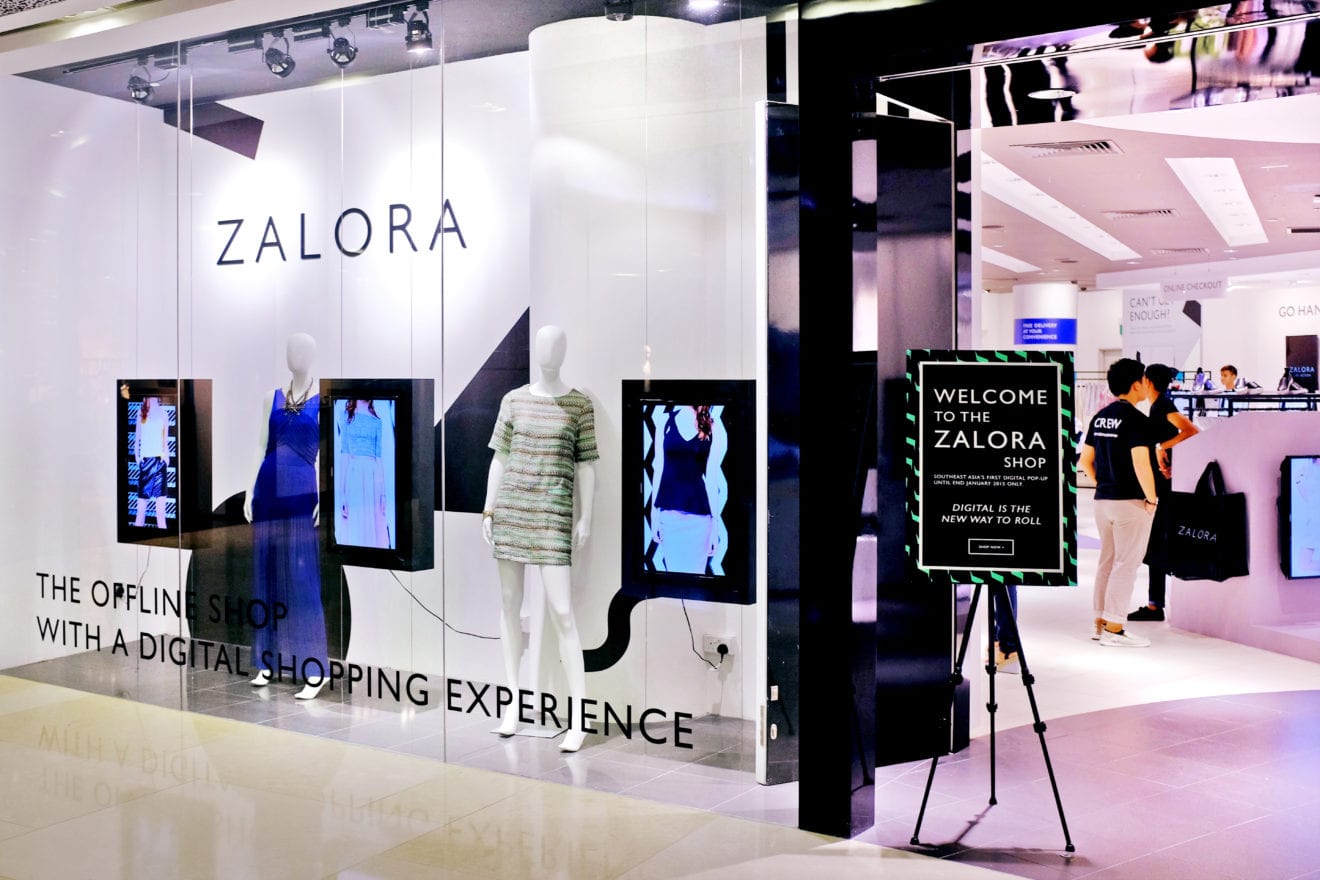
    Last week, there was a  speculation that Zalora was withdrawing from Indonesia following a share acquisition of Zalora Philippines by Ayala Group.

    “The rumour that we are selling off our business in Indonesia is certainly not the case. And we announced a deal that’s actually very exciting – an investment from Ayala Corp into Zalora Philippines – which is in no way a signal of a retreat from the country, but more of a commitment,” Gundersen told this portal.

    But why did the rumour surface in the first place? Had there been actual talks about possible investments from MAP Group?

    Gundersen declined to comment. Right now, he said, discussions with MAP are only related to how Zalora could continue adding more brands from MAP’s large portfolio. The two companies have been working together with MAP as a supplier.

    “We are not retreating from Indonesia nor the Philippines,” stressed Gundersen.

    In 2016, Zalora sold its businesses in Thailand and Vietnam to conglomerate Central Group. When news about stake sale in Zalora Philippines and rumour on Indonesia exit emerged, it led to a speculation that Zalora had continued its retreat from the region. Gundersen denies this narrative, saying that the Philippines share sale was very different to what it had done in Thailand and Vietnam.

    “Our investors looked at the operations in Thailand and Vietnam (like they always do, regularly), and decided that it did not have the best outlook. Whereas in the Philippines is very different because we remain the majority. It just made sense to us to have a local partner in the Philippines,” he explained.

    Will Zalora implement the same partnership strategy in Indonesia, as it has now with Ayala? It is always a possibility that the company would always explore, Gundersen said.

    Indonesia, in particular, is a massive market for e-commerce, with high social media and smartphones usage, coupled with growing income. Gundersen reiterated that Zalora is committed to bring more brands – local, international, and in-house – that are more relevant for its Indonesian customers.

    The company is also on the lookout for ways to improve its services, particularly in payments, a sector which Gundersen called “very interesting” to watch.

    “Definitely the space that we want to watch – anything that can help make it easier for our customers to make a purchase we want to be involved. It’s still early days but definitely we want to monitor close,” Gundersen said, when asked about a possibility to partner with local fintech companies.

    Indonesian e-commerce industry has grown in two-digits annually over the past five years, according to a number of reports. This year, e-commerce transactions in the country are expected to reach $45 billion from an estimated $30 billion in 2016. While the opportunities are abundant, the competition is fierce.

    A few months earlier, local firms Berrybenka and SaleStock were reported to have laid off hundreds of their employees. While smaller firms are gasping for breath, giants like MatahariMall.com and Lazada are steadily marching forward. Last year both companies received major funding from global investors, with MatahariMall snatching $100 million from Mitsui (and at least another $25 million from Matahari Department Store) and Lazada pocketing $1 billion from Alibaba.

    Experts have projected that competition will start to sharpen even further – especially if US giant Amazon decides to enter Indonesia – and will force smaller firms to consolidate.

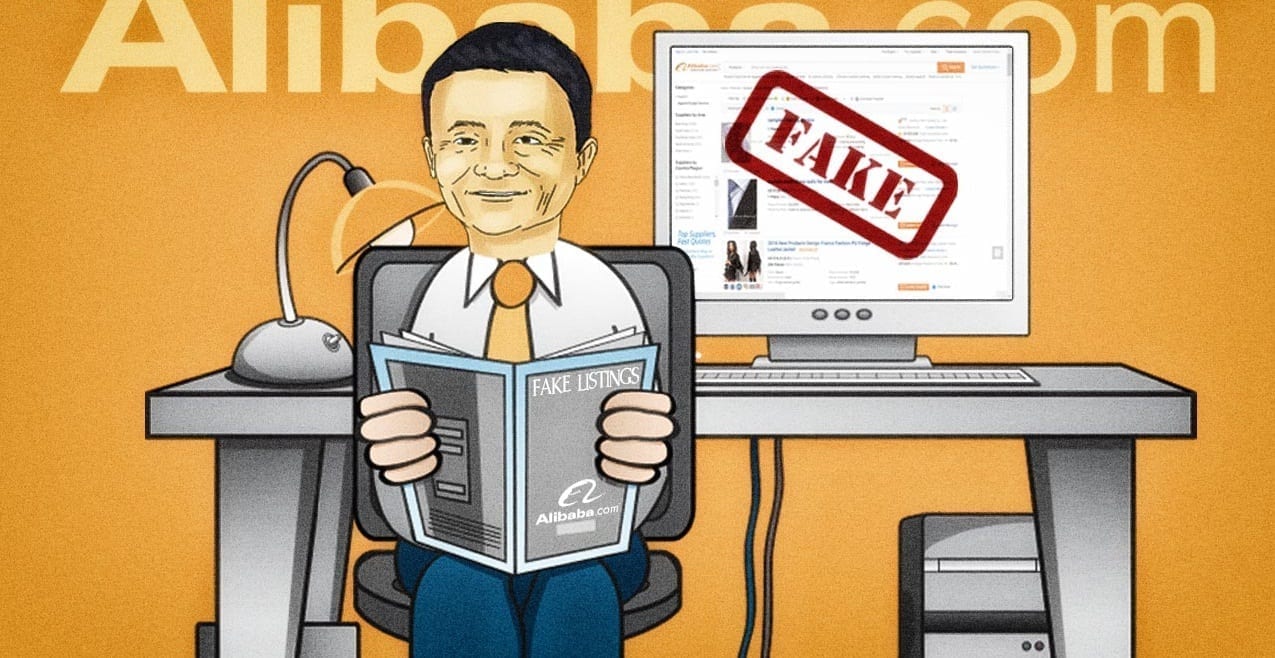
  • Alibaba seeks tougher penalties for counterfeit goods

    Alibaba seeks tougher penalties for counterfeit goods

    Alibaba Group has called for tougher laws, stricter enforcement and stiffer penalties to crack down on purveyors of counterfeit goods in China.

    At a press conference at its headquarters in Hangzhou, Alibaba said China’s “ambiguous counterfeiting laws” were hampering authorities’ ability to build legal cases against counterfeiters, resulting in a low conviction rate that is “the fundamental reason for the inefficiency in combating counterfeiting and protecting intellectual property”.

    “Current regulations are no longer able to cope with the need to fight counterfeiting,” according to the company’s public appeal, which is published in full below. “Criminals can escape any legal consequence, leaving law enforcement agents and consumers feeling helpless, and society bearing the damage.” The company urged authorities to strengthen laws, boost enforcement and impose more punitive penalties to deter counterfeiters.

    Alibaba has long faced criticism over the sale of counterfeits by independent vendors in its giant e-commerce marketplaces, which host some 1.5 billion product listings at any given time.

    “Alibaba Group is itself a victim of counterfeiting,” the note says. “The manufacturing industry and business environment of China suffers even more. Counterfeiting is damaging, not only to consumers and legitimate merchants, but also to innovation and the long-term economic development of our nation, hindering China’s growth as a responsible economic power.”

    To maintain the trust of consumers and legitimate merchants selling on its platforms, the company has been waging an escalating war to control the problem, employing a range of tactics to combat fakes and put counterfeiters out of business. Alibaba screens and monitors product listings using manpower and advanced search, image-recognition and big-data technology. The company also works with authorities in China to track down the source of counterfeits and prosecute offenders. Recently, Alibaba has also used China’s courts to cause pain for fake-goods sellers.

    Alibaba officials stressed the company remains firmly committed to continuing its anti-counterfeiting battle, but its ability to remove merchants and products from its marketplaces will be much less-productive in the long run without the support of more legally enforceable sanctions.

    The full Alibaba Group statement is below:

    In the ongoing war against counterfeiting, society is currently faced with an impasse. In Alibaba Group’s view, progress against this illegal activity is negligible because the costs and risks of producing and selling counterfeits are too low. The only way out of this is to impose tougher criminal sanctions on every individual involved in the chain of operation. Only by doing this, can China’s manufacturing industry return to the path of originality and innovation that ultimately leads to sustainable development.

    In 2016, our Platform Governance Department identified and handled 4495 leads related to counterfeiting. Each involved a value of goods exceeding the statutory minimum of RMB 50,000 for criminal investigation. Of these, law-enforcement departments followed up 1184 leads, which led to just 33 convictions, according to public information, representing a conviction rate of only 0.7 per cent.

    Alibaba came up with the 4495 leads via proactive big-data screening by its Platform Governance team, brand owners’ reports, consumer complaints and random checks. But law-enforcement agencies often found it difficult to classify and quantify incidences of counterfeiting and also had difficulties building legal cases due to ambiguous counterfeiting laws. As a result, public security agents were only able to build 469 cases from 1184 leads.

    The extremely low conviction rate is the fundamental reason for the inefficiency in combating counterfeiting and protecting intellectual property. Current regulations are no longer able to cope with the need to fight counterfeiting. Criminals can escape any legal consequence, leaving law-enforcement agencies and consumers feeling helpless and society bearing the damage.

    Alibaba established its own 2000-member-strong anti-counterfeiting force and has invested over RMB 1 billion each year to proactively combat counterfeiting with the most advanced technology and data models. For the 12 months ended August 2016, Alibaba took down 380 million product listings and shut down 180,000 Taobao stores and 675 operators as a result of its anti-counterfeiting action. As a private enterprise, Alibaba has no law-enforcement power. We can only uncover irregularities, take down the product listings, report the cases to the regulators and wait for law enforcement to handle the cases.

    We do our best to stop counterfeit goods from landing on our platform but cannot entirely stop them from proliferating offline and moving to other platforms. We identify and handle irregularities according to the highest standard of platform-management rules, but cannot impose penalties on the criminals.

    Alibaba Group is itself a victim of counterfeiting. The manufacturing industry and business environment of China suffers even more. Counterfeiting is damaging, not only to consumers and legitimate merchants, but also to innovation and the long-term economic development of our nation, hindering China’s growth as a responsible economic power.

    We therefore call for further development of our laws and regulations, stricter law enforcement and harsher punishments to strengthen the efforts to combat counterfeiting. Counterfeiters are our arch-enemy and we will stop at nothing to fight them.

    The criminalisation of drunk driving once delivered a clear message to society that violators will have to face serious consequences for their actions. Such a message served as a deterrent. We hope our society can reach a consensus to collectively increase the resources and efforts towards combating counterfeiting to no lesser extent than was done with drunk driving. To stamp out counterfeiting in China, all of us should play our part.

    Enlightenment-era criminologist Cesare Beccaria once said, “crimes are more effectually prevented by the certainty of punishment.”

    There is no way to root out counterfeiting with a conviction rate of 0.7 per cent. Only through stricter law enforcement and appropriate punitive measures can we stop criminals from evading responsibility for their actions. Only when counterfeiters get the punishment they deserve will the interests of consumers be properly protected.

  • Zalora Indonesia future under a cloud

    Zalora Indonesia future under a cloud

    Is Zalora Indonesia for sale? Fresh after selling off a chunk of the Philippines business, Rocket denies further Asian withdrawal.

    Last week, Ayala announced it will buy 43.3 per cent ownership in Zalora manager BF Jade E-Service Philippines for an undisclosed amount, taking its ownership to 49 per cent. The investment marks Ayala’s first foray in eCommerce.

    But what of Zalora Indonesia? Parent, German eCommerce investor Rocket Internet, is also said to be in negotiations with Indonesian retail conglomerate Map Group, according to a report by TechCrunch. Other reports say it is withdrawing entirely from Indonesia. But Zalora PR director Christopher Daguimol denies a retreat from Indonesia.

    “Southeast Asia is a diverse region, and we will always look at adapting our strategy to local country dynamics and opportunities. Our objective is to build the online fashion leader in each of our Southeast Asia markets,” Zalora said at the time it announced its Philippines divestment.

    Zalora sold off its businesses in Thailand and Vietnam last year.

    Map runs nearly 2000 retail outlets in Indonesia, including fashion outlets, and more in partnership with global firms like Marks and Spencer, and Zara. The publicly listed company has more than 22,000 employees.

    Fierce competition has started escalating in Indonesia, marked by layoffs by Berrybenka and SaleStock a few months ago, says Deal Street Asia. Giants like Lazada and MatahariMall.com are meanwhile steadily marching forward with both companies received major funding from global investors last year.

  • Ikea Japan launching online store

    Ikea Japan launching online store

    Ikea Japan will make a full-fledged entry into internet sales, offering nearly all store items through a dedicated website to launch in late April.

    Plans call for selling 9000-odd products, excluding food and plants. They will initially be shipped from the nation’s nine Ikea stores. When coverage expands there will be direct shipping from warehouses.

    While customers in certain regions have been able to order items via e-mail, the company has not had an official online store.

    The local unit of the Swedish furniture retailer has tested the online service in southwestern Japan’s Kyushu and Yamaguchi prefectures since January, charging a minimum of ¥3990 (US$35.40) for shipping and handling. This may be reduced, depending on the delivery destination and items bought.

    Ikea Japan has a logistics centre in Yatomi, Aichi prefecture. Spanning 54,000 sqm, it opened in 2008. A 31,000 sqm section dedicated to online shopping will be added and launch next year.

    Ikea Japan aims to have online sales account for half of its revenue in 10 years. Its sales shrank 2 per cent to ¥76.7 billion for the year ended August. The company will add the online push to an ongoing initiative of increasing smaller stores to gain momentum toward a sales target of ¥140 billion in 2020.

  • Sands China launches branded Mastercard rewards program

    Sands China launches branded Mastercard rewards program

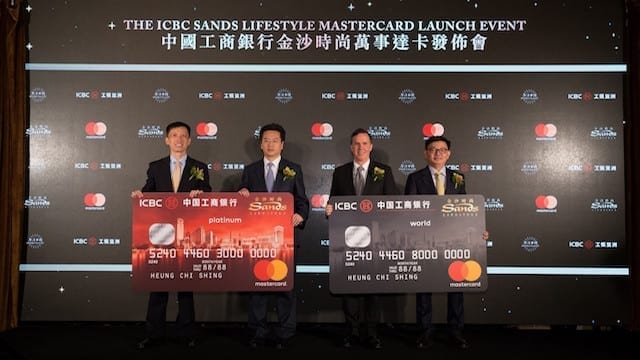
    Sands China, ICBC and Mastercard have launched a credit card allowing holders to collect points anywhere in the world which can be redeemed at Sands Macao’s integrated resorts.

    The ICBC Sands Lifestyle Mastercard holders will also have the opportunity to earn up to three times more points when they shop and 20 times more points when they stay at Sands Resorts Macao properties. ICBC Asia offers three times more points when they spend overseas with the card.

    The program is the first for Mastercard’s Pay with Rewards in Asia Pacific. It will have two levels of co-branded credit cards, including the Sands Lifestyle Platinum Mastercard and Sands Lifestyle World Mastercard.

    Cardholders can take advantage of benefits including hotel stays, dining, shopping, events and entertainment. This includes discounts on accommodation packages, ferry tickets, air travel and holiday packages with Cotai Travel, special offers at selected restaurants, Sands Shoppes and entertainment tickets to international and Asian theatre shows and music events.

    Initially, the program will only be available for customers living in Hong Kong and Macao. Customers living in Hong Kong can apply to join the program at ICBC (Asia) branches in Hong Kong or via the ICBC (Asia) website, while customers living in Macao can apply at ICBC (Macau) branches or via the ICBC (Macau) website.

    Dave Horton, chief marketing officer with Sands China, said the Sands Lifestyle program offers a range of attractive benefits for cardholders.

    Sands China, ICBC and Mastercard executives announce the new Sands Lifestyle loyalty program. From left: Ling Hai, co-president, Asia Pacific, Mastercard, Jiang Yisheng, CEO of ICBC Asia, Dave Horton, global chief marketing officer, Las Vegas Sands Corp & Sands China and Wang Du Fu, president, ICBC Card Center.

    “Designed to enhance the experience of our visitors to our integrated resorts and Macao in as destination, Sands Lifestyle is an innovative addition to our world-class facilities and one we anticipate will encourage more visitor arrivals.”

    Ling Hai, co-president, Asia-Pacific, Mastercard, added: “Today represents a number of firsts for Mastercard in China. It is the first time we are partnering with Sands China, one of the largest leisure brands and most popular lifestyle destinations in the region. The ICBC Sands Lifestyle Mastercard is also the first to launch the Mastercard Pay with Rewards product in Asia Pacific. We believe our partnership with Sands China is another step towards fulfilling our commitment to meeting the evolving desires of China’s burgeoning affluent population.”

  • Lazada Thailand sent top five sellers to Alibaba Campus

    Lazada Thailand sent top five sellers to Alibaba Campus

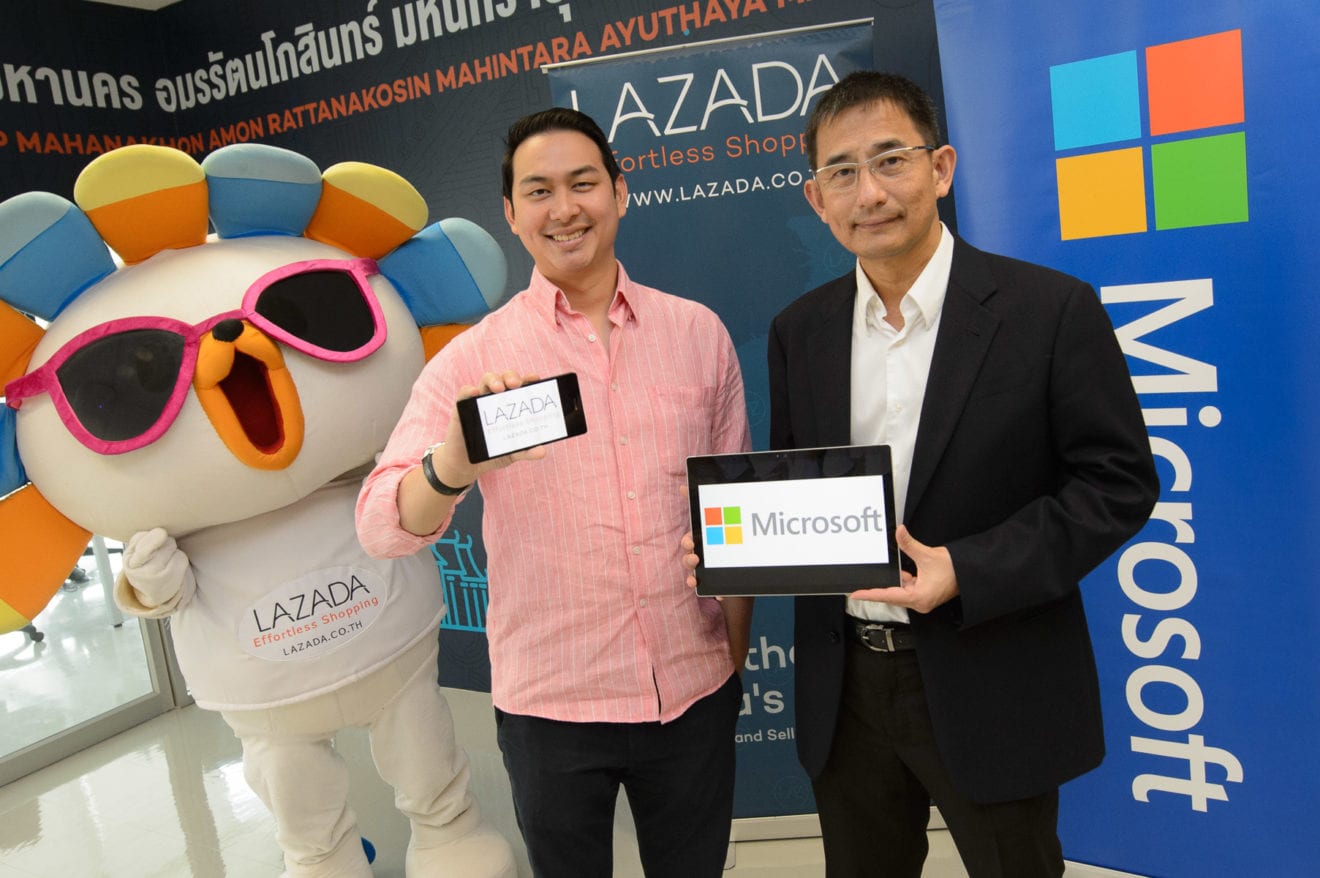
    Lazada Thailand sent five of its top performing sellers to Alibaba’s campus in Hangzhou. They joined a delegation of 34 Lazada sellers.

    Led by Lazada Group, the visit took place from 23 to 25 February 2017 and include a rare opportunity to hear from Jing Jie, Vice President of Strategic Partnership Development, Alibaba Group and Aimone Ripa di Meana, Chief Marketplace Officer, Lazada Group to gain insights on the eCommerce landscape development and best-practices of online selling. The delegates had the chance to visit and network with other successful sellers such as Semir from Alibaba’s Tmall platform as well as attended two training sessions on “Operations and Assortment Planning for Singles Day” and “Online Customer Management” conducted by Taobao University.

    Apart from Thailand, the sellers mainly originate from Indonesia, Malaysia, Philippines, Singapore and Vietnam; markets that Lazada operate in. These sellers worked closely with Lazada throughout the Online Revolution 2016 event, and have emerged as top in their respective product categories, such as fashion, electronics, and other fast-moving consumer goods (FMCG) categories.

    These top performing sellers experienced strong uplift in their sales during the month-long Online Revolution sale. In addition to their exceptional performance during the 2016 Online Revolution shopping event, these sellers offered great value to shoppers with their deals, efficient product dispatches as well as achieving minimal number of returns and cancellations on their products.                                                                               

    Alessandro Piscini, CEO, Lazada Thailand said, “Lazada is widely known as Southeast Asia’s number one online shopping site, but we are also the region’s top selling eCommerce marketplace. Today, we have about 55,000 local and international merchants and we are enabling them to achieve commercial success with Lazada.”

    “We empower our sellers and equip them with the best tools available to help them succeed. With this inaugural business trip for our sellers to Hangzhou, we have structured the trip to ensure our sellers can hear and learn from other successful examples, and scale their business in the future,” added Alessandro Piscini.

    Veraphon Ngamjarassrivichai, Chief Marketing Officer of Galaxy store, which sells household equipment, sports, games, and toys at https://www.lazada.co.th/galaxy/ shared, “working with Lazada has made our E-Commerce journey much quicker and easier. Since joining Lazada, we have managed to still grow our business, and last year we generated 4 times revenue from Lazada. Galaxy is excited to join the trip to Alibaba Campus in Hangzhou and take advantage of all the new opportunities the three day event will bring.”

    In addition to sending top five sellers to Alibaba Campus in Hangzhou, Lazada, as the brand holding by Alibaba Group, is committed to train over 30,000 SMEs following Thailand 4.0 model and collaboration with the Ministry of Commerce by organizing training workshop for SMEs at the New Economy Academy (NEA) starting from 2nd February 2017 onwards until the end of this year. This training workshop aims to cover practical trainings on how to sell products and services on an eCommerce platform. Lazada also offers sellers a comprehensive suite of tools and solutions to make their online business a success. The seller centre for instance gives sellers a comprehensive overview of their business with Lazada. It is also a mobile platform for sellers to manage their business on-the-go. Sellers also receive a weekly performance report from Lazada with details on areas they can improve for better sales.

  • Vietnam’s annual e-commerce growth to reach 30-50%

    Vietnam’s annual e-commerce growth to reach 30-50%

    “The size of Vietnam’s e-commerce market may reach $10 billion within the next five years,” he added.

    Ms. Dang Thuy Ha, Chief Representative at market researcher Nielsen in Hanoi, said the e-commerce market was worth up to $4 billion last year.

    Of Vietnam’s 91 million people, she said, 45 per cent access the internet and 28 per cent use e-commerce.

    Each person spends $160 a year on shopping via e-commerce platforms. Therefore, growth in e-commerce is 22 per cent, according to Nielsen’s report.

    The report also notes that the number of people using smartphones has increased sharply, giving a boost to e-commerce.

    Thirty-two per cent of enterprises have set up business relations with foreign partners through online channels and 11 per cent have participated in electronic trade floor and website activities, according to a VECOM report.

    Ms. Tran Thi Phuong Lan, Vice Director of Hanoi Industrial and Trade, said that retail revenue via e-commerce in the capital stood at VND30 trillion ($1.3 billion) last year, representing 6 per cent of total retail revenue and up 15 per cent against 2015. More than 5,600 e-commerce websites are registered in Hanoi.

    VOBF 2017 had five sessions: Overview, Cloud Technology and Mobile Phones with E-commerce, Omni Channel, Cross Border E-commerce, and Online Startups. The Vietnam E-commerce Index 2017 was also released.

    This is the first time the Forum has been held. Speakers included representatives from the Vietnam E-commerce and Information Technology Agency, Nielsen, Google, Facebook, Vietnam Post, Verisign, and Lazada.

    Attendees had the chance to meet with representatives from Z.com, VeriSign, Matbao, Bizweb, Gimasys, TrustPay, Interspace, Netnam, and iNet. The special features of startups in the sector was also discussed.

    VOBF 2017 will be held in Ho Chi Minh City on March 3.