Category: E-Tailing

Retail News Asia is committed to providing both local and global retailers with the latest E-Commerce & Etail news throughout the Asian market. This on a daily base.

  • Macy’s plans to launch an e-commerce site in China in 2017

    Macy’s plans to launch an e-commerce site in China in 2017

    Macy’s Inc. says it will launch a Chinese e-retail site in 2017 in order to increase its digital presence in the world’s largest e-commerce market. The department store chain announced the plan last week in Shanghai.

    Macy’s began selling online in China last November when it opened a storefront on Tmall Global, a web shopping site for imported products operated by Alibaba Group Holding Ltd. While the retailer did not disclose its sales on Tmall Global, it said more than 300,000 consumers have taken advantage of the social media-like features of Tmall Global to follow Macy’s so they can learn about new products and other information.

    Alibaba says Macy’s has become one of the most popular sellers on Tmall Global where Macy’s sells 1,500 fashion products from such brands as Kipling, Anne Klein, Tommy Hilfiger and Fossil.

    Macy’s also has explored several ways to connect online with young Chinese consumers. For example, the retailer has broadcast live shows online to explain its history and introduce its U.S. stores to Chinese consumers. A Macy’s live online broadcast about last month’s New York Fashion Week attracted about 100,000 Chinese viewers and resulted in some 150 million posts to Chinese social network Weibo, according to Macy’s.

    Many Chinese consumers shop in Macy’s stores when they travel to the U.S. and China is important for the company, the retailer says. However, the Chinese and U.S. markets are very different, Dustin Jones, Macy’s managing director for China, said at the news conference. “Chinese consumers want to know many details, while U.S consumers only want to check out quickly,” Jones said. “We are still learning in China and we will speed up our expansion next year.”

    Macy’s only sells online in China, and does not operate physical stores. Macy’s did not comment on any plans to open stores in China, although Jones said it’s hard to reach Chinese consumers without physical locations.

  • South Korea is world’s top online FMCG market

    South Korea is world’s top online FMCG market

    South Korea was the world’s top market for online grocery sales for the 12 months preceding June 2016.

    This was the conclusion from the third annual Future of e-Commerce in FMCG (Fast Moving Consumer Goods) study by Kantor WorldPanel, a firm that tracks consumer buying behavior worldwide.

    The report noted that sales of groceries through e-commerce platforms reached $48 billion in the 12 months to June 2016.

    E-commerce now accounts for 4.4% of all FMCG sales. However, despite the growth of e-commerce, the growth of the entire FMCG market was flat performance during the same period, increasing just 1.6%.

    “FMCG growth is slowing, but our data shows that people are looking for more convenience, which can be met by shopping online. Grocery e-commerce, although currently small, with only one in four people shopping online, is growing fast,” said Stéphane Roger, the global shopper and retail director at Kantar Worldpanel.

    “We forecast it will grow to 9% of the market and be worth $150 billion by 2025. With new entrants such as Amazon expanding rapidly, the industry is facing a shake-up,” he said.

    E-commerce growth is also unequal, differing from country to country. Although connectivity plays a part, it is not clear whether it is the primary reason for the growth.

    For example, while South Korea is the world’s largest online FMCG market by value share (16.6%), US consumers only bought 1.4% of groceries online.

    Meanwhile, China’s netizens are catching up. The report noted that the country saw the biggest growth in the last 12 months, 47% – to a value share of 4.2%.

    Meanwhile, Europeans have a relatively low adoption of e-commerce in all countries except the UK with 6.9% of the market and France which has 5.3%.

    According to Kantar WorldPanel, France is a relatively unique e-commerce market with their success with the Drive model, where online purchases are collected from the store.

    Other conclusions:

    • Online buyers tend to continue to keep buying online after their first purchase.
    • Online buyers are less impulsive, based on comparative research across UK, France and China.
    • 50% of FMCG purchases in China is on beauty.
    • Online buyers splurge more on a single visit online.
    • 55% of online shoppers tend to use the same shopping list for the next purchase.
  • Uber rival Grab raises $750M led by SoftBank at a $3B valuation

    Uber rival Grab raises $750M led by SoftBank at a $3B valuation

    Grab, the largest company rivaling Uber in Southeast Asia, has confirmed that it has raised $750 million in fresh capital.

    This is the company’s Series F round, and it was led by existing investor SoftBank with participation from undisclosed existing and new backers, Grab said. One of those is almost certain to be China’s Didi Kuaidi, which reportedly made a commitment to this round, but neither side is confirming that right now.

    A source close to the company confirmed that the round gives Grab a $3 billion post-money valuation. That’s consistent with our previous reporting, which pegged Grab’s pre-money valuation at $2.3 billion.

    Grab operates in six countries in Southeast Asia and its previous raise was $350 million in August 2015. This new financing has been sometime coming, and it was reported that Grab was raising upwards of $600 million in August, with some media suggesting the total could reach $1 billion. That hasn’t happened but Singapore-headquartered Grab did claim that it has over $1 billion on its balance sheet courtesy of this new raise.

    Grab said it 400,000 drivers on its platforms and it has seen over 21 million app downloads to date. In an announcement, the company added that it sees “up to 1.5 million daily bookings,” which a Grab spokesperson confirmed means ride requests not completed rides. Uber doesn’t provide business data for Southeast Asia so it is hard to compare them, but we previously reported that Uber is operationally profitable in parts of Southeast Asia and there seems to be little to choose between the two.

    An arsenal of capital is clearly necessary when you are taking on Uber, but Grab did sketch out some areas of priority that it will focus on.

    Indonesia, the world’s fourth most populous country and the largest economy in Southeast Asia, is top of its list. Grab CEO Anthony Tan said in a statement that he believes that Indonesia’s ride-hailing industry is worth $15 billion annually — that goes beyond taxi and cars and into motorbike taxis — which Grab offers there — and services such as food delivery, logistics, and more. Indonesia is no easy market and, alongside Uber, Grab is rivaled by GoJek, a motorbike taxi on-demand service that recently raised $550 million at a valuation of $1.3 billion.

    Beyond a push into services, Grab is also looking to expand its ecosystem into payments. This summer it announced plans to make its in-app payment system — GrabPay — available to third-party services, and this new funding will go towards making that happen. The GrabPay push will initially focus on Indonesia, where Grab has partnered with national bank Mandiri, but it will also be extended into the company’s other focus markets, too.

    Another more obvious area of focus is technology. Grab has R&D centers in Singapore, Beijing and Seattle and its priorities include refining its algorithm to help drivers become more efficient, building out its mapping data and technology, working on demand prediction and user targeting. Grab is also looking to add pooling to its existing vehicle categories, having launched its first pool option in Singapore nearly one year ago.

    There’s no word on autonomous vehicles, however, which Uber is testing in Pittsburgh with a view to rolling out more fully. Self-driving cars aren’t just for the U.S. market though. Nutonomy is running testing in Singapore so you could argue Grab is already playing catchup or might need to get its checkbook out if it wants to enter the race.

    “Grab has grown tremendously over the past year. This round of funding shows the confidence and optimism investors have in Grab’s market leadership and long-term potential in Southeast Asia,” Tan, Grab’s CEO, said in a statement.

    “We are blessed to have great partners like SoftBank, many of whom have unparalleled track records of investing in leading internet businesses in emerging markets, and seeing those companies through to become the core of internet ecosystems in each market,” he added.

    Despite much to be bullish about, Grab is up against a tough rival in Uber and in a market that shows little sign of profitability right now. We previously reported that the company was burning as much as $30 million per month in 2015. While Grab has consistently claimed that it has not touched its Series E round yet, it is looking at a long path to profitability in Southeast Asia. Likewise, Didi’s move to acquire Uber China — and, in doing so, take equity in Uber Global — throws questions on its global alliance with Uber’s other rival companies.

    Nonetheless, this new funding is a major milestone for Grab, and the largest raise for a tech startup in Southeast Asia to date.

  • Wal-Mart Boosts Stake in JD.com, Expands Further in China

    Wal-Mart Boosts Stake in JD.com, Expands Further in China

    Wal-Mart Stores Inc. has reportedly increased its stake in Chinese eCommerce website, JD.com Inc., to 10.8% from 5.9%, aiming to grab more market share in the world’s largest online market. Shares of JD.com jumped 7.5% in after-hours trading following the news.

    The move comes nearly four months after Wal-Mart inked a deal with JD.com. to sell its Chinese eCommerce business, Yihaodian to JD.com in exchange for a 5% equity stake in the company.

    JD.com is the second-largest online retailer in China after Alibaba Group Holding Ltd. in terms of market cap. The expanded deal with JD.com is expected to offer Wal-Mart a better chance of competing in the cut-throat retail industry in China and expand its reach in the country. Evidently, it expects to generate 25% of global retail growth from the region over the next five years. Further, this will benefit Wal-Mart with JD.com’s huge customer base and its same-day delivery network.

    WAL-MART STORES Price and Consensus

    We note that Wal-Mart has been struggling of late to expand its reach in China. The retailer opened its first store in the country in 1996, but only has about 430 stores there at present. The company has stated various reasons for the sluggish business operations in the region.

    In China, the company has long been dealing with food safety scandals despite trying to maintain high food safety standards. Wal-Mart China too has been facing significant pressure from government austerity measures and deflation. Further, the company faces problems in understanding discerning Chinese consumers as their buying decisions aren’t always price driven.

    Apart from expansion in China, this Bentonville, AR-based company is leaving no stone unturned to acquire a stake in the online business. In this regard, it continues to make huge investments in eCommerce initiatives, including acquisitions. Recently, Wal-Mart completed the acquisition of eCommerce company, Jet.com, Inc., which marked a huge step forward in its quest to dominate ecommerce king, Amazon.com, Inc. Wal-Mart is also in talks to acquire a stake in India’s largest eCommerce firm, Flipkart Online Services Pvt., in order to expand in the fast-growing online retail market.

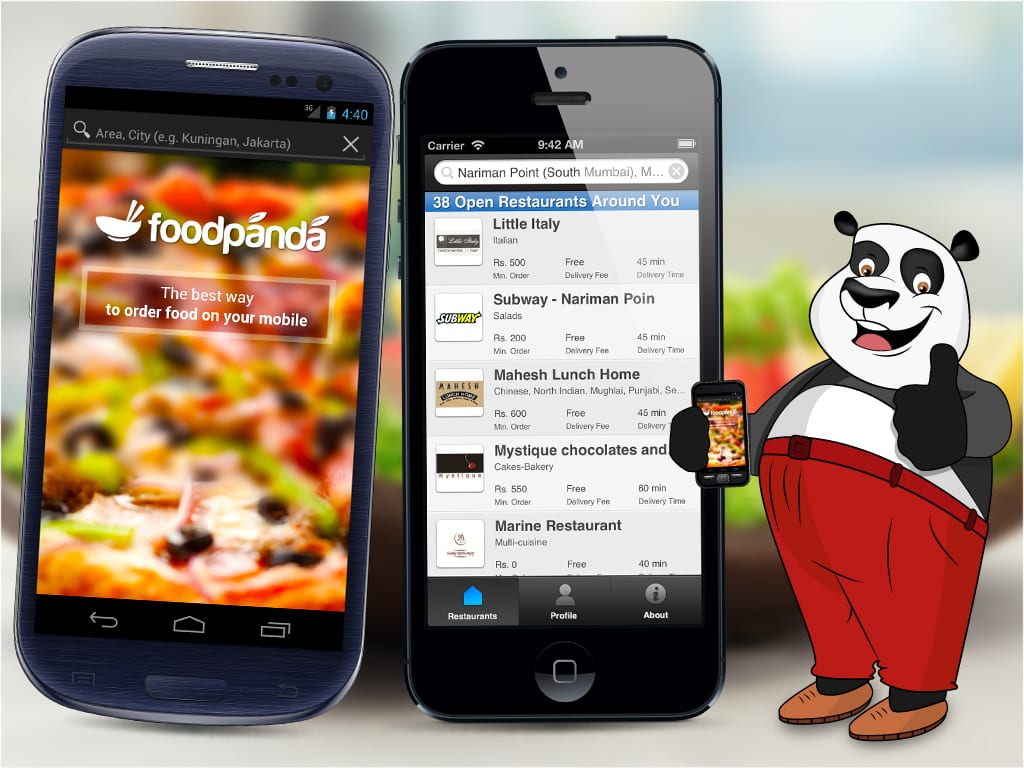
  • Foodpanda Indonesia shut down

    Foodpanda Indonesia shut down

    No one wants Foodpanda Indonesia.

    Not enough consumers ordered its delivery service and after as long as a year trying to sell the business as a going concern, Foodpanda’s parent Rocket simply shut it down.

    The last order was taken  at 10pm on Monday October 3, after which the business disappeared from online.

    It’s the latest chapter in a tale of woe for the delivery company in Southeast Asia. It sold its Vietnam business last year and is currently trying to raise $50 million to keep its Indian operations running, as it struggles to gain market share off more successful local rivals. In Hong Kong it closed down an upmarket Foodpanda spin-off last year just weeks after its launch, disguising it as a merger.

    In a statement sent to staff obtained by DealStreet Asia, Foodpanda Indonesia management said the company had ceased all food ordering activities on a permanent basis. “In particular, the company will close its website and mobile application in Indonesia, and terminate cooperation with all restaurant partners.”

    The closure of the business comes as no surprise, despite misleading statements on its future by Foodpanda management earlier this year..

    In August, Techcrunch correspondent said multiple sources had confirmed the business was for sale – for less than US$1 million. Yet a Foodpanda spokesperson said somewhat enigmatically: “Foodpanda has grown very fast in Southeast Asia over the last couple of months and strengthened its market leading position in the region. Driven by our increased dominance in the region we have experienced interest from a variety of different parties to partner or to invest which we are evaluating now.”

    But no one wanted the business, despite Indonesia being the world’s fourth most populous nation.

    Foodpanda Indonesia debuted in 2012 and had built a virtual menu from thousands of local restaurants. Consumers, however, appeared to prefer app-based ride-hailing services offering delivery, such as Grab Bike and Go-Jek.

    Foodpanda CEO Ralf Wenzel says the company will continue to focus on “core markets” such as Singapore, Hong Kong, Thailand, Malaysia and Taiwan.

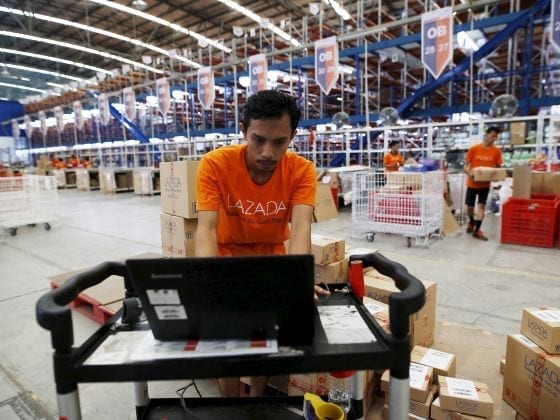
  • FMCG, fashion spur Lazada Indonesia growth

    FMCG, fashion spur Lazada Indonesia growth

    eCommerce group Lazada Indonesia says its current volume growth has accelerated to more than 150 per cent than at the same time last year.

    Key contributing categories are FMCG and fashion, which are both growing more than three times as much as last year. Also, about 80 per cent of the orders are via mobile devices.

    “Our rapidly growing orders in categories such as FMCG and fashion, being shipped all across the country, further demonstrates that Lazada has truly become the one-stop shopping destination of choice,” says Lazada Indonesia co-CEO Florian Holm.

    This success is also helping SMEs, which can now sell on Lazada free of commission – an initiative that will ultimately also benefit consumers through more competitive pricing, says Lazada. The initiative has helped SMEs achieve up to 10 times growth in sales since the beginning of the year.

    Brands are also benefiting from the growth through partnerships with Lazada Indonesia to offer exclusive products.

    In a recent Lazada collaboration with L’Oreal Paris, the My Superstar Look campaign – endorsed by celebrities Maudy Ayunda and Dian Sastrowardoyo – resulted in a 10-times increase in sales as well as engaging thousands of new customers for the cosmetics giant.

    Levi’s is now working with Lazada to create an onsite experience including product story videos, and fit and size guides to help consumers find the right jeans. This season the companies will run joint marketing campaigns for the Levi’s 511 Slim Fit Jean for men and Levi’s 711 Asia Skinny Jean for women.

    Free shipping

    Meanwhile, Lazada Indonesia has launched a free shipping service, enabled by its last-mile logistics arm and network of reliable delivery partners. The company has also extended its cash-on-delivery option to more products.

    Lazada Indonesia’s strong growth comes on the back of Alibaba Group’s investment, announced in April. To reduce lead-time to the consumer, Lazada has started using Cainiao, a logistics network 47 per cent owned by Alibaba which allows parcels to be picked up from Lazada merchants in China. Lazada has also entered into a partnership with Alibaba subsidiary UCWeb to drive more traffic to the platform.

    For the fourth quarter, Lazada Indonesia is planning more initiatives and preparing for the Online Revolution, an online event involving sellers and consumers. From November 11 to December 12, Indonesian consumers will be offered flash sales, special promotions, attractive deals and engaging activities.

    “Since we created the Online Revolution in 2012 to introduce consumers to online shopping, it has sparked a shopping frenzy that breaks records year after year. No other eCommerce player in Southeast Asia can claim a similar achievement,” says Holm.

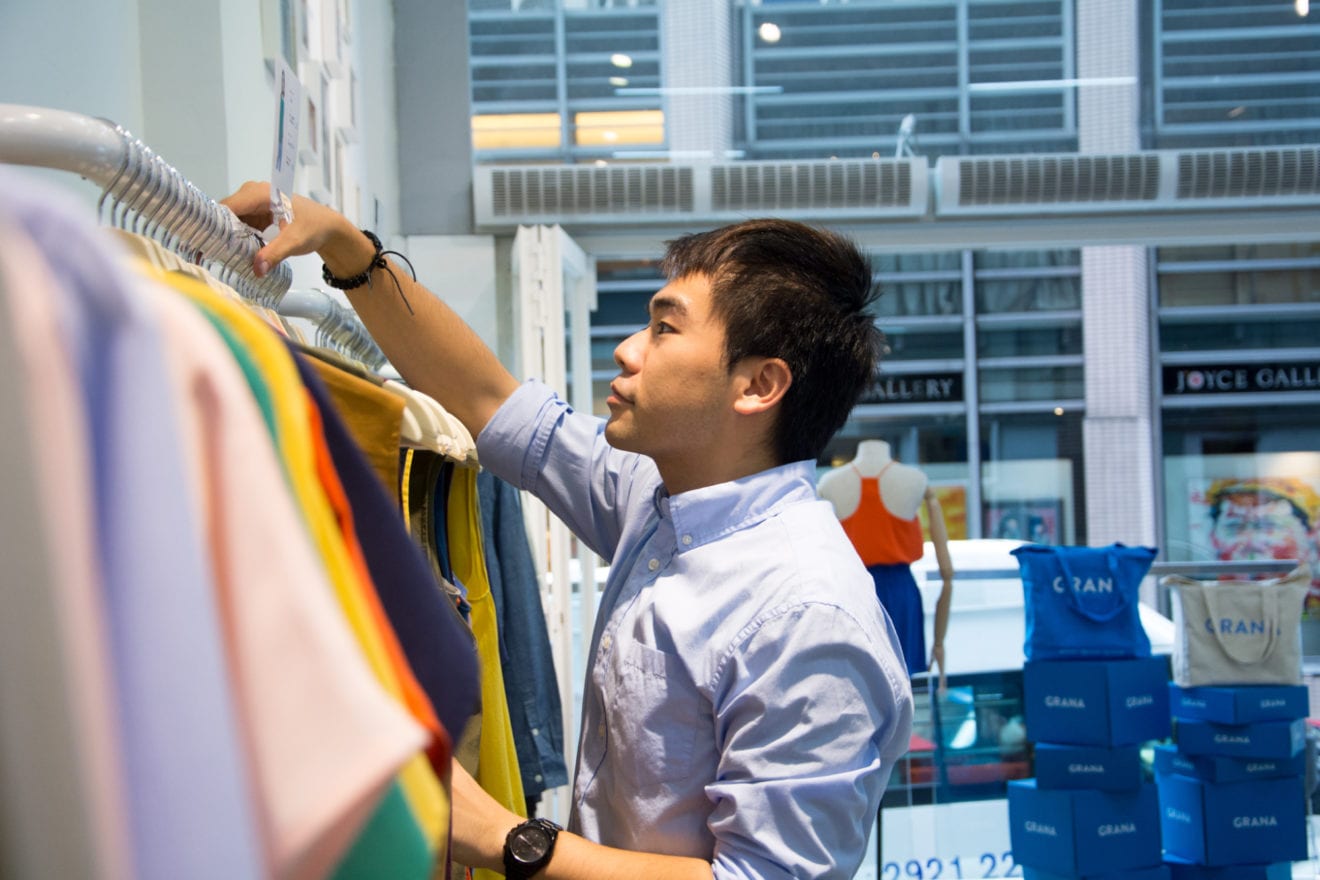
  • Alibaba leads $10m investment in fashion brand Grana

    Alibaba leads $10m investment in fashion brand Grana

    International direct-to-consumer fashion brand Grana is raising US$10 million in a Series A funding round led by Alibaba Group under the Alibaba Hong Kong Entrepreneurs Fund.

    It is one of three startups to attract support from the fund in its second round of investments.

    There is also participation from existing investors Golden Gate Ventures and Hong Kong-based MindWorks Ventures to support expansion plans in Grana’s highest growth market, the US, and to build out its product offering into new categories with sportswear, bags and accessories.

    Since launching in October 2014, the startup has had more than 15 per cent month-on-month growth in sales. Following the first-quarter announcement of its $6 million in seed funding this year, led by Golden Gate Ventures, MindWorks and Bluebell Group, the Grana team is moving into a new 18,000 sqft (1672 sqm) centralised warehouse in Hong Kong this month to manage business growth, and plans to double its headcount to 100 employees by the end of next year.

    Grana started out in a 500 sqft warehouse.

    “We’re honoured to have Alibaba as a lead investor, and the continued support of existing strategic investors”, says CEO/founder Luke Grana.

    With the new round of funding, Grana plans to expand its presence in the US through setting up its first pop-up showroom experience in New York for customers to try offline and buy online, as well as build a New York team to cater for its increasing customer base in the market.

    China venture

    To help strengthen Grana’s market reach in Asia, Alibaba is also partnering with the brand for its market entry plan into Mainland China.

    “Grana has proved itself as an international eCommerce brand that uses a data-driven approach to optimise its business offering and create an excellent customer experience,” says Alibaba Hong Kong Entrepreneurs Fund executive director Cindy Chow. “They have a creative and energetic business culture which really resonates across their omni-channel and is indicated through their rapid growth.”

    Grana ships directly to customers across 12 countries within two days from its centralised warehouse in Hong Kong. Its range includes Peruvian Pima t-shirts, Chinese silk tops and Mongolian cashmere sweaters.

    Worldwide retail eCommerce sales are forecasted to reach $3.6 trillion in 2019, according to research company eMarketer, with the Asia Pacific projected to account for 41 per cent of this, followed by the US on 21 per cent.

    New markets

    To further drive Asia Pacific as a global eCommerce hub, Grana’s business strategy will focus on looking into new markets for shipping with DHL and opening pop-up locations in key markets over the next 12 months.

    The Series A round closes at the end of this month, and Grana plans to debut its new Italian shirting, silk bomber jackets and transitional knitwear collection this season.

    Founded by Luke Grana and Pieter Paul Wittgen in October 2014, Grana ships directly within two days to 12 countries – Australia, Belgium, France, Germany, Hong Kong, Italy, New Zealand, Singapore, Spain, the Netherlands, the UK and the US.

    Alibaba Hong Kong Entrepreneurs Fund is a not-for-profit initiative launched by Alibaba Group last year with the mission of helping Hong Kong-based entrepreneurs and young people realise their dreams and visions for their businesses and communities.

    Grana is one of three startups to benefit in the second round of investments made by the $129 million fund since its launch last November.

    The other beneficiaries are food delivery firm Nosh and recipe video site DayDayCook.

    Nosh is a certified partner of online catering service Maidan, Rocket Internet’s food delivery service Foodpanda, and London-based food delivery app Deliveroo.

  • Flipkart tightens cash tap to its marketplace by 70%

    Flipkart tightens cash tap to its marketplace by 70%

    Flipkart, the Singapore-based parent of India’s online retail giant, reduced investment into its marketplace unit by 70% in the year ended March, effectively restraining the firm’s sales during the period.

    Flipkart Marketplace, a Singapore-based subsidiary and investment holding company, received equity infusion of Rs 1,629 crore in fiscal 2016, significantly lower than the Rs 5,456 crore it secured in the preceding year, show Singapore government filings accessed. Contrasting with the reduced investment into Flipkart’s commerce business, US-based Amazon’s main India unit, Amazon Seller Services, received capital infusion of Rs 7,463 crore in fiscal 2016, up from Rs 1,888 crore in the previous year. Both companies have relied heavily on investments to drive sales growth, primarily using the cash to lure customers with huge discounts.

    While the eight-year-old Flipkart, which has raised $3.2 billion (Rs 21,500 crore) until now, has had the lead and can possibly afford to channel capital into strengthening other critical business arms, Amazon is aggressively catching up. A senior Flipkart executive who declined to be identified said the company has reduced its cash burn by about 40% this year.

    “It is much lesser than $40 million,” this person said, adding that “supply-chain costs have improved by 20% and we have also done a lot of work in getting our seller costs in shape.” Flipkart declined to offer comment for this report. Flipkart’s gross merchandise value, or gross sales, remained stagnant at $3.5 billion-$4 billion for most of the past year-and-half, before inching back to $4.5 billion-$5 billion in recent months.

    Amazon India has managed to narrow the gap with Flipkart’s gross sales to 15-20% in recent months, according to ecommerce executives, investors and analysts. They added that Amazon India is estimated to be out-spending Flipkart by two-three times, especially in marketing and promotions. The total equity investment in Flipkart Marketplace until now stands at Rs 7,909 crore, with most of the money flowing in during recent years.

    Amazon Seller Services’s total infusion stands at about Rs 9,600 crore. The two companies are competing to trump each other during their ongoing festival sales, although analysts say Flipkart’s investment in marketing and advertising is significantly lower this time. “Flipkart is reaping the benefits of investing a lot over the past two-three years. They have created a brand value so they may not have to invest as much,” said Satish Meena, analyst with Forrester Research.
    Both Flipkart and Amazon have a slew of companies registered in India that run their business across commerce, logistics, wholesale and payments. These units get capital infusion from investment holding companies registered overseas. Flipkart’s commerce business in India is housed under two companies.
    Flipkart Internet owns Flipkart.com and registers sales from advertisements and commissions charged on merchants. Flipkart Marketplace owns a 99.74% stake in Flipkart Internet. We obtained access to regulatory filings related only to Flipkart Marketplace. The other business is Flipkart India, the company’s wholesale cash-and-carry unit, which is owned by Flipkart directly and registers product sales. Flipkart India and Flipkart Internet reported a combined a loss of Rs 2,000 crore for fiscal 2015, show filings with the Registrar of Companies.

    Their combined sales trebled to Rs 10,390 crore that year, with Flipkart India accounting for over 90% of it. Financial numbers for the year ended March 2016 are yet to be filed.

  • Alibaba And JD Face Chinese Online Clothing Market Deceleration

    Alibaba And JD Face Chinese Online Clothing Market Deceleration

    China’s burgeoning online clothing market experienced a sharp slowdown in the second quarter. Yearly growth rates tumbled from over 70% just six months ago to a two-year low of less than 45%. If the sharp slowdown continues in the second half this year, it will have a substantial impact on the revenues and profits of China’s top online retailers Alibaba, JD.com and Vipshop.

    According to the latest quarterly report by Analysys, China’s B2C apparel trade fetched a record of 208.9 billion yuan in the second quarter this year, an increase of 44.7% over a year ago. It was also higher than the 186.77 billion yuan registered in the first quarter.

    Sales figures for each company’s second quarter are higher than that of first quarter because of two factors. First, most people buy winter clothes in the fourth quarter, in part preparing for the Chinese New Year. Secondly, the second quarter is the time to buy spring and summer clothing. To further stimulate this seasonal demands, different e-retailers have organized in recent years three promotions, namely on April 19, May 20 and June 18. These three days have become national “festivals” and are successful in driving the overall growth of online apparel market.

    Online Clothing Sales Growth Rates Drop Nearly 30 Percentage Points

    However, Chinese online clothing sales now experience a sharp deceleration. The yearly transaction growth rate tumbled from an all-time-high of 72.2% at the fourth quarter last year, to only 44.7 % in the second quarter this year. It was also the lowest growth rate registered in the last two years.

  • Business giants eye Singapore as springboard into South-east Asian e-commerce market

    Business giants eye Singapore as springboard into South-east Asian e-commerce market

    With South-east Asia’s Internet economy set to rocket to hundreds of billions of dollars by 2025, international business giants are eyeing Singapore’s strategic location to gain access into the region’s e-economy, in particular, e-commerce.

    In recent months, the Republic has seen several big names pump billions worth of investments into local e-commerce companies, including one investment by Chinese e-commerce giant Alibaba in Singapore online shopping website Lazada.

    This comes as brick-and-mortar retail giants pump up efforts to take their offerings online to ride the digital retail wave.

    The potential for growth, government assistance and Singapore as an entry point into South-east Asia make the Republic attractive, experts say.

    “If you compare the overall share of e-commerce in Singapore to its overall economic development level, it is quite low. (But) Singapore has the potential because it is a hub for the South-east Asian economy. (And) because there is market potential for Singapore, of course foreign companies will come here, either independently or in collaboration with local companies. They can acquire local companies, just like Alibaba did,” said e-commerce and online retail expert Chu Junhong, associate professor of marketing, National University of Singapore Business School.

    “E-commerce is a trend, (retailers) cannot avoid it. They must take advantage of this trend; it is good for them. The good news is that if retailers go online, they can open their market to the whole of South-east Asia. However, they have to be ready for the increased global competition when they go online,” Ms Chu added.

    According to a report by Internet giant Google and Singapore state investment firm Temasek Holdings in May, South-east Asia’s Internet economy is expected to surge to nearly US$200 billion (S$273 billion) by 2025, up from US$31 billion last year.

    The e-commerce segment alone is expected to make up almost half of the entire Internet economy in the region, with its value estimated to jump to US$88 billion by 2025, a 16-fold increase from US$5.5 billion last year.

    Filtering down to Singapore, the e-commerce market here is expected to grow more than five times to about US$5.4 billion, the report showed.

    Singapore has plans to increase that figure even further.

    Last month, at the launch of the retail industry transformation map (ITM), the Government said it would look at e-commerce as a key enabler for retail businesses to transform, with the aim of growing the e-commerce share of total retail receipts from the current 3 per cent to 10 per cent by 2020.

    Some brick-and-mortar retailers are embracing the digital wave in bold moves.

    Local tech retailer Challenger opened its online store hachi.tech in April, saying that the new portal would deliver 50 per cent of its revenue in just three to five years.

    It also set up a unit — Challenge Ventures — last year with a budget of S$20 million to invest in online companies and enable the firm to expand its e-commerce strategy.

    International companies are also investing or participating in Singapore’s local e-commerce platforms, as a means to tap into both the local and SEA markets.

    In April, Alibaba agreed to buy a controlling stake in privately owned Singapore company Lazada for US$1 billion. Lazada is a pioneer of e-commerce in many South-east Asian countries, with a presence in Indonesia, Malaysia, the Philippines, Singapore, Thailand and Vietnam.

    This month, Chinese gadgets company Lenovo launched an e-store on Qoo10, a Singapore-based e-commerce platform. With the opening of the e-store, customers will be able to browse Lenovo’s range of mobiles, tablets, PCs and accessories on Qoo10’s platform.

    Other than Singapore, Qoo10 has marketplaces in Indonesia, Malaysia, Hong Kong, Japan, Korea and China.

    Mr Max Bittner, CEO of Lazada Group said in an interview: “We believe that there are still significant opportunities for online shopping in South-east Asia and the six markets that we are in. Our focus remains on these six markets where we are raising the customer experience and becoming the leading one-stop online shopping and selling destination of choice for consumers.

    “Alibaba’s partnership is helping us in this goal by providing the know-how, systems and processes to enhance the online experience for our customers and sellers in these markets.”

    Mr Bittner added that the deal with Alibaba would help Lazada accelerate its goal of providing 560 million consumers in the region with access to the broadest and most unique assortment of products, bringing significant synergies that would enhance the online experience for both buyers and sellers.

    Mrs Kee Ai Nah, group director (industry & enterprise), Spring Singapore, said: “For both sellers and buyers, e-commerce has opened up options that were not possible in the physical world. To grow topline and stay competitive, businesses have to reach new customers through multiple channels. As e-commerce platforms allow businesses to internationalise without a physical footprint, and since this channel is already well-developed, Spring encourages all enterprises to explore the possibilities of selling online.”

  • Vietnam, Indonesia to lead Southeast Asian eCommerce

    Vietnam, Indonesia to lead Southeast Asian eCommerce

    Vietnam and Indonesia are tipped to become the largest Southeast Asian eCommerce markets within the next five years.

    Stunning growth in both markets is predicted in a report by global research company Frost & Sullivan which expects the broader region’s eCommerce market to double within five years.

    By 2020, the total revenue from B2C eCommerce in the six largest Southeast Asian countries, including Viet Nam is expected to grow at nearly 18 per cent, from US$11.2 billion in 2015 to $25.2 billion.

    Growth will be driven by an astounding rate of digital adoption, young and tech-savvy consumers, and increasing disposable incomes.

    Vietnam already has

    There are 127 million SIMs in circulation in Vietnam and nearly 40 million active internet users.

    “eCommerce players are beginning to compete beyond price points and logistics and moving into new areas such as Online-to-Offline (O2O) e-commerce and loyalty programmes,” says Cris Duy Tran, lead consultant in eCommerce and digital transformation at Frost & Sullivan Asia-Pacific.

    But he says eCommerce companies face significant challenges across the markets with many existing players struggling to achieve profitability. He singled out the failure of Foodpanda in VIetnam and Groupon in Thailand and the Philippines. Low levels of credit card ownership and distribution challenges also made it difficult to run online businesses profitably.

  • Ten airports introducing Alipay for travellers

    Ten airports introducing Alipay for travellers

    Ten international airports will be offering Alipay for travellers by the end of next month.

    First up in Alipay’s new “Future Airport” program are Munich Airport, Singapore Changi Airport, Narita International Airport in Tokyo, Kansai International Airport in Osaka, Seoul Incheon International Airport, Auckland Airport in New Zealand, Suvarnabhumi Airport in Bangkok, Hong Kong International Airport, Taoyuan International Airport in Taipei and Macau International Airport.

    “We see more Chinese tourists passing through our airport every year as they visit Japan, so becoming part of Alipay is a critical tool for our merchants,” says Kansai Airport executive officer Akihisa Tabe.

  • Wal-Mart Stores mulls Flipkart ownership

    Wal-Mart Stores mulls Flipkart ownership

    Wal-Mart Stores is seeking to pay as much as US$1 billion for a share of India’s Flipkart Online Services to counter Amazon’s foray into the fast-developing eCommerce market.

    Under a proposed agreement, reported by both Bloomberg and the Wall Street Journal, the world’s largest retailer would take a minority Flipkart ownership. Insiders say the terms have not yet been finalised for the deal, which follows on the heels of Amazon CEO Jeff Bezos announcing plans to spend a further $3 billion in India.

    India’s largest online retailer, Flipkart is worth about $16 billion, according to research firm CB Insights.

    India’s online market will expand at an average of 45 per cent annually in the next four years and reach $28 billion by 2020, according to estimates from Kotak Institutional Equities.

    Wal-Mart first established a retail joint venture in India with Bharti Group, which runs the country’s largest telecommunications organisation, Bharti Airtel. Eventually Wal-Mart sold its stake to its partner.

    Meanwhile, Amazon has been making major investments in infrastructure and partnerships in India, so far costing about $2 billion.

    Wal-Mart last month agreed to buy US eCommerce company Jet.com for about $3.3 billion, and put founder Marc Lore in charge of the combined company’s online business.

  • Online shoppers prefer control to speed, says Deutsche Post DHL study

    Online shoppers prefer control to speed, says Deutsche Post DHL study

    Rather than speedy deliveries, online shoppers prefer to be able to nominate delivery times and locations, according to a new study by Deutsche Post DHL Group.

    They also want greater visibility, such as easily accessible shipment tracking and details of the delivery company.

    “Speed isn’t everything,” says DHL eCommerce CEO Charles Brewer. “Through the survey of more than 1000 online shoppers in Germany, we found out that 78 per cent of them wish to specify the time for their deliveries, while 68 per cent want control over the arrival date for their orders.

    “Online shoppers also gain satisfaction from a greater choice of delivery location, with 94 per cent of respondents saying they are very happy when they can specify parcel lockers like DHL’s Packstations as alternative delivery addresses, while one in every two say they would like the option to have delivery to a trusted neighbour in their absence.”

    Print

    The trends are similar in Asia Pacific. “In a region where fast deliveries have become the norm, Asian e-tailers can no longer differentiate themselves on speed alone,” says DHL eCommerce Asia Pacific CEO Malcolm Monteiro. “We’ve also seen a growing number of e-tailers in Asia seek greater customisation and flexibility in the range of delivery options we offer their customers.”

    Quick deliveries are still important for some buyers, favoured by 66 per cent of those surveyed.

    Also, 88 per cent of online shoppers want direct access to shipment tracking, while 84 per cent want to know the name of the company making the delivery.

    “A successful delivery is no longer solely determined by the speed of the last mile – it requires a whole new level of digital infrastructure, from real-time fleet tracking to SMS alerts and mobile apps,” says Monteiro. “Providing that level of visibility determines how much trust customers will put in any eCommerce brand, and how effectively it can grow and maintain customer loyalty.”

  • Oracle to help drive Maharashtra’s digital transformation

    Oracle to help drive Maharashtra’s digital transformation

    Oracle and the government of Maharashtra have teamed up to advance the state’s digital transformation initiatives.

    According to the MoU signed between the two, Oracle Cloud solutions will be leveraged in order to develop Maharashtra’s smart city program, with the goal of making the urban landscape more livable and inclusive, while driving economic growth at the same time.

    A Center of Excellence (CoE) will be set up to help accelerate the state’s smart city program and modernize the government’s technology solutions. The CoE, housed in Mumbai, will serve as a research platform to design, develop and test new capabilities that will deliver better government-to-citizen (G2C) and government-to-business (G2B) services.

    Using the cloud, the CoE will enable rapid innovation with minimal capital expenditures. In addition, the CoE will offer a flexible and scalable common framework, as well as a team of experts, allowing individual cities to scale and replicate its solutions.

    Both Oracle and the government of Maharashtra will invest in IT infrastructure, training and skillset resources as well as management of the CoE. The Maharashtra government launched a programme earlier in April to develop 10 smart cities, adding to the 33 announced by the central government in the 100 smart cities initiative

    “Cloud computing has changed the landscape of governance. It has the power to enable inclusive growth and to transform the state into a digitally empowered society,” said Devendra Fadnavis, chief minister, Government of Maharashtra. “The CoE is a step in that direction and will make more government services available with the click of a button.”

    “We are thrilled to further our commitment in India by working with the government of Maharashtra and the Prime Minister of India, Shri Narendra Modi, to help position India as a world-class design and manufacturing epicenter. The Cloud Center of Excellence powered by Oracle will play a key role in improving the lives of the people of this state,” Oracle CEO Safra Catz added.

    “By moving to the Cloud, the government has the opportunity to create a digitally empowered society and a growing knowledge economy. We look forward to making this partnership a success.”

    This initiative follows Oracle’s recent commitment to support the country’s global digital leadership. Oracle unveiled a massive, state-of-the-art campus centered in Bengaluru, nine incubation centres throughout India, and an initiative to train more than half a million students each year to develop computer science skills.