Category: E-Tailing

Retail News Asia is committed to providing both local and global retailers with the latest E-Commerce & Etail news throughout the Asian market. This on a daily base.

  • KinerjaPay Enters Partnership With Bitcoin Indonesia

    KinerjaPay Enters Partnership With Bitcoin Indonesia

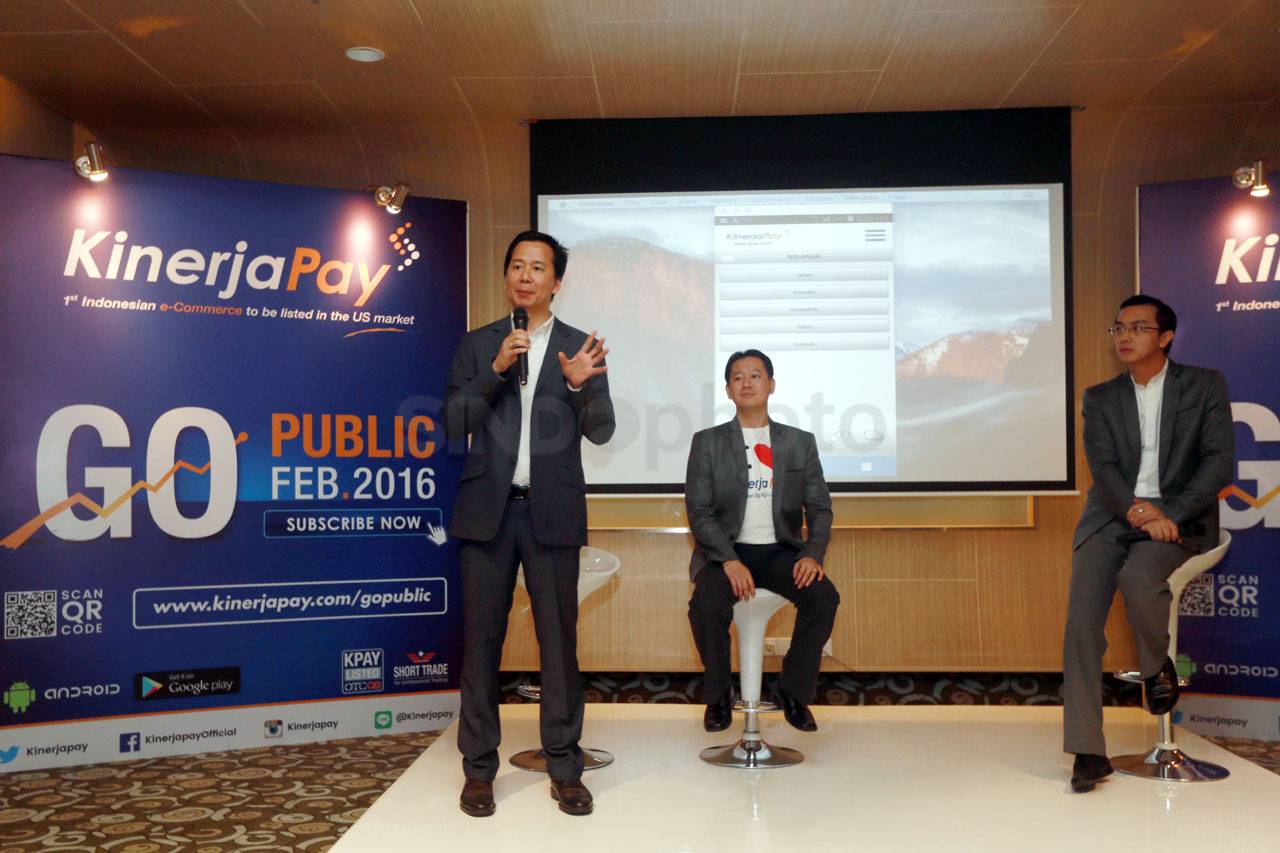
    Customers in Indonesia can now pay online with bitcoin as the country’s leading payment solutions provider KinerjaPay has added the digital currency as one of the payment options on its platform. KinerjaPay, in a recent press release, has announced its partnership with Bitcoin Indonesia to facilitate the Bitcoin option for its merchant partners.

    Apart from offering payment gateway solutions to online merchants, KinerjaPay also operates its own e-commerce portal where people can directly buy goods from the platform itself. By including Bitcoin payments, KinerjaPay has now become the first e-commerce platform in Indonesia to do so. Now customers can convert their bitcoin to Indonesian rupiah on the fly while making a transaction over the payment gateway to pay their bills, transfer money and purchase goods on the internet.

    KinerjaPay and the growth of e-payments in Indonesia

    KinerjaPay is currently one of the fastest growing digital payments platforms in Indonesia. In the past two months, the company has grown by over 300 percent as its user base has increased from around 12000 customers to 50,000. According to the company’s report, this has also led to an increase in the average number of transactions processed per day.

    With over 1500 transactions per day, compared to previous 300 transactions, the company can expect the numbers to grow further with the integration of bitcoin payments. Currently, there are not many online merchants who accept digital currency payments in Indonesia and now the partnership with Bitcoin Indonesia means that the company’s partner merchants will be able to accept bitcoin payments from their customers soon. This will open up a lot of options for bitcoin users in the country.

    In order to make bitcoin payments more popular, KinerjaPay has announced that it will be providing special offers to customers of Bitcoin Indonesia. With these special offers, the company intends to convert at least some of the 150,000 Bitcoin Indonesia customers into theirs as well. In a country where a majority of the population is hesitant to use online payment solutions due to concerns about credit/debit card fraud, KinerjaPay is working hard to build their trust by offering great deals and addressing their concerns. A currency like bitcoin where the user doesn’t have to share his/her bank account or card details will present an attractive option to the masses.

    As a part of its incentives galore, the company is also working on its own branded mining setup, where people can mine digital currency. While speaking about the new developments, the CEO and Chairman of KinerjaPay, Edwin Ng is quoted saying –

    “This partnership enables us to establish relationships with Bitcoin Indonesia’s membership, currently in excess of 150,000 accounts, which we expect will boost the volume of transactions on our platform going forward… We are also working to create a unique bitcoin mining element on our platform, something we believe will be very appealing to our users and will provide KinerjaPay with a real competitive advantage in the e-commerce sector.”

    KinerjaPay is constantly innovating to push the growth of online payments in Indonesia. Partnering with Bitcoin Indonesia is just one among the many which the company intends to follow in order to gain customer confidence and make them change their mind about online payments and digital currency. More developments in the sector can be expected soon.

  • Not The Ordinary: 5 Interesting Online stores You Shouldn’t Miss

    Not The Ordinary: 5 Interesting Online stores You Shouldn’t Miss

    eCommerce in Singapore is in full swing against the tide of fashion brands exiting the local market. Raoul, New Look and Celio, the most recent casualties of the highly competitive retail scene here, signal a shift away from brick-and-mortar stores. In 2015, the net retail space takeup was in decline as stores vacated 86,379 sq ft of retail space.

    In contrast, the size of Singapore’s online retail market has expanded to SGD4.4 billion in 2015, four times the size of the market in 2010. Lower costs of entry, mobile customer base and ease of accessibility are making selling online an attractive option for entrepreneurs, quickly transforming ideas into a manageable businesses.

    1- Personal Fruit Grocer Delivering To Your Doorstep

    shopify1

    Founder of Lazyfruits Ben Phua comes from a family with over 30 years of experience in the retail and wholesale business, and his trained eye for potential markets led him to set up his own premium fresh-fruit store in 2014. Lazyfruits solves an everyday problem of wanting a healthier lifestyle but not knowing how to pick fresh fruits from the market grocer or having the time to do so by delivering your fruits to you next-day and with assured freshness through personal checks.

    Image Credit: EcommerceSOS
    Image Credit: EcommerceSOS

    Their success story of zero-dollar marketing shows how rewarding great customer relationships can be as regular customers bring in more business through word-of-mouth recommendations. From just a humble facebook page in 2013 with posts about their products to a social web of constant referrals and reviews, you can definitely see the spirit of a warm family business beyond their store page.

    2- Top-Quality Handmade Treats For Pets

    shopify3

    Specialized treats galore for dogs at the Barkery brings not only novel dehydrated treats like anchovies and bak kwah into the mouths of our canine companions, but also cakes and dietary supplements for a long and active life for the urban dog! The creativity behind the designs of their novelty cakes make for an extra-special dog birthday, but what is impressive is the reach of their products, which appear on multiple stores like Loyalone, Nekojam, Redmart and more!

    3- Reinstating Mobility And Dignity In Aging

    shopify4

    Founded in 2011, The Golden Concepts have made their own market with active aging and elderly independence in mind. Starting off with only 4 products, their story of expansion and sheer determination is a cultural exchange between how the elderly age in Denmark and in Singapore. Today, their catalogue of over 300 products is a true expression of their commitment to enabling the elderly to live a more mobile lifestyle through the aid of technology in Singapore.

    Image Credit: eCommerceSOS Youtube
    Image Credit: eCommerceSOS Youtube

    Designer canes, colourful massagers and foldable wheelchairs brighten up the idea of aging as The Golden Concepts aims to dignify the need for such aids through sleek and lively product design. Eldercare has been re-imagined by The Golden Concepts, striking off ideas of dependence and liability from the dictionary of aging.

    4- Wholesome Organic Produce With A Digital Twist

    shopify6

    Visiting the farmer’s market is always on the checklist for Singaporeans touring European countries for the first time, and SimplyFresh gives us a taste of what farm-fresh organic produce from Europe is like from the comfort of our homes in Singapore. A wholesale market with a digital twist, SimplyFresh offers a variety of affordable organic vegetables through the box subscription model used by gift companies overseas such as Lootcrate, Birchbox and Helloflo to surprise the creative cook at home. Their selection of vegetables comes from family-run farms, making SimplyFresh’s products all the more wholesome than those found in big box stores.

    5- Staying Fit Without Breaking The Bank

    Image Credit: Hula Hoop Singapore
    Image Credit: Hula Hoop Singapore

    Ideas sometimes come from wants, and May Lim, founder of Hula Hoop Singapore, wanted a solution to combat an unflattering waistline that didn’t involve too much time or money. Her discovery of weighted hoops for exercise proved to her that fitness doesn’t have to be burdensome or time-consuming. Wanting to try out exercise hula hoops, she soon found out that there was a supply gap of exercise hoops in Singapore. This led her to set up Hula Hoop Singapore to provide weighted hoops to Singaporeans, thus spreading her idea of fitness to others.

    She remains as a one-woman team, but collaborates with ME-Retail Solutions to handle her storage and delivery. Her resourcefulness and hardworking attitude is one that should be emulated when it comes to setting up a new online retail store.

    More Than Just Numbers And Convenience

    Image Credit: imagesource
    Image Credit: imagesource

    Passion and personality are the key factors that separate the online retail store from traditional brick-and-mortar retail stores. Most online stores have some form of direct interaction from the founders behind the business to their customers, whether it is in the form of stories,facebook posts or even whatsapp messages, making the customers feel more connected to the business. Knowing the people behind the business also makes the product feel more personable, as the customer can relate with a face associated with the product better than with just a brand or a logo. Relatability transforms online retail stores into stories which people can share, bringing back the familiar feel of the neighborhood retail store.

    shopify9

    If you have a great idea for an online store, why not try your hand at Singtel-Shopify’s Build-A-Business Competition? With a top prize of $20,000 and an advanced eCommerce workshop worth $2,000 for the top 10 winners, Shopify will help you build your online storefront and much more in just a few clicks!

  • eCommerce slows down international retail expansion

    eCommerce slows down international retail expansion

    Retailers are still looking for growth across borders, with Asia a particular interest to many. Nevertheless, high eCommerce investments have slowed down the international expansion, according to real estate consultant CBRE‘s “How Global is the Business of Retail?”‘s report.

    Hong Kong most appealing

    The annual study, in its 9th edition, analyzes 334 international retailers’ activities in 61 countries. In their quest for expansion, retailers target “established” shopping cities, according to the study. In at least 90 % of the cities, at least 1 new retailer appeared in 2015 (compared to 85 % of cities in 2014). 30 % of all markets in the study welcomed at least 10 new retailers.

    The top 20 of most popular cities for new retailers did feature some new cities: Asia is still the most important region in the top 10, with four of the five most attractive markets. Hong Kong was the most appealing market in 2015, with 73 new retail brands. Singapore is second with 63 newcomers, followed by Tokyo (57), Taipei (47), Moscow (40), London (39), Dubai (38), Beijing (37), Bucharest (35) and Doha (29).

    London is still the most international shopping city in the world, followed by Dubai, Shanghai, Hong Kong, Paris and Tokyo.

    Safeguard the right mixture

    CBRE expects international retailers’ attention to shift to growing cities in Africa and Latin America, especially if the economic situation in the East changes. Established markets like Germany, the United Kingdom, France, the United States and China seems to get priority over others, with retailers choosing a certainty over a gamble.

    International expansion is also slowing down slightly, a trend CBRE attributes to the fact many retailers have invested more in eCommerce platforms and multichannel environments. Retailers are looking at their store portfolio more diligently and are safeguarding the right mixture of locations. They will consider new formulas, like airport stores or stores in train stations.

    Shopping centers are also key for retailers looking to enter new markets. These will have to reposition themselves, in order to shift their focus to food, leisure or lifestyle.

  • Five major banks lined up to support Apple Pay launch in Singapore

    Five major banks lined up to support Apple Pay launch in Singapore

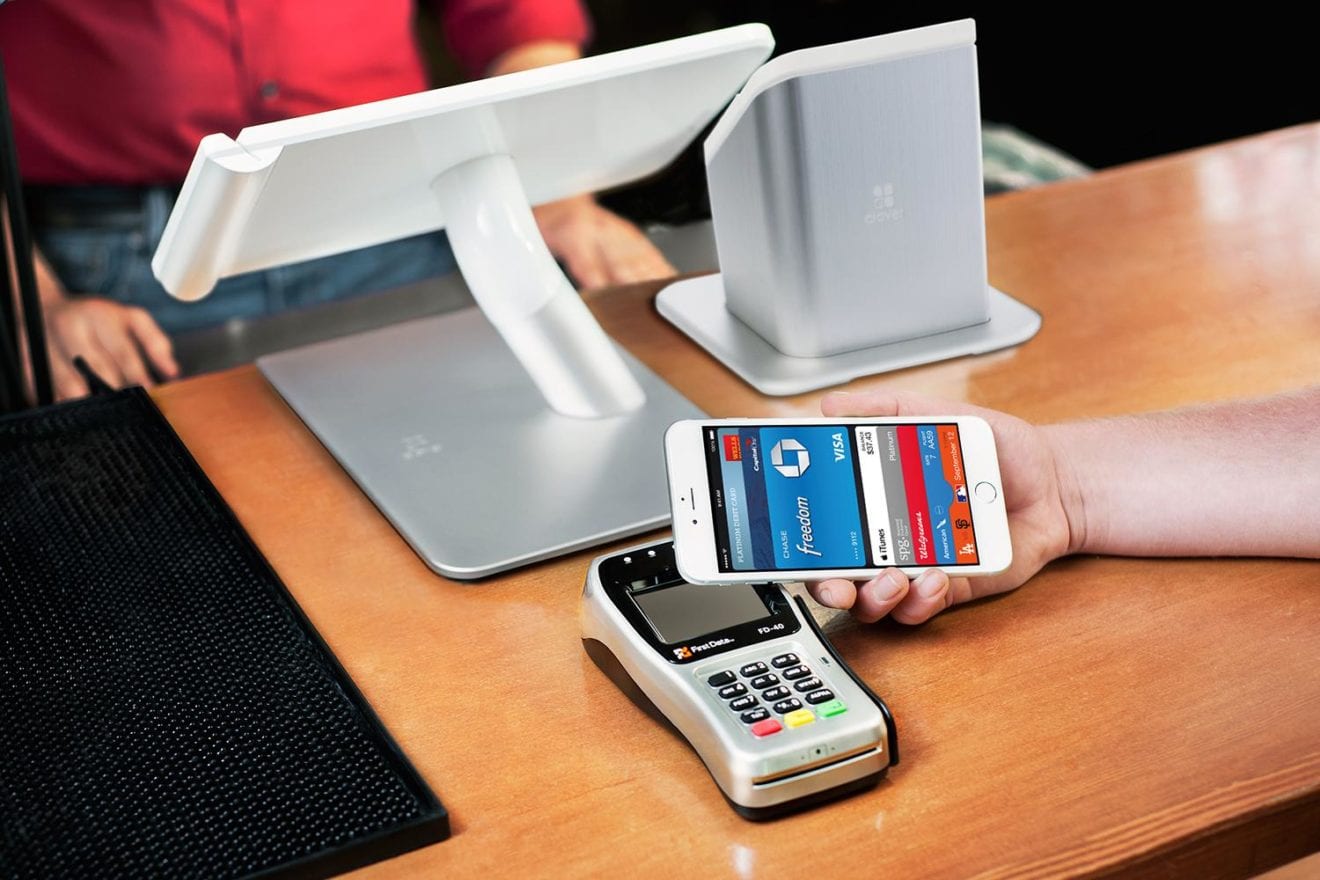
    Five major banks, representing 80% of Visa and MasterCard credit and debit cards issued in Singapore, have signed up to Apple Pay, extending the use of the mobile wallet beyond a limited earlier release for AmEx cardholders.

    MasterCard says it is working with DBS, OCBC, POSB, Standard Chartered and UOB, to enable iPhone and Apple watch users to make purchases in stores equipped with contactless readers.Recent figures from MasterCard indicate that consumers in Singapore are supportive of the idea of adopting contactless payments. Singaporeans are among Asia’s top three adopters of digital wallets and interest has been climbing steadily with one in four likely to use a digital wallet compared to just one in 20 three years ago.

    Apple Pay’s launch comes just a month after Samsung announced plans to roll out its rival mobile wallet with the support of DBS/POSB, OCBC Bank and Standard Chartered. Previously, Apple Pay had only been available for American Express cardholders in Singapore.

  • Lalamove Attracts Thai Investor Confidence

    Lalamove Attracts Thai Investor Confidence

    Hong Kong based on-demand delivery app Lalamove has successfully secured USD 10 million with the help of a new Thai investor, along with the company’s existing investors.

    Thai financial and investment services company, Asia Plus Group Holdings has invested in Lalamove to drive the app delivery company to profitability and to complete Lalamove’s third-round funding within the last 18 months.  The latest cash injection brings Lalamove’s total funding up to USD 30 million.

    The latest round of funding, attracting Thai investor Asia Plus Group Holdings, was led by existing investor MindWorks with participation from other existing investors including China’s Crystal Stream, Taiwan’s AppWorks and Hong Kong’s Aria Group.

    Following Lalamove’ s recent partnership with LINE to launch LINE Man app, the funding success reveals the speed at which Lalamove is growing, as CEO Shing Chow expressed.

    “We began as a small start-up in Hong Kong working out of my apartment and have grown to 21 cities across Asia in the last two years.   When we began, we targeted lots of small businesses, but since then we have developed enterprise solutions to allow companies like Google, IKEA, and now LINE to make their delivery much faster and simpler”, said Chow. 

    Chow continued, “There is so much potential in making delivery more efficient as mobile internet is changing the way mobile assets are utilized.  This funding will be used to accelerate our leadership position and expansion efforts throughout China and other SEA countries.  It’s really a vote of confidence from our existing investors in our model and team.  It is our goal to be profitable this year, and it’s quite rare that you see a startup growing at our speed achieving that in less than three years. We are on track to deliver that.”

    The investment of Asia PlusGroup Holdings is the first time the Thai company has invested in a tech company, demonstrating the company’s belief in Lalamove. 

    Asia Plus Group Holdings’ CEO Dr. Kongkiat Opaswongkarn is positive about the investment. “The fact that we are investing in an app company for the first time really demonstrates how much we believe in the success of Lalamove and the e-logistics market in Thailand and within Southeast Asia. We have followed the expansion, strategy and successes of Lalamove and we like what we see and the great potential for profitability. We are excited to be helping to make that happen and to be part of that success story.”

    Santit Jirawongkraisorn, Co-founder and Managing Director of Lalamove Thailand states that the investment from Asia Plus Group Holdings reveals great confidence in Lalamove. “We are involved in a fast-moving company in an expanding market with huge potential. The recent funding reveals investor confidence in our business plans, including Thai investor confidence. The app, logistics and mobile markets in the region are booming and Lalamove is at the forefront of that drive. Investors like Asia Plus Group Holdings are helping us steer where we want to go in the future, which is ultimately towards profitability.”

    With the largest footprint across Asia, Lalamove is well positioned to capitalize on the growing trend of businesses looking to out-source their delivery needs.  Additionally, with more and more consumers looking to have their items delivered faster, Lalamove’ s average delivery time of 46 minutes is changing the landscape of intra-city delivery in Asia.

    Lalamove can be downloaded for free from Google Play store and Apple Store.

  • Imposium launches cloud-based ad platform

    Imposium launches cloud-based ad platform

    Imposium has launched a platform that provides marketers, advertisers, media planners, buyers, and creative directors to harness personalized, dynamic, contextualized video.

    The eponymous platform is a real-time video ad generator that promises to deliver algorithmic video for commercials and entertainment with a highly personalized, one-to-one viewer experience.

    The platform analyzes existing customer profiles and behavior data then dynamically generates relevant, personalized ads on the fly. These ads are then delivered in the form of a data-driven “video story” that features your product, brand, or narrative using Imposium’s proven backend technology.

    As a cloud-based dynamic platform, Imposium’s delivery of ads works inside browsers or mobile apps, and even on-site for experiential installments. It uses both context and relevance to deliver the most optimized advertising experience possible to audiences.

    These personalized ads allow marketers to hyper-target prospects by things like geography, social profiles, interests, or relevant real life events. These elements allow Imposium to generate highly informed, pre-educated candidates that result in greater conversions and sales.

    “With this type of contextual marketing, we connect brands and storytellers with target demographics like never before,” said Jason Nickel, president of Imposium.

    “In a world dominated by video marketing, Imposium enables online and experiential video campaigns to be very personal, with a format that uses elements made for many, but appears to be produced just for you,” said Nickel.

  • Alibaba suspended from counterfeit-fighting group

    Alibaba suspended from counterfeit-fighting group

    After Alibaba had its IACC membership suspended, founder Jack Ma has cancelled his keynote address to the counterfeit-fighting group’s conference.

    Ma was to have been a drawcard speaker at this week’s two-day annual spring conference of the International AntiCounterfeiting Coalition (IACC) in Orlando, Florida, an event that attracts more than 500 leaders from business, law, security and government.

    His move also follows Alibaba Group and the coalition creating the IACC MarketSafe Expansion Program last week. The original program was created by Alibaba and the IACC in 2013 in recognition of the counterfeiting problem being too pervasive and complex for any single company or industry to fight alone.

    Alibaba last month became the world’s first eCommerce company to join the IACC, the largest non-profit organisation dedicated to combating product counterfeiting and piracy. At least three members of the Washington-based coalition, including board member Tiffany & Co, quit the group in protest and others threatened to leave after Alibaba was admitted as a member. The IACC suspended the new category in which Alibaba had been admitted, effectively terminating its membership.

    Alibaba Group president Michael Evans has stepped in to speak at the conference instead.  Alibaba international corporate communications head Jennifer Kuperman repeated that the company is “firmly committed to the protection of ­intel­lectual property rights and combating counterfeits”.

    On the same day Ma cancelled his conference appearance, he had lunch with US President Barack Obama at the White House, telling reporters afterward that the meeting had been “very good”.

    Among the brands that quit the IACC in protest was Michael Kors, which blasted the organisation for providing “cover to our most dangerous and damaging adversary”.

    Michael Kors was followed out by Gucci.

    Alibaba has meanwhile hired an army of employees to weed out fake brands from its website. It has also called for comprehensive changes at the IACC so it can counter trends and new technology in counterfeiting “instead of being held captive by some members’ interests”.

  • AccuWeather expands reach via Apple TV app

    AccuWeather expands reach via Apple TV app

    AccuWeather launched the all-new AccuWeather app for Apple TV, which further expands AccuWeather’s global reach across platforms by enabling users access across devices and locations.

    Apple TV users can now quickly and easily zoom in and out on radar conditions locally or anywhere in the world.  The enhanced AccuWeather app for Apple TV also provides highly detailed weather forecasts including AccuWeather’s patented MinuteCast minute-by-minute forecast with precipitation type and intensity for the next two hours, as well as start and end times, hyper-localized by Apple TV location.

    Additional new features include AccuWeather’s Day by Day 15-Day Forecast, expanded view of hourly weather forecasts, and AccuWeather RealFeel Temperature.

    The app offers an expansive variety of weather HD video content available from any news and information provider.

    “AccuWeather continues to demonstrate its commitment to an expansive global digital strategy with this application,” said Steve Smith, President of Digital Media for AccuWeather.  “Viewers can rely on AccuWeather’s personalized, exclusive weather experience on Apple TV, in addition to the AccuWeather iOS app, for weather information and updates with Superior Accuracy.”

    AccuWeather is the only app in the weather category to offer expanded language support on Apple TV, meeting localization needs with more than 100 languages and dialects. The app also provides real-time global severe weather alerts and warnings for Apple TV users.

  • Tencent Holdings revenues grow 43 per cent

    Tencent Holdings revenues grow 43 per cent

    First-quarter Tencent Holdings revenues grew 43 per cent to RMB31,995 million (US$4893 million).

    The Chinese company’s subsidiaries provide media, entertainment, internet and mobile phone value-added services and online advertising services in Asia.

    Revenues from its value-added service increased by 34 per cent to RMB24,964 million, while its online games business achieved 28 per cent growth, primarily driven by new smartphone games and key PC titles.

    Tencent’s social networks attracted a 48 per cent rise in revenue to RMB7879 million, mainly through the growth of virtual item sales and also from digital content subscription services and QQ membership subscription services.

    Revenues from online advertising business ballooned 73 per cent to RMB4701 million, while performance-based advertising, mainly driven by its mobile social and media platforms, had 90 per cent growth to RMB2532 million.

    Brand display advertising revenues grew by 56 per cent to RMB2169 million, reflecting higher revenue contributions from Tencent’s mobile media platforms such as Tencent News and Tencent Video.

    Mobile QQ usage benefited from enhanced features in areas such as video messaging and virtual gift exchanging. User activity in Interest Tribes, the interest-based communities embedded in QQ, benefited from enriched content discovery features, such as targeted feed-displays.

    Tencent says the volume of commercial payments via Weixin Pay, such as eCommerce payments and O2O service transactions, grew significantly, while C2C transactions also increased in volume.

  • Online shopping in China accounts for 13% of retail sales

    Online shopping in China accounts for 13% of retail sales

    China’s online shopping market expanded 36 per cent last year to CNY3.8 trillion ($586 billion) to account for 12.6 per cent of total retail sales of consumer goods.

    Mobile revenue of the country’s top two online retailers accounted for 72 per cent of total online turnover.online shopping

    Business-to-consumer (B2C) spending represented 52 per cent of the total online gross merchandising volume (GMV) in 2015 (up from 45.2 per cent in 2014), which is the first time it had a larger share of online shopping than C2C, according to Beijing-based iResearch. The B2C market grew 56.6 per cent last year, while the C2C market increased by 19.5 per cent.

    As the market matures, iResearch expects growth to fall to 25 per cent next year and 20 per cent in 2018 when GMV approaches CNY7.5 trillion. Next year the B2C segment is forecast to account for 64 per cent of total online retail shopping.


    Alibaba’s Tmall maintained its leading role in the B2C market (see chart, click to enlarge) with a 58 per cent share, followed by JD.com (23 per cent) and Suning (nearly 4 per cent).

    Alibaba’s retail marketplace revenue increased 42 per cent in Q1 to CNY18.3 billion, while mobile revenue surged 149 per cent to CNY13.1 billion, which represented nearly 72 per cent of total retail turnover, according to China Internet Watch.
    China Q1 e-commerce
    JD.com’s GMV for Q1 jumped 55 per cent to CNY129 billion, with mobile accounting for 72 per cent of the total.

  • JCB and Nets sign merchant acquiring deal in Singapore

    JCB and Nets sign merchant acquiring deal in Singapore

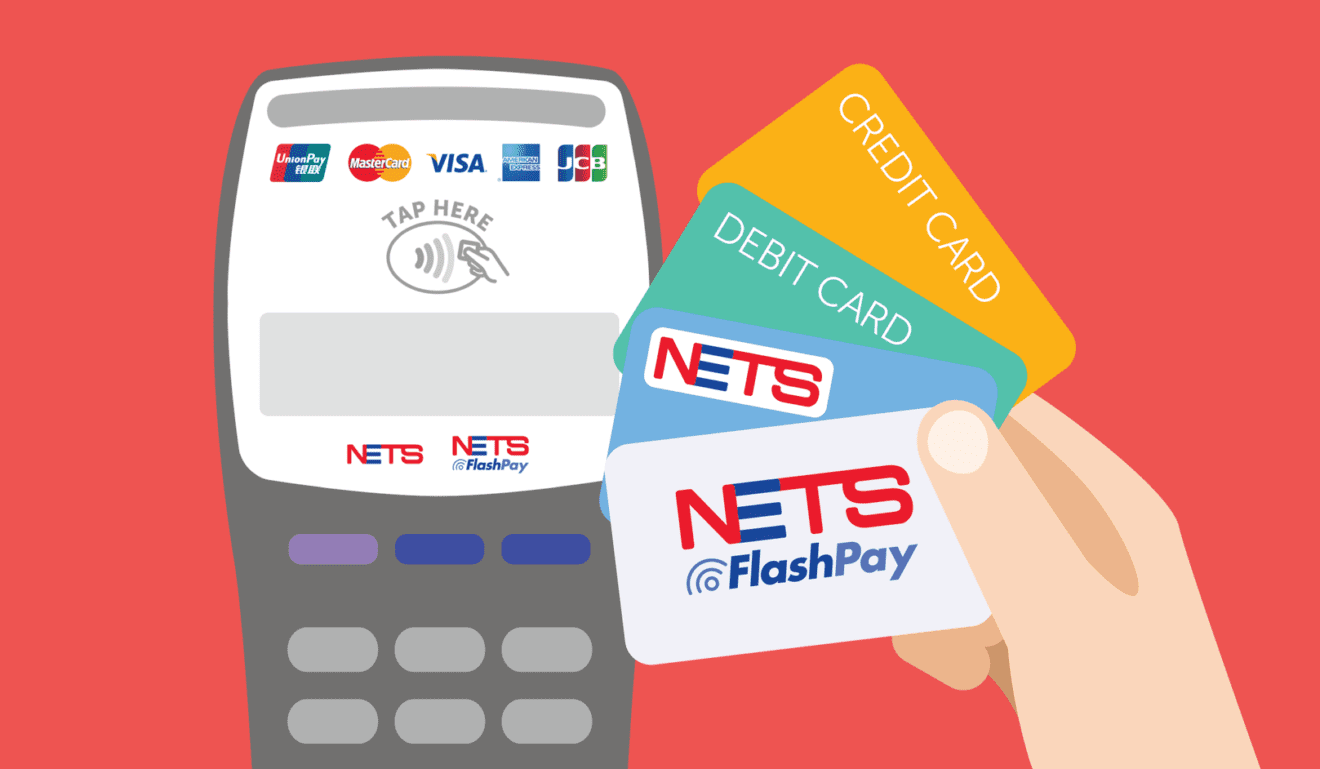
    JCB International Co., Ltd, (JCBI) the international operations subsidiary of JCB Co., Ltd., and Network For Electronic Transfers (Singapore) Pte Ltd (NETS) today announced a new partnership to accept JCB cards in Singapore.

    Receiving an average of 15 million visitors annually and with Singapore Changi Airport operating as a regional aviation hub for over 100 airlines that fly to over 300 cities, Singapore is undoubtedly a key destination for global travellers. In particular, there has been a notable increase in tourism arrivals from Asia and India due to the greater affordability of air travel.As JCBI builds its momentum in developing its issuing business in Asia, more emphasis will be placed on increasing its presence in Singapore through this strategic partnership with NETS. NETS is Singapore’s leading payment solutions provider and the largest acquirer with a merchant network of 91,000 acceptance points.

    This latest collaboration between JCBI and NETS will facilitate local and global issued JCB cards with more acceptance points for card usage, thereby aligning with the Singapore government’s vision of a Smart Financial Centre where the usage of cash and cheques are reduced.

    Jeffrey Goh, CEO of NETS said: “This strategic partnership aligns both NETS and JCBI’s interests to deliver greater benefits to Singapore merchants. With our latest offering, Unified POS, which is a single terminal that accepts different types of payments, our merchants will be able to offer more payment options as they tap on a sizeable pool of JCB cardmembers and the significant number of Japanese tourists in Singapore.”

    Vincent Ling, Managing Director of JCB International Asia Pacific Pte Ltd commented: “As Singapore continues to be a key tourist destination in Asia Pacific, a stronger JCB card acceptance will bring about enhanced conveniences to JCB cardmembers. JCBI is pleased to collaborate with NETS and we look forward to working closely together to serve our cardmembers, merchants and business partners better.”

  • 3 Things Investors Should Know About Singapore Post Limited Now

    3 Things Investors Should Know About Singapore Post Limited Now

    Singapore Post Limited is a postal and logistics services company. Its business is currently organised into three major segments: Mail, Logistics, and Retail & eCommerce.

    Here are three things about the company investors may want to know:

    1. Latest results

    Singapore Post had released its fourth-quarter and full-year results just last week. For the fiscal year ended 31 March 2016 (fiscal 2016), the company’s revenue had jumped by 25% to S$1.15 billion while the profit attributable to shareholders had grown by 58% to S$249 million.

    Singapore Post’s top-line had benefitted from new acquisitions and organic growth in its Logistics and Retail & eCommerce segments. The even faster profit growth meanwhile, had come on the back of one-off divestment gains. If that were stripped away, the company’s underlying net profit in fiscal 2016 would have been 4.1% lower than in the previous year.

    It’s worth noting too that Singapore Post’s cash flow performance had deteriorated from fiscal 2015, with both operating cash flow and free cash flow falling.

    2. Dividend history

    Singapore Post has had a long history of paying an annual dividend, which goes back all the way to fiscal 2003, the year it got listed. In fiscal 2003, Singapore Post paid a dividend of S$0.042 per share and has been paying an annual dividend ever since.

    The company’s dividend in fiscal 2016 is S$0.07 per share, which gives it a yield of 4.6% at its current share price of S$1.535.

    Singapore Post total dividend per share
    Source: Singapore Post

    3. Valuation

    Singapore Post is currently trading at a price-to-earnings ratio of 14. For perspective, the company’s valuation had reached a peak of 31 in the last five years.  In addition, the PE of 14 is also near the lower end of Singapore Post’s valuation range over the last five years.

  • Baidu Wallet launches Southeast Asia foray

    Baidu Wallet launches Southeast Asia foray

    China’s Baidu Wallet has launched its mobile payment service in Thailand, on the eve of the traditional Thai new-year celebration Songkran.

    Part of the Baidu search-engine group, the digital payment service is now connected to more than 400 merchants in four Thai cities – Bangkok, Chiang Mai, Pattaya and Phuket. It covers restaurants, shopping malls and spas.

    Baidu Wallet is also set to launch in South Korea and Japan, with plans to also expand into Hong Kong, Macau and Taiwan.

    Baidu Wallet’s smartphone app means Chinese travellers can avoid the bother of exchanging currency. They need only scan the QR codes of partnered merchants and enter the amount of Thai baht they need. The app converts the figure to yuan based on real-time exchange rates.

    China has the highest adoption rate in the world for technology-enabled payment systems, according to a new survey by market data company Nielsen. With information from 13,000 respondents across 26 countries, the survey shows that 86 per cent of Chinese respondents paid for online purchases over a six-month period, while the global average rate was half that at 43 per cent.

    A report by consultancy iResearch shows that China’s mobile payment transactions reached $373.2 billion in the third quarter of last year, a 64 per cent increase year-on-year.

    China has been the biggest source of international tourists since 2012, says the Tourism Authority of Thailand. There were 7.9 million Chinese tourists last year – 27 per cent of total international arrivals.

    Chinese travellers spent 6400 baht (US$180) a day each on average, with most tourists spending 5690 baht.

    A report from Forrester Research says the rapid growth of smartphones is driving an eCommerce boom across Southeast Asia, the world’s third-largest digital marketplace after China and India. This boom is being paralleled by strong payment growth via mobile. Companies are boosting their investments in online and mobile platforms such as Carousell in Singapore and Tarad in Thailand, where 35 per cent of purchases are made via a mobile device.

    Alipay, from Alibaba, has introduced an online shopping service Thailand duty-free shop King Power, and the WeChat app payment option launched in Thailand at the beginning of this year.

  • Smartphone startup Letv plans 1500 stores

    Smartphone startup Letv plans 1500 stores

    Chinese mobile phone retailer D.Phone is expanding its offerings with a new CNY2 billion (US$305.5 million) deal with online video provider and newly minted smartphone company Letv.

    D.Phone will add up to 1500 Letv ecosystem experience stores into its retail outlets.

    The deal covers Letv’s second-generation super phones, mobile TV services, membership promotions, ecosystem experience stores and customer service.

    Under the deal, D.Phone will this year sell one million Letv super phones, 200,000 Letv super TVs and 200,000 Letv memberships.  From now until the end of next month, the two parties will jointly host the offline debut of Letv’s second-generation super phones.

    Letv, which runs a streaming video website, has officially rolled out its second-generation super phones, ranging in price from CNY1099 to CNY2499.

    Letv mobile president Feng Xing says the strategic co-operation represents an important expansion of Letv’s offline retail channel. Letv has previously signed deals with China Unicom and JD.com.

  • A $5 Billion South Korean Startup Is Beating Amazon At Its Own Game

    A $5 Billion South Korean Startup Is Beating Amazon At Its Own Game

     Jeff Bezos has no interest in bringing Amazon to the 51 million people in South Korea, and Bon Kim is the reason for that. Kim is the CEO of Coupang, the fastest growing e-commerce site of all time in South Korea. The startup, founded in 2010, grossed nearly $300 million in 2014 and is expected to show it quadrupled that amount in 2015, when those numbers are available. Last summer, Coupang raised $1.3 billion in funding. Kim has a 19% stake in the company, which gives him a net worth of $950 million.

    Kim and Coupang have mastered something Jeff Bezos and Amazon are still trying to figure out. Coupang offers on-demand e-commerce with same-day delivery. Amazon is trying to offer this to its bajillion customers, but so far, hasn’t been able to make the margins work. It is either too expensive for the consumer or for Amazon and often for both. Remember, Coupang was founded in 2010, the company has managed to do this in remarkably less time in business than Amazon.

    Bon Kim didn’t set out to become the e-commerce king of South Korea. He was born in Seoul and from the age of seven, he spent much of his life abroad. At 13, he went to boarding school in Massachusetts. He was a varsity athlete in track and wrestling. When it came time for college, Kim stayed local and went to Harvard, where he started a student magazine called the Current. Newsweek took the magazine over in 2001, a year after Kim graduated. He also interned at the New Republic.

    DENIS CHARLET/AFP/Getty Images

    Kim enrolled in Harvard Business School in 2010, but dropped out a year later. He had been bitten by the e-commerce bug and wanted to start a business in Seoul. At the time, Groupon was a hot commodity and Kim set his sights on the daily deal model. Coupang became the 30th Groupon clone in South Korea. Kim registered as a limited liability corporation in the U.S. to make it easier to raise money from American investors. He spent nearly a million on advertising. However, he soon learned that daily deals are a lousy business model. Customer retention is nearly nil.

    By the summer of 2013, Kim had transformed Coupang into an e-Bay style site while experimenting with true e-commerce. Two years later, Coupang had $400 million in capital from Silicon Valley behemoths Sequoia Capital and BlackRock and had made a big commitment to its own inventory. Kim made a more than billion dollar investment in logistics infrastructure.

    Remember, Kim spent many years in the U.S. and Coupang’s structure reflects that. The company’s head of marketing is a former Zappos employee whom Kim convinced to move to Seoul with his family last year. Kim wanted Coupang to have a Western perspective to e-commerce. Coupang has more than 200 non-Koreans on its staff, including former Amazon executives, consultants, and engineers fresh from Silicon Valley. Kim hired a battalion of translators to act as translators for its American employees and as mediators for its Korean employees.

    In just the past two years, Coupang has built a network of customized delivery truck, warehouses controlled by an algorithm that allows it to be the fastest delivery in Korea. The company’s algorithms allow it to inform employees on which stock to move where, so that the most frequently purchased items are closest to the people buying them. Deliveries are made by 3,600 “Coupangmen,” who hand out balloons and candy to kids and text customers pictures of their boxes when delivered, if they are not home to receive them. The average Coupang driver delivers 120 packages each during a 10-hour shift. In South Korea, other retail establishments take two to three days to deliver their goods. Coupang is blowing the competition completely out of the water by delivering in a day or less. Customers can even cancel a shipment already on its way. Oh, and by the way, they don’t charge for delivery.

    South Korea has the second largest GDP in Asia. Almost everyone is on a smartphone and a high-speed network. Half of the country’s population lives in and around Seoul, making it easier for Coupang to deliver on their impressive promise of same day delivery. In South Korea, 15 cents of every retail dollar is spent online. In the U.S. that figure is nine cents.

    Bon Kim has become the e-commerce king of Korea and beaten Jeff Bezos at his own game. Amazon currently operates in 13 countries. Alibaba dominates China and Rakuten is the leader in Japan. Kim is content to keep his business running in Korea alone. At least for now.