Category: E-Tailing

Retail News Asia is committed to providing both local and global retailers with the latest E-Commerce & Etail news throughout the Asian market. This on a daily base.

  • Sevenfold growth forecast for Indian eCommerce

    Sevenfold growth forecast for Indian eCommerce

    The Indian eCommerce industry is expected to burgeon in the next four years, according to a report by the Confederation of Indian Industry (CII) and Deloitte Touche Tohmatsu India.

    While the business to business (B2B) segment is expected to more than double from US$300 billion last year to $700 billion in 2020, the business to consumer (B2C) segment will grow more than seven times from $13.6 billion to $101.9 billion, says the report.

    It will be supported by a spurt in number of online shoppers, from 20 million in 2013 to 220 million in 2020, as well as a three-fold increase in average spending by online shoppers, from $147 in 2013 to $464.

    However, there is a price: combined losses for eCommerce companies such as Flipkart, Snapdeal (Jasper Infotech) and PayTM (One97 Communications) last year stood at $557 million, says the report. It notes that most B2C eCommerce companies globally, even after five to 20 years in business, have low profitability.

    “This trend, however, does not hold true for B2B eCommerce companies, which are profitable with greater GMV values.” The report attributes this to lack of heavy discounting, greater emphasis on quality rather than price, and higher volumes of purchases.

    A spurt in internet penetration, especially via mobile devices, is expected to propel eCommerce sales in India, with the report saying the proportion of 3G users among internet users has improved substantially since 2013, when about 28 per cent of the 150 million mobile internet users in India had 3G connections. This year, about 59 per cent of the estimated 371 million mobile internet users in India are expected to have 3G connections.

    According to the report, India had the highest share of mobile based eCommerce sales (41 per cent), ahead of China (37 per cent) and the US (15 per cent). The report also estimates a significant growth in the digital payments segment, from $20 billion in 2014 to $115 billion in 2018, though 60 per cent of transactions in India currently use cash on delivery.

    While payments in instalments and digital wallets account for less than 2 per cent of overall transactions, they will grow faster than plastic money, says the report. eCommerce firms such as Flipkart, Snapdeal and Amazon India are seeking to strengthen their payment offerings.

    Snapdeal bought utility payment service provider FreeCharge for $400 million last year, in the biggest domestic consumer internet deal. Amazon acquired Emvantage Payments for an undisclosed amount in February, and market leader Flipkart acquired payment services start-up FX Mart, which holds a prepaid wallet licence, in September last year. In March, the company launched mobile wallet Flipkart Money, 18 months after shutting down its payment gateway PayZippy.
  • Singapore ponders Paym-style payments platform

    Singapore ponders Paym-style payments platform

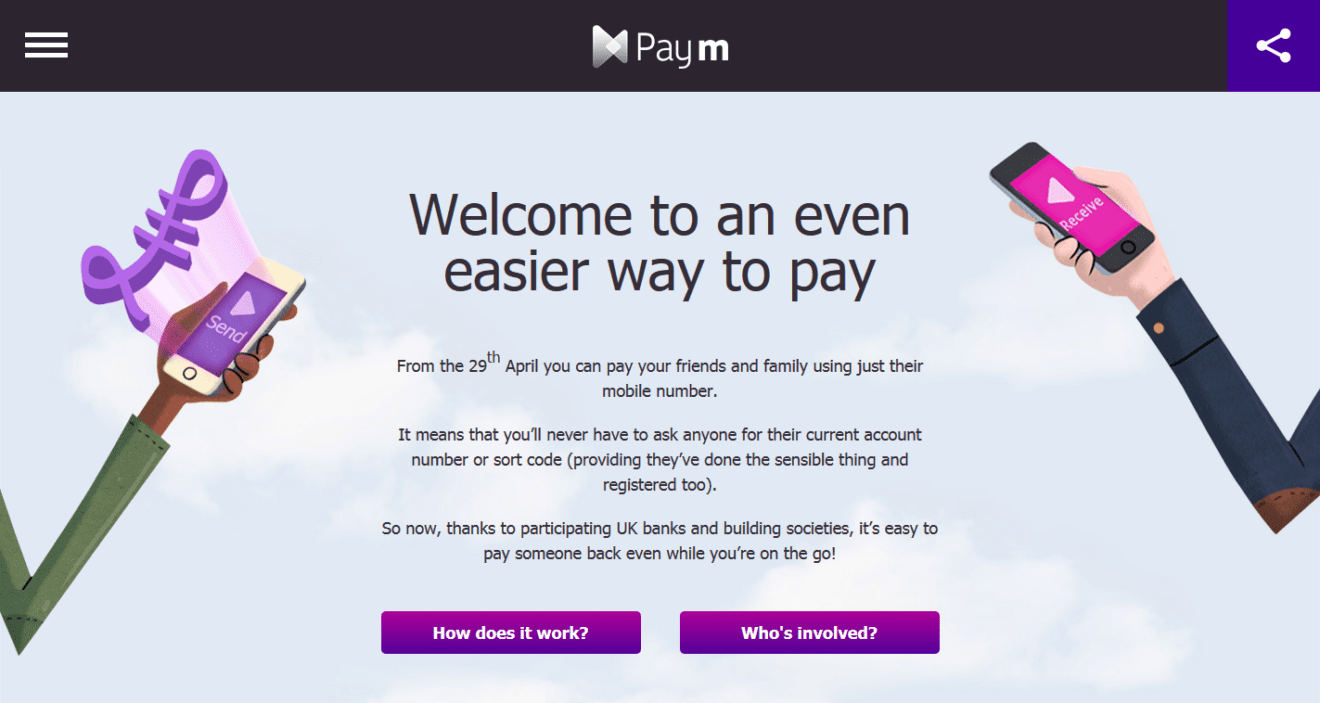
    Singapore is looking into the creation of a payments system similar to the UK’s Paym that would let someone send money using only the recipient’s mobile number, email address or social network account.

    The all-in-one addressing system – which would mean senders would not need a recipient’s bank account details – is being explored by banks and the Monetary Authority of Singapore (MAS), the organisation’s managing director, Ravi Menon, revealed during a panel discussion.Menon says that the move would fit in with MAS’s desire to boost interoperability within the industry as a way to promote innovation, arguing that common standards for payments systems would result in seamless transactions across a range of platforms.

    With this in mind, the country is also working towards a unified POS terminal that can read all kinds of cards at retail and hospitality outlets.

    Menon’s remarks came during a discussion on how Singapore can harness the power, and manage the risks, of fintech. The island has been aggressively pushing itself as a major global hub for the fast growing industry – last week it opened a dedicated office designed to help startups set up in the country as a part of a S$225 million, five year plan to build a vibrant ecosystem for innovation.

    Menon says that fintech is fundamentally changing the financial industry, and may well be its best hope for the future. He told the audience that MAS’s job as the country’s regulator is to adopt a risk-based approach to fintech innovation, not front-running but running alongside.

    The watchdog does this by actively engaging with fintech firms and allowing them to experiment with new technologies in a safe environment. This will be boosted soon by the introduction of a “regulatory sandbox” where firms can experiment and launch products or services within controlled boundaries.

    The all-in-one P2P payments platform and unified POS system are also part of MAS’s plan to promote innovation, this time by enabling interoperability. Another aspect of this strategy will see the publication of open APIs, with MAS working with FIs on sharing aggregated data to improve market and risk analyses, forecasts and projections.

  • On Pedder takes first step into eCommerce

    On Pedder takes first step into eCommerce

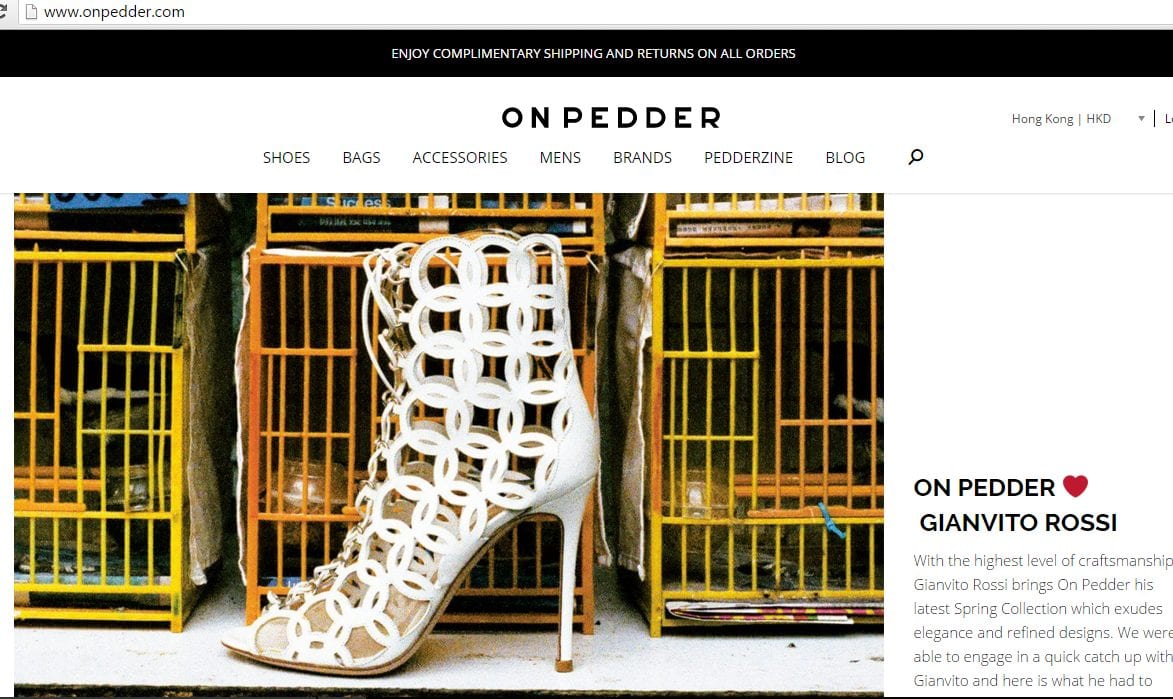
    Hong Kong shoe retailer On Pedder has launched an eCommerce site featuring a curated mix of luxury footwear.

    It is centered around the retailer’s Pedderzine, a seasonal art-fashion hybrid magazine distributed to customers.

    Complimentary shipping is being offered by the site, with returns possible, for customers in Hong Kong, Japan, Macau, Philippines, Singapore, South Korea, Taiwan and Vietnam, as well as Australia and New Zealand.

    Brands include 3.1 Phillip Lim, Aquazzura, Chloe, Common Projects, Gianvito Rossi, Giuseppe Zanotti Design, N⁰21 , Neil Barrett, Nicholas Kirkwood, Paul Andrew, Rene Caovilla, Sophia Webster and Valentino.

    More brands are showcased under the “On Pedder Love” section of the site, along with exclusive product.

    On Pedder collaborated with Hong Kong photography and video artist Luke Casey for Pedderzine this season, which focuses on Hong Kong and Kowloon’s roots and was shot on the streets of Jordan and Sham Shui Po and Jordan, including karaoke bars, back alleys, markets and brothels.

    “We wanted to create an online destination for our customers to enjoy the energy and aesthetics of our in-store curation,” says Pedder Group president Peter Harris.

  • Central Group to buy Zalora’s businesses in Thailand and Vietnam

    Central Group to buy Zalora’s businesses in Thailand and Vietnam

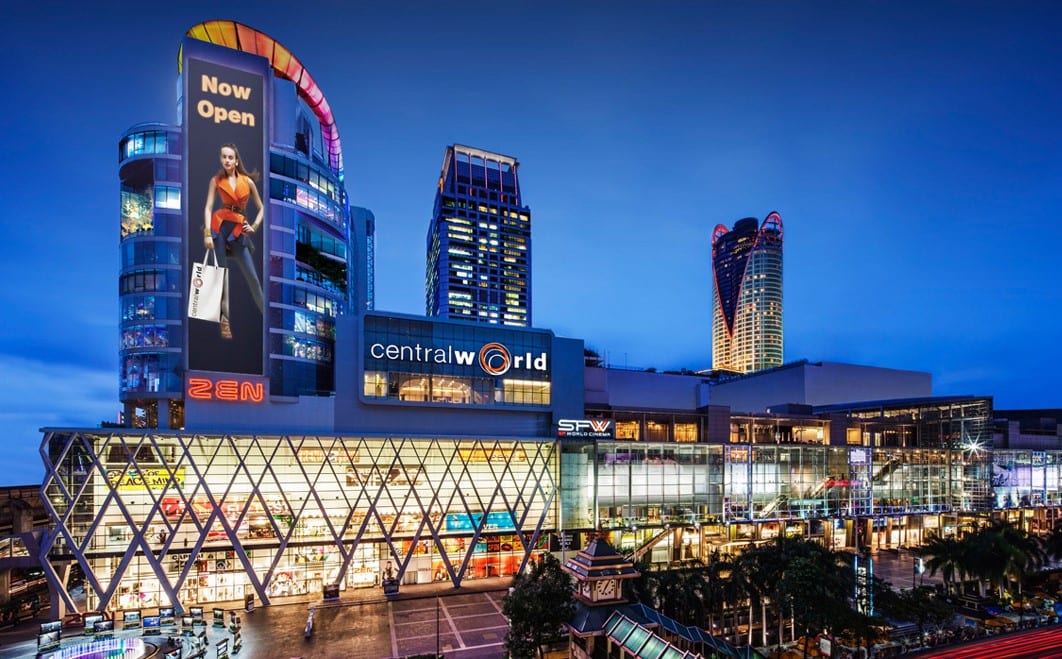
    Central Group is set to buy Zalora’s businesses in Thailand and Vietnam, according to reports.

    Zalora is a fashion-focused e-commerce site.

    Central Group’s assets, which include multiple shopping malls and national department store chains, are worth close to $10 billion and it employs some 70,000 people.

    The deal to buy the country businesses from Zalora will cost Central Group around $10 million each, reported TechCrunch.

    Sources close to Zalora suggest that the company is selling the businesses in an effort to streamline its costs and move towards becoming profitable.

    Even though Zalora was only started four years ago, the company claims 10 million people have downloaded its mobile apps and the company makes 1.4 million transactions per year across 10 countries in Asia-Pacific.

  • Singapore Pavilion on Alibaba’s Tmall helps access China market

    Singapore Pavilion on Alibaba’s Tmall helps access China market

    Local food manufacturers looking to expand into China will now have an easier time with the help of a new initiative by IE Singapore and the Singapore Food Manufacturers’ Association (SFMA).

    Dubbed “Singapore Pavilion”, it is an online store on Alibaba’s Tmall, a major Chinese website for business-to-consumer online retail.

    The initiative will “provide companies with a plug-and-play model, so they can export their products to China more quickly and easily”, said Ms Liane Ong, IE Singapore’s China group director.

    The trade agency said it sees e-commerce as an “important retail channel for Singapore companies to access the huge China market”.

    Ms Ong added that the Singapore brand commands a premium in China, amid rising affluence of Chinese consumers and food safety concerns.

    Despite this, companies wanting to export to China have always faced obstacles, with issues such as product registration and marketing to consumers being key problems, according to Mr Chong Ka Wee, chief executive of Kino Biotech, which owns proprietary brand Kinohimitsu.

    Kino Biotech is one of 45 firms to have signed up under Singapore Pavilion to sell its products and that has helped it save time and cut costs.

    “Normally, for product registration, you would have to go through processes like changing your labelling to adhere to the local regulations,” Mr Chong said. “All these processes can take up to 15 months.

    “Selling through a cross-border e-commerce platform, the product registration process can be simplified and shortened to just one month. The best part is that you can use the existing product labelling and original packaging.”

    Mr Thomas Pek, president of SFMA, said that under the initiative, companies would have to pay an initial deposit of $10,000, and then just $300 a month.

    A single company trying to get online space in Tmall would usually have to pay around $300,000 per year.

    For Mr Chong, an added benefit of joining Singapore Pavilion is getting to raise awareness of the firm’s products as part of a stronger Singapore brand along with those in the industry, and the feedback from Chinese consumers will be valuable in deciding how to expand in China.

    “We may be competitors in Singapore but we can form an alliance overseas as part of the Singapore brand and capture market share together.”

  • Tesco Lotus speeds expansion

    Tesco Lotus speeds expansion

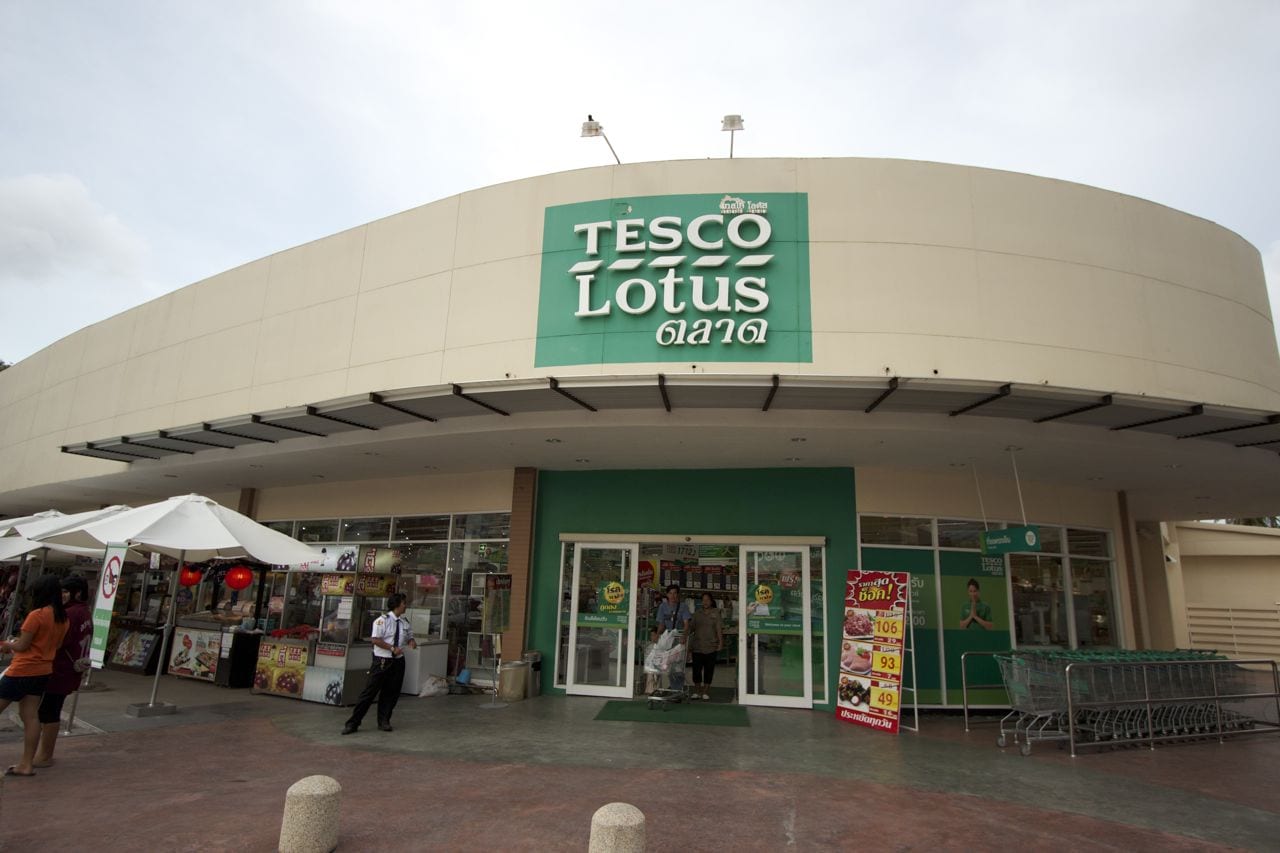
    Thai retail chain Tesco Lotus plans to continue expanding with at least 65 new stores this year, despite the market being sluggish.

    “We saw a small improvement in the market in terms of local consumption, but we are optimistic the Thai market is still promising as it is the second-largest unit outside the UK,” CEO John Christie said in an interview with The Nation.

    He says the company will also work on enhancing the customer shopping experience and improving online outlets.

    Tesco Lotus opened 65 stores last year, and is looking for opportunity in medium-size provinces new to the brand. Smaller stores will be opened in Bangkok, while large ones will be opened in the provinces, and the company aims to employ at least 3000 more staff.

    Eighteen stores will be renovated, aiming to enhance the shopping experience particularly for children and family groups. The company hopes it will have more visitors than last year’s 15 million, which was 2 million more than the previous year.

    Also, Tesco Lotus plans to continue developing its online shopping platform with its partners this year.

    “We are now offering more than 8000 non-food products via Lazada,” said Christie. These include electronic devices, and beauty and healthcare products.

    And in co-operation with government agencies and local communities, the company plans to launch 22 Pracha Rath projects across Thailand so it can buy more farm products. It is planning 150,000 tonnes in purchases this year, up from 100,000 tonnes last year.

    There are 12 communities in the Pracha Rath scheme, which aims to promote the development of innovative products, human resources, and research and development in 10 business sectors, including logistics, food processing and innovative agriculture.

  • Ribbit.me Rebrands as Loyyal

    Ribbit.me Rebrands as Loyyal

    Ribbit.me announces that it has renamed as Loyyal, in order to better reflect the underlying industry and the Company’s business objectives.

    Loyyal has built the first universal loyalty and rewards platform using distributed ledger and smart contract technology, introducing frictionless interoperability to the currently fragmented industry.

    “As our company has evolved in such a short period of time, we feel that the name Loyyal better represents who we are and what we do,” said Greg Simon, Loyyal CEO and co-founder.

    “We seek to increase loyalty program operator’s ability to dynamically incentivize each customer uniquely by removing technological barriers, so a twist on the word loyal is a perfect way to reinforce our message,” said Sean Dennis, COO and co-founder.

  • Ninja Van gets $30m capital boost

    Ninja Van gets $30m capital boost

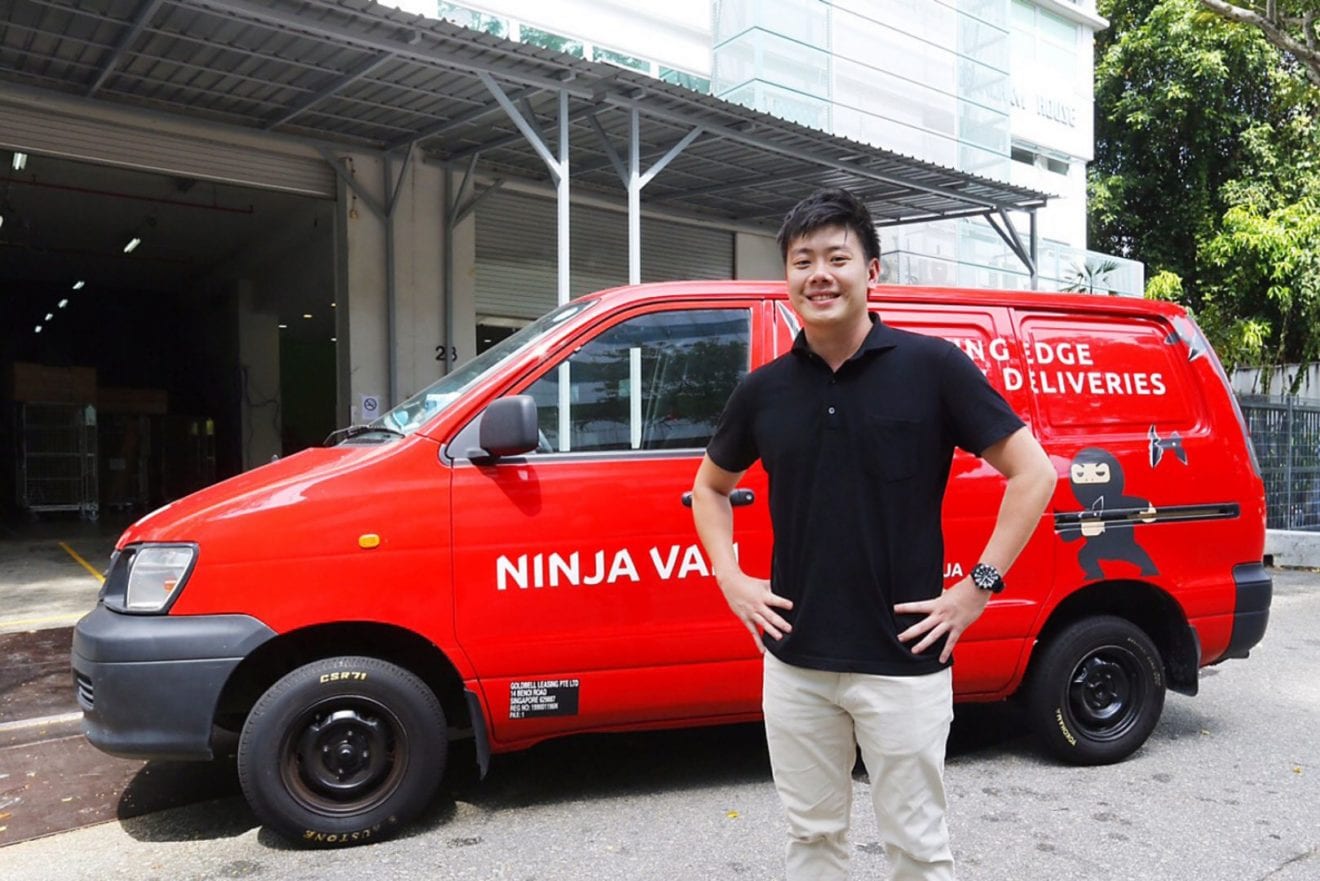
    Dubai-based Abraaj Group has led a US$30-million Series B round of fundraising for Singapore’s Ninja Logistics (Ninja Van), a technology-enabled last-mile logistics provider with a presence in Indonesia, Malaysia and Singapore, and just lately Vietnam.

    Ninja Van plans to use the fresh capital to roll out in the Philippines and Thailand this year, and to also upgrade its systems and triple its customer service headcount.

    Others in the funding round were existing investor Monk’s Hill Ventures joined by B Capital Group and YJ Capital. In its Series A in March last year, the startup raised US$2.5 million. This latest transaction is subject to customary closing conditions and is expected to wrap by the end of the month, according to Abraaj.

    Ninja Van uses algorithms to solve complex logistics issues and optimise delivery routes. It also forges partnerships with complementary transport fleets through a capacity-sharing model.

    While starting out as a logistics provider for eCommerce businesses, Ninja Van now supports more than 3000 clients across a range of industries, delivering about 15,000 parcels a day.

    “This vote of confidence from Abraaj and our other new investors will allow us to expand beyond tier-one cities in Southeast Asia,” says Ninja Van cofounder/CEO Lai Chang Wen.

    Abraaj is an investment firm specialising in private-equity investments in the Middle East, North Africa and South Asia. This is its 28th investment into Southeast Asia.

  • Apple Pay Singapore launched

    Apple Pay Singapore launched

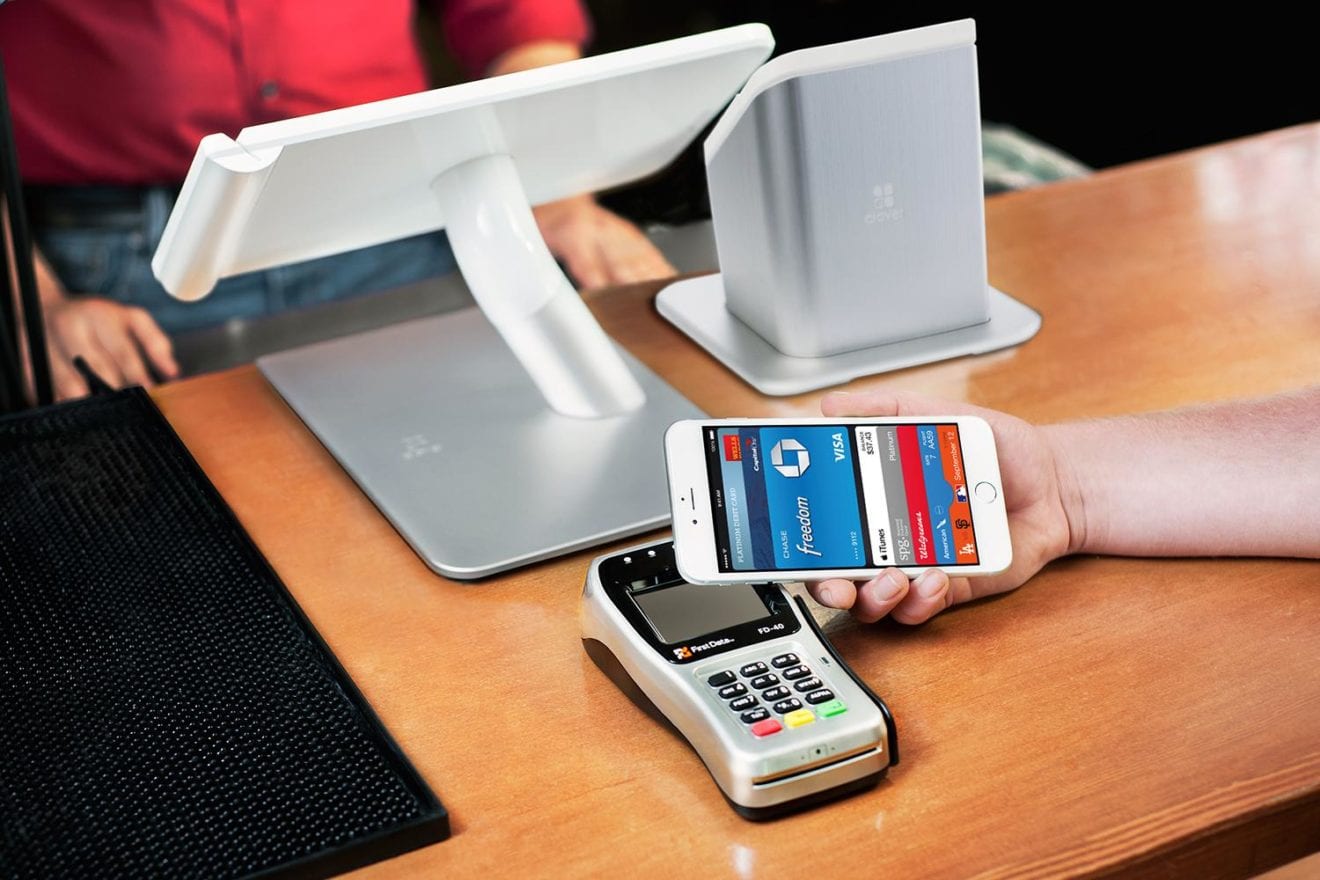
    Apple Pay Singapore is now live – the second Asian market in which the tech giant’s new payments system is now accepted.

    The cardless, cashless payment system debuted in China last month and more Asian markets are expected to follow after negotiations are concluded with partnering banks and card systems.

    Apple Pay allows shoppers to buy goods using their iPhone, iPad or Apple Watch – but in Singapore only American Express card holders can use the facility, for now.

    Apple pay

    “Credit and debit cards from Singapore’s most popular banks, including DBS, UOB and Standard Chartered will work with Apple Pay in the coming months,” Apple Singapore said in a statement.

    But Forrester researcher Zhi Ying Ng believes consumer adoption of Apple Pay will be slower than expected in Singapore.

    “The use of contactless card payments is increasing in Singapore, and consumers are comfortable with using it. While there are still significant barriers to consumer adoption of digital wallets today, it will take time before these wallets become more convenient for customers and as customers realise the benefits and additional value that digital wallets bring,” he said in a statement.

    Apple Pay is also now accepted in the US, Canada, Australia and the UK.

  • Waitrose China launches via Alibaba

    Waitrose China launches via Alibaba

    Upmarket British grocery chain Waitrose has broken new ground in a deal with online marketplace Alibaba, opening the doors for it to export to China.

    Waitrose China will offer products and ranges to buyers across the mainland exclusively through theRoyal Mail Store on Tmall Global, Alibaba Group’s online marketplace. Waitrose arranged the deal through Avenue51, which runs Royal Mail’s store on the platform.

    Royal Mail promotes British companies, and Waitrose will be one of its highest-profile brands with a dedicated page on its online store. There will be 30 products initially, including biscuits, cereals, coffee, nuts and tea, plus beauty, baby and organic ranges.

    “The potential for Waitrose in China is huge, and though this is a relatively modest start it’s our ambition to see it become our biggest international business in the next three to five years,” says Waitrose commercial director Mark Williamson.

  • NZ govt teams up with Alibaba to boost Chinese trade

    NZ govt teams up with Alibaba to boost Chinese trade

    New Zealand has joined the likes of other Southern Hemisphere agricultural nations like Australia, Chile and Peru by forming a strategic alliance with the world’s leading online retailer, Alibaba.

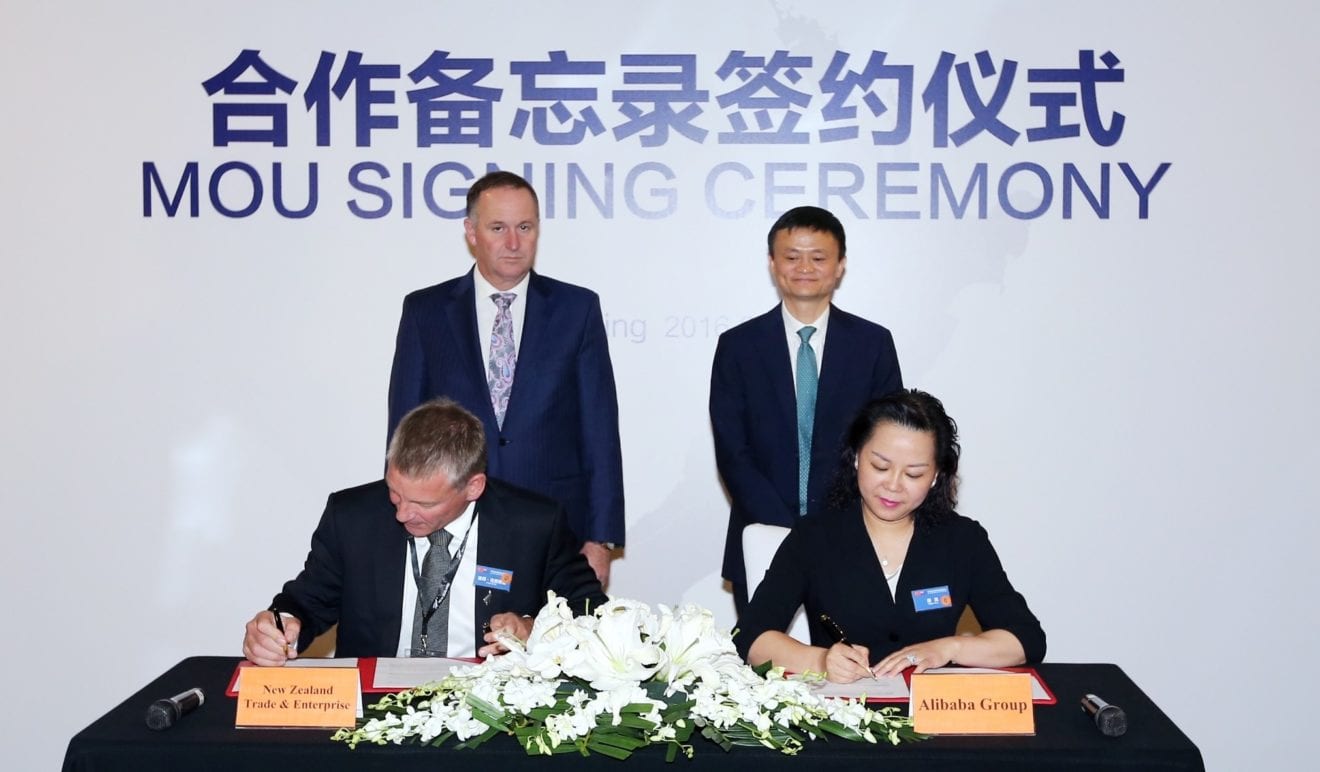
    The Memorandum of Understanding (MOU) between the group and government business development agency New Zealand Trade and Enterprise (NZTE) was signed yesterday to formalize discussions for strengthening trade between the two countries and to support New Zealand brands in China.

    Under the MOU, the parties will explore different collaboration opportunities, including Alibaba providing support for New Zealand companies to enter the Chinese consumer market through its various e-commerce channels, while NZTE will assist local companies to understand and optimize the opportunities Alibaba’s system offers in terms of business growth in China.

    “We are excited to extend our cooperation with the New Zealand Government by collaborating with NZTE to support local businesses to enter China through Alibaba’s platforms,” said Maggie Zhou, Alibaba’s newly appointed managing director for Australia and New Zealand.

    “With our strong networks in China and expertise in e-commerce, we will enable Chinese consumers to benefit from the premium products and fresh foods that New Zealand businesses can offer.

    NZTE chief executive Peter Chrisp said the new arrangement offered significant opportunities for New Zealand businesses to reach more consumers as well as advocating the country’s reputation as a place of “open spaces, open hearts and open minds”.

    “New Zealand businesses are already using Alibaba’s channels to sell a wide range of products including dairy, meat, seafood, fruit, wine, beverage, cereal, skincare and health supplements,” he said.

  • Introducing First View: The fastest way to be seen on Twitter

    Introducing First View: The fastest way to be seen on Twitter

    Twitter introduces First View in Asia Pacific today, an engaging and highly visible way to share your brand story with compelling video creative across Twitter’s massive audience. First View is now available in 29 countries including Asia Pacific markets Australia, India, Indonesia, Japan, Malaysia, Philippines and Singapore.

    Asia Pacific is the largest and fastest-growing region for Twitter worldwide, and First View will empower Asian businesses of any size to take their marketing campaigns to the next level using Twitter’s platform for real-time, public conversations. Nike Philippines, Samsung Australia and Tata Motors India are among the first advertisers in the region to leverage the feature.

    “Audiences today demand video content. With First View, marketers have the ability to connect with their audience through richer forms of communication and creative content, while ensuring that they are constantly top-of-mind on their feeds,” said Maya Hari, Senior Director for Product Strategy & Sales, Asia Pacific, Latin America and Emerging Markets. “First View provides advertisers with the opportunity to own the most valuable ad space on our platform on any given day, expanding their reach within a 24-hour period.”

    Premium placement, maximum reach

    First View helps marketers achieve significant audience reach with exclusive ownership of Twitter’s most valuable advertising real estate for a 24-hour period. When users first visit the Twitter app or log in to twitter.com, the top ad slot in the timelines will be a Promoted Video from that brand. Now, marketers can tell a powerful visual story across the Twitter audience.

    “Word of mouth is more important than ever. Twitter’s First View gives Samsung the opportunity to reach a wide audience to generate buzz and conversation about our new #GalaxyS7 and #GalaxyS7edge smartphones. We are able to hit a broad audience with great video content to help drive social momentum,” said Philip Newton, Corporate Vice President & CMO Samsung Electronics Australia.

    “Video is one of the hottest topics for all marketers at the moment. We are delighted to see exciting products being launched by Twitter, giving us more opportunities to build great experience for our audience. The ability of using video to generate global conversations and dominate moments of interest with First View opens up a great playing field, and ties in strongly with Mindshare’s vision of Adaptive Marketing,” said Quentin Perrot, Senior Account Director APAC, MindShare (managing Nike’s media strategy in Southeast Asia).

  • Alibaba entry stirs up Thai e-commerce

    The recent acquisition of Lazada Group by Chinese e-commerce giant Alibaba Group poses a challenge to local online product manufacturers and retailers who anticipate a potential flood of Chinese-made products.

    The move by Alibaba is expected to shake up Thailand’s e-commerce market. It’s also putting more pressure on other e-commerce companies.

    “The number of business-to-consumer e-commerce companies is likely to fall to only two to three over the next three years, down from five, because of fierce competition,” said Punnamas Vichitkulwongsa, chief executive of Ascend Group, a subsidiary of CP Group that operates the iTruemart and weloveshopping websites.

    “But the entry of Alibaba will spur competition in the local e-commerce market, which is likely to benefit Thai consumers and the industry,” he said.

    There are usually two dominant e-commerce players in a country, said Ms Punnamas.

    Pawoot Pongvitayapanu, president of the Thai E-Commerce Association and founder of Tarad.com, said if Alibaba continued using Lazada’s subsidised promotion strategy, the Chinese firm could become a dominant player in Thailand’s e-commerce ecosystem as it has its own payment and logistics systems for websites.

    However, local online product manufacturers, especially those that make IT accessories, consumer electronics and fashion items, will face a greater challenge from cheap Chinese products.

    Paul Srivorakul, group chief executive of aCommerce, believes Alibaba’s entry will create an innovative e-commerce market in Thailand, attracting more foreign investors.

    He expects more mergers and acquisitions in the local e-commerce industry next year as a result.

    Santit Jirawongkraisorn, co-founder of Lalamove Thailand, a Hong Kong-based on-demand delivery app provider, said existing e-commerce companies in Thailand would face intense competition from Alibaba’s presence. But the increased competition can drive consumer gains and promote the overall e-commerce market, he said.

    Alessandro Piscini, chief executive of Lazada Thailand, said Alibaba’s investment reflected the huge potential it saw in e-commerce for the region and the role it expected Lazada to play in the local markets.

    The partnership will bring significant synergies that enhance the online experience for both buyers and sellers in Thailand, he said.

    In a related development, PwC Thailand released its latest report on Global Total Retail 2016: They say they want a revolution which polled some 23,000 online shoppers in 25 countries to track retail consumer trends, including mobile shopping and social media influence.

    The report revealed that 51% of online shoppers in Thailand said they purchase goods directly via a social media channel, outpacing India (32%), Malaysia (31%), and China (27%).

    Fifty-three percent of Thai online shoppers said that customer reviews influenced their buying behaviour.

    The survey also showed that social media influenced 78% of shoppers globally, up from 68% in a similar study last year, with 92% of emerging market shoppers buying products based on social media recommendations.

  • More Thai Men Shopping for Women’s Underwear Online

    More Thai Men Shopping for Women’s Underwear Online

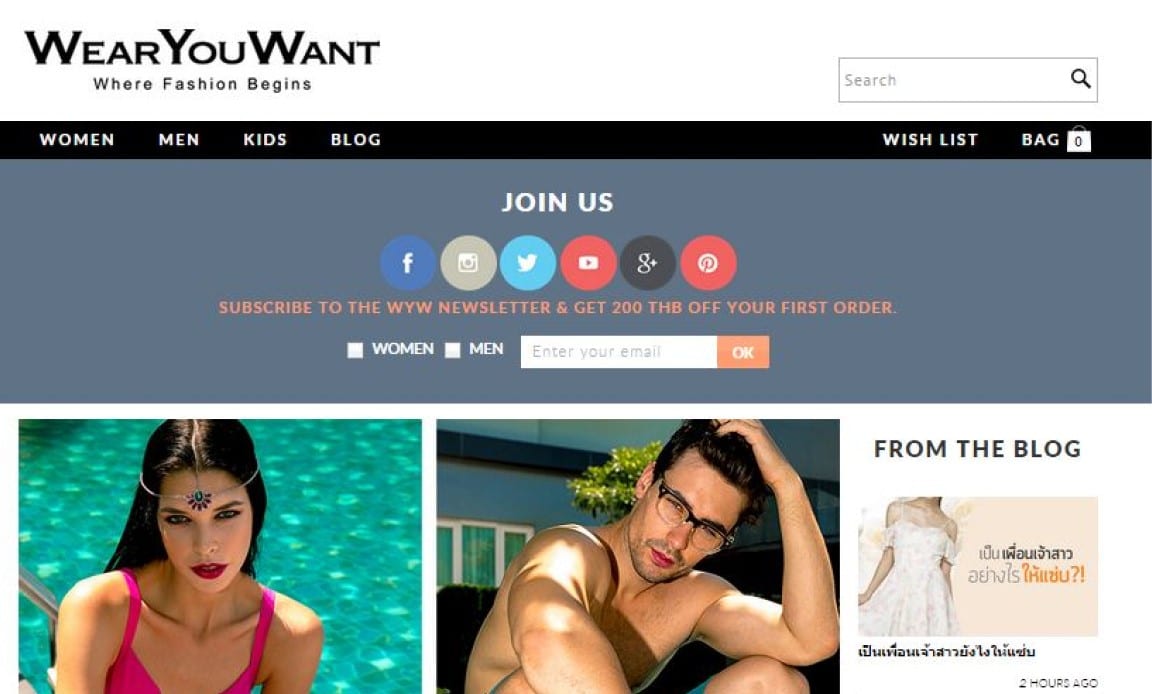
    WearYouWant, Thailand’s leading online fashion and beauty marketplace, is praising the romantic generosity of its male customers in Thailand. Since the start of 2016, there has been a steady rise in men buying underwear online at WearYouWant for that special woman in their life.

    According to WearYouWant, in the last six months, underwear purchases by men on their online shopping platform have increased by 22%, with the first half of April seeing record highs. Approximately 56% of underwear sales are to men in Bangkok who seem to know exactly what women in Thailand want!

    It could be the summer sun turning up the heat on underwear purchases by men or perhaps the Thai New Year Songkran festival spirit has meant more men showering women with gifts. With a few clicks, shy men can easily shop for lingerie online for their loved one.

    Of course, WearYouWant stocks much more than lingerie, retailing over 17,000 different fashion and beauty items, including shoes, dresses and men’s clothing too.

    Julien Chalté, Co-Founder & Co-CEO of WearYouWant.com welcomes the sales, even if they are a little unexpected. “On WearYouWant, it’s always been women who have bought their own underwear traditionally, so it is surprising to see that in 2016, that trend is shifting. Perhaps it is that more men are in touch with their feminine side and keen on using women’s underwear,” he adds with a smile, “or maybe it is just more men are shopping online for underwear as presents for women.”

    It is not just men who like their loved ones to be well-dressed when they are undressed either. Women in Thailand also enjoy shopping for boxer shorts and briefs for their male partners too. Some 19% of all men’s underwear bought online at WearYouWant in February 2016 was purchased by female customers.

  • Singapore’s SoftPay Mobile buys Vietnam MPOS

    Singapore’s SoftPay Mobile buys Vietnam MPOS

    Singapore-based mobile point of sale (mPOS) provider SoftPay Mobile International has arranged to buy out Vietnam MPOS Technology.

    Vietnam MPOS customers include Mai Linh Taxi Group, one of the largest taxi groups in Vietnam, as well as insurance companies. Lazada Vietnam, the largest e-commerce group in the country, is also a customer.

    mPos has proven incredibly popular in Southeast Asia where a vast majority of people living in rural areas have no access to traditional banking infrastructure.

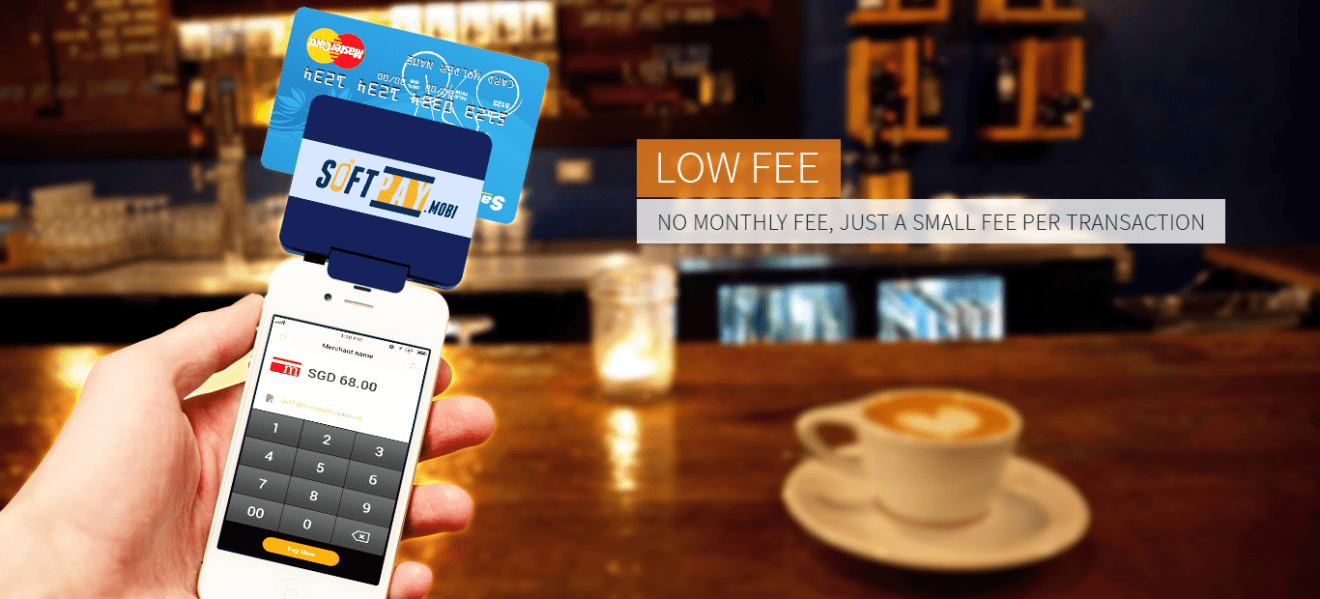
    With the advance of mobile technology, mPos devices such as SoftPay’s mobile terminal are able to take advantage of these devices to provide merchants anywhere with a full suite of options for receiving payments.

    “With this investment, SoftPay Mobile will be able to work closely with our new Vietnam MPOS company to further consolidate our market position as the leading mPOS company in Southeast Asia,” said Christopher Low, CEO of SoftPay Mobile.

    SoftPay Mobile is a venture-backed mPOS company with a presence in Vietnam, Malaysia, Singapore and Indonesia. Since its incorporation in late 2014, it has been aggressively pursuing expansion in Southeast Asia.