Category: E-Tailing

Retail News Asia is committed to providing both local and global retailers with the latest E-Commerce & Etail news throughout the Asian market. This on a daily base.

  • Mobile money service launched in Bangladesh

    Mobile money service launched in Bangladesh

    Financial inclusion in Bangladesh just took a stride closer to reality with the launch of a new international remittance receiving service via a partnership between MasterCard, Western Union, bKash and BRAC Bank.

    The new service enables bKash’s registered customers to use their mobile phones to receive remittances from abroad directly into their bKash accounts.

    A subsidiary of BRAC Bank and a joint venture between BRAC Bank and Money in Motion LLC of USA, bkash serves the low income masses of Bangladesh to achieve broader financial inclusion by providing services that are convenient, affordable and reliable.

    With 70% of the population living in rural Bangladesh many of whom have no access to formal financial services, it is also the eight largest receiver of international remittances in the world. Under 15% of Bangladeshis are connected to the prescribed banking system whereas over 68% have mobile phones.

    World Bank South Asia Financial Inclusion Index 2014These phones are not only devices for talking, but can be used for more useful and difficult processing tasks. bKash was conceived primarily to use these mobile devices and the universal telecom networks to extend financial services in a protected manner to the under-served distant population of Bangladesh.

    By using the new service, bKash’s registered customers can receive remittances from every Western Union send market and channel directly into their bKash account, 24 hours a day.

    MasterCard’s Matthew Driver said: “This relationship is another step towards achieving our global commitment to make the financial system accessible to 500 million more people by 2020. Working with companies such as bKash and Western Union is crucial to taking advantage of the latest technology; digitizing money transfers and supporting financial inclusion efforts in the South Asia region and worldwide. The choice, flexibility and convenience of this new bKash service will help to expand financial inclusion to some of the most remote parts of this thriving nation.”

    Western Union’s Jean Claude Farah said international money transfers over mobile phones will accelerate financial inclusion in Bangladesh where there are currently more mobile phones than there are customers with bank accounts.

    In 2011, the Bangladesh Bank, the country’s central bank, issued the Mobile Financial Services (MFS) Guidelines and mandated that the model where MFS must be bank-led but also clearly indicated that partnerships with mobile operators must be forged to reach customers. The first two MFS providers to emerged as leaders early on were BRAC/bKash and Dutch Bangla-Bank/DBBL.

    Like many parts of developing Asia, financial inclusion is part of the government via the central bank’s strategic plan, aimed at ensuring these products meet the needs of the traditionally underserved segments of society. Among the services on priority list include expanding access to financial services to women, poor and rural populations; and formalizing financial services by promoting registered transactions.


  • McKinsey report shines light on online-to-offline services

    McKinsey report shines light on online-to-offline services

    As world’s largest and fast-growing e-commerce market, China is expecting the potentialgrowth of the online-to-offline services, which are cutting into incumbents’ margins, accordingto the latest McKinsey’s survey of China’s Internet users.

    “Online-to-offline services can win consumers and even convince them to spend more thanthey might want to,” said Gong Fang, a partner at McKinsey’s Shanghai office.

    China’s online retail market is the world’s largest after 2015 sales grew to approximately $630billion, nearly 80 percent bigger than that of the US. E-commerce in China accounts for 13.5percent of all retail spending.

    “In an e-commerce market as large and fast as China’s, retailers and consumers will have noshortage of opportunities, especially in low-tier cities where online and e-commercepenetration remains relatively low,” said Alau Lau, senior partner and head of McKinseyDigital in Asia.

  • Globe’s GCash adapted for tax payment

    Globe’s GCash adapted for tax payment

    The Philippines’ Bureau of Internal Revenue (BIR) has teamed up with Globe Telecom to improve tax collection via the GCash mobile money service.

    Under the partnership, Globe’s GCash and the BIR have relaunched the Philippines’ first electronic tax filing and payment system.

    Together with the USAID Facilitating Public Investment Project and the USAID E-PESO Activity, Globe relaunched the electronic filing and payment system on Tuesday with more enhanced features.

    The goals of the project are to improve tax collection and administration, curb corruption, and strengthen the business climate in the country.

    “The continuous payment of right taxes will continue and sustain the growth of the Philippines,” said BIR Commissioner Kim Henares in a statement. “The bureau aims to increase funding contribution for the country’s growing needs for basic infrastructure and social programs necessary to reduce poverty, thus, the government continues to push for the growth of the country’s fiscal space.”

    GCash was first introduced for national tax payments in 2005 when BIR’s thrust was to expand the provision of electronic services, most notably with the release of eBIRForms v6, an improved e-filing software that can serve all taxpayers.

    The use of GCash has now been expanded to allow payments for all types of taxes and also works with local and national government agencies to increase public’s awareness through the e-Bayad campaigns and enable usage of electronic payments in government transactions.

    GCash President Albert Tinio said GCash also helps the government utilize mobile money for collections and disbursements of social welfare benefits, government fees, and taxes. By limiting face-to-face transactions, the service is able to increase access to government services and reduce potential leakages especially in hard to reach areas.

    With the partnership in place, all Philippine taxpayers can use their mobile phone to pay for all types of taxes instead of going to BIR regional district offices or authorized agent banks with their cash or check.

    The Gcash mobile app can be downloaded from the Google Play Store for Android. Users need to register for the service and fund their Gcash account in any partner outlet.

  • Why online retailers are opening Hong Kong pop-up stores

    Why online retailers are opening Hong Kong pop-up stores

    Numerous reports have been written on how eCommerce spells the death for brick-and-mortar stores in the retailing industry.

    But others have written on how the preference of customers taking in the whole in-store shopping experience will ensure that there will always be a need for real world stores.

    Unlike in other markets, eCommerce in Hong Kong has yet to gain a strong foothold. According to Euromonitor International, online retail sales accounted for only 3 per cent of the city’s total retail sales in 2015. The insignificant share of online sales has even seen the tables being turned, with online retailers opening offline stores to communicate brand value and as a means to convert bricks and mortar store shoppers to online platforms.

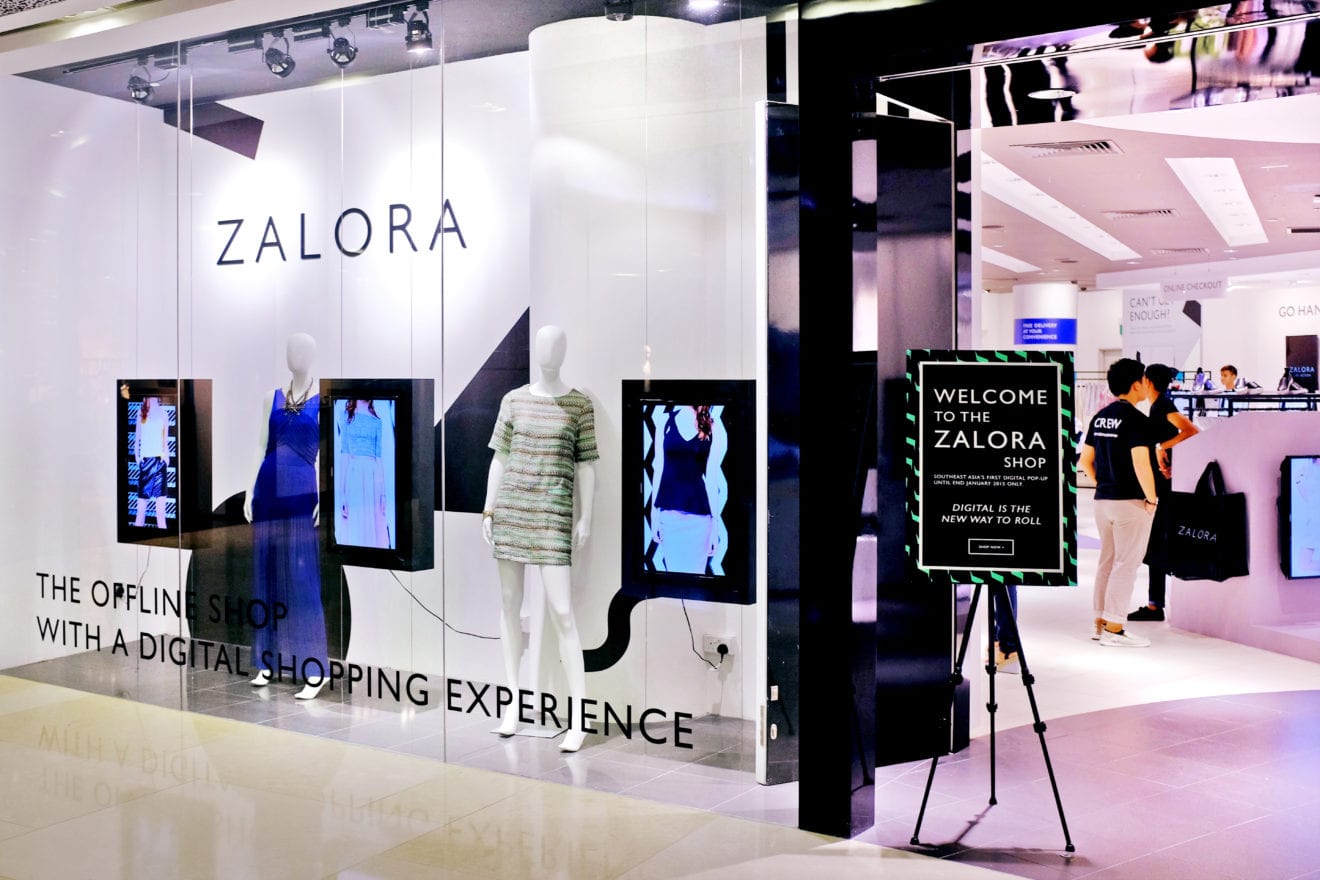
    Online fashion retailer Zalora is just one brand which opened Hong Kong pop-up stores last year to test the waters without committing to a long-term lease. Other than cost concerns, the use of a pop-up store also allowed the retailer to move the store around various shopping centres in the city to maximise exposure.

    Real world stores opened by online retailers are generally designed for experience and as a place to educate potential customers to buy online. Similarly, Line – the mobile social networking platform – also opened a pop-up store last year, before opening a more permanent store to sell Line character merchandise as well as build its brand image and customer base.

    While pop-up stores are the preferred format for Click-to-Brick retailers (at least at the market entry stage), when it comes to setting up a more permanent store, the overwhelming preference is to be located in prime shopping centres in core locations since they provide an all-weather shopping environment, controlled trade mix and a more focused customer base.

    For landlords, the allure of pop-up stores is that they can better utilise space within the shopping centre and minimise void periods; an important consideration given the current challenges facing the city’s retail sector. The ever changing goods offered by different pop-up stores can also freshen the shopping experience of customers.

    The Click-to-Brick trend is still at a nascent stage, hence it is too early to conclude whether it will establish as a key driver of demand in the city’s retail leasing market over the longer-term. In the interim, it will be a welcome addition to shopping centre landlords who continue to look for new means to differentiate against their competitors amid an increasingly challenging retailing environment.

  • Migme completes the acquisition of Shopdeca to fuel ecommerce expansion

    Migme completes the acquisition of Shopdeca to fuel ecommerce expansion

    Global digital media company migme Limited (ASX: MIG) (“migme” or the “Company”) confirms the completion of the acquisition of Indonesian ecommerce business Shopdeca. The acquisition sets the framework for migme’s continued expansion into social ecommerce and gives the Company access to Shopdeca’s Indonesian market expertise, business capabilities and experienced staff to grow its Indonesian business.

    migme refers to its announcements dated 18 December 2015 and 29 December 2015 regarding the acquisition of the ecommerce assets of Shopdeca and advises that it has today:

    • Paid the cash consideration of US$710,000
    • Issued 884,270 fully paid ordinary shares to the vendors of Shopdeca. Of these shares 123,608 shares will be held in voluntary escrow for the period ending 1 April 2017 and 760,662 shares will be held in voluntary escrow for the period ending 1 October 2016.

    The acquisition of Shopdeca will not only help migme grow its business in Indonesia, but will also fuel its expansion into social ecommerce across South East Asia (SEA). Social ecommerce is a key component in migme’s business strategy for building a platform business for SEA.

    Migme Limited CEO Steven Goh said: “Platforms are the next generation of online business. The fastest growing and most disruptive companies in history — Google, Amazon, Facebook, Uber, AirBnb and eBay— are platform businesses. migme is building a platform business focused on social engagement and interactions that can be monetised. We are building our platform specifically for the next half of the world coming online through low-cost smartphones, primarily in South East Asia. The Shopdeca acquisition helps us bolster the social ecommerce element of our platform.”

    The ecommerce market is growing rapidly in SEA. A report from Bain & Company estimates that the online retail market in SEA is currently worth US$6 billion, but anticipates this could grow to $70 billion by 2020. The report found that social media is highly influential in building consumer trust around product quality and the seller’s credibility, with more than 80% of consumers using social media and over-the-top content to research products or connect with sellers.

    Completion of the acquisition enables the Company to launch its own ecommerce operations in Indonesia and sets the framework for the expansion to a social ecommerce strategy. This will see migme leveraging its social user community and platform partners to grow user engagement and revenues for the ecommerce business.

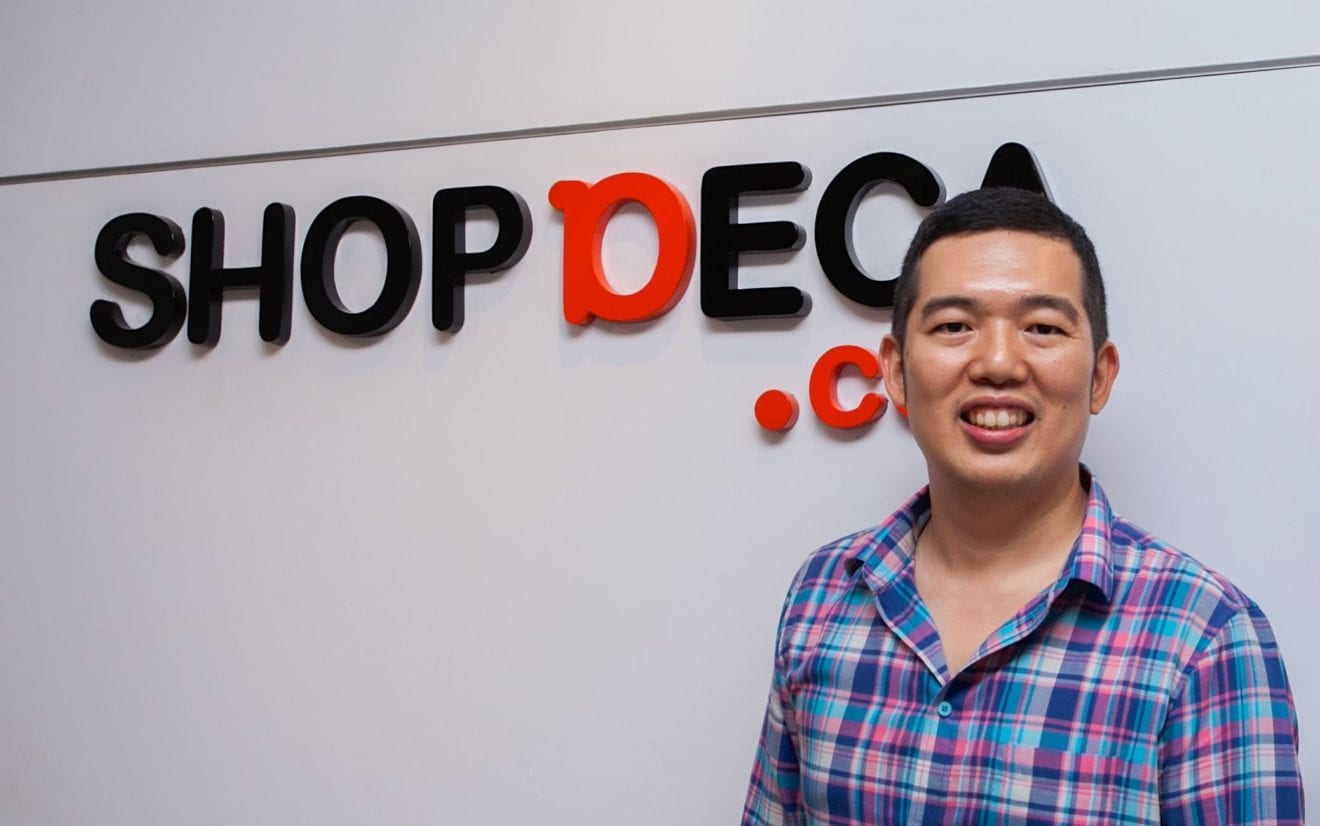
    As part of the acquisition, Shopdeca founder and successful ecommerce entrepreneur Andreas Thamrin has joined migme as Global Head of Ecommerce and will lead the expansion of migme’s ecommerce operations.

    The Company plans to extend the current pay-to-bid (via Sold) and B2C (business-to-consumer) (via Shopdeca) ecommerce operations to further add a C2C (consumer-to-consumer) social marketplace and B2C2C (business-to-consumer-to-consumer) affiliate sales program.

    This is the second completed acquisition for the Company in 2016, following social news site Hipwee in January. In addition, the Company established a strategic partnership with leading photo and video mobile app. developer Meitu in March.

    The Company has also completed the implementation of online payments with payment partner Paytm, India’s largest mobile payment and ecommerce platform, processing over 10 million transactions per month with their digital wallet. migme users are now enabled on Paytm’s digital wallet, joining over 15 million active wallet users. migme users will be able to shop through ‘Pay with Paytm’ channels at more than 1,500 leading merchants and via other platforms including web, mobile, apps, SMS and IV.

    Payments to add money to the digital wallet are accepted via internet banking, credit/debit/cash cards and Paytm cash.

  • Philippine eCommerce to grow 101 per cent by 2018

    Philippine eCommerce to grow 101 per cent by 2018

    The Philippine eCommerce industry is expected to grow by 101.4 per cent by 2018 from $1.15 billion in 2013, according to the Philippine eCommerce Outlook.

    Prudencio Reyes Jr, undersecretary of the Department of Trade and Industry said

    eCommerce will help “connect domestic industry with the global economy.”

    The DTI said the country’s internet-connected population has grown by around 530 per cent over the past five years.

    Of the country’s 101.1 million population, 44 per cent are active internet users, 42 per cent are active social media users, 113 per cent have mobile connections, and 36 per cent are active mobile users.

    Philippine eCommerce sales reached P79 billion in 2012, equivalent to 0.6 per cent of the country’s total income during the year. More than 76.2 per cent or P60.17 billion came from the services sector, especially transport and storage, administrative and support service activities, and wholesale and retail trade.

    The DTI is encouraging micro, small and medium enterprises (MSMEs) to expand locally and globally by venturing into eCommerce.

  • Amazon Payments goes global

    Amazon Payments goes global

    Amazon has launched a new global program designed to allow merchants worldwide to offer Amazon Payments to their customers.

    The Amazon Payments Partner Program offers tools and services to help retail partners grow their merchant business by offering easy integration with Amazon Payments.

    The program includes solution pre-integration and best practices to help ensure that merchants receive the most effective solutions. Merchants will be eligible to receive benefits and services from the program such as knowledge-sharing and ‘white glove integration services’. The program is free to participate in and available by invitation in the US, Germany, the UK and Japan.

    Patrick Gauthier, VP, Amazon Payments, said the company is working across geographies and industries to help merchants adopt its system.

    Members of the Amazon Payments Partner Program are eligible to receive account management, planning support, technical resources and training, a partner directory listing, partner designation with exclusive logos, and some partners may also be eligible for co-marketing activities.

    “The convenience and trust that Amazon Payments provides customers already attracts lots of our merchants. We are honored to participate in the Amazon Payments Partner Program,” said Yuko Hoshino, President of Future Shop.

    “Together, we will support the growth of our merchant business and contribute to the revitalisation of the eCommerce industry in Japan by combining the capabilities of FutureShop2 with the convenience of Amazon Payments.”

    “Amazon Payments extends the trusted and familiar experience of Amazon to our merchants across Europe and the US,” said Corinne Lejbowicz, CEO PrestaShop SA.

    “Our merchants want to offer their customers a payment solution that is trusted, easy and familiar,” added Brennan Loh, director of business development at Shopify.

  • 11street Brings Shocking Deals to Life

    11street Brings Shocking Deals to Life

    11street, Malaysia’s most exciting e-mall celebrates its one-year anniversary by bringing 11street’s Shocking Deals to Life, a carnival-themed celebration that shares the joy of saving and shopping online, as a gesture to thank Malaysian consumers for their tremendous support since its launch on 11th April 2015.

    11street’s CEO, Hoseok Kim shared that moving forward, 11street aims to continue grow its customer base and enhance existing users’ experience with its recently renewed Shocking Deals* section optimized on mobile app with greater variety to curb the economy downturn.

    Photo 1

    “Malaysians are known to be prudent and are always on the lookout for greater value for money. Backed by the promise of lowest price guaranteed, which is an online offer only by 11street, we enhanced our shocking deals section with new features to make online shopping easier and to meet the purpose of helping Malaysians in savings. This includes mobile app exclusive deals with significant mark-down and discounts, top 100 hot selling deals, new sorting capability that reveals free shipping items, and more,” Kim added.

    Unveiled Xpax’s Reload Savings for Magic SIM

    11street also announced another shocking deal in collaboration with Xpax, the main prepaid brand for youth under Celcom Axiata Berhad and launched the unbeatable Year-long Exclusive 10% Reload Savings, where new Magic SIM customers will get to enjoy more credit with this amazing Shocking Deals during its 1st birthday carnival.

    Kim said, “11street constantly look for the best deal in town to offer its customers, and this timely collaboration comes in handy to help Malaysians save more.  Sharing the same view, both 11street and Xpax are committed to provide high quality products and services to Malaysians at competitive prices.”

    During the event, Zalman Aefendy Zainal Abidin, Chief of Sales and Marketing Officer, Celcom Axiata Berhad highlighted, “Prepaid users are the larger segment of our customer base, and understanding the market preference, we want to ensure that only the best deals and services are brought to our customers. We continuously seek for channels to extend our reach to the users, either existing or potential.”

    “Being on board 11street will expand the avenue further for our customers to obtain our product. Via this channel, we are keen to create more demand for Magic SIM from Xpax, the prepaid product with more credit, more internet, as well as adding on more subscribers to our prepaid customer base.  Furthermore, the yearlong promotion on reload savings will benefit our customers greatly,” he added.

    The new Magic SIM purchased through the 11street app will allow customers to get 10% discount on every reload at 11street for the next 12 months.

    Introduced 11street’s New Brand Ambassadors – Zizan Razak and Elizabeth Tan

    Apart from the exclusive reload savings promotion launch, the two new brand ambassadors, Zizan Razak, prominent local actor-cum-entertainer and Elizabeth Tan, Malaysia’s YouTube sweetheart-turned-singer made their first appearances at 11street’s anniversary celebration.

    Photo 4

    “Even though we’re only one, our dream to reach out for the stars are exactly why we chose to welcome Elizabeth and Zizan into our growing family. They are the key to unlock our journey as we move closer to understand Malaysians in order to cater to their shopping needs and wants.”

    “Looking at both Zizan and Lizzy, a young and dynamic brand like 11street could very well relate to their boundless youth and energy that exuberates through their passion and enthusiasm to take the bulls by the horns. Honing these positive vibes, we believe the duo will bring 11street to greater heights and be loved by all Malaysians as much as they are now,” Kim added.

    Photo 2

    While enjoying the fun-filled carnival of all things shocking that includes fun games, coupons, and activities, six lucky “Fly high LIKE A STAR with 11street” contest winners were announced during the event. These lucky winners won the chance to experience an unforgettable helicopter ride followed by an intimate dinner session with the 11street’s brand ambassadors, Zizan and Elizabeth.

    Along with this, as a treat to 11street’s loyal app consumers, 11street has also officially launched the ‘11 Days of Shocking Giveaways’ with irresistible deals at lowest price. During the 11 Days of Giveaways campaign, Shocking coupons will be available every day for popular brands, including BHPetrol, Caring Pharmacy, Laneige, Melissa Shoes, OPPO, Seagate, Tefal, TGV and more. The 11 Days of Shocking Giveaways will definitely mesmerise Malaysians as 11street celebrates its 1st year anniversary with all things shocking!

    Photo 6

  • Spotify Launched in Indonesia

    Spotify Launched in Indonesia

    Spotify is finally kicking back into expansion mode in Asia. Nearly two years after its last country launch in the region and close to four years after it first stepped into Asia, the music streaming service has confirmed plans to go live in Indonesia at the end of March.

    Indonesia could have serious potential for Spotify. The fourth most populous country on the planet, Indonesian smartphone sales are projected to grow by 20 percent this year as its population of 250 million becomes increasingly more affluent and connected to technology.

    Last October, we reported that Spotify was close to launch in Indonesia and Japan, too, and the company has been quietly upping its efforts in Tokyo, where it established an office some time ago. In one sign of its imminent arrival, Spotify inked a partnership with Japan’s top messaging app Line which, similar to its agreement with Facebook, lets users share Spotify tracks through the Line app.

    Beyond that deal, which is only available in markets where Spotify has launched (i.e. not Japan right now), and in another big hint at an impending launch, Spotify is currently hiring for 12 roles in Japan — including telling positions like head of consumer marketing, head of communications, social media marketing manager — while its central team tasked with market expansions has made trips to the Tokyo office.

    TechCrunch understands that, as was the case in October, the challenging landscape for music streaming services in Japan — where CDs still rule for music sales — has delayed Spotify’s Japan launch longer than the company would have liked. Already, though, Apple Music and a competing music service from Line (both a friend and rival, it seems) are among the services available in the country. Thus Spotify wants to act quickly and join them.

    Spotify declined to comment on its launch plans in Asia, Indonesia aside, when we asked. But we have come to learn from a source close to the company that it has begun to look at India.

    That interest is exploratory at this point, but Spotify would enter a challenging race were it to bring its service to India. Apple entered the country last summer when Apple Music launched globally, but local services like Tiger Global-backed Saavn and Times Internet’s Gaana lead the mobile music space. We haven’t heard much about how Apple Music is faring in India, but Spotify could be a better fit for the country since it offers a free version of its service and has a more robust Android app — both of which are essential in India.

    Asia marks a potentially important focus for Spotify, which recently hit the 30 million paying user milestone. Large swathes of the region are mobile-first or mobile-only, with many consumers reliant on their phone to provide all of their entertainment options. That opens an obvious window for mobile music services, but monetization is a huge challenge since Asia is less developed when it comes to paying for digital content and piracy reigns supreme.

    Spotify’s initial foray into Asia saw it land in small and fairly Western-influenced countries like Hong Kong and Singapore, markets where it was likely to see uptake, but now the Swedish company appears to have its sights set on larger challenges, starting with Indonesia.

  • Online shopping in rural China nearly doubles in 2015

    Online shopping in rural China nearly doubles in 2015

    Online shopping is thriving in rural China, with last year’s transactions nearly double the 2014 amount, a Ministry of Commerce official said.

    Online purchases in rural areas were up 96 percent year on year to 353 billion yuan (US$55 billion) in 2015, said assistant minister of commerce Wang Bingnan, at a briefing.

    China now has more than 3,000 commercial websites specifically targeting rural areas, Wang told reporters, but acknowledged that a lack of properly trained people, poor competitiveness, an incomplete marketplace and weak infrastructure were hindering expansion. The ministry hopes to improve the logistics network and train more people.

    Despite an economic slowdown, online retail sales in China remained strong, jumping 33.3 percent year on year to 3.88 trillion yuan in 2015.

  • China’s e-pharmacy eyes prescription drug for full-bloom growth

    China’s e-pharmacy eyes prescription drug for full-bloom growth

    China’s e-commerce giants are getting a hand in pharmaceuticals as the government directs prescription drug sales away from hospitals and into retail.

    China’s online pharmacy business has grown from virtually nothing five years ago to more than 7 billion yuan (1.1 billion U.S. dollars) in 2014, accounting for 3 percent of all retail sales of medicine in the country, Boston Consulting Group (BCG) said in a report Thursday.

    But analysts say the boom in online medicine sales is only a preview of explosive growth to come, provided that authorities allow online pharmacies to sell prescription drugs. So far online pharmacy sales consist mostly of over-the-counter medicine, which contributes very little to margins.

    One of the key themes in China’s ongoing medical reform is to reduce hospital reliance on drug sales for revenue. Over the long term this will enable patients to choose between hospitals and retail pharmacies for prescription drug purchases.

    Authorities also consider allowing prescription drugs to be sold online, giving e-commerce firms such as Alibaba and JD.com the opportunities to get involved in the lucrative prescription drug business.

    “E-Pharmacy business is changing very quickly in China with new regulations and different competitors entering the space. Each one is trying to grab a piece of the business,” said John Wong, a partner for BCG’s pharmaceutical practice.

    While regulations are ushering more prescription drug sales toward retail channels, including online pharmacies, the pace of that transition remains uncertain.

    Such uncertainties have forced Alibaba to scrap last week a plan to inject its online pharmacy business into its health subsidiary. Its plan to operate in the country’s medical tracking system also drew backlash from brick-and-mortar pharmacies.

    Online pharmacies are working with hospitals and local governments on separate trial programs to allow patients to buy drugs online with a doctor’s prescriptions.

    Access to prescriptions is the key for online pharmacies to get into prescription drug sales. Some local trials have managed to extend medical insurance coverage to online medicine purchases, an important incentive for patients to buy online.

    But analysts are cautiously optimistic about potential nationwide trials, given that China’s social security system is still managed by fragmented jurisdictions, creating discrepancies in coverage policies across the country.

    Another challenge, says another BCG partner Magen Xia, is for authorities to figure out a way to cap expenditure online. Under the current scheme, the cap for insurance coverage has been maintained by hospitals that prescribe these drugs.

    Regulatory challenge aside, Xia said online pharmacy cannot thrive in the prescription drug sale business alone. Given the importance of access to doctor’s prescription, retailers need to penetrate upstream.

    “Pharmacies can’t just limit themselves to selling drug online. They have to either extend to consultations and diagnosis or find upstream partners that can refer prescriptions to them,” Xia said.

    Unlike the United States where brick-and-mortar pharmacies like CVS and Walgreens holds dominance in retail prescription drug sales, the lack of nationwide pharmacy chains in China puts them in a much weaker position. This creates opportunity for e-commerce to consolidate the fragmented national market through online platforms. And once they gain access to prescription, they can ask local pharmacies to become a distribution channel for prescription drugs.

    “China’s online pharmacy will grow, but whether it grows faster or slower depends on regulation on the separation between drug prescribing and dispensing,” Wong said.

    “Right now hospital still wants money from drugs but as soon as the government says ‘stop’ you will see the industry rapidly, rapidly transform,” Wong said.

  • Online booking platform Chope enters Indonesia with acquisition of MakanLuar

    Online booking platform Chope enters Indonesia with acquisition of MakanLuar

    Singapore-headquartered restaurant reservation startup Chope has acquired Indonesian counterpart MakanLuar, the company announced today. The value of the deal is undisclosed. The acquisition was made with a mix of cash and shares, although Chope co-founder and CEO Arrif Ziaudeen does not reveal the percentage of each.

    Through the deal, Chope adds Jakarta, Bandung, and Bali to its portfolio, bringing the cities it’s active in to eight. It’s been operating in Singapore, Bangkok, Hong Kong, Shanghai, and Beijing.

    Chope expanded in those territories organically, and every time it found it had to educate early adopters and find a product-market fit, Arrif says. “Jumping in at the stage MakanLuar is at, they’ve already crossed that threshold and are now in a position to hit the accelerator on sales and marketing, so we save valuable time,” he enthuses.

    MakanLuar’s founding team of Kunal Narang and Hiro Mohinani was also a major factor for Chope. “We were inspired by Kunal and Hiro’s drive, and with a proven track record we really feel confident in these safe pairs of hands,” Arrif explains.

    “Oddly enough, before we started MakanLuar, we spoke to Chope to seek ways to work together but we were too new at the time,” Kunal tells Tech in Asia. Once the team had some good traction in Indonesia, it made sense to get back in touch with Chope and become part of a bigger regional play, he adds

  • Uber starts motorbike taxi service in Indonesian capital

    Uber starts motorbike taxi service in Indonesian capital

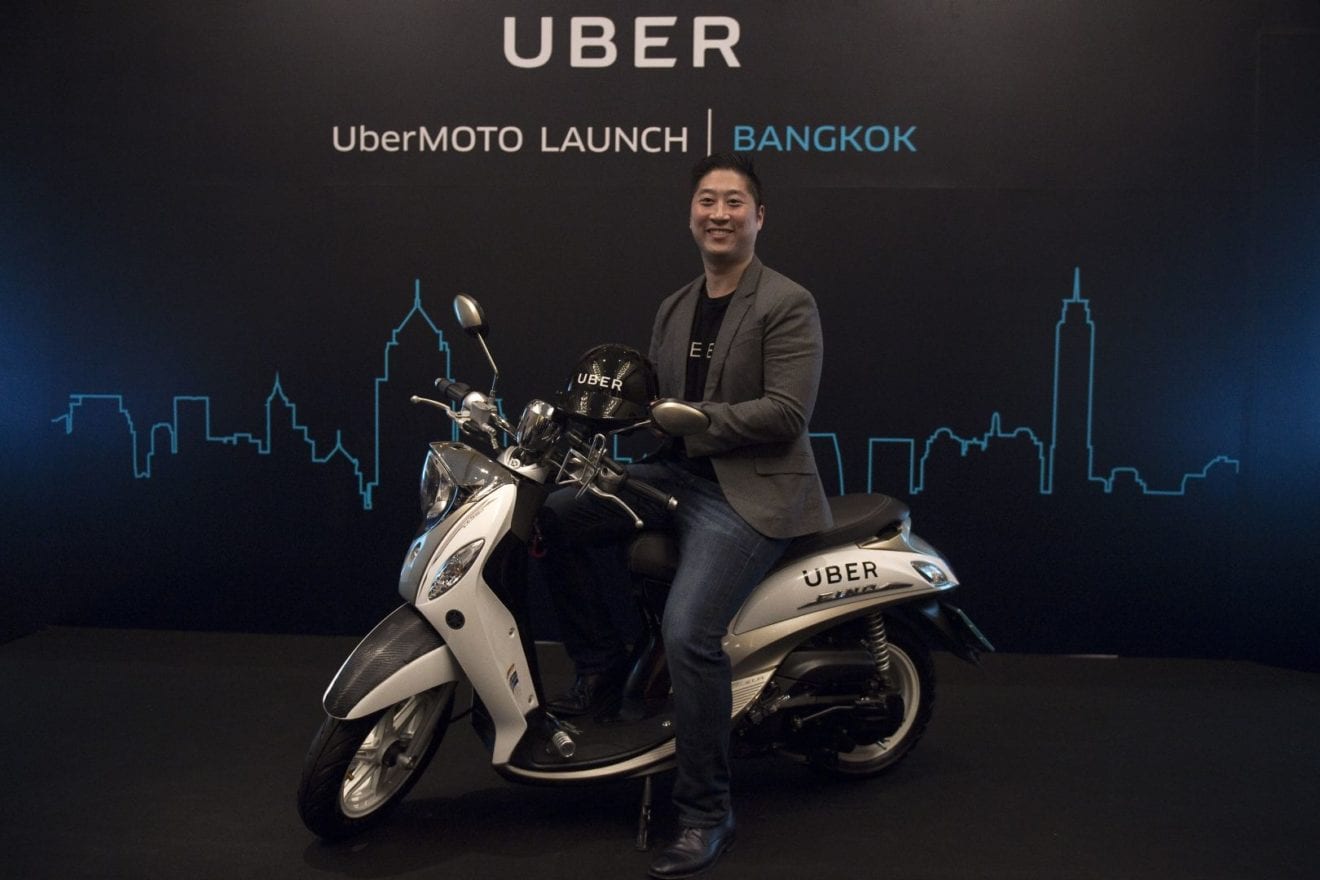
    Ride-hailing app Uber on Wednesday launched a motorbike taxi service in the Indonesian capital where Southeast Asian rivals Go-Jek and Grab are already battling for dominance.

    Jakarta is one of the world’s most congested cities and motorbike taxis ordered from a smartphone app have exploded in popularity in the past 18 months as a way to beat snarled traffic.Uber said that its “UberMotor” service would provide cheap and reliable transportation for hundreds of thousands of people.The company used a local social media and YouTube star Arief Muhammad to launch its service, saying he was the first person in Jakarta to use an Uber motorcycle taxi.

    Both Go-Jek, an Indonesian startup, and Grab, which operates in several Southeast Asian countries, claim to be the biggest provider of motorbike taxi rides in Indonesia.The popularity of motorbikes and regular taxis ordered from a smartphone has provoked a backlash in the taxi industry.Thousands of taxi drivers caused traffic chaos in Jakarta last month in a violent protest against what they believe is unfair competition.

    Drivers say the apps, which are using funding from venture capitalists to offer heavily discounted fares, have severely reduced their income. The app companies say the transport industry should adapt to new technology.The Indonesian government is drawing up new regulations to govern transport apps but has so far resisted calls to ban Uber and similar services.Officials estimate Jakarta’s traffic jams cause economic losses of about $3 billion a year.

  • Kao Group partners with Chinese e-tailer

    Kao Group partners with Chinese e-tailer

    Japanese consumer products group Kao Group has formed a strategic partnership with China’s largest online direct sales company, JD.com.

    Included in the deal is the opening of Kao Group’s cross-border flagship store on JD Worldwide in May, which will initially stock maternal and children’s products, with other product lines expected to be introduced later.

    Founded in 1887, Kao Group owns a range of consumer brands including Attack, Biore, Laurier and Merries. JD.com started co-operating with Kao China in 2014 for categories covering baby and maternity products, personal-care items and cleaning products.

    Leveraging JD.com’s bonded warehouse and self-built delivery network, customers of the new flagship store will be offered efficient delivery of Kao products directly from Japan.
    “JD.com is known for its authentic products and efficient logistics network,” says Kao Group senior managing executive officer Toshiaki Takeuchi.

    “The JD Worldwide platform will provide the safest and most reliable channel for Chinese consumers to buy Kao products, while helping group expand its reputation and footprint in the China market,” says JD.com FMCG business unit president Carol Fung.

    Since launching in April last year, JD Worldwide has attracted brands and merchants from more than 40 countries and regions, and features more than 2.5 million SKUs from 2000 international brands.

    With a history of more than 120 years, the Kao Group is engaged in business in Asia, Japan and Europe with bases in 33 countries and regions. It established a subsidiary in Shanghai in 1993.

    JD.com has seven fulfillment centres and 213 warehouses in 50 cities across China, as well as 5367 delivery pick-up stations.

  • Zalora Thailand and Vietnam to be offloaded

    Zalora Thailand and Vietnam to be offloaded

    Rocket Internet is selling its Zalora Thailand and Vietnam eCommerce fashion sites.

    This follows the Alibaba Group investing in Rocket Internet’s Lazada, valued at US$1.5 billion. Zalora, which raised more than $250 million, was once on an equal footing with Lazada, according toTechCrunch.

    Southeast Asia did not have service from Amazon or eBay when Rocket started Lazada and Zalora in 2012, but the two outlets have posted heavy losses and experienced slow market growth.

    Zalora, part of the Global Fashion Group (GFG), covers 11 countries across Asia Pacific, including Australia, Indonesia and Taiwan. While its revenue rose 78 per cent to US$234 million last year, its net loss blew out 36 per cent to $105 million.

    Meanwhile, Rocket has announced a new strategy that takes it back to its roots, launching early-stage startups. It sold India-based Fab Furnish this month and Foodpanda Vietnam last year, and is said to be seeking buyers for Foodpanda India and eCommerce site Jabong.