Category: E-Tailing

Retail News Asia is committed to providing both local and global retailers with the latest E-Commerce & Etail news throughout the Asian market. This on a daily base.

  • Shopee, P&G to launch Super Brand Day campaign in Singapore

    Shopee, P&G to launch Super Brand Day campaign in Singapore

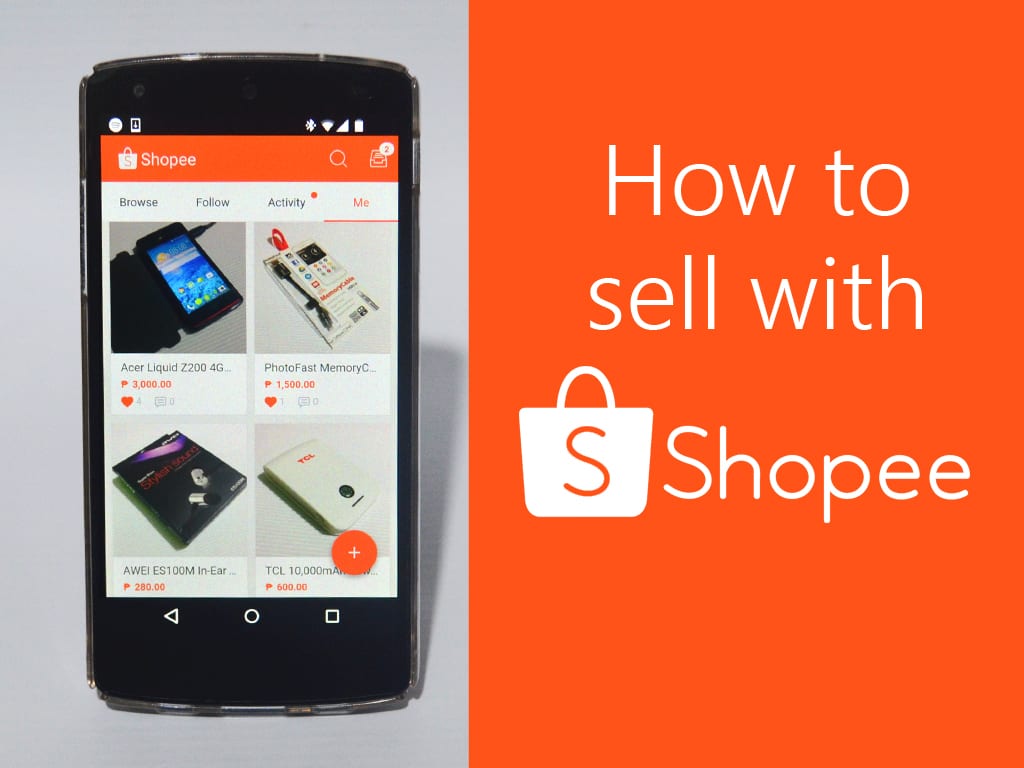
    Shopee, the leading e-commerce platform in Southeast Asia and Taiwan, partners fast-moving consumer goods giant, Procter & Gamble (P&G), for its upcoming Super Brand Day. From 19 to 23 October, P&G Super Brand Day will bring users exclusive deals and discounts of up to 50% off across all P&G brands on Shopee, including Pampers, Dynamo, and Pantene; and the exclusive debut of popular American male grooming brand, Old Spice, in Singapore.

    Shopee Super Brand Day features exclusive deals and promotions in partnership with leading brands on Shopee Mall. Every instalment of Super Brand Day will also see a branded in-app takeover – a revamp of the app interface to highlight the brand exclusively for 24 hours.

    Junjie Zhou, Chief Commercial Officer, Shopee said, “At Shopee, we are always looking for ways to strengthen our partnerships with brands in order to provide users with access to exclusive deals and promotions from their favourite brands. Super Brand Day was launched to not only recognise our key brand partners, but to also provide them with increased exposure beyond our usual campaigns to reach out to users across the country.”

    On P&G Super Brand Day, users can look forward to up to 50% off all P&G brands, daily flash deals happening four times a day, and free Starbucks and Grab vouchers with selected bundle purchases from the P&G Official Store on Shopee. With every purchase of P&G products, users will also get a chance to play the in-app game, ‘Shop to Spin’, for the chance to win additional prizes, vouchers, and Shopee coins.

    In line with the campaign, Shopee will also be the first to carry popular American brand, Old Spice, in Singapore. The brand, well-known for its male grooming products comprising deodorants and antiperspirants, shampoos, body washes, and soaps, will be making its official debut on the day of P&G’s in-app takeover on 23 October. To mark the launch, Shopee users can enjoy an exclusive 16% off all Old Spice Body Wash products.

    “We are excited to partner P&G for this upcoming Super Brand Day, and we look forward to bringing users even more exciting collaborations in the months ahead,” closed Zhou.
  • Tmall and L’Oréal China Deepen Partnership

    Tmall and L’Oréal China Deepen Partnership

    Alibaba Group’s Tmall, and L’Oréal China said today they’ll work closely together to find new ways for the beauty group to tap into the Chinese market, leveraging data-driven consumer analytics and a new value chain that better connects consumers, products and channels.

    Tmall Innovation Center (TMIC), the retail innovation arm of Tmall, will work closely with L’Oréal China to catalyze the consumer-to-business (C2B) approach, based on insights and trends generated from the 600 million-plus customer base across Alibaba’s marketplaces.

    “We have been very happy to ride the wave of the digital transformation together with Alibaba Group’s Tmall. As the number-one beauty company in the China market, L’Oréal China will continue to deepen collaboration with innovation partners locally to unleash the value of data insights and create value for our consumers,” said Stéphane Rinderknech, CEO of L’Oréal China. “With our ‘Beauty for All’ mission and consumer centric strategy, our ultimate goal is to bring personalized products, services and experiences to each and every Chinese consumer.”

    The partnership’s first initiative will focus on China’s male-grooming industry. According to a white paper co-developed by TMIC and L’Oréal China Consumer Intelligence Team, online sales of men’s grooming products have increased by more than 50% in each of the past two years. In the past year, 62% of the male consumer pool between the ages of 15 and 50 said they used male-specific facial skincare products, showing a massive addressable market for male grooming products.

    “With Tmall’s unparalleled customer insight, we are committed to helping L’Oréal China offer its customers best-in-class personalized product experiences. Tmall has transformed product development in every area, from product innovation and brand building to consumer assets and channel management. We help brands discover new demand and markets as well as offer completely new customer experiences,” said Jet Jing, President of Tmall.

    TMIC and L’Oréal China precisely identify five profile groups of customers with specific preferences, such as those who go for men-only personal care products; those who need a full range of products and those only seeking face, hair and basic products.

    Based on the findings of the white paper, L’Oréal China and Tmall will co-host a consumer-oriented marketing campaign, “Super U Carnival,” both online and offline from September 25-30. Male consumers will be able to discover suitable grooming products with the help of data insights. At a pop-up store in Hangzhou, five immersive show rooms are tailored to customers’ unique styles and preferences.

    L’Oreal China is one of the international groups that has benefited from these consumer insights generated by TMIC. Established in April 2017, TMIC’s mission is to

    help brands explore new ways to tap into the Chinese market by using precise market analysis, real-time consumer insights and test models. Including L’Oreal China, TMIC has already collaborated with 62 companies.

    Earlier this week, L’Oréal China launched House99 flagship store on Tmall, together with David Beckham, the founder of House99. A full range of high-end male grooming products, including skin and body care, hair and shaving products, are now available on House 99’s Tmall store.

  • Go-Jek launches fuel delivery service

    Go-Jek launches fuel delivery service

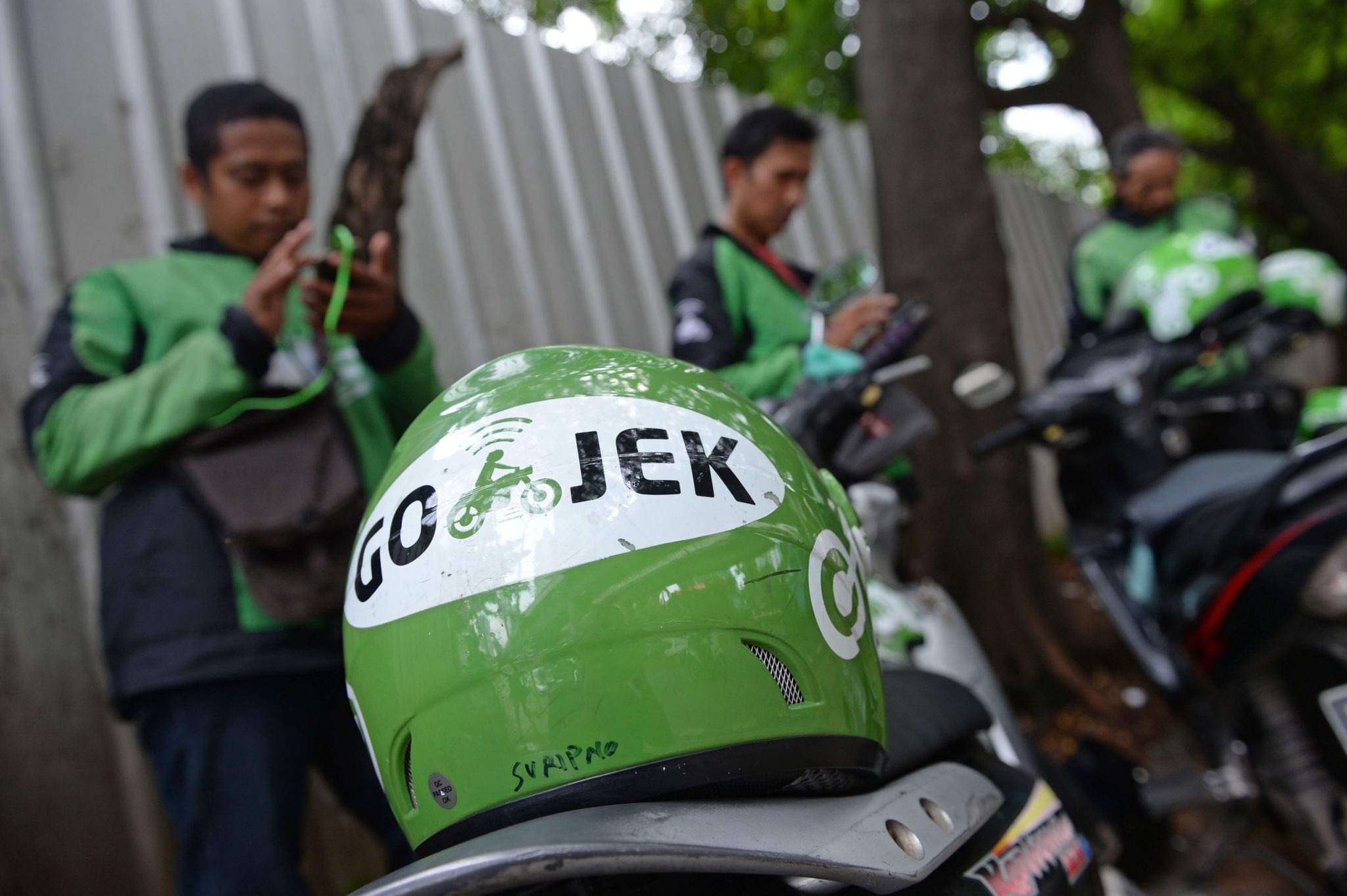
    Go-Jek, in partnership with Indonesia’s oil major Pertamina, has launched an on-demand fuel-delivery service. Called Go-Pertamina, it brings fuel to users from the nearest Pertamina gas station. The service is available in South and Central Jakarta from 8 a.m. to 8 p.m. daily. It does not serve orders on toll roads, basements, or other enclosed areas. Given that Go-Jek has a large network of drivers who need to top up their fuel regularly, they could become some of Go-Pertamina’s biggest users.

    Go-Pertamina is part of the Indonesian ride-hailer’s Go-Life app, which offers on-demand massages, cleaning, haircare, and more. Go-Jek also recently launched a daily deals marketplace.

    Go-Jek has been expanding regionally. It has launched in Thailand and Vietnam and is set to launch in Singapore within a month. Its expansion into the Philippines, however, has hit a regulatory snag.

    It has raised about US$2.1 billion from investors, even as Grab has claimed to have outpaced Go-Jek in Indonesia’s ride-hailing market.

  • Alibaba’s Jack Ma opens tech institute in Indonesia

    Alibaba’s Jack Ma opens tech institute in Indonesia

    Jack Ma, executive chairman of China’s Alibaba Group Holding, plans to open an institute to train thousands of tech entrepreneurs in Indonesia, where he is already an adviser to the government on e-commerce.

    Ma did not say when the Jack Ma Institute of Entrepreneurs would launch, but said the aim was to train 1,000 tech leaders a year over the next 10 years.

    “We’re giving a lot of opportunities for young Indonesian people to learn,” Ma said after meeting Indonesian ministers on the sidelines of the International Monetary Fund and World Bank meetings being hosted by Indonesia.

    The co-founder of Alibaba, China’s biggest e-commerce firm, said it is important for Indonesia to invest in human capital because “only when people improve, when people’s minds change, when people’s skills improve, then we can enter the digital period”.

    Indonesia has a shortage of trained engineers in technology and the institute will also train hundreds of developers and engineers on cloud computing to help make Indonesian businesses more digital-savvy.

    The country is a key market for Alibaba, whose cloud computing arm Alibaba Cloud launched a data center in Indonesia in March.

    Ma said his company would continue to invest “not only on e-commerce, but also cloud computing, logistics and…infrastructure” in Indonesia, while also helping local businesses to grow.

    Indonesian Communications Minister Rudiantara stated last month that Indonesia was partnering with Ma to look into ways to harness Alibaba’s businesses to increase its exports, particularly to China.

    McKinsey estimated in a report released on Aug. 30 that the value of Indonesia’s e-commerce market will surge to at least $55 billion (£42 billion) by 2022 from $8 billion in 2017.

    Last week, Ma told a panel discussion at the IMF and World Bank meetings that “the internet is designed for developing countries”, with “great opportunities in Africa” also.

  • Discounts and free gifts with the launch of MR DIY e-store on Shopee

    Discounts and free gifts with the launch of MR DIY e-store on Shopee

    Hardware and home improvement retailer Mr DIY has launched an e-store on Shopee. Mr DIY’s head of marketing Andy Chin said Shopee has grown tremendously in the past year, and is quickly becoming the online shopping destination of choice for shoppers in Malaysia and across the region.

    “We are excited to bring even more exciting deals and promotions for our launch and 10.10 Festival, and we are confident that it will be a great success.”

    Discounts and promotional gifts are being offered to mark the launch, which coincides with the first anniversary of the e-commerce platform.

  • Paytm Mall sees 3X jump in transactions during festive sale

    Paytm Mall sees 3X jump in transactions during festive sale

    E-commerce platform Paytm Mall said it has seen a three-fold jump in transactions during the first four days of its festive sale, driven by categories like mobile phones, laptops and groceries.

    According to a report: Paytm Mall claimed that its platform has already received 50 million visitors this month and the increased traffic has contributed to higher sale for the Alibaba and SoftBank-backed entity.

    “We have received an overwhelming response…with over 50 million visitors coming to the platform. Categories such as mobile phones, laptops, appliances, consumer electronics and groceries continue to be hugely popular among the buyers,” Srinivas Mothey, Vice President, Paytm Mall said.

    He added that the platform has witnessed over 30 percent increase in the gross merchandise value (GMV) during the first four days of the sale (October 9-12).

    “Interestingly, during this sale we have also seen a lot of buyers coming from tier II and III cities who are first time buyers…EMI and bank offers have helped in 3X growth in transactions during the sale period,” Mothey said.

    Paytm Mall said it has partnered with leading brands and will jointly invest upwards of Rs 250 crore in cashback, Paytm Gold and other offers during its festive sale.

    Paytm Mall’s larger rivals Flipkart and Amazon India have been exchanging warring words and both have claimed they are ahead of the other, helped by record-breaking sales across categories like smartphones, large appliances and apparel during their annual festive sale.

    According to RedSeer Consulting, e-commerce companies in India have achieved US$ 1.5 billion (Rs 11,085 crore) in the first 2.5 days of the festive sale — led by sale of 4.6 million units of smartphones (translating into US$ 800 million), large appliances (US$ 170 million) and fashion (US$ 120 million).

    It added that the industry is on track to reach the US$ 3 billion-mark — twice that of last year — by the end of the five-day festive period. Players like Flipkart, Amazon India, Paytm Mall and ShopClues have lined up attractive offers and discounts across categories to woo customers.

  • Amazon, Flipkart clock Rs 15,000 crore in just 5 days of festive sale

    Amazon, Flipkart clock Rs 15,000 crore in just 5 days of festive sale

    E-commerce companies in the country are estimated to have raked in sales worth Rs 15,000 crore in about five days of their festive sales with giants like Amazon India and Flipkart claiming stellar show across categories like smartphones, large appliances and fashion.

    RedSeer Consulting in its report said e-tailers had a better “sales performance over the five festive days from October 9-14”, generating about Rs 15,000 crore (around US$ 2 billion) in sales. This translates into about 64 per cent year-on-year growth compared to US$ 1.4 billion (around Rs 10,325 crore) generated in the 2017 edition.

    “The industry witnessed a higher growth this time compared to the last year. This was driven by multiple drivers, key being a larger shopper base from tier II (and beyond) cities. Affordability and loyalty schemes introduced by e-tailing players also played a huge role in converting the visitors into shoppers,” RedSeer said.

    Amazon India Senior Vice President and Country Head Amit Agarwal said their ‘Great Indian Festival’ sale in the first 36 hours alone nearly surpassed the numbers it registered during the same period last year.

    “The event exceeded our most aggressive plans across all the categories…more than 80 per cent of the new customers came from small towns, and we received orders from 99 percent of the serviceable pin-codes in the country in just four days,” he further said.

    He added that smartphone sales accounted for the largest portion in terms of value, while fashion was the biggest in terms of the units shipped.

    “Fashion was also the biggest category in terms of acquiring new customers with 63 percent orders coming from Tier II and III cities… We also saw 2 out of 3 customers using schemes like exchange, EMIs and bank offers,” he said.

    Interestingly, Amazon’s Hindi Website, which was launched recently, saw 2.4 times new customers coming and shopping on the platform as compared to a non-sales day.

    Arch rival Flipkart said its latest edition of the Big Billion Days sale has “smashed all the existing records to set new benchmarks for the entire Indian retail industry”.

    “Flipkart has recorded over 70 percent share of entire Indian e-commerce market in the 5 day-BBD’18 sale, matching scale with global marquee retail events…Gross merchandise value (GMV) grew 80 percent over the last year, whereas units grew by close to 2X year-on-year,” a Flipkart spokesperson said.

    Walmart-backed Flipkart claimed to be cornered 85 percent share in online fashion market and 75 percent share in large appliances category during the sale, while three-in-four smartphones bought between October 10-15 in India were on Flipkart.

    The spokesperson said there was almost 50 percent growth in number of new customers coming in, while one out of two shoppers used payment schemes like EMIs and bank offers.

    Flipkart pointed out that it saw close to 25 million people visiting its app on one of the sale days. This is the first mega shopping event being organised by Flipkart after Walmart acquired 77 percent stake in the company in a US$ 16 billion deal earlier this year.

    Paytm Mall, which is backed by investors like Alibaba and SoftBank, said over 12 million items were sold on its platform, led by categories like mobile phones, consumer electronics, fashion and groceries.

    It added that it had registered five times increase in transactions and sales compared to regular days with over 60 million visitors coming to the platform during the week-long sale. Also, over 2 lakh shopkeepers participated in the sale. ShopClues, which crossed the 1.5 million-order mark, said over 75 percent of its orders came in from tier III and IV towns, especially, from states like Karnataka, Kerala, Tamil Nadu, Assam, Gujarat, and Punjab.

    For Snapdeal, new buyers account for about 38 percent of all the orders placed during the sale so far. Paytm Mall kicked off its festive sale from October 9, while the others began a day later. While the first leg of the sale ended on these platforms on Sunday and Monday, more offers are expected to be rolled out as Diwali approaches.

  • New Product Debuts on Tmall to Reach 20million in 2018

    New Product Debuts on Tmall to Reach 20million in 2018

    Alibaba Group’s Tmall, China’s largest B2C marketplace for brands, has fast become the “go-to” platform for Chinese consumers who want access to new gadgets and products from around the world.

    In 2017, 12 million products debuted on Tmall, a number expected to exceed 20 million this year, as global brands respond to the array of innovation capabilities available to them.

    “Inspiring millions of Chinese consumers to pursue better lives, Tmall aims to help every brand speed up its product R&D, innovation process and time-to-market, reducing the risks faced by introducing a new product. This also allows more new categories and products to feature in Chinese consumers’ lives at a much faster pace,” said Tmall President Jet Jing.

    By marrying the platform’s valuable consumer insights with analytical and research capabilities, Tmall Innovation Centre (TMIC), the dedicated retail innovation arm of Tmall, is focused on improving the effectiveness and efficiencies around launching new products. TMIC has collaborated with 81 leading enterprises over the past year, covering 600 individual brands. The household names which have already benefited include P&G, Unilever, L’Oréal, Estee Lauder, Shiseido, Mars and Samsung.

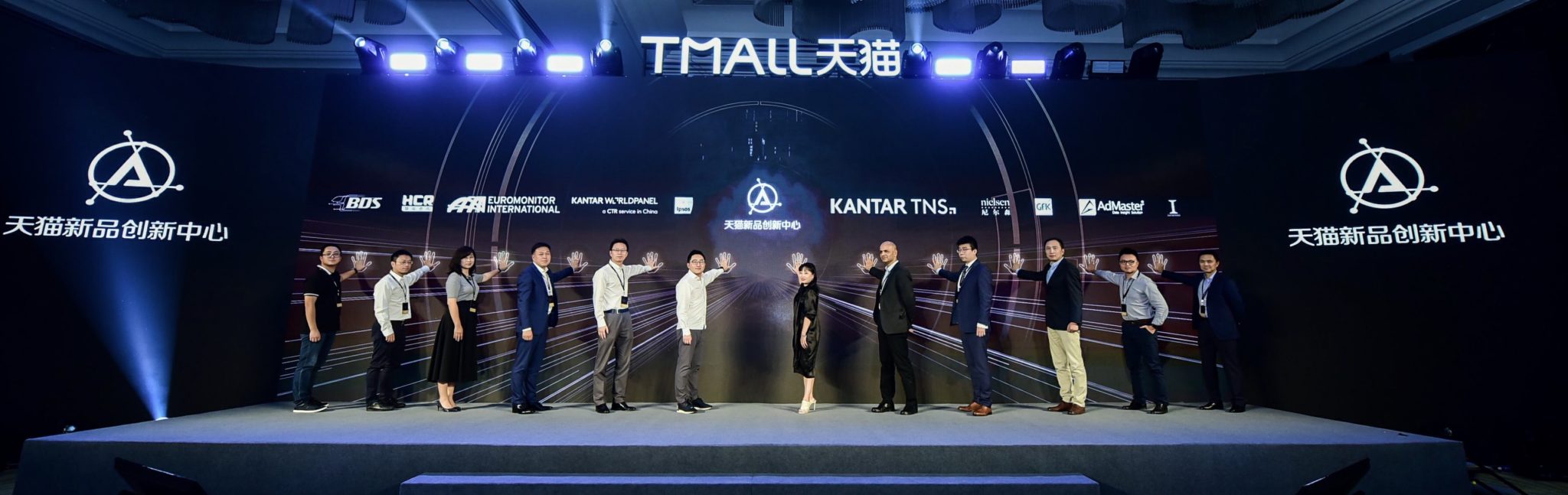
    TMIC has announced an alliance with 10 leading research and data technology firms to extend the capabilities of the ecosystem. Through this, TMIC is now joining with the industry to provide brands the necessary insights and analysis to supplement their research and development around new products, which will shape their China strategy. Partners include global market-research firms, The Nielsen Company, Ipsos, Kantar TNS, GFK and Euromonitor International, along with Kantar Worldpanel, which specializes in consumer panels and insight, and AdMaster, a Chinese marketing data technology company.

    This alliance pairs TMIC’s consumer reach and insights with the methodology and knowledge of its partners. Solid models will be built that cover the end-to-end process of product development, from R&D to precision marketing.

    Statistics from Alibaba have shown that brands working with TMIC have managed to cut the length of their product development cycle in half, at the same time mitigating the risks of misjudging consumer tastes and preferences.

    For example, with TMIC’s discovery of younger women’s preference for mouthwash products with flower and fruit flavors, Listerine, Johnson & Johnson’s oral care brand, will launch two mouthwash products in China during this year’s 11.11 Global Shopping Festival targeting women. Using the insights from TMIC, Listerine have only needed around five months to complete the “idea-to-shelf” journey.

  • Restructuring for Tencent as challenges rise

    Restructuring for Tencent as challenges rise

    Facing increased challenges from tighter government regulations, the Chinese internet giant, Tencent Holdings, announced last week its first restructuring in six years.

    The reshuffle comes as Tencent Holdings, which has seen a hefty fall in market value this year, is facing fresh criticism from analysts and investors unnerved by regulatory roadblocks, a fuzzy overseas strategy and growing debt.

    The gaming and social media firm is one of a number of Chinese internet companies whose prospects are in question after years of spectacular growth.

    The Shenzhen-based and Hong Kong-listed company said in Sunday’s statement that it will consolidate three content business groups to one unit and create a new group for cloud and smart industries.

    The move is seen at improving cloud-based data offering services for corporate clients, which rival Alibaba Group dominates in China, and boosting its content offering capabilities for a wide range of services such as WeChat, music, games and other entertainments.

    Tencent commented and said it will “further explore the integration of social, content and technology that is more suitable for future trends, and promote the upgrade from consumer internet to industrial internet.”

    The company said it will also set up a technology committee to help strengthen its research and development and promote collaboration and innovation.

    Founded in 1998, Tencent enjoyed uninterrupted growth from when it went public in 2004 until this year. Its shares surged more than 88 times after its IPO, and its market value hit a peak of US$578 billion in January this year.

    On Friday, Tencent shares in Hong Kong closed at HKUS$323.20, compared with HKUS$406 at the end of 2017.

    The company’s biggest money-maker is gaming. However, its most popular game this year is PlayerUnknown’s Battlegrounds Mobile (PUBG Mobile), and Chinese authorities have yet to approve the in-game purchases that allow Tencent to make money.

    Hit by China’s intensified crackdown on online gaming, Tencent has reported its first quarterly profit fall in nearly 13 years.

    The main business of Tencent is video games but the company also runs China’s dominant social network, WeChat, with more than 1 billion users.

  • Flipkart arm to invest Rs 991 cr for logistics hub in Bengal

    Flipkart arm to invest Rs 991 cr for logistics hub in Bengal

    Instakart Services, a part of the online e-commerce major Flipkart, is set to invest Rs 991 crore for setting up a logistics hub in West Bengal, a Minister said on Wednesday.

    “The company proposes to invest Rs 991 crore for setting up a logistic park at our Haringhata Industrial park which has road network advantage and is near the airport. According to the detailed project report, it will provide 18,310 jobs,” Finance, Commerce and Industries Minister Amit Mitra said.

    West Bengal Industrial Development Corporation (WBIDC), in its board meet on Wednesday approved in principle the company’s proposal, which will now go to the Cabinet standing committee for its nod, he said.

    The state government has about 358 acres of land at an industrial park, of which the company will be provided around 100 acres at Rs 63.49 lakh per acre, Mitra said adding that it will act an as anchor investor in the park.

  • Grab, Fave form strategic partnership to boost growth

    Grab, Fave form strategic partnership to boost growth

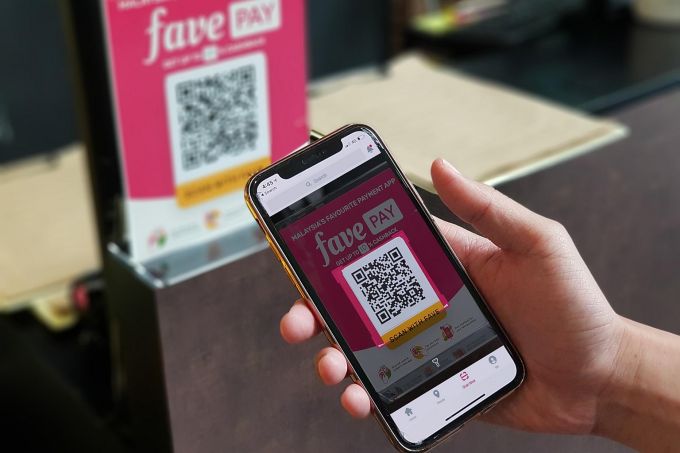
    Prominent O2O services Fave and Grab have announced a strategic partnership to accelerate growth for both platforms across the region.

    The partnership combines the strengths of Fave’s broad merchant network and FaveDeals platform with Grab’s large user base and growing ecosystem.

    Starting this week, Fave’s merchant sales team will onboard merchants for GrabFood and GrabPay in Singapore and Malaysia, aiming to further accelerate the growth of both firms’ respective food delivery and mobile wallet services in these countries. Later in October, Fave will expand its platform with GrabPay mobile wallet.

    Fave customers can already spend their GrabPay balance at restaurants and retailers in the Fave network and deals available on Fave. Users may spend their credits across multiple categories and receive discounts and cashback offers. As a result, Fave merchants will now be able to access Grab’s Asean-wide customer base of more than 110 million app downloads.

    The integration of the GrabPay wallet was done through GrabPlatform, a suite of APIs that enables partners to access components of Grab’s technology like logistics and payments. This is the first of its kind integration in a partner app for the Grab Platform.

    Grab Financial’s senior MD Reuben Lai said” “We’ve always believed that in order for the region to go cashless, we would need a collaborative approach and are happy we can now count Fave, one of the fastest growing O2O platform in Southeast Asia as a strategic partner. As the region’s leading fintech platform, we will increasingly offer integrations through GrabPlatform. This allows more local and global partners to tap into previously untapped consumers and grows the Grab ecosystem as an everyday app.”

    Founder of Fave Joel Neoh added: “This collaboration with Grab provides a valuable win-win situation for both merchants and consumers. By providing GrabPay wallet as a payment option on the Fave platform, our merchants will immediately benefit from additional customer traffic from the millions of people who use the Grab platform daily. For customers, we have just made life easier for paying at our Fave merchants by partnering with the leading mobile wallet in the region.”

    The two partners are exploring additional ways to collaborate and help small and medium-sized enterprises grow their business. Further collaborative efforts will be focused on integrating more services on both platforms.

  • E-commerce majors see strong growth in apparel, large appliances as festive sale kicks off

    E-commerce majors see strong growth in apparel, large appliances as festive sale kicks off

    E-commerce giants Flipkart and Amazon India have seen a strong start to their festive sale with categories like apparel and large appliances driving record transactions and new customers coming on board.

    According to a PTI report: These companies have put in months of preparation in ramping up selection, setting up warehouses and strengthening delivery network ahead of the festive sale to ensure a smooth shopping experience for customers, with demand being much higher than on non-festive days.

    Players like Flipkart, Amazon India and Paytm Mall kick-started their festive sale from October 10 that will continue for the next 5-6 days. More offers are expected to be rolled out over the next many days leading up to Diwali.

    “The scale of Big Billion Days (festive sale of Flipkart) has only grown with each passing year and this year too, we expect the trend to continue. While each category sees manifold growth, we expect smartphones, large appliances and apparel to be phenomenally big categories,” Kalyan Krishnamurthy, CEO, Flipkart said.

    He, however, declined to comment on the volume of business expected to be generated, saying “its early to speculate as the growth always end up surprising us”.

    Amit Agarwal, Senior Vice President and Country Head at Amazon India, said the first day of the Great Indian Festival 2018 has been the biggest day ever with record-breaking sales across categories.

    “We are off to a great start and have seen phenomenal numbers during early access and first day that is still on. Three out of four phones sold in the country were on our platform. We saw record sales in large appliances category like TVs, washing machines and refrigerators,” he said, adding that there has been 2.7X growth in number of new customers shopping on Amazon.in compared to previous year’s Diwali.

    Agarwal said Xiaomi, on its platform, sold more than a million devices in a day, while OnePlus has seen record bookings worth Rs 400 crore.

    “More customers bought fashion products than any other, as Amazon fashion saw its biggest day ever more than doubling its growth over last year,” he further said.

    About 20 million people are expected to shop on various e-commerce platforms during the festive sale, translating into sales of around US$ 3 billion for players like Amazon and Flipkart, according to a report by research firm RedSeer.

    The report states that the share of items like electronics and furniture during the sale could be higher this year due to various affordability initiatives being undertaken by the e-commerce players. Mobile phones currently account for a lion’s share of sales on the two leading e-commerce platforms.

  • Vietnam’s first car-hailing app FastGo heads overseas

    Vietnam’s first car-hailing app FastGo heads overseas

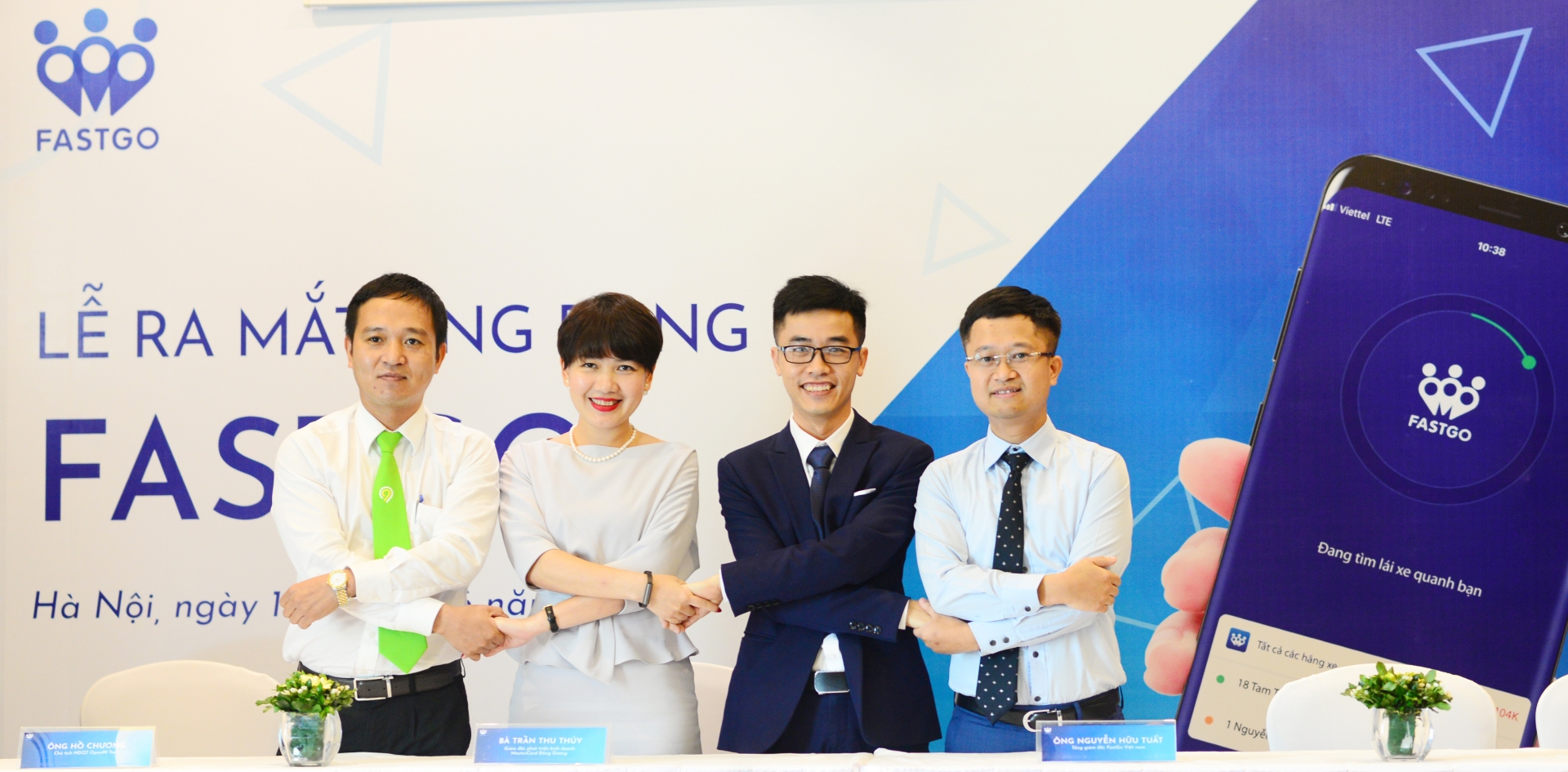
    FastGo, a Vietnamese ride-hailing app, plans to launch its service in Indonesia and Myanmar in December as it hopes to become one of the top companies in the field in Southeast Asia.

    This move abroad comes just five months after it launched in Vietnam, positioning itself as the company’s answer to Singapore-based Grab, the biggest player in Southeast Asia, and Indonesia’s Go-Jek, which launched its first overseas operation in Vietnam last month, GoViet.

    FastGo offers a private car and taxi service in Hanoi, Danang and Ho Chi Minh City. As of early October, it claimed to have reached 20% of the local market with some 30,000 drivers registered on its system. The app was developed by MPOS Vietnam Technology, a tech startup created by FastGo’s co-founder and chief executive Nguyen Huu Tuat. MPOS set up Vietnam’s first mobile payment solution in 2013 and has links with many local partners including banks and insurers.

    “Although the Southeast Asian ride-hailing sector is dominated by Grab and Go-Jek, FastGo has strategic partners, networks and relevant strategies for the Indonesia and Myanmar markets in place,” Tuat told in an interview on Thursday.

    Tuat said this background would allow FastGo to expand in both domestic and regional markets and balance the ride-hailing market. This is currently dominated by the two big names who are busy expanding their ecosystems. FastGo is aiming to reach 30% market share in Malaysia and Myanmar after six months, Tuat said.

    MPOS has some experience in the ride-hailing business, providing the technology and platforms used by two taxi companies — Mailinh in Vietnam and Blue Bird in Indonesia — since 2016.

    “FastGo is not a competitor of taxi companies but a partner. We provide technical solutions and the platform to both taxi companies and private car owners, while giving more options for consumers,” Tuat explained.

    FastGo does not collect commission from its drivers, but charges them 30,000 dong ($1.30) each if they earn more than 400,000 dong per day.

    FastGo is committed to keeping passenger tariffs unchanged, but suggests they offer tips (ranging from 10,000 dong to 100,000 dong) to drivers to help secure a ride during peak hours. FastGo’s target passengers are white-collar workers and young people who are willing to use credit cards or mobile payment, but it also accepts cash.

    Tuat said the company’s main revenue and profit would not come from ride-hailing but from planned services including deliveries and finance lending.

    Hanoi-based FastGo is a member of NextTech Group, formerly known as PeaceSoft, with sister companies pioneers in financial technologies, e-commerce, e-logistics and investment across Southeast Asia. The group operates in eight countries and serves more than 12 million customers and 40,000 enterprise partners.

    The 35-year-old founder of FastGo has more than 15 years’ experience working in the Vietnam technology industry and has co-founded three startups, including PeaceSoft. Tuat led these companies through fundraising rounds from investors such as data group IDG, Japanese tech company SoftBank, online retailer eBay, Malaysia-based MOL AccessPortal and U.K. fund ACTIS.

    NextTech is also behind one of Vietnam’s first e-marketplaces, ChoDienTu, e-payment platform NganLuong and mobile wallet Vimo. It is also involved with two cryptocurrency trading platforms.

    FastGo will focus on working with existing partners and clients in each of NextTech’s current markets.

    “Unlike Grab or Go-Jek, the two biggest players in the region which built ecosystems from their ride-hailing services, the FastGo app is a value-added service to NextTech’s existing ecosystem and we will optimize all the advantages of that system,” Tuat added.

    FastGo secured at least $3 million from the tech-focused venture arm of private equity group VinaCapital in its first round of fundraising in August. The company is hoping to raise $50 million in the next round — scheduled for the first quarter of 2019 — to help accelerate regional expansion. FastGo plans to raise funds every six months.

    It hopes to make its service available in 20 cities in Vietnam and five other Southeast Asian markets, including the Philippines, Cambodia and Thailand, by the end of next year.

  • Indonesia’s Go-Jek invests in online media startup

    Indonesia’s Go-Jek invests in online media startup

    Indonesian ride-hailing and online payment company Go-Jek has invested in digital media startup Kumparan as part of its expansion into online content, it said.

    Go-Jek, whose backers include Alphabet’s Google and China’s Tencent Holdings, has grown rapidly since launching eight years ago in Indonesia, a country with a population of more than 250 million people.

    The company already offers a wide range of app-based services outside ride-hailing, such as food delivery and movie tickets, as it competes with the other main ride-hailing app operating in Indonesia, Singapore-based Grab, which bought the Southeast Asian business of Uber this year.

    Go-Jek said the investment in Jakarta-based media startup Kumparan had been done through its recently launched venture capital arm Go-Ventures, but did not disclose the size of its funding.

    Kumparan is a hybrid news and social media platform that enables users to create content. “There will be a series of strategic collaborations that we are exploring with Kumparan in supporting Indonesia’s technological developments,” said Go-Jek’s corporate affairs chief Nila Marita.

    Go-Jek is betting heavily on becoming an online multimedia content provider for Indonesia and set up its own in-house studio in 2018 to produce original films, in partnership with local film production houses. The company plans to eventually launch a subscription-based original content service.

    “At present, we are still in the exploration phase of the concept related to the creation of creative content,” a spokesperson for Go-Jek said. “As a local company, Go-Jek will continue to support local content creators.”

  • Adidas Thailand Enjoys 40% Growth Online Thanks to DHL E-Commerce

    Adidas Thailand Enjoys 40% Growth Online Thanks to DHL E-Commerce

    DHL eCommerce, a division of the world’s leading logistics company Deustche Post DHL Group, has facilitated growth of over 40% for adidas Thailand’s retail revenue by enabling deliveries for the adidas.co.th site.

    The e-commerce channel launched in June 2015 and since co-operating with DHL in May 2017, Thai consumers are able to have their purchases delivered same-day or next-day within greater Bangkok and 2-3 days to other remote areas.

    adidas.co.th offers a wide range of adidas products including limited edition items which may not be available in the physical stores. Customers can browse online and shop for unique styles and sizes without having to hop from store to store. With 18 physical stores across Thailand, DHL eCommerce will begin to leverage adidas’ retail footprint for e-commerce fulfilment by picking up orders from adidas stores and delivering to customers by Q2 2019.

    Jirot Paowisit, adidas’ Senior Manager of Operations for Thailand said, “E-Commerce is making a true impact not only in the way we sell and deliver our products, but also in how we engage our consumers. We are pleased to make adidas products more easily and conveniently available and we are excited to work with a strong logistics partner like DHL. Besides the excellent delivery service to our customers, their solutions have enabled us to fulfil more orders a day by optimizing our operations for fast e-commerce fulfillment.”

    “E-Commerce is a growing channel for adidas and with Thailand’s increasing e-commerce adoption with the total share of e-commerce expected to more than double in the coming years, we are certain that there will be more adidas fans choosing to shop on our online store. We are pleased with DHL eCommerce’s high quality delivery performance which plays an important role in our e-commerce strategy.” said Suphalada Chalitpattanangkune, E-Commerce Manager for adidas Thailand.

    “Over 57% of shoppers will likely not shop with a retailer again if they had a bad delivery experience, showing how important the quality of delivery is for a retailer’s brand image and customer loyalty. We are proud to enable adidas to deliver quickly and conveniently to their consumers with a successful delivery performance of 99% consistently since we started shipping for them in 2017,” said Kiattichai Pitpreecha, Managing Director, Southeast Asia, DHL eCommerce.

    “With DHL’s fully-owned domestic delivery network with full nationwide coverage across Thailand, adidas fans from anywhere in Thailand will be able to shop online easily with the assurance of a great delivery experience.”