Category: E-Tailing

Retail News Asia is committed to providing both local and global retailers with the latest E-Commerce & Etail news throughout the Asian market. This on a daily base.

  • Foreigners Dominate the E-commerce market in Philippines

    Foreigners Dominate the E-commerce market in Philippines

    Local players in the Philippine e-marketplace reach more Filipinos in terms of social media activity. However, they struggle to establish a stronghold in terms of actual selling activity as international players are still the preferred choice for most Filipinos. It comes as a surprise that only a few international players dominate the country’s e-marketplace traffic activity.

    Based on Kuala Lumpur-based iPrice Group’s Map of eCommerce in the Philippines during the second quarter of 2018, there were more local active players.

    However, international players fueled market activity. In fact, the share of foreign players in the overall traffic accounted for 93 percent of the overall e-marketplace activity. Local players, on the other hand, only led in social media activity as they accounted for 75 percent of e-commerce activity from Facebook, Instagram and Twitter platforms.

    Foreign players

    There were only eight foreign players engaged in e-commerce traffic in the Philippines: Lazada, Shopee, Zalora, eBay, Sephora, Sophie Paris, My Sale and Melissa Philippines. Of these eight players, Lazada, Shopee, Zalora and eBay were the top four most visited e-marketplaces in the country. Of the four, Lazada had a dominant 68-percent market share, at least triple the size of its closest competitor, Shopee.

    This trend is unique to the Philippine market because in its regional counterparts Malaysia, Vietnam and Thailand, foreign players have less than half of the overall e-marketplace traffic activity with 45, 20 and 47 percent, respectively.

    For Indonesia and Singapore, local players Tokopedia and Qoo10 were the most visited e-marketplaces. The reason behind the dominance of international players in the Philippine e-marketplace was traced to the Filipinos’ online shopping preference that is mainly based on brand familiarity.

    In fact, according to a Kantar Worldpanel survey, 84 percent of Filipinos (out of 3,000 household surveyed) preferred to buy from established companies despite the alternatives available in the market.

    This specific Filipino consumer behavior affected the local e-commerce players as majority of them have just started operating in the e-marketplace.

    Another factor that influenced the dominance of international players in the Philippine e-marketplace was that majority of big local brick-and-mortar companies such as SM and Ayala malls were amplifying their online presence with e-marketplace partnerships with the more established players such as Lazada and Zalora instead of creating their own e-marketplaces.

    Meanwhile, the government’s project—road map of e-commerce—is mostly tied with international e-marketplaces wherein local brick-and-mortal companies and brands as well as MSMEs are encouraged to sell.

    More pressure

    While this will result in more customers and more jobs especially for MSMEs, it is putting pressure on the local players.

    The most visited local e-marketplace in the country is BeautyMNL, placing fifth overall with less than a million traffic. Meanwhile, Kimstore, a tech marketplace, placed ninth.

    The general e-marketplaces—Galleon, O Shopping and Takatack (which were previously in Q1 2018’s top e-commerce) all fell a notch, placing seventh, eighth and 11th, respectively.

    The only local e-commerce that accelerated in terms of ranking was Argomall as it jumped two notches to sixth in the overall e-commerce ranking.

    Interestingly, the majority of local players experienced inconsistency in traffic as there were occasions of leaps and slips. The e-marketplaces that saw increased traffic were Seek the Unique, Apartment 8 Clothing, Zeus, Straight Forward Clothing, Great Value Plus, Bayan Mall, TV Shop, Mall Hallo Hallo and CesaPH, which on the average rose in ranking by about seven notches.

    E-marketplaces that slipped in traffic were Adobomall, Watch Portal, Goods, Mommy Mundo, Bigmk, Abubot, which on the average declined in ranking by about eight notches.

    Despite the low market penetration and inconsistency in traffic of local players, the majority of local players found their market in social media.

    Overall, the local players dominated Instagram and Twitter as they attracted 70 and 51 percent, respectively, of the e-marketplace social media followers.

    Local marketplace

    The local fashion and beauty e-marketplaces: Apartment 8 Clothing, Sunnies Studios, BeautyMNL, Kimstore and CesaPH topped Instagram placing first, second, fifth, seventh and ninth, respectively.

    Meanwhile, social media activity for Facebook was taken over by international players as their share of social media followers in this platform accounted for 77 percent.

    Filipino consumers are among the most active on social media, spending an average of four hours a day.

    As such, Filipino consumers are highly exposed to brands leveraging their products in social media. Clearly, the popularity of social media is a huge opportunity marketplace for e-commerce and independent merchants alike.

  • Reckitt Benckiser partners up with Shopee to hold “Super Brand Day” event

    Reckitt Benckiser partners up with Shopee to hold “Super Brand Day” event

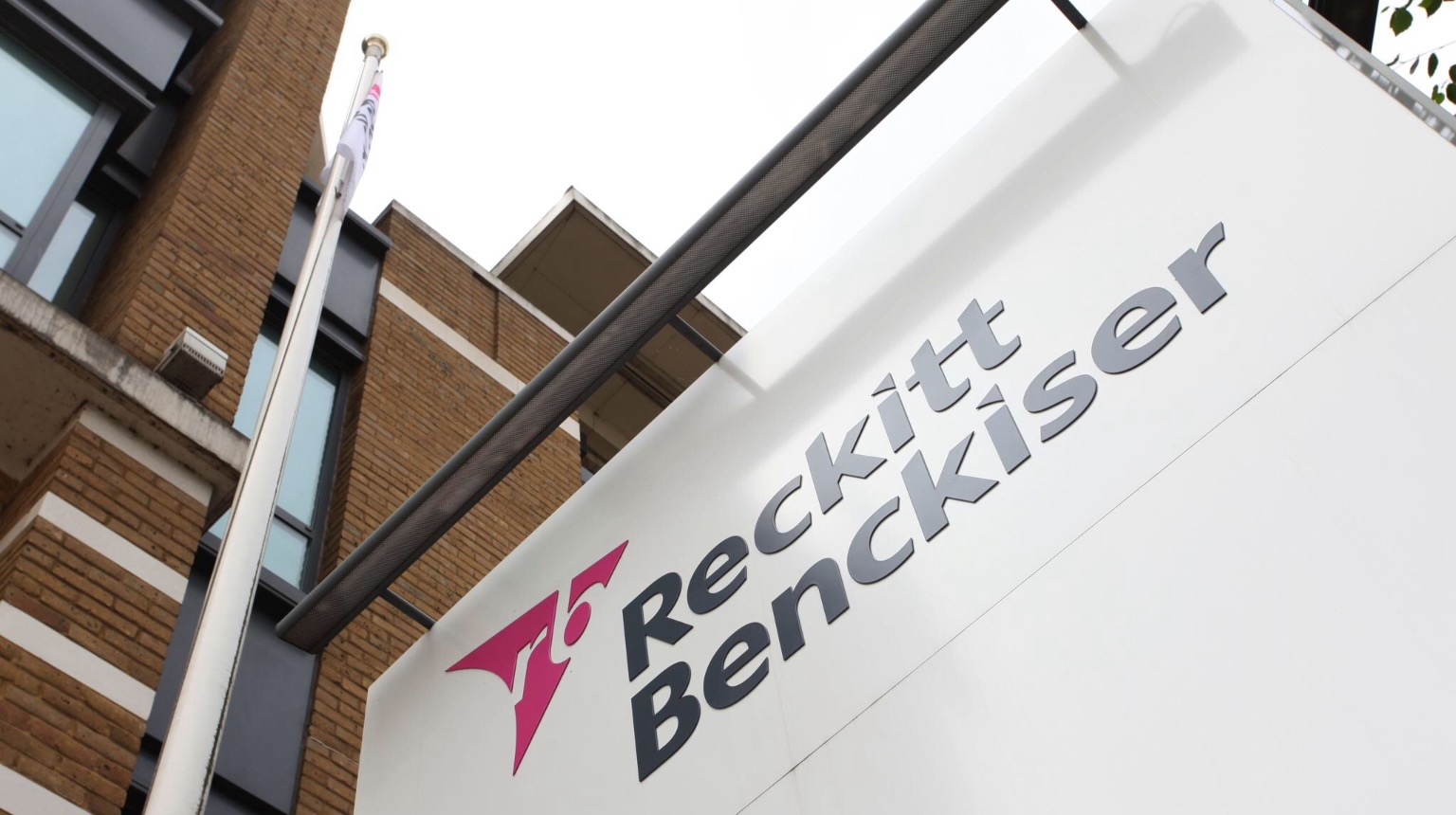
    Reckitt Benckiser and Shopee have joined hands organizing the ‘Super Brand Day’ event, offering up-to-70% discounts on products from 10 famous brands, including Enfagrow, Durex, Dettol, Veet, Scholl, Finish, Vanish, Airwick, Shieldtox, and Brasso. The promotion also includes 10% cashback and Apple iPad giveaway (worth 11,290THB) for the top spender. The campaign, which will be held under the concept “Healthier Lives, Happier Homes,” will be live from 3rd – 9th October 2018.

    Mr. Faraz Siddiqui, E-Commerce Director, Marketplace, of Reckitt Benckiser Healthcare Manufacturing (Thailand) Co., Ltd., stated that Reckitt Benckiser, the world’s leading manufacturer and distributor of consumer and health products, has partnered up with Shopee, the leading eCommerce marketplace in Southeast Asia and Taiwan, to introduce the campaign “Super Brand Day” which includes more than 10 leading brands such as Enfagrow, Durex, Dettol, Veet and Scholl listed online with up-to 70% discounts, 10% cashback, and a chance to win an Apple iPad as a biz price for the top spender. Moreover, the campaign includes getting free shipping for all orders to fit the lifestyle of new-generation online shoppers.

    Mr. Siwakorn Siriwongpanupong, Business Development Division Chief of Shopee (Thailand) Co. Ltd., said, “Shopee is delighted to be a partner of Reckitt Benckiser to launch the Super Brand Day campaign. This collaboration brings online shopping experience to a whole new level by transforming the whole Shopee application into Reckitt Benckiser’s theme for 24 hours on the 9th of October. Special promotions and deals will the available to users through Reckitt Benckiser official shops in Shopee Mall.We believe this partnership will truly enhance the online shopping experience for Thai shoppers.”

    Additionally, Reckitt Benckiser has teamed up with the leading e-commerce provider, N-SQUARED eCommerce Co. Ltd., led by Nuttapon Boonpinon, Managing Director, to ensure campaign success and deliver the greatest online shopping experience to customers.

    The Super Brand Day special campaign will be held under the concept of “Healthier Lives, Happier Homes” with discounts up to 70% as a special gift to online shoppers.

    The collaboration strengthens Shopee’s position as the leader of eCommerce marketplaces in Southeast Asia and Taiwan. Shopee’s user-friendly platform, which has amassed more than 23 million app downloads in Thailand, is trusted by consumers as a source of quality products with competitive prices. Numerous worldwide brands have listed their products on Shopee. Reckitt Benckiser’s Super Brand Day, which will be held this 3-9 October, is certainly a remarkable campaign that online shoppers must not miss.

  • Competition heats up in third-party merchandise, food delivery market

    Competition heats up in third-party merchandise, food delivery market

    With huge demand driving Vietnam’s merchandise, food delivery market, investors are keen on a piece of the action.

    After operating for a year in HCMC Lalamove, a logistics company headquartered in Hong-Kong specialising in same-day delivery and courier services, came to Hanoi Wednesday.

    A day earlier Grab had released its food delivery app, GrabFood, after a period of testing.

    The food delivery market looks extremely lucrative, and businesses want to cash in, industry insiders said.

    “By 2020 Vietnam will have over 50 million customers shopping online,” Phillippe Rambaud, head of Lalamove’s Hanoi market development division, said. “This will be a large market for on-demand delivery services.”

    Nguyen Duc Loi, CEO of Lalamove Vietnam, said the firm aims to have 10,000 contracted drivers on a permanent basis.

    Grab Vietnam CEO Jerry Lim claimed GrabFood’s growth has been very impressive, with the number of its contractors increasing eight-fold in just a month of testing in Hanoi.

    “GrabFood is the next major step for Grab in becoming a super-app which meets all the essential needs of people’s daily lives,” he said.

    “The way each individual service interconnects and complements each other allows us to build an ecosystem that delivers real benefits not only to our customers and drivers but also to our business partners and vendors,” Jerry Lim added.

    Go Viet has launched Go Send as a complementary service, but also aims to develop it into a super-app like Grab. It also plans to launch a food delivery service later this year.

    Last year Go Send delivered over 800,000 fashion products and handled 2.3 million food orders for 203,000 small-scale online vendors.

    But despite their major success in the online delivery market, the three entrants have to face the difficulties that come when competing with established incumbents popular in the market such as Delivery Now (Foody), and Vietnammm.

    Besides, many of their drivers are reluctant to make advance payments to vendors and take on the risk of wrong delivery and customers not accepting goods.

    Lalamove for instance has a policy of having drivers make advance payments for food/goods of up to VND3 million ($130.4) in HCMC and VND2 million ($86.95) in Hanoi.

    Many vendors still do not focus on delivery through third party applications as an important income stream.

    A representative of a milk tea chain in Hanoi told VnExpress that revenues still come mainly from direct sales and phone orders as well as the chain’s own digital app.

    Its response times are still much faster than using third party apps, he said.

    As more and more providers of delivery services emerge, he believed the most important factors vendors would look for are effective support systems and prices.

    The intense competition means consumers will benefit increasingly from the variety of choices and the discounts and improvements in service competitors constantly make to gain market share.

    Companies like Grab, Go Viet and Lalamove uniformly claim competition is good for the market, consumers and the businesses themselves.

    One of them said the Vietnamese market would see even more competitors in future.

    Analysts said this boom would soon spark a struggle between digital delivery platforms and traditional services just like the ongoing between Uber and Grab and traditional cabs.

    Do Xuan Quang, deputy head of Vietnam Logistics Business Association, said Vietnam was the fastest growing e-commerce market in Southeast Asia, and along with the strong growth of the logistics industry at 15-20 percent, a similar movement in the delivery market is not surprising.

    In 5-10 years, the delivery market in Vietnam will be valued at around $10 billion, he said.

    U.K.-based market research firm EuroMonitor International values the food delivery market in Vietnam at around $33 million this year and at more than $38 million in 2020.

    It also puts the annual growth rate of the market at 11 percent.

  • Kakao to spin off e-commerce unit for expansion

    Kakao to spin off e-commerce unit for expansion

    South Korean mobile messaging platform Kakao is spinning off its e-commerce unit for further expansion.

    The new organisation will be Kakao’s largest spin-off, worth about KRW510.3 billion (US$458.6 million) by December. It will take over the operation of the Kakao Gifts, Shopping, Kakao Style and Kakao Farmer services.

    Kakao has also made plans to acquire global e-commerce firms and has expressed being open to securing additional funds through its spin-off.

    A spokesperson for the company said: “We are indeed open to securing additional investments after the process is completed. But at the moment we do not have any specific plans.”

    Kakao’s e-commerce business is weak in comparison with industry leader Naver, achieving only one seventh of the sales of its competitor. Its messenger service, conversely, remains dominant in its market.

  • Amazon, Alibaba seek Vietnamese sellers

    Amazon, Alibaba seek Vietnamese sellers

    E-commerce giants Amazon and Alibaba are looking to sign up more Vietnamese sellers for their online marketplace.

    U.S.-owned Amazon last month collaborated with the Vietnam E-commerce Association (VECOM) to organize a workshop called Selling Globally on Amazon in Hanoi and Ho Chi Minh City.

    The events attracted over 2,000 people each.

    Since March Amazon has been partnering with VECOM to host a number of training courses and workshops for sellers.

    It has launched a website and an official Facebook fanpage in Vietnamese to connect with individuals and businesses who want to sell their products on its network.

    Park Joonmo, CEO of Amazon Global Selling Korea and Southeast Asia, said there is an increasing number of Vietnamese sellers on Amazon, including manufacturers, brand owners and startups.

    They have started selling globally through Amazon to reach millions of potential customers all over the world, he said in a statement.

    Around 200 Vietnamese businesses are selling on Amazon, according to the Ministry of Industry and Trade.

    Experts said this number could rise greatly since Vietnam is a major exporter of items such as agriculture produce, foods and furniture.

    China’s Alibaba has also been looking for Vietnamese sellers on its AliExpress website since July.

    AliExpress executive Yang Ninh said Vietnam is one of the most diverse manufacturers in the world, and its growth makes it an important destination for Alibaba.

    AliExpress wants to open the door for Vietnam to over 200 markets around the world, he added.

    Vietnam’s e-commerce market grew by 25 percent last year, according to VECOM, which forecasts this rate to continue until 2020.

  • JD.com e-commerce joint venture launches officially in Thailand

    JD.com e-commerce joint venture launches officially in Thailand

    The JD Thai JV with Central Group has been formally launched this week under the brand JD Central.

    “Our partnership with Central Group – a one-of-a-kind union between China’s biggest retailer and Thailand’s strongest retail player – will provide Thai customers with a truly world-class e-commerce experience and guarantee 100 per cent product authenticity,” said Vincent Yang, CEO at JD Central.

    The new online platform officially debuts today, September 28, and will further extend JD’s footprint in the Southeast Asia region, which already includes an established e-commerce platform in Indonesia and a strategic investment in Tiki, Vietnam’s leading B2C e-commerce business.

    Central Group, Thailand’s largest retail conglomerate, offers JD instant critical mass through customer loyalty program and brand recognition, as well as merchandise. The site has been in testing mode since June 18, offering both direct sales and marketplace models. Pre-launch sales were described as having “exceeded expectations”.

    The JD Thai JV site includes categories for electronics, digital products, fashion, home appliances, books and music through to groceries, cosmetics, toiletries, beverages and processed foods.

    During the pre-launch phase, about 80 per cent of shopper accessed the site via phones, with FMCG products, mobile phones and fashion the most popular items purchased. Products from Chinese companies have proved especially popular, with leading brands including Xiaomi, Huawei, OnePlus and Lenovo.

    Yang said the JD Thai JV will “transform the local market and unlock the boundless consumer potential of the nation’s large population, with the ultimate goal of becoming the most trusted brand in Thailand”.

  • Alibaba invests in clothes sharing platform Ycloset

    Alibaba invests in clothes sharing platform Ycloset

    Alibaba has invested an undisclosed figure in Chinese garment-sharing platform YCloset.

    The site’s strategic fundraising round that secured the Alibaba funding will be used to expand its data analysis functions and physical operations centres.

    The Beijing-based service allows users to rent clothes and accessories for a monthly subscription fee. It has more than 15 million registered users and provides a range of subscription plans and options to purchase garments.

    YCloset CEO Liu Mengyuan said wearing fashionable clothes will “always top the agenda of almost every woman”.

    “Compared with buying items in a store, clothes rental services will allow women to update their looks more frequently and wear more dresses that they could not afford to buy.”

    He added that the company will cooperate with a number of e-commerce platforms including Xianyu, Taobao, Tmall and Alipay.

    Alibaba Innovation Ventures was among the investors who raised $50 million for YCloset last year in a series C fundraising round.

  • Tmall and L’Oréal China strengthen partnership

    Tmall and L’Oréal China strengthen partnership

    Alibaba Group’s Tmall, and L’Oréal China said today they’ll work closely together to find new ways for the beauty group to tap into the Chinese market, leveraging data-driven consumer analytics and a new value chain that better connects consumers, products and channels.

    Tmall Innovation Center (TMIC), the retail innovation arm of Tmall, will work closely with L’Oréal China to catalyze the consumer-to-business (C2B) approach, based on insights and trends generated from the 600 million-plus customer base across Alibaba’s marketplaces.

    The partnership’s first initiative will focus on China’s male-grooming industry. According to a white paper co-developed by TMIC and L’Oréal China Consumer Intelligence Team, online sales of men’s grooming products have increased by more than 50% in each of the past two years. In the past year, 62% of the male consumer pool between the ages of 15 and 50 said they used male-specific facial skincare products, showing a massive addressable market for male grooming products.

    “With Tmall’s unparalleled customer insight, we are committed to helping L’Oréal China offer its customers best-in-class personalized product experiences. Tmall has transformed product development in every area, from product innovation and brand building to consumer assets and channel management. We help brands discover new demand and markets as well as offer completely new customer experiences,” said Jet Jing, President of Tmall.

  • DHL eCommerce launches Cash on Delivery for cross border e-commerce

    DHL eCommerce launches Cash on Delivery for cross border e-commerce

    Cash is still king in Southeast Asia, with over 73% of the population still unbanked and inaccessible to e-commerce retailers since they do not have access to credit cards or internet banking services. DHL eCommerce, a division of Deutsche Post DHL Group, today launched its Cross Border Cash-on-Delivery (COD) service to allow consumers to pay for their international purchases in cash and only upon delivery.

    COD is available as a value-added service of the DHL Parcel International Direct product, specifically for sellers based in China and Australia delivering to consumers in Malaysia, Thailand and Vietnam. Collected cash will be remitted to a local bank account at destination (Malaysia, Thailand or Vietnam) or in the billing country (China or Australia) based on the local destination currency. Remittance will be made to sellers every fortnight and tracking visibility of the status of COD is available on the DHL portal.

    “Despite growing credit card adoption in Southeast Asia, the low level of credit card penetration has forced e-commerce retailers to offer alternative modes of payment methods such as cash on delivery, digital payments and in some cases paying in-store. This opens up a huge potential by reaching out to a new group of unbanked consumers and also meeting the needs of consumers who prefer to pay in cash.” said Charles Brewer, CEO, DHL eCommerce.

    “China and Australia are huge e-commerce export markets and our DHL Parcel International Direct product provides a direct entry into high demand markets with excellent transit times of 3-5 business days with economical shipping prices. With our fully-owned domestic delivery network in Malaysia, Thailand and Vietnam, we are able to deliver on-time with secure features like cash-on-delivery.” added Brewer.

    To enable sellers in China and Australia to tap on the cross-border e-commerce opportunity, DHL eCommerce enables economical international shipping with a range of e-commerce features. This includes parcel pick-up service; easy IT integration of the seller’s inventory into the DHL shipping process, end-to-end tracking, dynamic routing and distribution, returns management, etc.

    DHL eCommerce is part of Deutsche Post DHL Group, established in 2014 as part of the Group’s growing focus in e-commerce logistics solutions. Along with its sister divisions DHL Express, DHL Supply Chain and DHL Global Forwarding, the Group offers end-to-end solutions for e-commerce retailers.

  • ASUS Handpicks SmartOSC for Its Ecommerce Push in Singapore

    ASUS Handpicks SmartOSC for Its Ecommerce Push in Singapore

    ASUS, one of Fortune magazine’s World’s Most Admired Companies, that is dedicated to creating products for today and tomorrow’s smart life, has appointed SmartOSC to be its ecommerce partner, following a competitive pitch in April. The event marked an important milestone in ASUS strategy to differentiate and enhance its offering for the Singapore market.

    Emma Ou, Country Manager of ASUS Singapore shared: “The current ASUS’s website is the best place to explore our wide range of products. Adding the ecommerce site will deliver a more convenient and immediate shopping solution in addition to all our brick and mortar stores at our brand stores and authorised retailers. Hosting our own ecommerce site is also align with our ongoing effort in providing our customers a seamless O2O shopping experience and an attractive rewards programme. Throughout the entire pitching process, SmartOSC demonstrated a holistic view of our requirement and passion for our brands. We get great ideas and constant feedbacks from their team for realizing our vision”.

    According to research firm Statistica’s report on Singaporean consumer ecommerce market, electronics & media is currently one of the leading ecommerce verticals accounted for 26% of total revenue. With user penetration is at 68% in 2018 and is expected to hit 72% in 2022, ecommerce is a captivating opportunity for any brands and retailers. Moreover, the research firm also reports that Asia contributed for almost 80% of all B2B e-commerce volume worldwide in 2017 and Southeast Asia is proving itself to be an attractive B2B procurement market in the region.

    SmartOSC will work closely with ASUS team to provide consulting, user-centric experience design, technical implementation and integration services. After launch, the website will be the one-stop shopping destination for both B2B and B2C customers. Customers will be able to order a wide range of product available across ASUS distribution network, and there will be options build customized gaming hardwares from its famous Republic of Gamers (ROG) product line.

    “ASUS is exactly the kind of ambitious partner SmartOSC is excited to work with. It gives us the opportunity to think out of the box and work on a project that goes beyond conventional requirements. We are confident that our ecommerce expertise and technical capability will make us a genuinely valued partner to ASUS.” Thai Son, CEO of SmartOSC, said.


  • SSENSE Launches Chinese Online Store

    SSENSE Launches Chinese Online Store

    Canada’s Ssense has developed a Chinese language version of its online store as it seeks to boost sales in greater China.

    Described as a “personalised shopping experience” the site is in simplified Chinese and includes product descriptions and customer care services directly targeting customers in China.

    Mandarin-speaking customer care representatives will be available at certain times of the day to assist shoppers, and taxes or duties applicable to Chinese customers will be included on the price list.

    Chinese is the fourth language to be used on the Ssense platform.

  • Experts fear foreign rivals too strong for Vietnam ride-hailing firms

    Experts fear foreign rivals too strong for Vietnam ride-hailing firms

    Vietnamese ride-hailing services are struggling to compete with foreign firms Grab and Go-Viet due to a lack of resources.

    FastGo last month claimed to have 15,000 taxi and motorbike partner drivers in Hanoi and Ho Chi Minh City, but they are not a common sight on the streets unlike the ubiquitous red and green uniforms of Go-Viet and Grab drivers.

    VATO, which received funding of $100 million from local transportation firm Phuong Trang, is also having trouble expanding after launching in May, its CEO Tran Thanh Nam admitted to the media.

    Another competitor, Aber, run by a group of young Vietnamese based in Europe, had said August 10 it would “temporarily cease app operations for an upgrade.” It has not made a return so far.

    Bui Danh Lien, former chairman of the Hanoi Transport Association, said operators need to give drivers a steady income to keep them and at the same time offer customers plenty of discounts and cheap fares, and “this is a tough challenge.”

    Economist Do Hoa told local media that the ride-hailing market is “a race to spend money”, and those without deep pockets won’t be able to compete.

    Grab and Go-Viet are willing to charge their customers as low as VND1,000 (4.3 cents) for a ride, he pointed out.

    “Vietnamese ride services are not financially capable of sustaining such losses like the foreign companies.”

    Even major players like Grab and Uber report big losses in Vietnam. According to the General Department of Taxation, Grab, with a total registered capital of only VND20 billion ($881,000), has incurred losses of nearly VND1 trillion ($43.48 million) during its three years in Vietnam.

    But this cash burn strategy is how Grab and Uber are eating up traditional taxi firms’ market share. In 2014-15 they launched promotion after promotion, including free rides and discounts, to attract customers. They expanded their driver networks by offering subsidies and big rewards based on performance.

    Other options

    Though the lack of funding is a weakness of local ride-hailing firms, there are other ways for them to grow, Dr Nguyen Duc Thanh, head of the Vietnam Institute for Economic and Policy Research said.

    “Since the lack of resources is a disadvantage for Vietnamese ride-hailing apps, they should not enter the cash burn race.”

    Going head-to-head with bigger rivals is not the right strategy to follow, he said.

    “They can enter niche markets like delivery, car rentals and long-distance ride services. Instead of trying to divide market share in the beginning, newcomers should think of a long-term strategy to build a solid foundation.”

    Nguyen Manh Hung, former chairman of the Vietnam Automobile Transport Association, was quoted by Tuoi Tre newspaper as saying local firms are unable to compete with Grab and Go-Viet because they are divided.

    If they join hands they could compete, he said.

    Go-Viet, the Vietnamese operation of Indonesia’s Go-Jek, came early last month seeking a share of the market that Grab has been dominating after the departure of Uber.

    Go-Jek founder and chief executive Nadiem Makarim said Go-Viet has grabbed a 35 percent share of the motorbike ride-hailing market in HCMC within six weeks of its launch on August 1.

  • Thailand Magento ecosystem in the making: Presenting Meet Magento Asia 2018

    Thailand Magento ecosystem in the making: Presenting Meet Magento Asia 2018

    E-commerce in Southeast Asia is making great strides to innovate with more technologies available and better infrastructure being put into place. Merchants, e-commerce technologists, marketing and technology agencies, and logistics companies are all part of the e-commerce ecosystem, but until recently there was no central platform or event designed to bring them together to exchange insights and value across industries. Fortunately, there’s an event to assemble the e-commerce community to collaborate and innovate. Meet Magento, with over 40 events a year and previously been held in over 24 countries, is the premier global conference for e-commerce professionals around the world.

    The first regional e-commerce event will be held in Bangkok on November 8th, 2018. This will be the event’s first opening in Asia, organised by SmartOSC, A Leading Ecommerce Solution Provider in Asia. According to research firm Statistica’s report, Thailand is one of the most important contributor to the growth of e-commerce in the region, with total revenue amounts to US$3,648m in 2018. The market is expected to show an annual growth rate of 13.3%, resulting in a market volume of over 6 billion US dollar by 2022. This is a huge opportunity for Thai business to grow their online presence. However, at the same time it is a threat as the market will be highly competitive with interest from international online retailers and marketplaces.

    This year’s Meet Magento Asia will cover a wide range of topics from omnichannel strategy, B2B online commerce, optimization strategy, payment, and many more. Online shopping has permeated modern culture. With e-commerce becoming an integral part of everyone’s daily lives, much of this year’s event will focus oncustomer experience, highlighting new technologies and marketing methods, best practices, optimizing customer engagement and lifetime value.

    The conference introduced business and technical tracks focused on the needs of the different attendees. Attendees will benefit from Meet Magento’s networking opportunity as well, which connects e-commerce professionals across industries and helps them promote their businesses and expand network. We are expected to welcome speakers from Oglivy, Asus and leading Indonesian retailer Kanmo Group along with top experts from Magento and Adobe. From cutting-edge technology talks, industry leader presentations, and networking, Meet Magento Asia has it all.

    This year, Meet Magento Asia goes further than ever before with its strategic partnerships to build high value for attendees and customers alike, including Magento technology partners Emarsys, InSync and Rackspace. The conference will bring the best and the latest to the field, making it a flagship event for online and offline retailers in both B2C and B2B commerce. Attendees can expect to find hundreds of prospective clients, industry experts and solution vendors.

    With the spirit of a community event, Meet Magento Asia organizer is opening the opportunity for everyone to share their expertise and experience. By engaging developers and merchants, the event will be able to gather a unique community which few ecosystems can parallel in terms of value. If you are interested in learning more Meet Magento Asia, please visit asia.meet-magento.com.

  • Singapore fines Grab, Uber combined S$13m, moves to open up ride-hailing market

    Singapore fines Grab, Uber combined S$13m, moves to open up ride-hailing market

    Singapore slapped ride-hailing firms Grab and Uber with fines and finalised restrictions to open up the market to competitors after concluding that their merger in March has driven up prices.

    Uber Technologies Inc sold its Southeast Asian business to bigger regional rival Grab in March in exchange for a 27.5% stake in the Singapore-based firm.

    While the combined S$13 million (RM39.4 million) fine was small compared with the firms’ multi-billion dollar valuations, that and the other measures imposed by the Competition and Consumer Commission of Singapore today represent the strongest censure by a regulator since the deal was unveiled.

    The anti-trust watchdog said it would require that Grab drivers not be tied to Grab exclusively and that Grab’s exclusivity arrangements with any taxi fleets be removed.

    Uber will also be required to sell its car rental business to any rival that makes a reasonable offer and will not be allowed to sell those vehicles to Grab without the watchdog’s permission. The car rental business, Lion City, had a fleet of some 14,000 vehicles as of December.

    Fining Uber S$6.6 million and Grab S$6.4 million, the regulator said effective fares on Grab rose 10-15% after the deal, and that the firm now holds a Singapore market share of around 80%.

    Uber said it believed the decision was based on an “inappropriately narrow definition of the market” and would consider appealing.

    Grab said it completed the deal within its legal rights, and did not intentionally or negligently breach competition laws. It would abide by remedies set out by the regulator, it added.

    Indonesia’s Go-Jek, which plans to launch services in Singapore, said it welcomed the regulator’s steps. “We’re encouraged to see the measures being taken to level the playing field. “It will have a significant effect on our strategy and timeline.”

    Other new entrants to the market include Singapore-based Ryde.

    Grab said it had not raised fares since the deal and argued that all transport firms, including taxi operators, should be subjected to non-exclusivity curbs.

    Grab has also been told to maintain its premerger pricing algorithm and driver commission rates, which the regulator said would protects riders against excessive price surges, and drivers against increases in commissions that they pay to Grab.

    The watchdog said it would suspend the measures on an interim basis if a Grab rival was able to garner over 30% of total rides in the ride-hailing services market in a month. It would remove the measures if a rival attained 30% or more of total rides matched in the market for six consecutive months.

    Rival services include third-party apps for calling cabs and private vehicles as well as taxi-booking services such as those provided by taxi operator ComfortDelGro Corp Ltd.

    Uber and Grab have a month to appeal the Singapore regulator’s decision.

    The deal remains under anti-trust review in Vietnam, which has warned that it could be blocked if the firms’ combined market share in Vietnam exceeds 50%.

    Jerry Lim, Grab’s country head in Vietnam, said he believed the local regulator will consider the market’s unique competitive dynamics and regulatory landscape in its investigation.

    In the Philippines, where the deal has been approved, the competition watchdog has said it is monitoring Grab’s compliance with conditions intended to improve the quality of service, with any breaches possibly resulting in fines.

  • Alibaba invests in China’s YCloset

    Alibaba invests in China’s YCloset

    Chinese e-commerce giant Alibaba Group has invested for a second time in fashion rental platform YCloset, injecting an undisclosed sum.

    The Beijing-based YCloset is set to use to funds plans to expand its current team, upgrade the recommended algorithm system and continue to build its warehouse and cleaning operation centre.

    The start-up will also cooperate with Alibaba’s used goods platform and social media outlet Xian Yu.

    This is the second time Alibaba has closed on an investment round in YCloset. The first, back in September 2017, saw Alibaba join fellow investors SB China Capital and Sequoia Capital to complete a $50 million series C round in the start-up.

    Founded in 2015, YCloset charges users a monthly subscription fees (RMB499 or US$72.3) to rent clothes and accessories, and stocks hundreds of fashion and luxury brands such as Kenzo, Acne Studios and Self-Portrait.

    It claims to have more than 15 million registered users across 40 cities in China including Beijing, Shanghai, Guangzhou and Shenzhen.

    The news follows Alibaba’s ceding control of its Russian business to form a new venture with a state fund and two technology firms, and news that chairman Jack Ma plans retire in September 2019.

    Alibaba’s revenue rose 61% to 80.9 billion yuan ($11.77 billion) in the April-June period.